Hong Kong
(2017)
Stopover in the Megacity: Two Days in Hong Kong
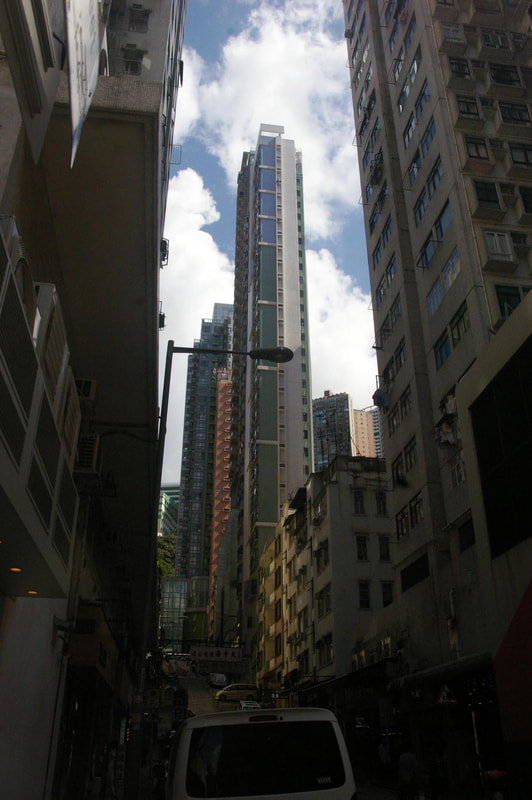
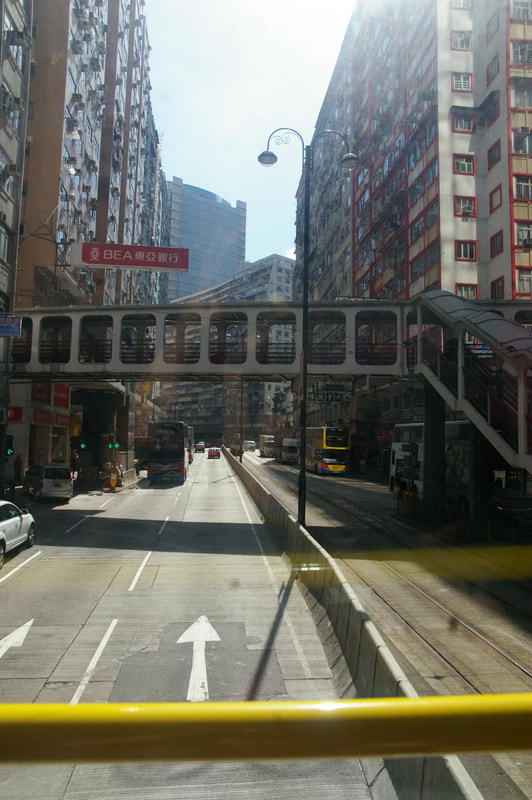
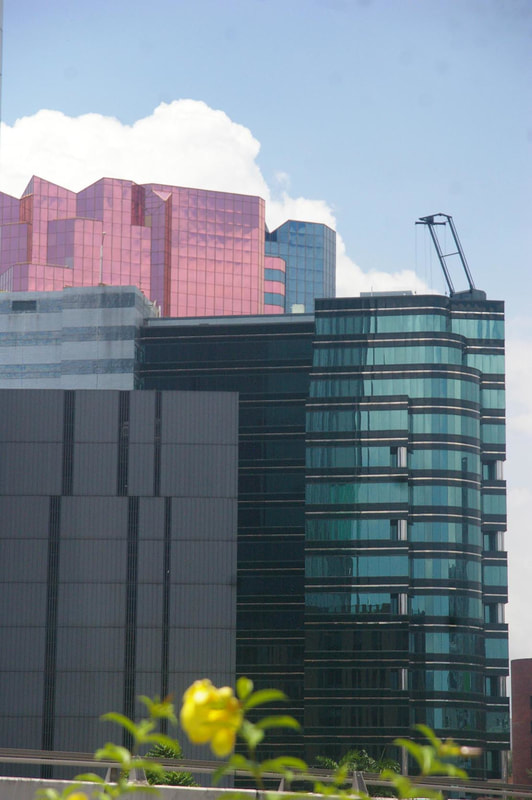
A new year, a new continent, and a completely different adventure. In 2017, my 12-year-old son Felipe and I packed our bags and set off on an incredible journey toward Vietnam. But before diving into the tropical landscapes of Southeast Asia, we decided to break up the long journey with an action-packed, two-day stopover in Hong Kong. For a twelve-year-old boy, this neon-lit metropolis is the ultimate playground, and sharing this experience as a mother and son made it even more special. As soon as we left the airport, the sheer scale of the city hit us—towering skyscrapers reaching into the clouds, iconic double-decker buses weaving through rushing crowds, and the constant hum of a global hub that never sleeps. We only had forty-eight hours, but we were determined to make every single second count.
The Legend of the Red Dragon
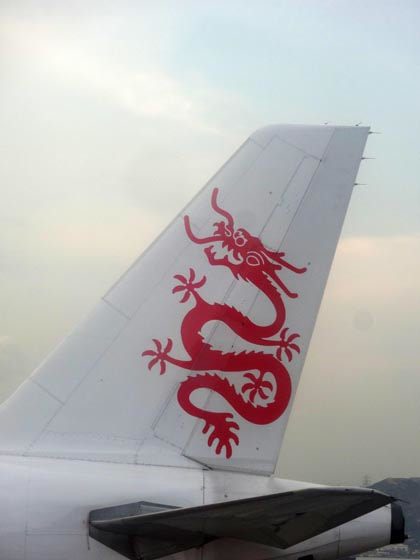
Right after walking through the massive glass fronts of Hong Kong International Airport, Felipe immediately locked his eyes onto the tarmac and found his absolute favorite airplane. Standing in long rows at the gates were the beautiful aircraft of Cathay Dragon, historically known to aviation fans as Dragonair. Back during our visit in 2017, this iconic regional carrier dominated the runways of the hub, connecting Hong Kong to destinations all over Asia. Sadly, this beautiful dragon design has since become a piece of aviation history, as the airline was officially dissolved in late 2020, making our photographs a wonderful, nostalgic memory of a classic sky legend.

Riding the Living History: The Colorful "Ding Ding" Trams
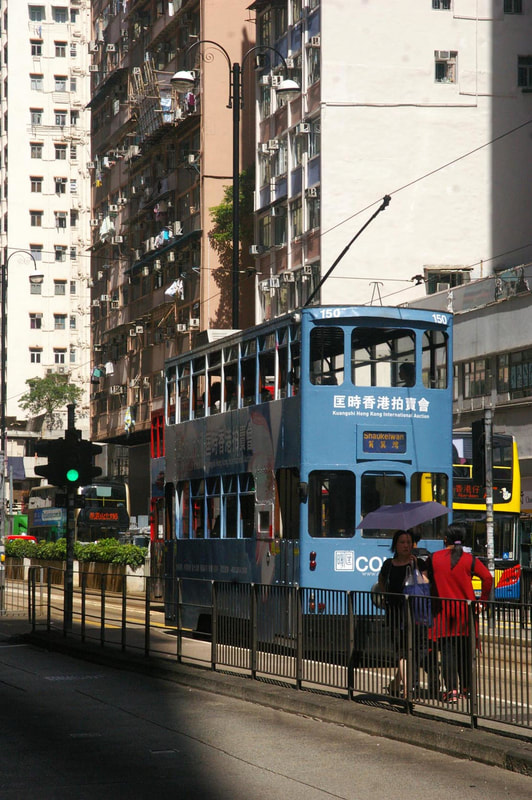
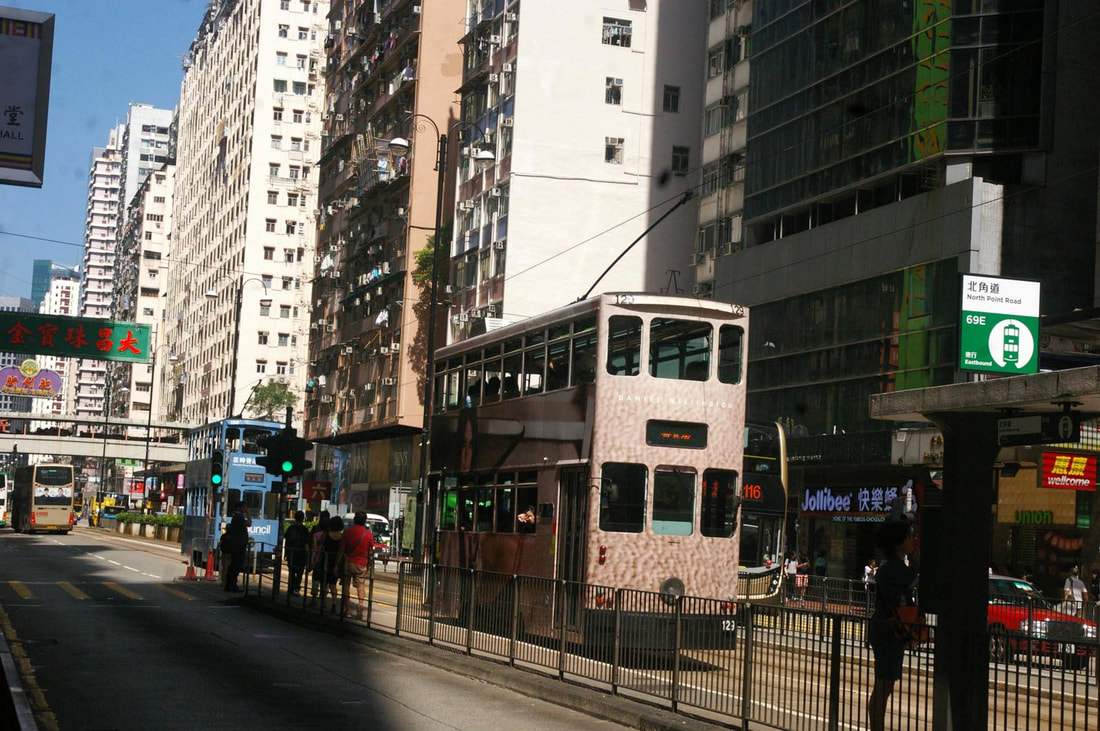
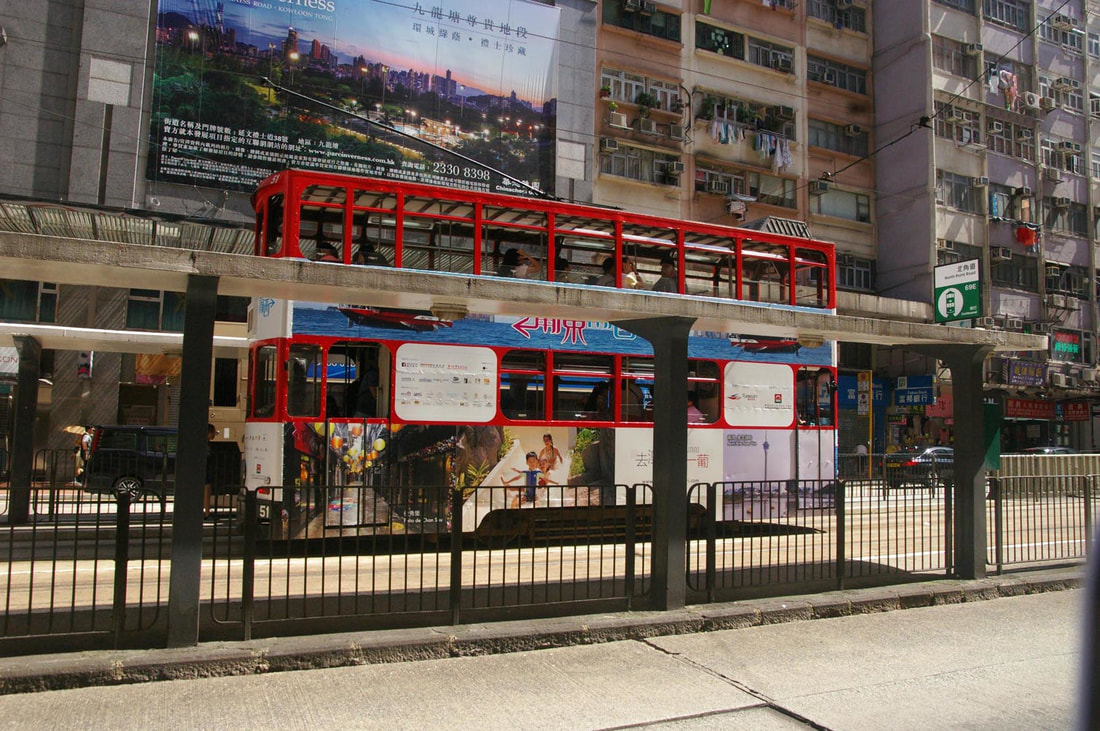
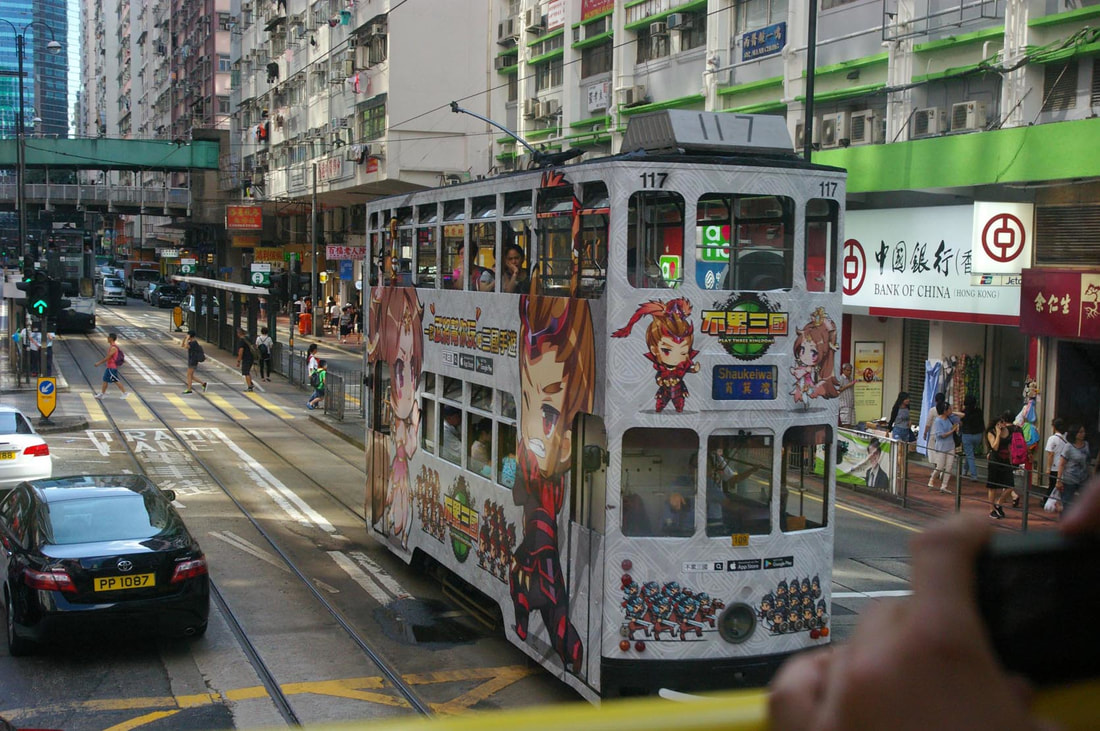
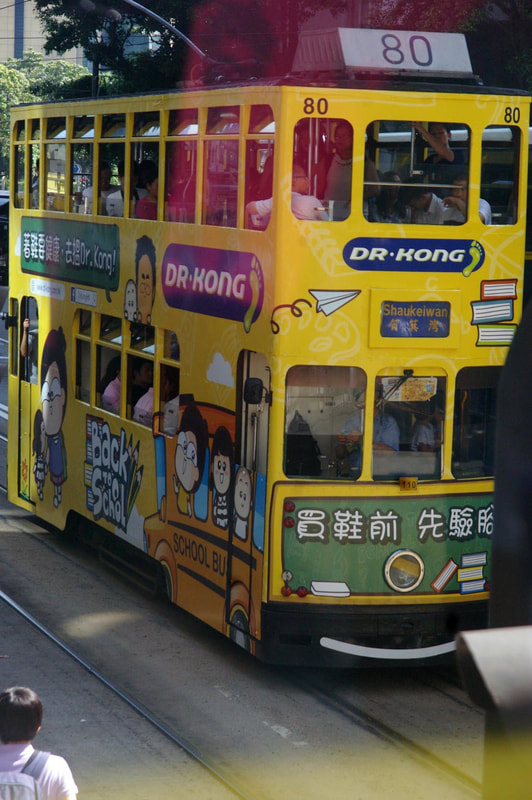
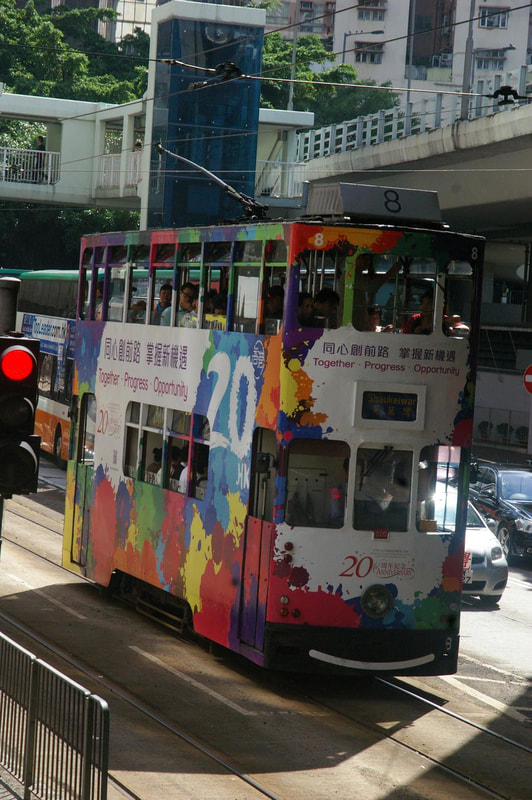
Stepping out of the transit stations and onto the bustling streets of Hong Kong Island, Felipe and I instantly fell in love with the city's most charming mode of public transportation: the iconic double-decker trams. Operating continuously since 1904, this historic network is the only fully double-decker tram system in the entire world, affectionately nicknamed the "Ding Ding" by locals due to the nostalgic, double-clanging bell used by drivers to clear the tracks ahead. Traveling to our hotel using these vintage vehicles was a mesmerizing experience. What caught our attention right away were the spectacular, artistic designs wrapped around the exterior of almost every tramcar. Transformed into giant, moving vertical canvases painted in bold, vivid modern graphics, brilliant advertisement art, and rich pop-cultural illustrations, these rolling masterpieces weave a constant, bright splash of color through the narrow, high-rise canyons of the metropolis.
Monuments of Mind and Myth: Art Along the City Streets
Exploring Hong Kong on foot, Felipe and I quickly realized that the city’s vibrant culture is fully alive right on the bustling streets and in the quiet public parks. As we navigated the urban maze from Hong Kong Island over to the Kowloon peninsula, we discovered two deeply fascinating sculptures, each telling a unique story of local history and human emotion.
The Protector of Wan Chai: The Golden Dragon Sculpture
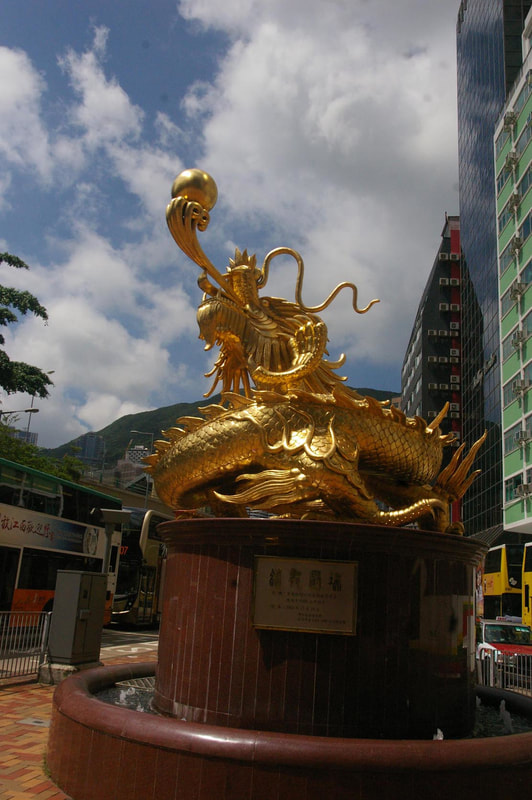
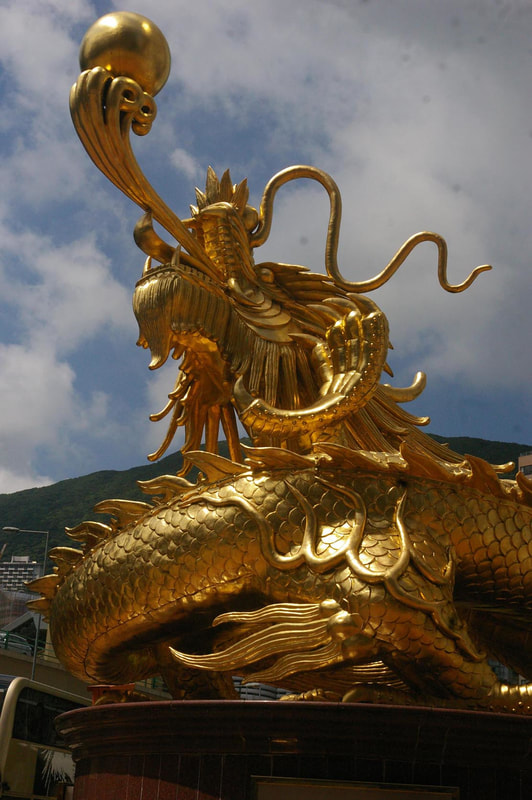
While walking along the busy intersections in Wan Chai, we came face to face with the magnificent Golden Dragon Sculpture. Measuring five meters in height, this gilded Chinese dragon winds its body upward toward a golden pearl—a nod to Hong Kong's famous title as the "Pearl of the Orient." Erected in December 2003 right after the devastating SARS pandemic subsided, this shining dragon was built as a powerful Feng Shui symbol of blessings, health, and prosperity to lift the spirits of the neighborhood after a time of great hardship.
The Echo of Emotions: "Nothing" in Kowloon Park
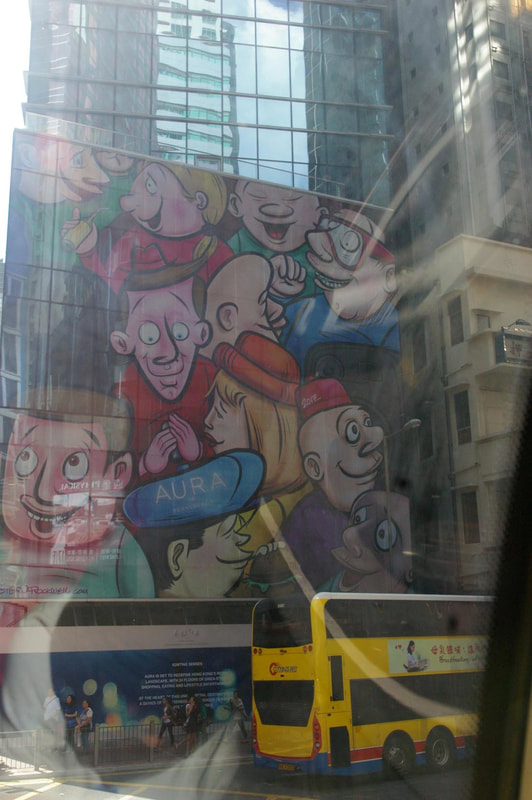
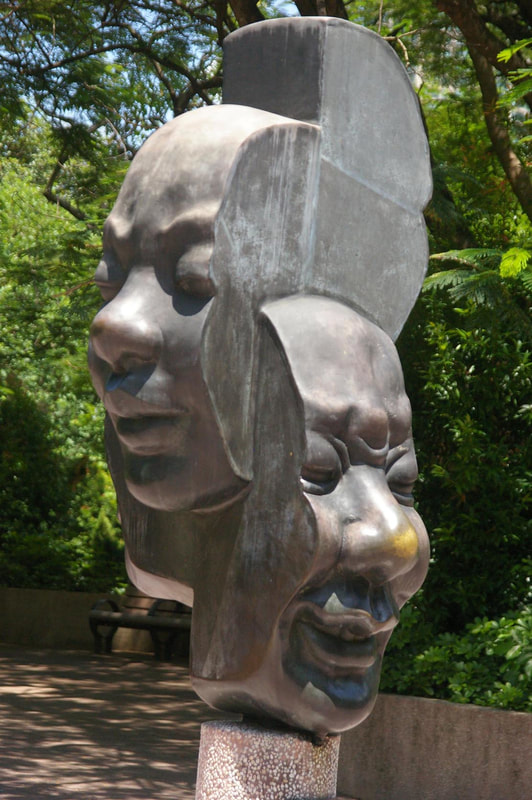
Crossing the harbor into the serene green pathways of Kowloon Park, we discovered a completely different, introspective piece of public art titled "Nothing," created by local artist Lau Yau-kuen. The bronze sculpture features a series of beautifully overlapping human faces showcasing a contrast of expressions—from calm meditation to a laughing grimace. Through this creative layering, the artist captures the chaotic emotions of daily city life, reminding travelers that all human feelings are fleeting and ultimately arise from a peaceful, silent emptiness.
Exploring Hong Kong on foot, Felipe and I quickly realized that the city’s vibrant culture is fully alive right on the bustling streets and in the quiet public parks. As we navigated the urban maze from Hong Kong Island over to the Kowloon peninsula, we discovered two deeply fascinating sculptures, each telling a unique story of local history and human emotion.
The Protector of Wan Chai: The Golden Dragon Sculpture
While walking along the busy intersections in Wan Chai, we came face to face with the magnificent Golden Dragon Sculpture. Measuring five meters in height, this gilded Chinese dragon winds its body upward toward a golden pearl—a nod to Hong Kong's famous title as the "Pearl of the Orient." Erected in December 2003 right after the devastating SARS pandemic subsided, this shining dragon was built as a powerful Feng Shui symbol of blessings, health, and prosperity to lift the spirits of the neighborhood after a time of great hardship.
The Echo of Emotions: "Nothing" in Kowloon Park
Crossing the harbor into the serene green pathways of Kowloon Park, we discovered a completely different, introspective piece of public art titled "Nothing," created by local artist Lau Yau-kuen. The bronze sculpture features a series of beautifully overlapping human faces showcasing a contrast of expressions—from calm meditation to a laughing grimace. Through this creative layering, the artist captures the chaotic emotions of daily city life, reminding travelers that all human feelings are fleeting and ultimately arise from a peaceful, silent emptiness.
Lost in the Architectural Maze: Guesthouses and Colonial Jewels
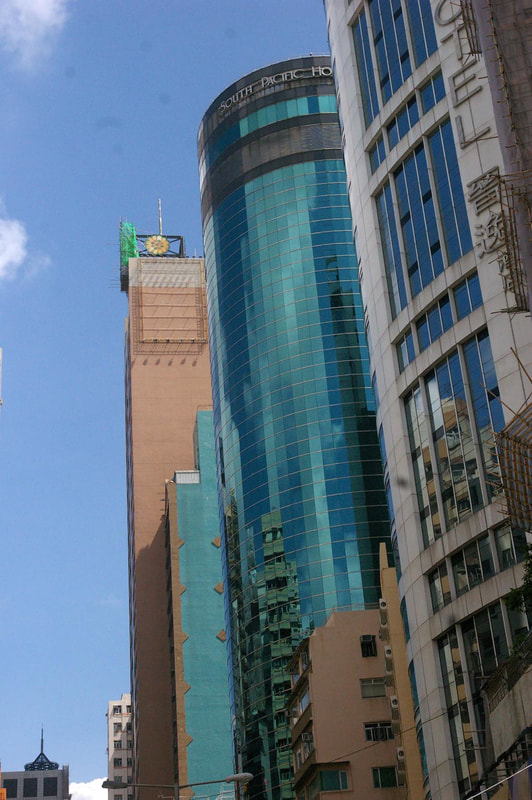
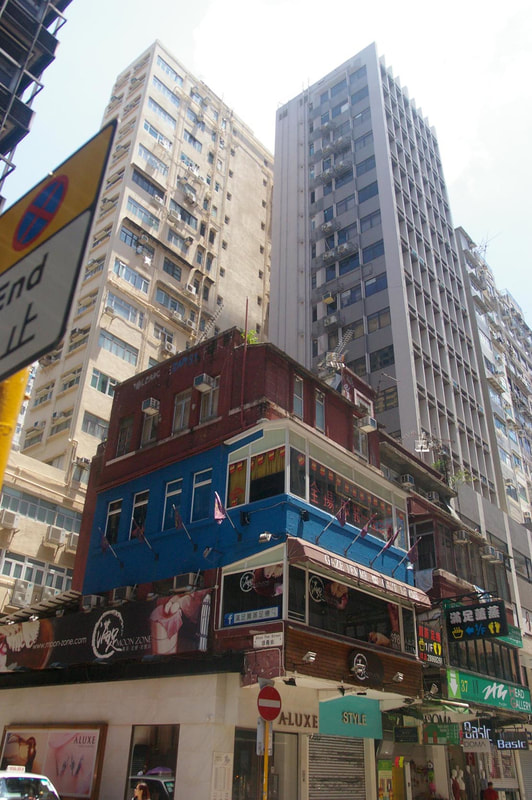
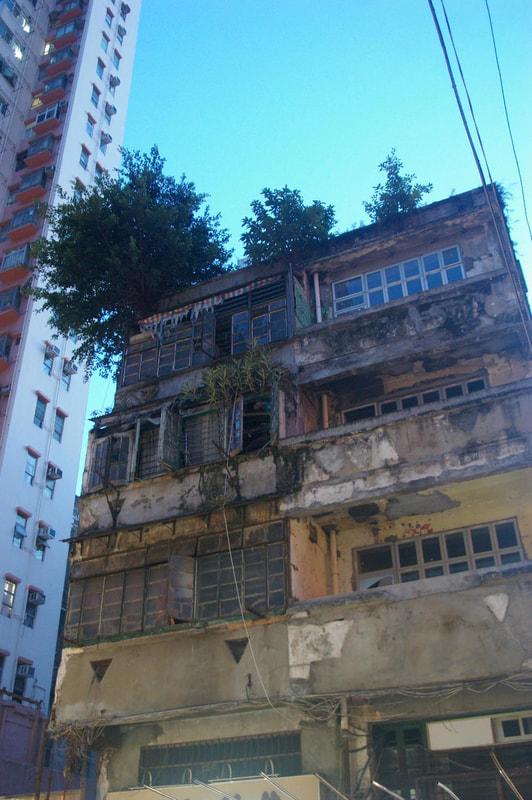
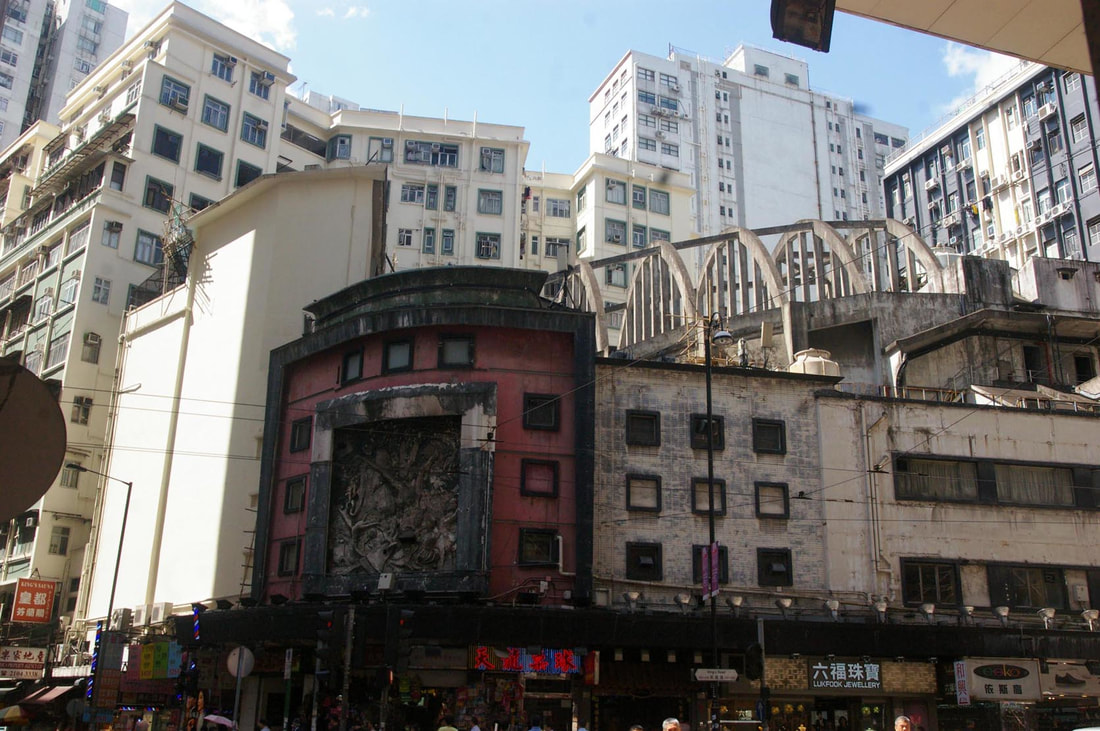
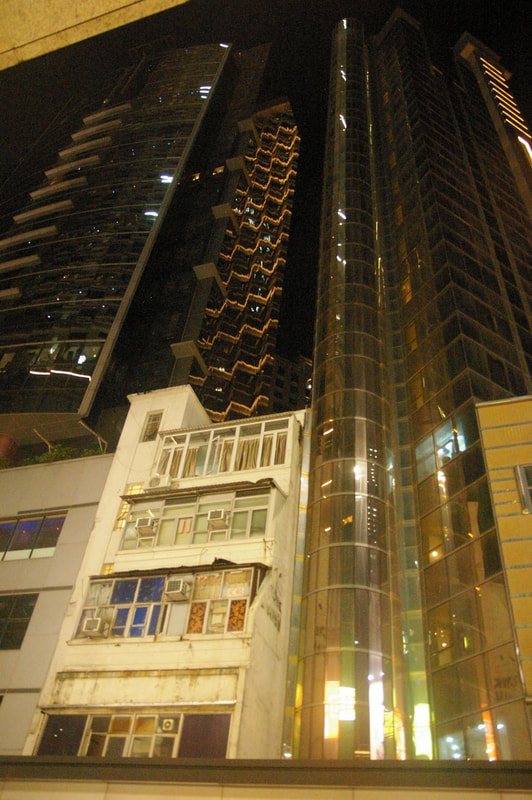
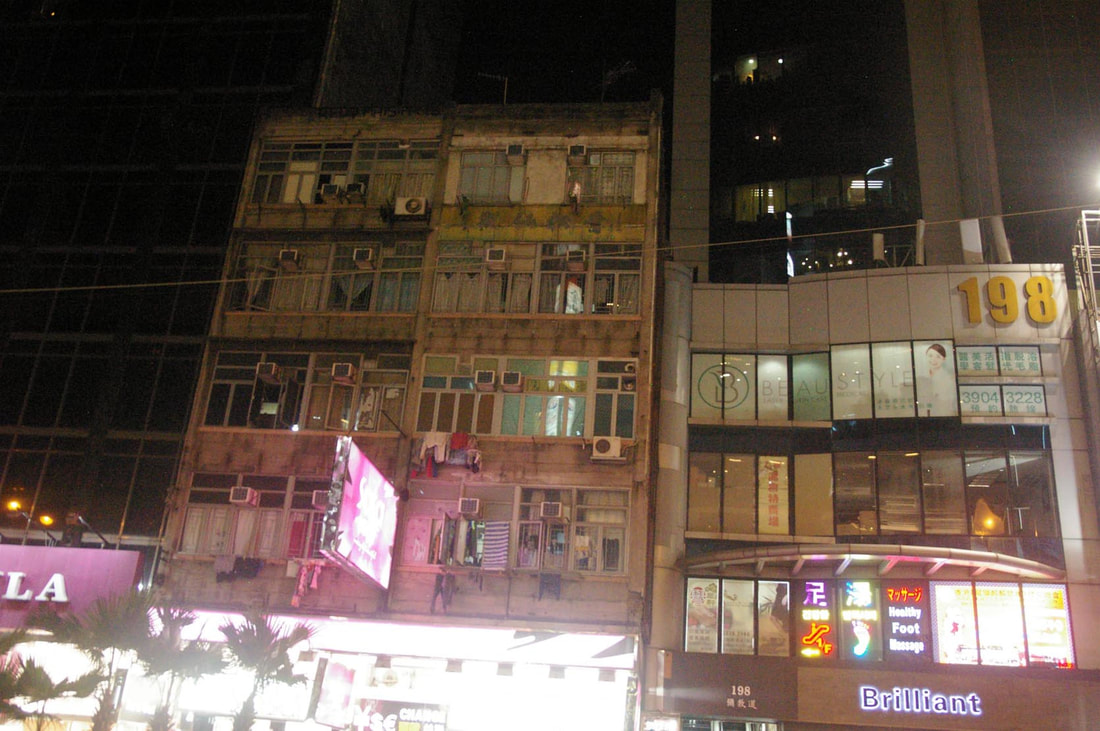
Checking into our accommodation was an adventure in itself, as our guesthouse was tucked away inside one of Hong Kong's legendary, labyrinth-like residential mega-highrises. Dropping off our bags, Felipe and I immediately headed out into the humming streets to explore the city on foot. As we wandered through the dense urban maze, I constantly spotted a deeply captivating contrast. Embedded right alongside the towering, faceless skyscrapers of steel and concrete were beautiful, historic colonial buildings. Dating back to Hong Kong's era as a British crown colony (from 1841 to 1997), these small, elegant structures—featuring classic European arches, wide verandahs, and weathered brickwork—looked like tiny architectural time capsules. Seeing them survive under the shadows of modern giants, defying the extreme scarcity of space and astronomical land prices, added a beautiful sense of history and charm to our long street walks.
A Symphony of Lights: The World’s Largest Laser Show
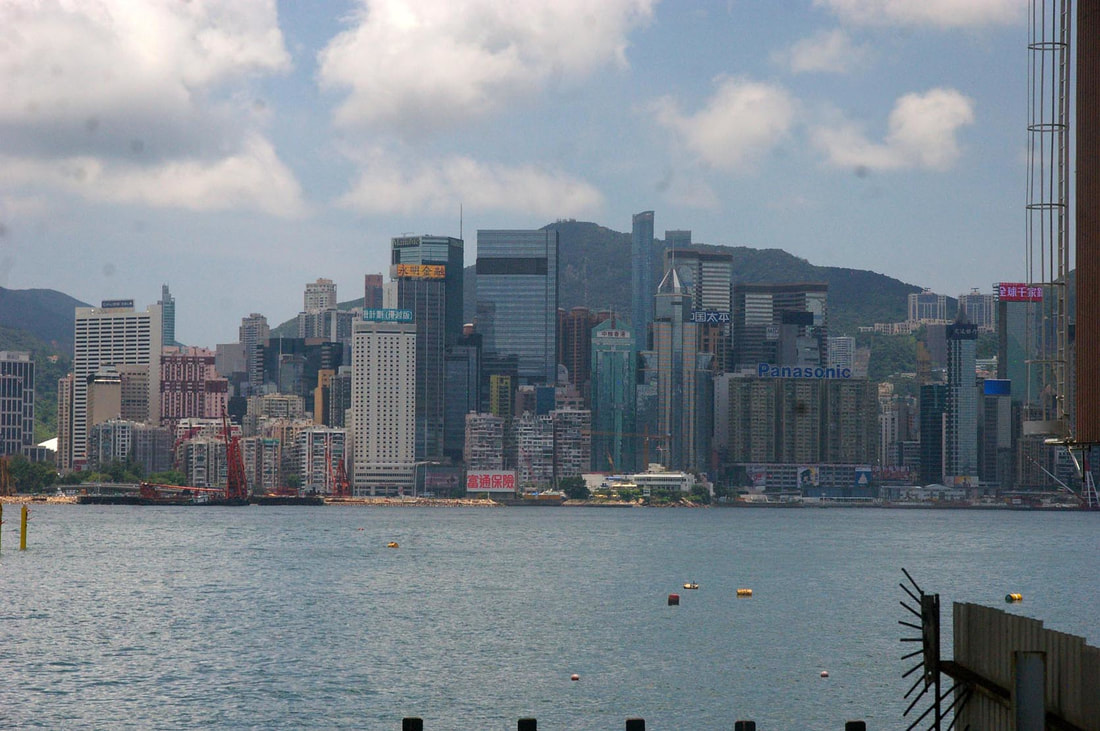
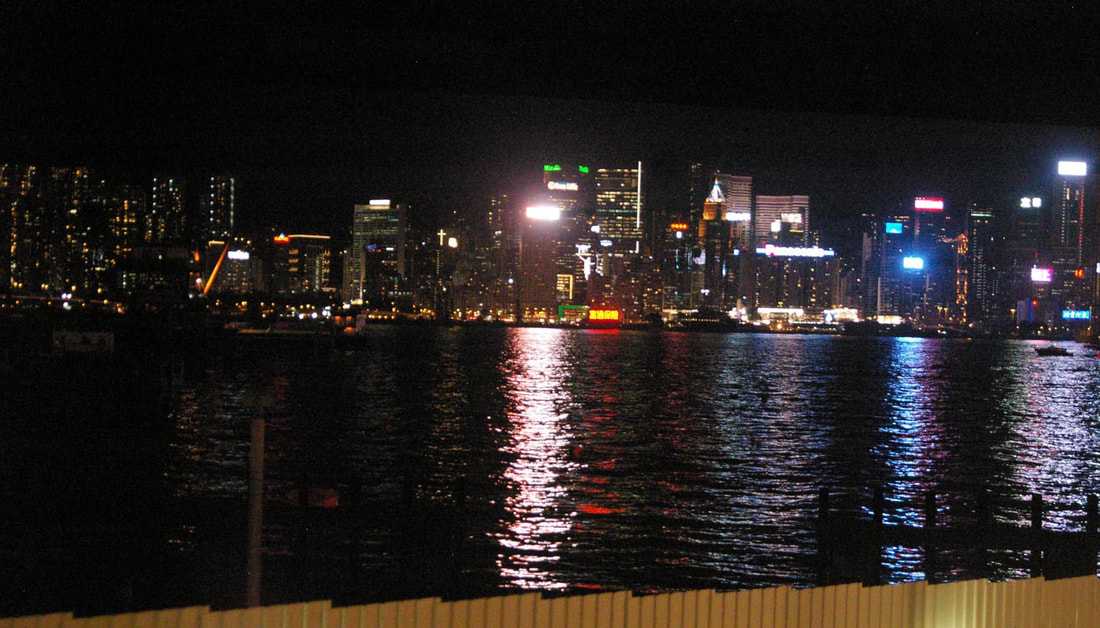
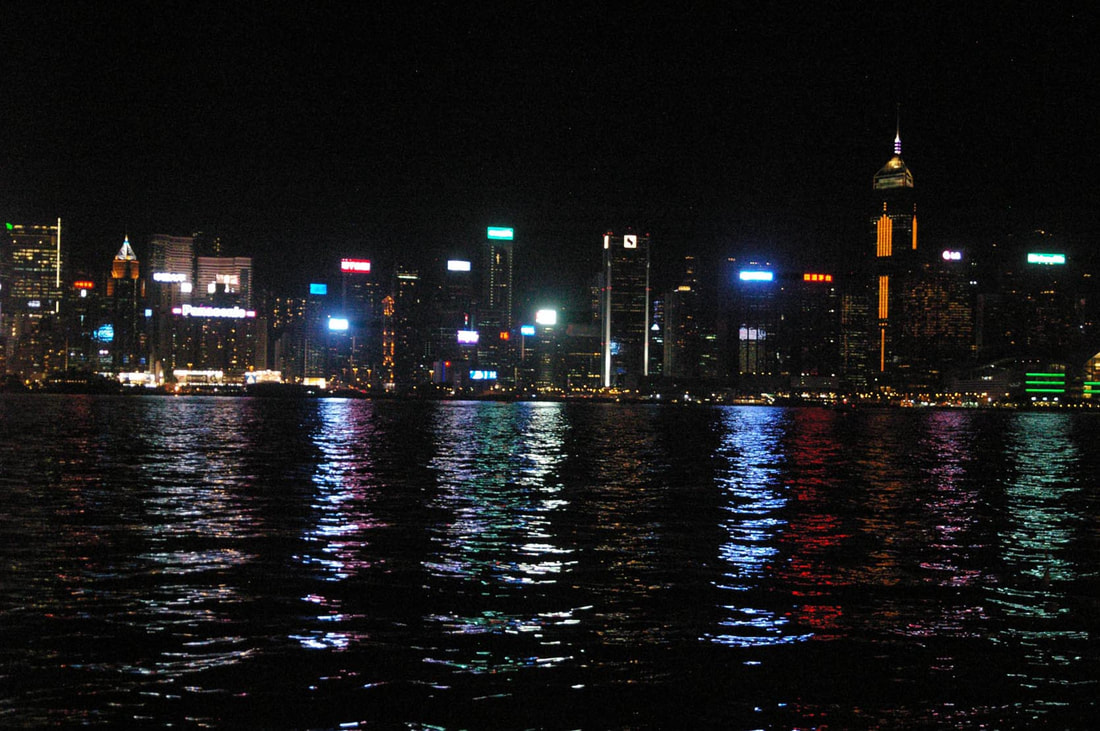
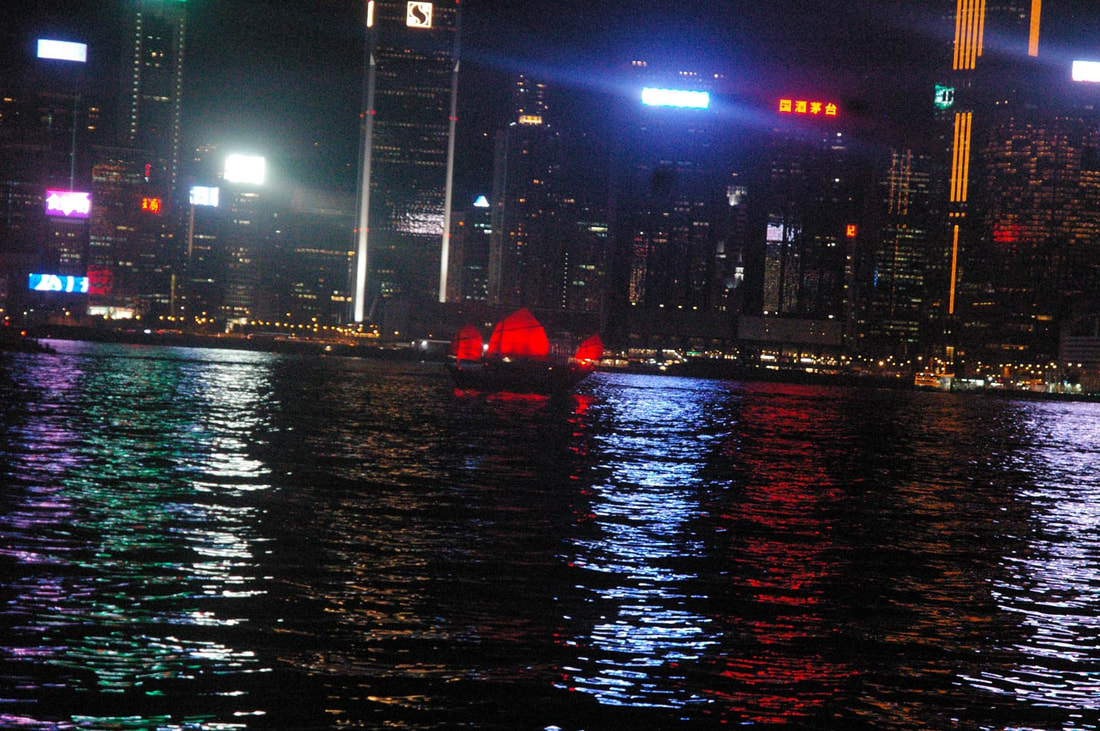
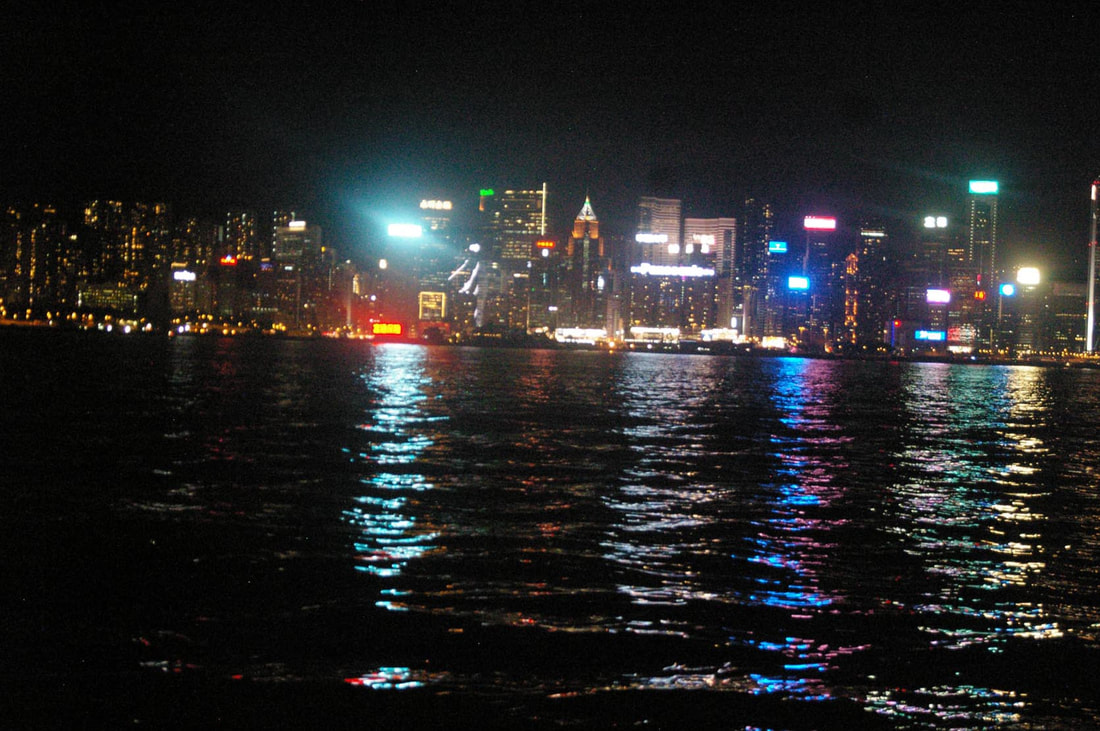
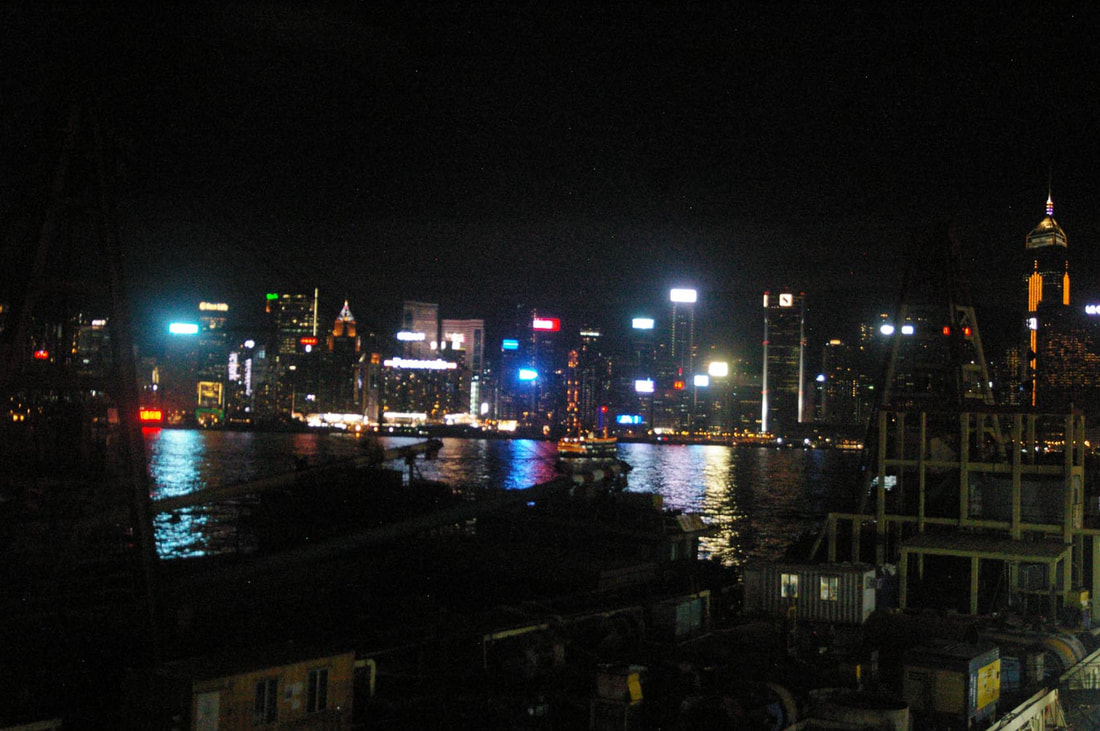
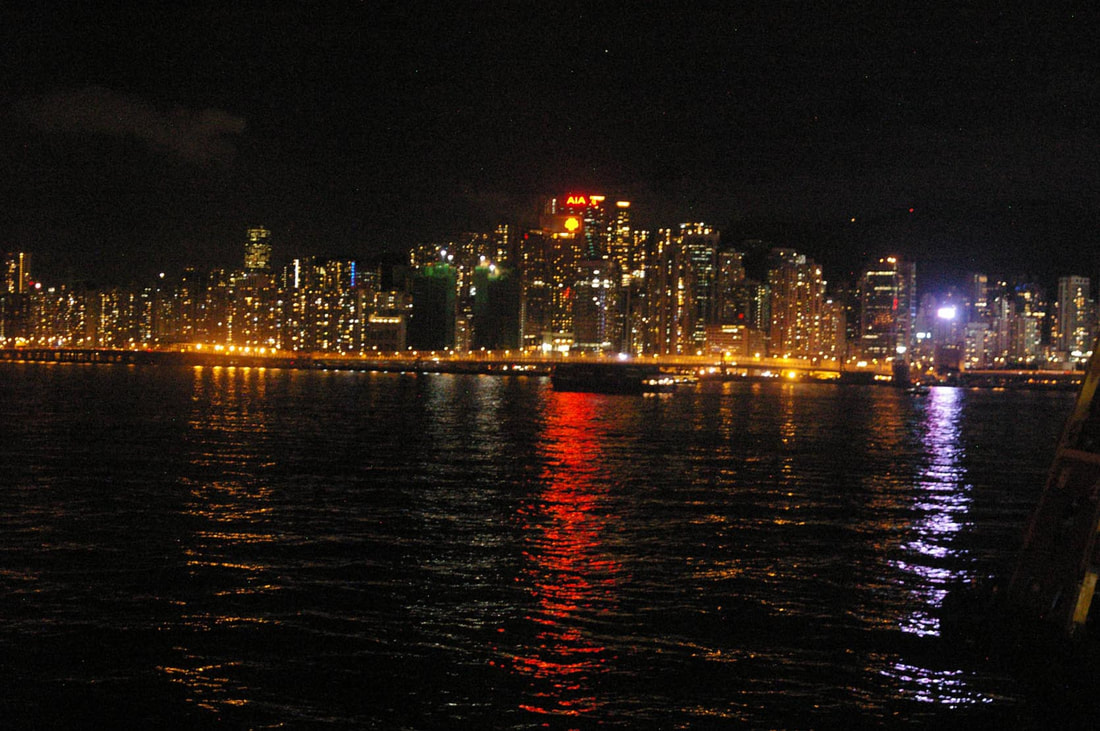
Standing along the harbor promenade at precisely 8:00 PM, Felipe and I experienced the absolute pinnacle of Hong Kong's nightlife: the spectacular "A Symphony of Lights" show. Suddenly, the city's skyline didn't just shine—it came alive to the sound of music. As a dramatic orchestral score started playing through the promenade's giant speakers, more than 40 towering skyscrapers on both sides of Victoria Harbour began dancing in perfect synchronization. Powerful green lasers, sweeping searchlights, and flashing LED displays shot high into the night sky, moving rhythmically to the musical beats. Hearing the swelling melodies while watching the futuristic light beams pierce the clouds and reflect across the water was a mind-blowing sensory experience that left both of us completely spellbound.
Chasing the Color Shifts: A Four-Photo Panorama of the Laser Show
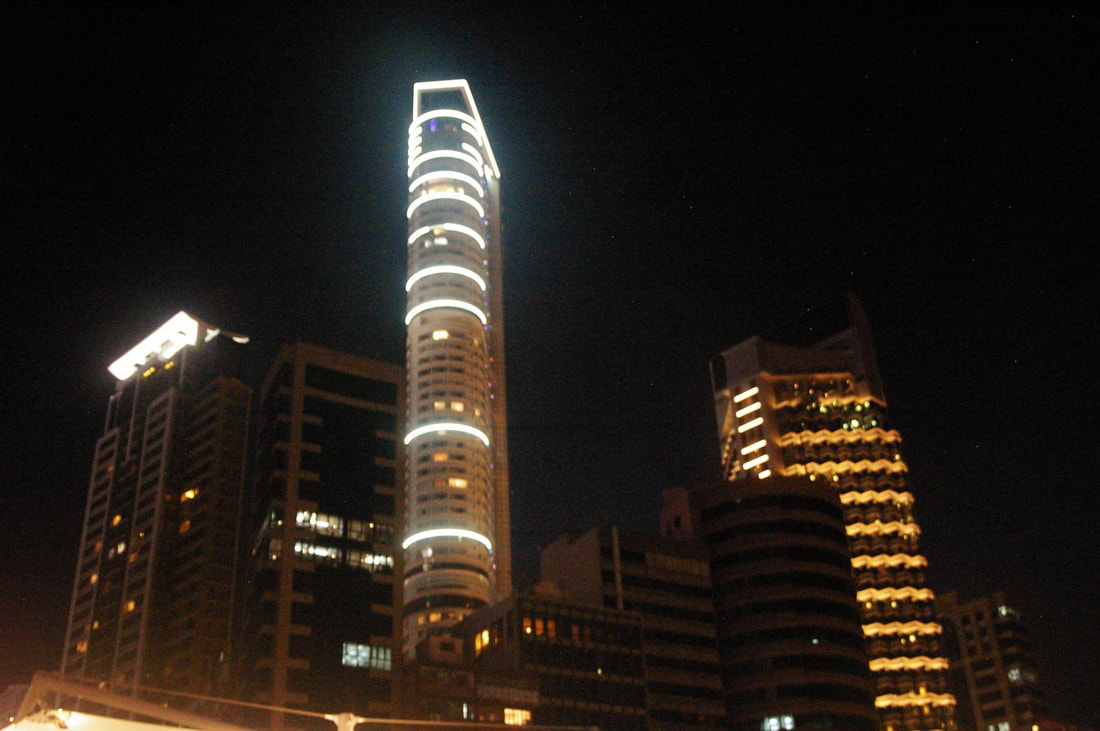
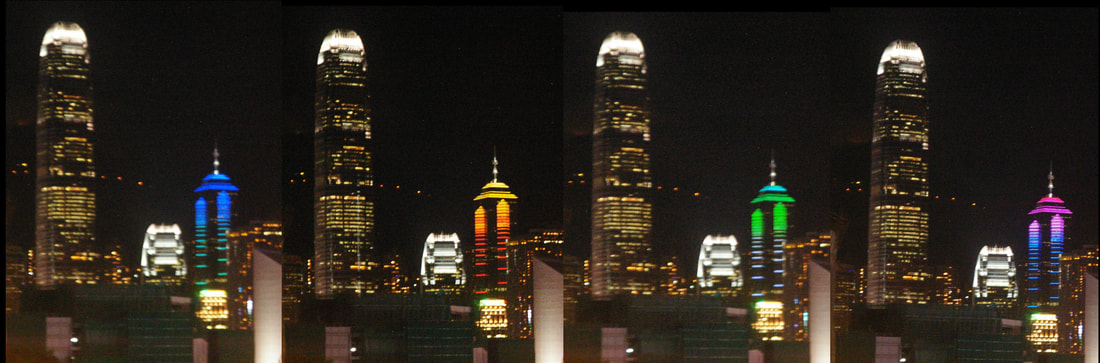
To perfectly capture how the skyscrapers constantly pulse and transform during the light show, I used my favorite panoramic collage technique once again. This unique display is seamlessly composed of four individual photographs lined up side by side. It beautifully focuses on the staggering Two International Finance Centre (2IFC) tower standing right next to the sharp, iconic spire of The Center. Looking closely at the sequence from left to right, you can watch exactly how The Center rapidly shifts its glowing skin in sync with the musical beats. It cycles effortlessly through a brilliant rainbow of neon colors—moving from a deep ocean blue to a warm golden orange, a vibrant emerald green, and finally a striking magenta pink, freezing the flashing rhythms of Hong Kong's night into a wonderful visual memory.
Night Owls in Asia's Hollywood: The Starwalk Part I
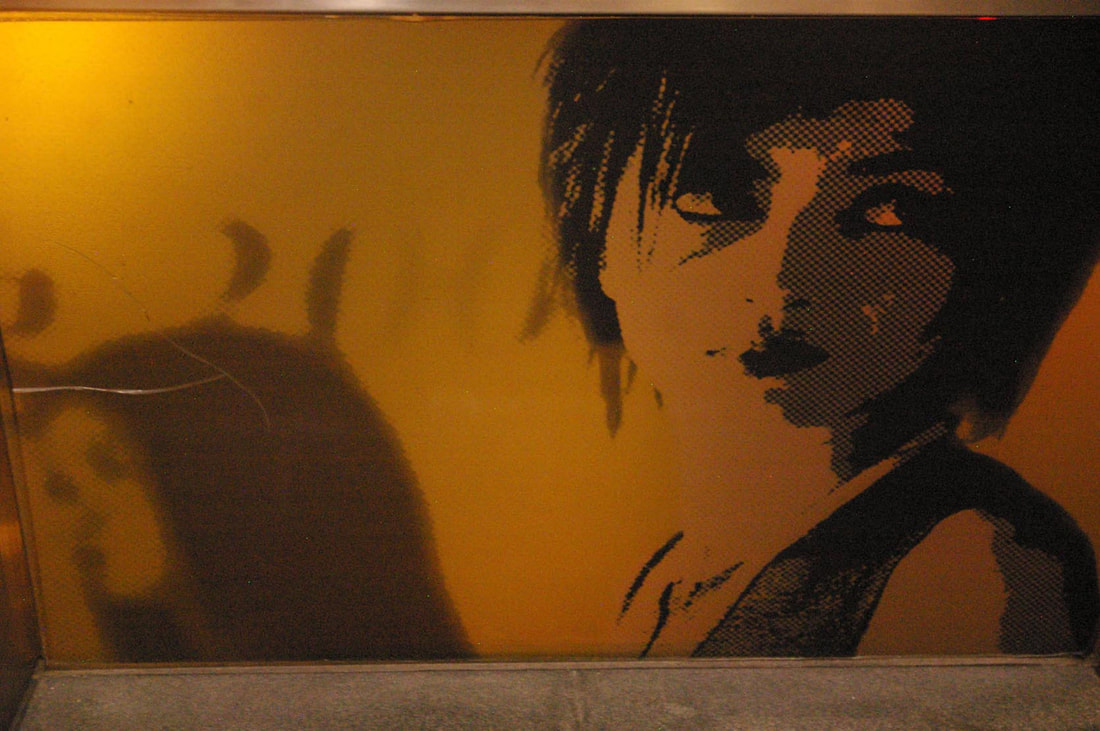
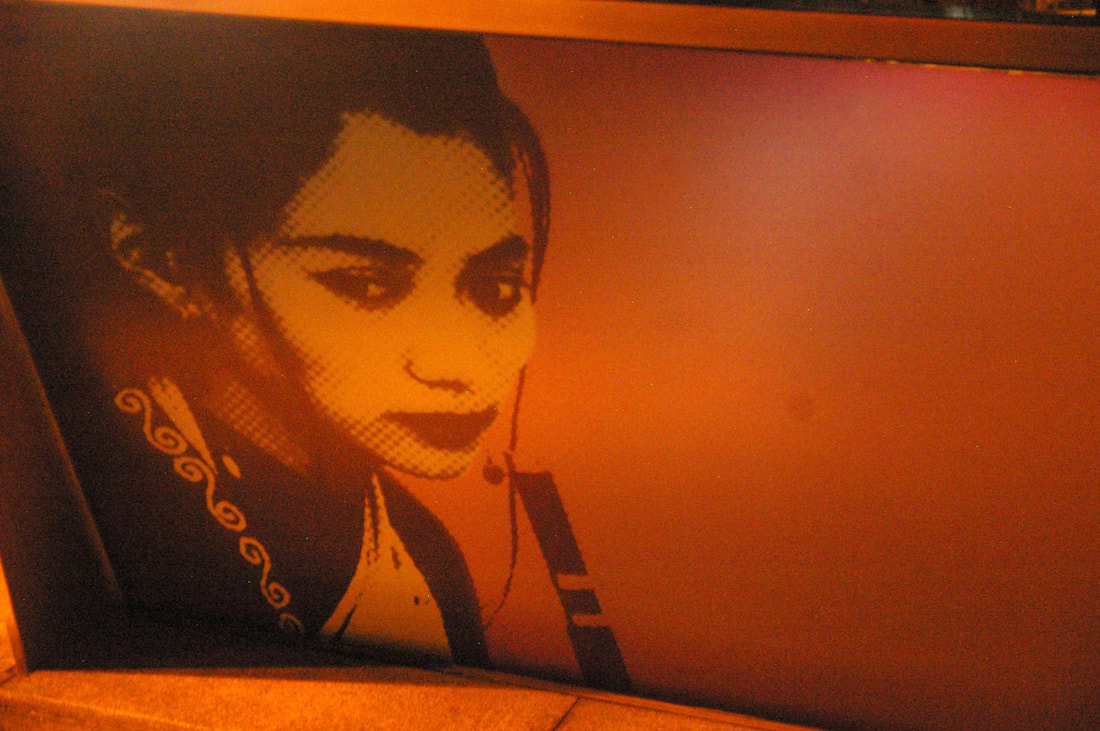
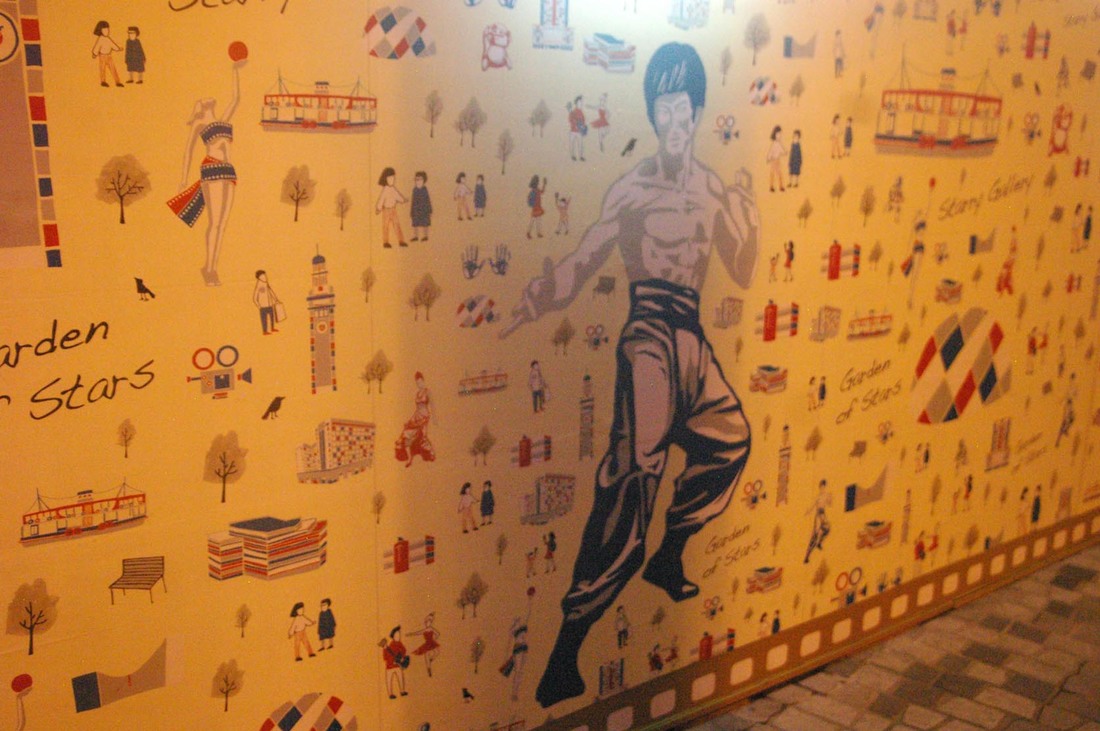
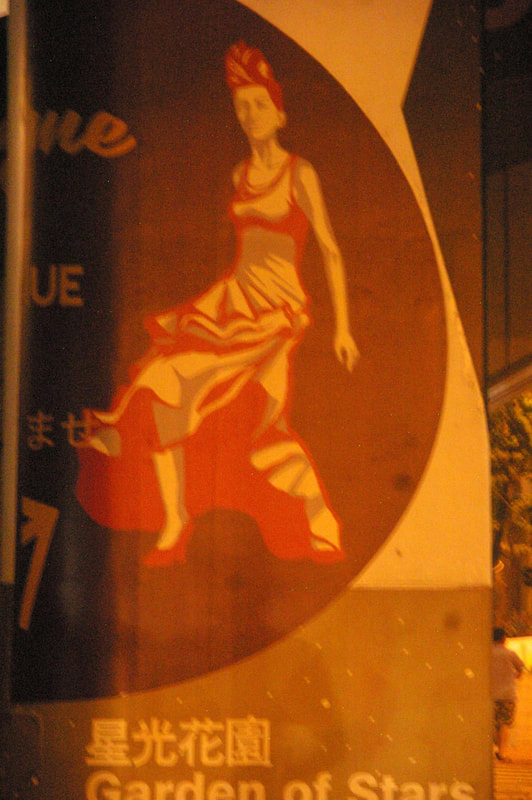
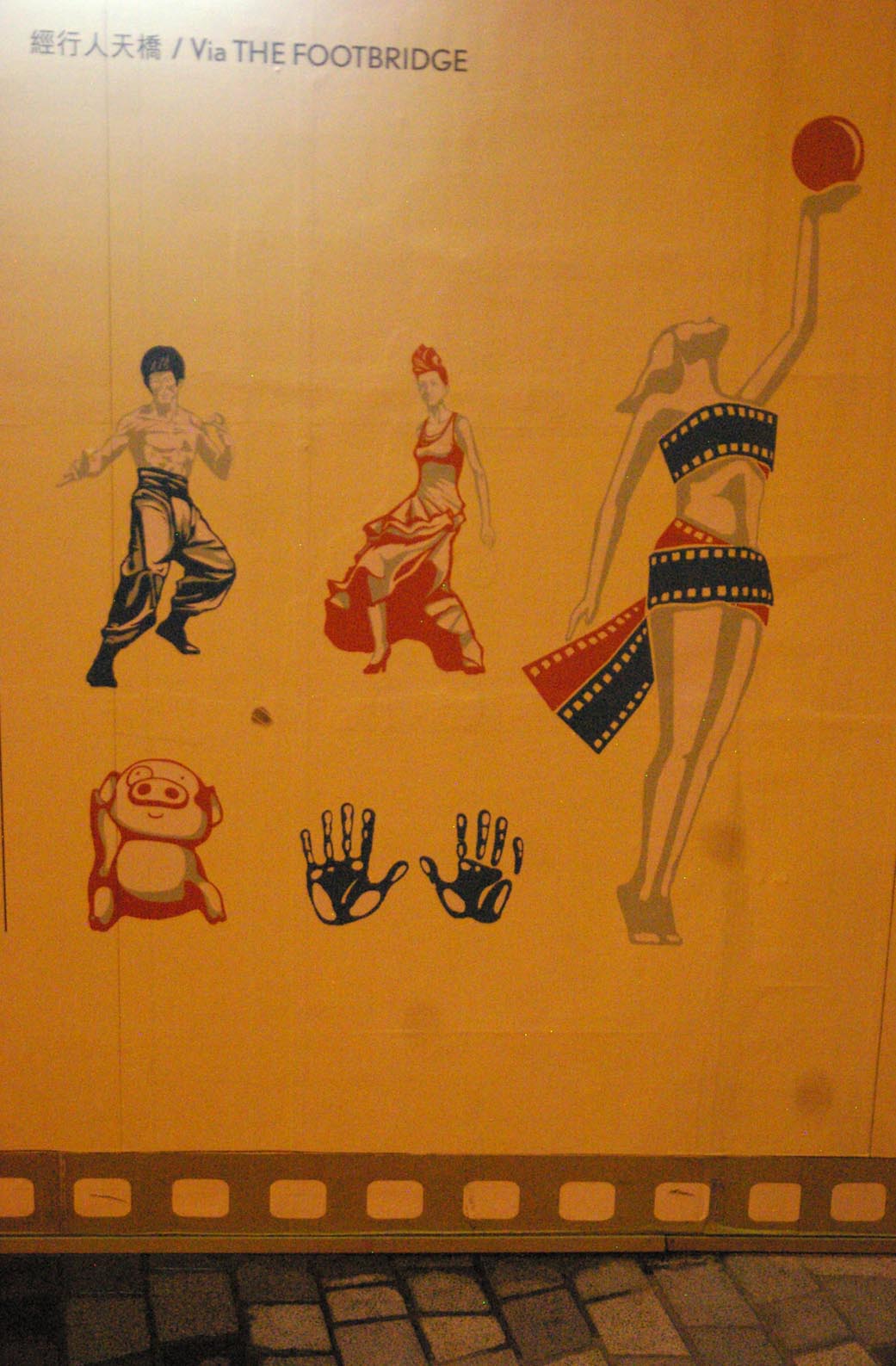
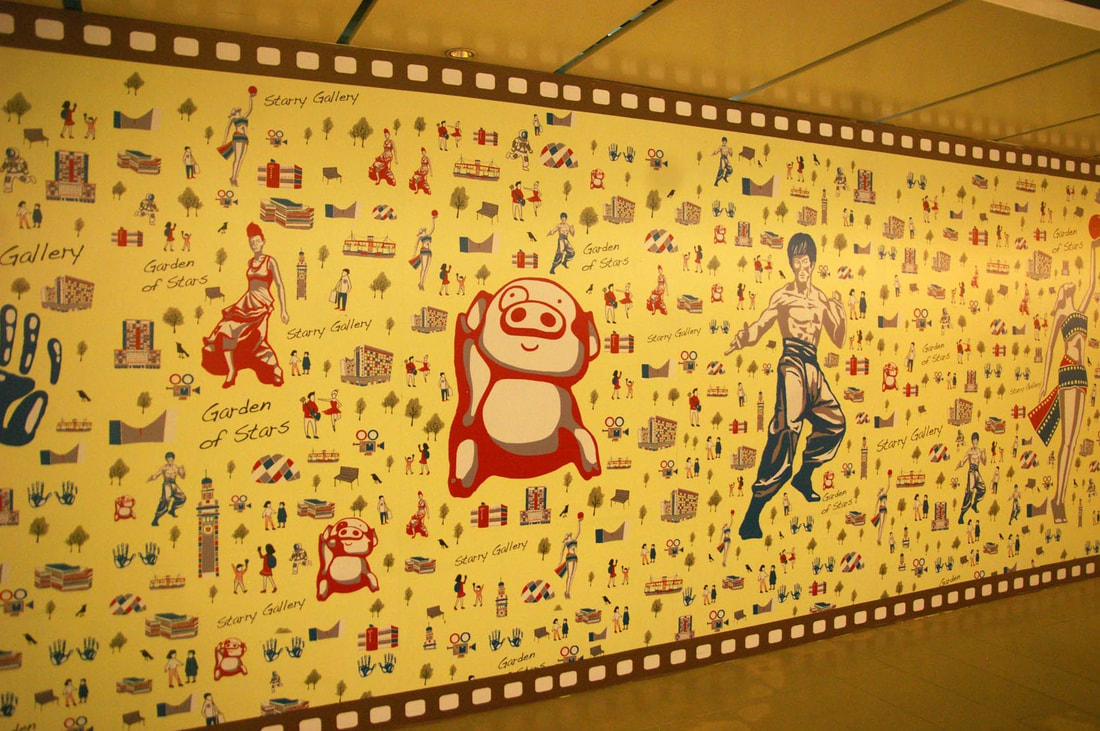
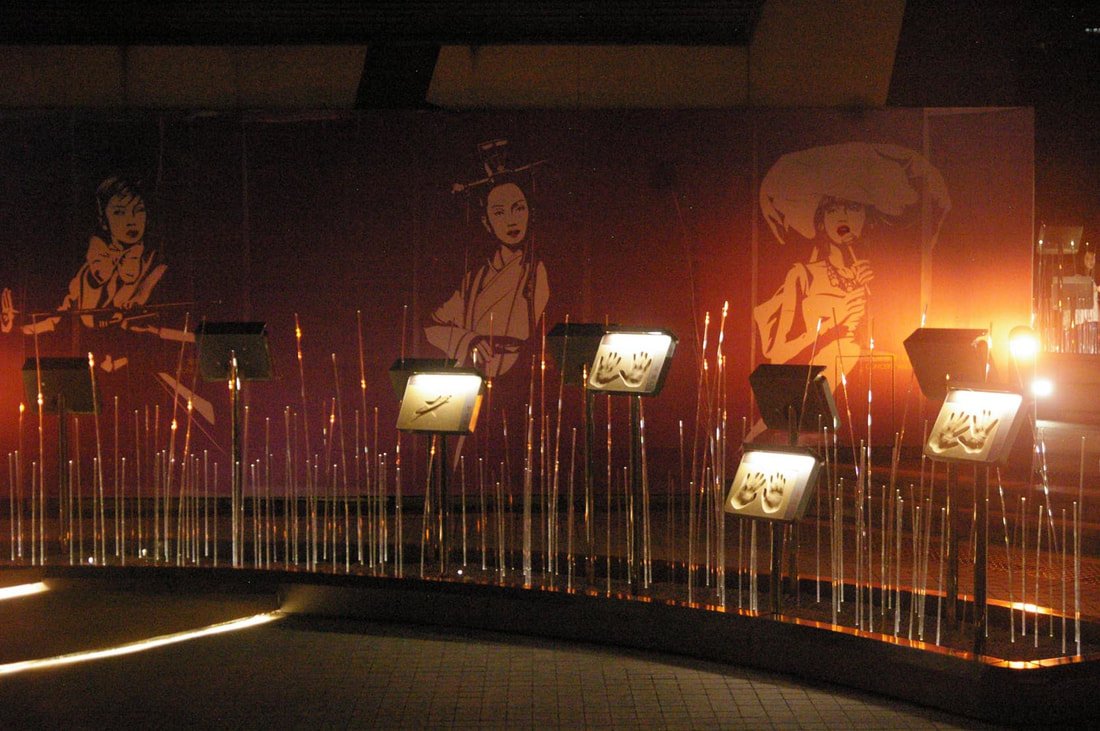
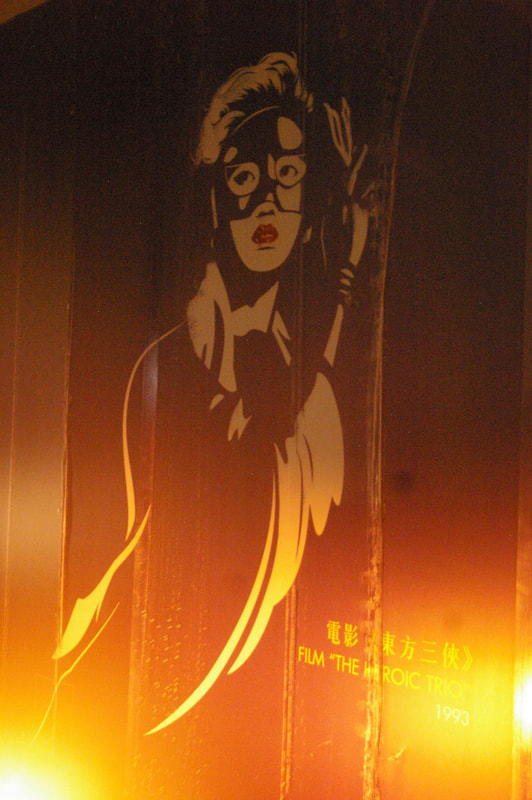
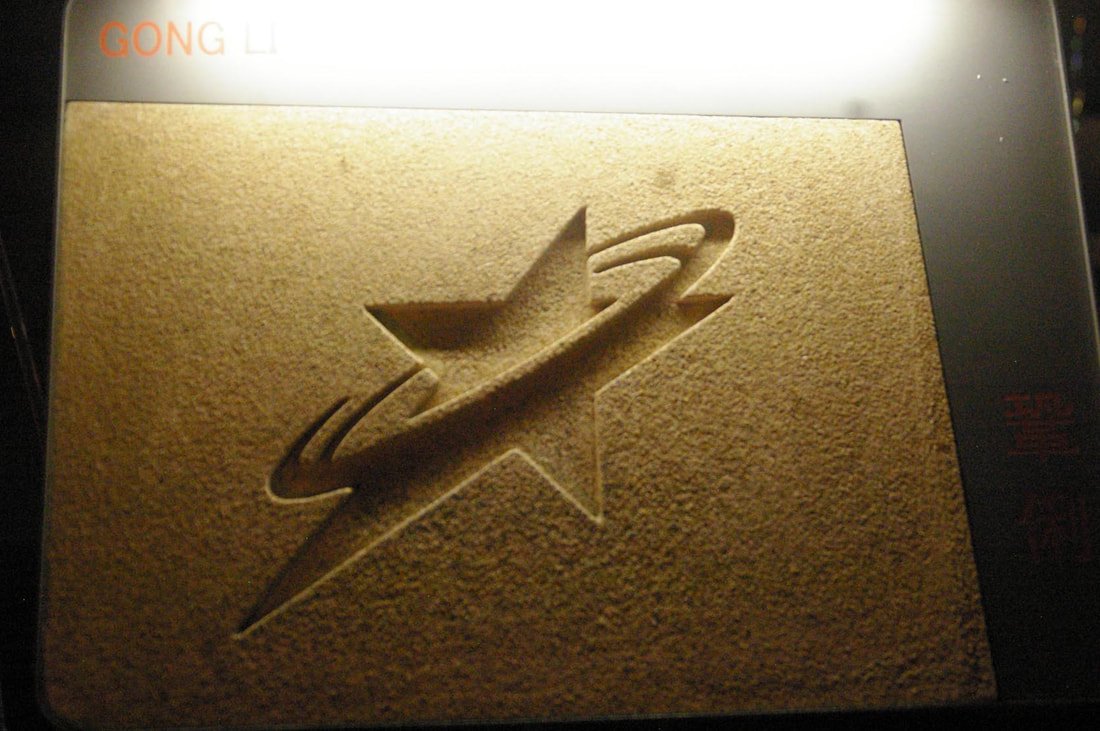
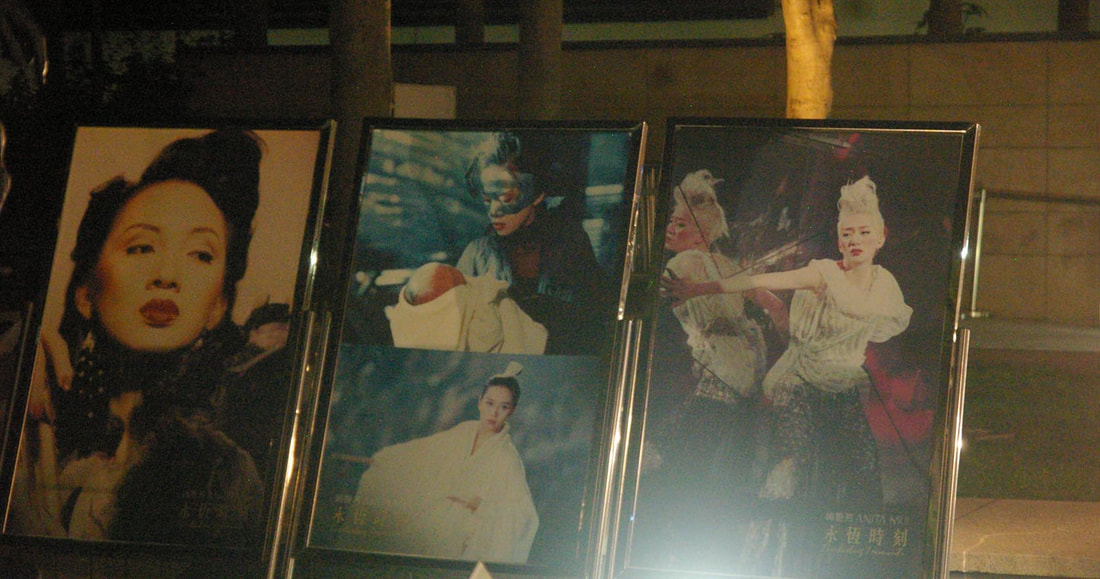
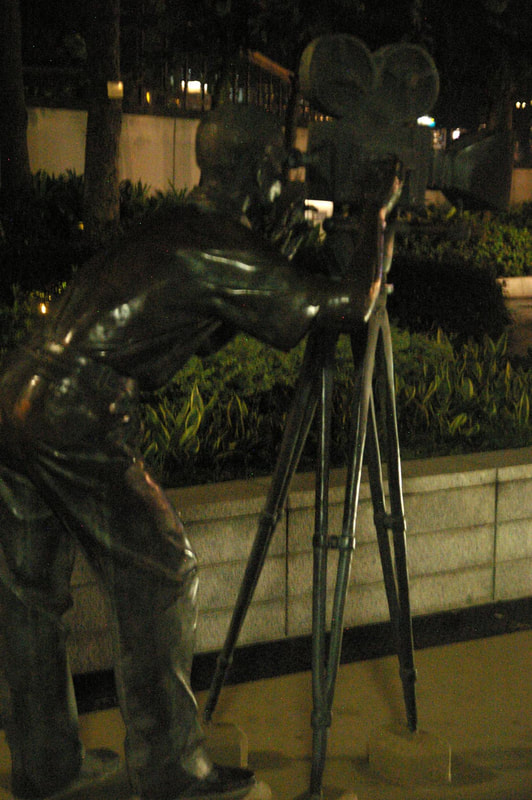
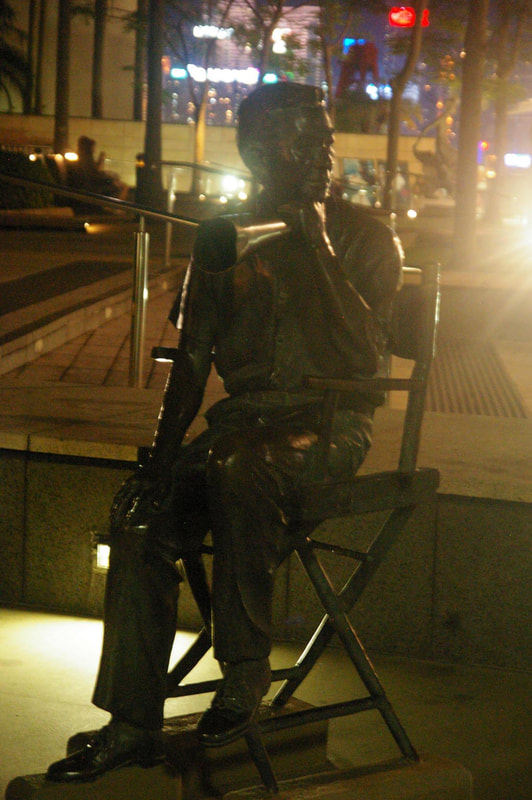
Embracing our jetlag, Felipe and I became completely night-active and continued our midnight exploration along the harbor. Our next stop in the quiet hours of the night was the famous Avenue of Stars, widely known as the Starwalk of Asia's Hollywood. Strolling past the handprints and monuments of cinema legends like Bruce Lee, we enjoyed the silent prestige of the waterfront before heading down into the underground pedestrian tunnels.
Night Owls in Asia's Hollywood: The Movie Tunnels Part II
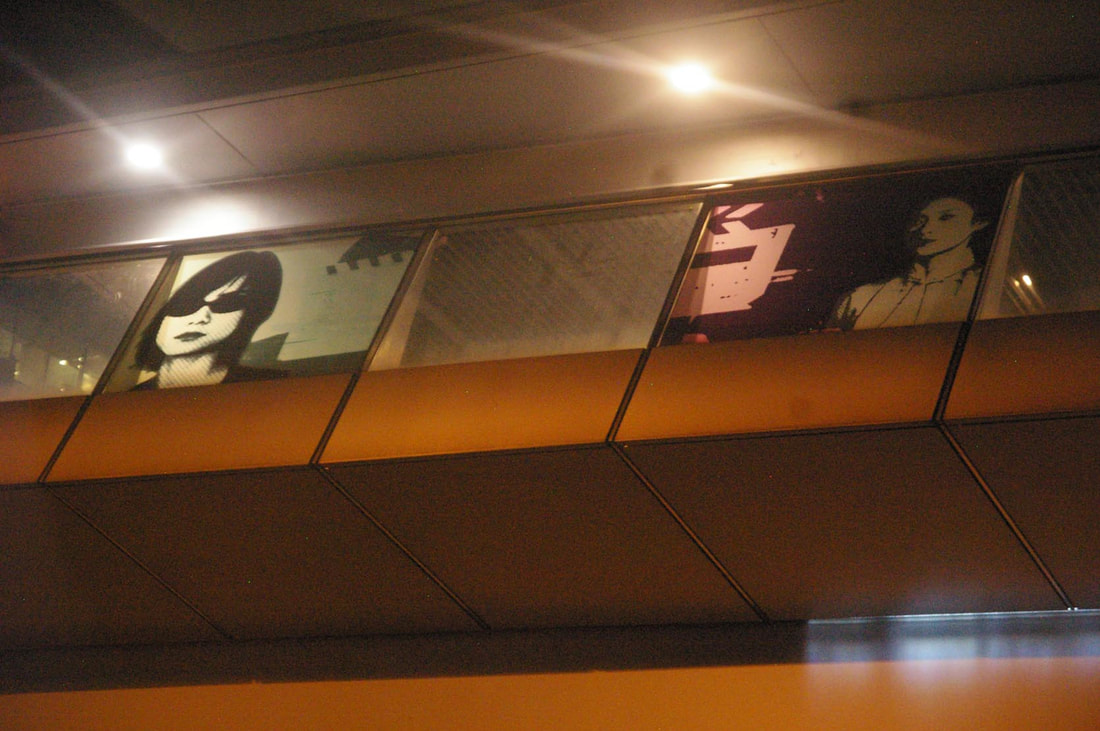
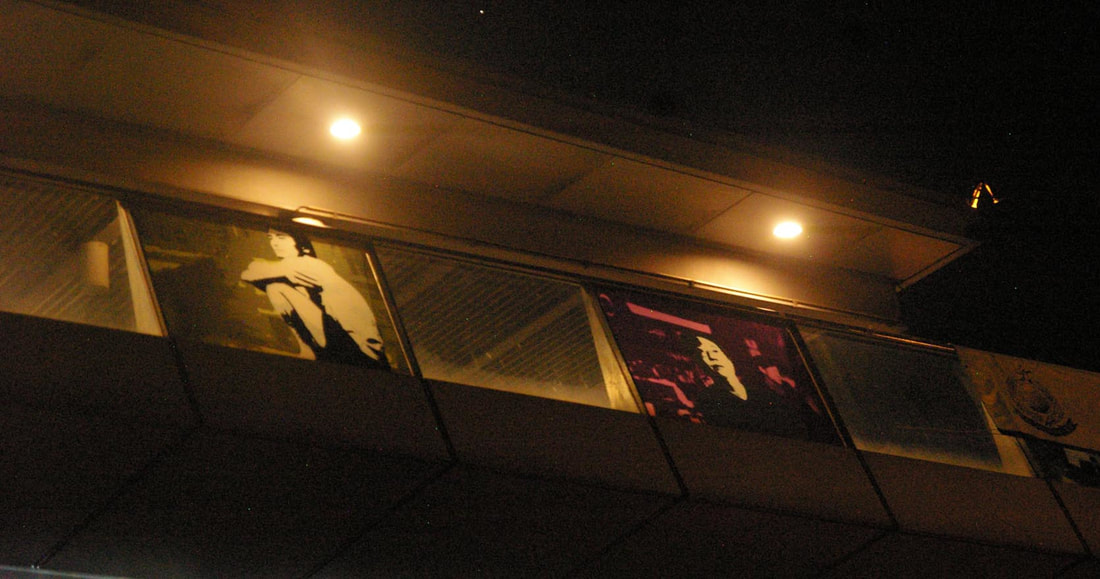
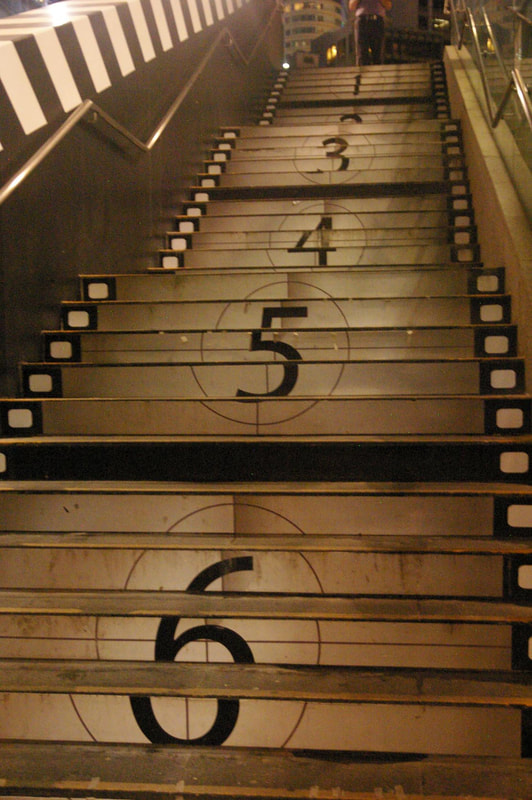
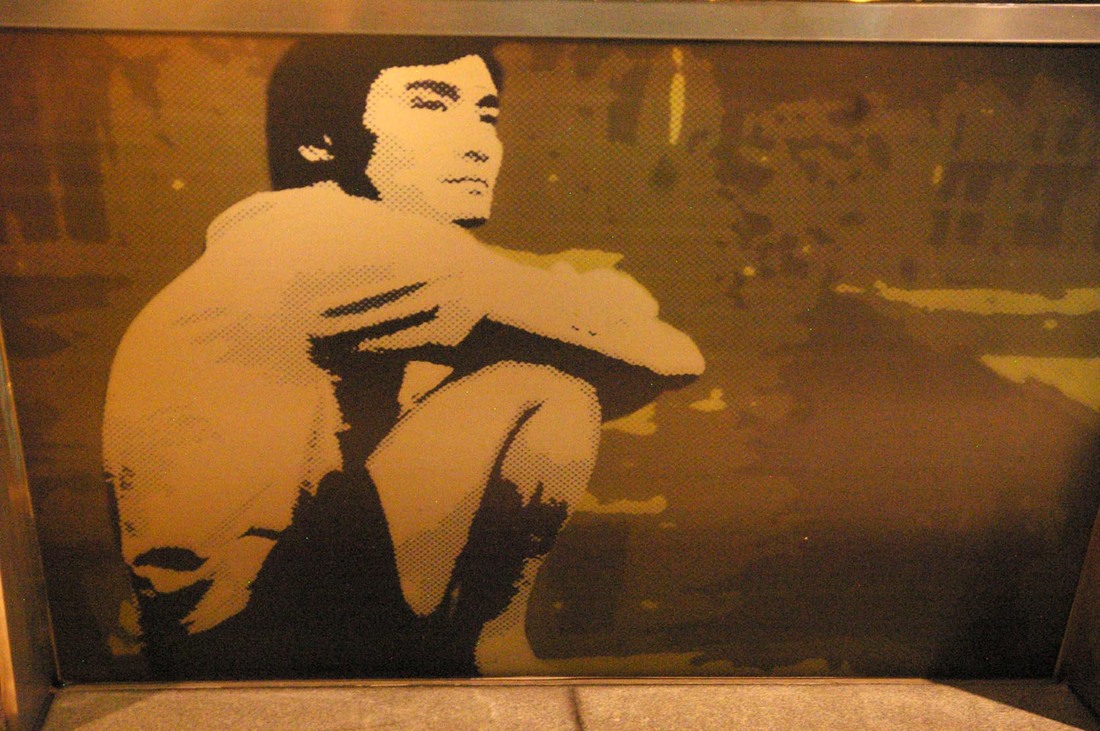
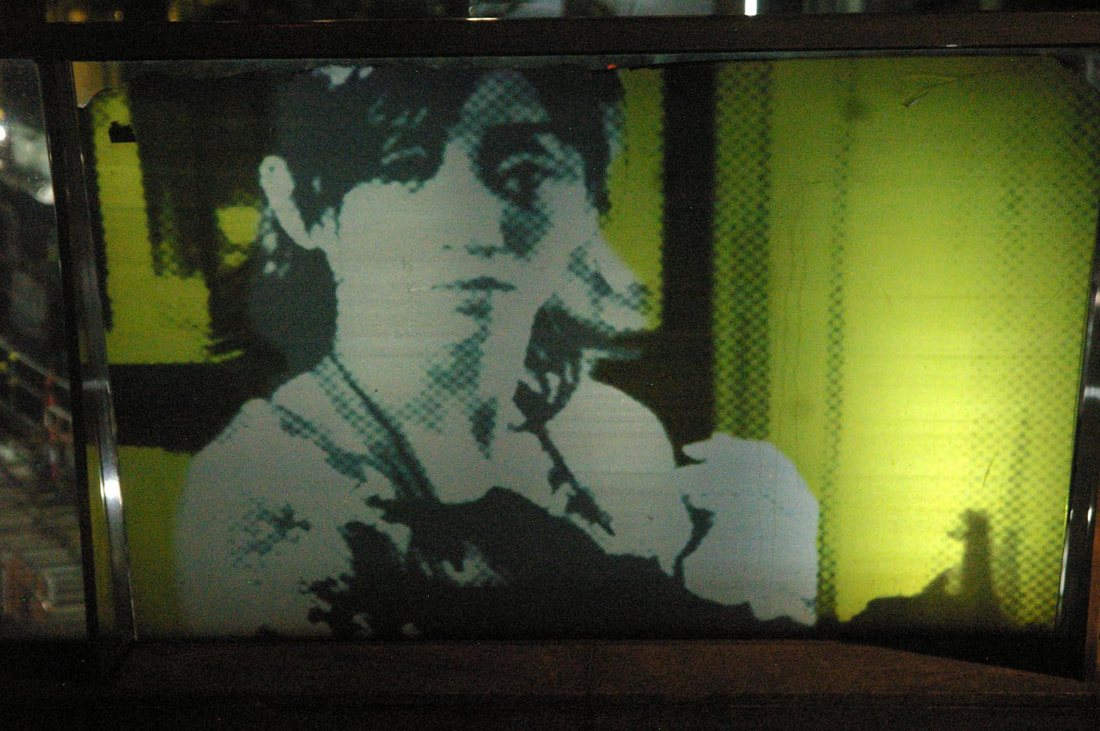
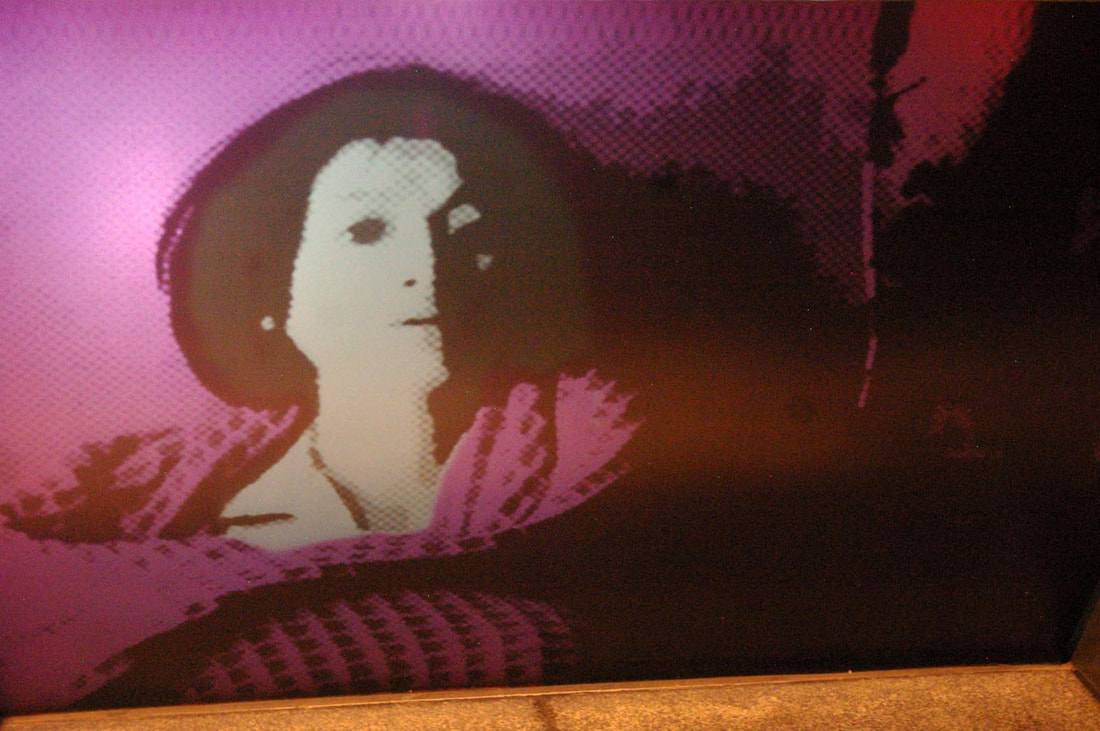
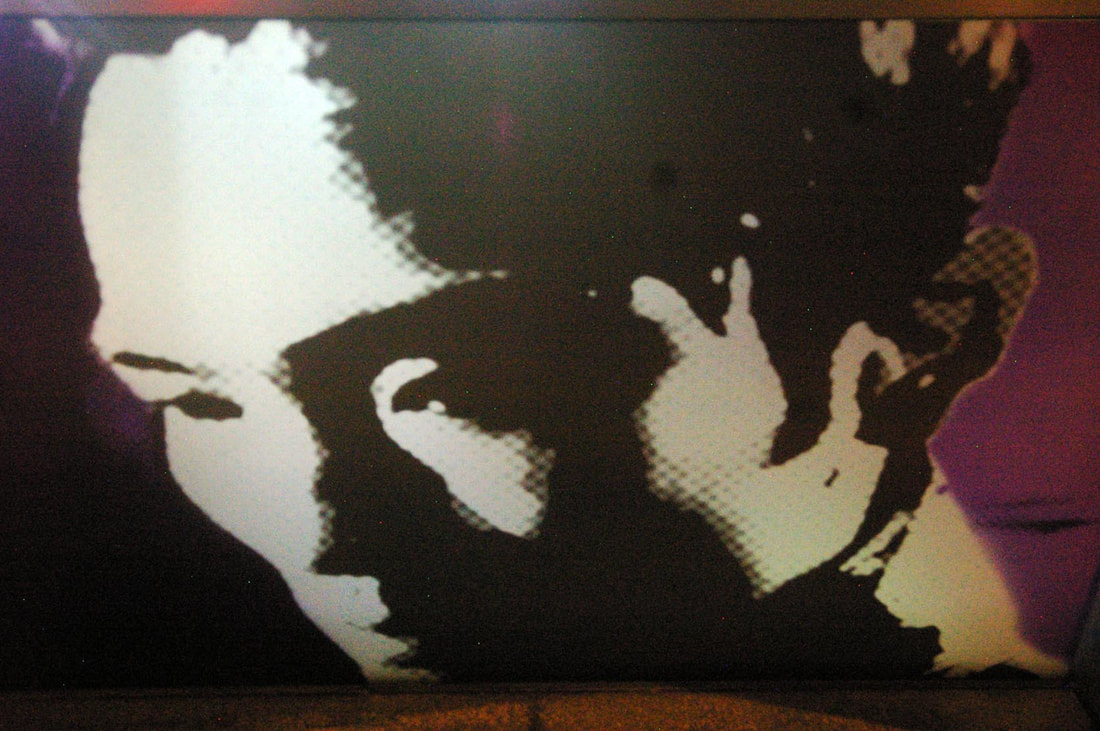
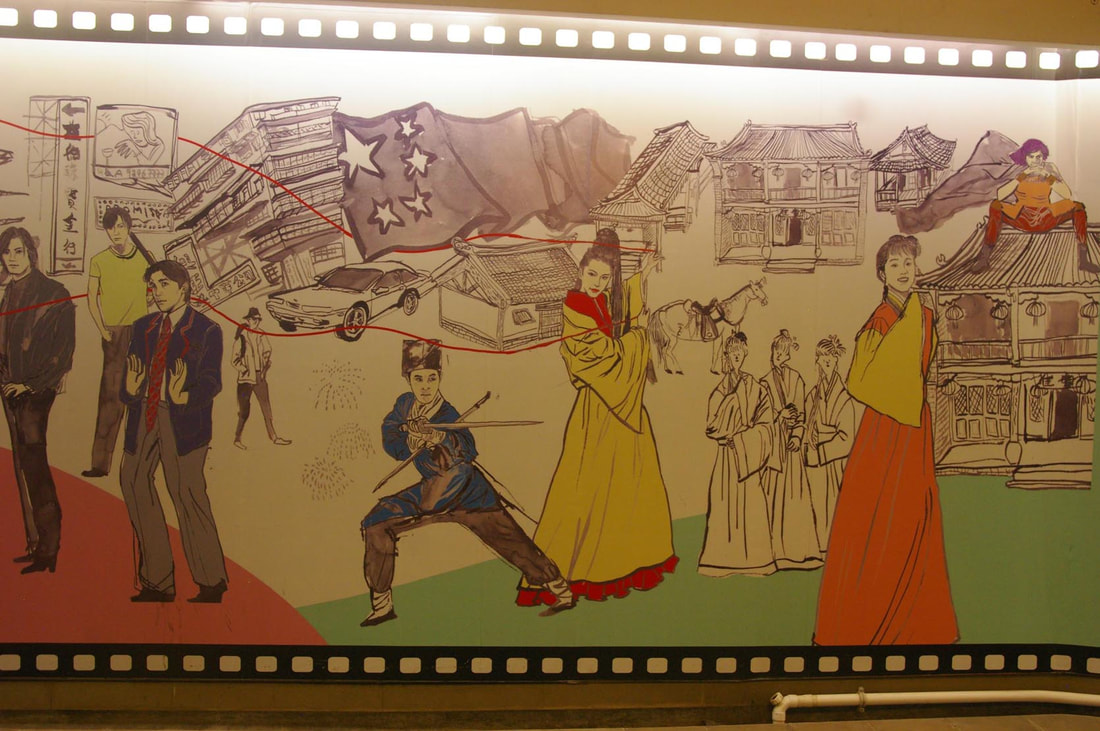
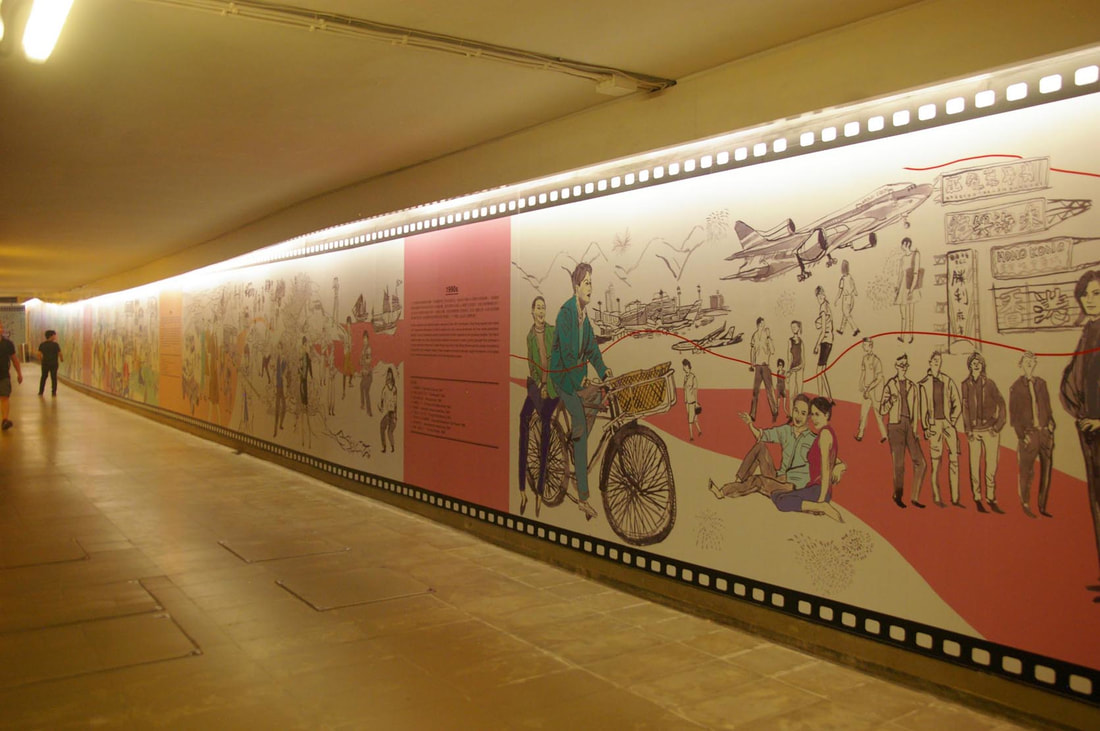
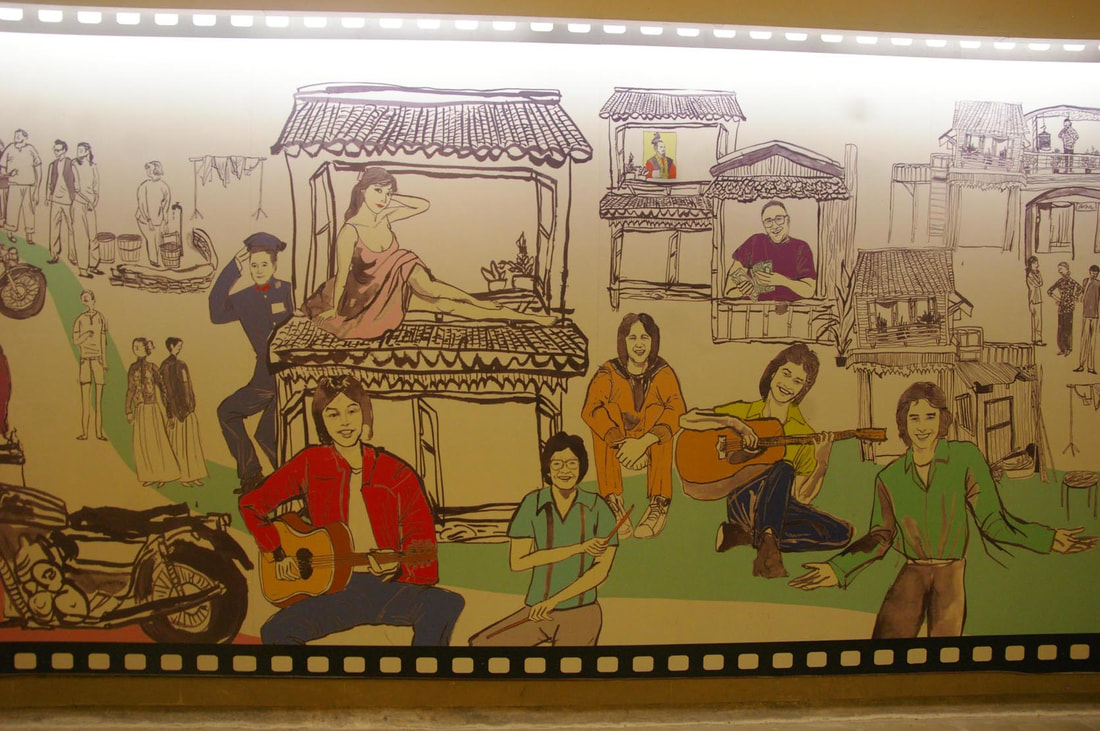
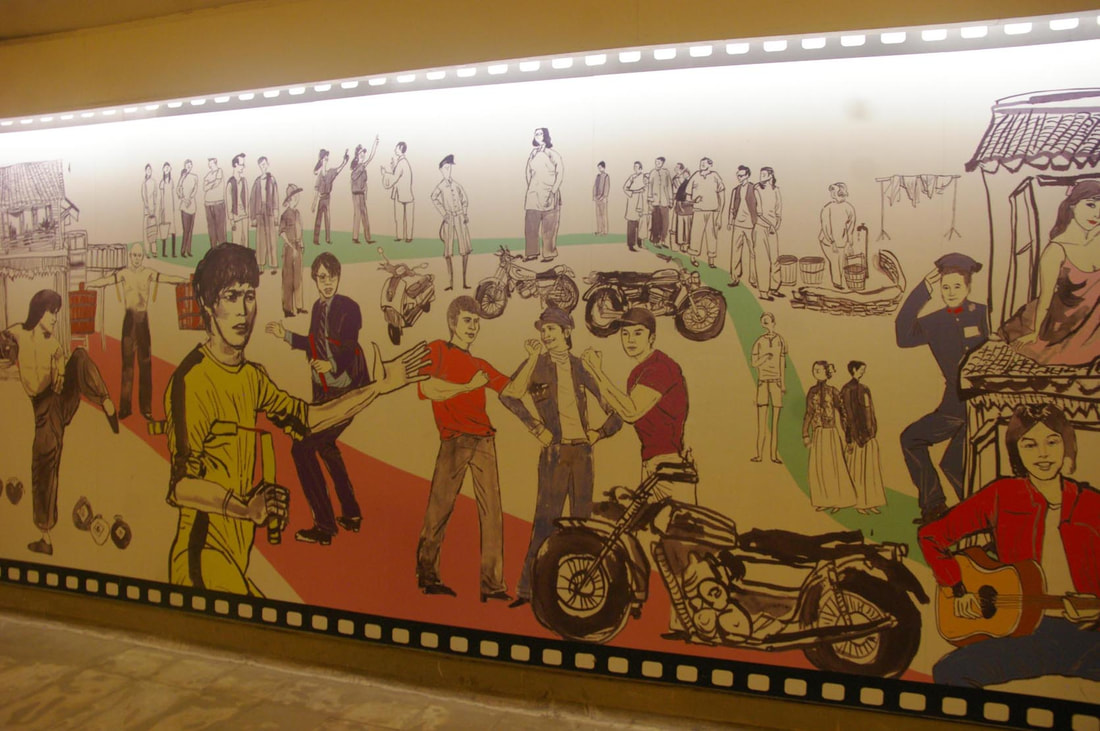
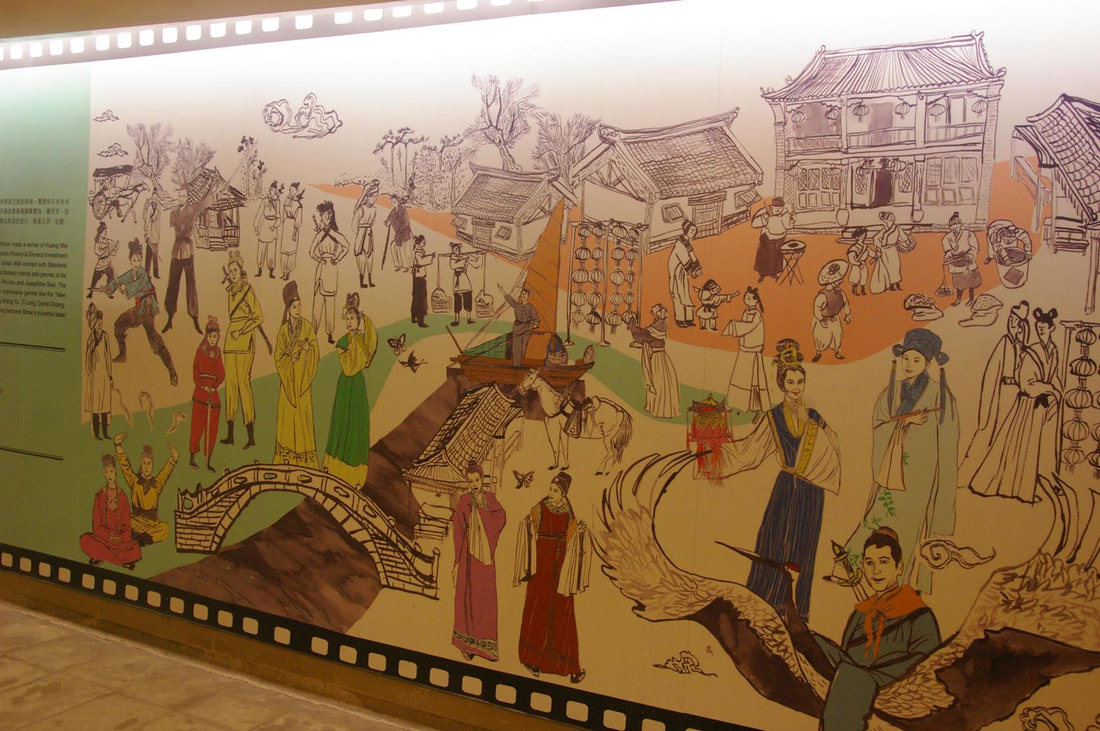
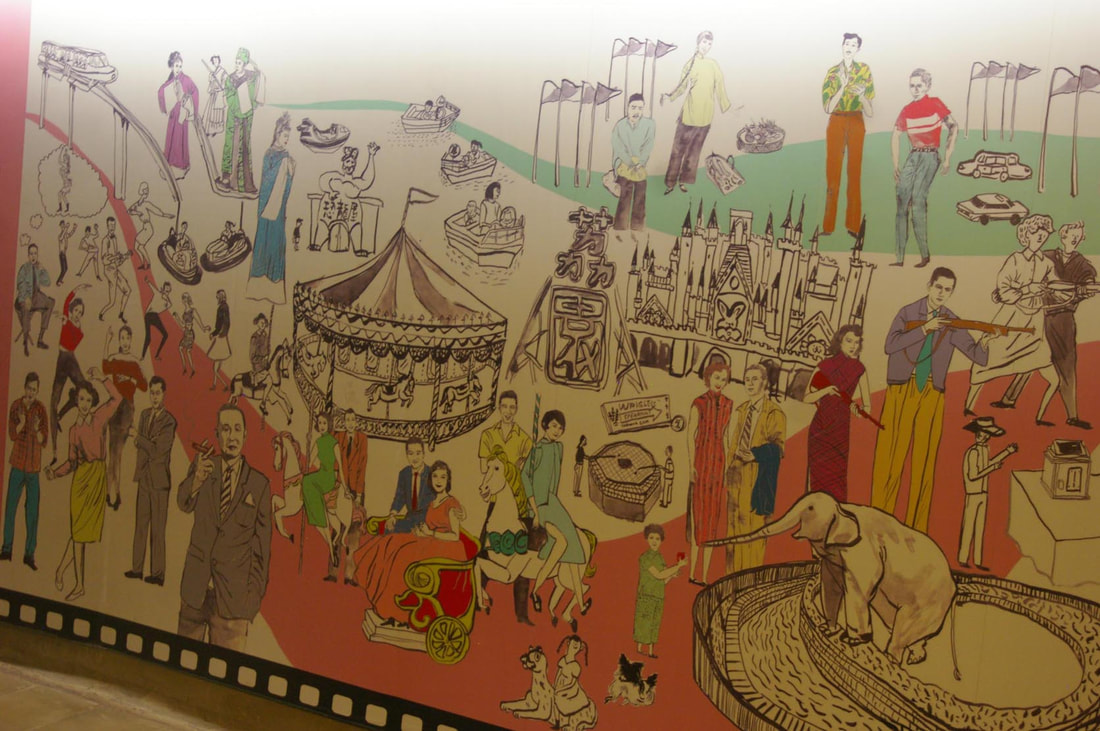
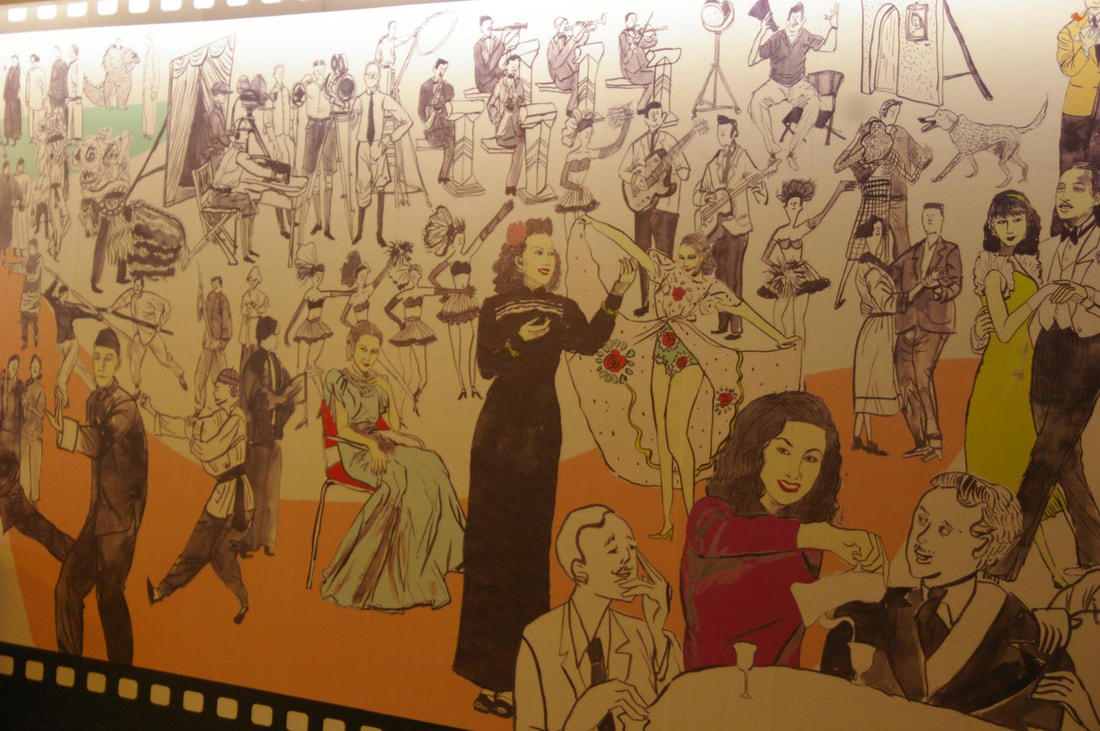
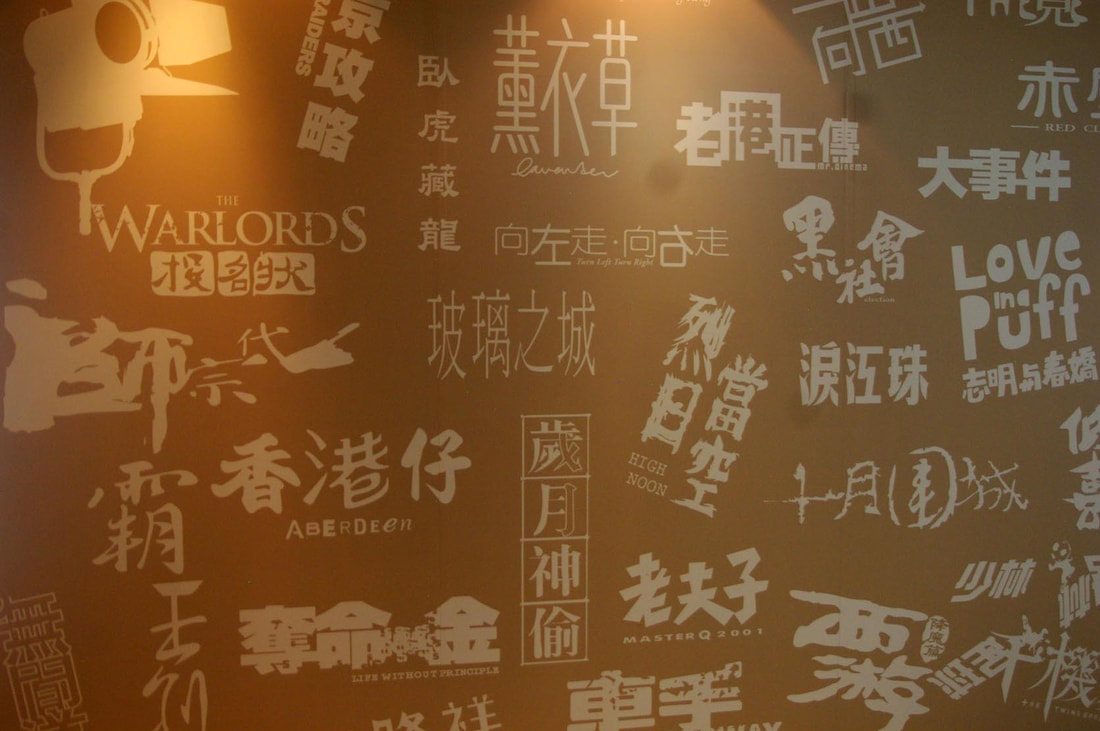
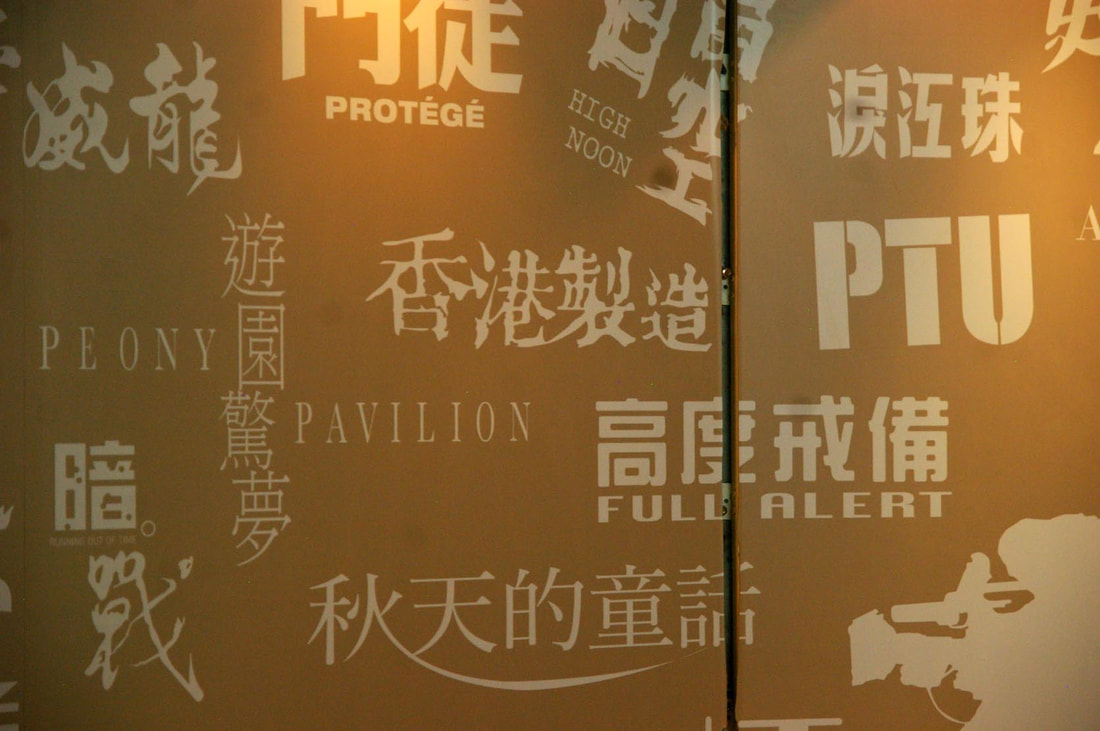
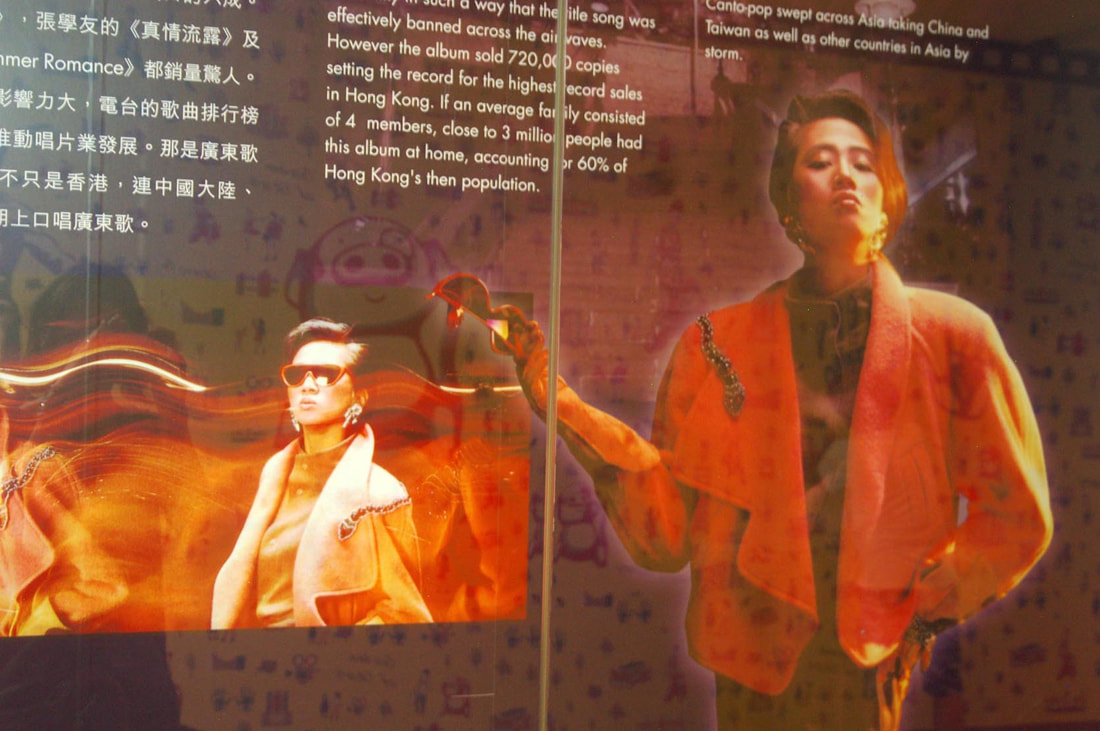
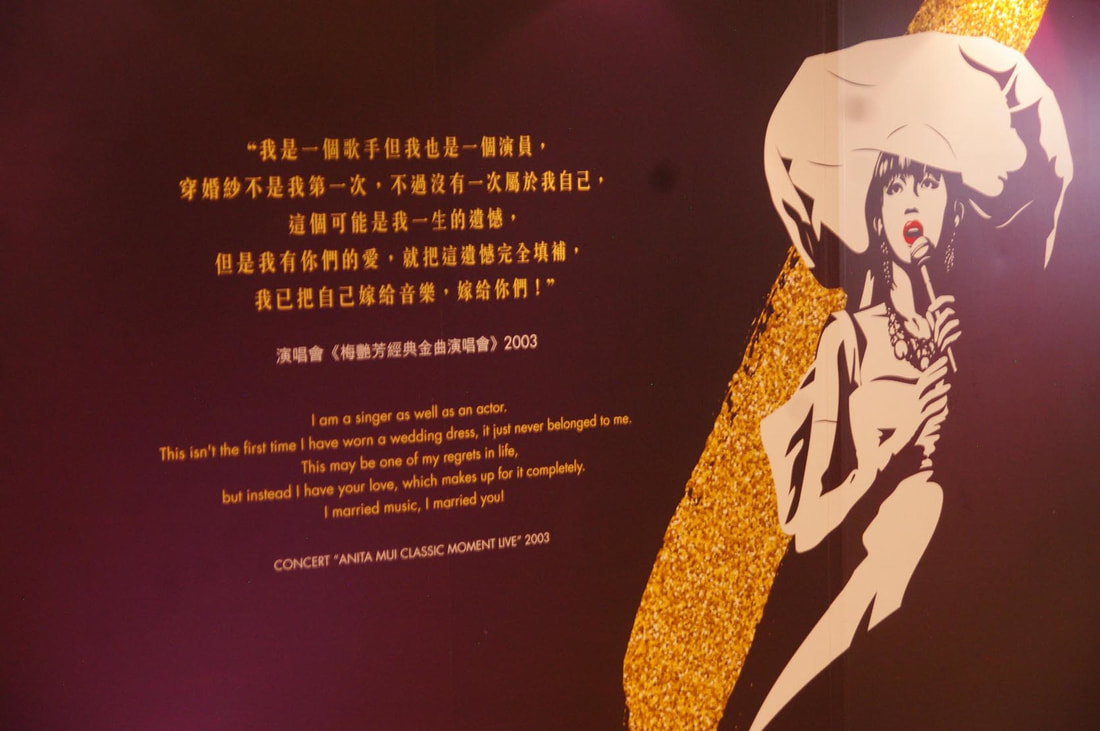
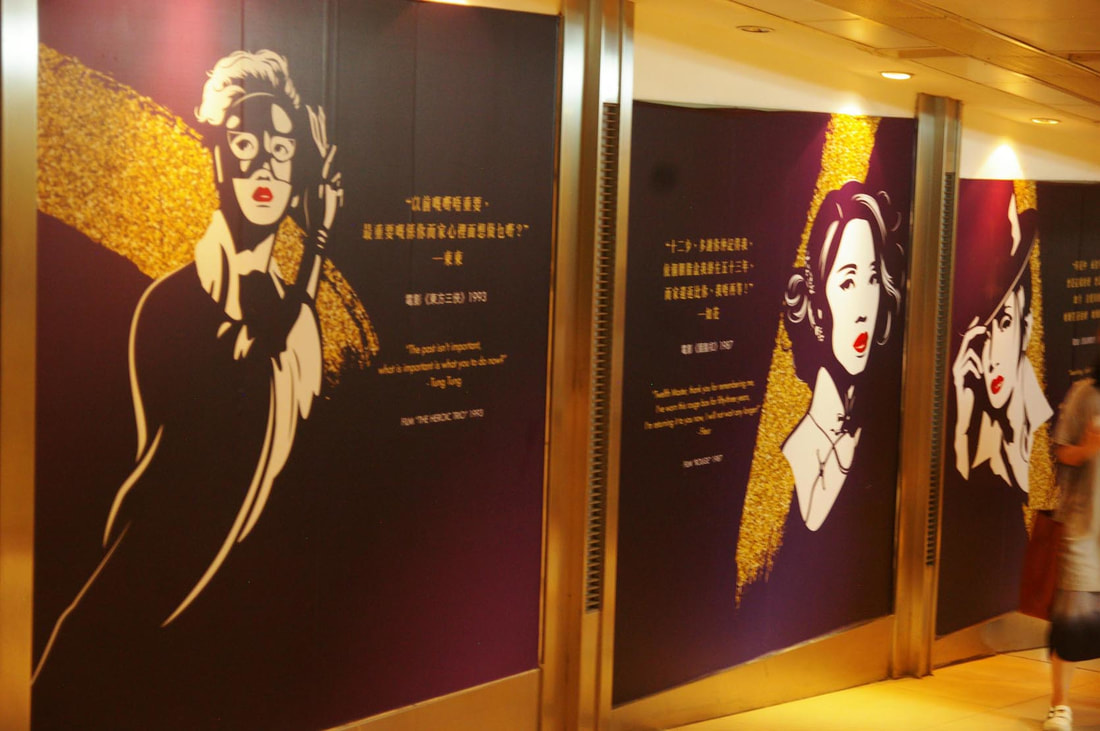
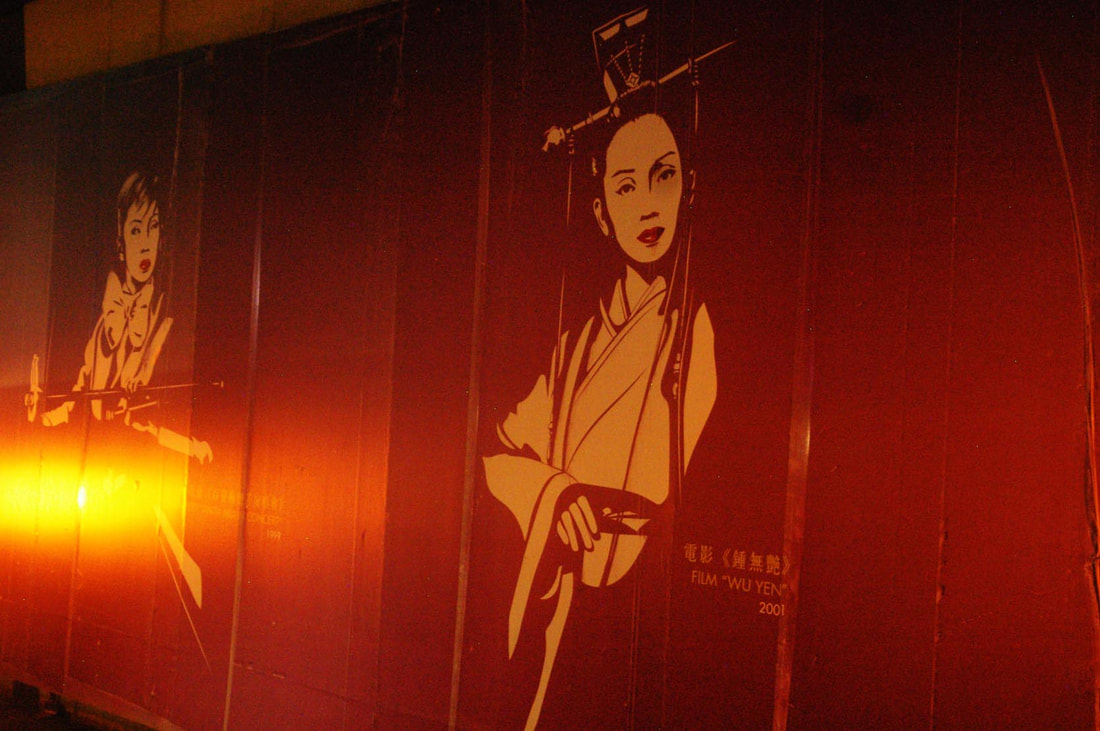
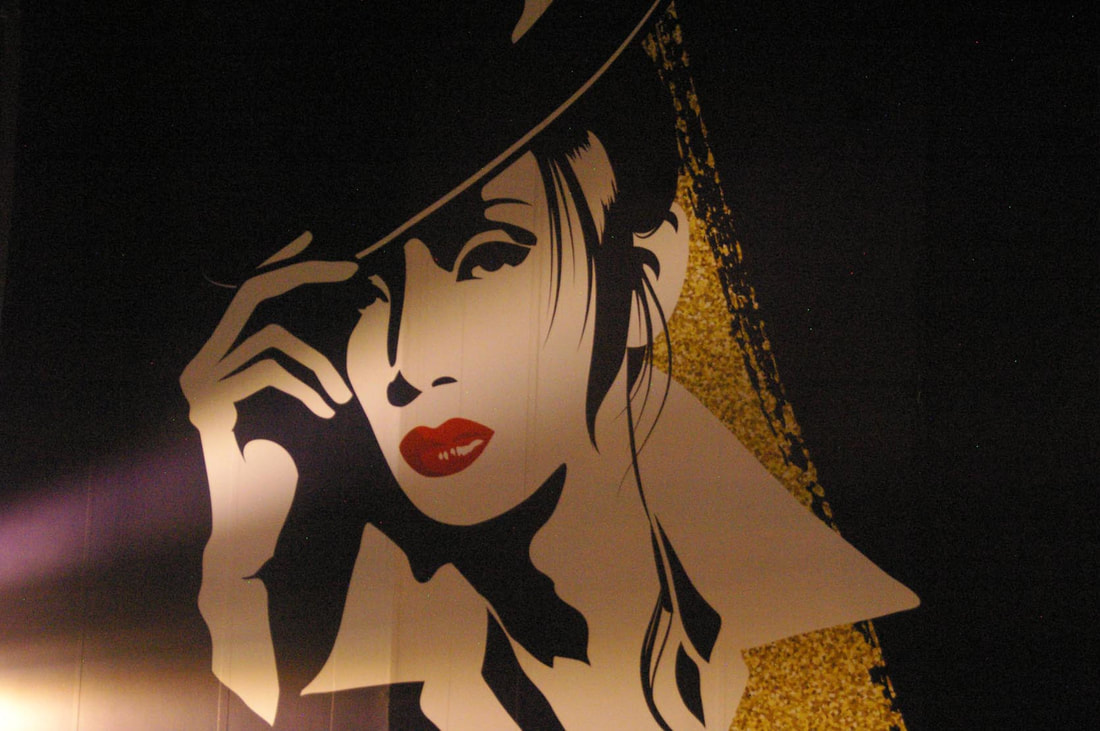
These subway walkways are far more than just transit routes; they function as subterranean art galleries. Walking through the brightly lit tunnels, we discovered a beautiful display of photographs, historical posters, and vibrant artwork celebrating the golden era of the Chinese film scene, turning our sleepless night into a fascinating journey through movie history.
Touching the Legends: Handprints of the Movie Stars
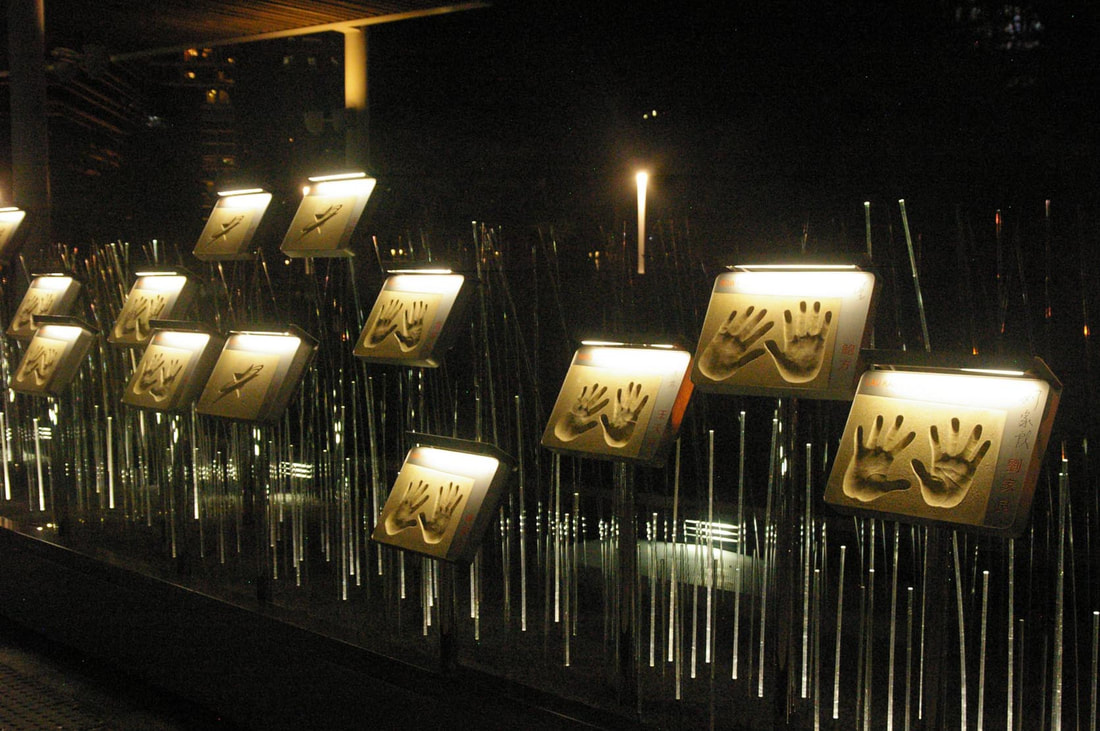
Strolling further through the quiet, midnight air of the promenade, Felipe and I found the famous plaques honoring the greatest icons of East Asian cinema. Back during our visit in 2017, these historic bronze plaques and star medals were embedded right directly into the cement paving stones of the walkway. Felipe had a wonderful time matching his own hands against the physical imprints and authentic autographs of legendary world stars like Jackie Chan, Jet Li, and Chow Yun-fat. Framed beautifully by the dark waters of Victoria Harbour, walking past these milestones of cinematic glory felt like a beautifully nostalgic journey through the glitz and glamour of Hong Kong's very own golden Hollywood era.
Blinding Neon Canyons: The Electric Nightscape of Hong Kong
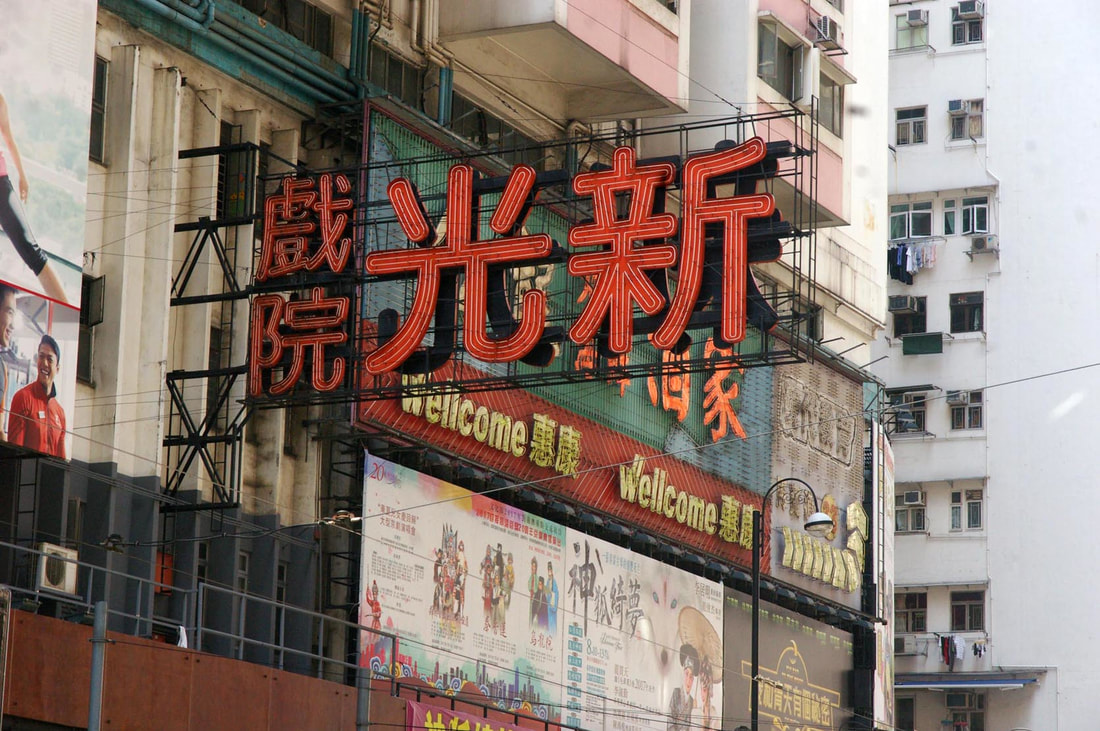
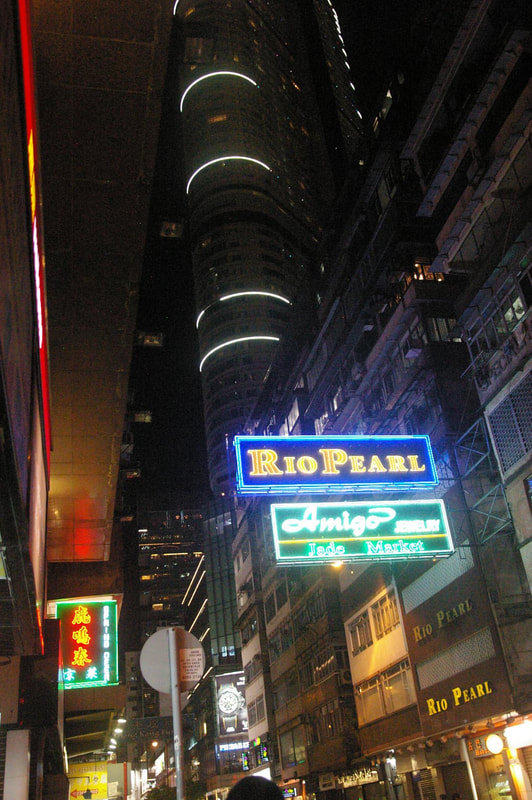
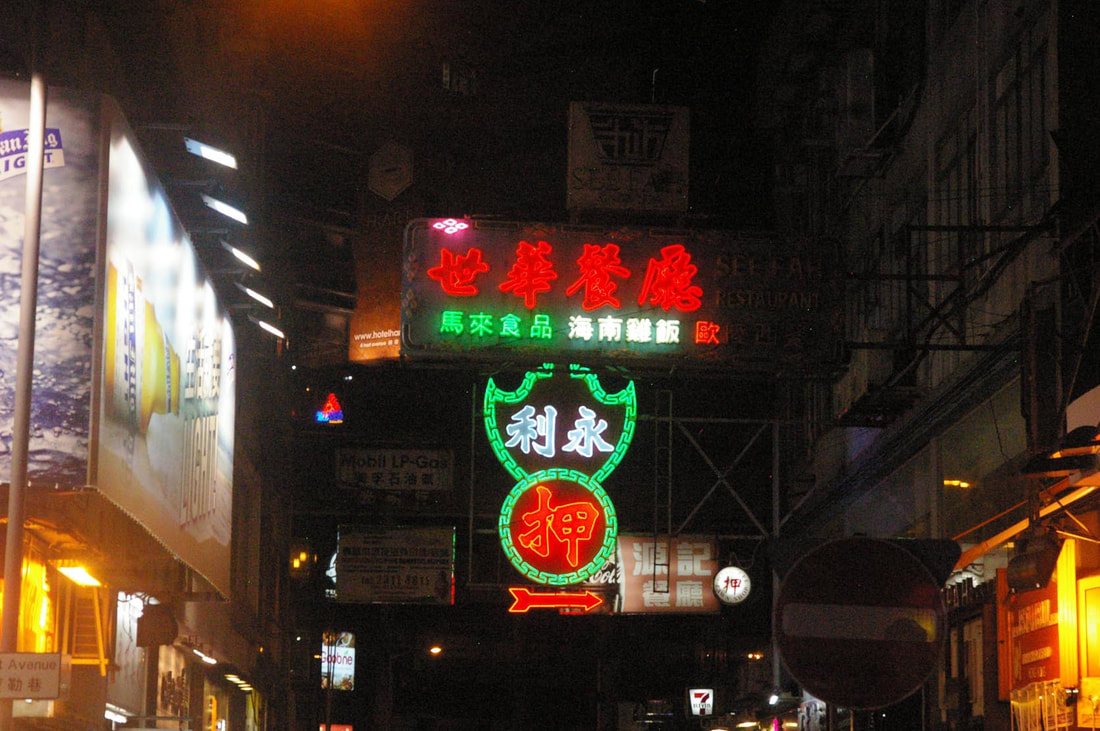
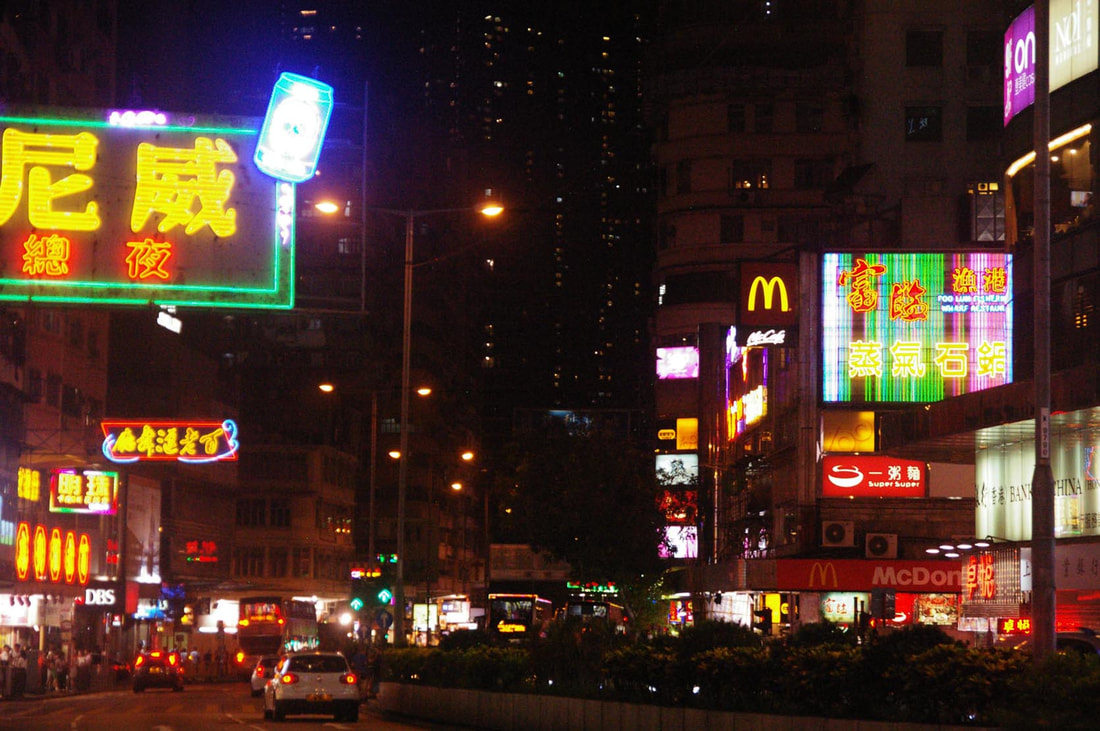
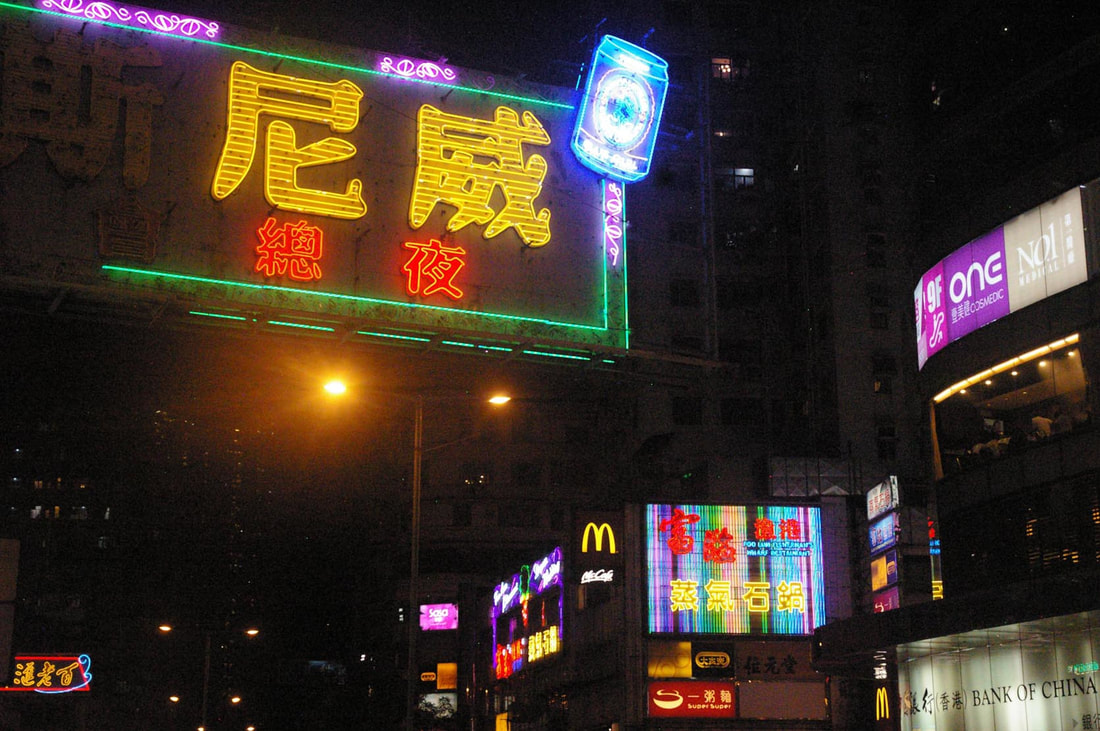
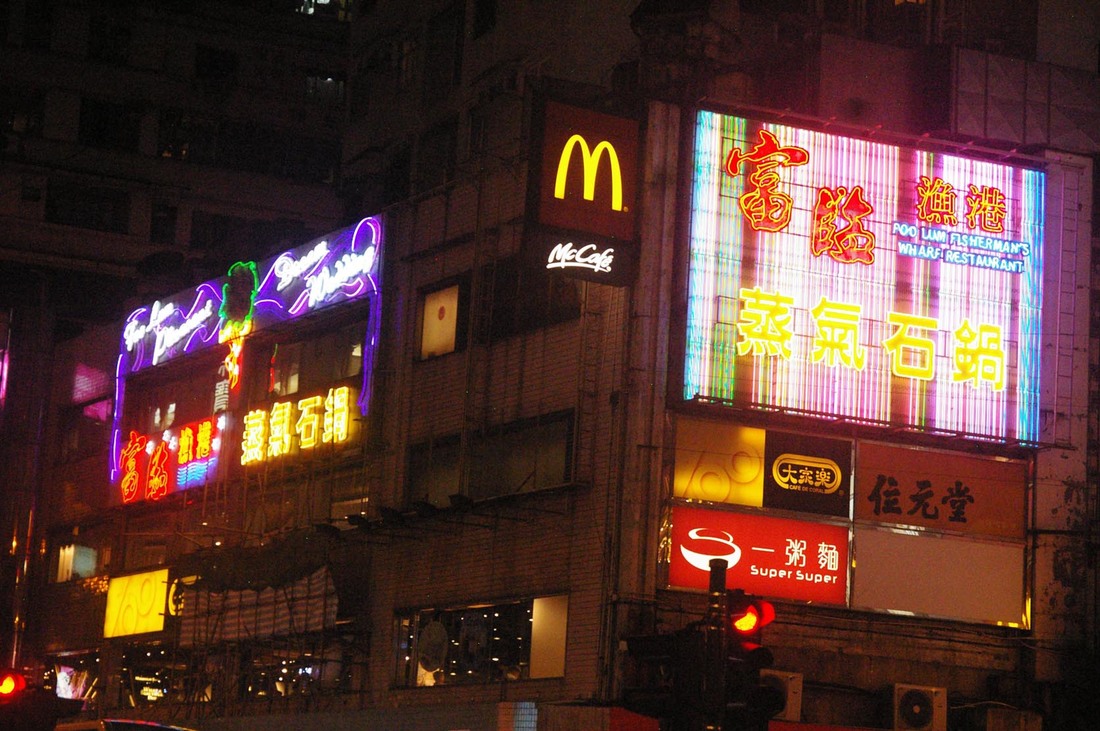
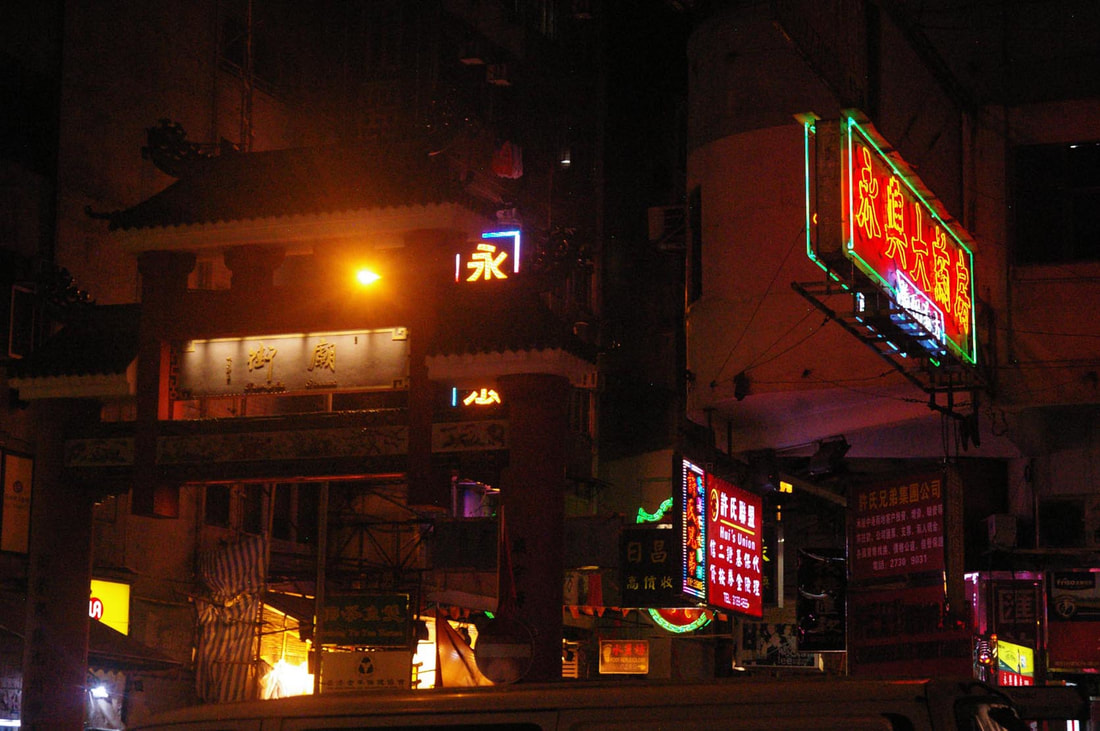
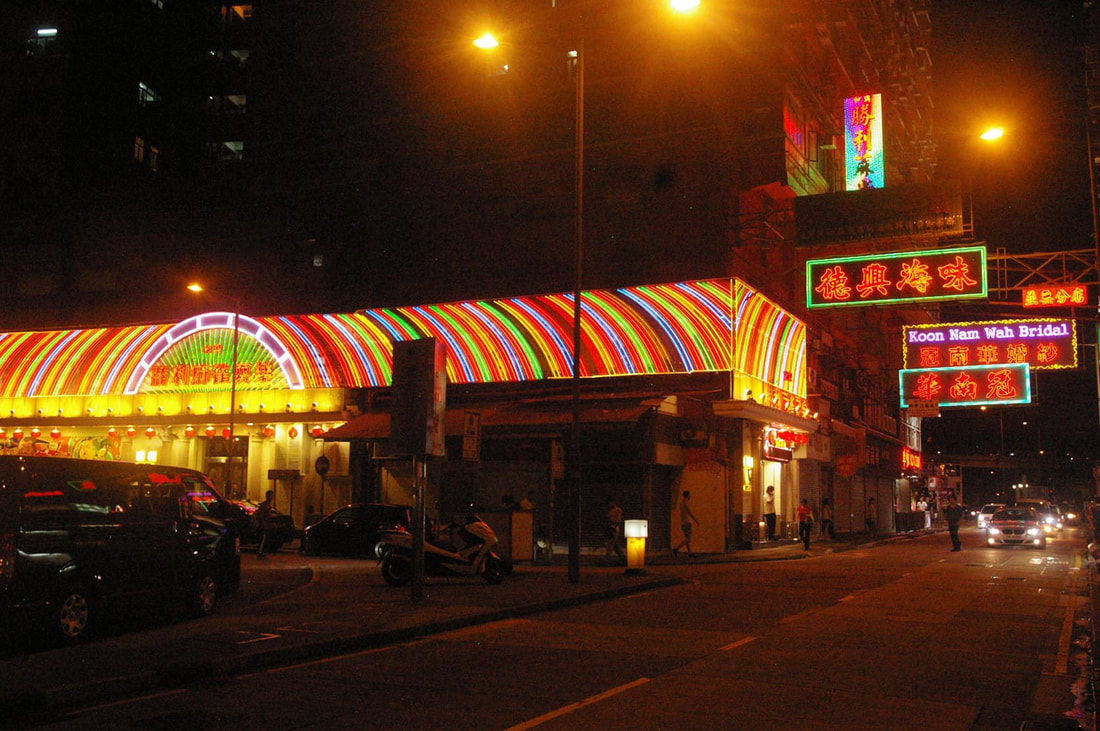
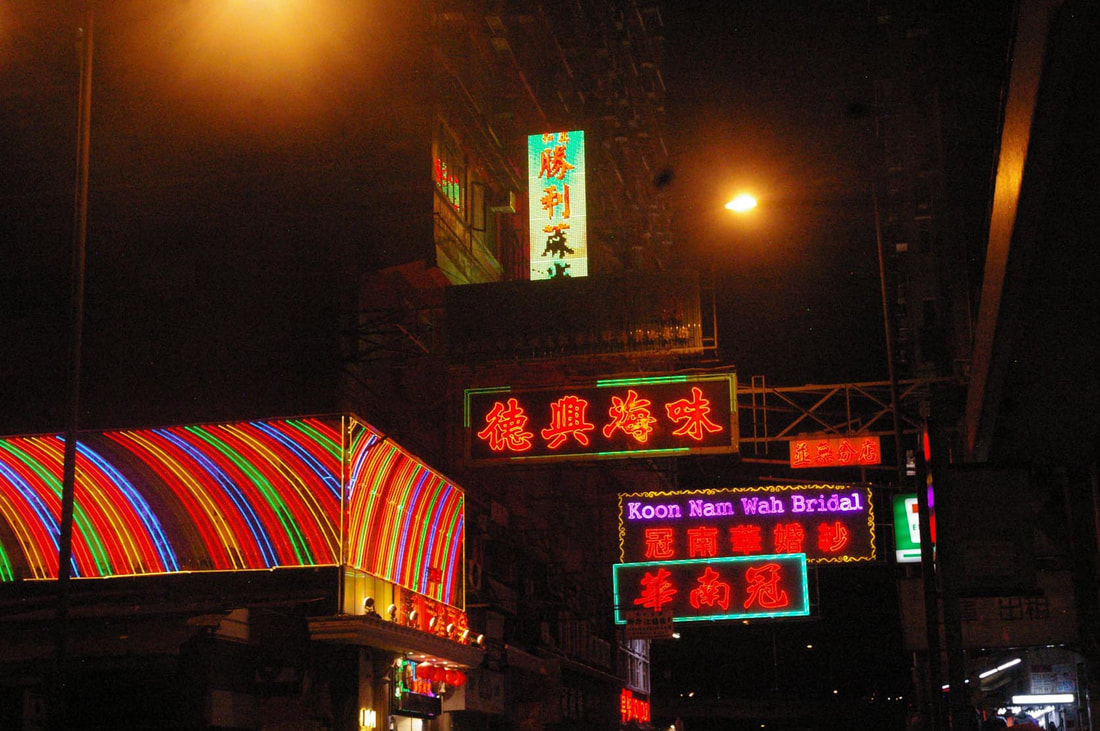
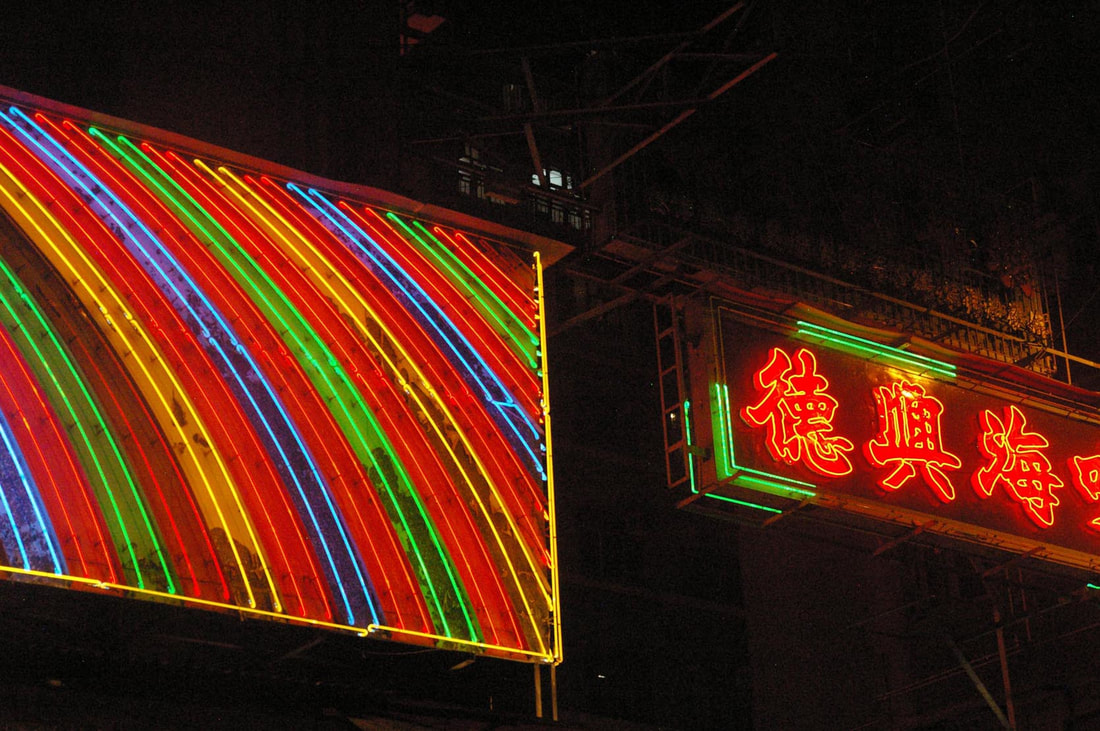
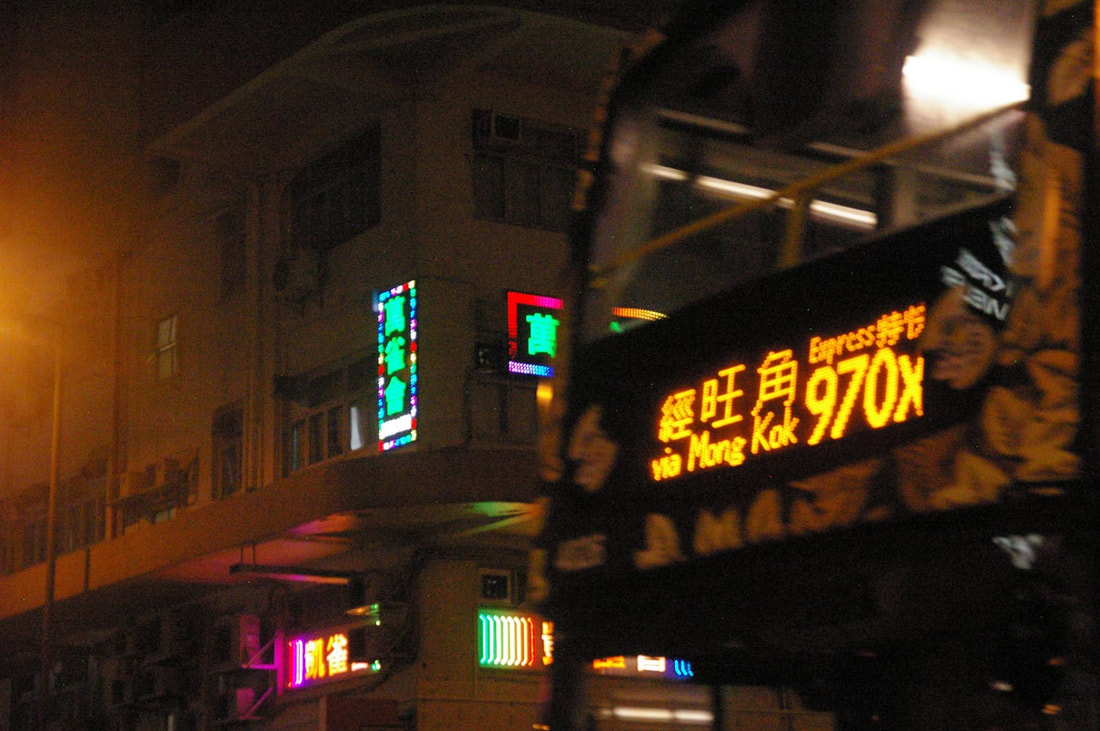
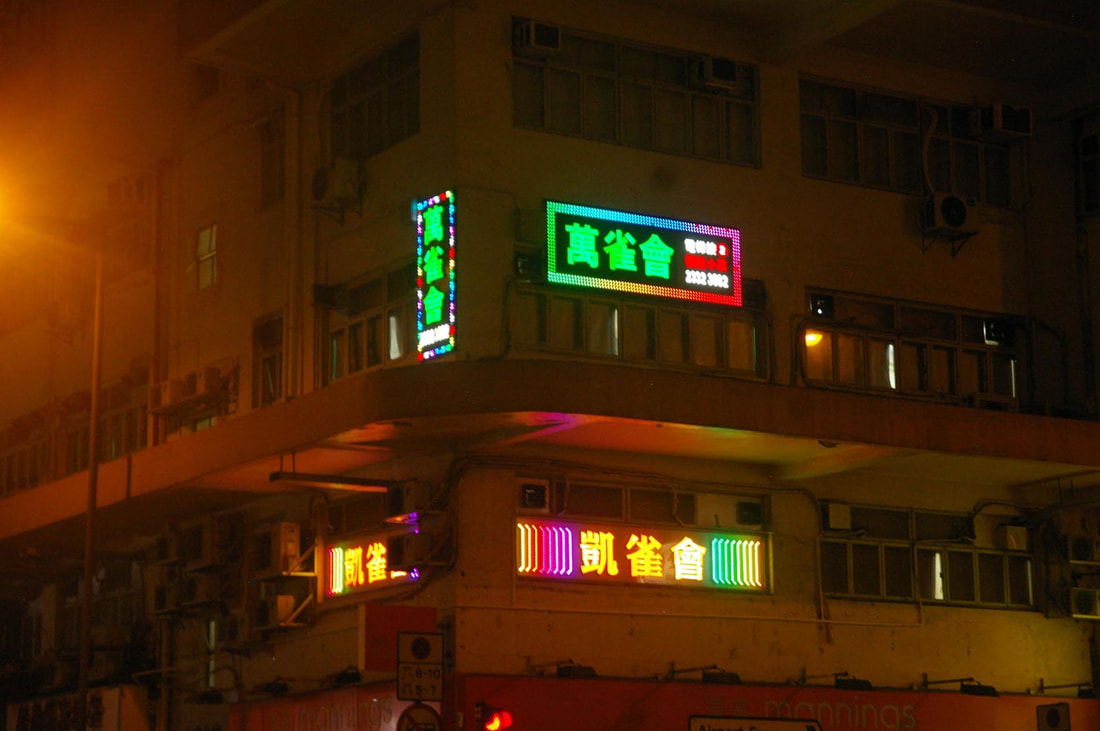
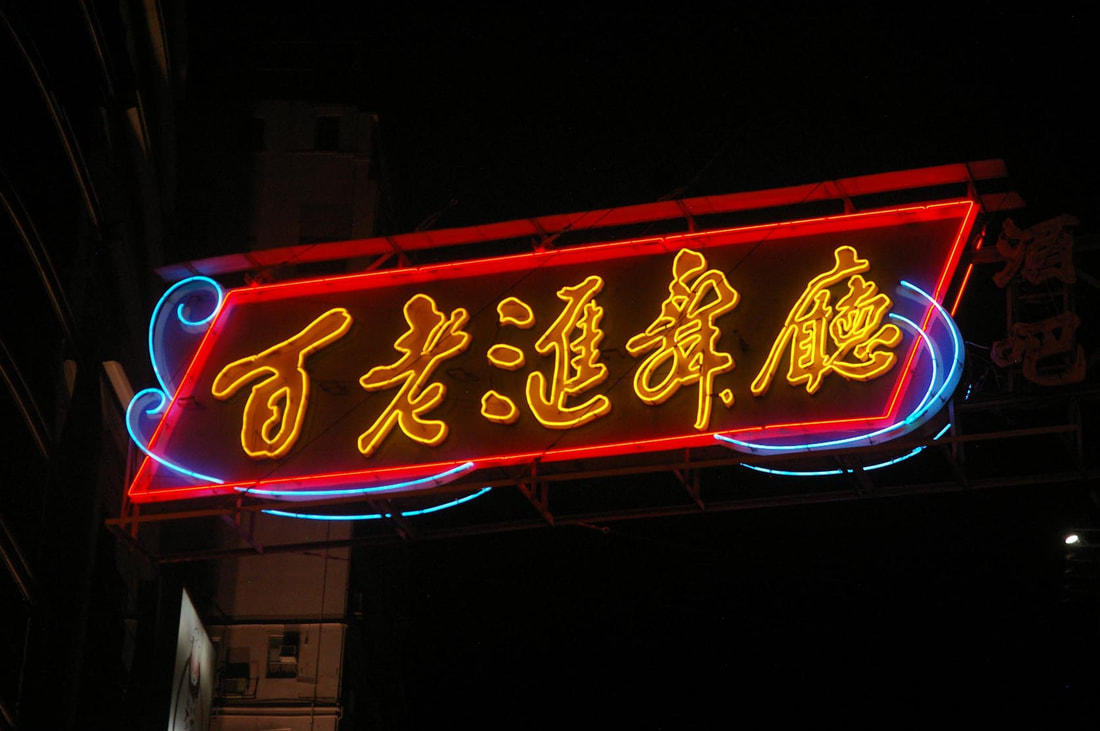
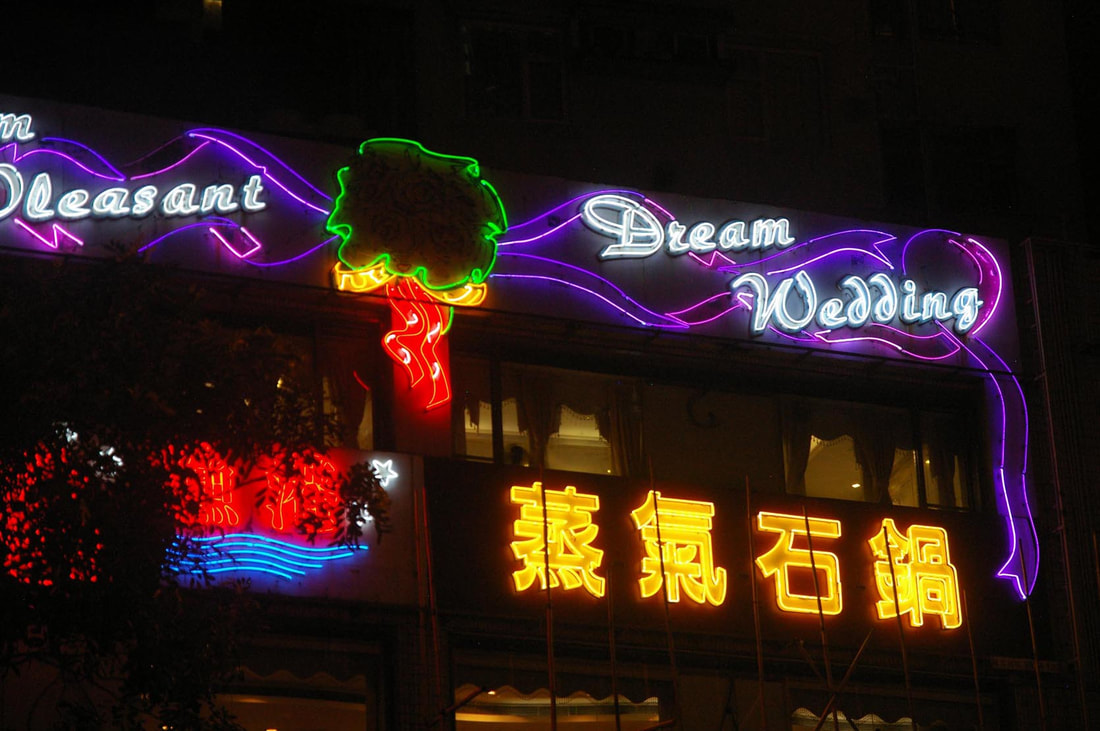
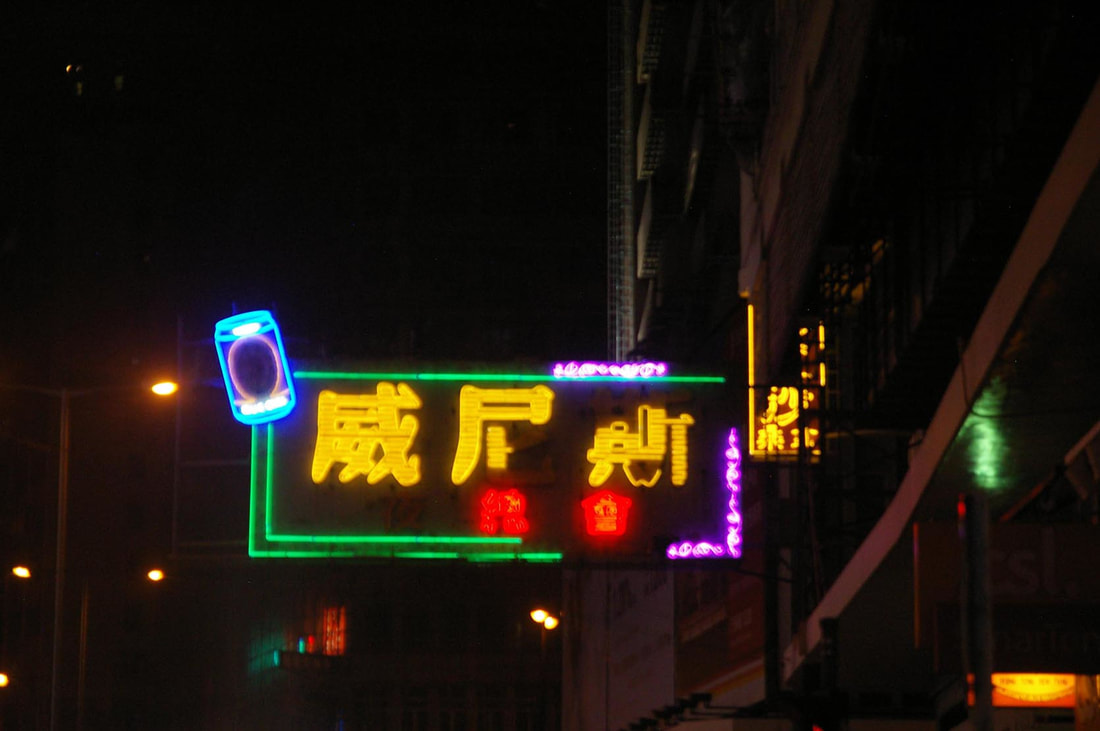
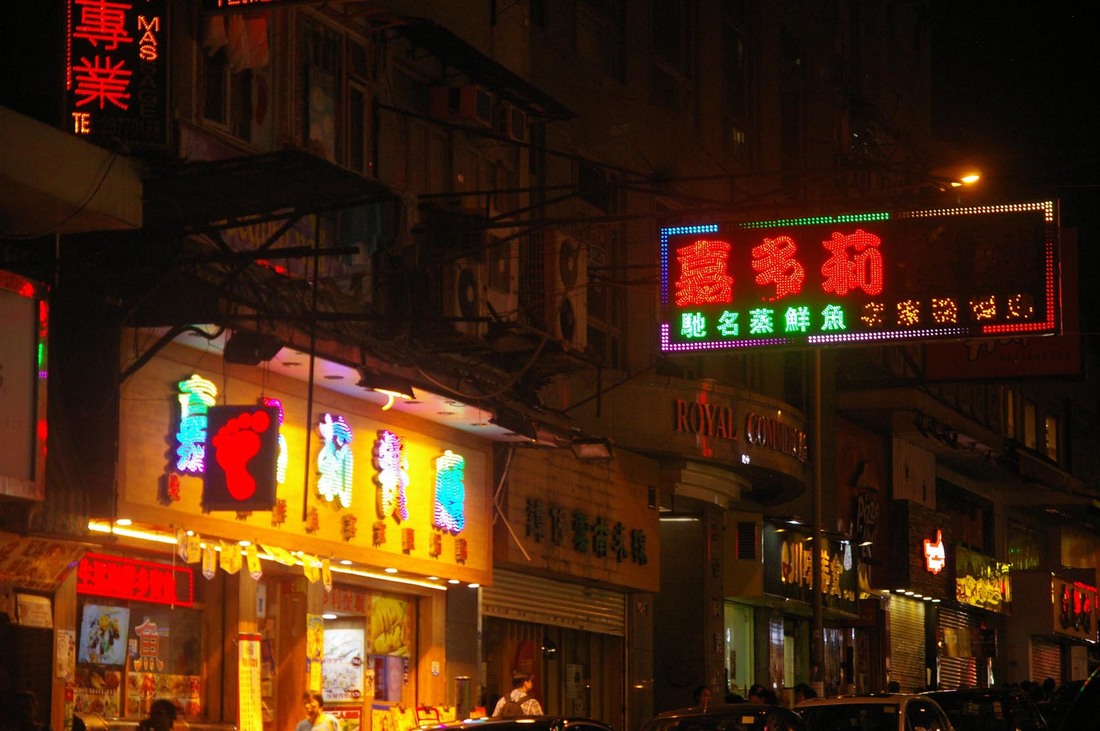
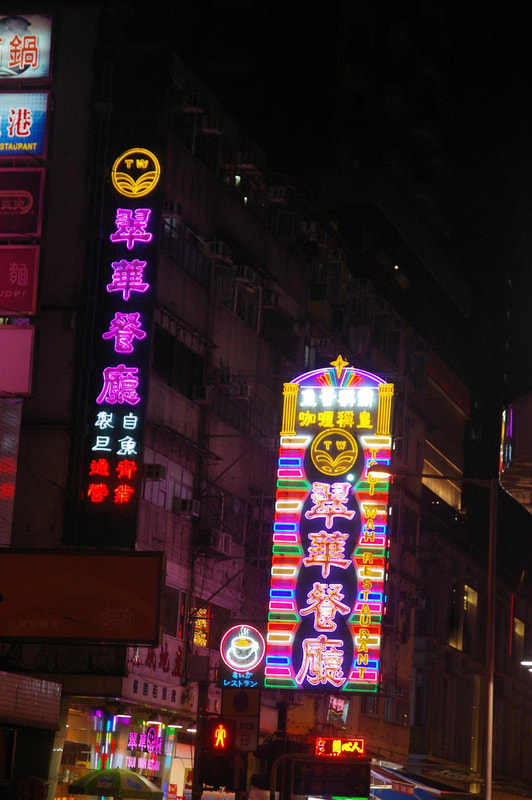
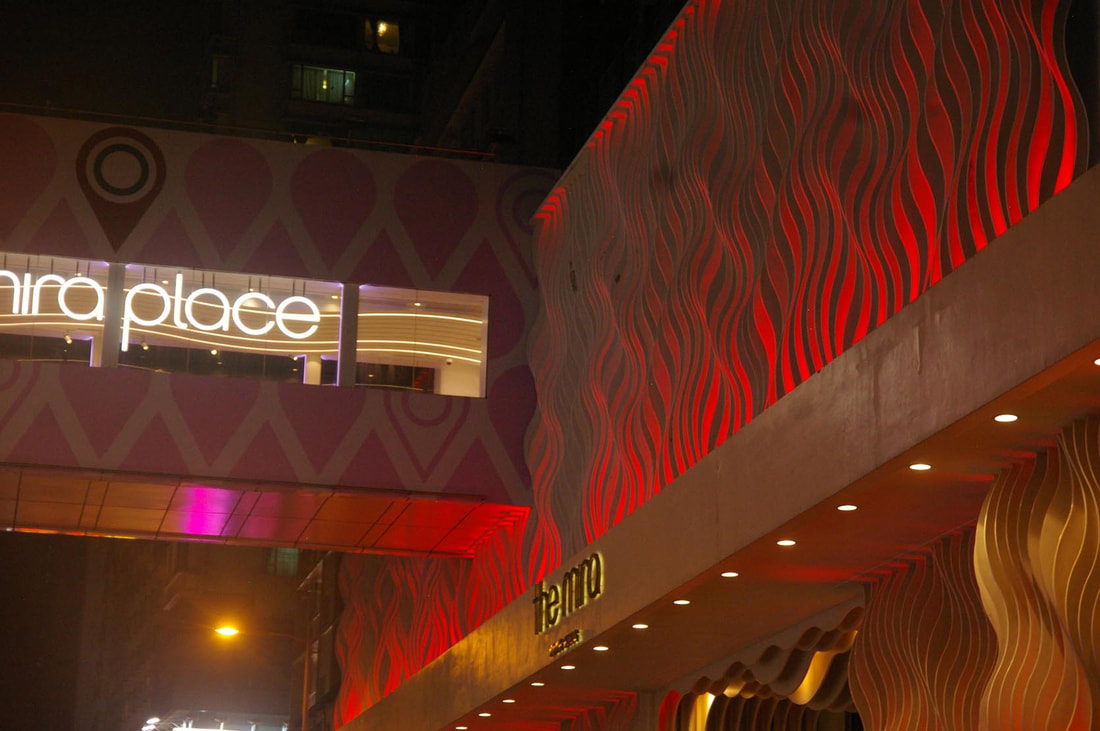
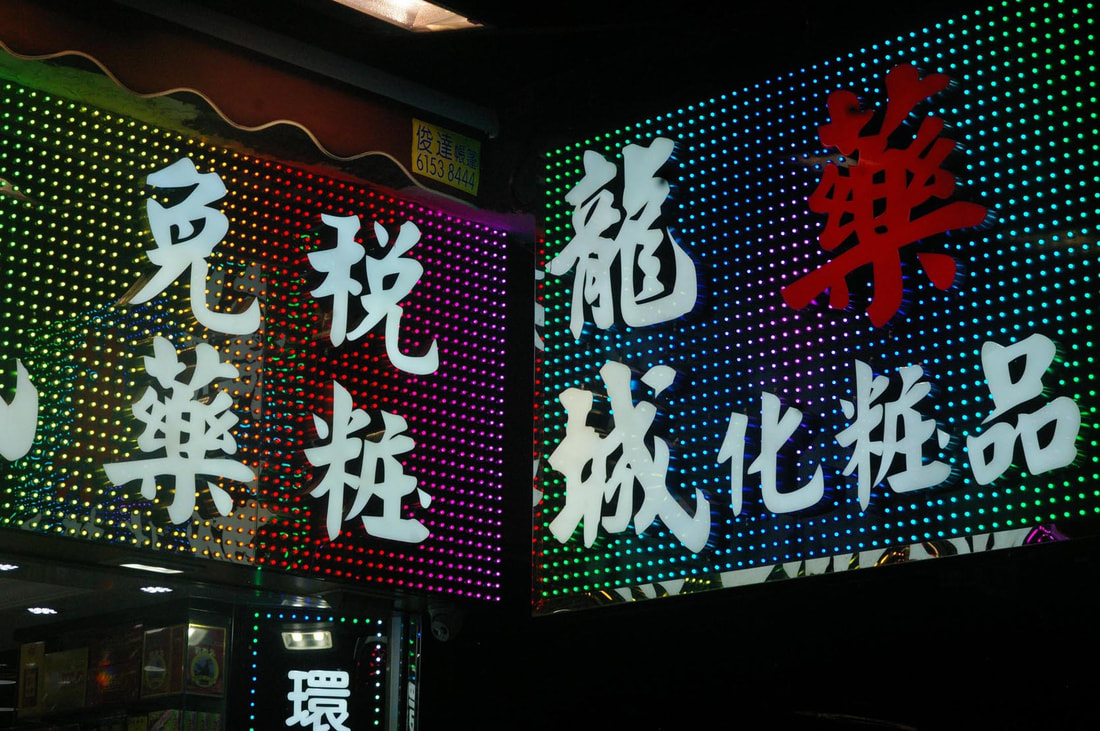
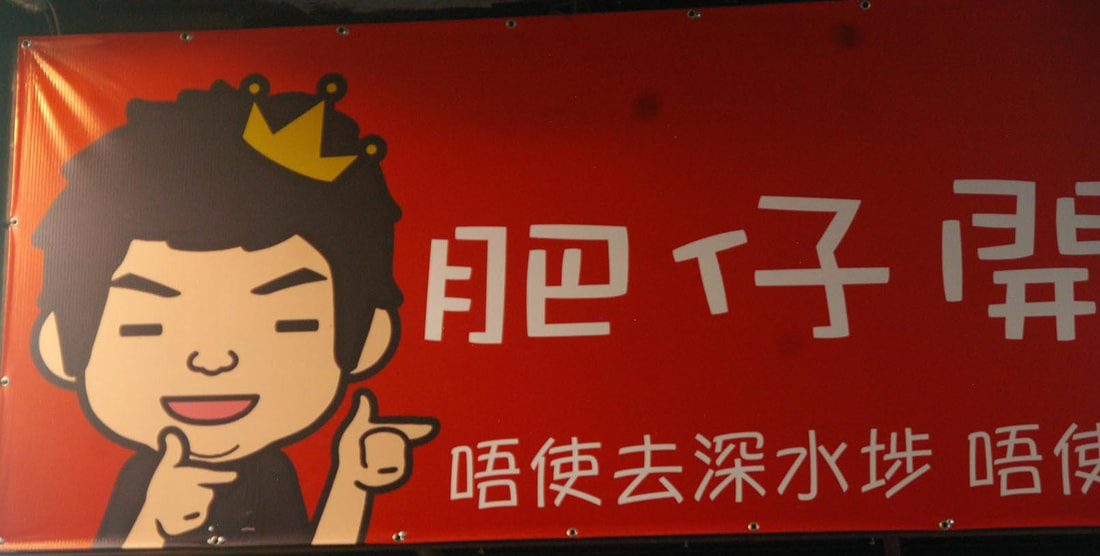
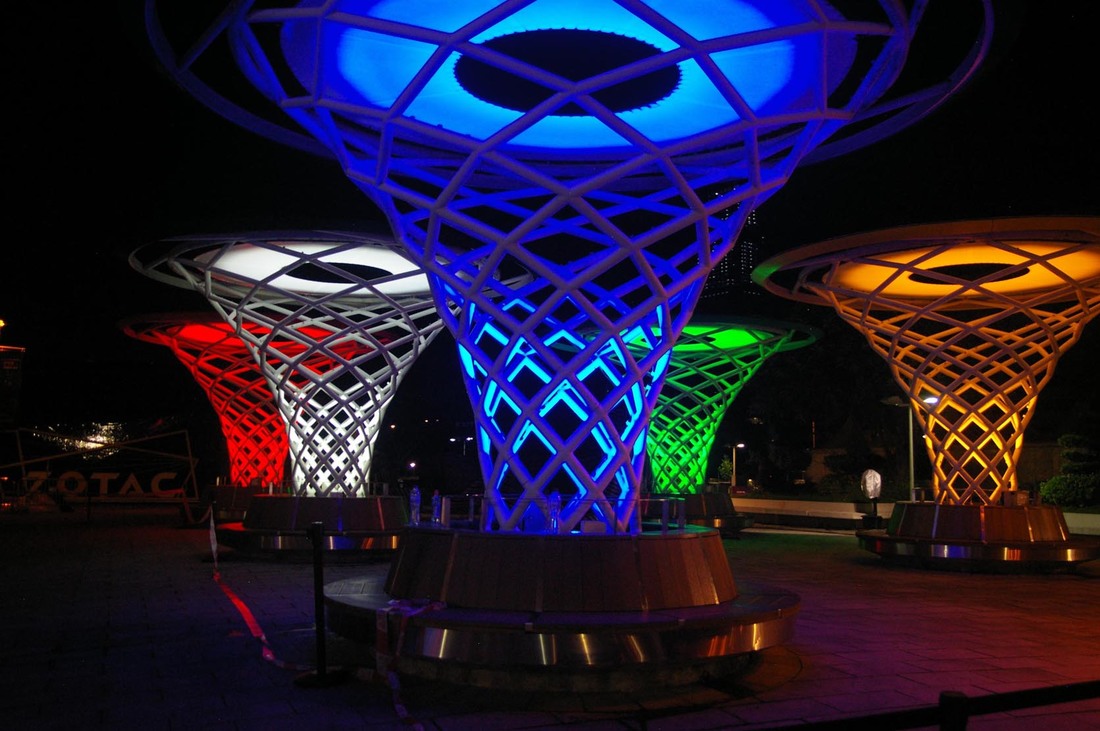
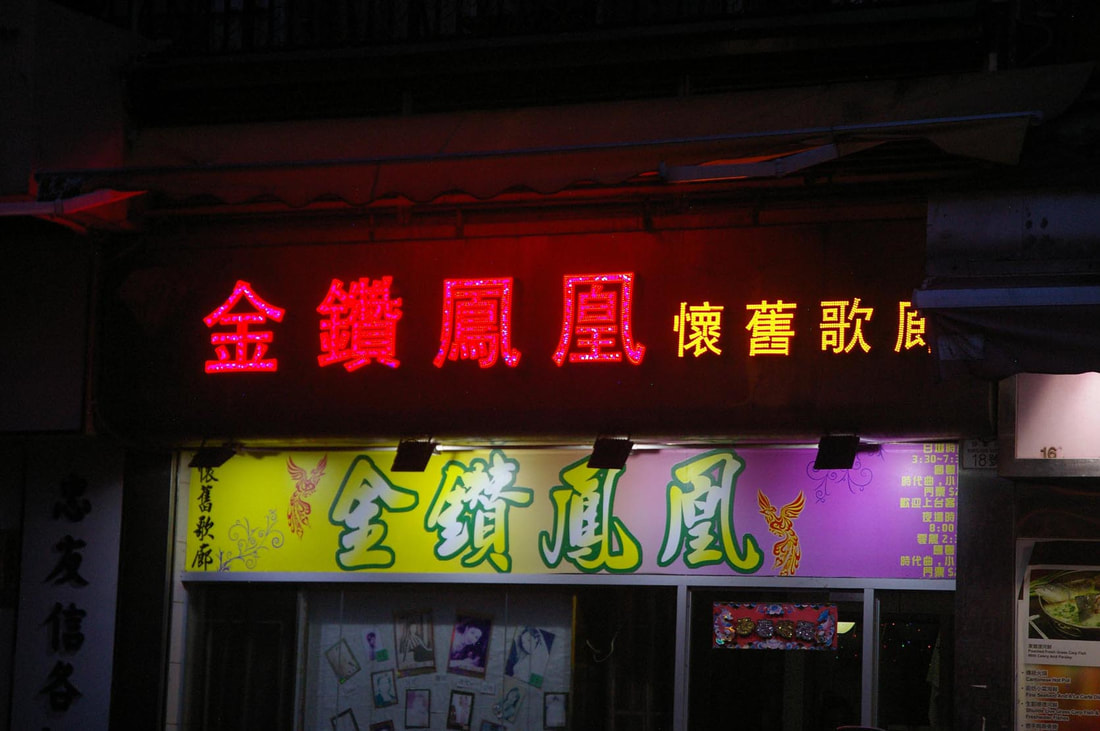
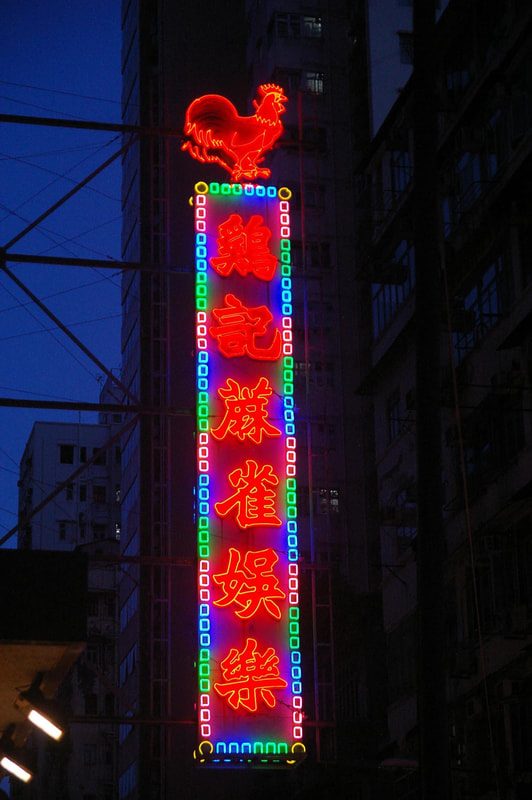
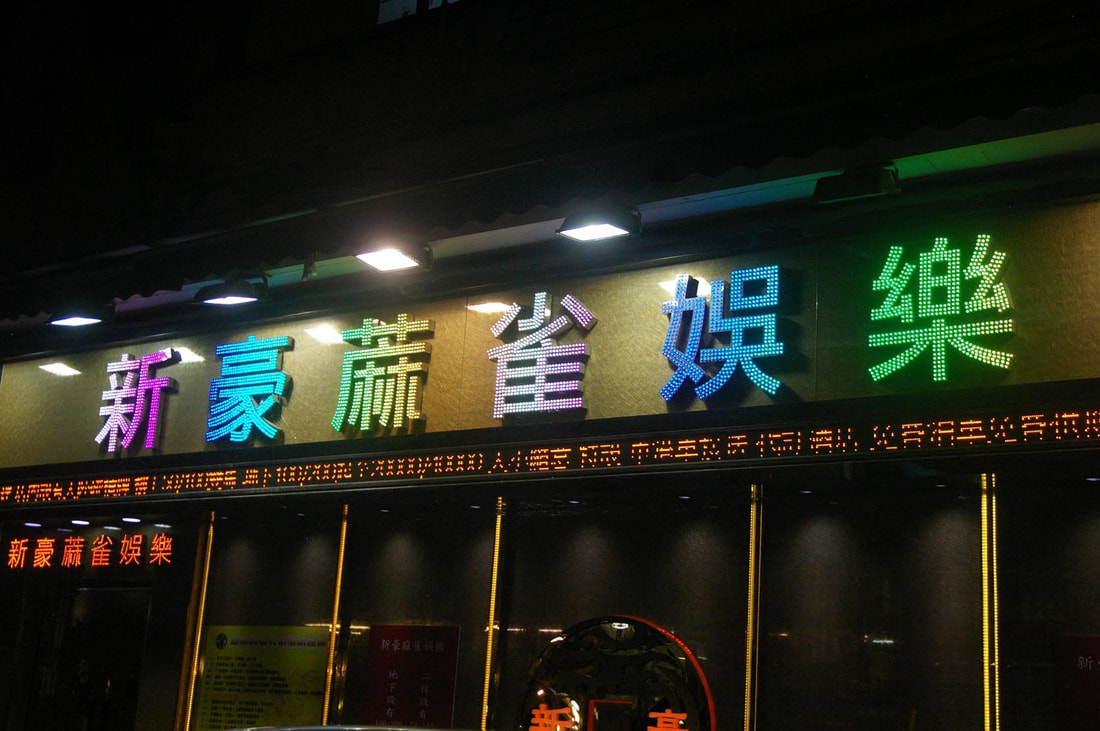
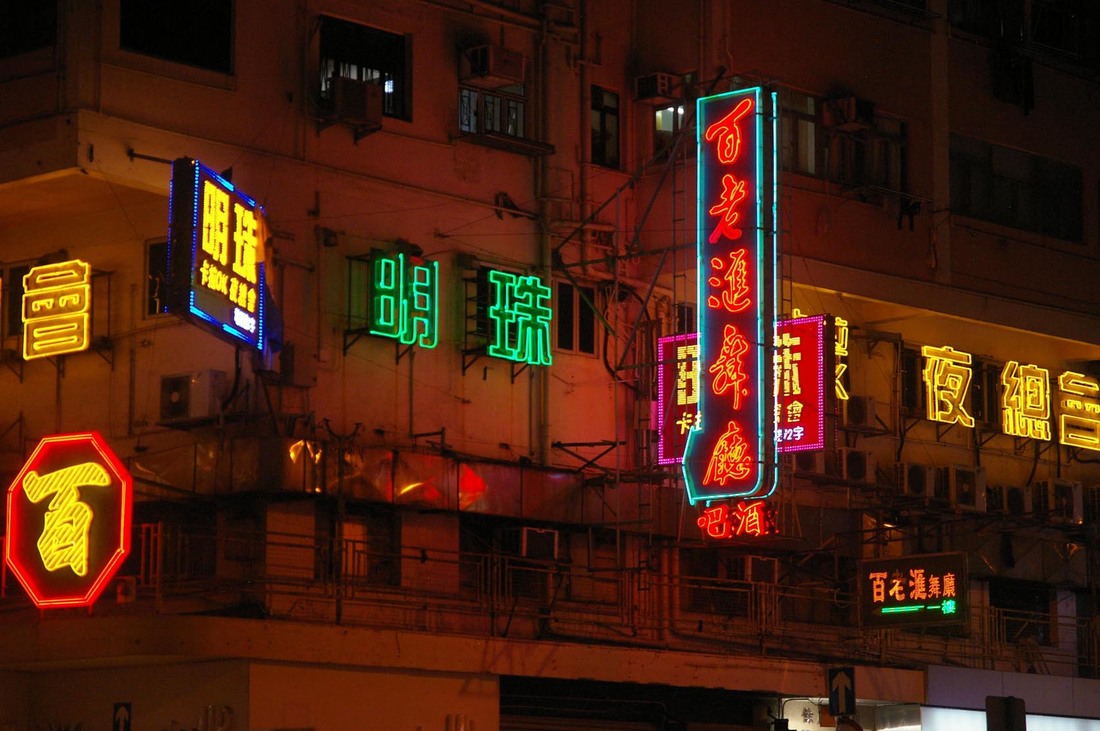
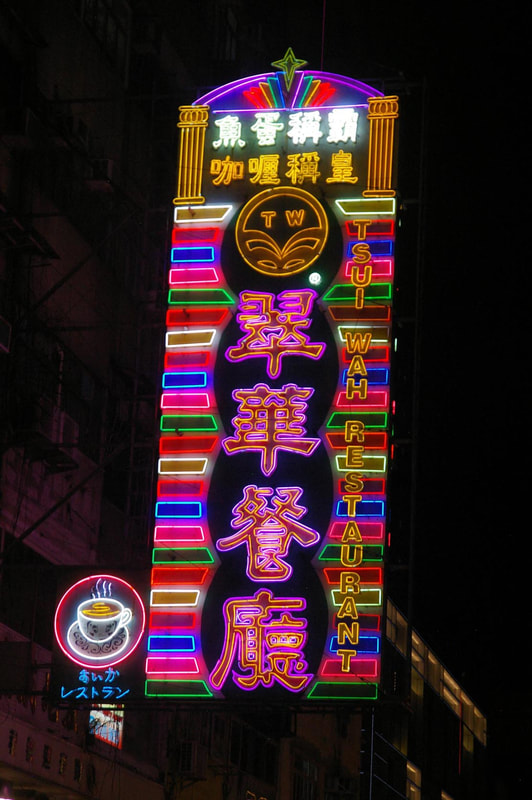
Continuing our midnight stroll, Felipe and I were completely blown away by the overwhelming, dazzling display of Hong Kong’s world-famous neon signs. The busy avenues looked like scenes straight out of a cyberpunk fantasy, with giant, glowing advertisements hanging horizontally over the streets, stacked on top of each other in a chaotic maze of colors. Crafted meticulously by hand by master glassblowers since the 1950s, these intense green, red, and golden Chinese characters were the pride of local shops, restaurants, and markets. Standing beneath this pulsing, electric ceiling of light felt absolutely mesmerizing. It was a true sensory overload that defined the nostalgic nightlife of the city, and since many of these classic signs are rapidly disappearing today due to modern LED replacements, our photographs freeze a brilliant, vanishing piece of Hong Kong’s urban heritage in time.
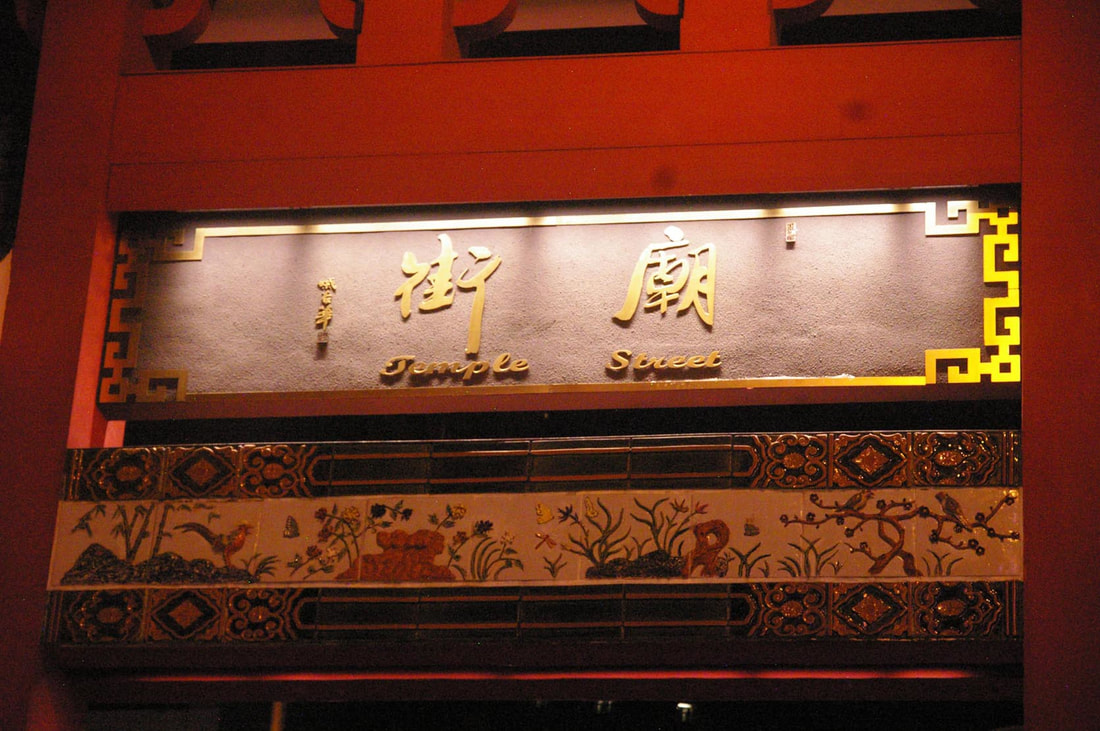
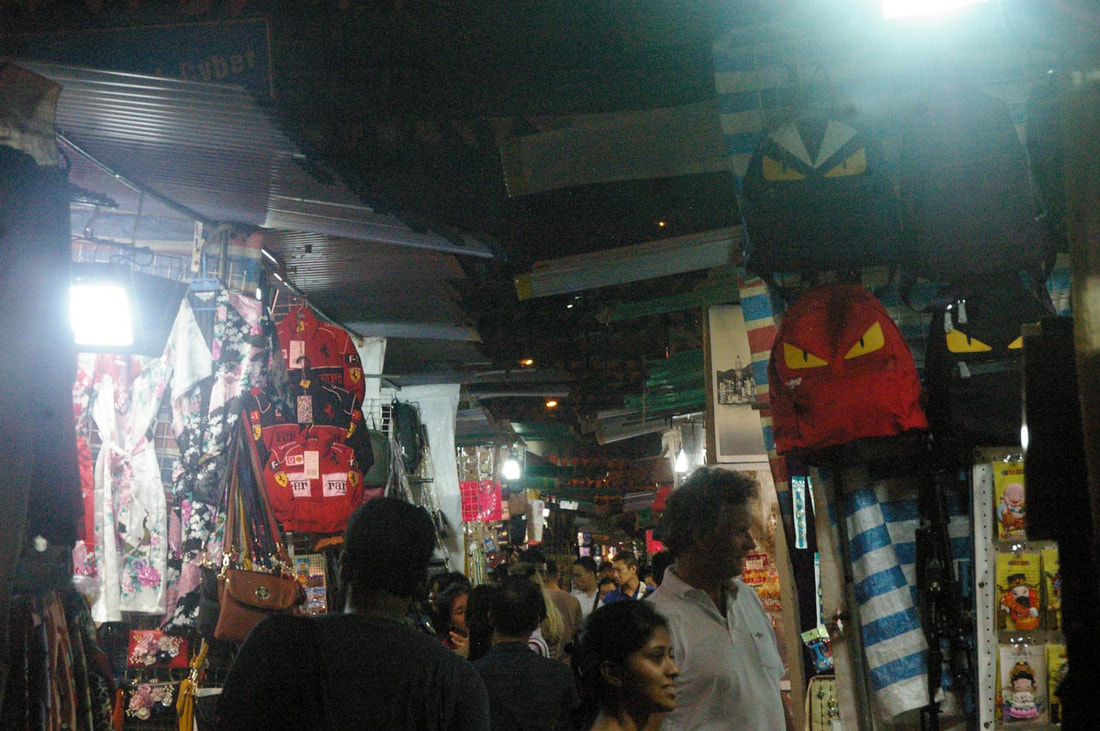
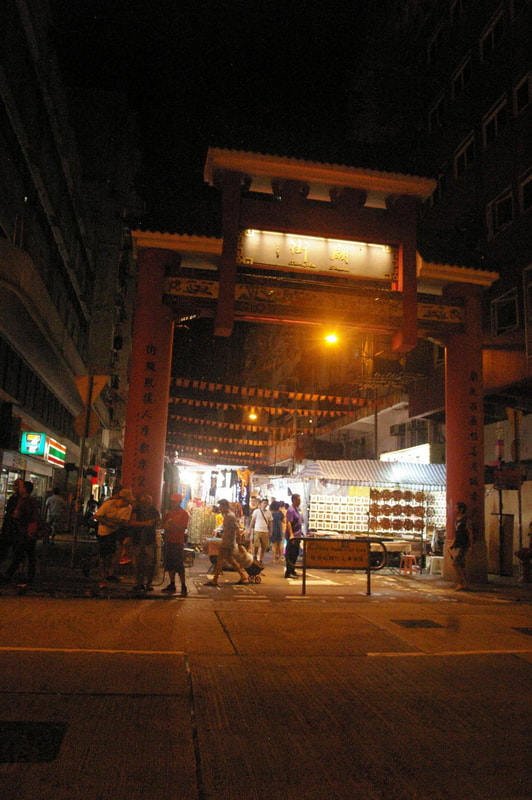
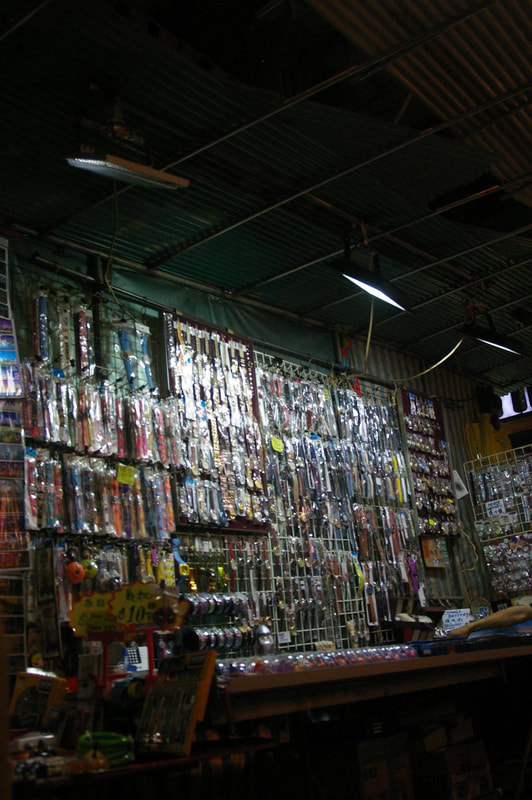
Midnight Cravings: Temple Street Night Market
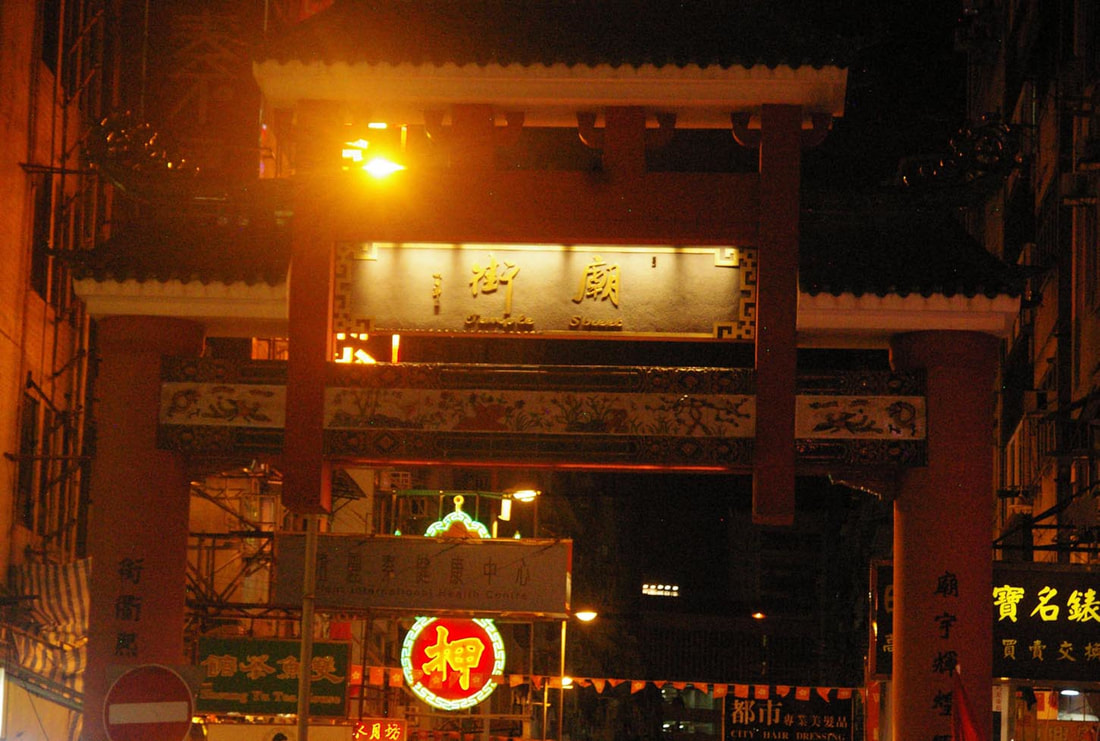
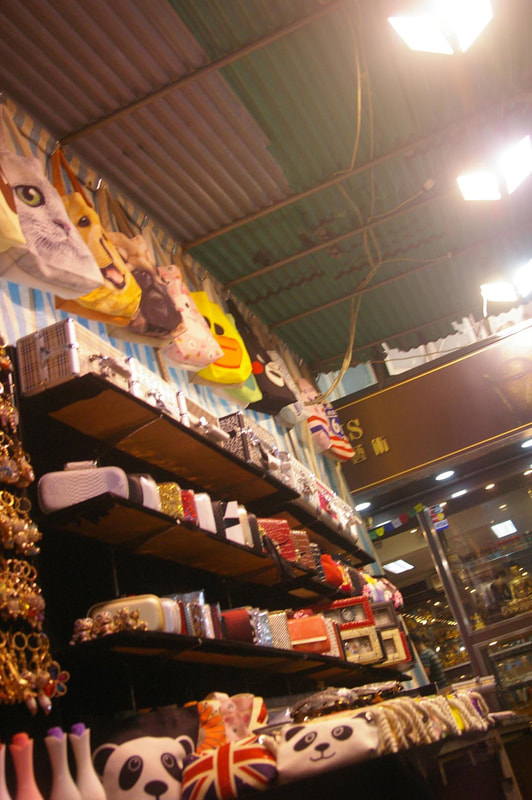
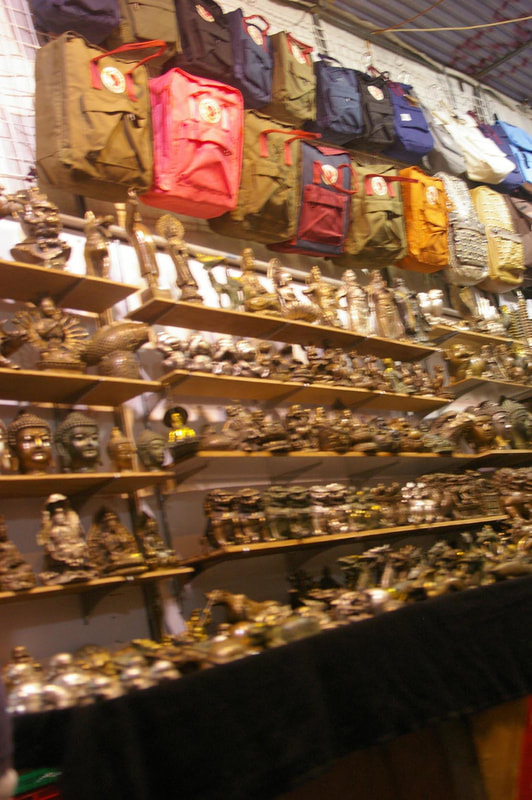
Driven by our growing midnight hunger, our next stop was the legendary Temple Street Night Market in Kowloon. Even in the dead of night, this iconic street was buzzing with an electric, local energy. While the souvenir stalls were slowly winding down, the famous Dai Pai Dongs—Hong Kong’s traditional open-air food stalls—were in full swing. Sitting on simple plastic stools right on the asphalt, surrounded by the sizzling sounds of woks and the savory aromas of spices, Felipe and I dove into the city's authentic culinary heart. Munching on hot street food under the glowing market lights was the ultimate, delicious grand finale to our sleepless night exploration.
- Named After the Temple (1860s): The street honors the mid-19th century Tin Hau Temple, built for sea goddess protection of fishermen and sailors.
- Origin as a Social Hub (1920s): Street vendors established a vibrant gathering place around the temple plaza, catering to visitors with food and goods.
- The "Working-Class Nightclub" (Mid-20th Century): The market served as a social hub featuring cheap open-air food stalls (Dai Pai Dongs), fortune tellers, and Cantonese opera.
- The "Men’s Street" Nickname: Formerly known for selling affordable electronics, clothing, and tools for male workers, it has evolved into a diverse, modern flea market.
A Late Start and Divine Interventions: The Journey to 10,000 Buddhas
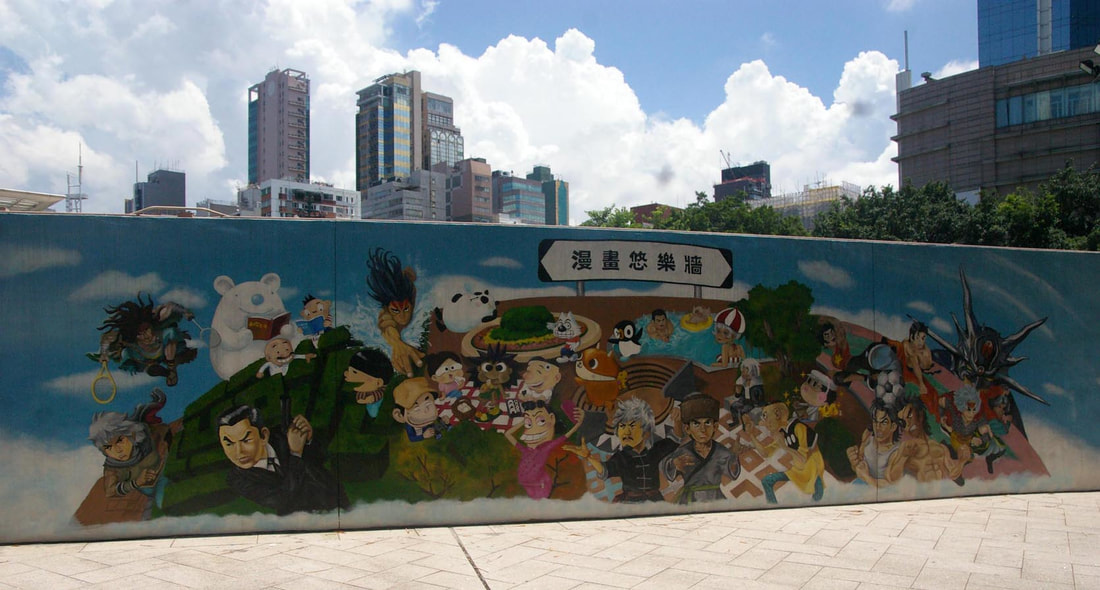
Our second day in Hong Kong taught us a classic travel lesson about jet lag. Having explored the vibrant streets until the early hours of the morning, the time difference caught up with us. Our cozy little guesthouse room lacked proper windows to let the morning sun in, cocooning us in a deep, timeless sleep. By the time Felipe and I finally opened our eyes, half the day had already slipped away. We rushed out, starting our shortened afternoon at the colorful Avenue of Comic Stars, but we knew we wanted to experience something truly spiritual before the sun set.
Exploring the Ink and Imagination: The Avenue of Comic Stars
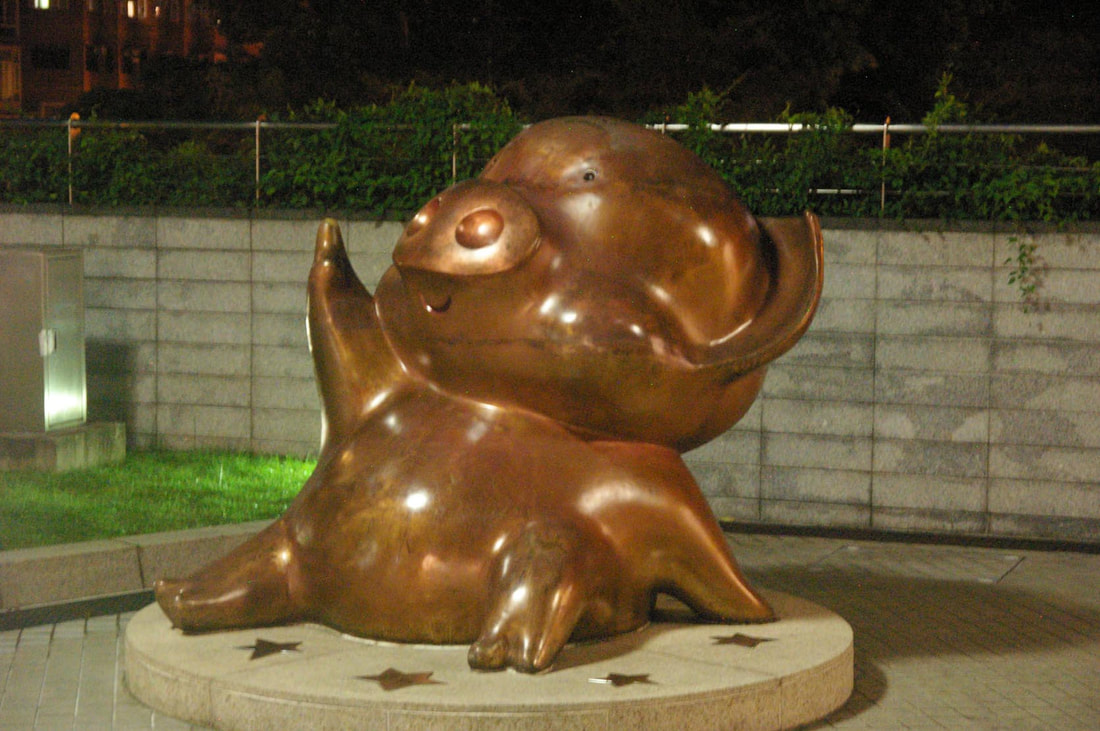
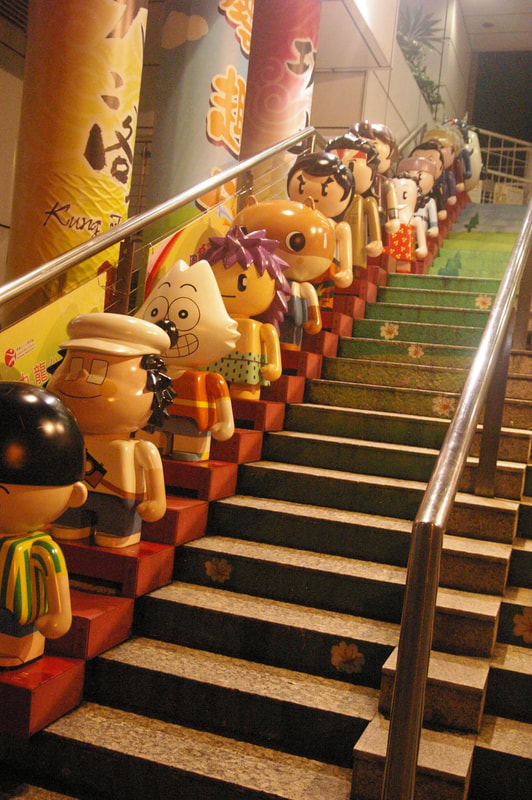
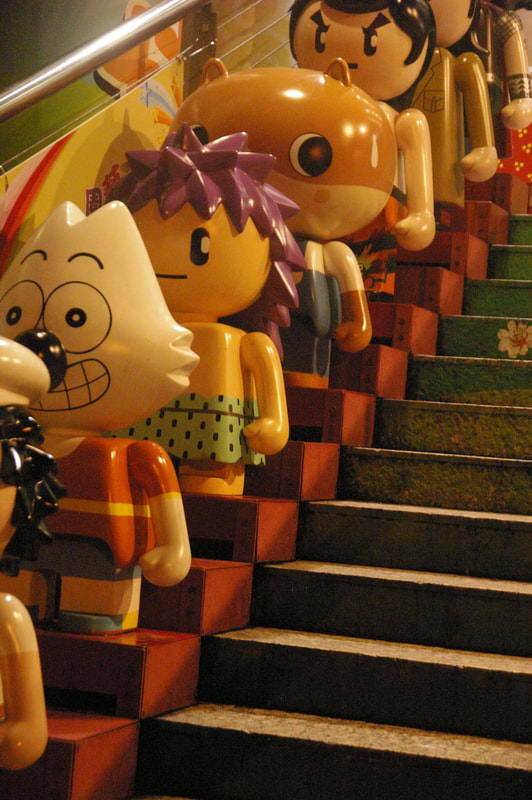
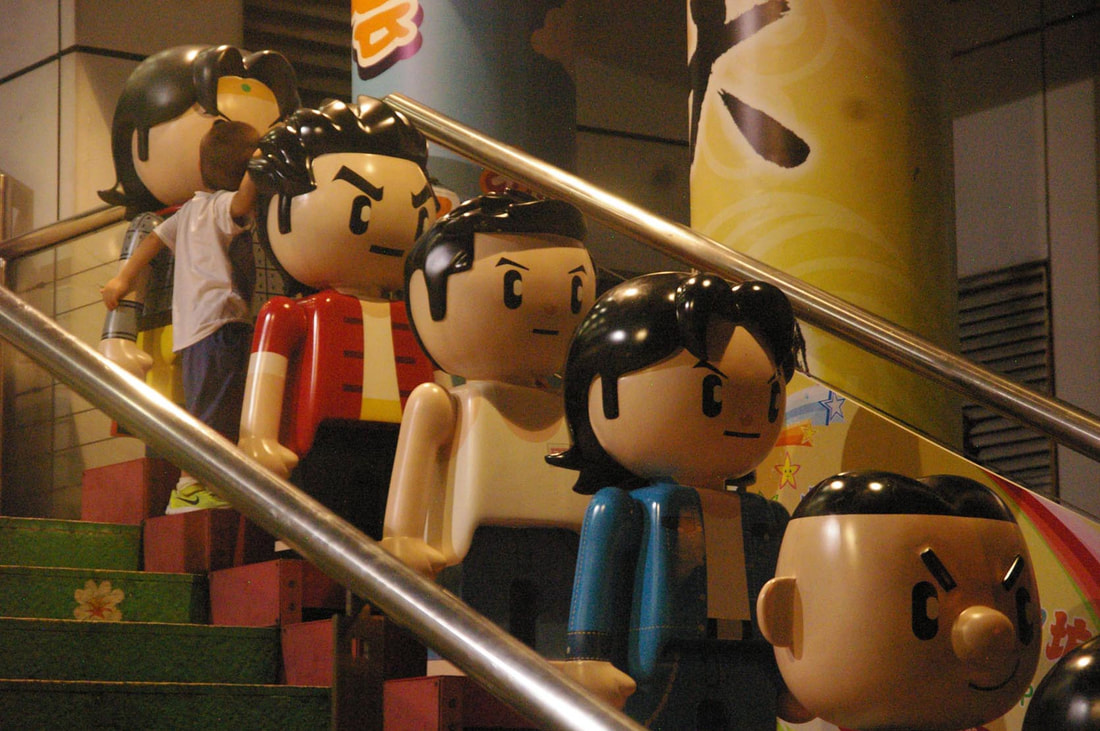
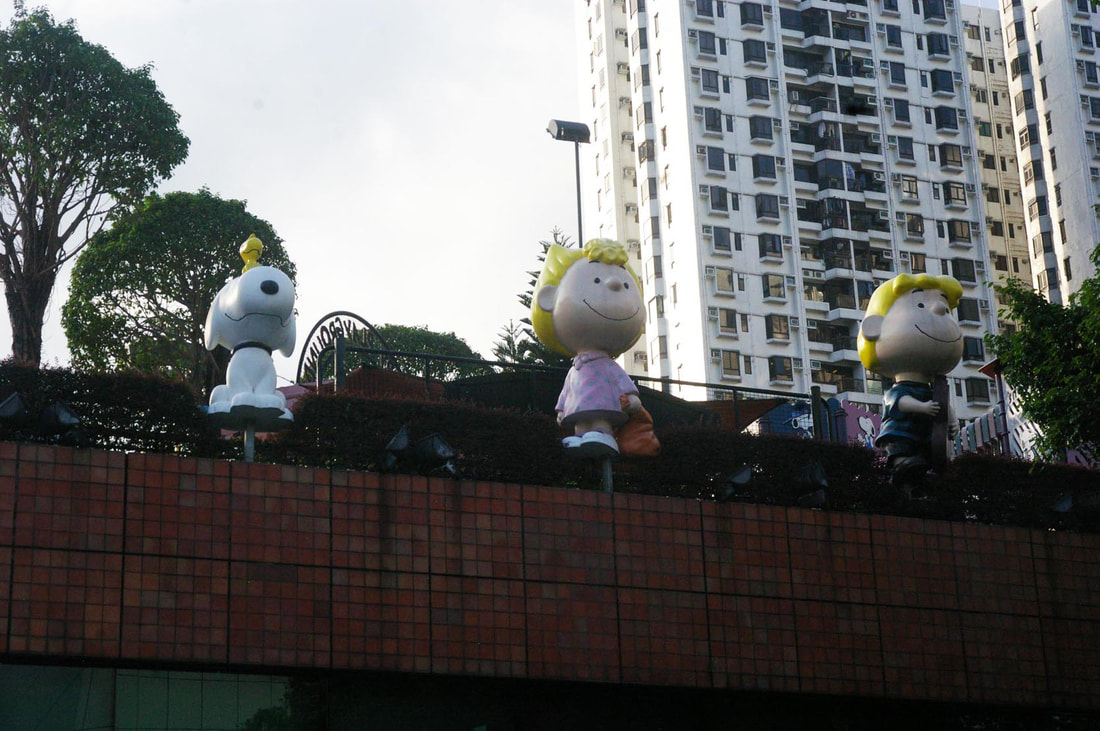
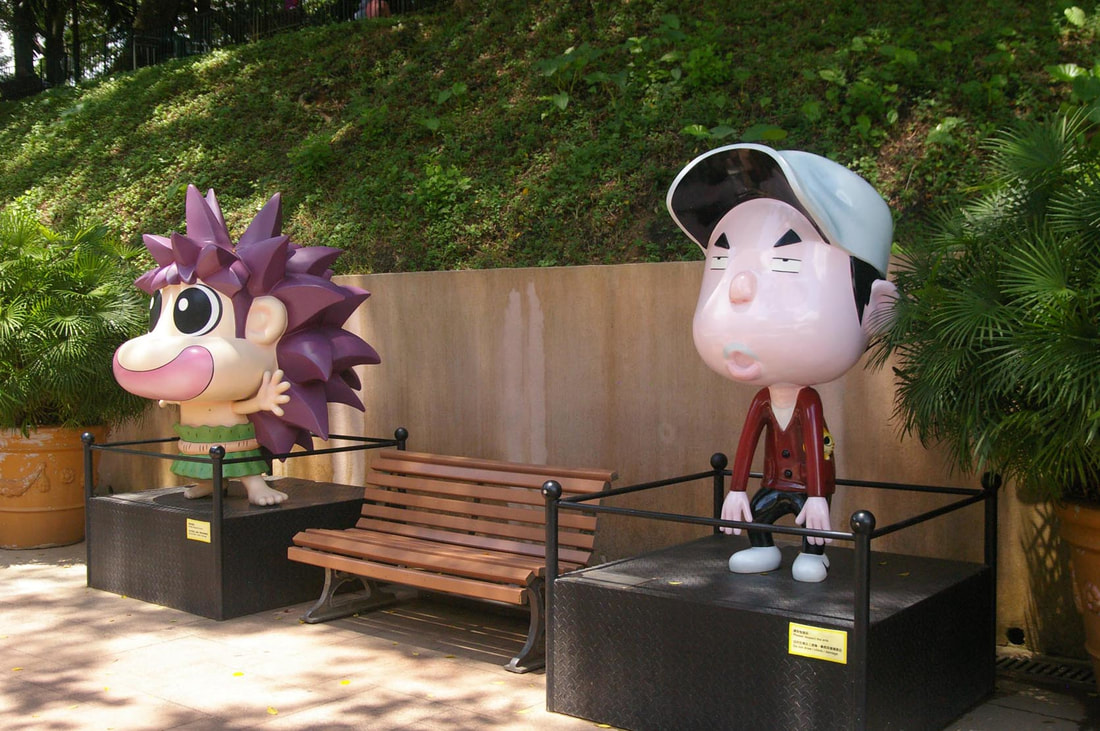
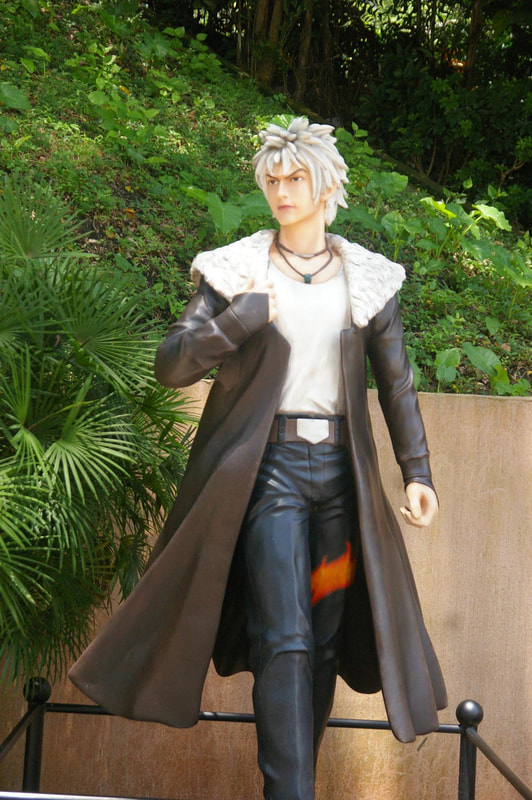
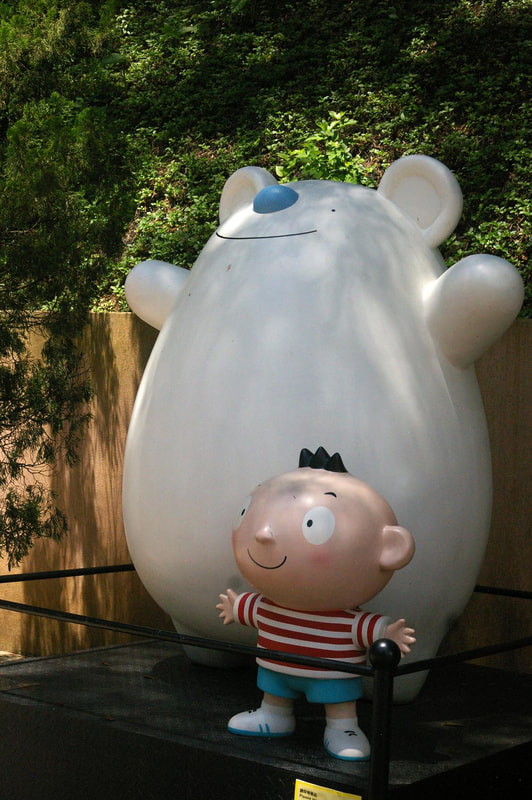
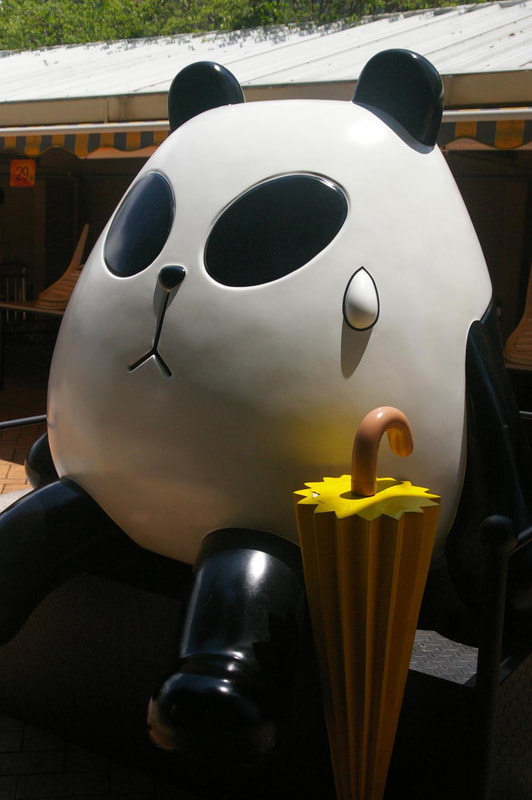
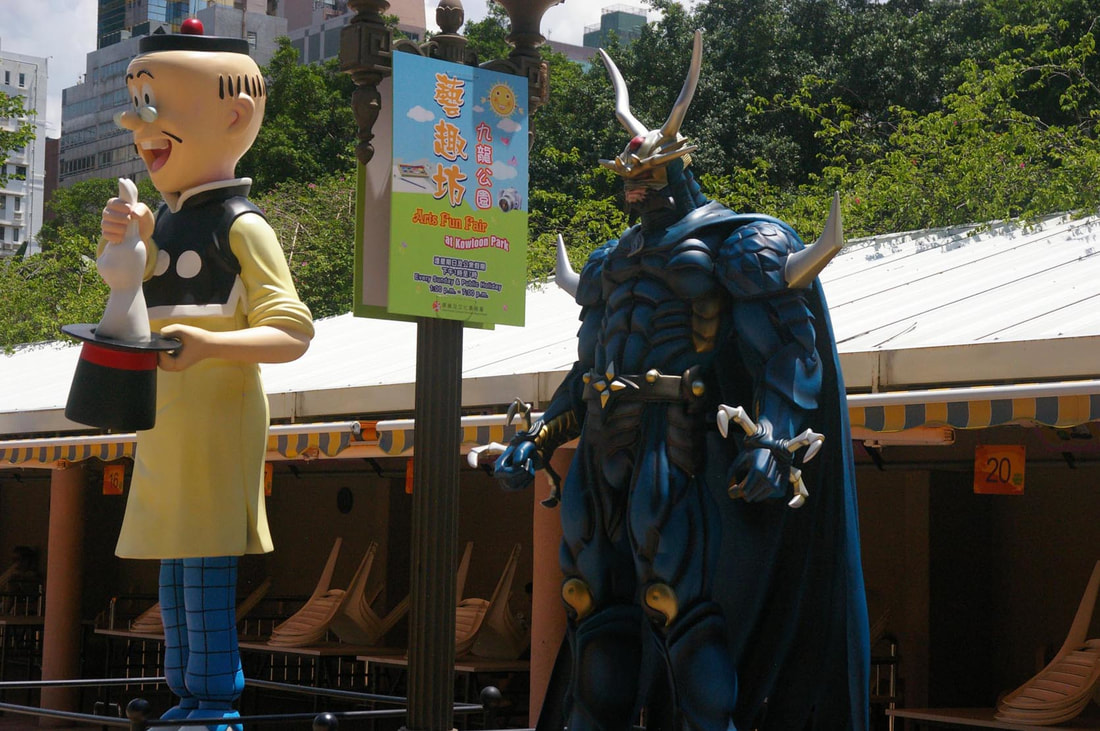
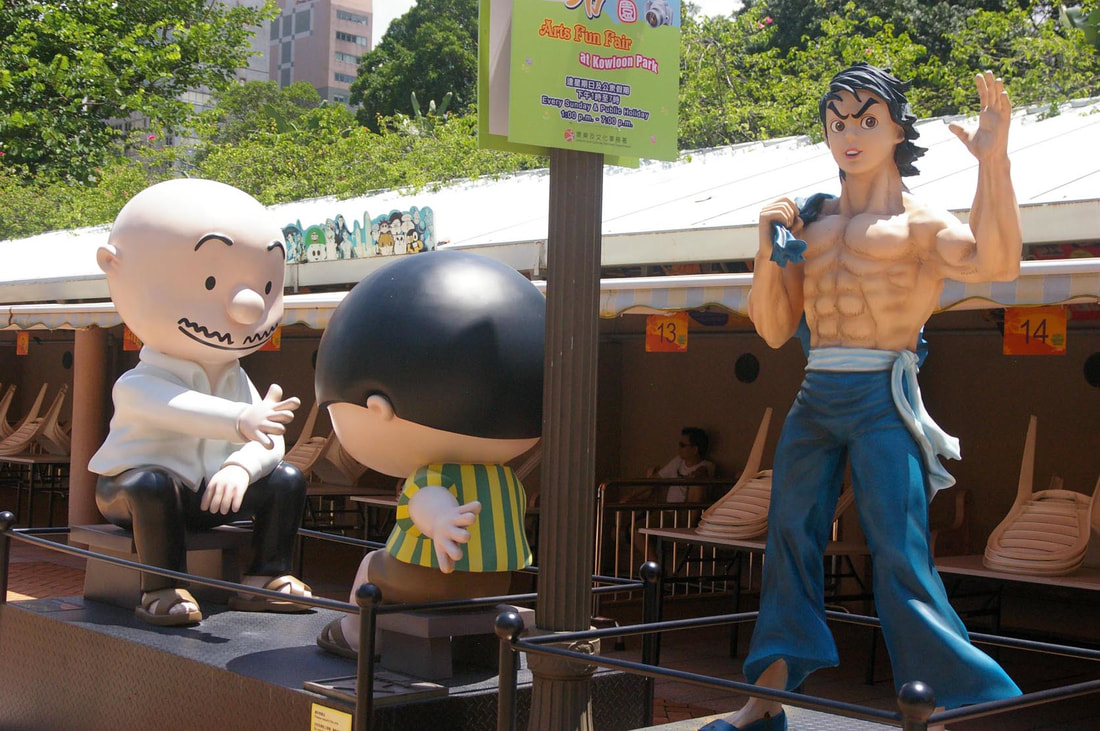
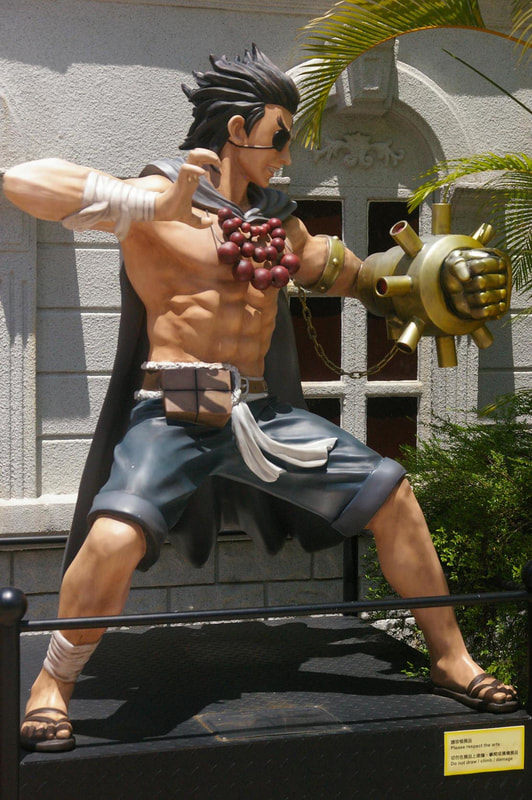
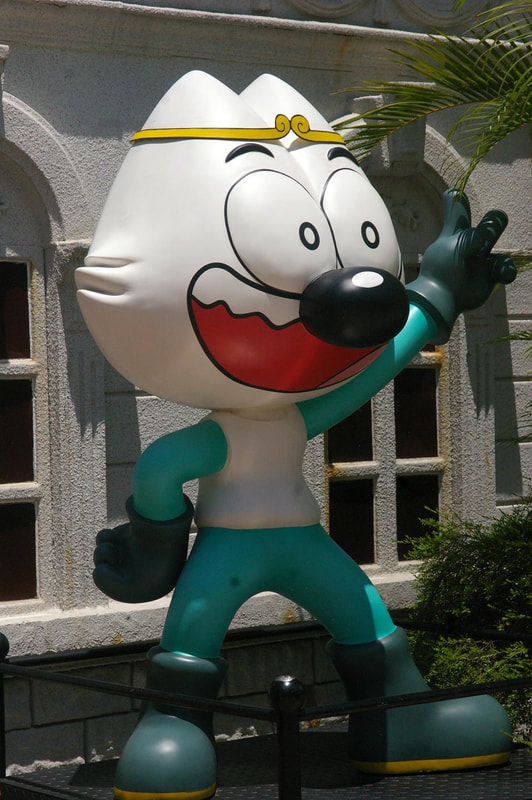
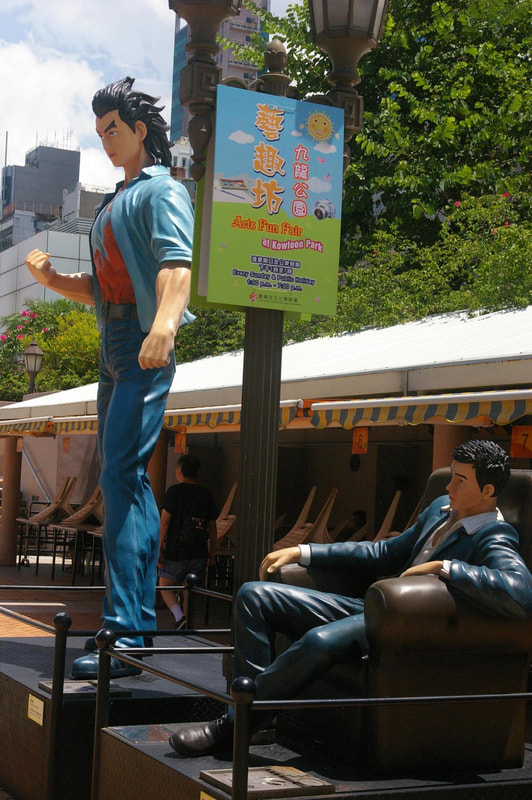
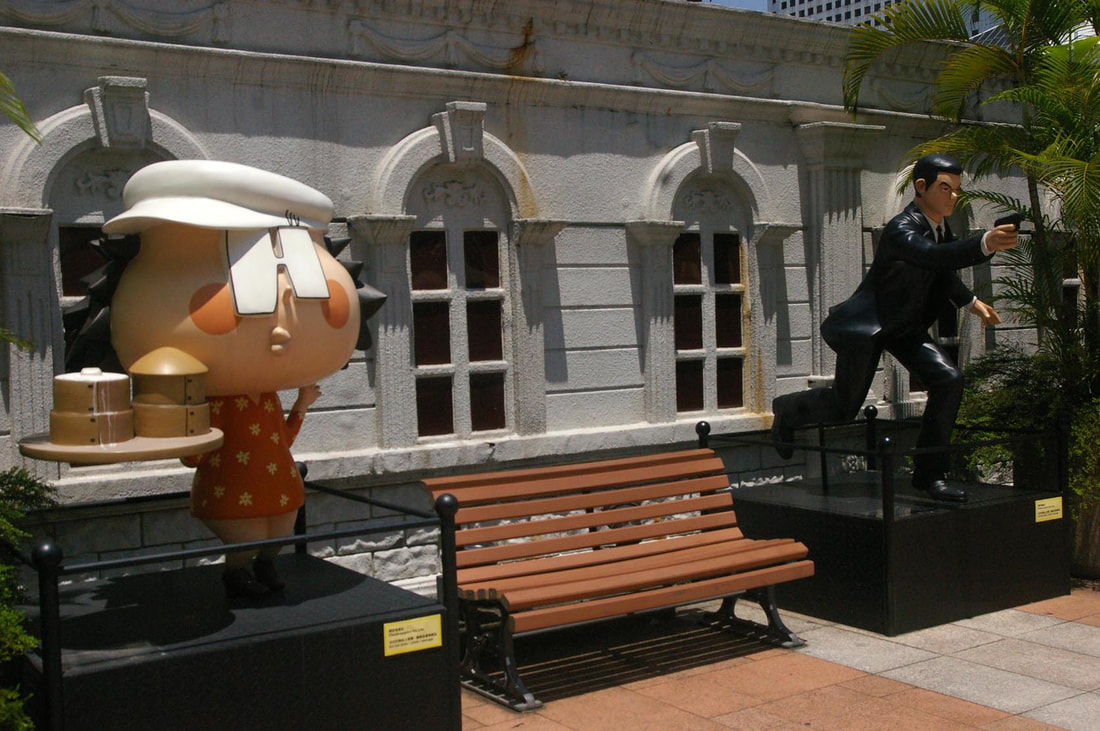
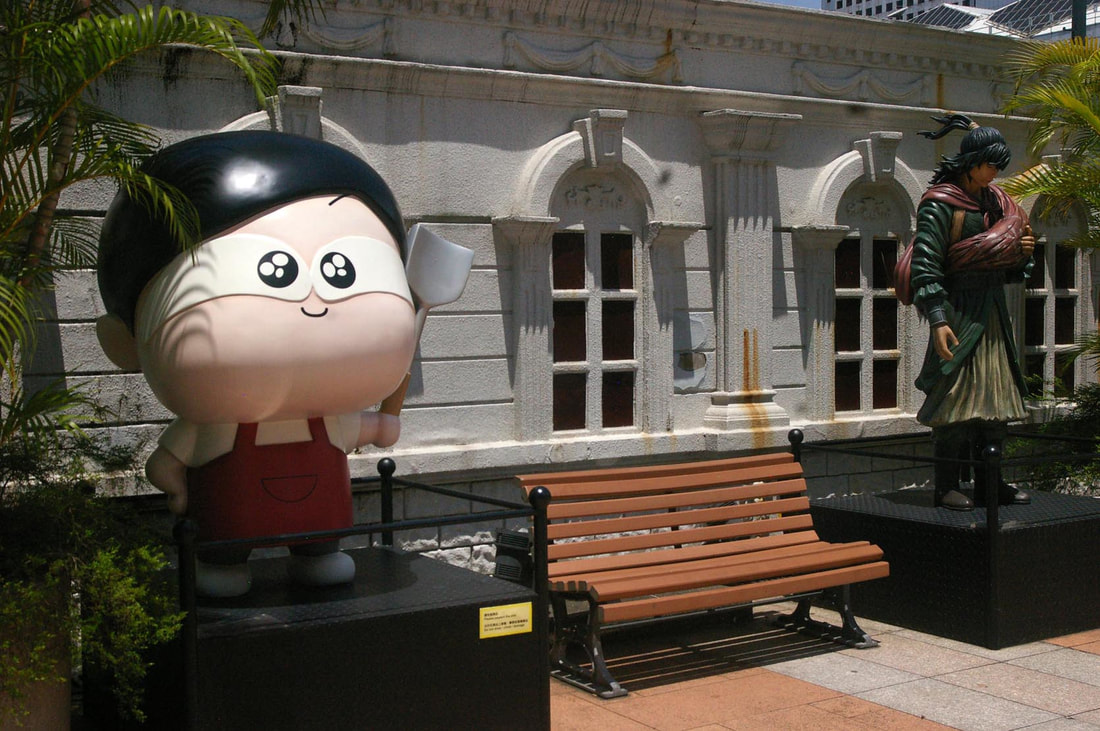
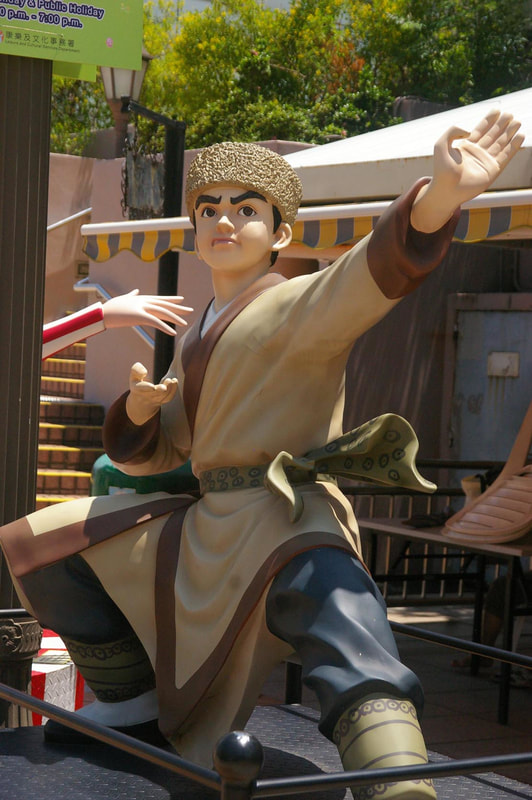
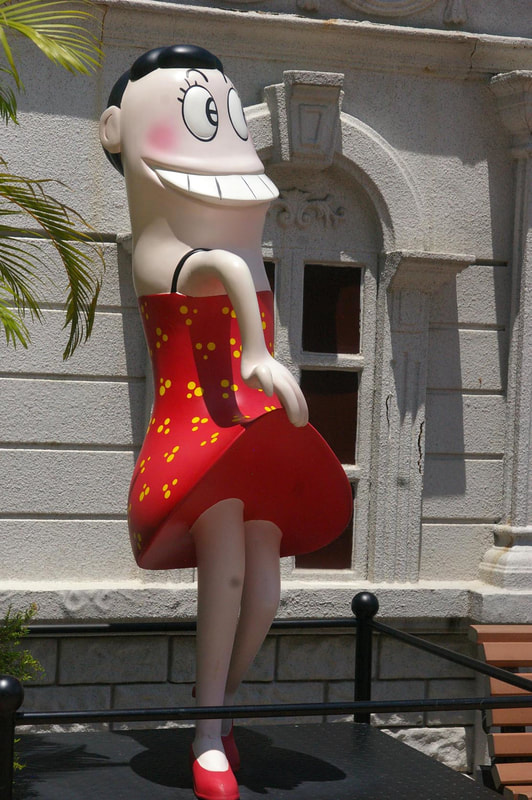
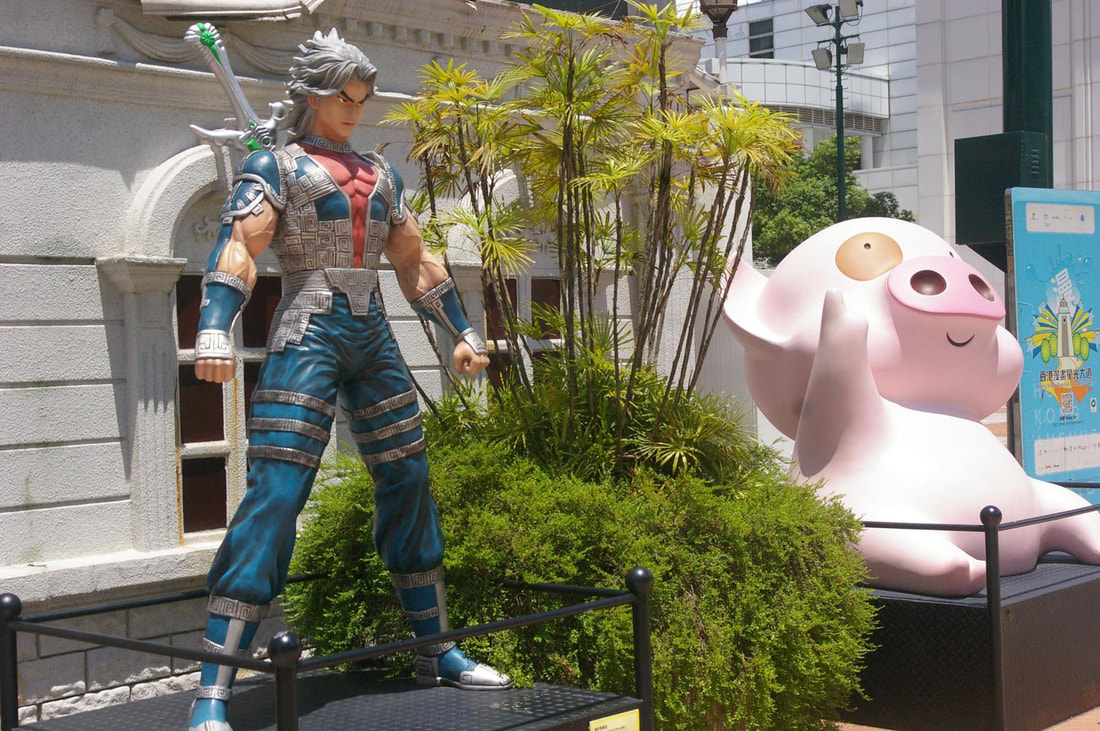
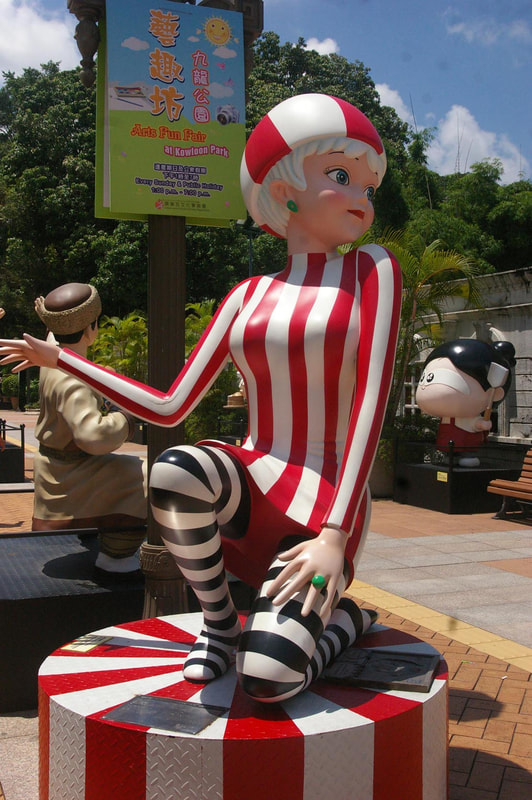
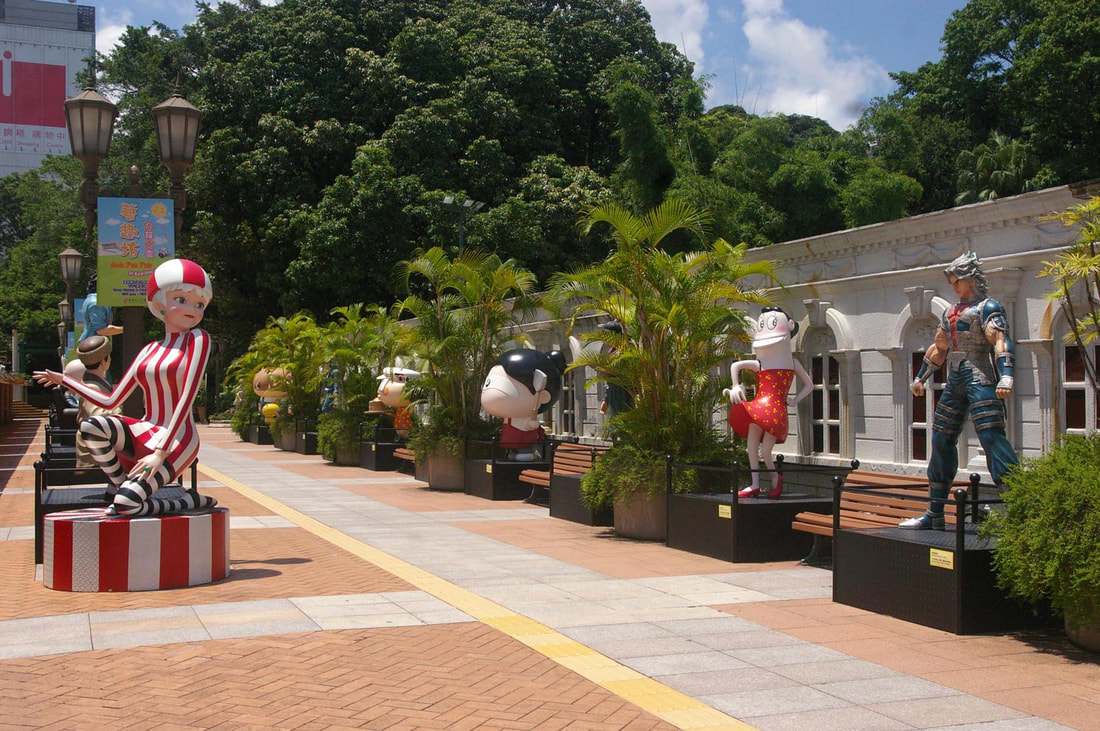
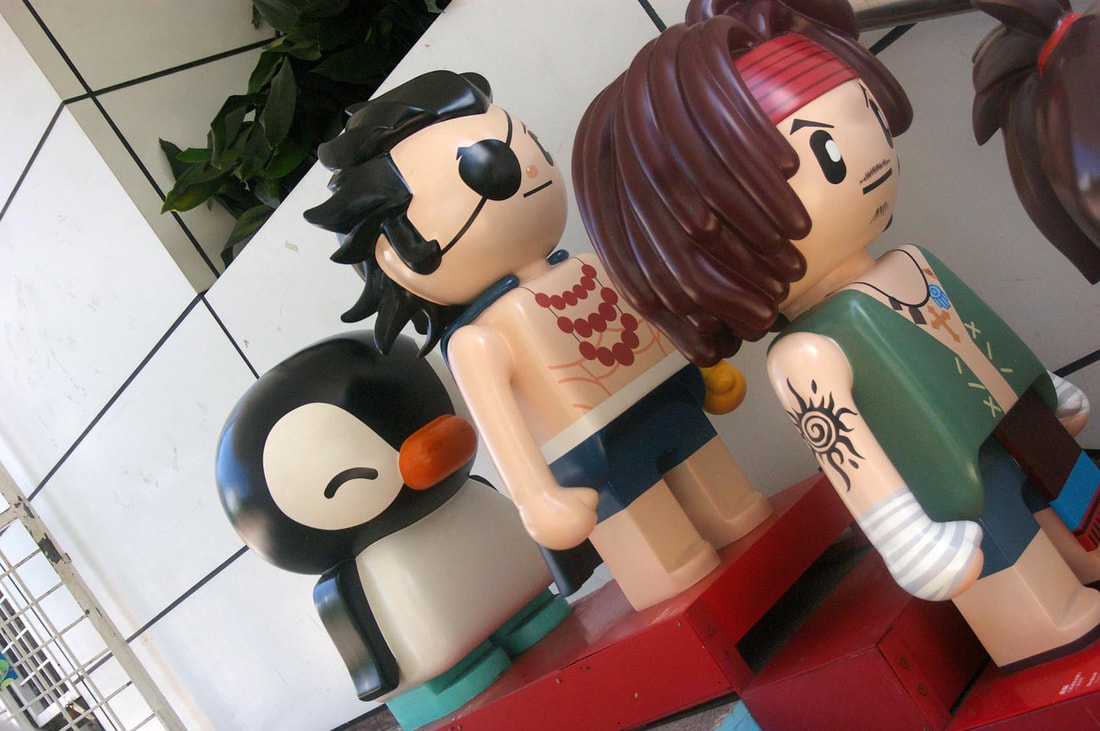
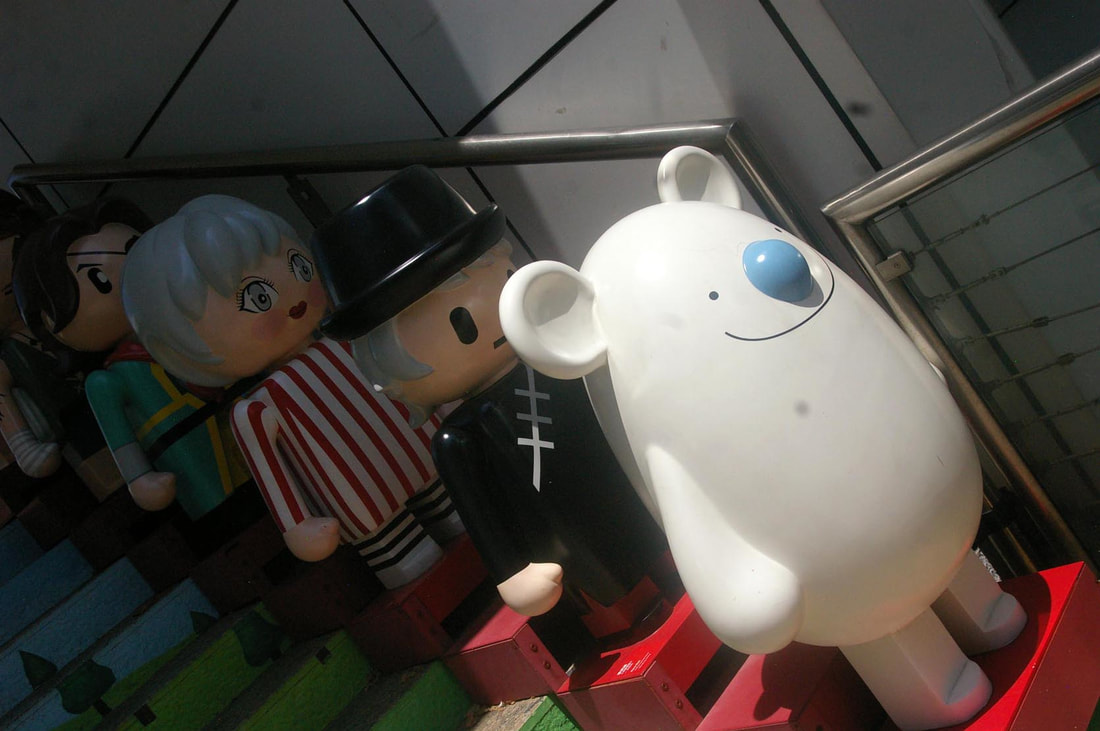
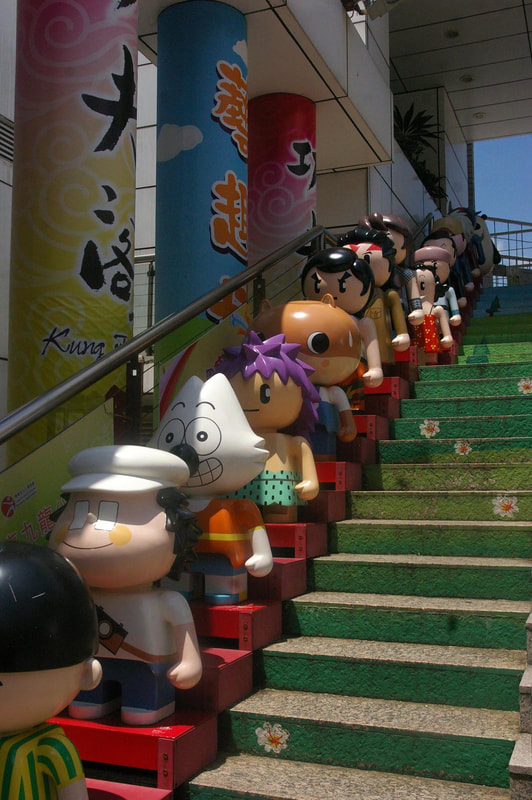
Nestled beautifully within the greenery of Kowloon Park, this unique walkway acts as a lively outdoor gallery dedicated entirely to Hong Kong’s rich graphic novel heritage. Walking along the path, we were greeted by over 30 striking, life-sized statues of iconic local comic heroes, each painted with incredible detail and bursting with personality. From the classic martial arts poses of Tiger Wong to the charming, nostalgic look of Old Master Q, the trail felt like a playful bridge between generations.
Our second day in Hong Kong taught us a classic travel lesson about jet lag. Having explored the vibrant streets until the early hours of the morning, the time difference caught up with us. Our cozy little guesthouse room lacked proper windows to let the morning sun in, cocooning us in a deep, timeless sleep. By the time Felipe and I finally opened our eyes, half the day had already slipped away. We rushed out, starting our shortened afternoon at the colorful Avenue of Comic Stars, but we knew we wanted to experience something truly spiritual before the sun set.
Exploring the Ink and Imagination: The Avenue of Comic Stars
Nestled beautifully within the greenery of Kowloon Park, this unique walkway acts as a lively outdoor gallery dedicated entirely to Hong Kong’s rich graphic novel heritage. Walking along the path, we were greeted by over 30 striking, life-sized statues of iconic local comic heroes, each painted with incredible detail and bursting with personality. From the classic martial arts poses of Tiger Wong to the charming, nostalgic look of Old Master Q, the trail felt like a playful bridge between generations.
Ten Thousand Buddhas Monastery
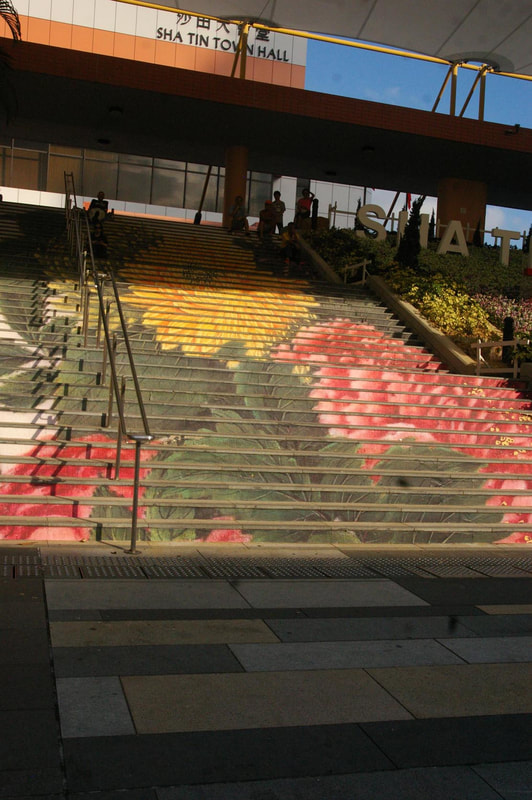
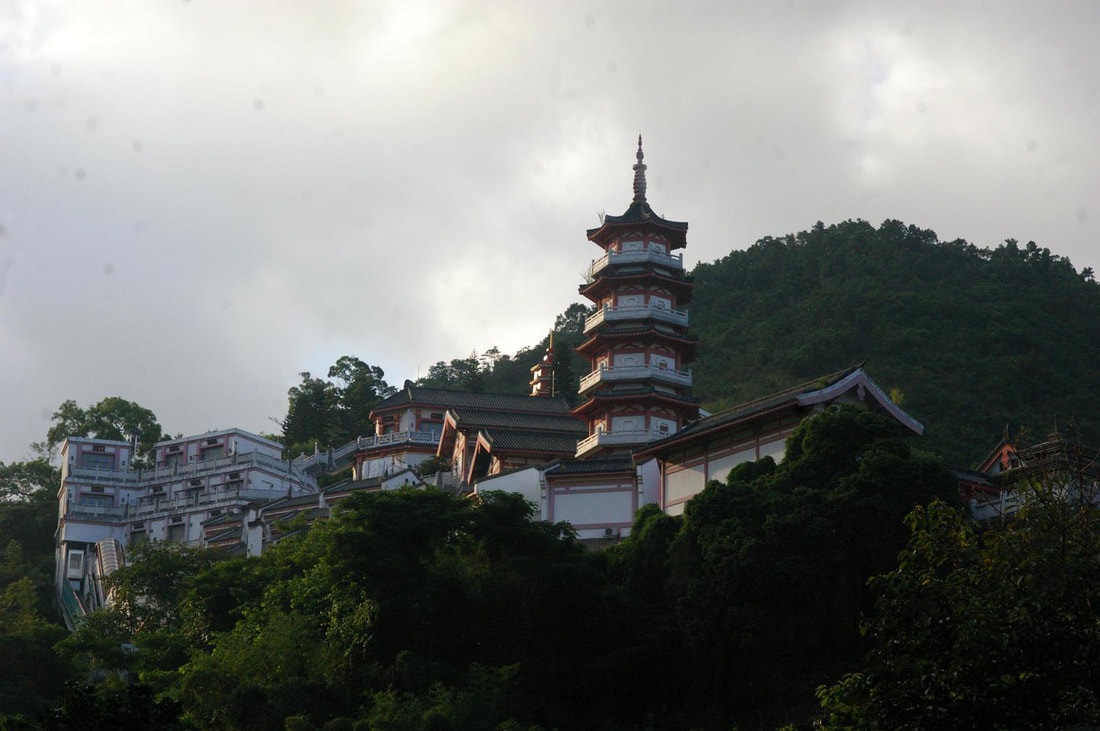
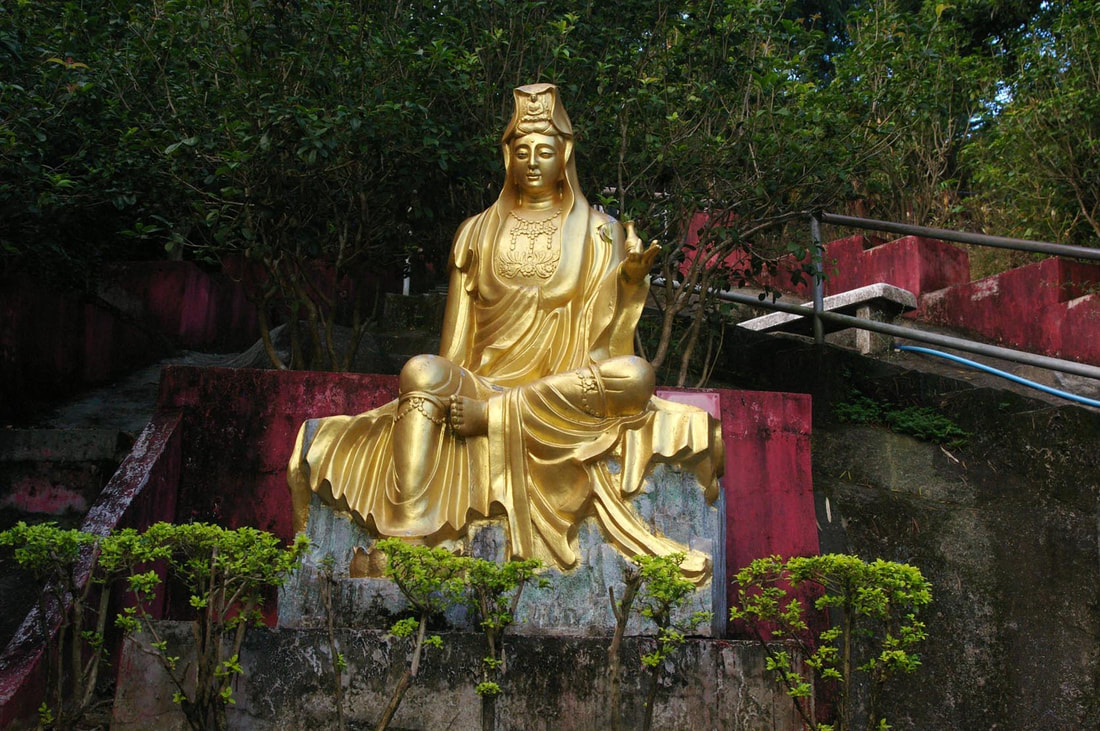
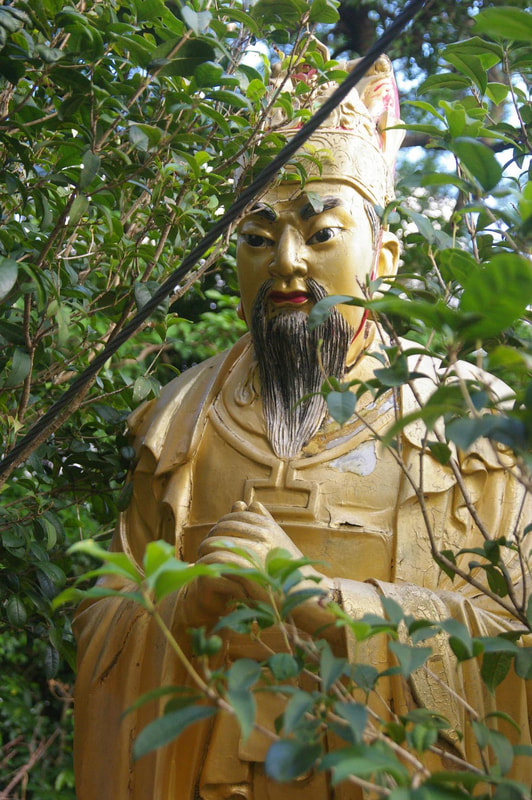
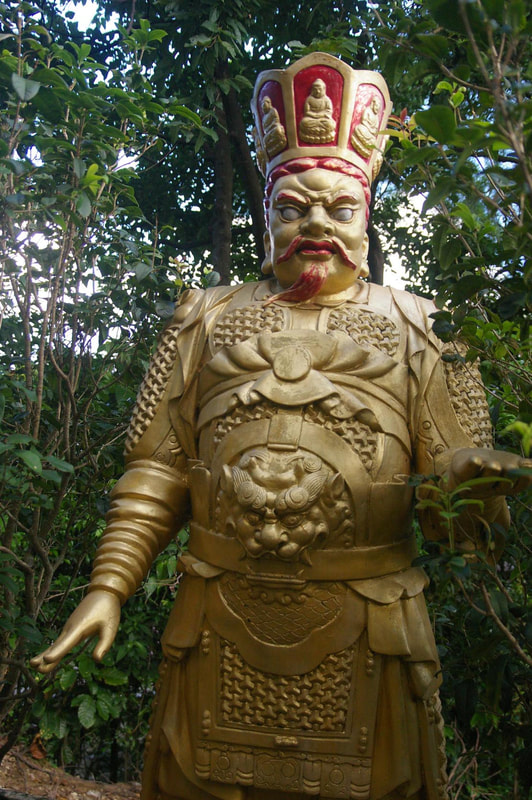
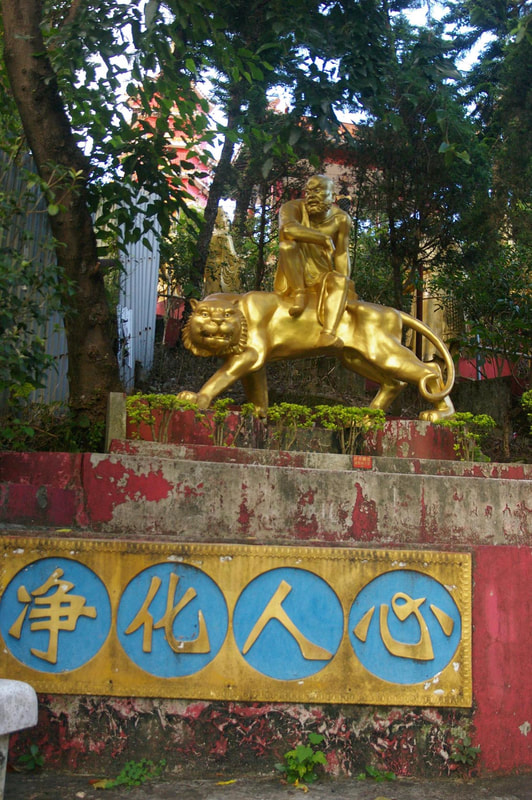
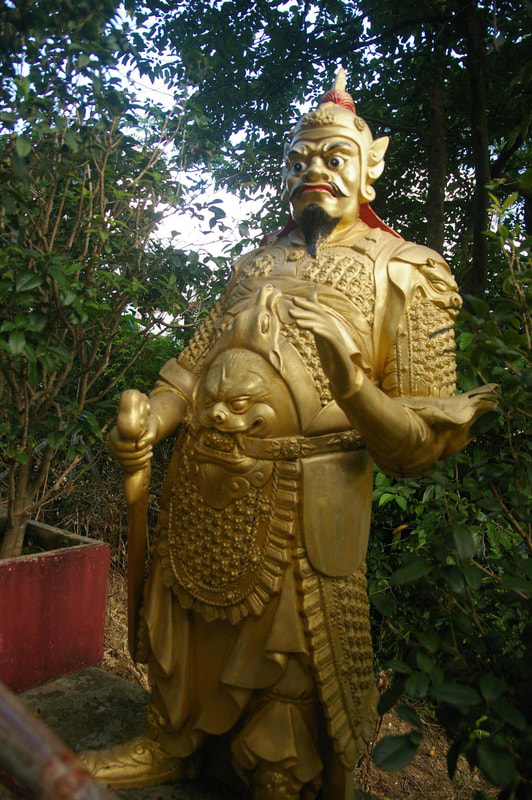
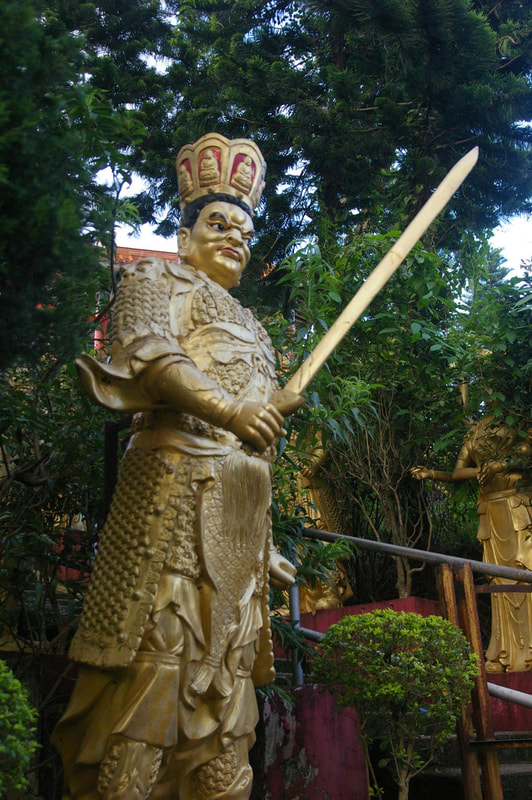
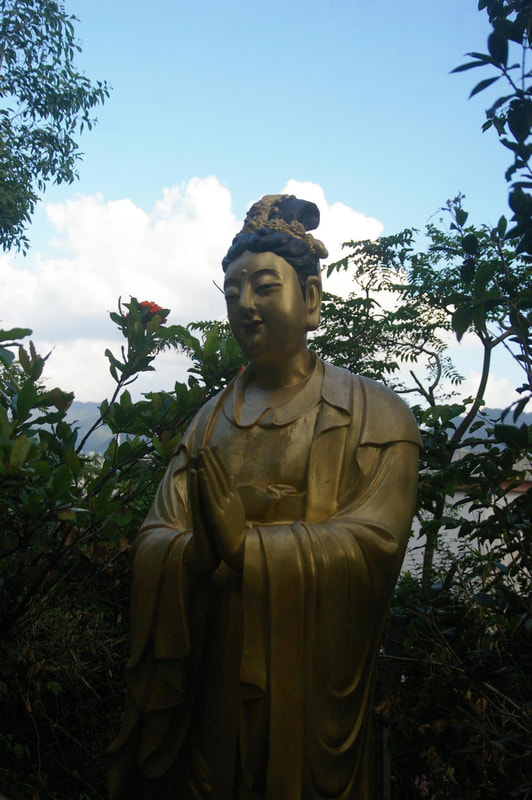
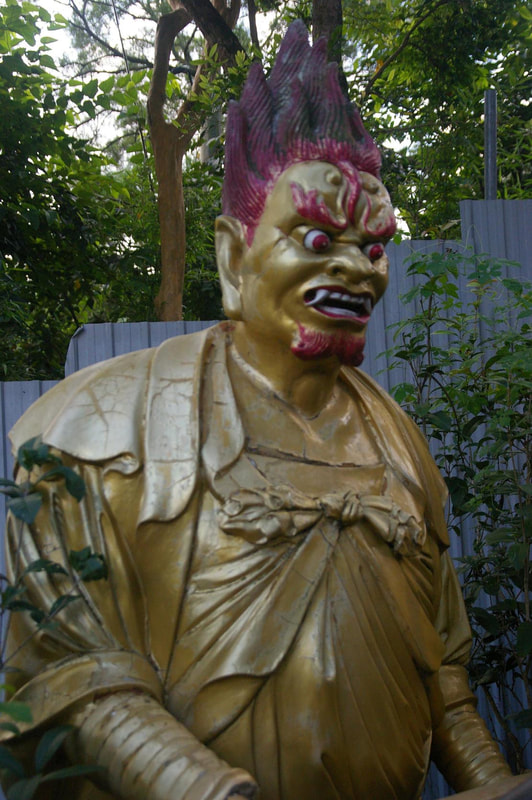
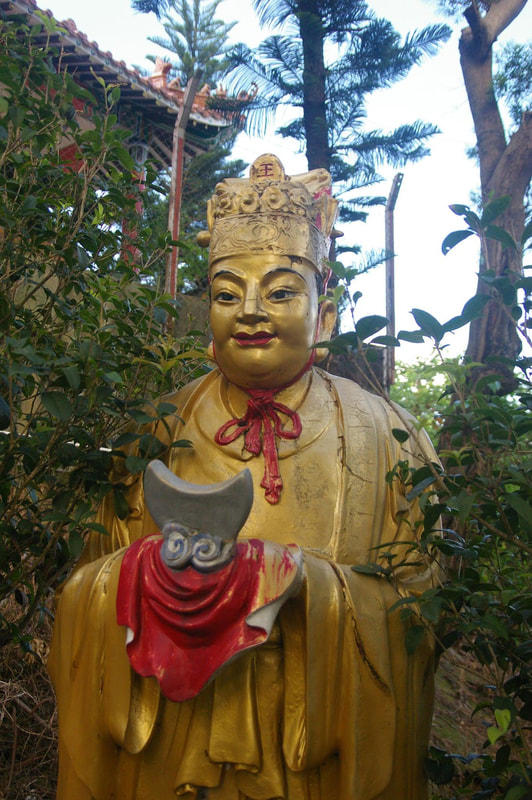
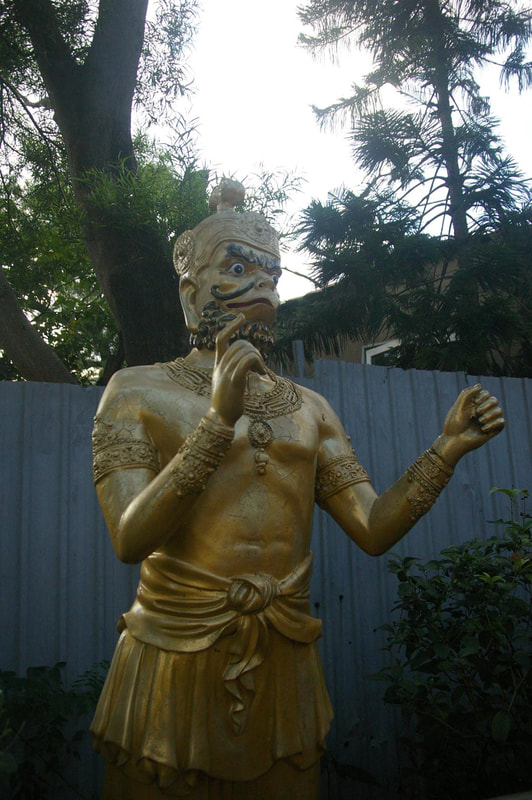
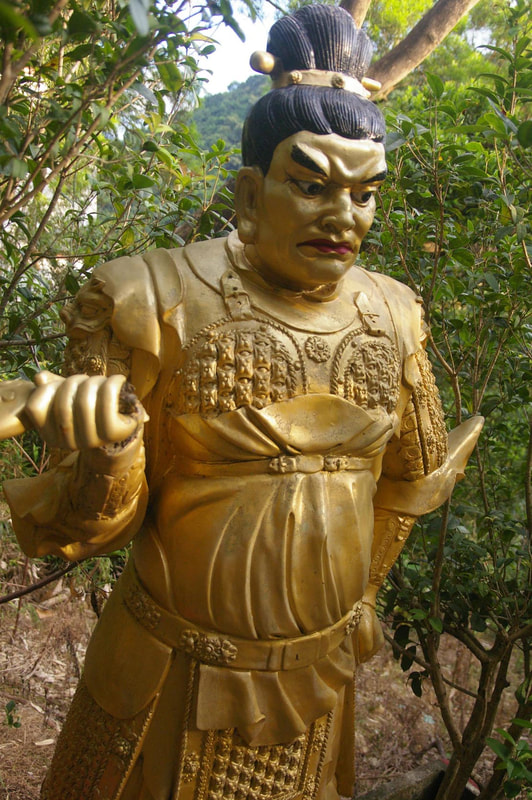
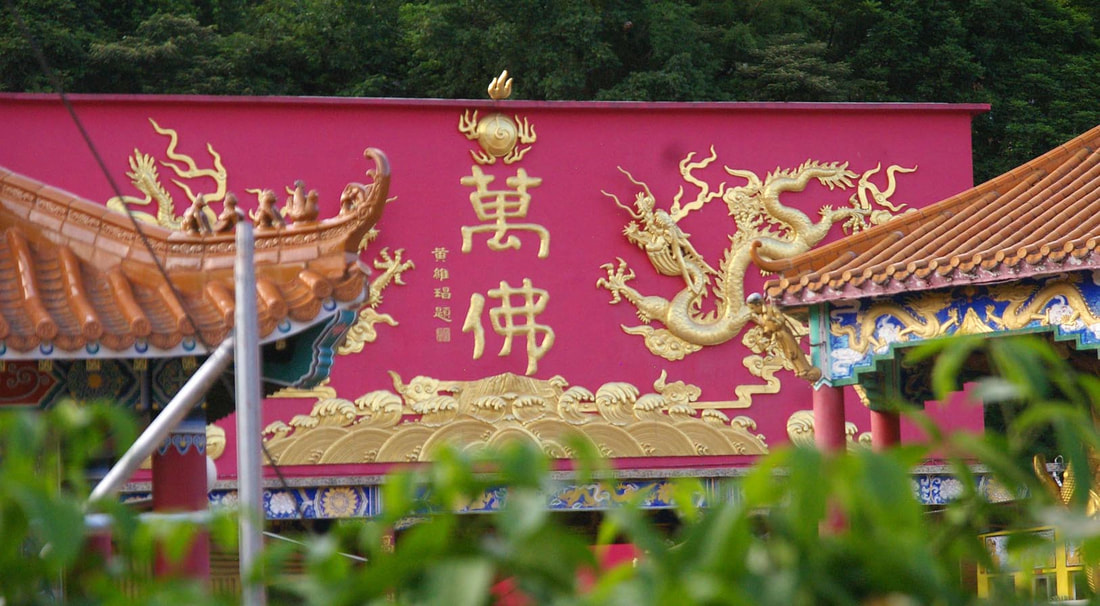
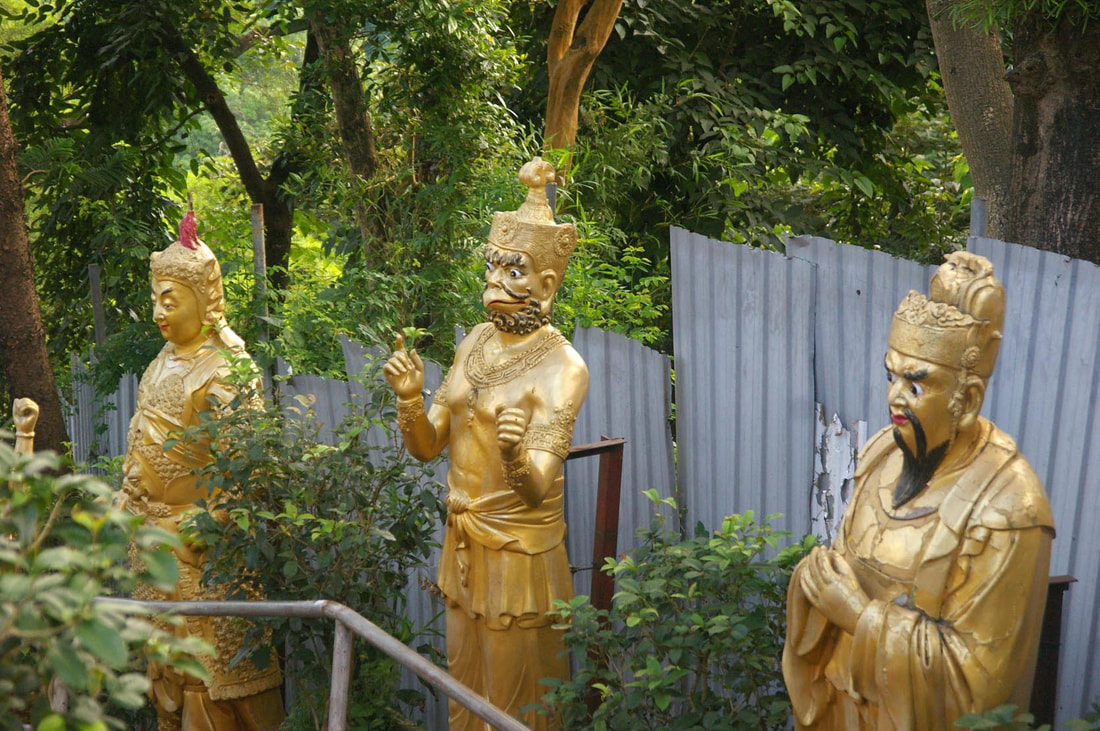
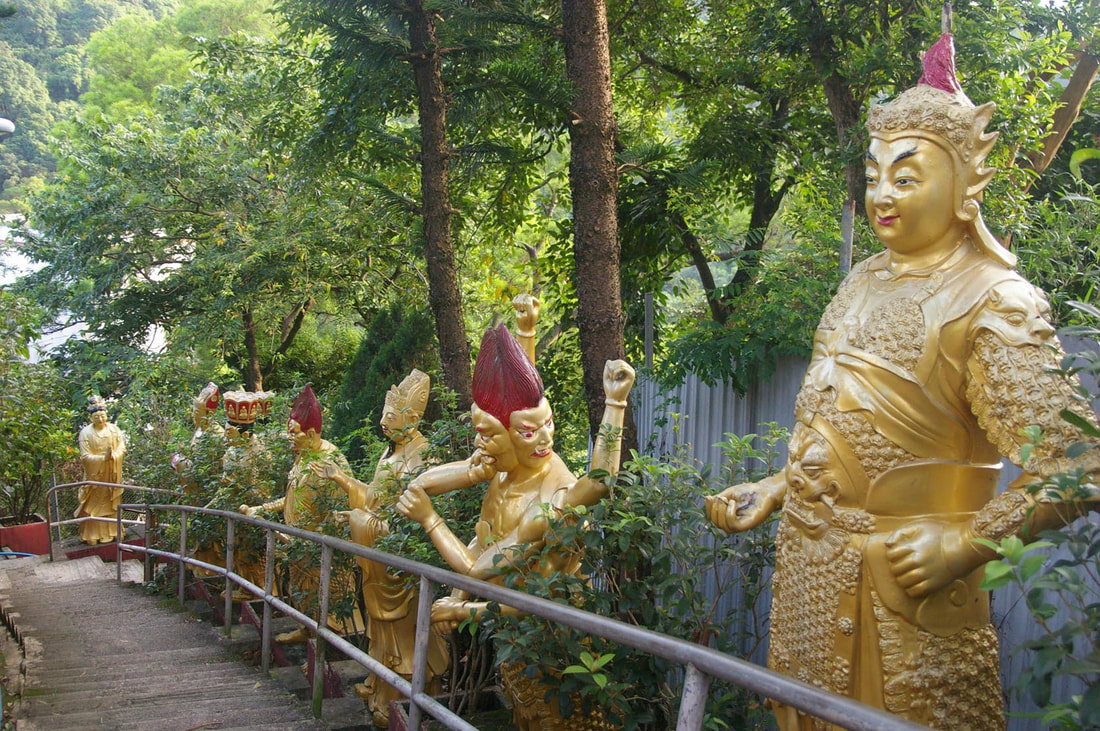
Leaving the comic heroes behind, we boarded the MTR and headed north to Sha Tin to visit the famous Ten Thousand Buddhas Monastery. The adventure began long before we reached the top. To get to the main temple complex, Felipe and I had to hike up a steep, winding hillside path, flanked on both sides by hundreds of unique, life-sized golden Buddha statues. No two were alike—some looked deeply meditative, others wise, and some even shared a joyful, almost comical grin. Felipe found it fascinating to look at their diverse expressions as we caught our breath on the way up. Reaching the peaceful pavilion at the summit, surrounded by lush green mountains and the quiet hum of history, we realized that our late start hadn't ruined the day at all; it had simply led us to a beautifully unexpected, golden afternoon.
Quick Facts: Ten Thousand Buddhas Monastery
The Number: Despite the name, the complex actually features over 13,000 unique Buddha statues.
No Monks: It is not an active monastery; it is managed entirely by laypeople.
The Climb: Reaching the top requires walking up a steep path with over 430 steps.
Founded: Established in the 1950s by the devout Buddhist monk Yuet Kai.
The Number: Despite the name, the complex actually features over 13,000 unique Buddha statues.
No Monks: It is not an active monastery; it is managed entirely by laypeople.
The Climb: Reaching the top requires walking up a steep path with over 430 steps.
Founded: Established in the 1950s by the devout Buddhist monk Yuet Kai.
Hidden Gems and Creative Havens: Our Favorite Stop
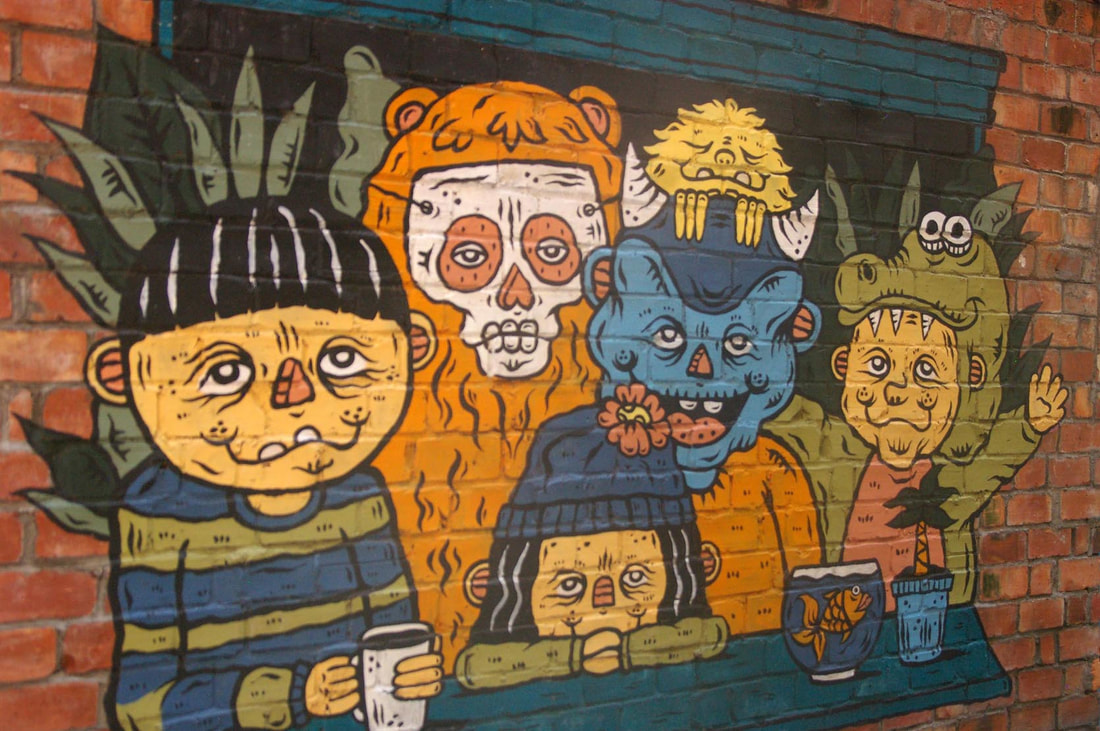
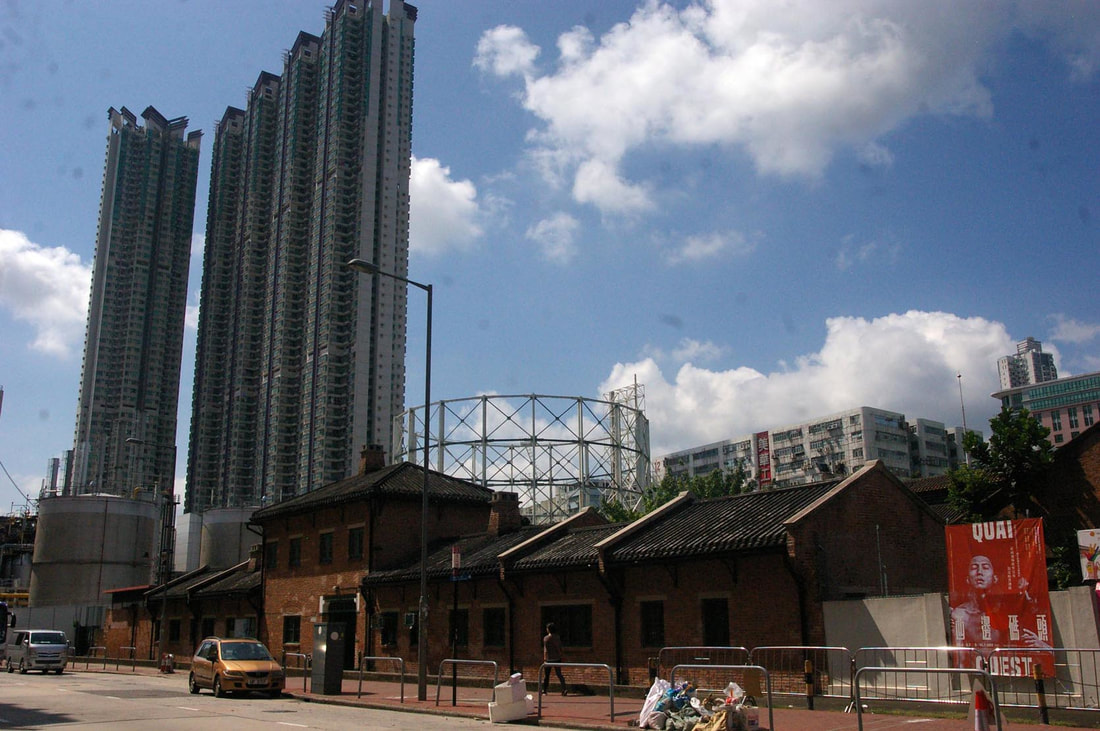
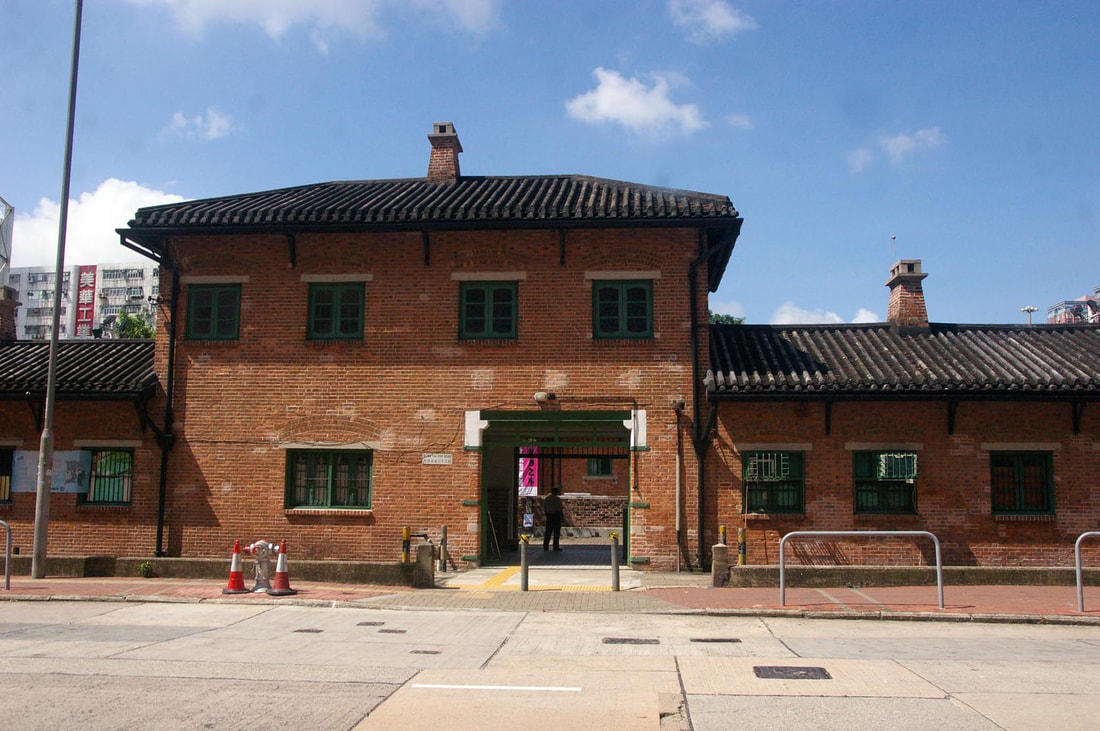
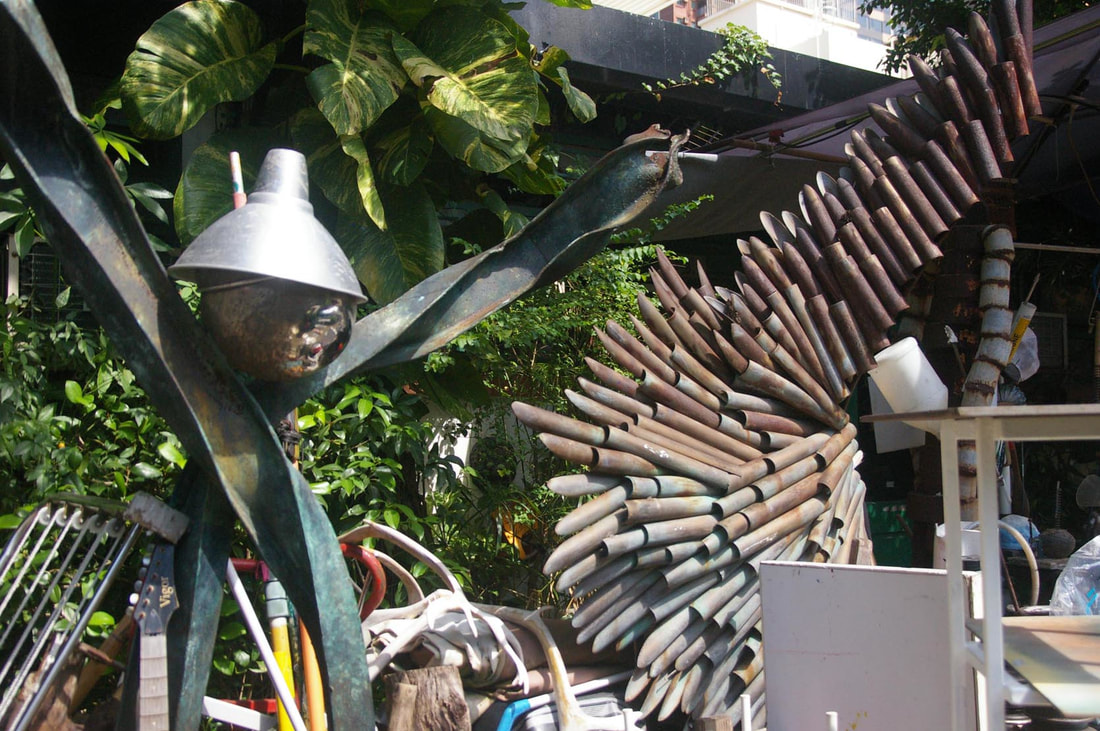
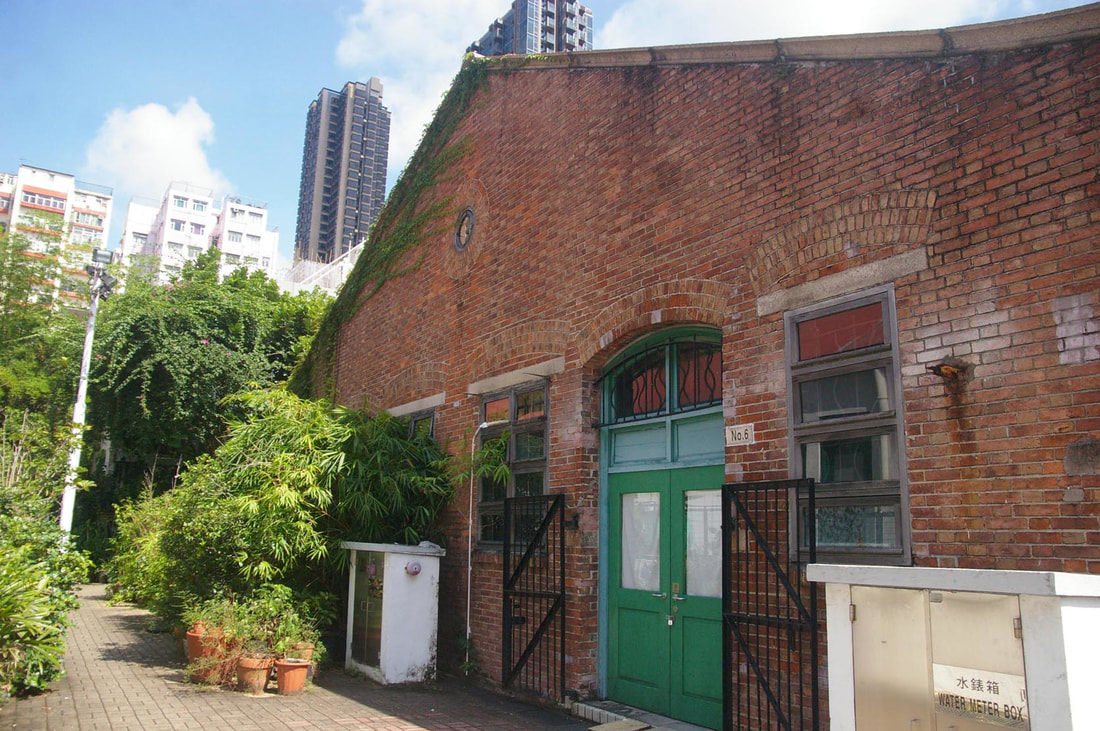
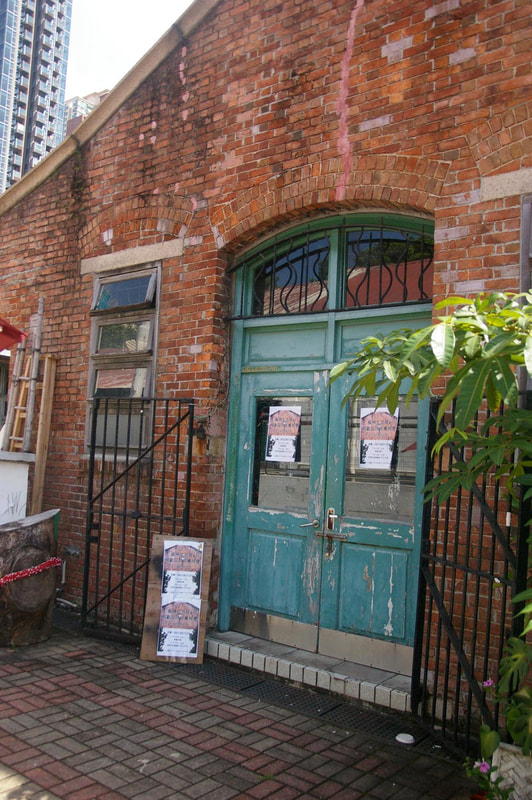
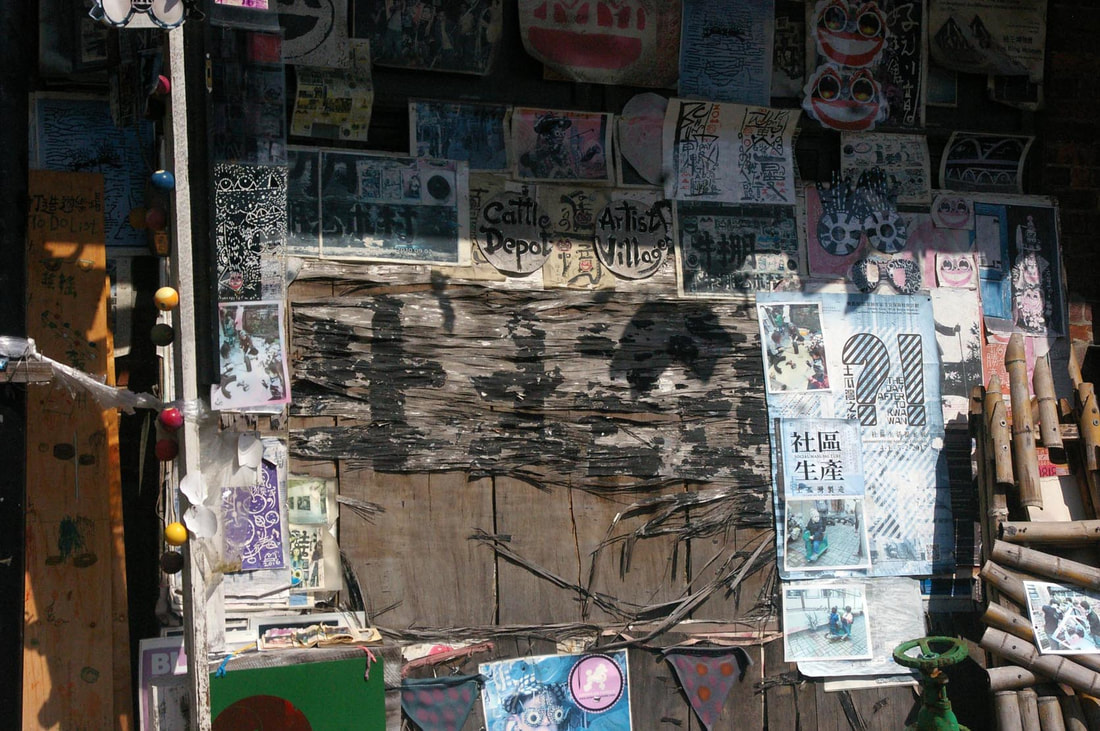
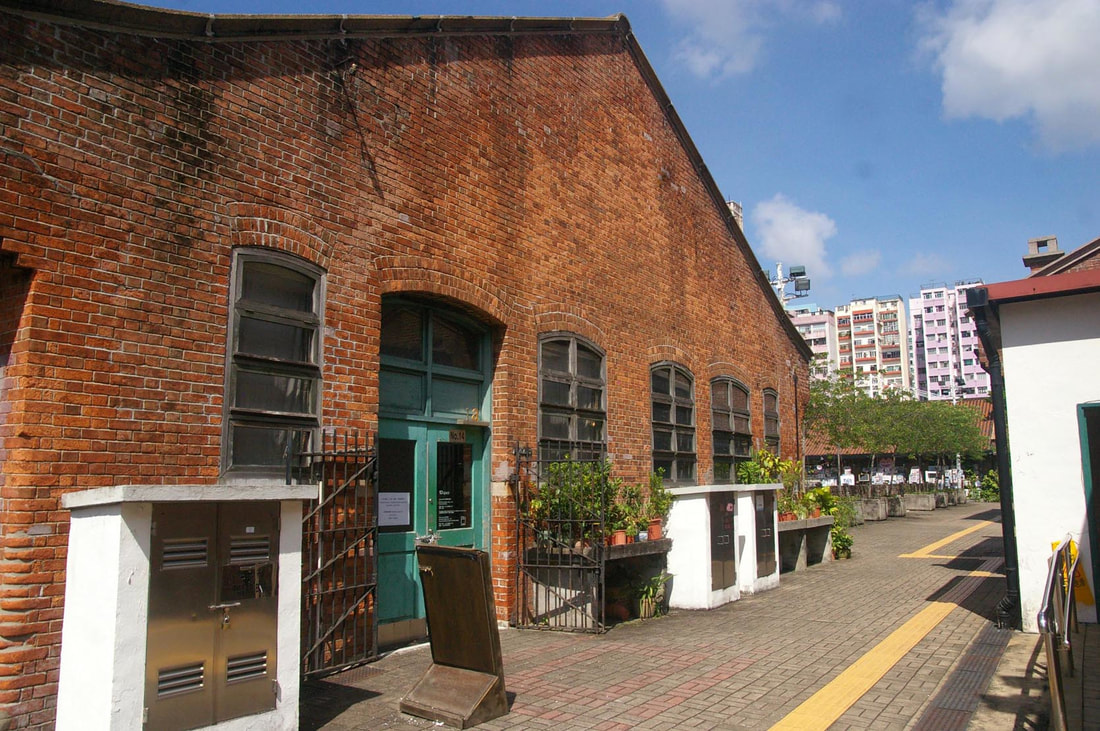
While the golden path of the Buddhas was undoubtedly impressive, our final stop of the day completely stole our hearts: the Cattle Depot Artist Village in Ma Tau Kok. Felipe and I both agreed that this hidden gem was even cooler than the monastery. Built in 1908, this historic red-brick compound originally served as a government slaughterhouse, but it has been beautifully reborn as a thriving, independent community for local artists.
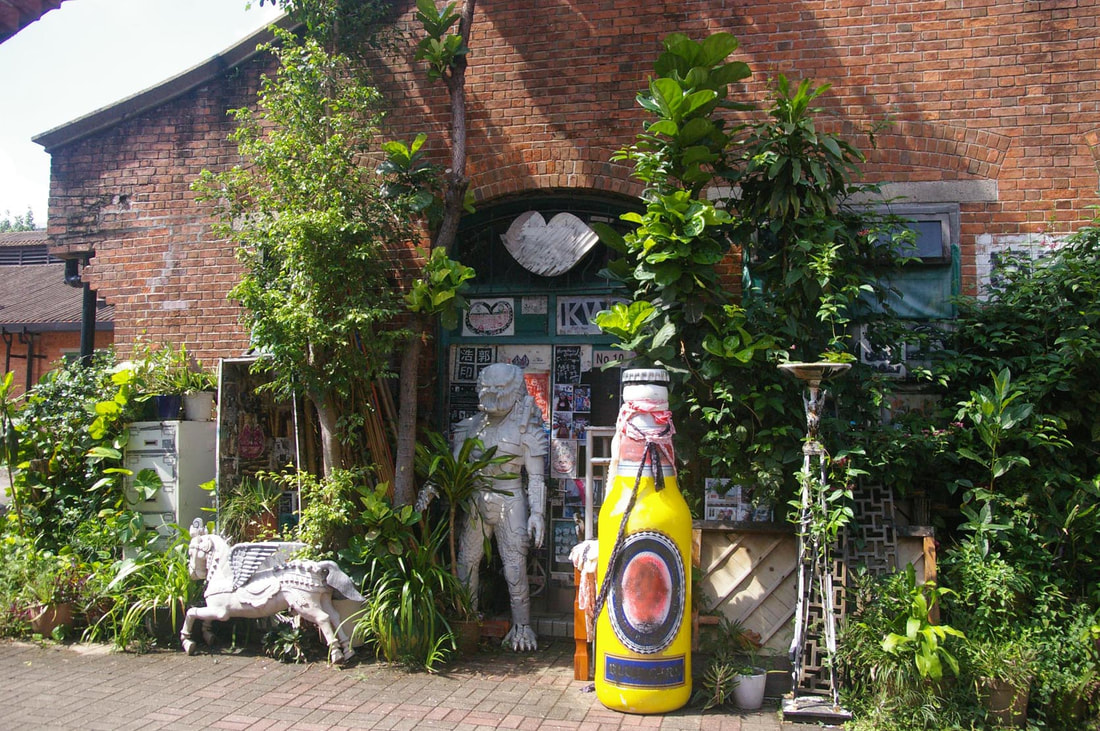
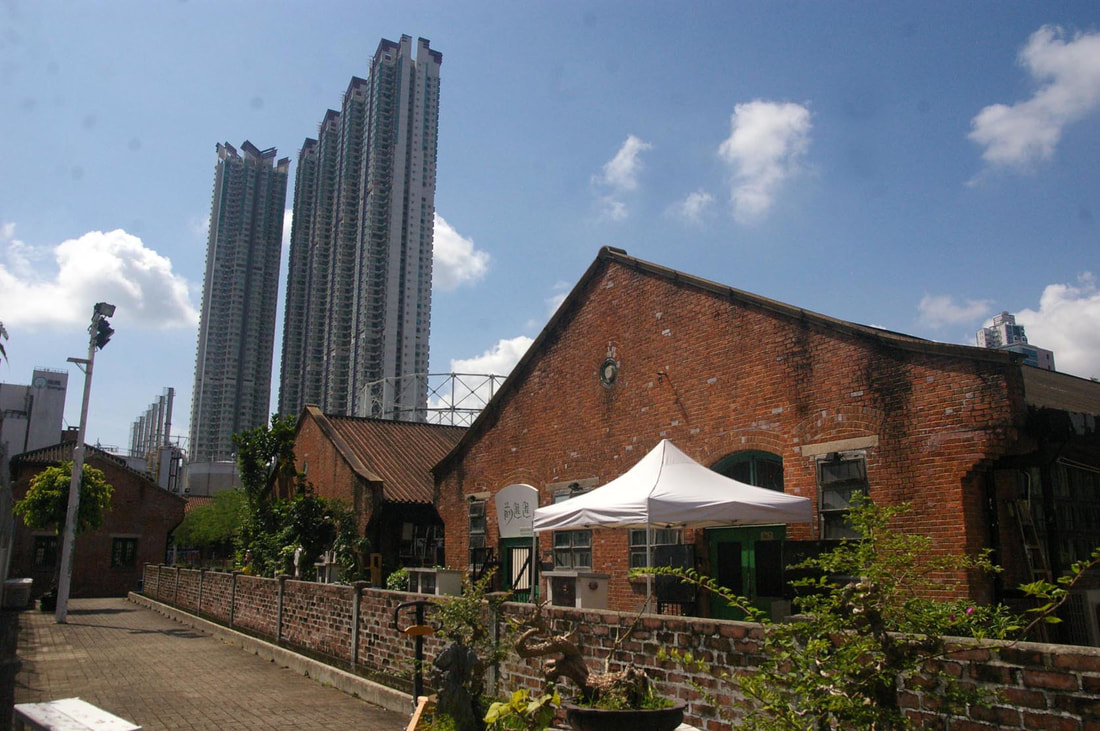
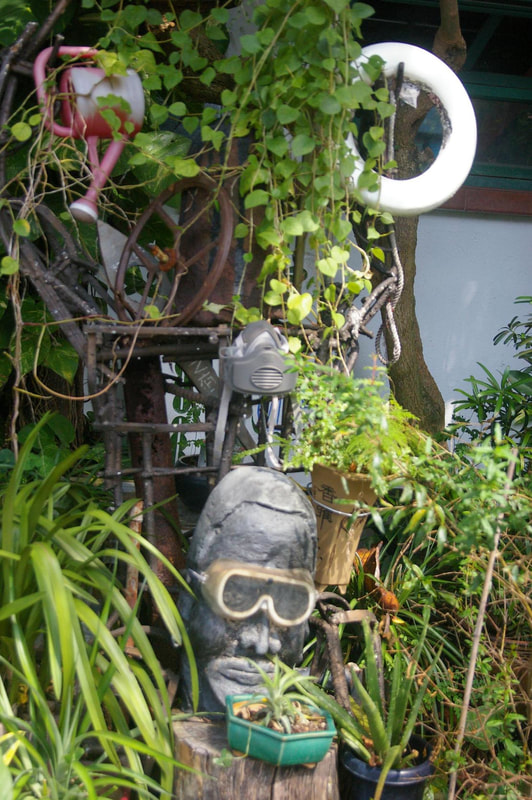
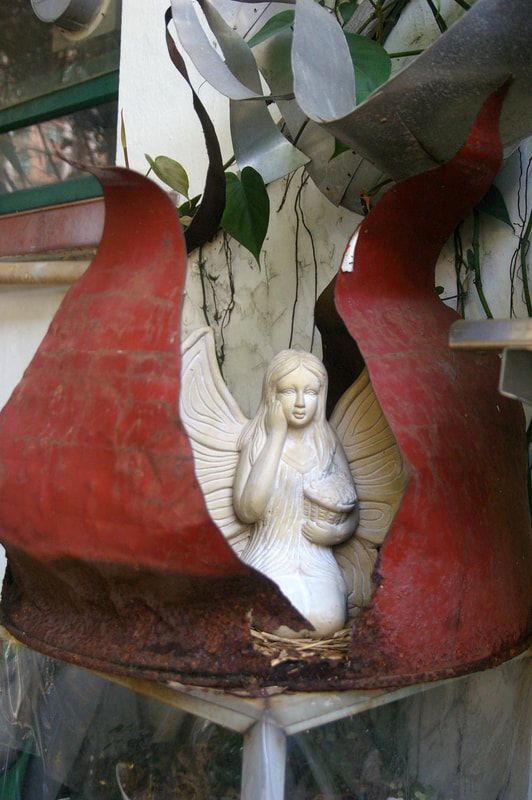
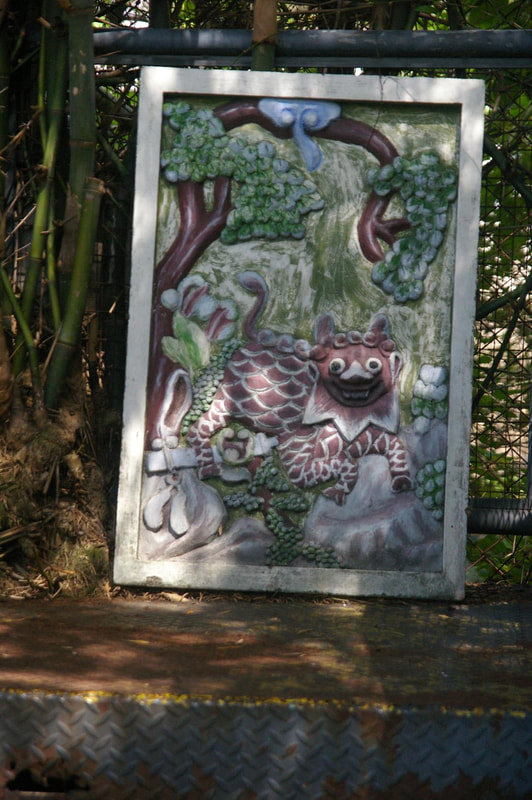
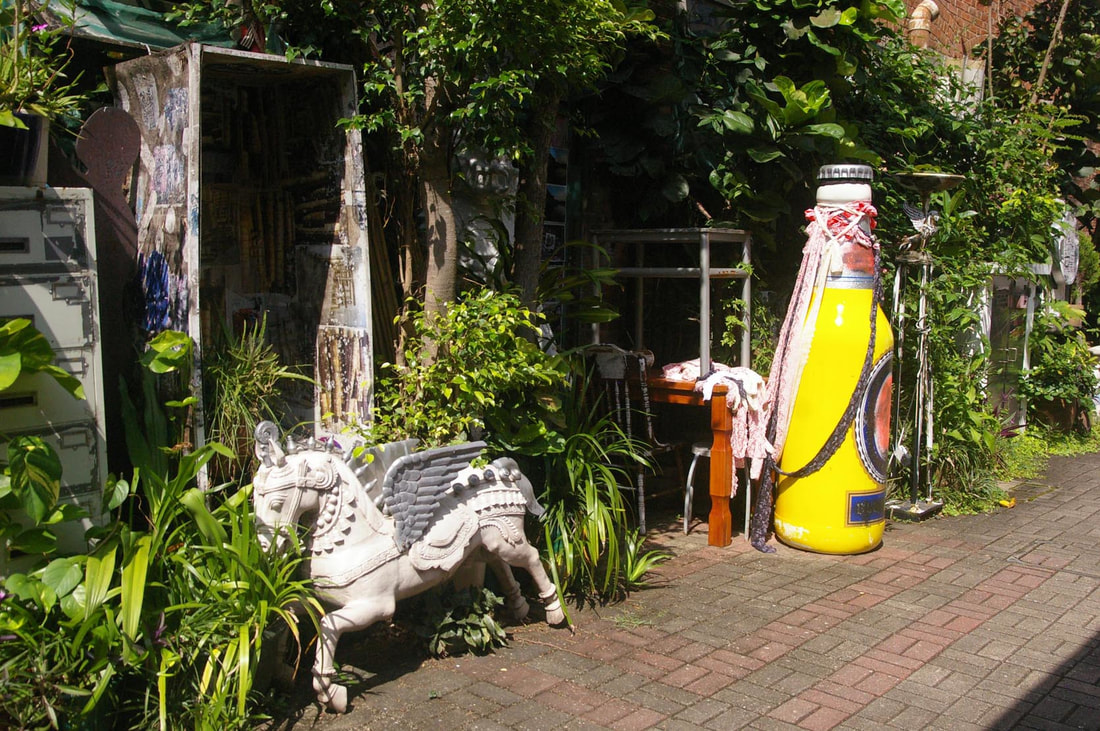
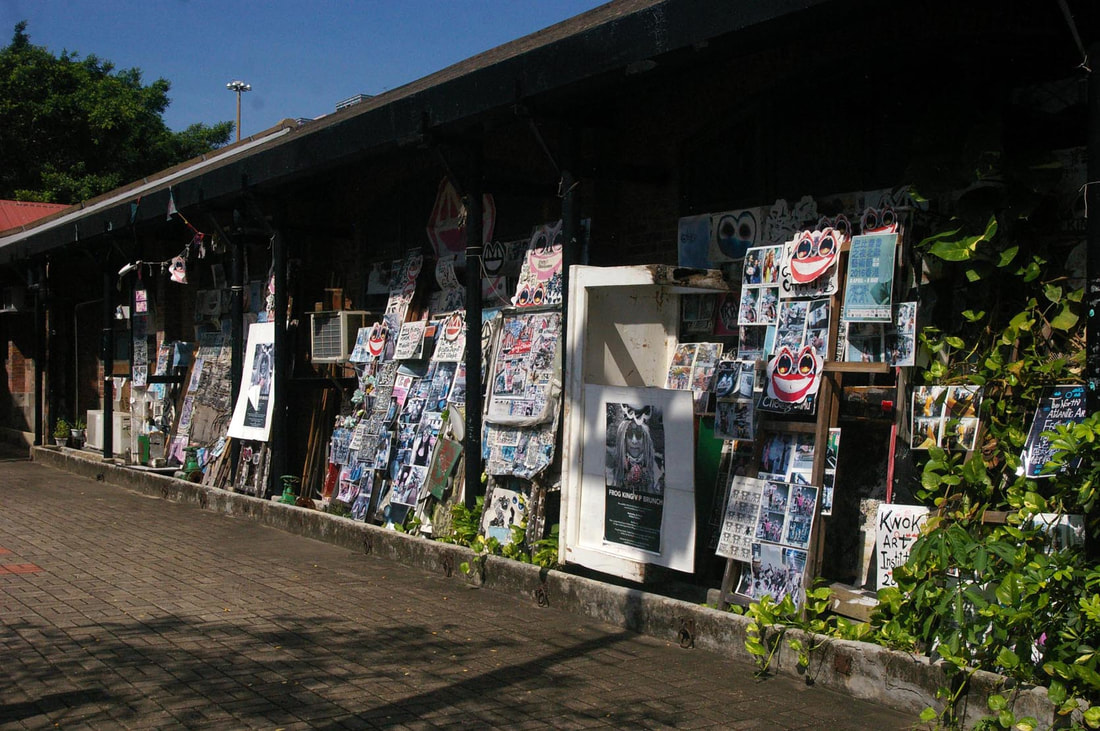
Walking through the rustic wooden doors and into the quiet courtyards felt like stepping into an entirely different dimension of Hong Kong. The contrast between the raw, industrial heritage of the colonial brick buildings and the cutting-edge, modern art installations inside was mesmerizing. Felipe loved the gritty, authentic atmosphere, and we spent an hour simply drifting between open studios, discovering quirky sculptures, and watching local creators at work. Free from the usual tourist crowds, this artistic sanctuary gave us exactly what we were looking for—a glimpse into the creative, beating heart of Hong Kong’s underground culture. It was the perfect, unforgettable finale to our short but intense stopover.
While the golden path of the Buddhas was undoubtedly impressive, our final stop of the day completely stole our hearts: the Cattle Depot Artist Village in Ma Tau Kok. Felipe and I both agreed that this hidden gem was even cooler than the monastery. Built in 1908, this historic red-brick compound originally served as a government slaughterhouse, but it has been beautifully reborn as a thriving, independent community for local artists.
Walking through the rustic wooden doors and into the quiet courtyards felt like stepping into an entirely different dimension of Hong Kong. The contrast between the raw, industrial heritage of the colonial brick buildings and the cutting-edge, modern art installations inside was mesmerizing. Felipe loved the gritty, authentic atmosphere, and we spent an hour simply drifting between open studios, discovering quirky sculptures, and watching local creators at work. Free from the usual tourist crowds, this artistic sanctuary gave us exactly what we were looking for—a glimpse into the creative, beating heart of Hong Kong’s underground culture. It was the perfect, unforgettable finale to our short but intense stopover.
Quick Facts: Cattle Depot Artist Village
- The Origin (1908): Built during the colonial era, the red-brick compound originally served as a government slaughterhouse and quarantine depot.
- The Rebirth (2001): It was beautifully renovated and reopened as an official heritage site and creative hub for local independent artists.
- The Architecture: It is the only surviving pre-war cattle depot in Hong Kong, featuring distinct Western-style brickwork, tiled roofs, and old iron rings.
- The Vibe Today: The village houses art studios, galleries, and theater groups, offering a quiet, non-commercialized glimpse into Hong Kong's underground art scene.
SINGAPORE
(2000)
Millennium Statues, Extreme Cleanliness, and Giant Towers
After five weeks of pure wilderness, dust, and broken Jeeps in Australia, my second standby flight dropped me into a completely different universe: Singapore. Coming straight from the outback, the city felt like a sci-fi movie. It was hyper-modern, blindingly clean, and perfectly organized. The ultimate cultural pivot.
(2000)
Millennium Statues, Extreme Cleanliness, and Giant Towers
After five weeks of pure wilderness, dust, and broken Jeeps in Australia, my second standby flight dropped me into a completely different universe: Singapore. Coming straight from the outback, the city felt like a sci-fi movie. It was hyper-modern, blindingly clean, and perfectly organized. The ultimate cultural pivot.
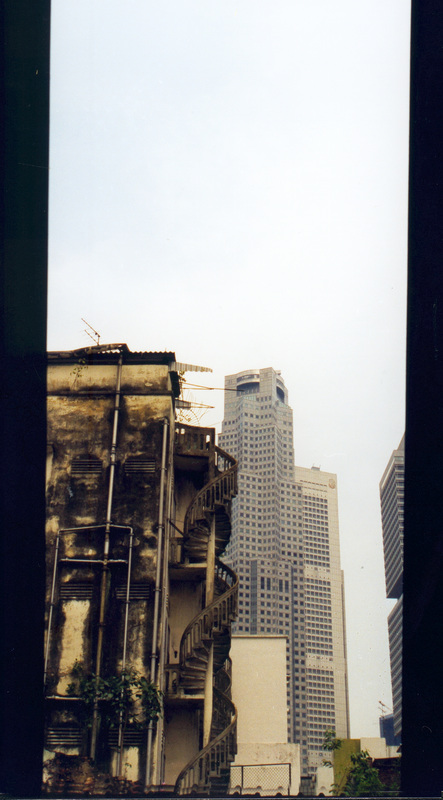
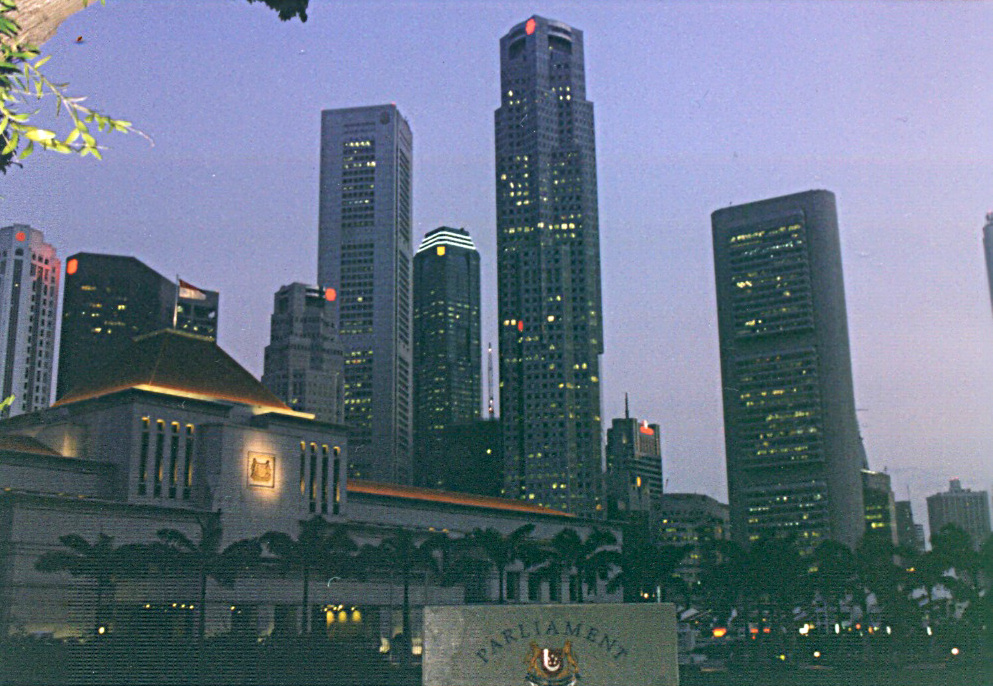
Walking through the streets, the visual contrasts hit me instantly. In one alley, you are standing next to an old, weathered colonial Shophouse with a dramatic, decaying concrete spiral staircase. You look up, and right behind it, the colossal, glass-and-steel skyscrapers of the financial district—like the towering 280-meter Republic Plaza—pierce the sky. It is a stunning collision of the past and the future.
The city's cultural scene was buzzing too. I wandered into the open courtyard of the Singapore Art Museum, housed in a grand 19th-century Catholic school. Right there stood a massive, golden-and-steel monument called "The Explorer"by artist Ng Eng Teng. It was unveiled in December 1999 to celebrate the new millennium. Seeing this brand-new rocket-and-globe sculpture felt exactly like the era itself: a bold, exciting leap into the year 2000.
Waterloo Street: The Alley of Religious Harmony
My temple exploration started on Waterloo Street, a place that perfectly embodies Singapore's multicultural soul. Here, two completely different worlds exist peacefully side by side.
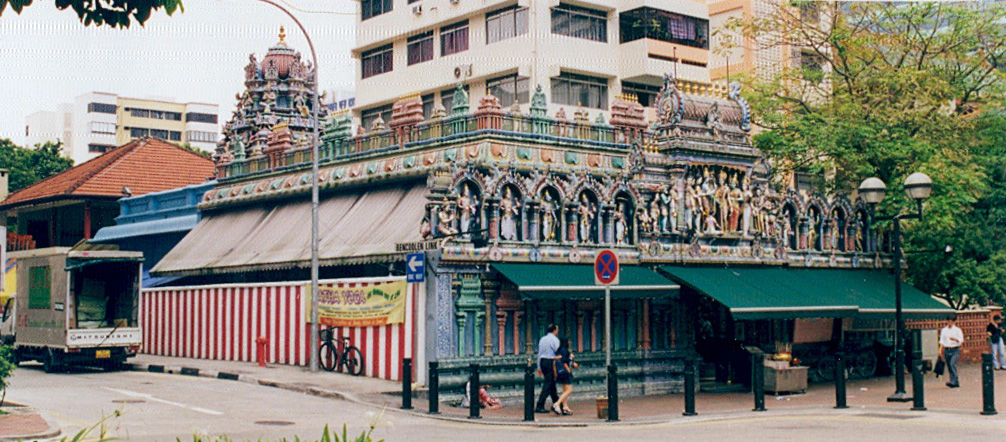
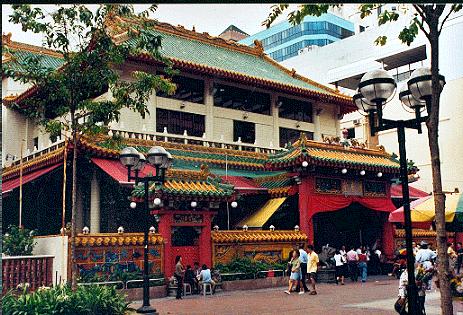
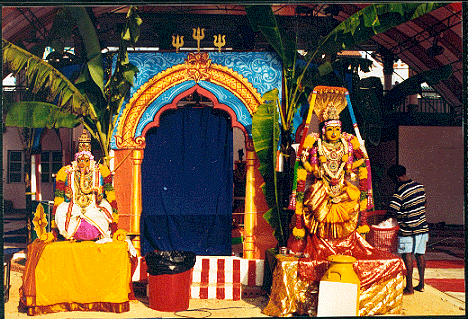
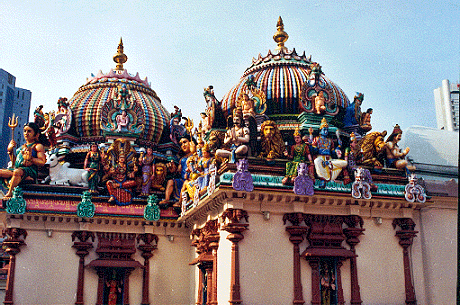
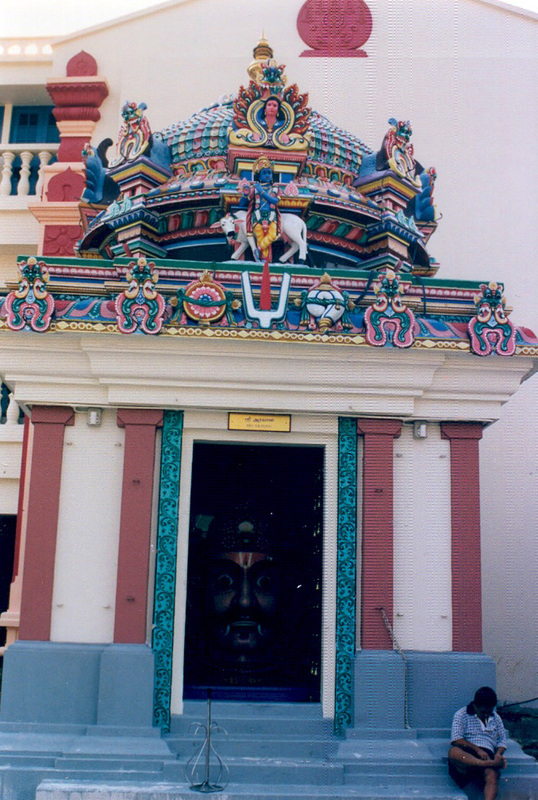
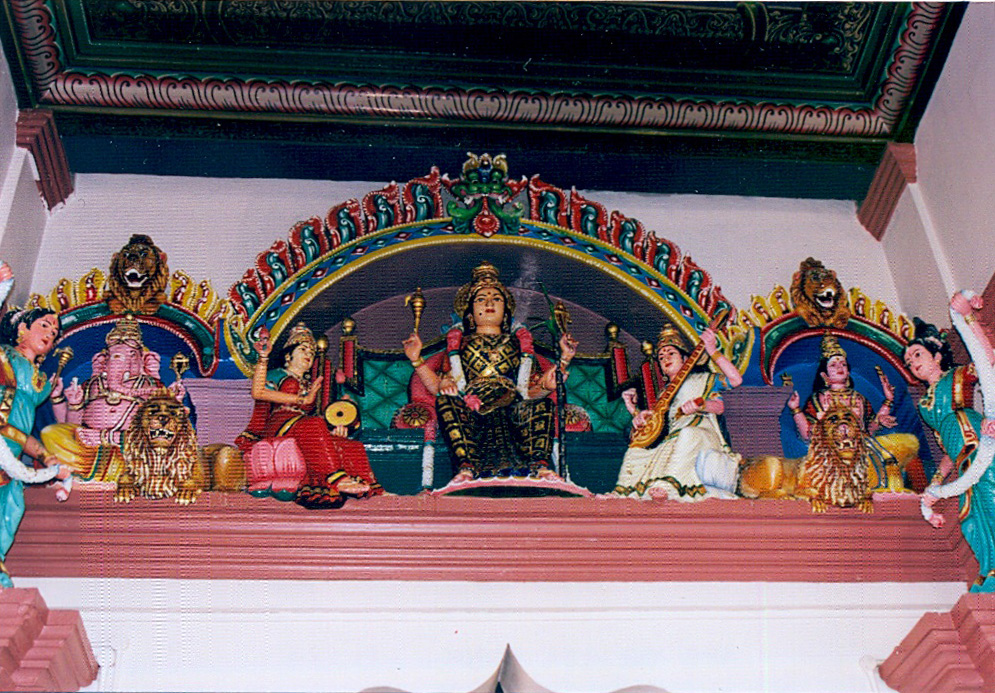
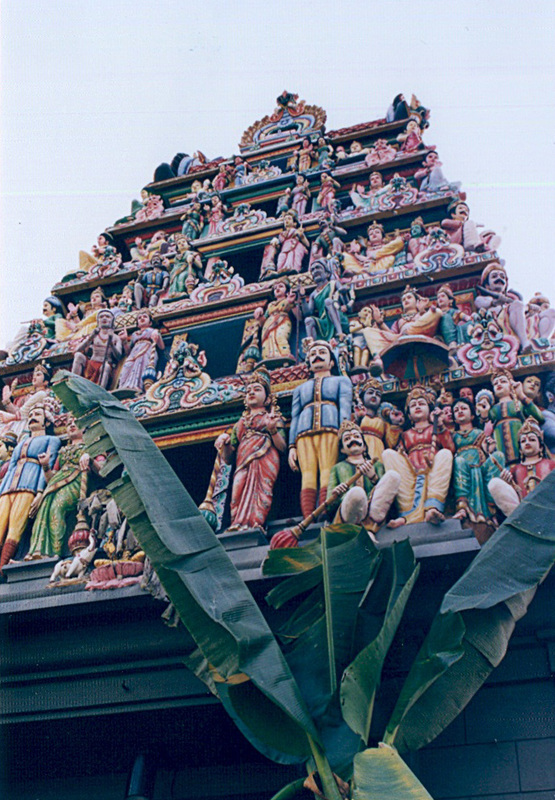
First, I stood before the vibrant Sri Krishnan Temple, founded in 1870. Its entrance is covered in beautifully detailed, colorful statues of Hindu deities. But what makes this place magical is what happens right next door. Just a few meters away sits the magnificent, green-roofed Kwan Im Thong Hood Cho Temple, a historic Chinese Buddhist sanctuary built in 1884.
My temple exploration started on Waterloo Street, a place that perfectly embodies Singapore's multicultural soul. Here, two completely different worlds exist peacefully side by side.
First, I stood before the vibrant Sri Krishnan Temple, founded in 1870. Its entrance is covered in beautifully detailed, colorful statues of Hindu deities. But what makes this place magical is what happens right next door. Just a few meters away sits the magnificent, green-roofed Kwan Im Thong Hood Cho Temple, a historic Chinese Buddhist sanctuary built in 1884.
Kwan Im Thong Hood Cho Temple
Just a few meters away sits the magnificent, green-roofed Kwan Im Thong Hood Cho Temple, a historic Chinese Buddhist sanctuary built in 1884.
- The Goddess of Mercy: The temple is dedicated to Guanyin (Avalokitesvara), the deeply revered Buddhist Goddess of Mercy and Compassion. Locals believe that she hears all cries for help and offers immediate protection to anyone who enters her sanctuary with an honest heart.
- The Miraculous Survival: During World War II, when heavy Japanese air raids completely destroyed and leveled the surrounding housing blocks of Waterloo Street, this specific temple miraculously remained untouched without a single scratch—serving as a critical emergency shelter for the wounded.
Chinatown: Standing Under the Gateway of Gods
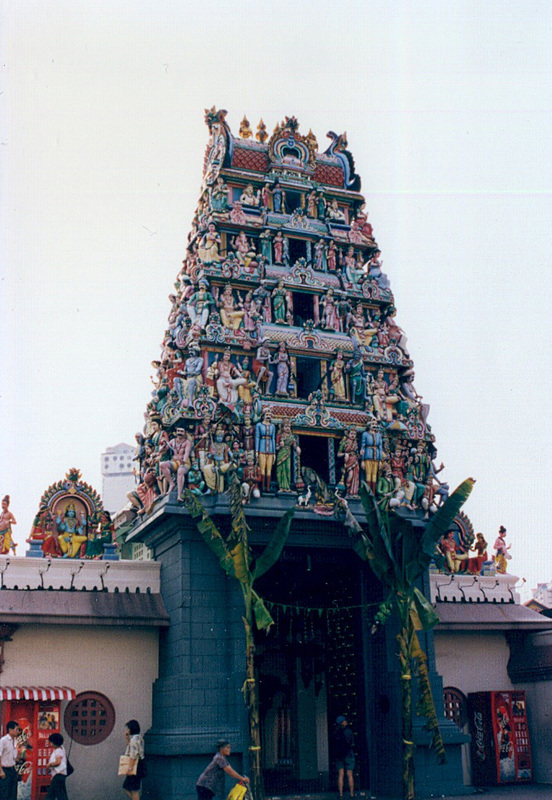
Next, I headed into the bustling heart of Chinatown to visit the absolute crown jewel of Hindu architecture in the city: the Sri Mariamman Temple. Established in 1827, it is Singapore's oldest and grandest Hindu temple.
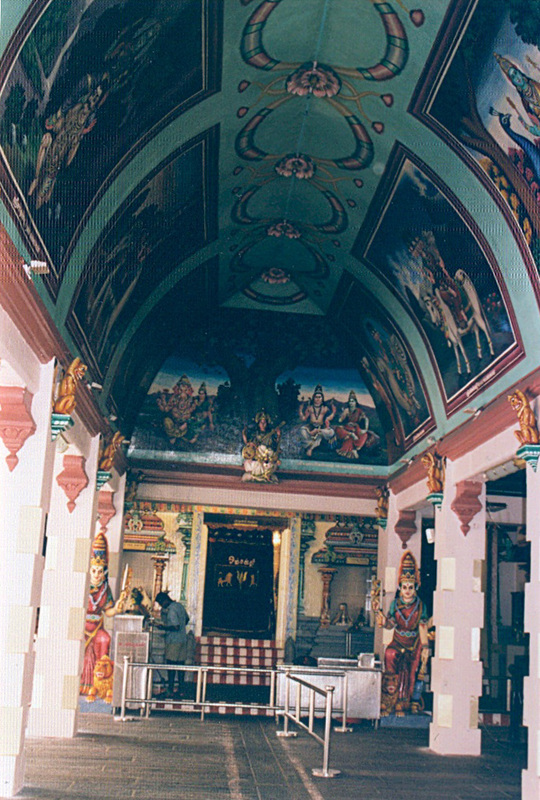
The main entrance at South Bridge Road blew me away. I looked straight up through the heavy, green banana leaves at the massive, five-tiered Gopuram (ornamental entrance tower). It rises like a multi-colored pyramid, densely packed with hundreds of incredibly detailed statues of gods, mythical beasts, and ancient warriors. Stepping inside the courtyard felt like walking into a festival. Beautifully decorated shrines, fresh flower garlands, and vibrant colors surrounded me as priests prepared for a sacred ceremony. I even snapped a classic souvenir photo right in front of the walls to capture the moment.
Next, I headed into the bustling heart of Chinatown to visit the absolute crown jewel of Hindu architecture in the city: the Sri Mariamman Temple. Established in 1827, it is Singapore's oldest and grandest Hindu temple.
The main entrance at South Bridge Road blew me away. I looked straight up through the heavy, green banana leaves at the massive, five-tiered Gopuram (ornamental entrance tower). It rises like a multi-colored pyramid, densely packed with hundreds of incredibly detailed statues of gods, mythical beasts, and ancient warriors. Stepping inside the courtyard felt like walking into a festival. Beautifully decorated shrines, fresh flower garlands, and vibrant colors surrounded me as priests prepared for a sacred ceremony. I even snapped a classic souvenir photo right in front of the walls to capture the moment.
Keong Saik Road: The Hidden Elephant God
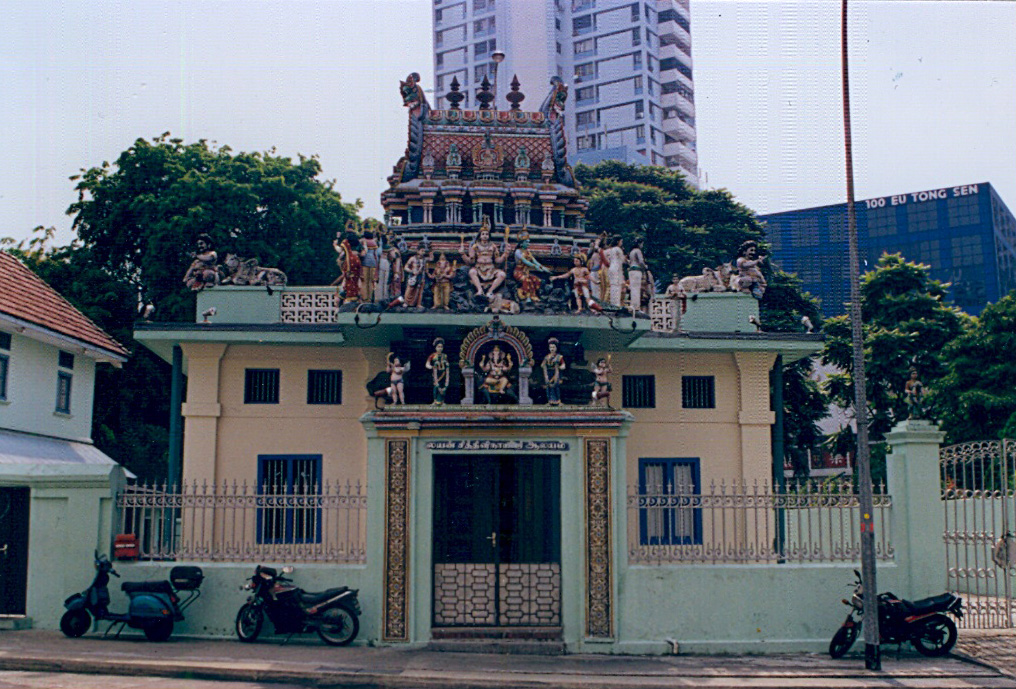
To finish my cultural trek through Chinatown, I wandered down the quieter streets until I reached Keong Saik Road. Tucked away under the shadow of modern high-rises like the massive "100 Eu Tong Sen" building, I found the lovely Sri Layan Sithi Vinayagar Temple.
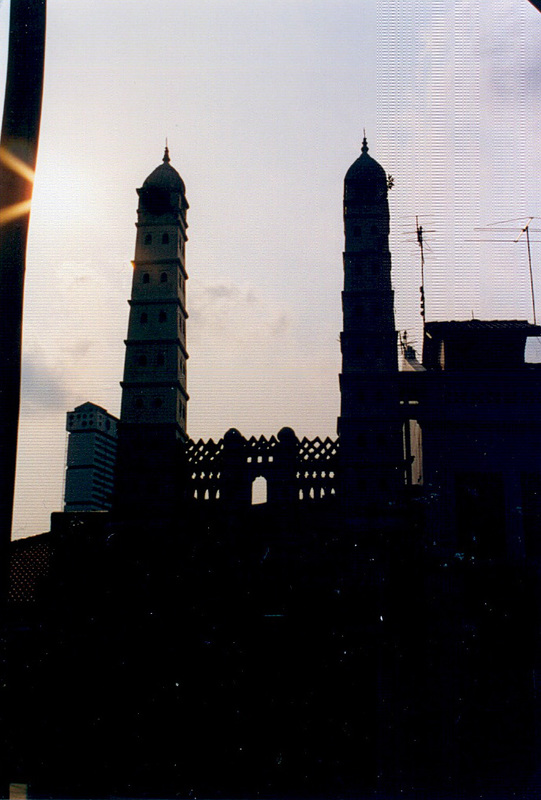
Built in 1925, this sanctuary is heavily dedicated to Ganesha, the famous elephant-headed deity of wisdom and new beginnings. I stood outside its neat, pale-yellow walls, admiring the smaller, elegantly carved roof tower. With a classic blue Vespa and vintage motorbikes parked out front on the curb, it was the perfect snapshot of Singapore in the year 2000—where ancient faith meets the everyday rhythm of the city.
To finish my cultural trek through Chinatown, I wandered down the quieter streets until I reached Keong Saik Road. Tucked away under the shadow of modern high-rises like the massive "100 Eu Tong Sen" building, I found the lovely Sri Layan Sithi Vinayagar Temple.
Built in 1925, this sanctuary is heavily dedicated to Ganesha, the famous elephant-headed deity of wisdom and new beginnings. I stood outside its neat, pale-yellow walls, admiring the smaller, elegantly carved roof tower. With a classic blue Vespa and vintage motorbikes parked out front on the curb, it was the perfect snapshot of Singapore in the year 2000—where ancient faith meets the everyday rhythm of the city.
Phillip Street: The Temple of the Love God and Sea Gypsies
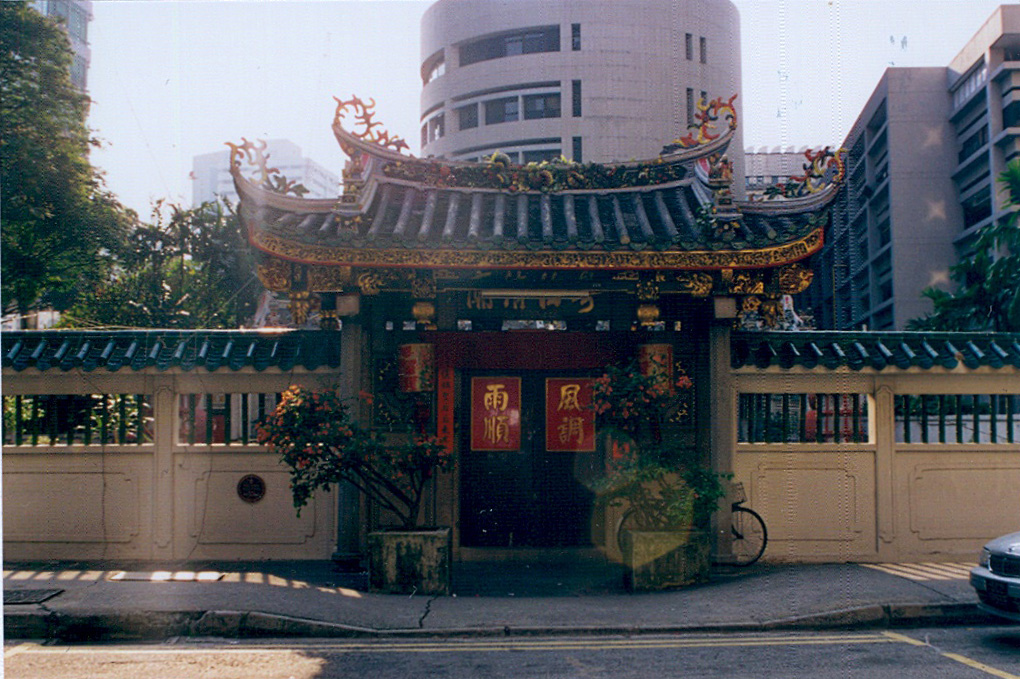
Right in the middle of Singapore's bustling financial district, squeezed tightly between giant concrete office towers, I stumbled upon a hidden piece of ancient history: the Yueh Hai Ching Temple. Built in the 1850s by Teochew immigrants, it is one of the oldest Taoist temples in the city.
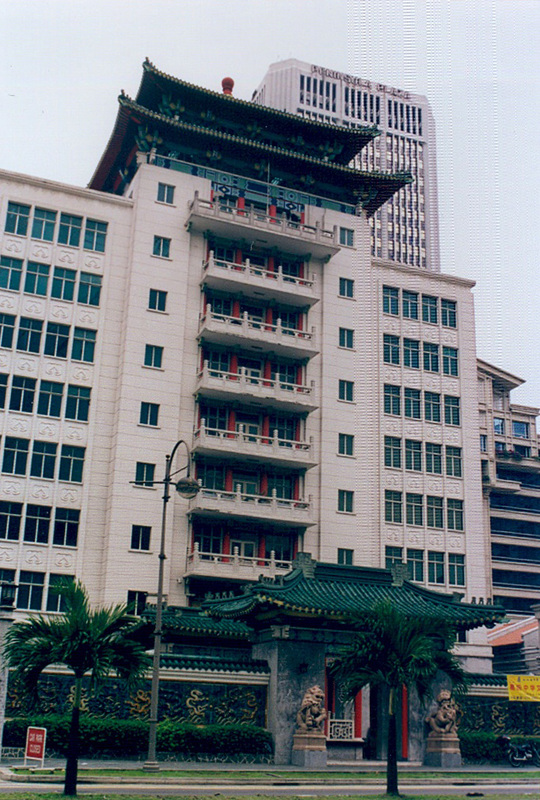
The main entrance gate immediately caught my eye. It is topped with an incredibly detailed, sweeping Chinese roof structure covered in intricate ceramic dragons and historic figures. Flanking the dark wooden doors were massive, bright-red lanterns adorned with golden Chinese characters praying for "Favorable Wind and Seasonal Rain" (Feng Tiao Yu Shun) to guide travelers safely.
The Matchmaker Secret:
This temple holds a legendary reputation among locals. It is split into two halves—one dedicated to Mazu, the Goddess of the Sea, who protected the early immigrants on their dangerous boat journeys from China. The other half is dedicated to Yue Lao, the Old Man Under the Moon, globally revered as the divine Chinese Matchmaker. For decades, thousands of singles have flooded this exact courtyard to tie red strings around the statue's neck, praying to find their true love. Standing there, smelling the burning incense while the footsteps of modern business workers echoed outside the walls, was the perfect, peaceful finale to my Asian spiritual trek.
The Legend of the Pearl: The dragon relief on the temple wall depicts a classic Taoist symbol. The two dragons chasing the flaming pearl represent the eternal cosmic balance—the pursuit of wisdom, spiritual energy, and immortality.
Right in the middle of Singapore's bustling financial district, squeezed tightly between giant concrete office towers, I stumbled upon a hidden piece of ancient history: the Yueh Hai Ching Temple. Built in the 1850s by Teochew immigrants, it is one of the oldest Taoist temples in the city.
The main entrance gate immediately caught my eye. It is topped with an incredibly detailed, sweeping Chinese roof structure covered in intricate ceramic dragons and historic figures. Flanking the dark wooden doors were massive, bright-red lanterns adorned with golden Chinese characters praying for "Favorable Wind and Seasonal Rain" (Feng Tiao Yu Shun) to guide travelers safely.
The Matchmaker Secret:
This temple holds a legendary reputation among locals. It is split into two halves—one dedicated to Mazu, the Goddess of the Sea, who protected the early immigrants on their dangerous boat journeys from China. The other half is dedicated to Yue Lao, the Old Man Under the Moon, globally revered as the divine Chinese Matchmaker. For decades, thousands of singles have flooded this exact courtyard to tie red strings around the statue's neck, praying to find their true love. Standing there, smelling the burning incense while the footsteps of modern business workers echoed outside the walls, was the perfect, peaceful finale to my Asian spiritual trek.
The Legend of the Pearl: The dragon relief on the temple wall depicts a classic Taoist symbol. The two dragons chasing the flaming pearl represent the eternal cosmic balance—the pursuit of wisdom, spiritual energy, and immortality.
Culture Check: The Stories Behind the Stone
- The Protector of Health: The Sri Mariamman Temple is dedicated to Goddess Mariamman. 19th-century South Indian immigrants built it to invoke her powers as a powerful healer who cures epidemic illnesses and brings life-giving rain to the land.
- The Threshold of Worlds: In South Indian Dravidian architecture, the Gopuram (entrance tower) serves as a spiritual border. Devotees bow to the tower before entering to symbolize leaving the chaotic, material world behind and stepping into the peaceful house of the divine.
- The Fortune Bringer: The Kwan Im Thong Hood Cho Temple is dedicated to Guanyin, the Goddess of Mercy. During World War II, when Japanese bombs leveled much of the surrounding area, this temple miraculously remained completely untouched, serving as a safe shelter for the sick and wounded.
- The Sailor's Haven (Yueh Hai Ching): The name Yueh Hai Ching Temple beautifully translates to the "Temple of the Calm Sea". In the 19th century, the shoreline was located right in front of the temple gates. Chinese sailors stepped off their wooden junks and walked straight into this courtyard to thank the gods for surviving the rough ocean waves.
Rainbow Windows, Fat Birds, and Millennium Magic: The Singapore City Walk
The city was a hyper-clean, perfectly polished metropolis. Armed with my analog camera, I set out on a massive city walk to capture the unbelievable fusion of colonial heritage, vibrant street art, and giant skyscrapers.
The Rainbow over Hill Street
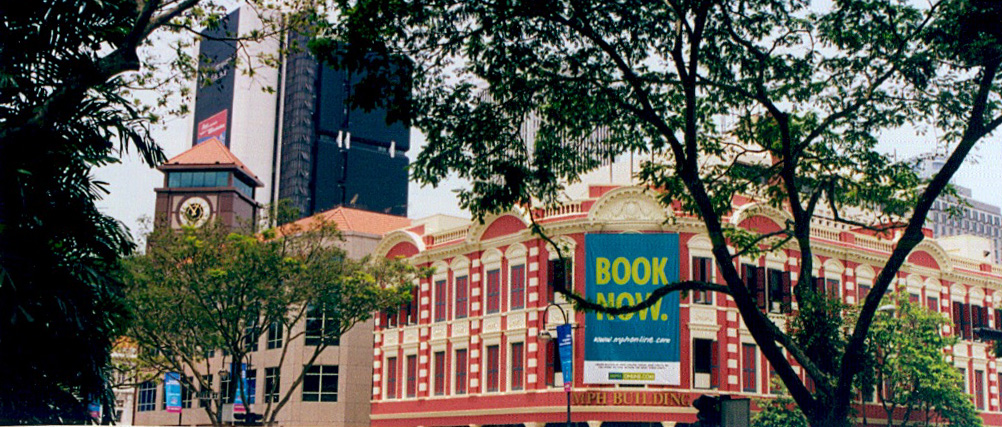
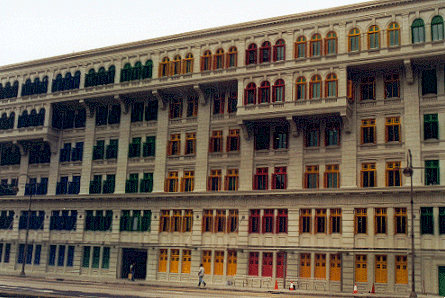
My walk began with a massive explosion of color. I stood before the magnificent, neoclassical facade of the Old Hill Street Police Station. Built in 1934, this massive historic fortress was once the largest police barracks in the British Malaya region. Long before air conditioning existed, it was designed with an incredible 927 wooden louvered windows to channel the cool breeze from the nearby Singapore River.
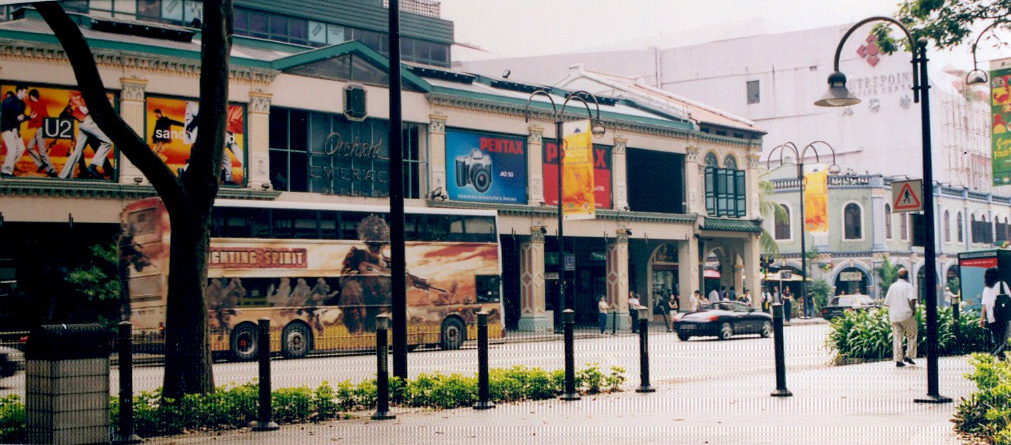
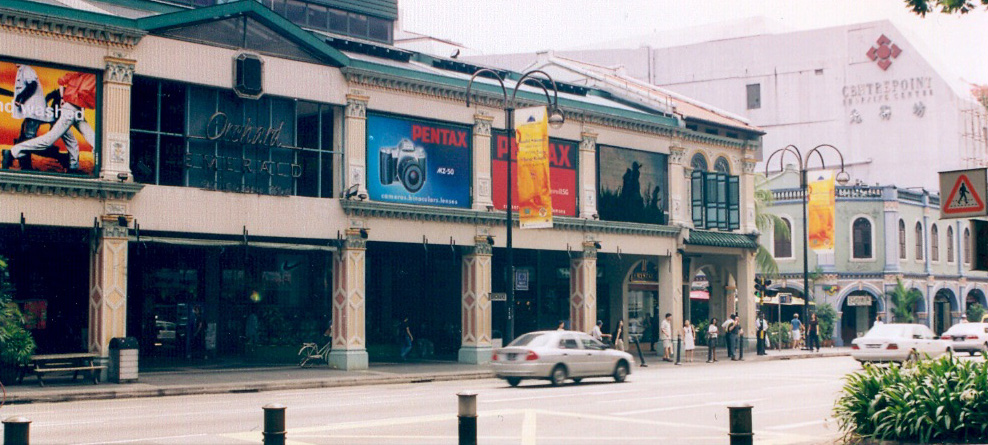
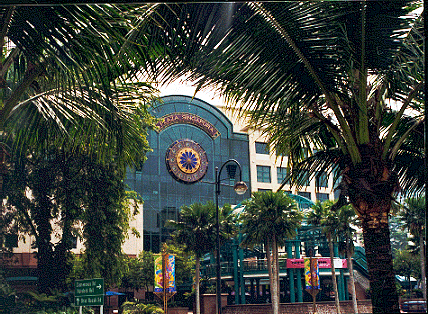
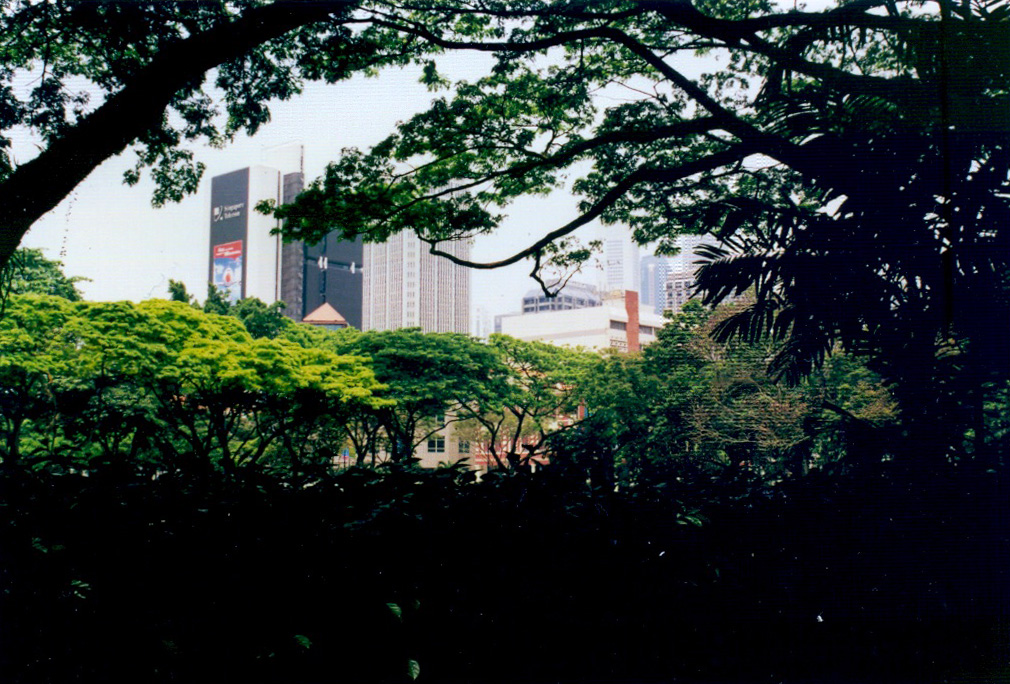
I pushed onward to the world-famous shopping avenue, Orchard Road. Peering through dense, tropical palm fronds, I faced the sleek, brilliant blue glass front of the legendary Plaza Singapura. Opened way back in 1974, this giant was the true grandfather of modern shopping malls on Orchard Road.
The city was a hyper-clean, perfectly polished metropolis. Armed with my analog camera, I set out on a massive city walk to capture the unbelievable fusion of colonial heritage, vibrant street art, and giant skyscrapers.
The Rainbow over Hill Street
My walk began with a massive explosion of color. I stood before the magnificent, neoclassical facade of the Old Hill Street Police Station. Built in 1934, this massive historic fortress was once the largest police barracks in the British Malaya region. Long before air conditioning existed, it was designed with an incredible 927 wooden louvered windows to channel the cool breeze from the nearby Singapore River.
I pushed onward to the world-famous shopping avenue, Orchard Road. Peering through dense, tropical palm fronds, I faced the sleek, brilliant blue glass front of the legendary Plaza Singapura. Opened way back in 1974, this giant was the true grandfather of modern shopping malls on Orchard Road.
Bronze Masters by the River
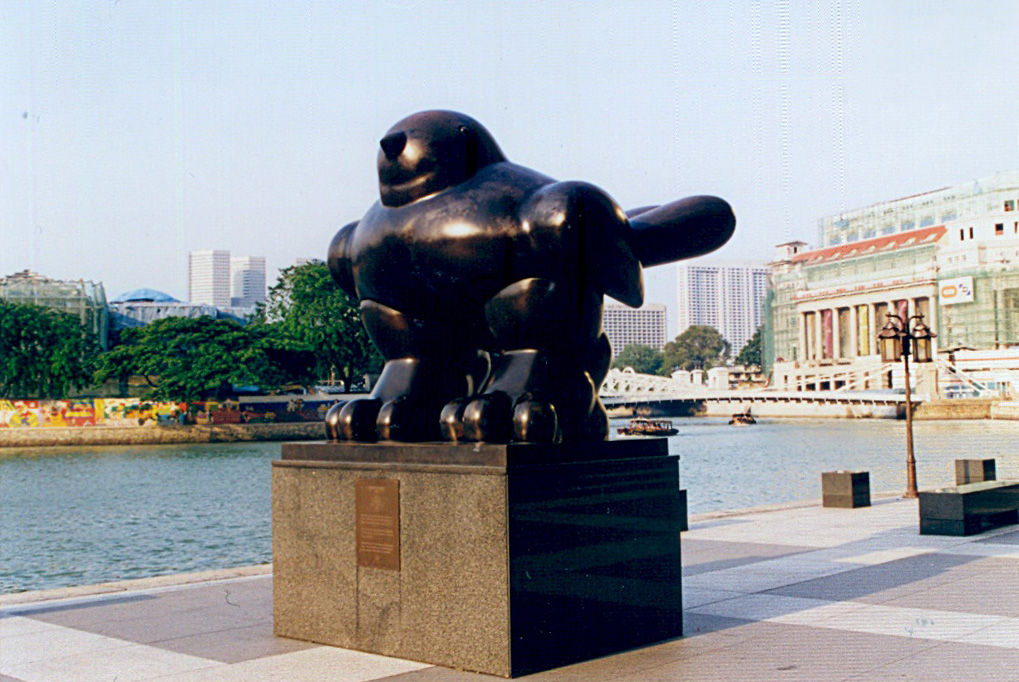
I followed the streets down to the edge of the Singapore River, where the city's modern financial history began. Standing proudly on the waterfront promenade, I bumped into one of the world's most famous birds: a monumentally thick, heavy bronze sculpture titled "Bird" by legendary Colombian artist Fernando Botero. Created in 1990, this giant, voluptuous dove represents peace, stability, and growth. In the background, across the water, the historic columns of the grand Fullerton Building (then undergoing its final transformation into a luxury hotel) framed the river as traditional wooden bumboats drifted past.
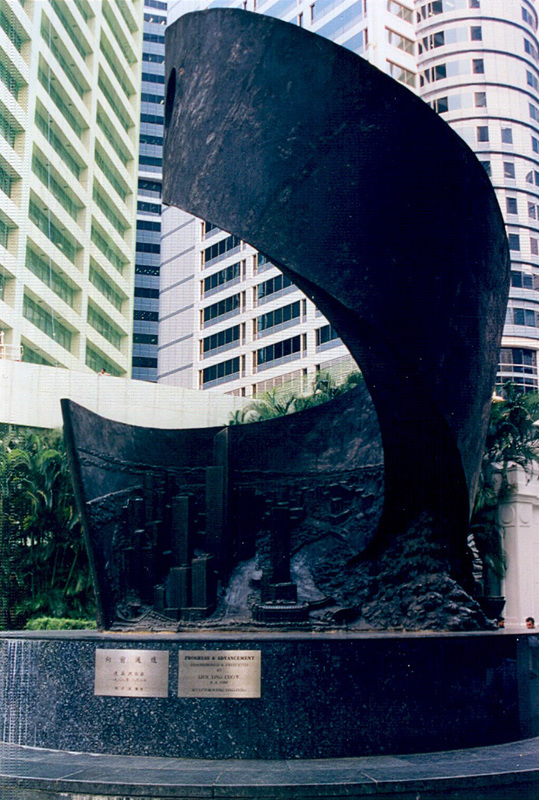
Just a short walk away at Raffles Place, I confronted another artistic giant: the 4-meter-high bronze sculpture "Progress & Advancement" by Taiwanese master Yang Ying-Feng. Unveiled on the highly auspicious date of August 8, 1988 (8.8.88), its dramatic, sweeping bronze S-curve mirrors the winding Singapore River, while its lower base features an intricate relief map of the old city skyline.
I followed the streets down to the edge of the Singapore River, where the city's modern financial history began. Standing proudly on the waterfront promenade, I bumped into one of the world's most famous birds: a monumentally thick, heavy bronze sculpture titled "Bird" by legendary Colombian artist Fernando Botero. Created in 1990, this giant, voluptuous dove represents peace, stability, and growth. In the background, across the water, the historic columns of the grand Fullerton Building (then undergoing its final transformation into a luxury hotel) framed the river as traditional wooden bumboats drifted past.
Just a short walk away at Raffles Place, I confronted another artistic giant: the 4-meter-high bronze sculpture "Progress & Advancement" by Taiwanese master Yang Ying-Feng. Unveiled on the highly auspicious date of August 8, 1988 (8.8.88), its dramatic, sweeping bronze S-curve mirrors the winding Singapore River, while its lower base features an intricate relief map of the old city skyline.
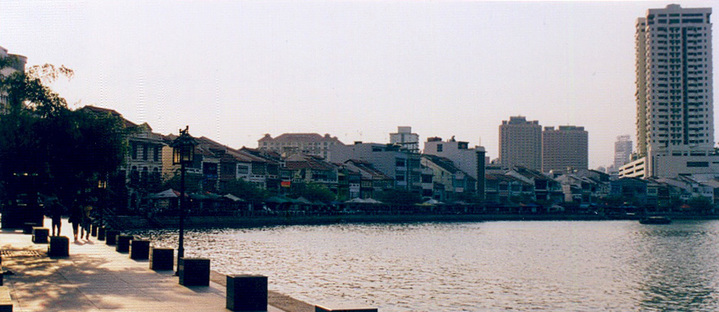
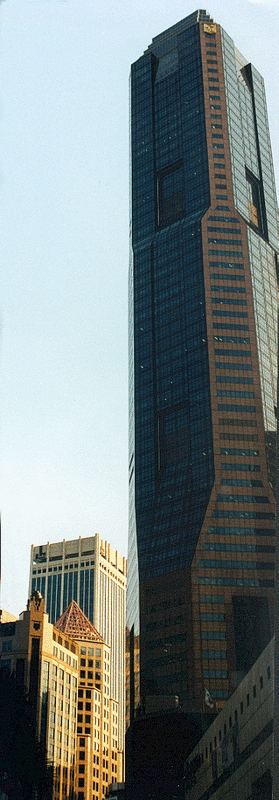
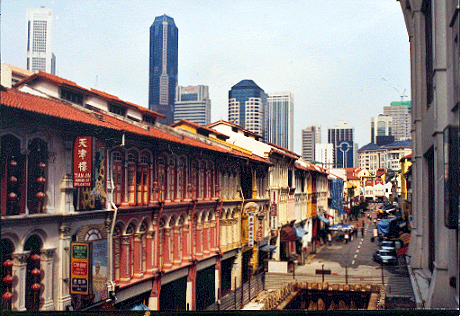
To see the ultimate visual contrast of the city, I climbed to an elevated viewpoint overlooking Trengganu Street in Chinatown. The view was a total masterpiece. On the left, a long, flawless line of historic colonial Shophouses stretched down the asphalt, featuring traditional red-tiled roofs, pastel window frames, and glowing red Chinese lanterns. Right behind them, bursting straight out of the old rooftops, the massive, dark blue glass towers of the financial core—led by the 280-meter OUB Centre—pierced the sky. It was the perfect snapshot of old-world heritage meeting future ambition.
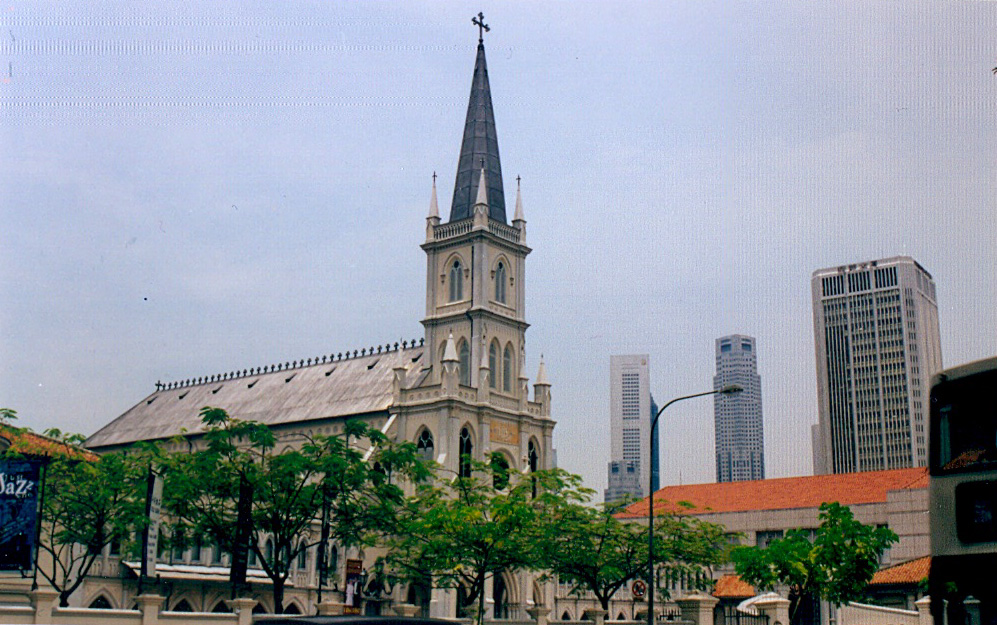
My final stop brought me to the quiet, dignified grounds of the Cathedral of the Good Shepherd. Consecrated in 1847, this stunning, pale-white neogothic monument is officially the oldest surviving Roman Catholic church in Singapore.
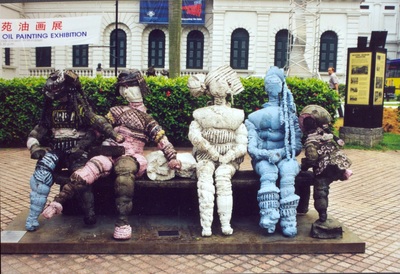
The bench of the "Living World" sculpture series by the world-famous Taiwanese sculptor Ju Ming!
Back in 2000, these painted bronze statues sat in the outdoor courtyard of the Singapore Art Museum (SAM) on Bras Basah Road. The historic location is the former 19th-century neoclassical building of the Catholic St. Joseph’s Institution, which officially reopened as the national art museum in 1996. Ju Ming’s brilliant philosophy behind this installation was to completely remove fine art from closed gallery rooms and bring it directly onto the street, allowing ordinary passersby and travelers to sit right on the wooden bench alongside the heavily textured, colorful figures.
Bangkok, THAILAND
(2000)
Sensationally Cheap and Strictly Standby: The 180-DM Ticket to Chaos
Flying from Europe to Australia is a 24-hour endurance test. I refused to do it in one brutal stretch. My solution? Two epic stopovers to break up the journey.
But there was a massive twist before I even boarded. Thanks to a legendary tourism industry discount, I scored an ID90 Ticket. Total cost for a round-trip ticket across the entire planet? A ridiculous 180 Deutsche Mark—90 DM for the flight out, 90 DM for the flight back. The catch? You fly standby. You don't have a guaranteed seat. You pack your bags, show up at the gate, look at the fully booked screens, and pray. If the flight is full, you stay behind.
Against all odds, the airline gods smiled on me. I cleared standby and landed straight in my first stop: Bangkok, Thailand.
The Golden Era of Budget Travel: Currency & Coupons
(2000)
Sensationally Cheap and Strictly Standby: The 180-DM Ticket to Chaos
Flying from Europe to Australia is a 24-hour endurance test. I refused to do it in one brutal stretch. My solution? Two epic stopovers to break up the journey.
But there was a massive twist before I even boarded. Thanks to a legendary tourism industry discount, I scored an ID90 Ticket. Total cost for a round-trip ticket across the entire planet? A ridiculous 180 Deutsche Mark—90 DM for the flight out, 90 DM for the flight back. The catch? You fly standby. You don't have a guaranteed seat. You pack your bags, show up at the gate, look at the fully booked screens, and pray. If the flight is full, you stay behind.
Against all odds, the airline gods smiled on me. I cleared standby and landed straight in my first stop: Bangkok, Thailand.
The Golden Era of Budget Travel: Currency & Coupons
- The Deutsche Mark (DM): Back in the year 2000, Germany’s currency was still the stable Deutsche Mark, just two short years before the Euro physical banknotes were officially introduced in 2002.
- The Price Comparison: Spending 180 DM (equivalent to roughly 92 Euros back then) for flights spanning Europe, Bangkok, Sydney, and Singapore is a phenomenon that will simply never happen again in aviation history.
I proudly walked out of the airport terminal. One second later, I turned right around and walked straight back inside.
The heat was a physical assault. The humidity was a thick, heavy blanket I had never experienced before in my entire life.It was my first trip to Asia. It was suffocating. Eventually, I braced myself and stepped back out into the open air. Remember, this was the year 2000. No internet. No smartphones. No GPS. I had absolutely zero clue where to go. Armed with nothing but basic English and sheer determination, I literally just talked and asked my way through the massive city. Against all odds, I successfully navigated the chaos until I finally landed right in the pulsing heart of the universe's ultimate backpacker hub: Khao San Road. The real adventure had officially begun.
Wat Pho
Shimmering Mosaics: Escaping to Wat Pho
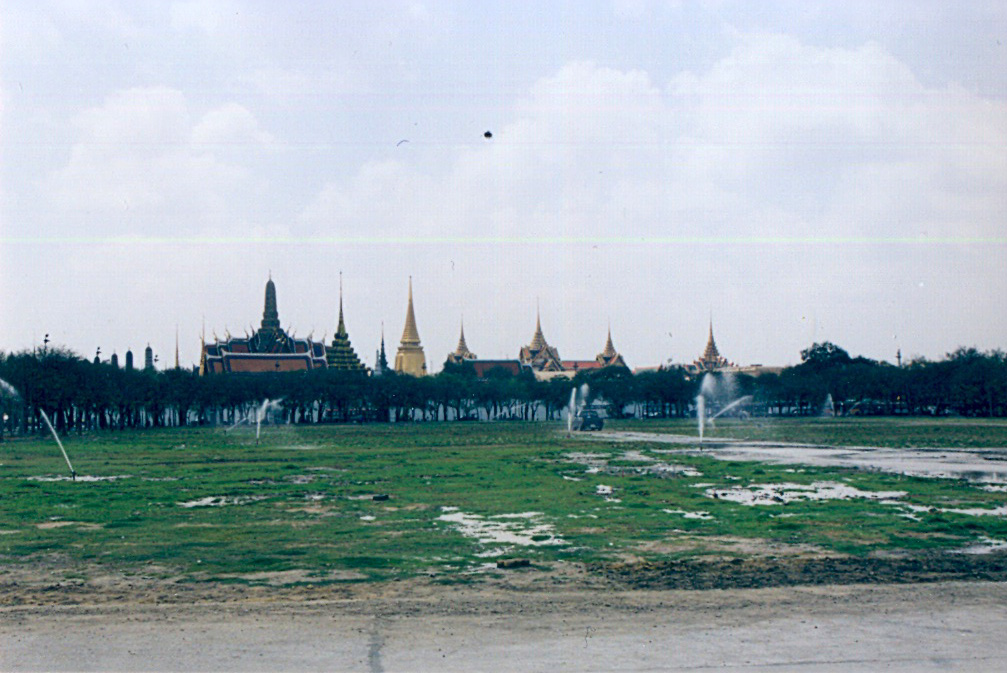
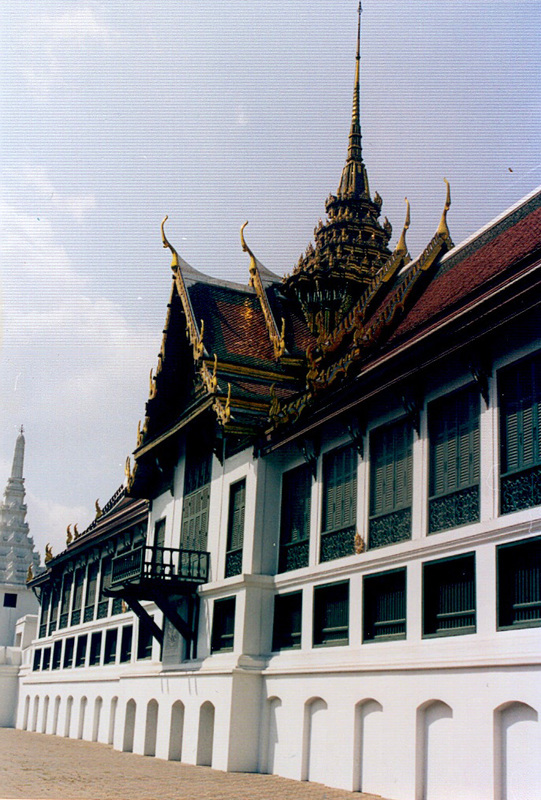
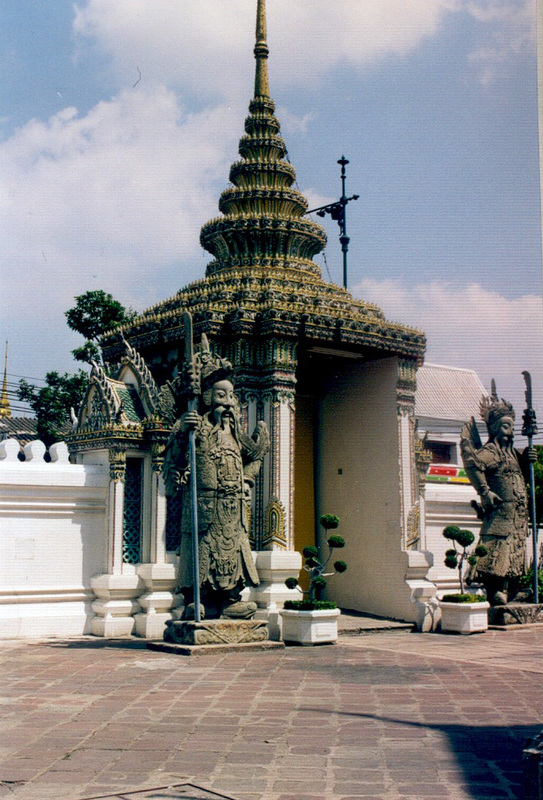
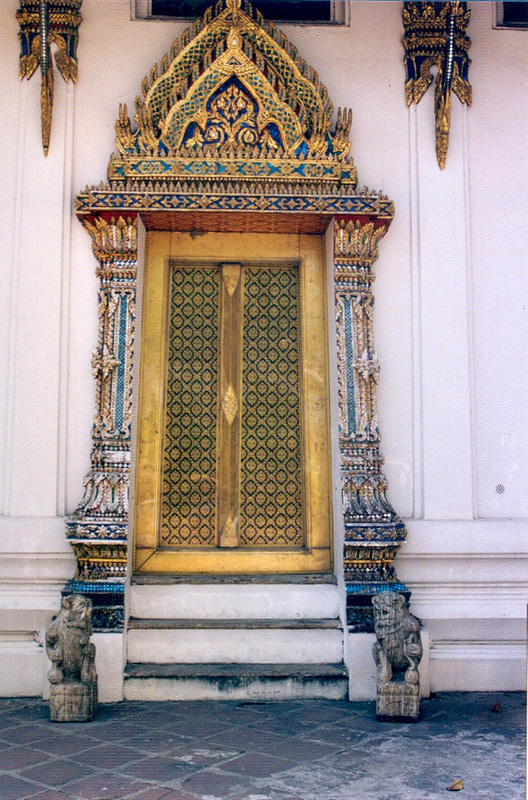
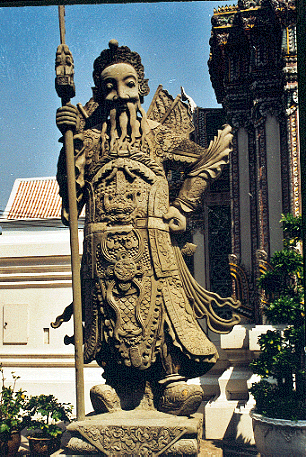
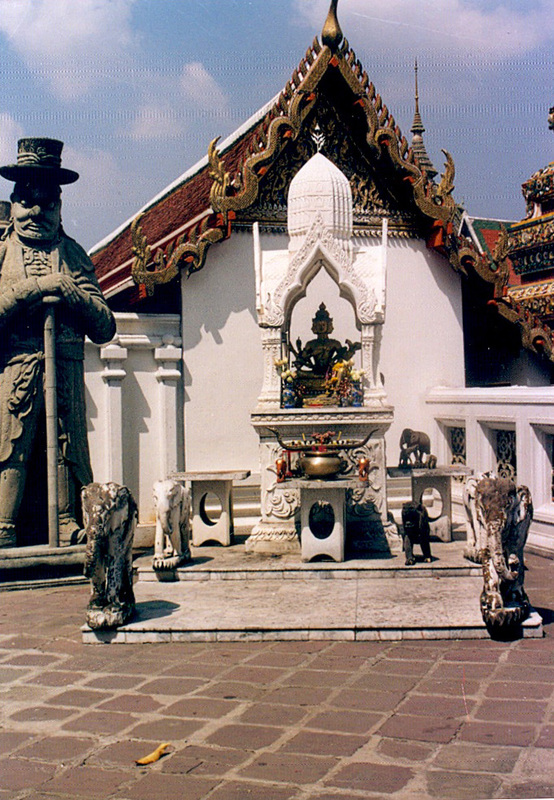
After successfully navigating the chaotic streets without any technology, I escaped the frantic energy of Khao San Road to explore Bangkok's spiritual heart. I stood before the gates of Wat Pho, the oldest and largest temple complex in the city.
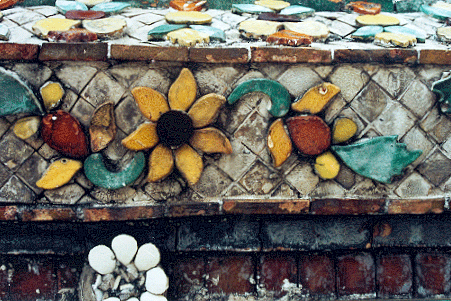
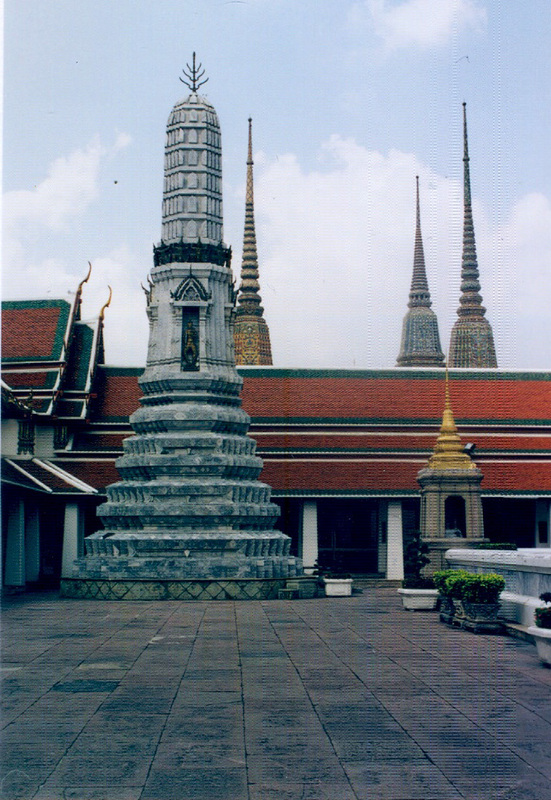
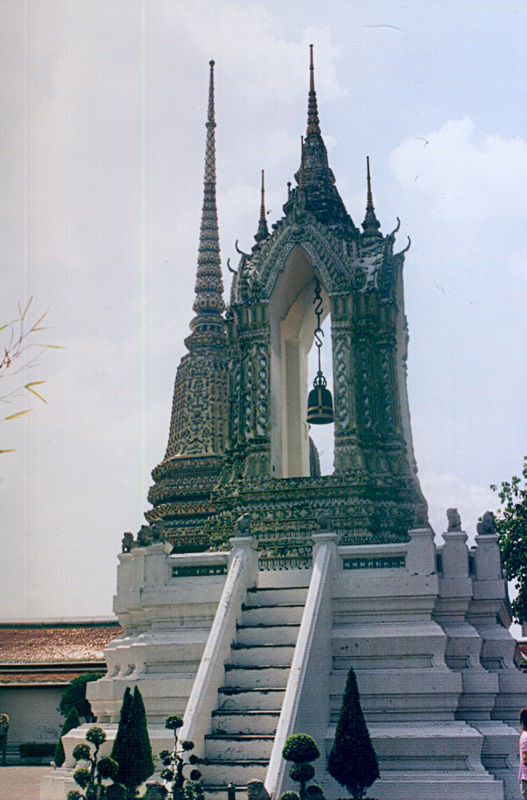
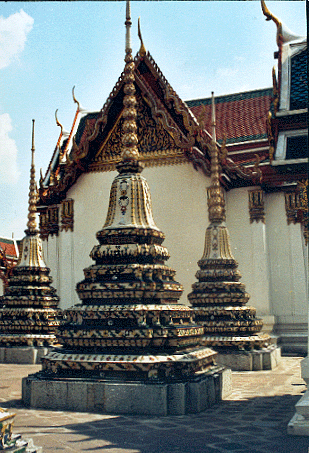
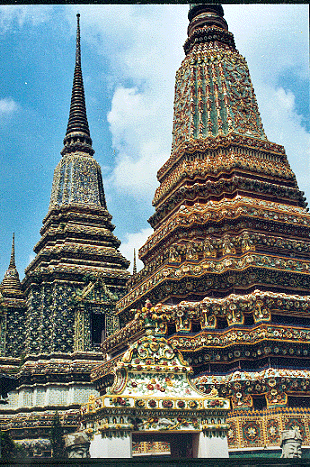
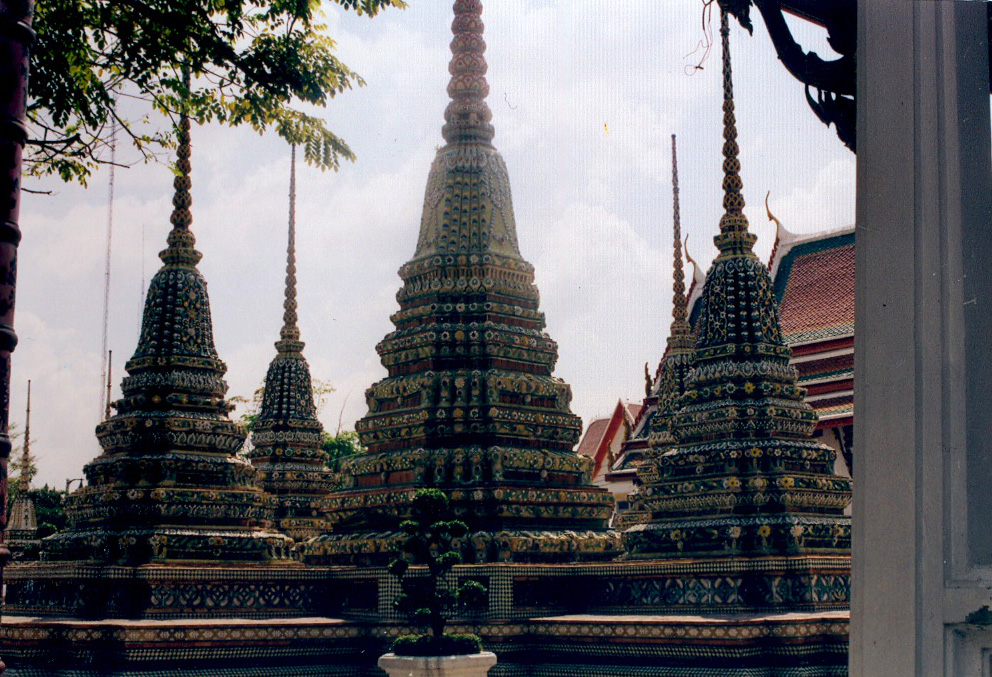
Walking into the courtyard felt surreal. I was completely surrounded by a forest of towering, bell-shaped spires. Up close, the detail was staggering—nearly 100 structures decorated with thousands of colorful porcelain flowers that gleamed in the intense sun.
Shimmering Mosaics: Escaping to Wat Pho
After successfully navigating the chaotic streets without any technology, I escaped the frantic energy of Khao San Road to explore Bangkok's spiritual heart. I stood before the gates of Wat Pho, the oldest and largest temple complex in the city.
Walking into the courtyard felt surreal. I was completely surrounded by a forest of towering, bell-shaped spires. Up close, the detail was staggering—nearly 100 structures decorated with thousands of colorful porcelain flowers that gleamed in the intense sun.
The King’s Sanctuary: Phra Buddha Deva Patimakorn
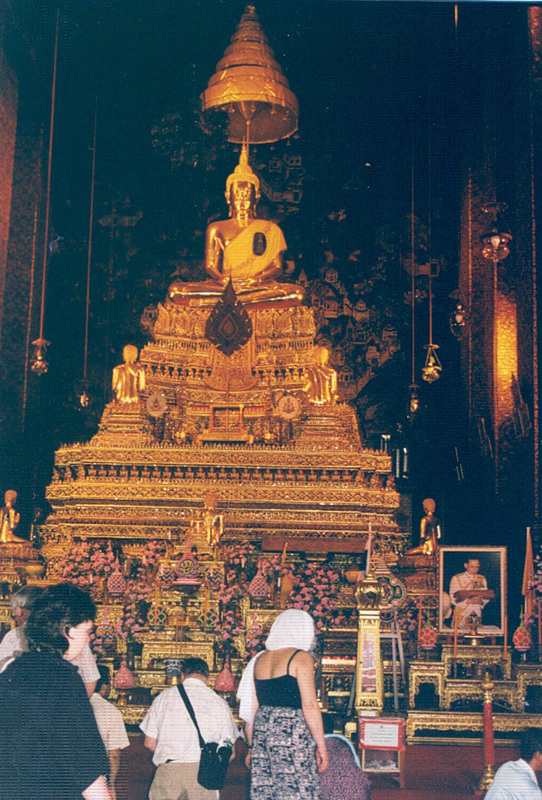
As I moved deeper into the temple complex, away from the shimmering outdoor spires, I entered the grand ordination hall, the Phra Ubosot. The air inside was completely still, heavy with the sweet, woody scent of burning incense and fresh lotus flowers.
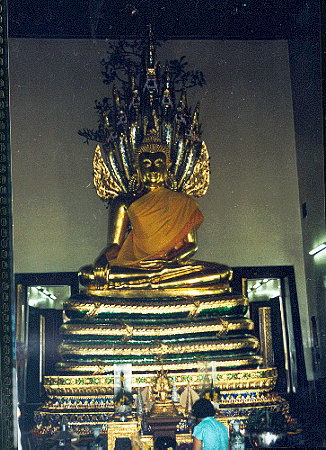
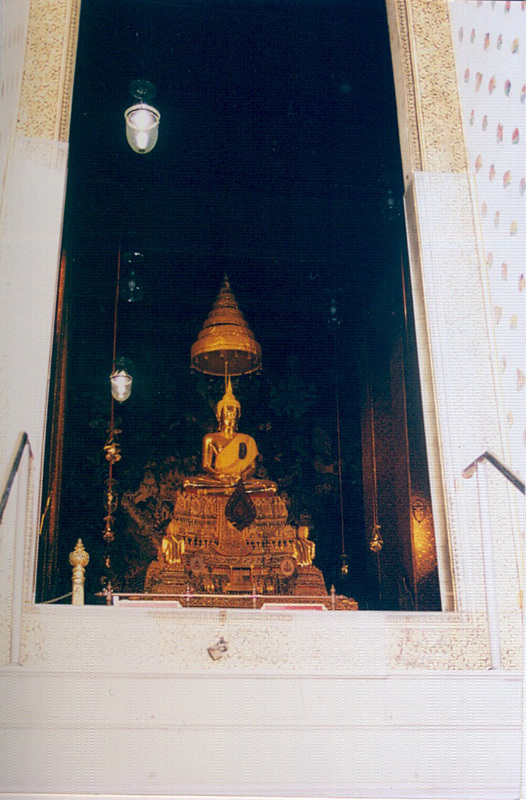
There, dominating the entire room, sat Phra Buddha Deva Patimakorn—the principal golden Buddha of Wat Pho. The statue is breathtaking. It is seated in a pose of absolute meditation on a massive, spectacular three-tiered golden pedestal.
The King's Final Resting Place:
This specific statue holds a massive historical secret beneath its golden glitter. In 1782, when King Rama I founded Bangkok as the new capital, he personally moved this ancient statue here from an older temple. He loved this image so much that after his death, his successor placed the holy ashes of King Rama I directly inside the base of the pedestal. When you look at this Buddha, you are literally looking at the spiritual resting place of the founder of Bangkok
As I moved deeper into the temple complex, away from the shimmering outdoor spires, I entered the grand ordination hall, the Phra Ubosot. The air inside was completely still, heavy with the sweet, woody scent of burning incense and fresh lotus flowers.
There, dominating the entire room, sat Phra Buddha Deva Patimakorn—the principal golden Buddha of Wat Pho. The statue is breathtaking. It is seated in a pose of absolute meditation on a massive, spectacular three-tiered golden pedestal.
The King's Final Resting Place:
This specific statue holds a massive historical secret beneath its golden glitter. In 1782, when King Rama I founded Bangkok as the new capital, he personally moved this ancient statue here from an older temple. He loved this image so much that after his death, his successor placed the holy ashes of King Rama I directly inside the base of the pedestal. When you look at this Buddha, you are literally looking at the spiritual resting place of the founder of Bangkok
History Check: The Forest of Porcelain and Stone
- Religion & Age: Wat Pho is a sacred Buddhist temple. It is the oldest and largest temple complex in Bangkok, with its history dating back to the 16th century (around 1500 AD)—long before Bangkok even became the capital of Thailand.
- The Historic Purpose: In the past, the temple served as Thailand’s very first public university and center of learning. King Rama III gathered knowledge from all over the country and had it carved into the temple's stones so that ordinary citizens could educate themselves.
- Birthplace of Healing: Wat Pho was the historical center for traditional Thai medicine and astrology. To this day, it is recognized globally as the official birthplace and premier school for traditional Thai massage.
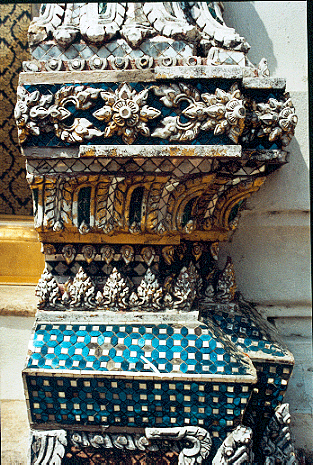
- The Mosaic Masterpieces: The temple grounds feature an incredible 91 smaller spires (Chedi Rai). They are completely covered in floral patterns made from millions of pieces of colorful Chinese porcelain, which originally arrived in Bangkok as ballast on trading ships.
- The Sacred Protector: The golden Buddha statue rests on a giant, seven-headed Naga (serpent king) named Muchalinda. According to Buddhist tradition, the snake wrapped his body around Buddha during a massive six-day storm to keep him safe and dry.
Wild Tuk-Tuks and Red Lights: The Unfiltered Reality of Bangkok
You cannot leave Bangkok without experiencing the absolute madness of a Tuk-Tuk ride. I teamed up with a French guy I met at my hostel, hopped into the back of one of those noisy, open-air three-wheelers, and held on for dear life. Our driver tore through the chaotic traffic like a formula one racer, weaving inches away from buses and trucks. It was terrifying, windy, and incredibly fun.
During the ride, the Frenchman turned to me and asked if I wanted to check out Bangkok's infamous red-light district. Since it was a world-famous part of the city's subculture, I agreed.
Walking through those neon-drenched streets was a heavy experience. For me, looking at it through the eyes of a young woman, the vibe shifted instantly from adventurous to deeply sobering. Behind the bright flashing lights and loud music lay a world that felt incredibly sad and exploitative. Seeing the reality of the sex tourism industry up close wasn't a party—it was a harsh reminder of the complex, darker layers of global travel. It was an unfiltered, eye-opening finale to my Thai stopover before I boarded my next standby flight to Sydney.
You cannot leave Bangkok without experiencing the absolute madness of a Tuk-Tuk ride. I teamed up with a French guy I met at my hostel, hopped into the back of one of those noisy, open-air three-wheelers, and held on for dear life. Our driver tore through the chaotic traffic like a formula one racer, weaving inches away from buses and trucks. It was terrifying, windy, and incredibly fun.
During the ride, the Frenchman turned to me and asked if I wanted to check out Bangkok's infamous red-light district. Since it was a world-famous part of the city's subculture, I agreed.
Walking through those neon-drenched streets was a heavy experience. For me, looking at it through the eyes of a young woman, the vibe shifted instantly from adventurous to deeply sobering. Behind the bright flashing lights and loud music lay a world that felt incredibly sad and exploitative. Seeing the reality of the sex tourism industry up close wasn't a party—it was a harsh reminder of the complex, darker layers of global travel. It was an unfiltered, eye-opening finale to my Thai stopover before I boarded my next standby flight to Sydney.