MARYsCOMIX
  • Mary's Page
  • Airbrush Metal Stuff
  • Airbrush Projects
  • Street Art
  • Felix Projects
  • Old School Comix
  • Trip Gallery
  • Artist Infos
  • Legal Notice / IMPRESSUM
  • Right of Withdrawal
  • Data Protection
  • General terms and conditions of business
  • Blog

​' Aloha ' - Big Island / Hawaii
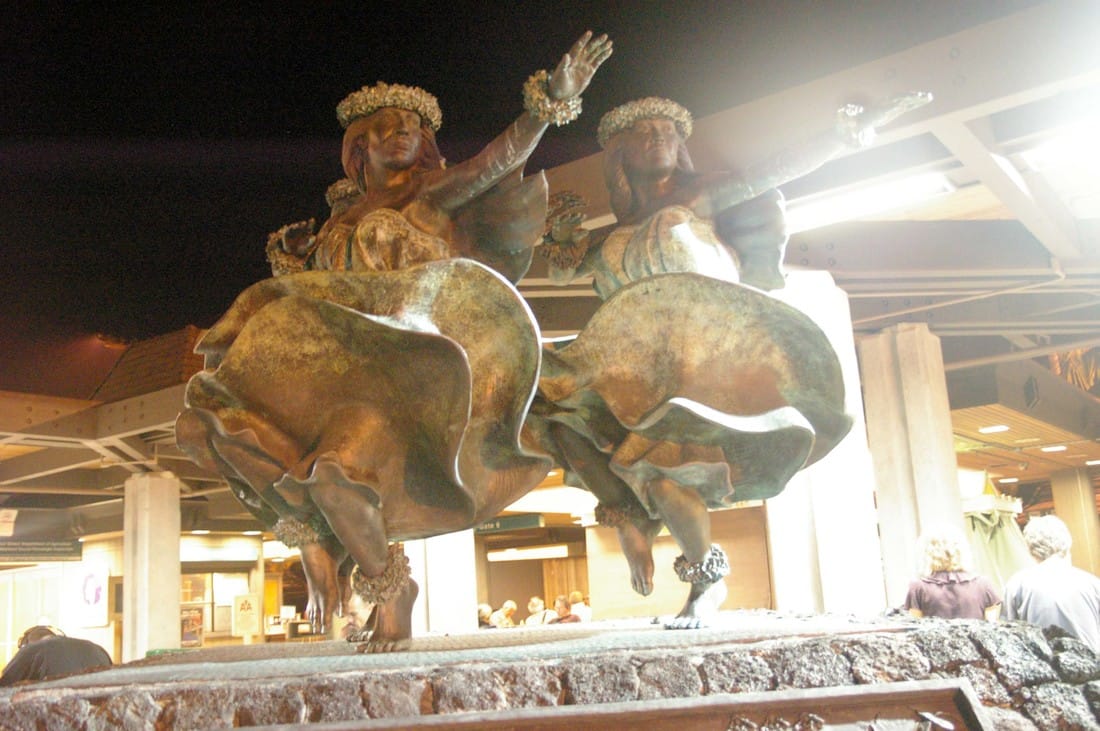
Flashback to 2009: Hitchhiking My Way Across Hawaii’s Big Island
Let’s take a little step back in time. Long before my 2016 road trip with Burghard, I found myself in Los Angeles for a very special occasion in 2009: the wedding of Colleen and Shakespeare. It was the ultimate alternative wedding—something completely different from the traditional, rigid celebrations I was used to back home in Germany. The energy, the music, and the artistic crowd made it an unforgettable celebration of love.
But once the wedding confetti settled, a new adventure was calling my name. I boarded a flight to Hawaii.
Reconnecting in Paradise
My destination was the Big Island, where I was headed to meet an old friend named Daniel. If you’ve read my previous blog chapters on Jamaica, you might recognize his name—Daniel was the one who famously showed me the ropes of Jamaica back in 2002. Reconnecting with him in Hawaii felt like the perfect continuation of our global travel history.
However, upon arrival, I quickly faced a major logistical hurdle: I didn't have a rental car.

​
The Ultimate Big Island Challenge: Hitchhiking!
If you’ve ever been to the Big Island of Hawaii, you know it is massive, rural, and incredibly spread out. Getting around without your own wheels is next to impossible. But instead of letting that ruin my plans to explore the volcanic landscapes, hidden beaches, and lush valleys, I decided to embrace the old-school adventurer spirit.
There was only one logical solution left: Hitchhiking.
Stretching out my thumb on the side of Hawaiian highways turned out to be the gateway to some of the most spontaneous, quirky, and beautiful encounters of my entire life. It was raw, unpredictable, and a stark reminder that sometimes the best travel stories happen when you lose control of the itinerary.
"On the Road" Through Hawaii's Majestic Tree Avenues
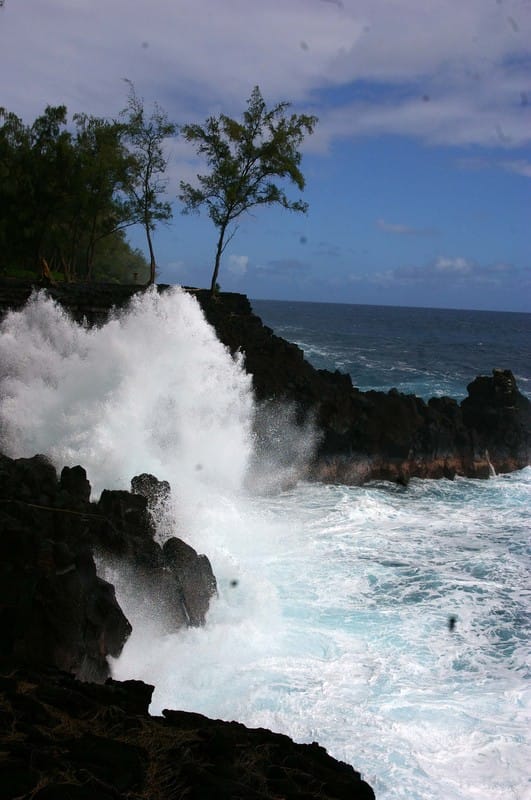
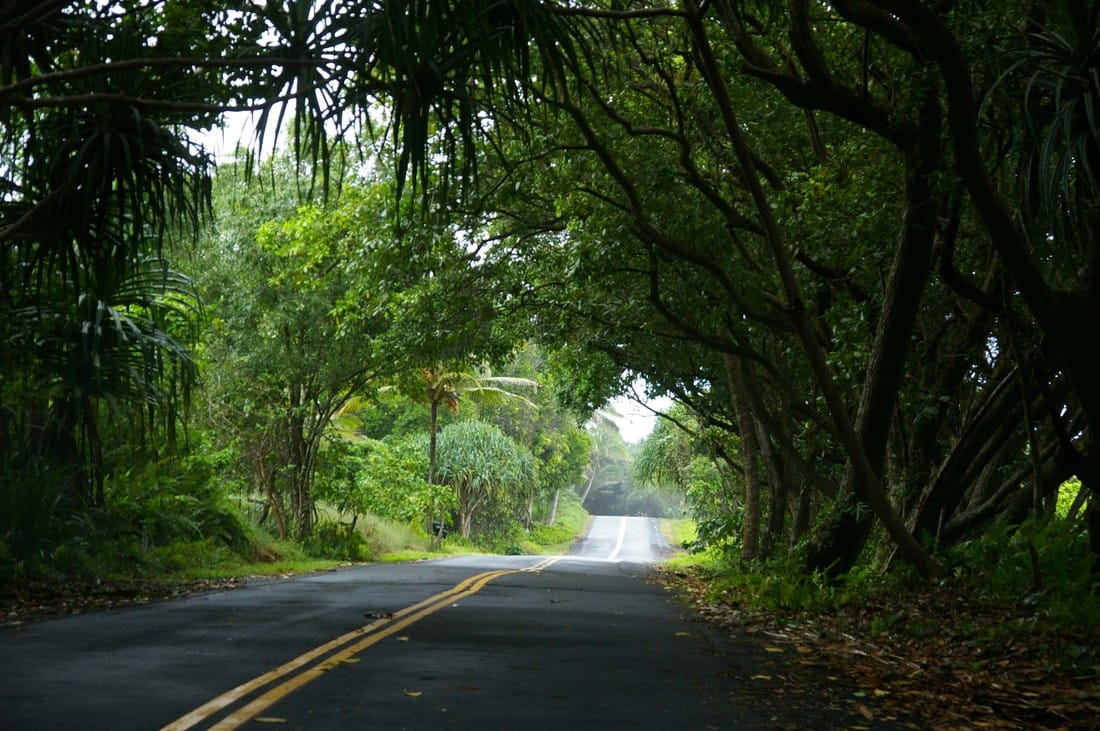
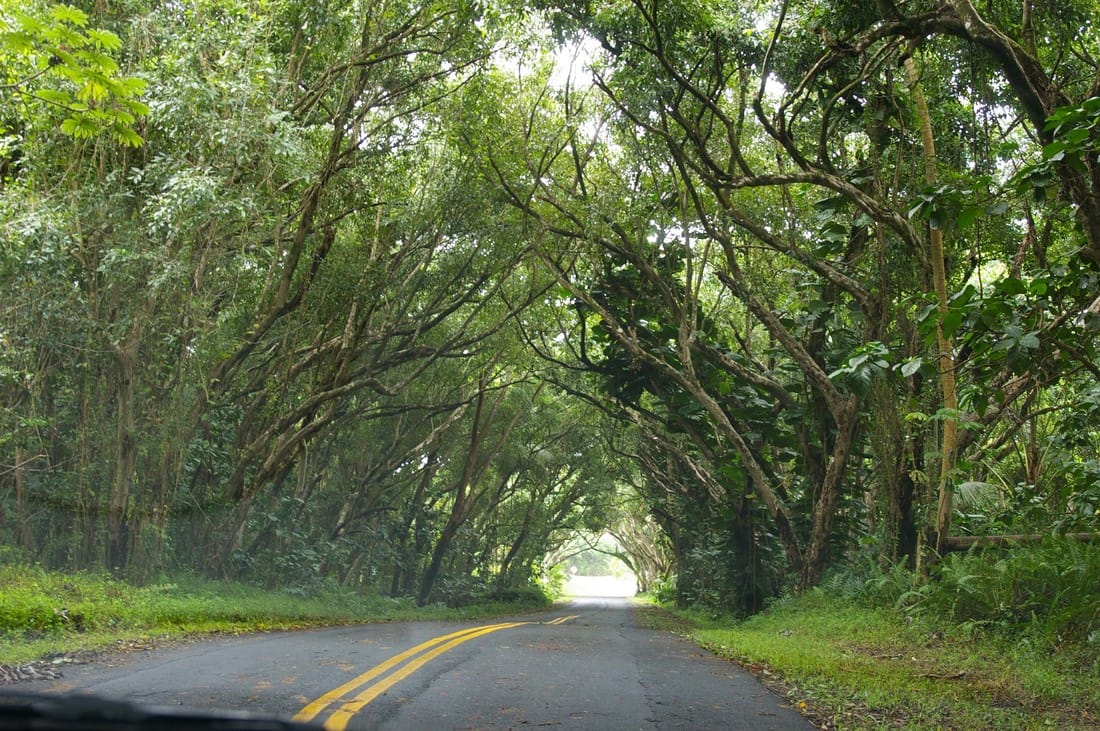
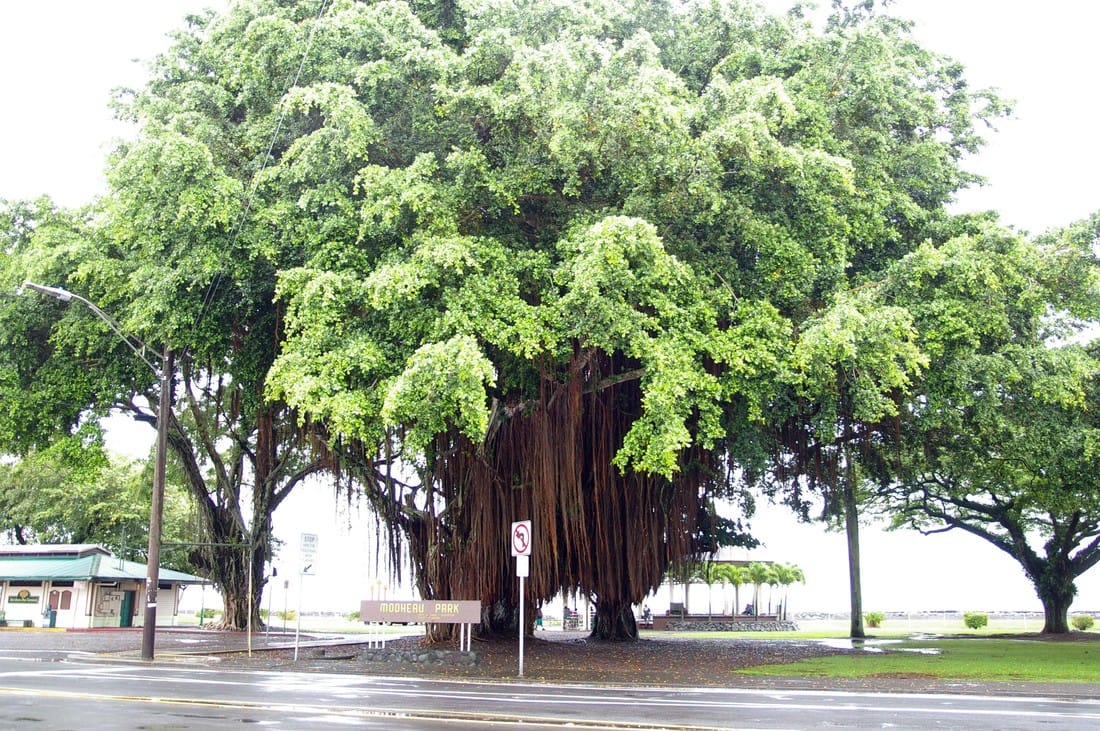
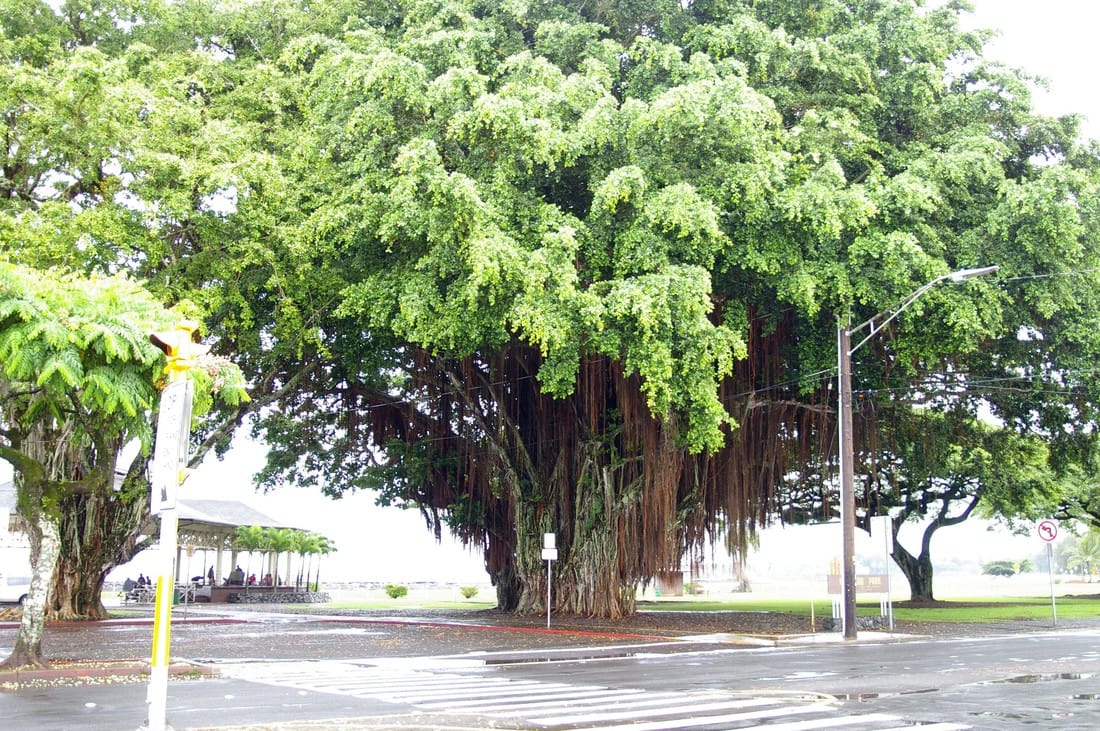
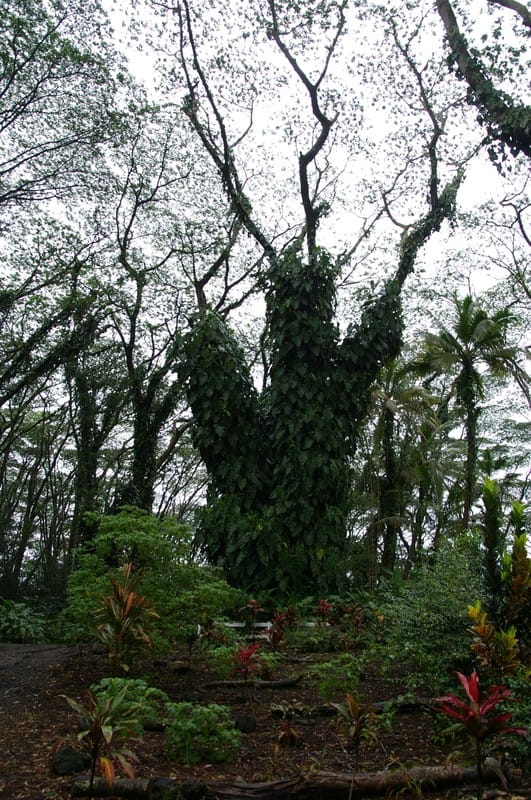
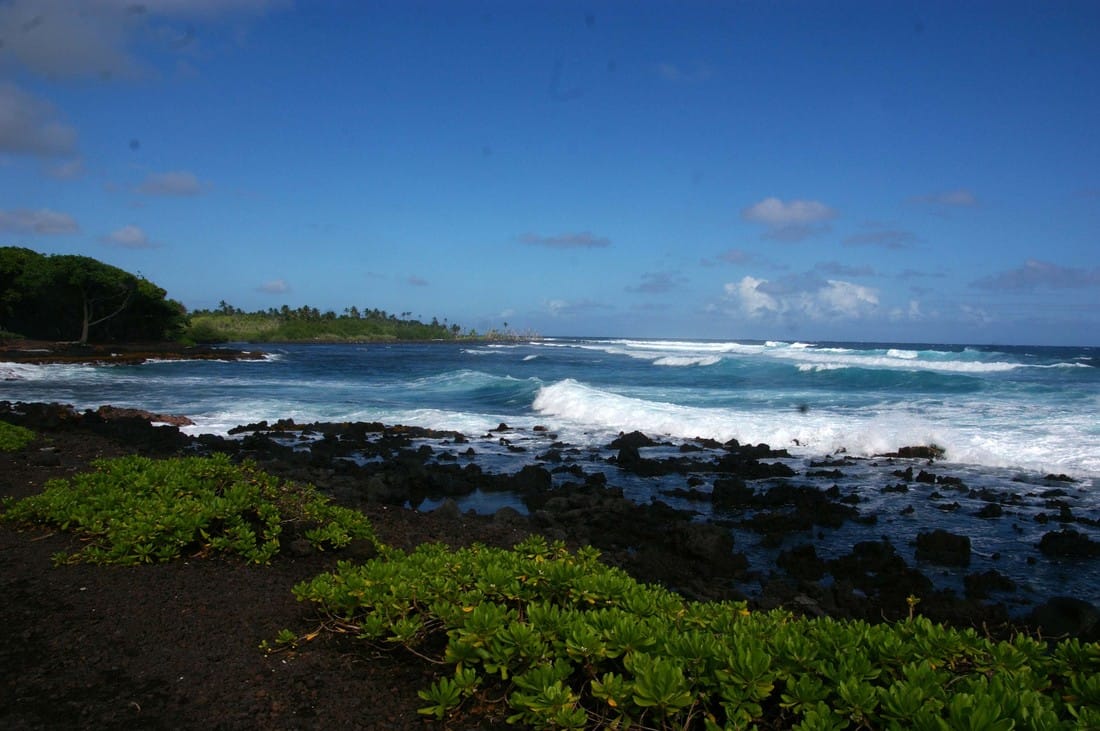
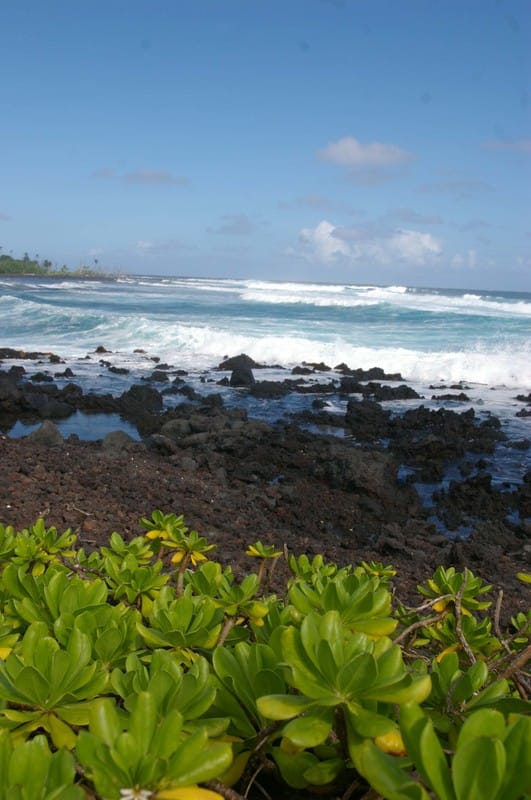
Hitting the road on the Big Island felt completely surreal. Before I even stuck my thumb out, I was completely captivated by the scenery. The island's highways often transform into breathtaking tree avenues—majestic, lush canopies of sprawling banyan trees, massive eucalyptus, and vibrant tropical flora that form natural green tunnels over the asphalt. Walking along these shaded corridors with the distant sound of the Pacific crashing against the volcanic coastline was pure magic. The contrast between the dark asphalt, the deep green leaves, and the sudden bursts of ocean blue along the coastal roads made every mile look like a postcard.
My Very First Hitch: Meeting Marc
It didn’t take long before my luck kicked in. Standing by the side of the coastal road, a car pulled over, and that is how I met Marc—my very first official hitchhiking ride on the island. Marc was the perfect introduction to the famous Hawaiian Aloha spirit. He was incredibly laid-back, friendly, and more than happy to help out a solo traveler. As we cruised along the coast, the windows rolled down to let in the salty ocean breeze, Marc started sharing local insights and stories about the island that you could never find in a standard guidebook. Any nervousness I had about hitchhiking vanished completely in that moment; I knew I was in good hands and that this crazy tropical adventure had officially begun.

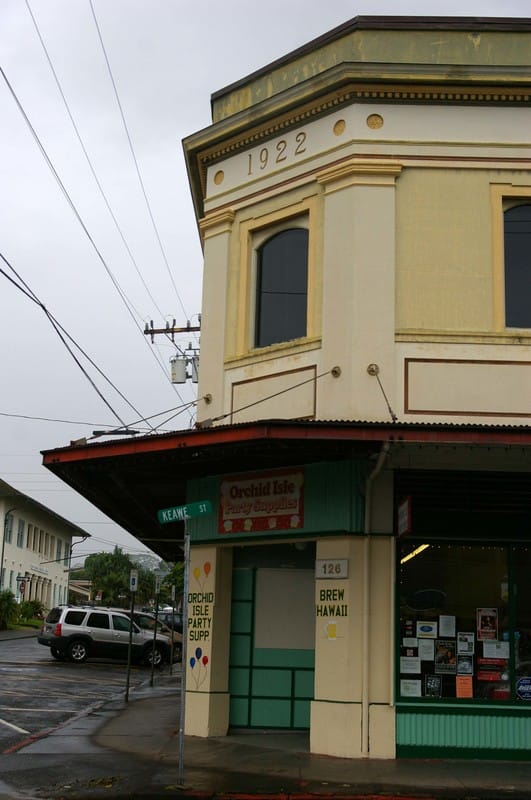
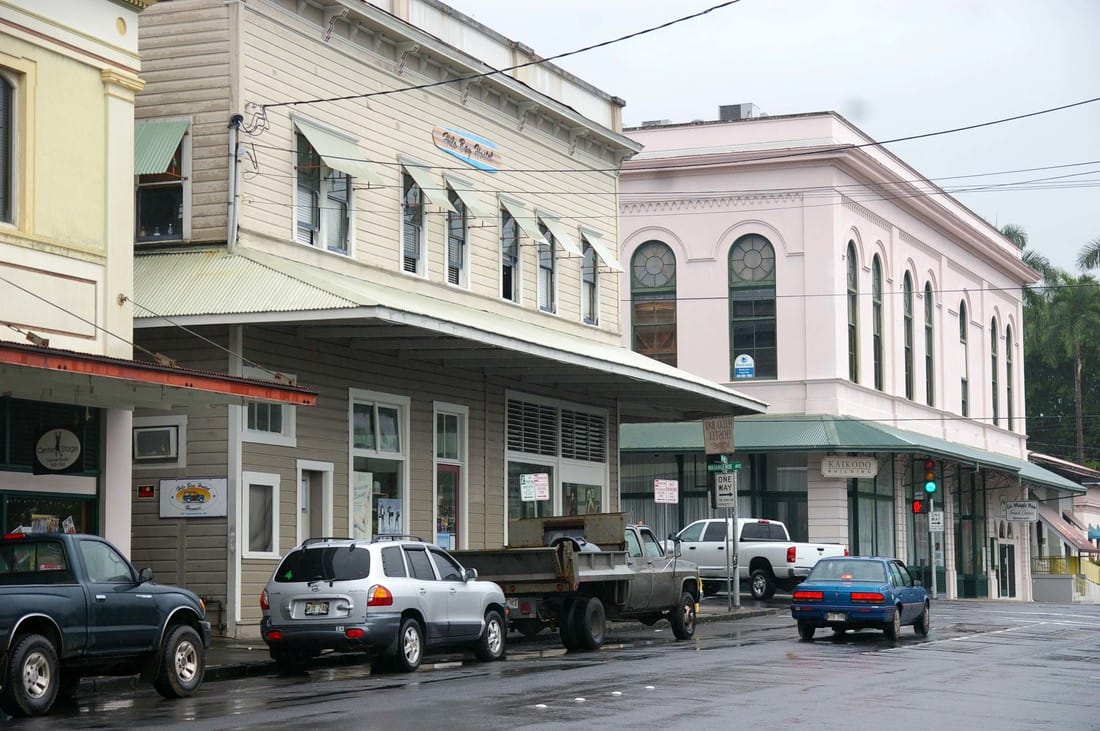
Arriving in Hilo: The Town of Tsunami History and Bridges
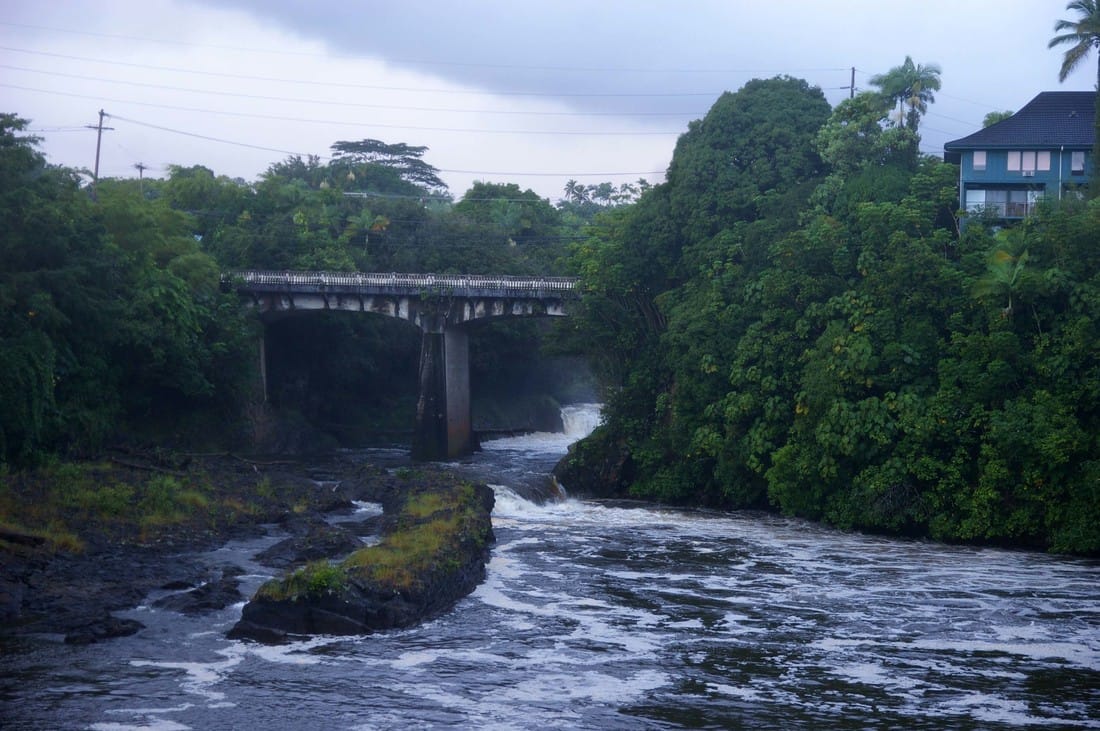
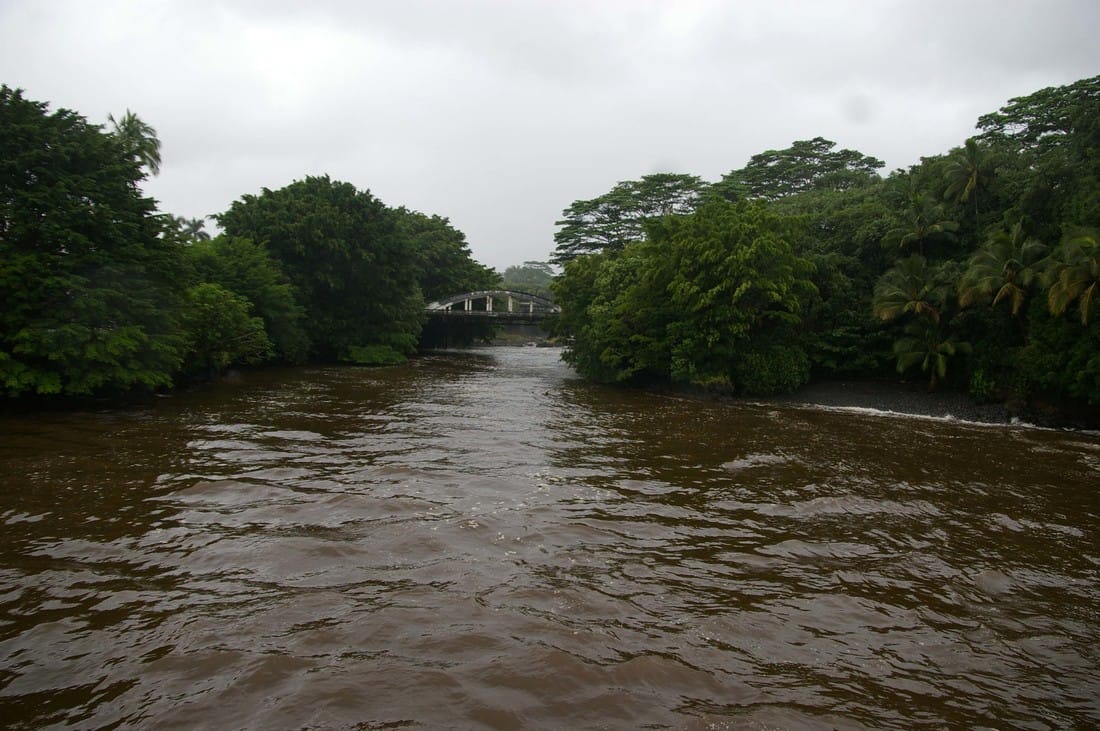
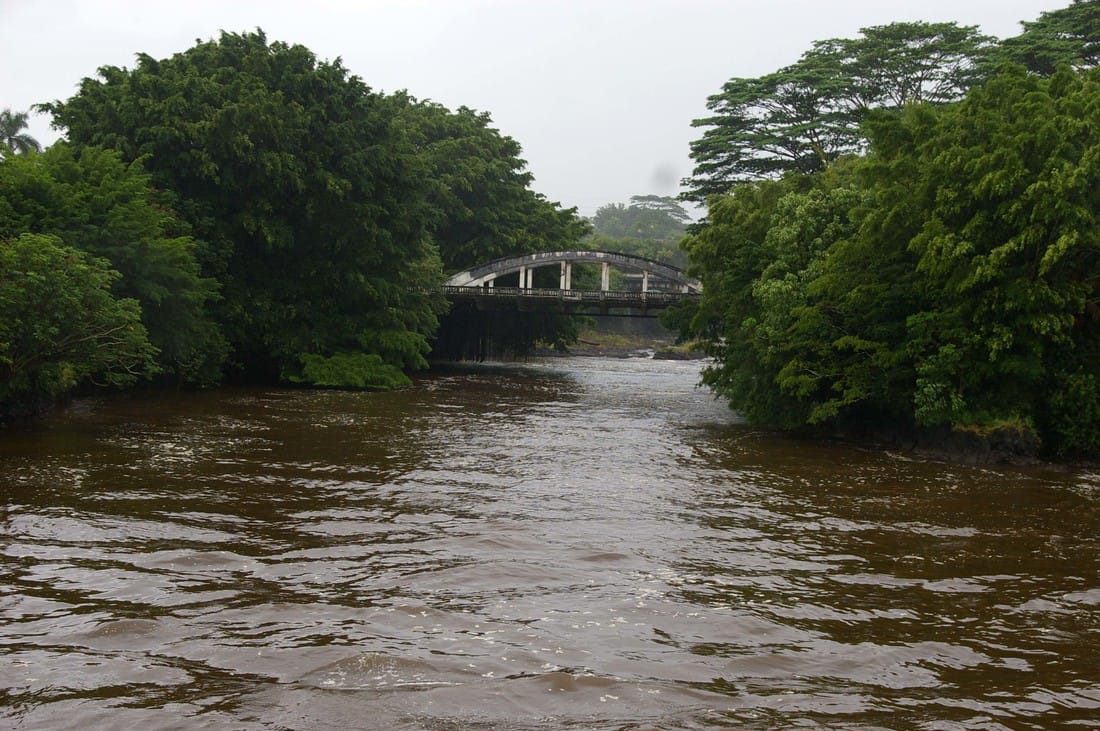
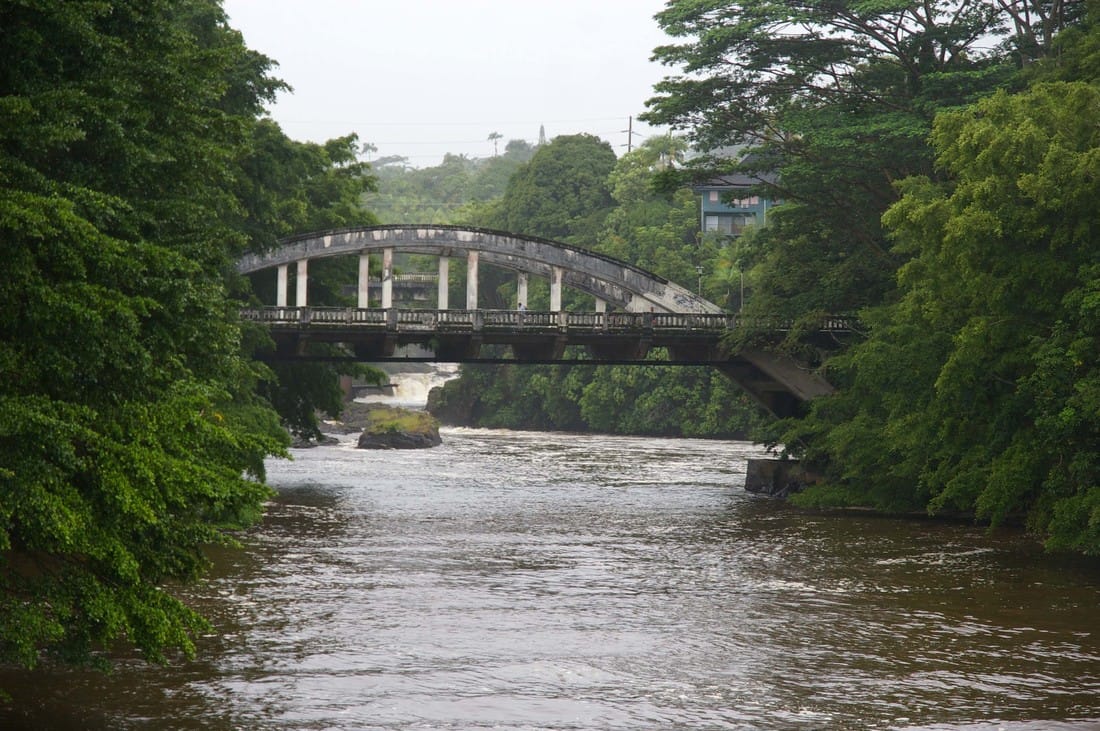
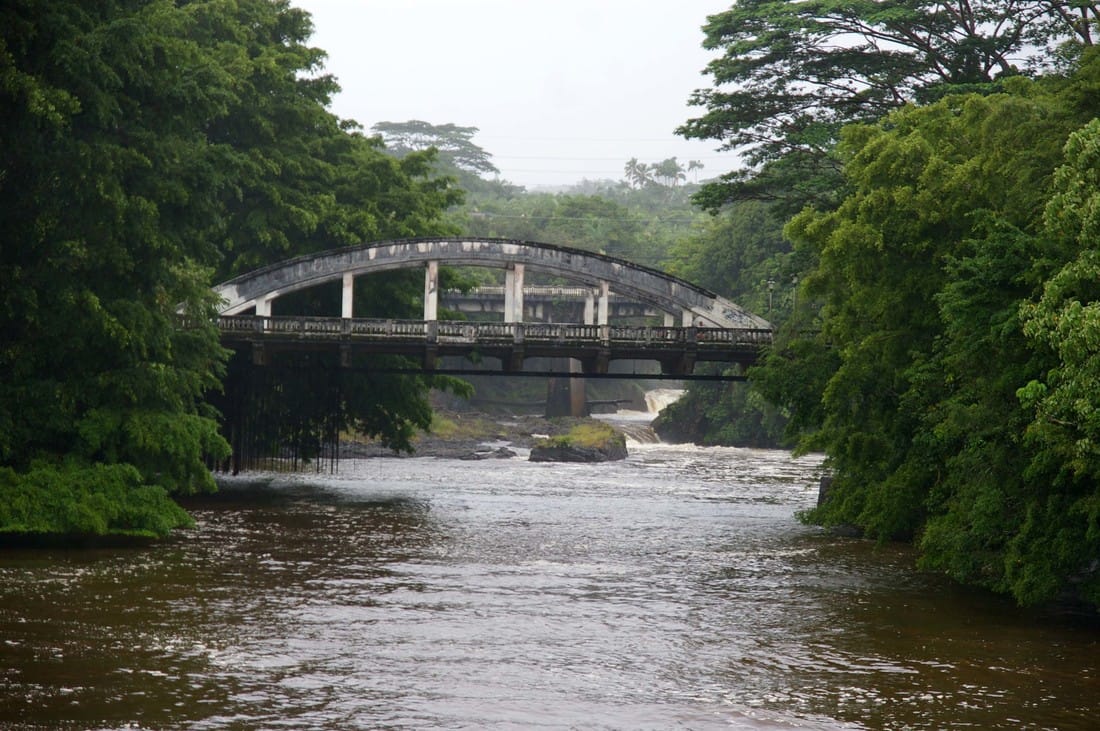
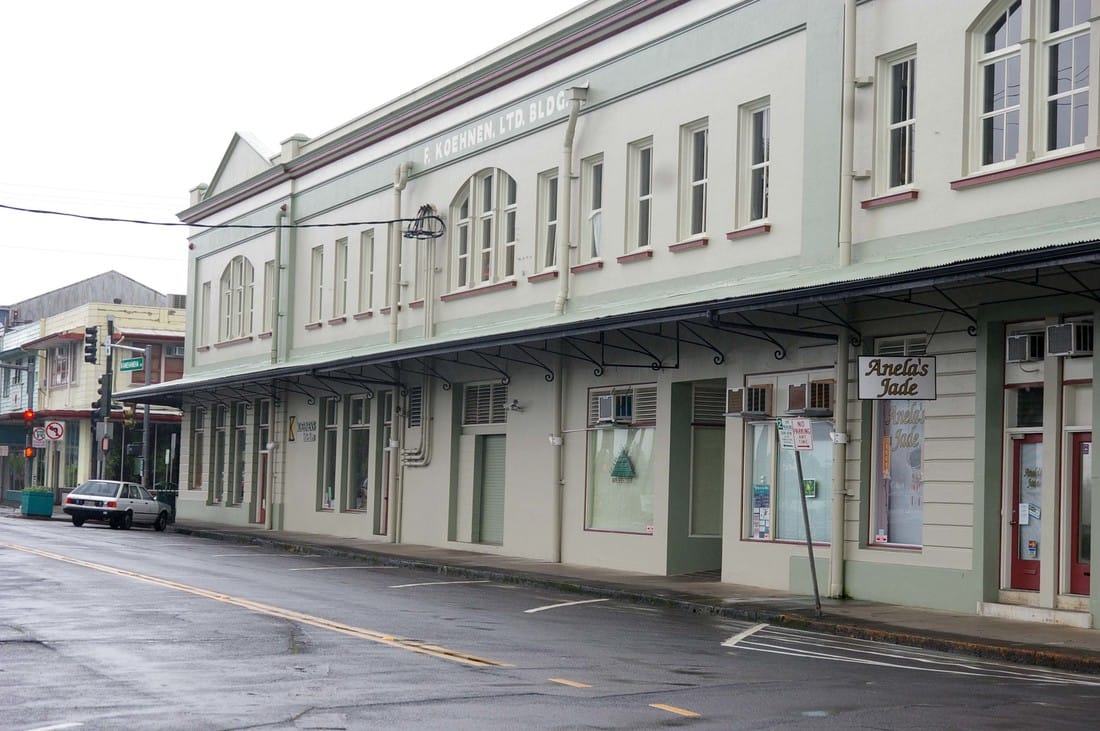
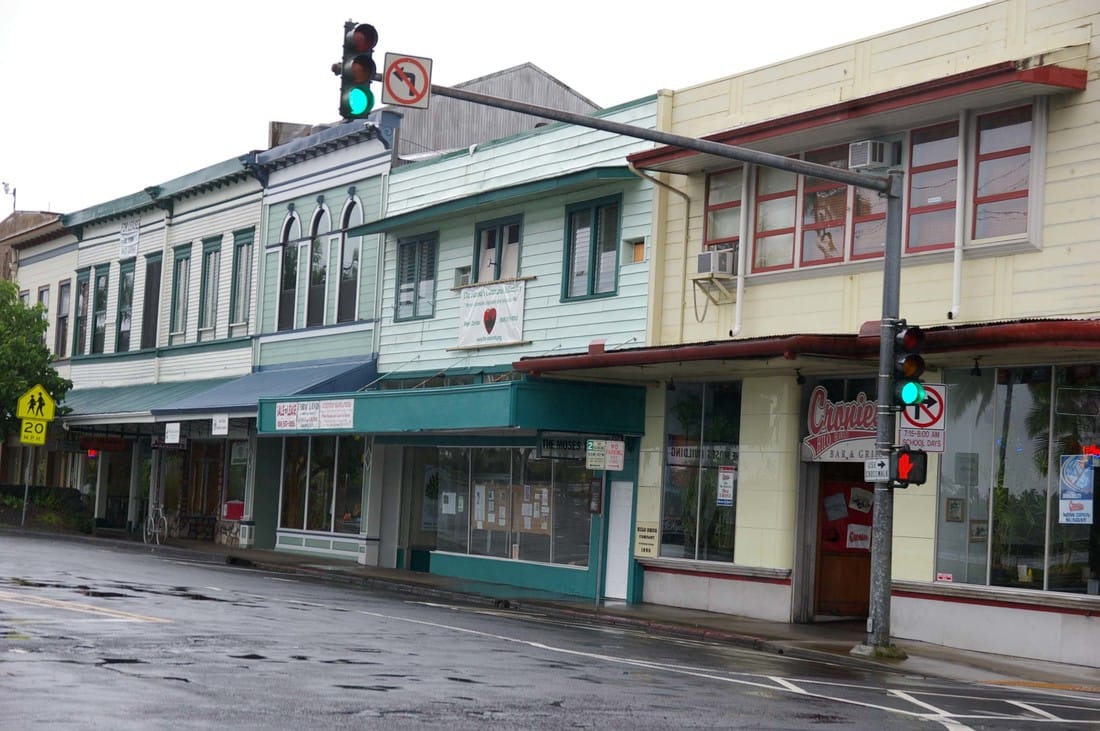
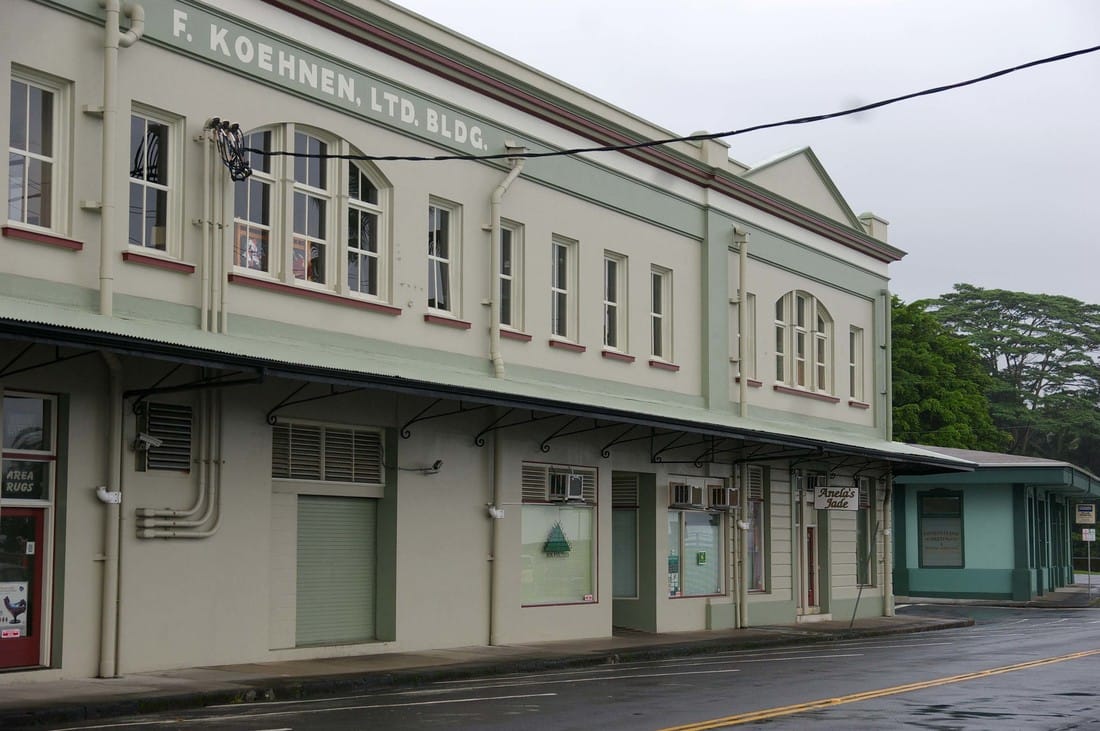
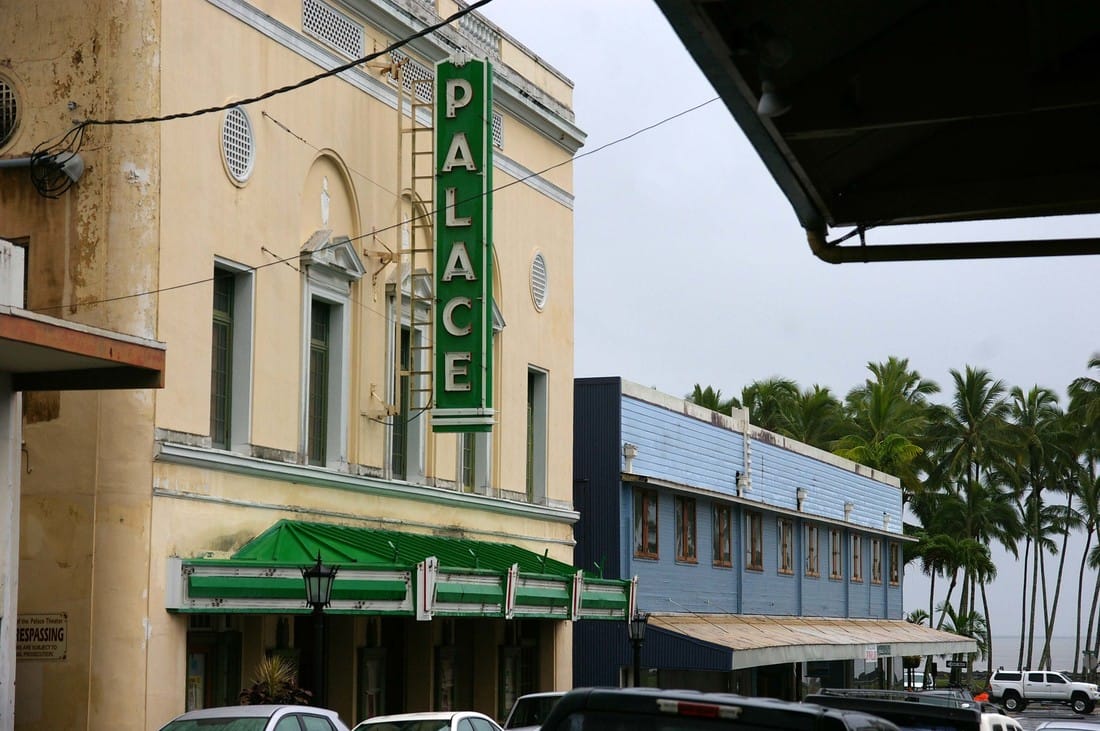
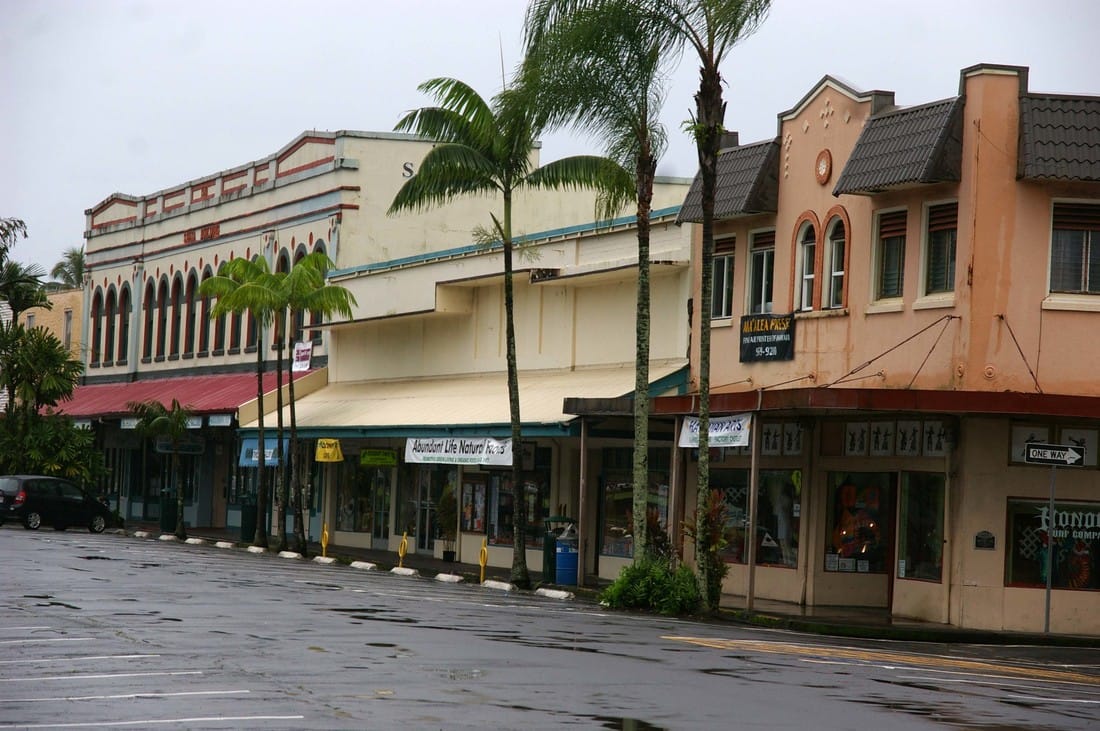
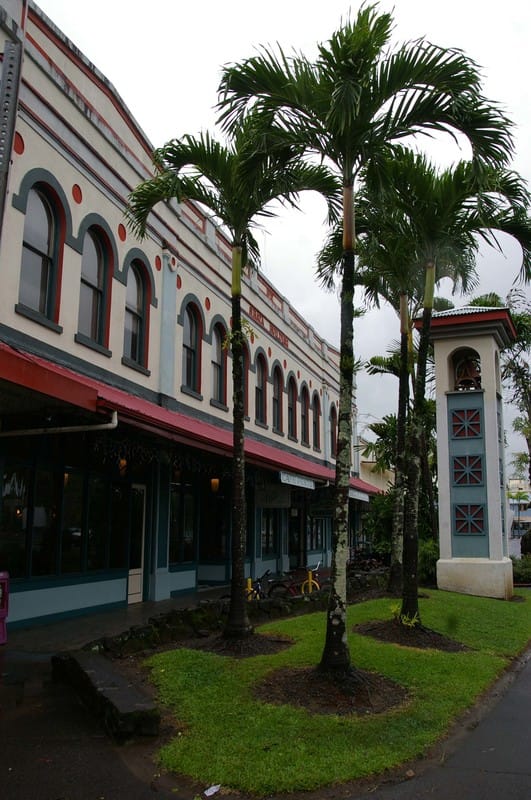
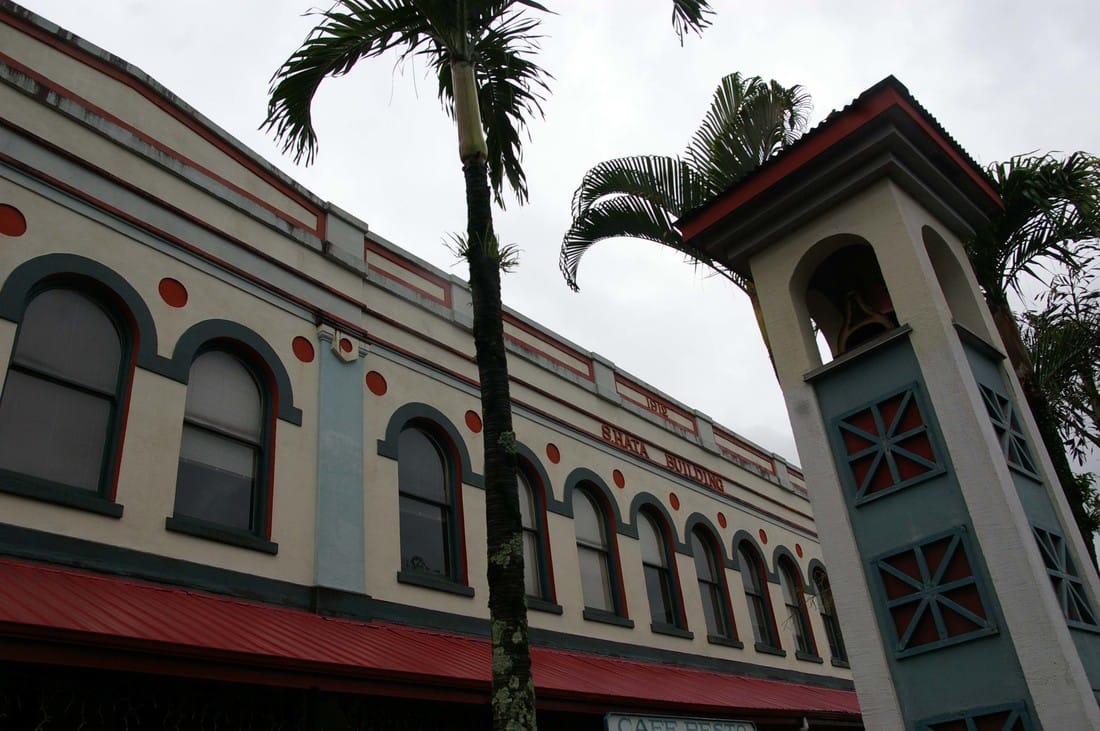
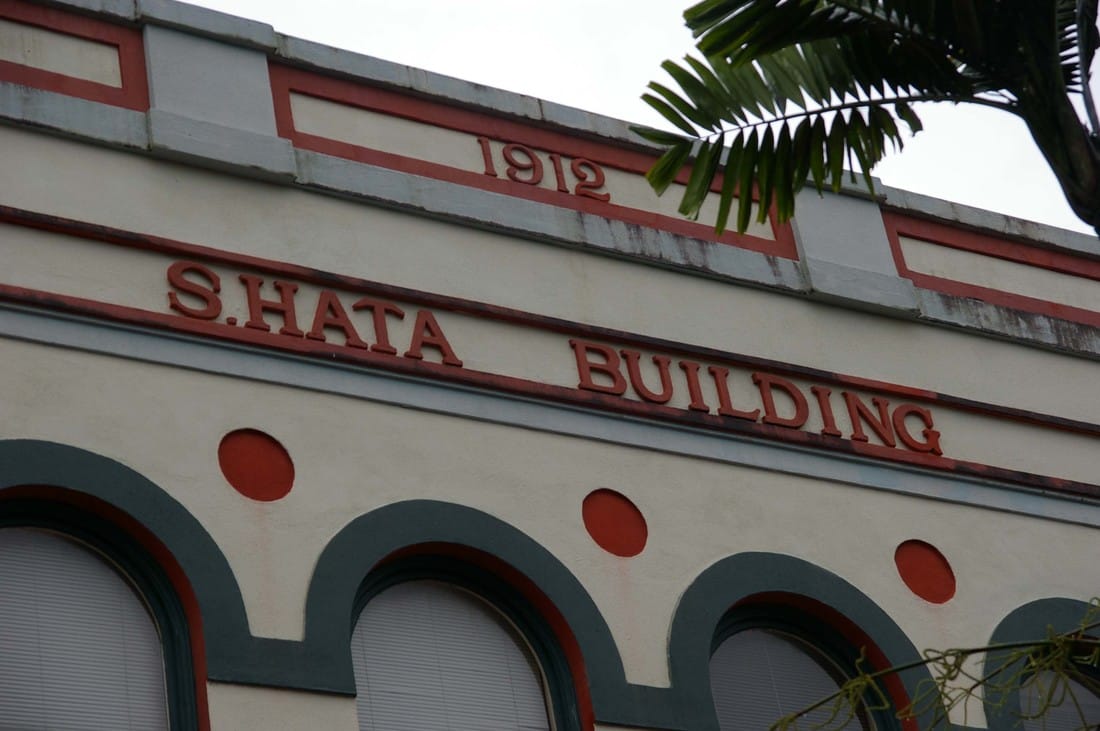
Marc dropped me off at my very first official destination: Hilo, the lush, rainy, and deeply authentic heart of the Big Island. Unlike the resort-packed side of Kona, Hilo still holds onto its old-school sugar plantation charm and is deeply shaped by water, being defined by a series of beautiful, historic bridges spanning the powerful Wailuku River. Walking through town, I realized these crossings are living monuments to the island’s incredible resilience; the iconic Pu‘u‘eo Bridge built in 1938 miraculously survived the devastating tsunamis of 1946 and 1960, while the unique iron-grated Wailuku Bridge earns its nickname "Singing Bridge" by creating a distinct musical hum whenever cars drive over it. Wandering between these historic structures, with the mist rolling over the river and the open Pacific crashing into Hilo Bay, I felt completely transported back in time and knew I had just stepped straight into the raw, beautiful soul of Hawaii.

Meeting the Great Unifier: The King Kamehameha Statue
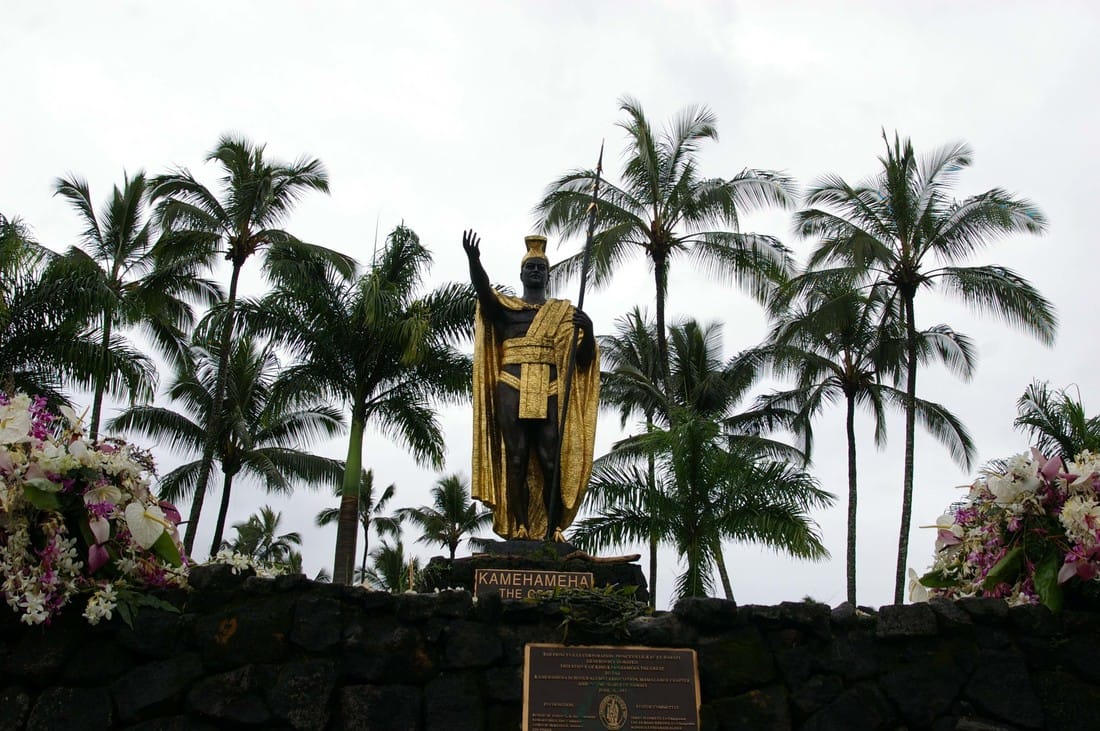
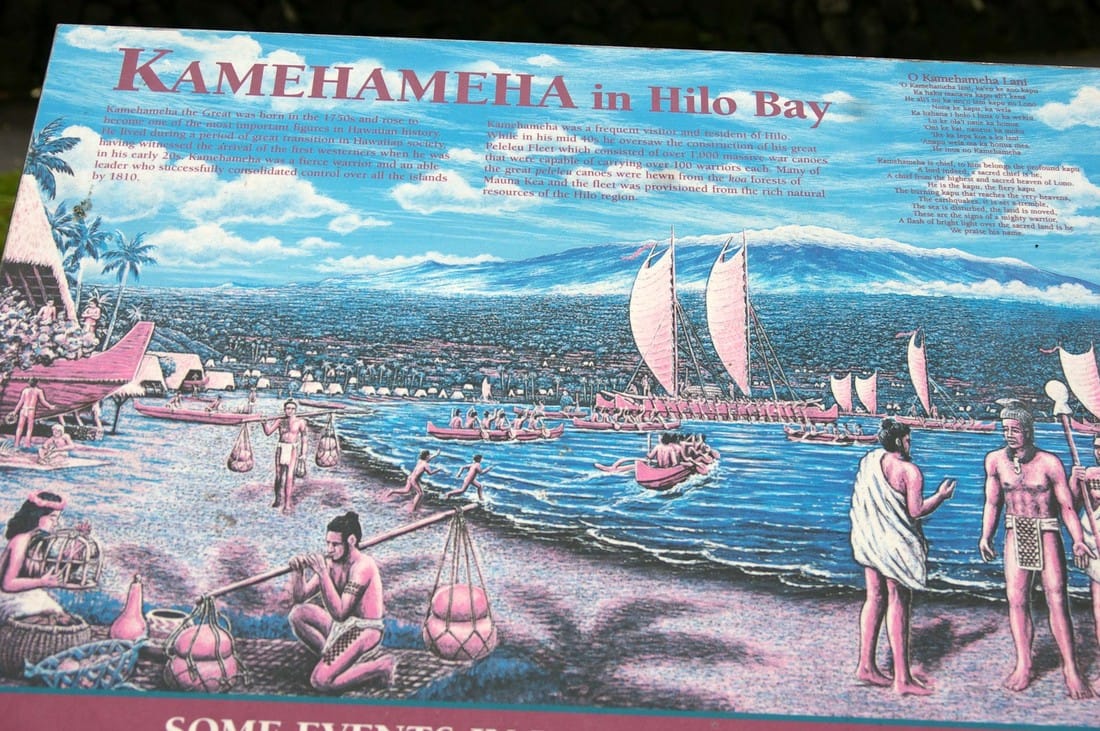
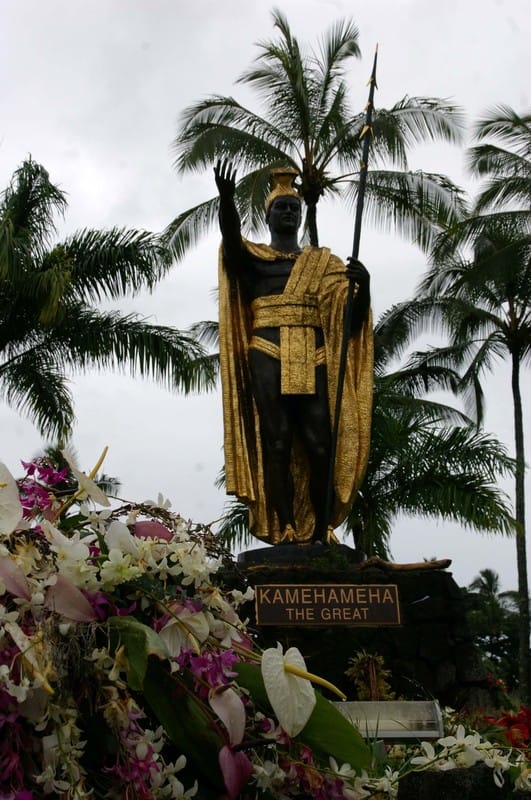
While exploring Hilo, I made a stop at the Wailoa River State Recreation Area to see the majestic 14-foot bronze monument dedicated to Hawaii's most legendary ruler: King Kamehameha I (Kamehameha the Great). Born around 1758, he fulfilled a prophecy by officially conquering and unifying all the inhabited islands into one single kingdom in 1810. The imposing statue—the tallest of the four official ones in existence—was cast in Italy in 1963 and originally meant for the neighboring island of Kauai. However, because Kauai was the only island Kamehameha never physically conquered, their local residents fiercely rejected the monument, leading to its relocation and dedication in Hilo in 1997. It turned out to be a perfect fit, since Hilo served as Kamehameha’s very first political capital, and standing beneath this giant piece of warrior history added a deep sense of respect and awe to my island adventure.

Voices in the Dark: The Famous "Coral Graffiti" Along the Highway
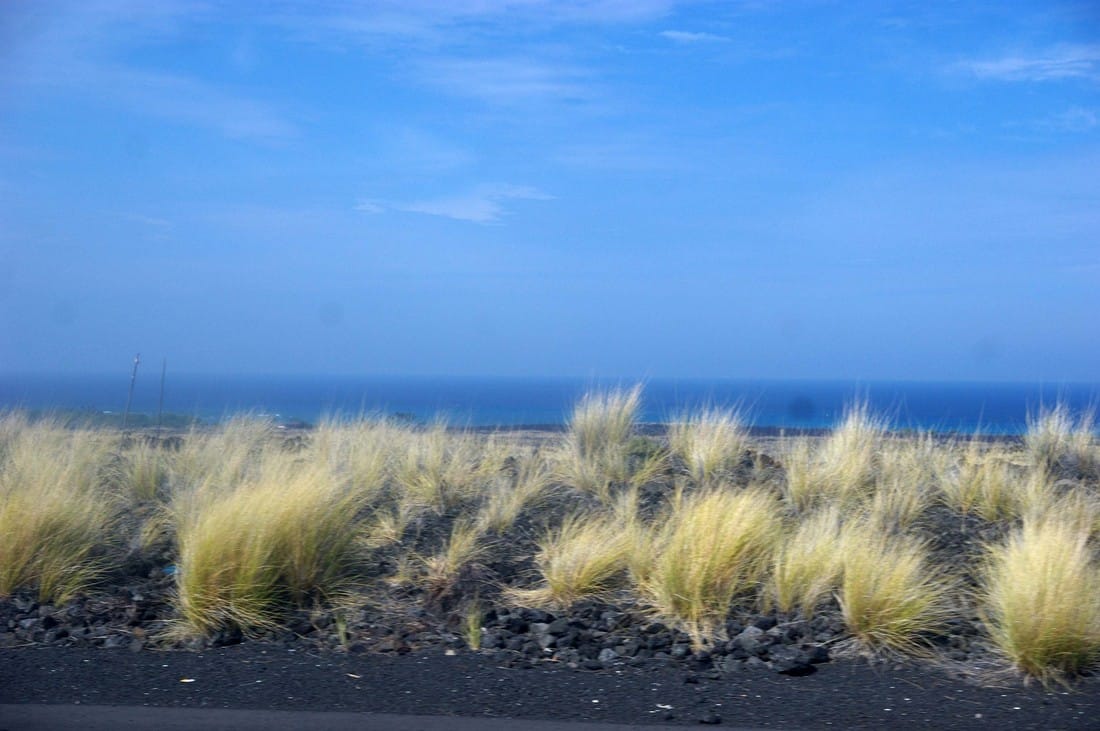
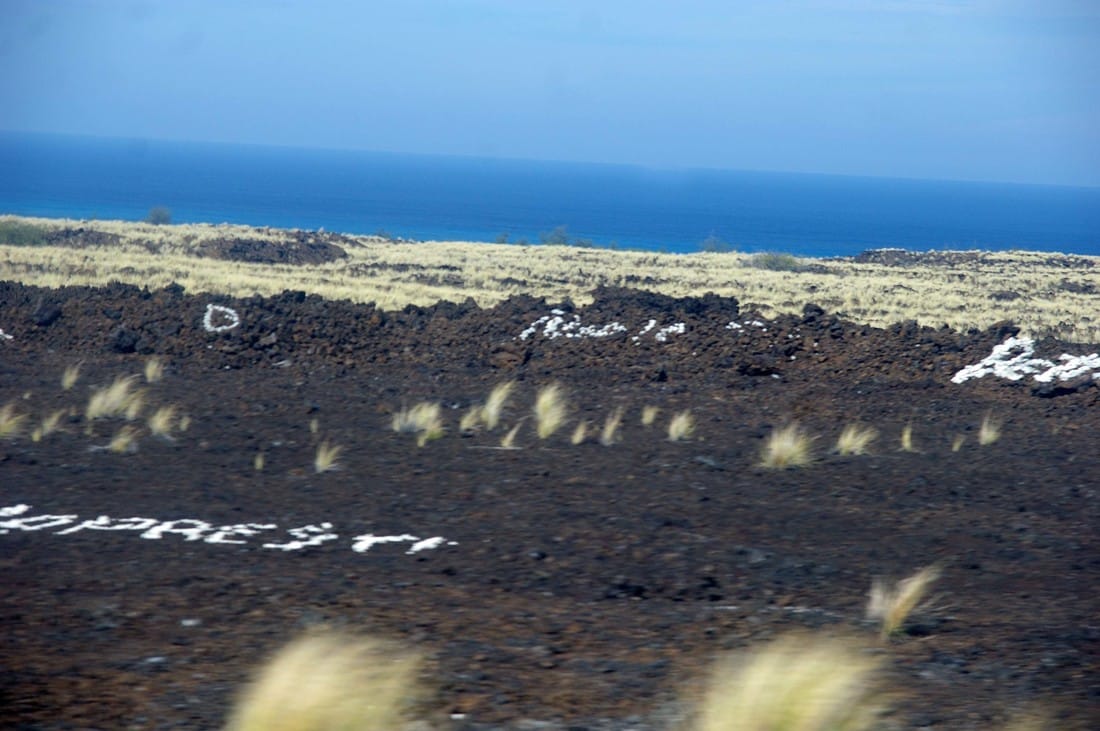
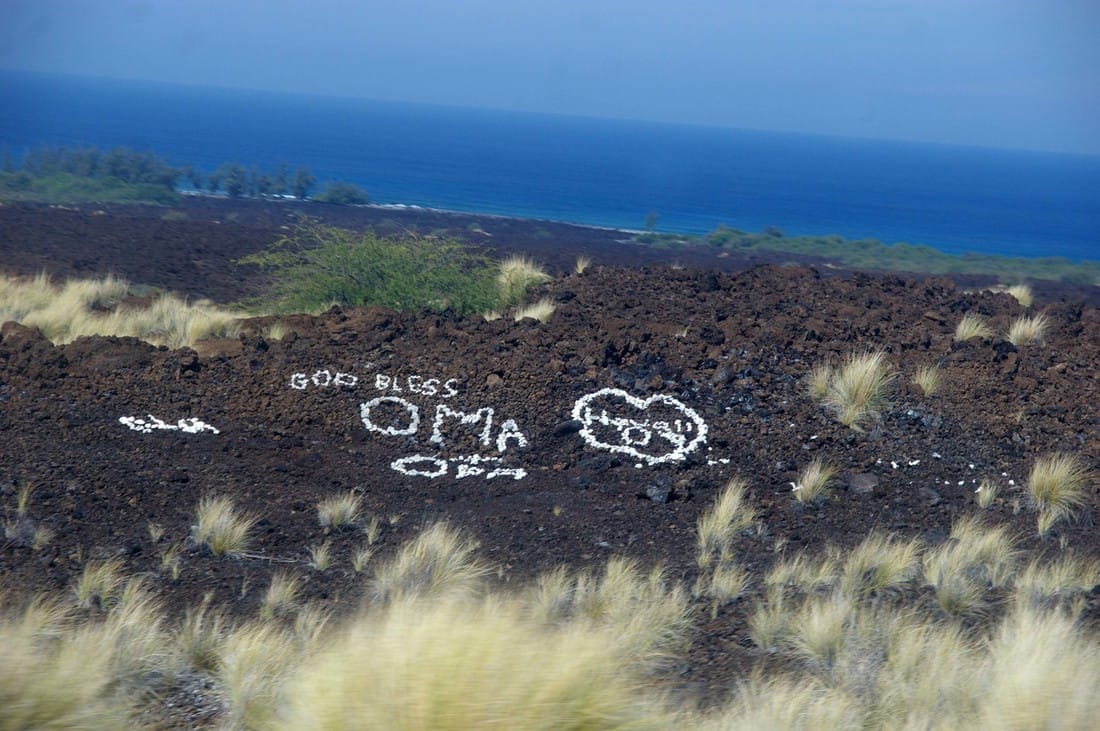
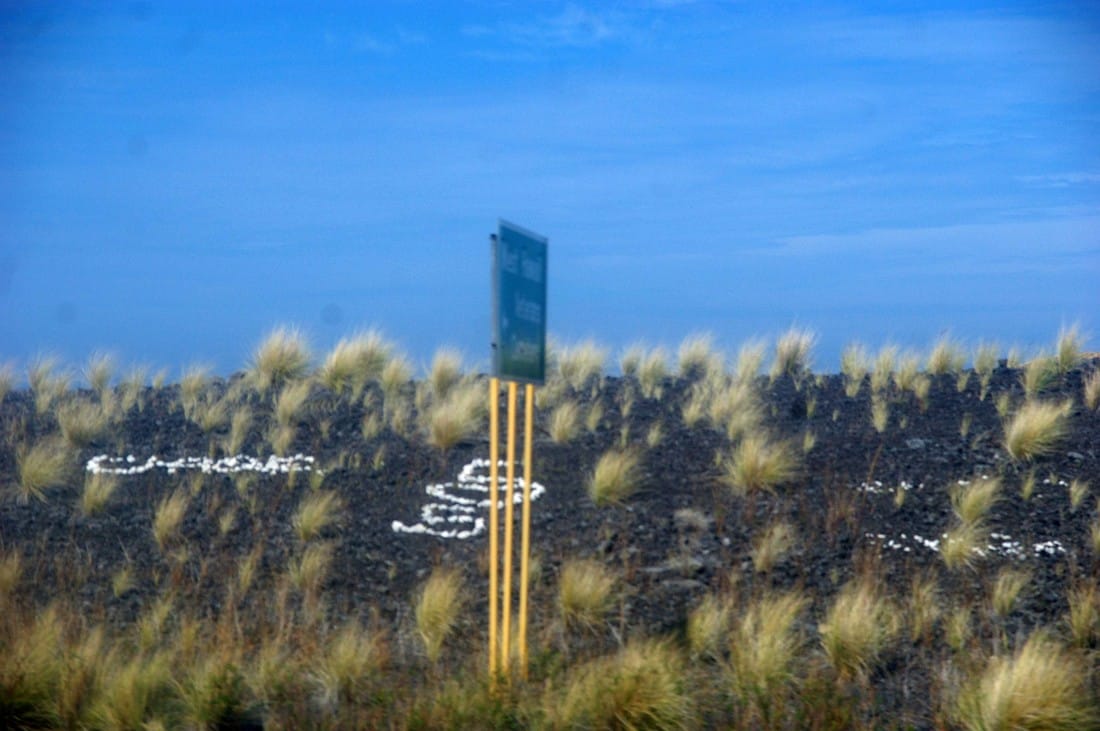
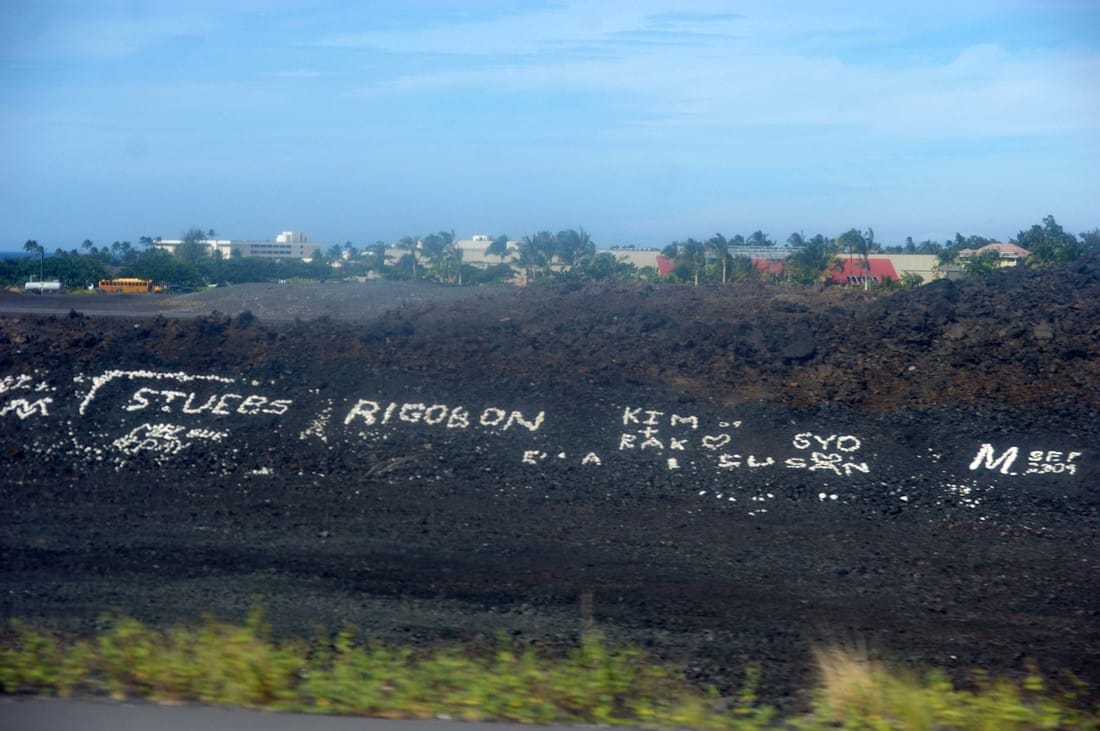
As my next ride picked me up and we cruised along the arid stretch of the highway, a fascinating and surreal sight caught my eye against the jet-black backdrop of the ancient lava fields. Spelled out in bright, stark white lettering were names, dates, and declarations of love like "STUEBS," "RIGOBON," and "KIM + RAK." Locally known as the "Coral Graffiti" of Big Island, this unique form of roadside street art has a long-standing history. Travelers and locals pull over along the Queen Kaʻahumanu Highway to gather pieces of sun-bleached white coral washed ashore from nearby beaches, carefully arranging them rock-by-rock onto the dark volcanic landscape. While it has sparked environmental debates over the years regarding whether the coral should be left there, seeing these bright messages contrast so deeply with the dark earth felt like finding secret voices in a whispering volcanic desert—and it was the perfect, quirky backdrop as I hitched my way further into the unknown

Coastal Charm in Kona: Statues, Sunsets, and Old Hawaii
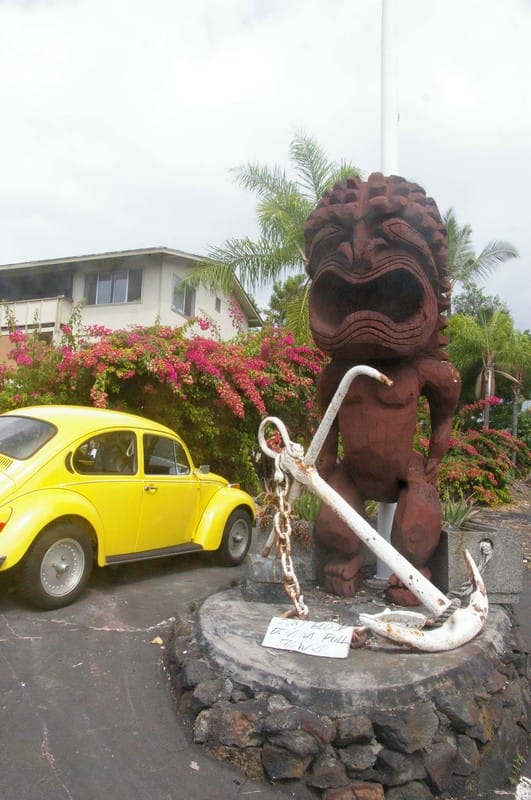
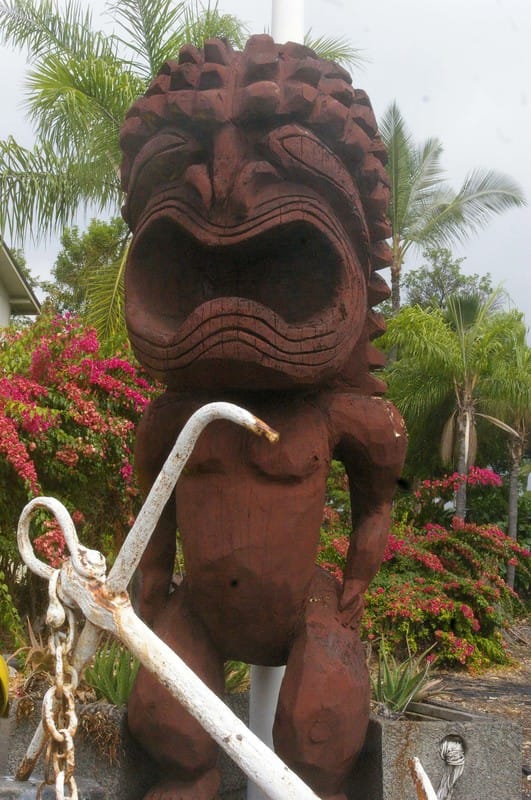
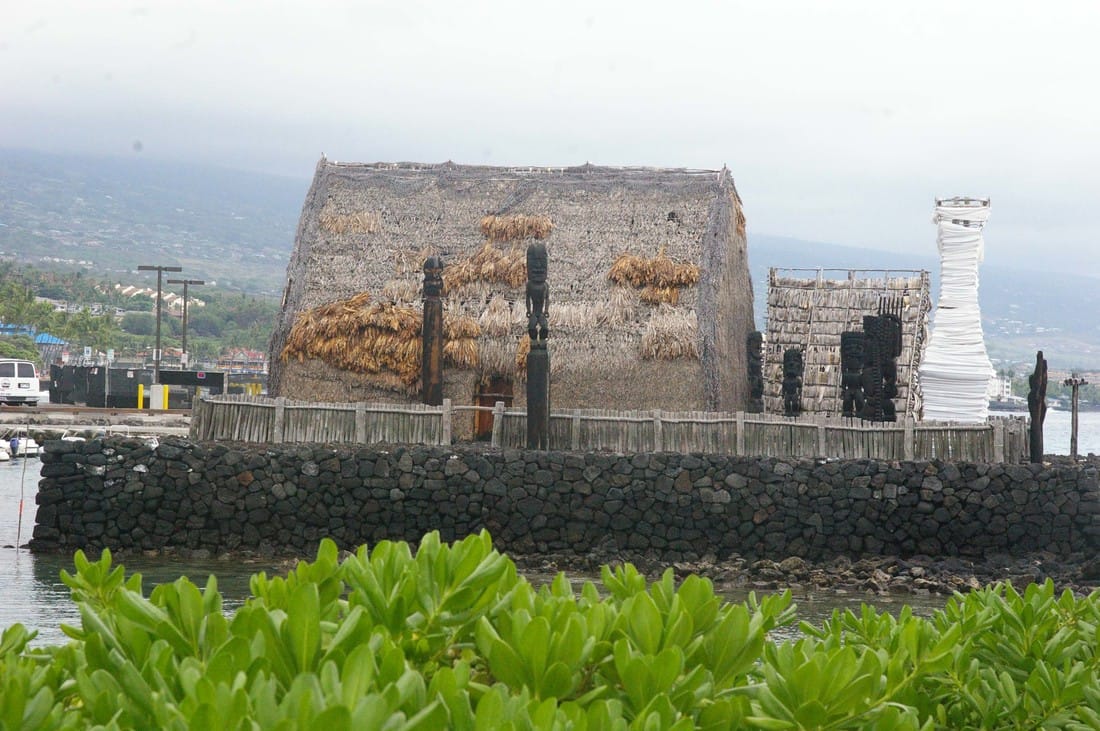
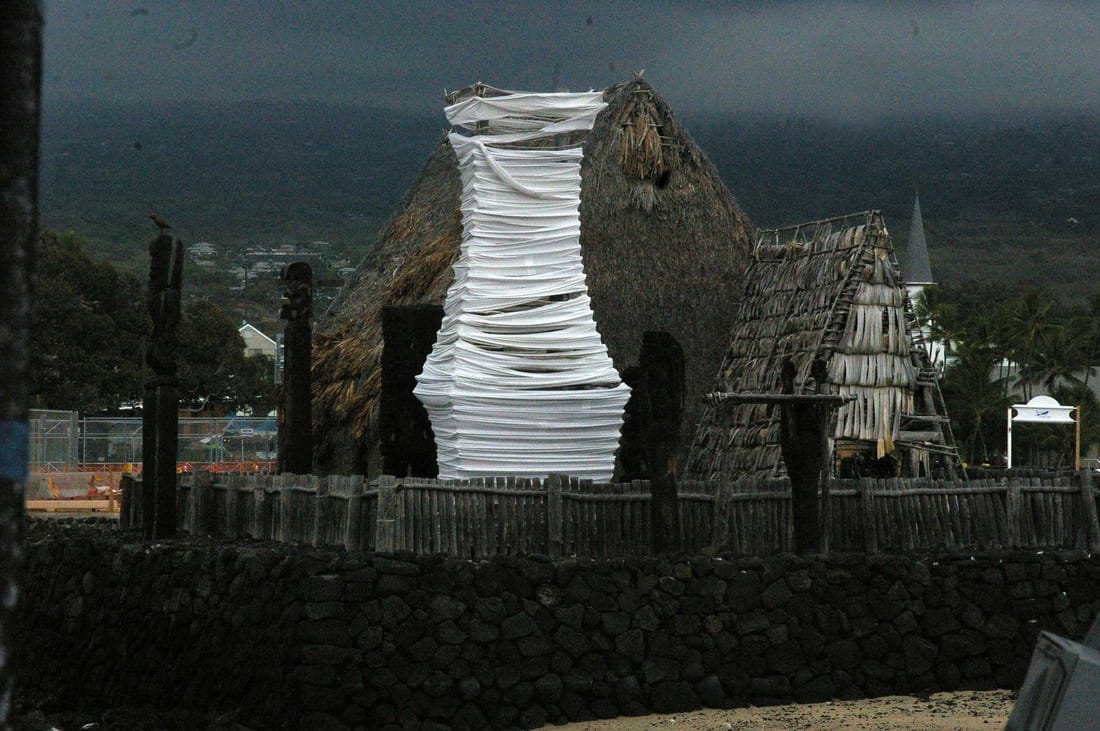
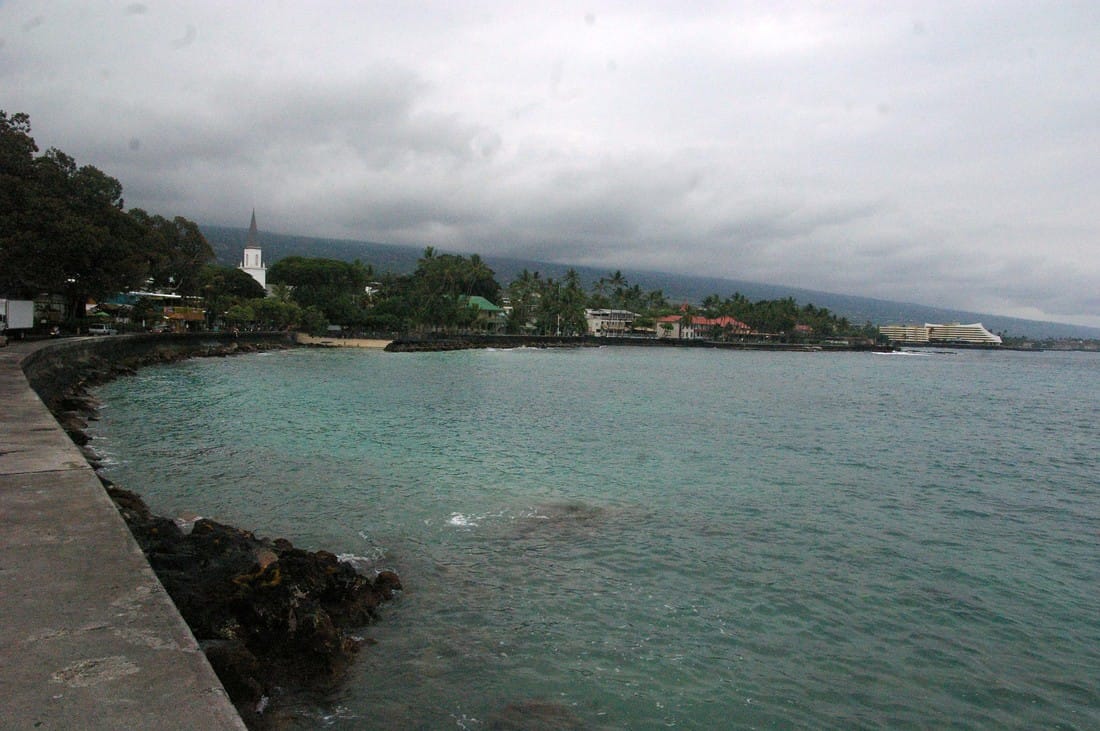
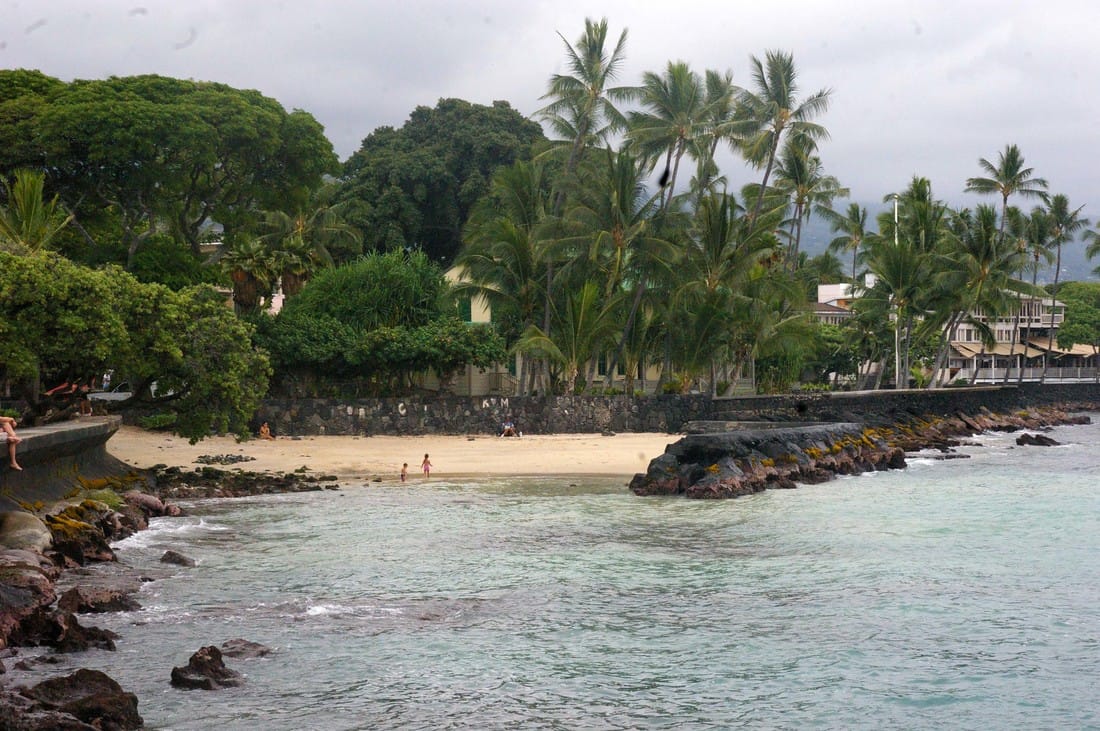
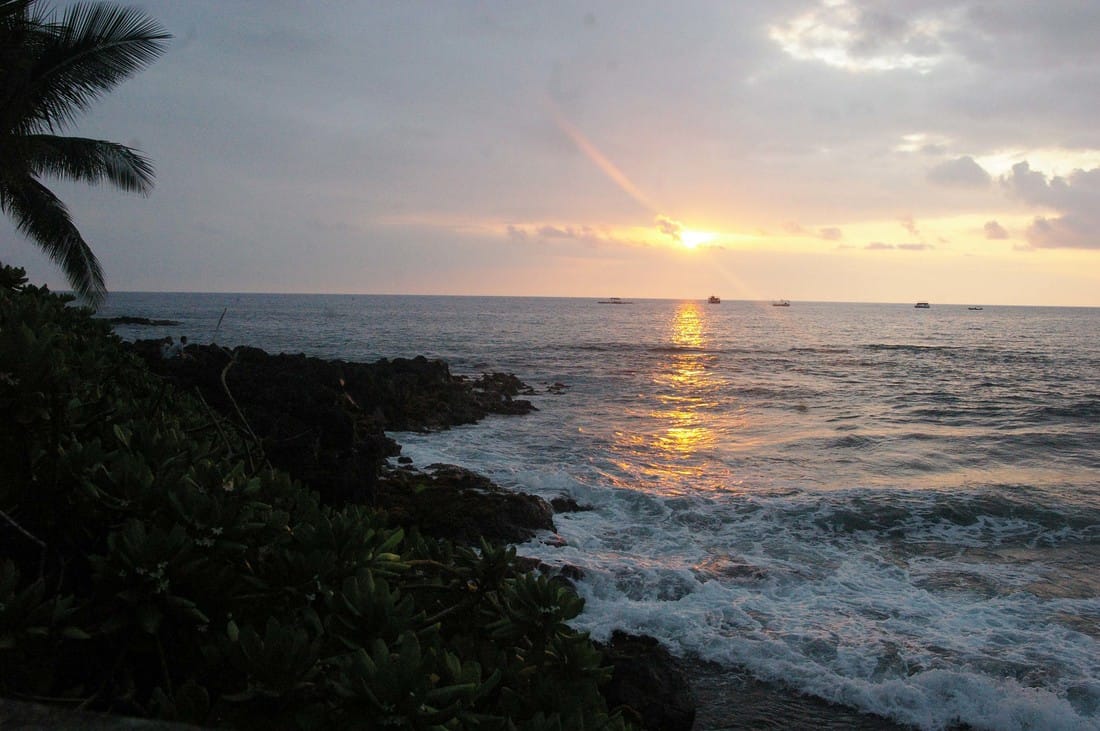
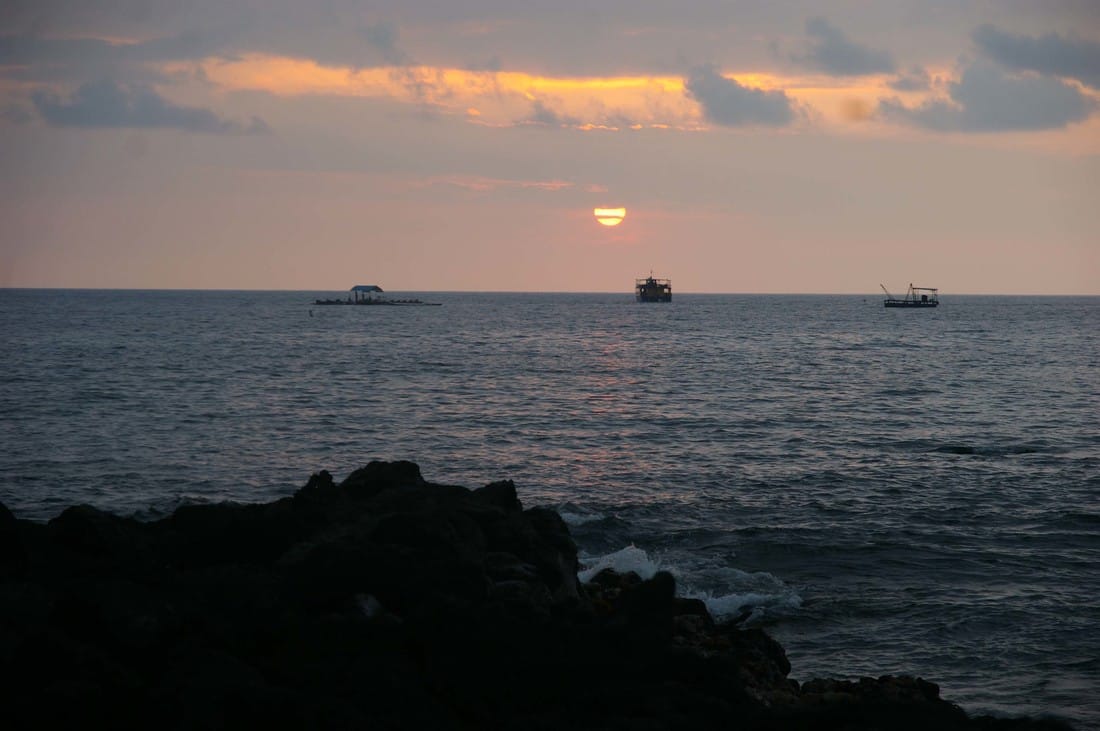
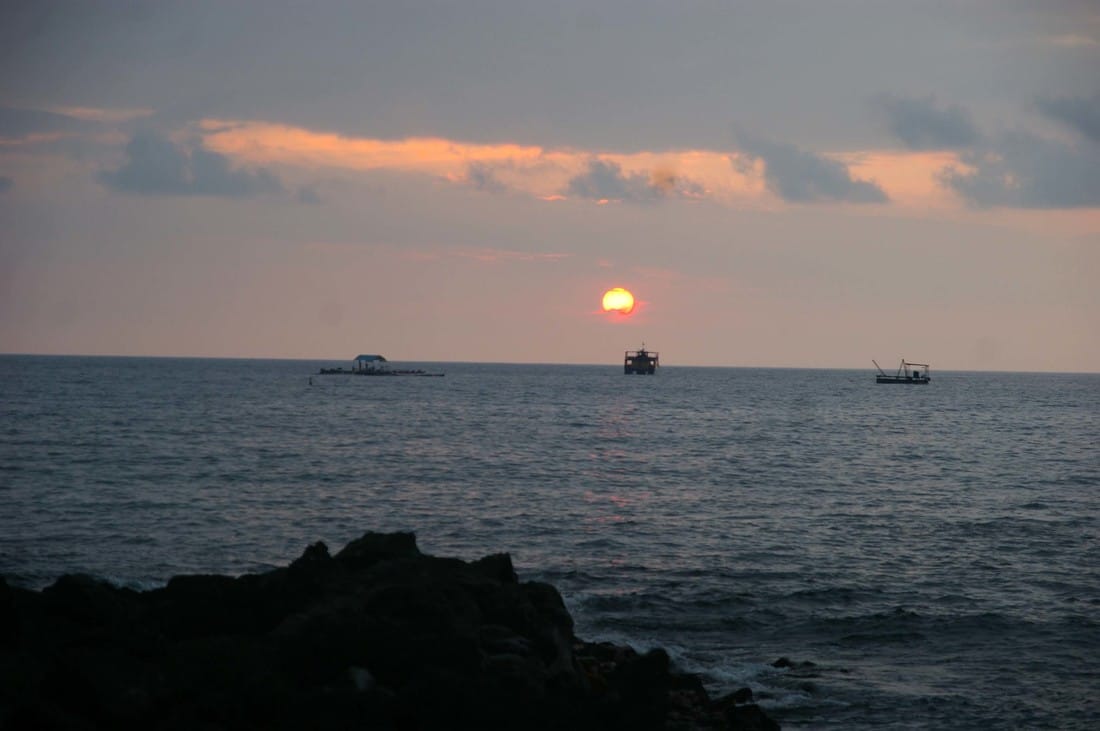
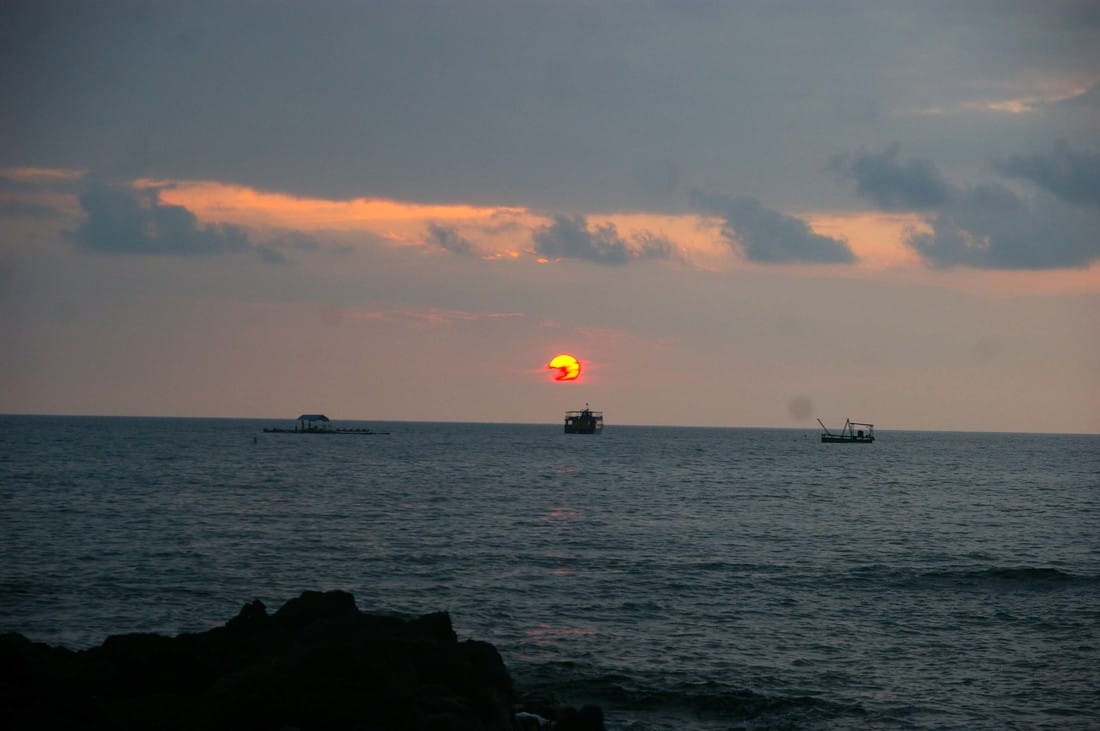
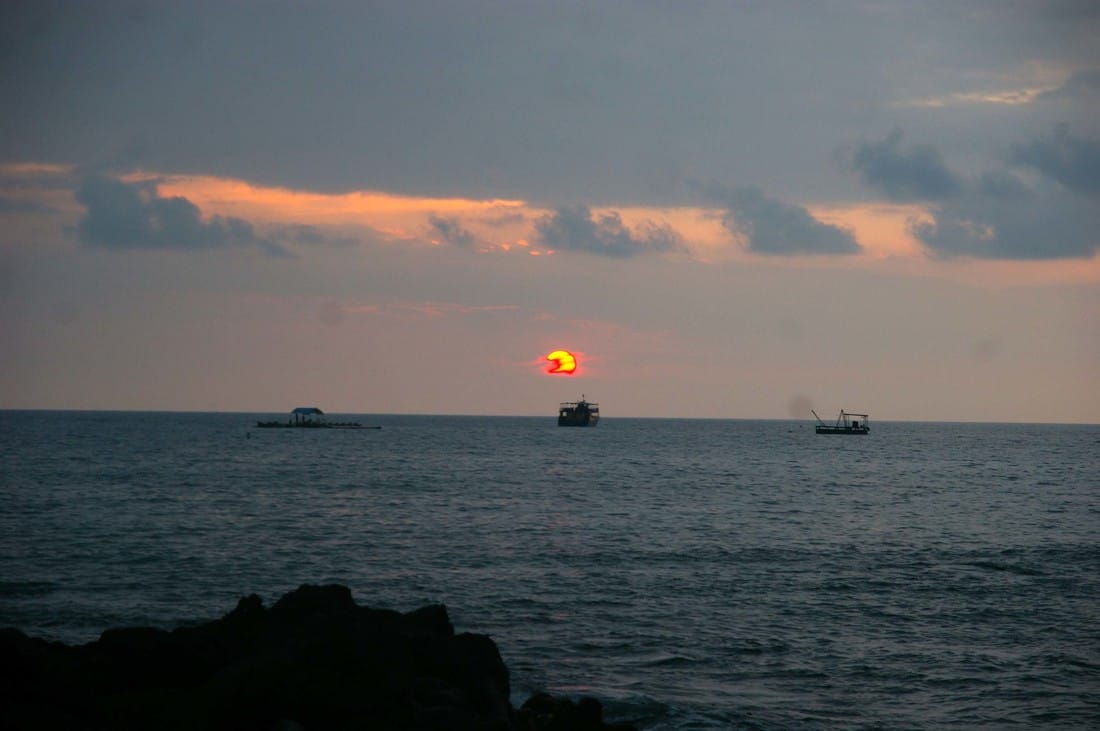
My next hitchhiking journey brought me to the sun-drenched western coast and into the historic heart of Kailua-Kona—often considered the cultural and commercial capital of the Big Island. The town was a mesmerizing contrast of vibrant, tropical colors and rich heritage. Walking through the streets, I was immediately drawn to the traditional, old-school Hawaiian-style huts and buildings that stood as proud remnants of a bygone era. Right by the wayside, I stumbled upon a fantastic photo-op: an incredibly expressive, hand-carved wooden Tiki statue standing guard with a giant white anchor, parked right next to a bright yellow vintage VW Beetle. These Tikis are deeply tied to Hawaiian mythology, traditionally representing ancient gods (Kīʻki) carved from wood or stone to protect sacred areas. As the day drew to a close, I settled in for my overnight stay and watched the legendary Kona sunset paint the sky in deep shades of gold and purple over the Pacific—a truly peaceful end to a wild day on the road.

" The Dead End "
The Path to "The Dead End" and Kalapana's Black Lava Coast
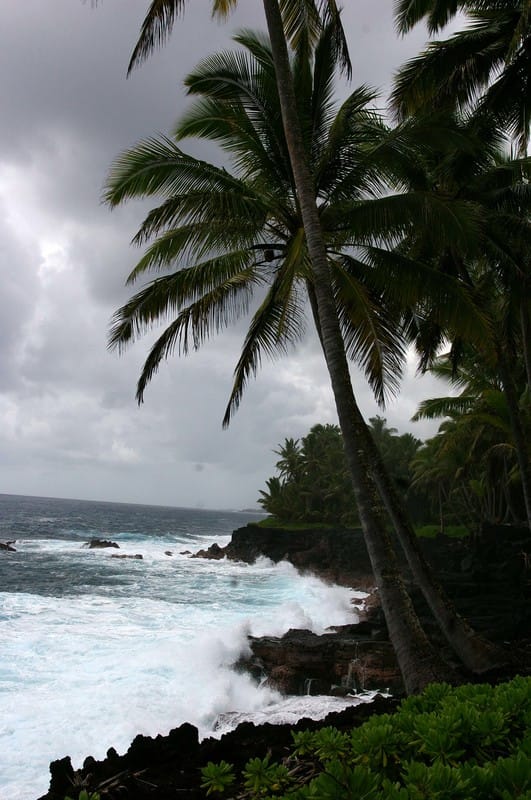
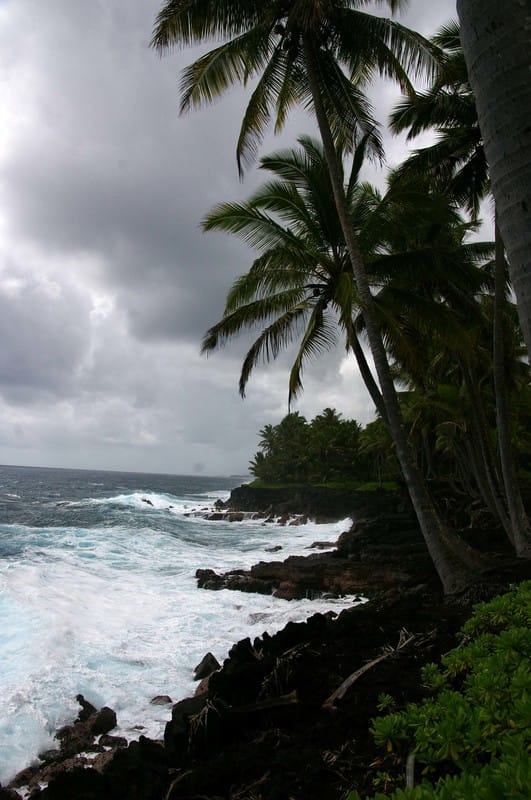
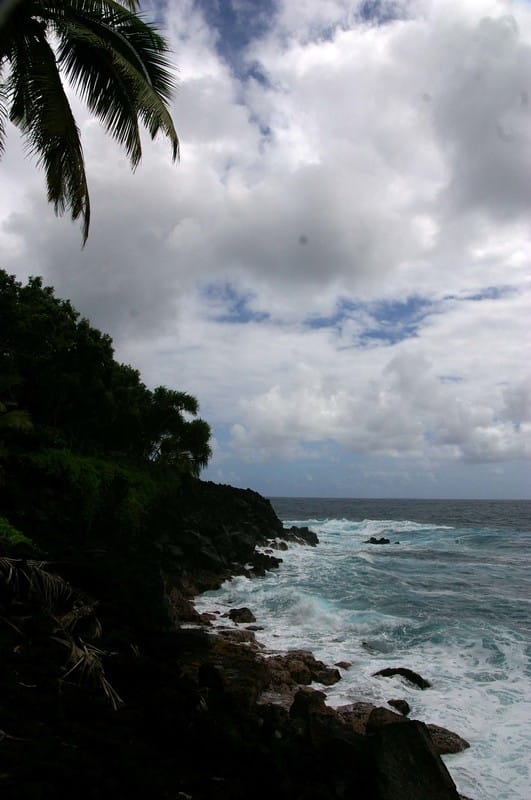
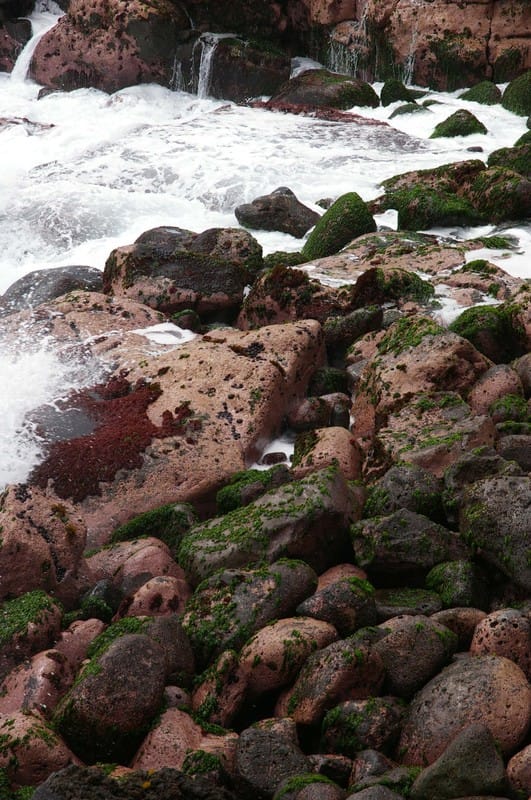
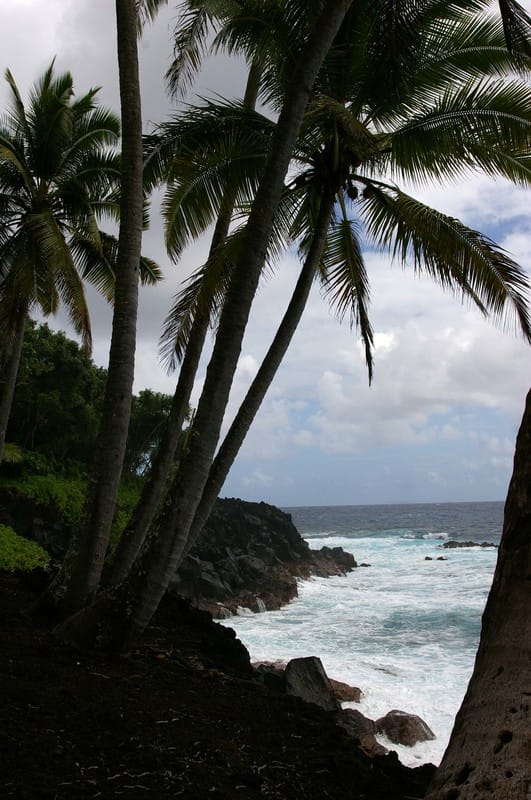
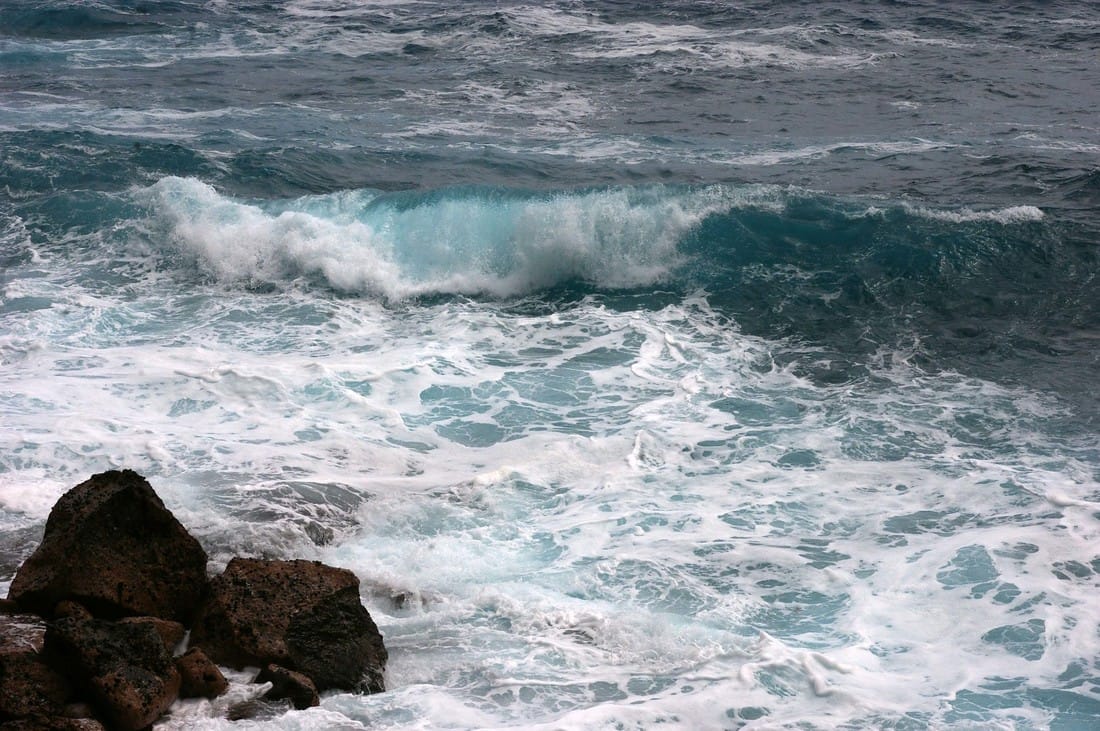
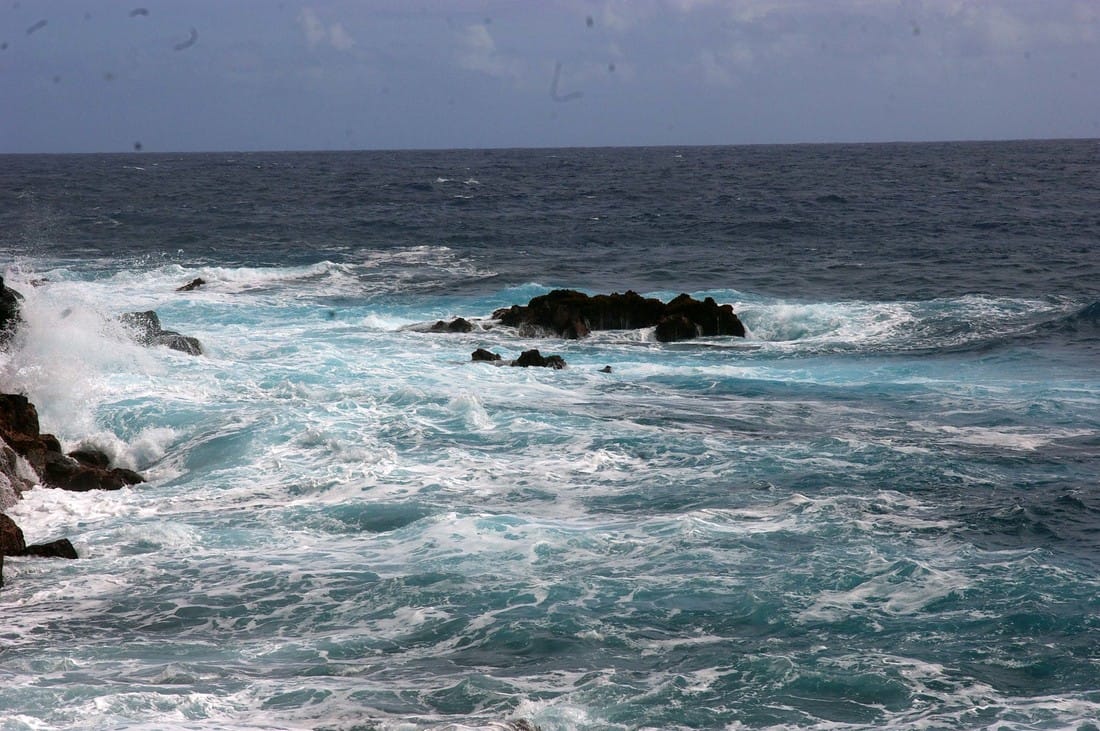
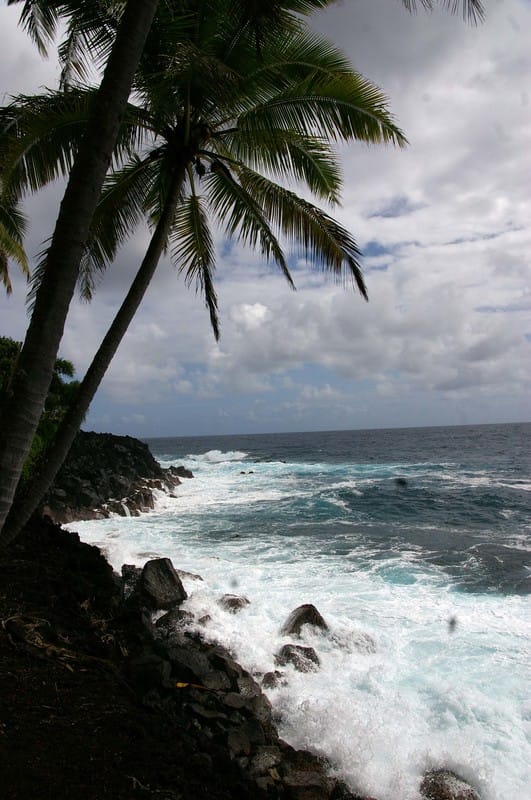
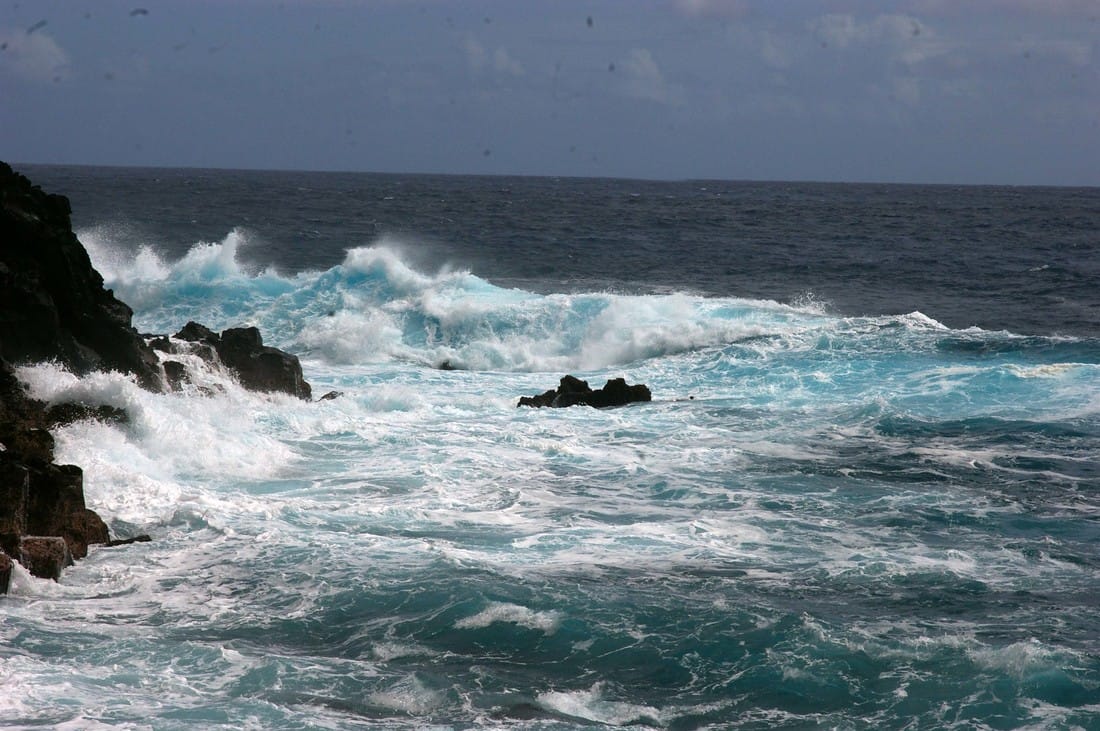
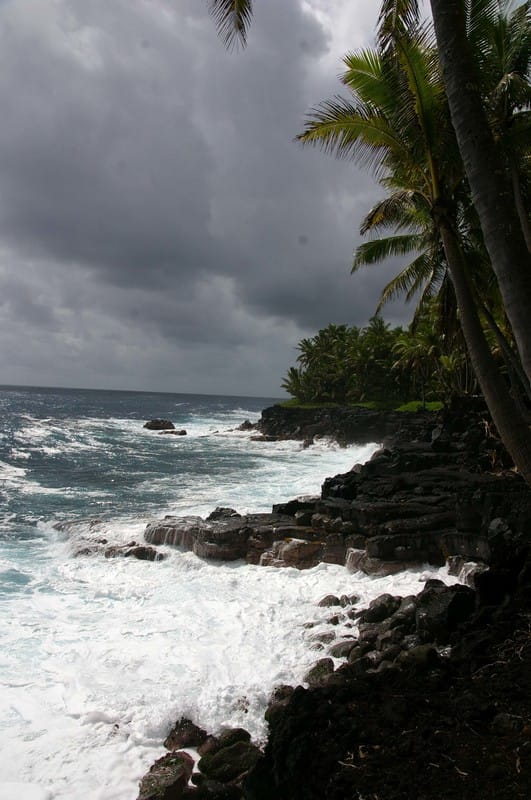
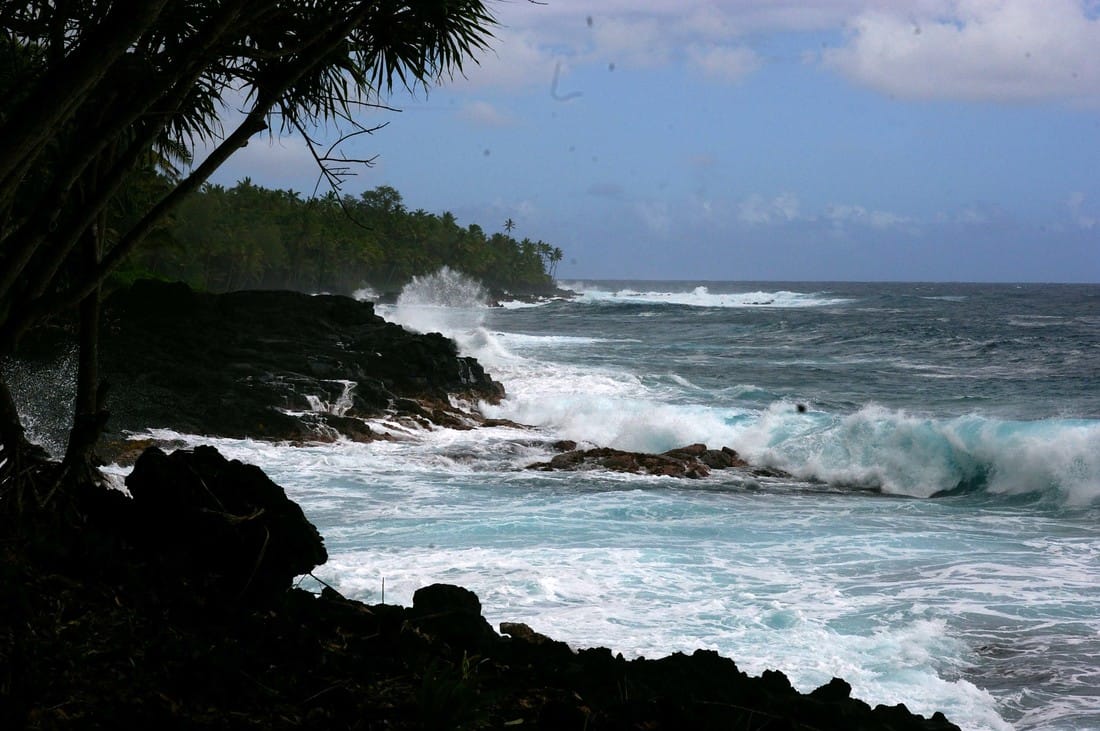
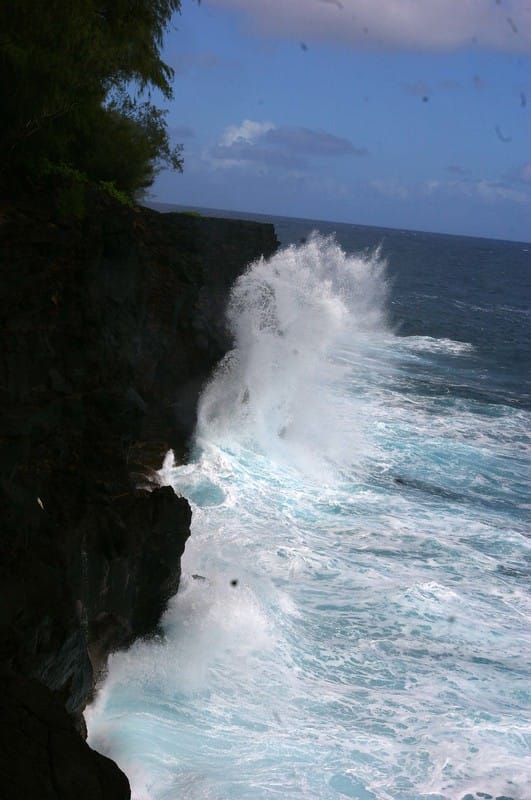
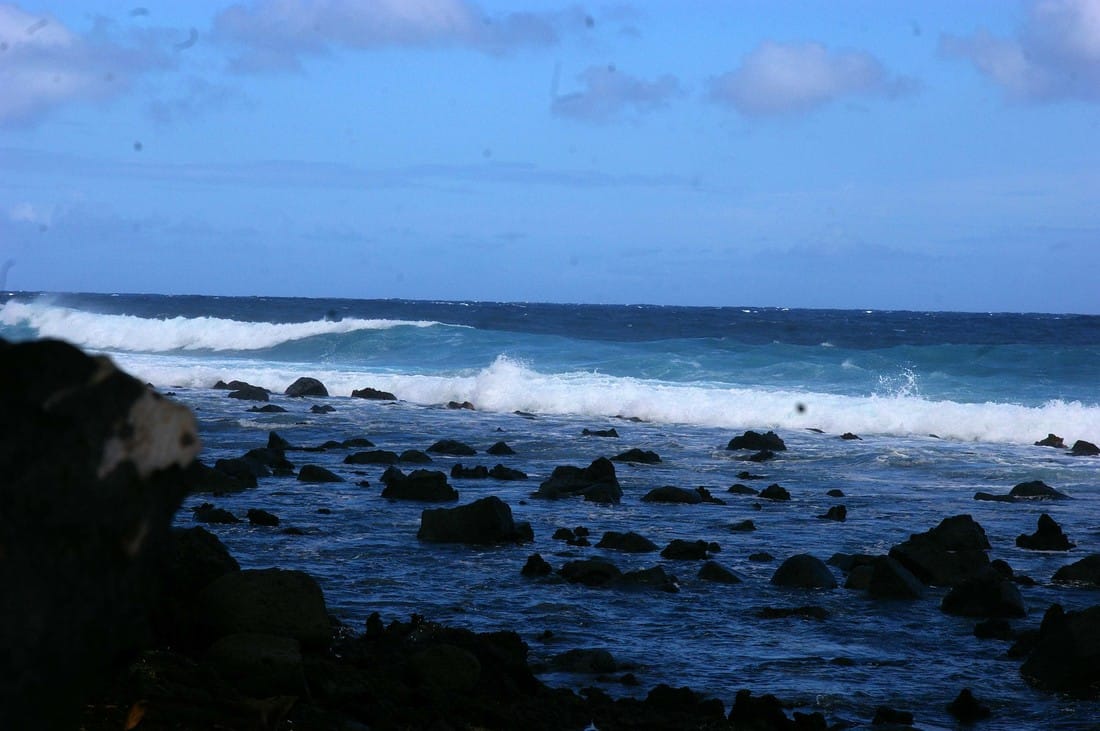
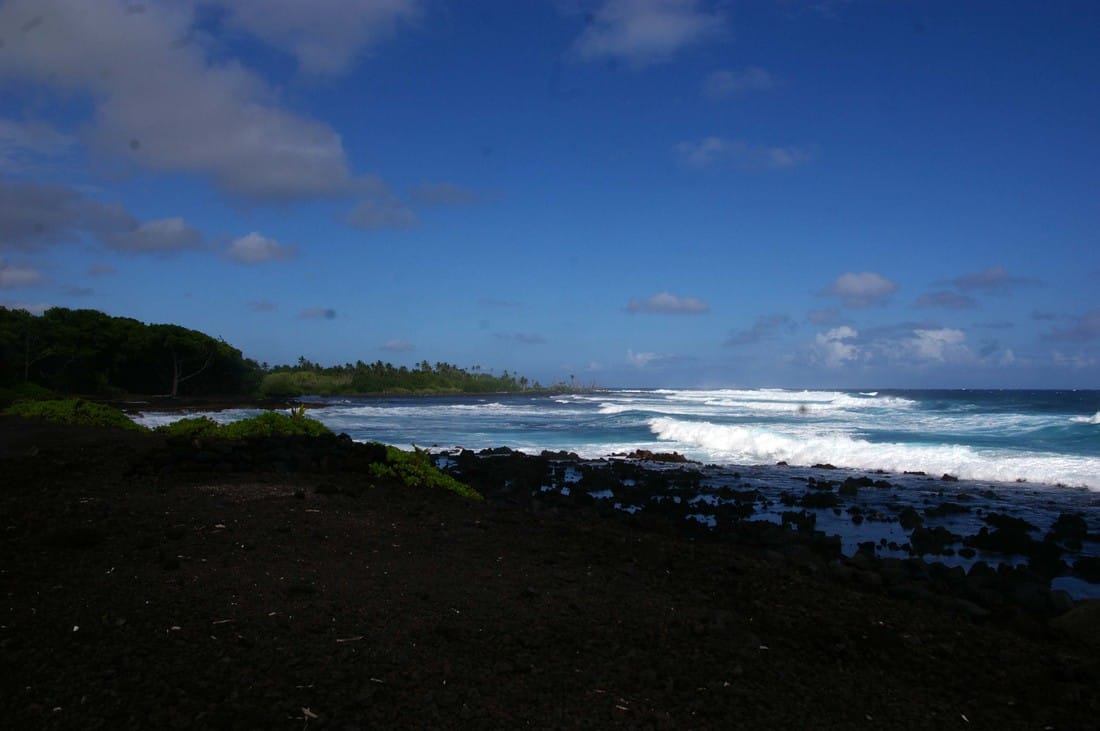
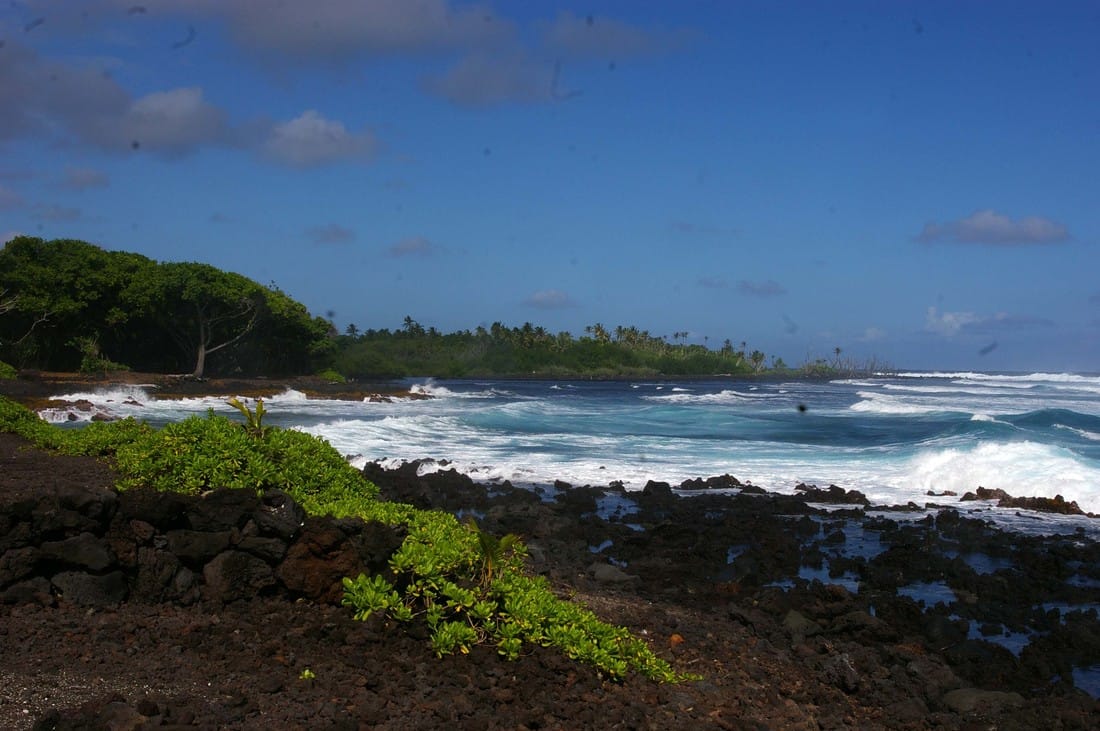
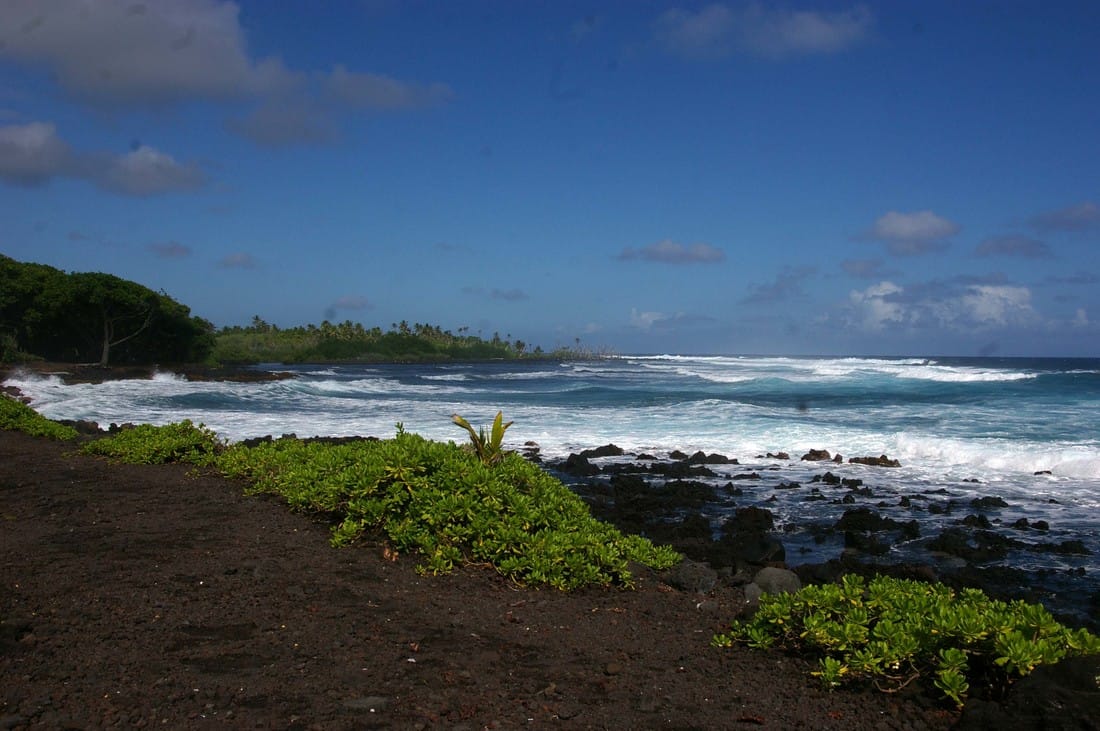
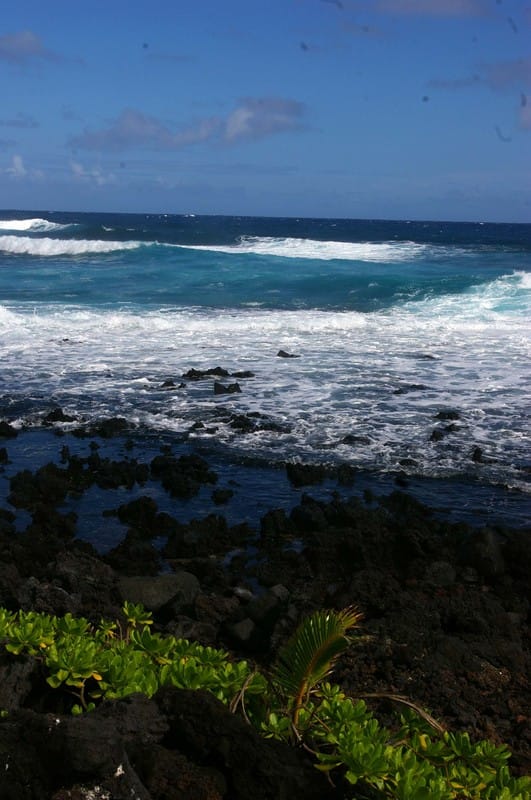
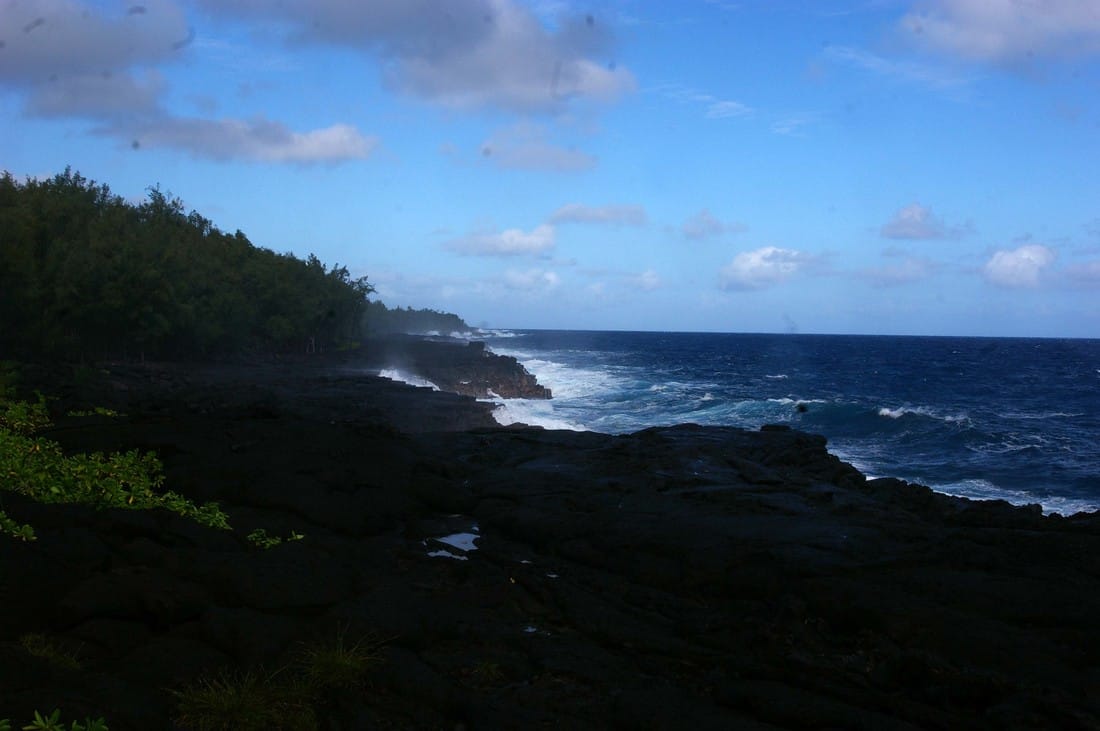
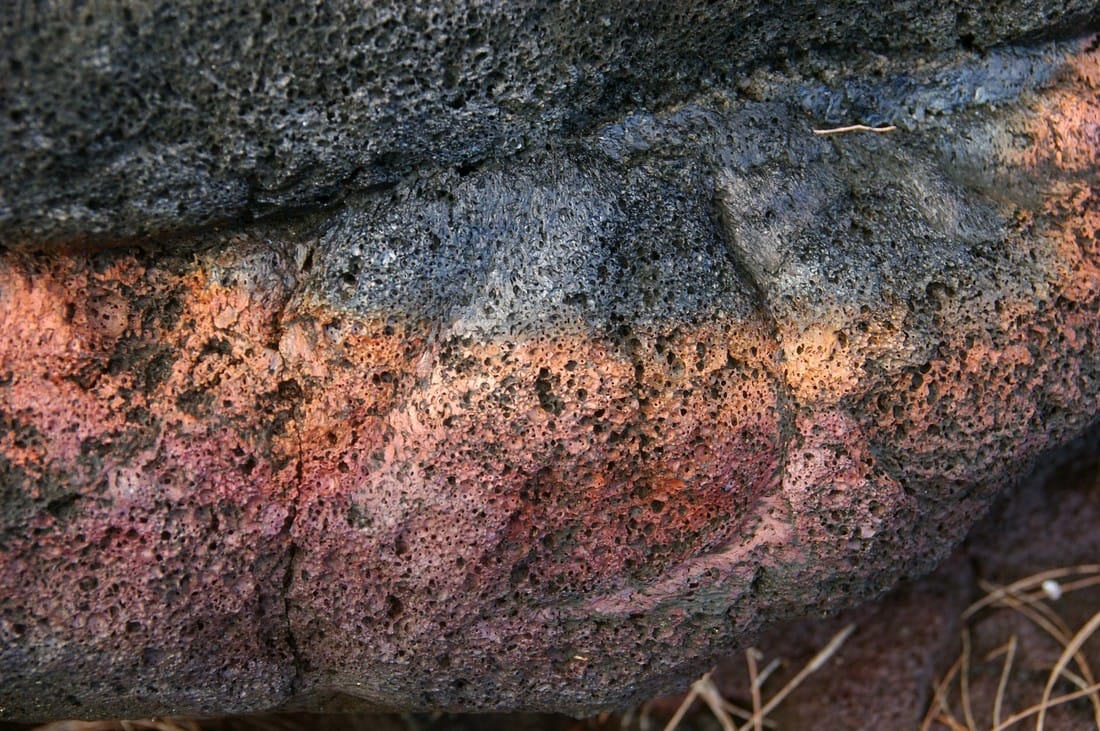
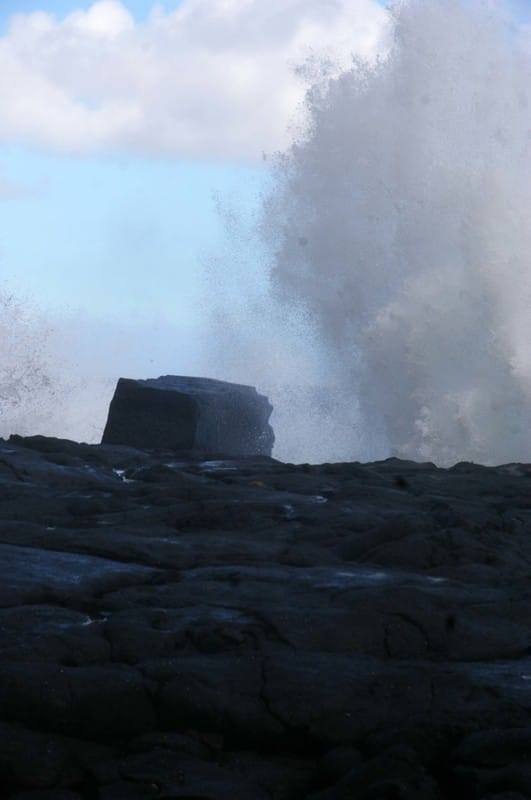
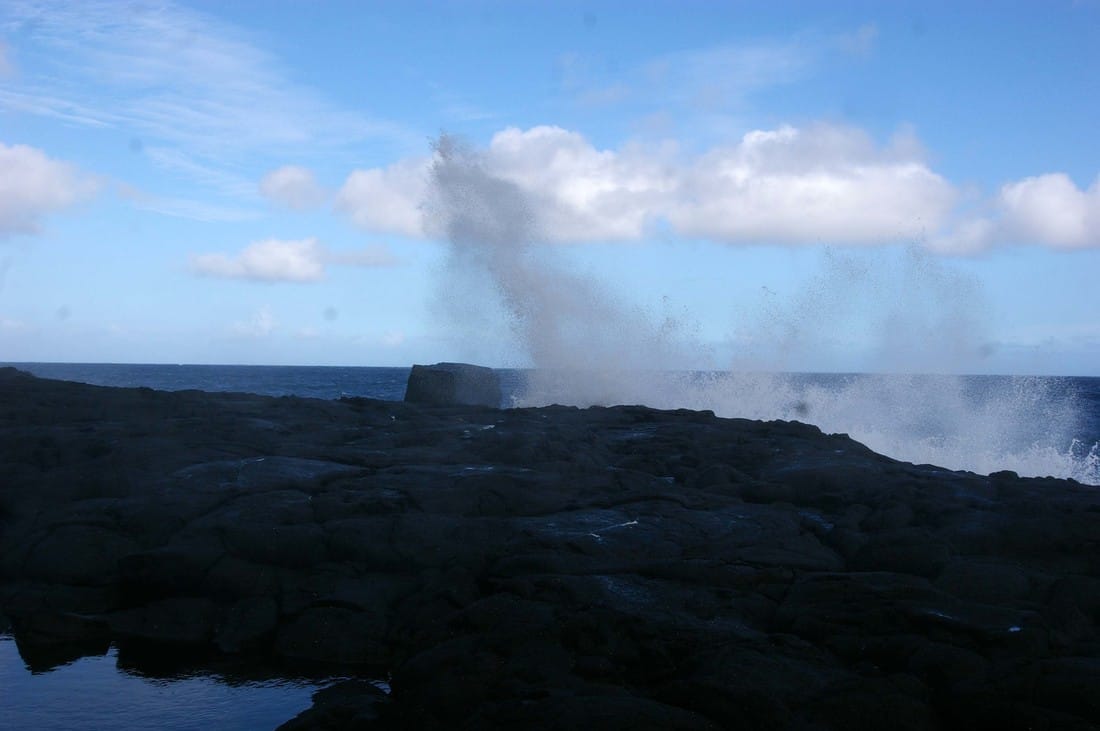
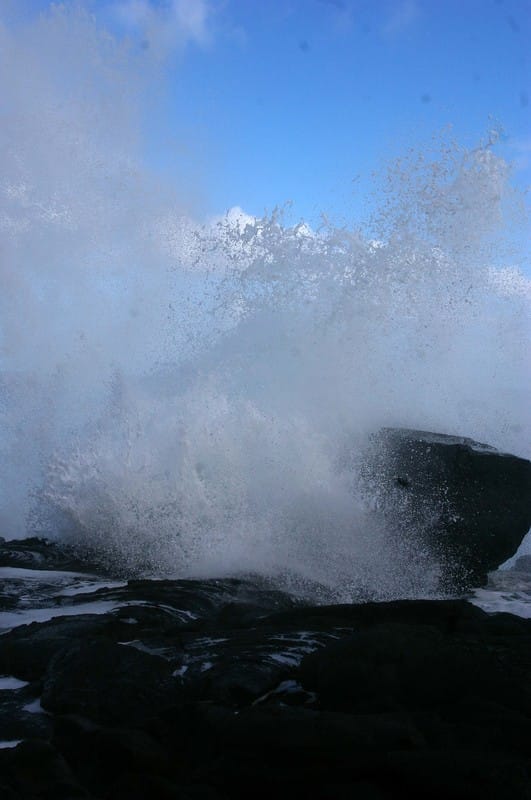
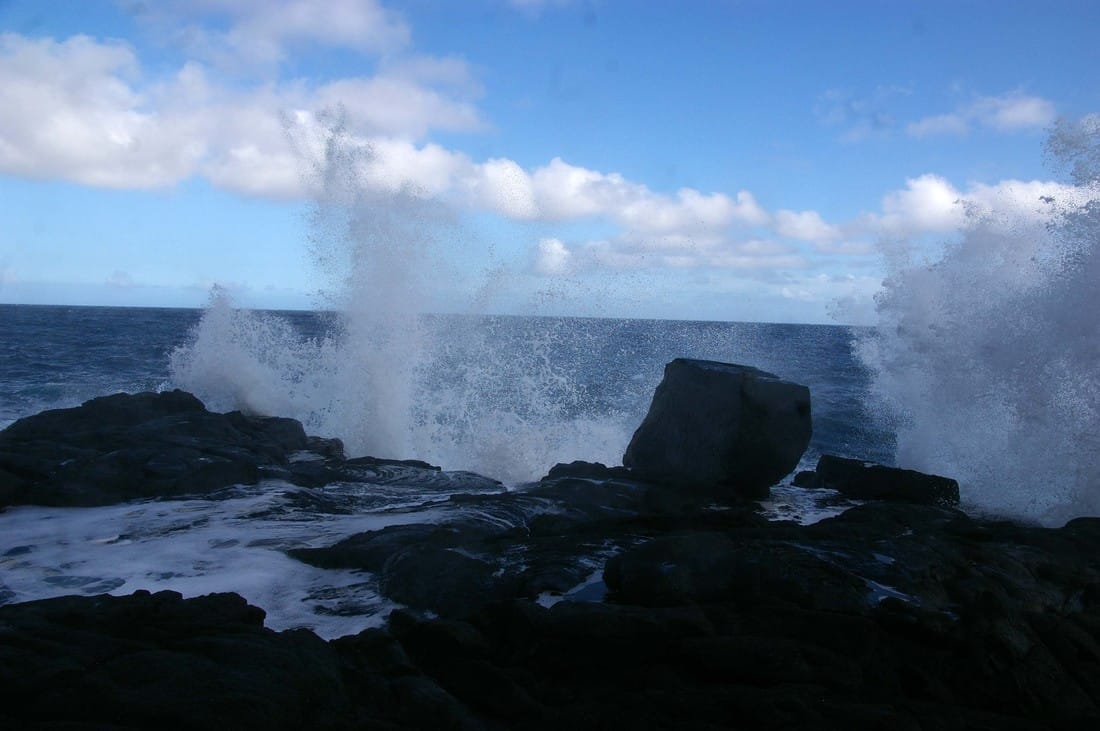
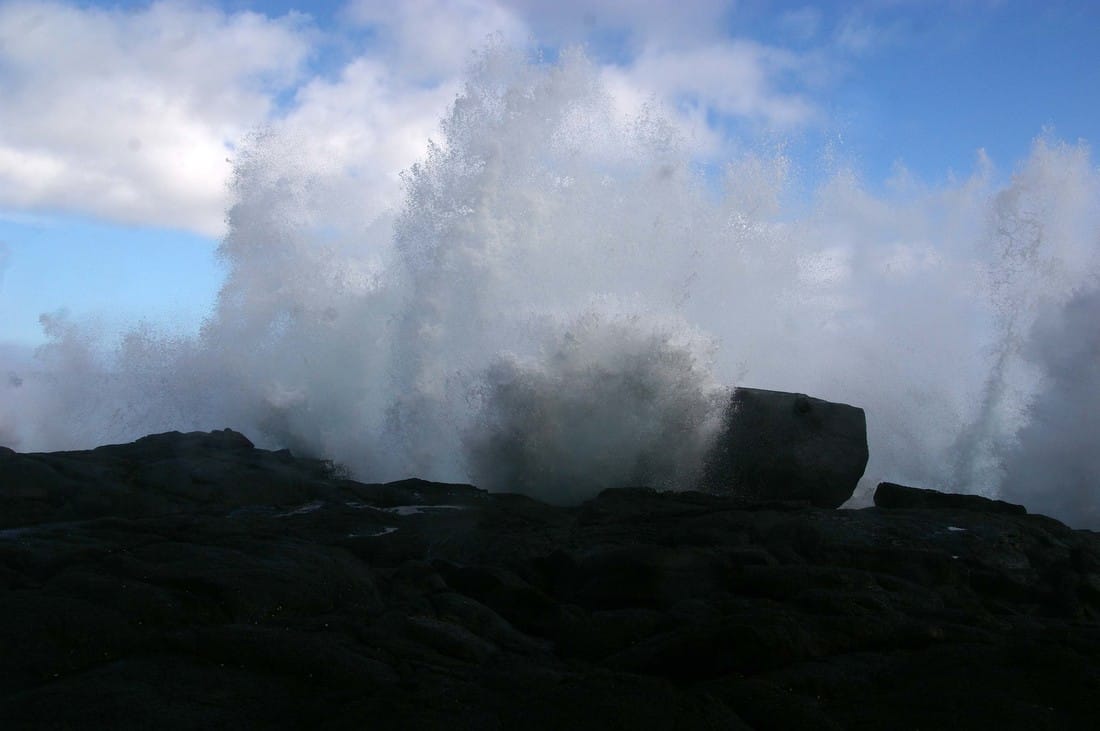
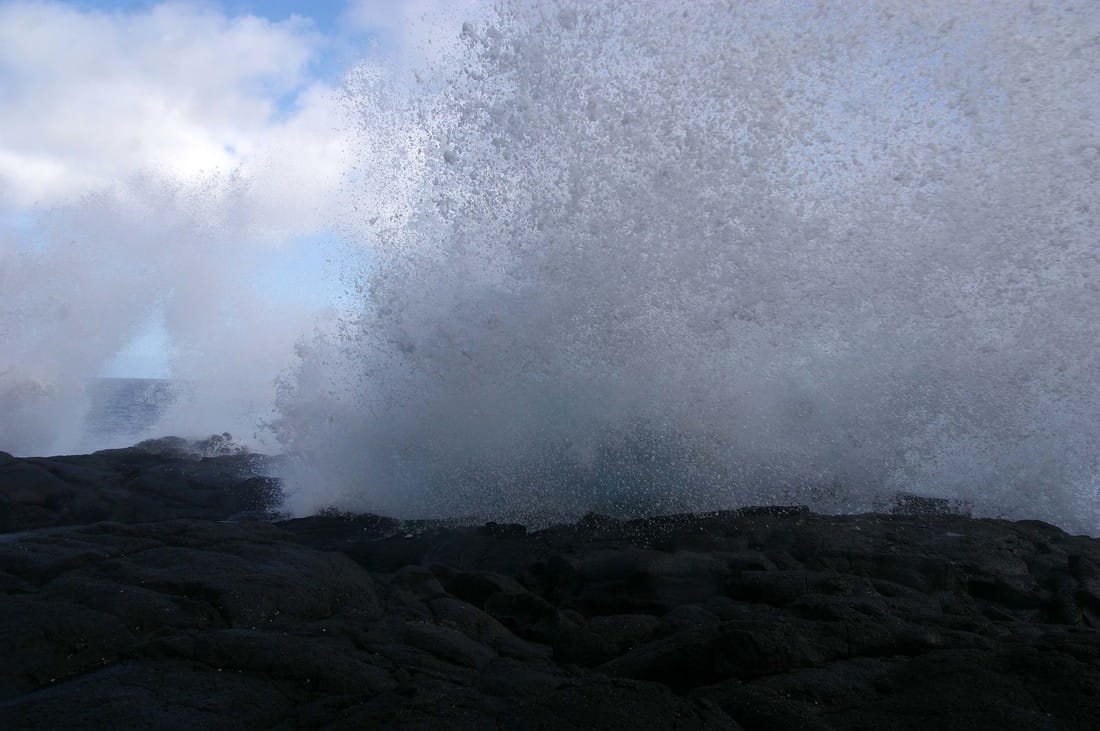
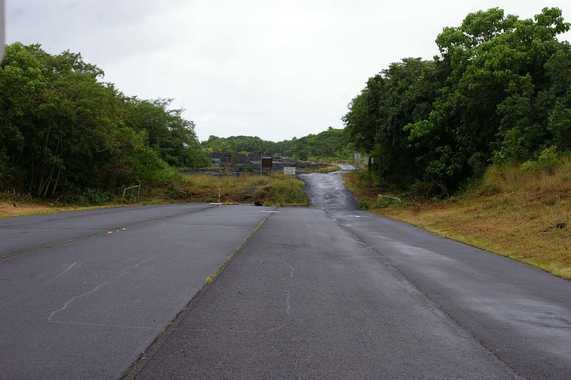
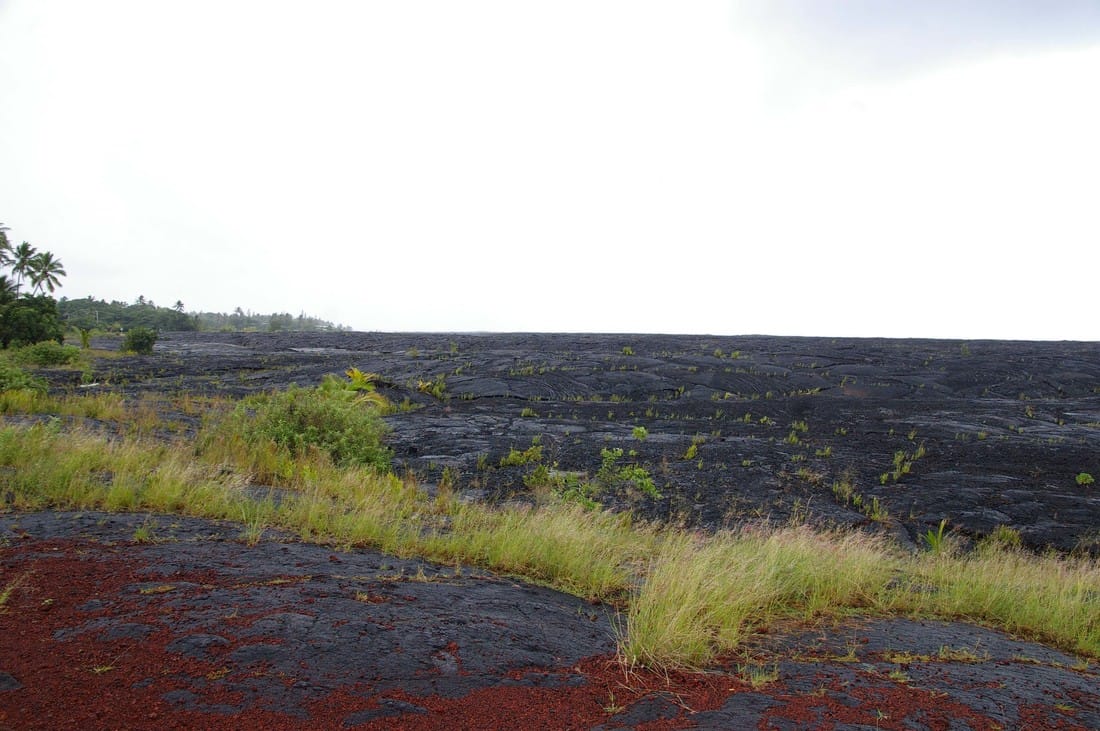
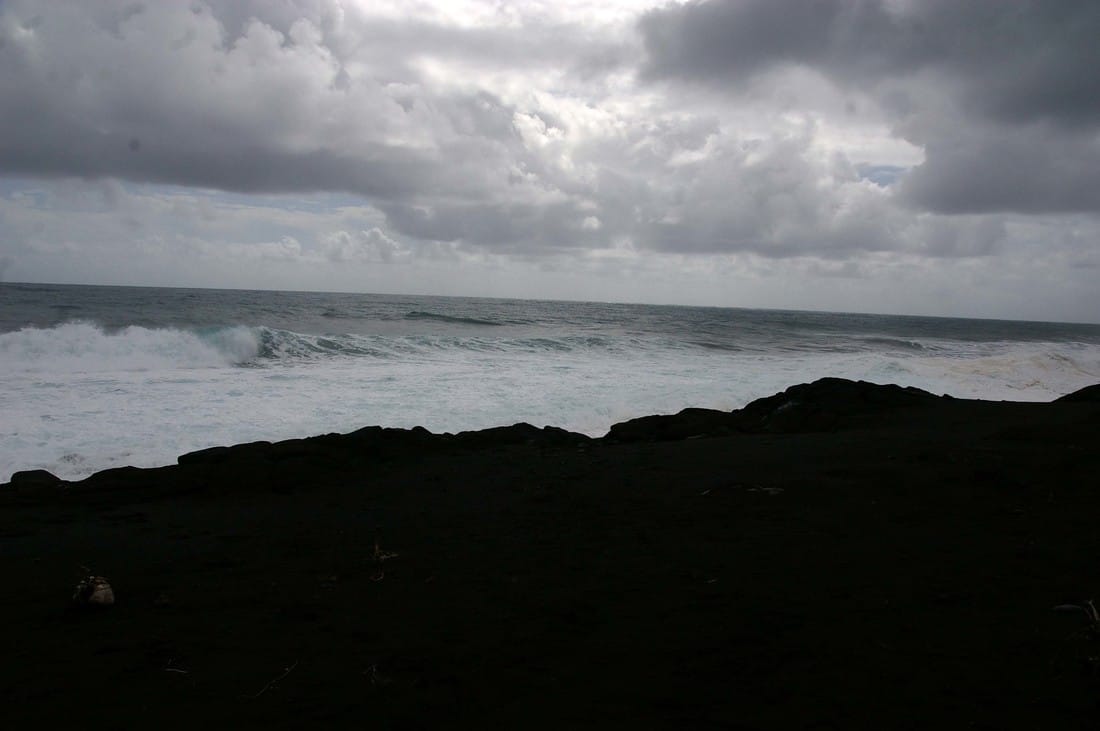
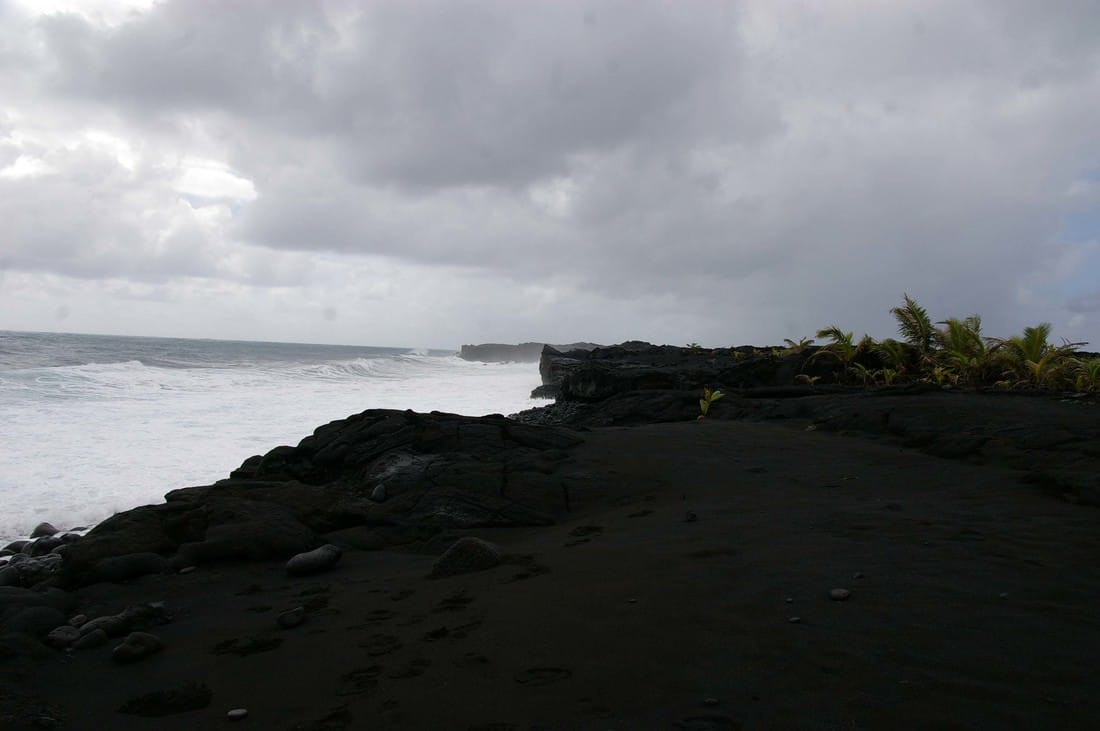
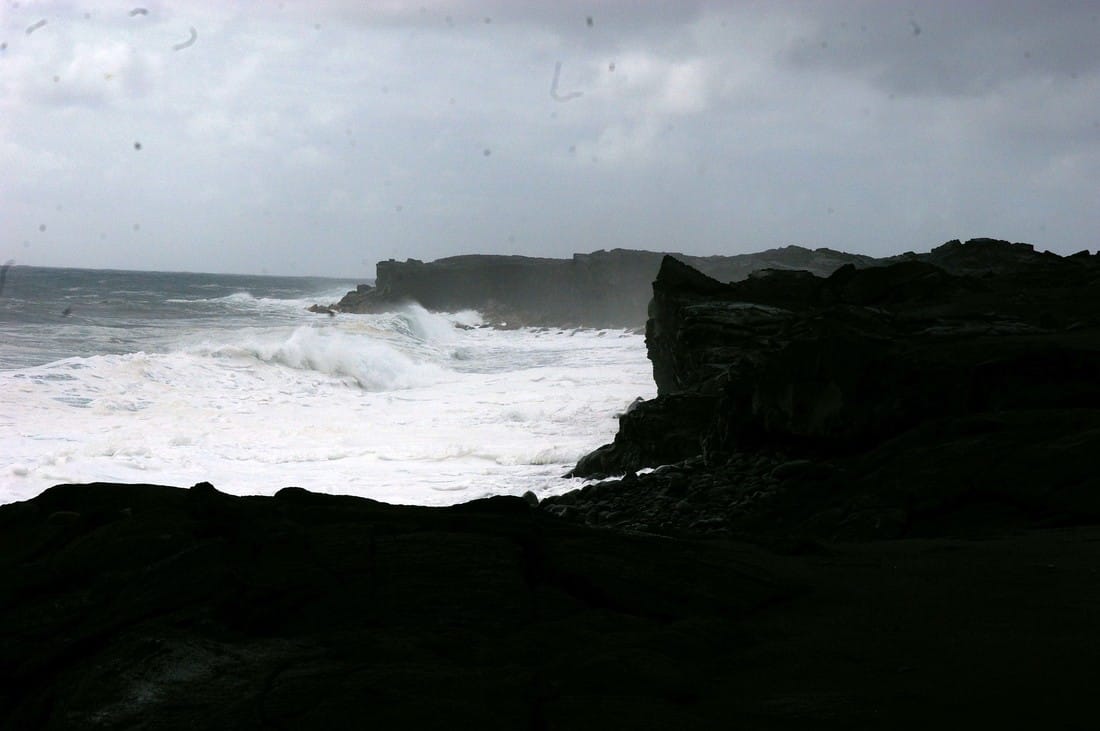
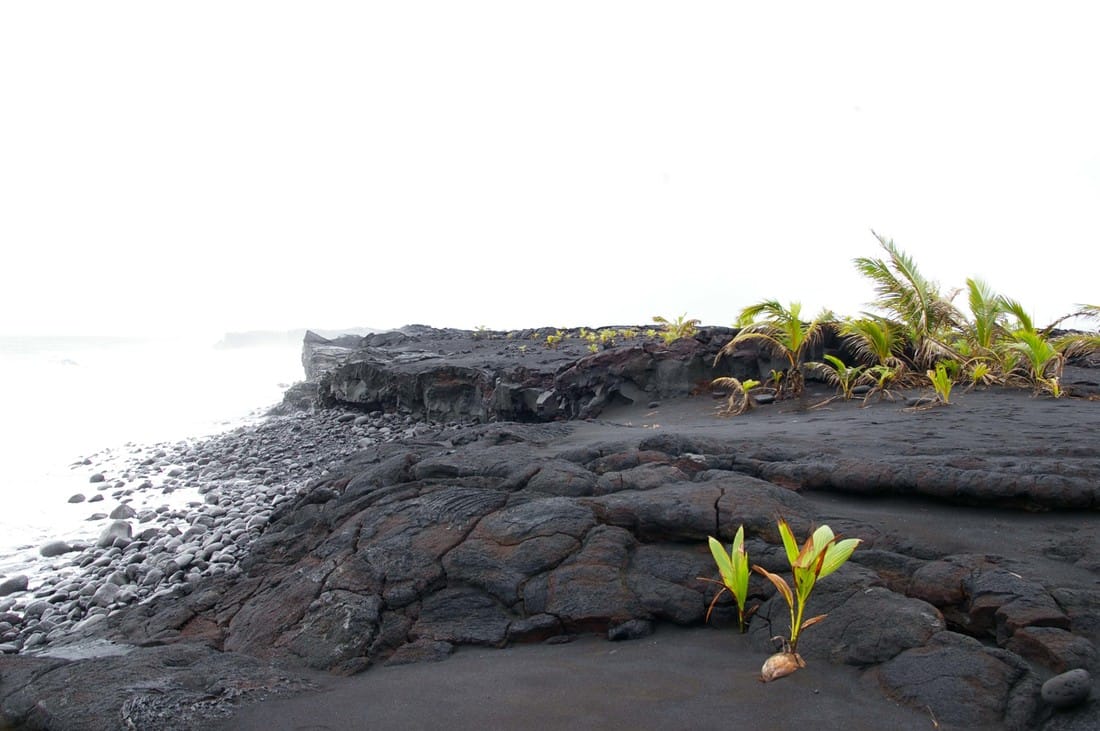
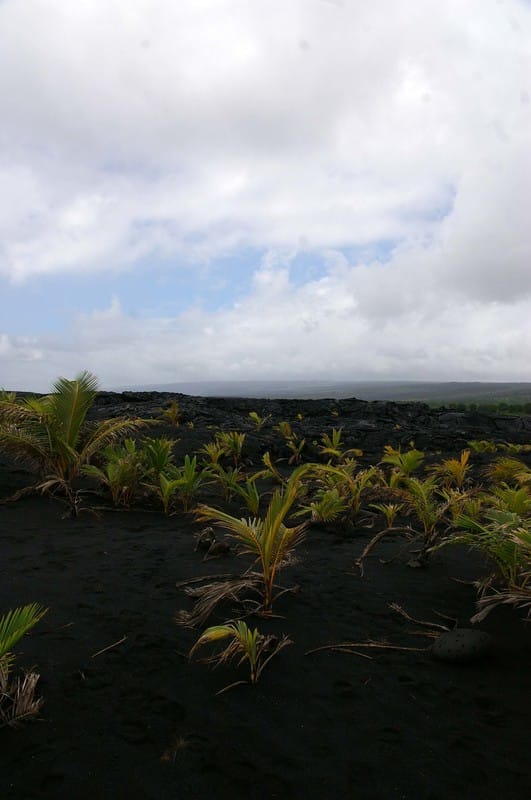
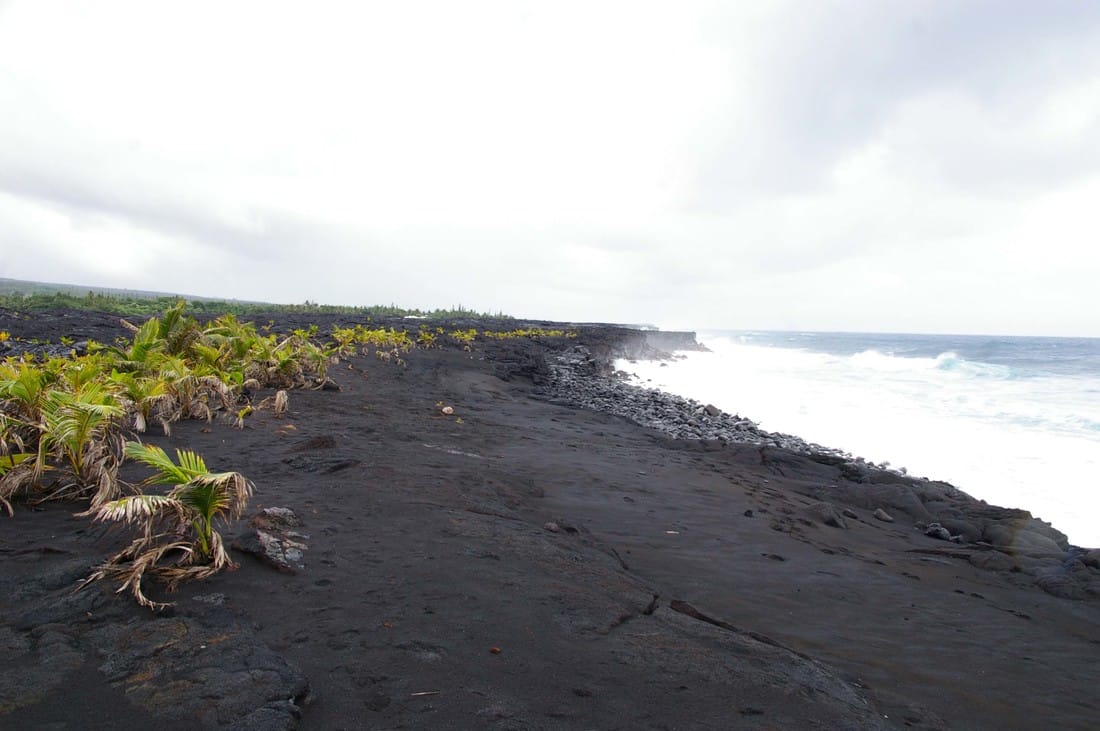
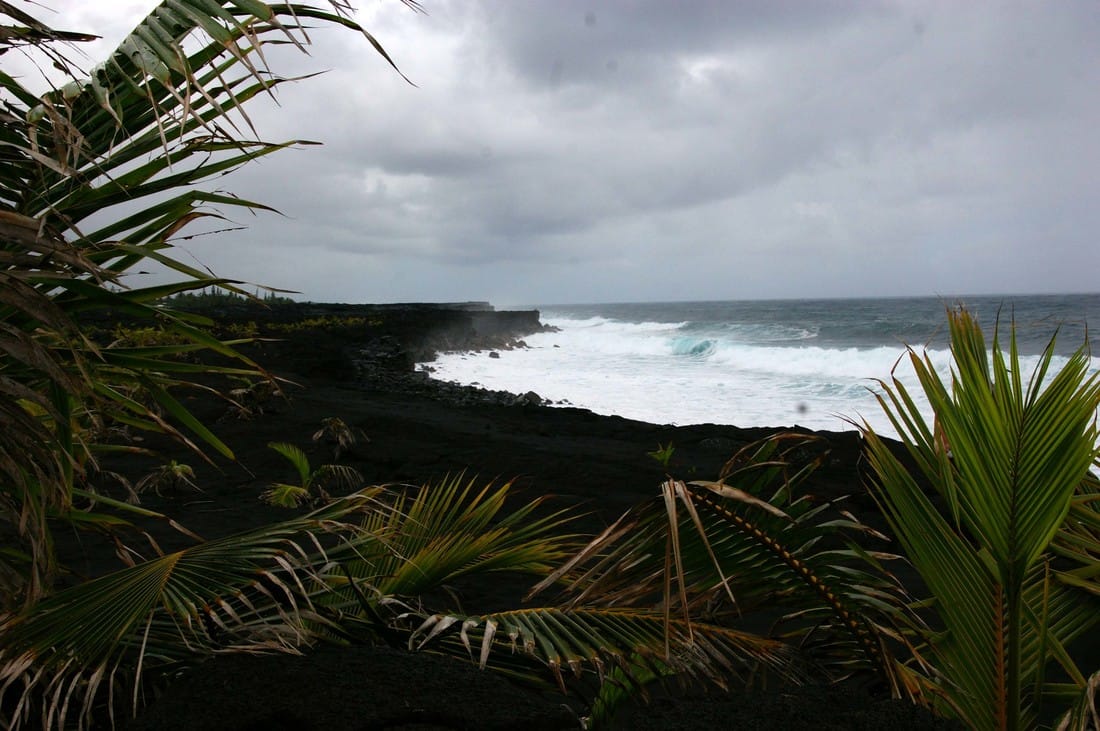
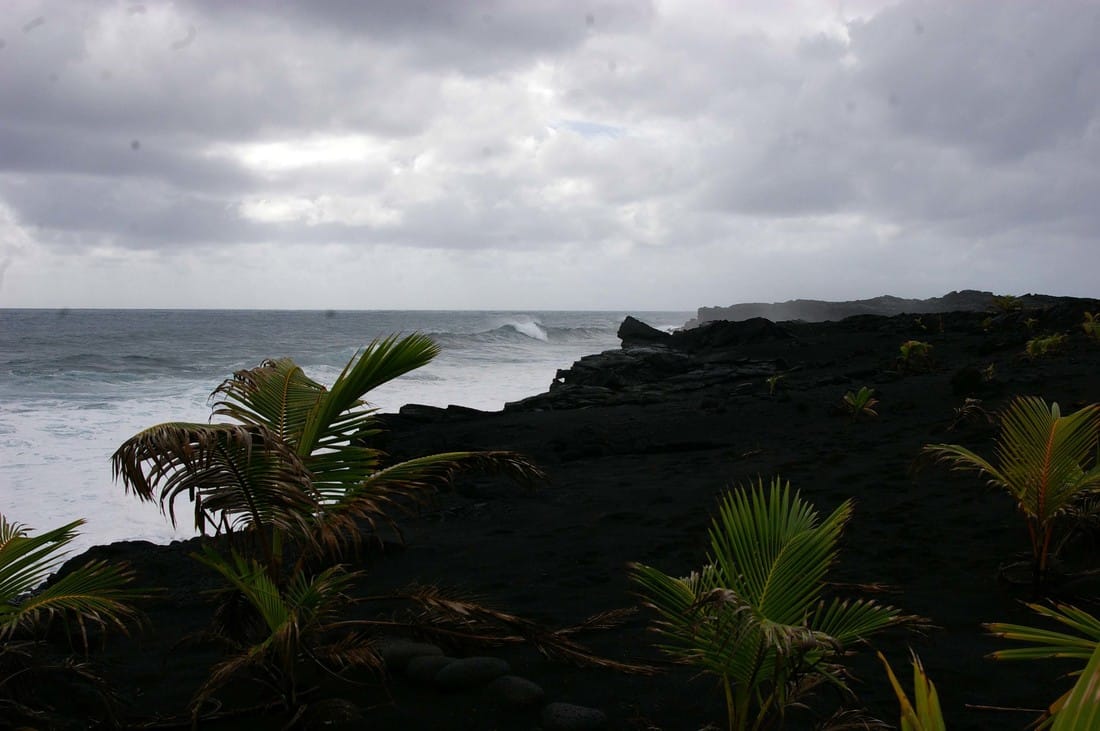
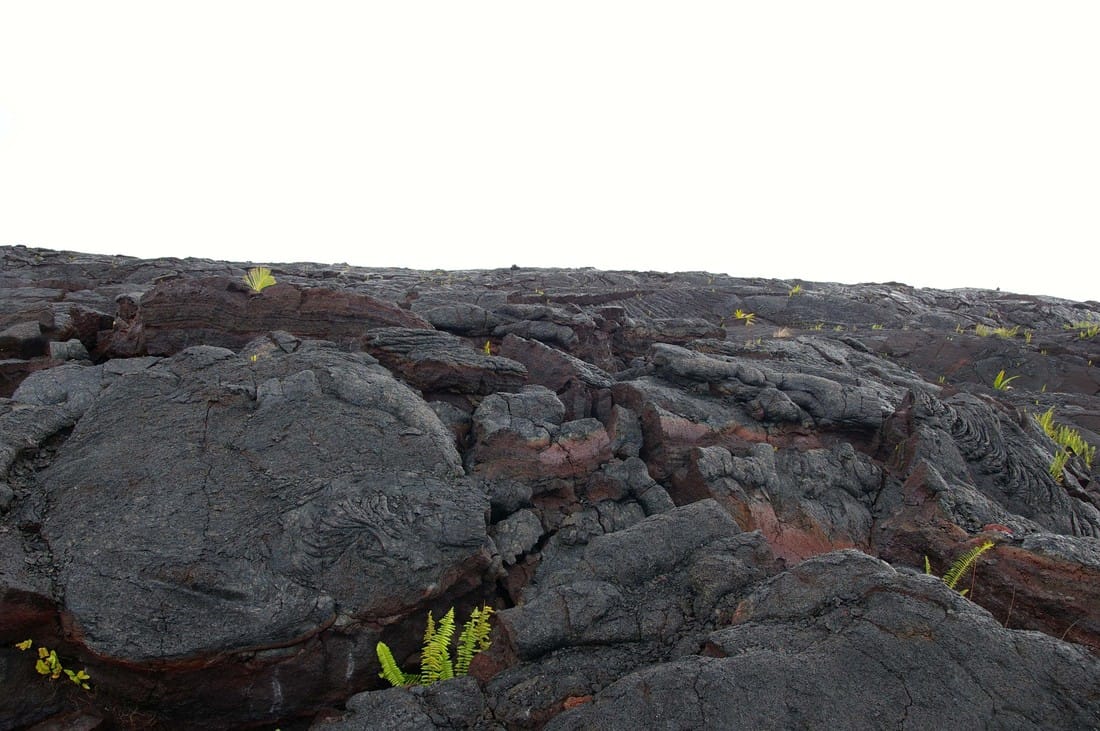
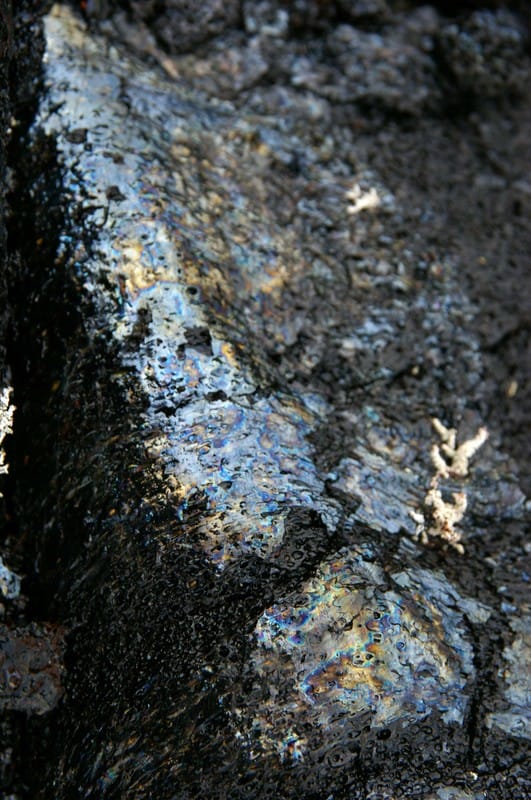
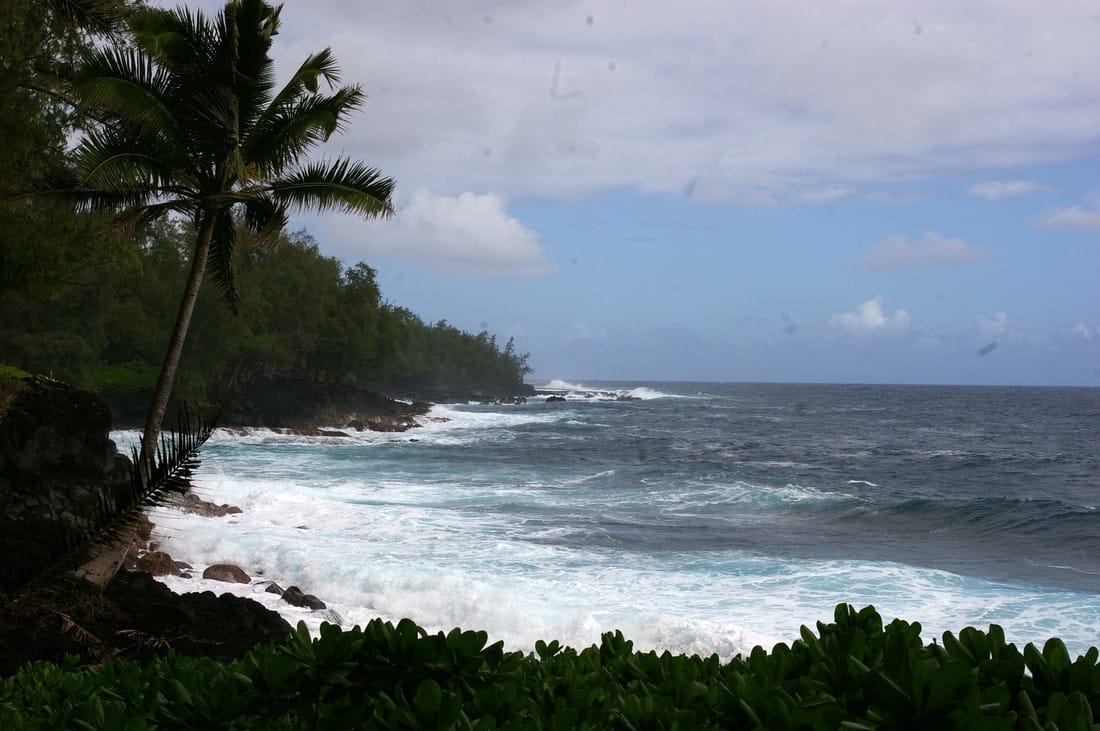
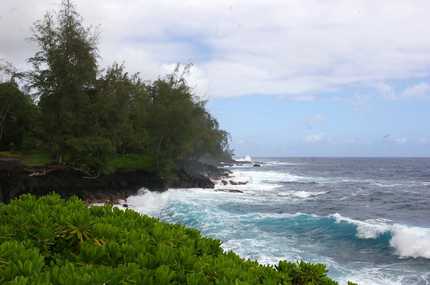
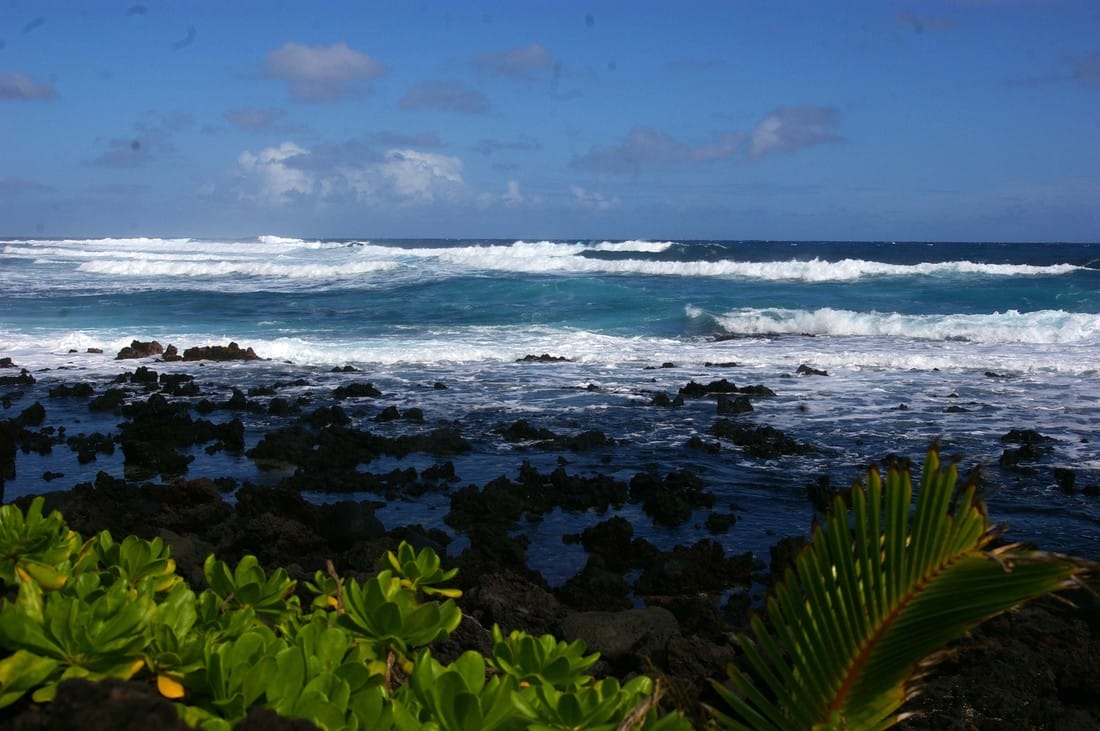
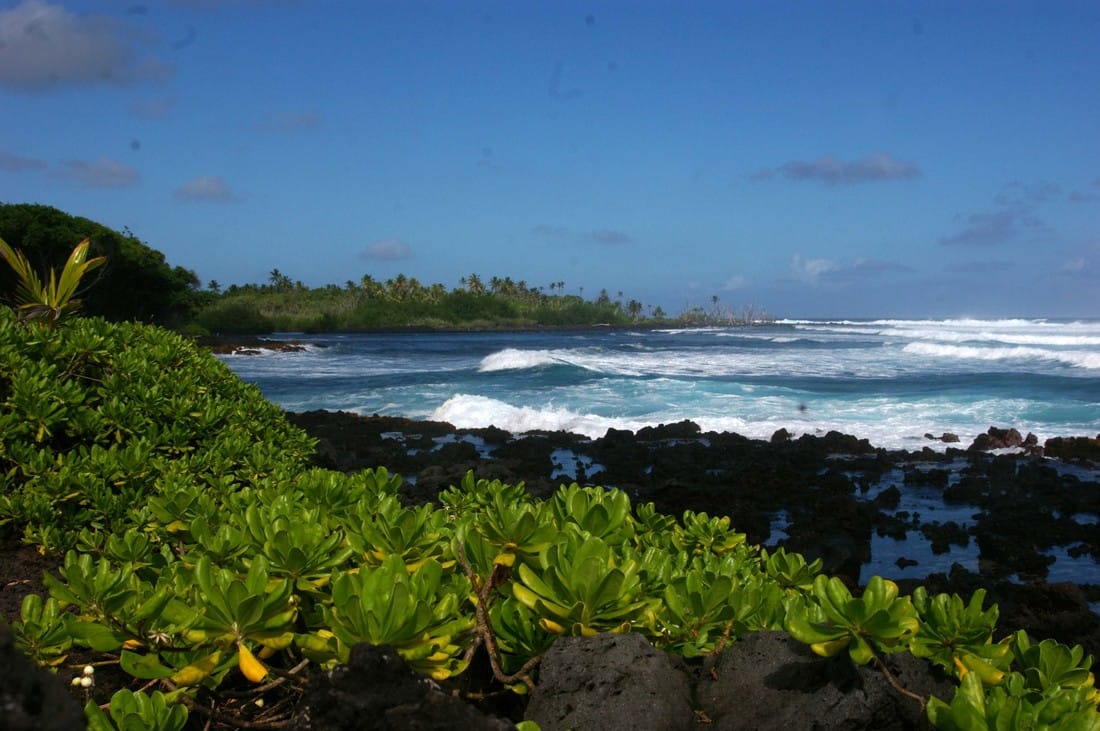
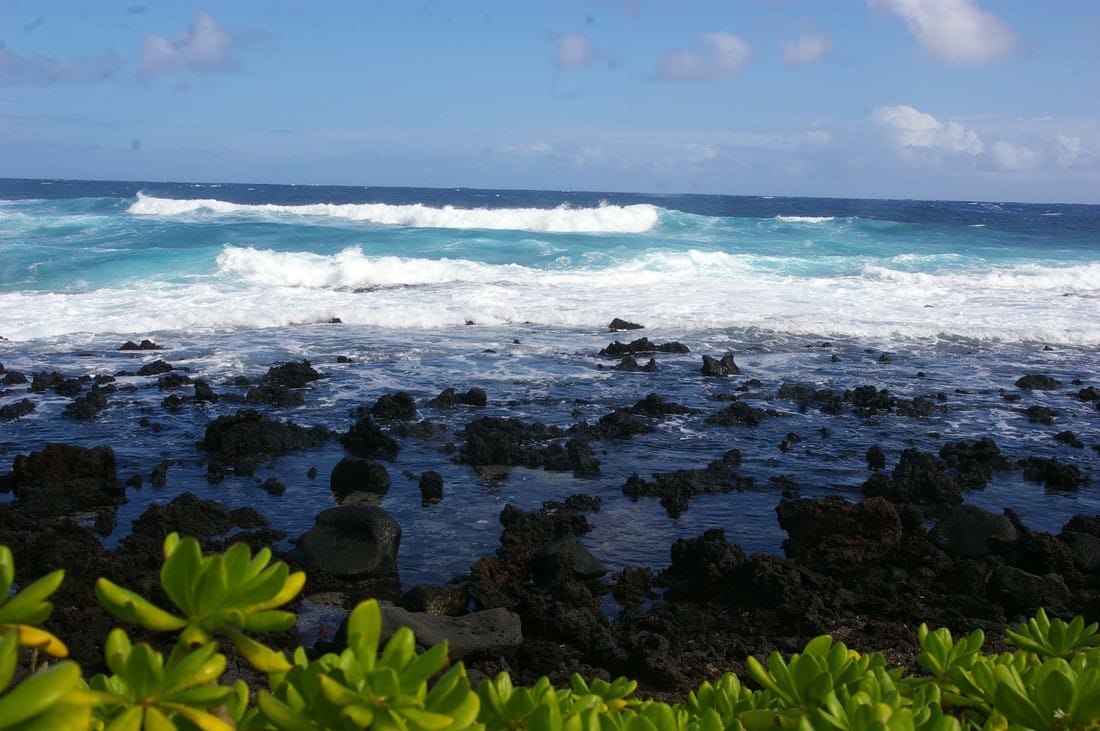
My hitchhiking adventure eventually brought me to one of the most dramatic spots on the entire island: "The Dead End" where Highway 130 suddenly stops, swallowed entirely by hardened, jet-black volcanic rock. This point marks the literal edge where human infrastructure capitulated to nature. In 1990, a massive, unrelenting eruption from the Kīlauea volcano completely overran the historic fishing village of Kalapana and buried the legendary Kaimū Black Sand Beach under nearly 50 to 80 feet of raw lava. Walking beyond the dead end out onto the fresh, crunchy pāhoehoe lava fields felt like stepping onto an alien planet, where a completely fresh black sand beach is slowly being born by the crushing power of the Pacific waves.

Picture
Lava Beach Kalapani
Life and Fire: Documenting the Volcanic Landscape
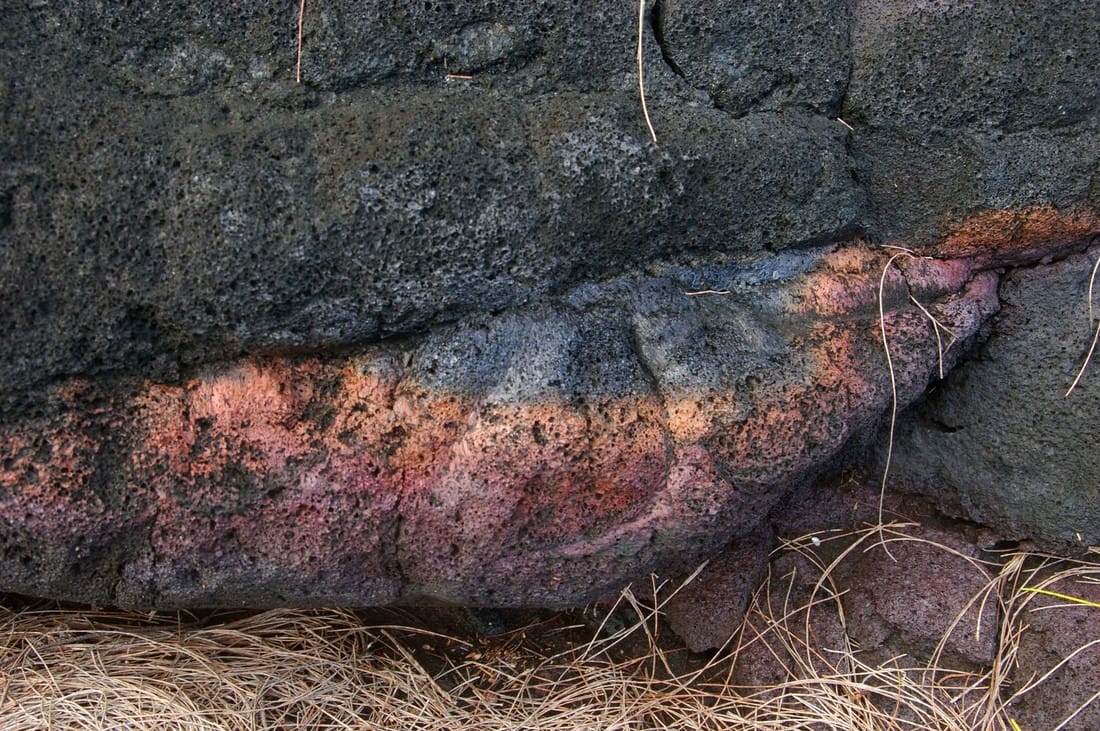
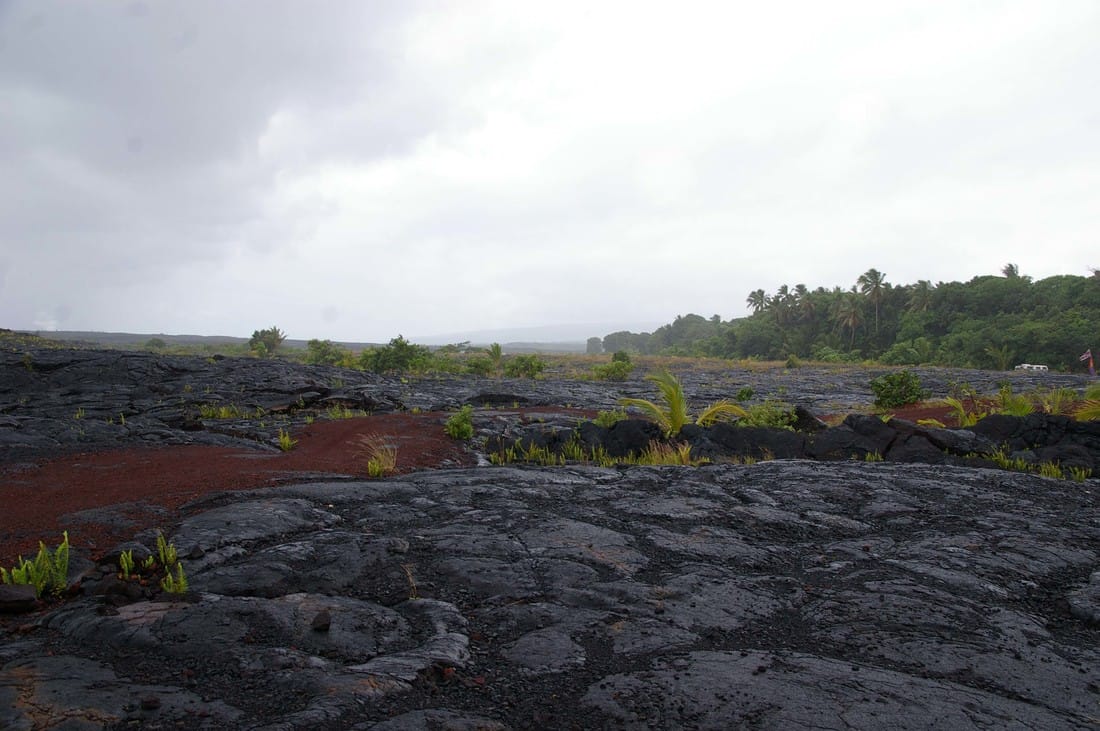
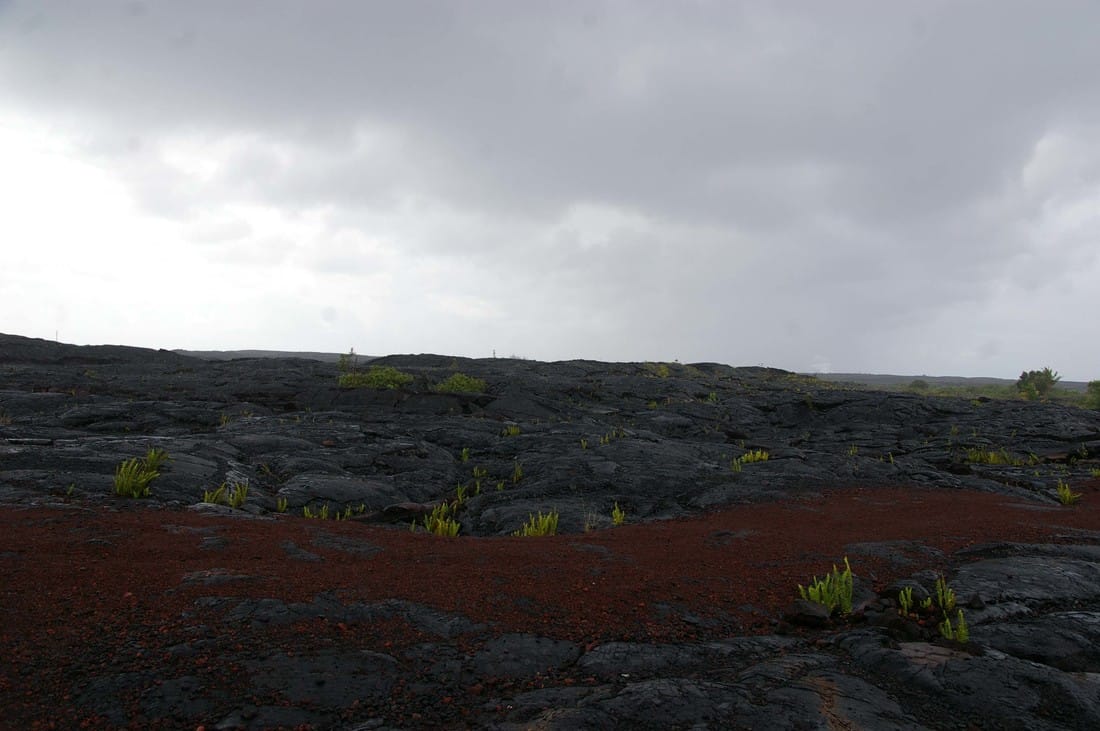
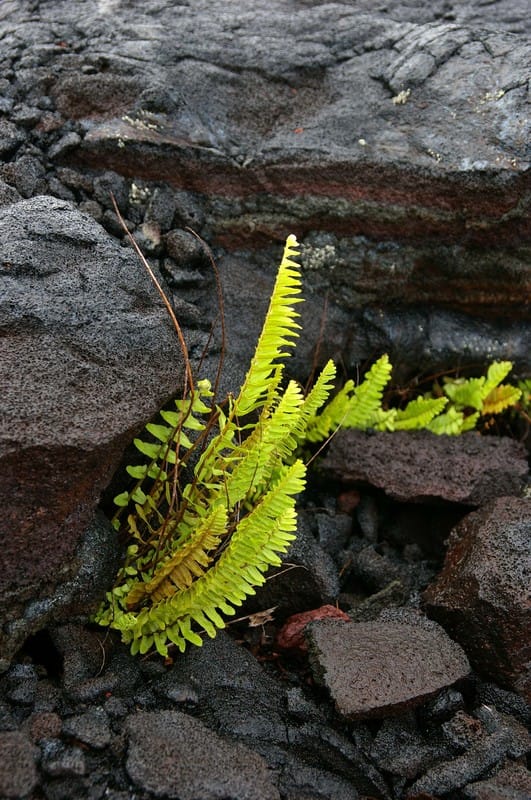
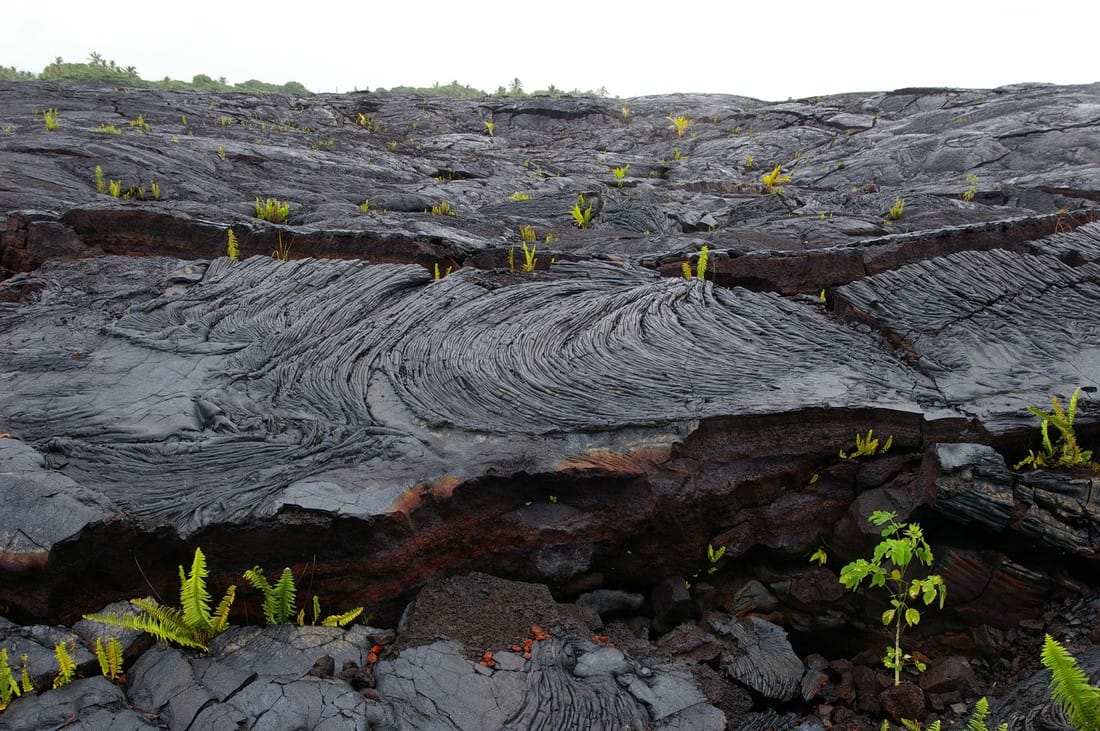
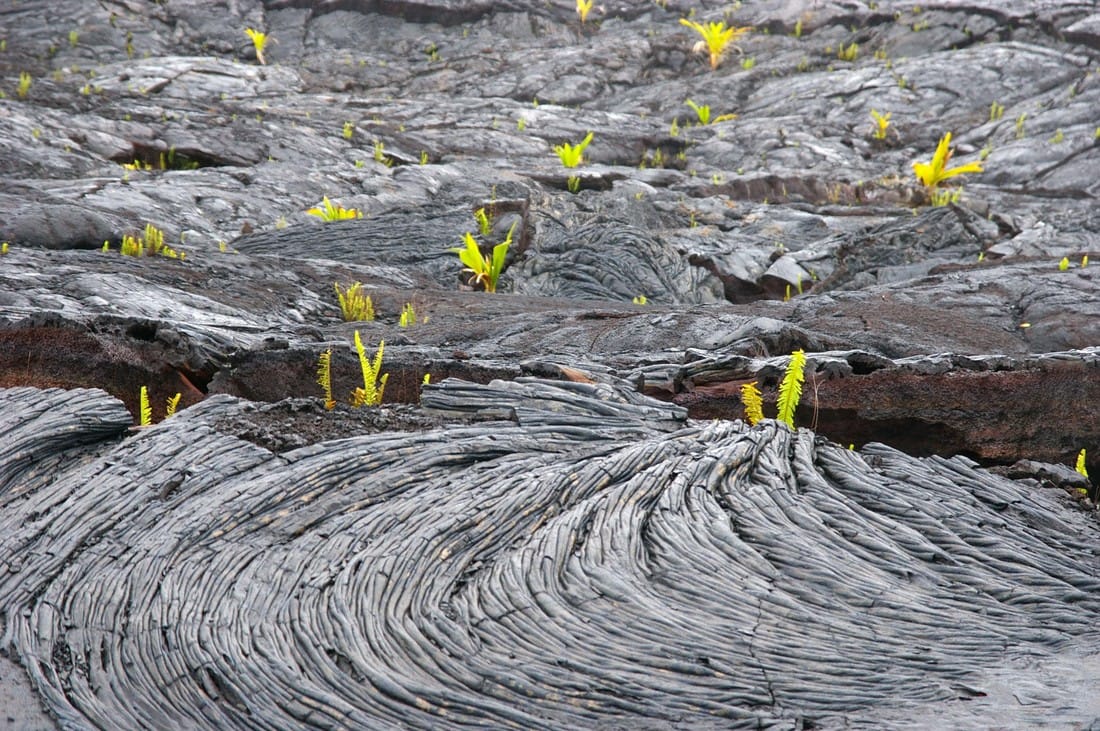
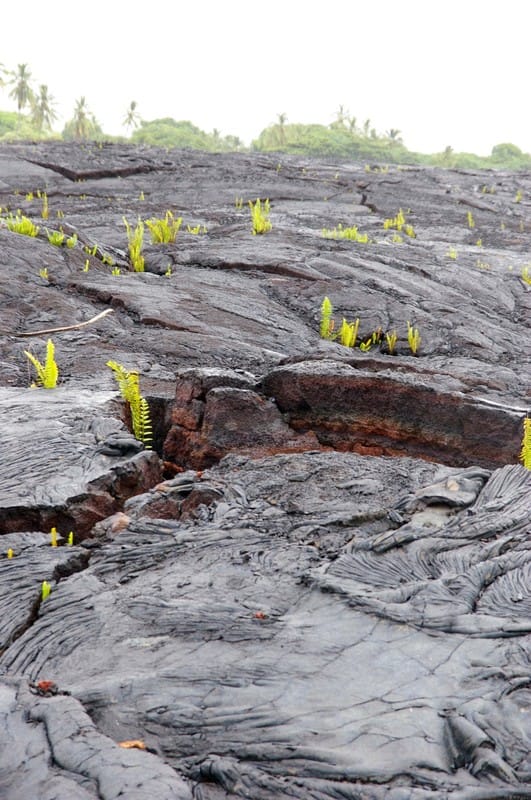
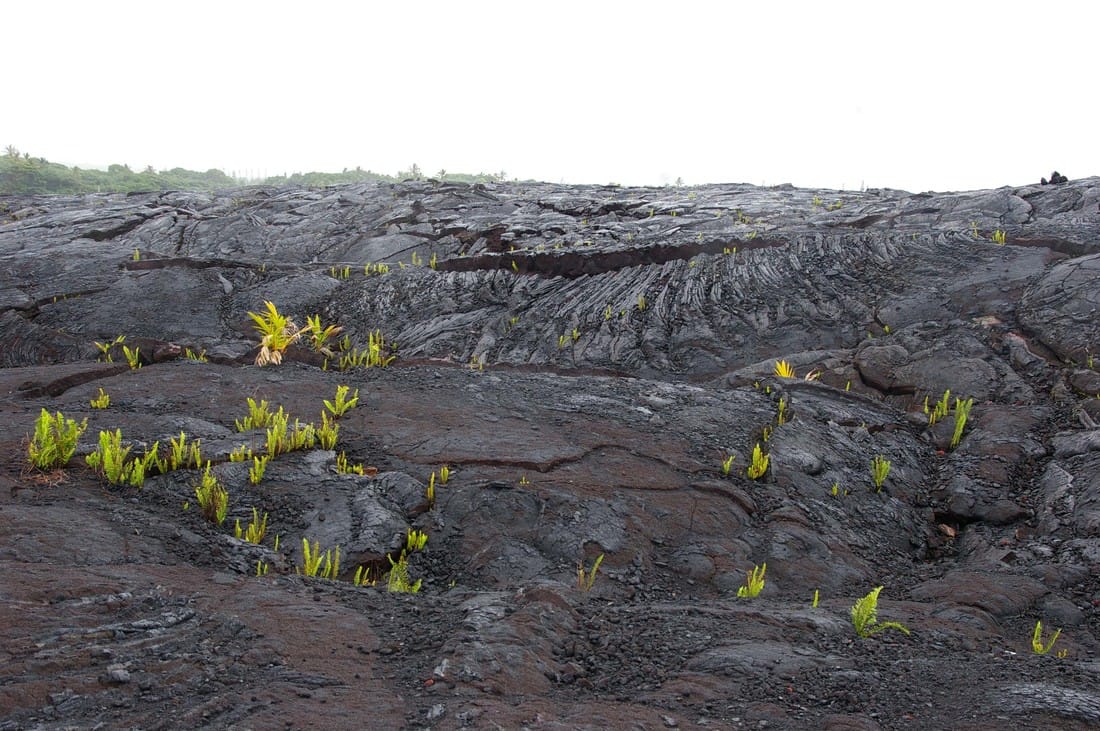
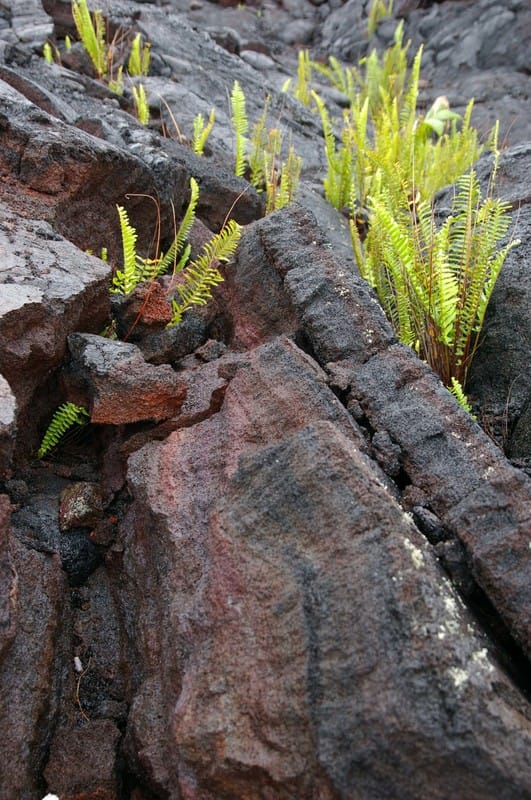
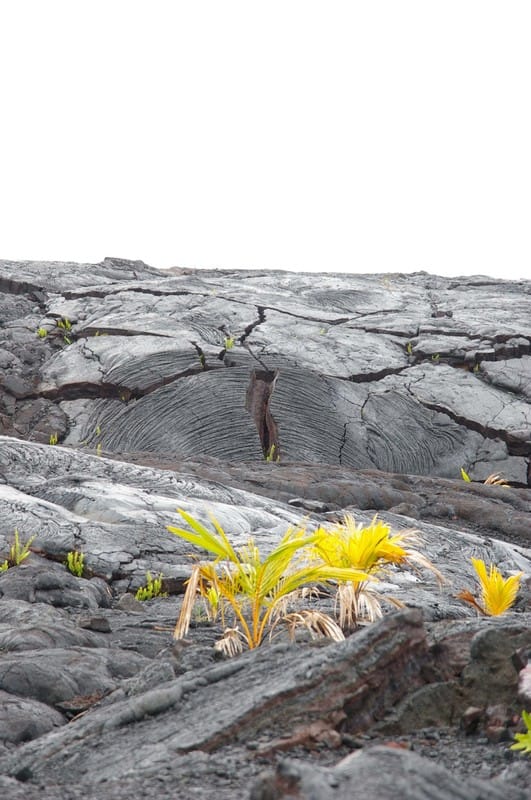
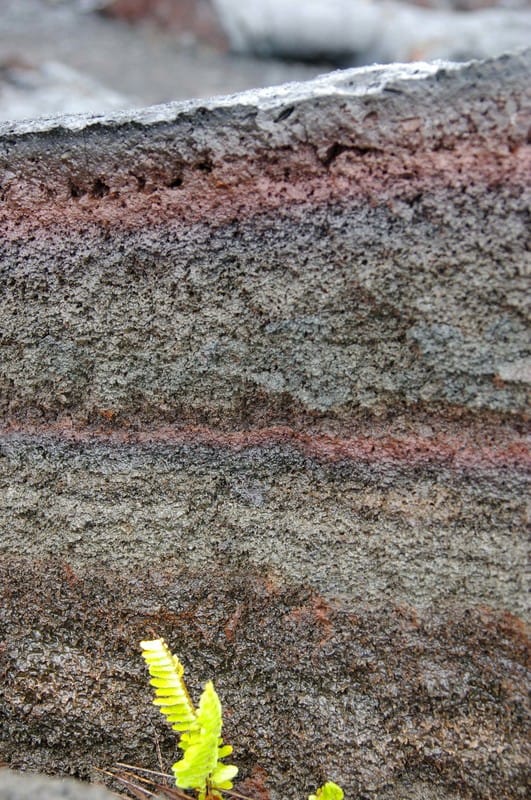
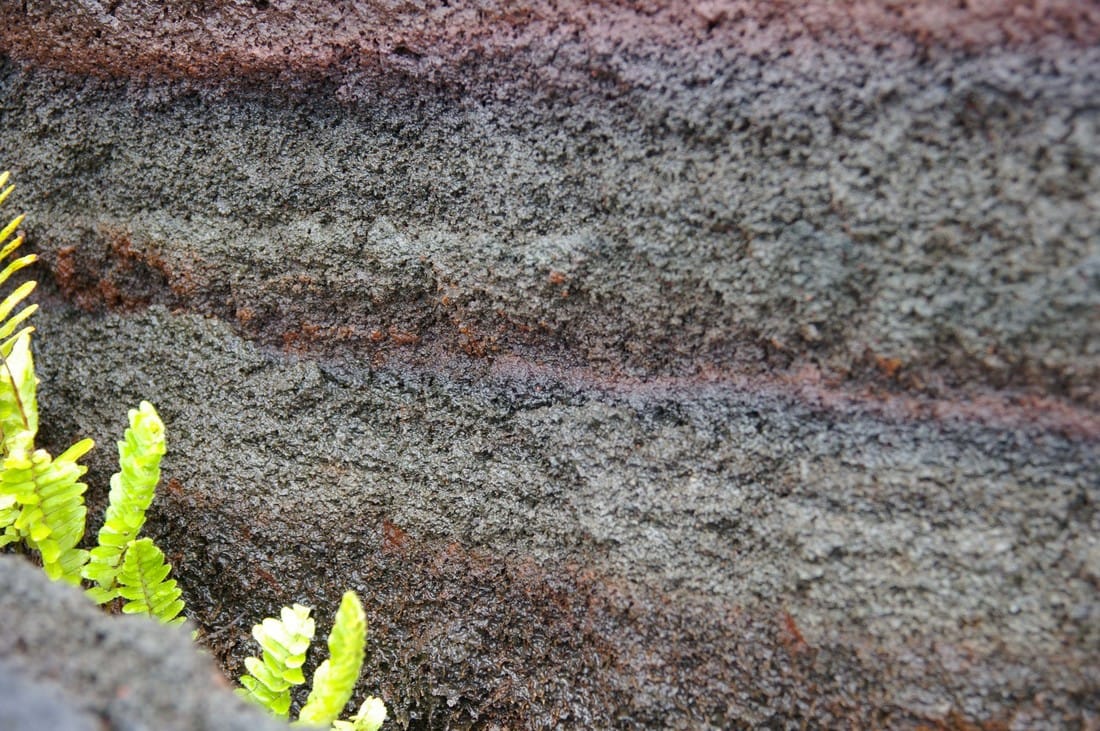
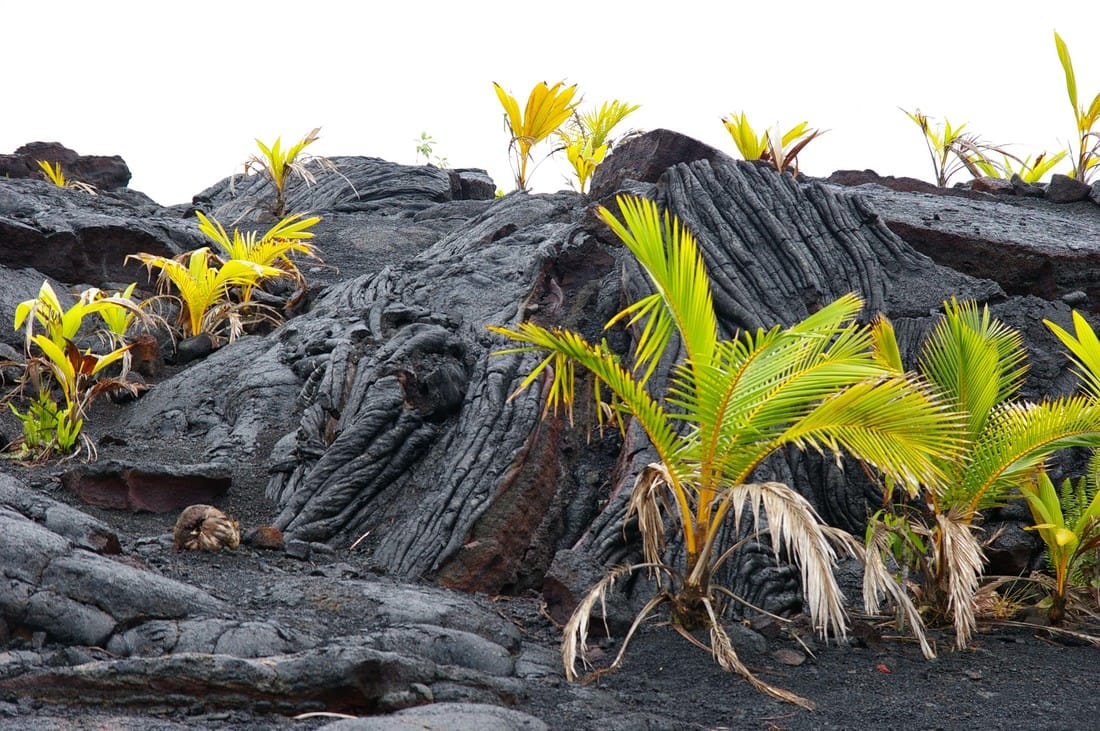
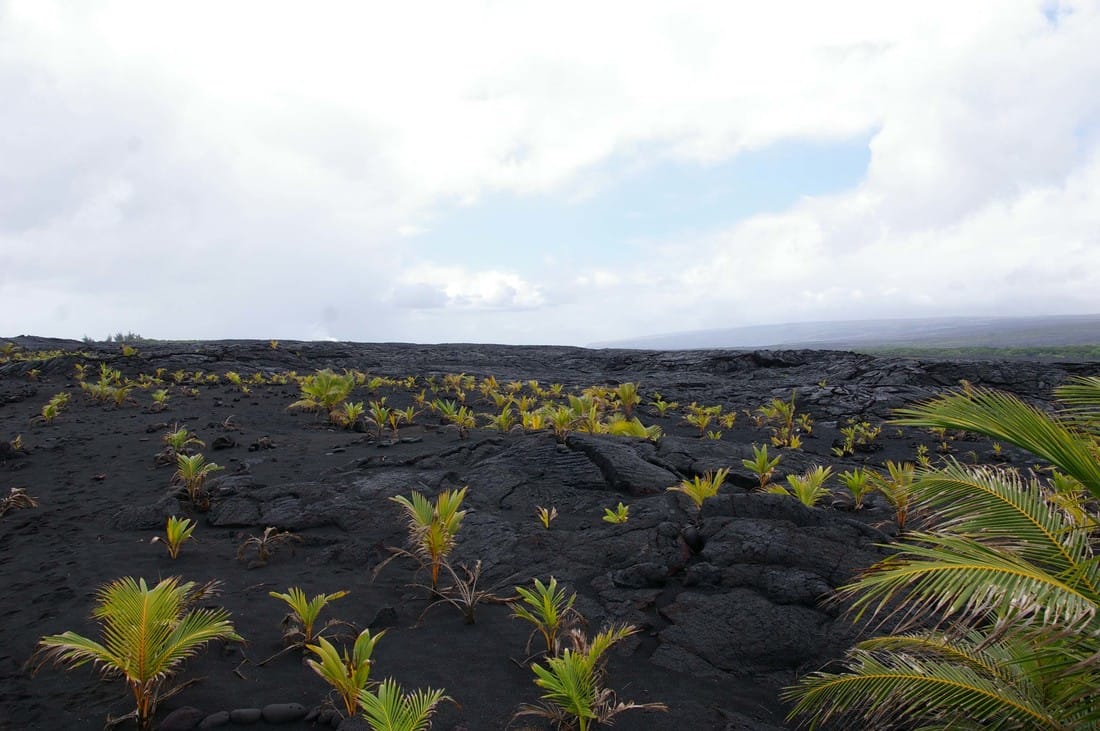
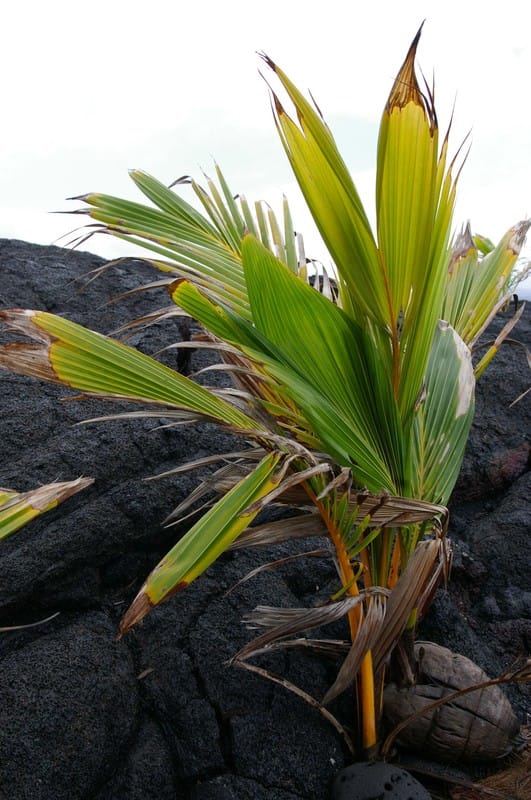
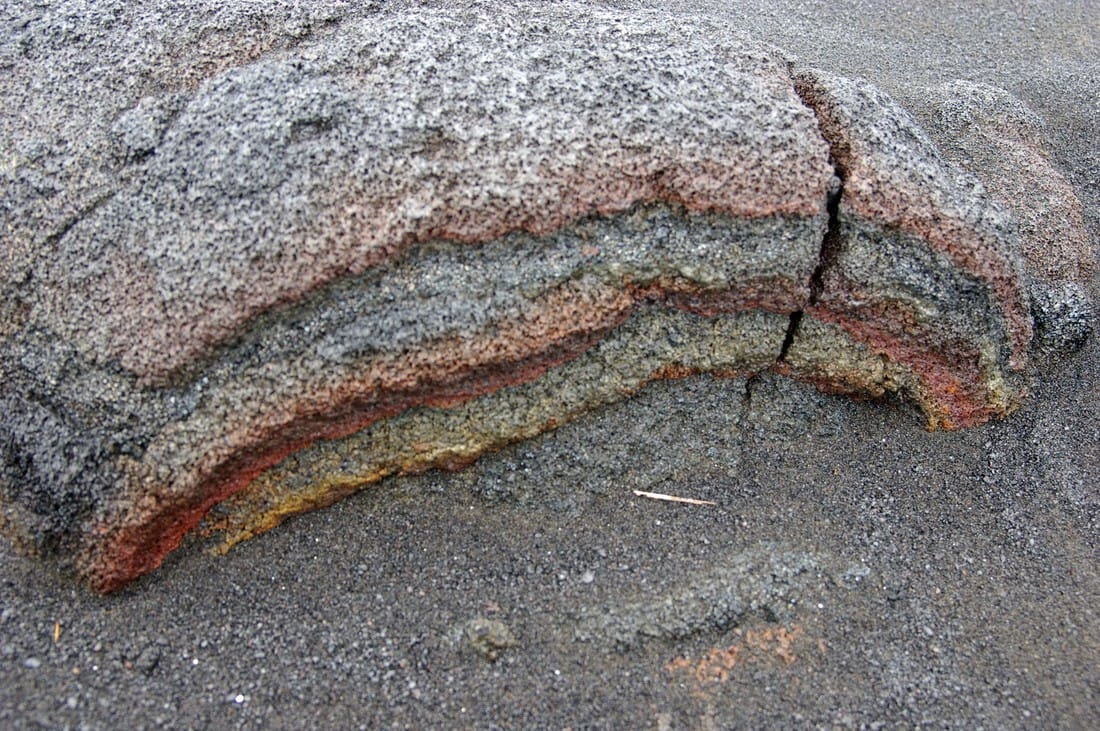
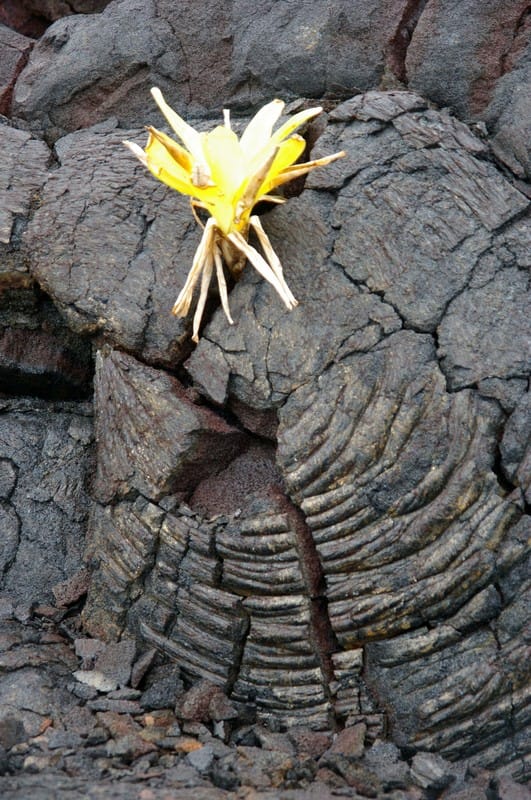
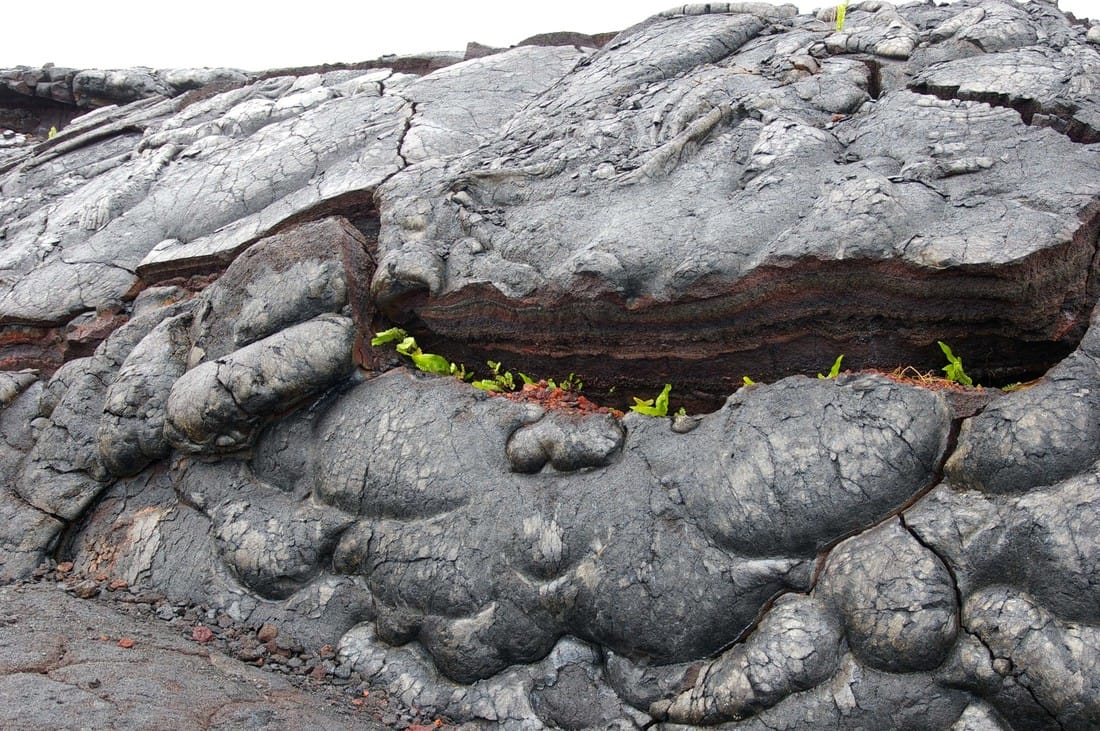
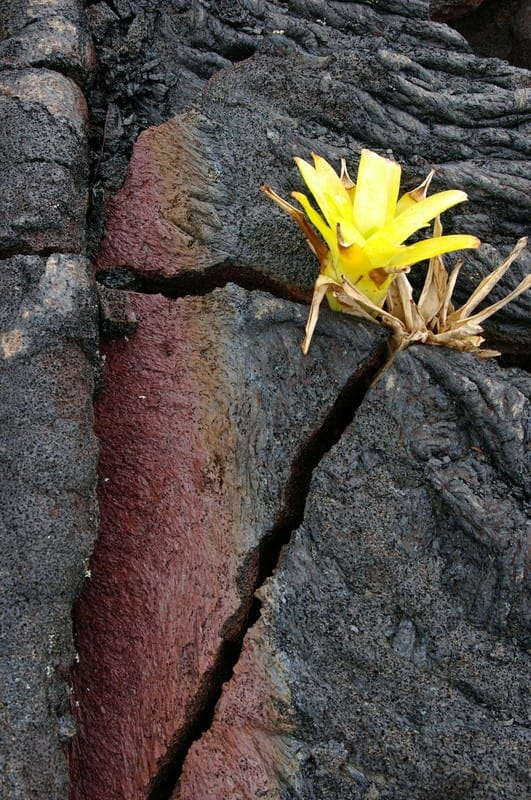
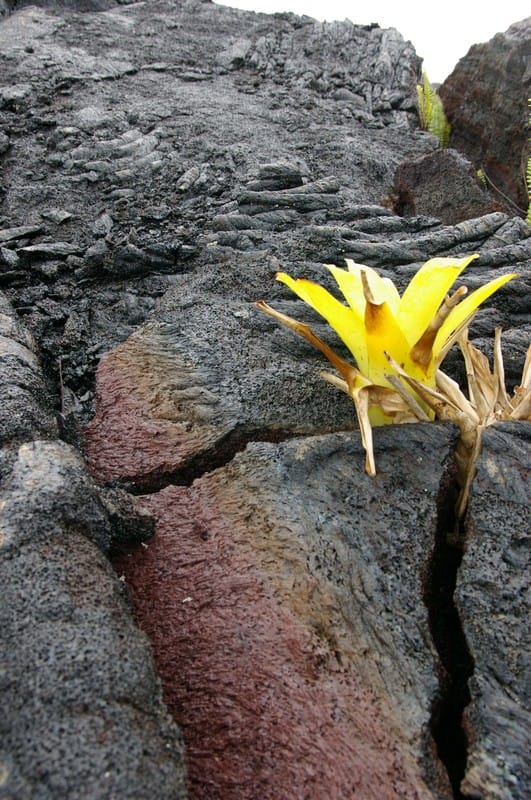
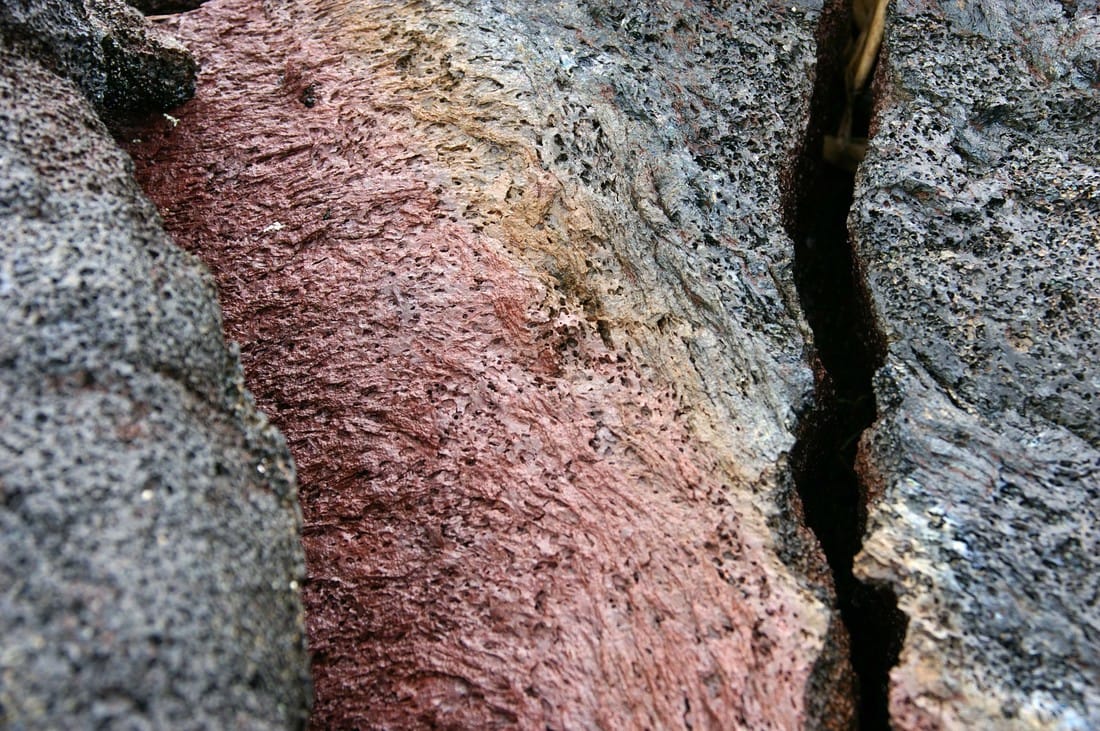
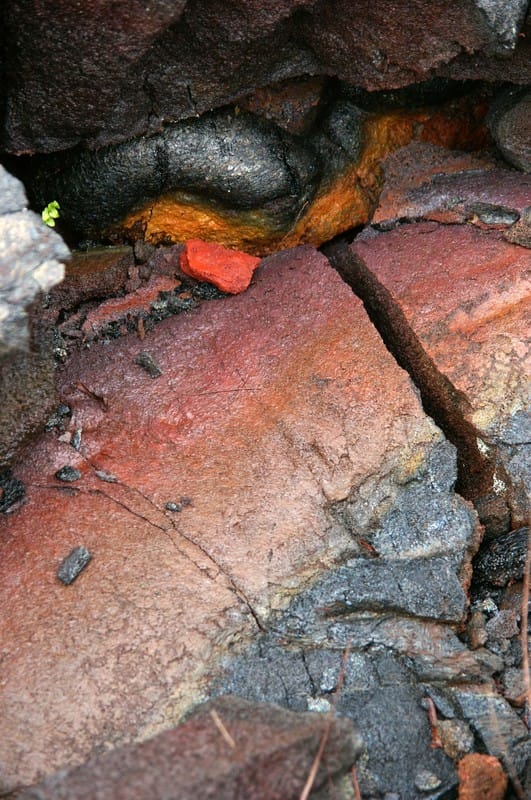
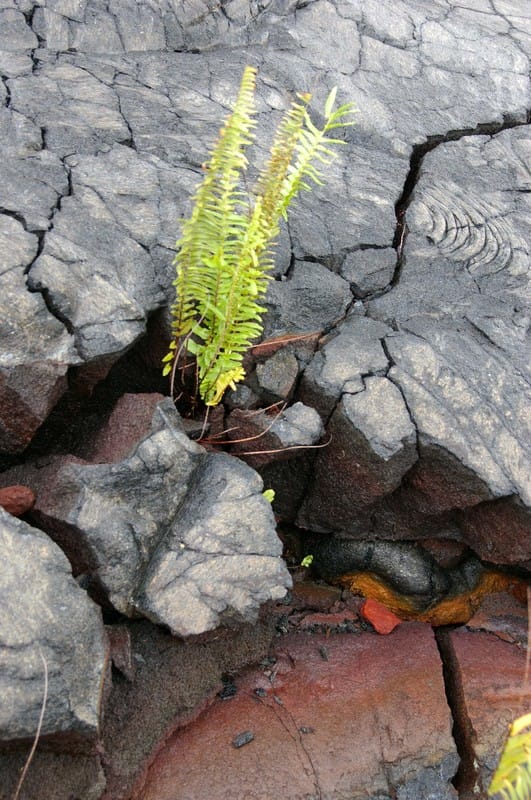
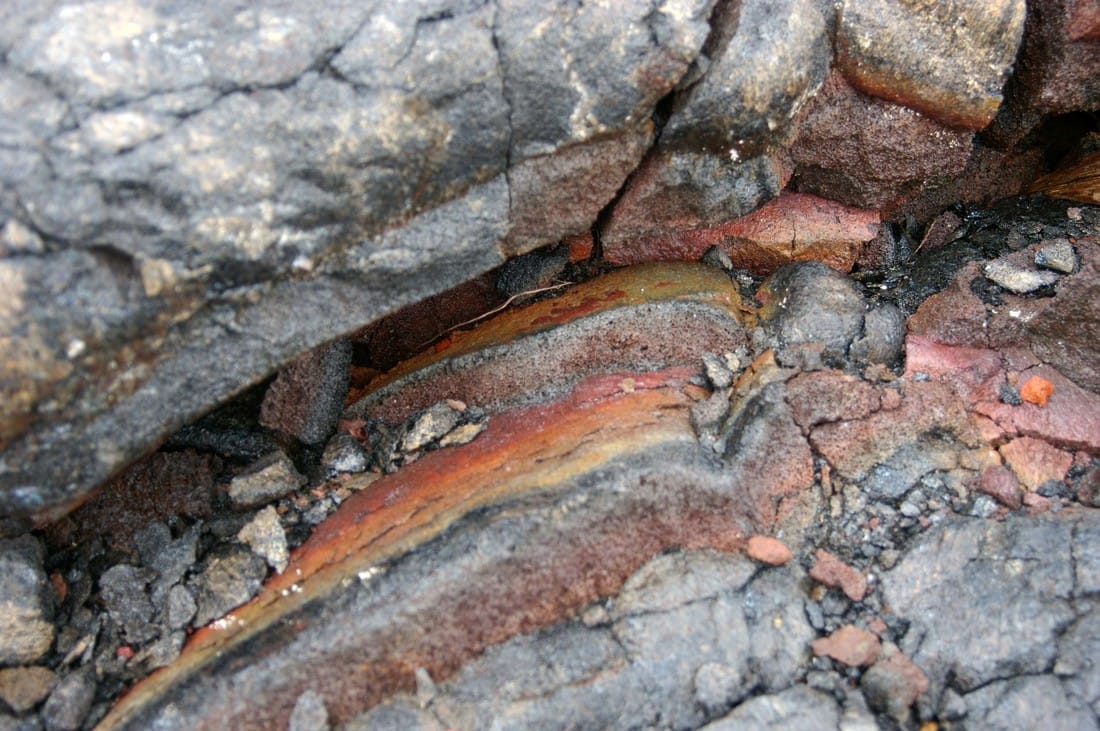
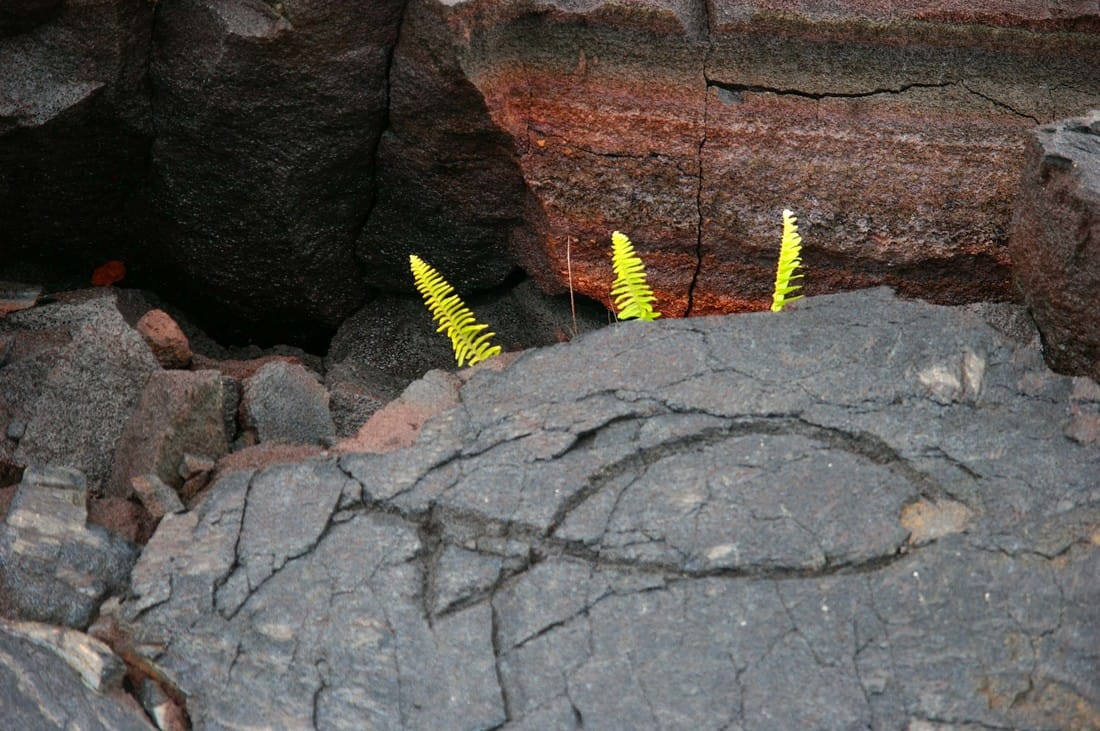
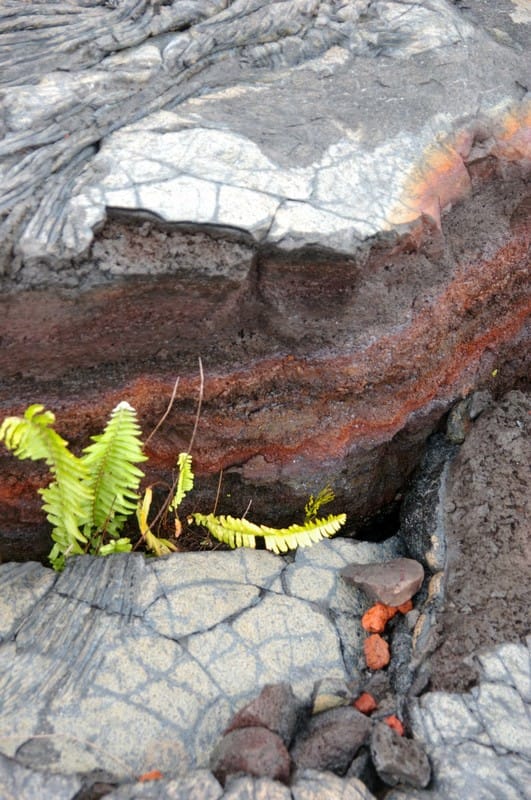
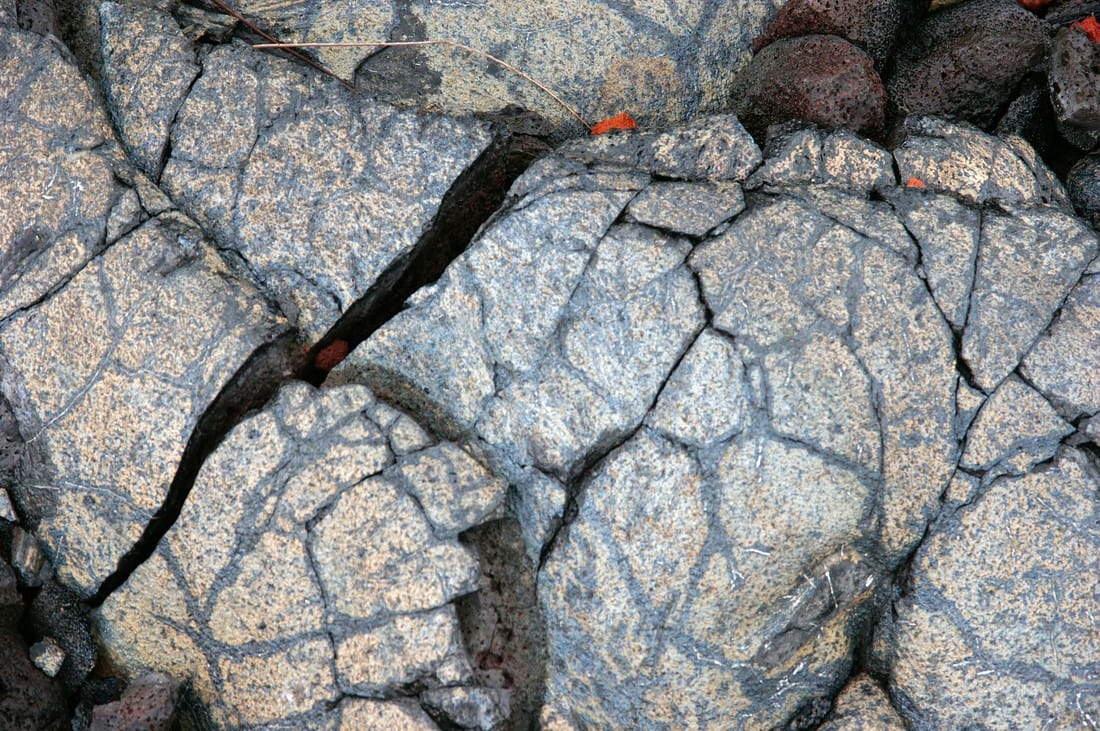
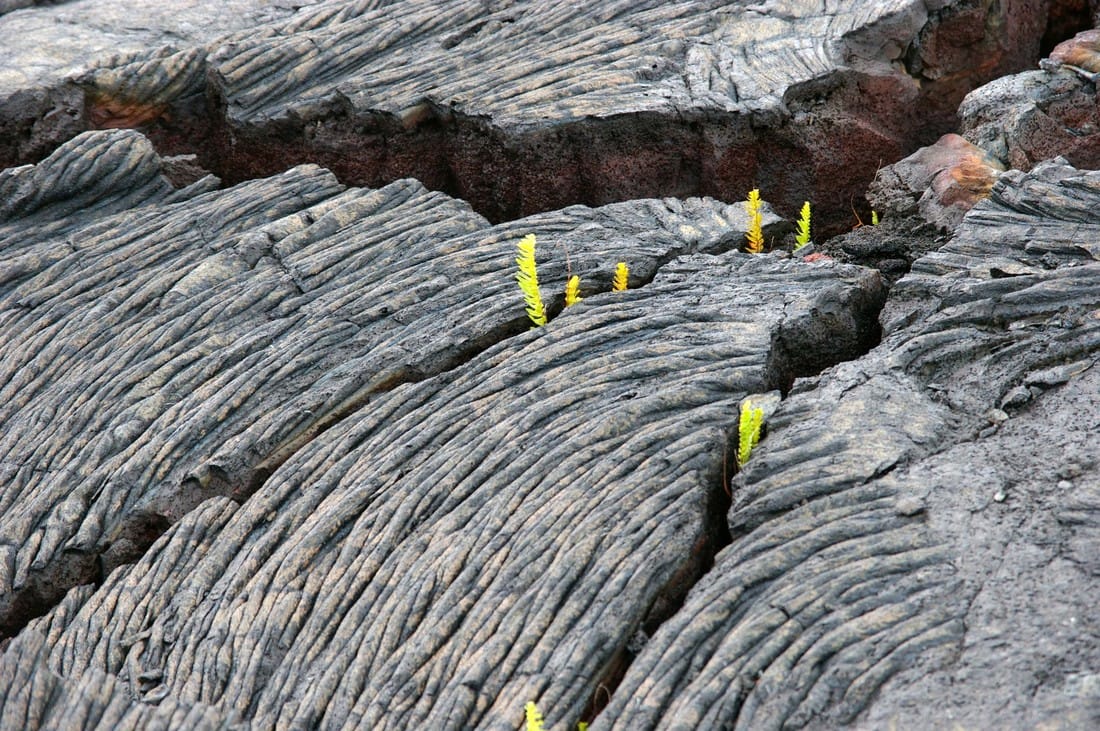
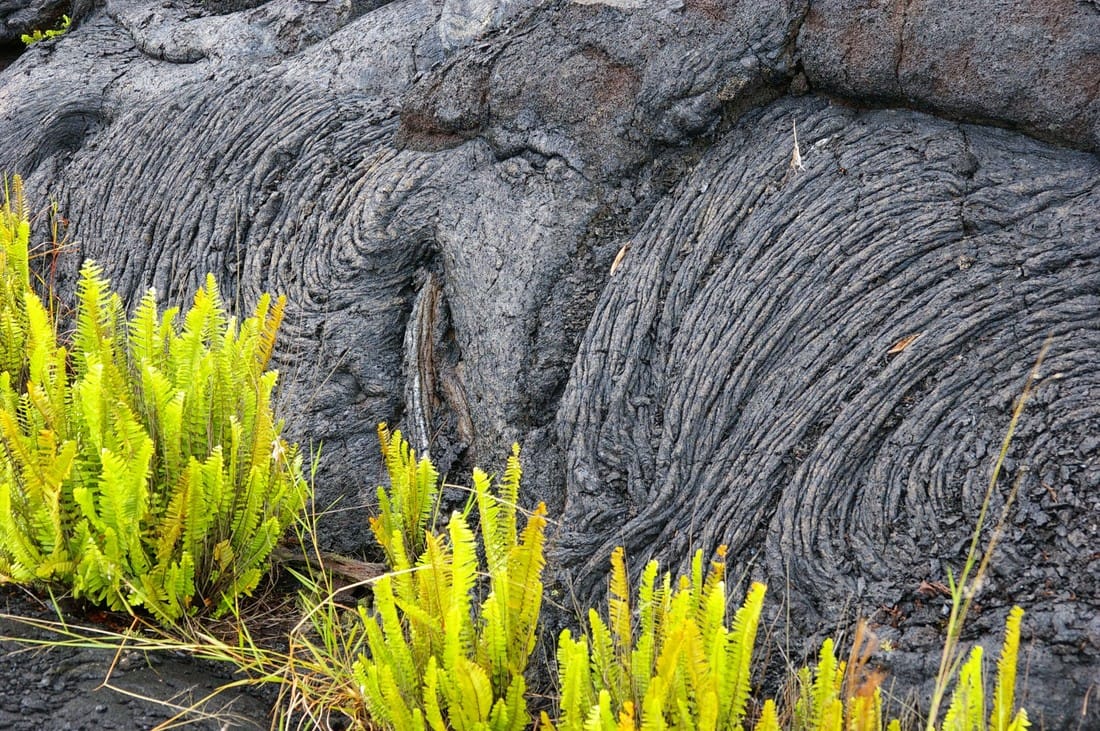
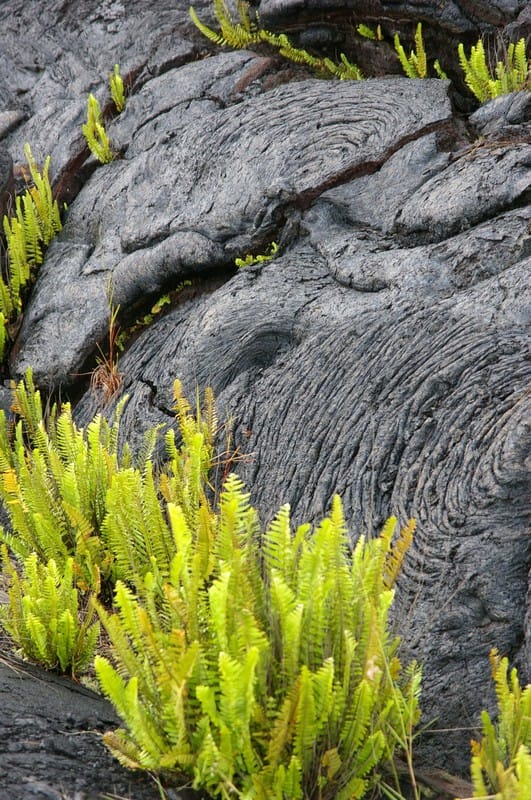
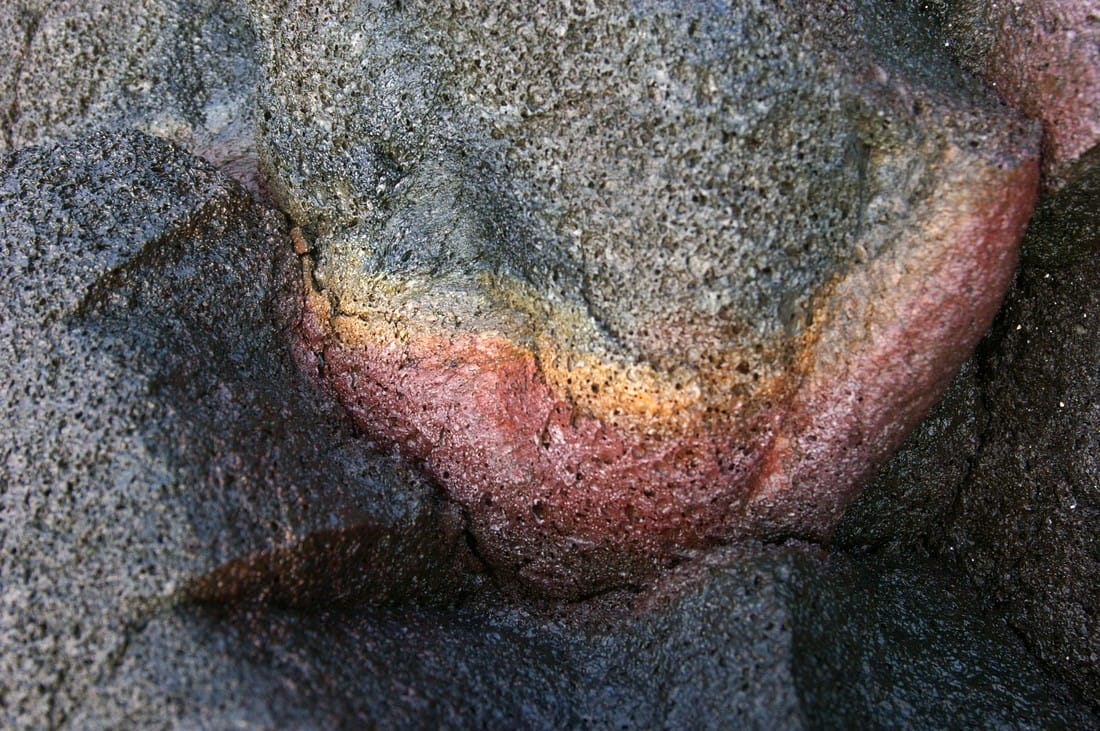
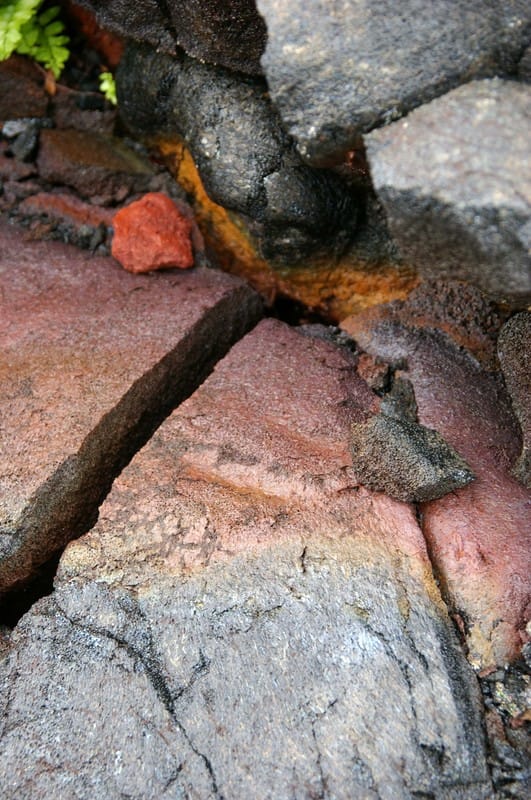
Standing on ground that was actually younger than I am, I was absolutely captivated by the scenery and ended up taking countless photos of the dramatic volcanic rock formations. What struck me the most was the sheer resilience of nature—vibrant green pioneer plants, like small ferns and native seedlings, were already pushing their way out of the tiny cracks in the solid stone, bringing life back to a wasteland. Even without any active, glowing lava during my visit in 2009, the vast expanses of hardened, cooled lava streams were completely mind-blowing. The way the rock had frozen into place left behind a mesmerizing network of smooth, rope-like swirls and jagged, twisted structures. It looked like a massive, dark ocean that had frozen solid in mid-wave—an utterly surreal landscape and a powerful reminder of the raw, creative forces that shape Hawaii.

* Lava Forest of Pāhoa *
Lost in the "Lava Forest": The Ghostly Sentinels of Pāhoa
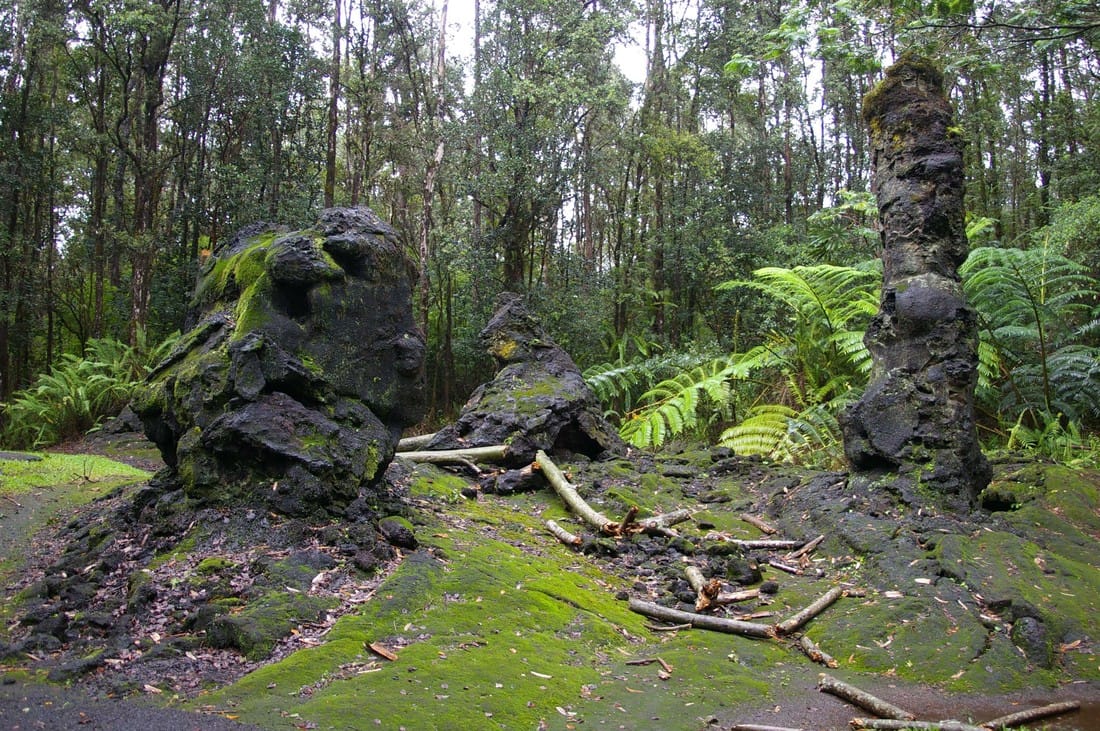
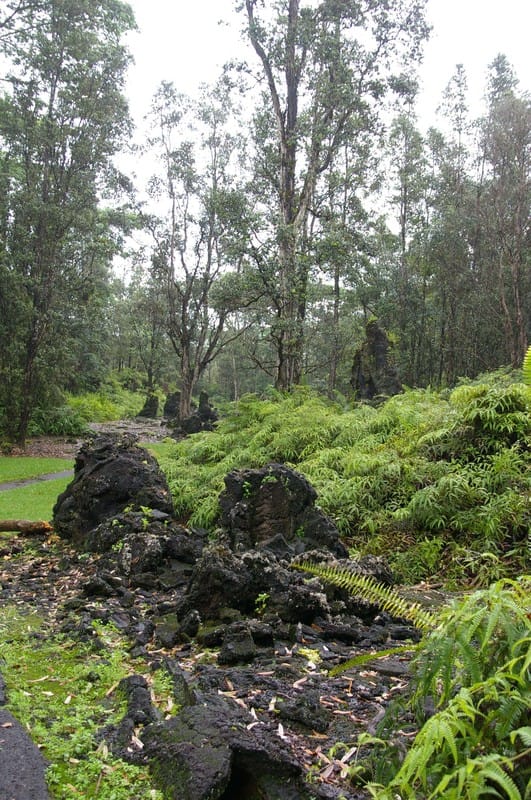
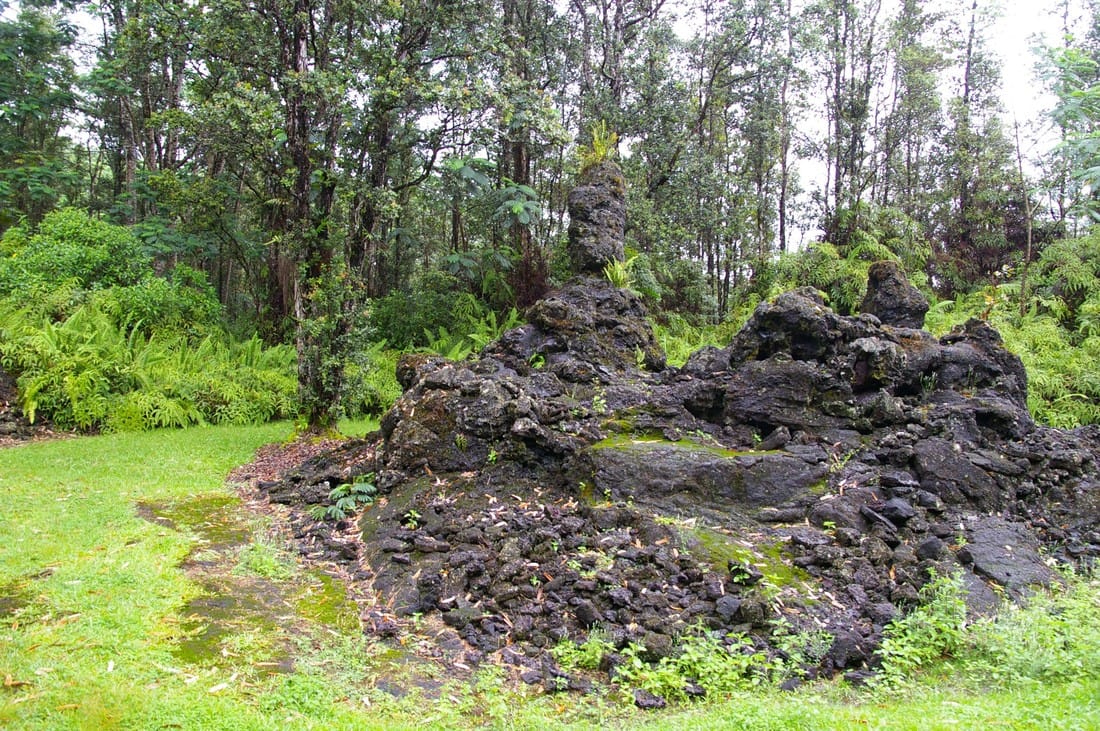
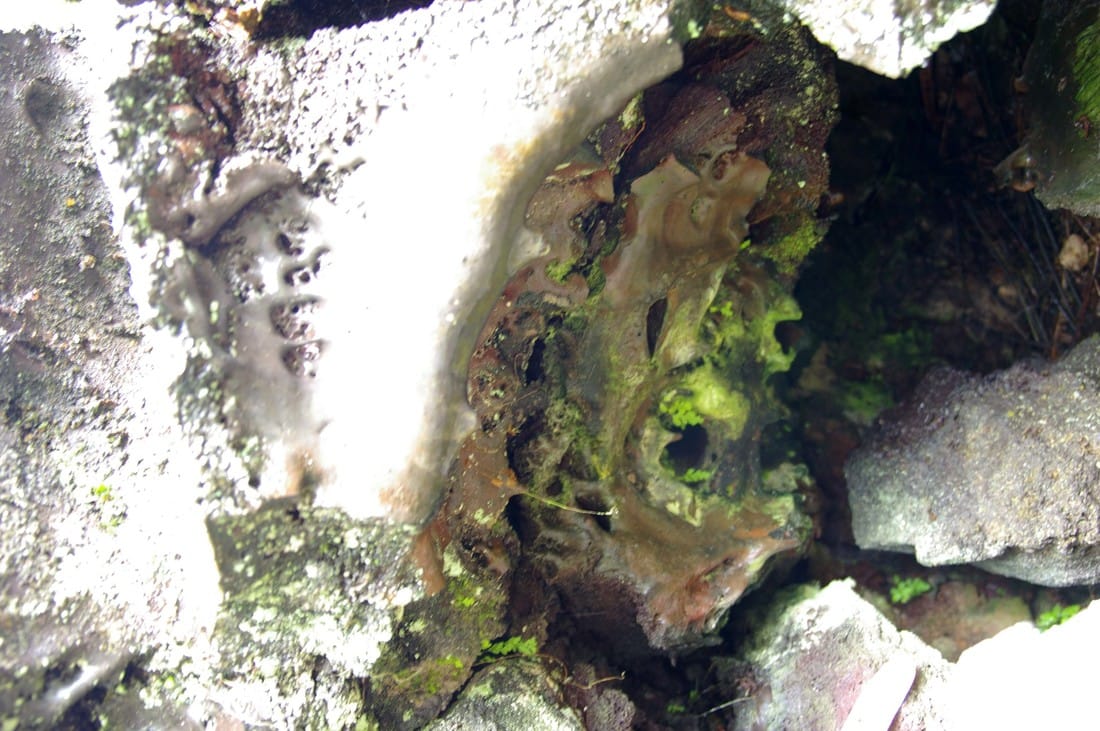
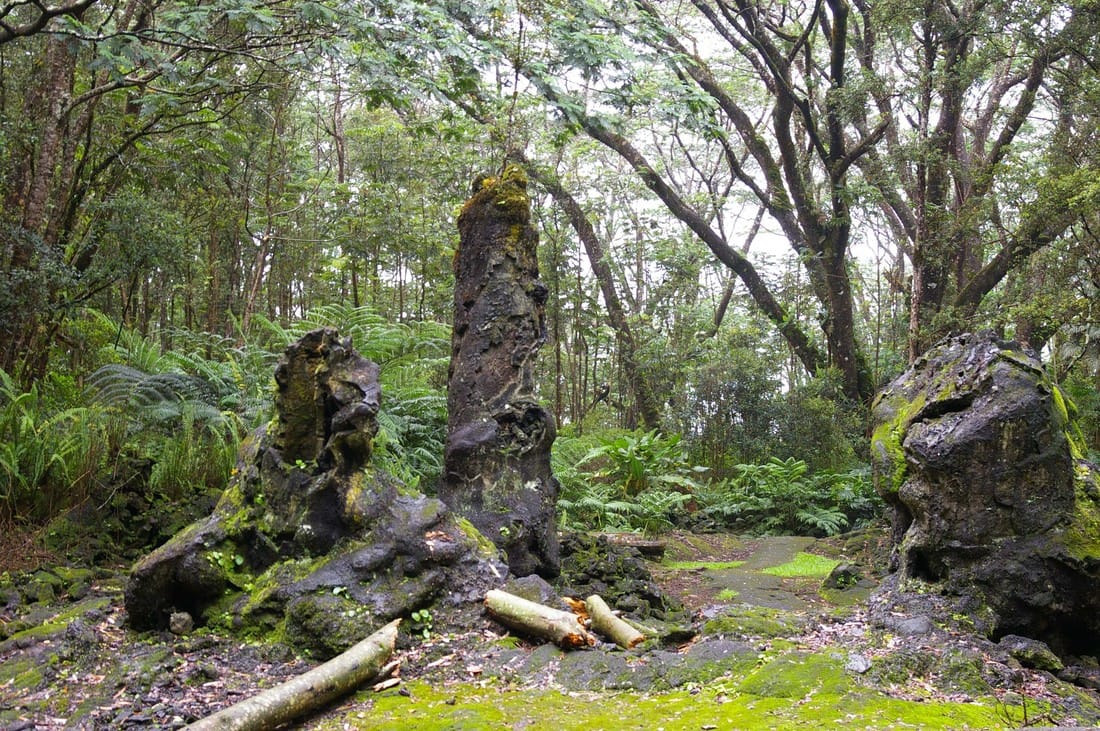
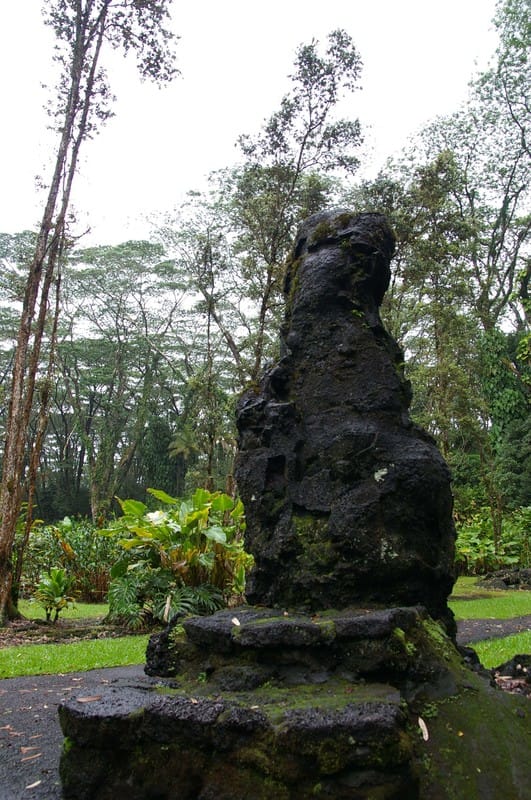
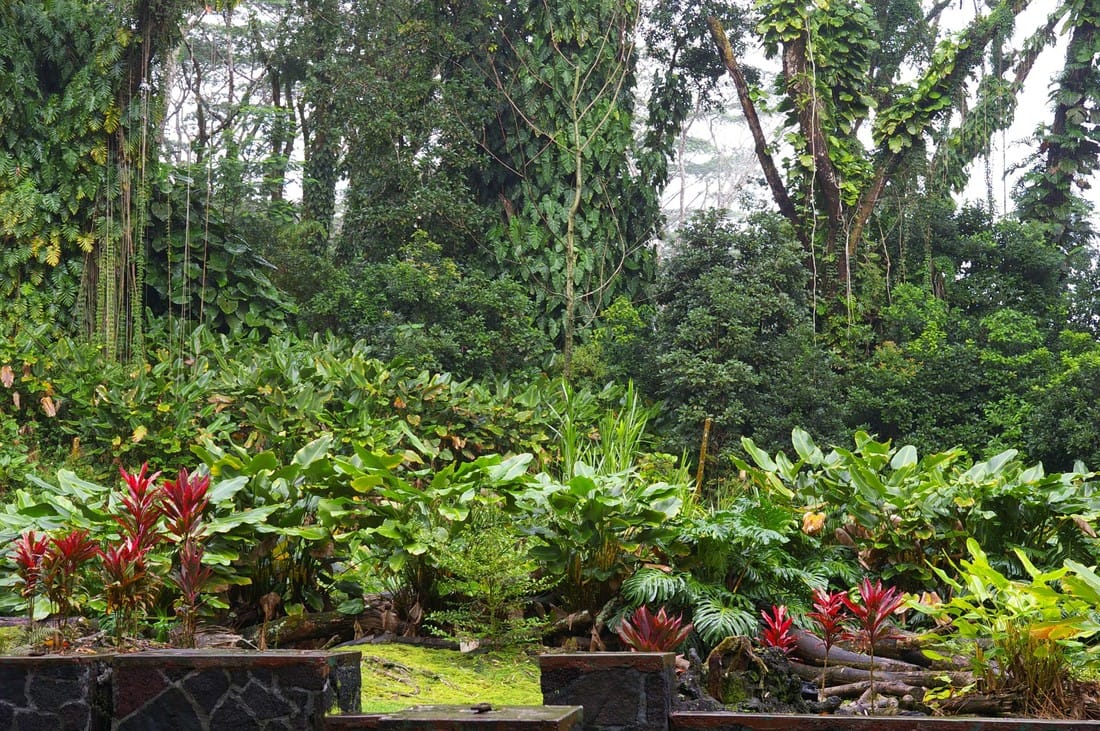
Leaving the coastline behind, I ventured deep into a surreal place that felt like an enchanted, post-apocalyptic jungle: the Lava Tree State Monument. Decades and centuries ago, a roaring, fast-moving lava flow from the Kīlauea volcano tore through this exact wet rainforest. As the molten rock engulfed the native, towering ‘Ōhi‘a Lehua trees, something incredible happened: the moisture in the wet bark instantly chilled and solidified the lava upon contact, casting a thick mold around the trunks. When the main lava flow drained away, these vertical, hollow rock pillars were left standing like ghostly stone chimneys. Today, the organic tree wood inside is completely incinerated and gone, but the unique lava molds remain. Walking through this lush "lava forest"—where vibrant green moss and wild ferns are slowly reclaiming the jagged, black volcanic sentinels—was an unforgettable experience and a powerful testament to Hawaii's endless cycle of destruction and rebirth


Shrines in the Stone: Discovering the Ahu of Big Island
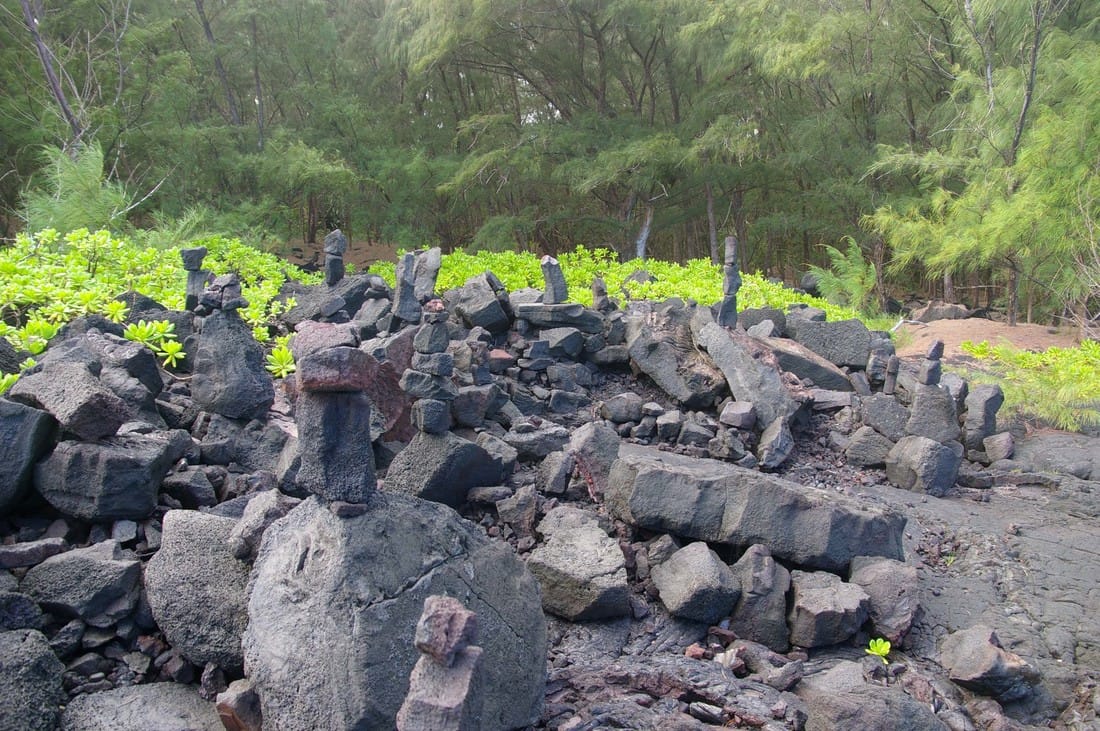
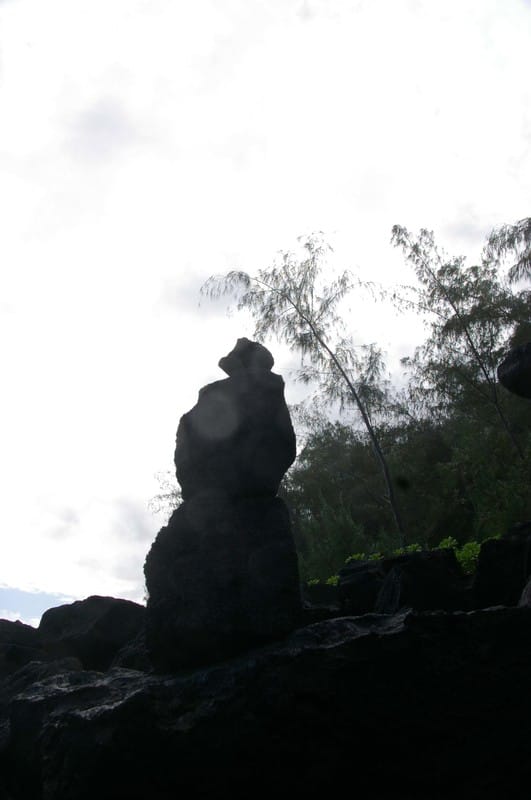
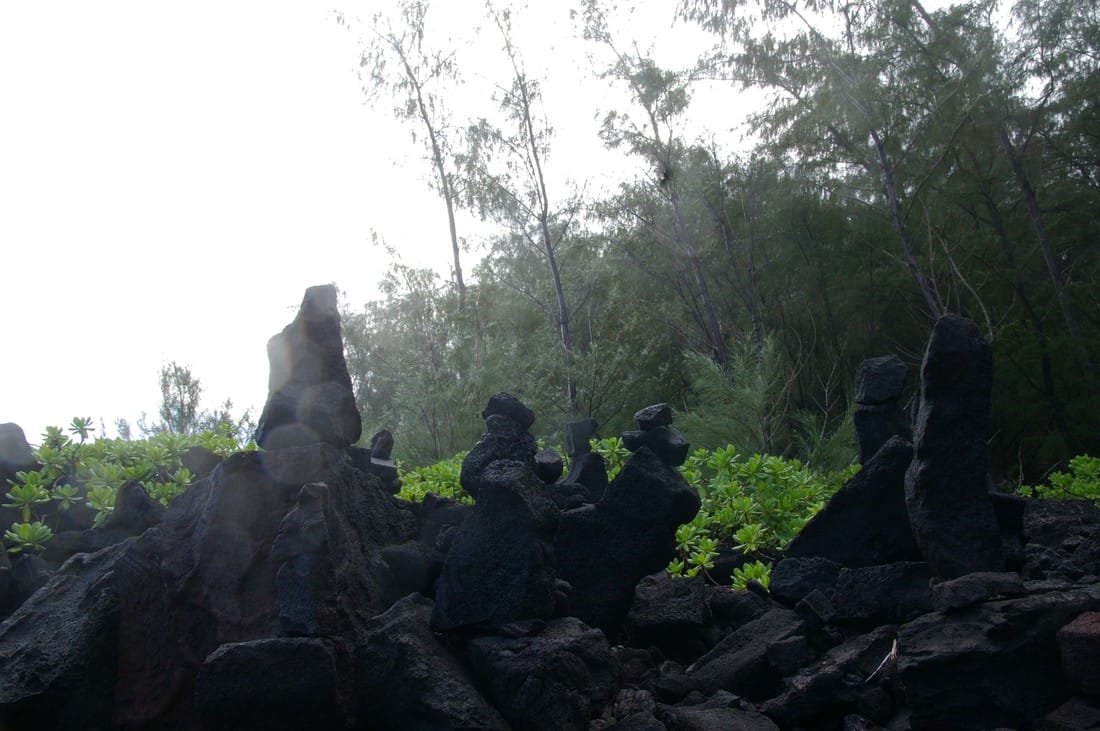
Continuing my trek through the volcanic wilderness, I stumbled upon a mystical sight that felt deeply connected to the island's ancient spiritual roots: a scattered gathering of meticulously balanced rock towers rising from the jagged lava formations. In Hawaiian culture, these stacked stone structures are known as Ahu. Historically, they were constructed by Native Hawaiians to serve as sacred trail markers through the featureless, labyrinthine lava fields, as property boundaries, or even as altars for spiritual offerings. Seeing these silent stone monuments balancing perfectly against a backdrop of vibrant green coastal naupaka bushes and dense ironwood trees was incredibly peaceful. It felt like walking through a natural gallery of messages left by travelers who came before me—each stack a small, quiet monument of gratitude to the powerful forces that built this island.
Staring into the Volcanic Soul: The Giant Lava Tiki
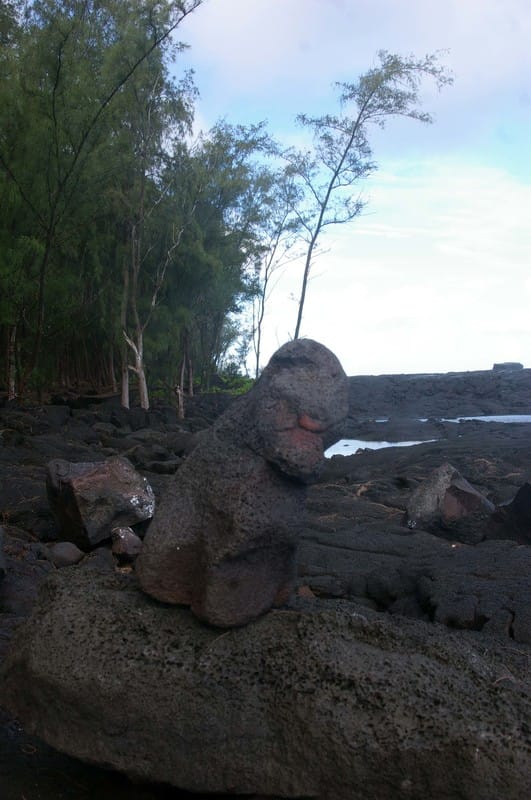
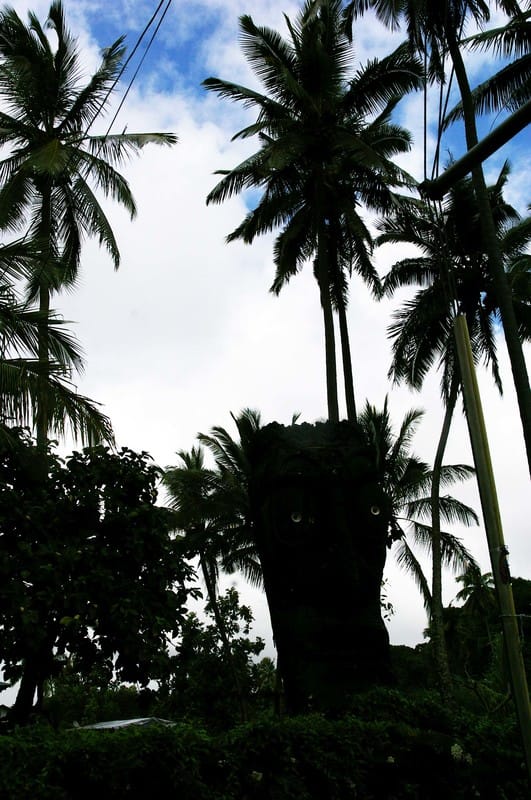
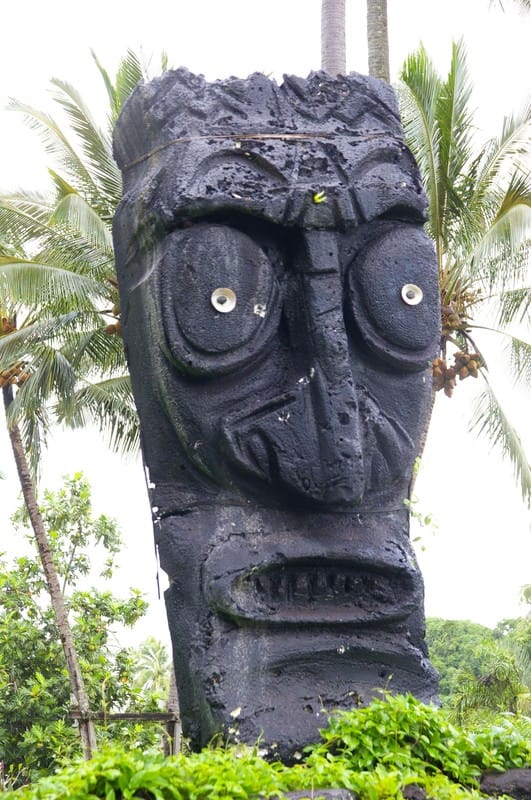
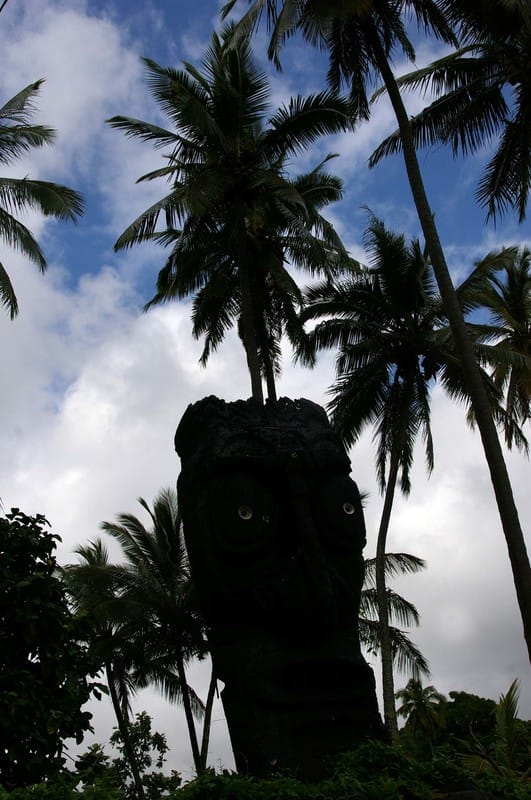
Just when I thought the island couldn’t surprise me anymore, I came face-to-face with this absolute giant: a massive, towering Tiki head carved directly from porous black volcanic rock. Peeking out from the lush tropical greenery and framed by coconut palms, it felt like stumbling upon an ancient jungle guardian. The craftsmanship was incredible, but what caught my attention the most were its piercing, wide-open eyes—creative white shells or smooth light stones had been perfectly inlaid as pupils, making it look as if the Tiki was staring right through me! In Hawaiian lore, these powerful statues are meant to ward off evil spirits and protect the land. Standing there on the roadside, trading stares with this expressive lava giant, I couldn't help but smile at how beautifully art and nature intertwine all over the Big Island.

Northern Point
Cruising Through the Wild West of Hawaii: The Town of Pāhoa
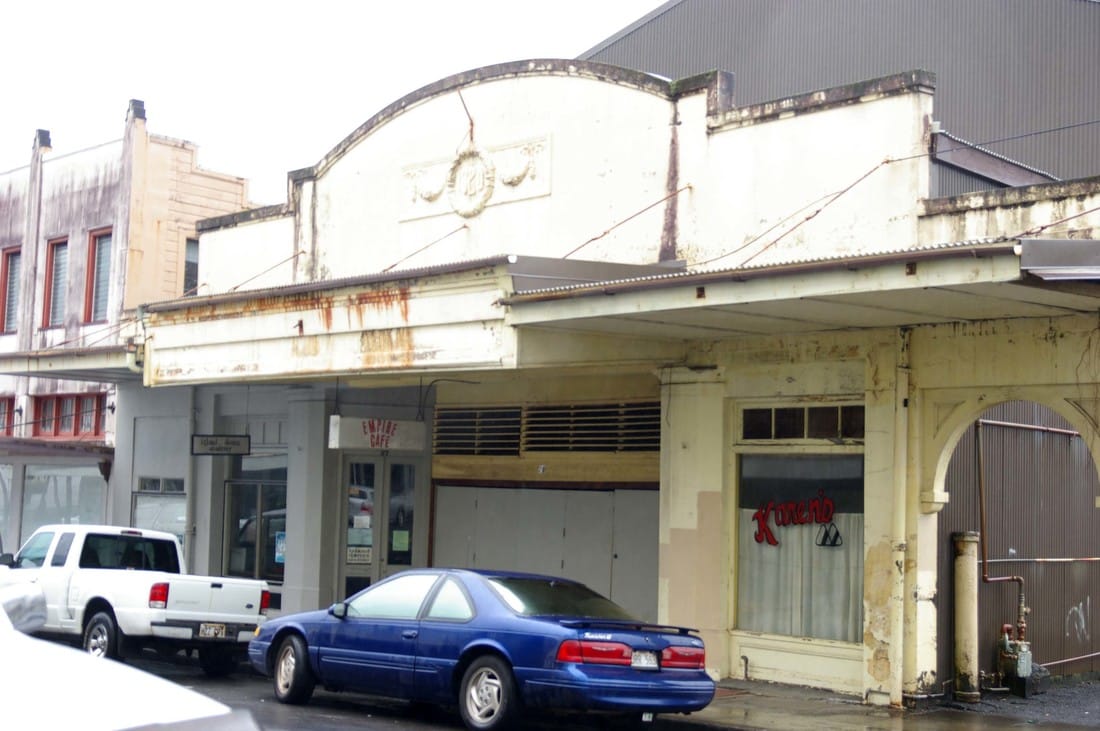
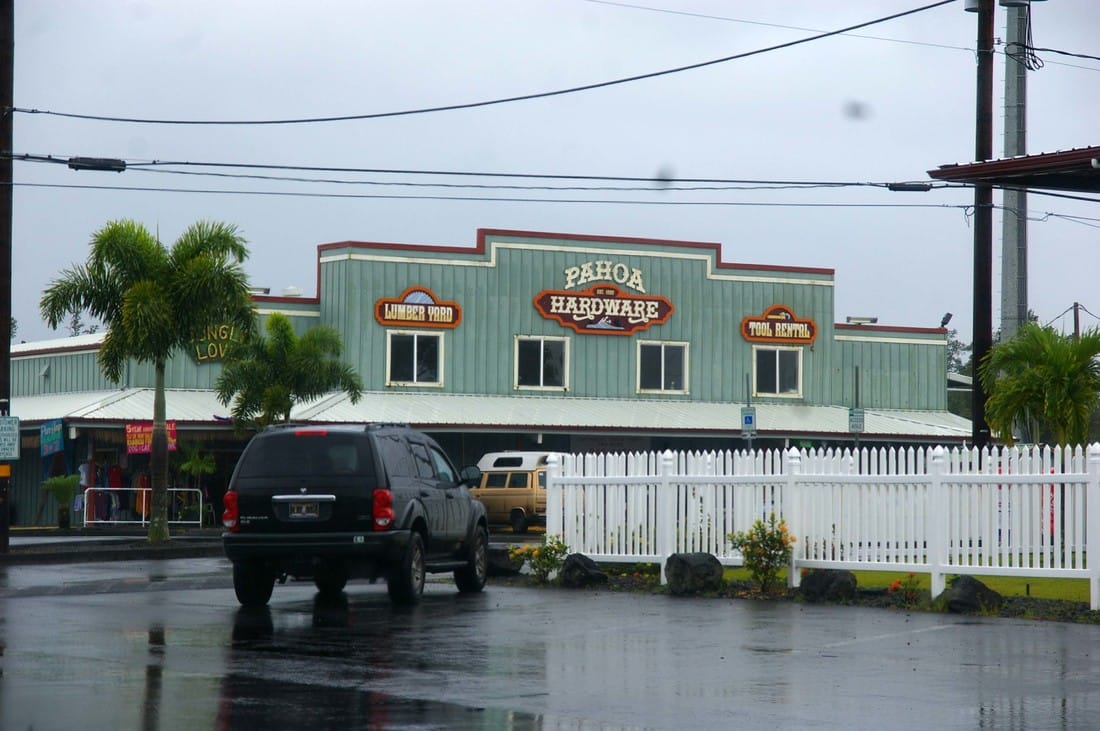
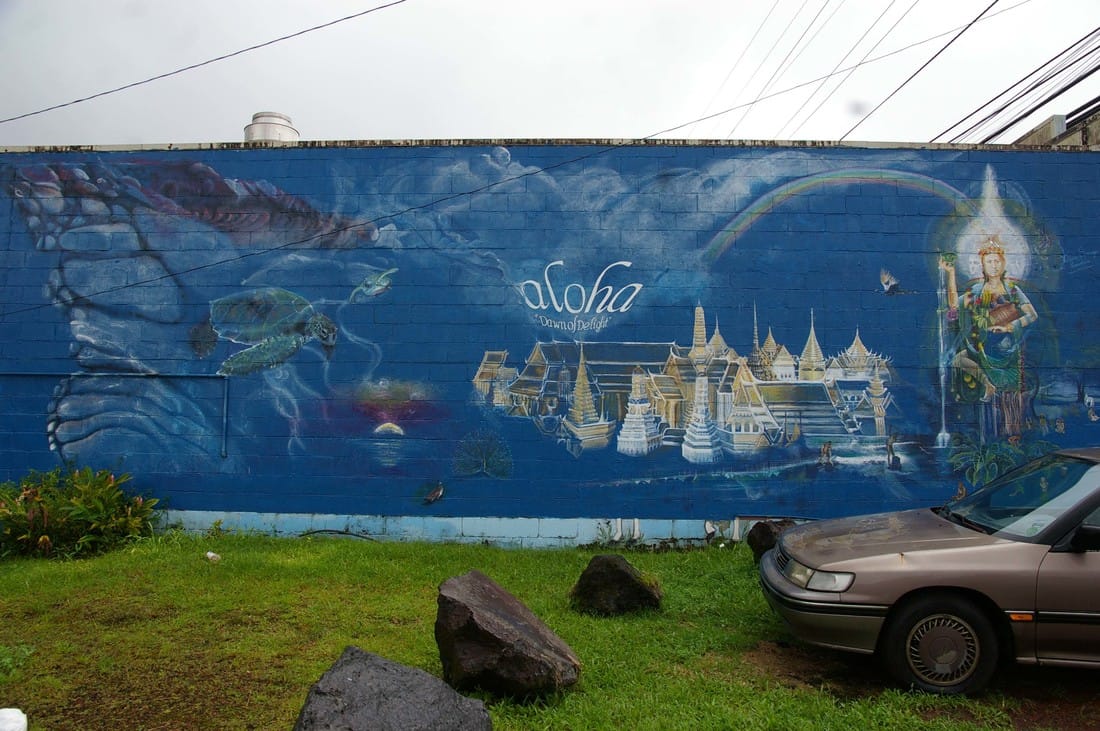
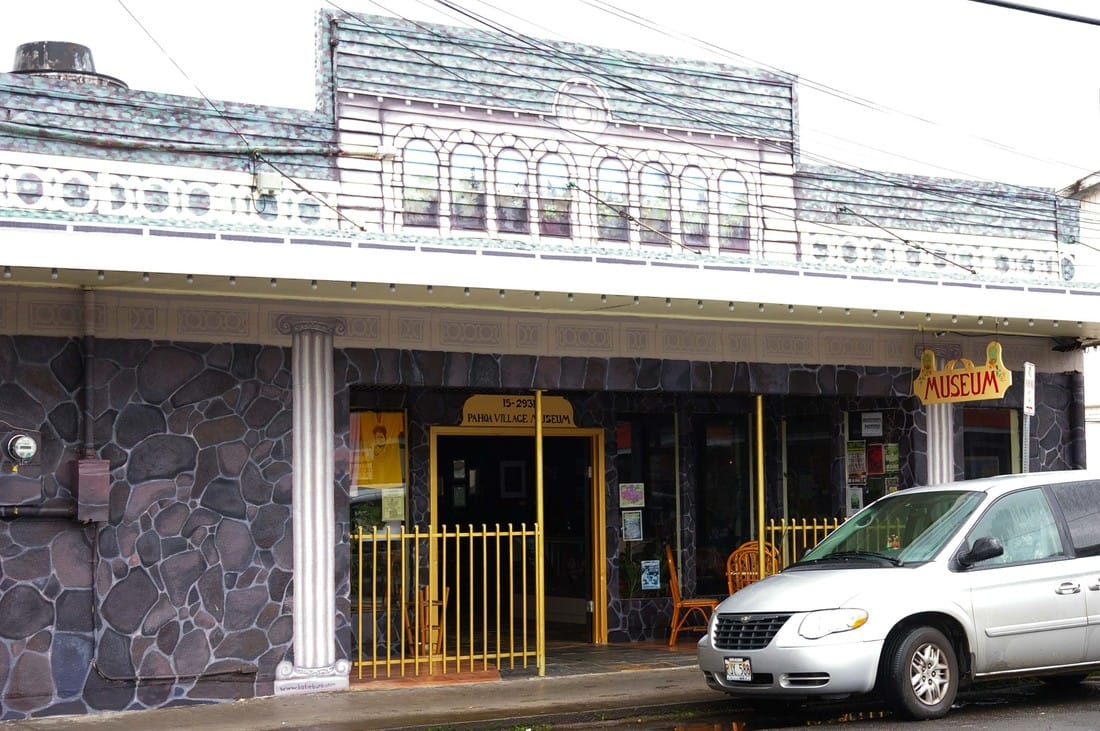
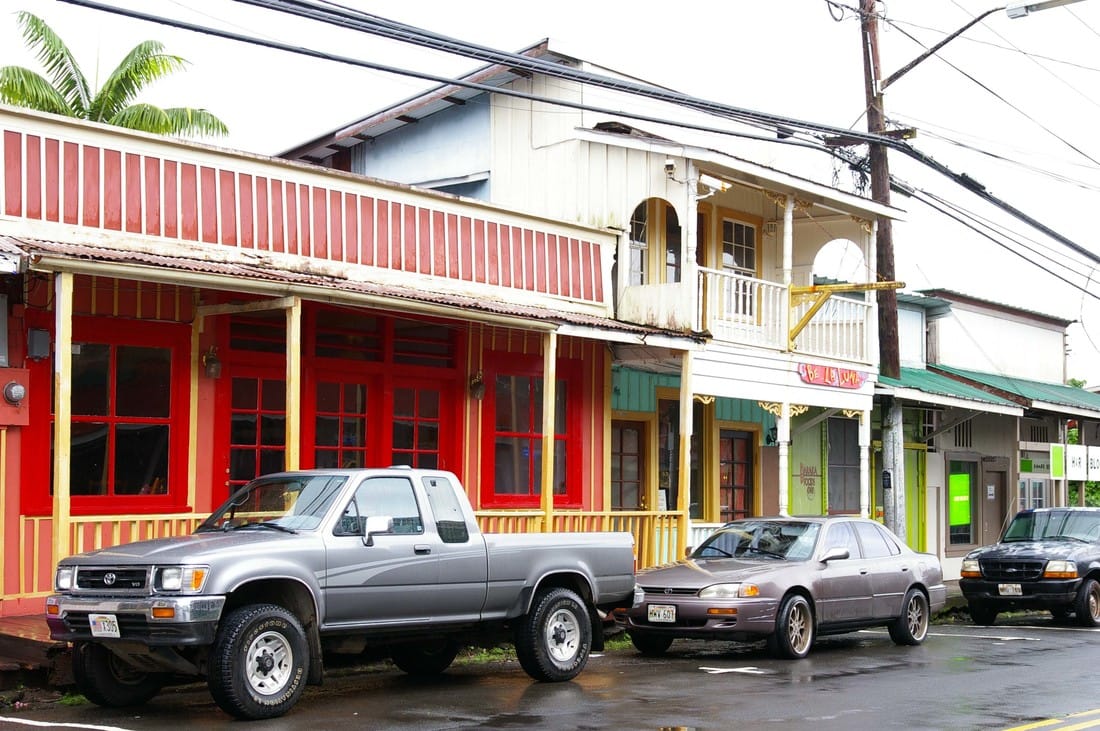
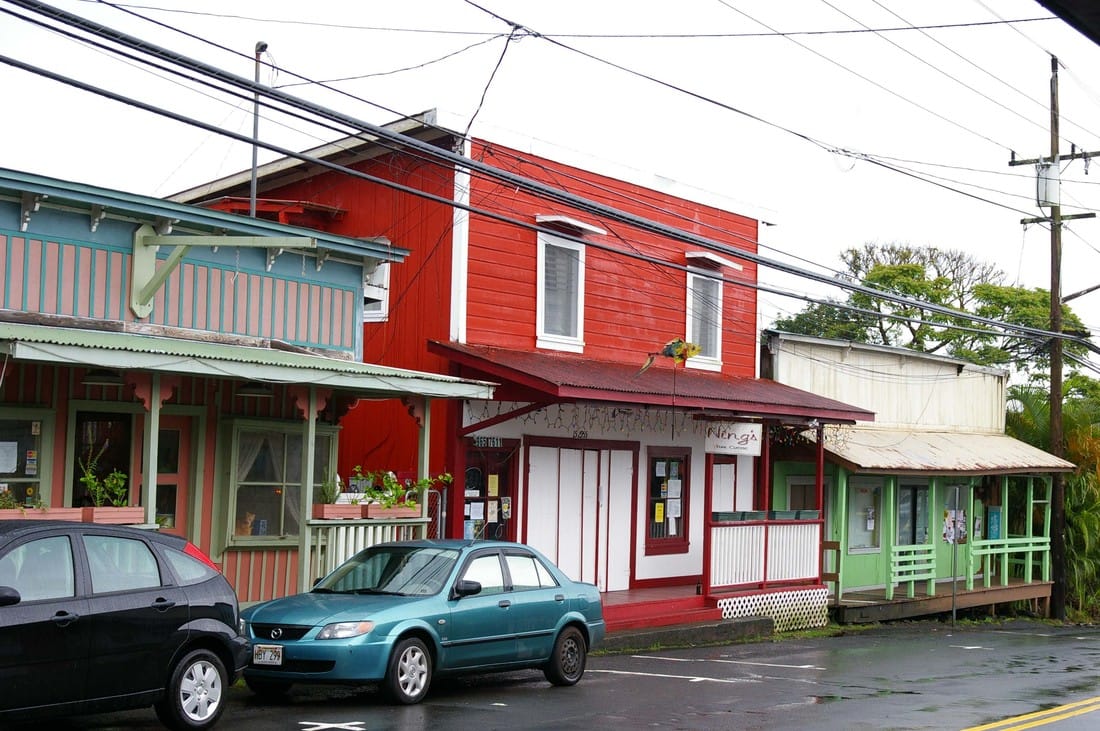
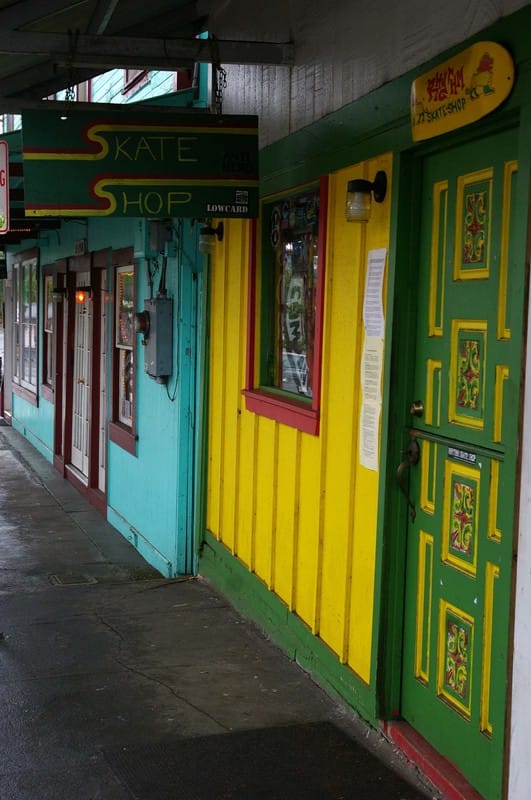
Before heading up to the island's final northern peak, my ride carried me through a completely fascinating and unique settlement: the historic town of Pāhoa. Passing down its main street felt like a bizarre trip through time. Pāhoa is famous for keeping its century-old, plantation-era charm alive, featuring rows of colorful false-front wooden buildings like the iconic Pāhoa Hardware shop. With its old boardwalks, retro storefronts, and a distinctly independent, free-spirited hippie vibe in the air, the town feels less like a typical beach paradise and much more like a tropical Wild West outpost. It was a beautiful, brief glimpse into the deep cultural history of the island's interior before we pushed forward back out toward the wild coastline.


Northern Point
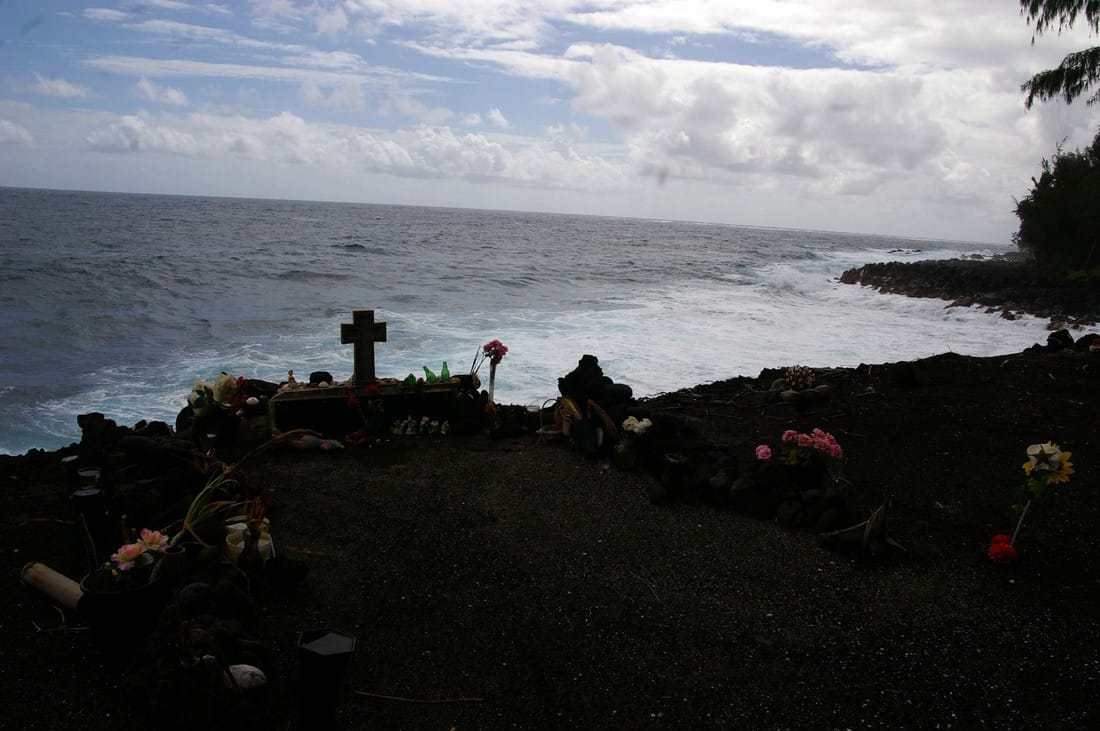
Reaching the Edge: The Northern Point and its Silent Sailor Graves

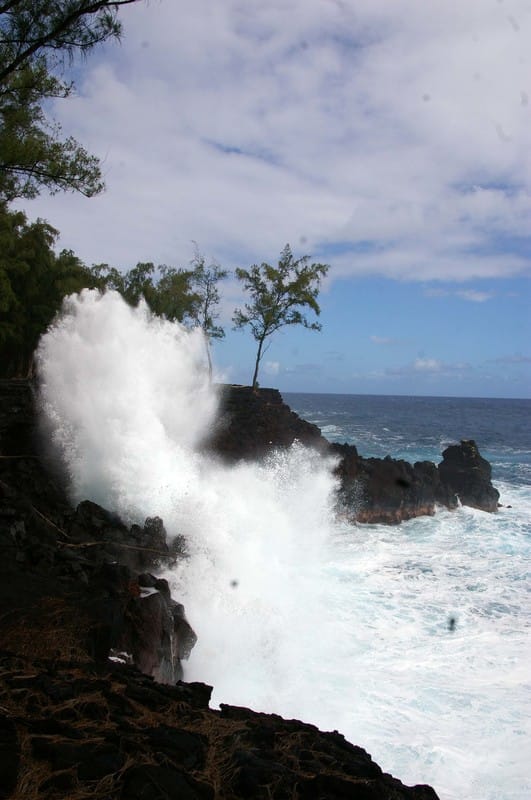
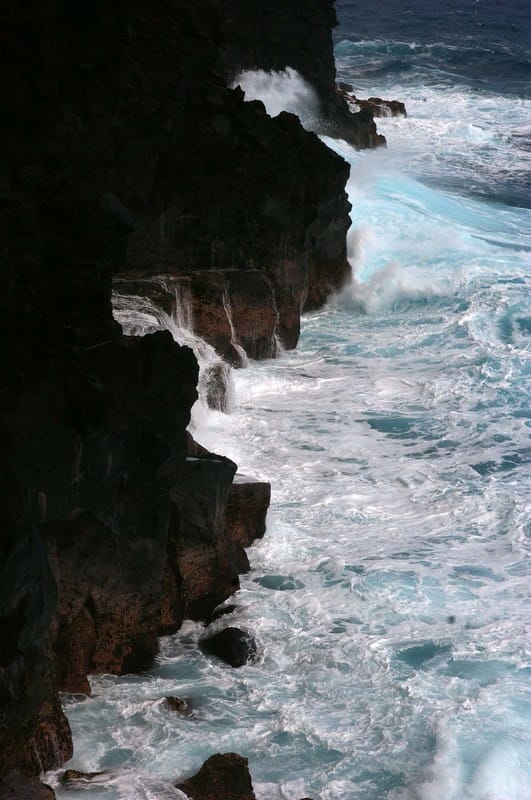
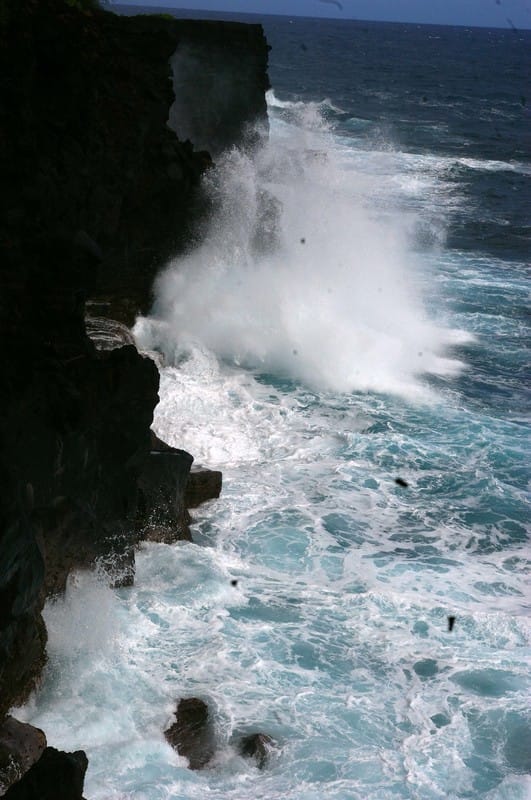
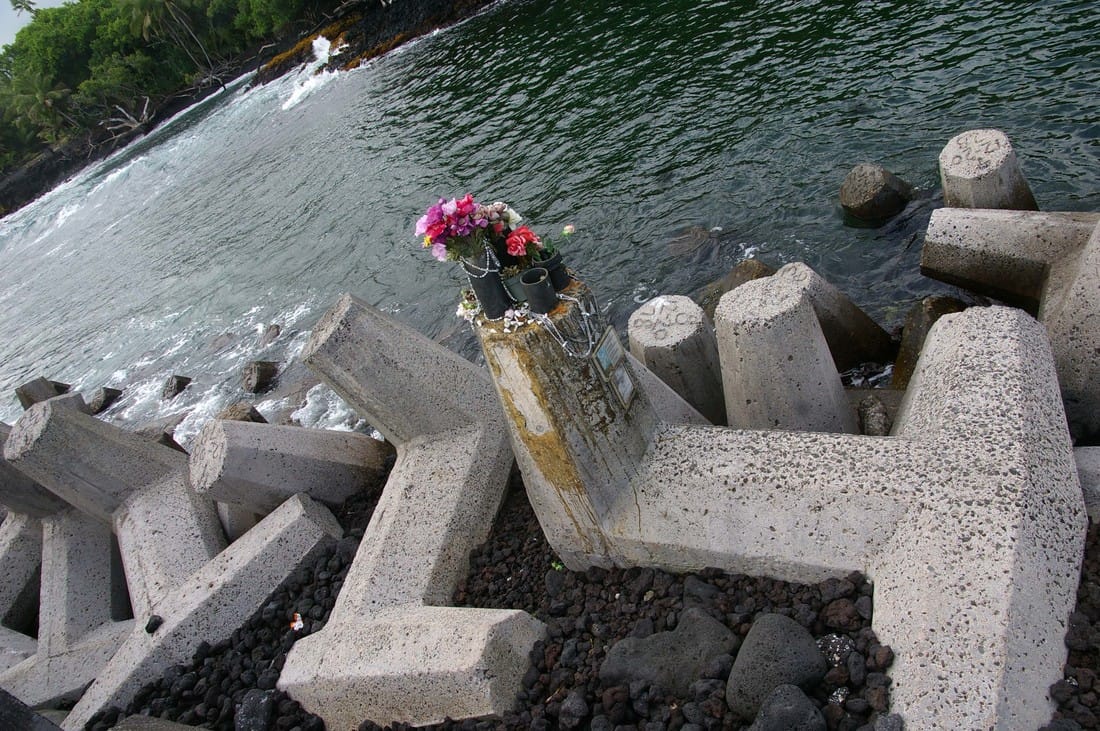
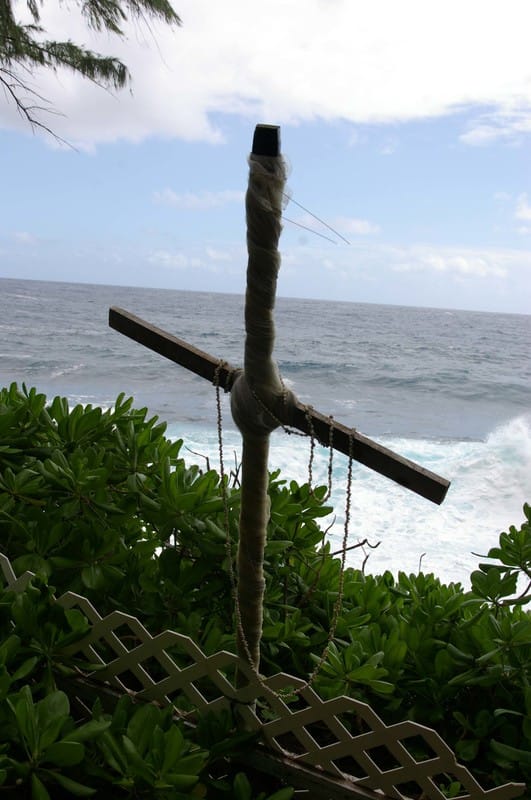
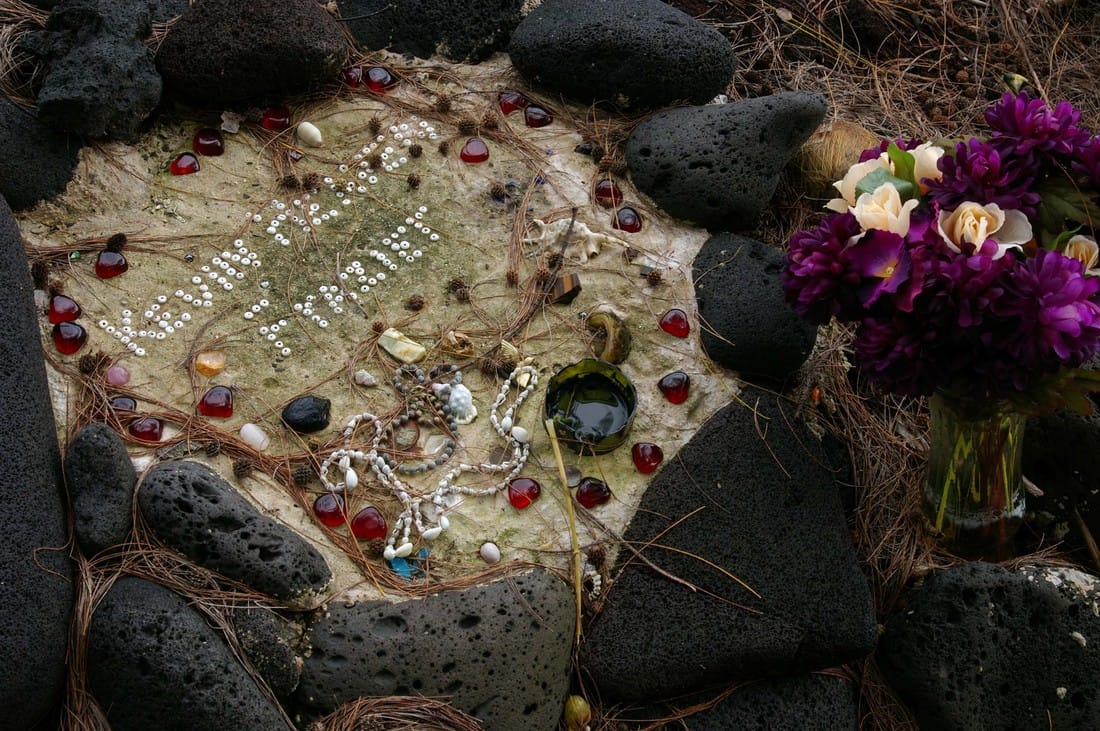
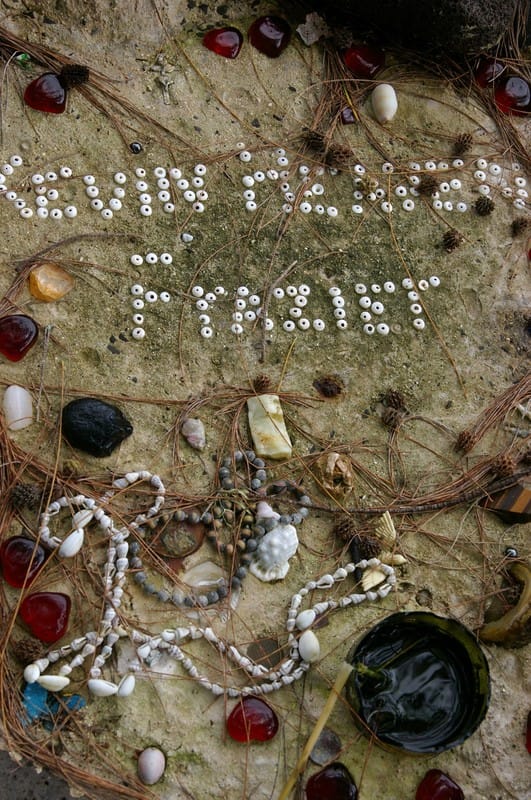
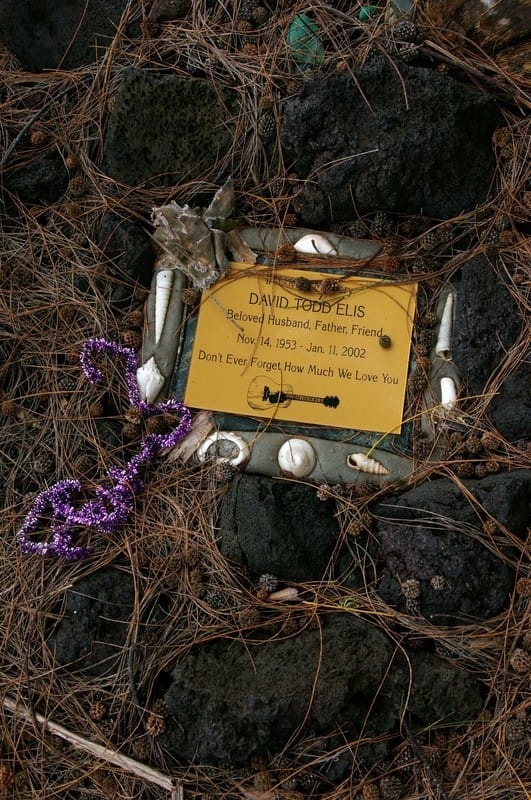
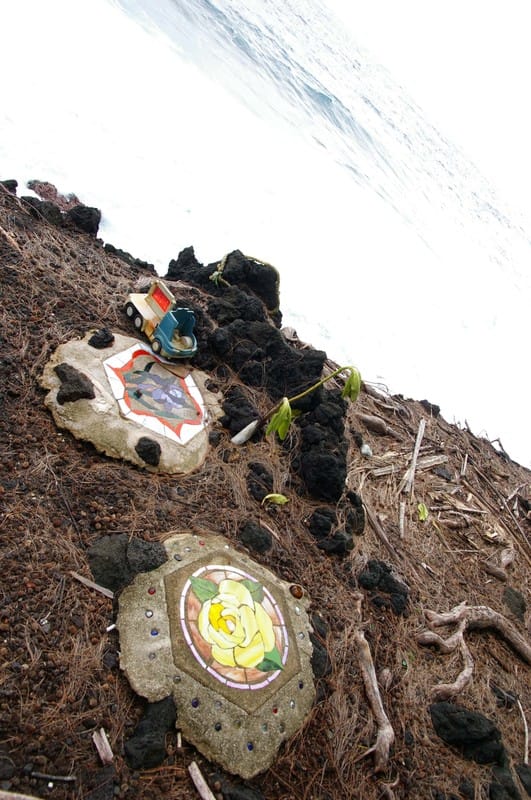
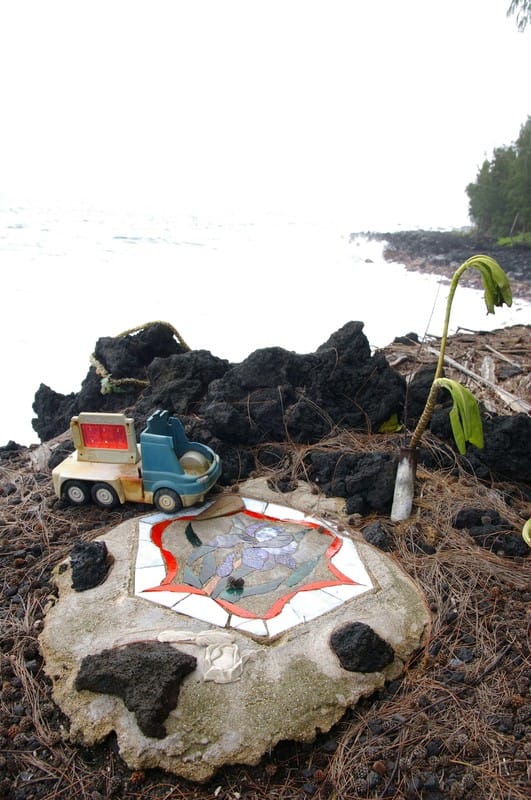
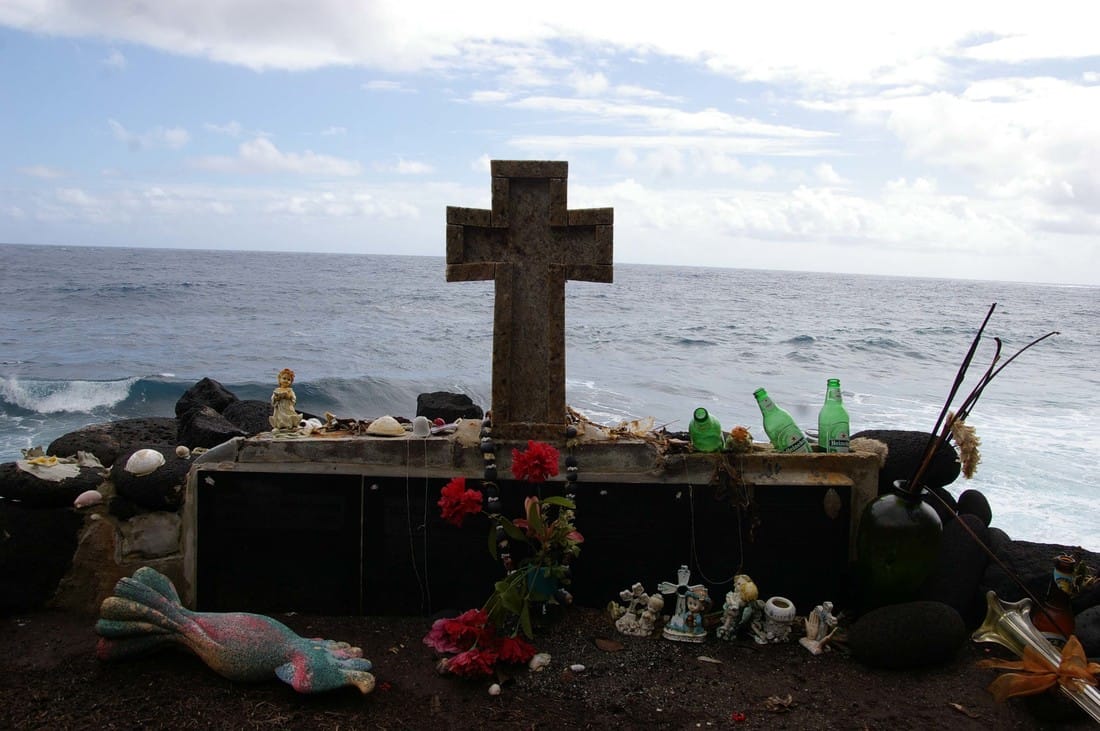
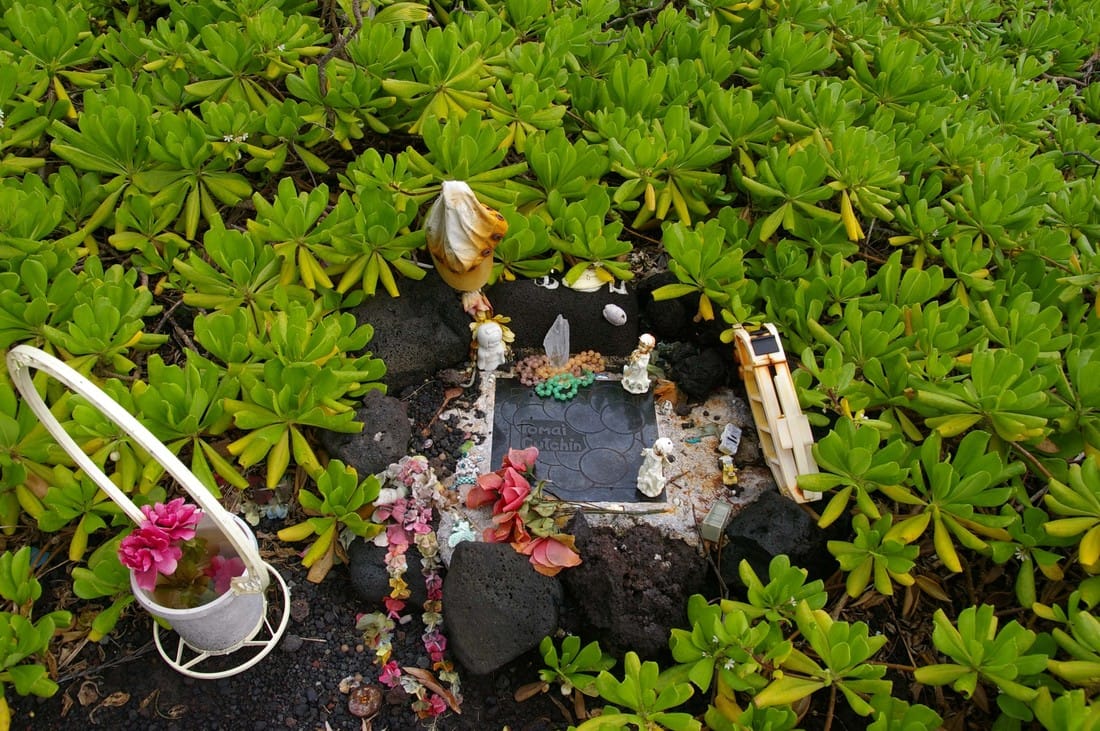
My next hitchhiking ride took me far up north to the absolute top of the Big Island: the Northern Point(known as Upolu Point), where wide, windswept grass fields end abruptly in jagged lava cliffs plunging straight into the churning Pacific. Standing at this remote edge of the world in the howling coastal wind, I stumbled upon an incredibly moving, hidden piece of history: the lonely graves of sailors who lost their lives to the treacherous waters of the channel. Nestled right into the dark lava rock, these small burial spots were decorated with beautiful, custom-crafted ceramic mosaic tiles—one for example featuring a bright yellow rose—and a tiny, faded toy dump truck placed carefully on top of the stones as a touching tribute. Looking at these peaceful memorials on the wild coastline was a deeply touching experience that reminded me just how many hidden, personal stories are scattered across this island.
Picture

South Point
The Ultimate Horizon: Reconnecting at South Point
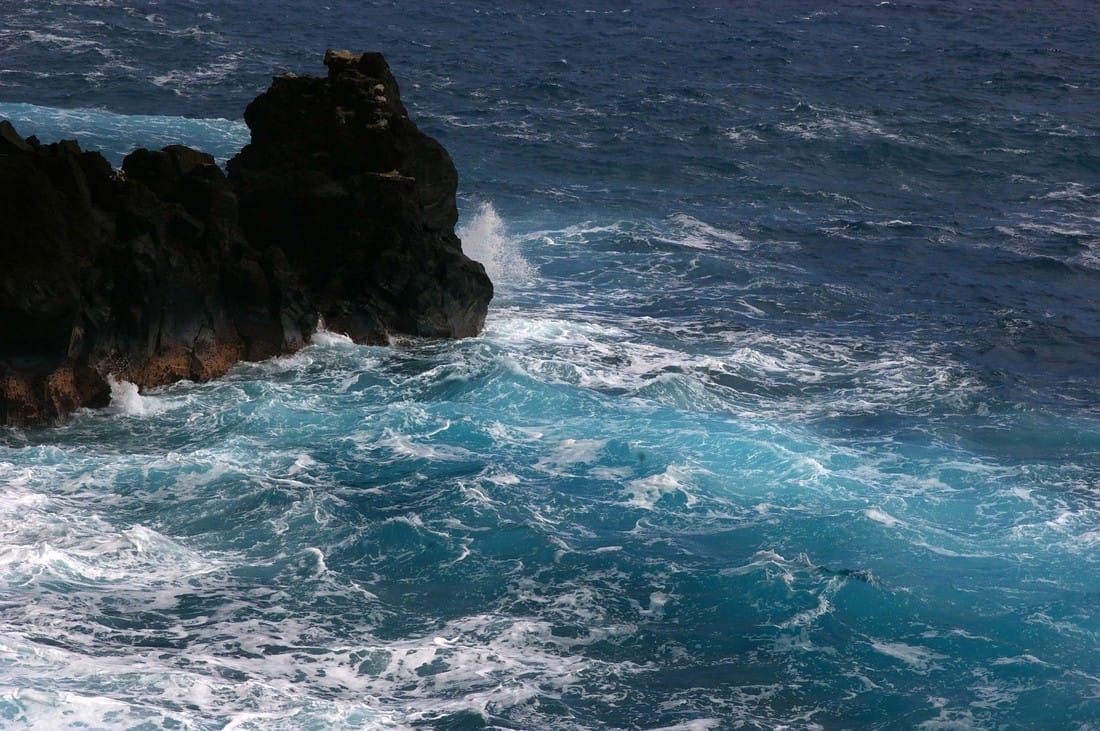
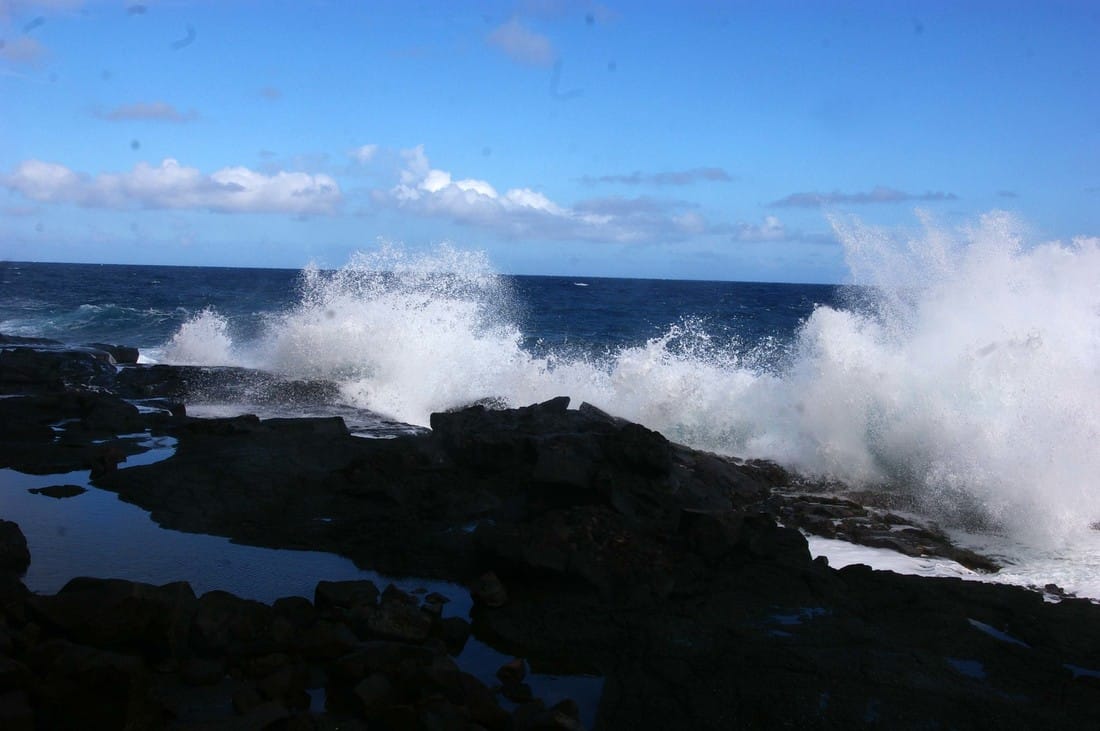
My final hitchhiking stretch brought me to the polar opposite end of the island and the literal bottom of the United States: South Point (known as Ka Lae). This windswept, dramatic peninsula is officially the southernmost point of the 50 US states, where ancient Hawaiians first landed around 750 A.D. More importantly, this epic destination was where my solo journey came full circle: I finally reunited with Daniel to spend my last few days on the island together. Spending that time with him, surrounded by the infinite blue of the Pacific and the massive, grass-covered cliffs where locals famously dive into the ocean, was the perfect end to my trip.

Riders of the Waves: The Ancient History of Hawaiian Surfing
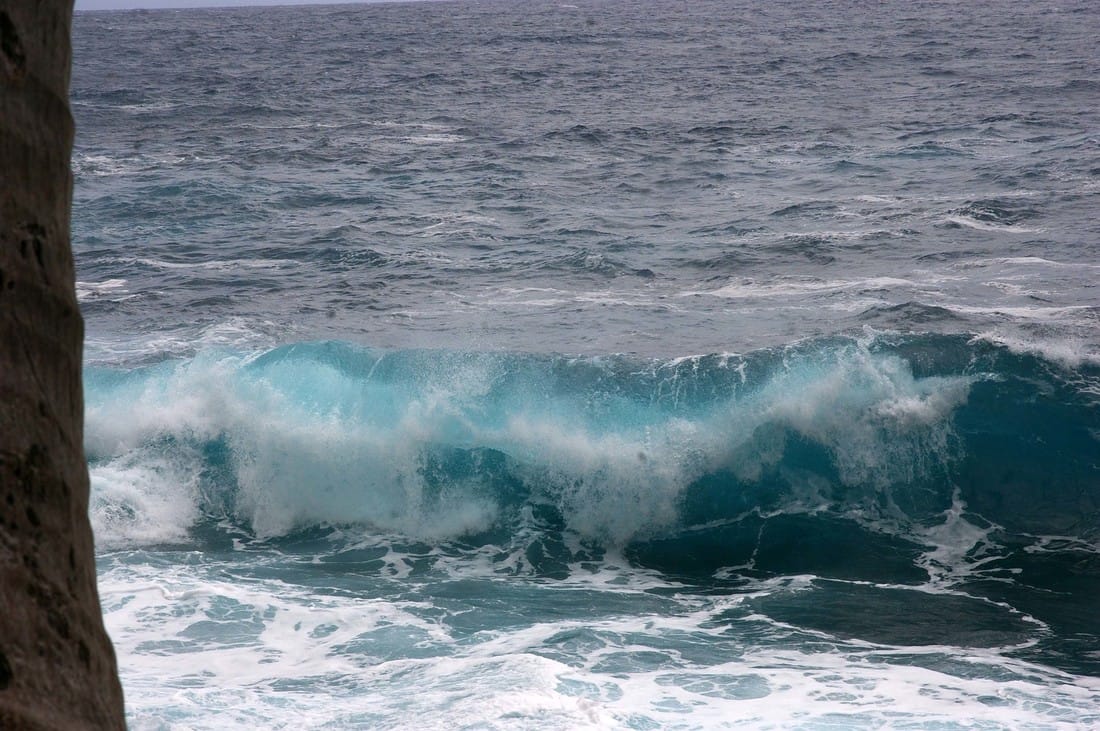
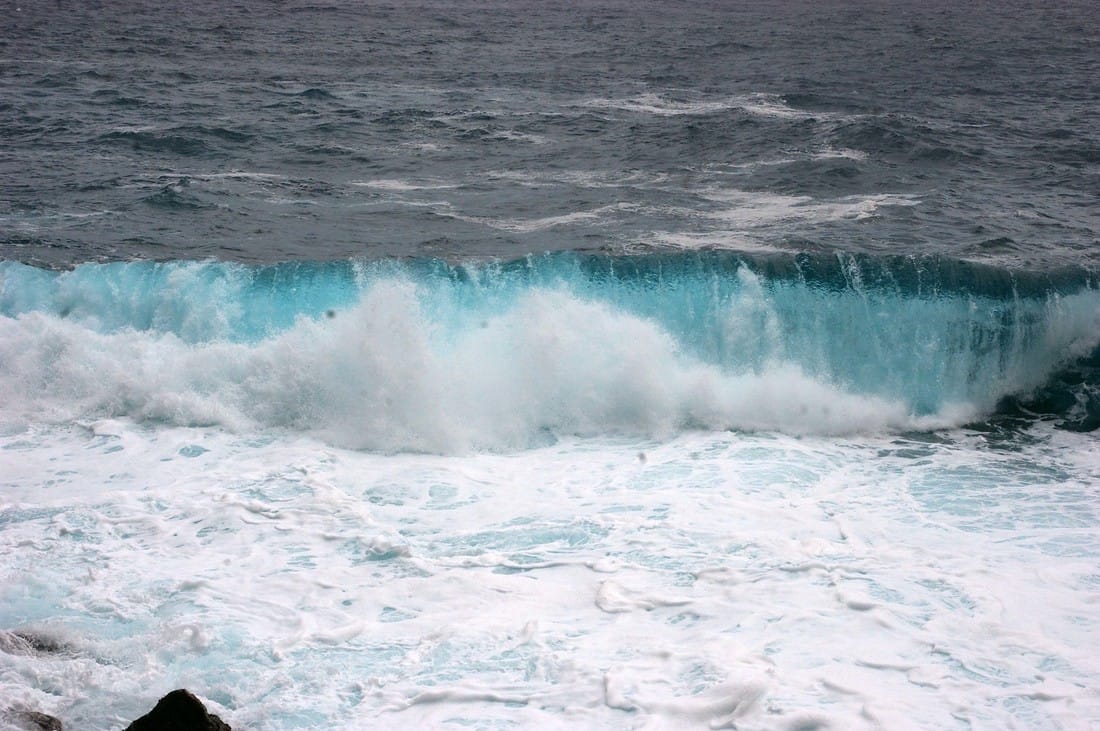
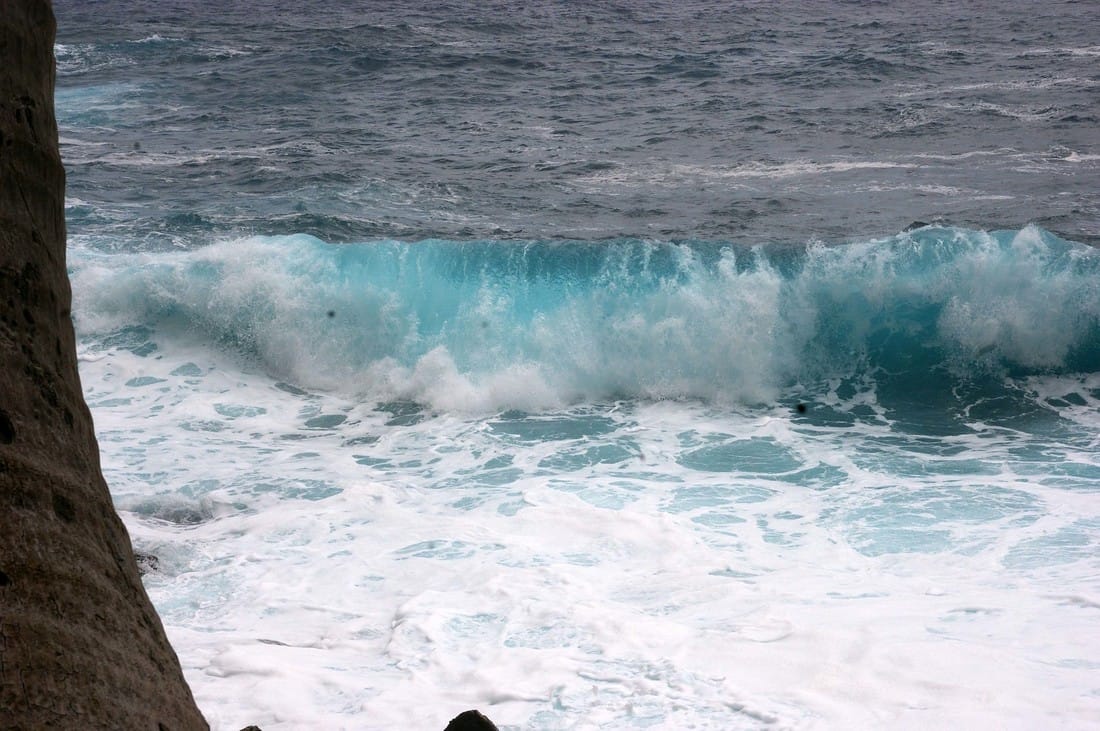
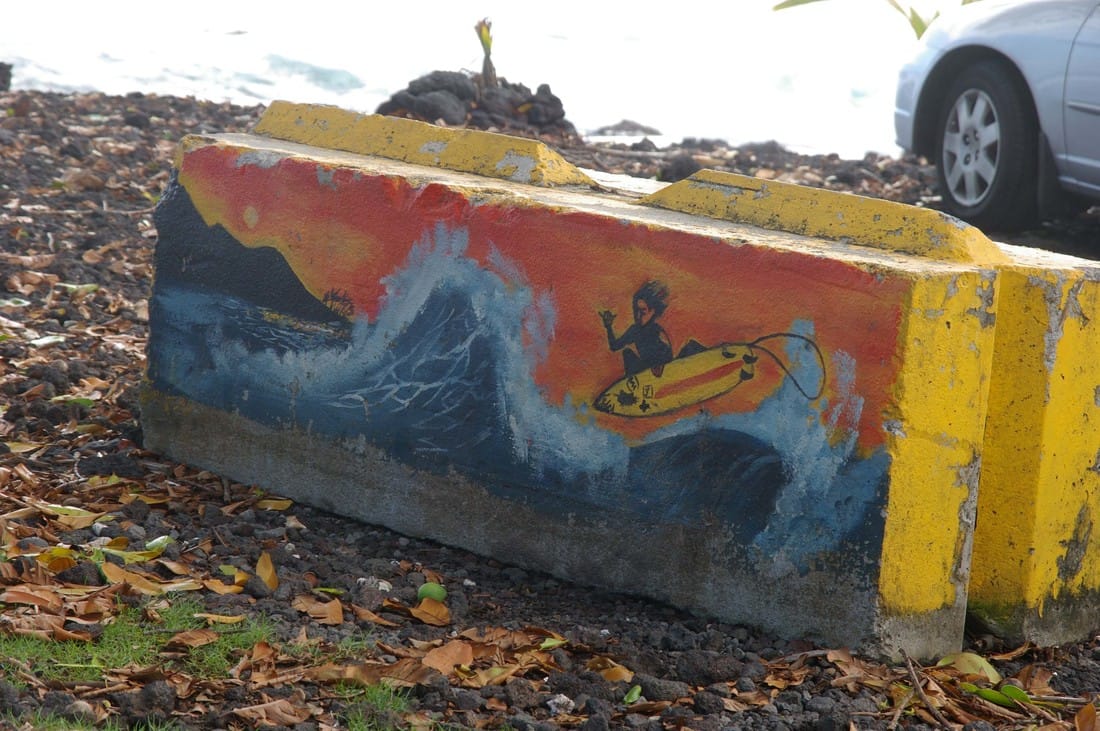
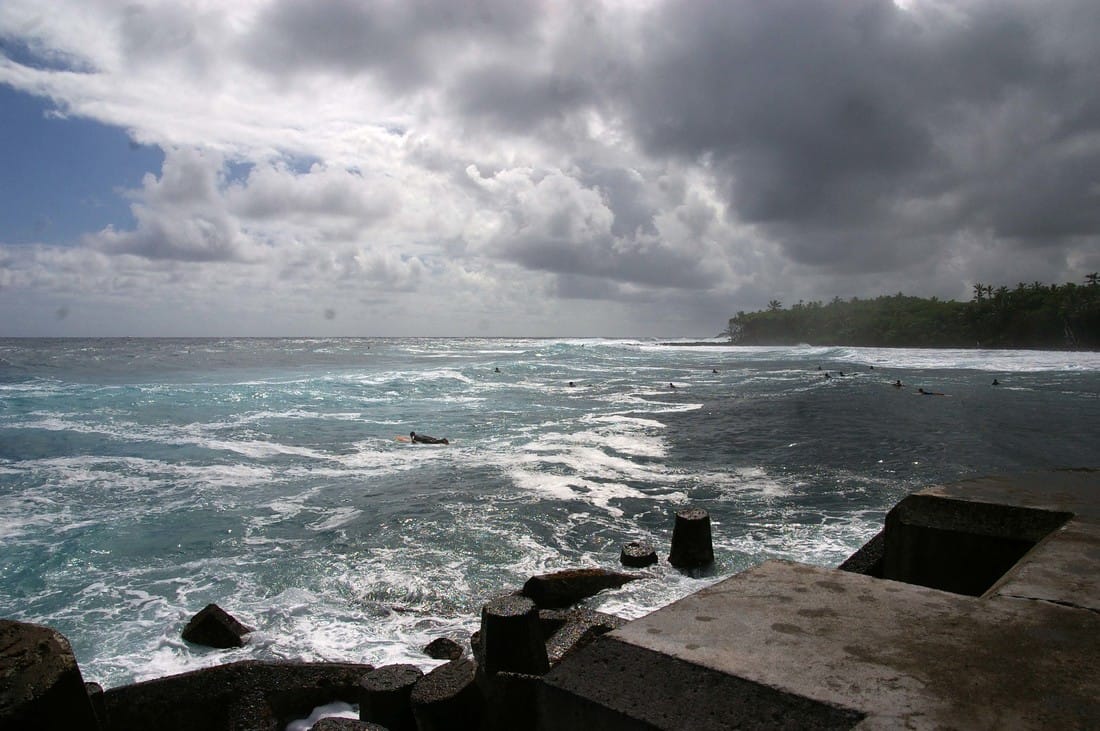
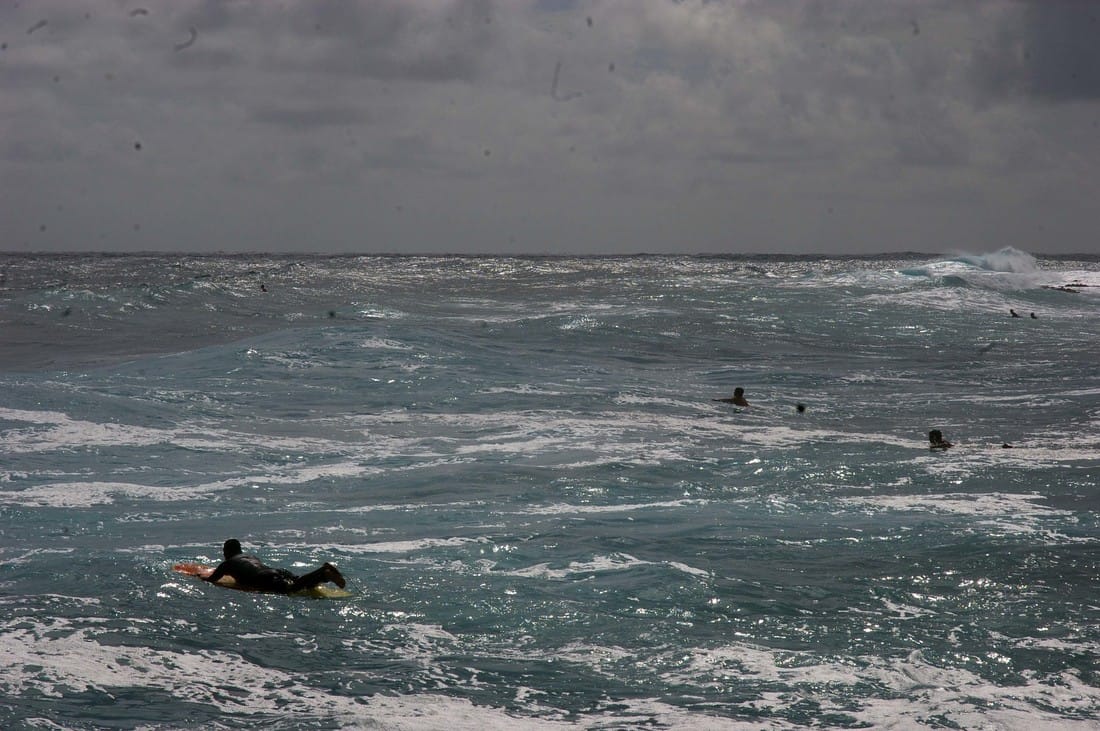
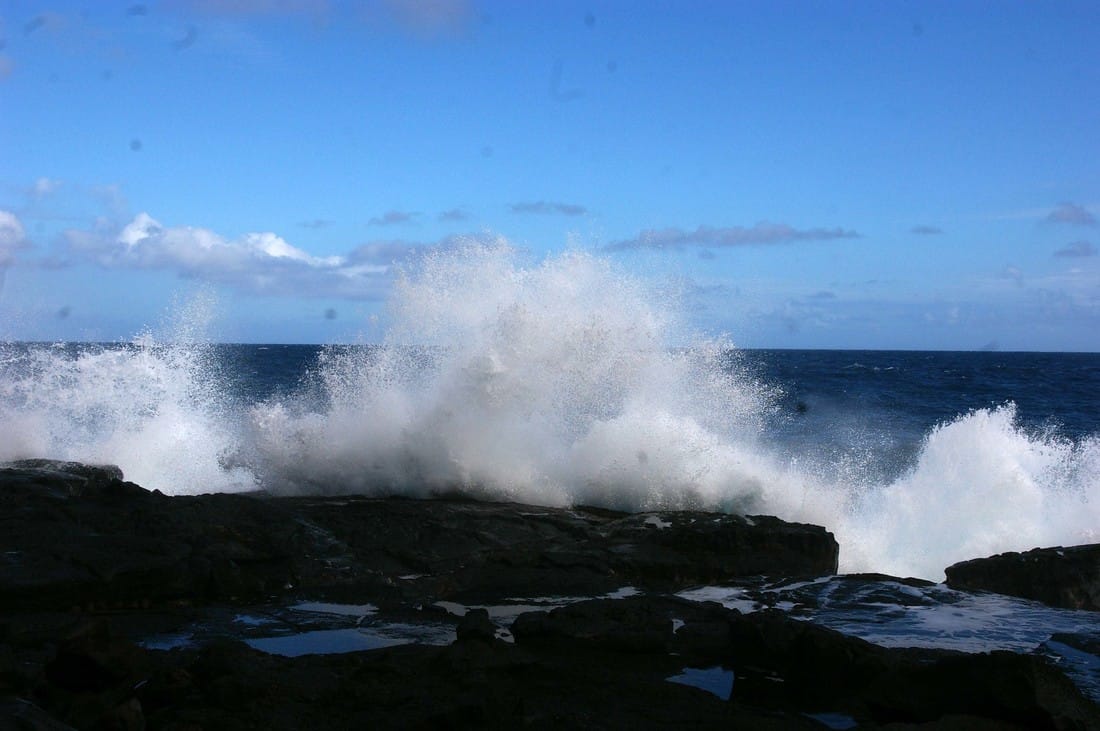
You cannot talk about Hawaii without talking about surfing, but on the Big Island, I learned that this sport is actually a deeply spiritual, ancient tradition known as He‘e Nalu (literally meaning "wave sliding"). Long before it became a multi-billion-dollar global phenomenon, surfing was the "Sport of Kings" and an integral part of Native Hawaiian culture. It wasn't just a leisure activity; it was used to train warriors, resolve political disputes between chiefs, and praise the ocean gods. Before a surfboard was even shaped, a priest (Kahuna) would perform ceremonies and make offerings to the roots of a sacred Wiliwili or Koa tree. The biggest waves were strictly reserved for the highest-ranking chiefs (Ali‘i), who rode massive wooden boards that could weigh up to 150 pounds. Standing by the Pacific shore and watching the surfers seamlessly glide across the breaks felt like watching a centuries-old ritual of balance and respect between humans and the raw power of nature.
Sovereigns of the Sea: The Mighty Kings and Queens of Hawaii
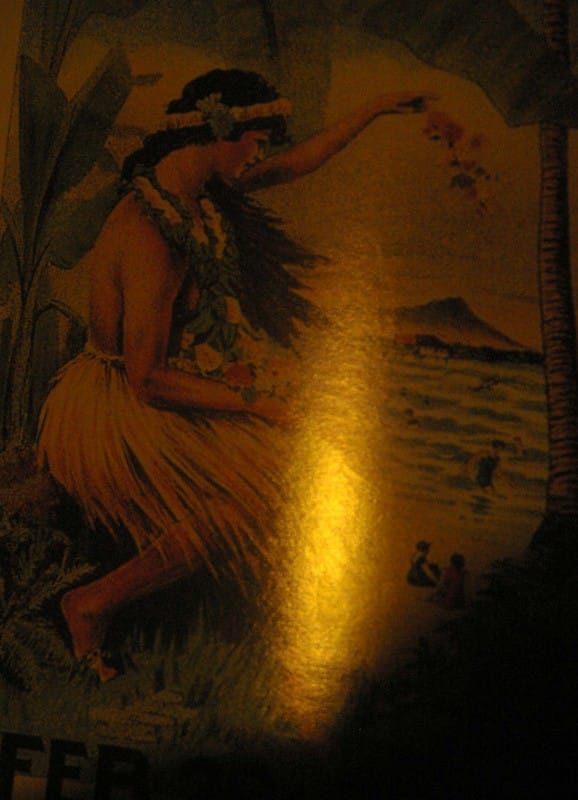
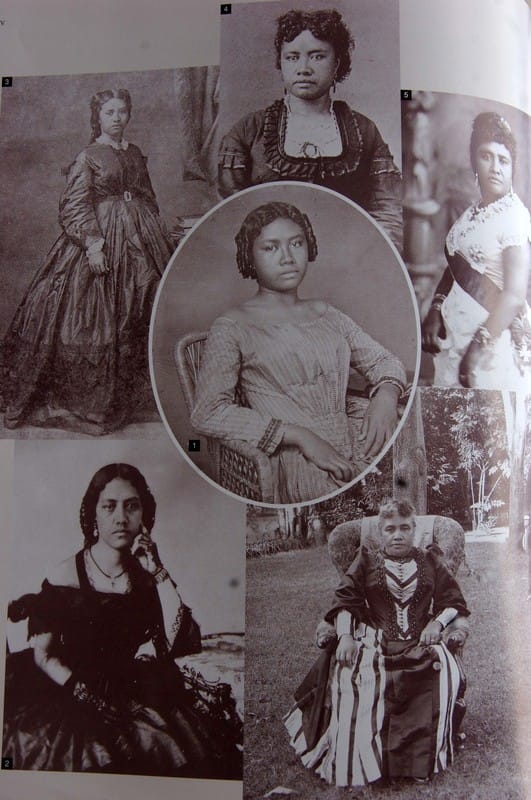
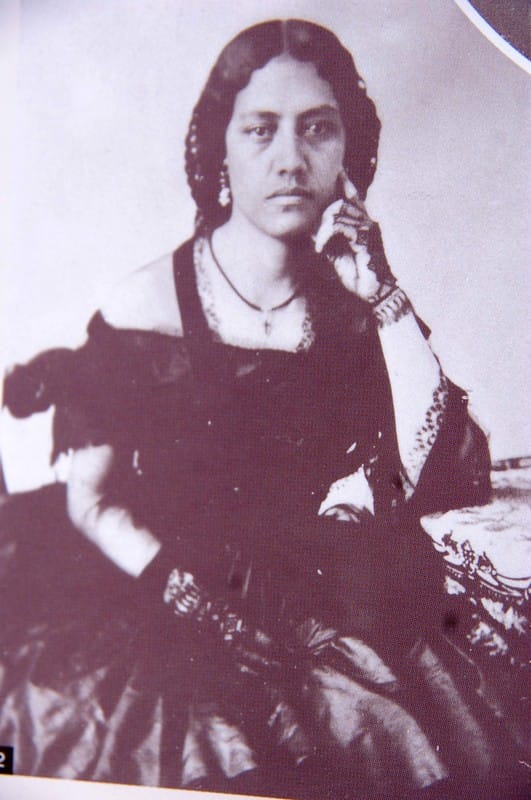
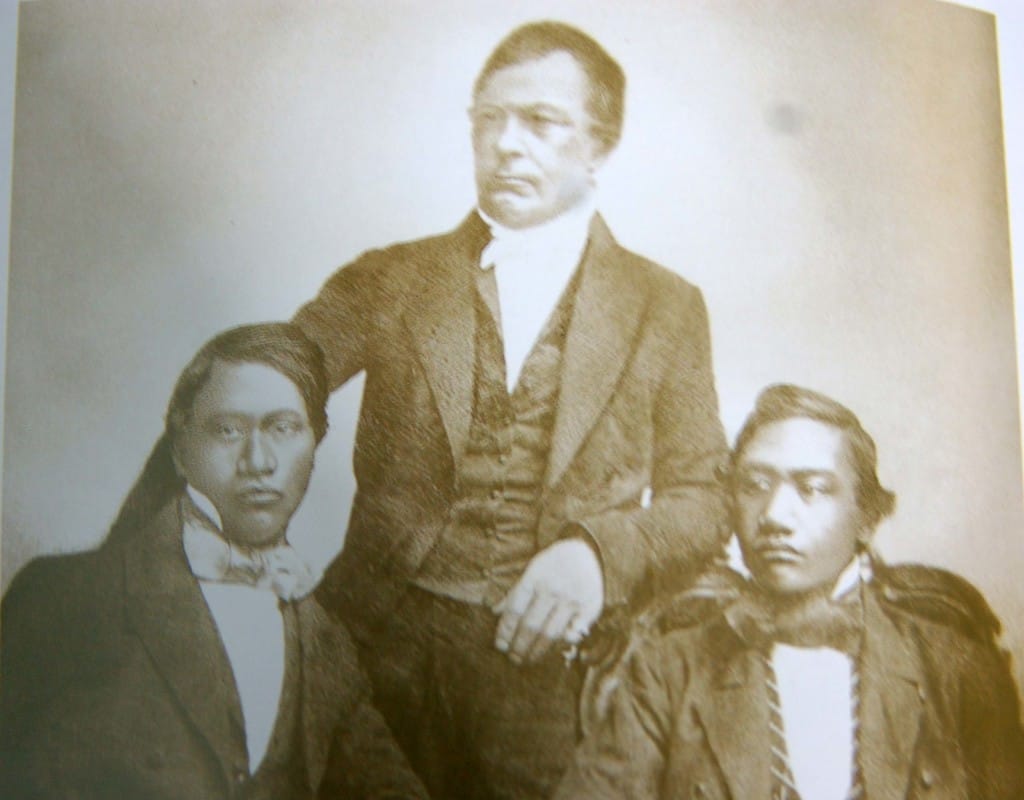
My journey across the island also opened a fascinating window into the proud and dramatic history of the Kingdom of Hawaii, which was ruled by a majestic lineage of kings and queens from 1810 until the monarchy was tragically overthrown in 1893. Starting with King Kamehameha the Great, the royal family successfully navigated international diplomacy, established schools, and modernized the islands while fiercely protecting Hawaiian sovereignty. Among the most influential rulers was Queen Ka‘ahumanu, Kamehameha’s favorite wife, who served as co-ruler and famously dismantled the ancient, restrictive Kapusystem of religious laws, forever altering Hawaiian society. The monarchy ultimately concluded with its eighth and final sovereign, Queen Lili‘uokalani, a deeply loved and highly educated composer who fought courageously for her people's rights before being forced from her throne under pressure from American businessmen. Learning about these powerful monarchs changed how I viewed the landscape; it isn't just an American state, but a deeply sacred, royal territory with a rich and royal heartbeat.

Trip Gallery
USA
Powered by Create your own unique website with customizable templates.