Guatemala
(2000/2001)
Flores
Jungle Hops and Island Living - The 3,000-Dollar Cargo Joke
Welcoming the new millennium and celebrating New Year's Eve in Guatemala was an unforgettable milestone, but the story of how my Lufthansa colleague Christine and I almost got there is a hilarious travel legend of its own.
Jungle Hops and Island Living - The 3,000-Dollar Cargo Joke
Welcoming the new millennium and celebrating New Year's Eve in Guatemala was an unforgettable milestone, but the story of how my Lufthansa colleague Christine and I almost got there is a hilarious travel legend of its own.
While we were traveling through Mexico before our border crossing, we already had our reliable standby ID90 ticketsready in our pockets. However, out of pure curiosity and anticipation, we wanted to see if a local travel agency could hook us up with an even cheaper regional flight.
A few days later, the Mexican travel agent excitedly called us back with what he thought was the deal of a lifetime. He proudly informed us that we could catch a ride on a cargo plane flying from Cancún to Flores. The catch? The journey would take a grueling nine hours because the plane had to make seven individual stops deep inside the jungle to drop off freight—and the grand total for this adventurous multi-stop flight would be a staggering $3,000! Needless to say, we laughed, politely declined, and happily stuck to our airline staff tickets
New Year’s Eve in Flores: A Local Homecoming
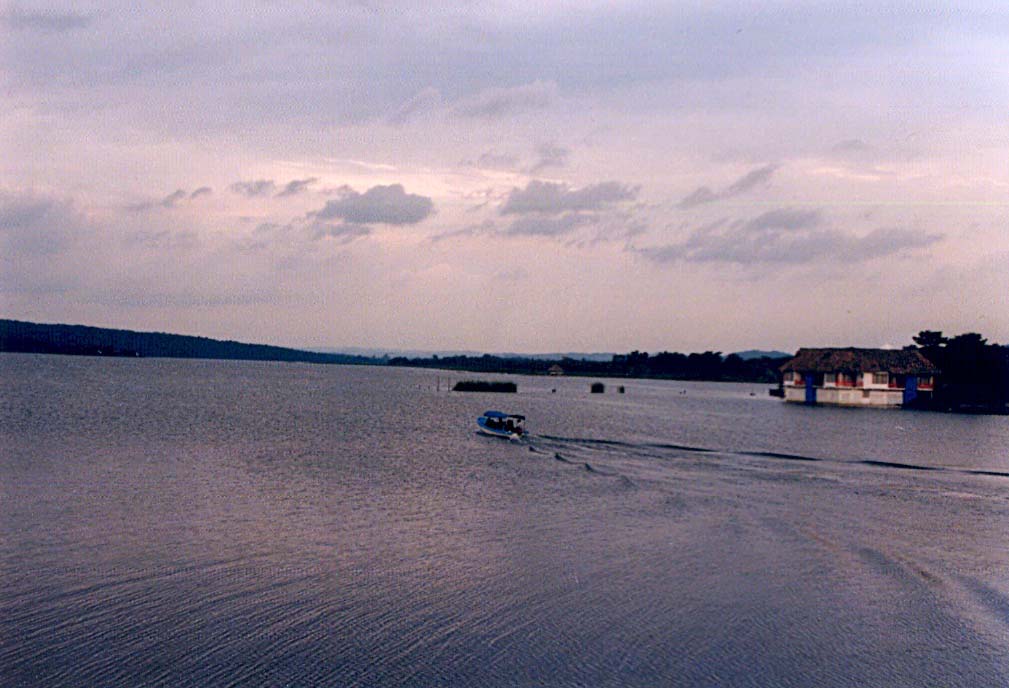
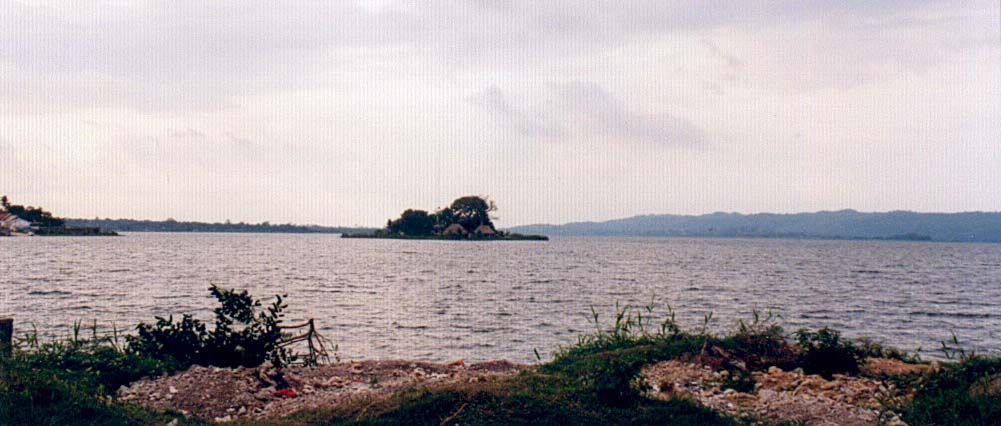
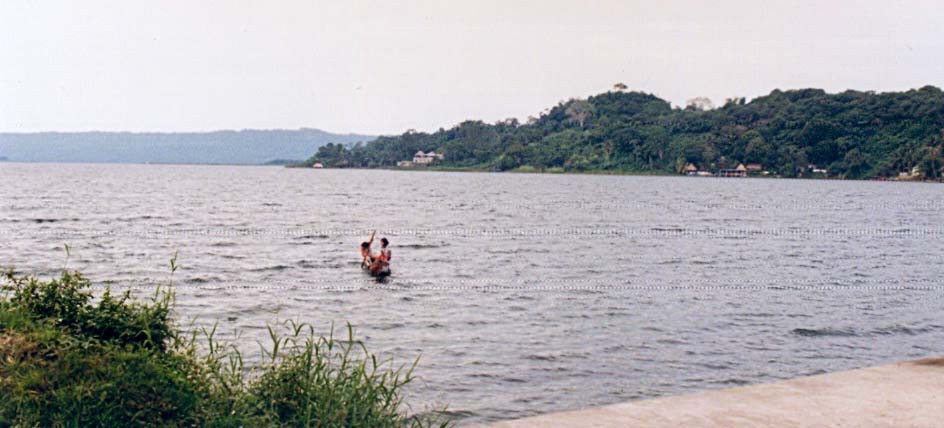
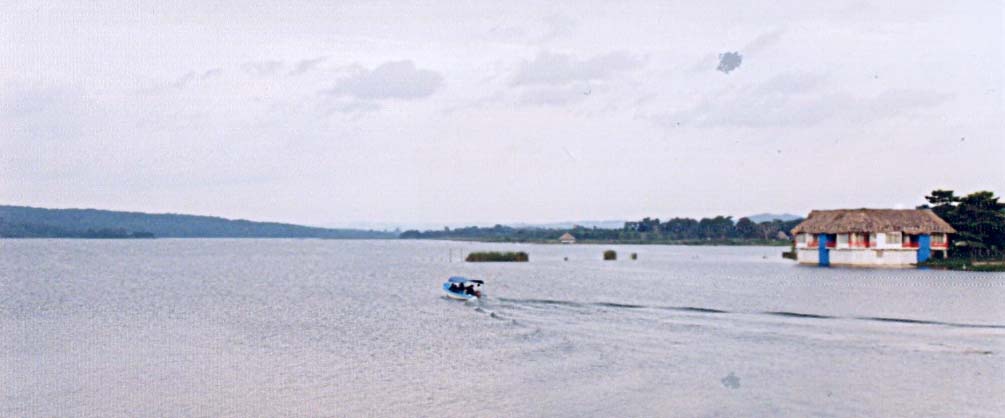
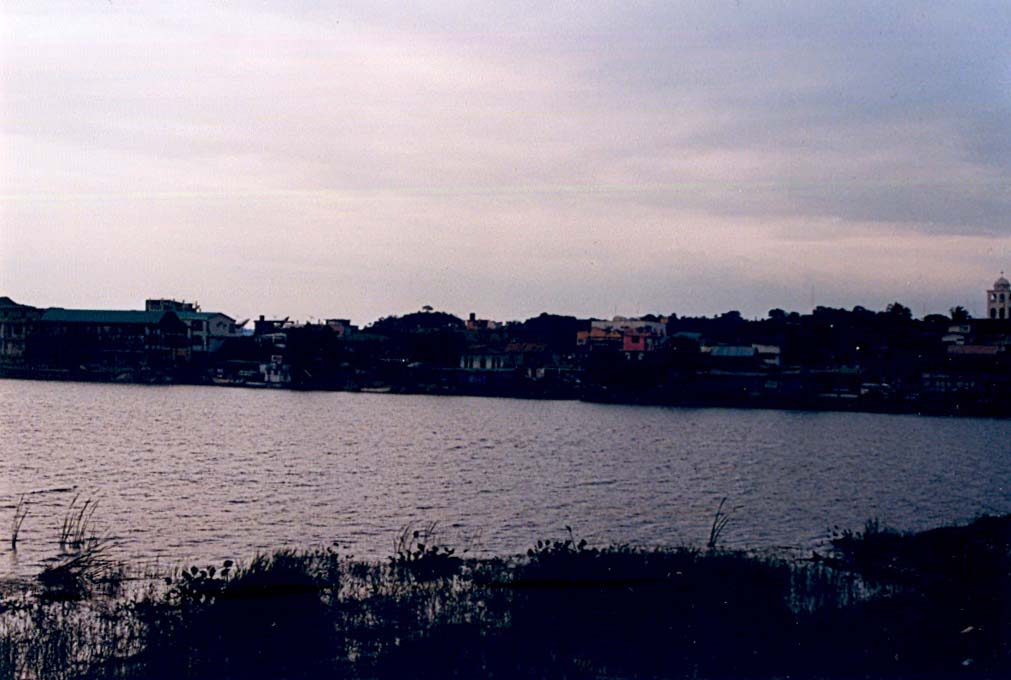
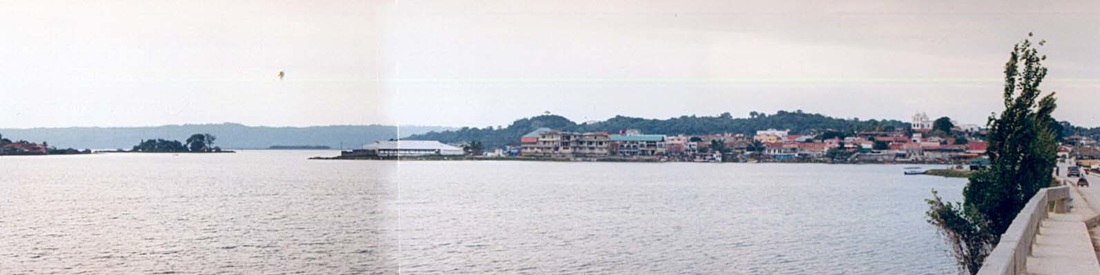
When we finally landed in Flores—the spectacular island city sitting on Lake Petén Itzá—the unconventional style of our trip continued. Instead of booking a standard hotel room for the crowded holiday season, we had the ultimate insider setup.
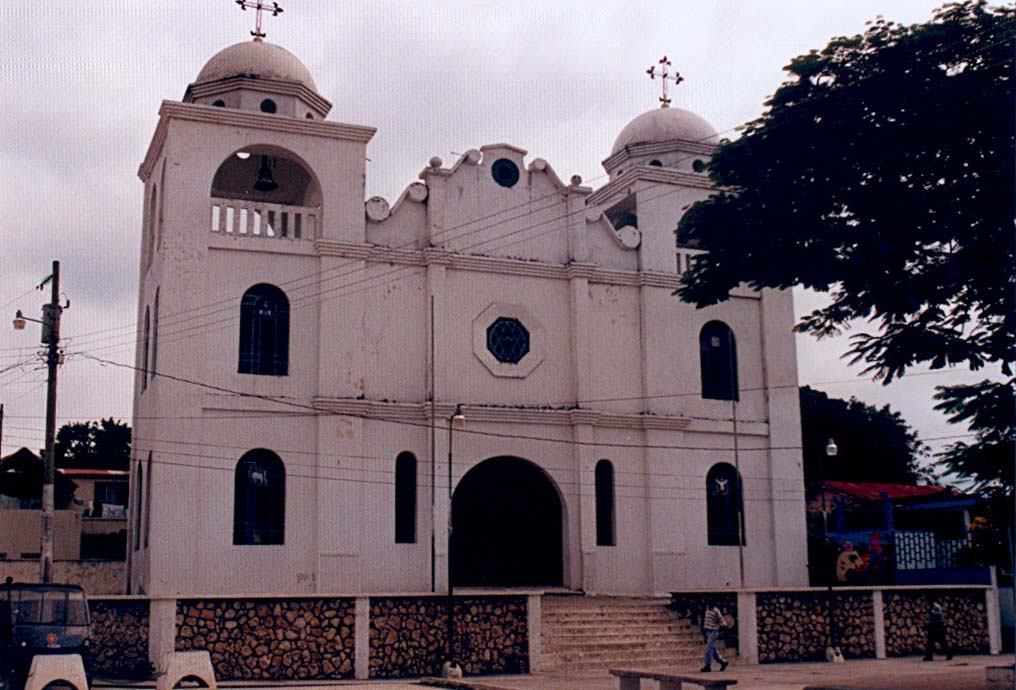
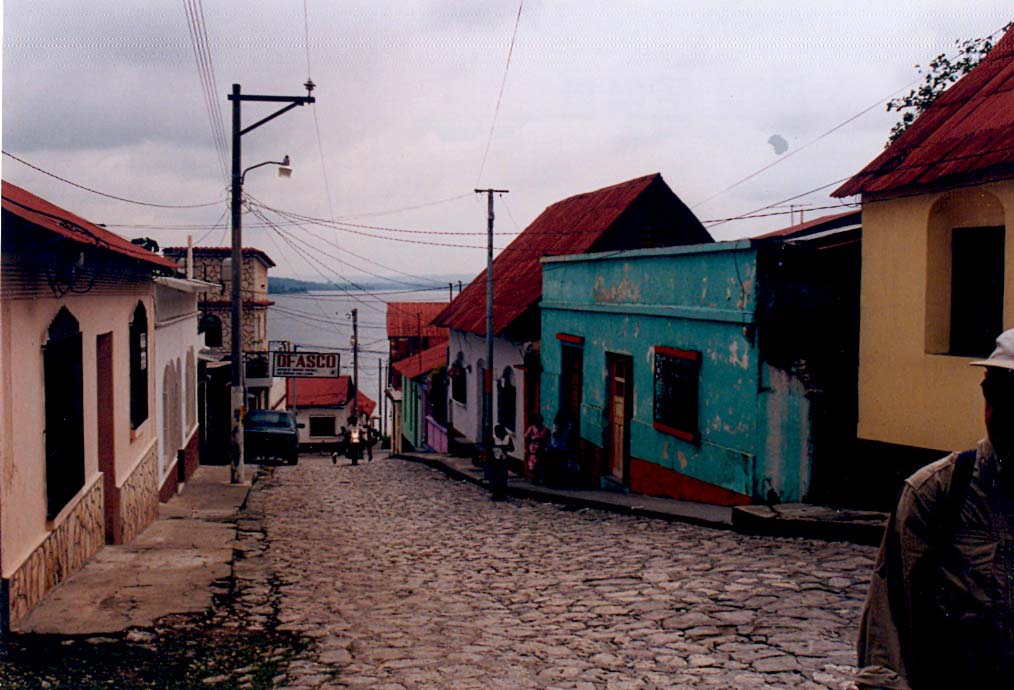
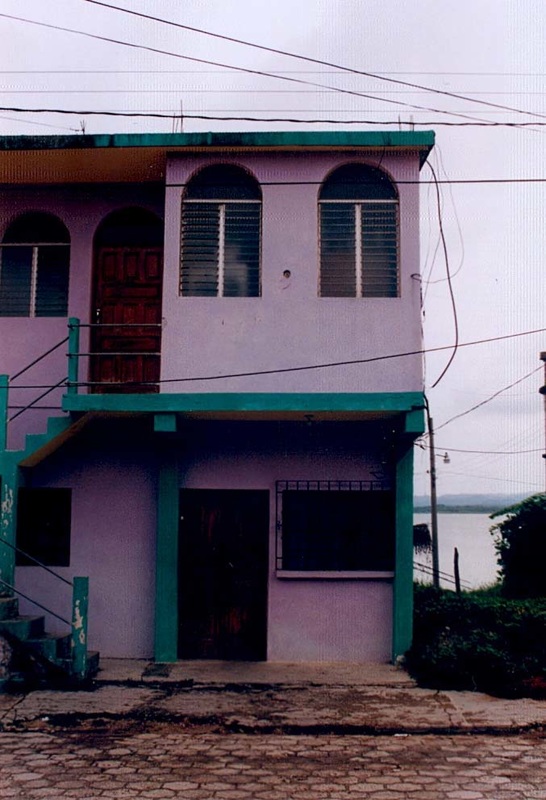
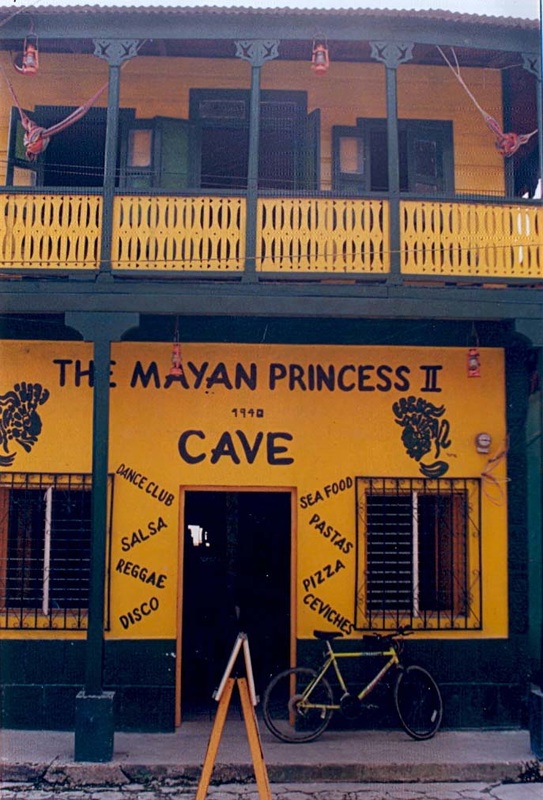
We stayed directly at the home of a close friend of Christine’s, who was living on the island with her Spanish husband. Being welcomed into a real home, sharing home-cooked meals, and experiencing the local island life during the vibrant New Year's celebrations was incredible. Flores is a maze of steep, cobblestone streets lined with brightly painted pastel houses and red-tiled roofs, and celebrating the turn of the millennium surrounded by the peaceful waters of the lake and genuine local hospitality was the perfect, unique start to our Guatemala expedition
When we finally landed in Flores—the spectacular island city sitting on Lake Petén Itzá—the unconventional style of our trip continued. Instead of booking a standard hotel room for the crowded holiday season, we had the ultimate insider setup.
We stayed directly at the home of a close friend of Christine’s, who was living on the island with her Spanish husband. Being welcomed into a real home, sharing home-cooked meals, and experiencing the local island life during the vibrant New Year's celebrations was incredible. Flores is a maze of steep, cobblestone streets lined with brightly painted pastel houses and red-tiled roofs, and celebrating the turn of the millennium surrounded by the peaceful waters of the lake and genuine local hospitality was the perfect, unique start to our Guatemala expedition
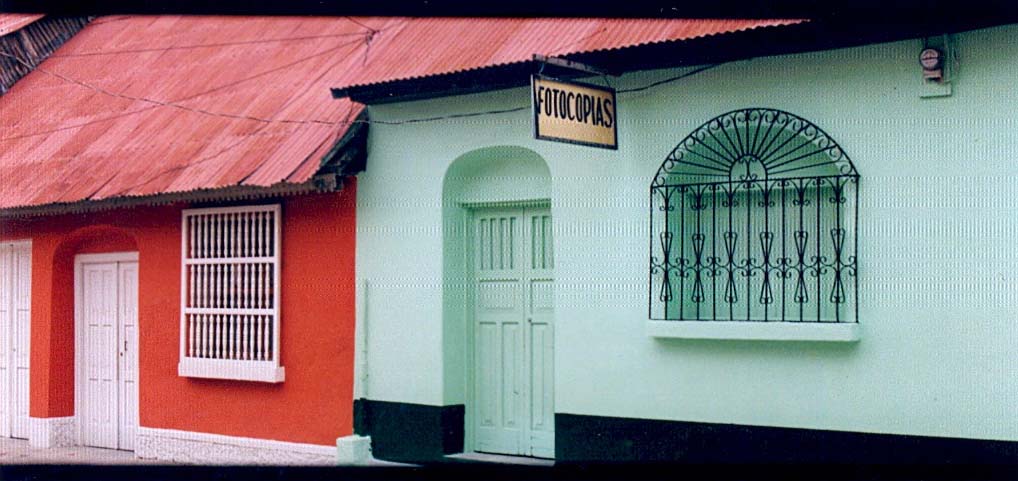
A Masterclass in Pastel: The Vibrant Streets of Flores
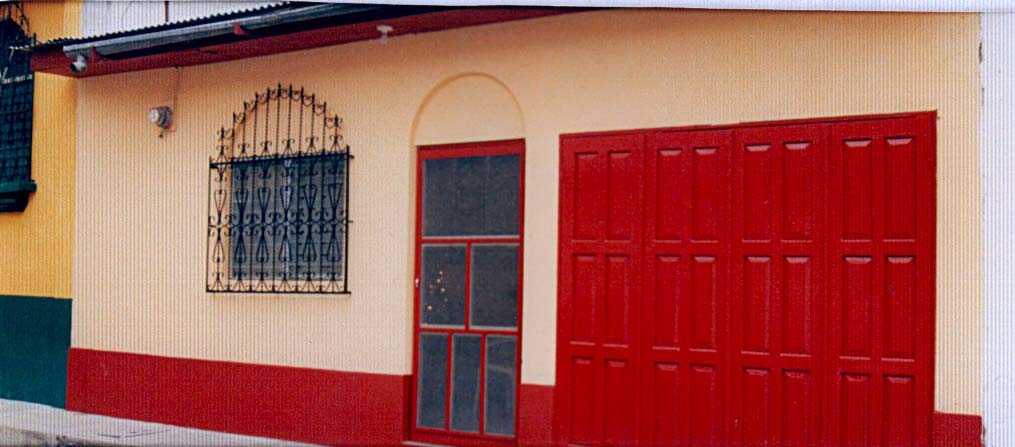
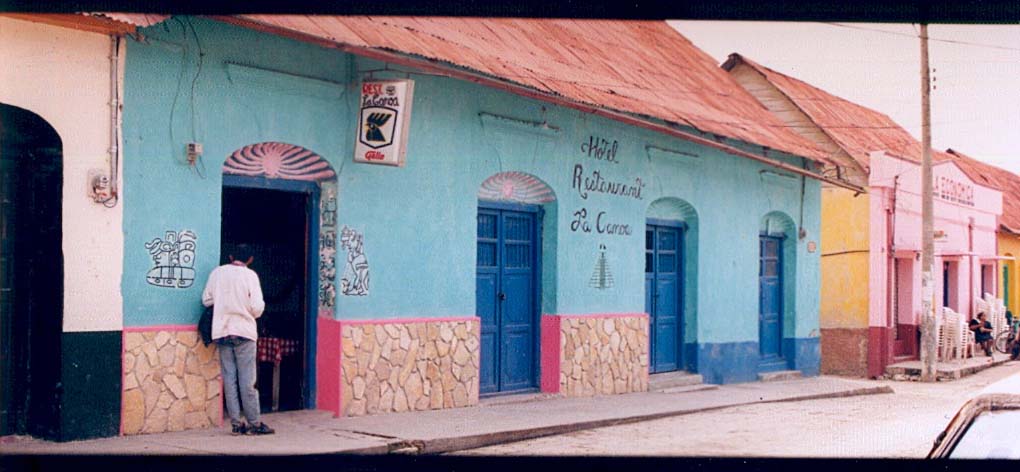
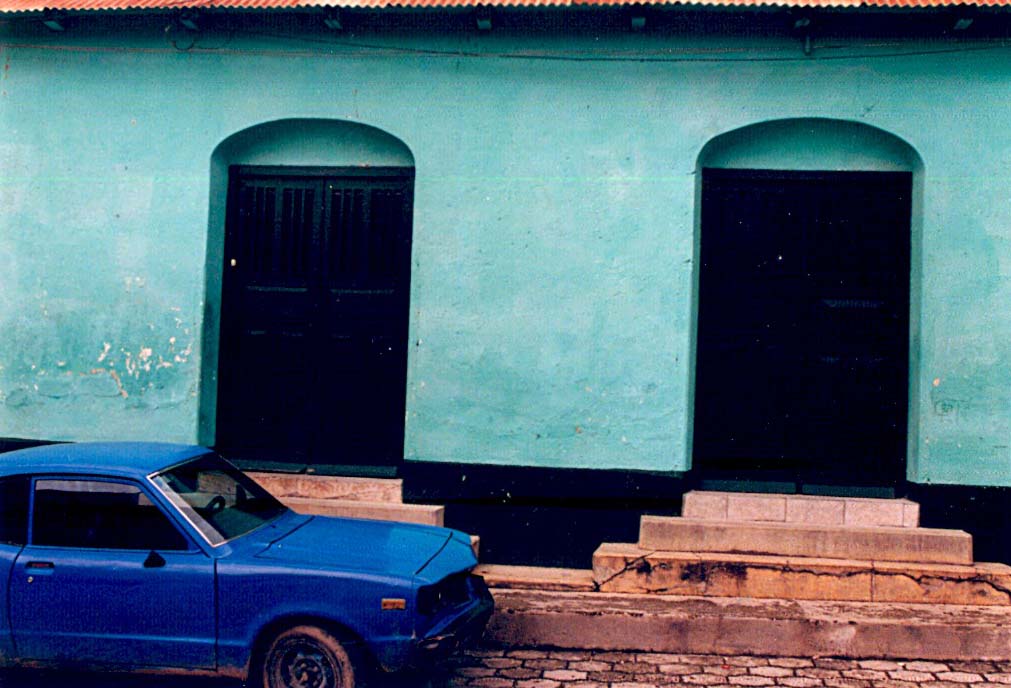
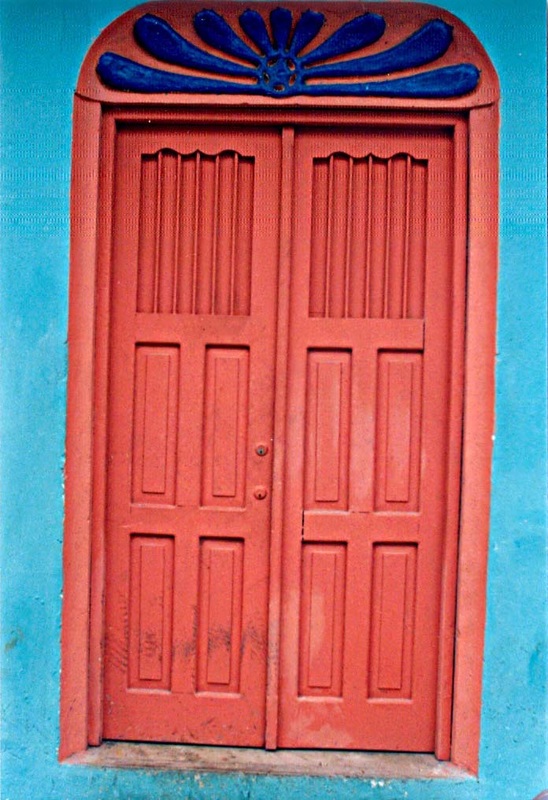
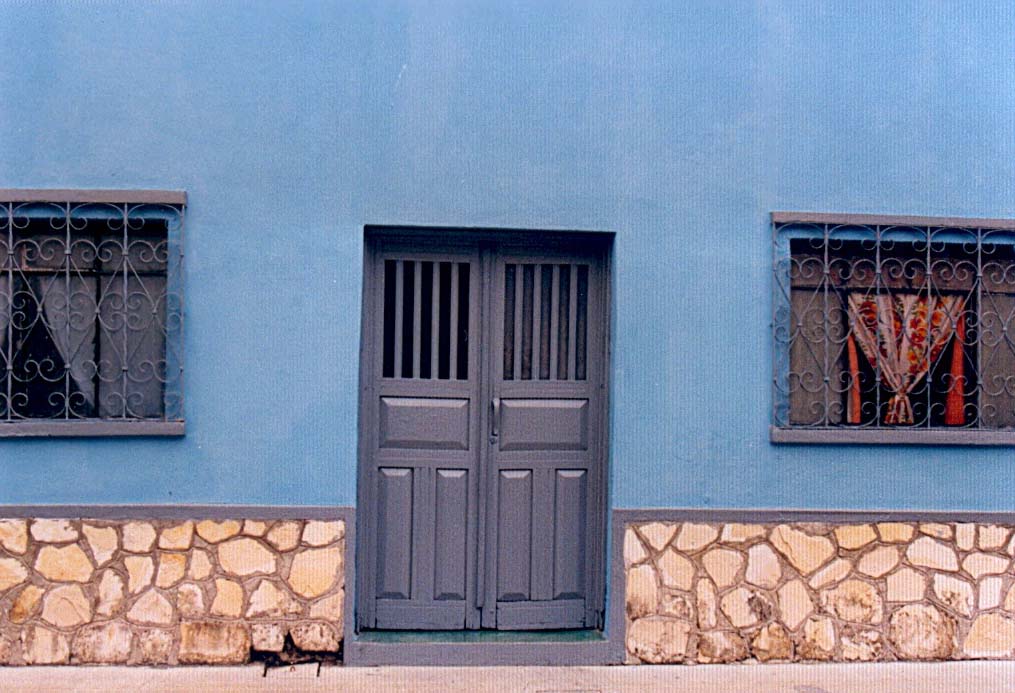
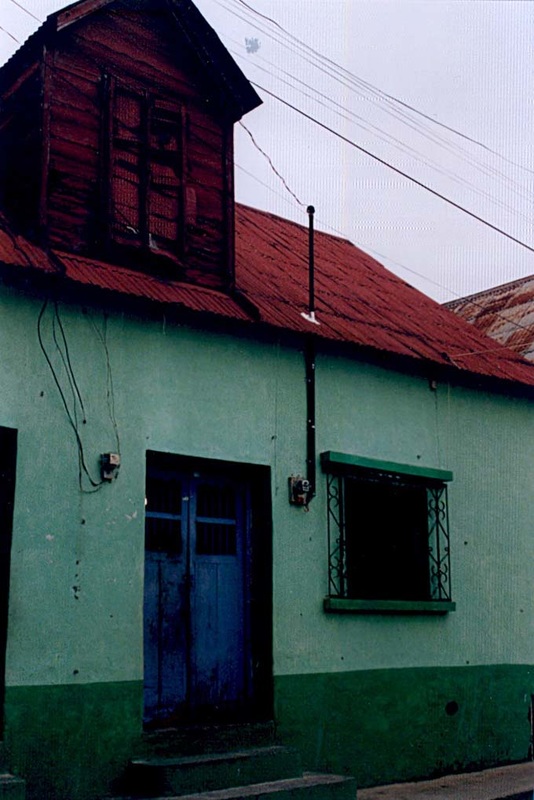
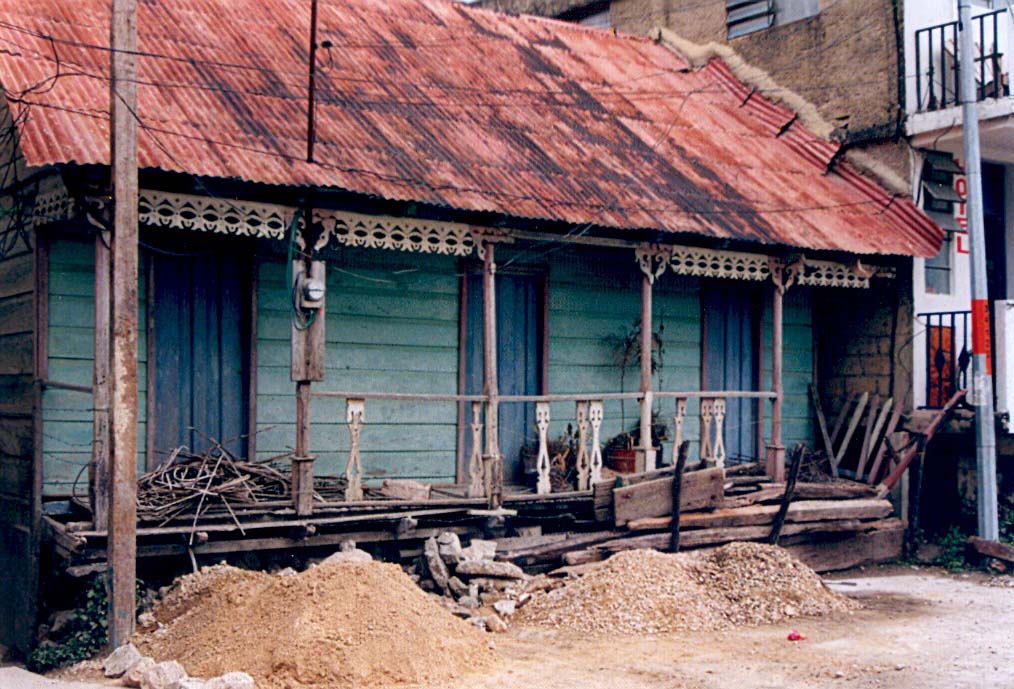
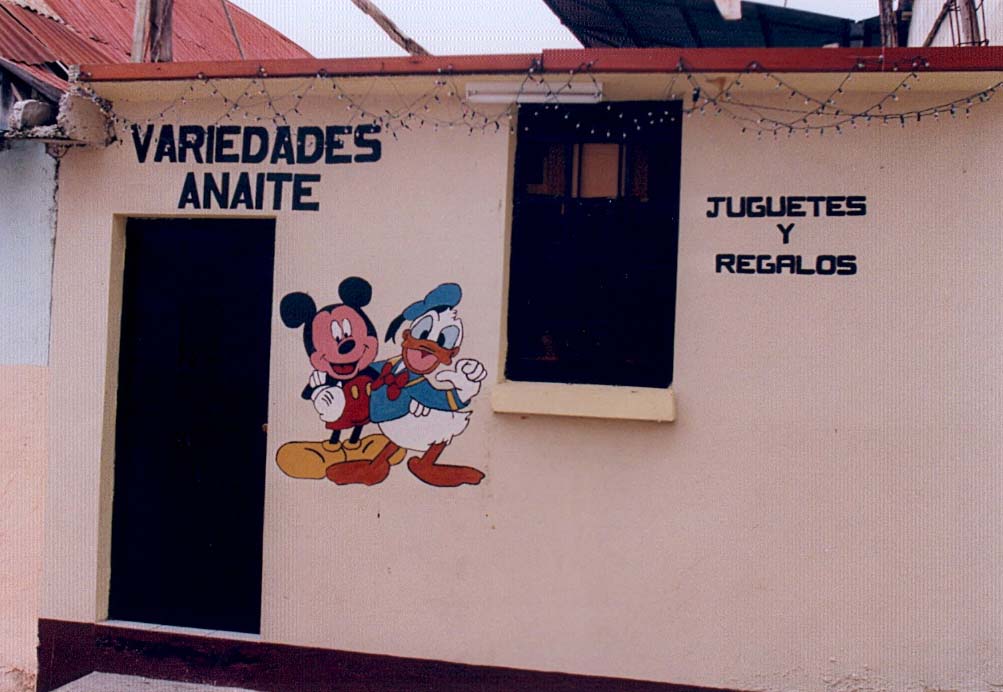
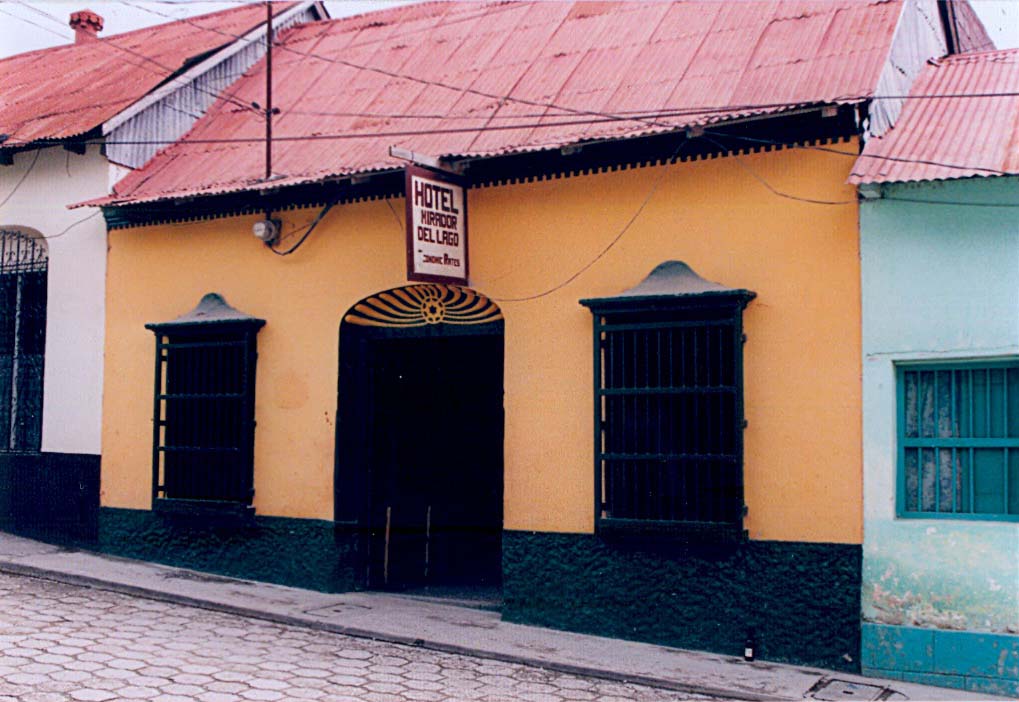
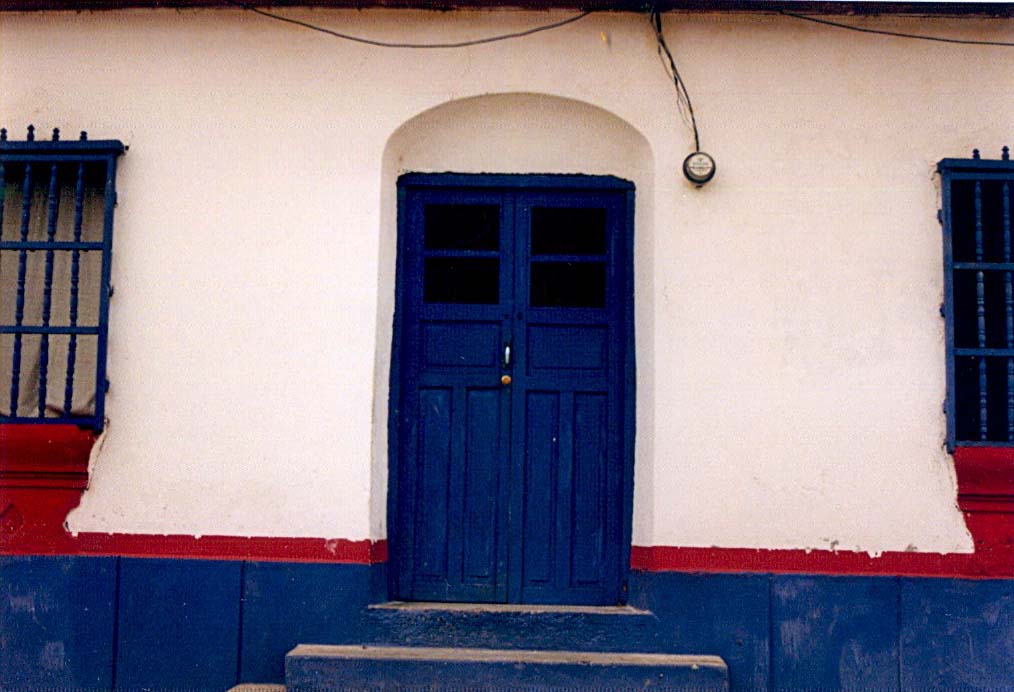
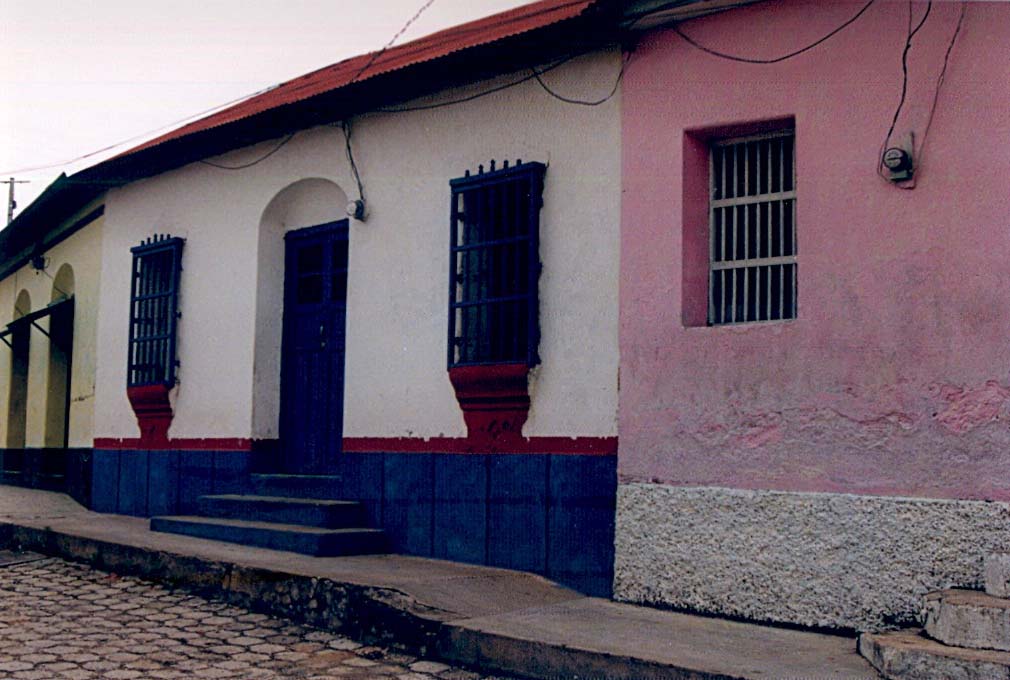
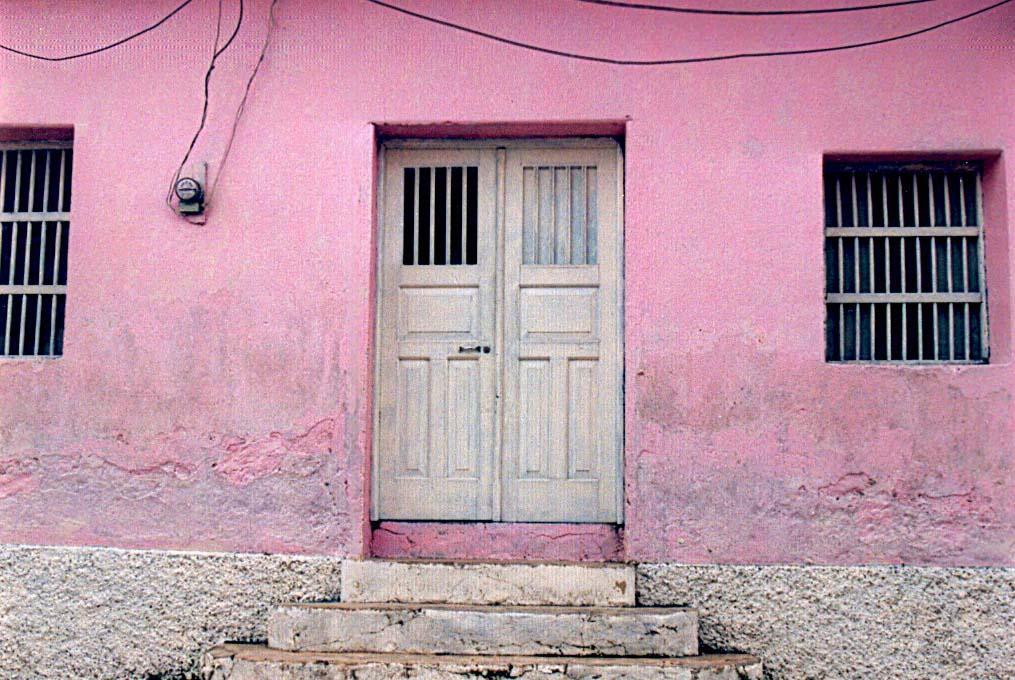
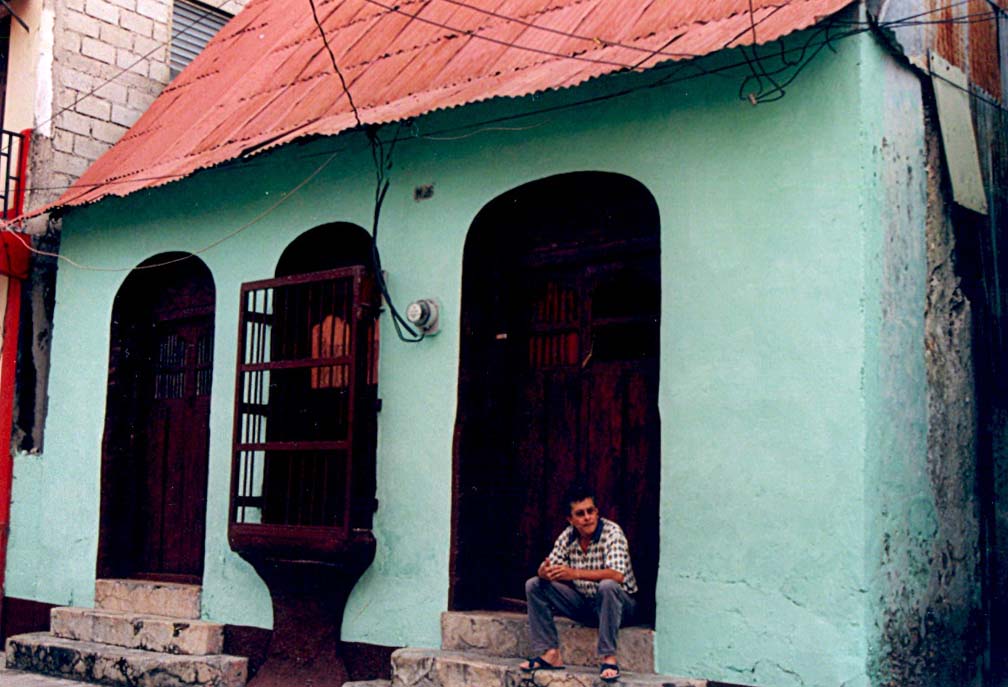
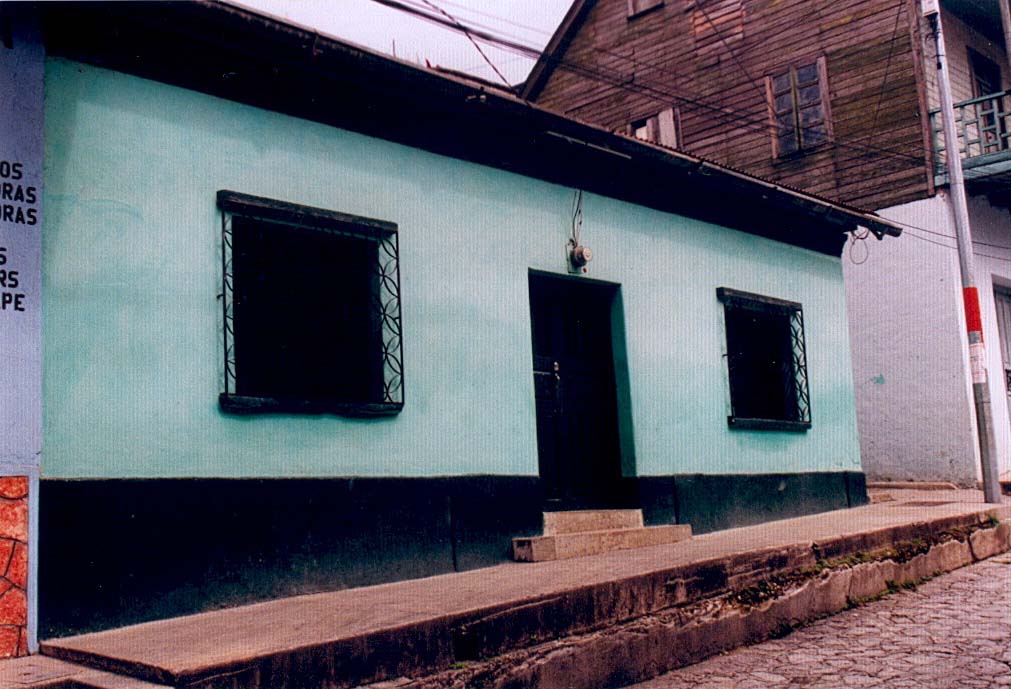
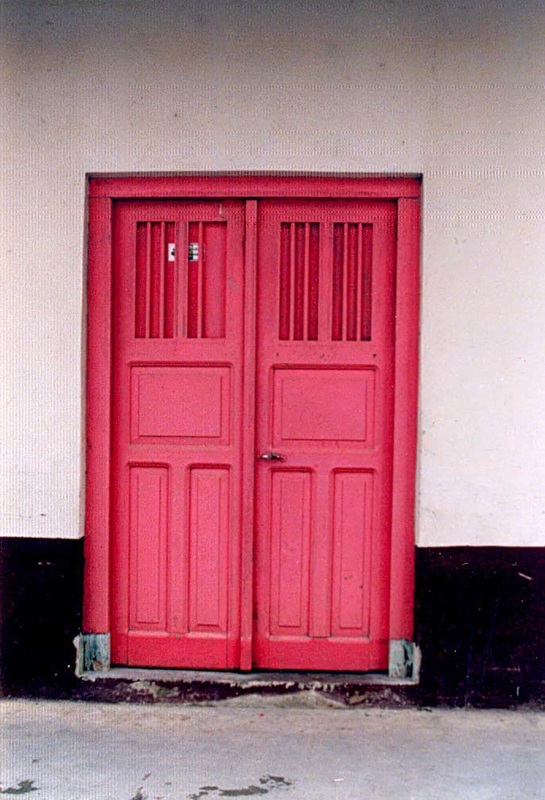
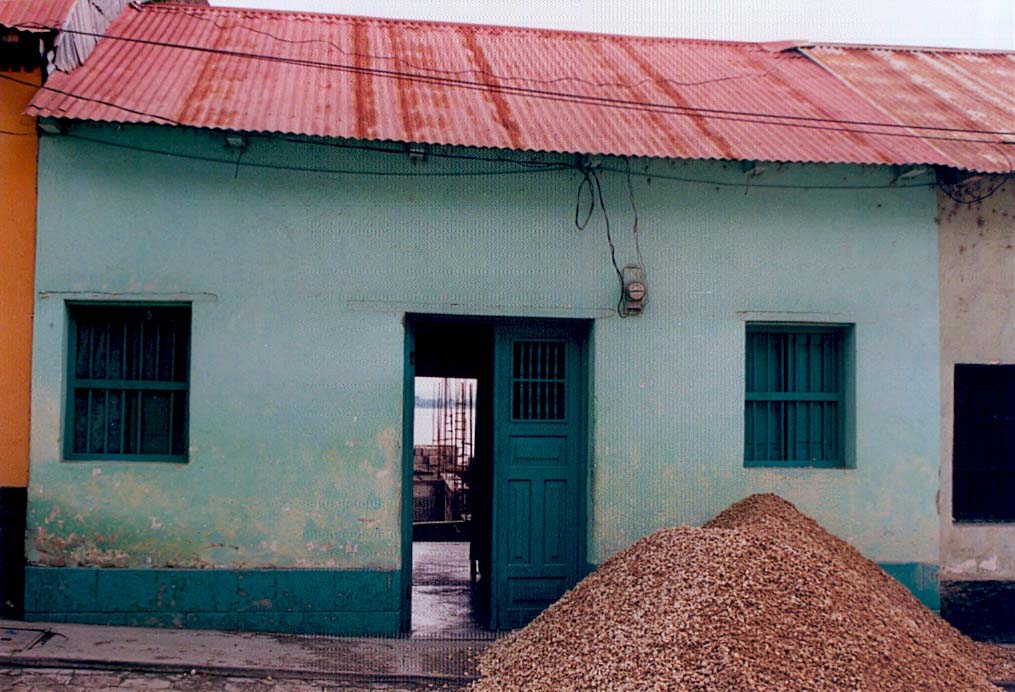
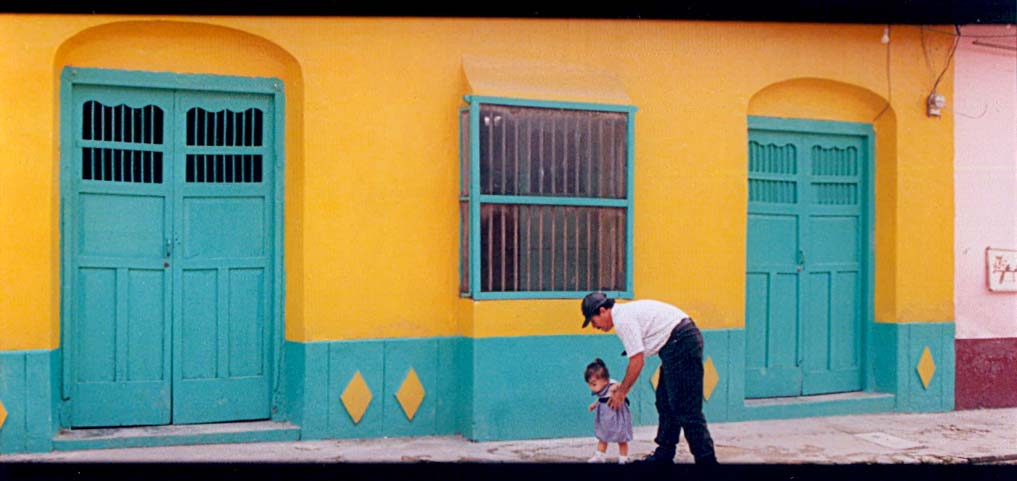
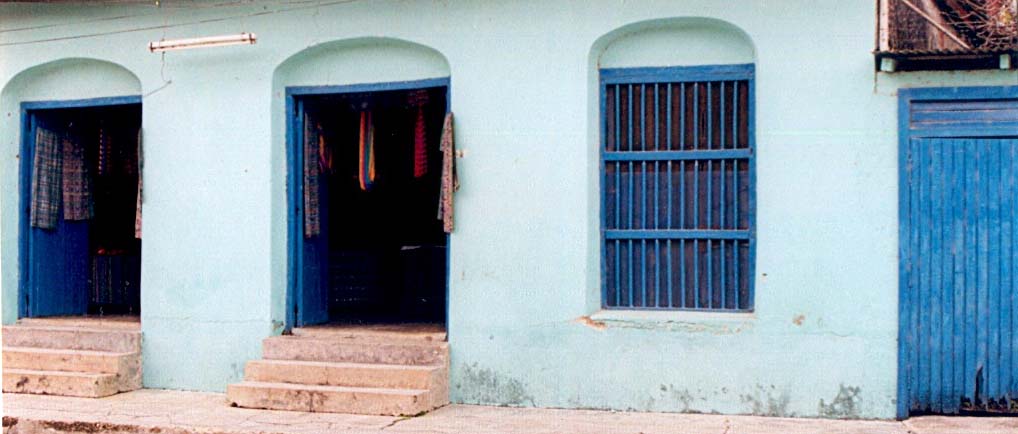
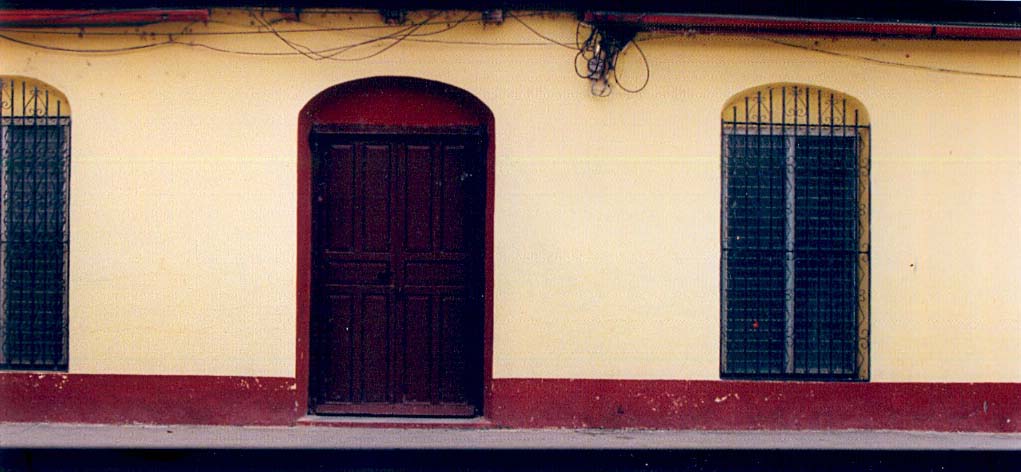
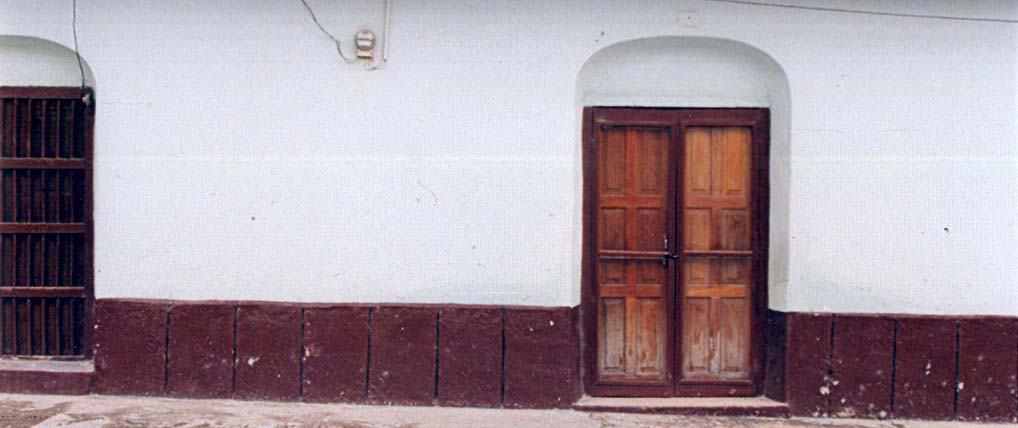
Walking through the maze of steep, narrow cobblestone streets in Flores is a visual explosion for any artist. Every single corner reveals another block of houses painted in the wildest, most joyful colors—from electric blue and bright pink to warm ochre and sun-drenched yellow, all topped with traditional red-tiled roofs.
But this island town isn't just beautiful; it carries a fierce history. Originally named Nojpetén, this tiny island was actually the last independent Maya stronghold in all of Central America, successfully resisting the Spanish conquerors until 1697. Today, that heavy history is hidden behind a laid-back, Caribbean-style charm. Photographing these brilliantly colored facades reflecting in the quiet waters of Lake Petén Itzá felt like walking through a living, breathing color wheel—the perfect backdrop for our New Year’s adventure
Walking through the maze of steep, narrow cobblestone streets in Flores is a visual explosion for any artist. Every single corner reveals another block of houses painted in the wildest, most joyful colors—from electric blue and bright pink to warm ochre and sun-drenched yellow, all topped with traditional red-tiled roofs.
But this island town isn't just beautiful; it carries a fierce history. Originally named Nojpetén, this tiny island was actually the last independent Maya stronghold in all of Central America, successfully resisting the Spanish conquerors until 1697. Today, that heavy history is hidden behind a laid-back, Caribbean-style charm. Photographing these brilliantly colored facades reflecting in the quiet waters of Lake Petén Itzá felt like walking through a living, breathing color wheel—the perfect backdrop for our New Year’s adventure
TIKAL
"Travel is a chaos of experience, momentarily memorable, and distressing in its capacity to flee the mind and disappear without a trace!"
The Limestone Giants: Exploring the Lost World of Petén
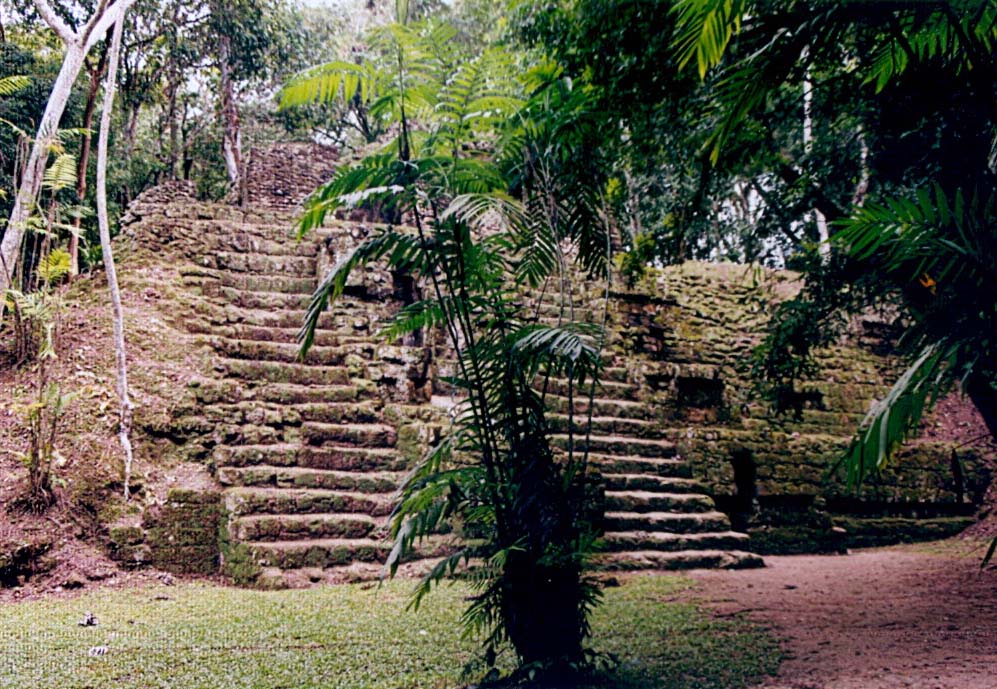
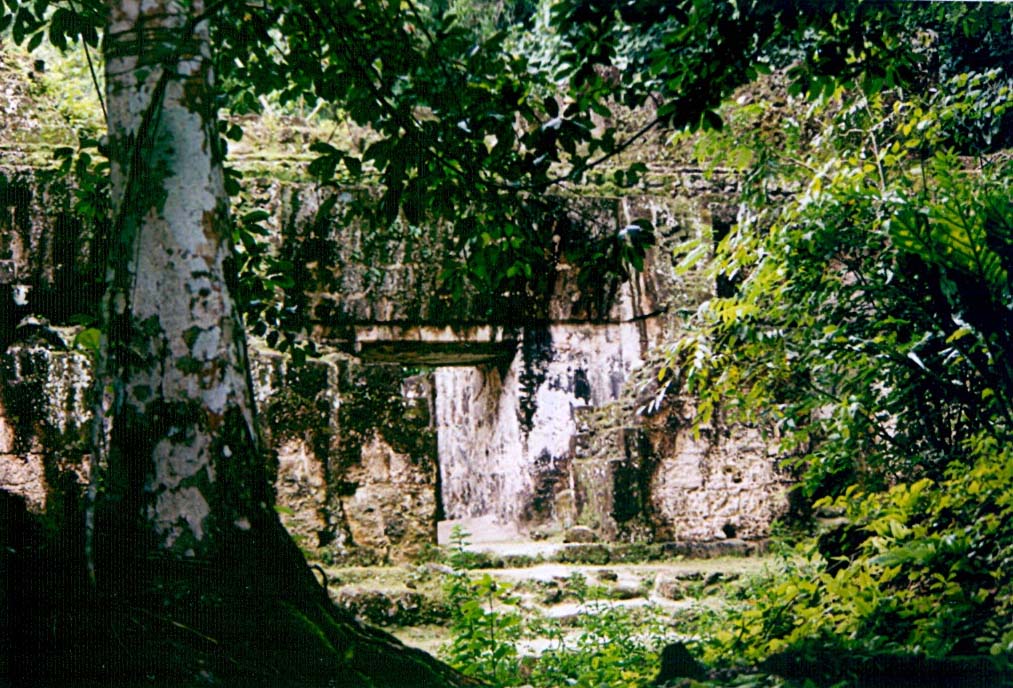
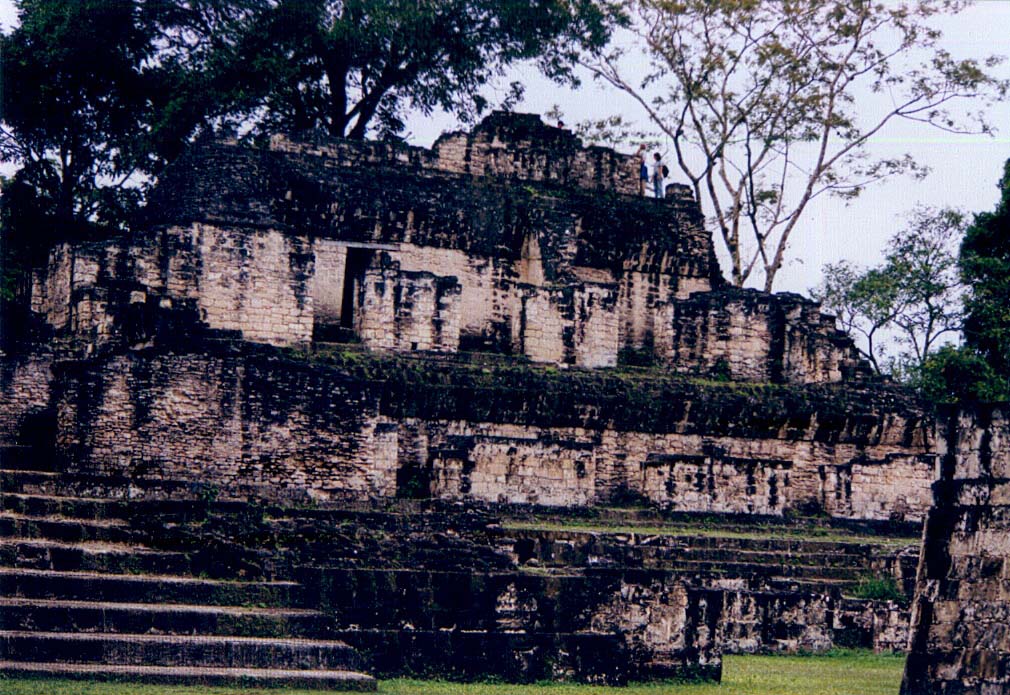
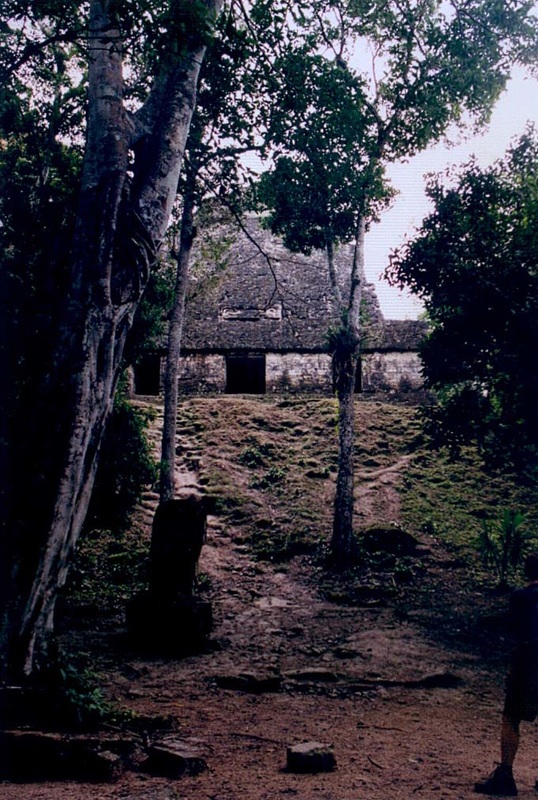
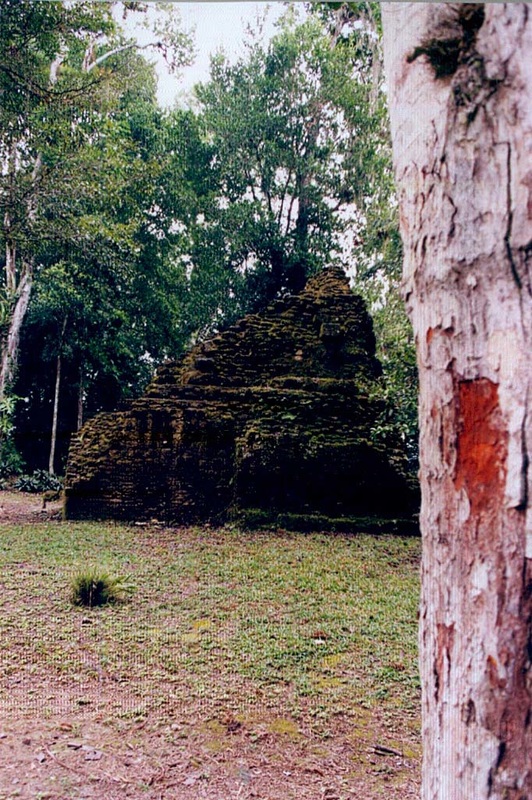
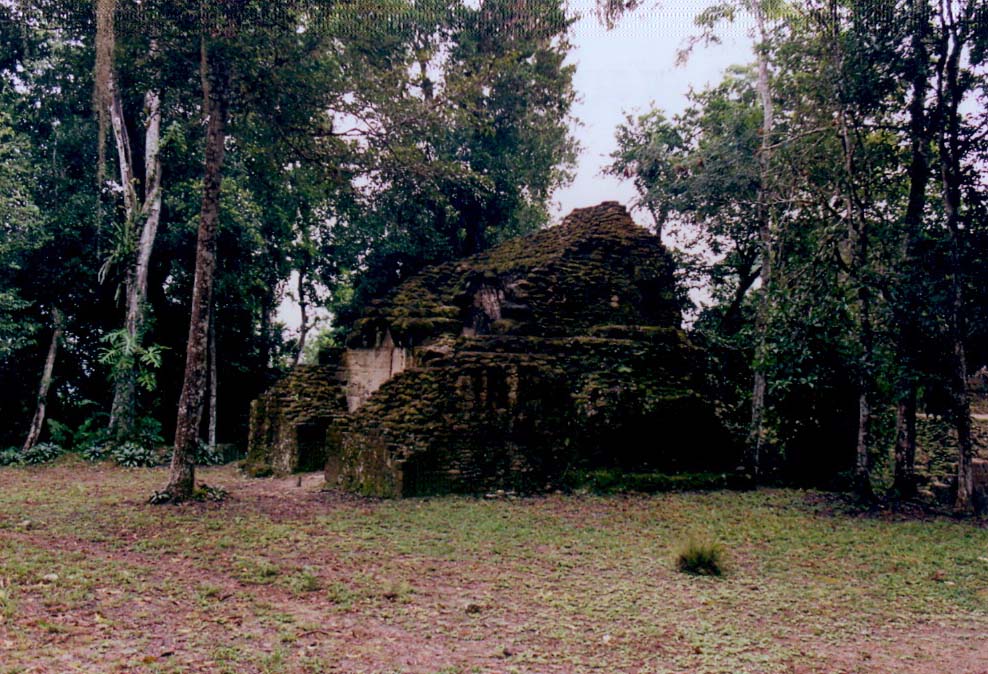
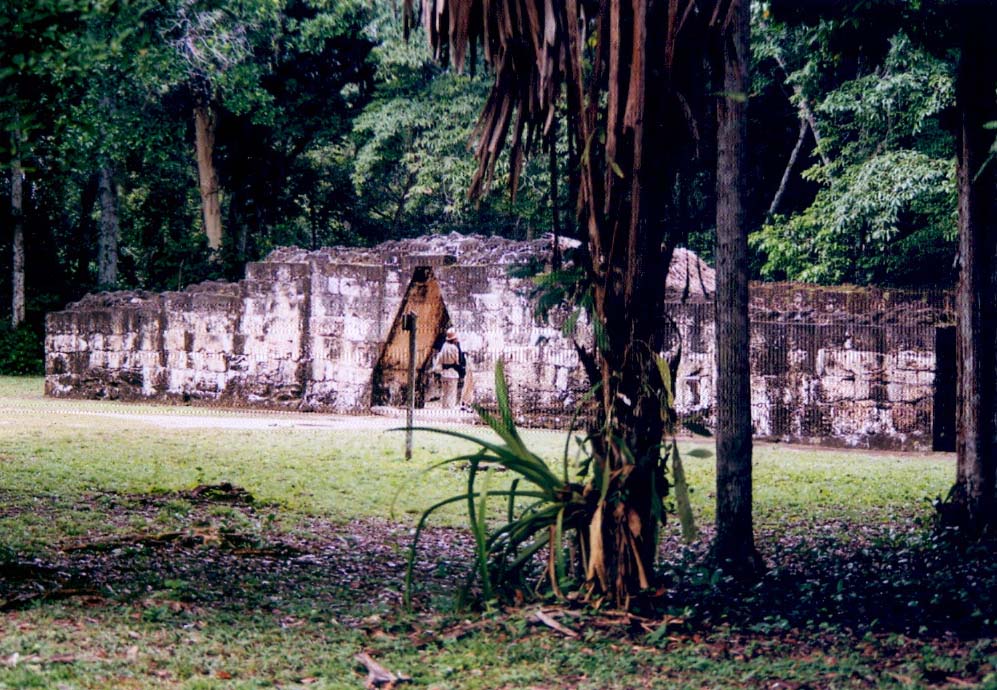
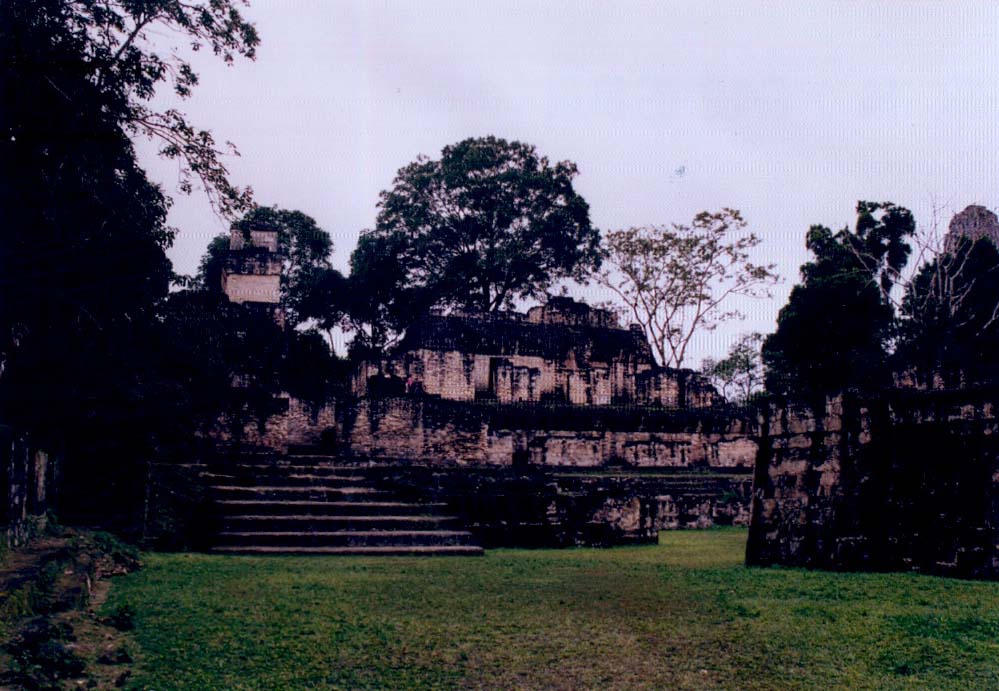
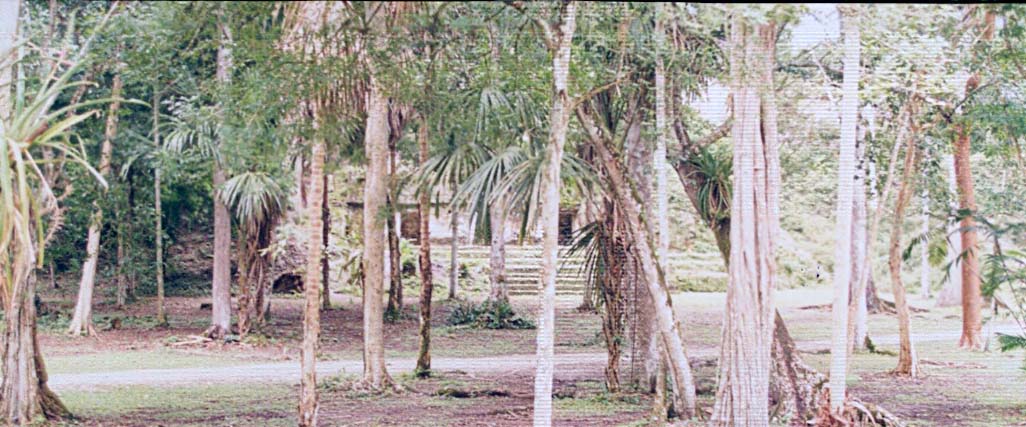
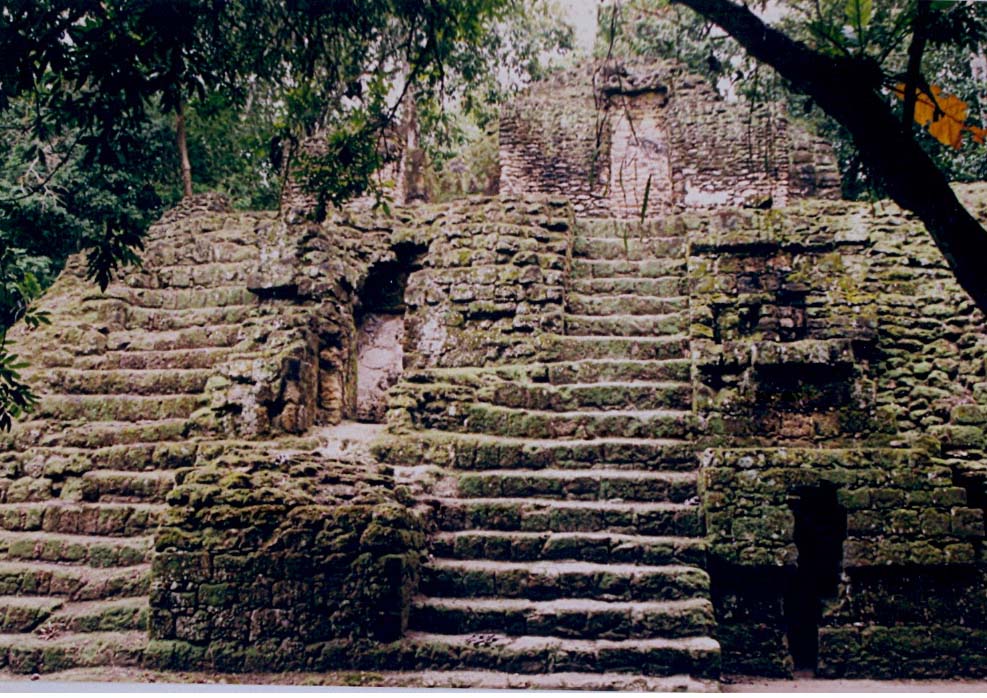
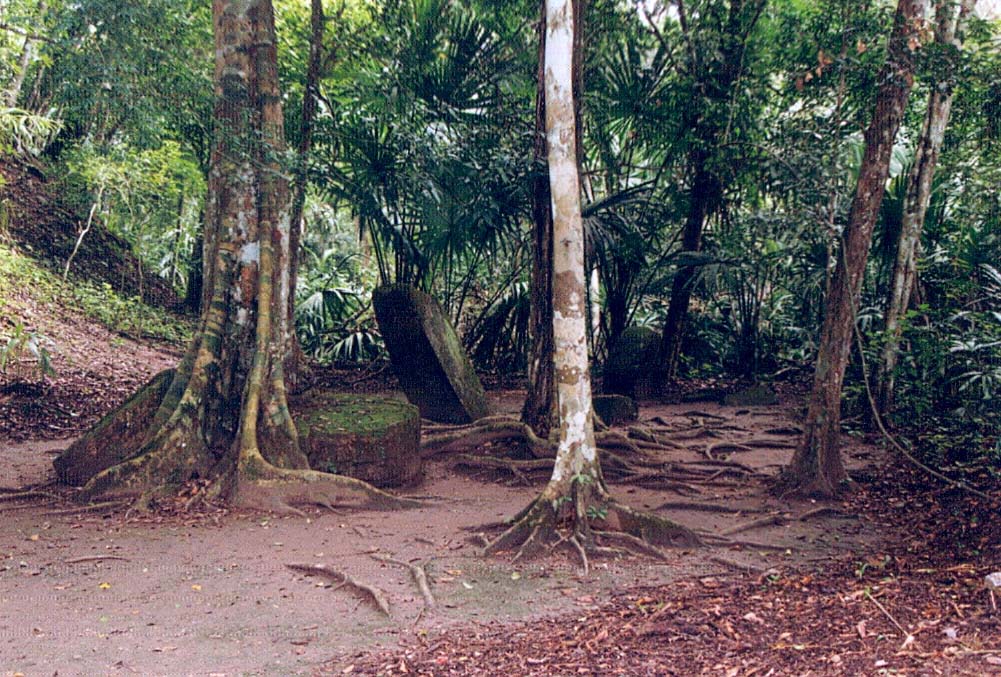
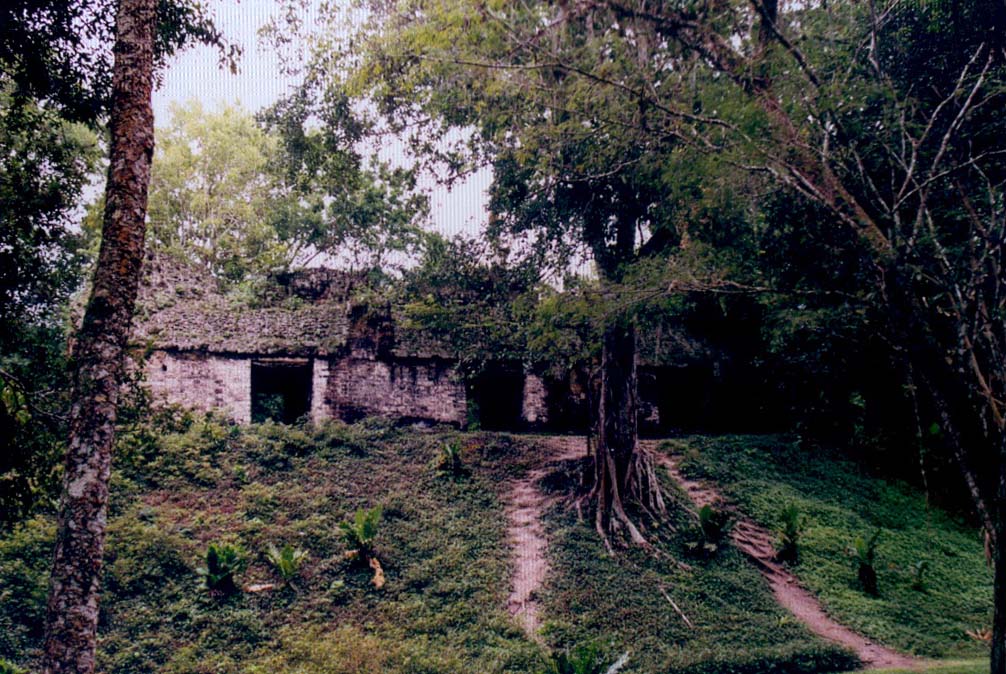
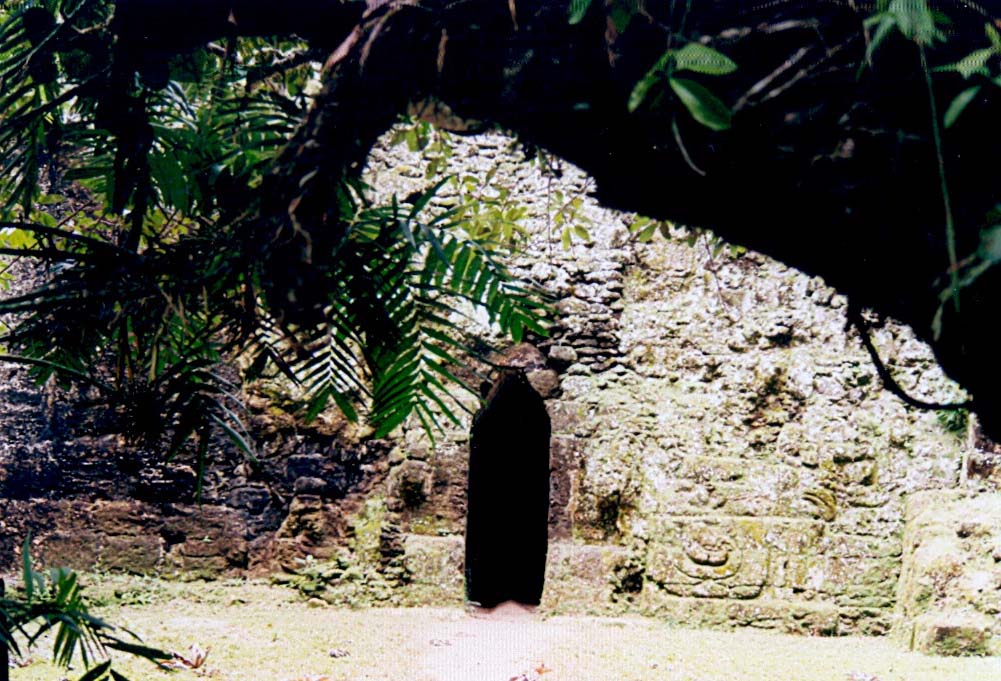
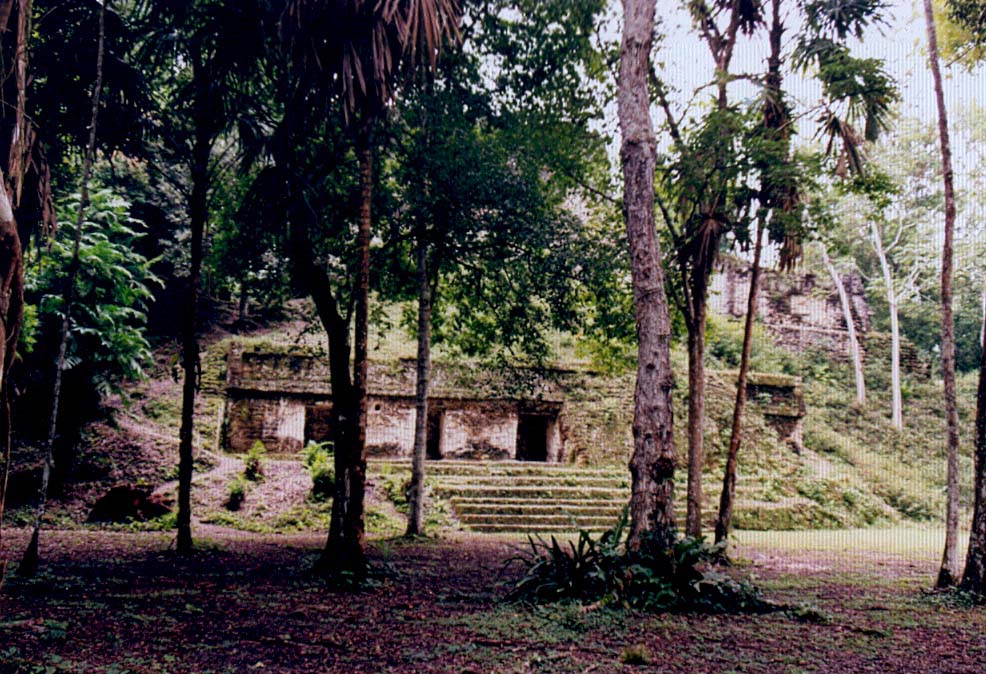
After celebrating the start of the millennium in Flores, I headed deep into the dense, humid rainforests of the Petén region in northern Guatemala. My destination was Tikal, one of the most powerful and majestic ancient cities of the Maya civilization. Walking into this archaeological giant feels like stepping straight onto a movie set where history and wild nature completely collide.
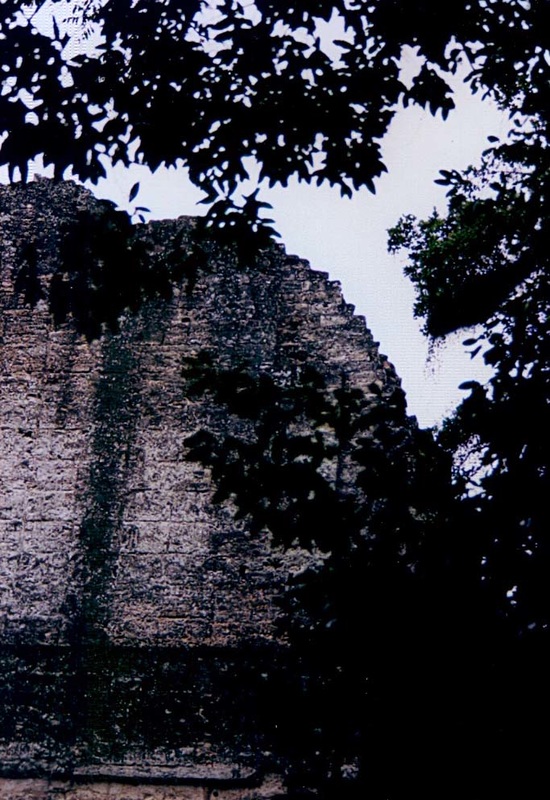
Standing at the foot of these towering limestone structures, you can literally feel the weight of centuries. Tikal is a true ghost city with a spectacular timeline:
After celebrating the start of the millennium in Flores, I headed deep into the dense, humid rainforests of the Petén region in northern Guatemala. My destination was Tikal, one of the most powerful and majestic ancient cities of the Maya civilization. Walking into this archaeological giant feels like stepping straight onto a movie set where history and wild nature completely collide.
Standing at the foot of these towering limestone structures, you can literally feel the weight of centuries. Tikal is a true ghost city with a spectacular timeline:
- The Early Roots: Archeologists have traced the very first signs of human settlement here all the way back to the early 1st century BC. [1]
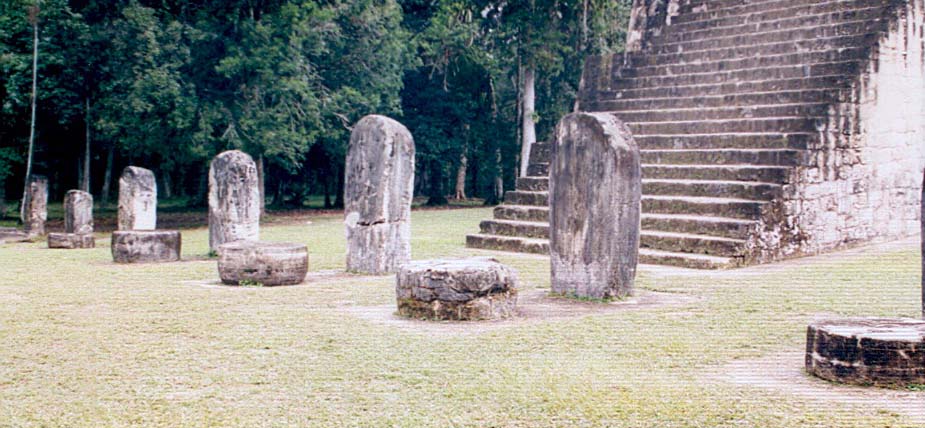
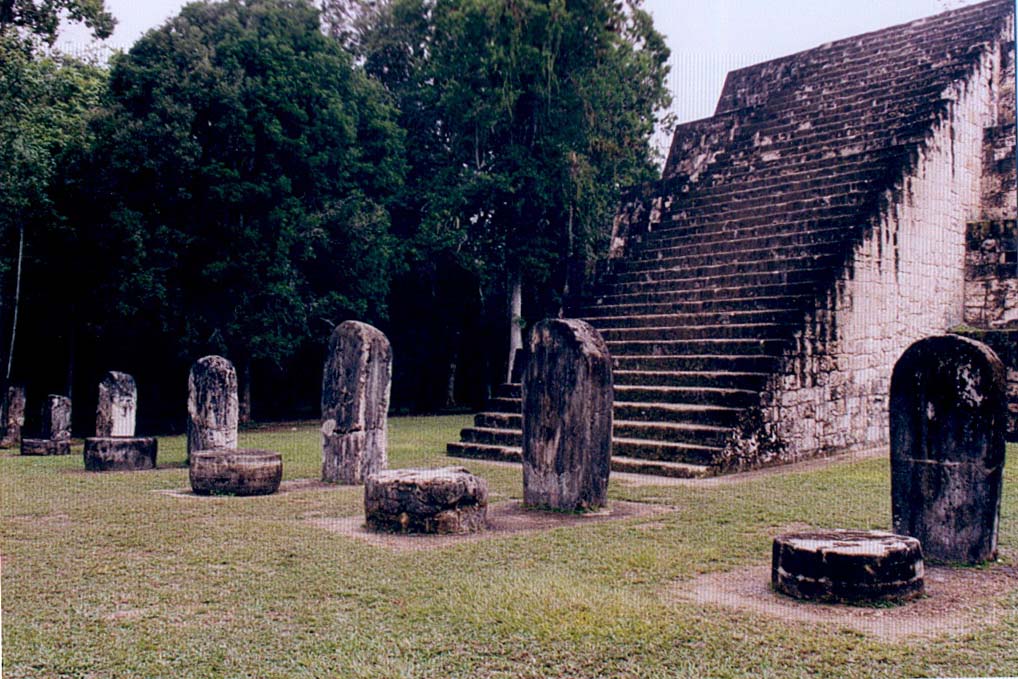
- The Golden Era of Architecture: By the 2nd century AD, the city went through a massive building boom, which is when most of the monumental temples, grand palaces, and intricately carved stone stelae began to shape the landscape.
- The Imperial Peak: Tikal reached the absolute absolute height of its power, wealth, and population between the 5th and 8th centuries AD, ruling over vast trade networks in Mesoamerica.
- The Mysterious Collapse: However, the glory didn't last forever. During the 9th century AD, all major construction work slowly ground to a halt, and by the 10th century, the city was completely abandoned, left behind to be swallowed by the aggressive jungle for hundreds of years
The Megacity in the Jungle: Mind-Blowing Scale
To truly comprehend Tikal, you have to look at the staggering numbers behind the stone. This wasn't just a collection of hidden temples; it was a sprawling, high-density ancient metropolis.
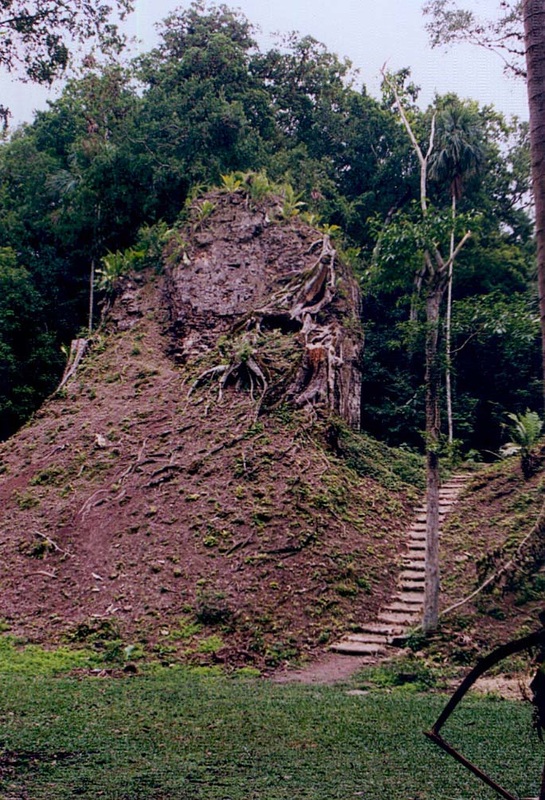
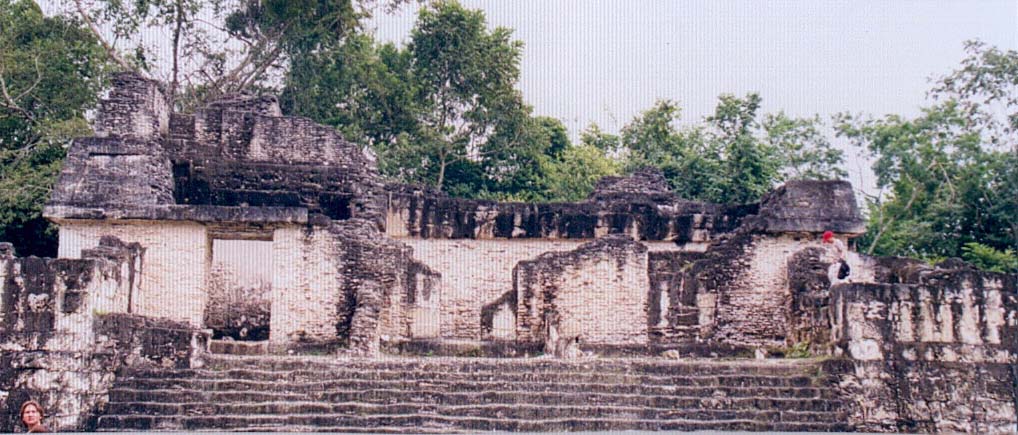
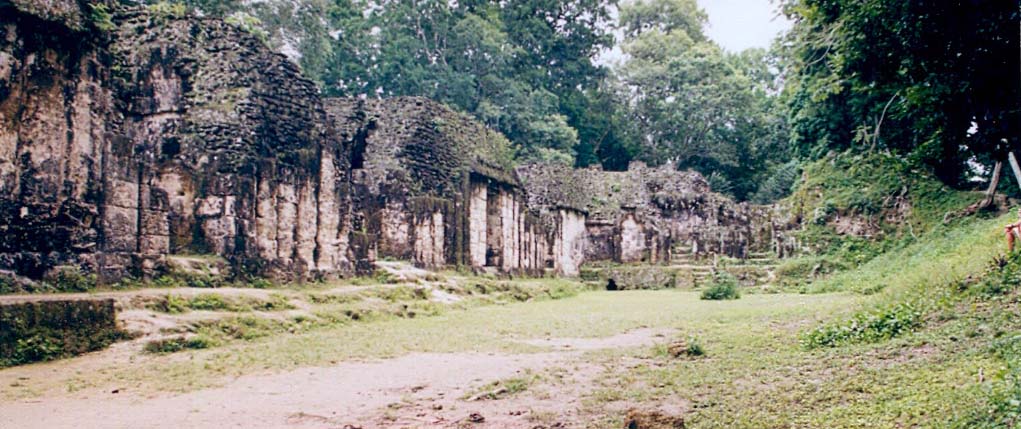
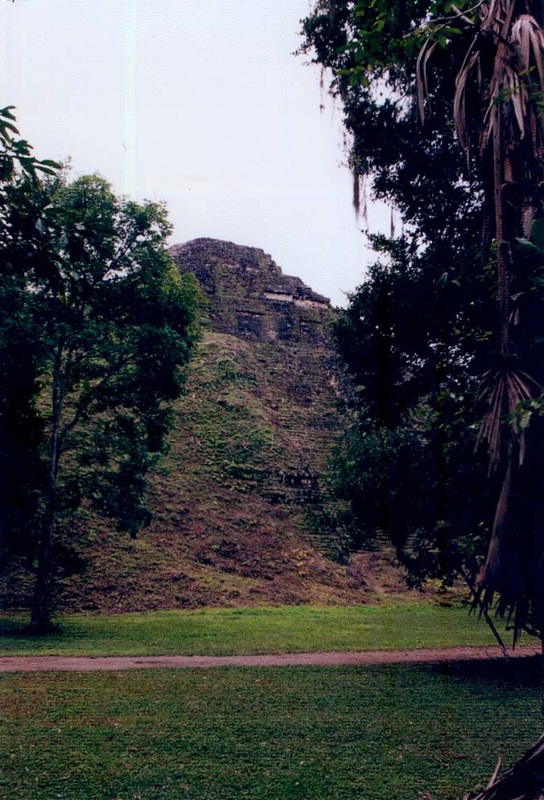
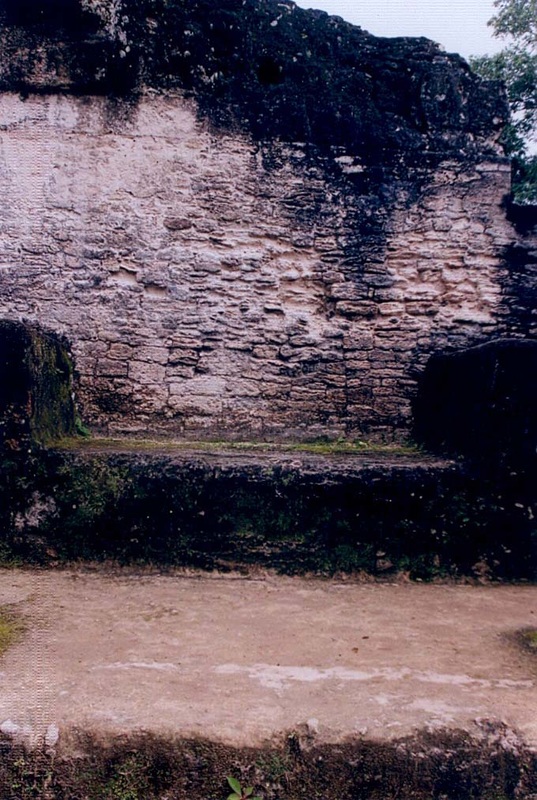
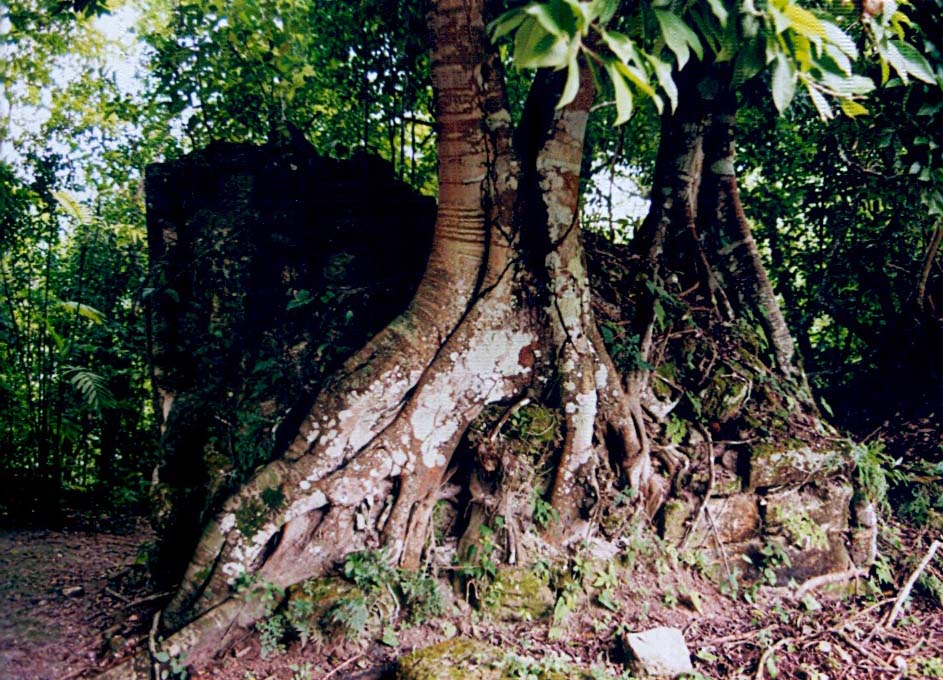
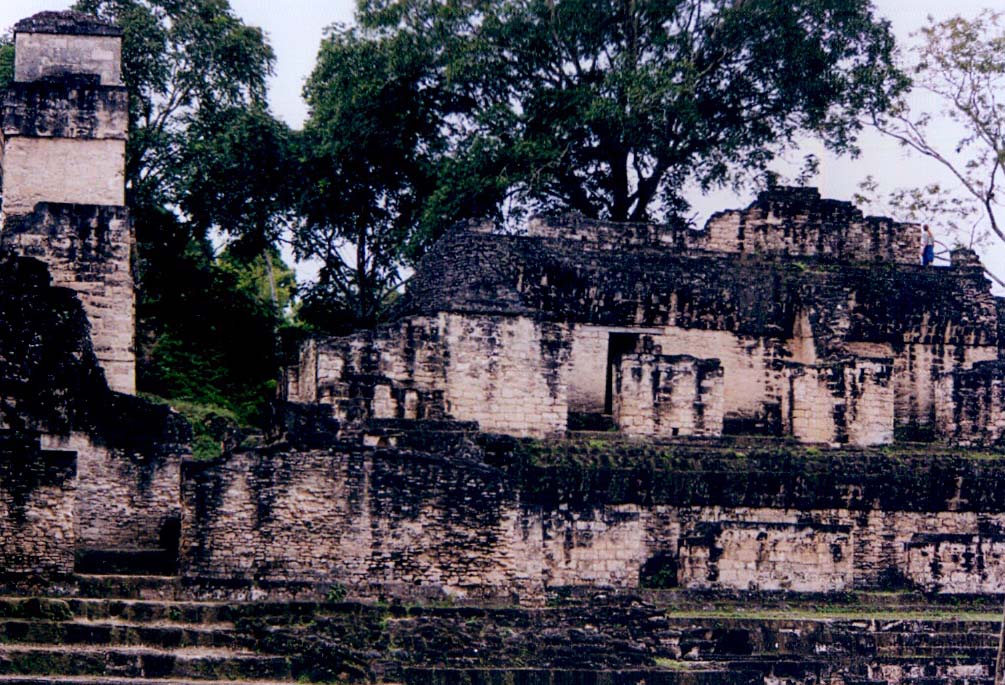
The entire archaeological zone covers a massive area of 65 square kilometers, with the densely packed city center concentrated on about 16 square kilometers. This core area alone houses an unbelievable 3,000 buildings—including towering pyramids, royal palaces, ball courts, and terraces. Experts estimate that across the entire territory, there are up to 10,000 structures in total, many of them still hidden beneath the jungle floor and covered in dirt and roots.
During its imperial peak in the 8th century, the sheer population density was mind-boggling. It is estimated that at least 50,000 people lived within the city limits, with some modern researchers guessing that the total population of the greater Tikal area may have reached up to 200,000 residents! Imagining these silent, moss-covered plazas once buzzing with the voices, music, and energy of thousands of people is absolutely surreal.
To truly comprehend Tikal, you have to look at the staggering numbers behind the stone. This wasn't just a collection of hidden temples; it was a sprawling, high-density ancient metropolis.
The entire archaeological zone covers a massive area of 65 square kilometers, with the densely packed city center concentrated on about 16 square kilometers. This core area alone houses an unbelievable 3,000 buildings—including towering pyramids, royal palaces, ball courts, and terraces. Experts estimate that across the entire territory, there are up to 10,000 structures in total, many of them still hidden beneath the jungle floor and covered in dirt and roots.
During its imperial peak in the 8th century, the sheer population density was mind-boggling. It is estimated that at least 50,000 people lived within the city limits, with some modern researchers guessing that the total population of the greater Tikal area may have reached up to 200,000 residents! Imagining these silent, moss-covered plazas once buzzing with the voices, music, and energy of thousands of people is absolutely surreal.
The Gran Plaza: Standing Between the Giants
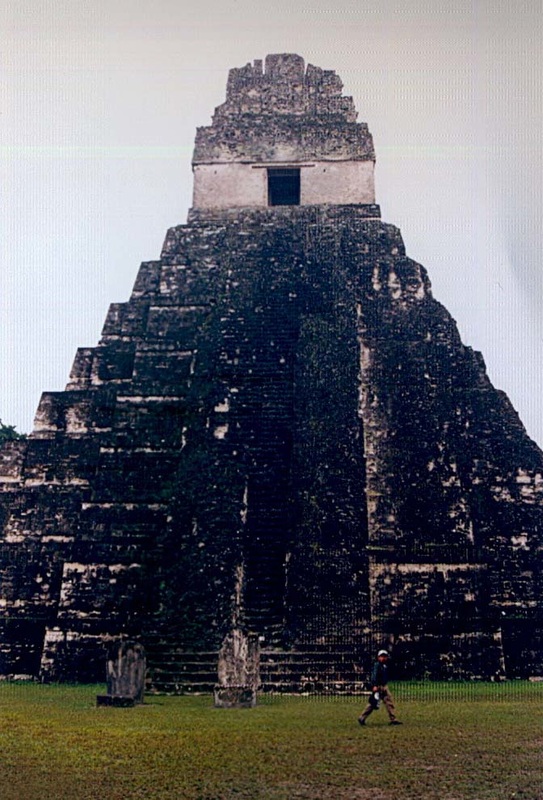
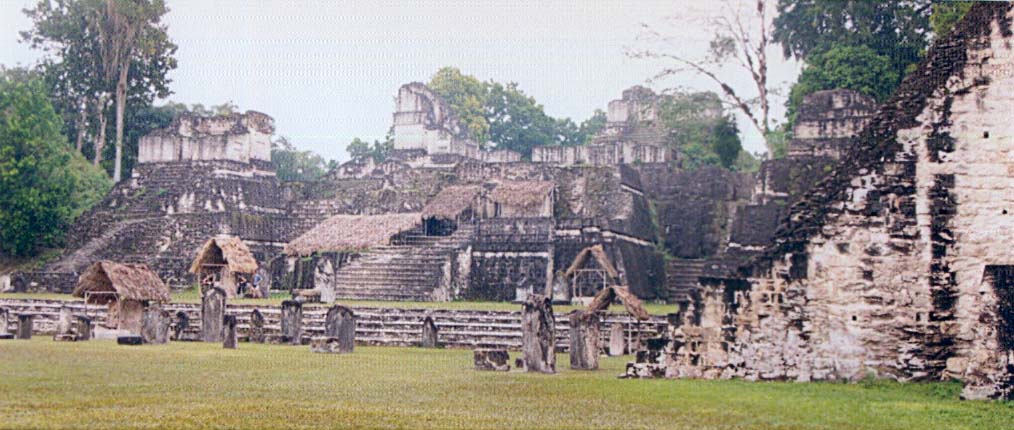
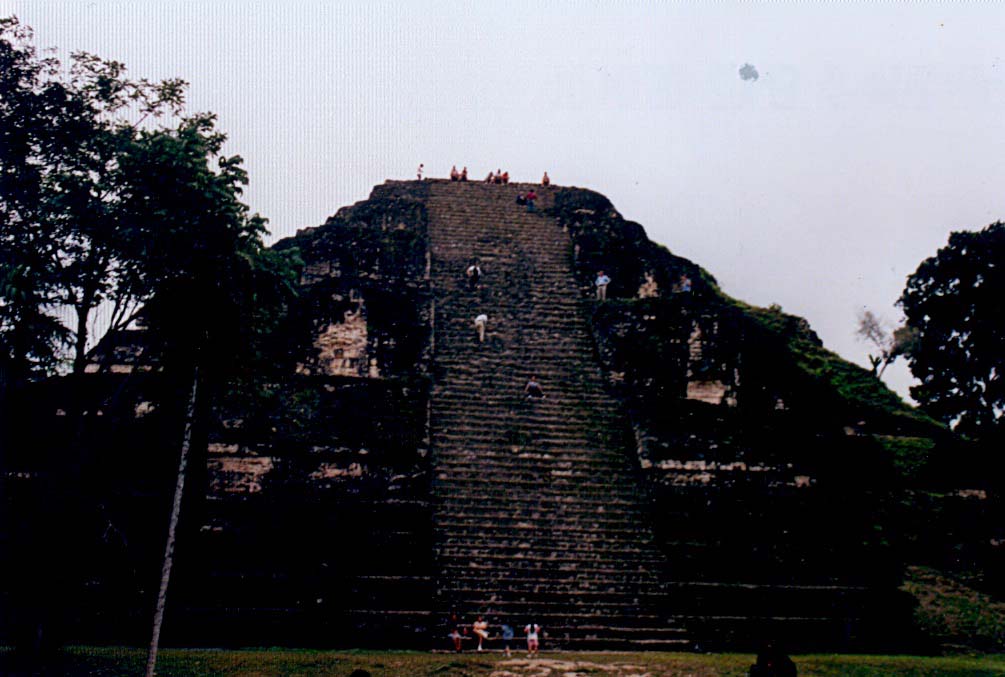
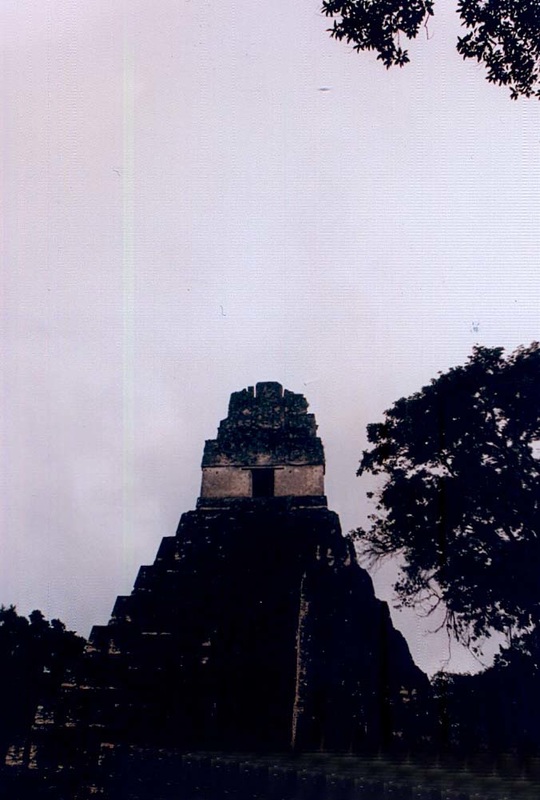
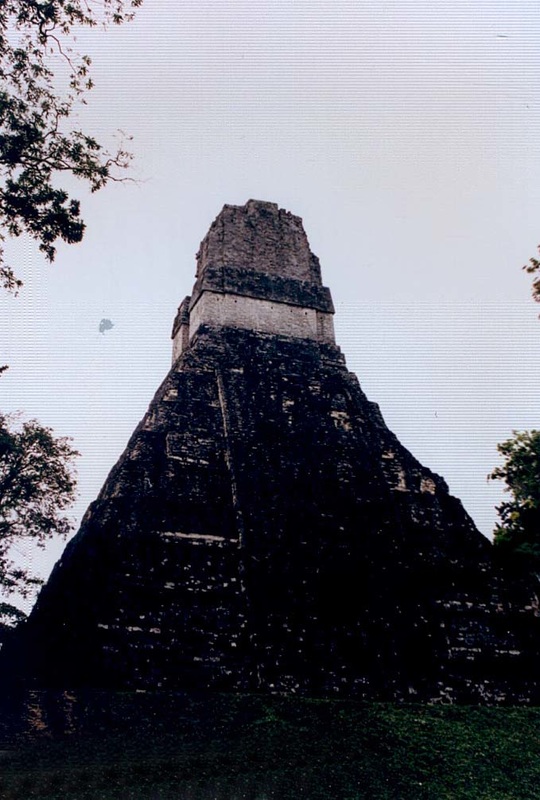
The absolute epicenter of Tikal’s power and spirituality is the Gran Plaza (The Great Plaza). Stepping onto this massive, grassy square feels like entering a giant outdoor cathedral of stone. The plaza is dramatically framed by two of the most iconic structures in Mesoamerica: Temple I and Temple II.
Facing each other like ancient stone sentinels, these two structures are among the tallest step-pyramids in all of Central America, rising to impressive heights of 40 meters and 47 meters.
The absolute epicenter of Tikal’s power and spirituality is the Gran Plaza (The Great Plaza). Stepping onto this massive, grassy square feels like entering a giant outdoor cathedral of stone. The plaza is dramatically framed by two of the most iconic structures in Mesoamerica: Temple I and Temple II.
Facing each other like ancient stone sentinels, these two structures are among the tallest step-pyramids in all of Central America, rising to impressive heights of 40 meters and 47 meters.
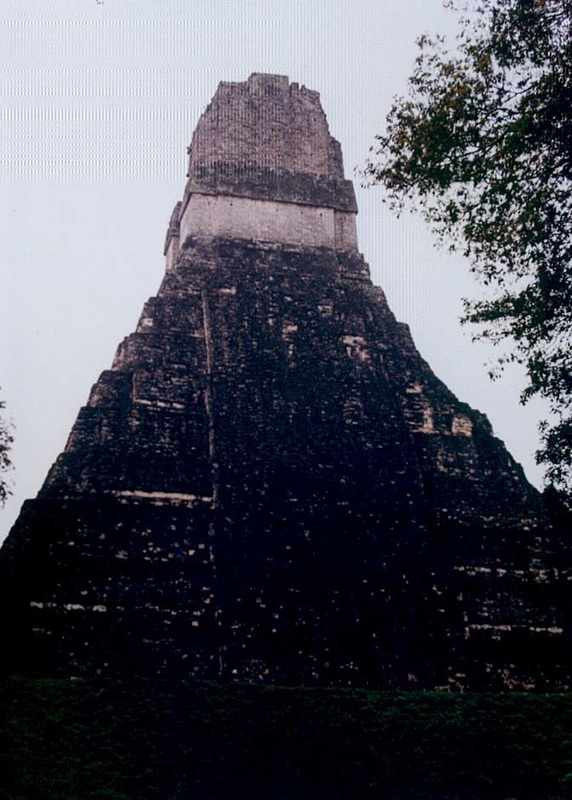
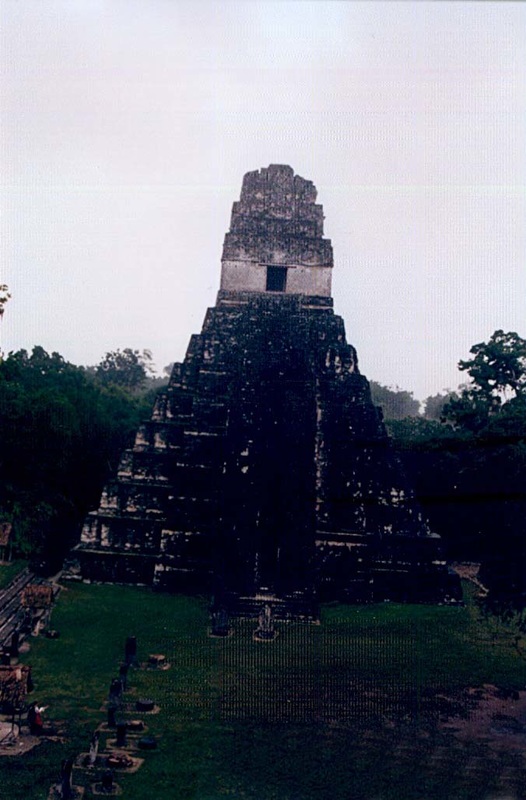
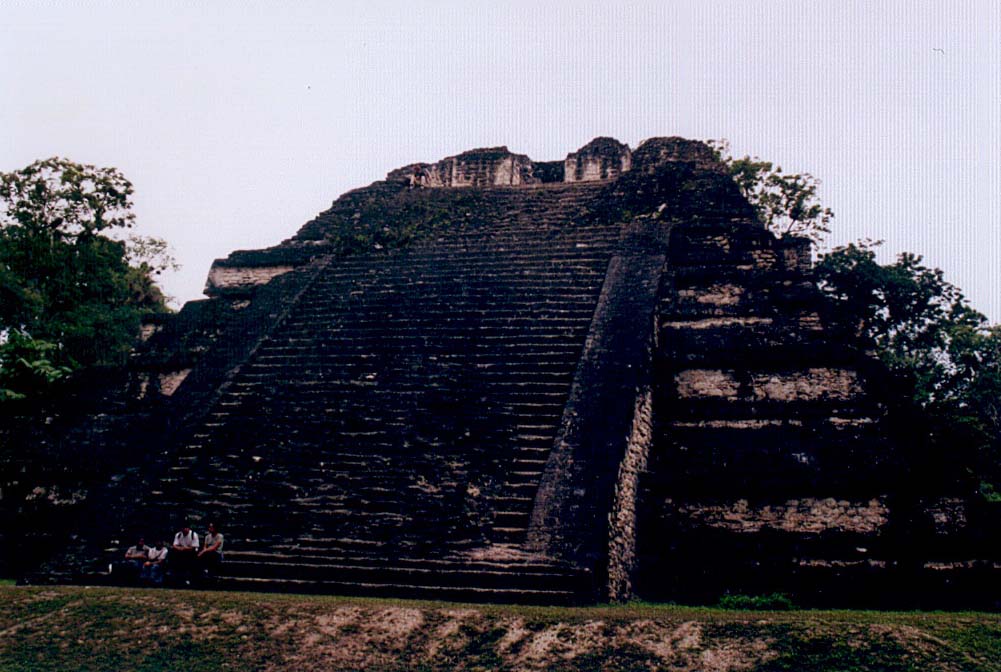
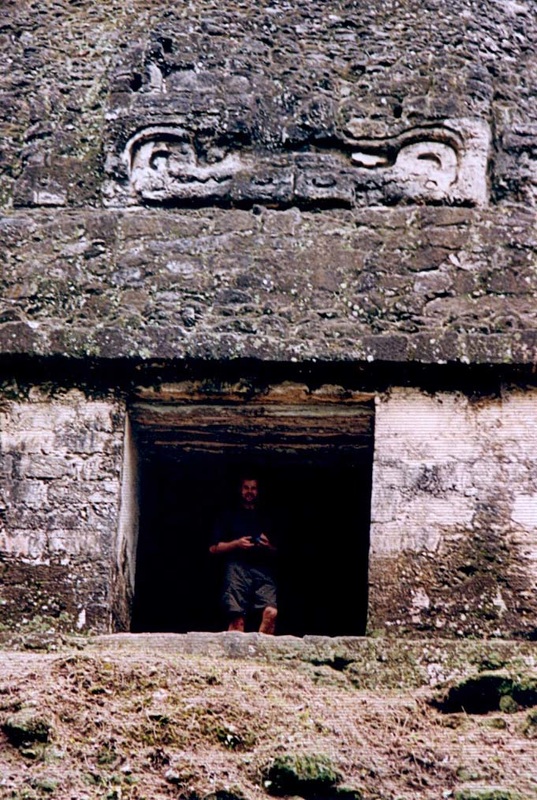
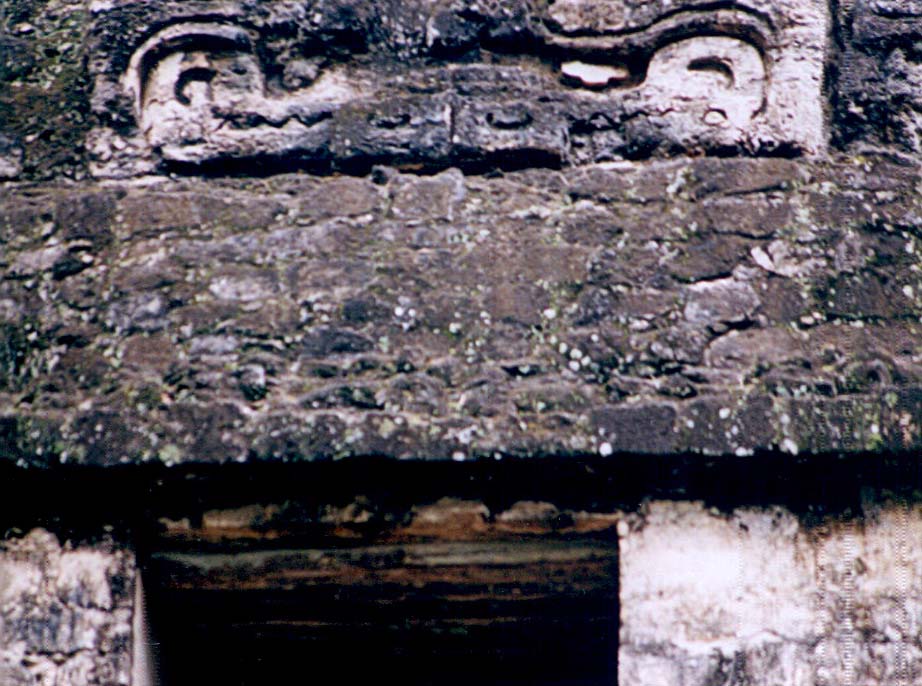
- Temple I, also known as the Temple of the Great Jaguar, was built as a majestic funerary monument for the great ruler Jasaw Chan K'awiil I. Its steep, narrow limestone steps claw straight into the tropical sky.
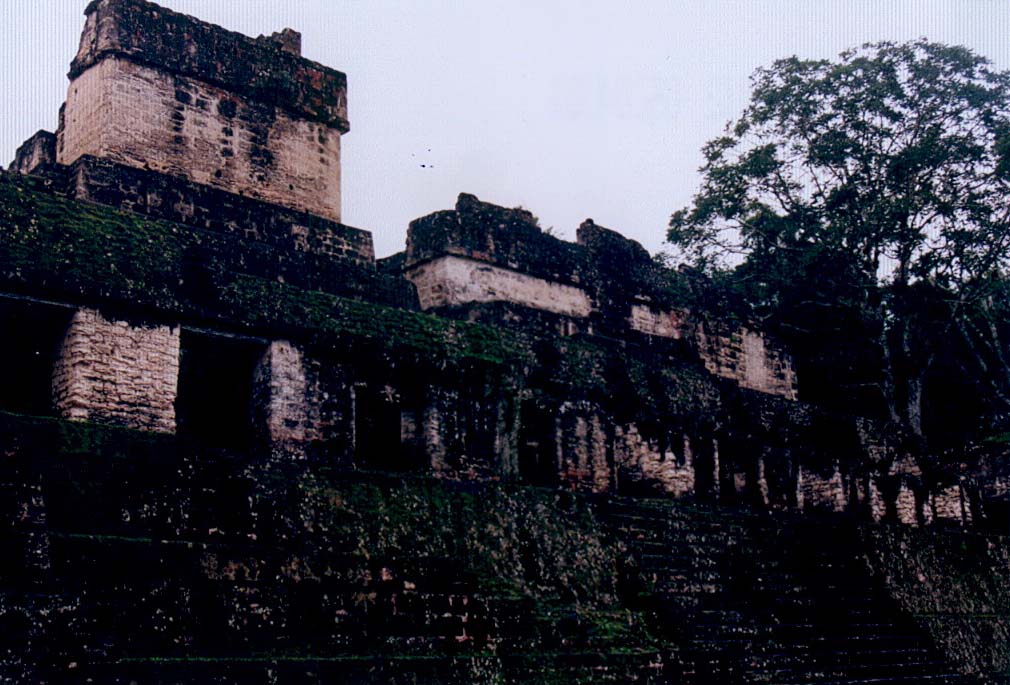
- Temple II, the Temple of the Masks, sits directly opposite and was dedicated to the ruler's wife.
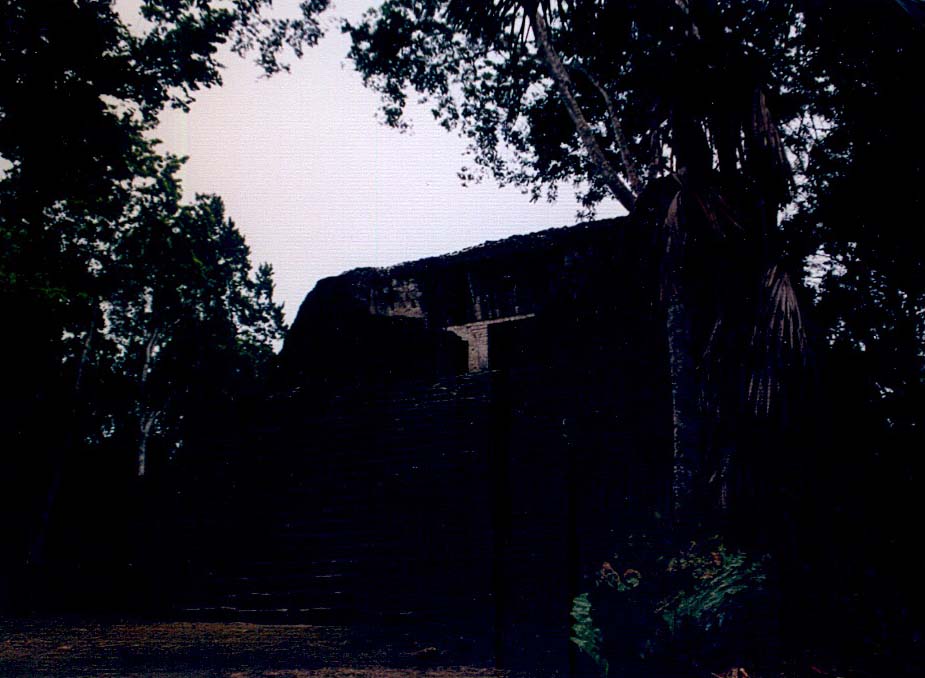
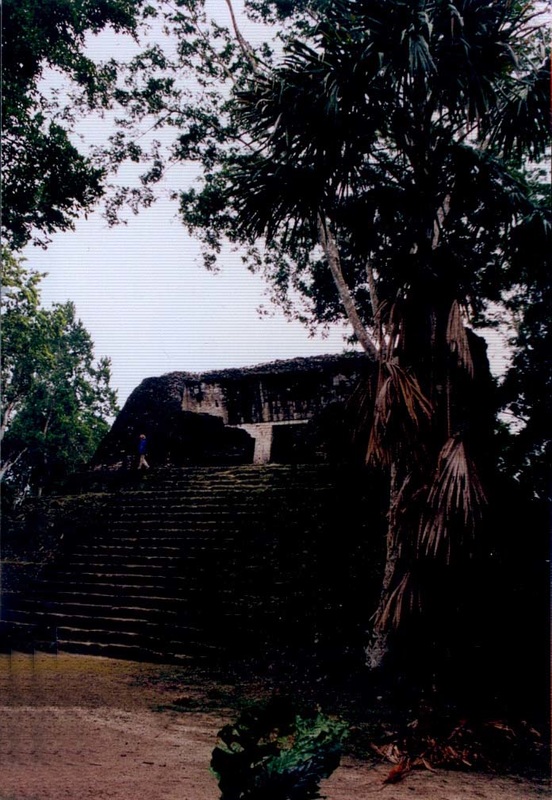
Temple I—also known as the Temple of Ah Cacao or the "Temple of the Great Jaguar"—rises up via 100 steps.
Mutal: Unearthing the Ancient Name and Deepest Roots
While the world knows this magnificent place as Tikal, its true, historic name written in ancient Maya hieroglyphs is actually Mutal. The exact translation remains a bit of a mystery among modern linguists, but researchers strongly suspect it means "The Flower." Imagining this brutal, towering limestone empire under such a delicate name brings a beautiful, poetic contrast to the landscape.
Our understanding of the city's timeline also goes much deeper than once thought. While major construction boomed later on, the earliest human settlement at Mutal has been traced back all the way to 900 BC.
For centuries, the early inhabitants lived in simple agricultural communities. It took about 500 years of growth, adaptation, and cultural evolution before the first truly complex stone buildings, temples, and ceremonial platforms were erected around 400 BC. Standing amidst the ruins today, you are looking at nearly three thousand years of human ambition, starting from a tiny jungle settlement and blooming into "The Flower" of the Maya world.
While the world knows this magnificent place as Tikal, its true, historic name written in ancient Maya hieroglyphs is actually Mutal. The exact translation remains a bit of a mystery among modern linguists, but researchers strongly suspect it means "The Flower." Imagining this brutal, towering limestone empire under such a delicate name brings a beautiful, poetic contrast to the landscape.
Our understanding of the city's timeline also goes much deeper than once thought. While major construction boomed later on, the earliest human settlement at Mutal has been traced back all the way to 900 BC.
For centuries, the early inhabitants lived in simple agricultural communities. It took about 500 years of growth, adaptation, and cultural evolution before the first truly complex stone buildings, temples, and ceremonial platforms were erected around 400 BC. Standing amidst the ruins today, you are looking at nearly three thousand years of human ambition, starting from a tiny jungle settlement and blooming into "The Flower" of the Maya world.
The Final Inscription: Tikal’s Last Stand
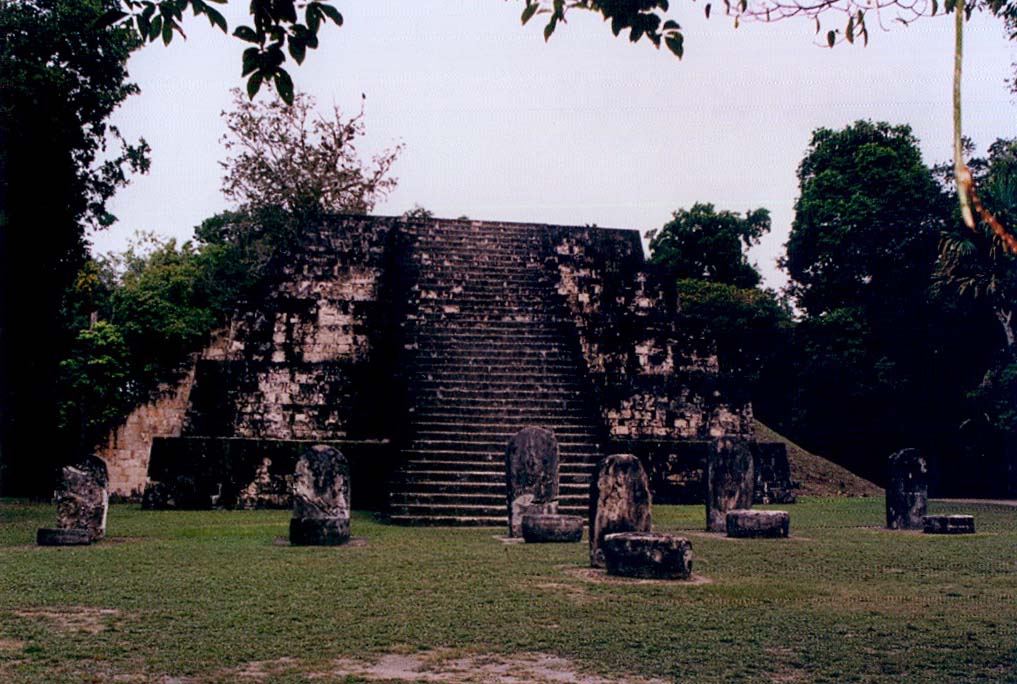
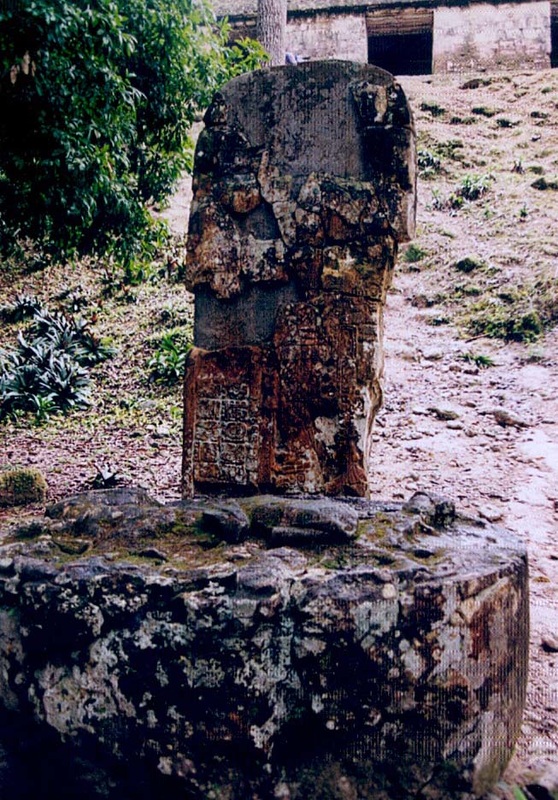
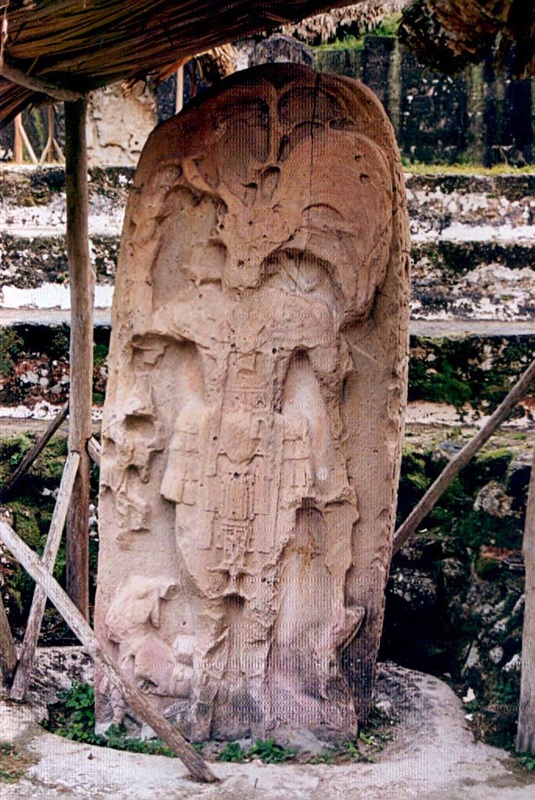
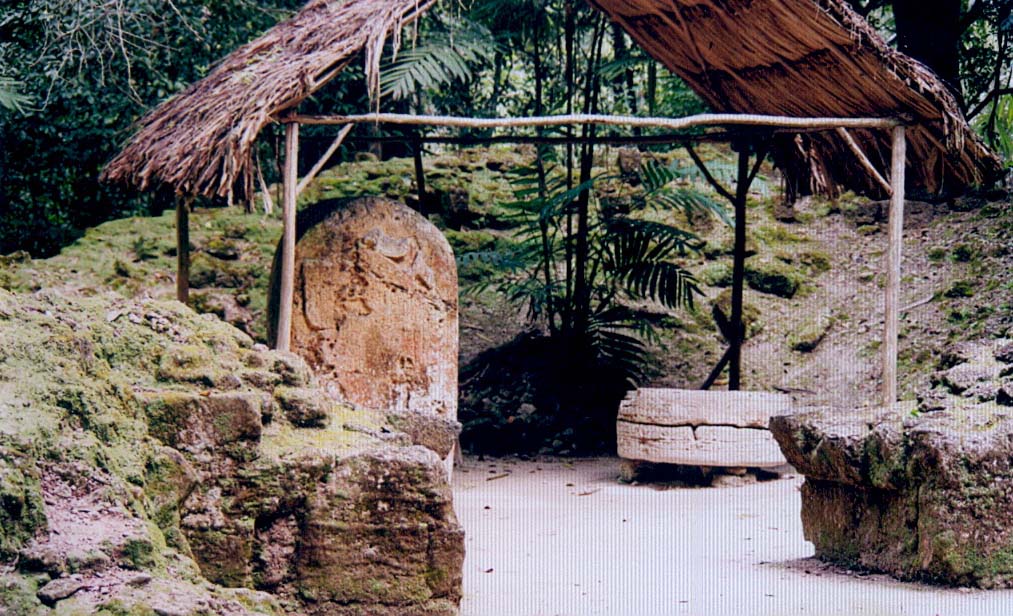
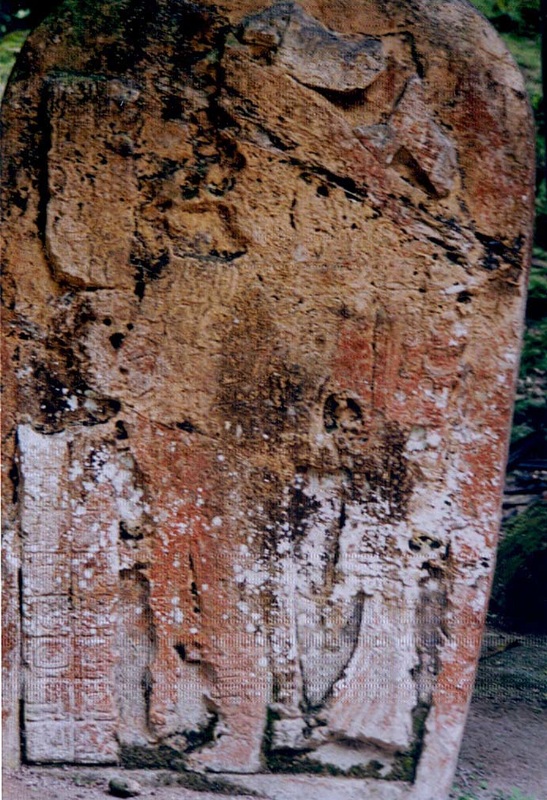
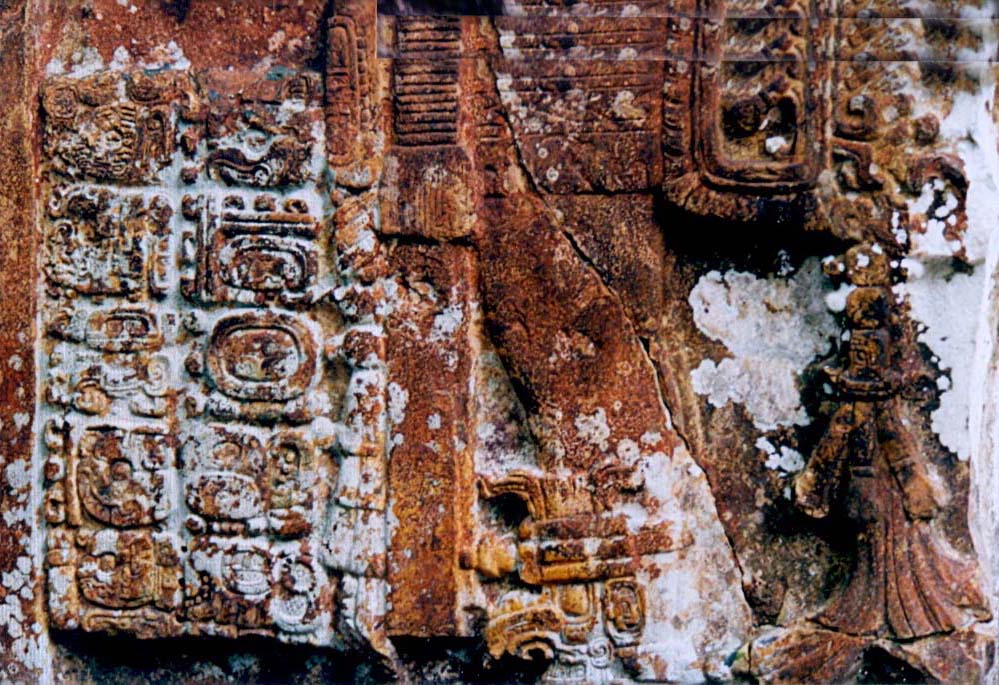
The ultimate proof of Tikal's incredible resilience is written directly in stone. Archaeologists discovered a magnificent stela dated all the way back to the year 879 AD.
This single carved stone monument is a monumental piece of history: it confirms that Tikal was one of the longest-surviving classical Maya sites in the entire region.
While neighboring kingdoms and rival jungle cities were already collapsing and being abandoned one by one during the late classic Maya collapse, Tikal’s rulers were still standing proud, recording their history, and carving their royal legacies into the limestone. It shows the incredible strength, adaptability, and stubborn endurance of this ancient metropolis before the jungle finally claimed it a few decades later. It is the perfect, poetic finale to our trek through this lost empire
The ultimate proof of Tikal's incredible resilience is written directly in stone. Archaeologists discovered a magnificent stela dated all the way back to the year 879 AD.
This single carved stone monument is a monumental piece of history: it confirms that Tikal was one of the longest-surviving classical Maya sites in the entire region.
While neighboring kingdoms and rival jungle cities were already collapsing and being abandoned one by one during the late classic Maya collapse, Tikal’s rulers were still standing proud, recording their history, and carving their royal legacies into the limestone. It shows the incredible strength, adaptability, and stubborn endurance of this ancient metropolis before the jungle finally claimed it a few decades later. It is the perfect, poetic finale to our trek through this lost empire
The Fall of Mutal & The Unsolved Mystery
While Tikal managed to survive the initial, general pre-classic decline of the Maya civilization around 200 AD, its long history was permanently altered in the year 378 AD.
In a dramatic and violent turning point, the city was conquered by the forces of Teotihuacán—the colossal, powerful metropolis from the central Mexican highlands. On the exact day the Teotihuacán warlords entered the city, the reigning Maya king, Chak Tok Ich'aak I (proudly known as "Great Jaguar Paw"), was killed, ending a centuries-old local dynasty and installing a new lineage heavily influenced by Mexican interests.
Tikal rose again from this invasion, but the ultimate end of "The Flower" was inescapable. Beginning in the early 9th century AD, a sudden, rapid decline gripped the entire region. The great stone-carving ceased, the palaces emptied out, and the grand metropolis slowly vanished beneath the roots and leaves of the aggressive jungle.
To this day, the true cause behind the sudden collapse of the Maya civilization remains one of the greatest, most fiercely debated mysteries in human history.
Was it a devastating, prolonged drought period that kept Mesoamerica in a stranglehold from 800 AD until the 10th century, destroying their vital crops and water reservoirs? Or was the sudden extinction caused by catastrophic, sweeping epidemics that wiped out the massive population centers? Until modern science can unearth the definitive truth, the silent, green ruins of Mutal will guard their secrets—leaving the fate of its 200,000 souls an unsolved riddle written in stone. An unsolved mystery to this day...
While Tikal managed to survive the initial, general pre-classic decline of the Maya civilization around 200 AD, its long history was permanently altered in the year 378 AD.
In a dramatic and violent turning point, the city was conquered by the forces of Teotihuacán—the colossal, powerful metropolis from the central Mexican highlands. On the exact day the Teotihuacán warlords entered the city, the reigning Maya king, Chak Tok Ich'aak I (proudly known as "Great Jaguar Paw"), was killed, ending a centuries-old local dynasty and installing a new lineage heavily influenced by Mexican interests.
Tikal rose again from this invasion, but the ultimate end of "The Flower" was inescapable. Beginning in the early 9th century AD, a sudden, rapid decline gripped the entire region. The great stone-carving ceased, the palaces emptied out, and the grand metropolis slowly vanished beneath the roots and leaves of the aggressive jungle.
To this day, the true cause behind the sudden collapse of the Maya civilization remains one of the greatest, most fiercely debated mysteries in human history.
Was it a devastating, prolonged drought period that kept Mesoamerica in a stranglehold from 800 AD until the 10th century, destroying their vital crops and water reservoirs? Or was the sudden extinction caused by catastrophic, sweeping epidemics that wiped out the massive population centers? Until modern science can unearth the definitive truth, the silent, green ruins of Mutal will guard their secrets—leaving the fate of its 200,000 souls an unsolved riddle written in stone. An unsolved mystery to this day...
Jungle Soundtracks: Howler Monkeys in the Mist
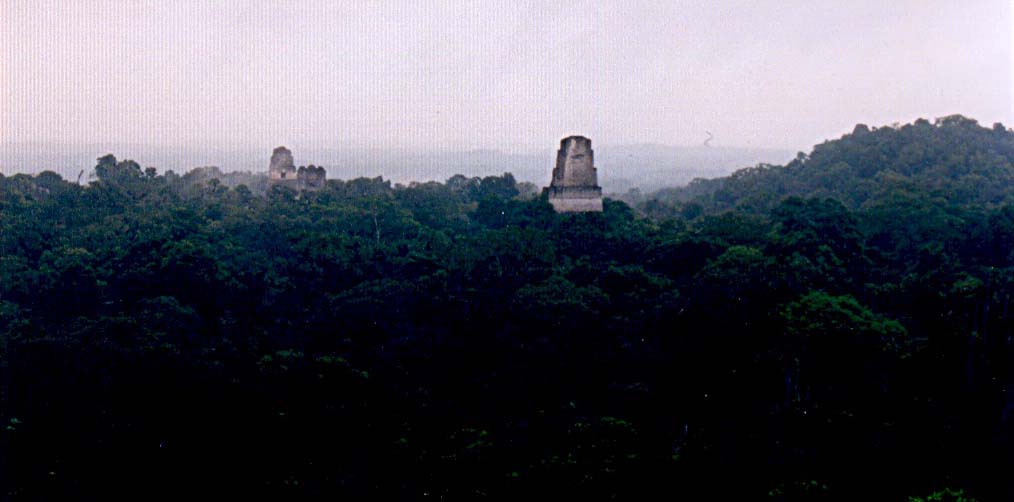
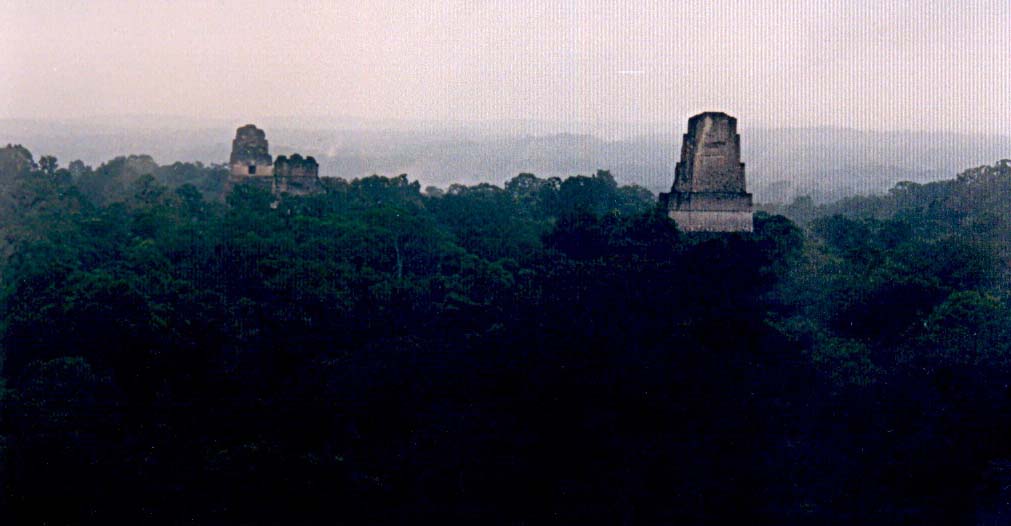
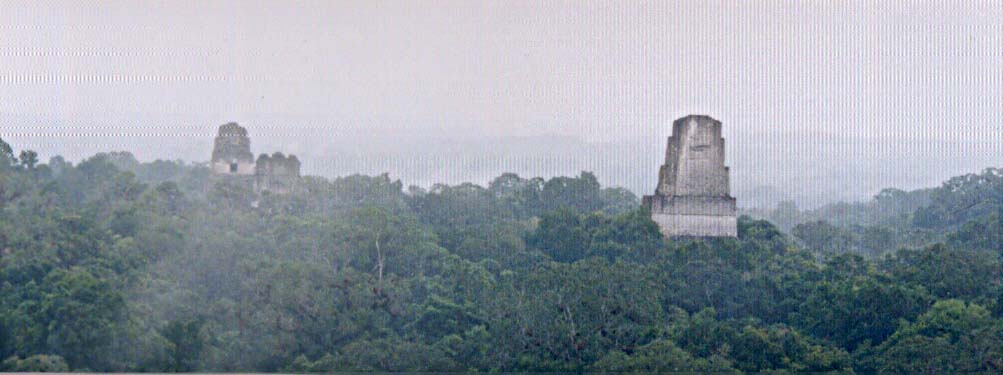
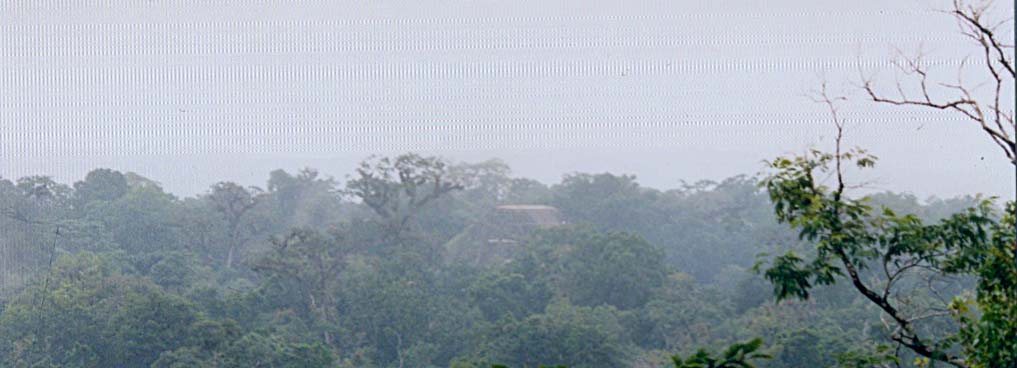
To fully understand the magic of Tikal, you have to experience it at dawn. Early in the morning, when the heavy tropical mist still hangs low over the rainforest canopy, swallowing the tips of the ancient stone pyramids, the jungle feels deeply mysterious and almost hauntingly unheimlich.
And then, out of nowhere, the silence is broken by a terrifying, roaring soundtrack.
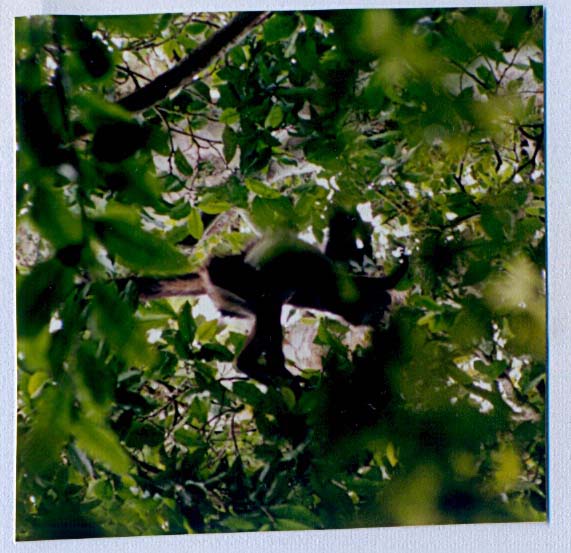
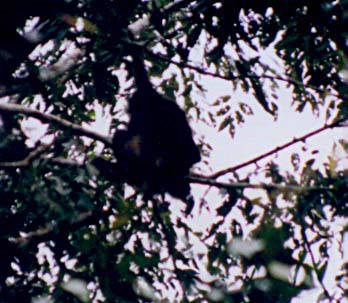
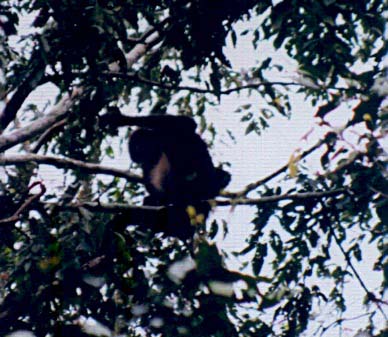
It is the call of the howler monkeys, and hearing their deep, guttural roars echoing through the misty trees in the pitch-black morning is an absolute spine-chilling experience. It sounds less like a small animal and more like a roaring jaguar or a prehistoric monster guarding the ancient ruins of Mutal.
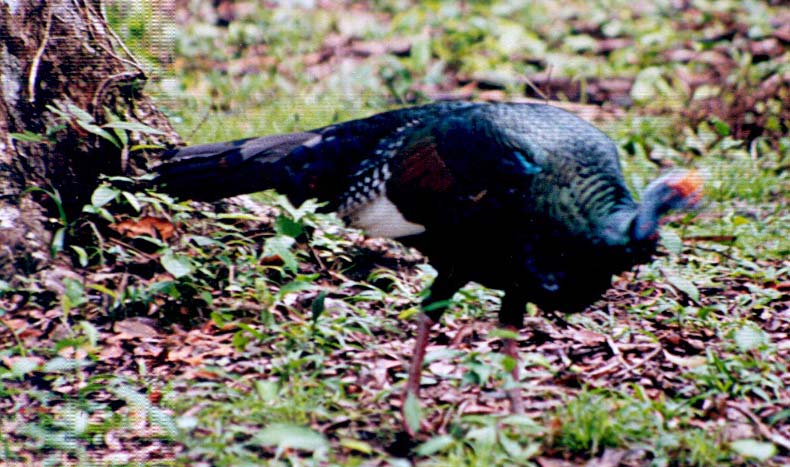
But as the sun slowly burns away the fog, the wild side of Tikal becomes incredibly playful. While looking up into the branches for monkeys and toucans, you quickly realize the forest floor is just as alive.
To fully understand the magic of Tikal, you have to experience it at dawn. Early in the morning, when the heavy tropical mist still hangs low over the rainforest canopy, swallowing the tips of the ancient stone pyramids, the jungle feels deeply mysterious and almost hauntingly unheimlich.
And then, out of nowhere, the silence is broken by a terrifying, roaring soundtrack.
It is the call of the howler monkeys, and hearing their deep, guttural roars echoing through the misty trees in the pitch-black morning is an absolute spine-chilling experience. It sounds less like a small animal and more like a roaring jaguar or a prehistoric monster guarding the ancient ruins of Mutal.
But as the sun slowly burns away the fog, the wild side of Tikal becomes incredibly playful. While looking up into the branches for monkeys and toucans, you quickly realize the forest floor is just as alive.
|
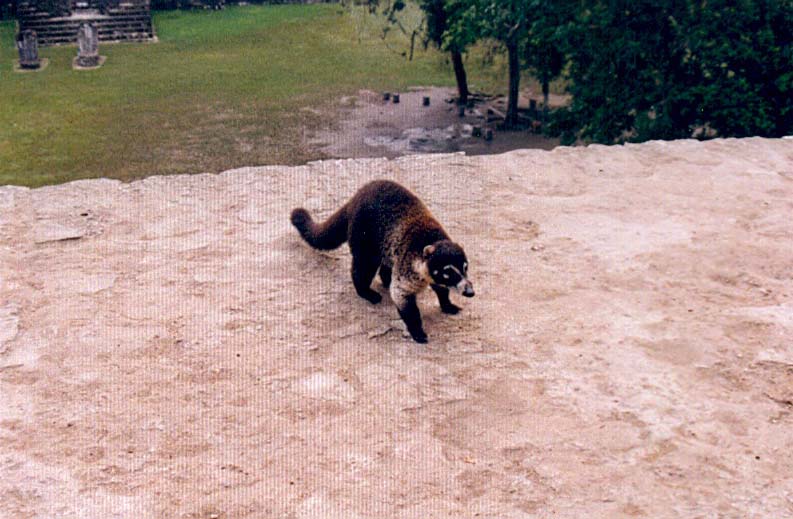
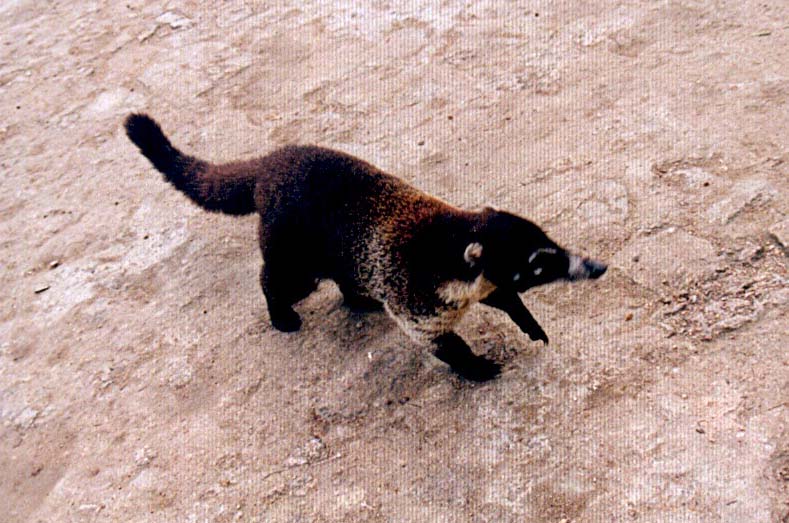
We encountered families of cheeky coatis constantly darting through the undergrowth and boldly trotting across the stone plazas. With their long, ringed tails pointing straight into the air and their flexible snouts sniffing out every leaf and stone for breakfast, they are the ultimate jungle scouts. Photographing these clever creatures moving effortlessly between the ruins of a lost civilization was the perfect, living finale to our great Mayan expedition
|