MARYsCOMIX
  • Mary's Page
  • Airbrush Metal Stuff
  • Airbrush Projects
  • Street Art
  • Felix Projects
  • Old School Comix
  • Trip Gallery
  • Artist Infos
  • Legal Notice / IMPRESSUM
  • Right of Withdrawal
  • Data Protection
  • General terms and conditions of business
  • Blog


Fuerteventura
(2005)


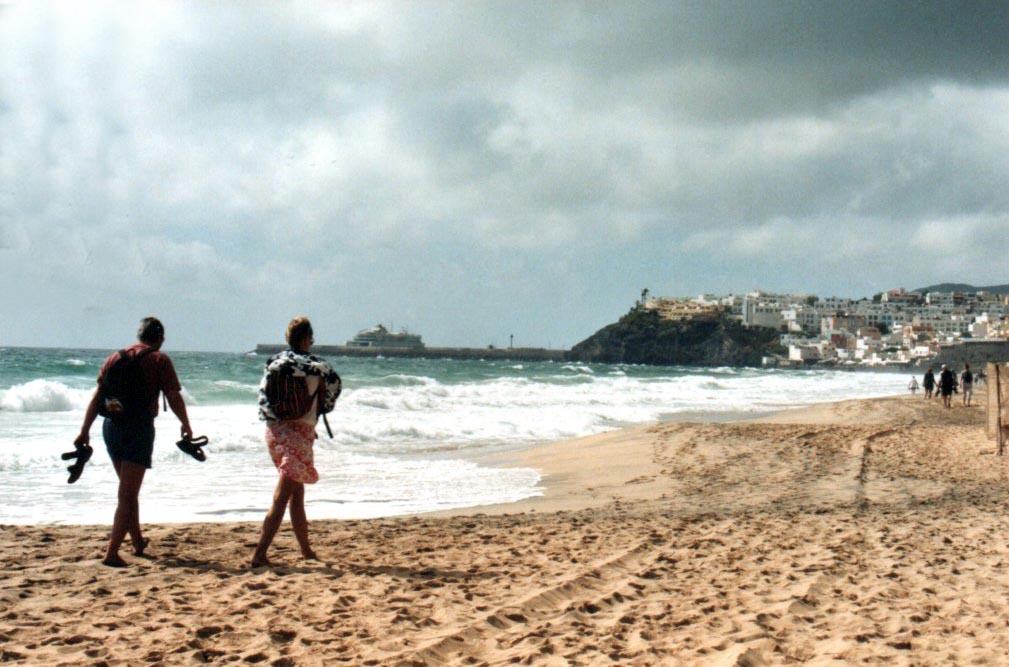
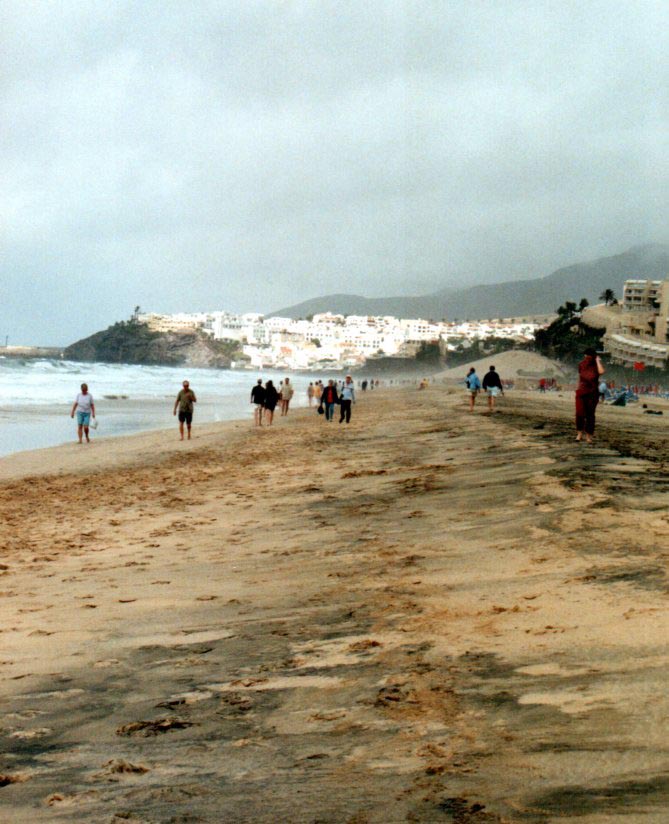
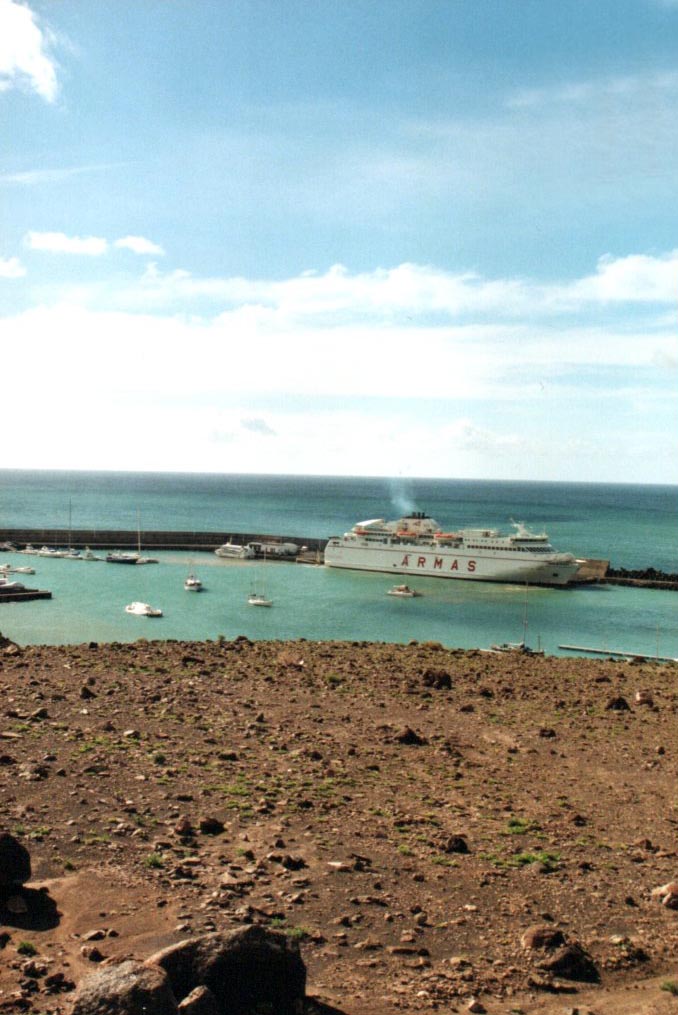
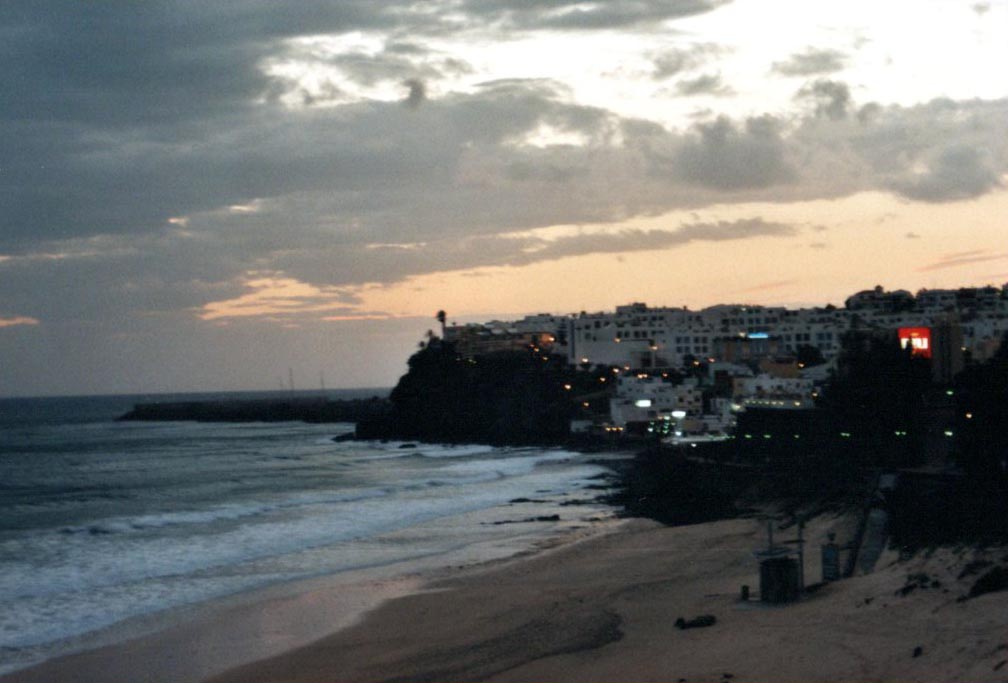
​Morro Jable / Jandía
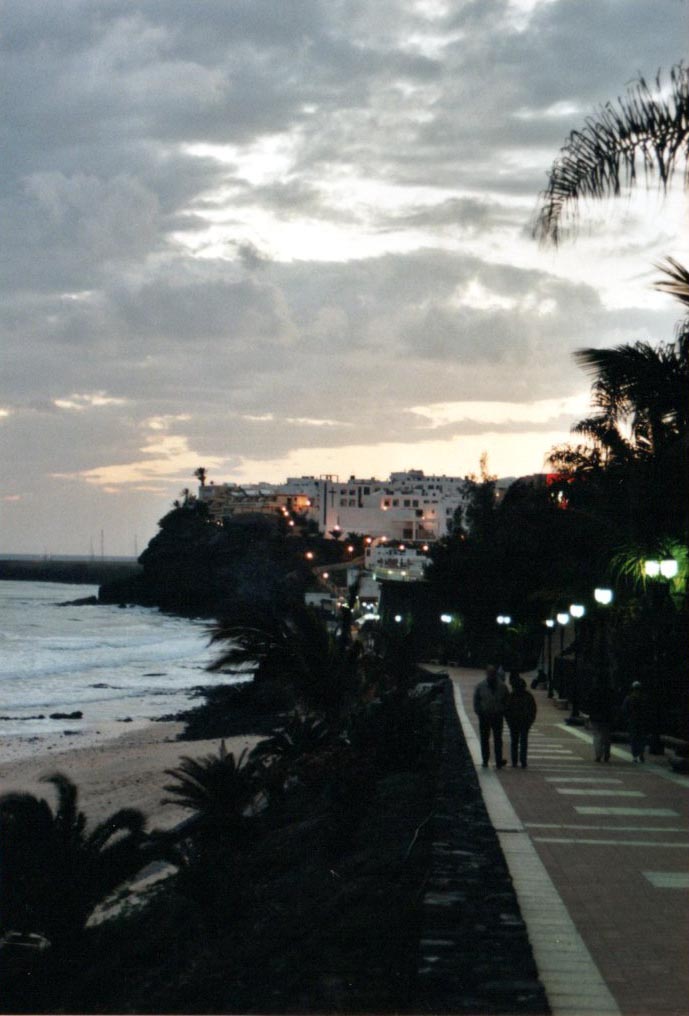
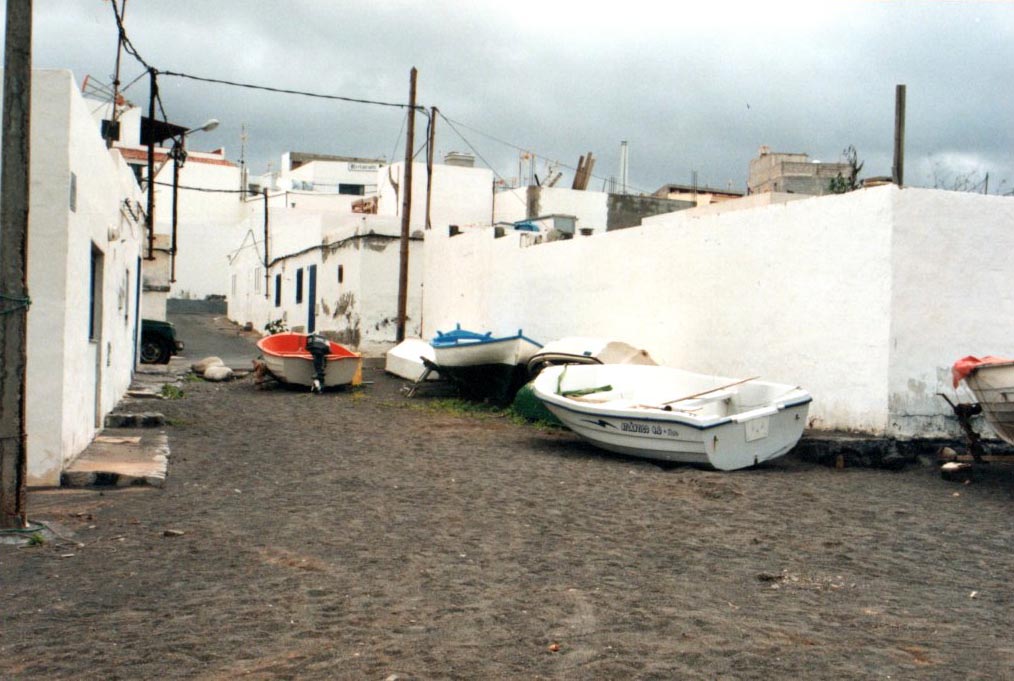
Morro Jable: The Gateway to Jandía
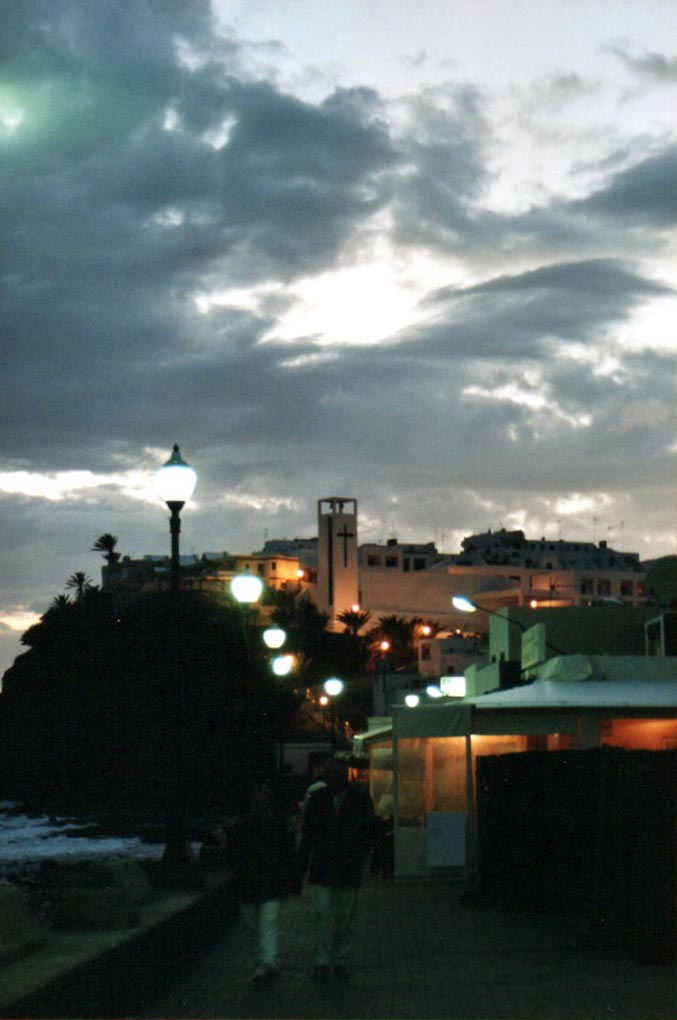
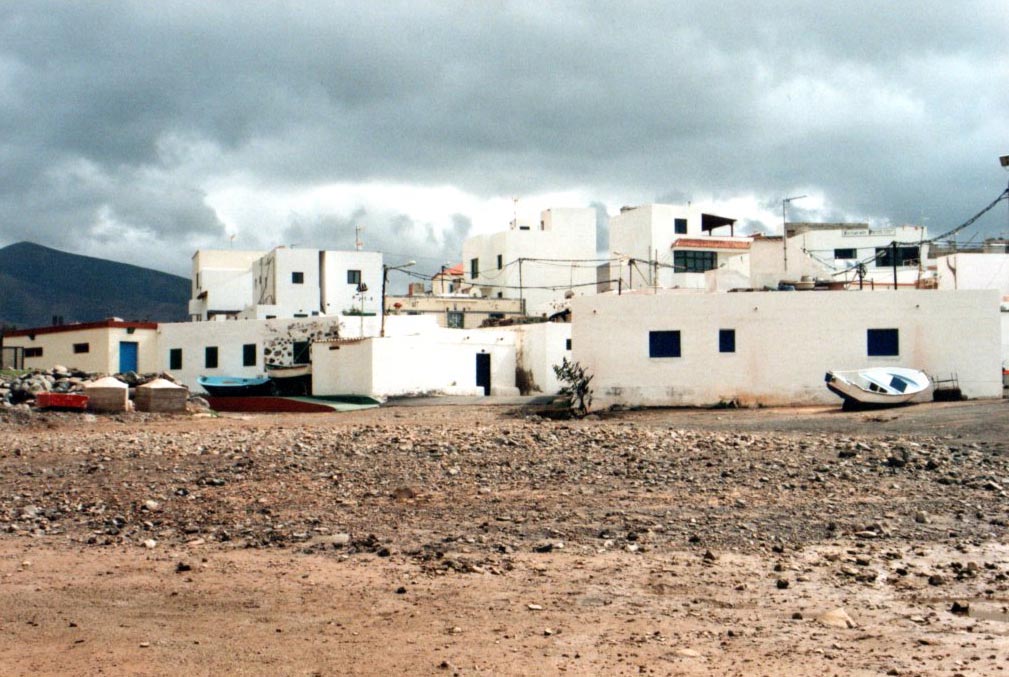
Our Fuerteventura adventure in 2005 started with the ultimate roadtrip crew: two independent women, a physical paper map, and my one-year-old son Felipe. Traveling completely old-school with no GPS or smartphones, Siska took on the wild task of being our co-pilot and navigator, while I kept my eyes on the winding roads. Our first destination was Morro Jable, a charming, historic fishing village nestled at the base of the peninsula. With its white houses cascading down to the ocean, it felt like the perfect, welcoming starting point for our team on the road.
Sun, Sea, and the Towering Beacon
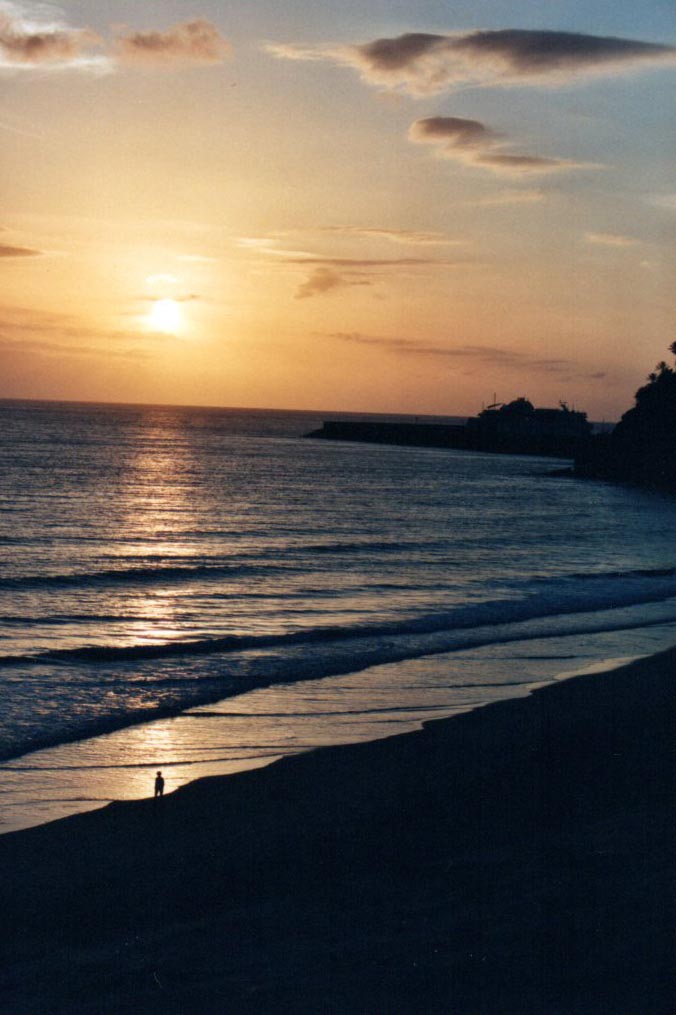
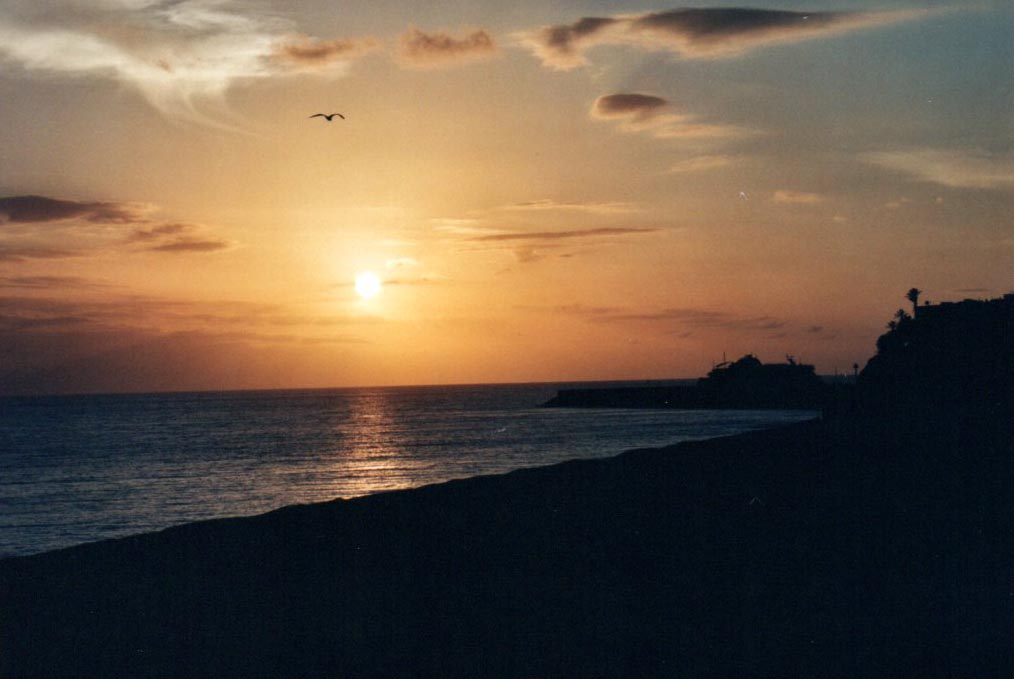
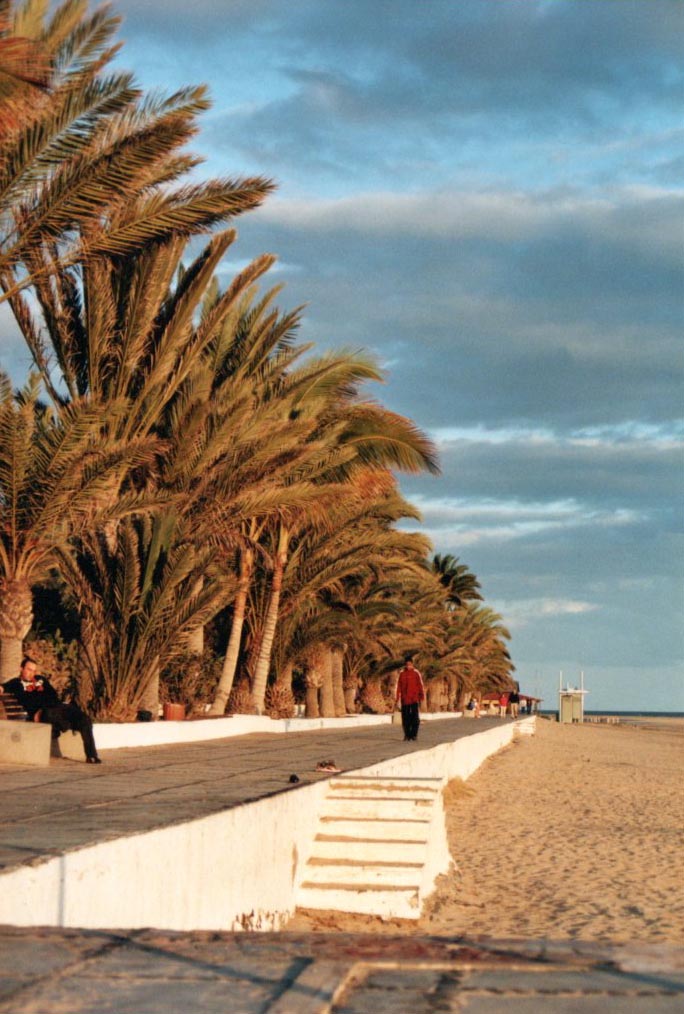
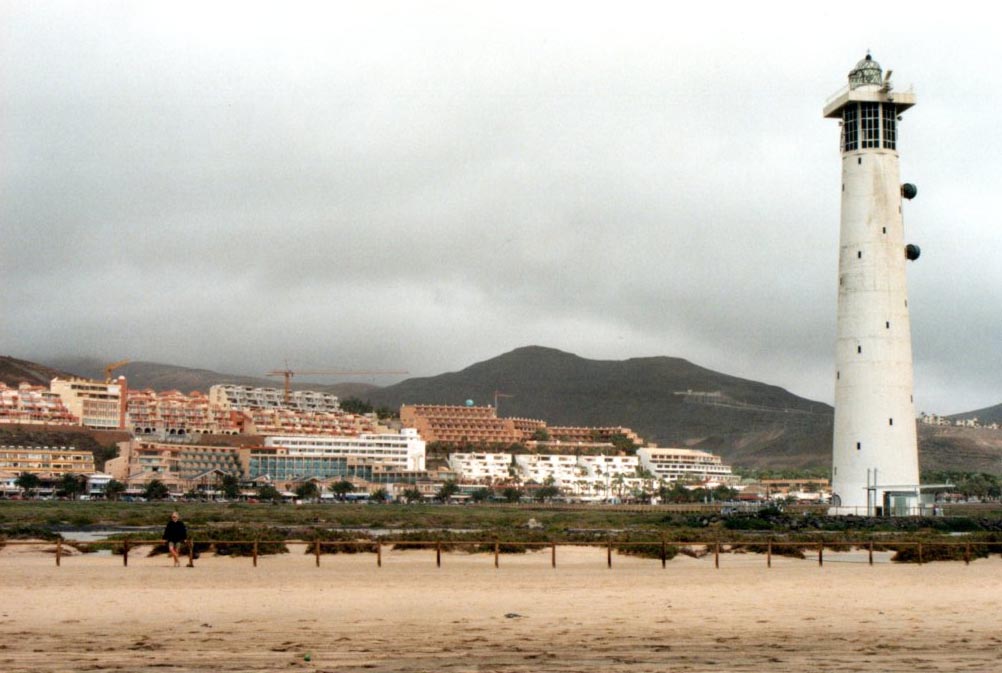
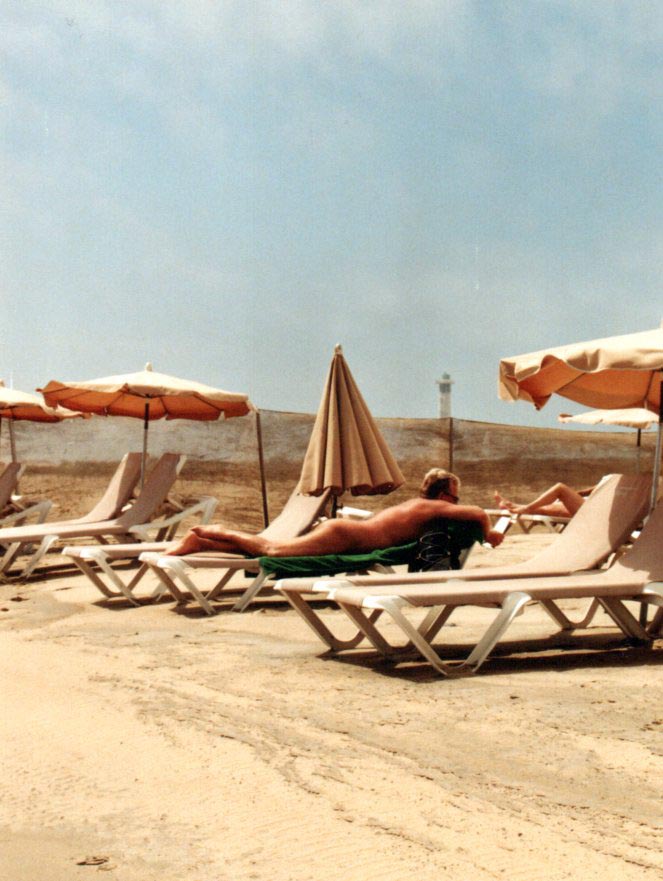
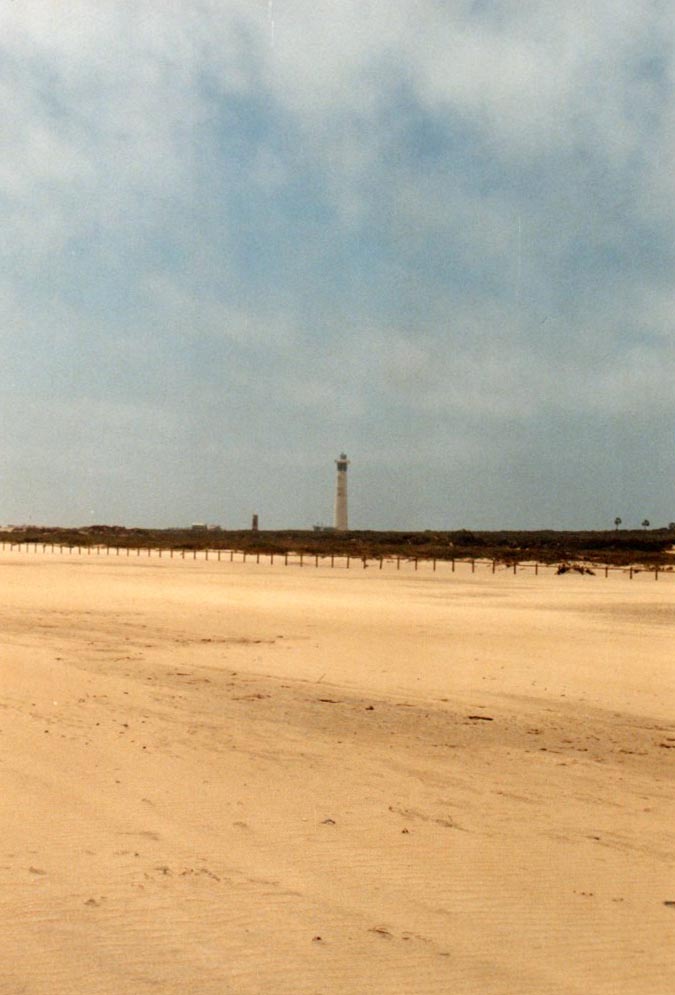
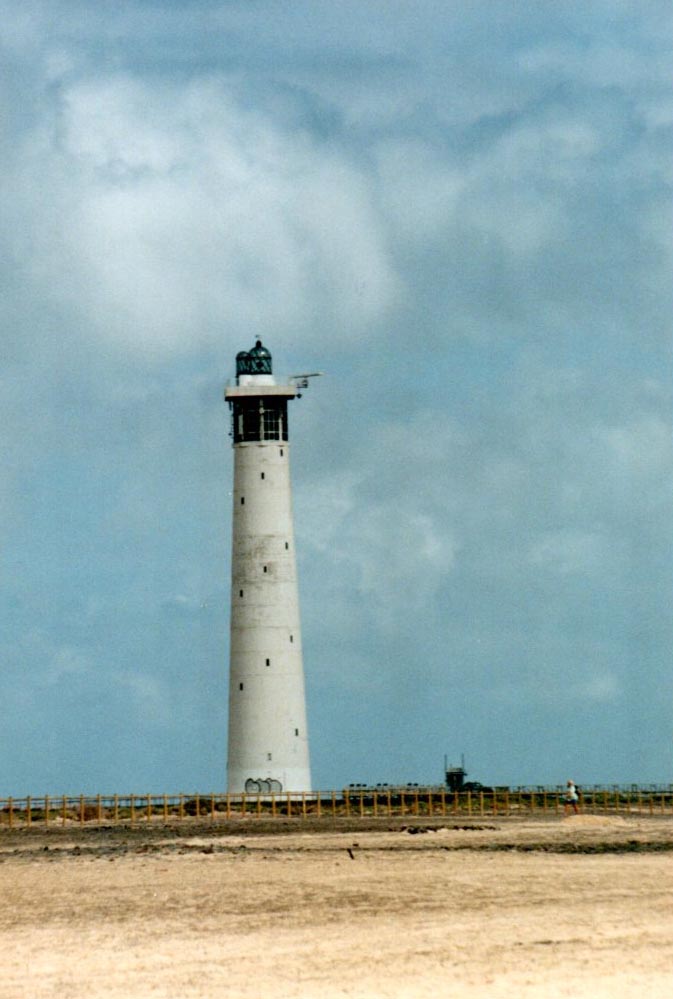
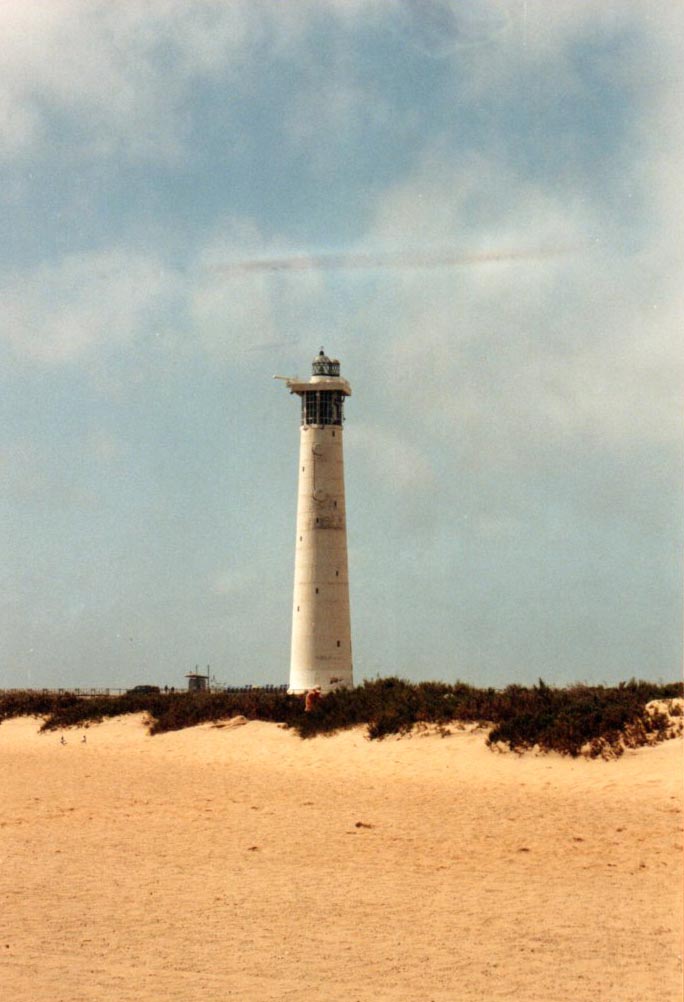
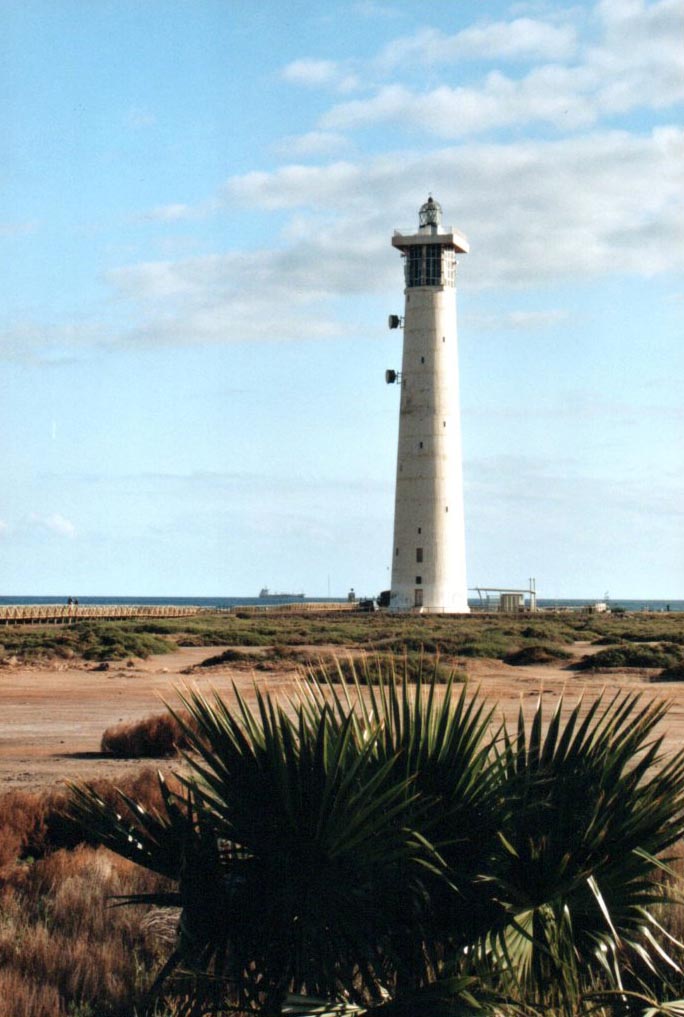
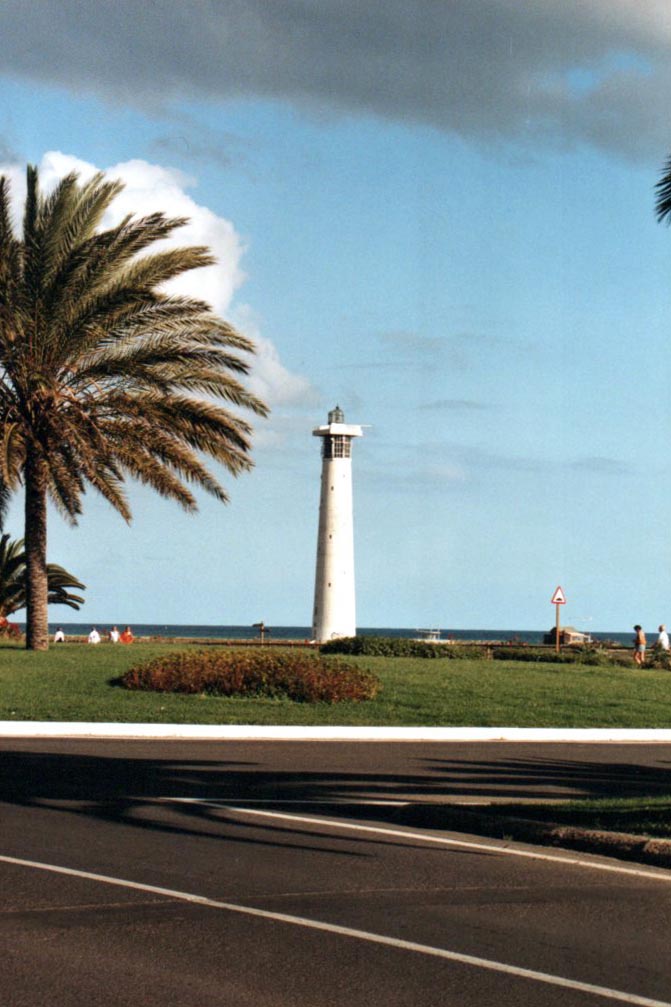
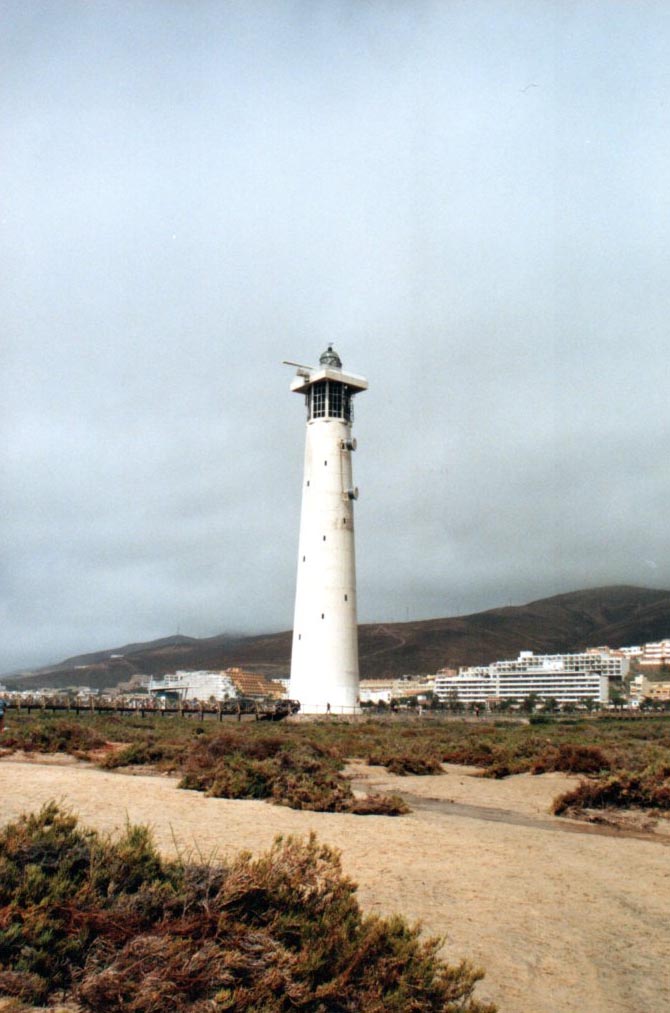
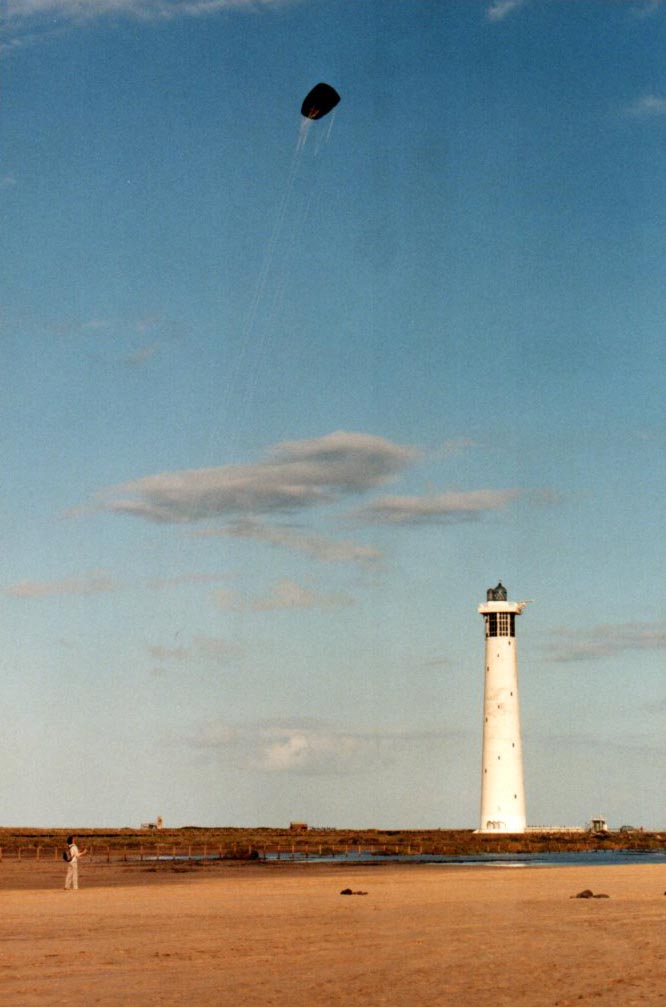
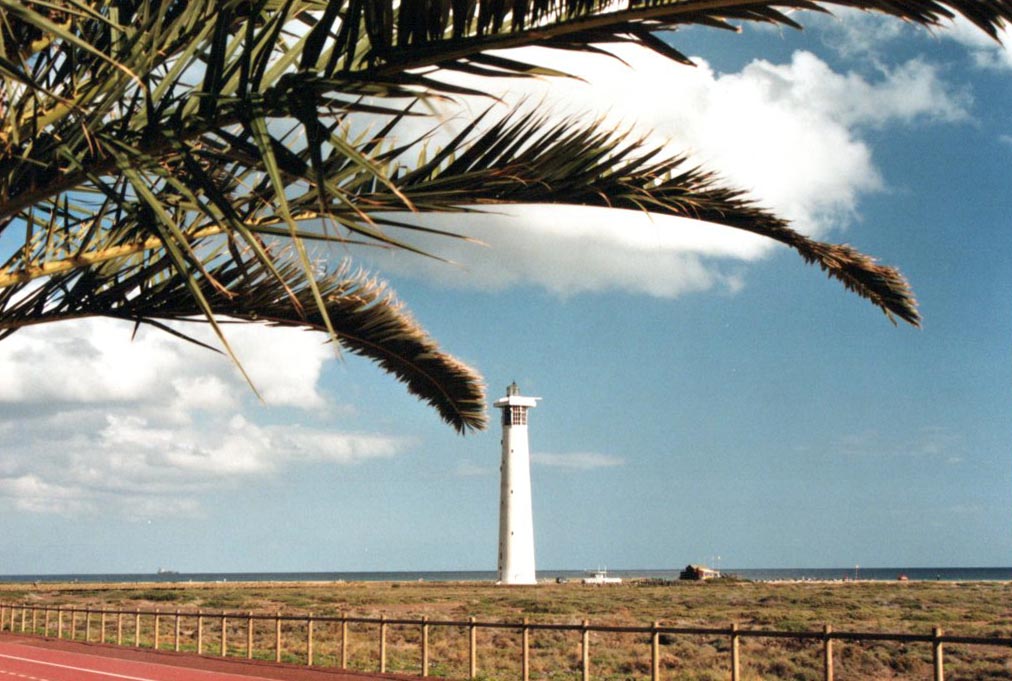
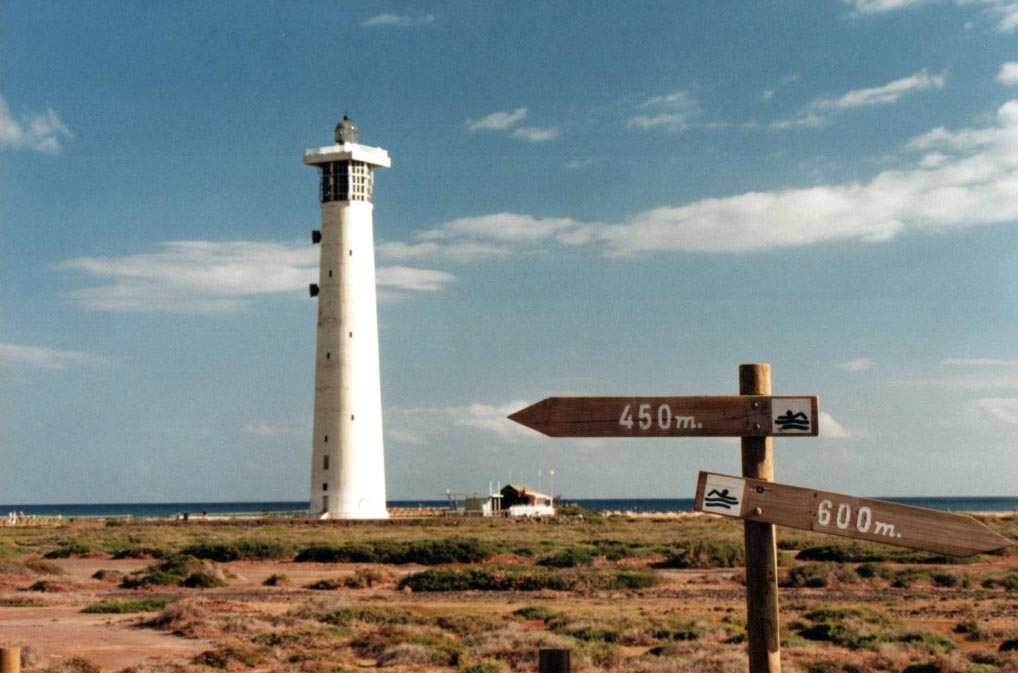
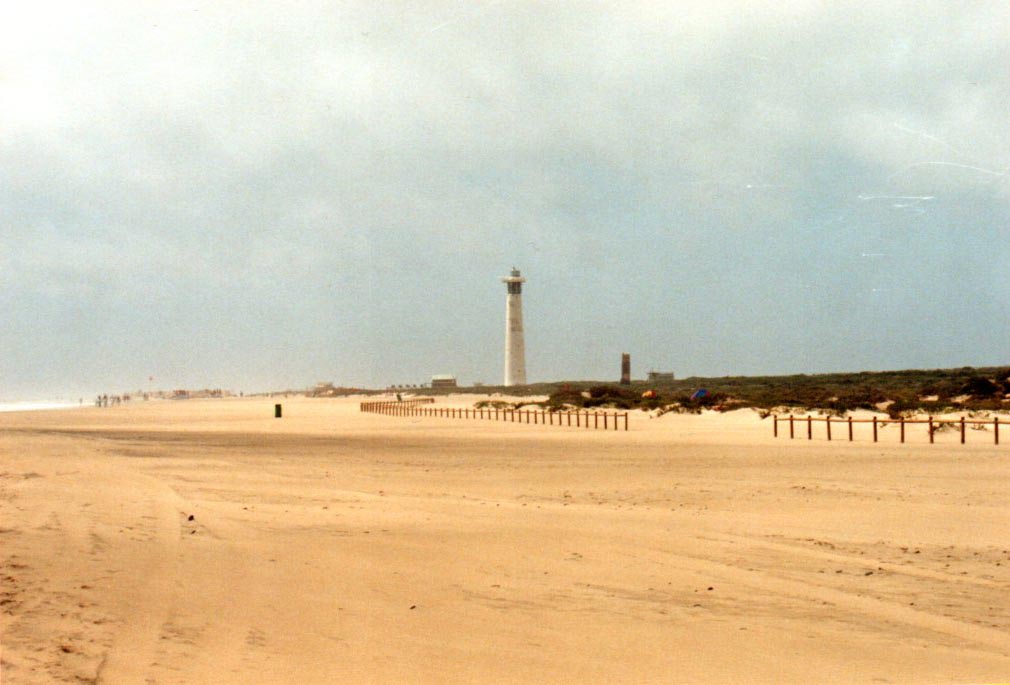
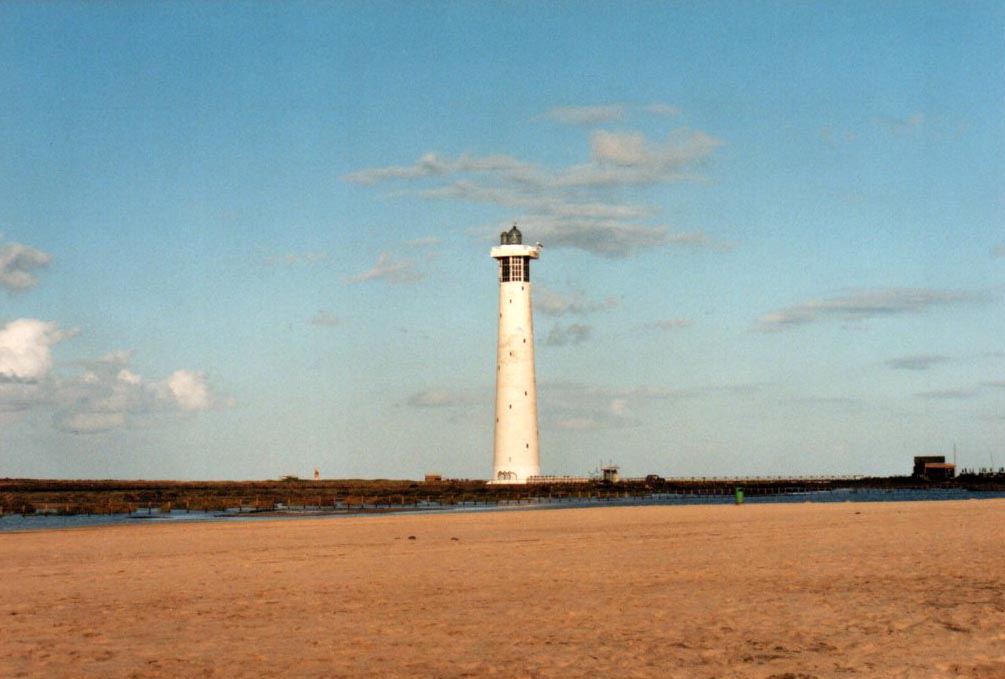
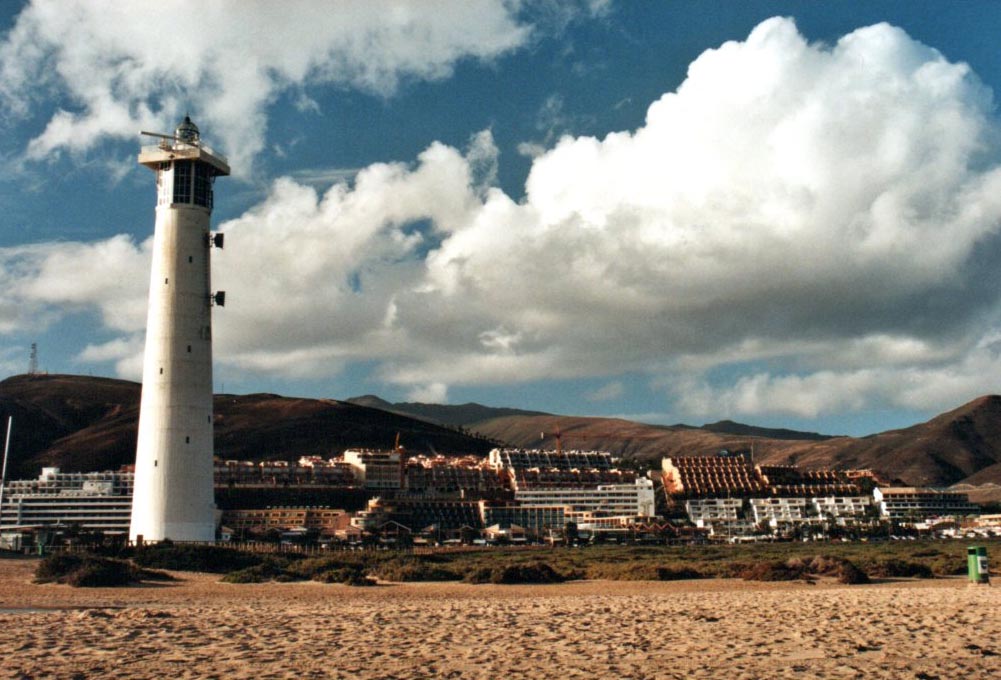
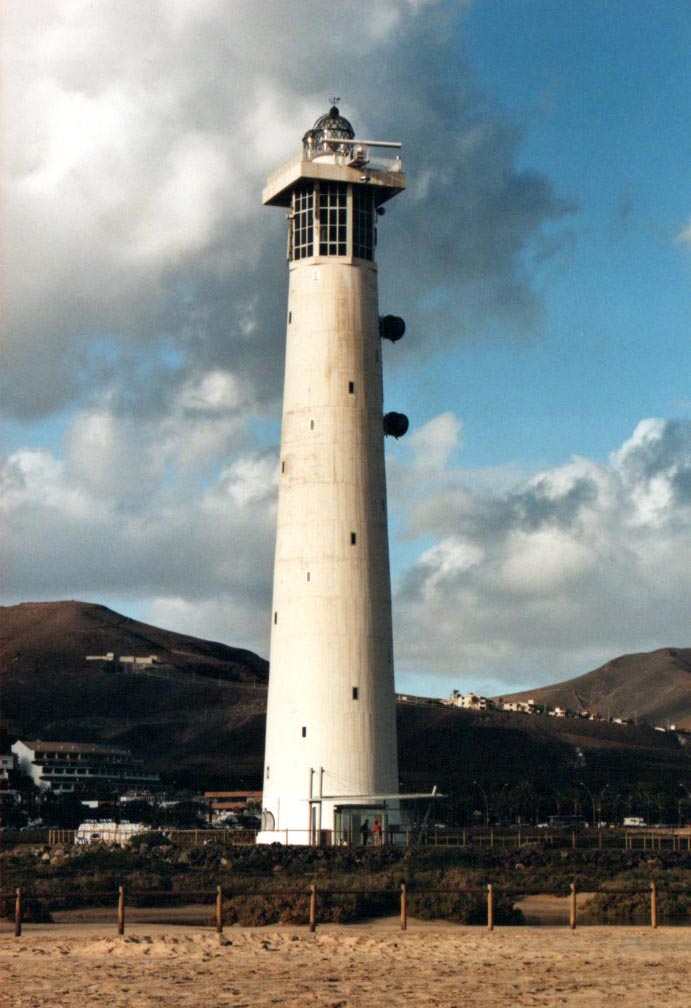
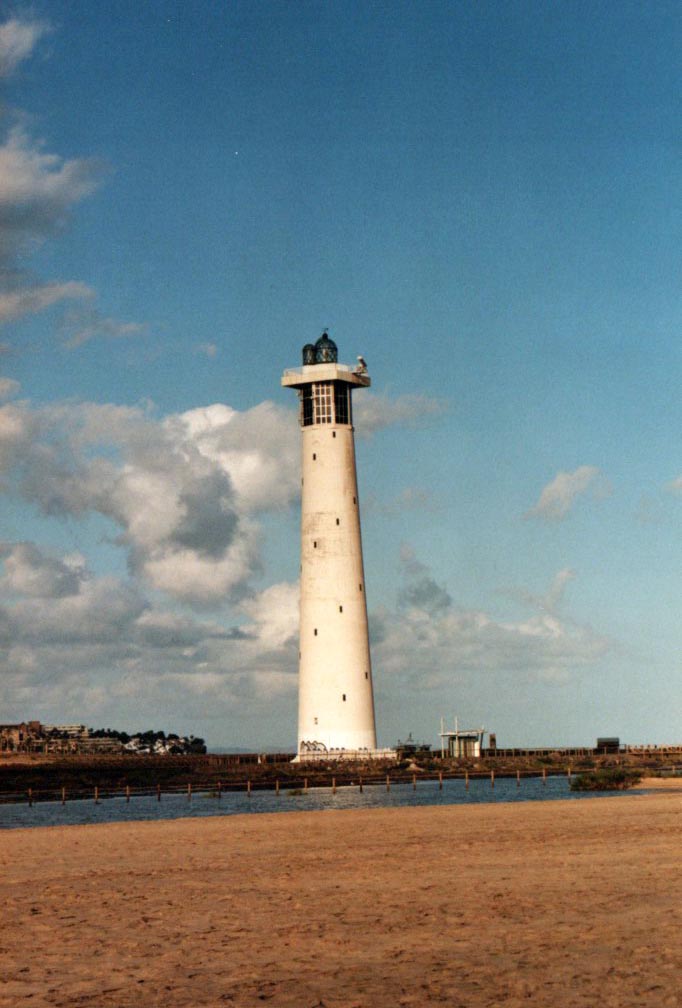
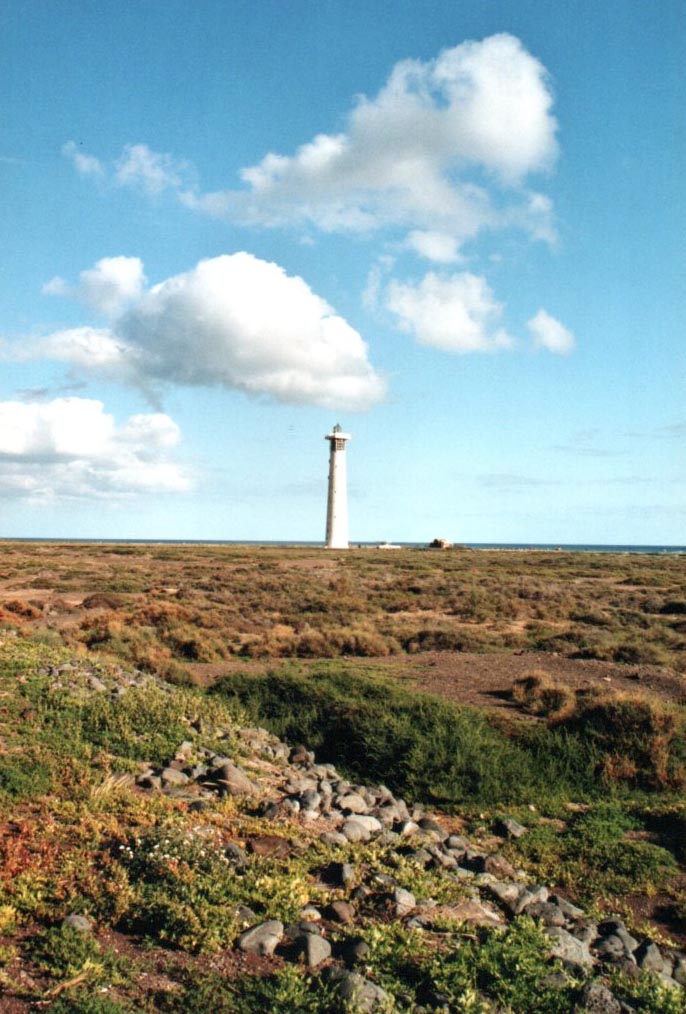
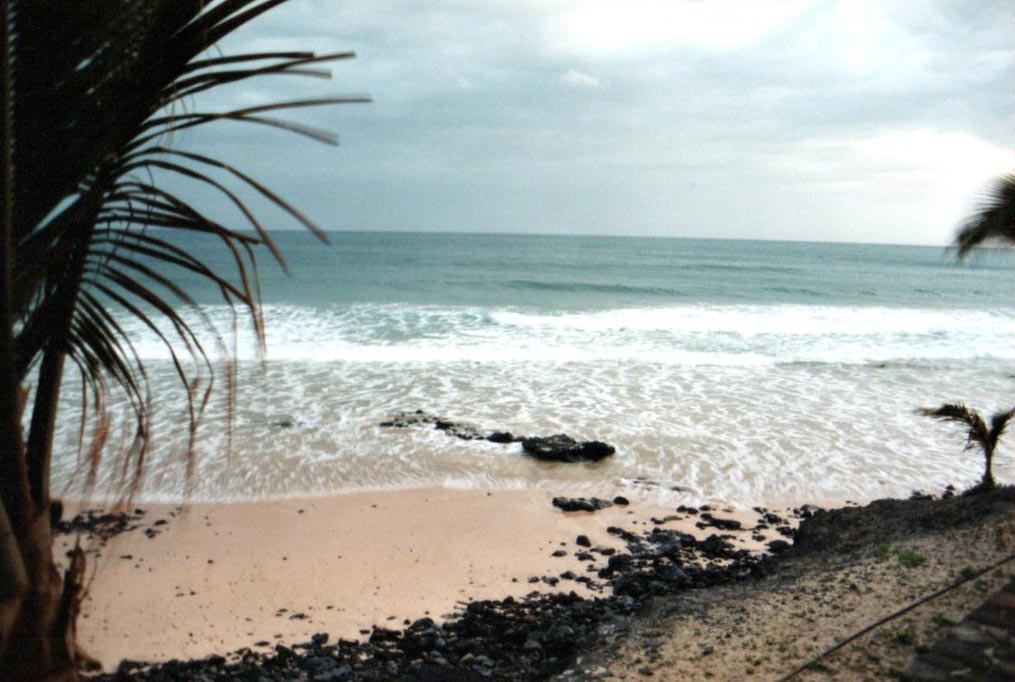
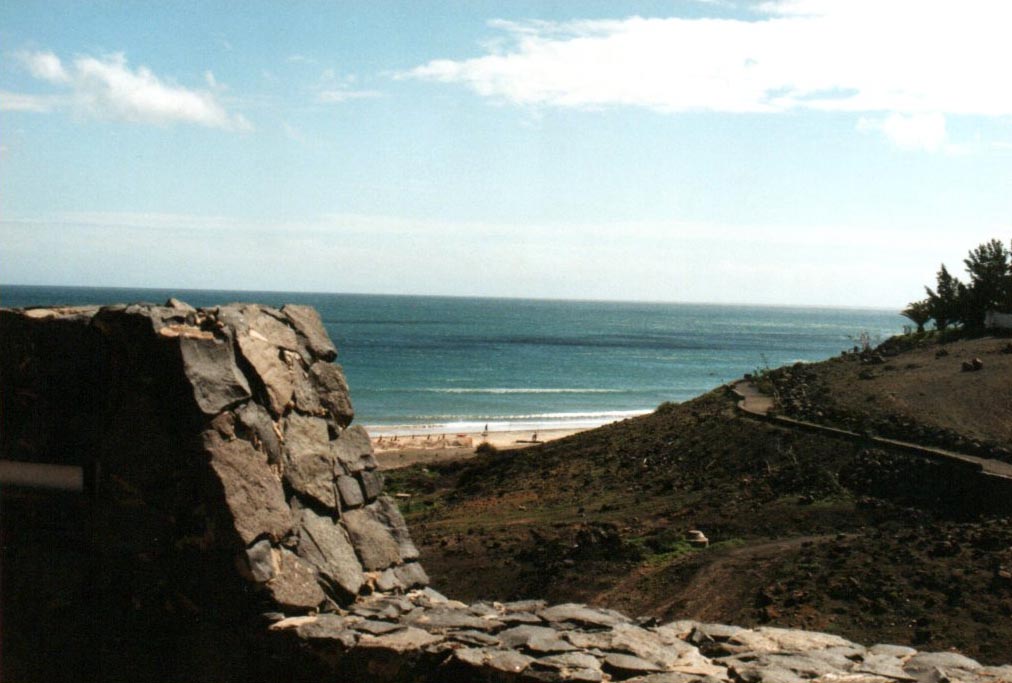
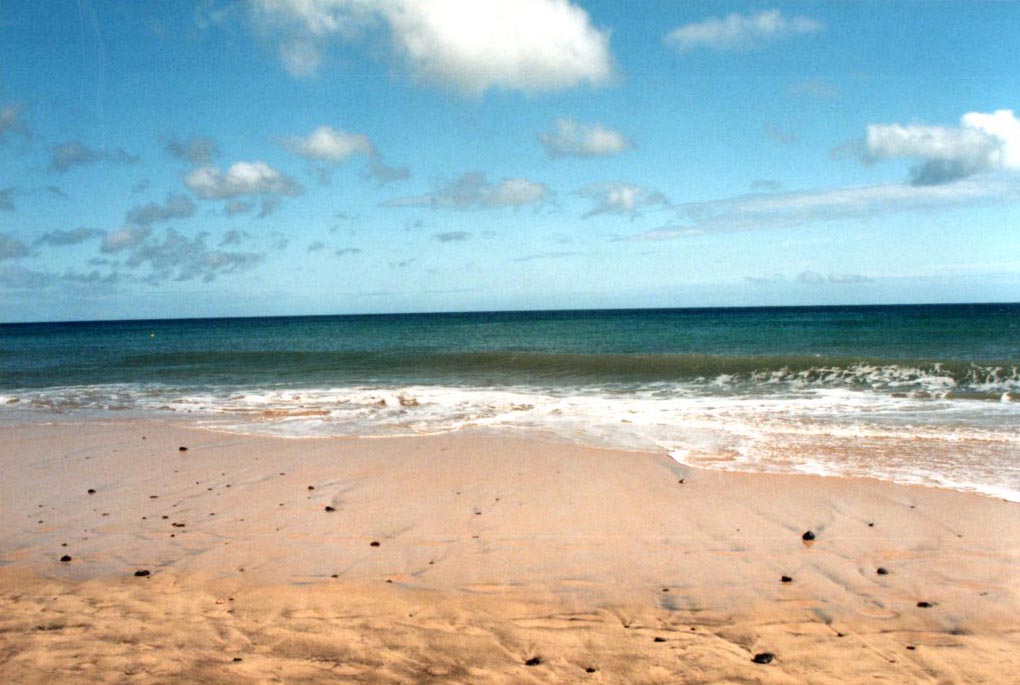
Leaving the historic center behind, we strolled along the beautiful beach promenade of Morro Jable. Since we had completely ditched the stroller for this trip, I carried little Felipe close to me in a traditional baby wrap—allowing us to explore every single corner completely unrestricted. The highlight of the scenic coastal walk was the iconic, ultra-modern Morro Jable Lighthouse (Faro de Morro Jable). Rising a majestic 60 meters above the golden sand, this towering white needle stands proud against the deep blue sky, watching over the vast Atlantic waves.
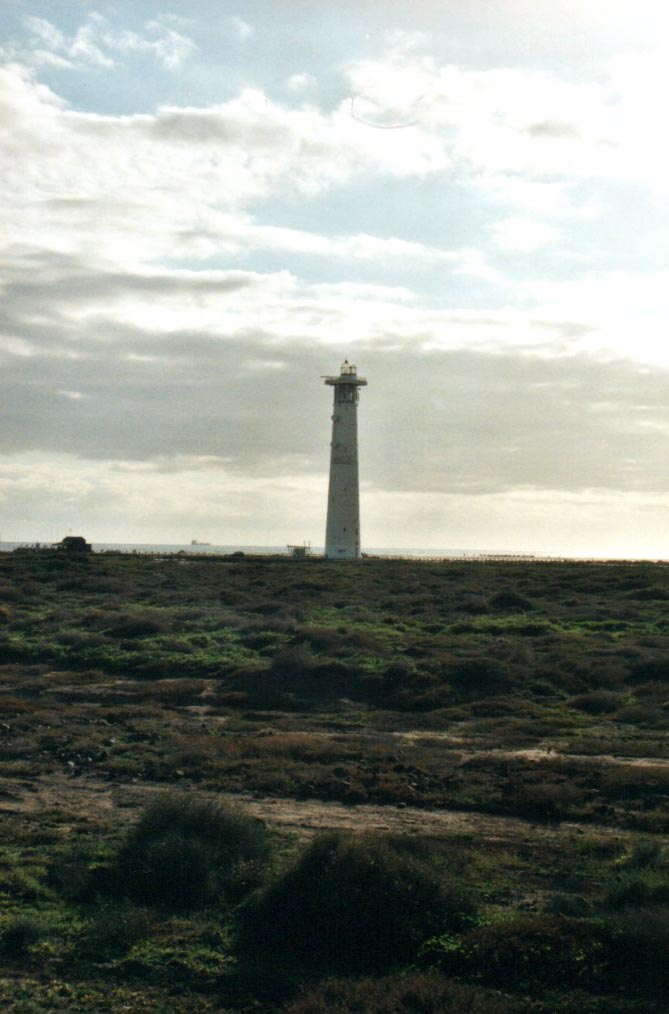
The Protected Magic of the Salt Marshes
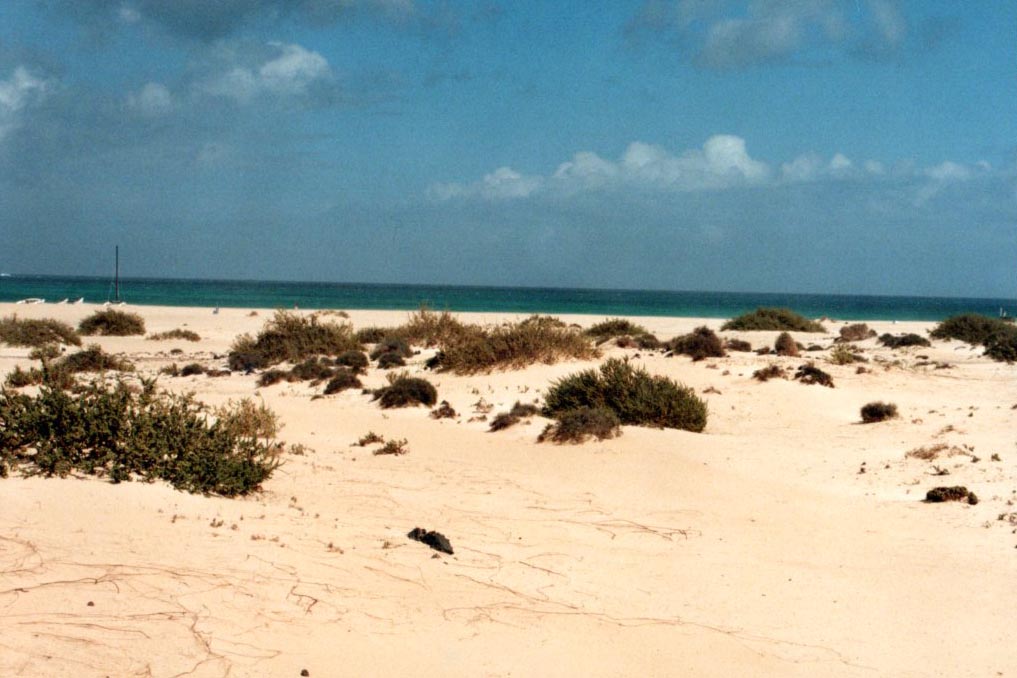
Right next to the shimmering coastline of Playa de Matorral, we stepped into the breathtaking Salt Marshes of Jandía. This unique, highly protected scientific ecosystem is a miracle of nature, flooded regularly by the high tides. Walking past the specialized, salt-resistant plants , the area felt beautifully wild and serene. It was an incredible experience to witness this fragile green sanctuary sitting directly between the desert-like sands of the island and the crashing ocean.
Picture
Exploring the Wild Outposts: A Festress in the Sand
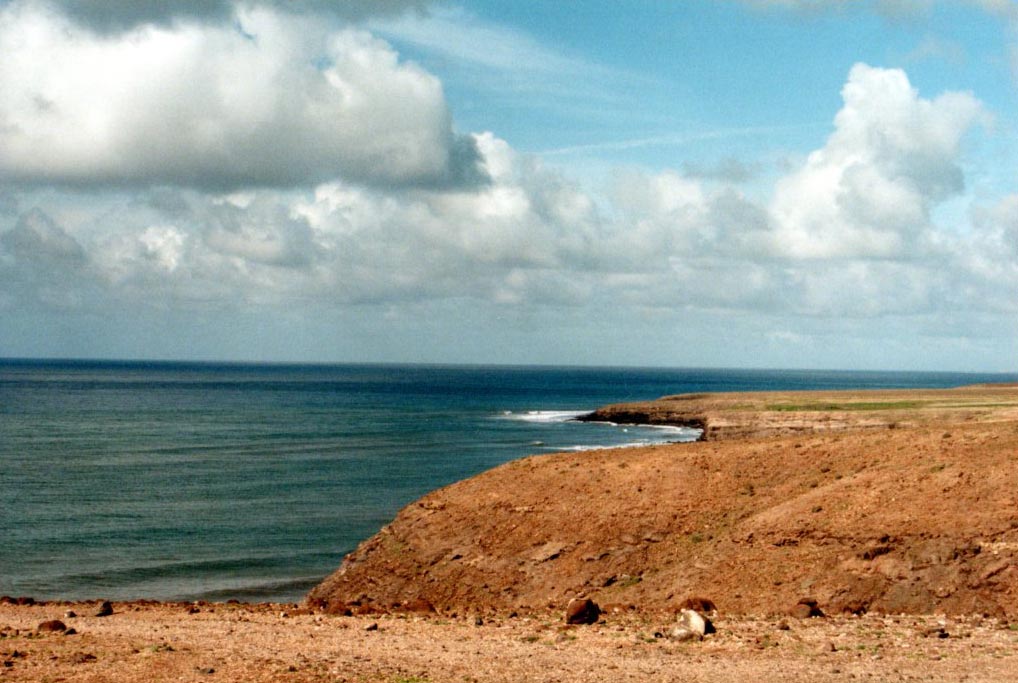
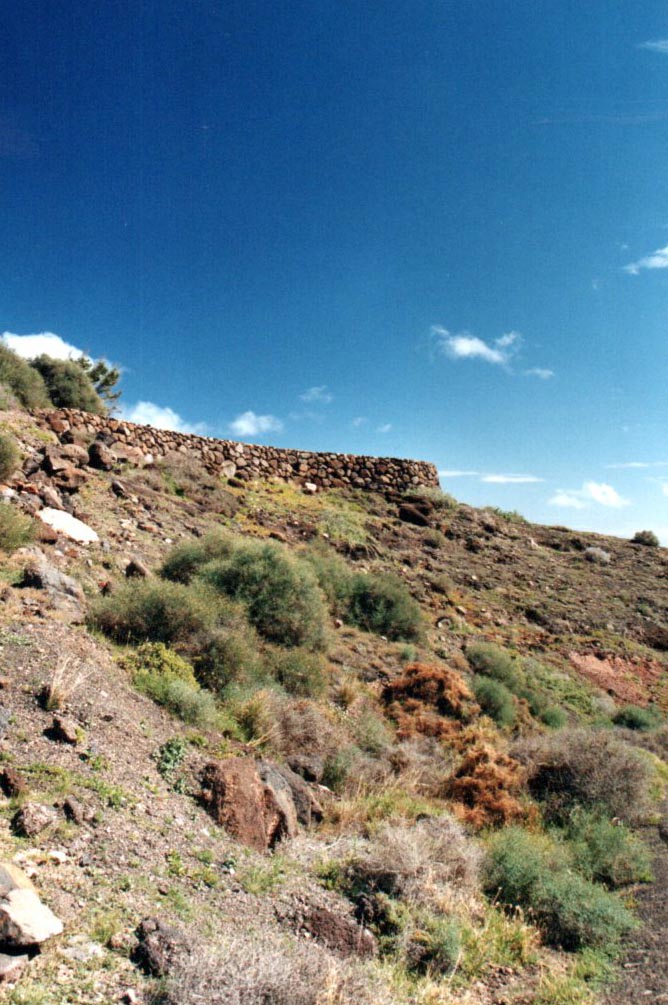
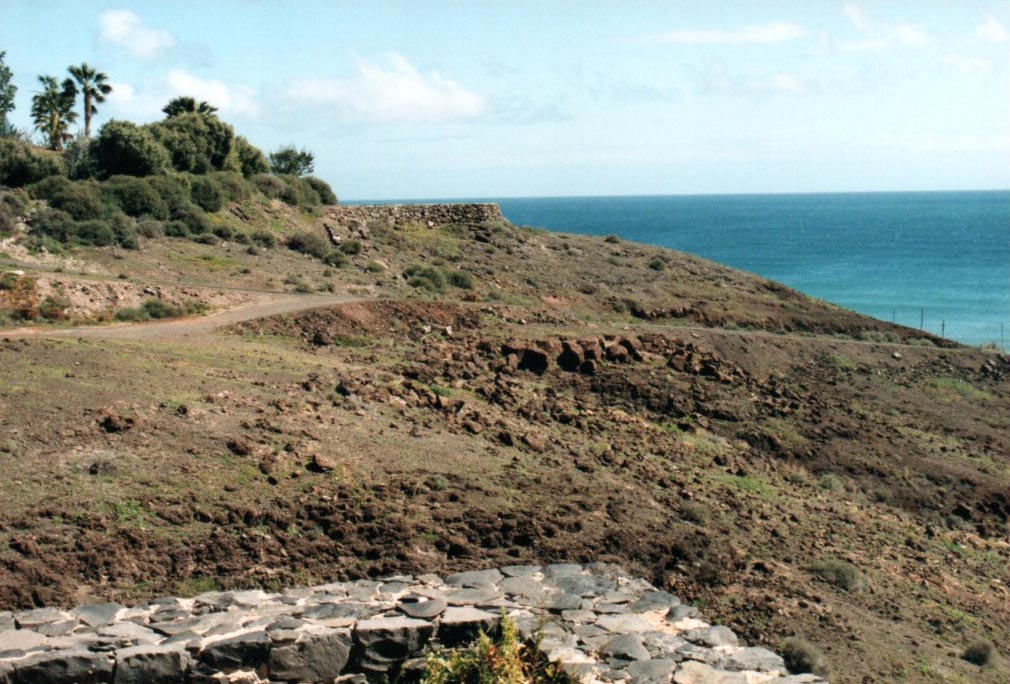
Eager to explore the dramatic surroundings beyond the tourist tracks, we drove deeper into the arid, volcanic landscape of Jandía. Suddenly, rising from the stony earth against the dark mountain silhouettes, we stumbled upon a spectacular abandoned military building. This weather-beaten, fortress-like ruin with its thick, sloping walls and small rooftop watch-boxes was used decades ago as a coastal surveillance outpost. Standing before this rugged "Lost Place," completely surrounded by silence, the open sky, and the vast desert hills, felt like the ultimate reward for our brave, map-reading roadtrip through Fuerteventura.


Picture


Playa Amíbar
The Road to Playa Amíbar: Into the Untamed West
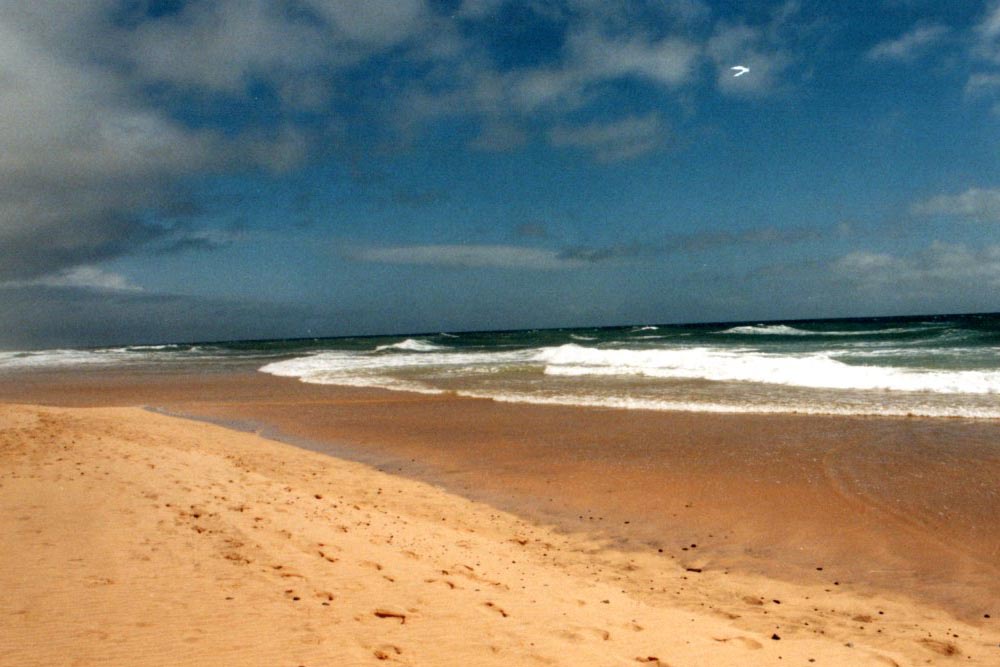
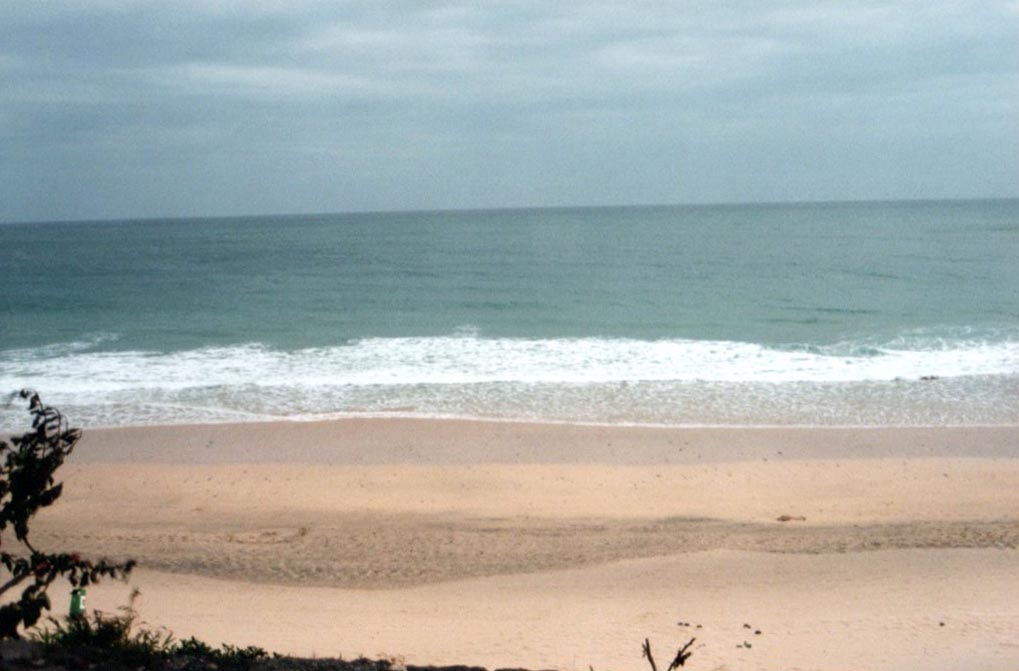
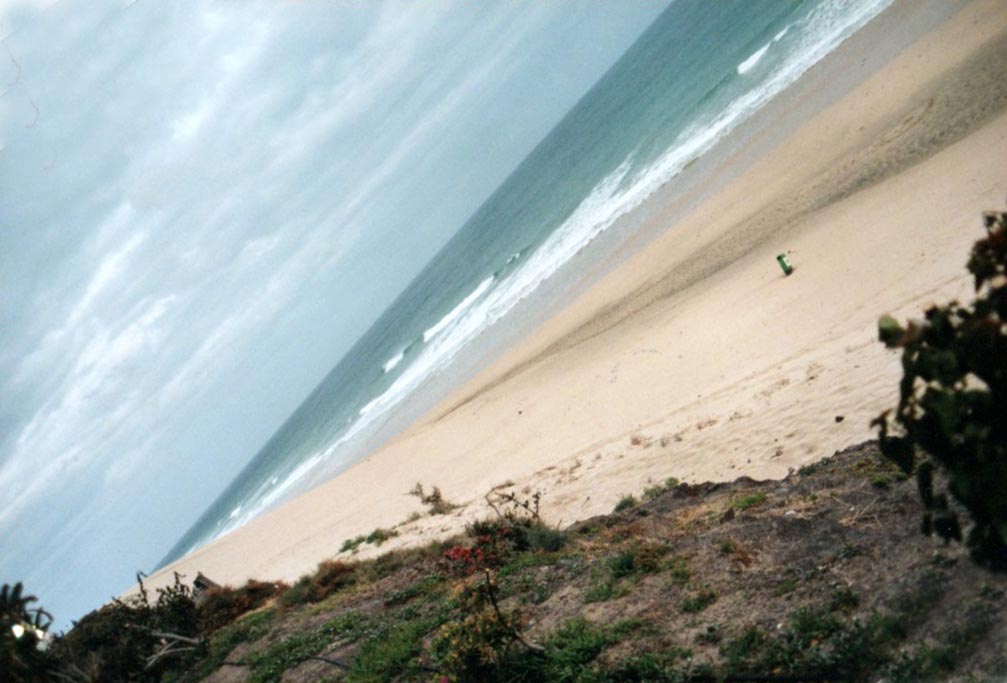
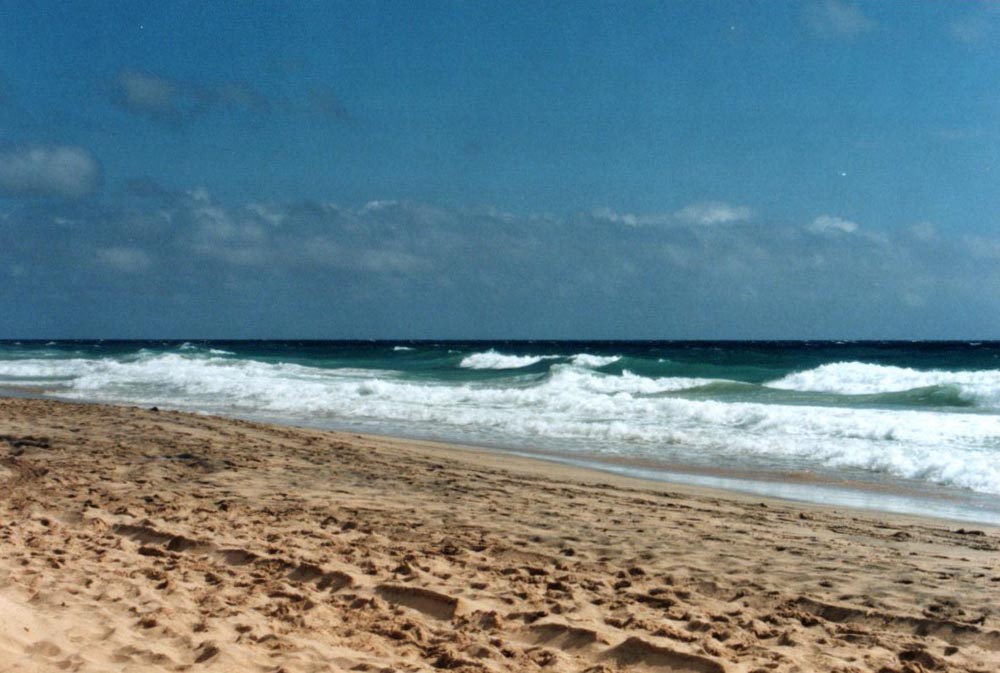
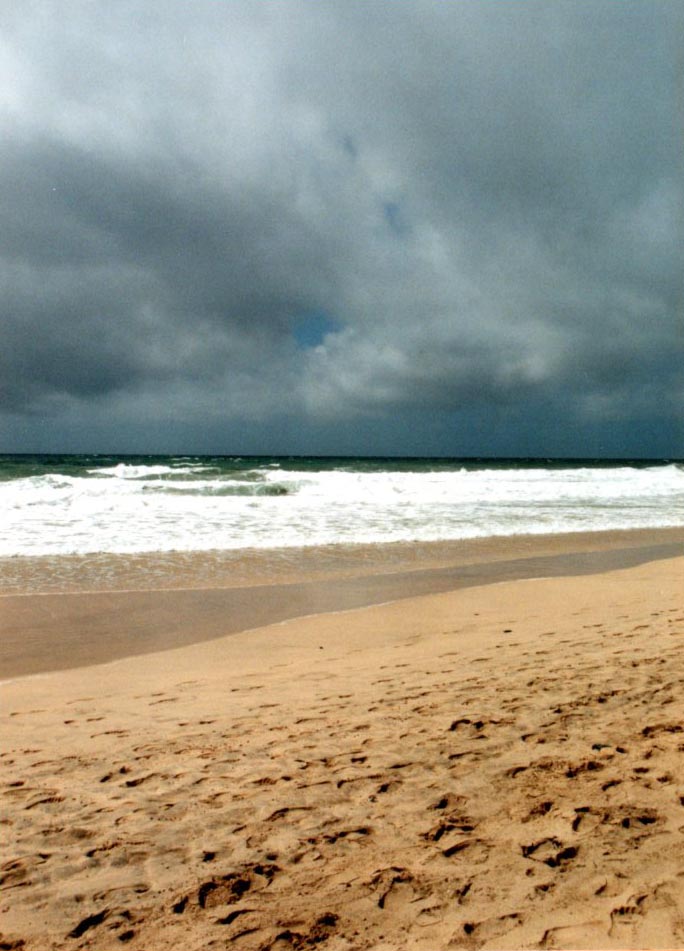
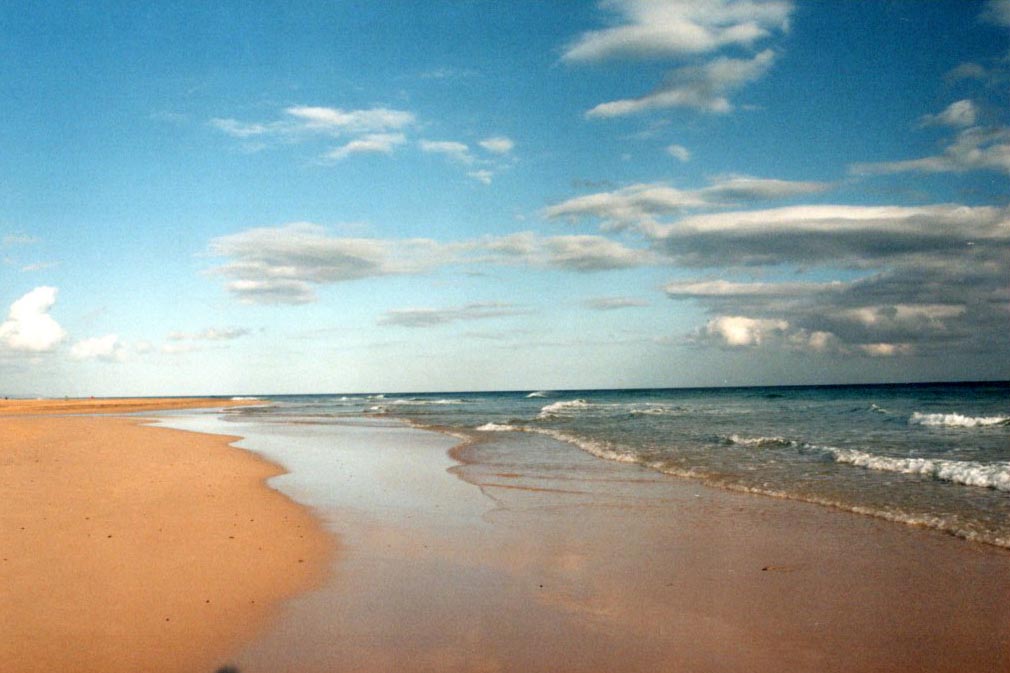
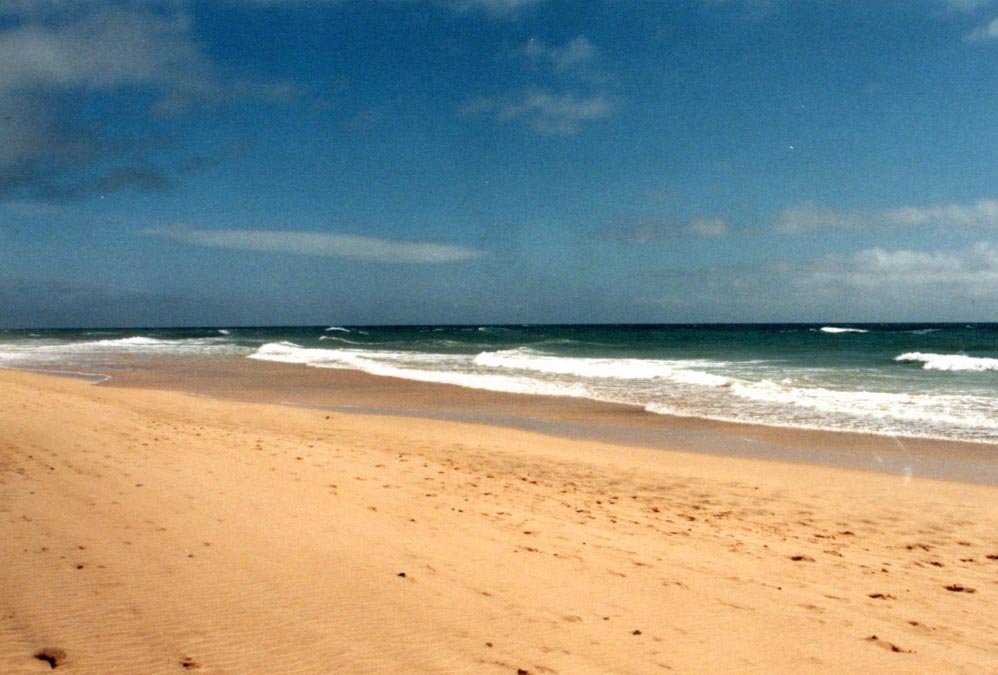
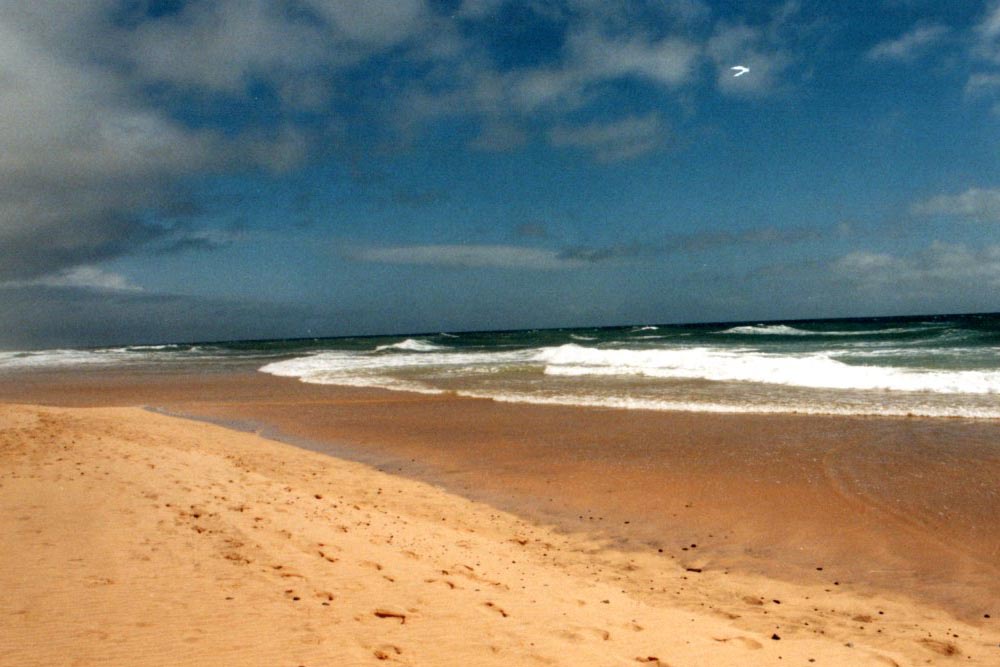
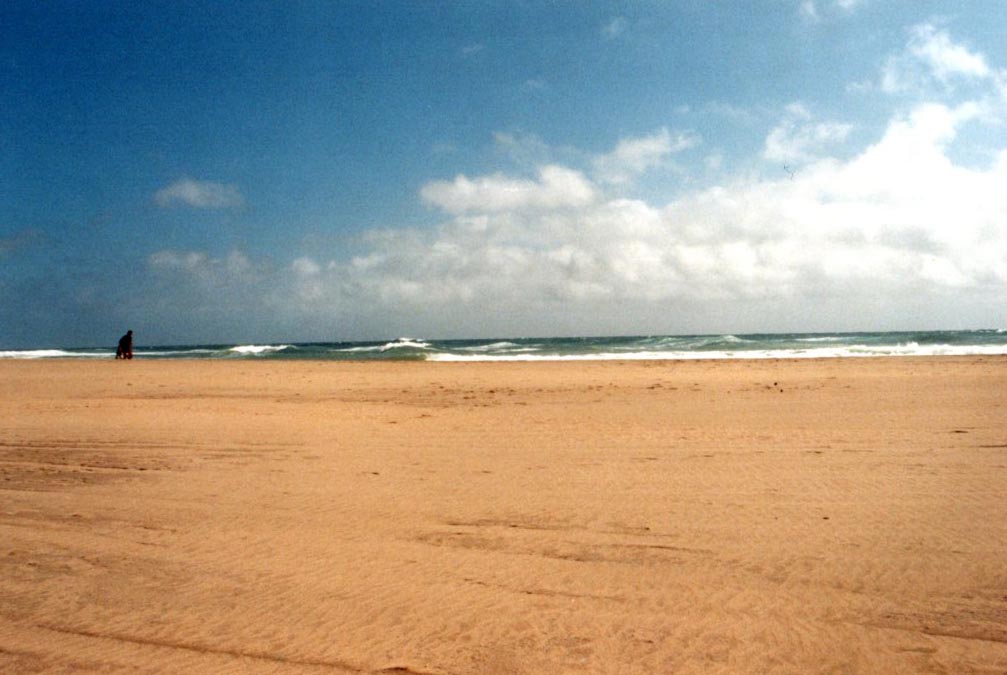
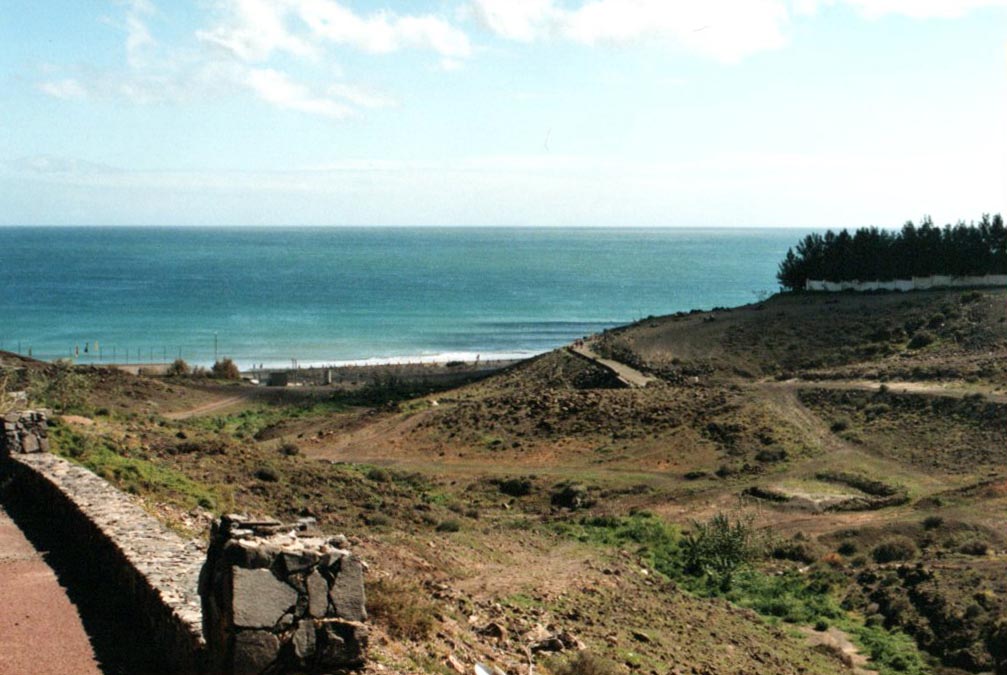
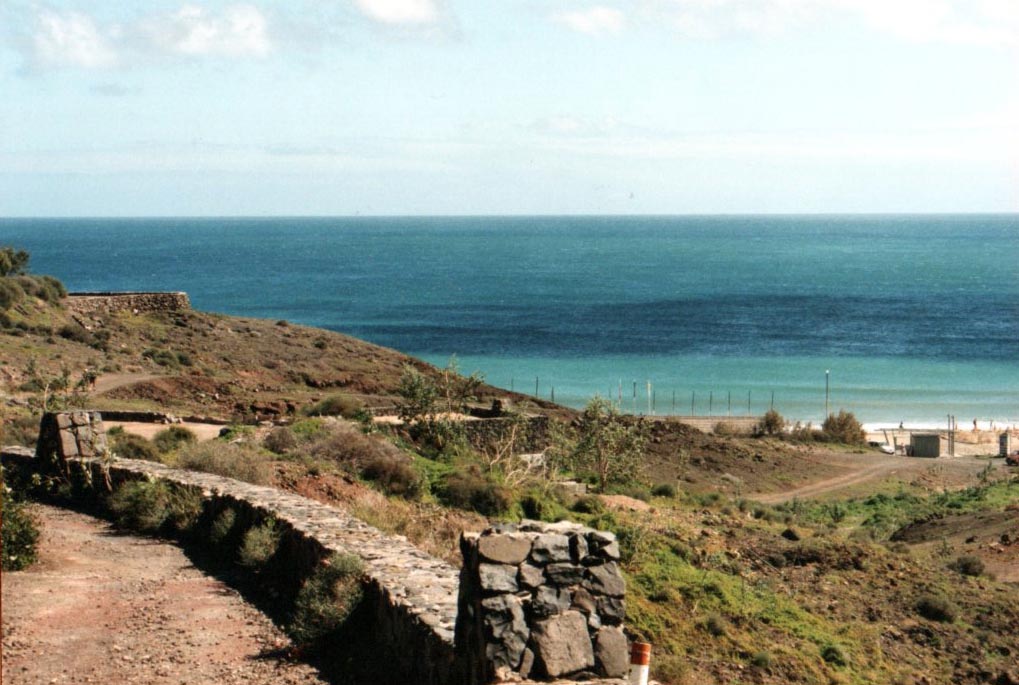
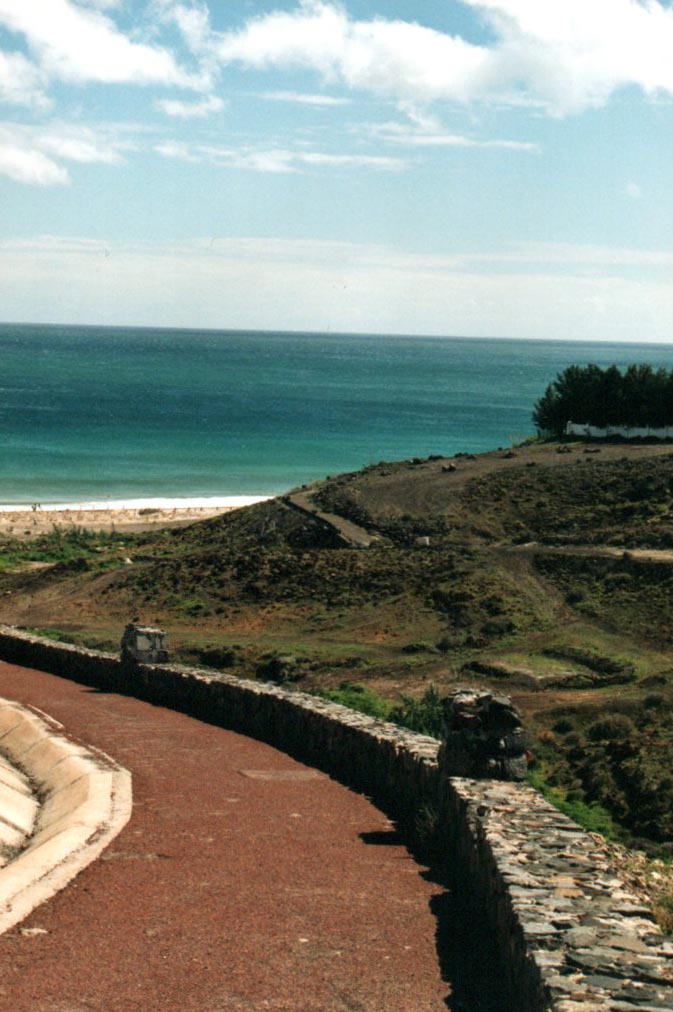
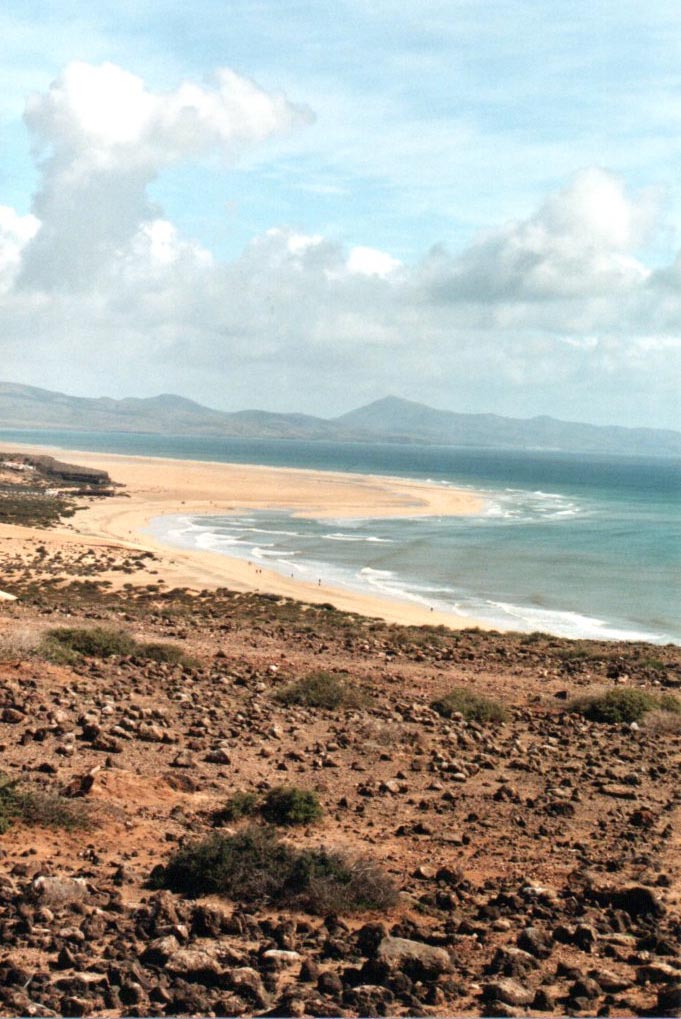
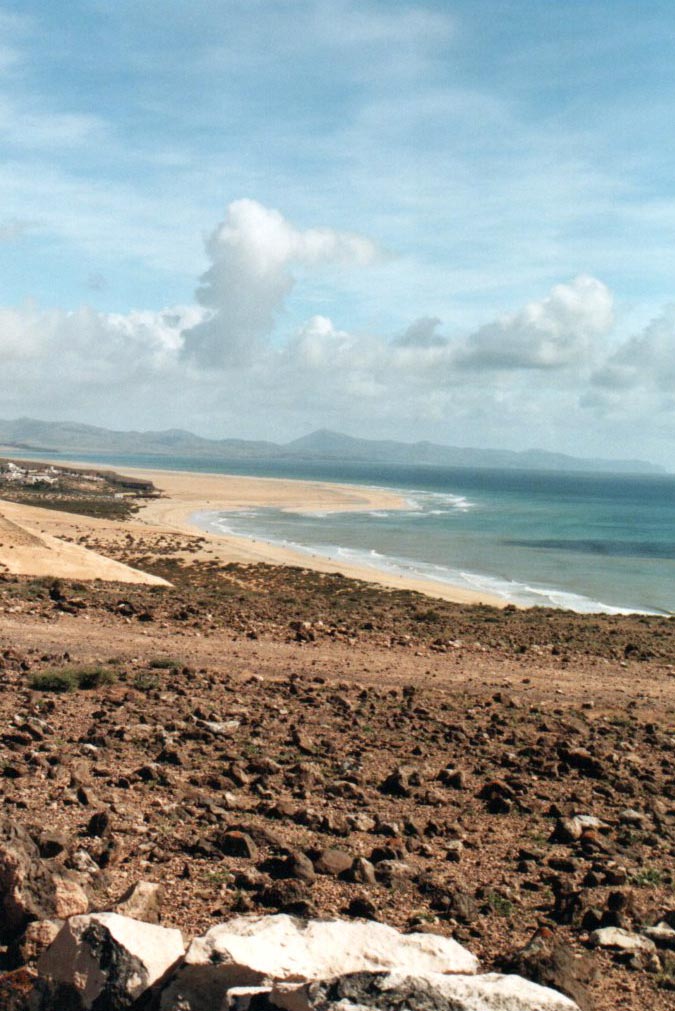
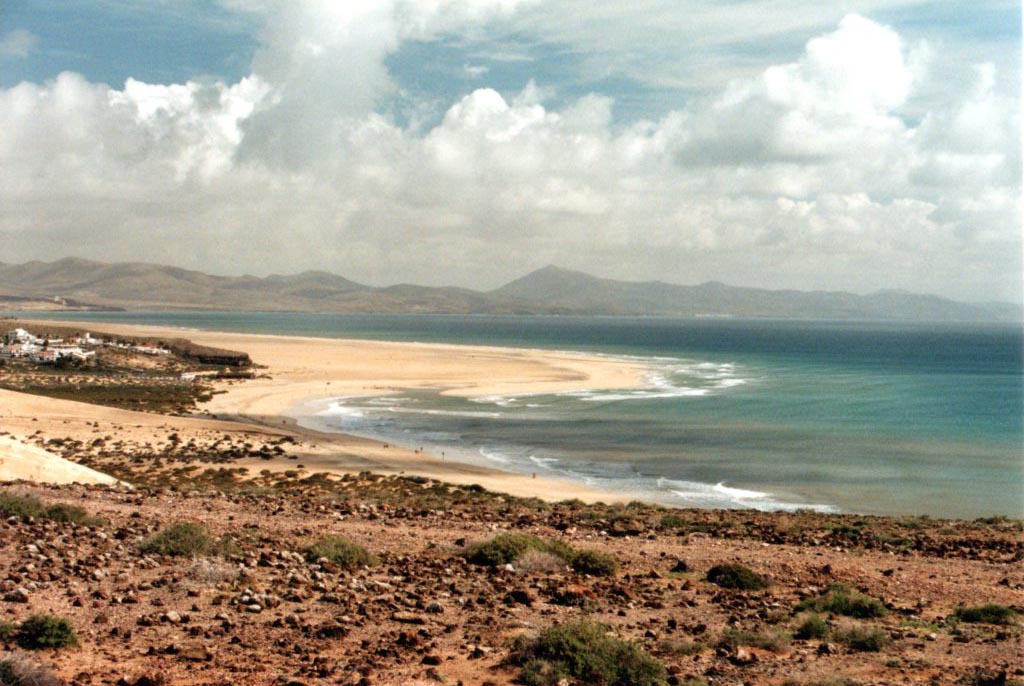
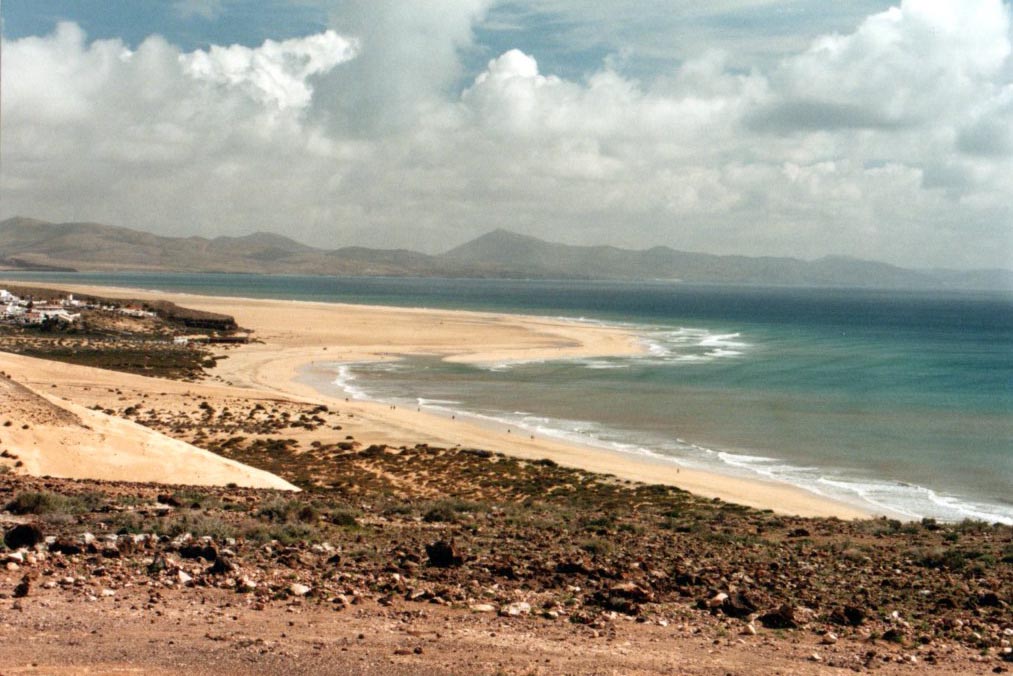
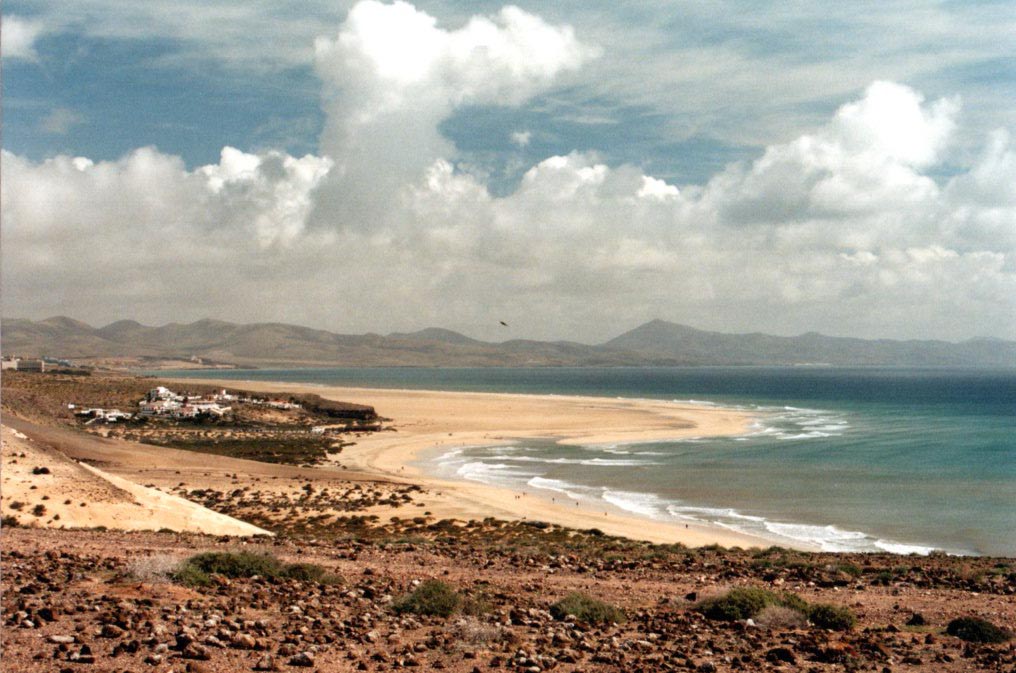
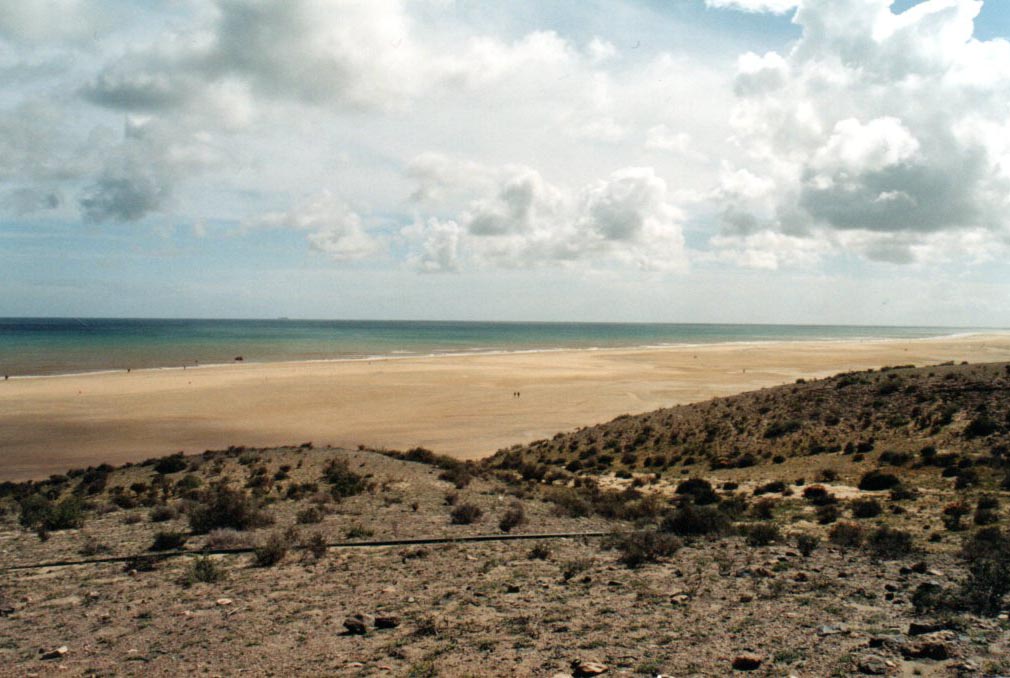
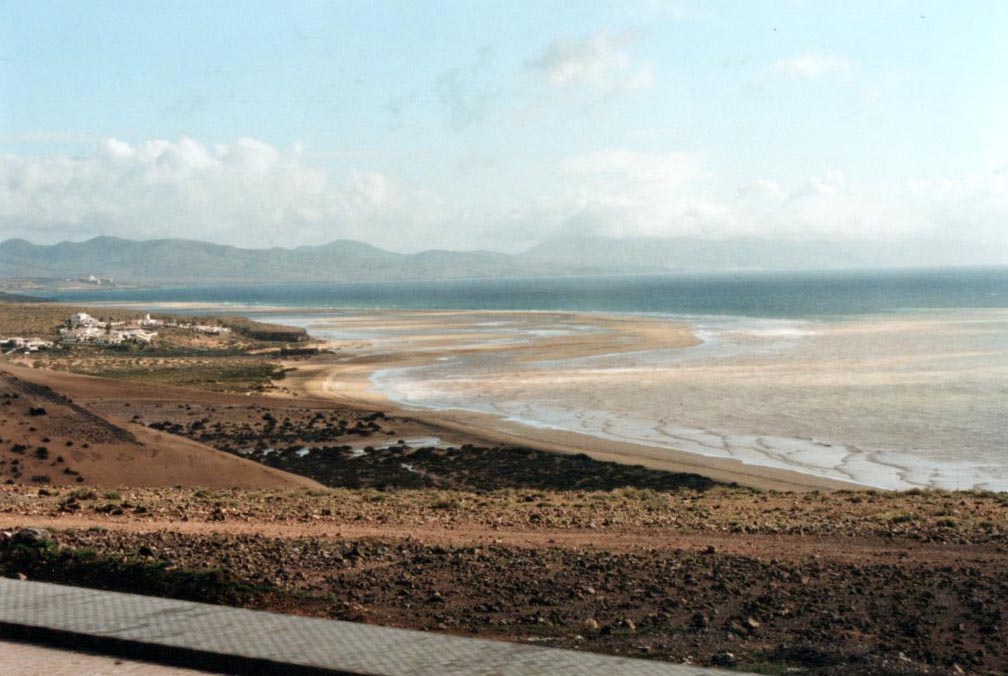
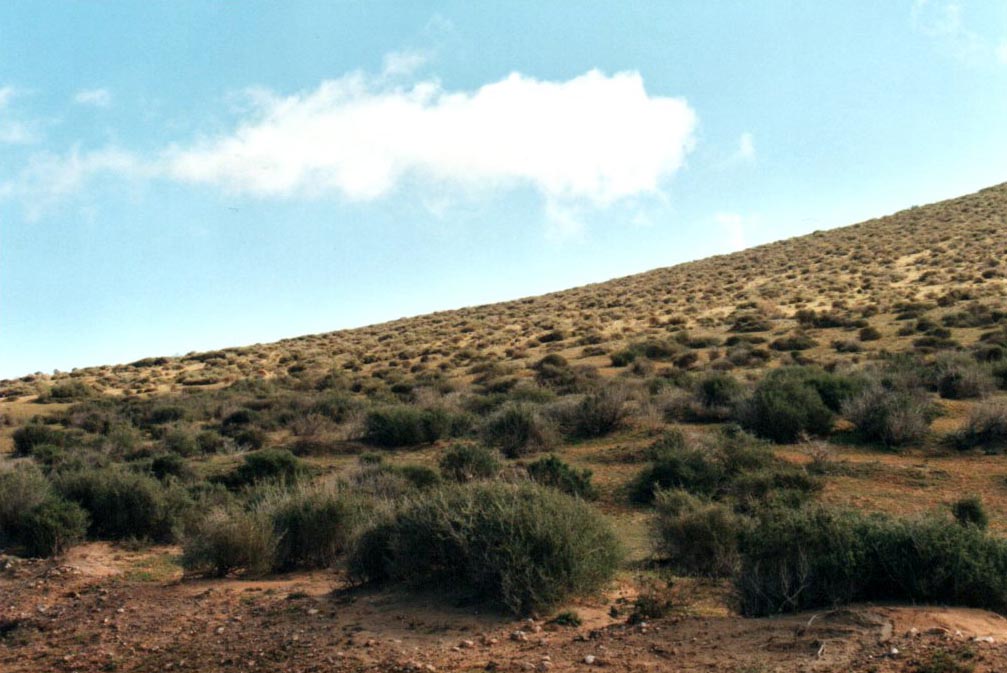
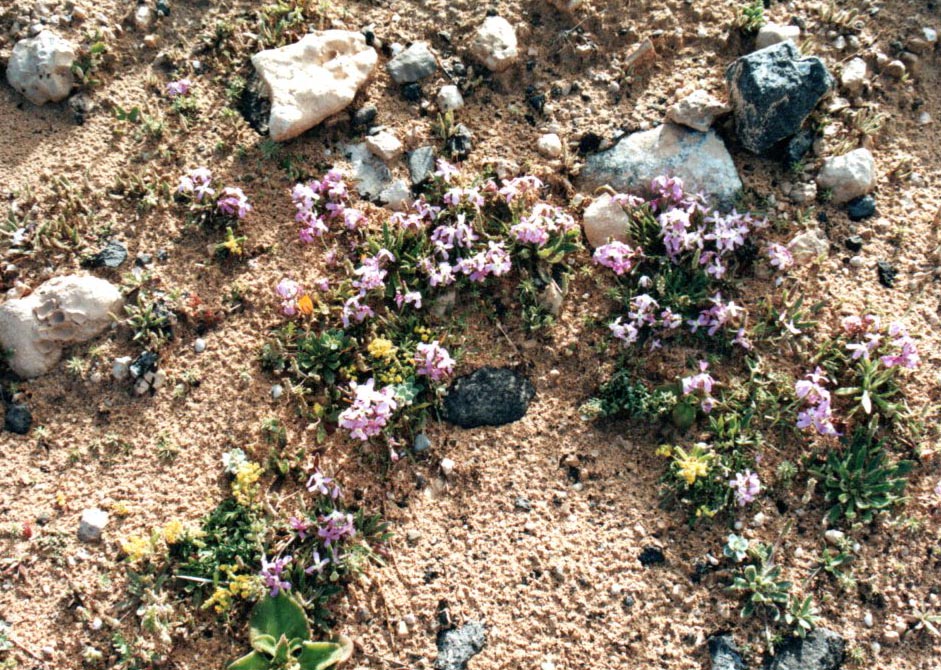
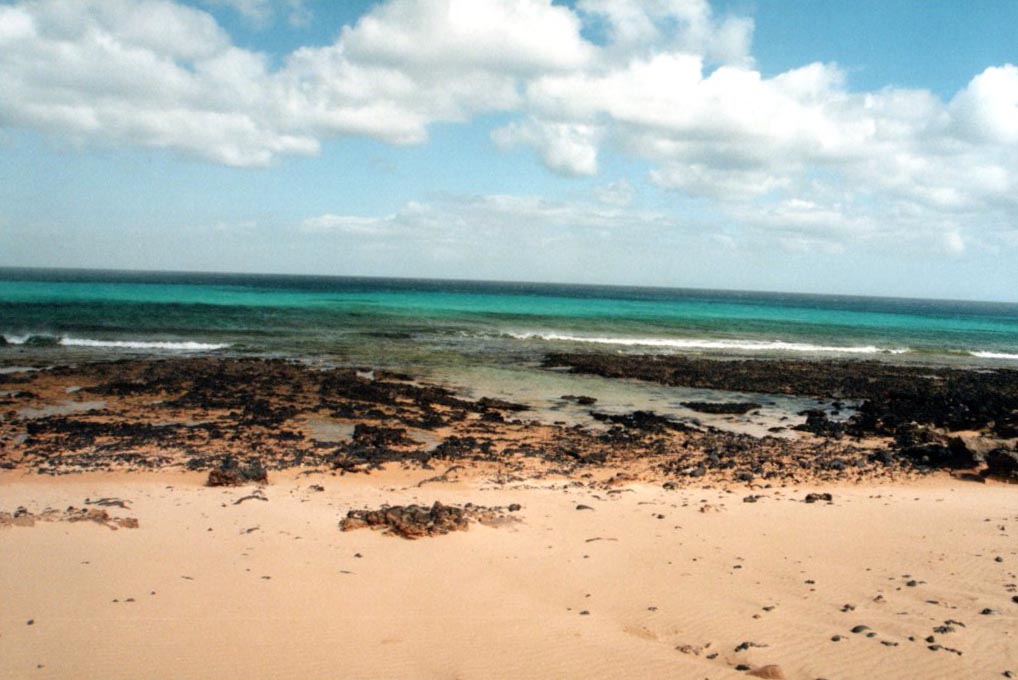
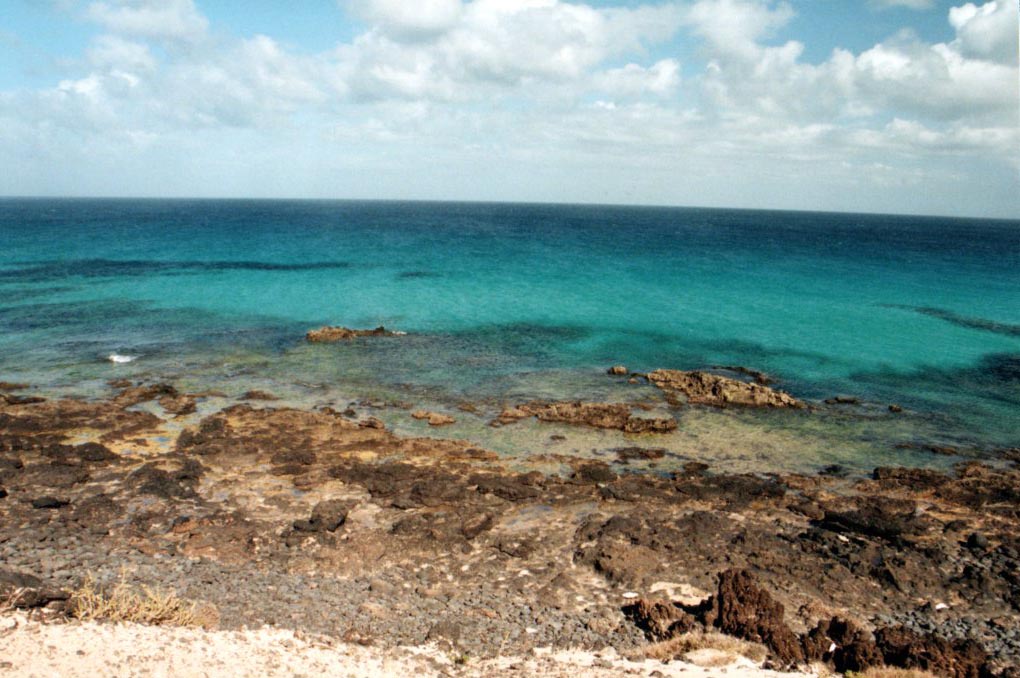
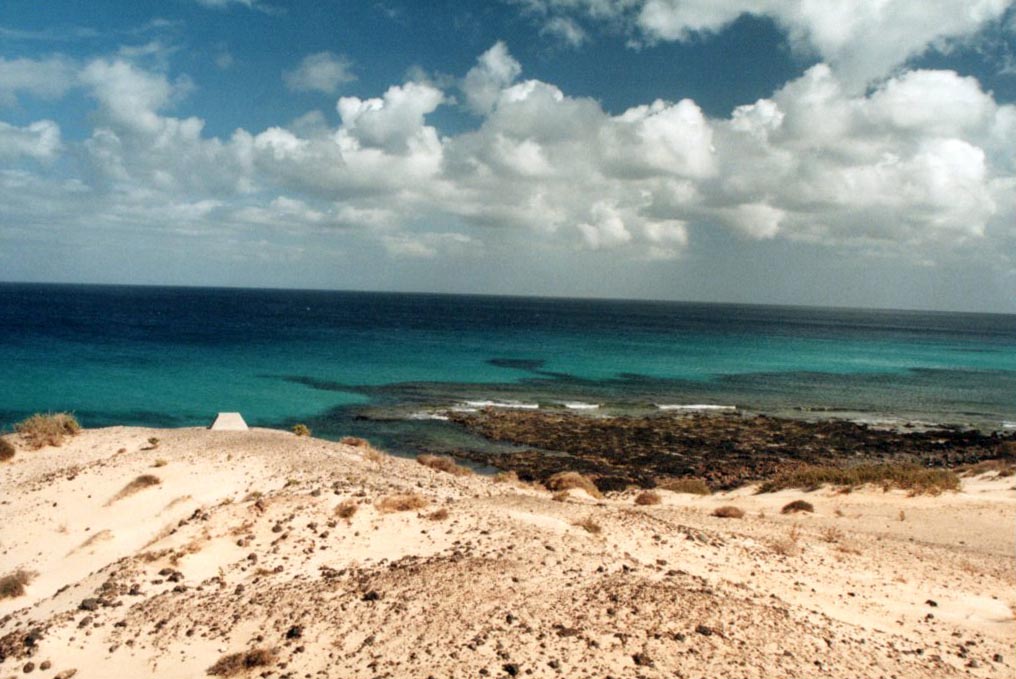
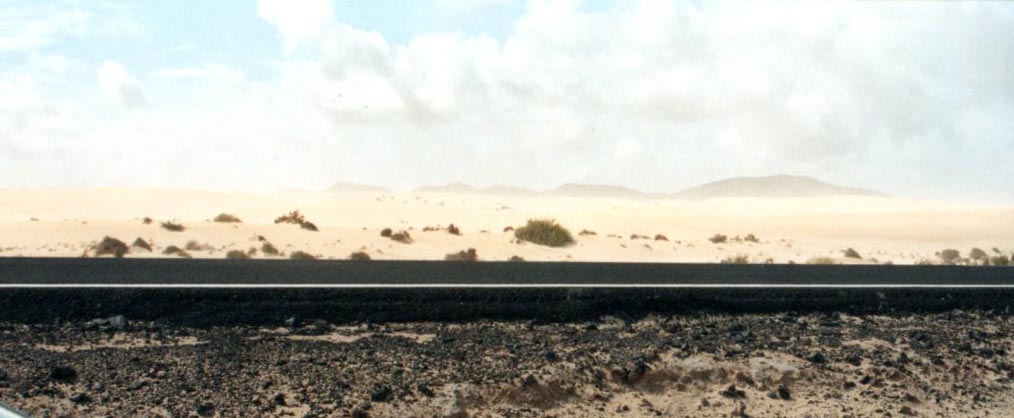
Leaving the calm shores behind, Siska navigated our paper map along the rugged dirt tracks toward the wild west coast to find the hidden paradise of Playa Amíbar. Driving through this untamed territory felt like crossing the surface of the moon, surrounded by sweeping volcanic ridges and a fascinating, minimalist vegetation of hardy succulents and salt-resistant shrubs that somehow thrive in the sun-baked soil. Since we had completely ditched the stroller, I carried little Felipe close to me in the baby wrap whenever we stepped out to explore the dusty desert paths on foot. When we finally reached the edge of Playa Amíbar, the view completely took our breath away: a massive, entirely deserted expanse of golden sand slammed by the thunderous, roaring waves of the open Atlantic, leaving us standing in awe of the raw, unyielding power of nature.


Picture
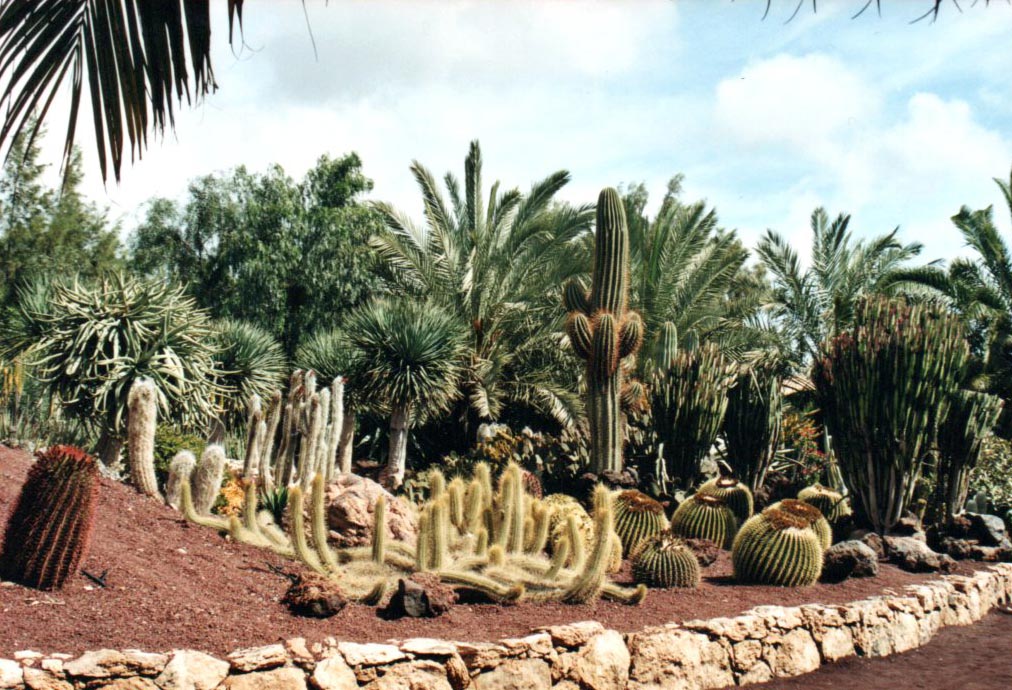
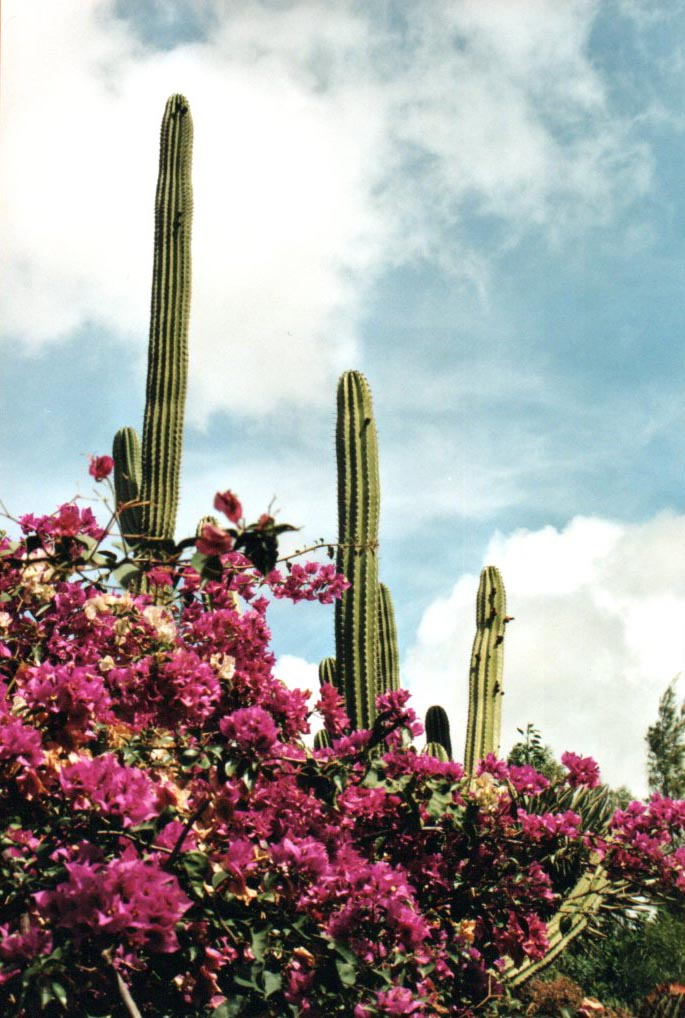
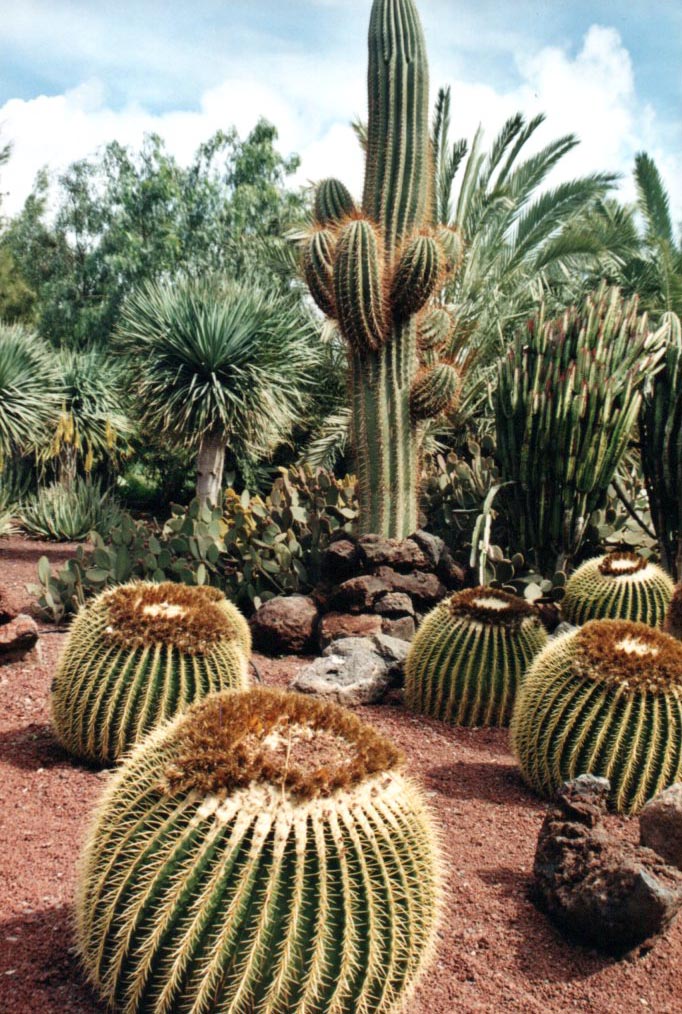
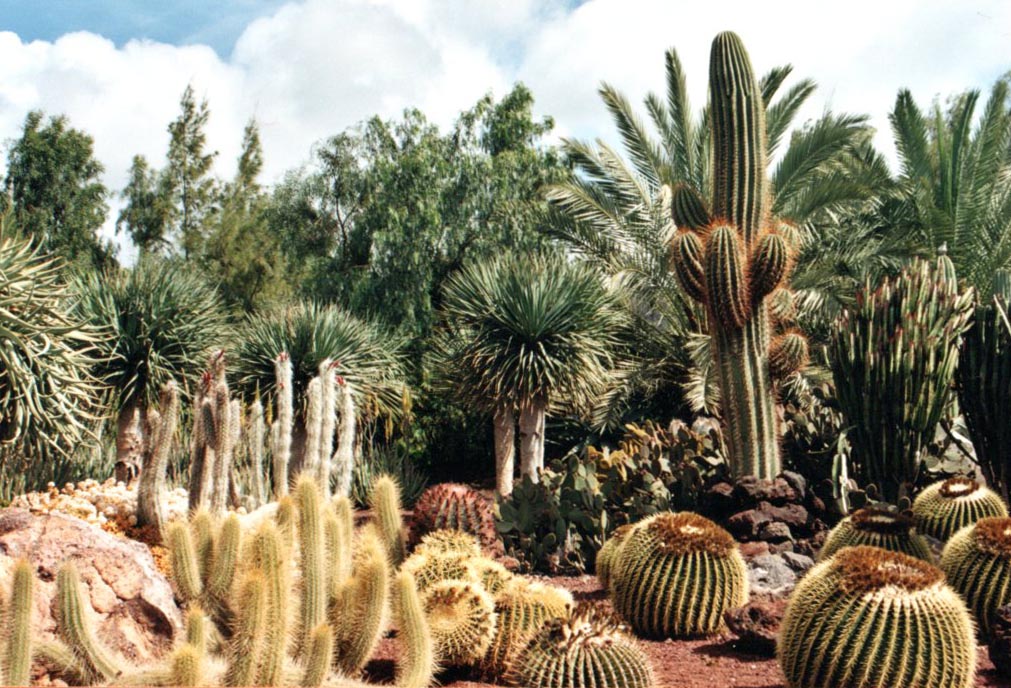
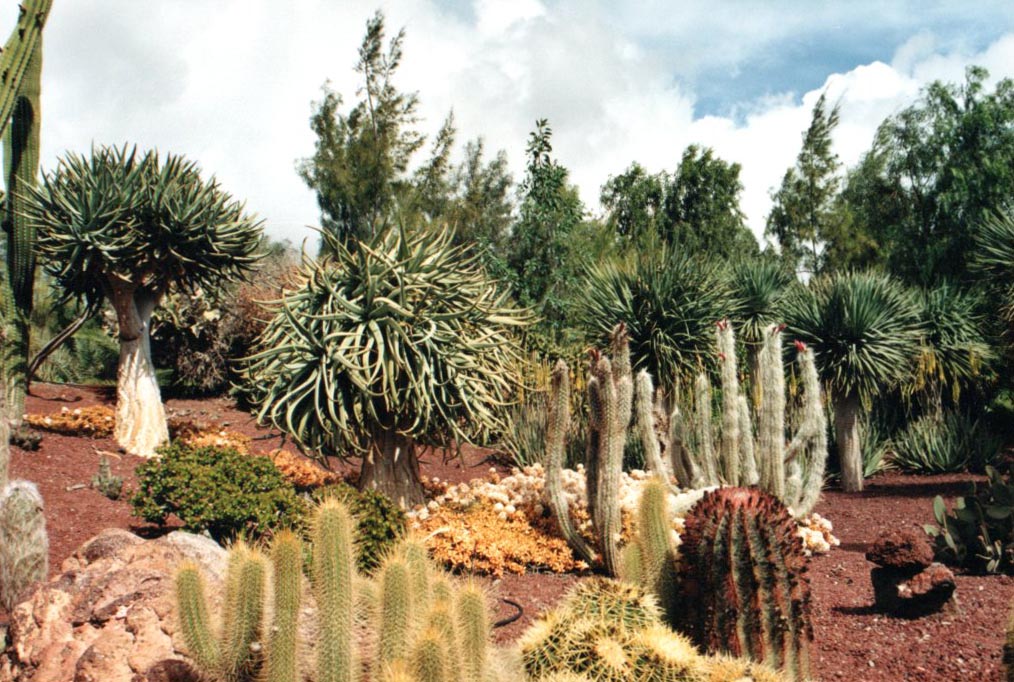
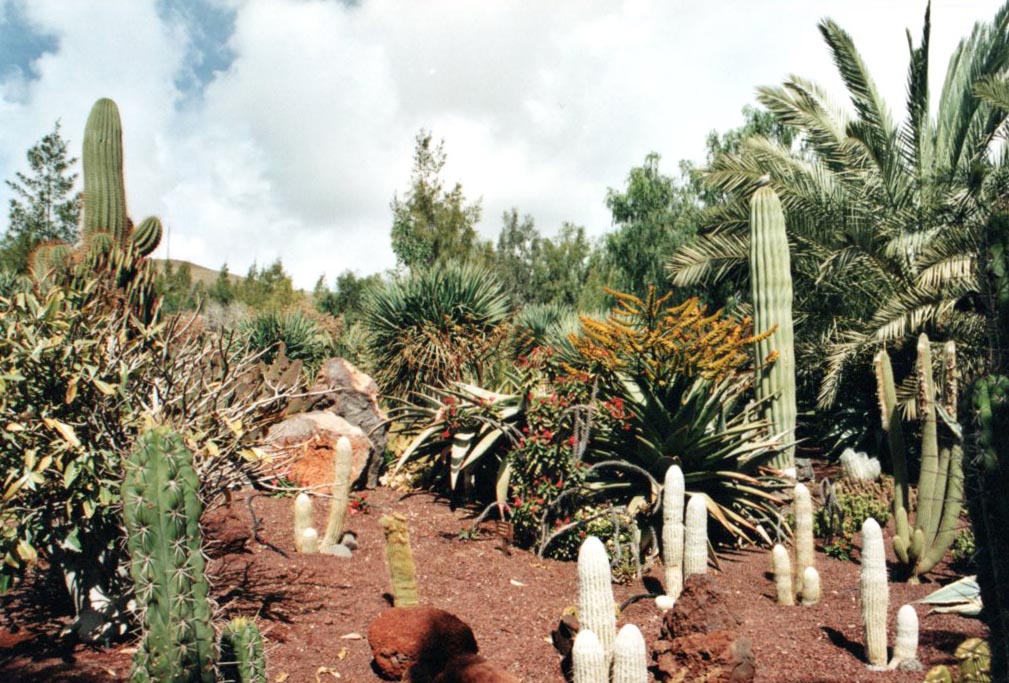
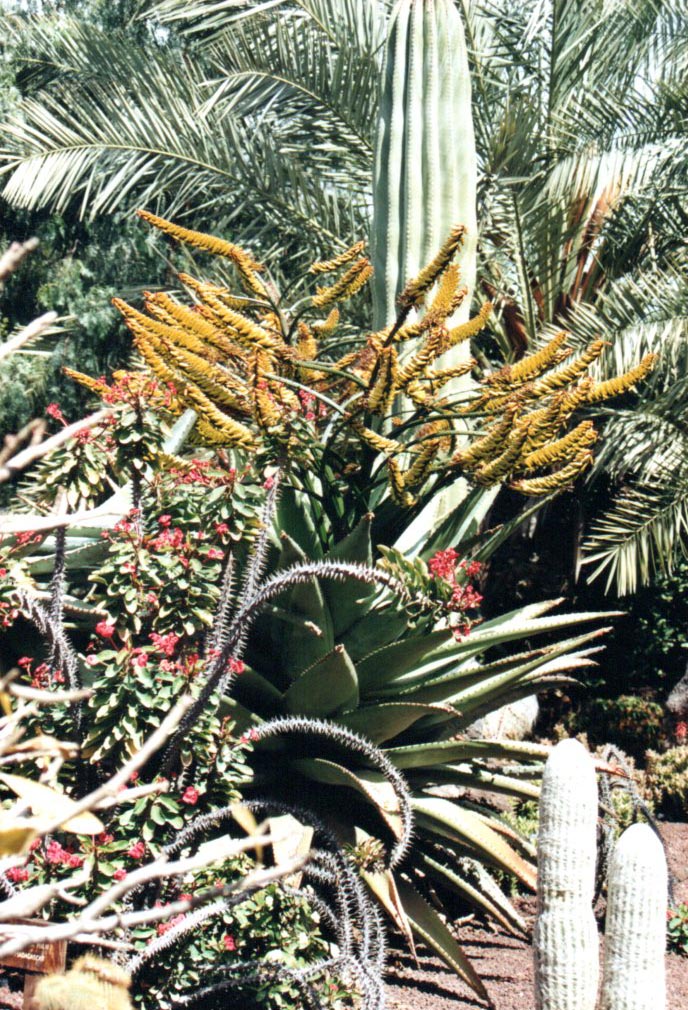
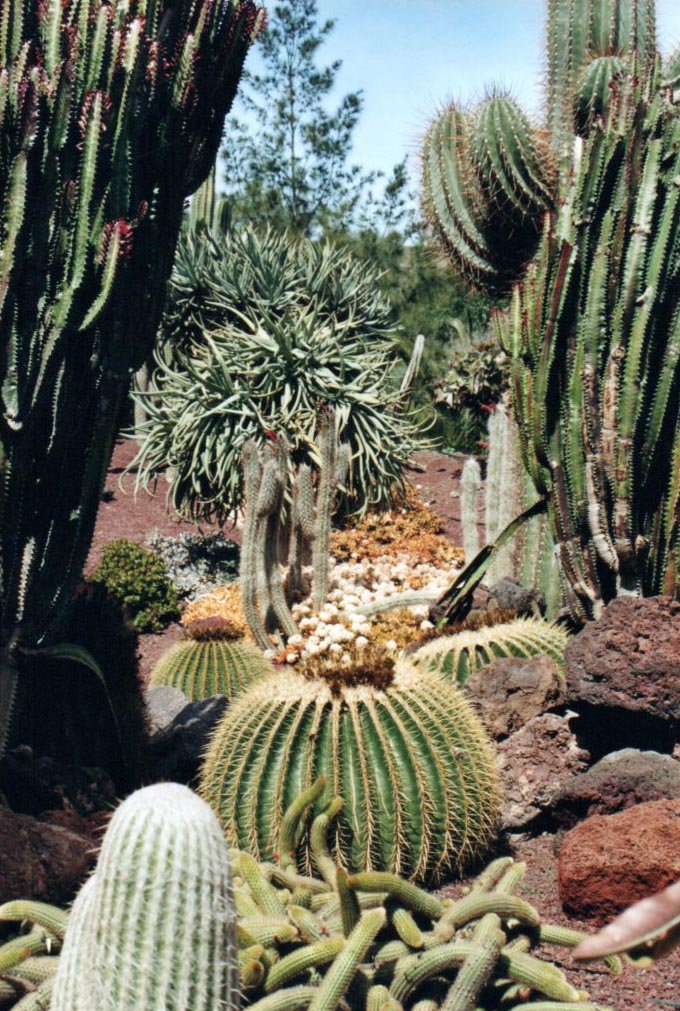
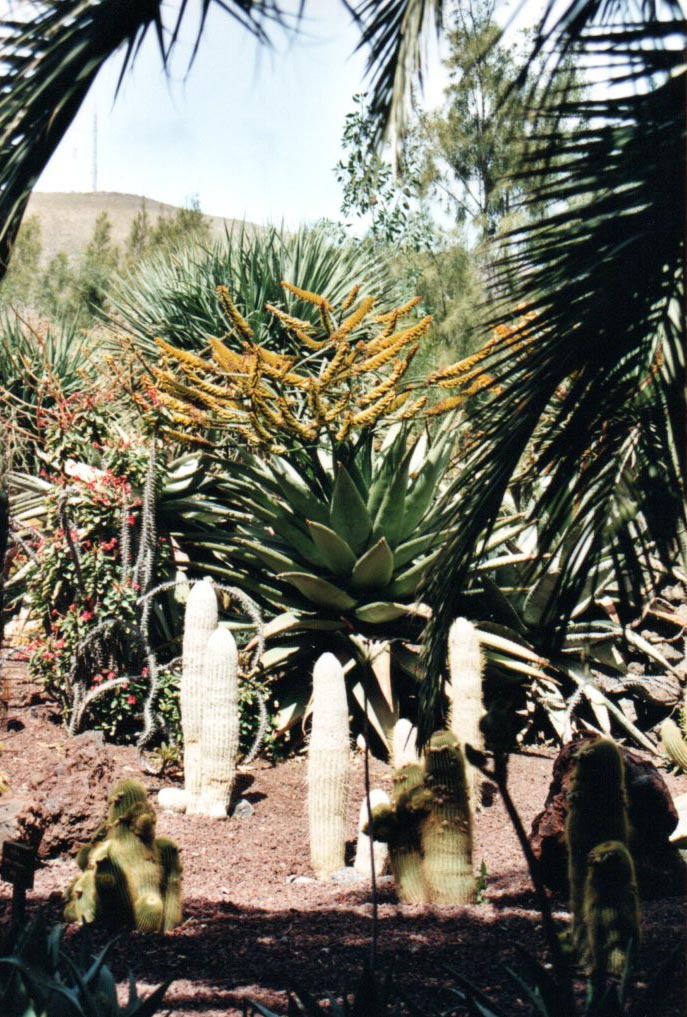
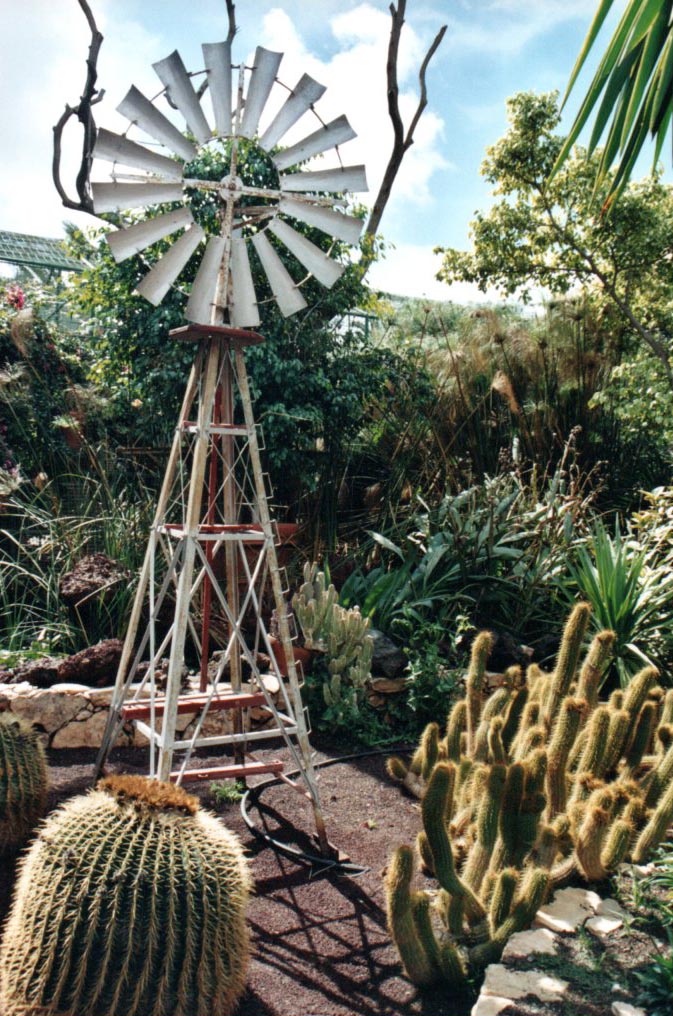
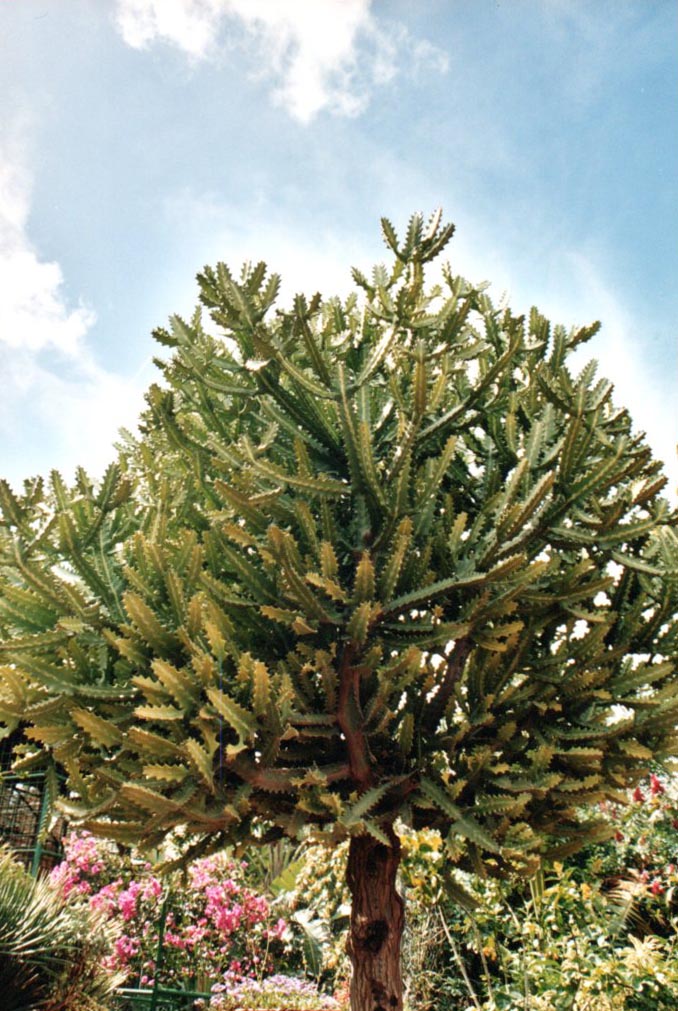
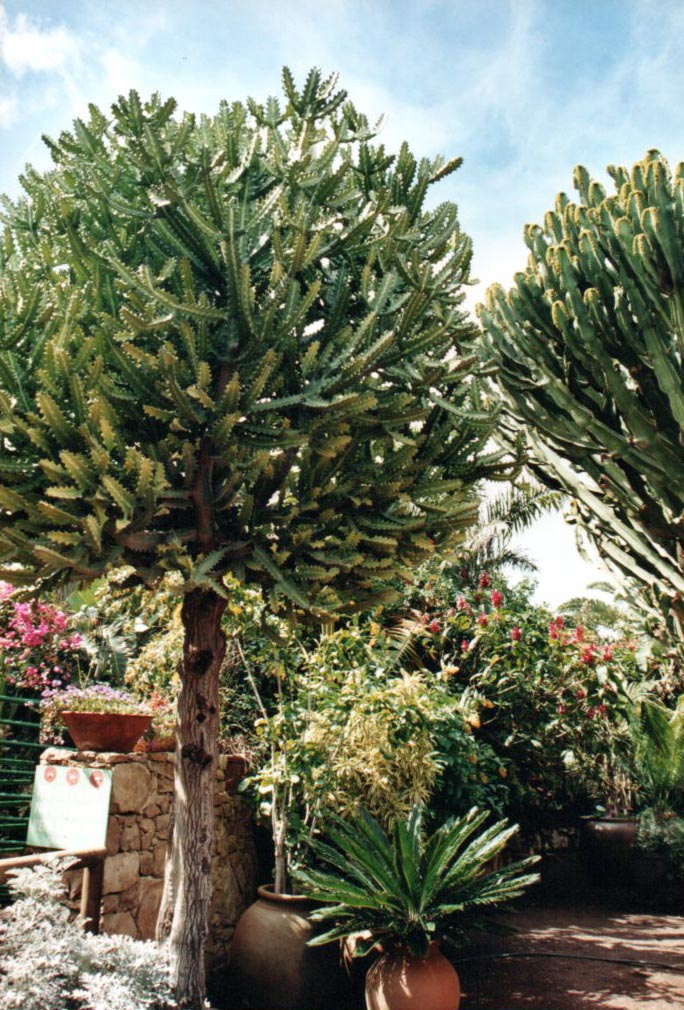
The Oasis Botanic in La Lajita: A European Sanctuary for Cacti and Blooms
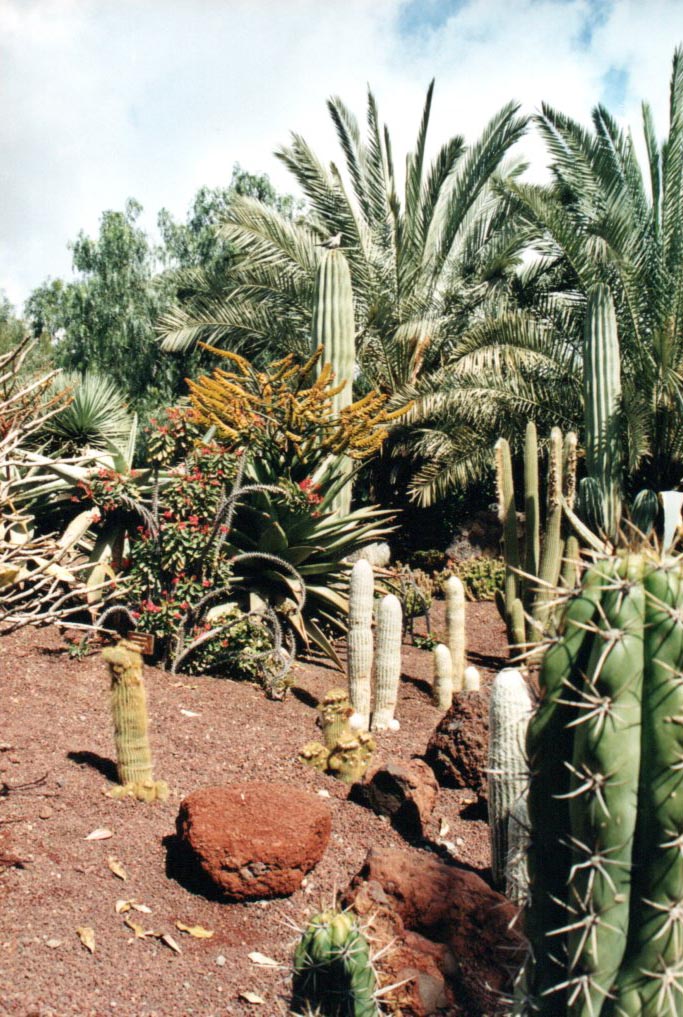
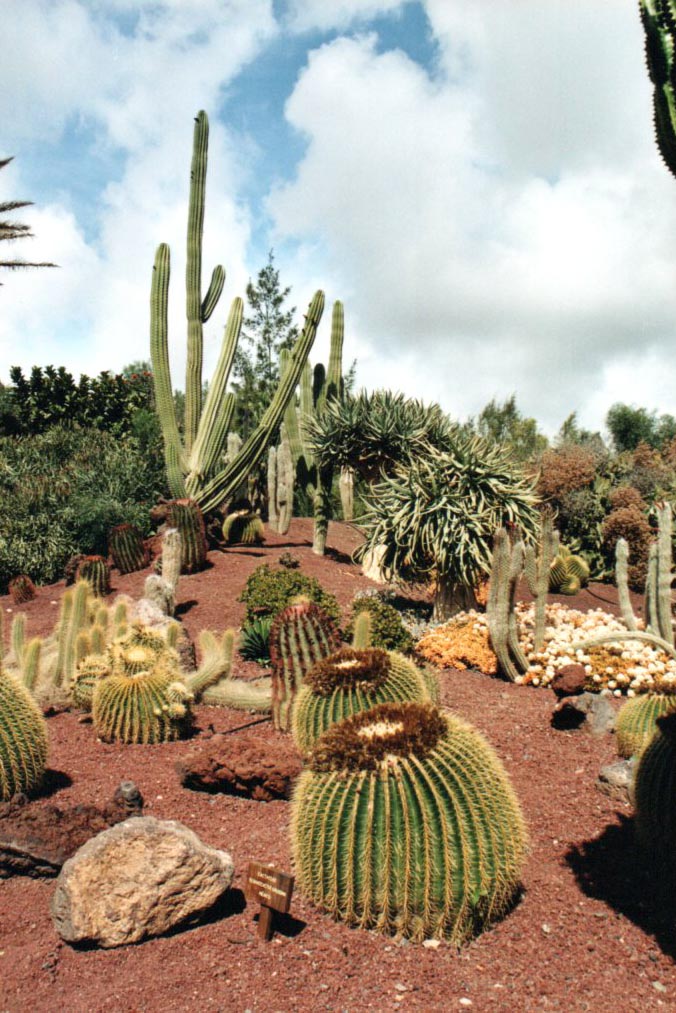
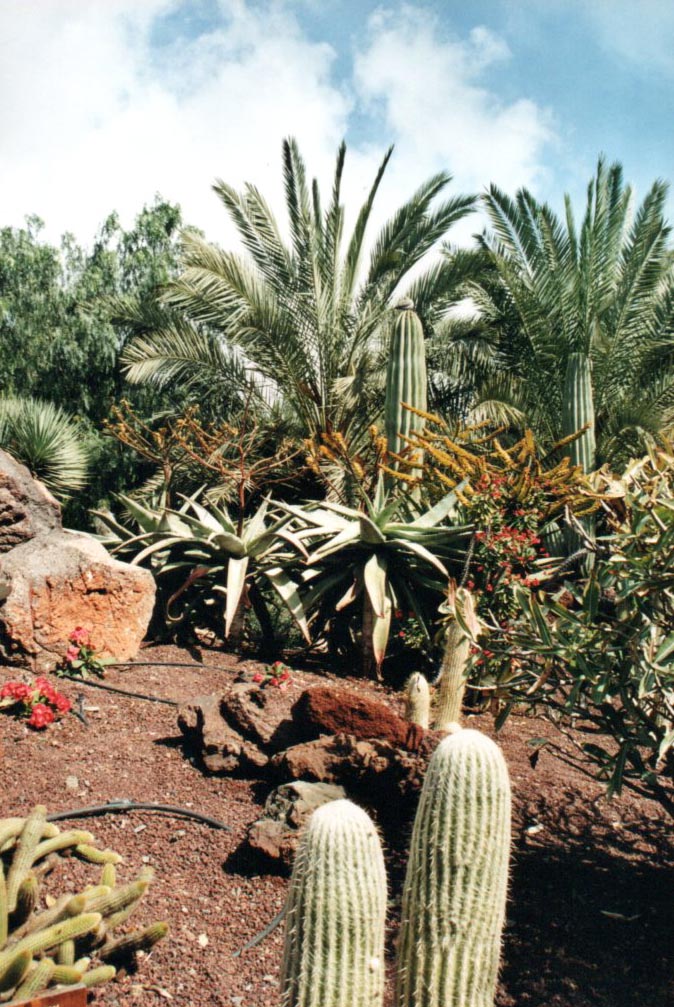
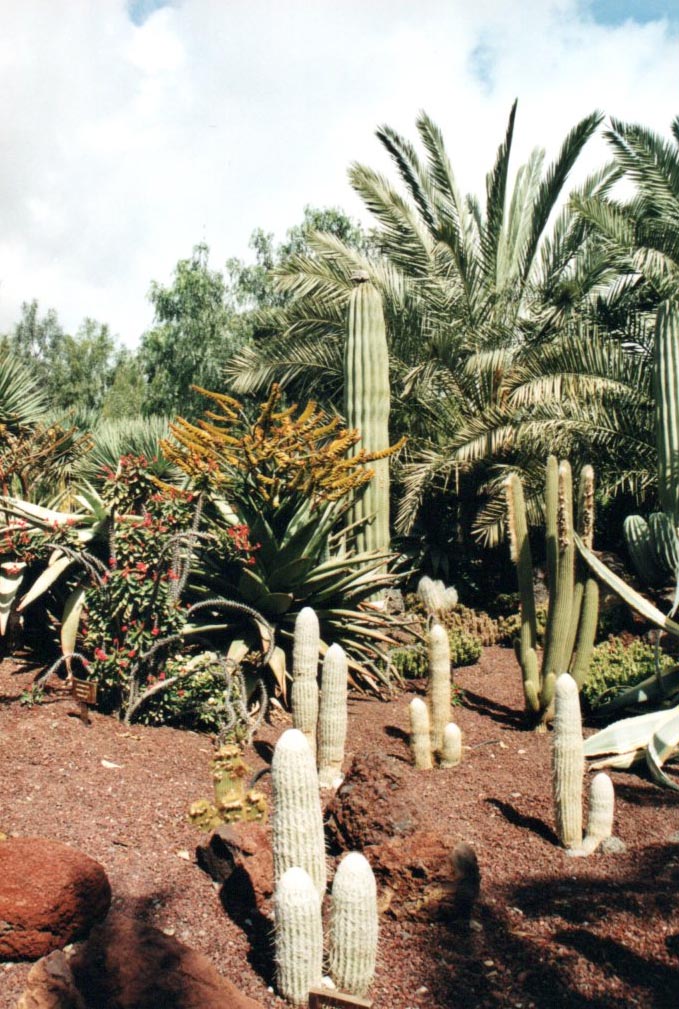
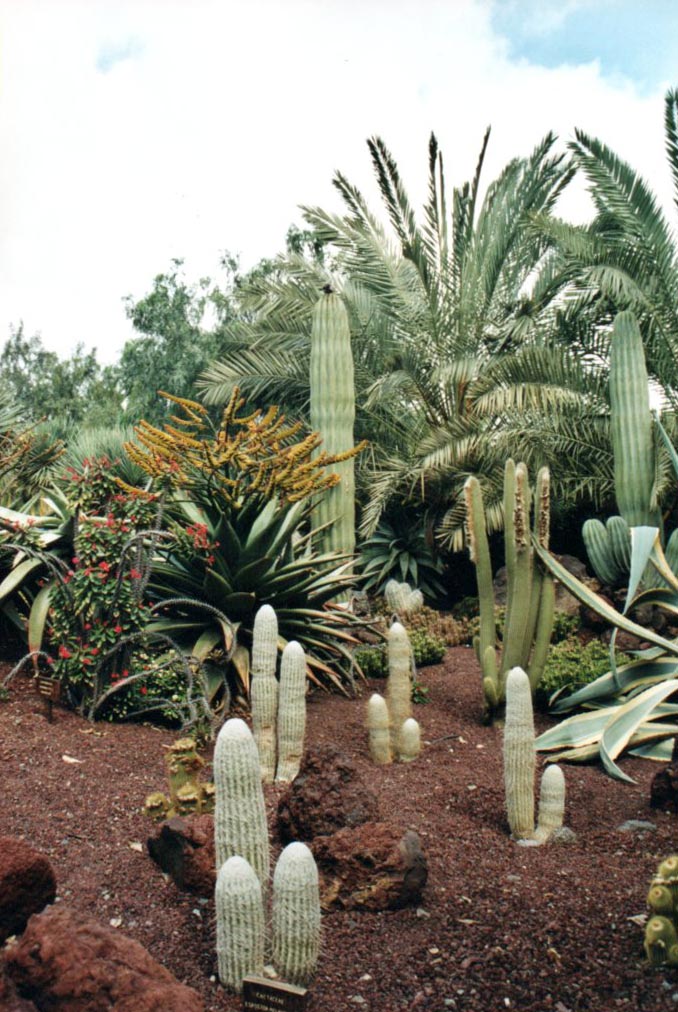
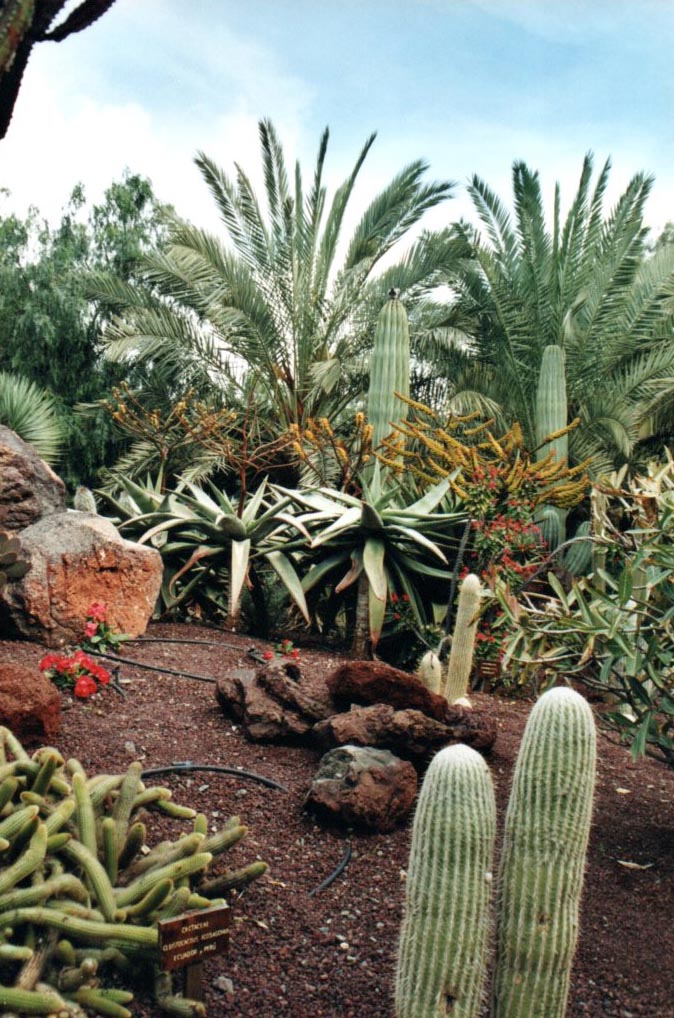
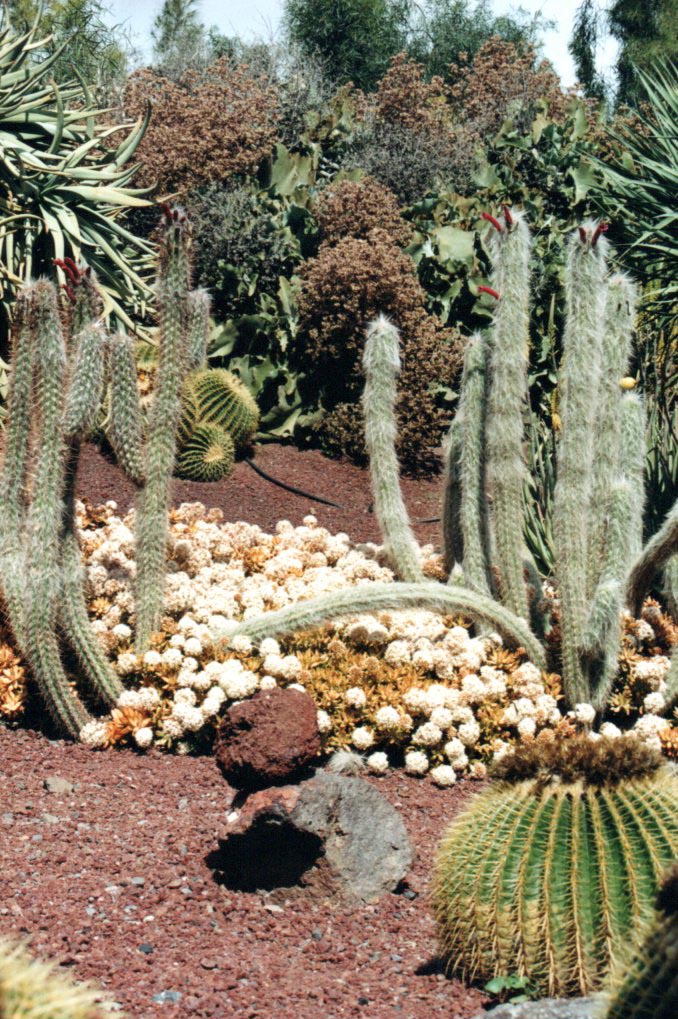
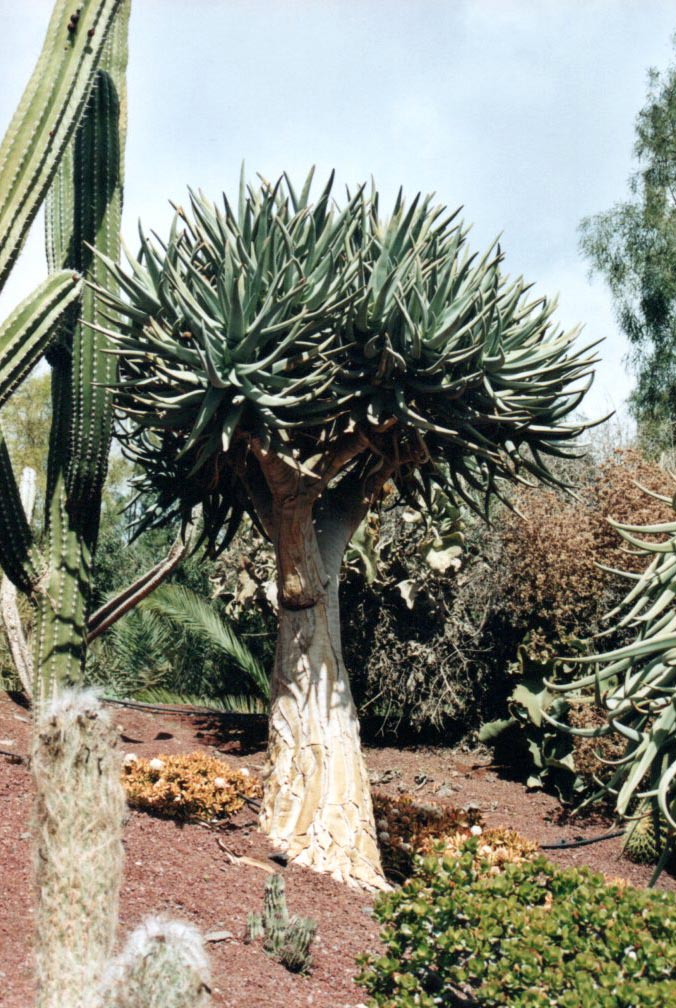
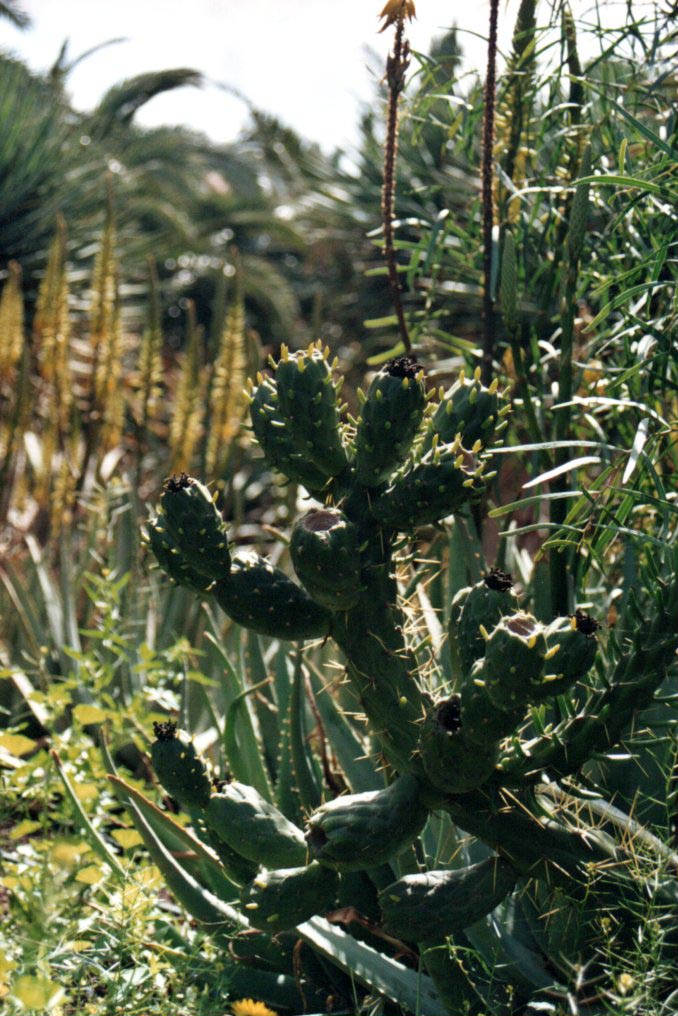
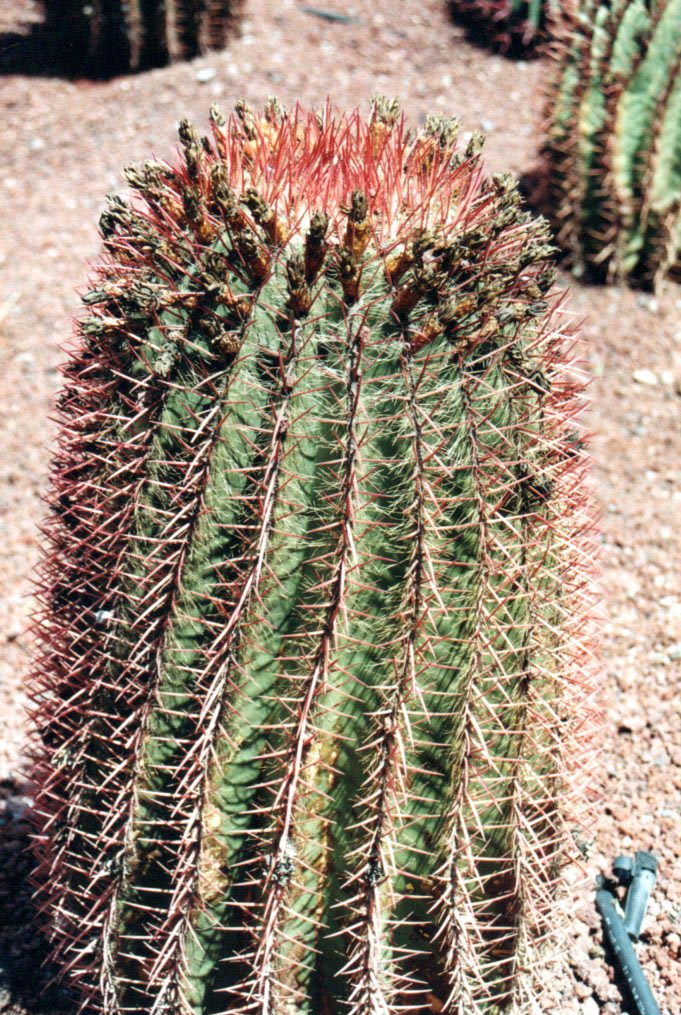
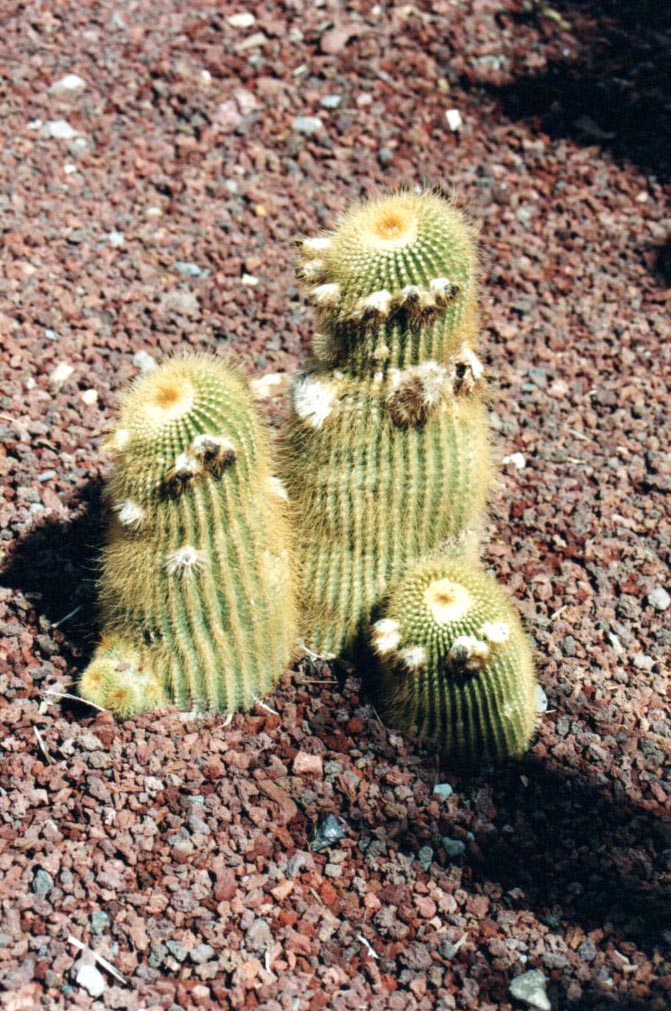
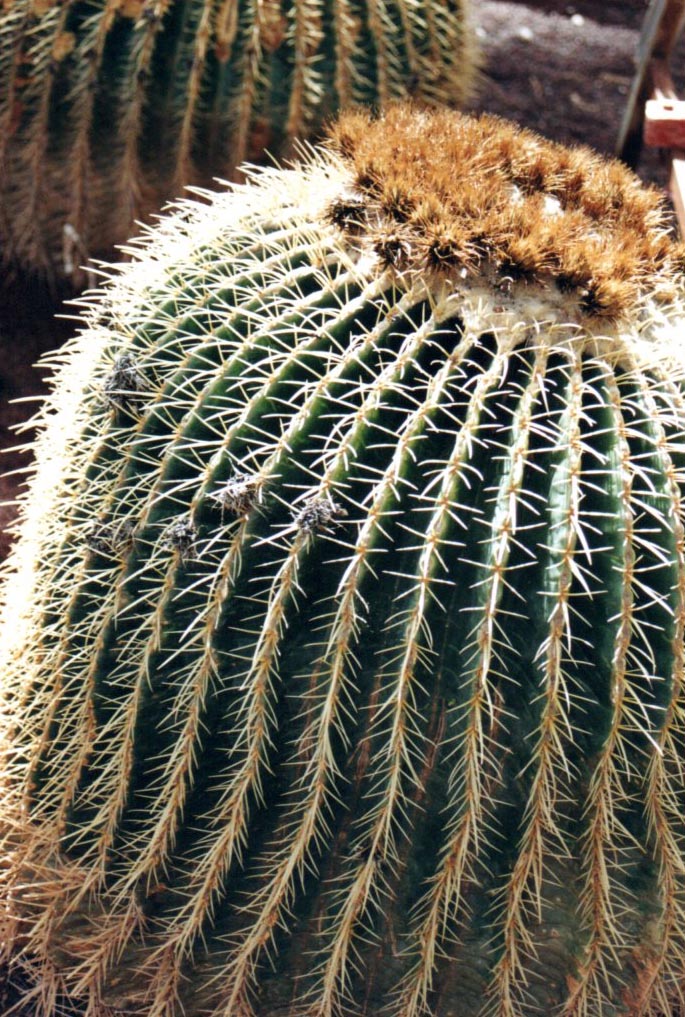
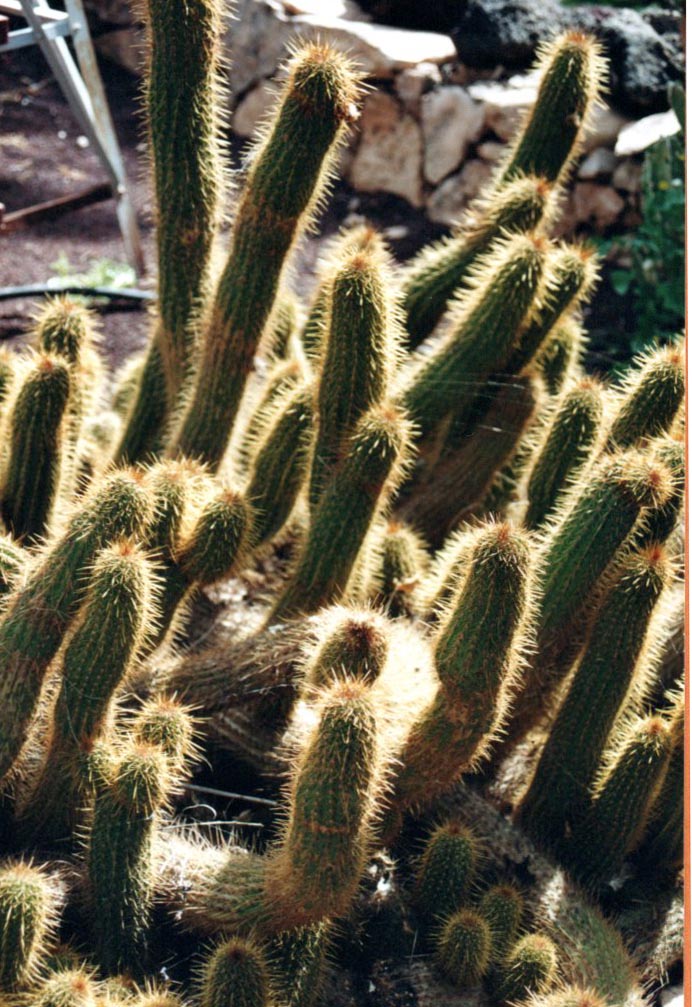
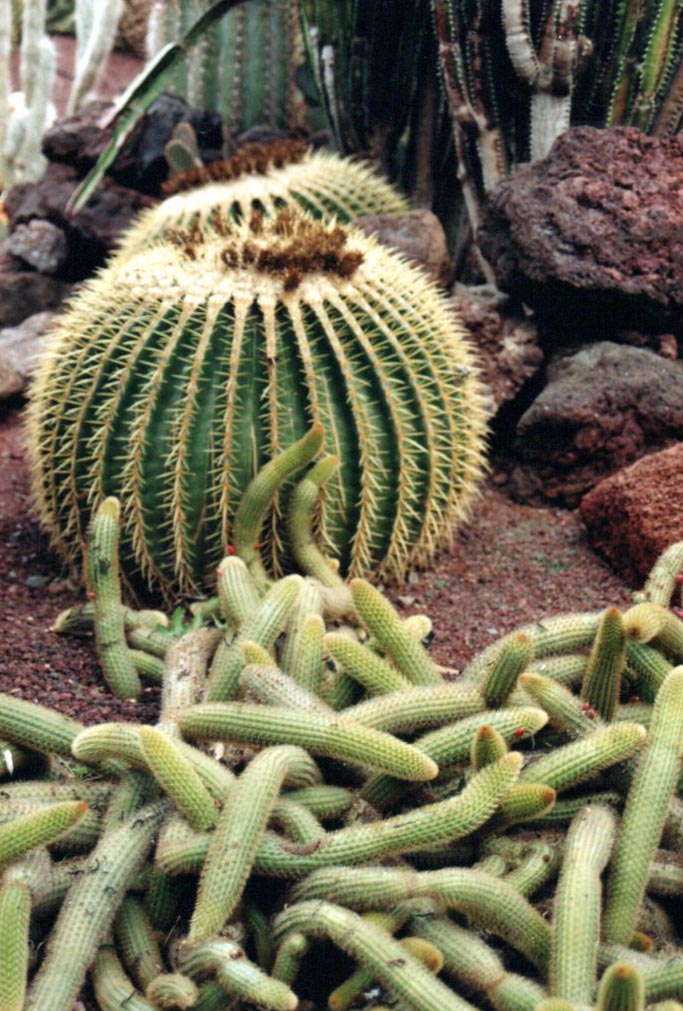
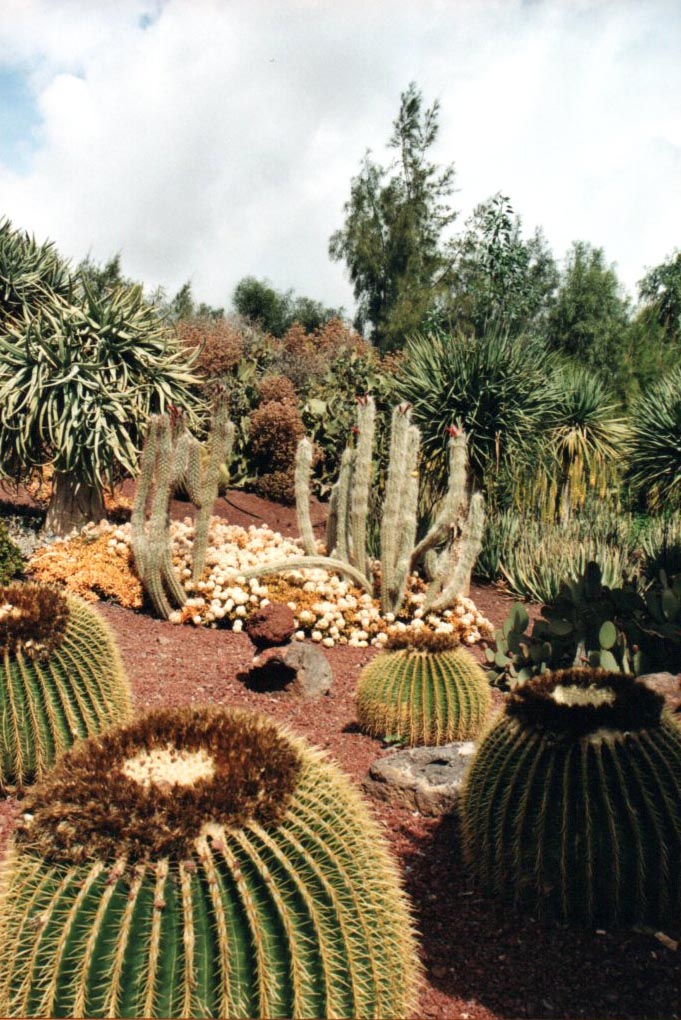
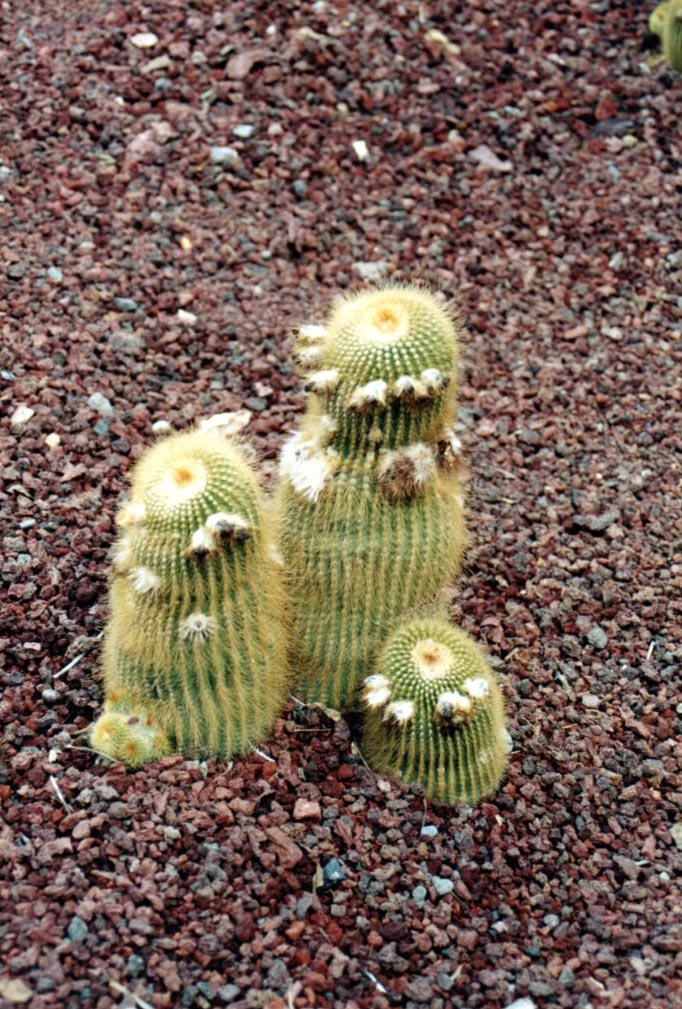
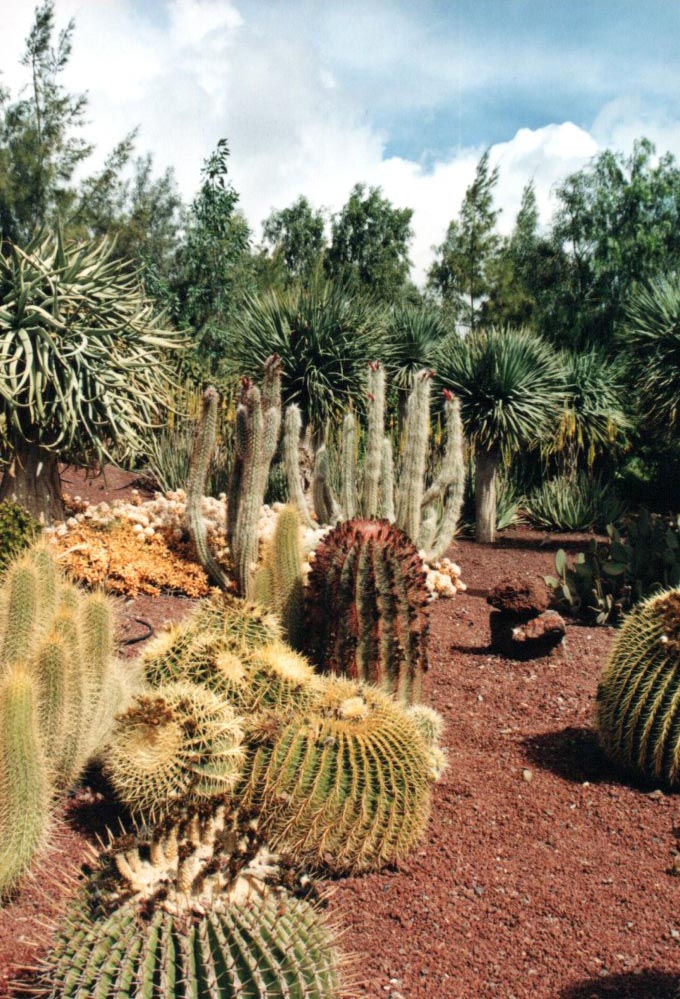
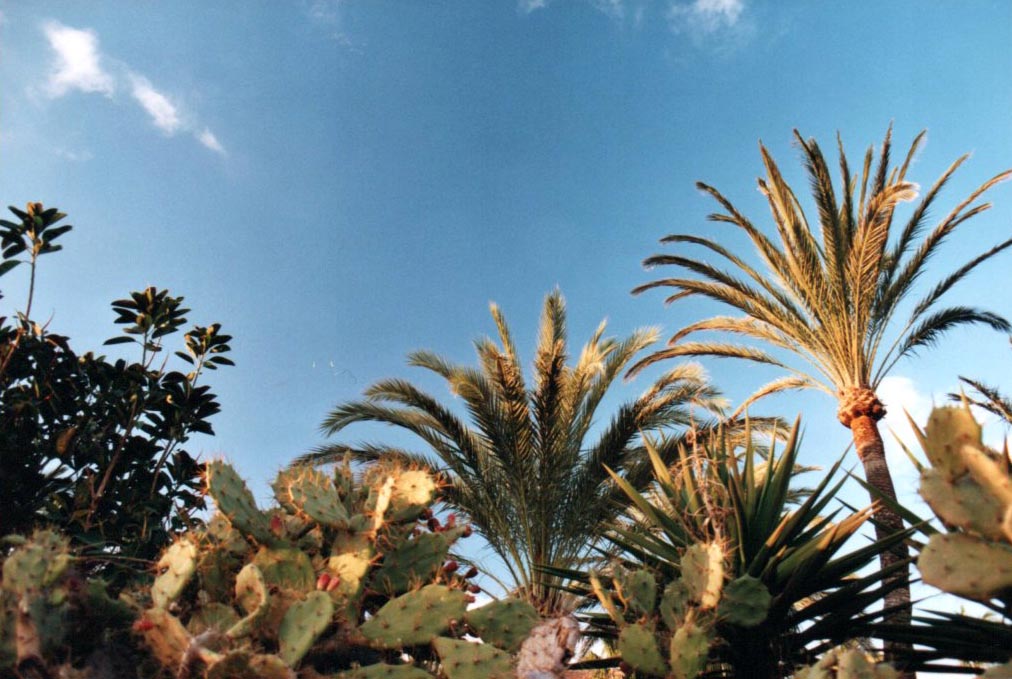
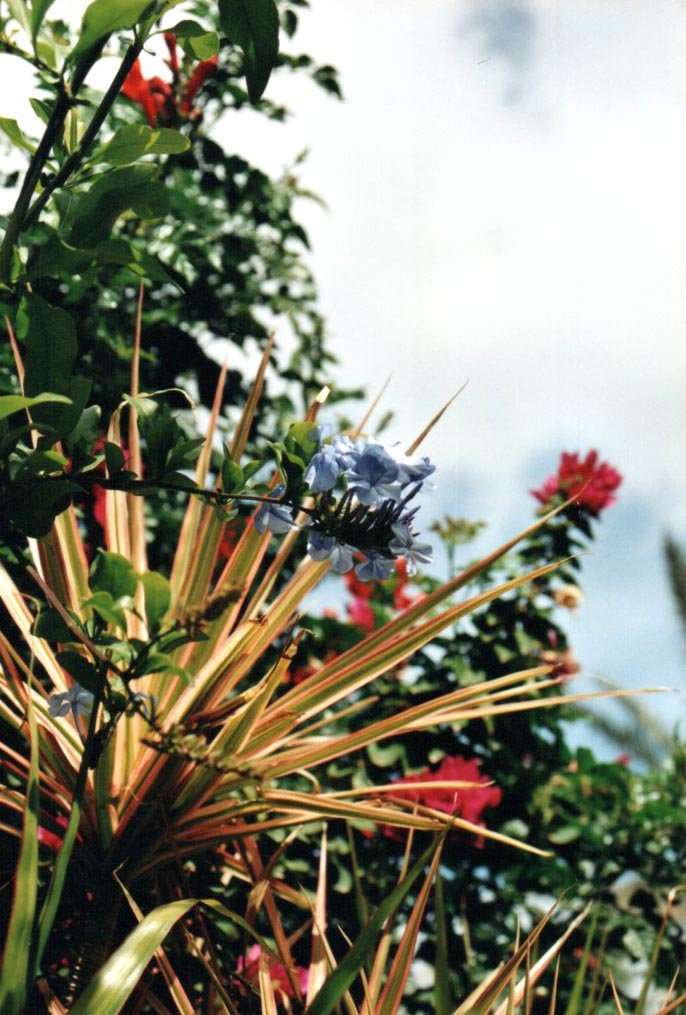
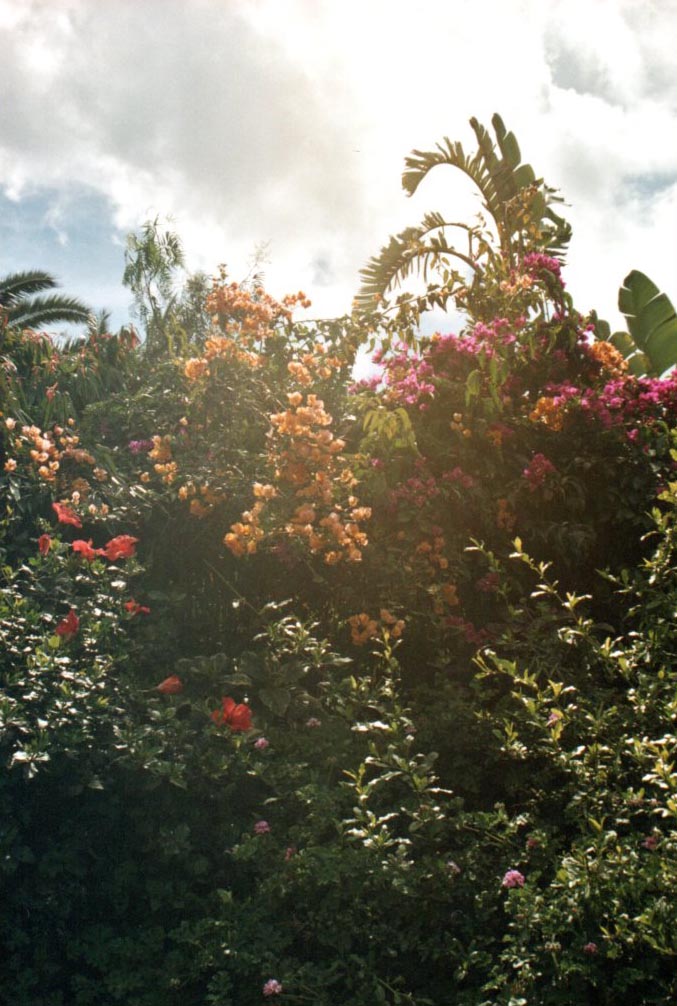
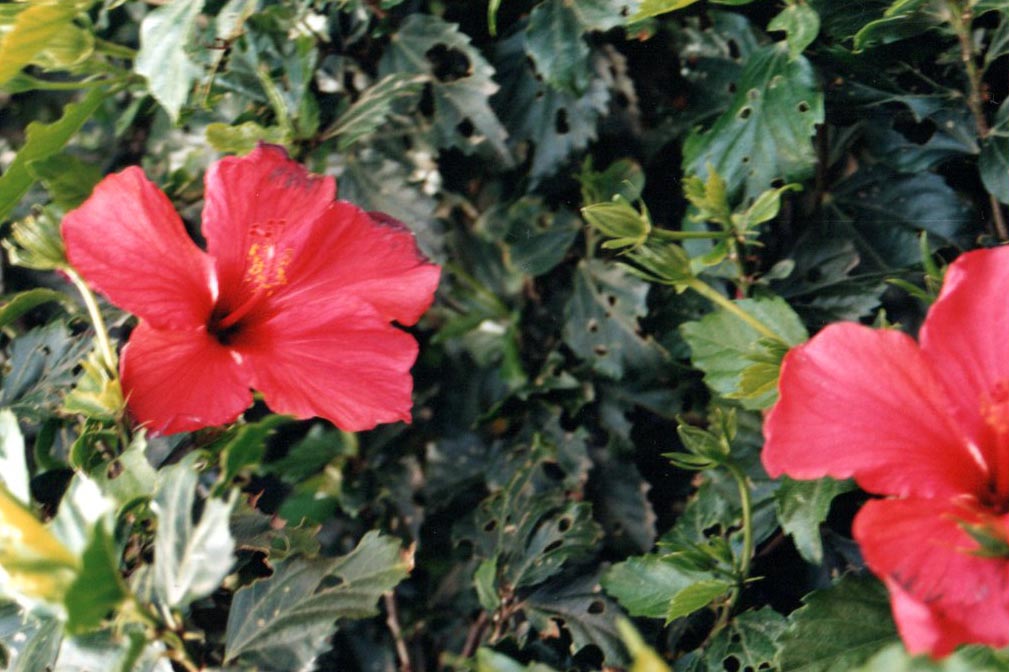
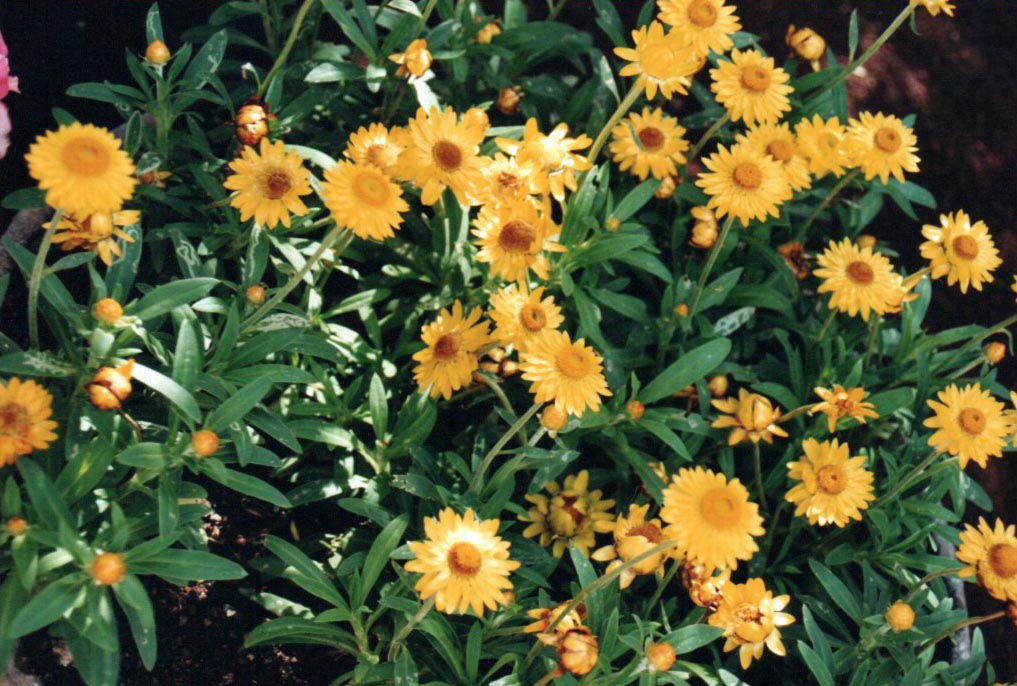
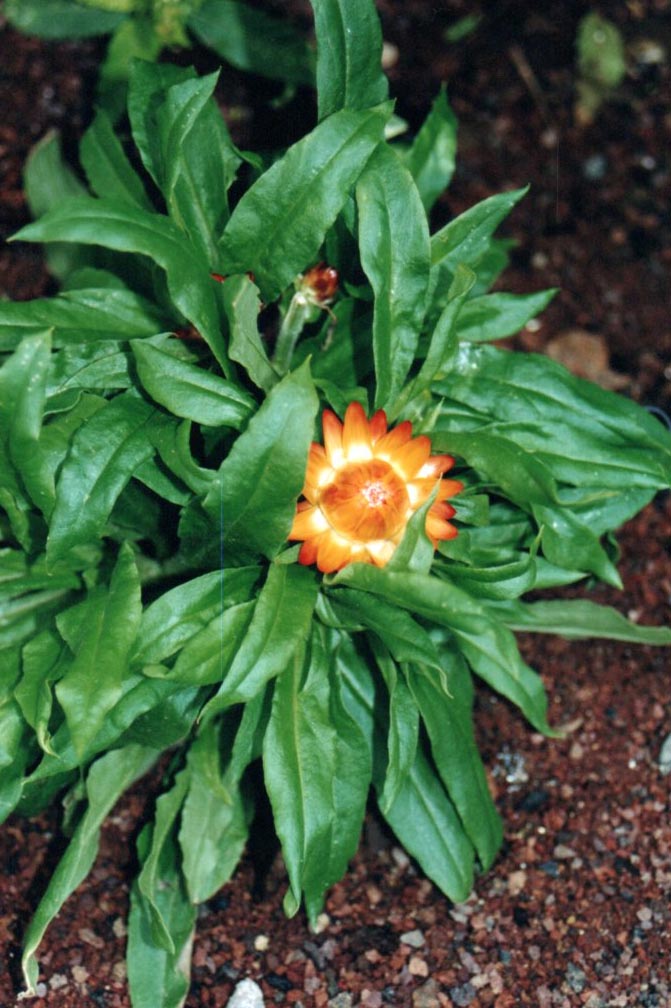
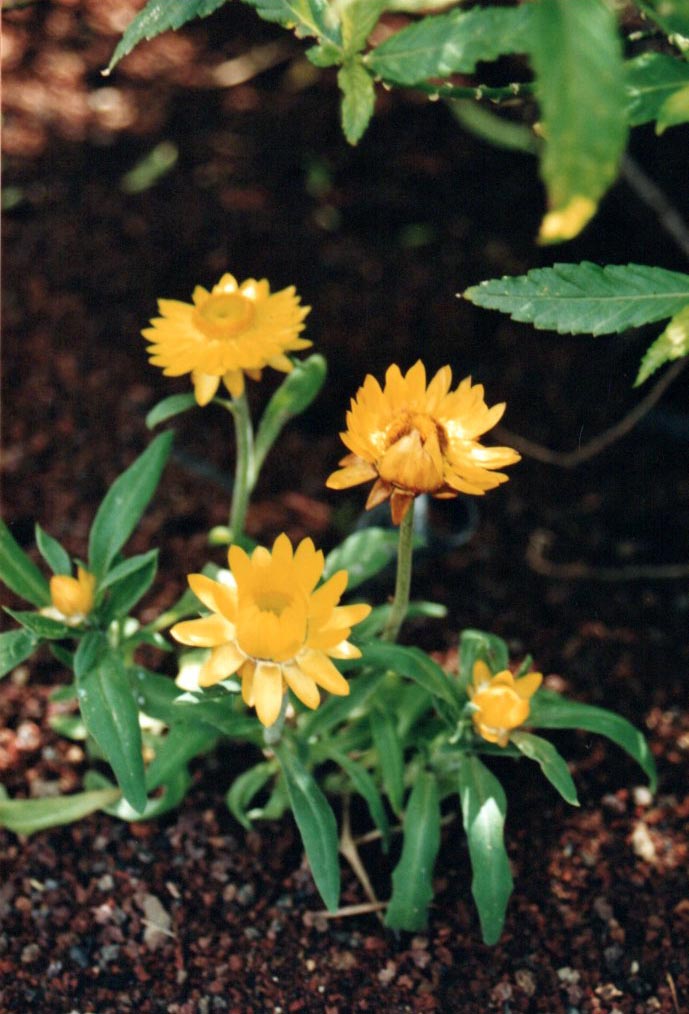
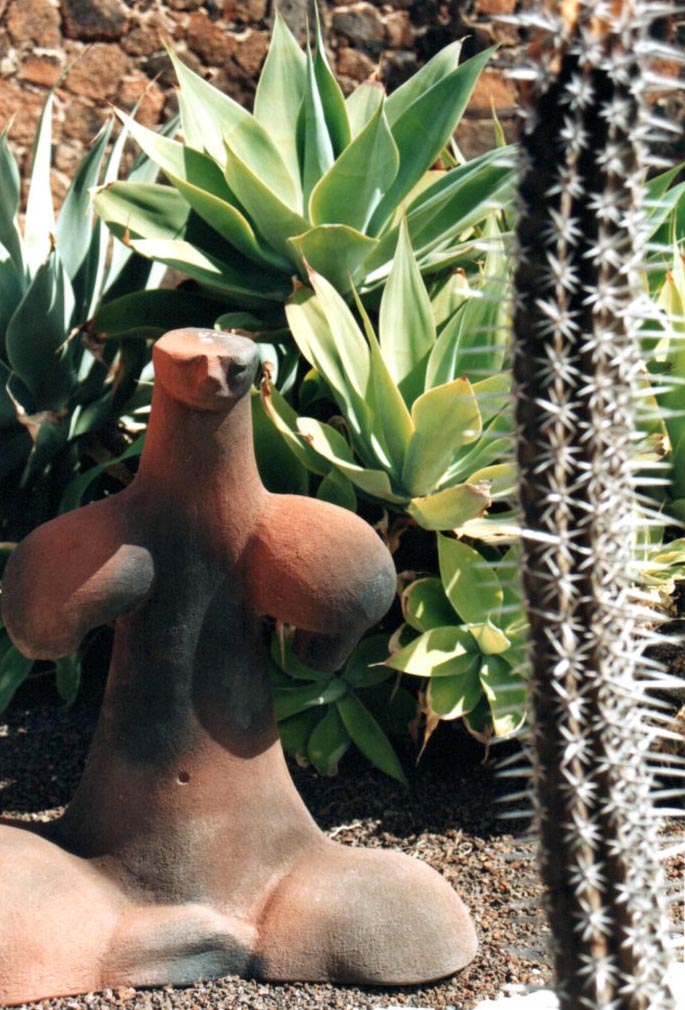
Steering our rental car to the southeastern coast, our analog road trip brought us to the spectacular botanical grounds of Oasis Wildlife Fuerteventura in the sleepy village of La Lajita. This breathtaking paradise spreads across roughly 35,000 square meters and stands proud as the largest botanical cactus garden in Europe, preserving an astonishing world-class collection of over 28,000 cactus specimens spanning 2,300 distinct species. Wandering through the arid valley with Felipe secured in his baby wrap, we were surrounded by towering, structural giants like the monumental Euphorbia Candelabrum and the massive Mexican Echinocactus grusonii, commonly known by locals as the humorous "Mother-in-Law’s Cushion". Breaking up the rugged landscape of spiked, four-meter-high desert columns were massive beds of vibrant tropical flowers and flourishing, native Canary Island flora, including the fiery blooms of the rare, protected Salvia herbanica—creating a stunning contrast of pure color against the sun-baked soil.


​Ajuy - Playa Negra
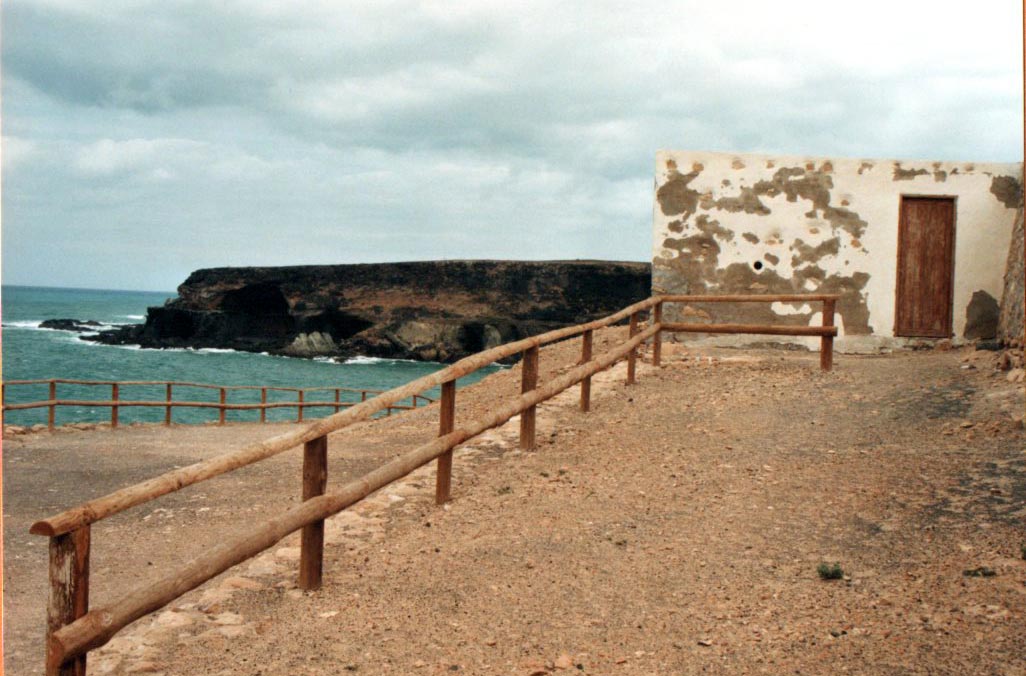
 The Dramatic Contrast of the Black Beach
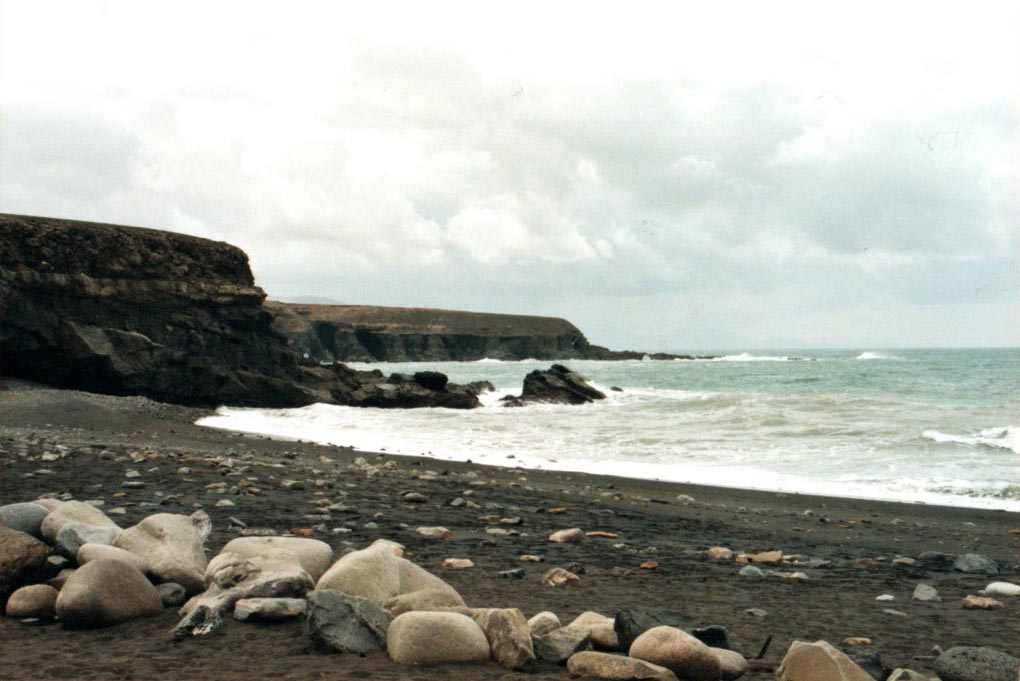
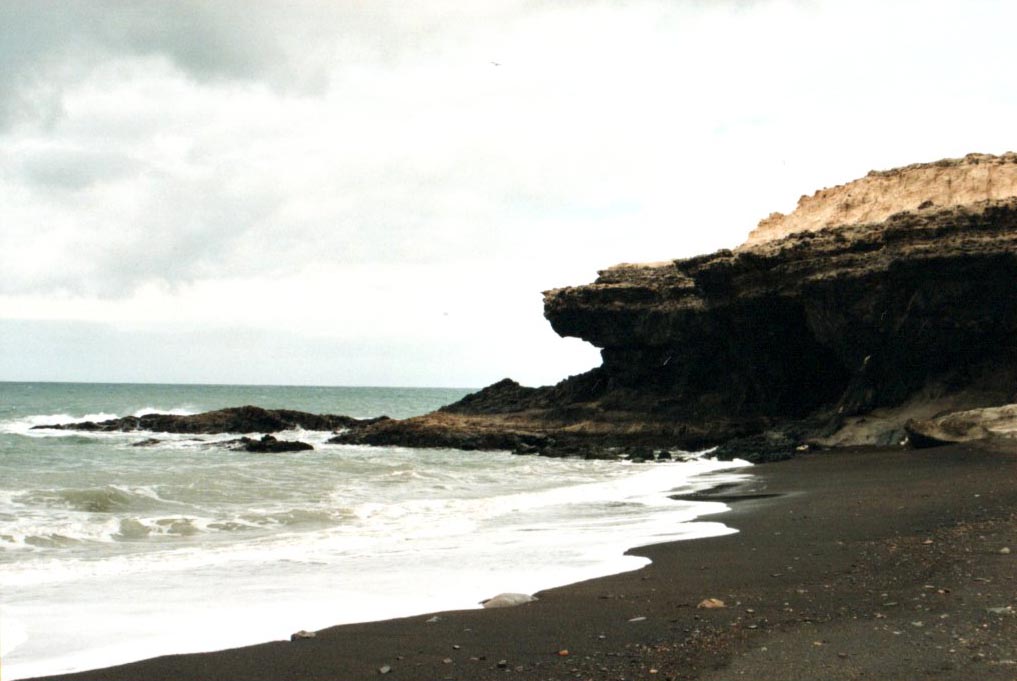
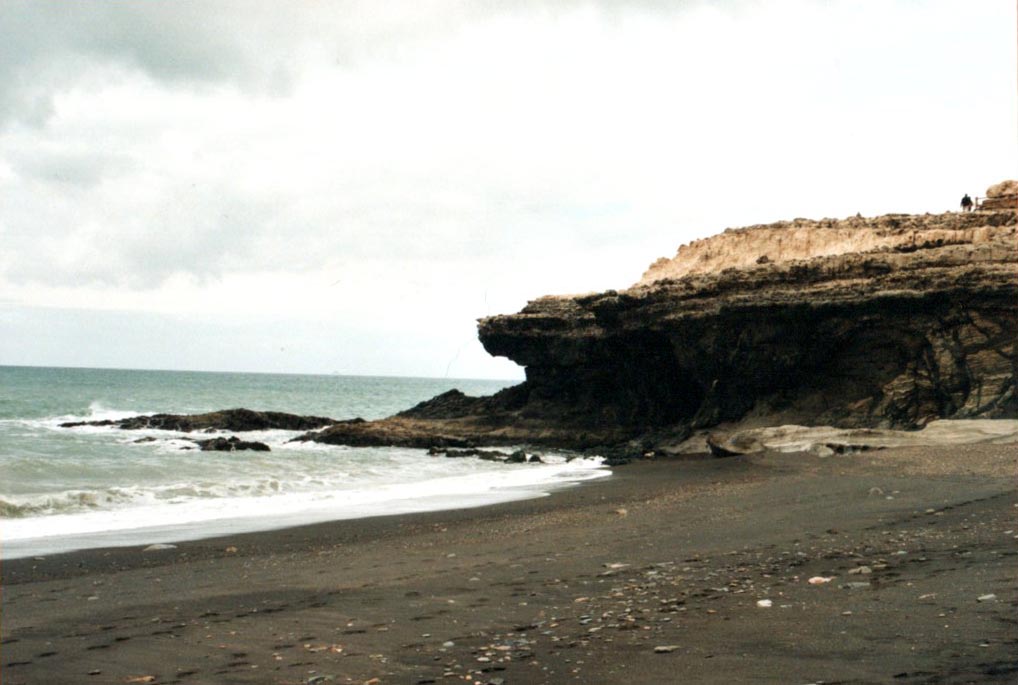
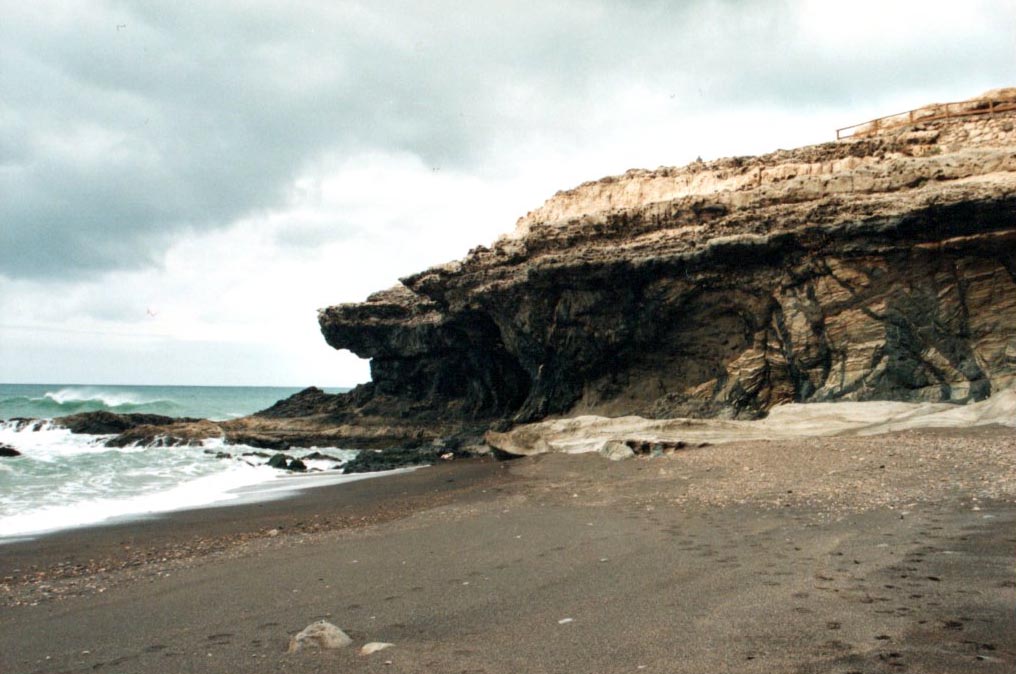
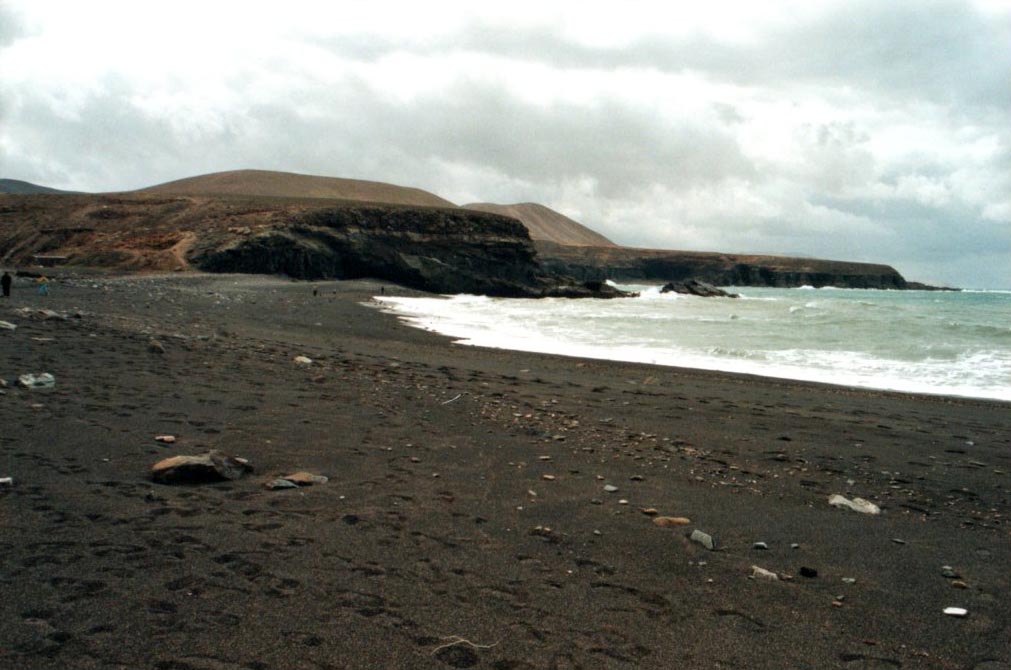
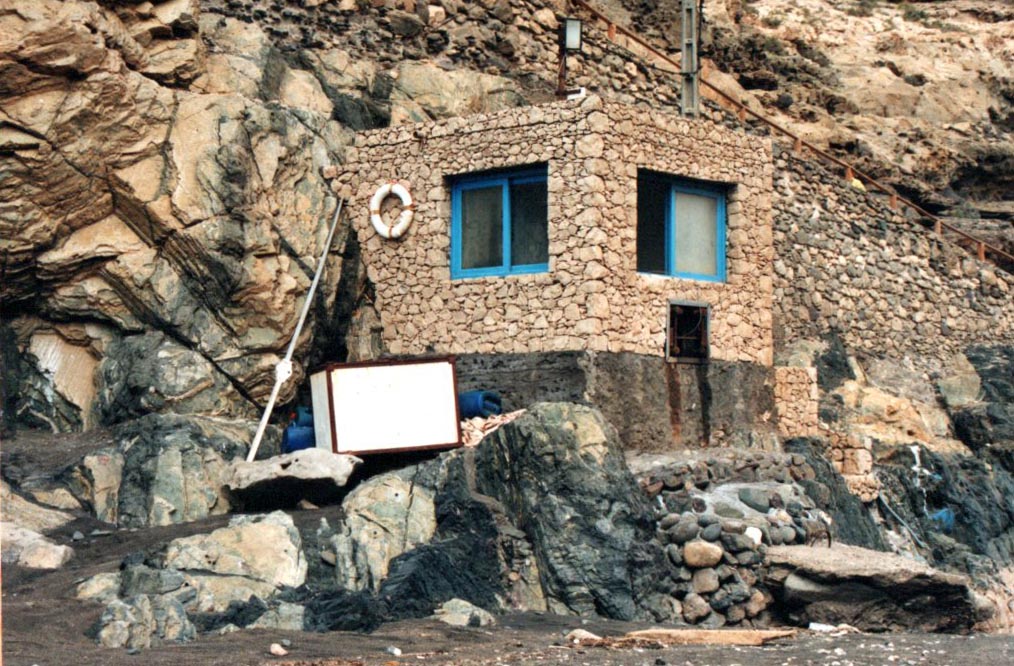
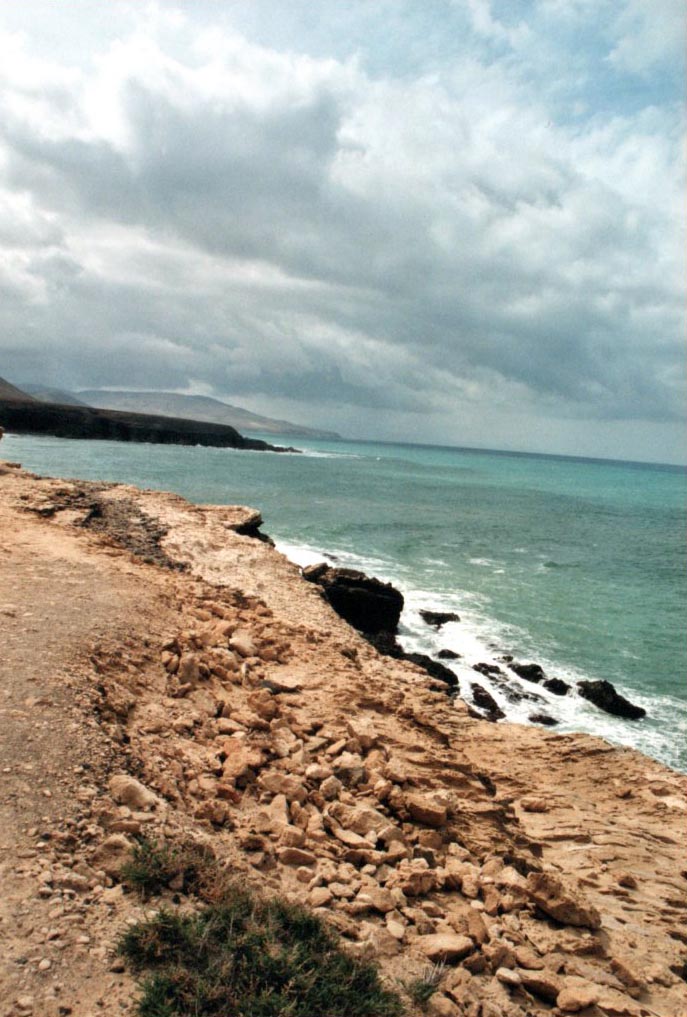
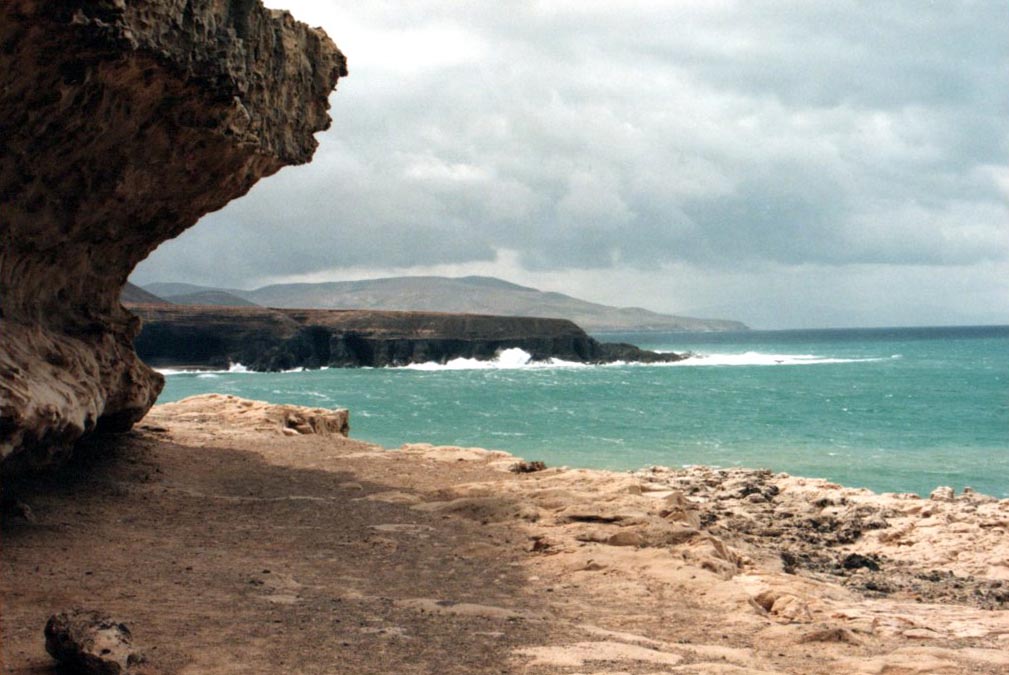
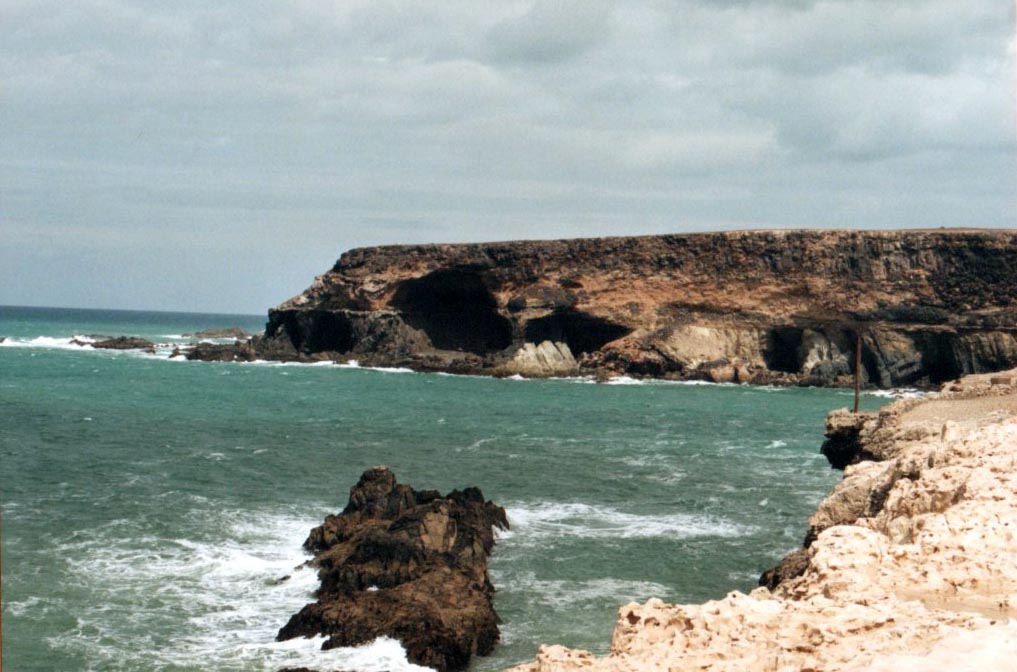
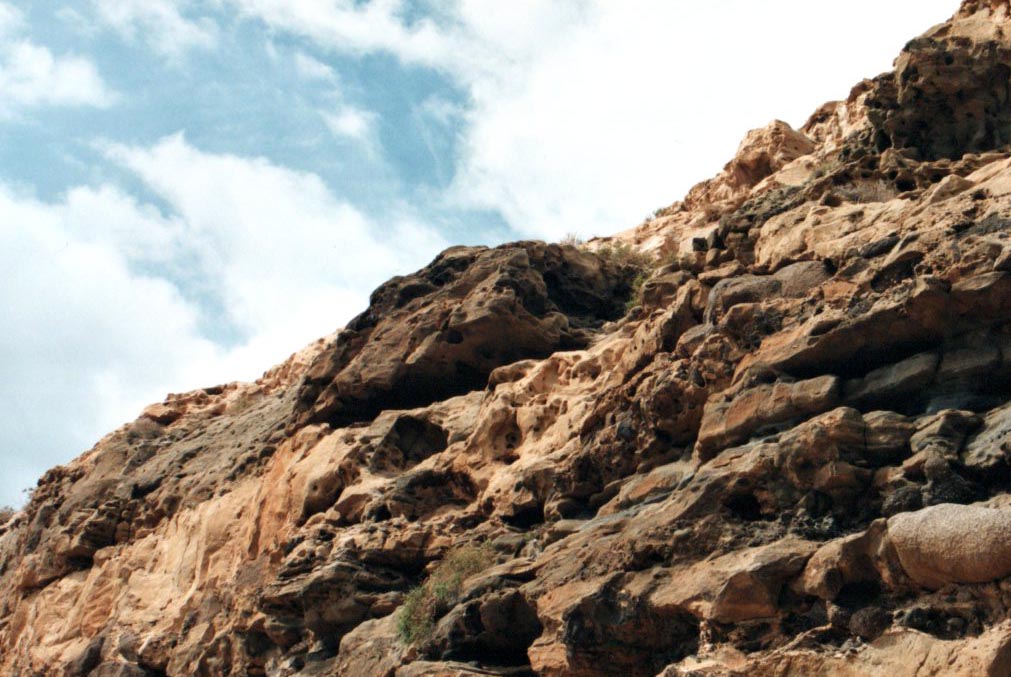
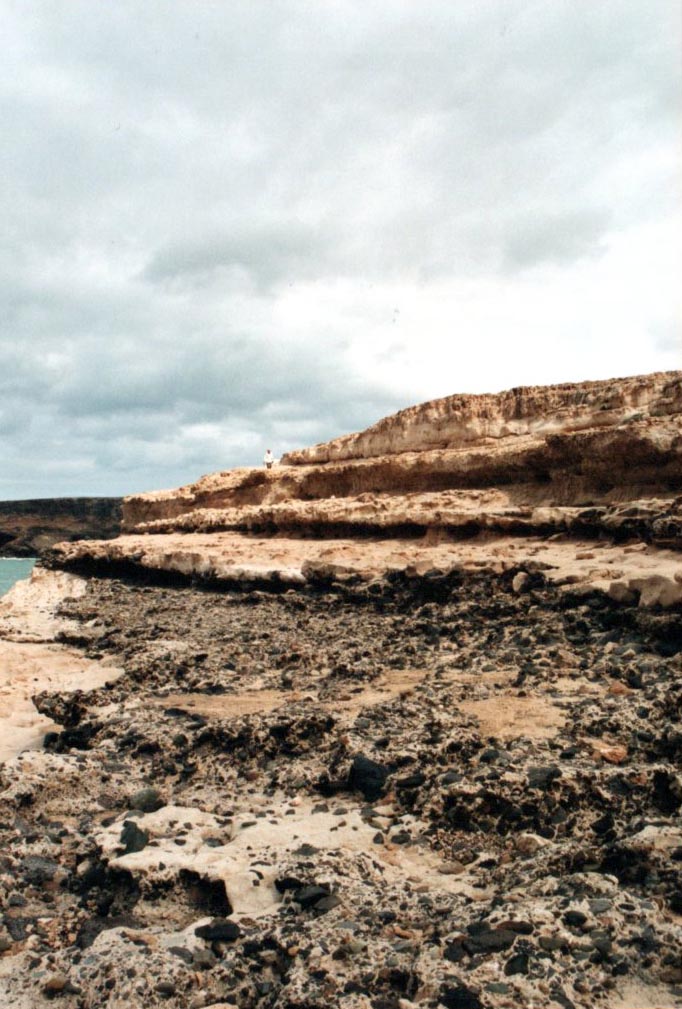
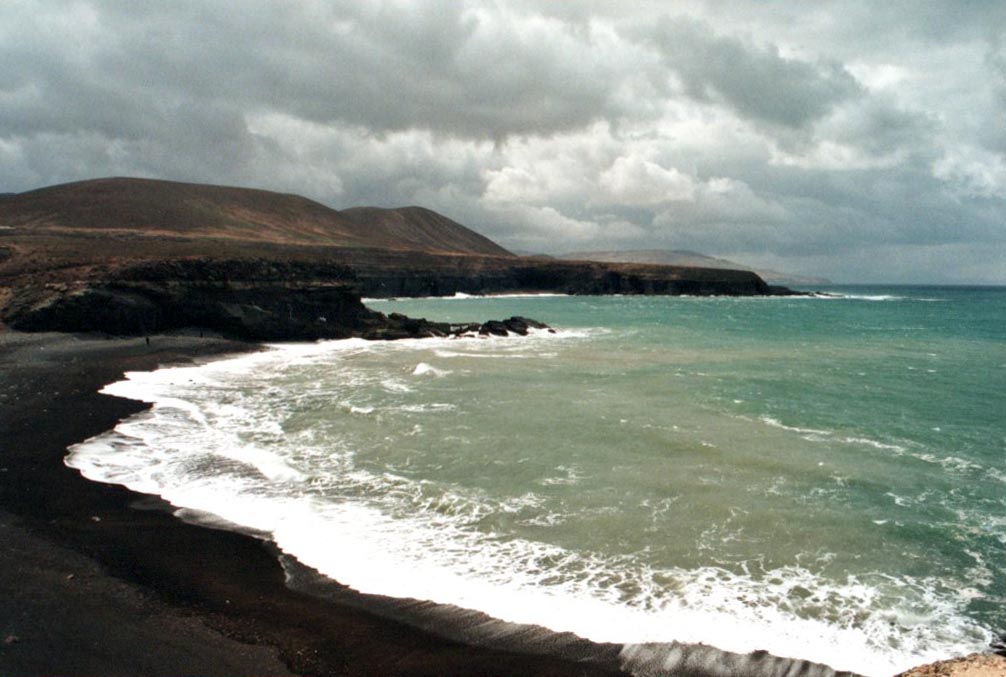
Our next stop took us to the spectacular West Coast and the historic village of Ajuy, home to the famous Playa Negra. Standing on this unique shoreline with Felipe in his baby wrap, the structural contrast of the landscape was absolutely jaw-dropping. Unlike the golden dunes of the east, this beach is a dramatic masterpiece of deep black volcanic sand, mixed with smooth, jet-black shingle stones shaped by the relentless ocean. The dark shoreline is framed by towering, rugged cliffs of deep brown and golden-yellow sandstone, creating a breathtaking visual sandwich of colors. Walking along the shore, we marvelled at the ancient volcanic rock formations and massive rock caves carved directly into the cliffs by the crashing waves over millions of years—making this stormy, dark outpost feel like a majestic gateway to the deep interior of the earth.


The Caves of Ajuy: A Walk on the Edge
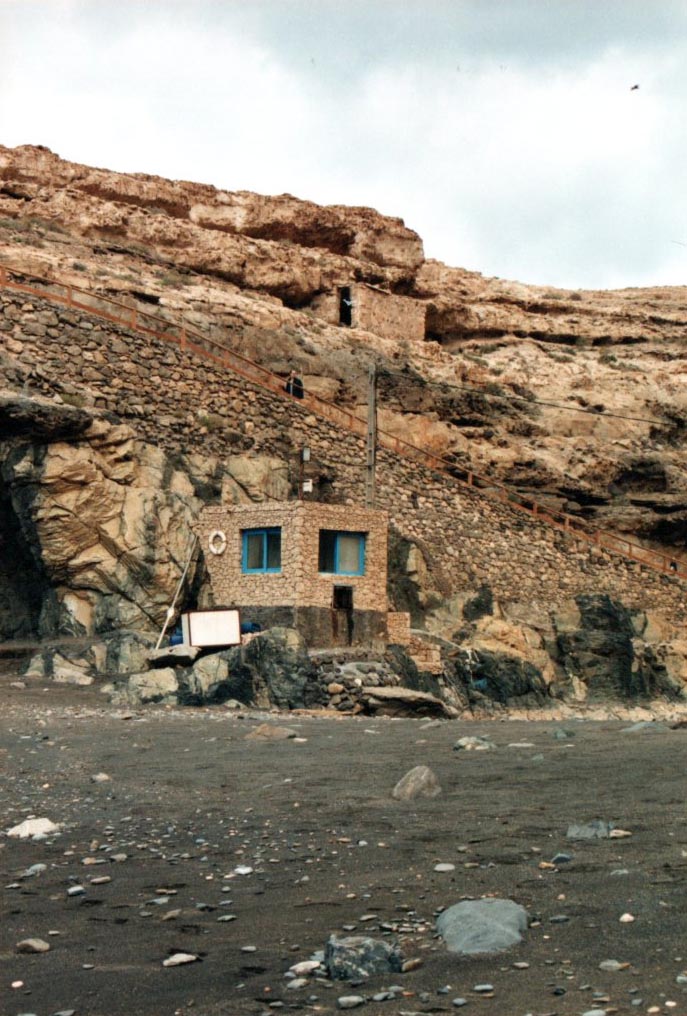
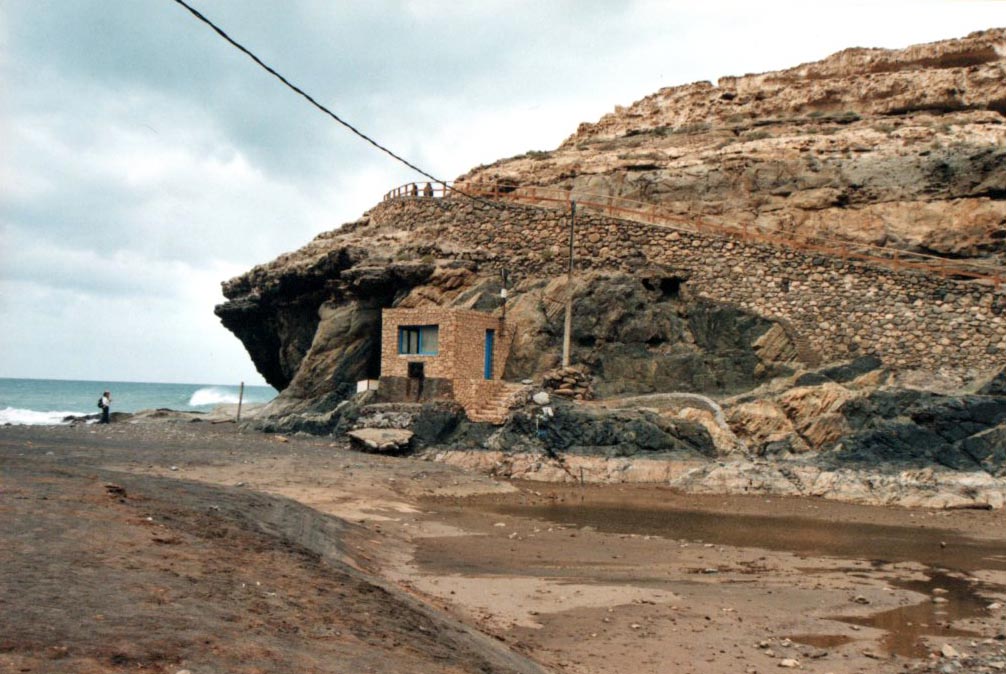
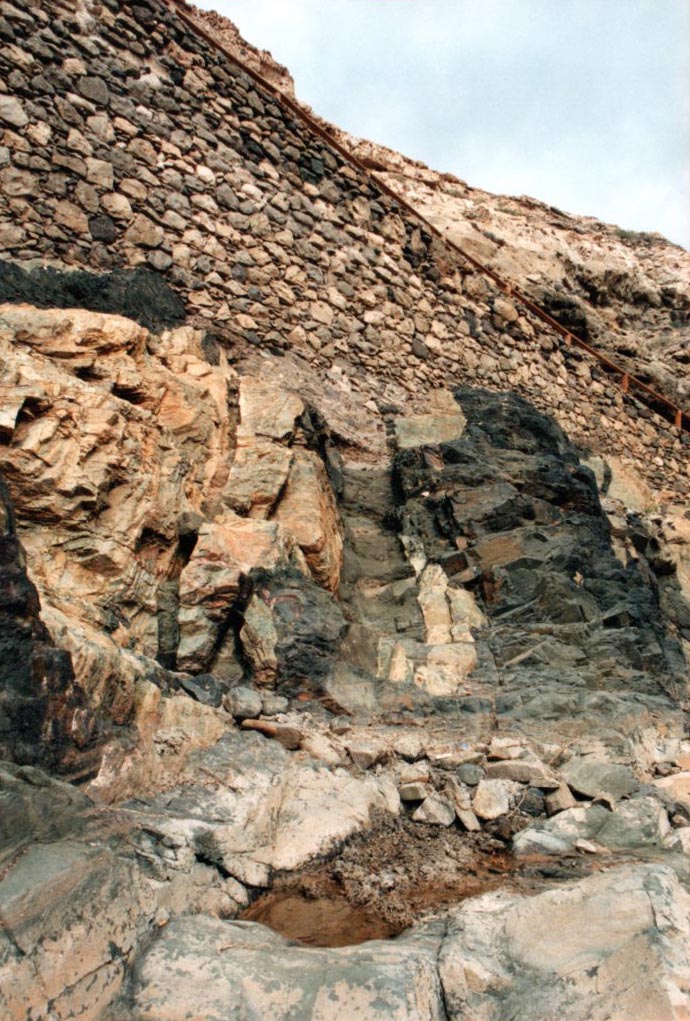
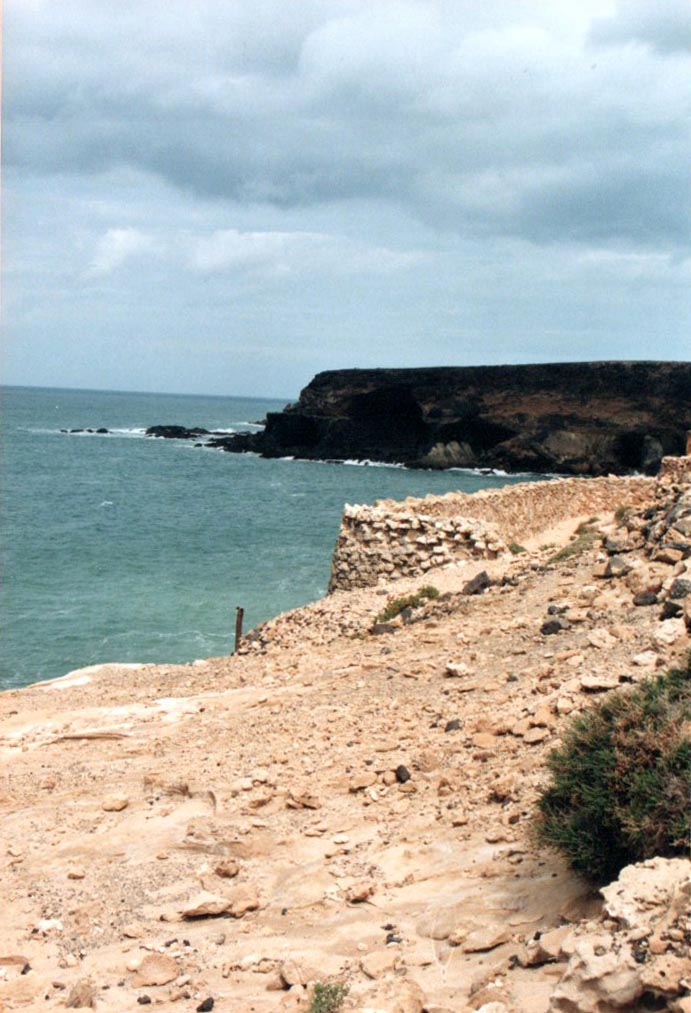
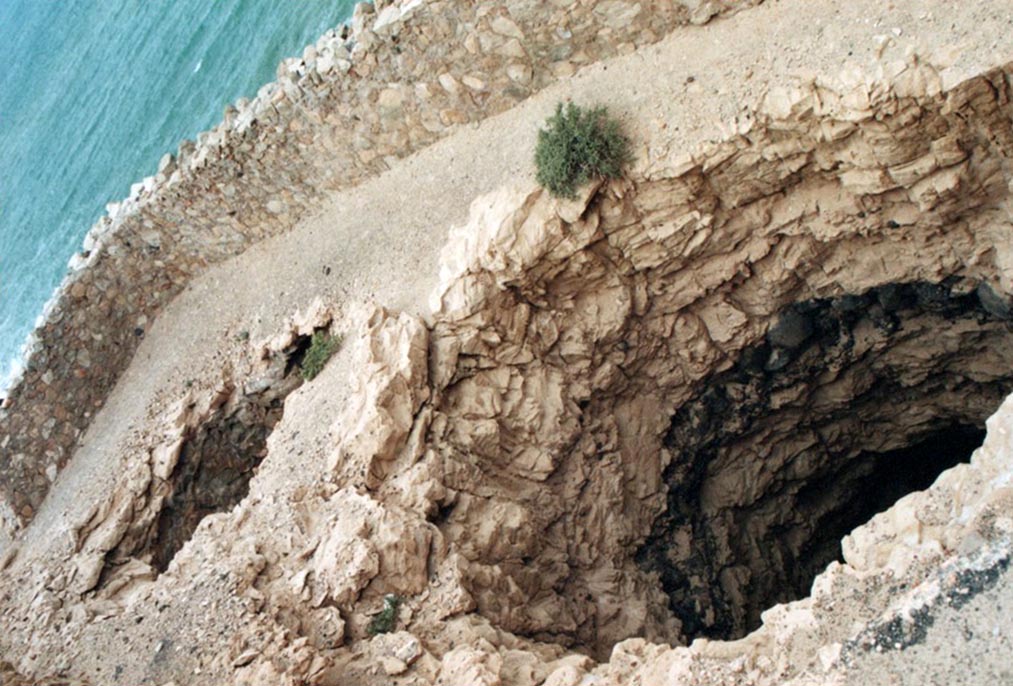
Right along the edge of the black beach, Siska and I followed the narrow, hand-carved stone pathway that winds high up into the massive cliffs.  The path led us straight to the jaw-dropping entrance of the ancient deep caves, where you can peer down into the massive, dark hollows carved into the stone—a spectacular, windy trek that feels like exploring a wild pirate’s hideout from centuries ago.
Ajuy Beach & Caves: Fast Facts
  • The Oldest Rock: The caves are located in the Basal Complex of Fuerteventura, which is over 100 million years old—making it the oldest geological formation in the entire Canary Islands.
  • The Black Sand: Playa Negra gets its deep black color from fossilized volcanic ash and eroded basalt rocks, creating a stark contrast to the white limestone cliffs above.
  • Historic Port: Ajuy was the exact spot where the French conqueror Jean de Béthelandcourt landed in 1402 to conquer the island for the Spanish crown.
  • The Lime Kilns: The path features historic lime kilns (hornos de cal); from here, high-quality limestone was mined and shipped out from the caves' natural port for centuries.

Dromedary Rides and Furry Bandits
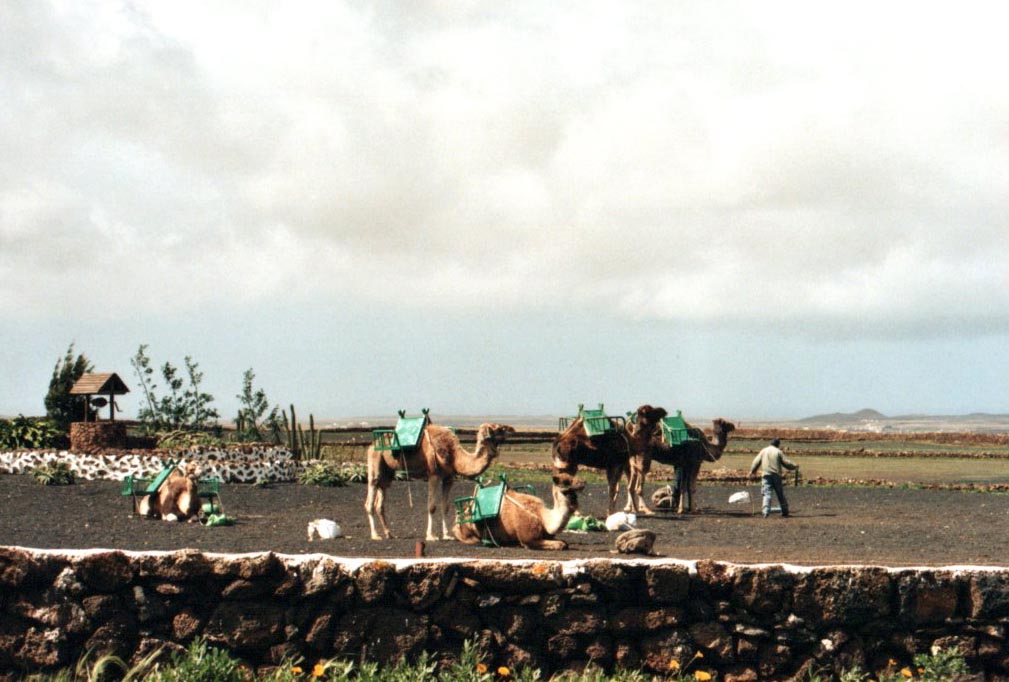
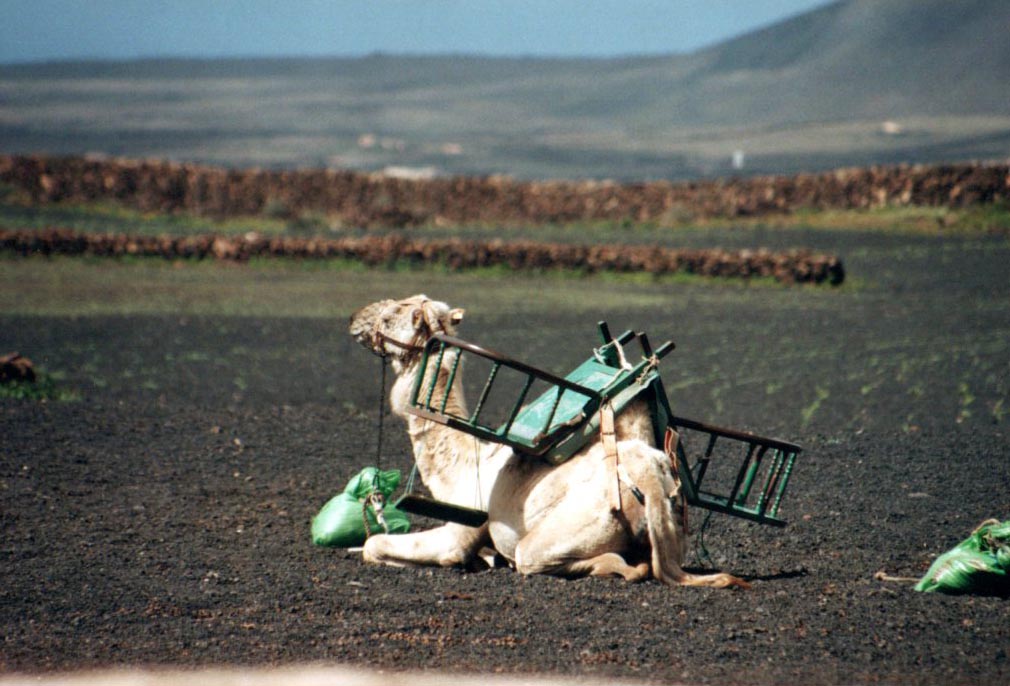
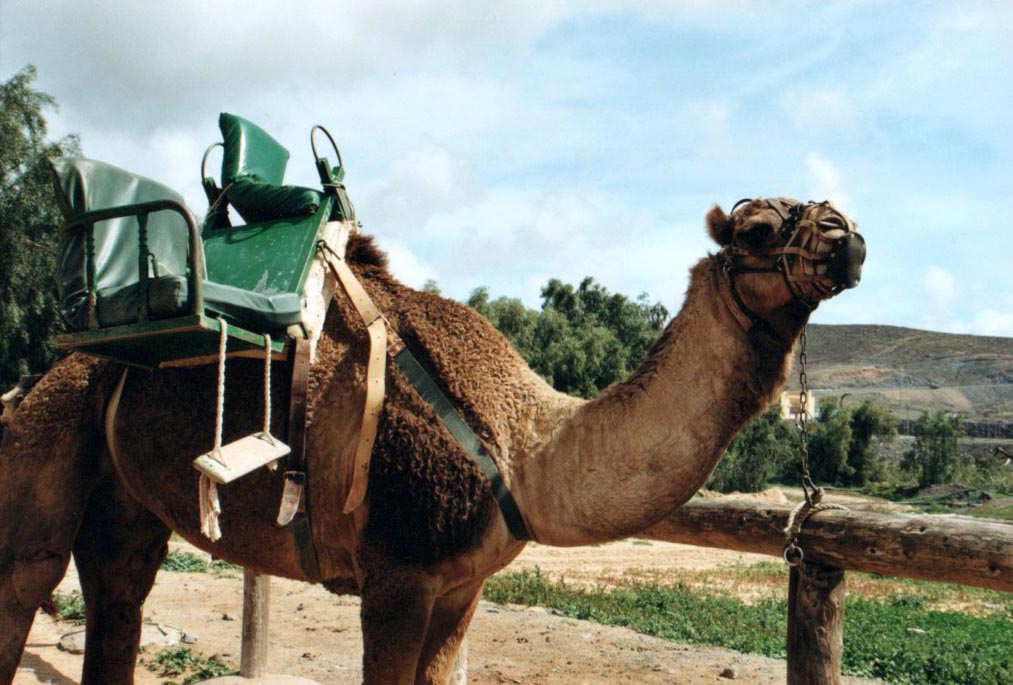
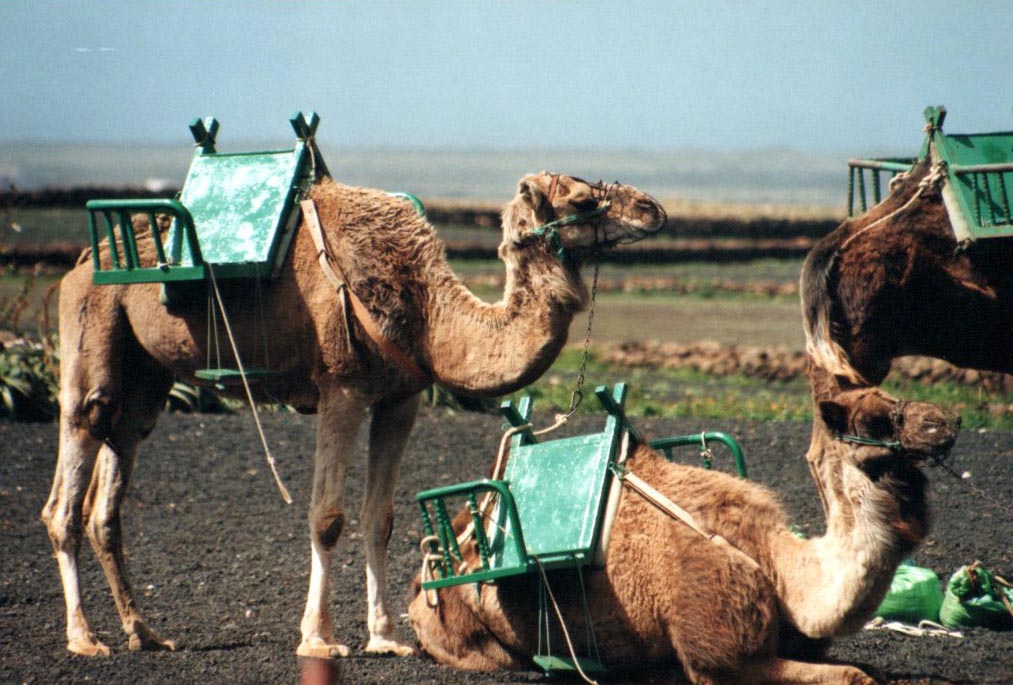
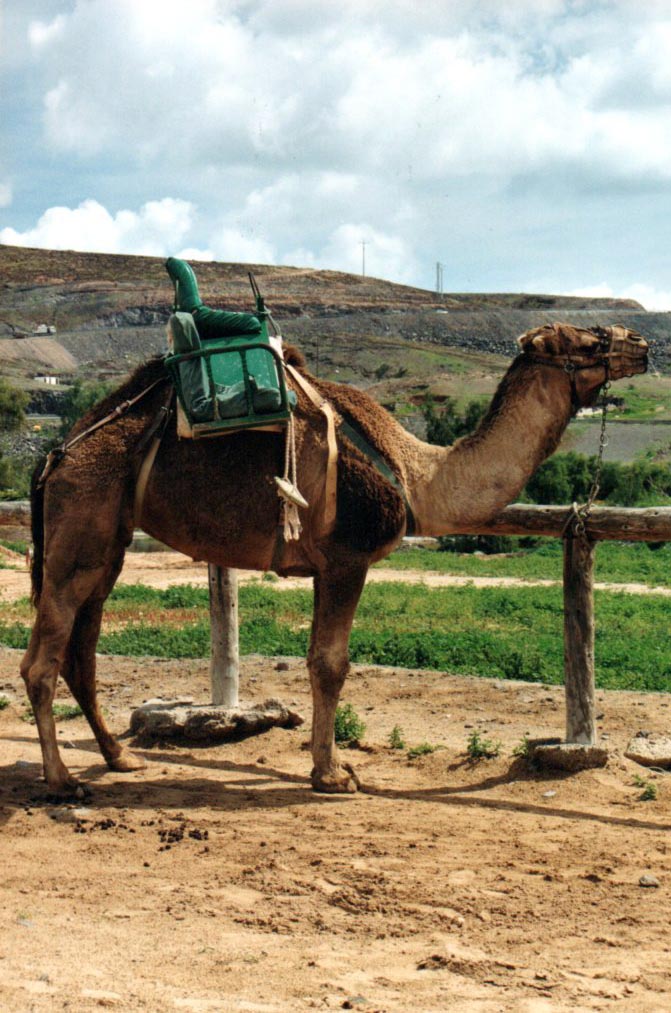
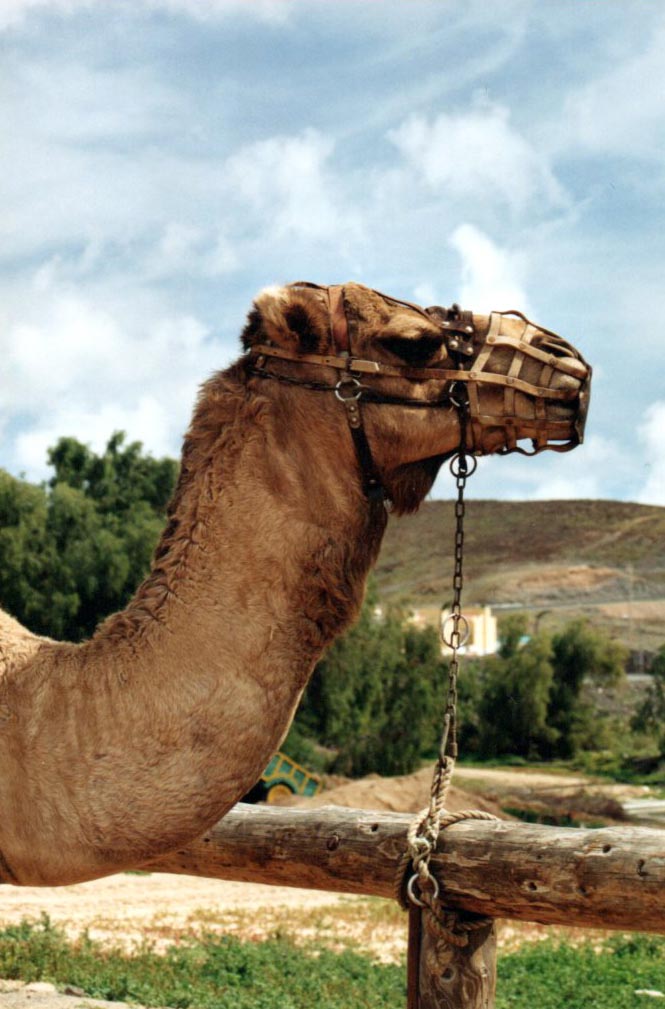
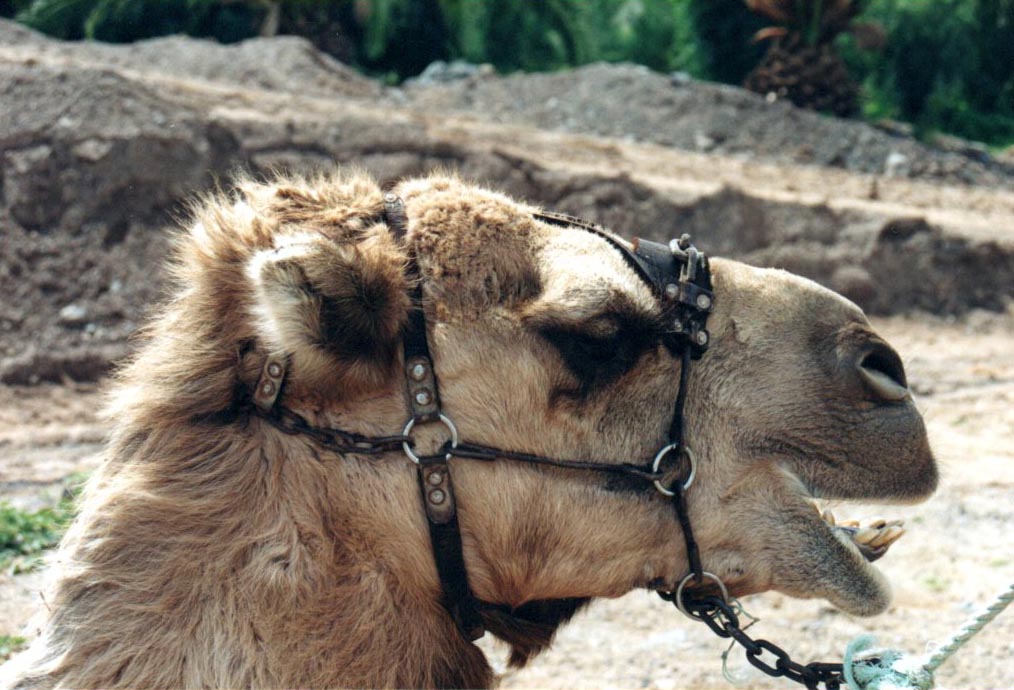
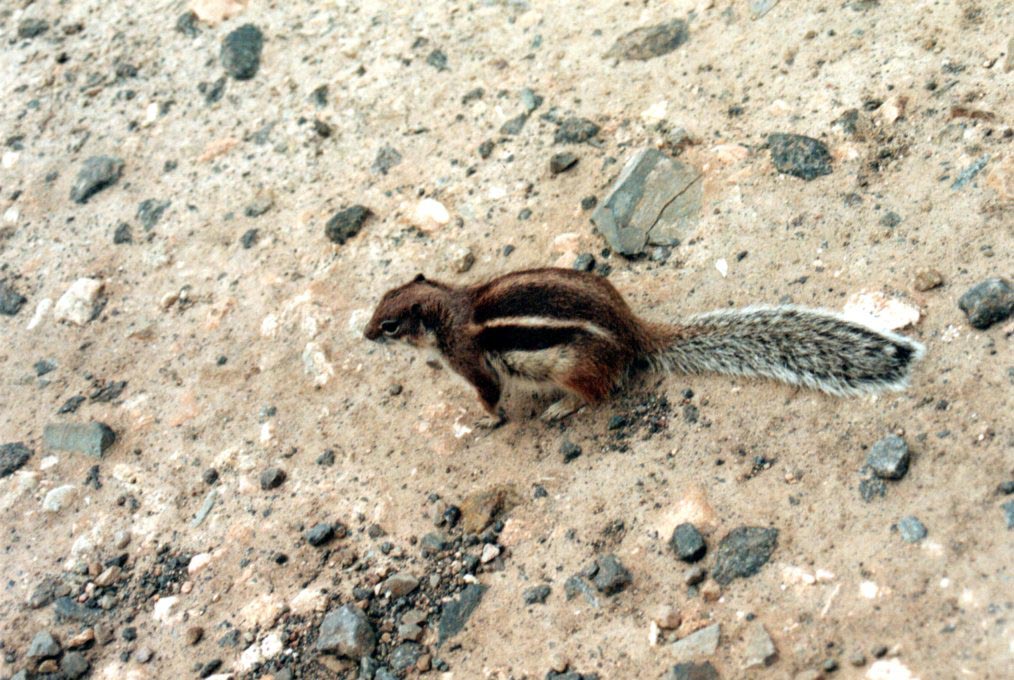
No road trip through the volcanic hills of Fuerteventura is truly complete without experiencing the island’s most iconic mode of transport: a ride on a dromedary (the one-humped camel)! Stepping onto the dusty trail felt like transforming our trip into a true desert safari. Sitting high up on the swaying animal with Felipe securely wrapped against my chest was a hilarious and unforgettable balancing act. But while the giant dromedaries were the main attraction, the absolute scene-stealer of the day was a tiny, striped creature popping out from the rocks. It was a North African ground squirrel (Atlantoxerus getulus), an invasive but incredibly charming little bandit introduced to the island in the 1960s. These fearless creatures dashed between the camels' massive paws, standing on their hind legs and flashing their bushy tails in search of dropped treats—adding a delightfully playful touch to our rugged desert trek.


​Playa de Sotavento
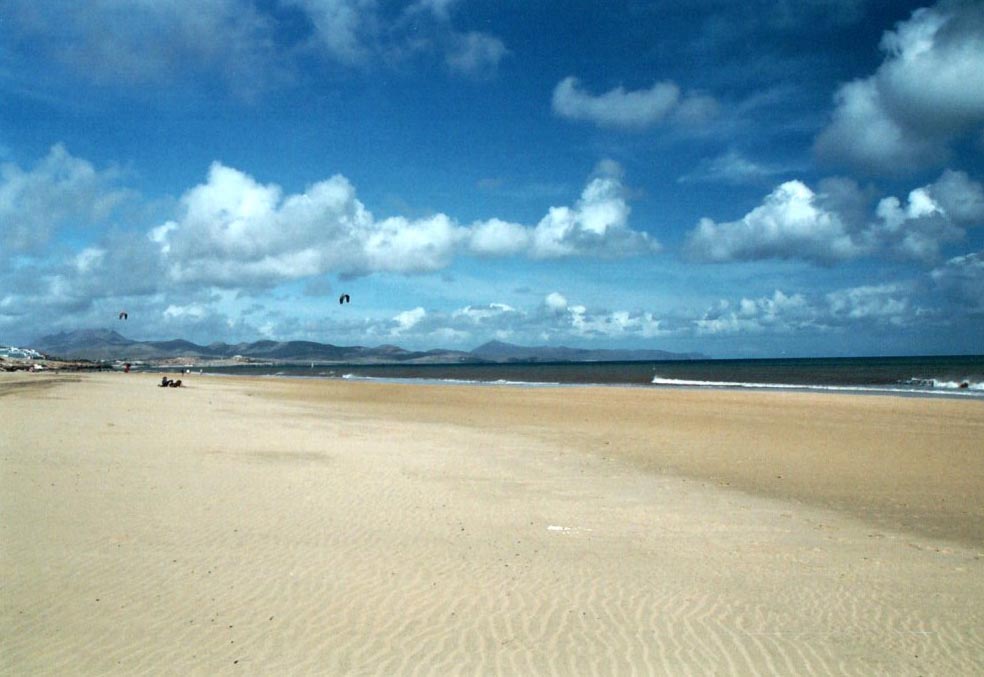
The Endless Wind and Golden Sands
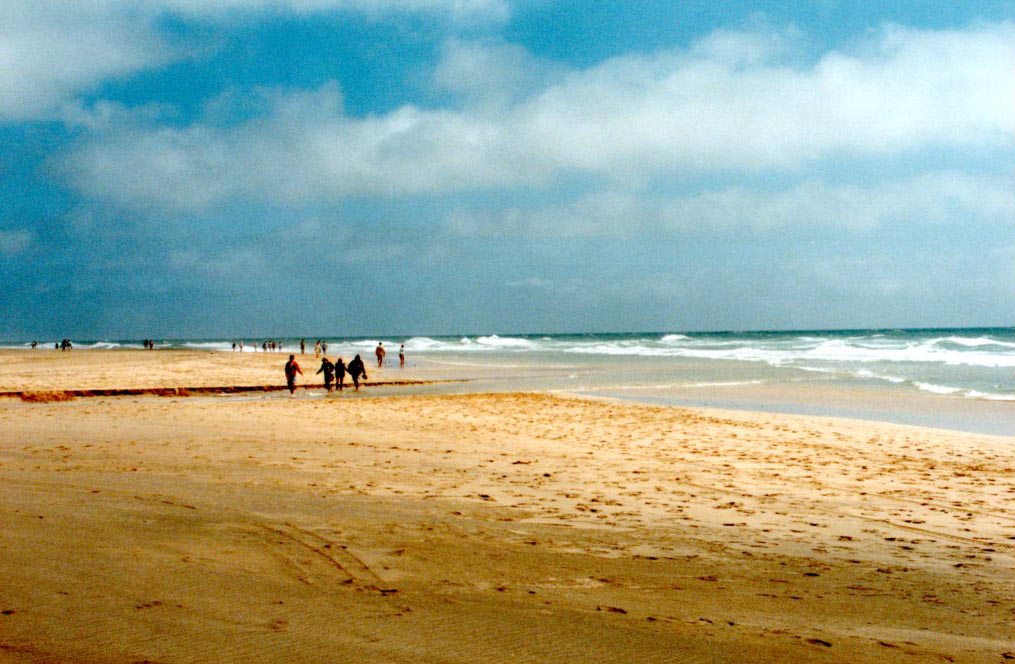
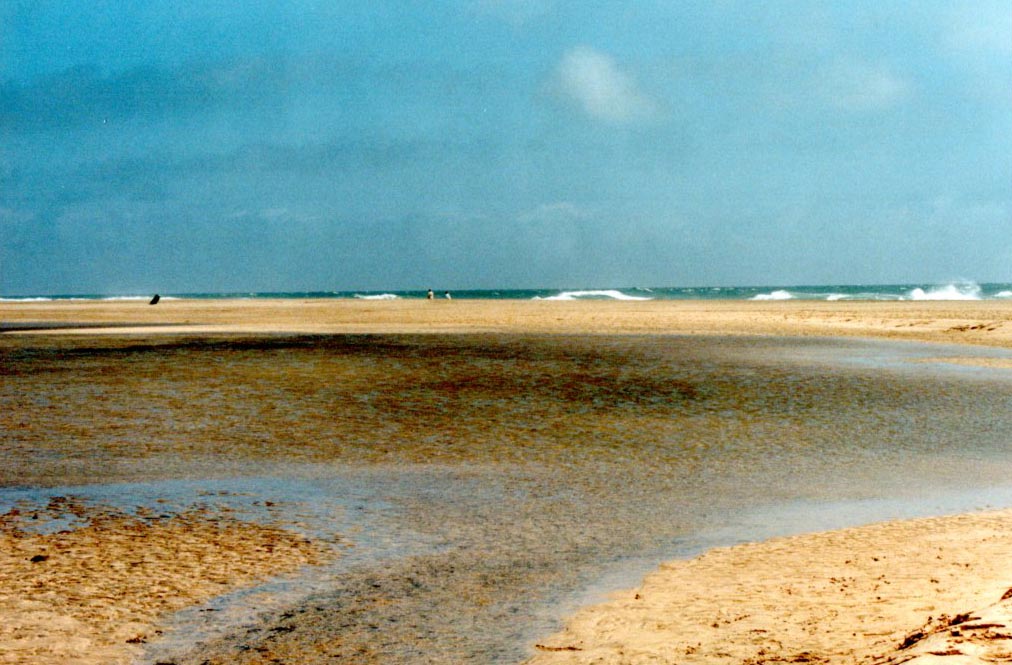
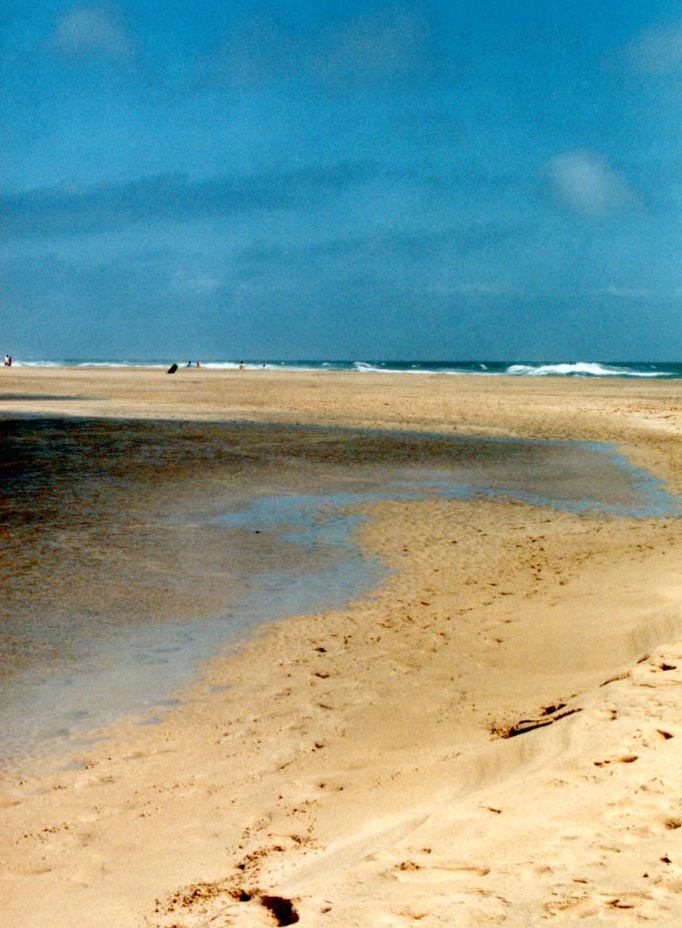
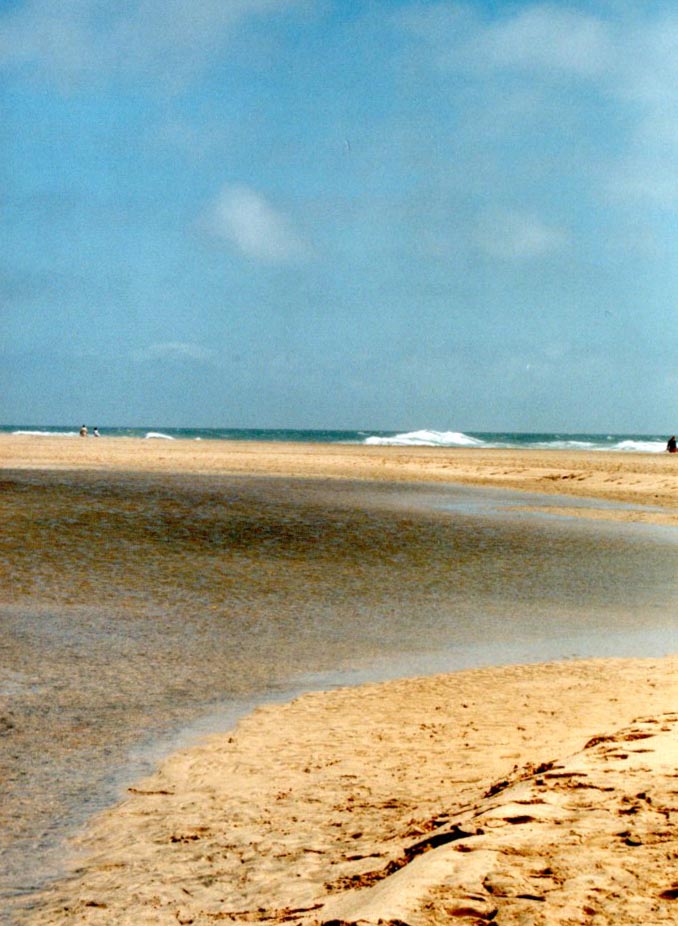
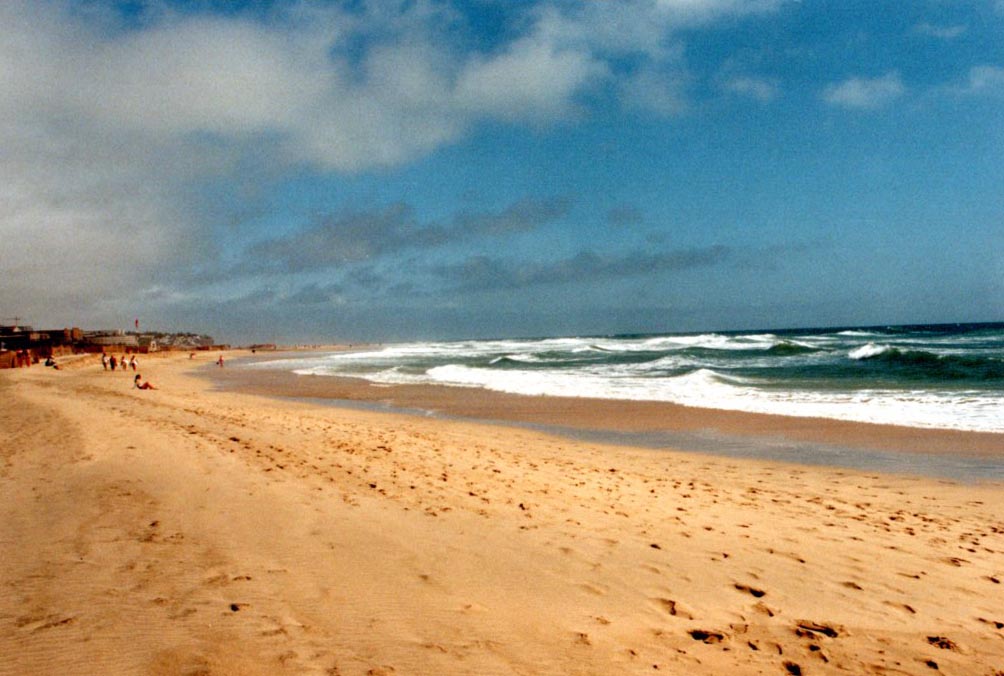
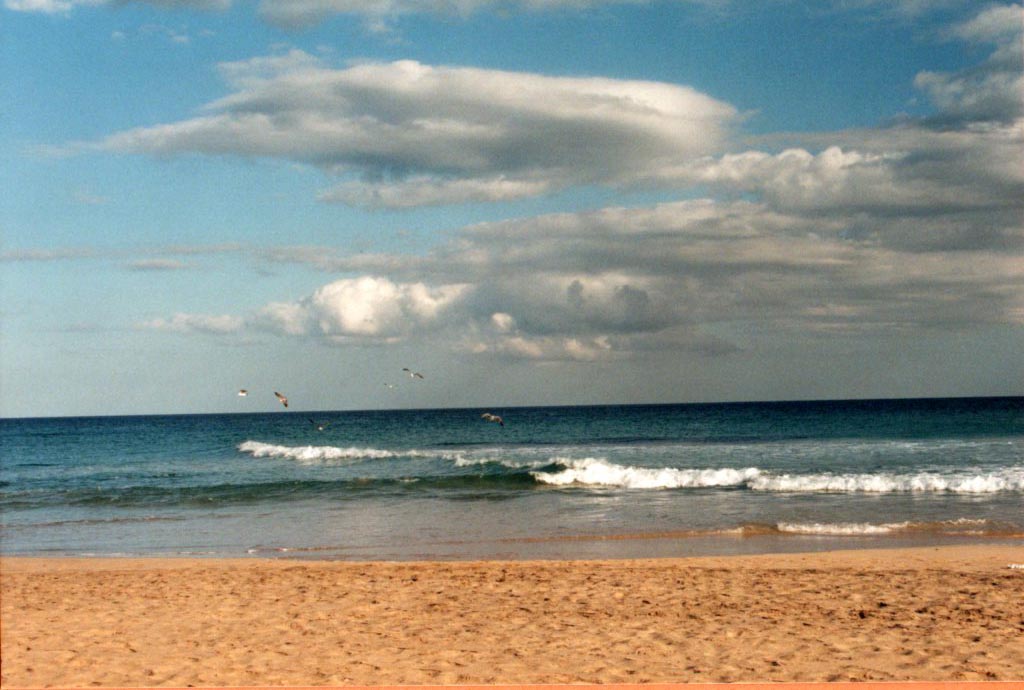
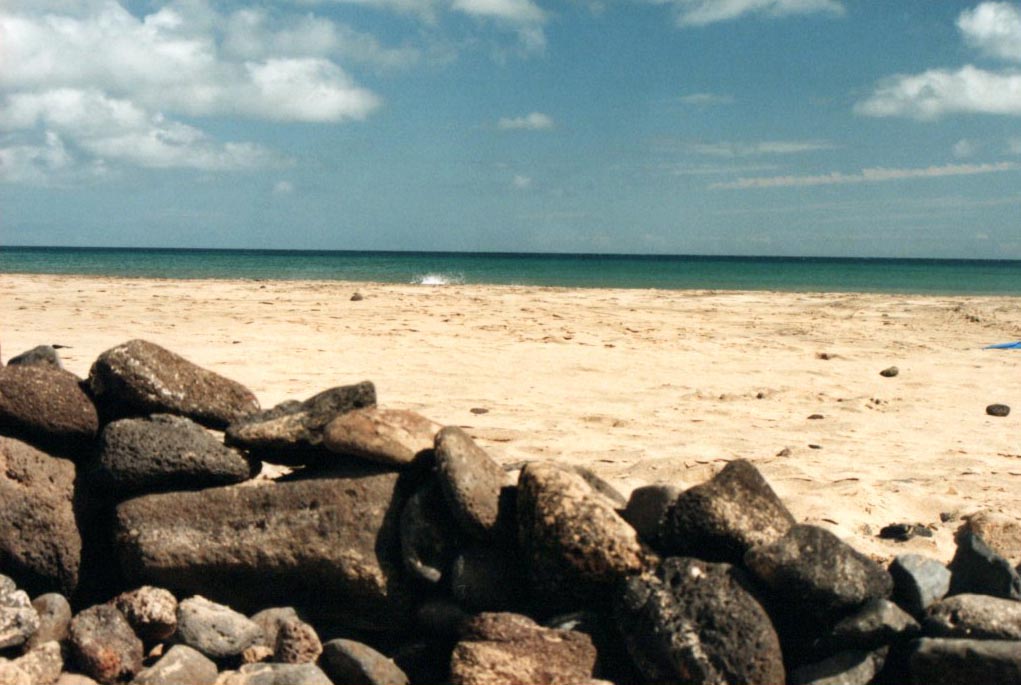
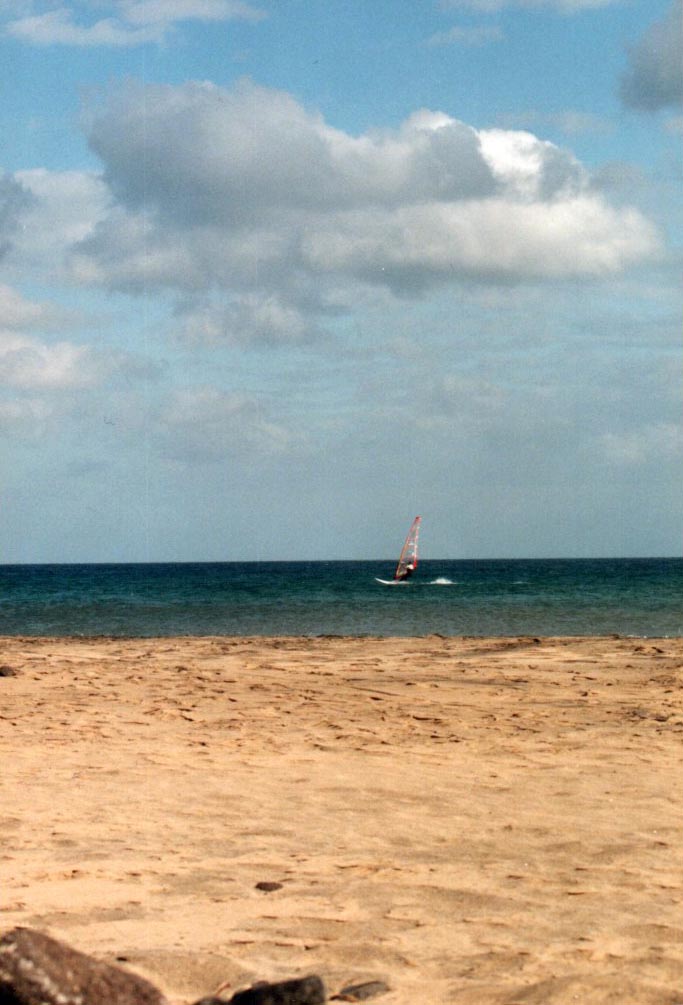
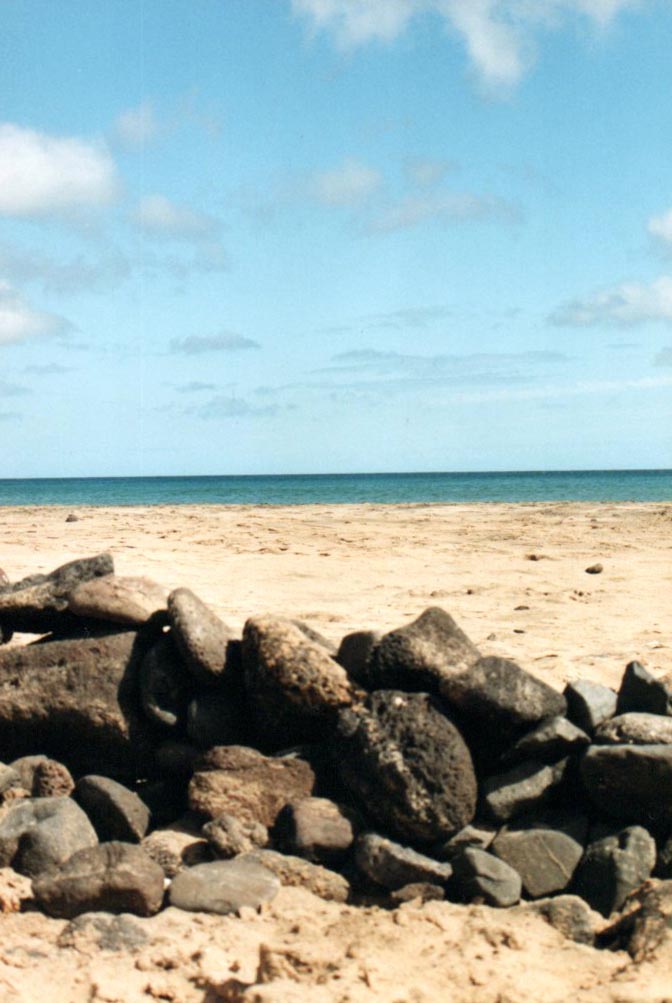
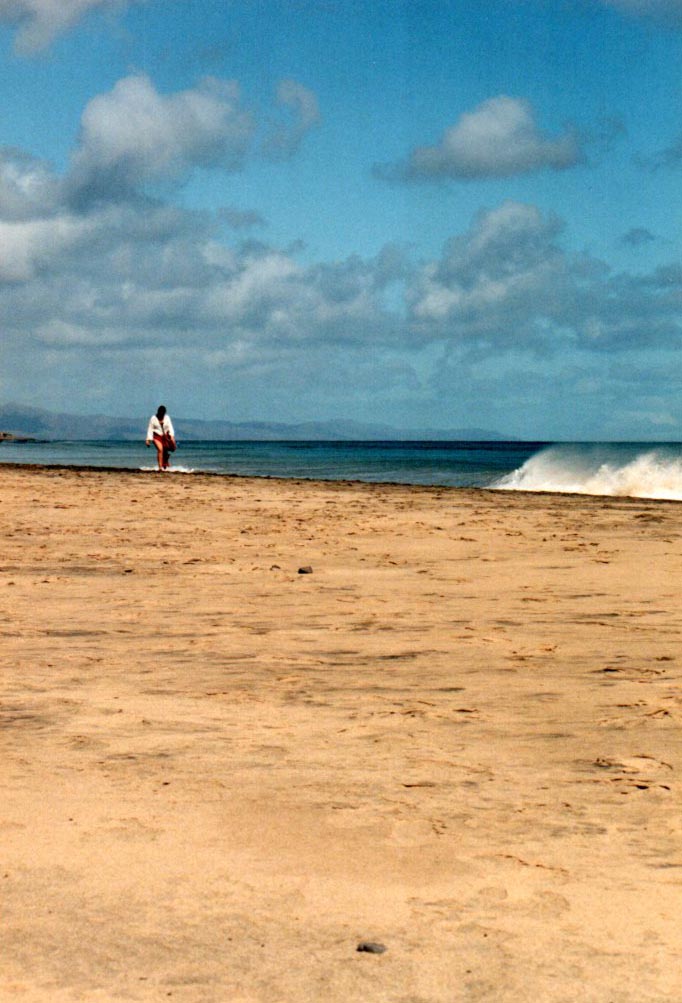
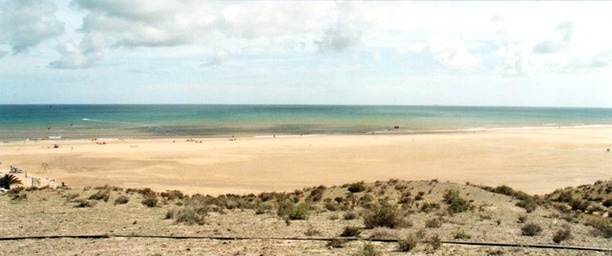
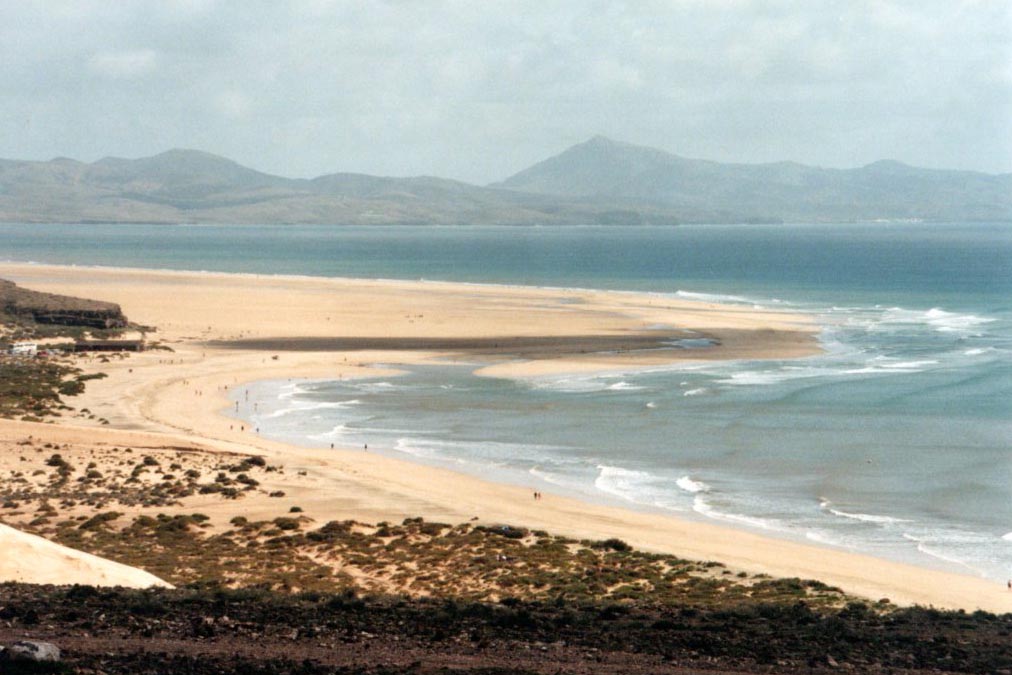
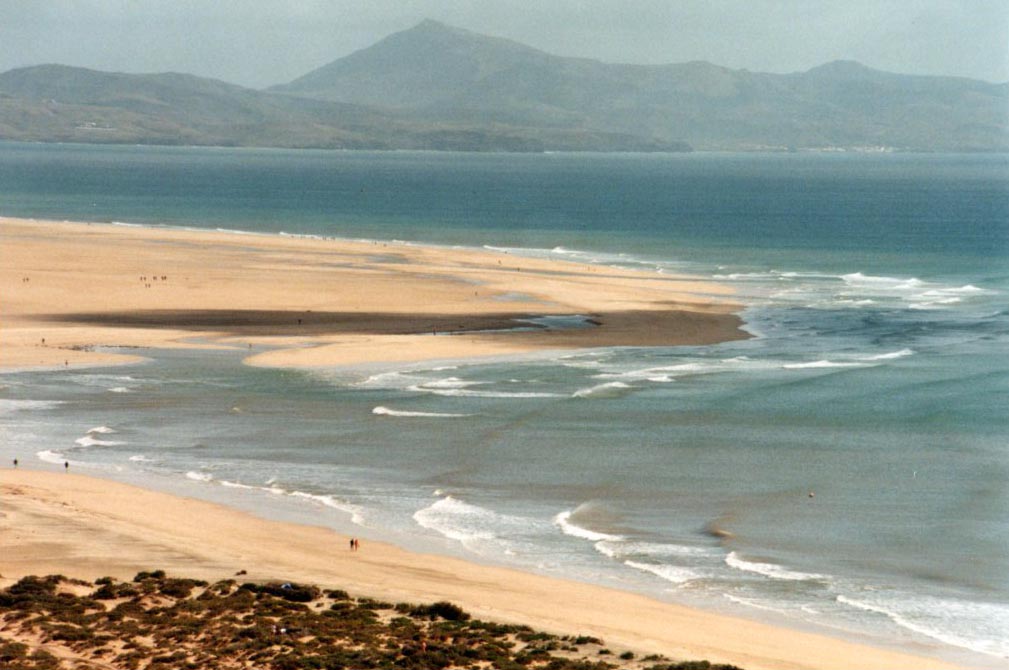
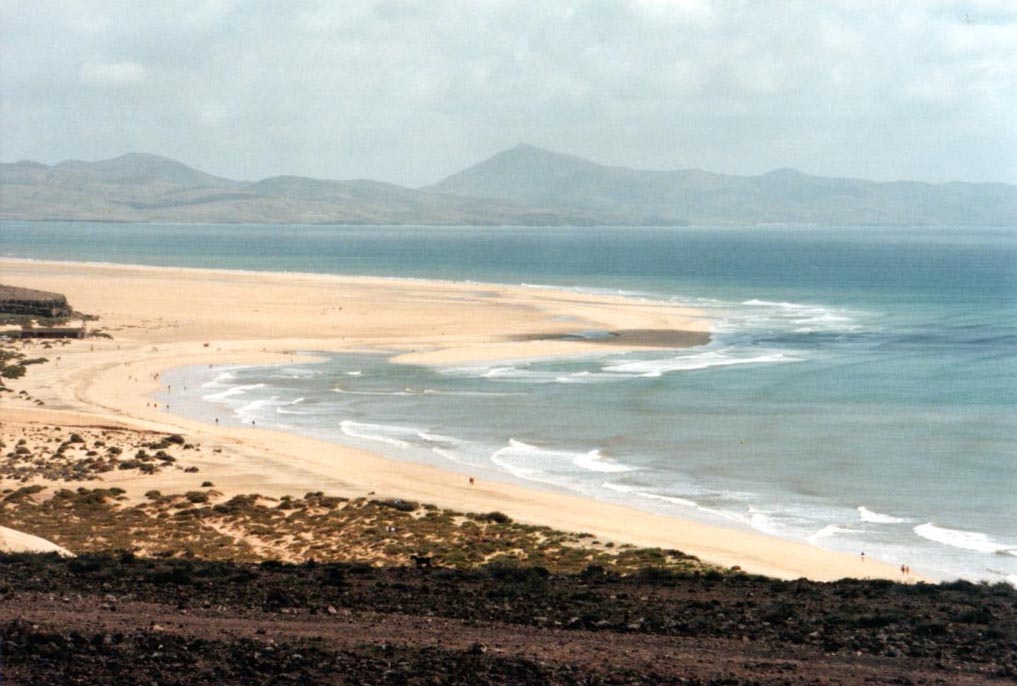
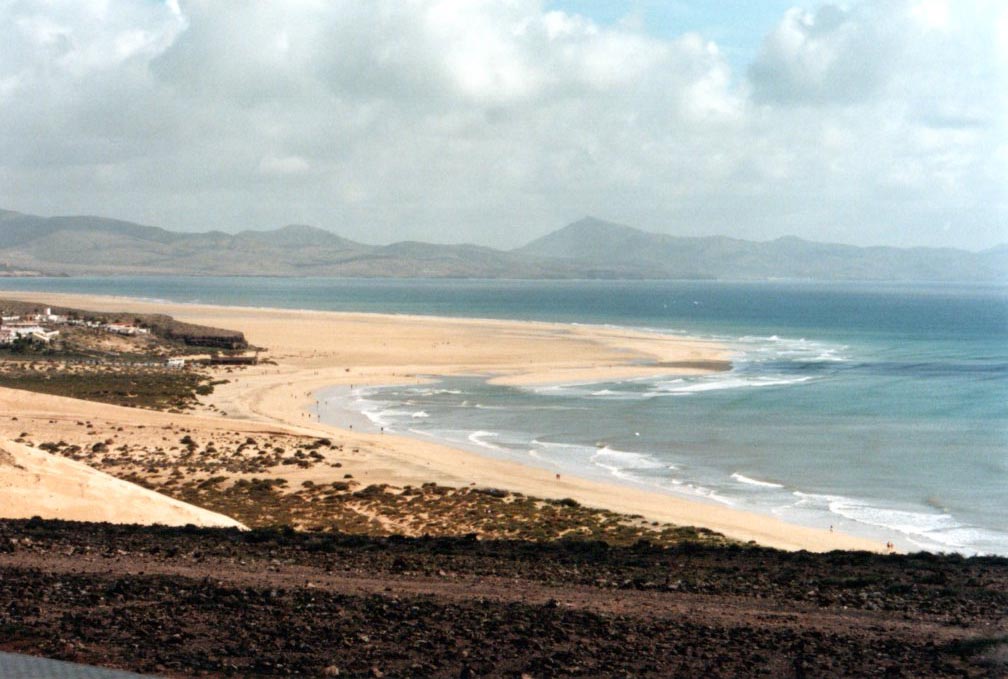
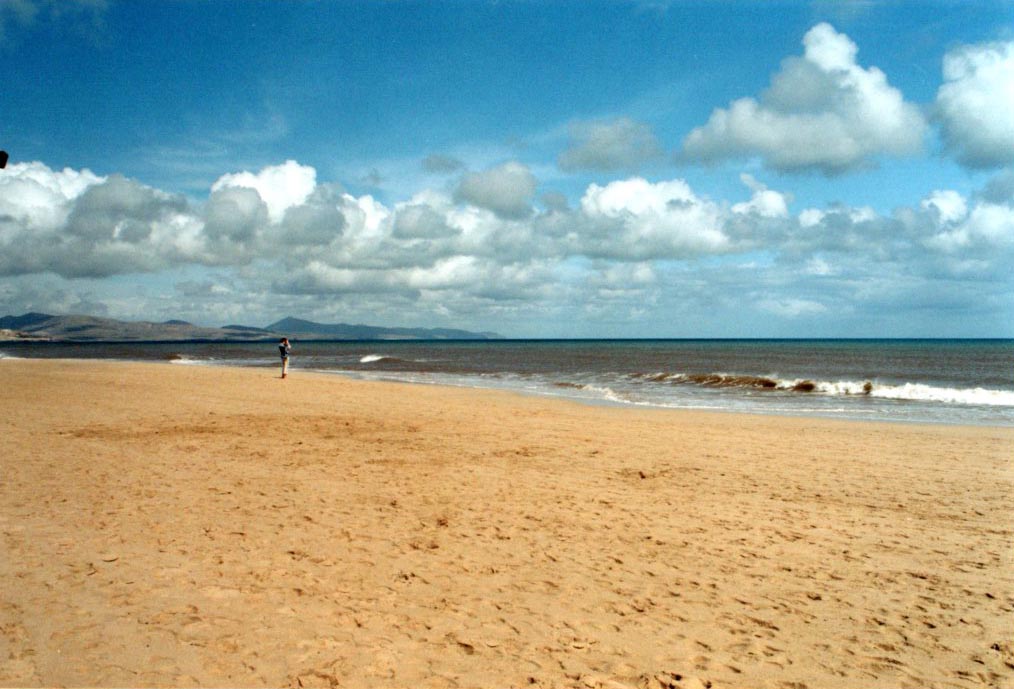
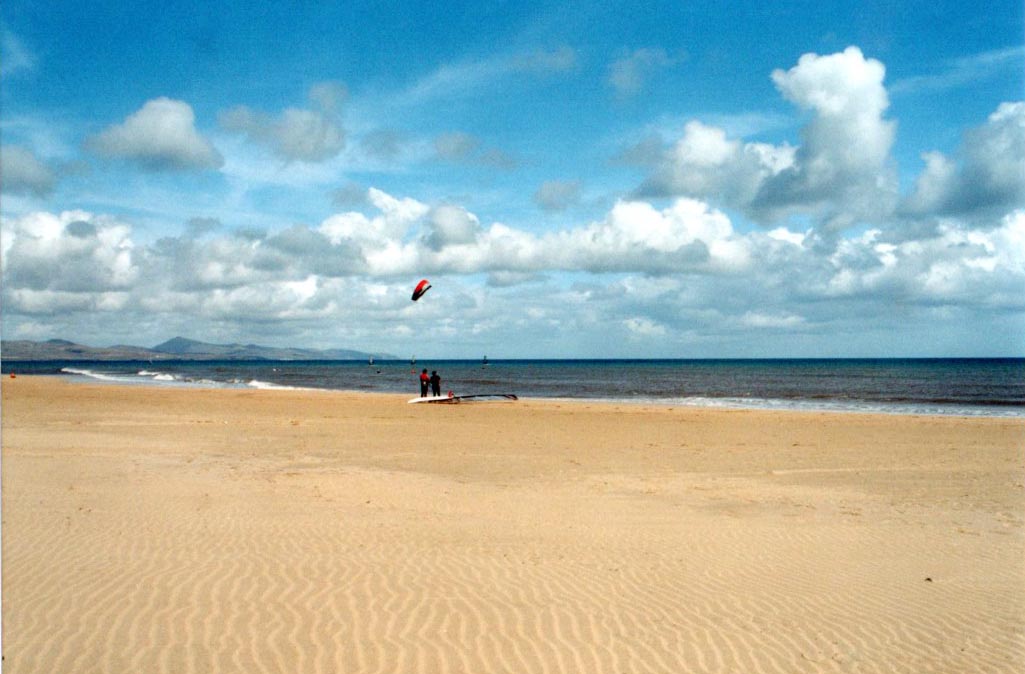
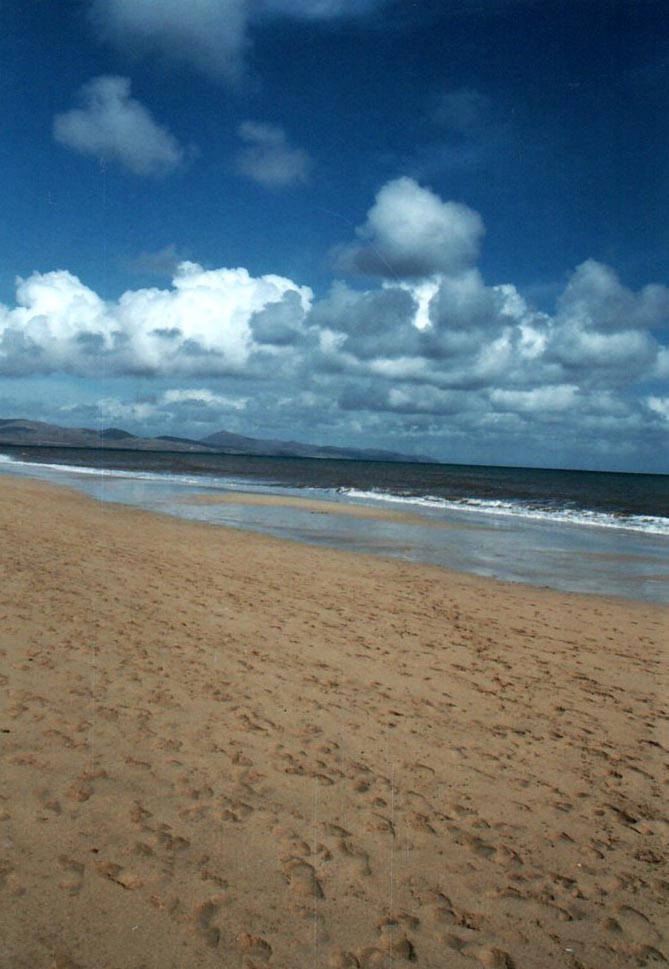
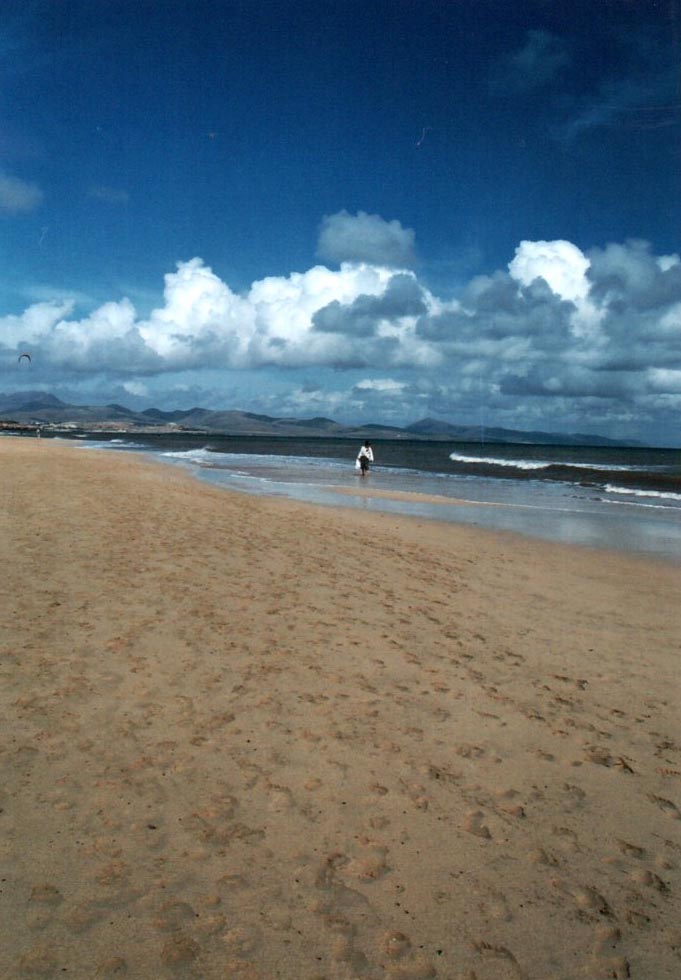
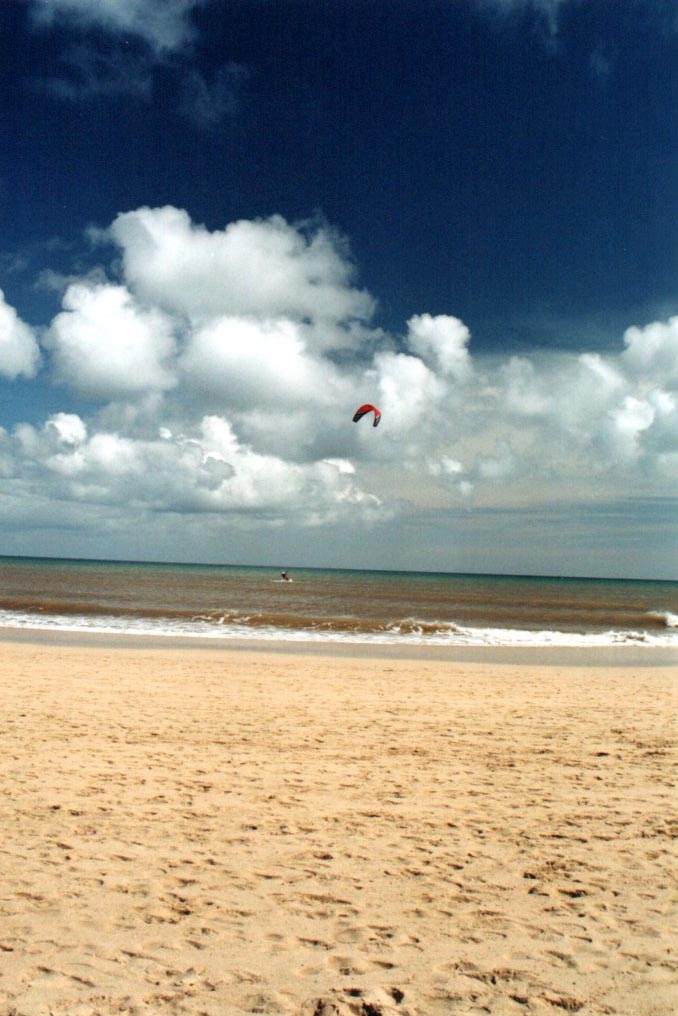
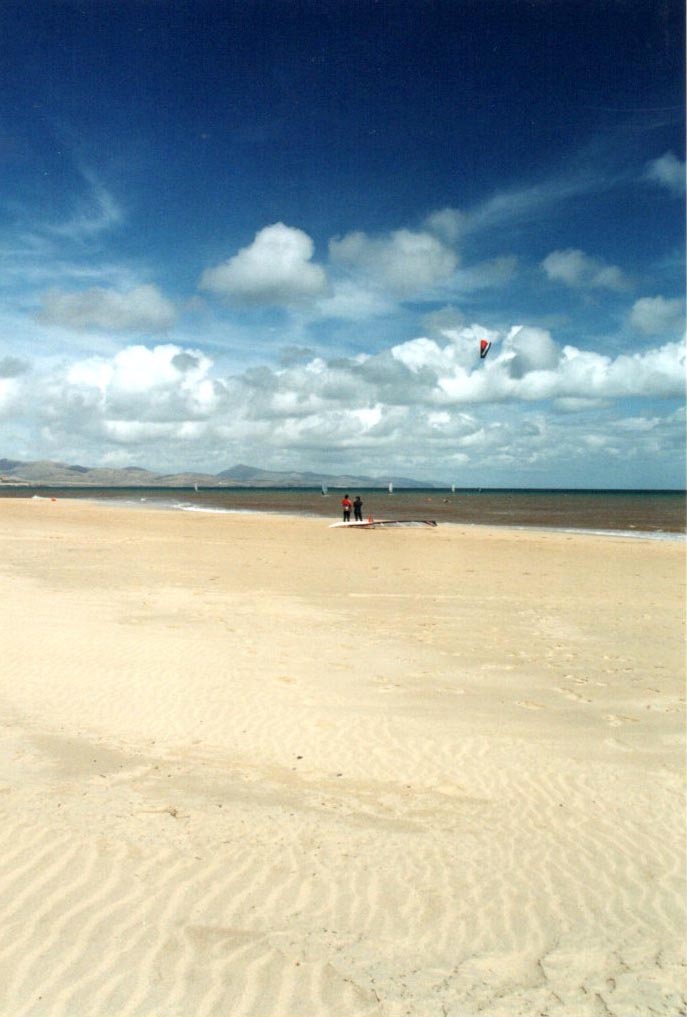
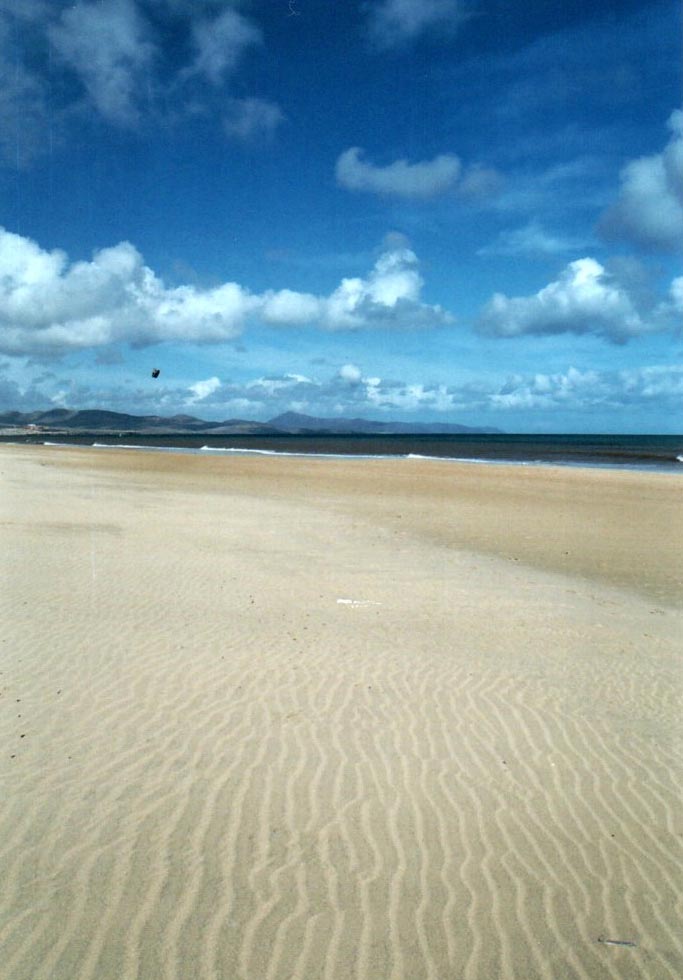
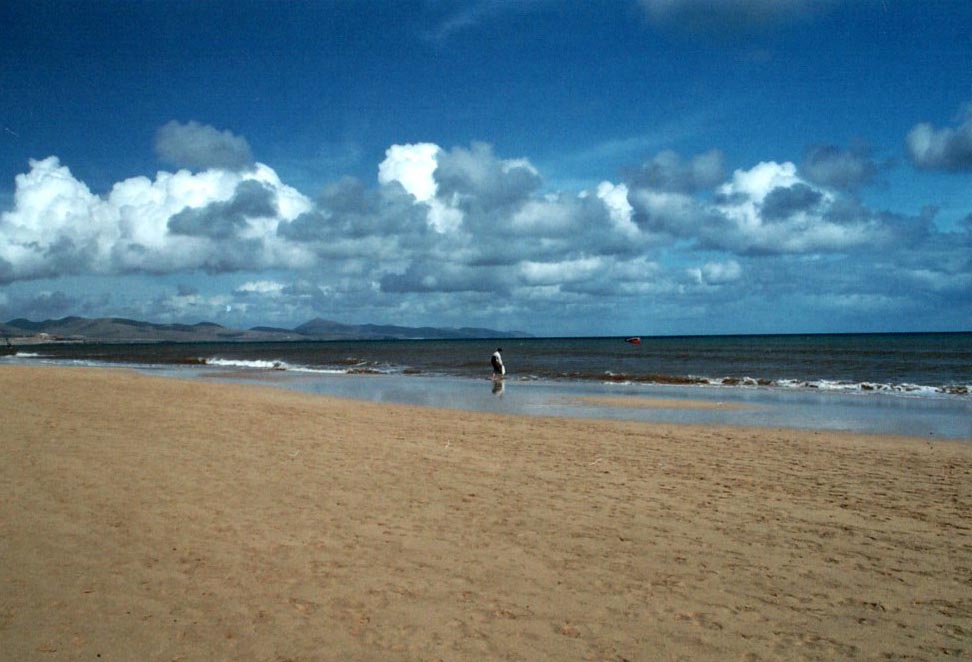
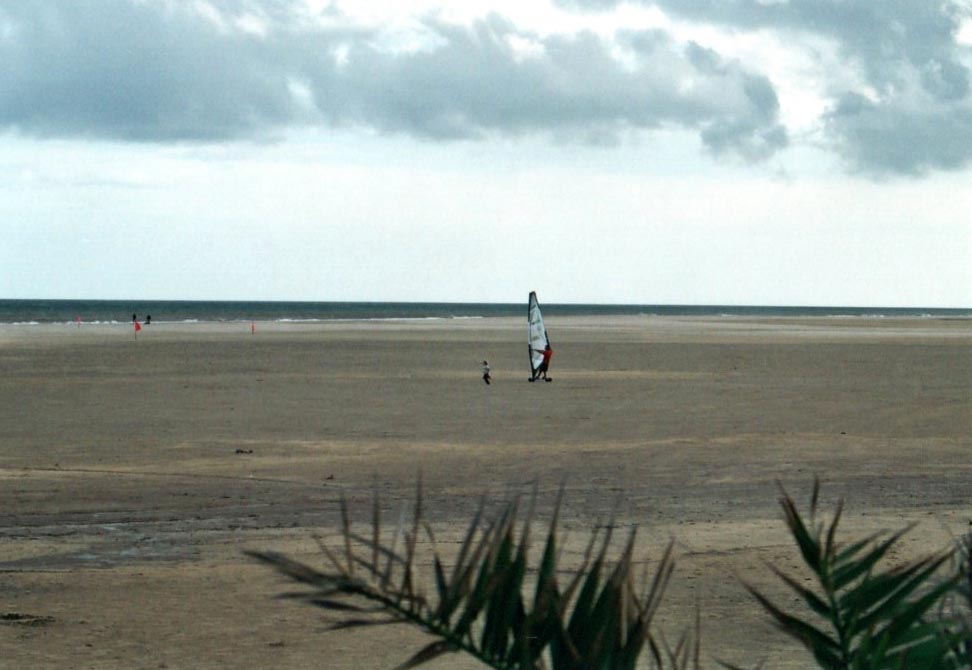
Our next stop brought us to the world-famous Playa de Sotavento, an absolutely breathtaking expanse of golden sand that seemed to stretch infinitely into the horizon. The moment we stepped out of the car, we were greeted by the relentless, powerful trade winds that make this beach a global paradise for windsurfers and kitesurfers. Carrying Felipe tightly in his baby wrap to shield him from the flying sand, Siska and I walked along the shoreline, completely awed by the sheer scale of the landscape. At high tide, the ocean spills over the sandbars to create a massive, crystal-clear shallow lagoon right on the beach, making it look like a tropical mirage where the emerald water meets the endless desert wind.

Picture


Pajara
An Oasis of Mystery, Traditions, and the Aztec Portal
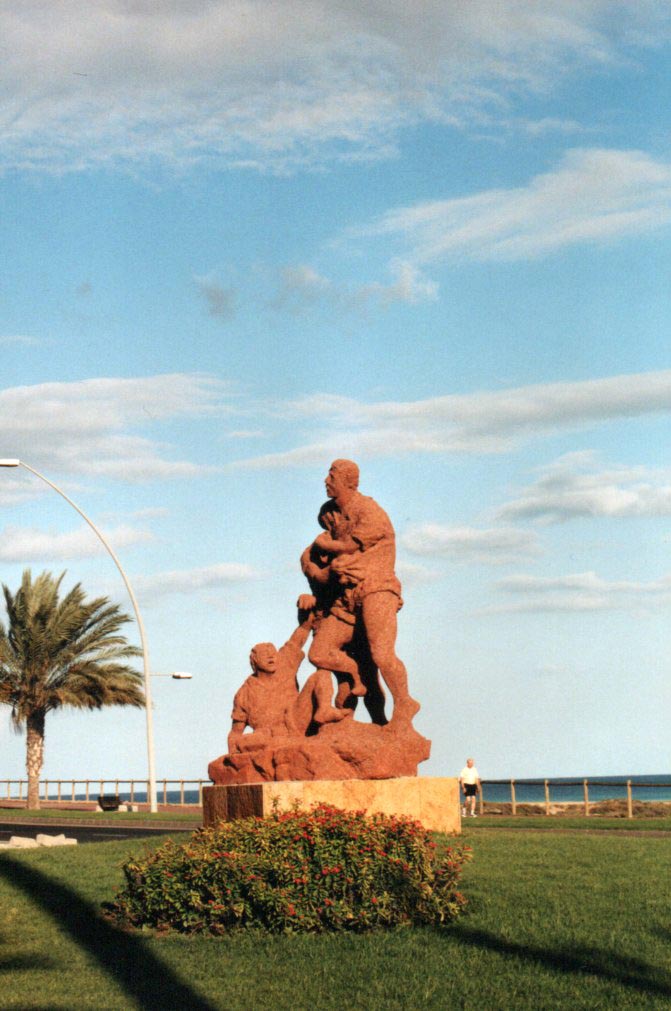
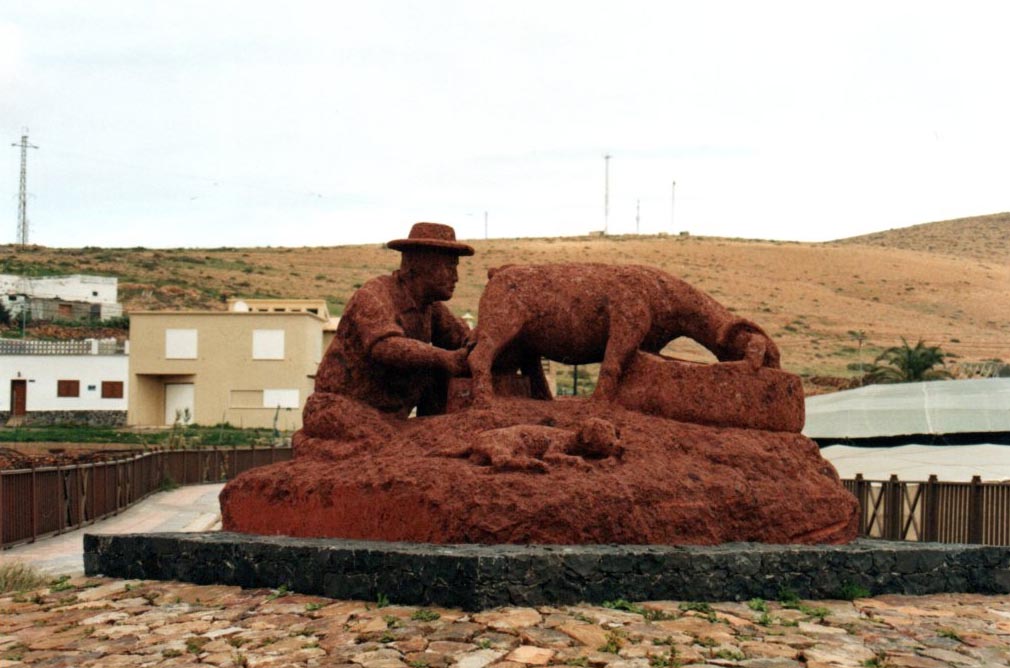
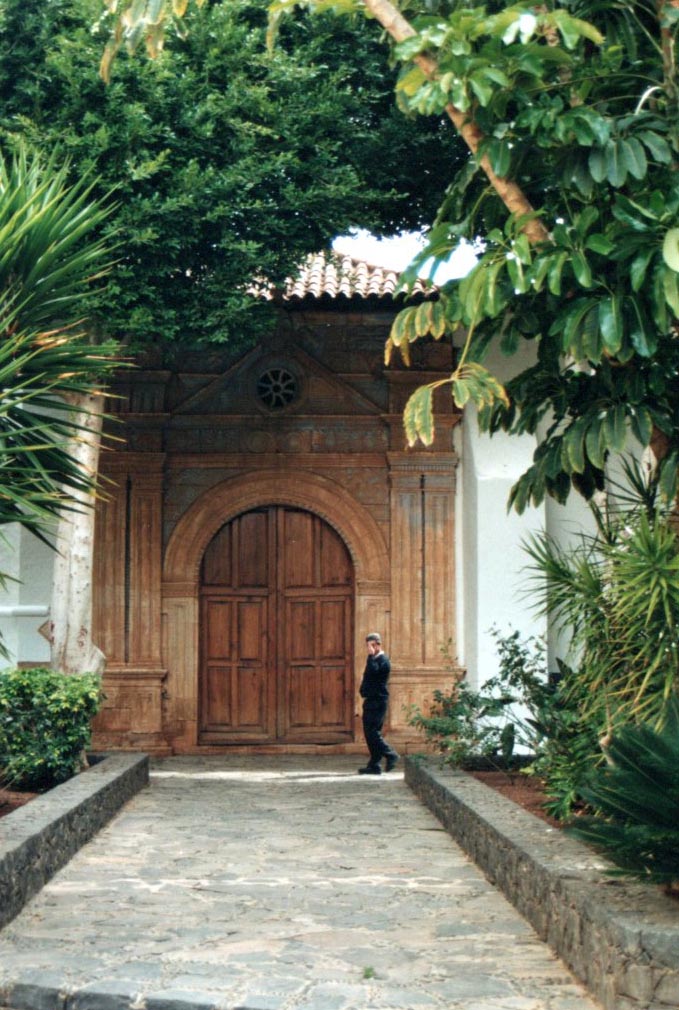
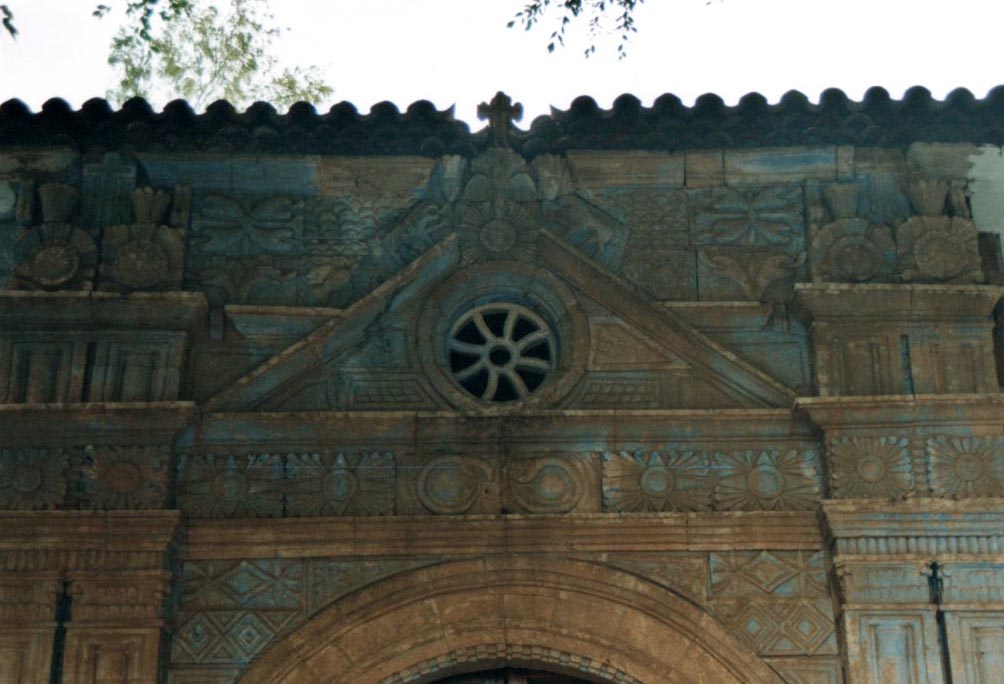
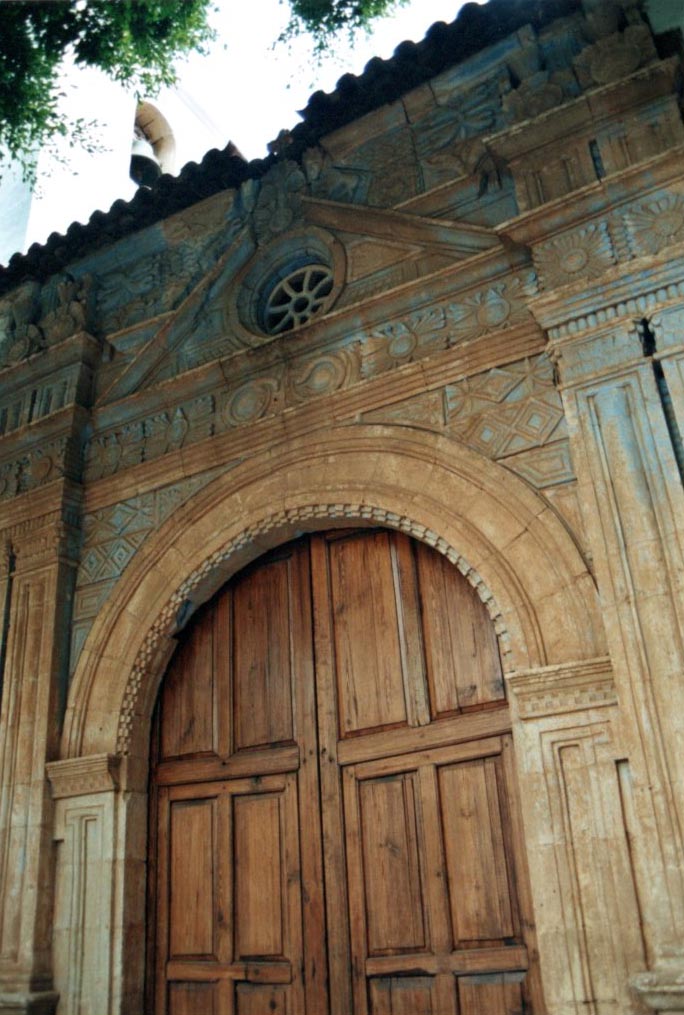
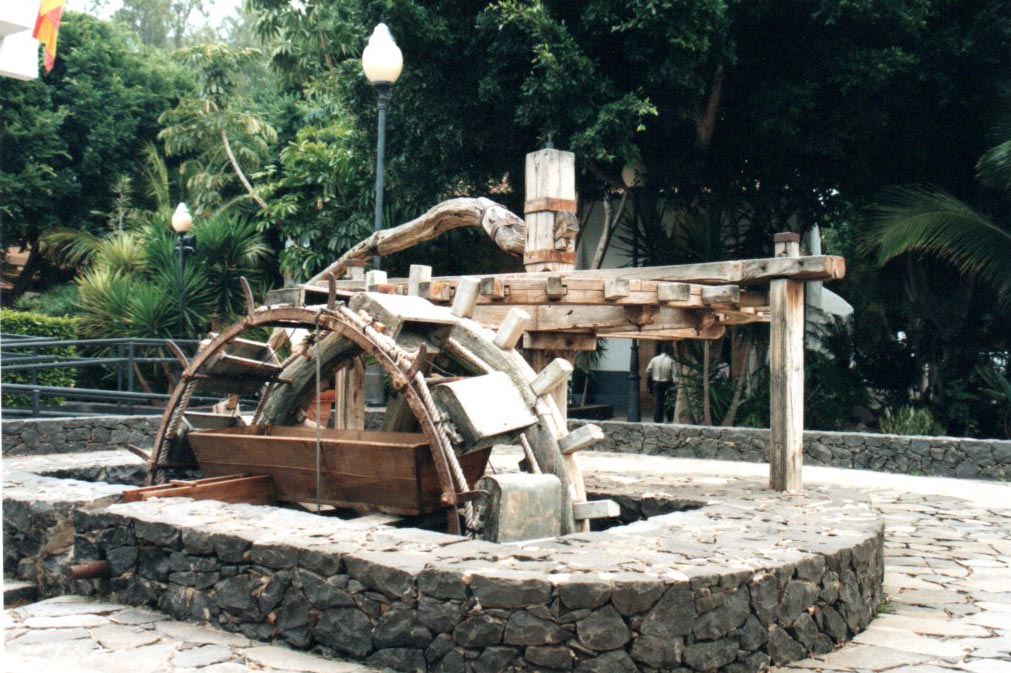
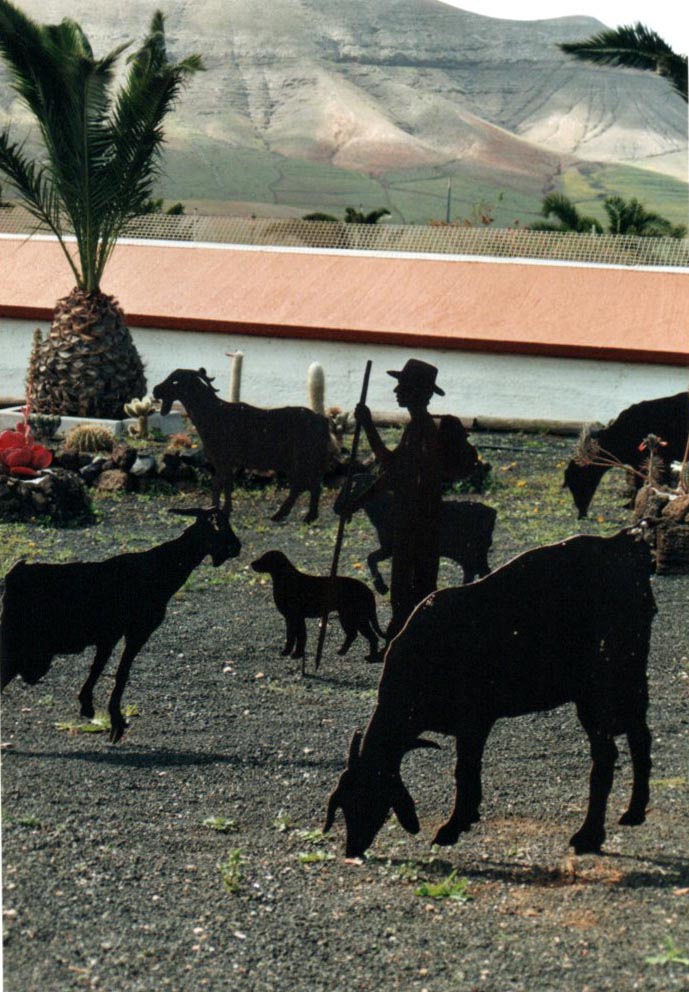
Steering our rental car into the lush valley of Pájara, we felt like we had discovered a hidden oasis filled with tropical plants and deep history. Right in the center, we ran into a wonderful piece of agricultural engineering: a traditional Noria, a massive wooden water wheel once turned by donkeys or dromedaries to pump precious groundwater. The absolute crown jewel of the village is the 17th-century church, Iglesia de Nuestra Señora de Regla, which features a spectacular portal with unmistakable Aztec influences. Decorated with intricate stone reliefs of jaguars, sun discs, and feathered serpents, it looks like a Mexican temple, likely brought across the Atlantic by a mason who had traveled to the New World. Just outside the historic core, we stopped to admire the village's iconic public monument: a striking, red-volcanic-stone statue of a traditional Majorero goatherd milking his goat with a dog resting at his feet.


​La Oliva
Casa de los Coronelles
Picture
La Oliva and the Fortress of the Colonels
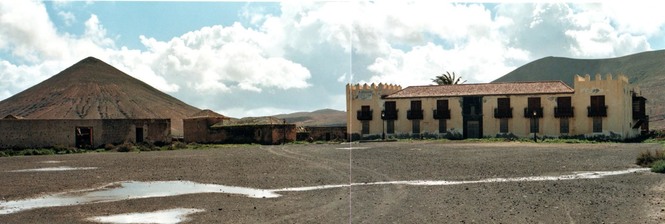
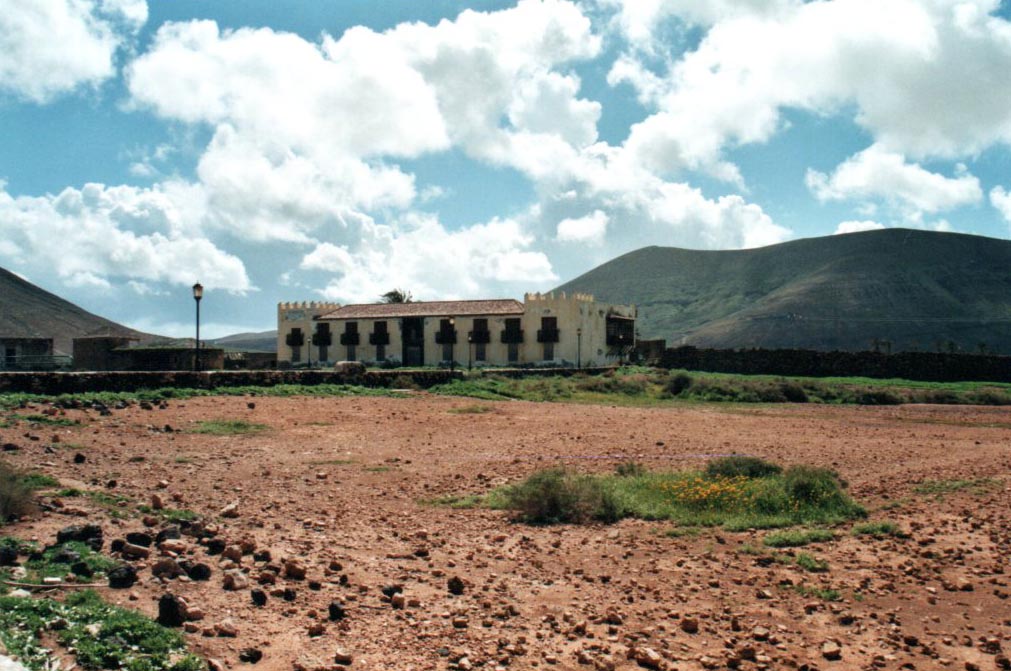
Leaving the mountains behind, Siska's map-reading brought our roadtrip team to La Oliva, the historic political center of northern Fuerteventura. The undisputed highlight here is the grand Casa de los Coroneles(House of the Colonels), built in the mid-17th century. This massive, fortress-like estate served as the official seat of the island’s military governors, who held absolute power over the entire population for centuries. Standing before this imposing building with Felipe in his baby wrap, it was fascinating to admire its long rows of traditional wooden balconies made from Canary pine and its defensive crenellated towers, which made it the largest residential estate in all of the Canary Islands.
The Heart of the Village: Iglesia de Nuestra Señora de la Candelaria
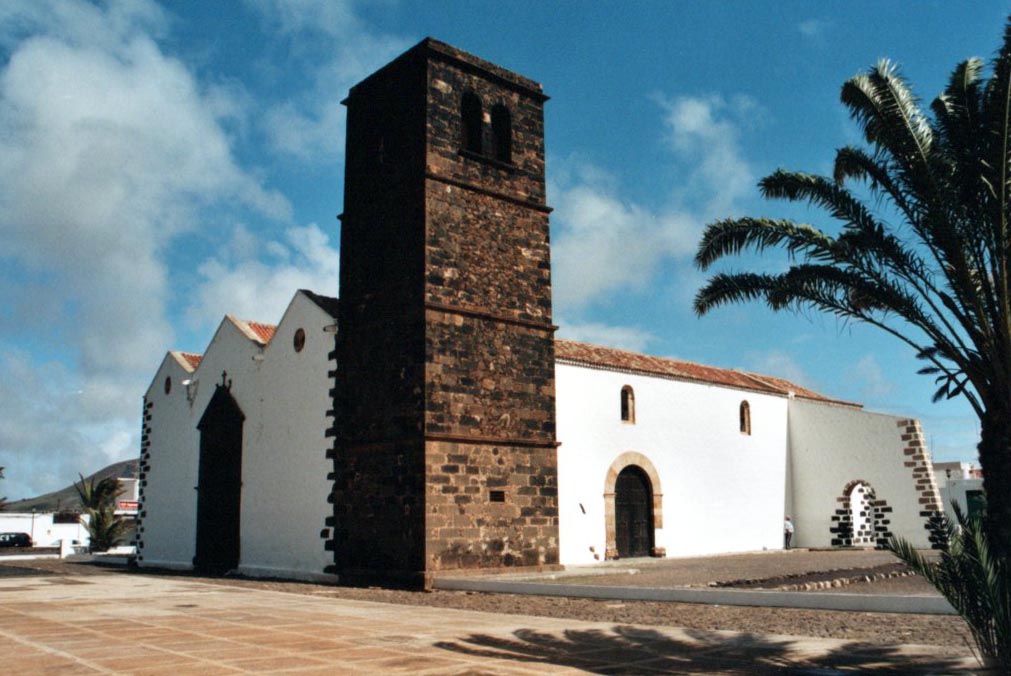
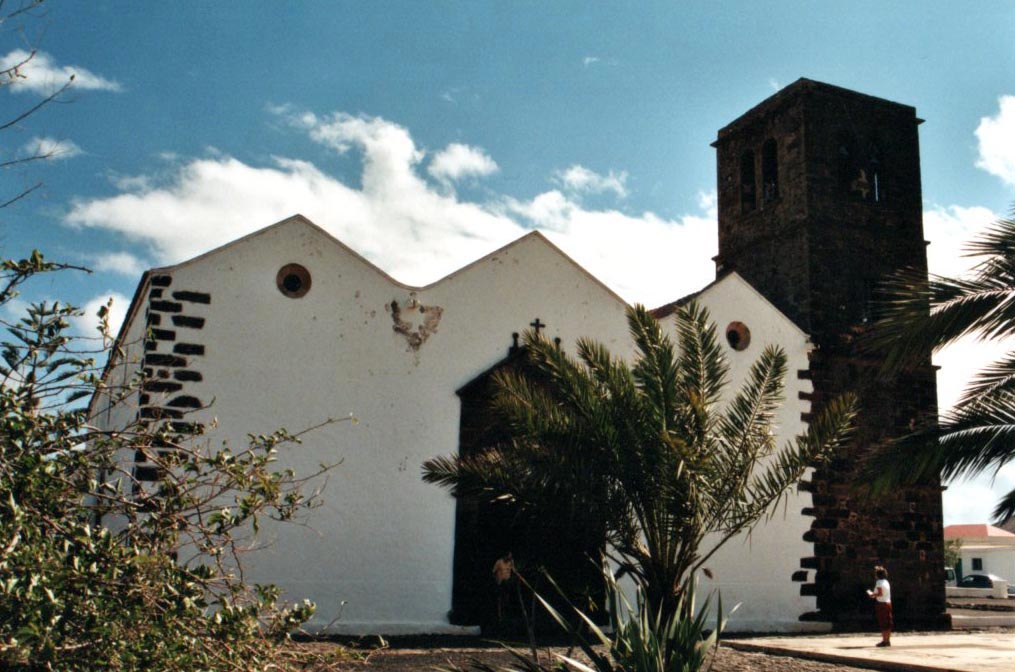
Just a short walk from the governor's palace sits the beautiful Iglesia de Nuestra Señora de la Candelaria, a majestic church that has dominated the town's skyline since its completion in 1711. The architecture is a wonderful display of traditional island craftsmanship, featuring a striking, massive bell tower built from dark, volcanic basalt stone that contrasts beautifully against the whitewashed walls of the main building. Inside, the church preserves a magnificent baroque altarpiece and delicate art pieces, making it a peaceful sanctuary where we could escape the blazing Canary sun for a few quiet moments with Felipe and Siska.
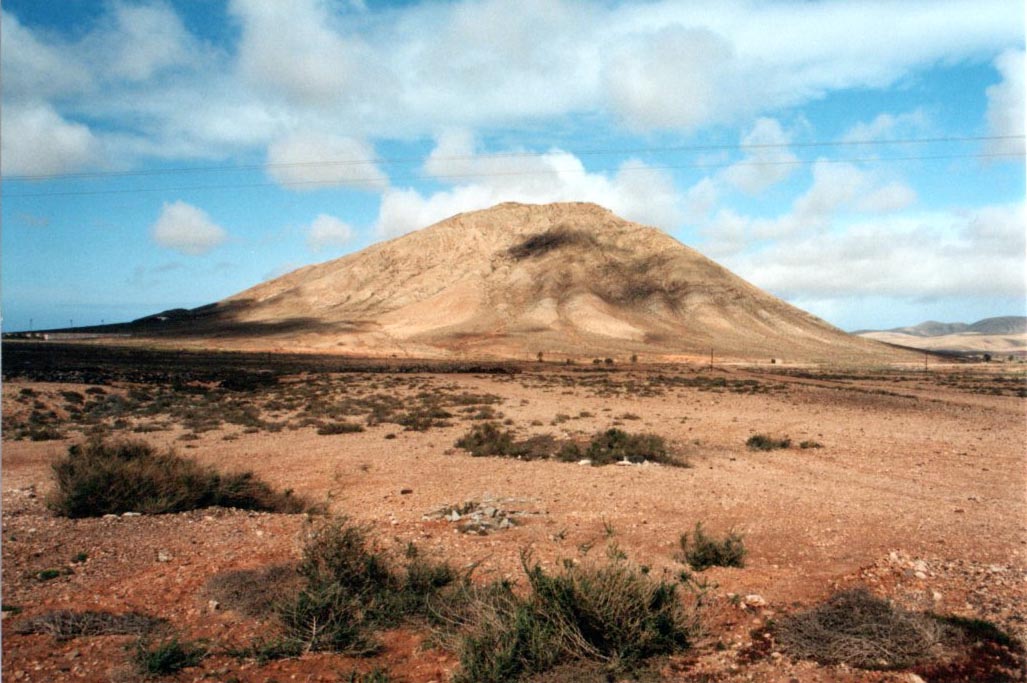
The Panoramic View of Sacred Tindaya
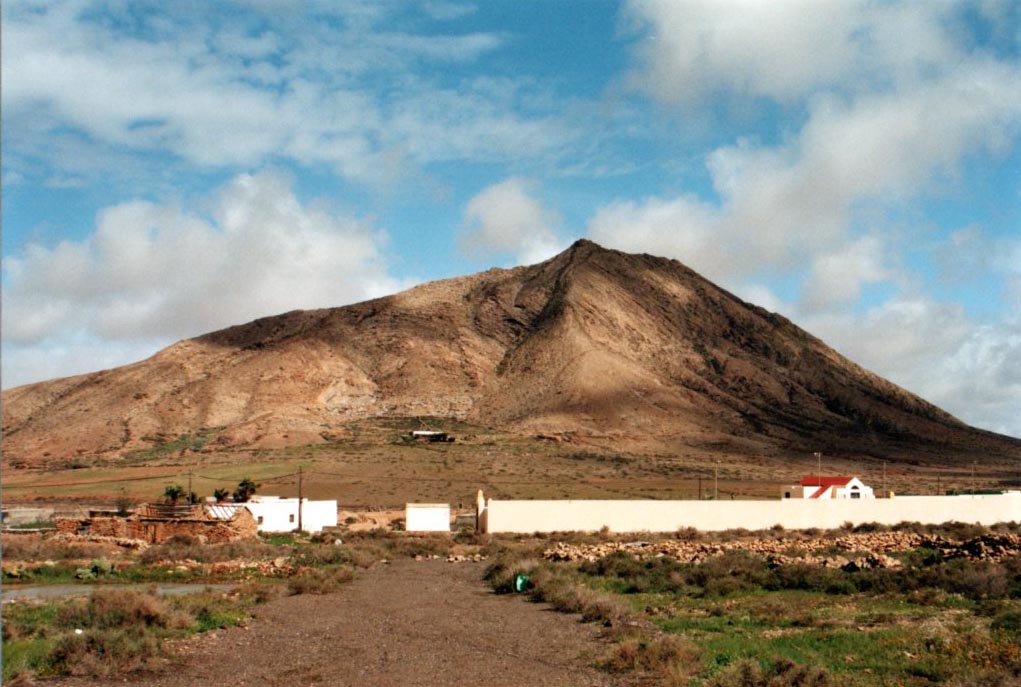
​The true magic of La Oliva unfolded when we looked out across the vast, open plains surrounding the town, captured perfectly in our panoramic photo series. Rising majestically from the flat, reddish desert soil like a perfect pyramid is the enigmatic Montaña de Tindaya, a deeply sacred volcanic peak for the island's indigenous inhabitants.  This striking volcanic peak is over 18 million years old and was considered a deeply sacred place by the Majos, the indigenous Guanche inhabitants of Fuerteventura. Looking out at this ancient monument against the bright blue sky, knowing that the mountaintop holds over 300 prehistoric foot-shaped rock carvings (podomorfos) aligned with the stars, felt like the ultimate, awe-inspiring farewell to the wild plains of the north. 
​
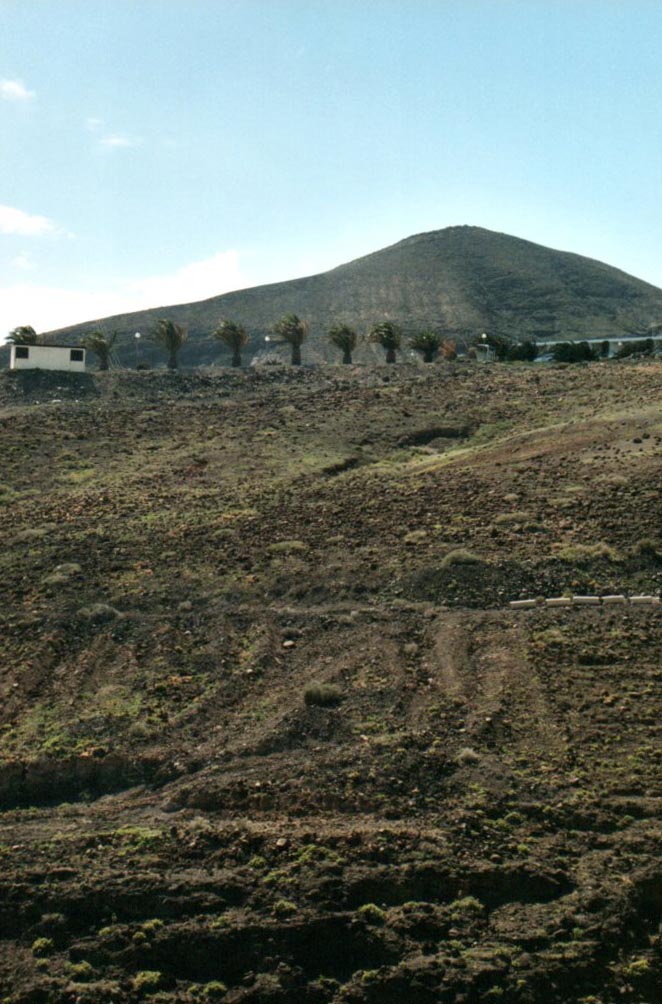
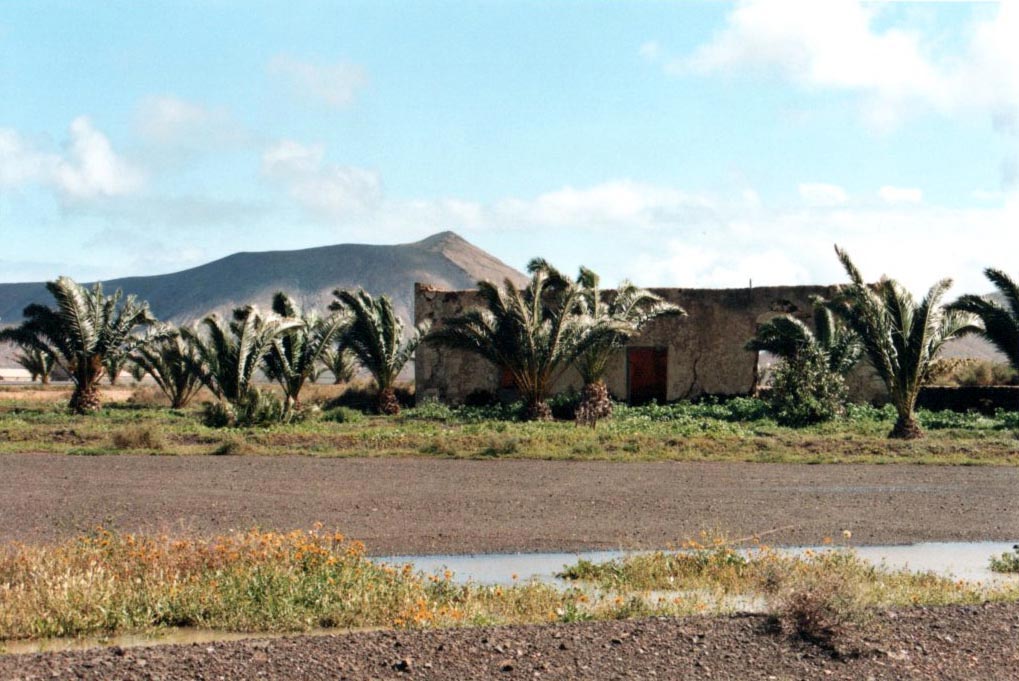
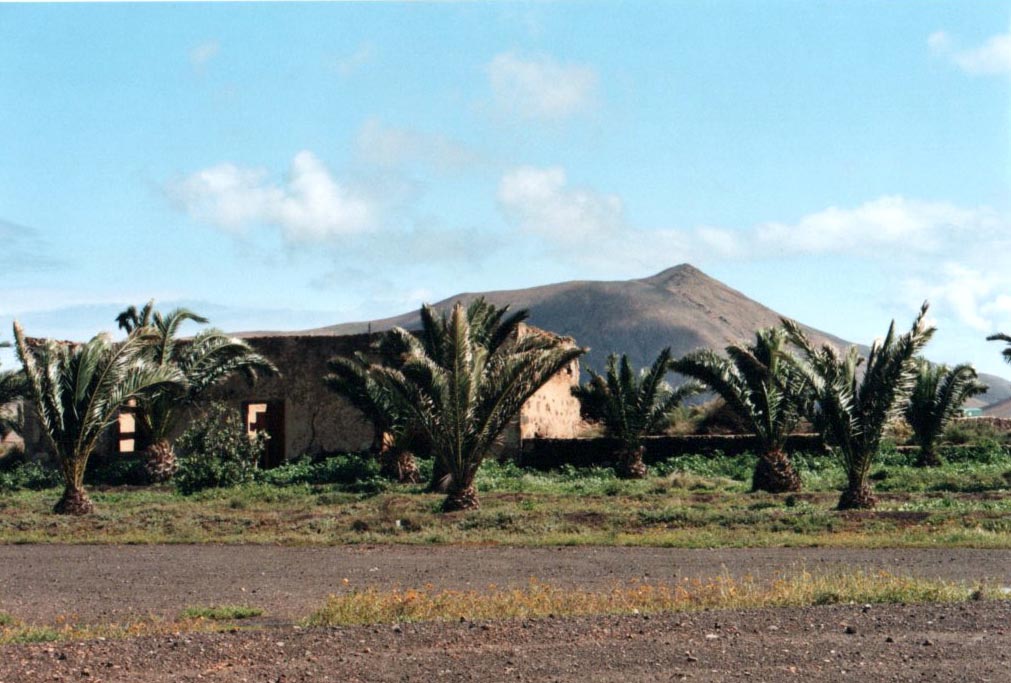
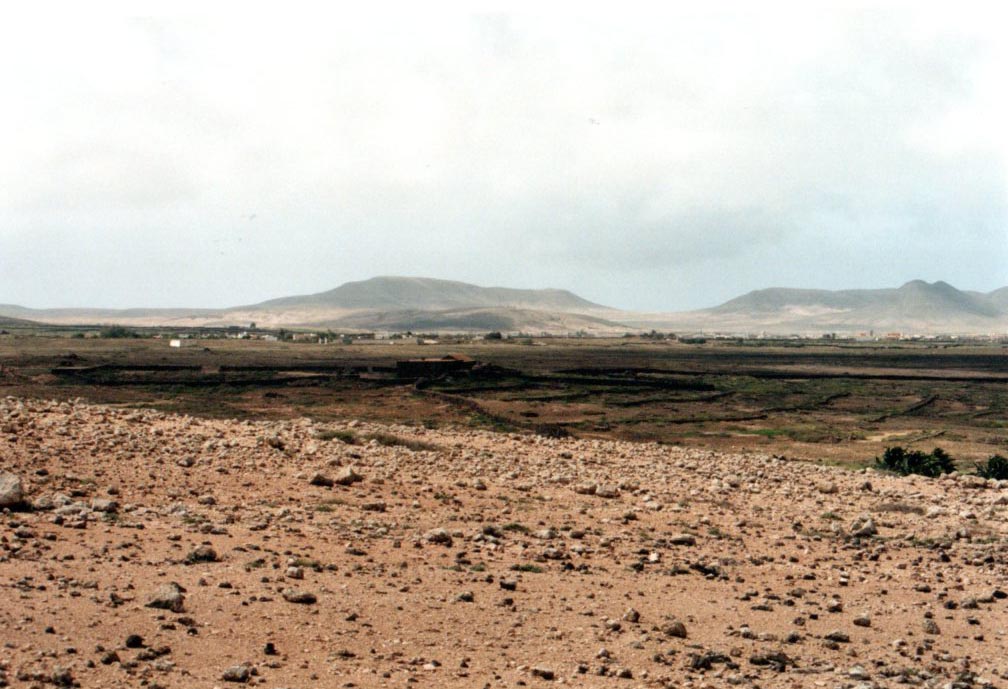
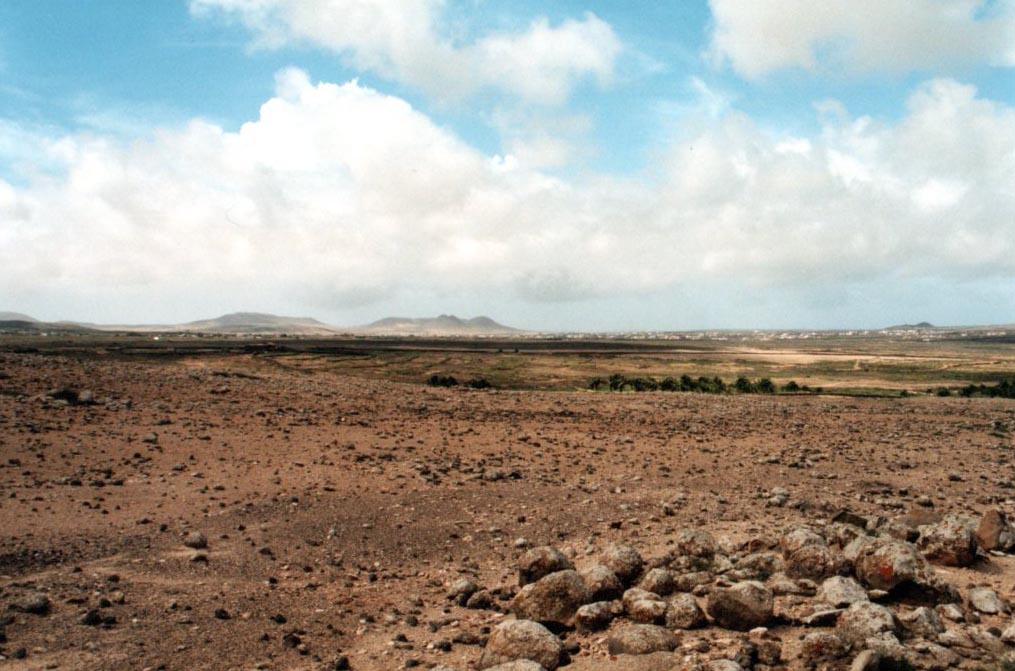
But turning our eyes toward the east, another giant dominated the horizon: the magnificent Montaña de Escanfraga. Standing proud at 533 meters, it is the highest volcanic crater in the entire north of Fuerteventura. Following a rare rain shower that year, small water puddles glistened on the dark soil in the foreground, beautifully framing a grove of Canary date palms and a weathered, abandoned stone finca at the foot of the mighty mountain—creating a stunningly lush, cinematic memory of our wild northern expedition.

Centro de Arte Canario "Casa Mane", La Oliva
Centro de Arte Canario "Casa Mané": Art, Sculptures, and the Legend of the Giant
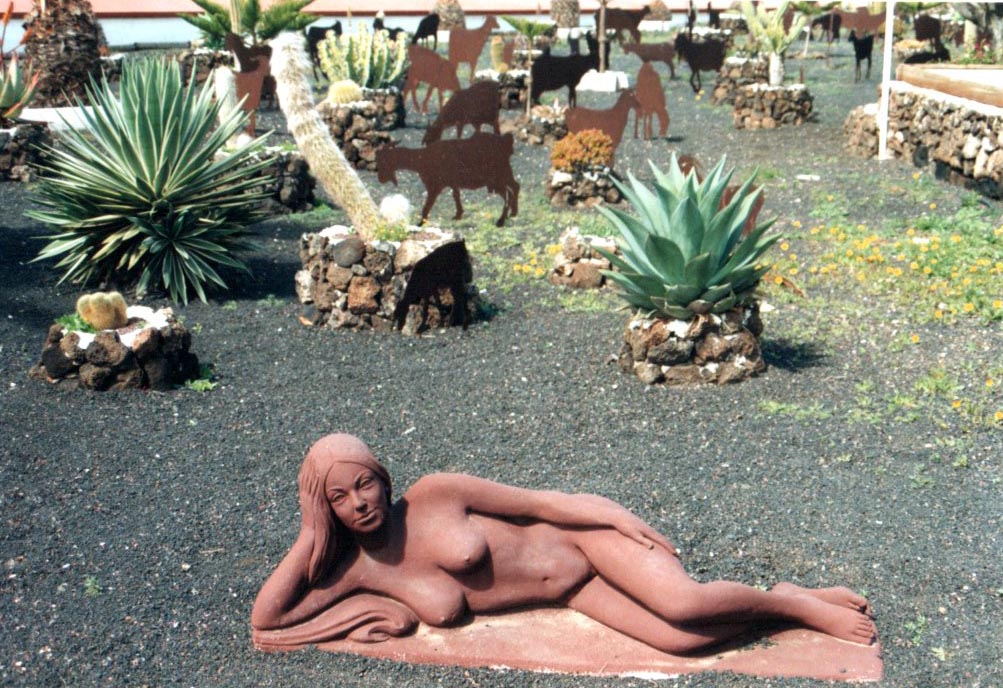
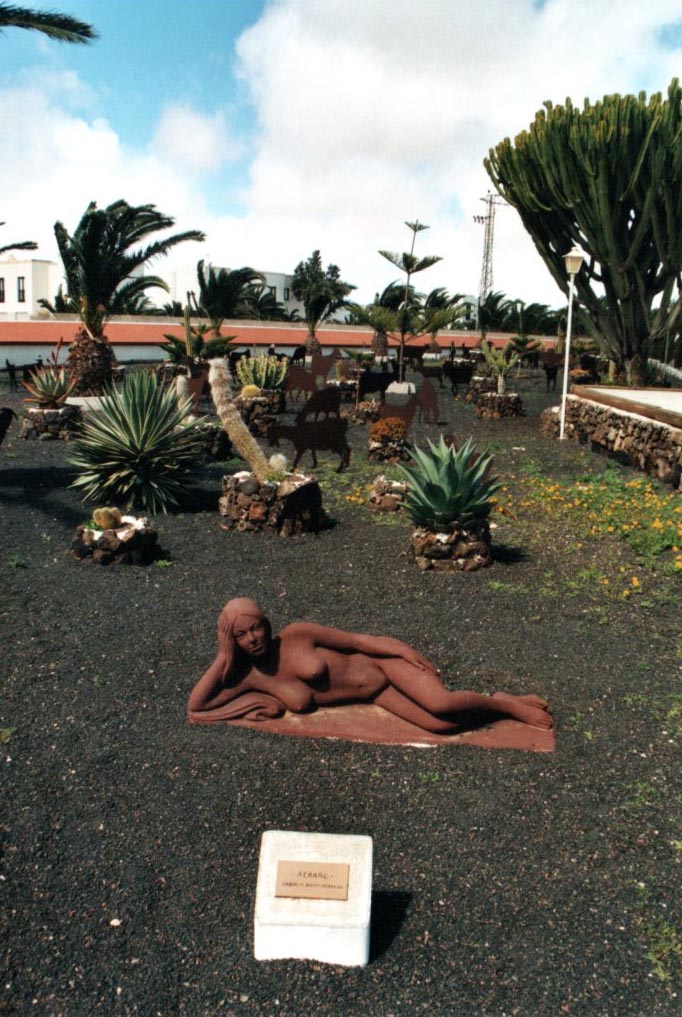
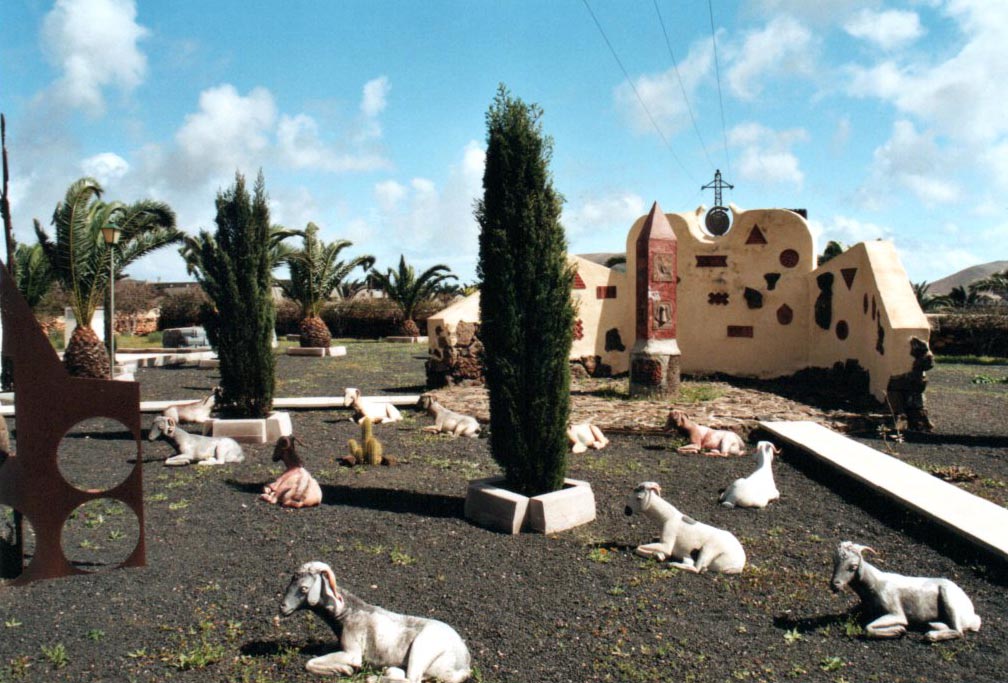
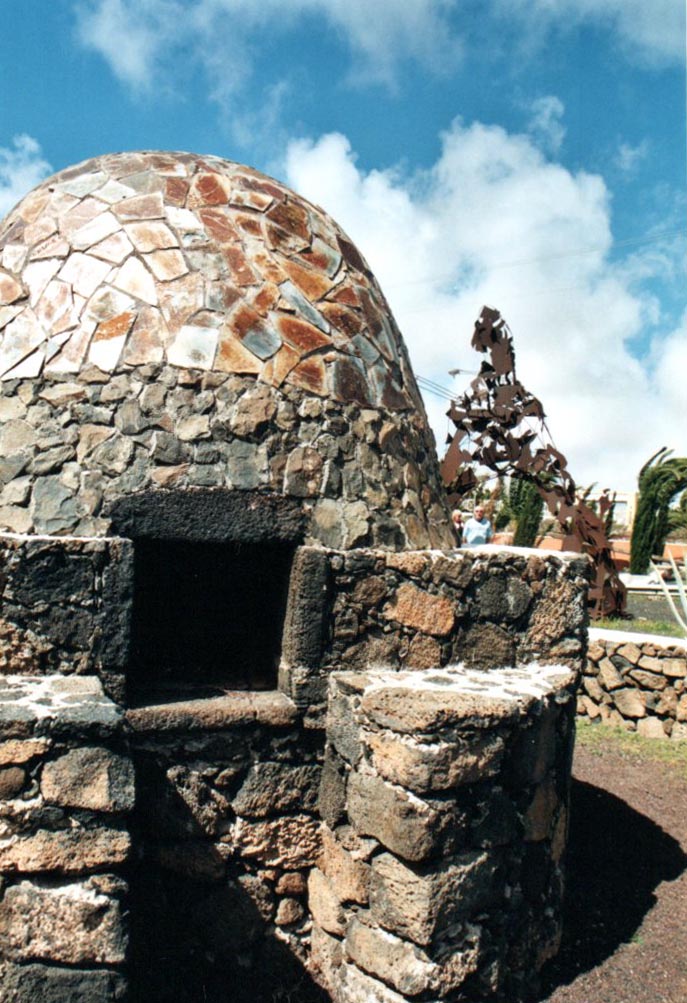
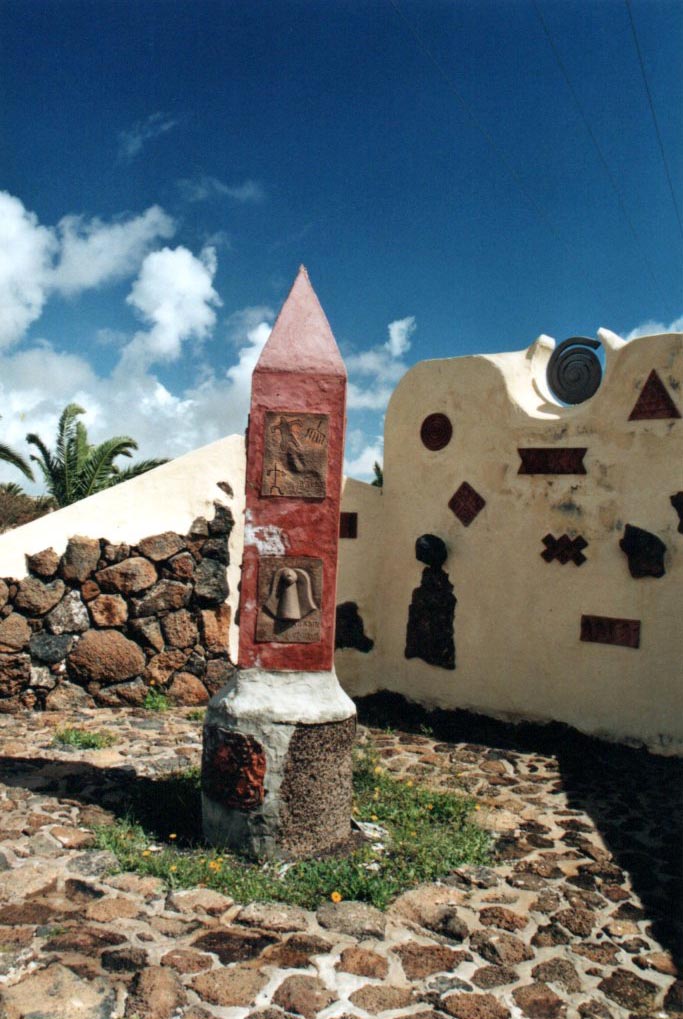
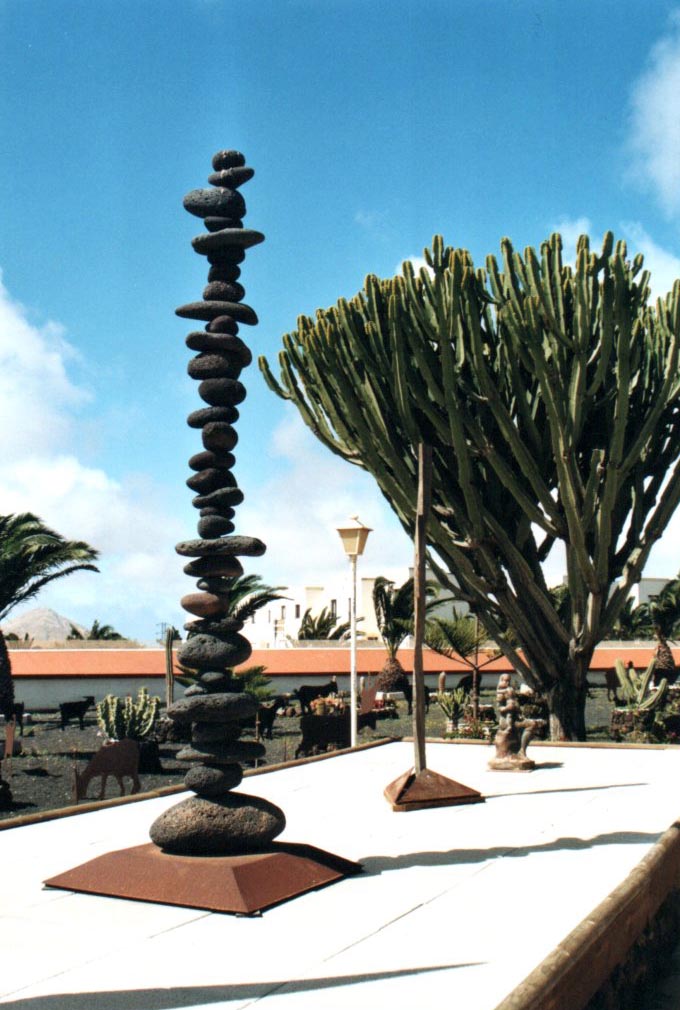
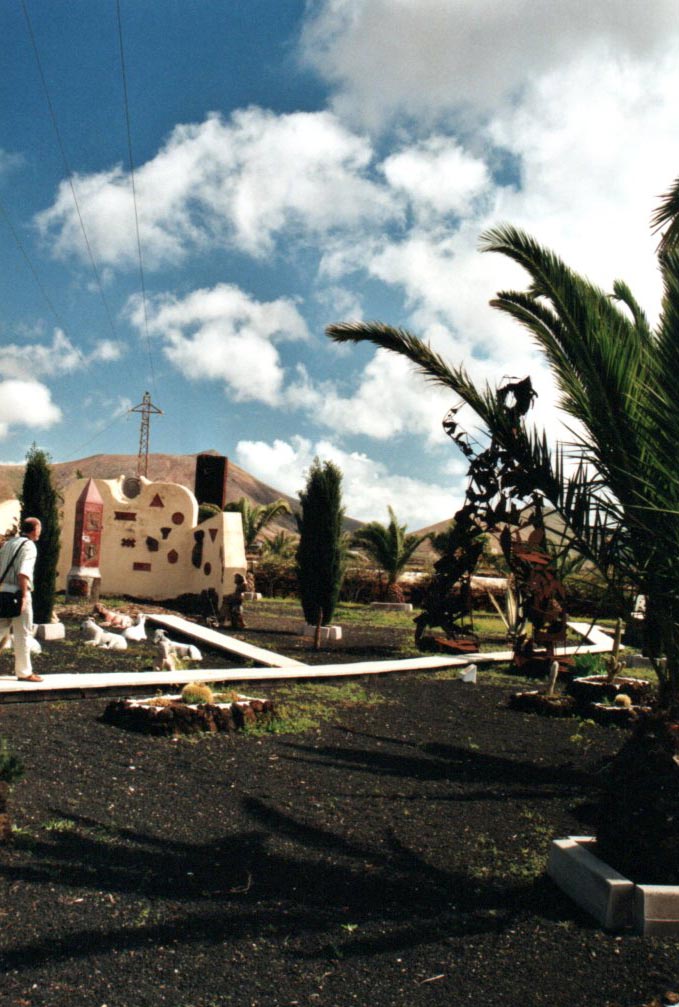
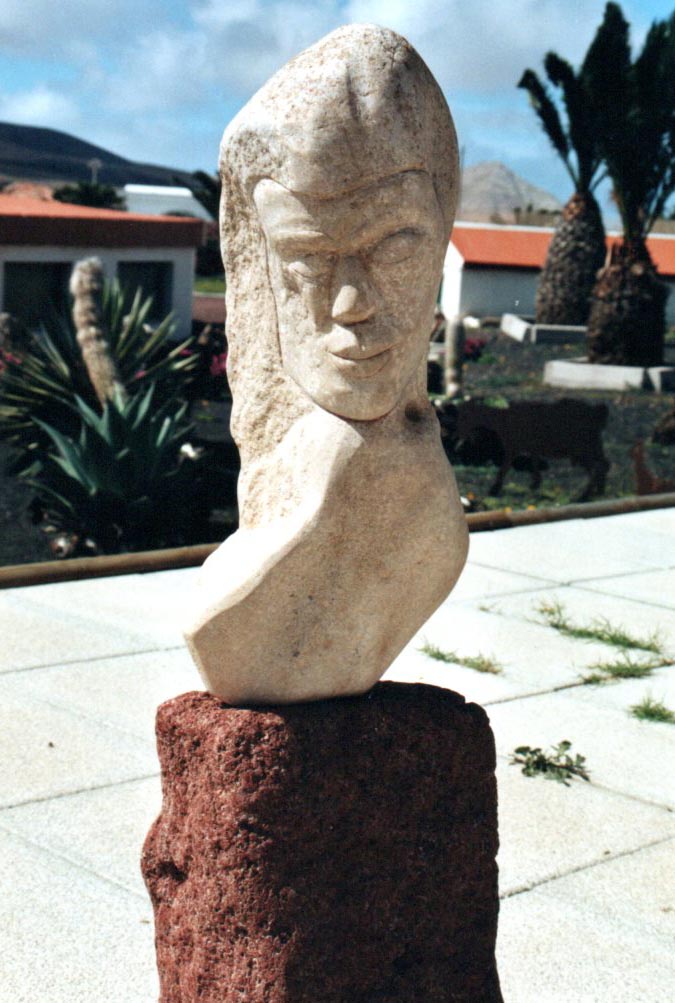
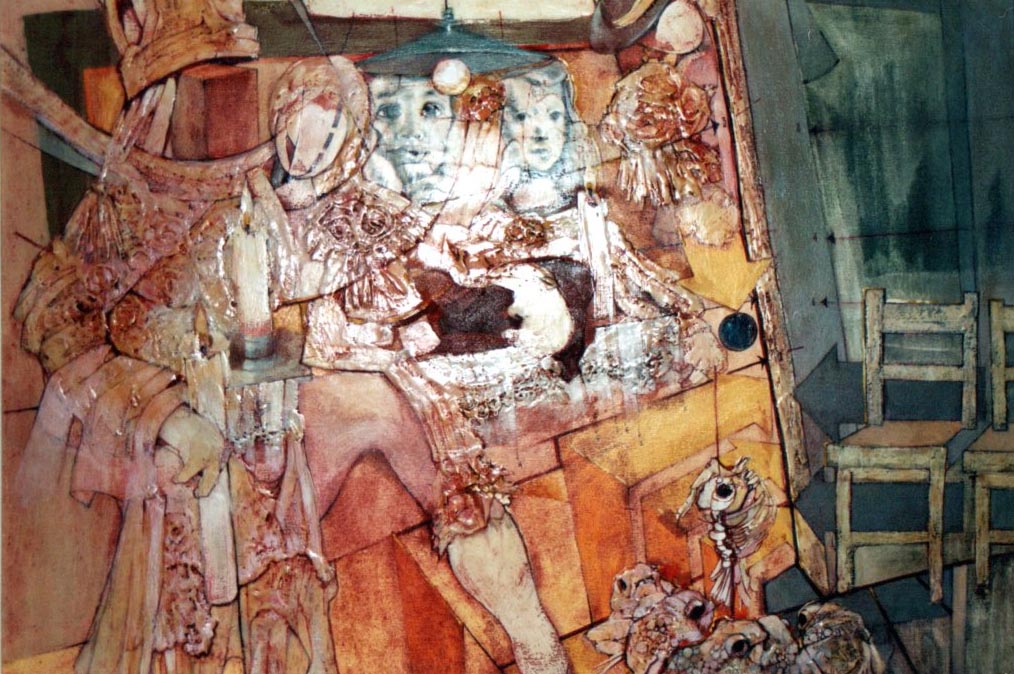
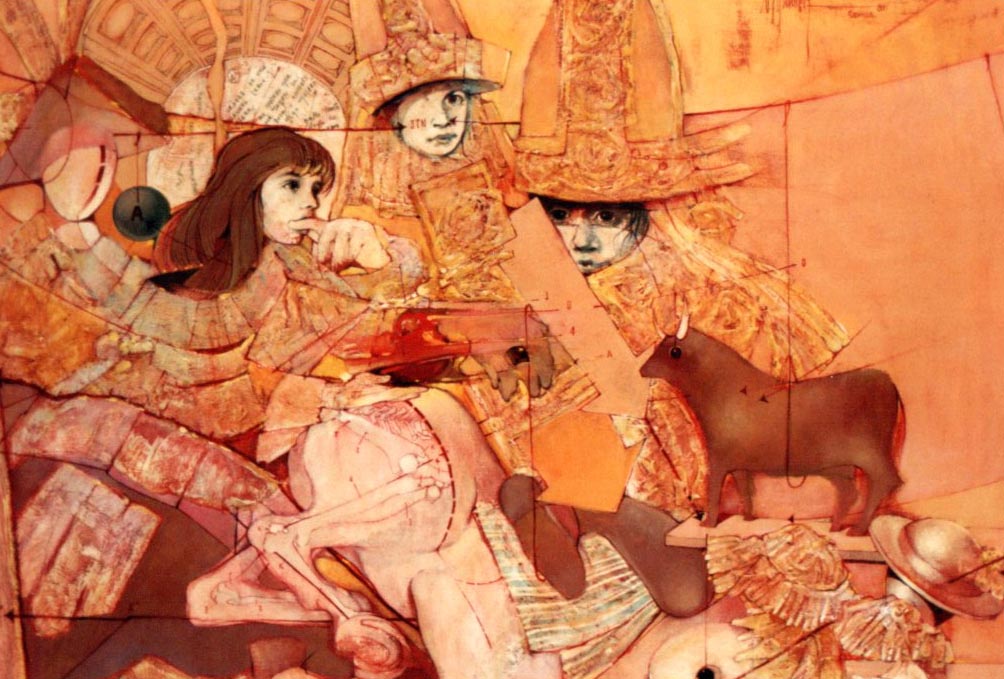
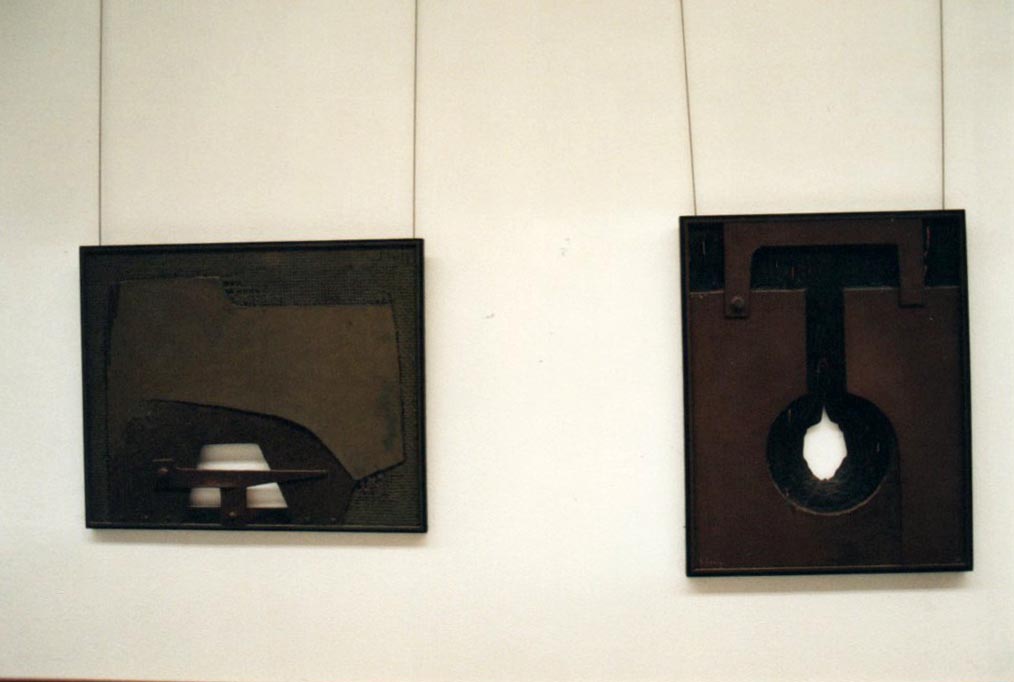
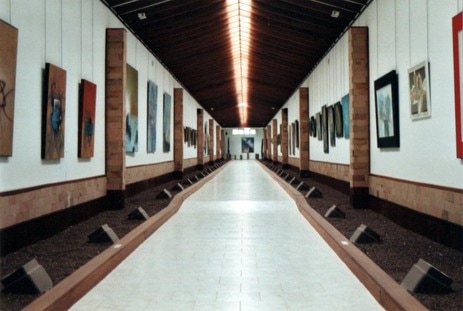
Only a short distance away in La Oliva, Siska carefully directed our paper map to the spectacular Centro de Arte Canario, a hidden cultural sanctuary located inside the beautifully restored 19th-century colonial mansion known as Casa Mané. Founded in 1991 by the passionate art patron Manuel Delgado Camino, this world-class venue spreads across a majestic estate dedicated entirely to showcasing prominent contemporary artists from across the Canary Islands. Stepping onto the grounds with Felipe securely nestled in his baby wrap, we were completely awed by the striking outdoor sculpture garden, which features dramatic, abstract installations made from volcanic stone, metal, and cacti growing on dark lava ash. Walking inside the grand exhibition hall, the modern galleries feel incredibly spacious, housing masterpieces by legendary artists like César Manrique. The artistic vibe perfectly aligns with Fuerteventura's mystical folklore, most notably the ancient legend of the giant Mahon (Mahan)—the mythological, eight-meter-high aboriginal protector of the island whose colossal stone figure is said to have been permanently carved into the volcanic ridges of the surrounding mountains after a fierce battle. Taking a peaceful moment with Siska among the massive canvas paintings and towering metal sculptures, this blend of modern artistic genius and heavy, ancient island mythology was a deeply captivating and unforgettable stop on our road trip

Picture

Lajares
A Sanctuary of Traditions, Sacred Walls, and the Wind

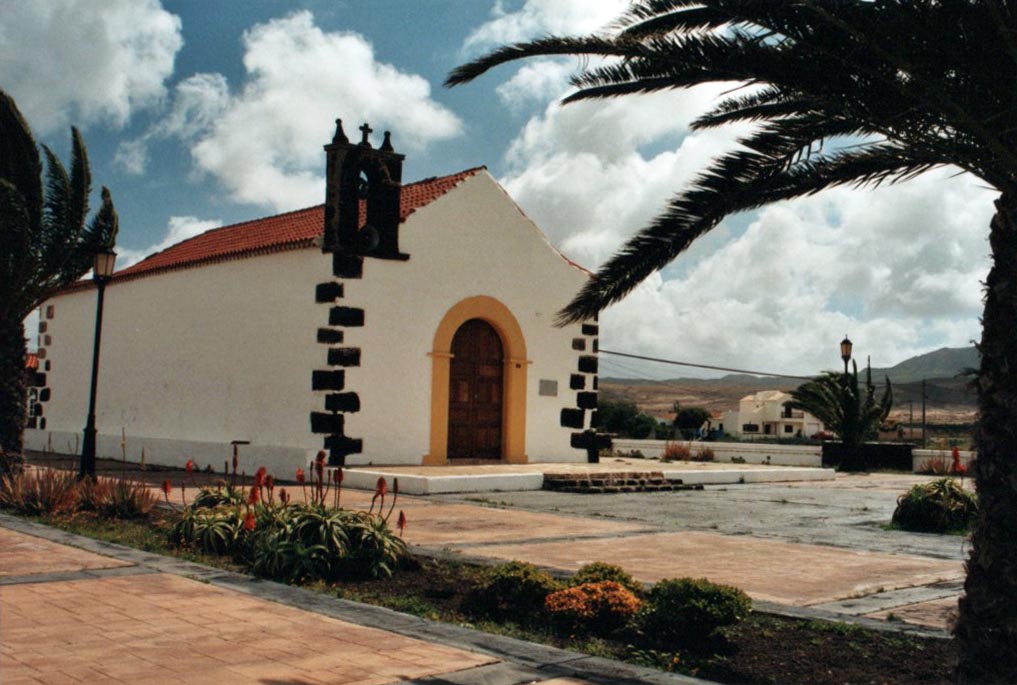
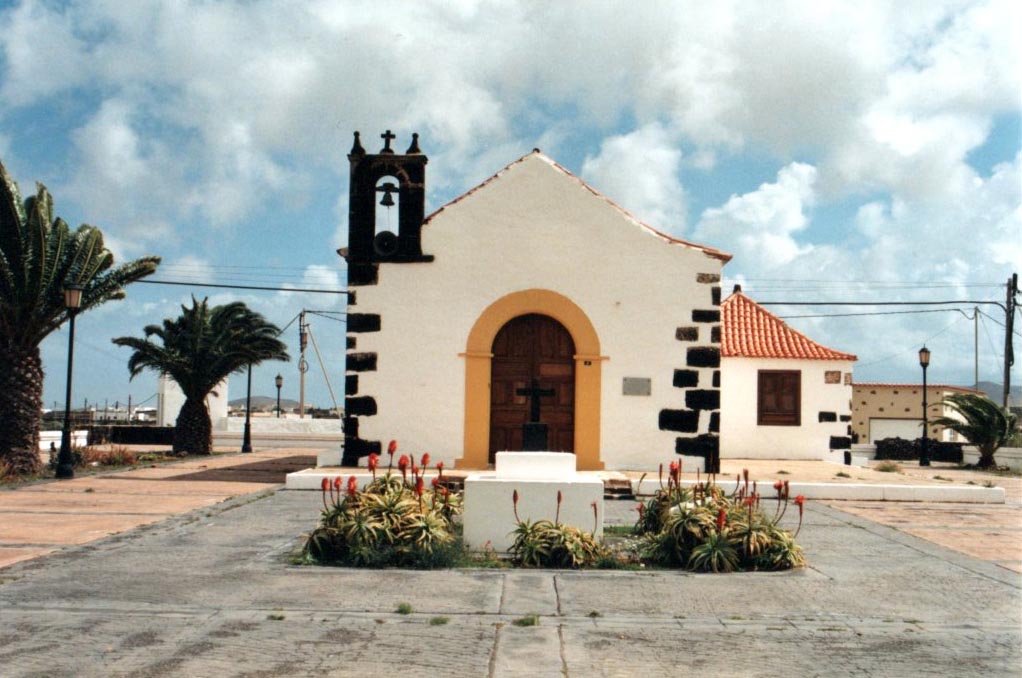
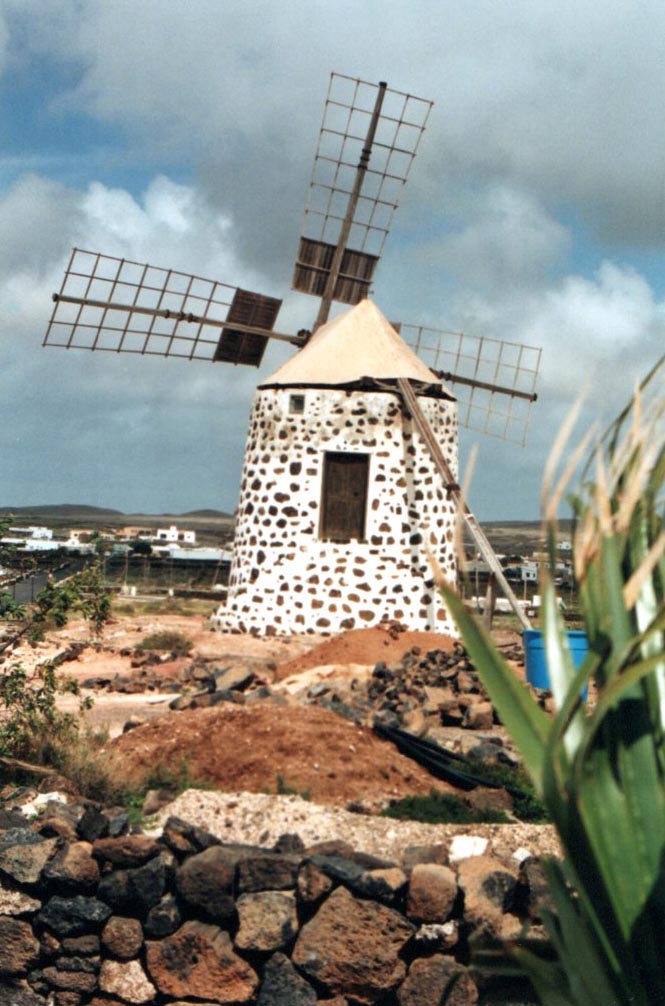
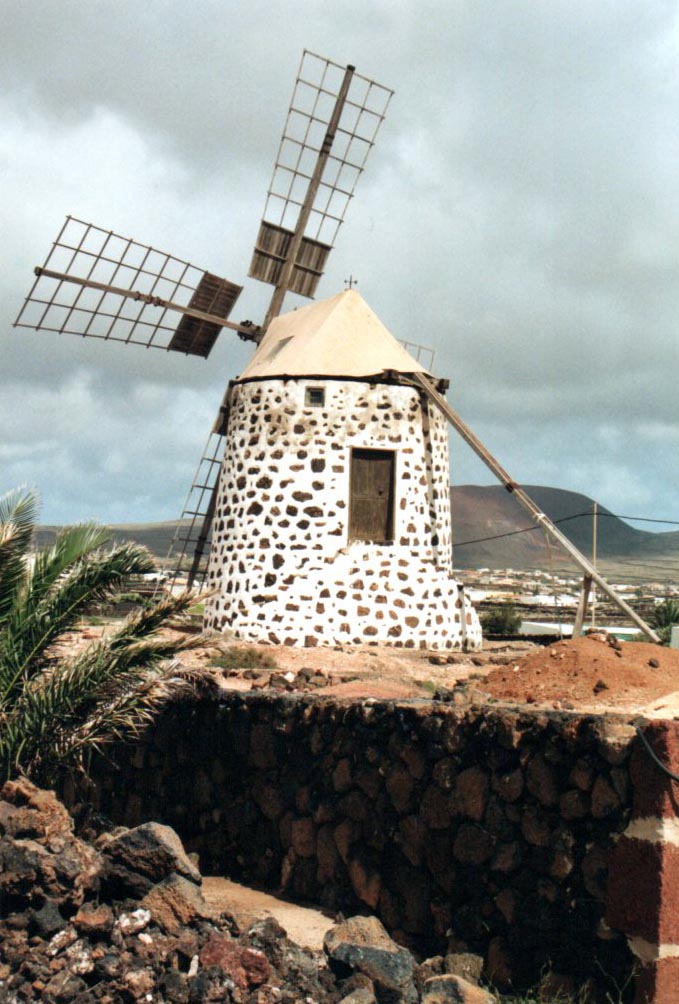
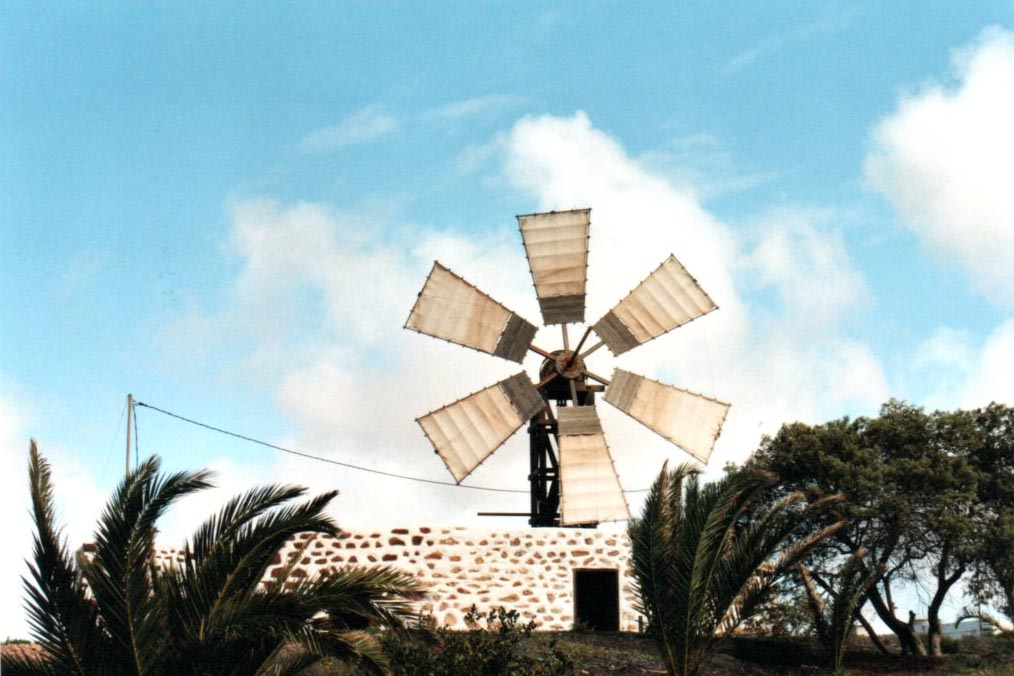
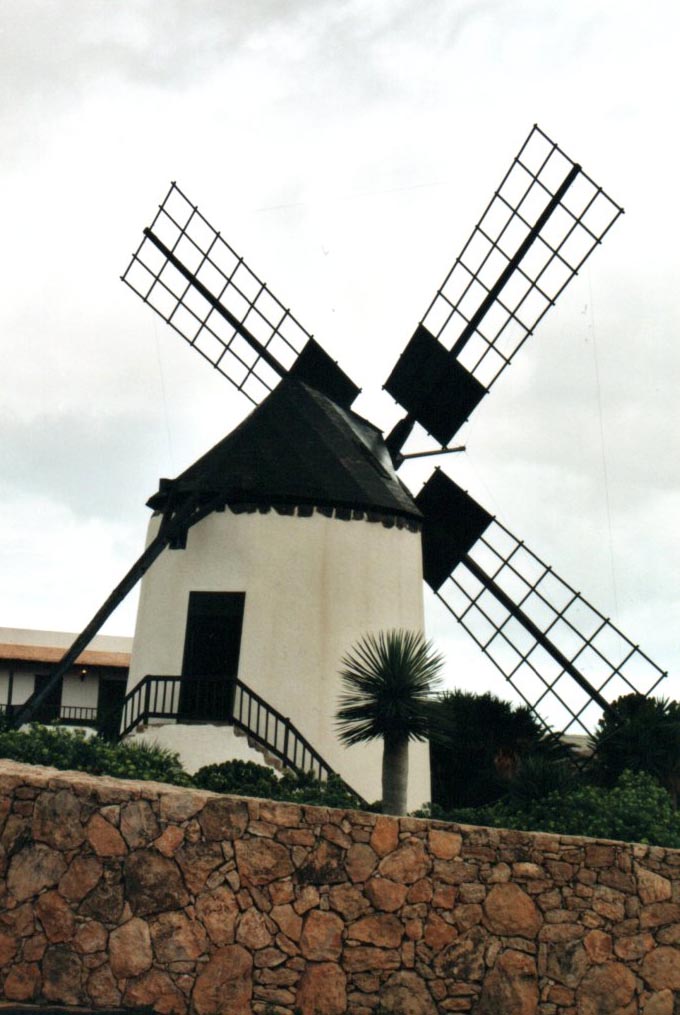
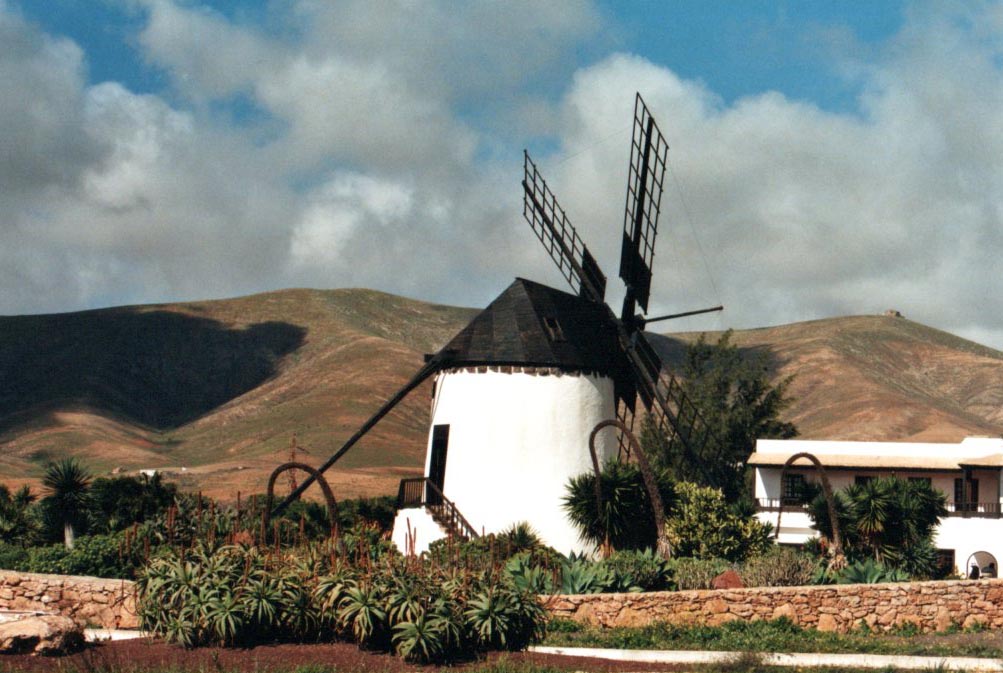
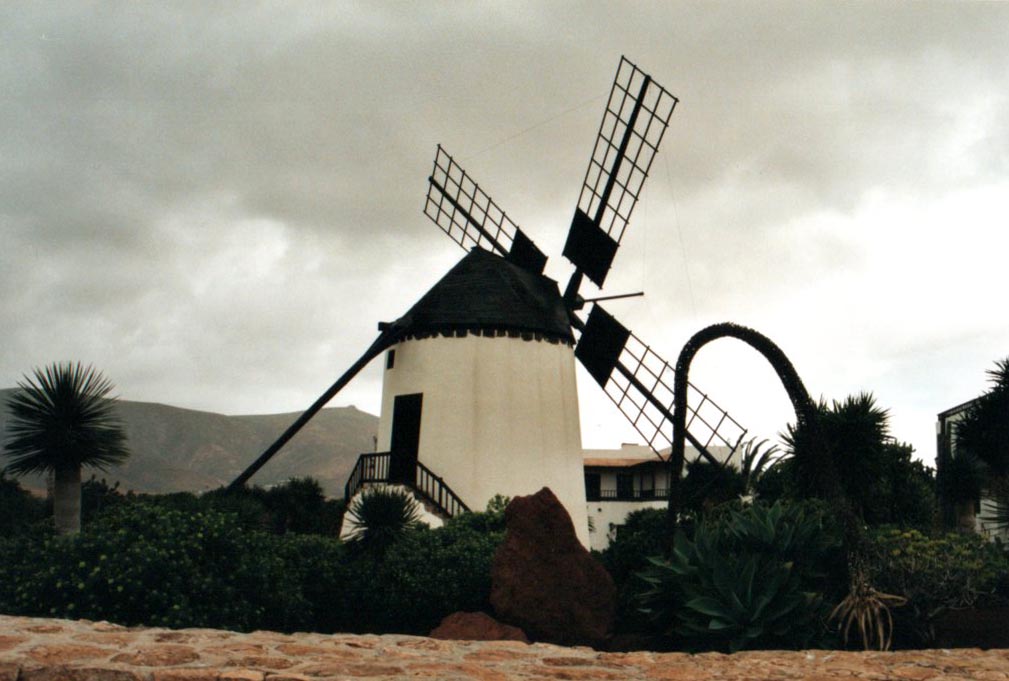
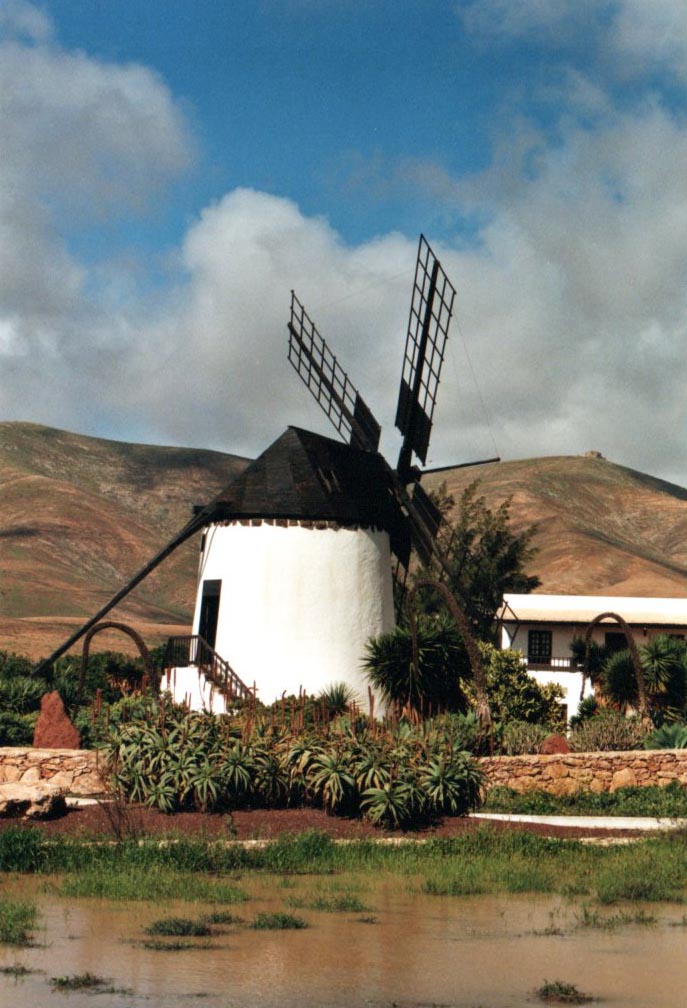
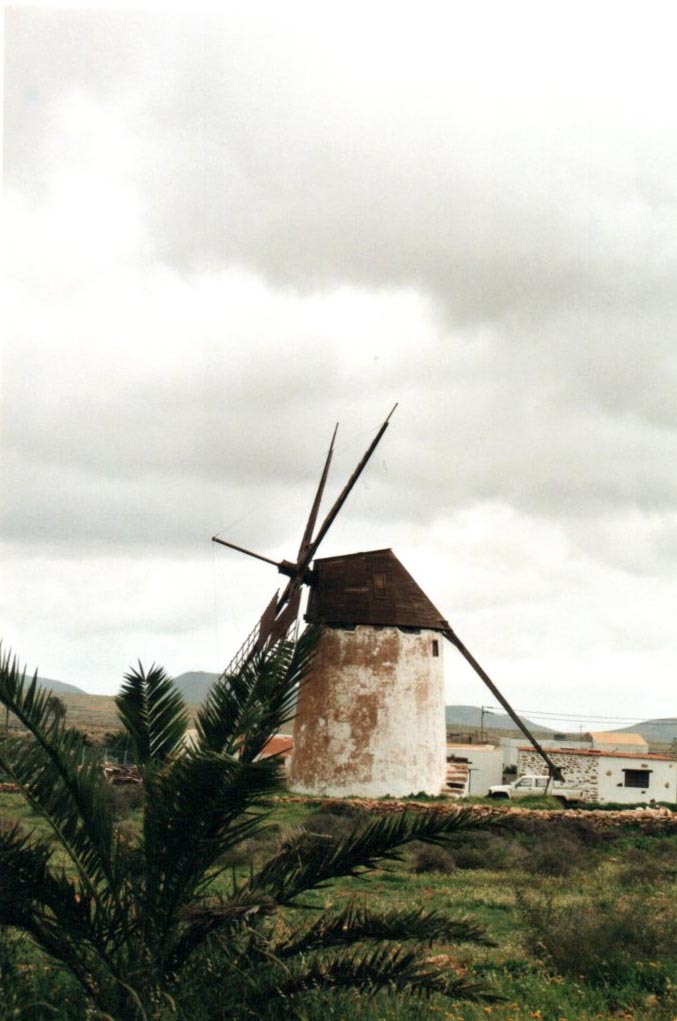
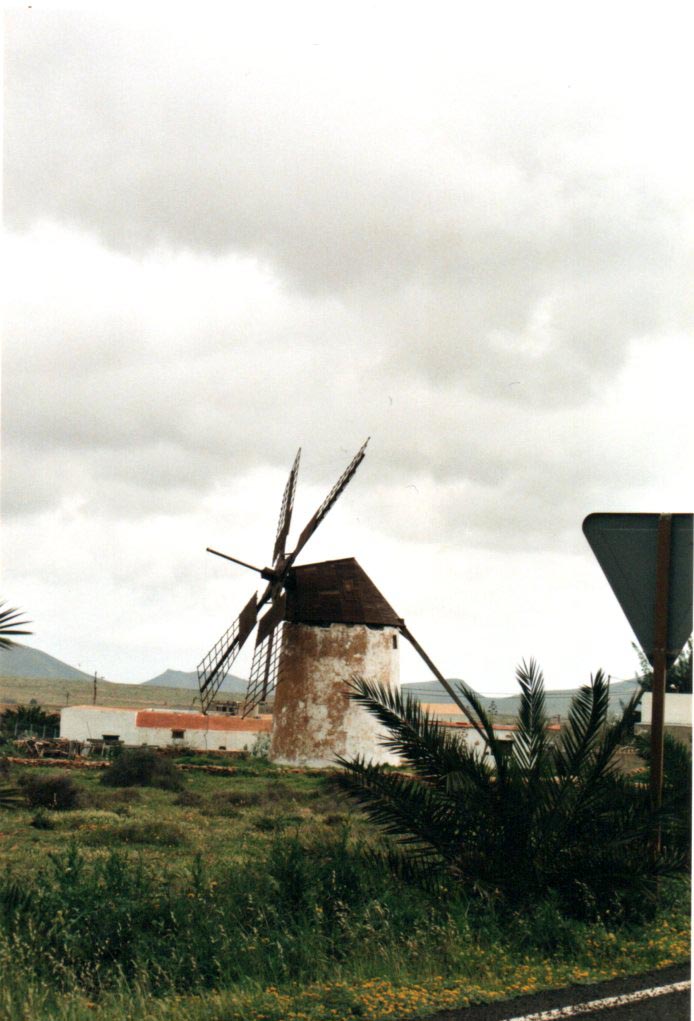
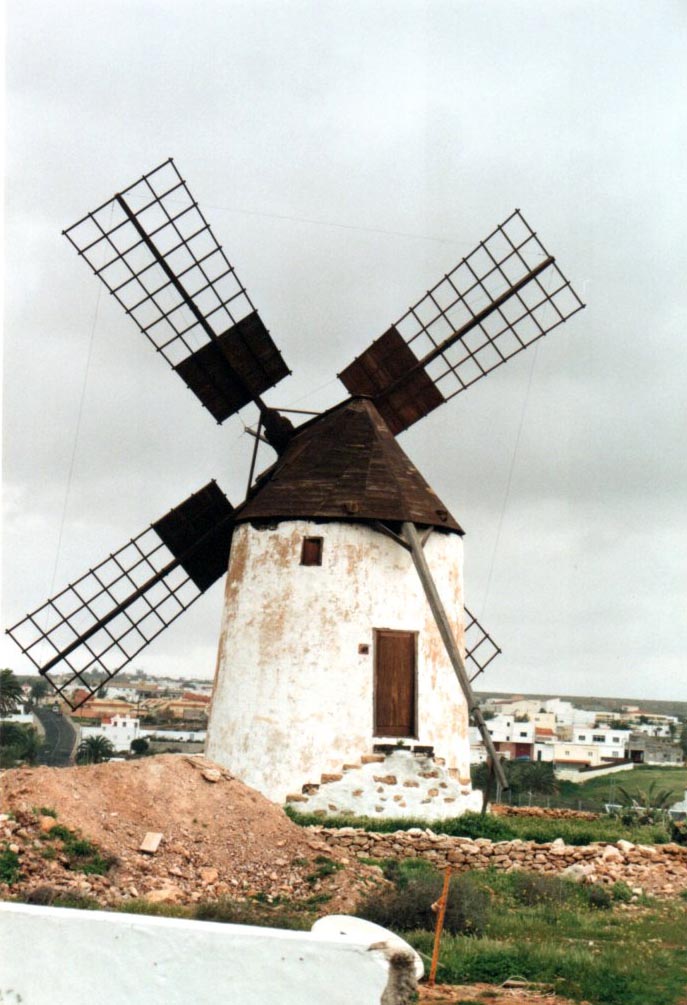
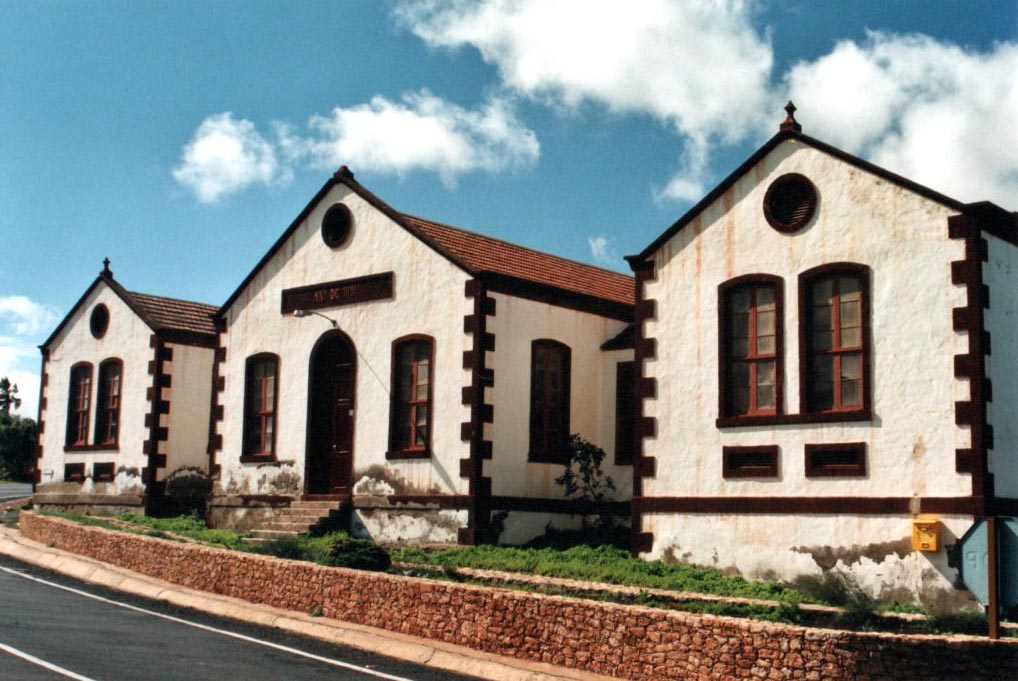
Navigating our rental car slightly northeast, Siska’s paper map brought us into the peaceful craft village of Lajares, where the island’s deep connection to wind power beautifully meets its historic faith. Right in the heart of the village sits the beautiful, whitewashed Ermita de San Antonio de Padua, a charming 18th-century chapel featuring a striking dark volcanic stone bell tower that stands as a symbol of community resilience. Just outside the village core, the dusty plains are dominated by an impressive traditional multi-bladed Chicago-style wind pump (molino de viento multipala) used for decades to draw precious groundwater for local livestock. A short stroll further revealed a majestic, male-style six-bladed windmill(molino), a rugged stone structure topped with a heavy wooden conical roof that was historically used to grind the island’s famous toasted grain, gofio, making this windy stop a beautiful tribute to traditional Canary life.
The Path to Corralejo & Antigua: The Guardians of the Plains
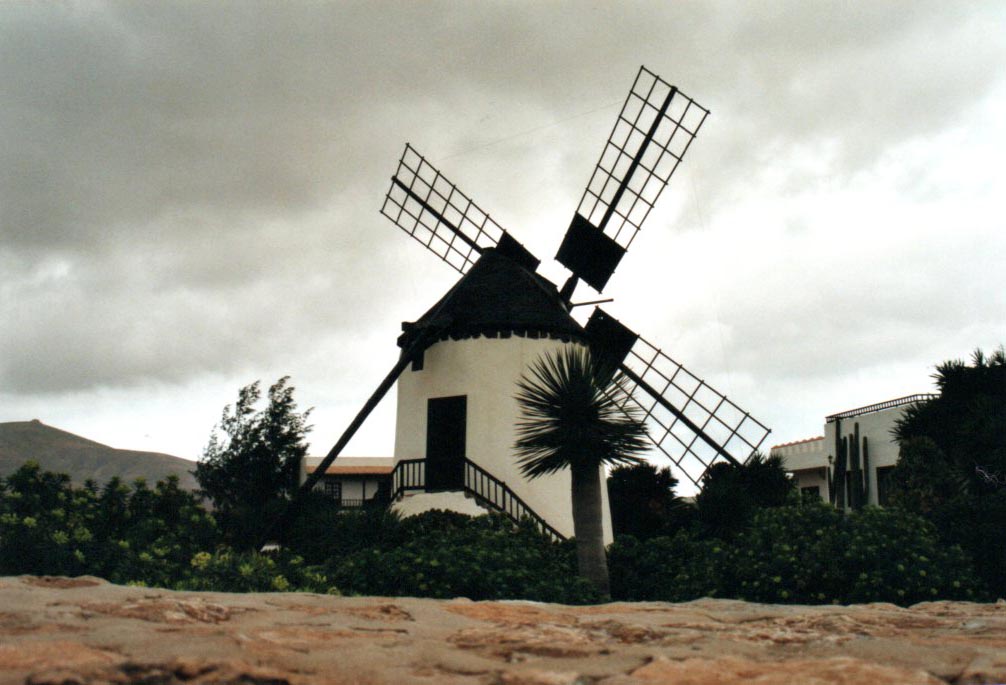
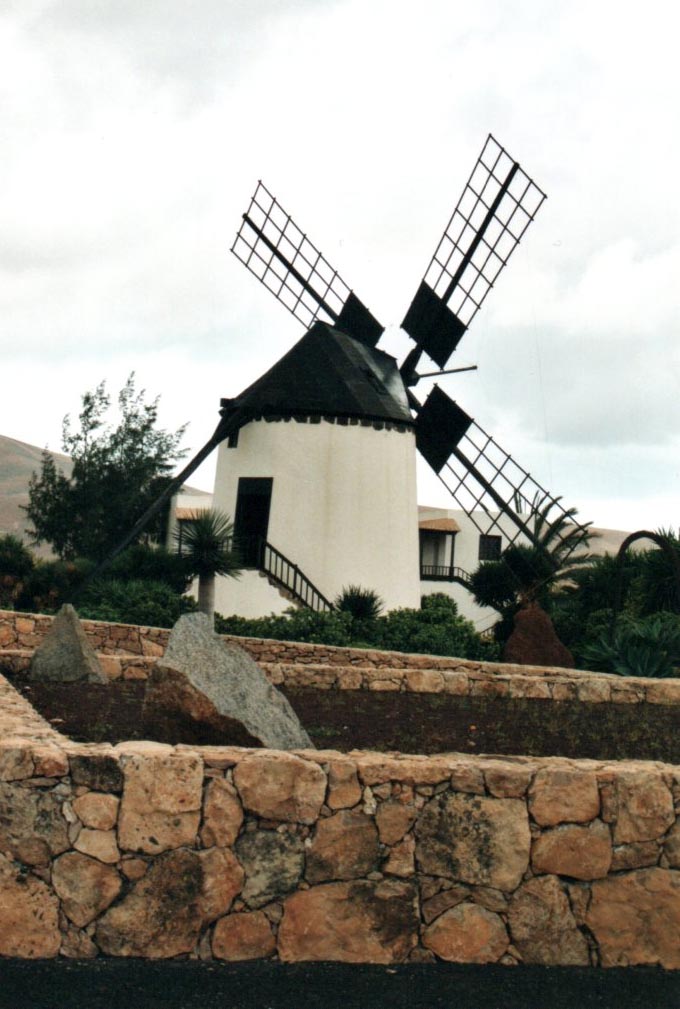
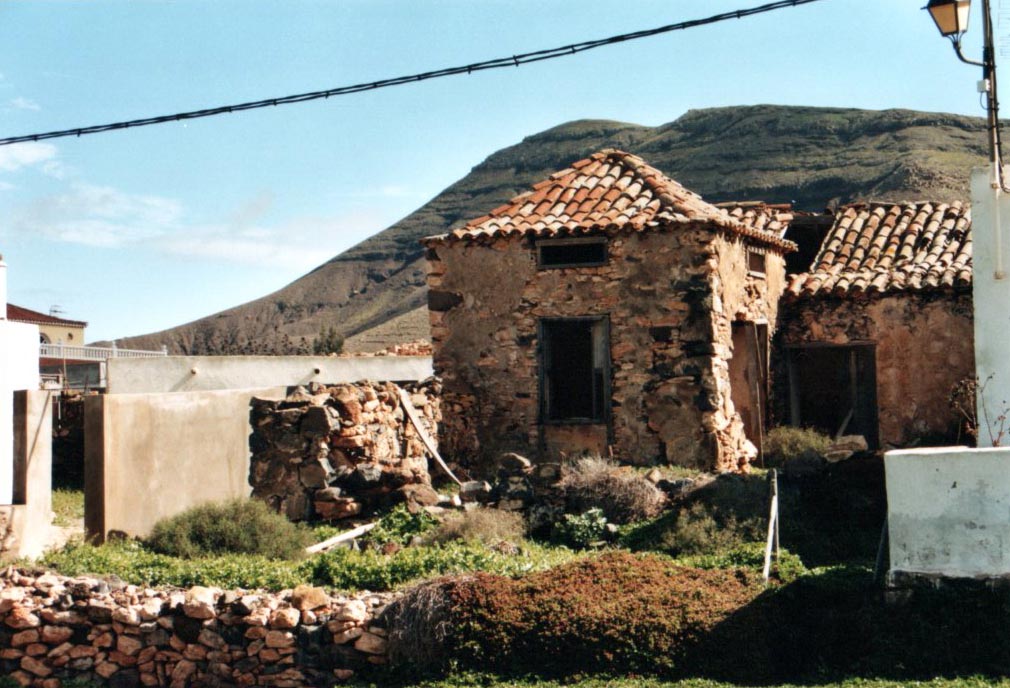
Driving further into the north along the sun-baked road toward Corralejo, we watched the landscape shift as towering, modern steel wind turbines pierced the bright blue sky, showcasing the island's transition from historic mills to clean, modern green energy. To witness the true roots of this heritage, we directed our vehicle toward the central plains of Antigua, a region globally celebrated as the heart of Fuerteventura's milling industry. Here, we stood in complete awe before a spectacular, newly restored traditional windmill, its massive white fabric sails spinning gracefully against the volcanic hills thanks to careful preservation efforts by the local government. Just a short distance away across the reddish soil sat a hauntingly beautiful, weather-beaten old windmill ruin, its cracked stone walls and naked wooden beams telling a silent, century-old story of the harsh elements—providing a breathtaking structural contrast between living history and the unstoppable passage of time.


- La Ampuyenta - 
"Ermita de San Pedro de Alcantara"
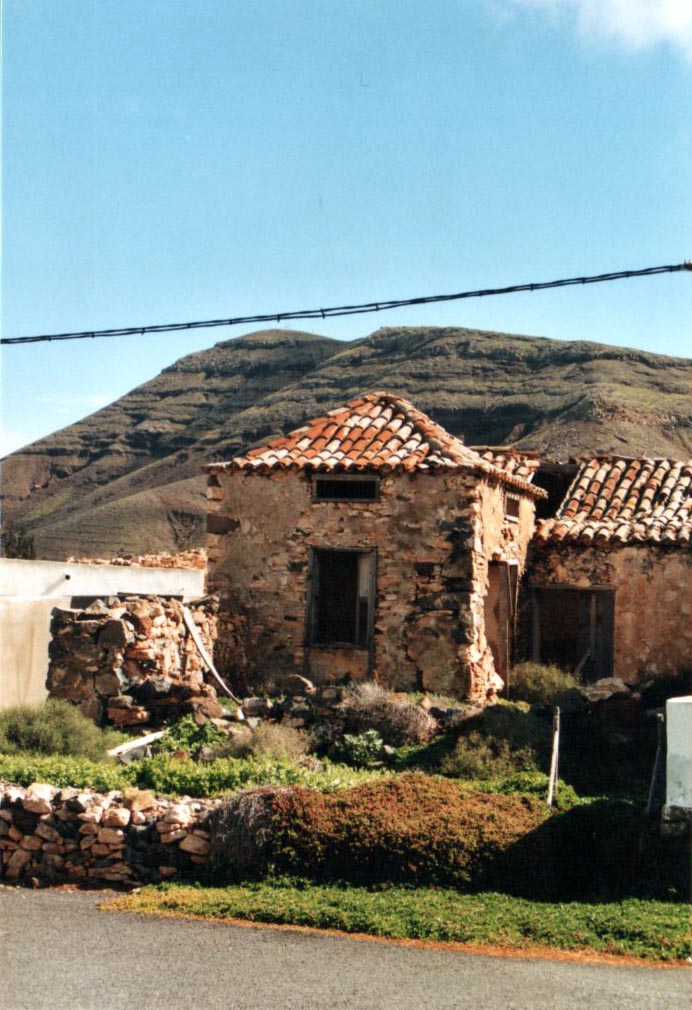
 The Sistine Chapel of Fuerteventura
Our analog road trip through the central plains brought us to the tiny, historic hamlet of La Ampuyenta, home to the magnificent Ermita de San Pedro de Alcántara. Built in 1681 and expanded in the 18th century, this beautifully preserved whitewashed chapel features a striking facade with a twin-arched bell gable (espadaña) crafted from dark volcanic stone. Carrying Felipe in his baby wrap through the heavy wooden doors, Siska and I were completely awed by the spectacular interior, which earned the chapel its legendary nickname: "The Sistine Chapel of Fuerteventura". The walls are completely covered in an extraordinary collection of vibrant baroque mural paintings and trompe-l'œil frescoes, featuring a majestic master retable from 1765 and one of the finest collections of oil paintings on canvas in all of the Canary Islands. Stepping back into the quiet courtyard, this hidden treasure stood out as a spectacular showcase of how wealthy local families beautifully funded high religious art right in the isolated heart of the desert.

Picture


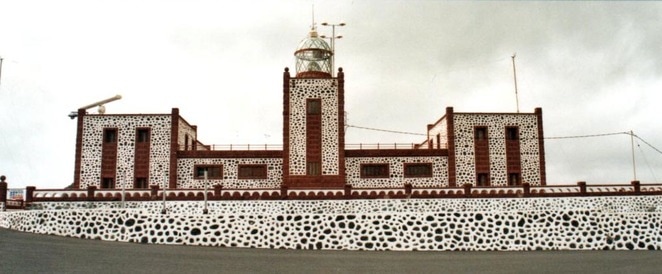
- Faro de la Entallada - 
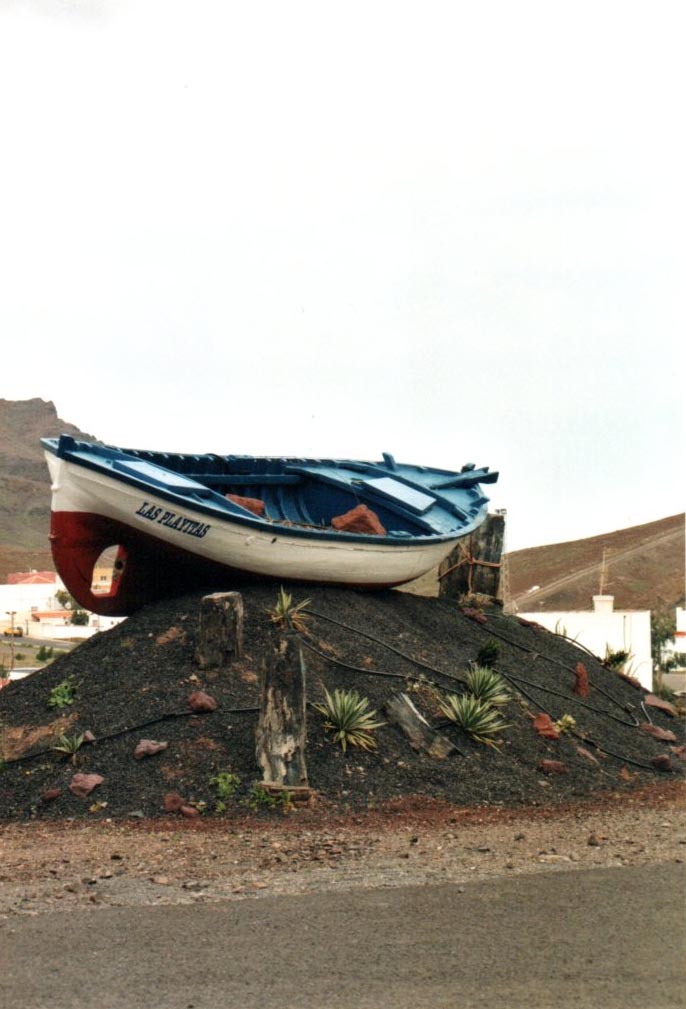
Las Playitas
A Cliffside Architectural Masterpiece
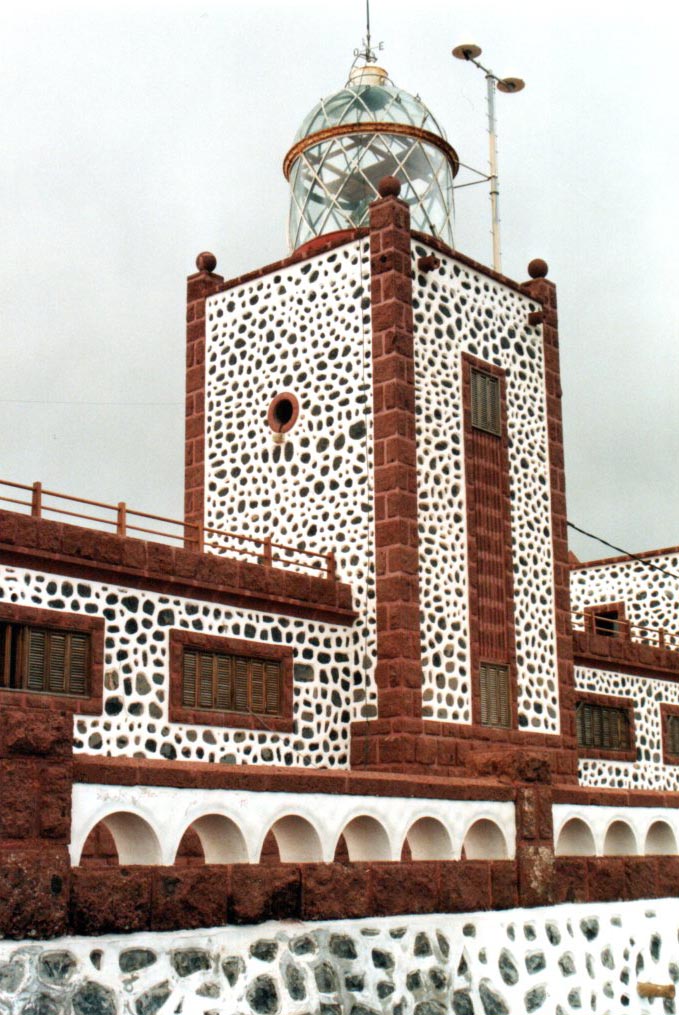
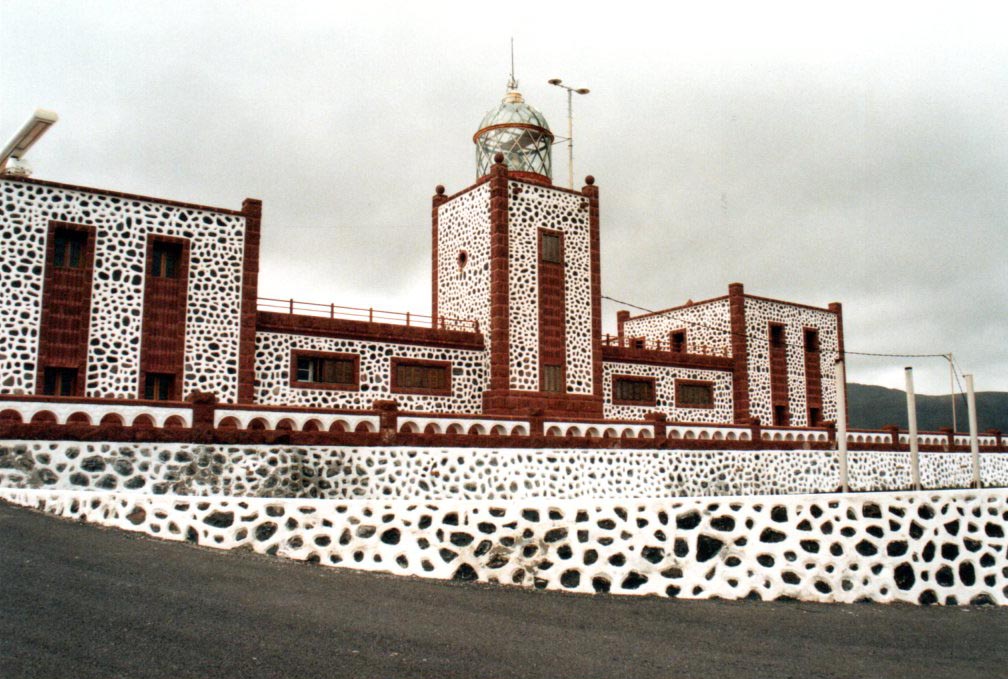
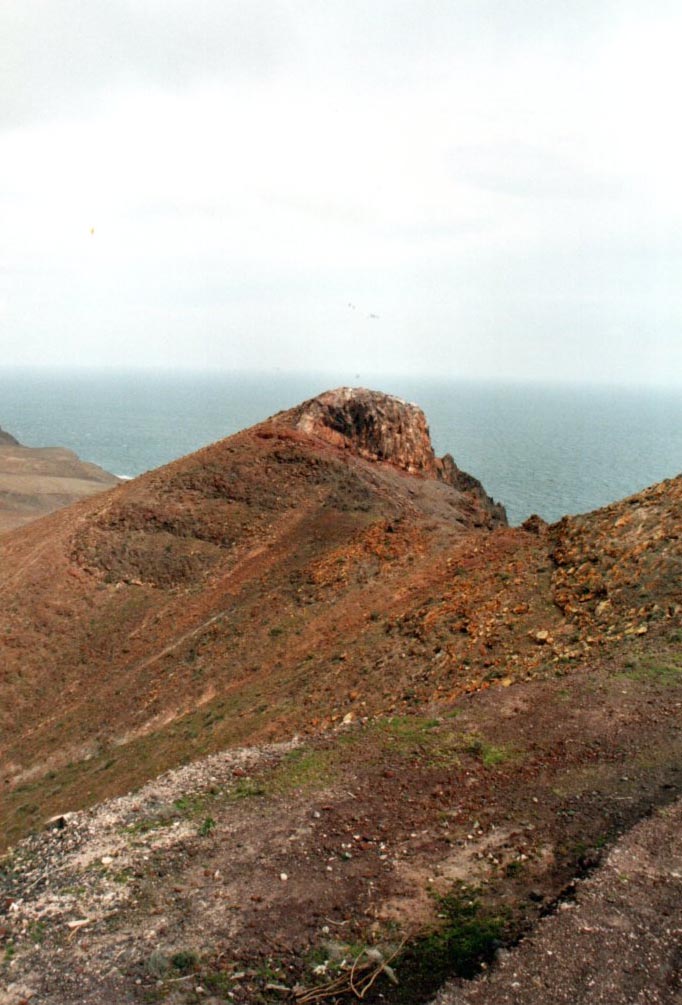
Our old-school road trip reached a dramatic climax as we navigated the steep, winding mountain road up to the Faro de la Entallada, located on the soaring cliffs of Las Playitas. Perched majestically on top of a towering 200-meter-high cliff, this jaw-dropping structure is the absolute closest point in the entire Canary Island archipelago to the African continent, sitting just about 100 kilometers from the coast of Morocco. Standing before it with Felipe secure in his baby wrap, we were completely blown away by its spectacular, unique architecture. Built between 1953 and 1954 by architect Carlos Alcón, it features a massive central tower flanked by U-shaped wings made of striking red volcanic masonry (piedra de cantería roja) contrasted against pristine white mortar.

Picture


Tindaya
Tindaya: The Sacred Mountain and the Desert Chapel
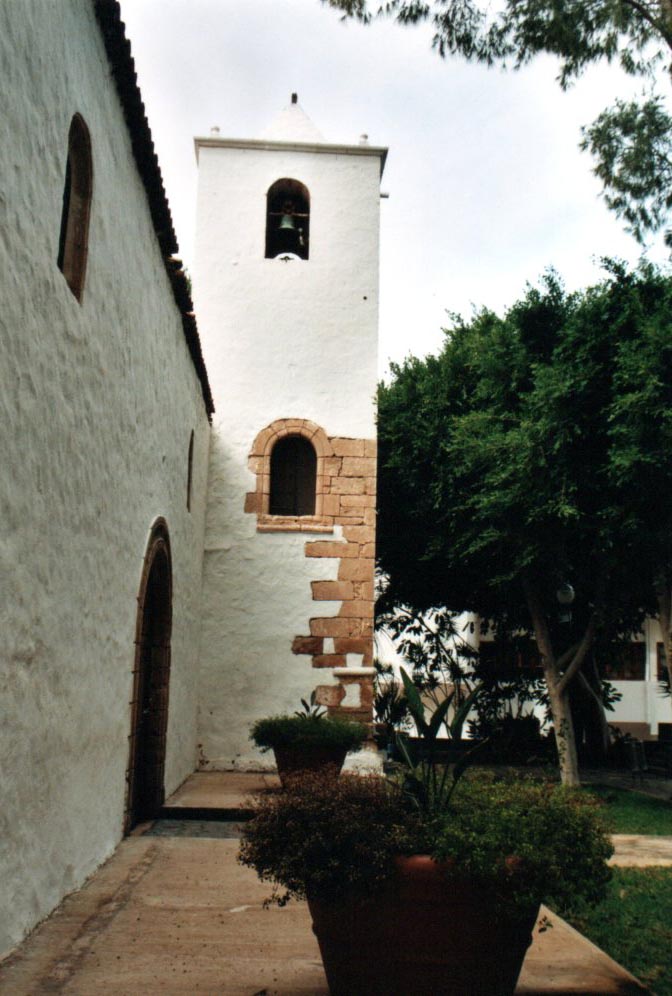
Our journey through the north brought us to the mystical village of Tindaya, where the ancient spiritual roots of the island feel completely alive. Towering over the plain is the majestic Montaña de Tindaya, an 18-million-year-old volcanic peak that was deeply revered as a sacred sanctuary by the island's indigenous Majos, who carved over 300 prehistoric, star-aligned footprints (podomorfos) into its summit. Nestled peacefully at the base of this enigmatic mountain sits the charming Ermita de Nuestra Señora de la Caridad, a historic 18th-century chapel. Carrying Felipe close in his baby wrap, Siska and I admired its stark white facade, beautiful twin wooden doors, and dark volcanic stone bell gable, which provide a wonderfully serene, rustic contrast against the sweeping desert landscape.


he Northern Wilds: Volcanic Craters and Desert Architecture
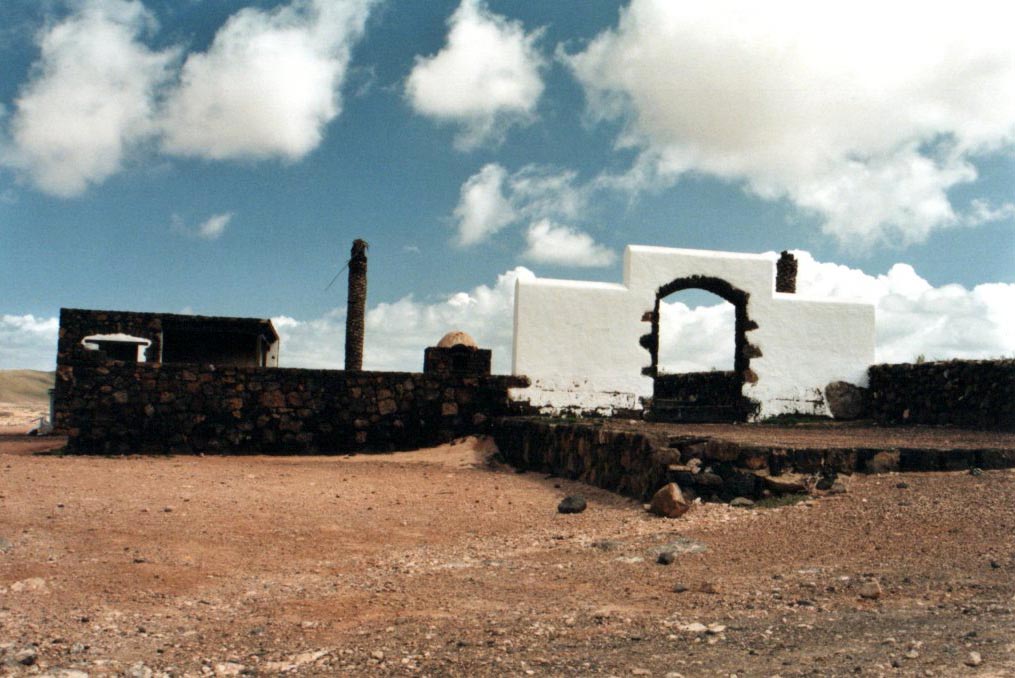
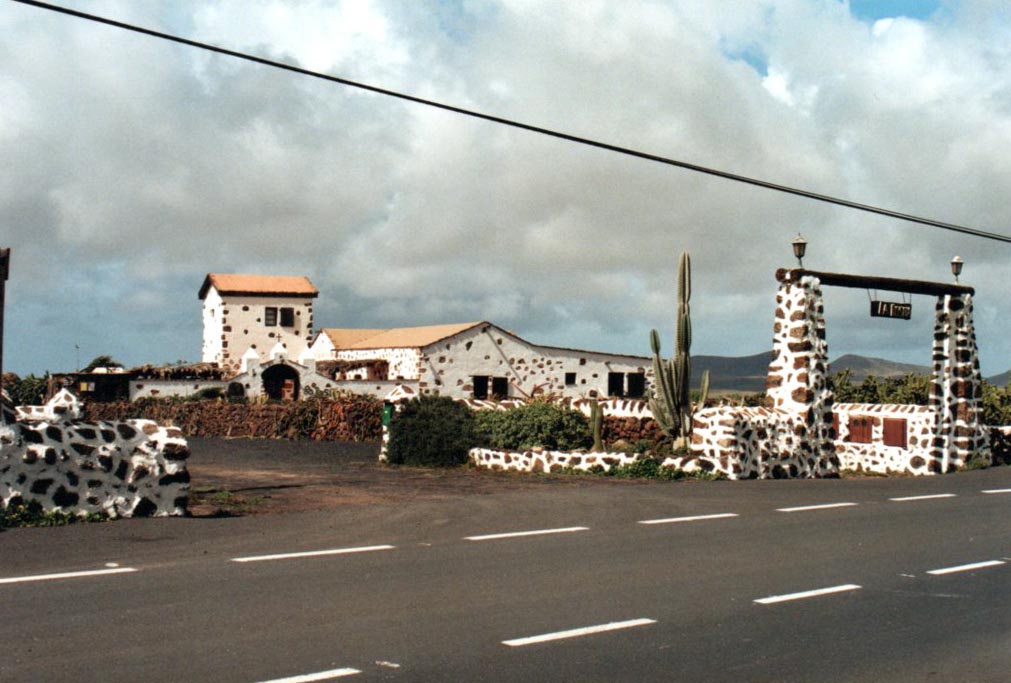
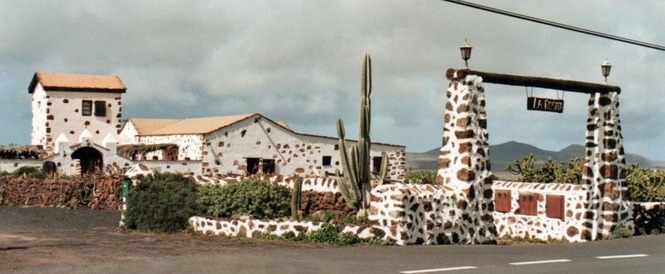
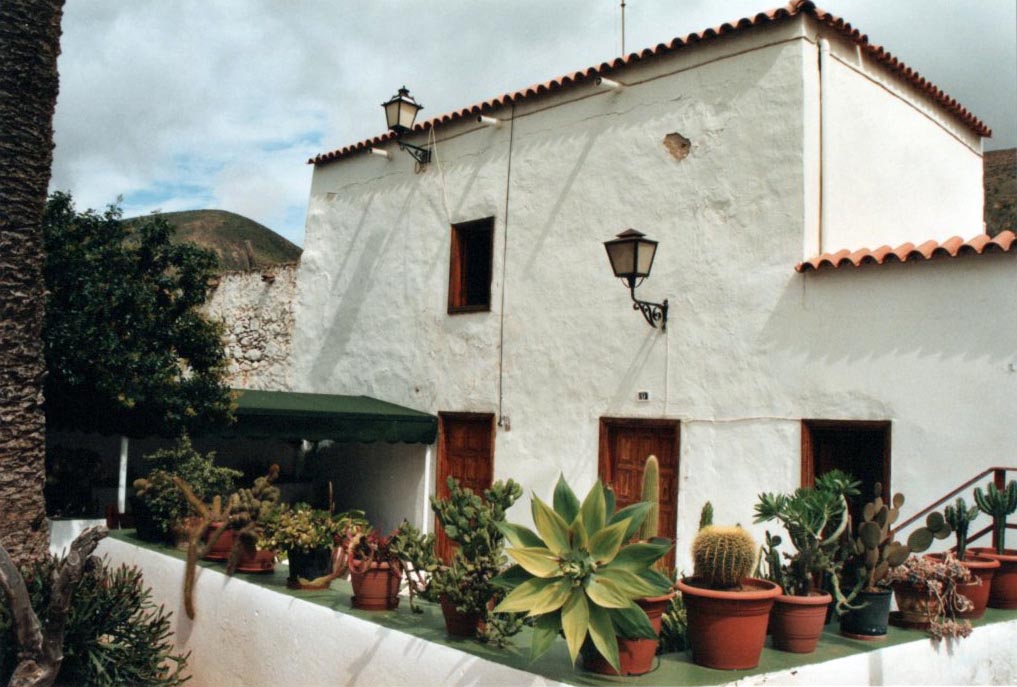
Driving deeper into the rugged north of Fuerteventura, Siska’s map-reading guided us across a vast, untamed wilderness defined by ancient geological wonders and hidden rustic settlements. Our panoramic view stretched across wide, dusty dirt tracks flanked by sparse desert scrub, leading our eyes directly toward the dramatic horizon where a series of magnificent, dormant volcanic cones—including the iconic Calderón Hondo and Montaña Colorada—rose powerfully into the sky. Amidst this raw, red-earthed volcanic expanse, we stumbled upon a beautifully striking piece of local architecture: a traditional stone homestead nestled against the barren hills. The property featured a gorgeous, whitewashed entrance wall built with a grand stone archway and heavy volcanic basalt accents, contrasting beautifully against the deep brown stone walls, a rustic brick chimney, and a small traditional dome structure.


​- La Rosita - 
La Rosita: Tobacco History and the Living Spirit of the Fields
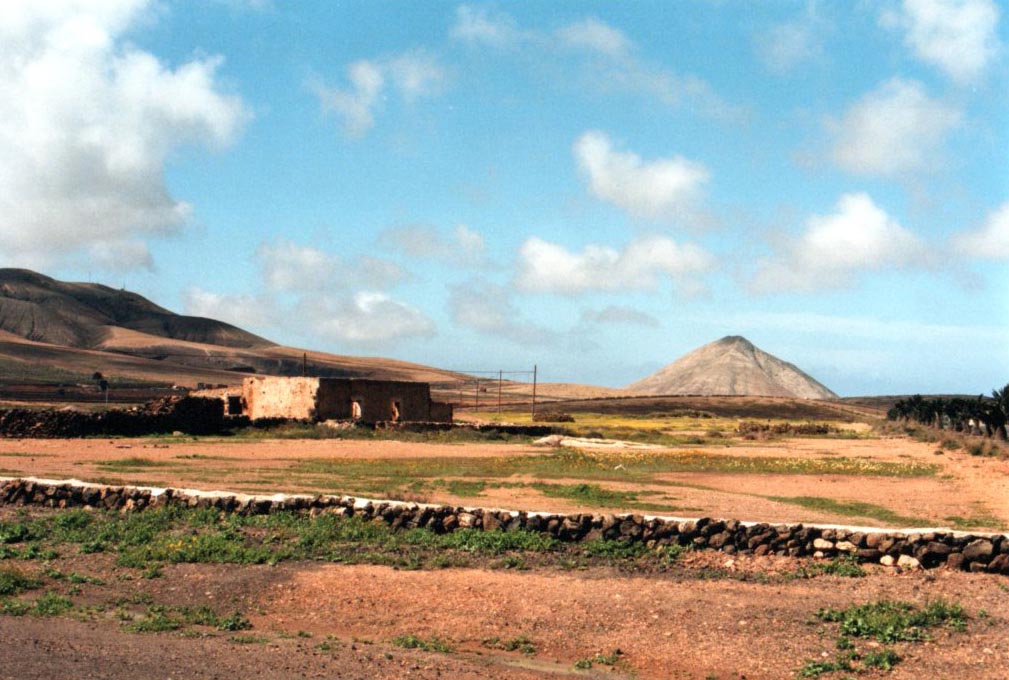
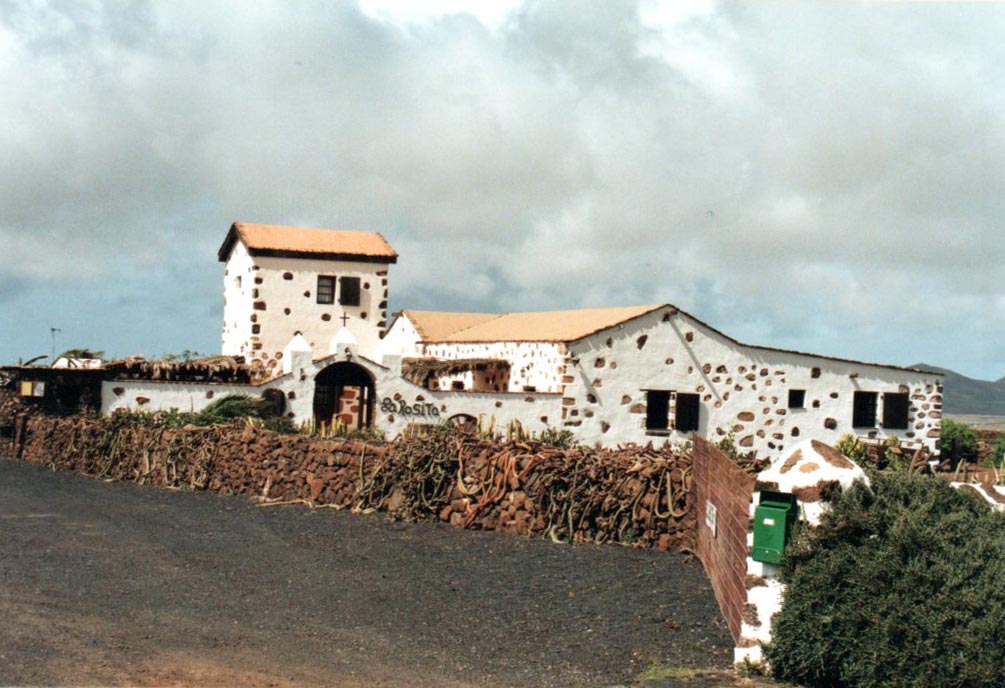
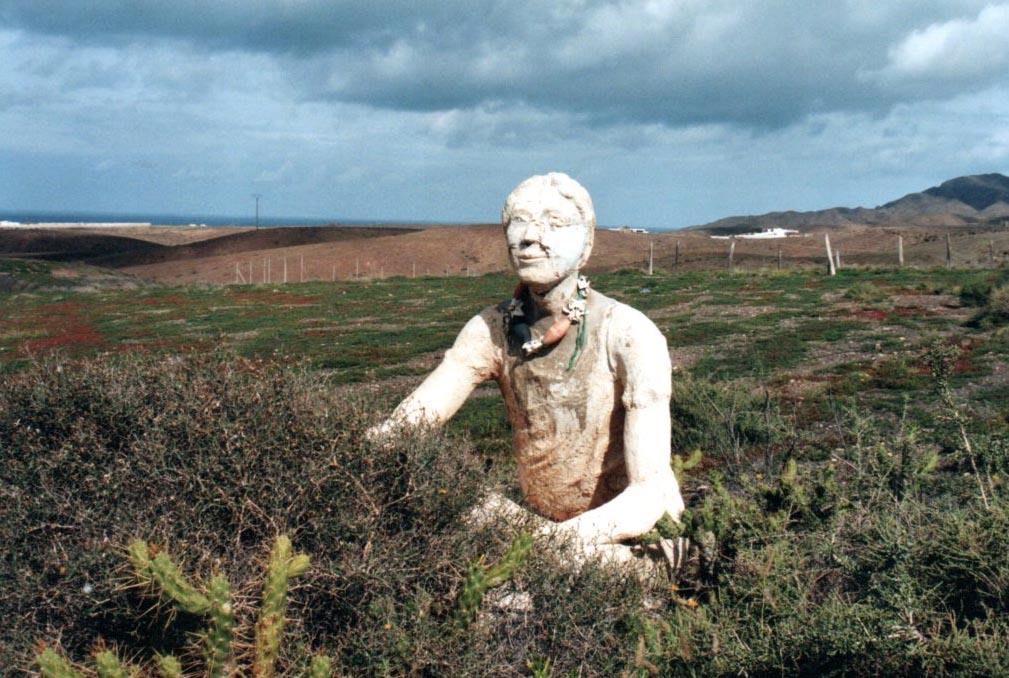
Following a dusty vehicle track slightly northeast of La Oliva near the village of Villaverde, Siska’s paper map guided us straight to the historic agricultural museum of La Rosita. This unique estate, beautifully built with low stone walls and traditional white masonry, originally served as a prominent tobacco plantation during the island's experimental agricultural boom. Carrying Felipe close in his baby wrap, we explored the rustic grounds, which have been preserved to offer a fascinating window into the hard, daily lives of past Majorero farming families. The absolute highlight of our stroll was the incredible outdoor art installation, featuring a striking, life-sized statue standing proud right in the middle of the field. This artistic monument rises directly from the volcanic soil against a backdrop of desert flora and distant peaks, beautifully honoring the physical strength and enduring spirit of the field workers who historically cultivated this arid land—leaving Siska and me completely captivated by how effortlessly Fuerteventura blends contemporary art with its rich heritage
Picture
Picture


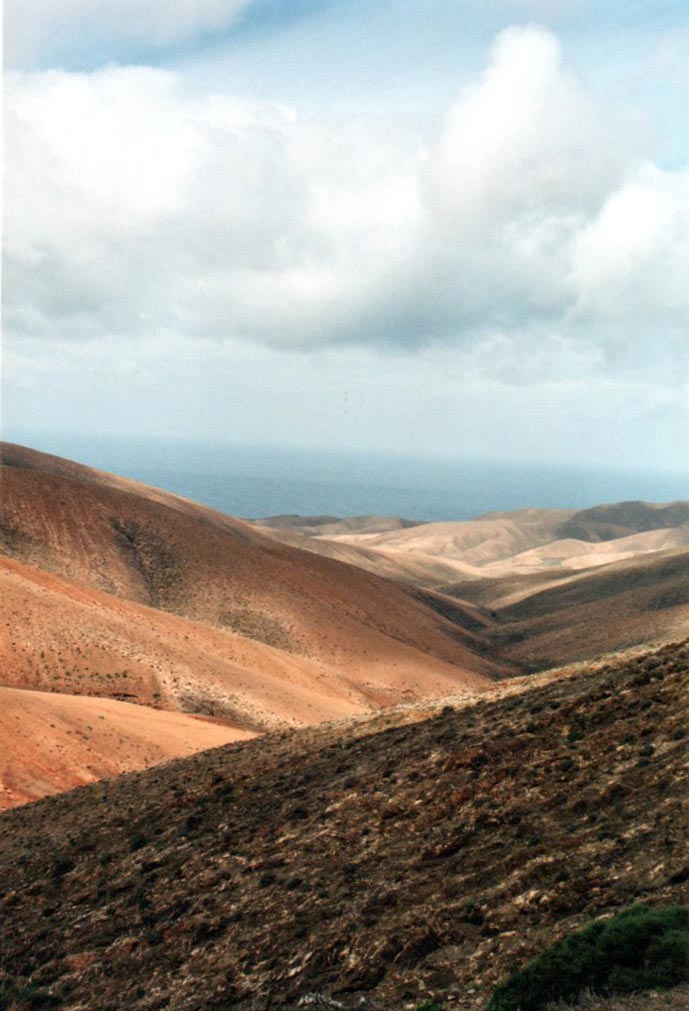
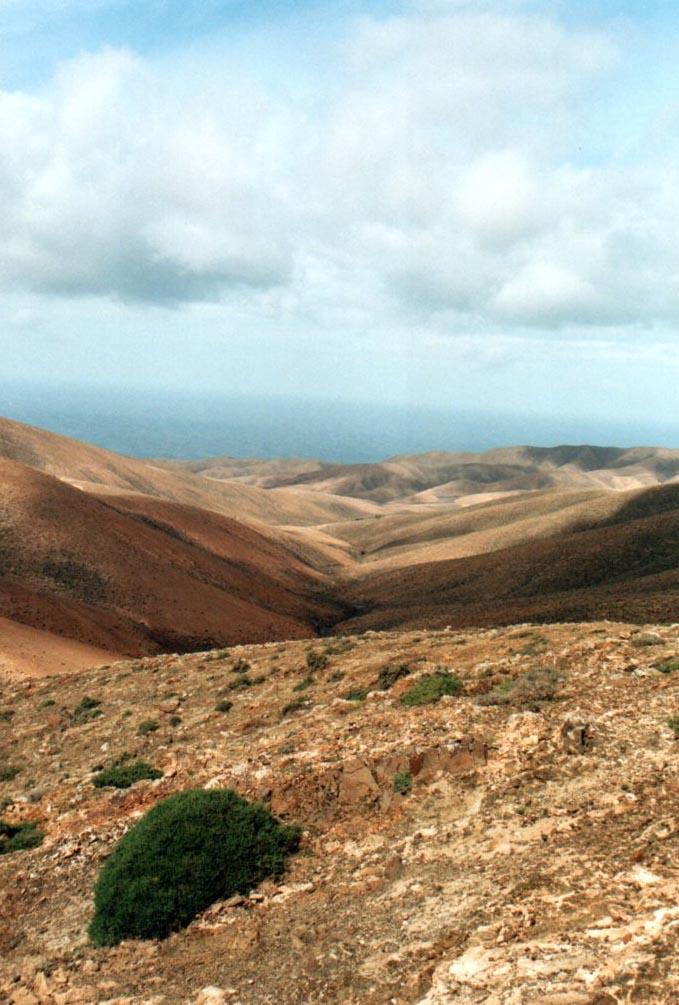
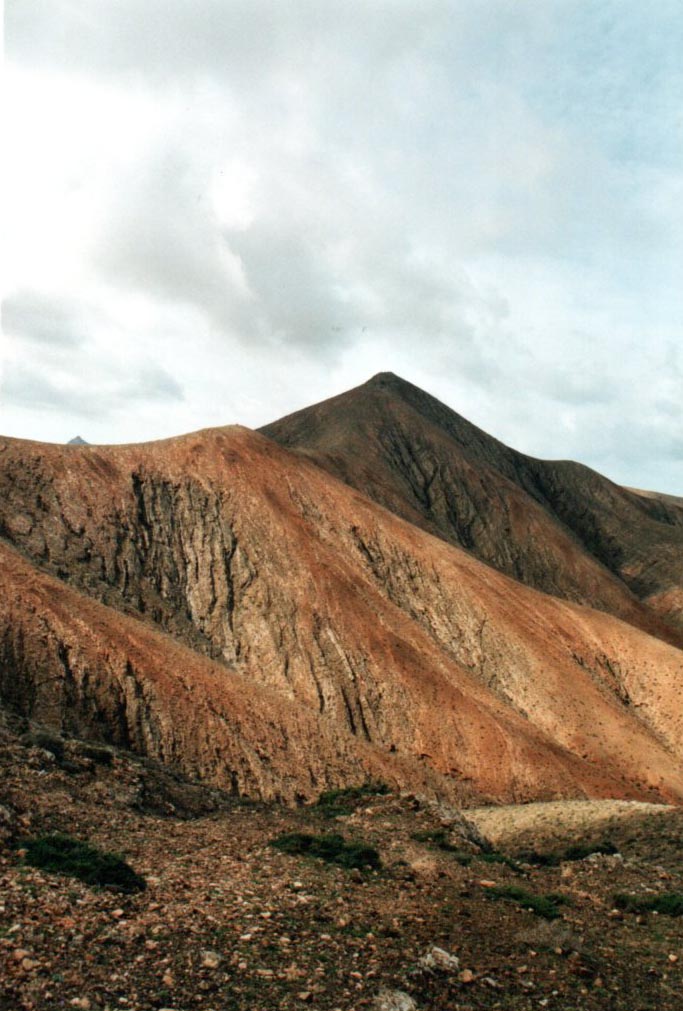
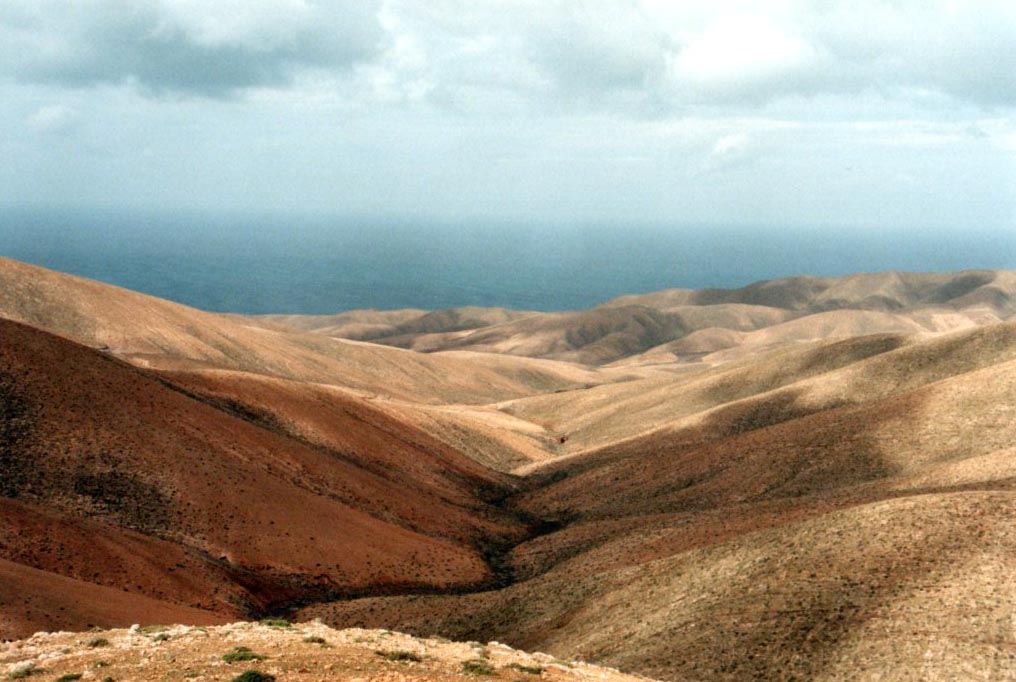
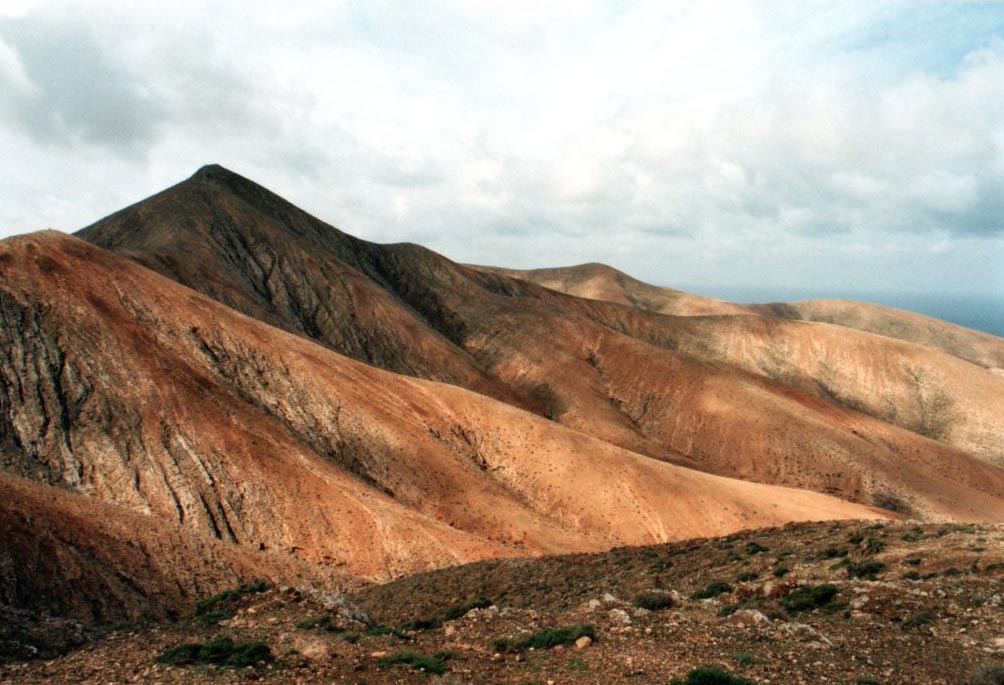
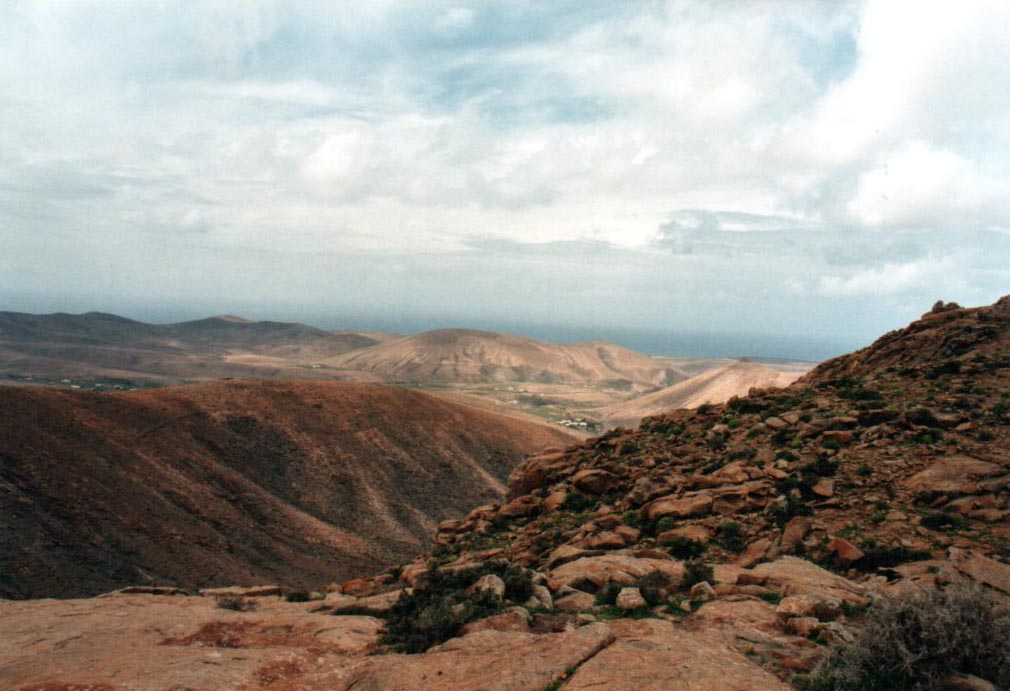
The Wild South: Climbing Monte Melindraga into another World
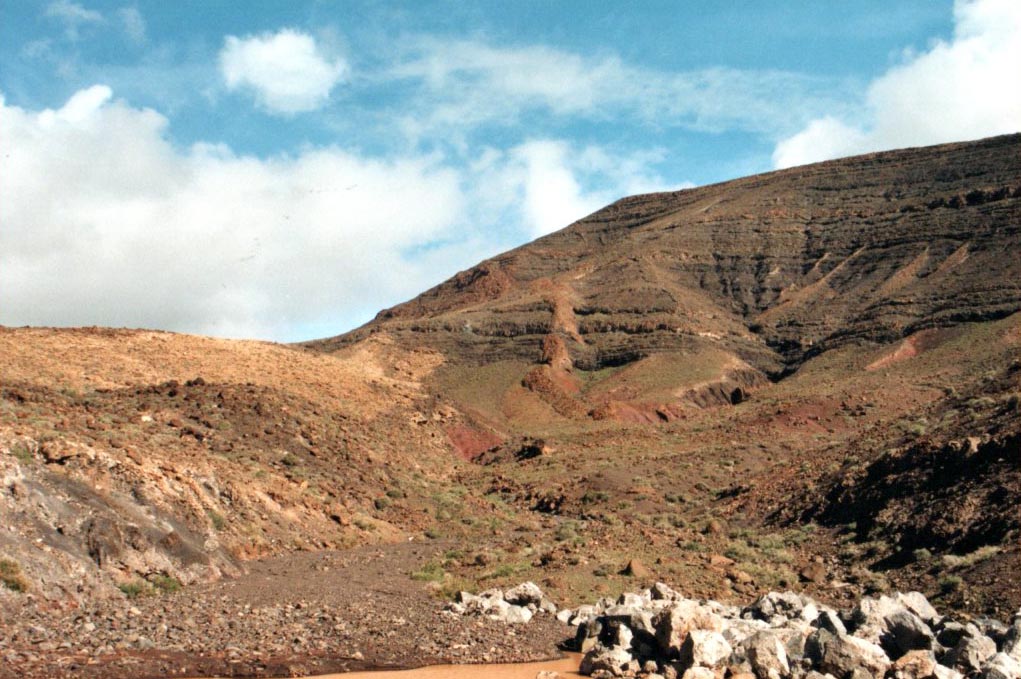
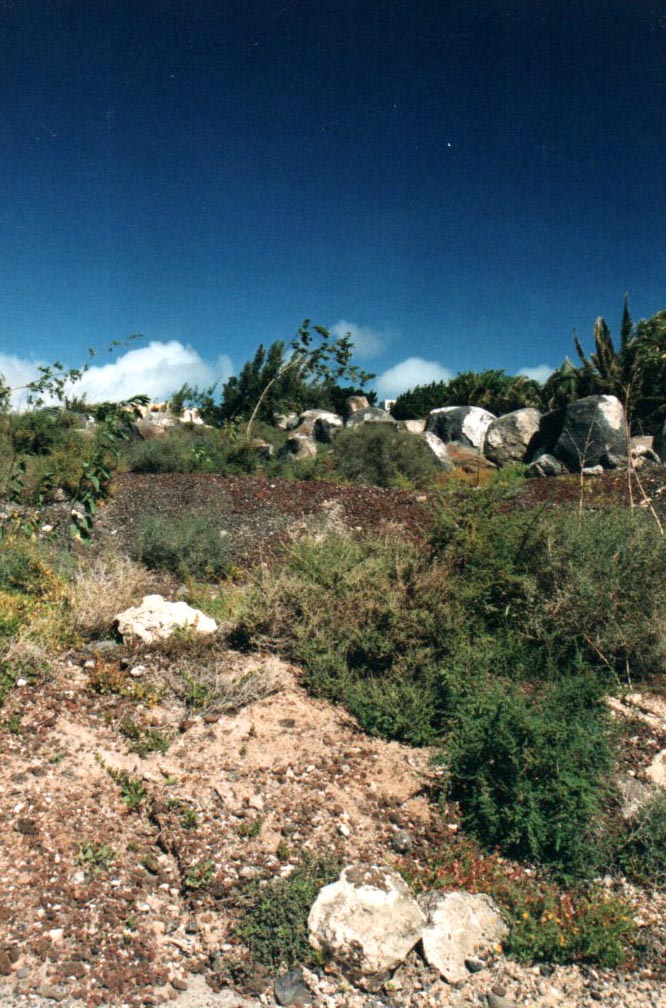
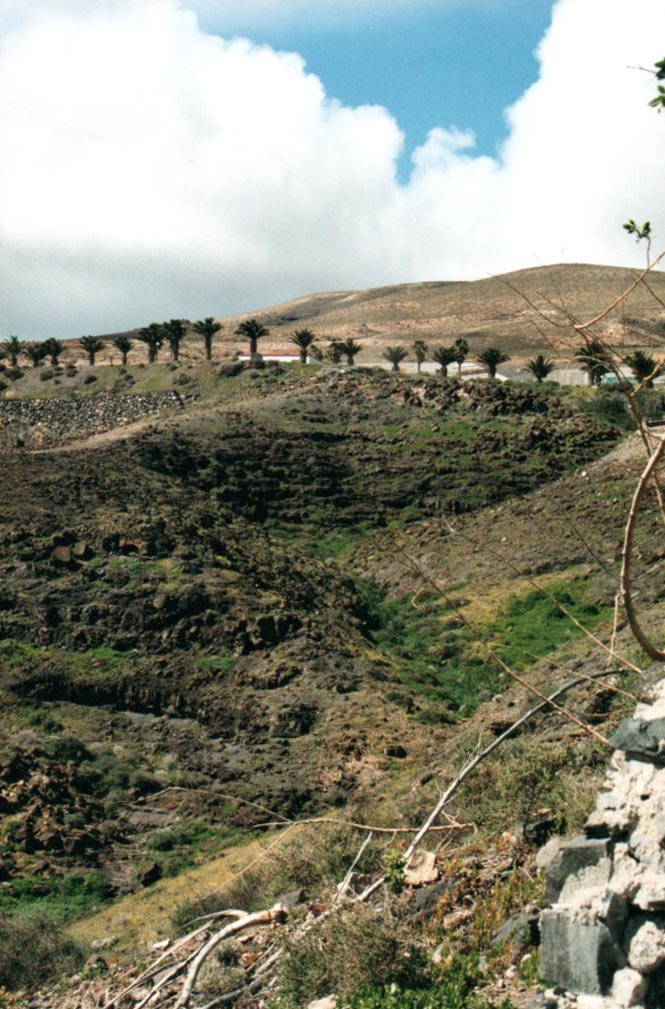
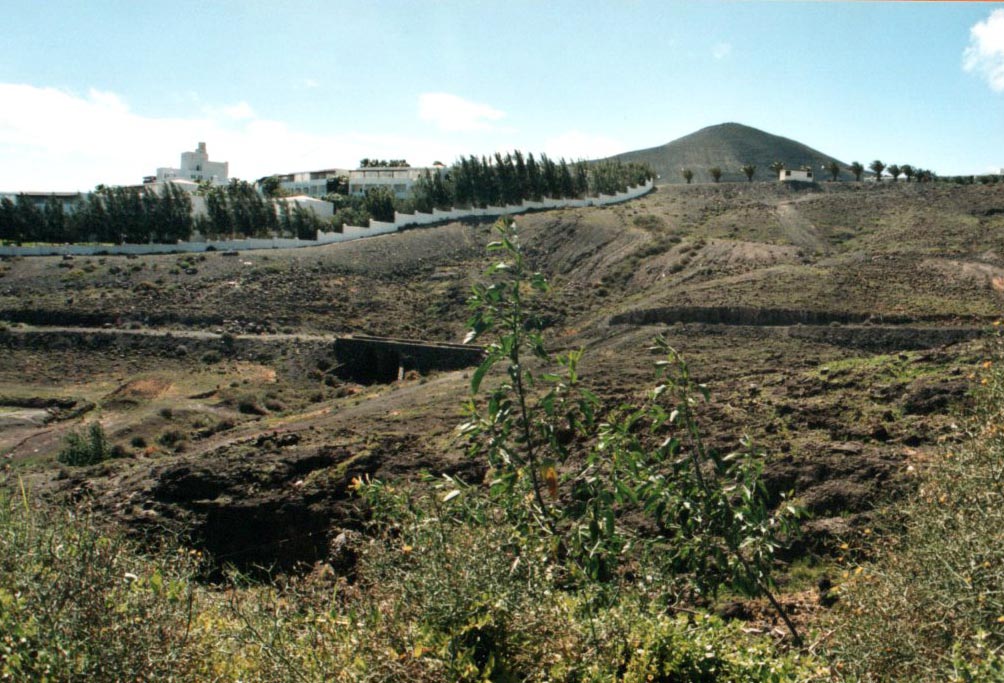
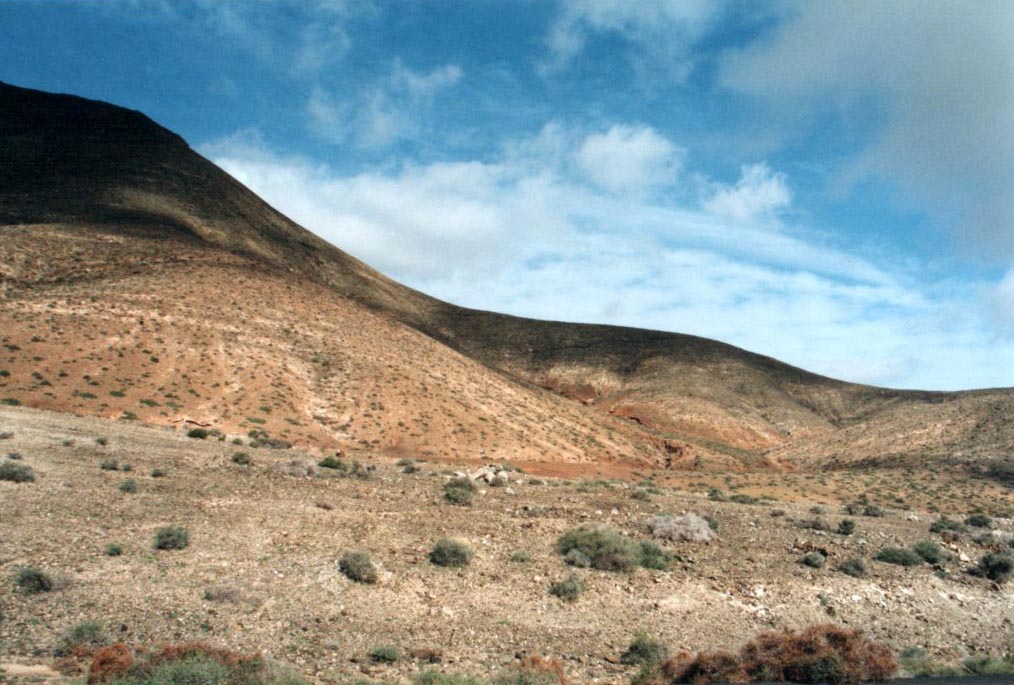
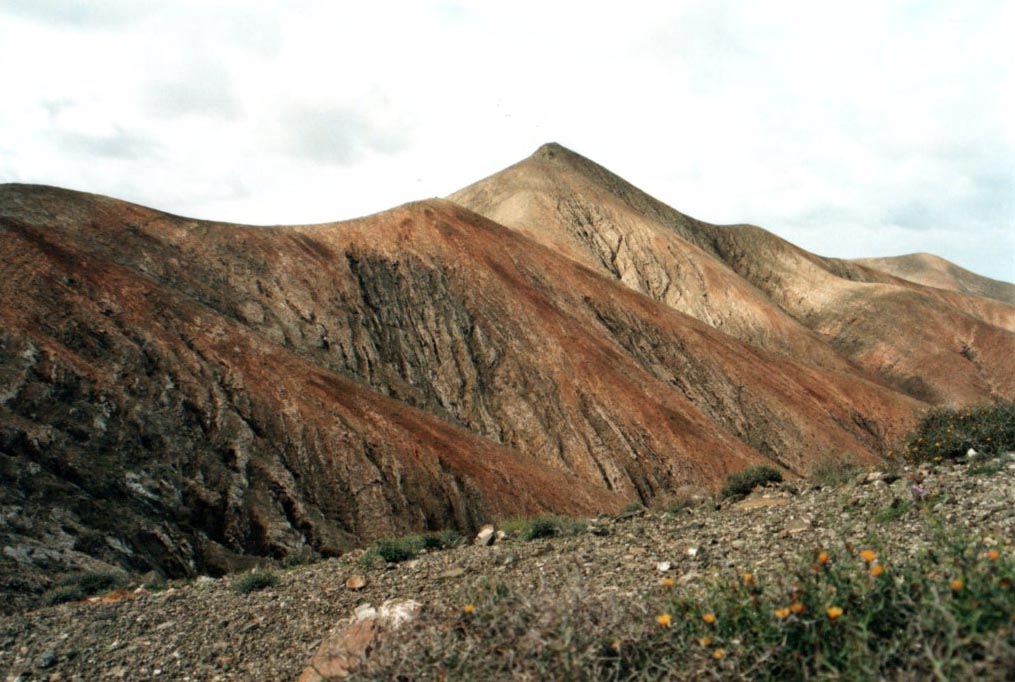
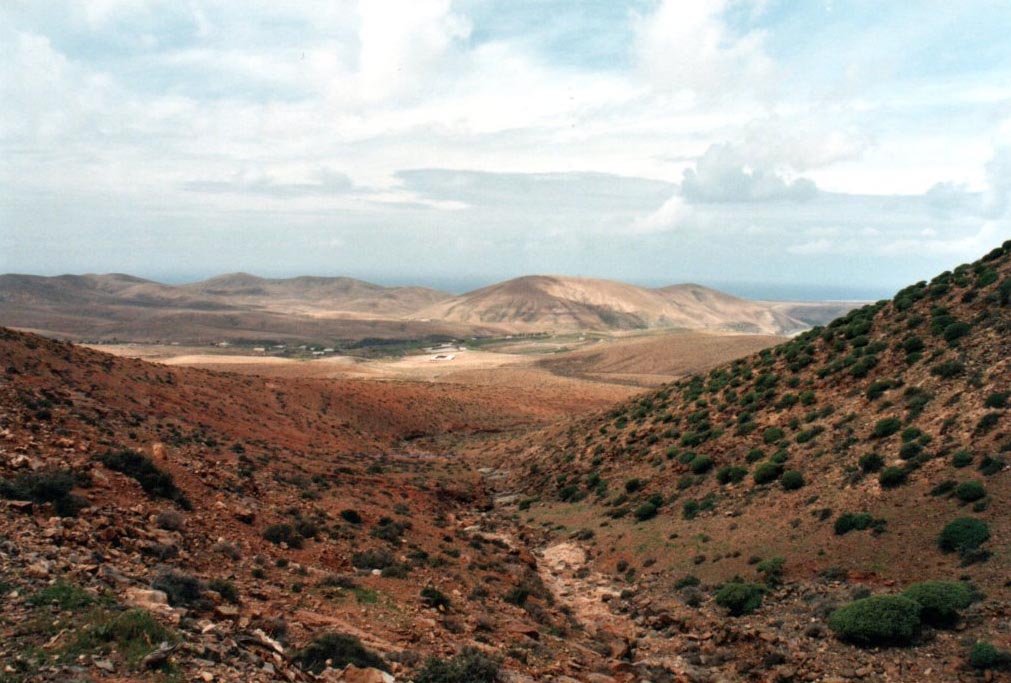
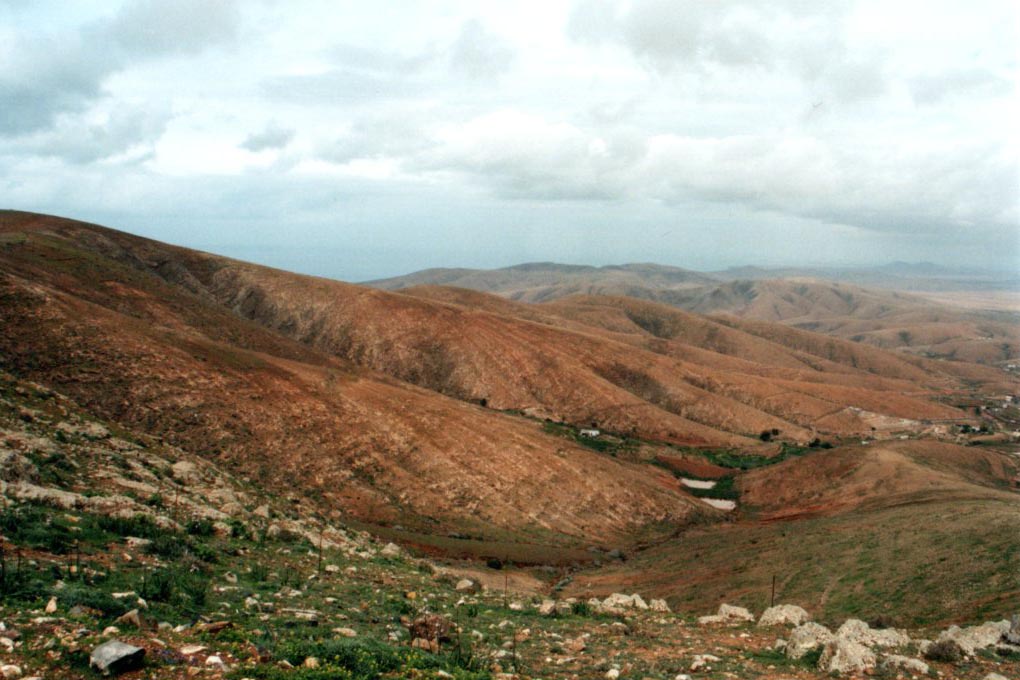
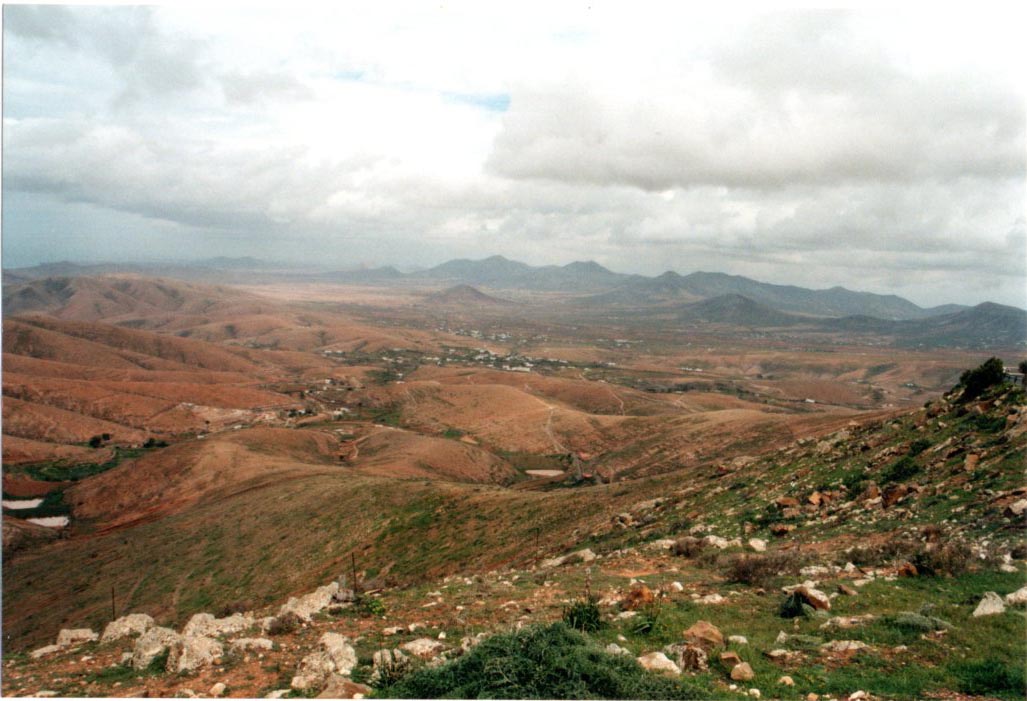
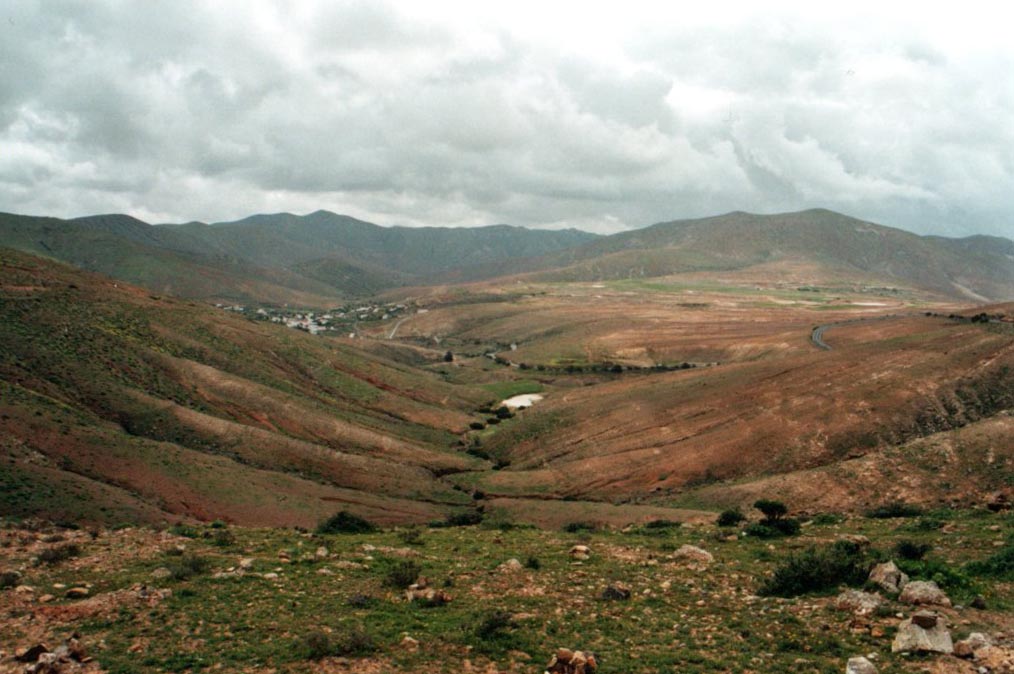
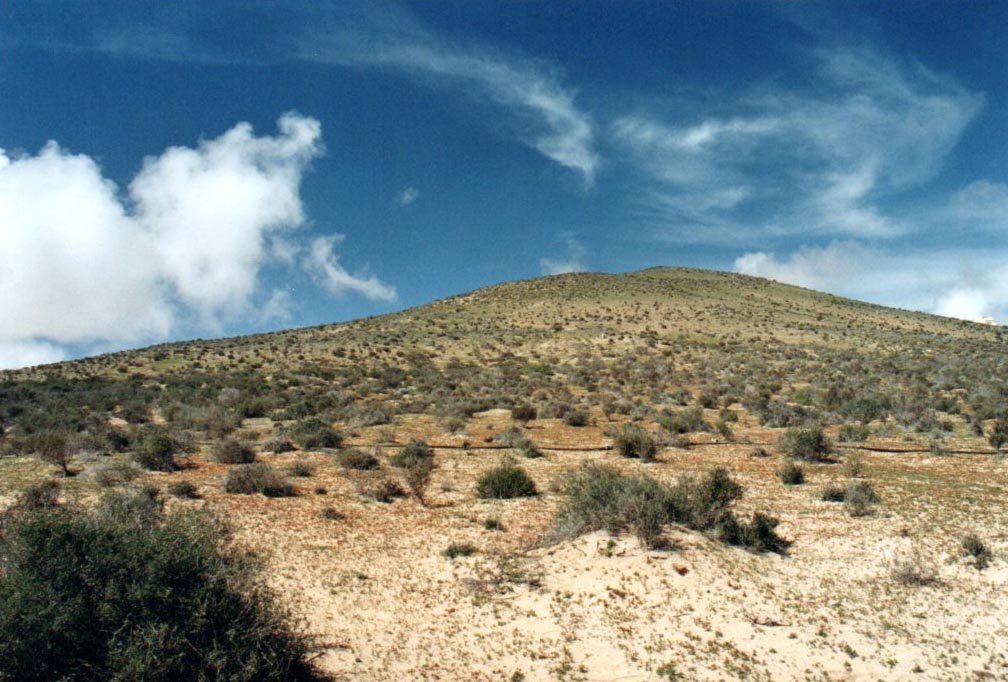
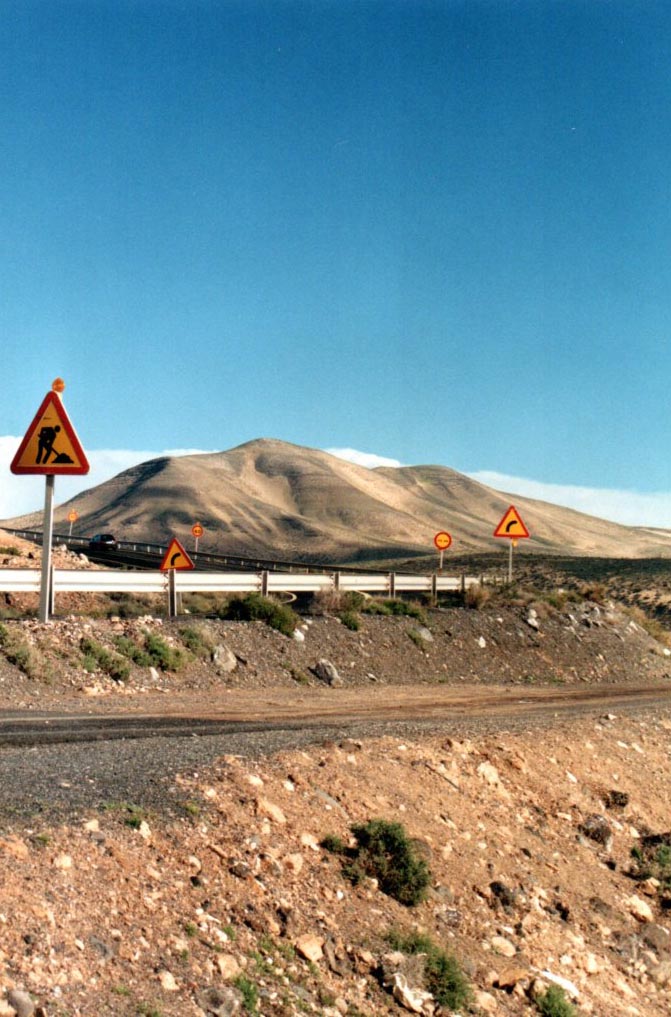
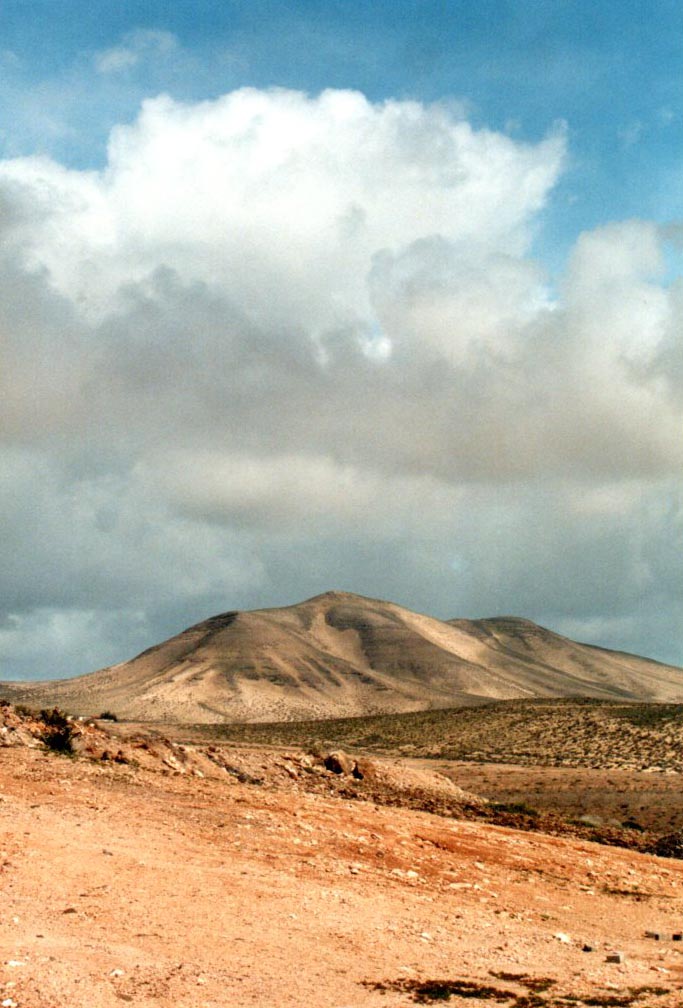
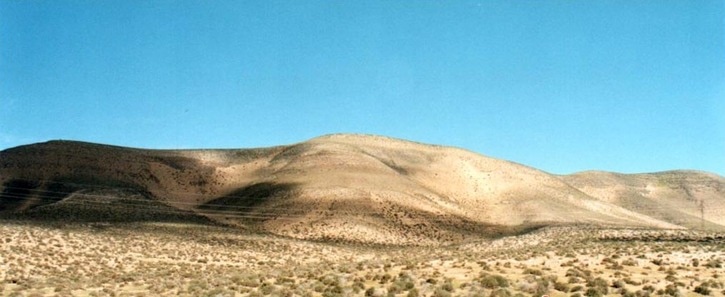
As we turned our rental car toward the rugged interior of the south of Fuerteventura, we drove into a dramatic mountain landscape that made us feel as if we had instantly transcended Earth and landed straight on another planet. The winding mountain passes led us deeper into the striking volcanic ridges, culminating in the breathtaking backdrop of Monte Melindraga, a majestic mountain peak that dominates the southern plains. Driving through this completely raw, prehistoric terrain, we were surrounded by vast, barren valleys of deep reddish-brown earth, sharp basalt rock formations, and jagged crests that stretched out under the bright blue sky without a single sign of modern civilization.

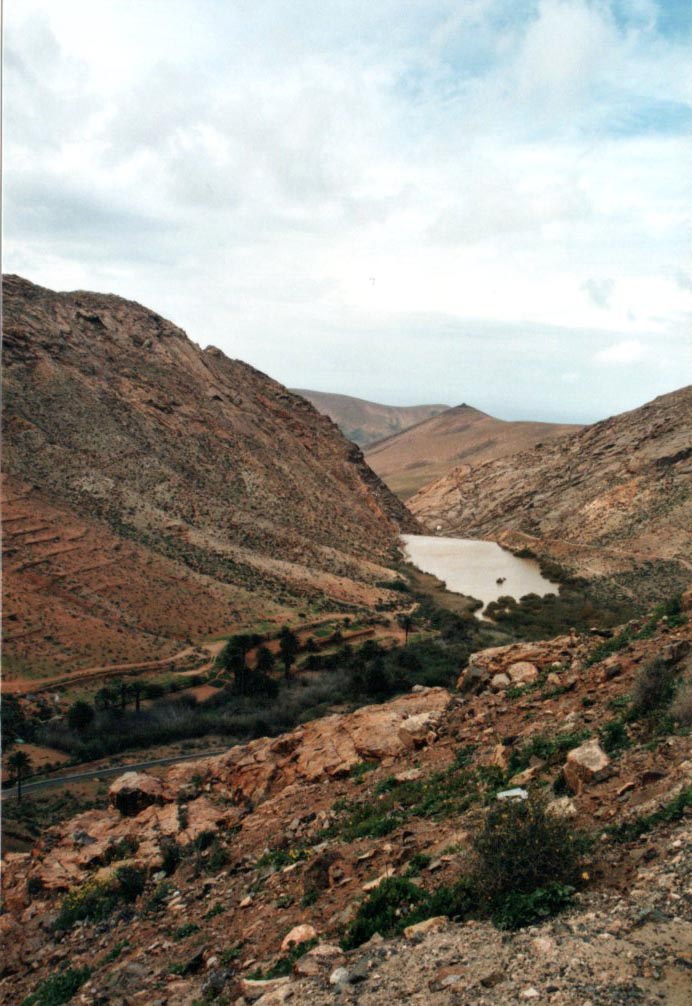
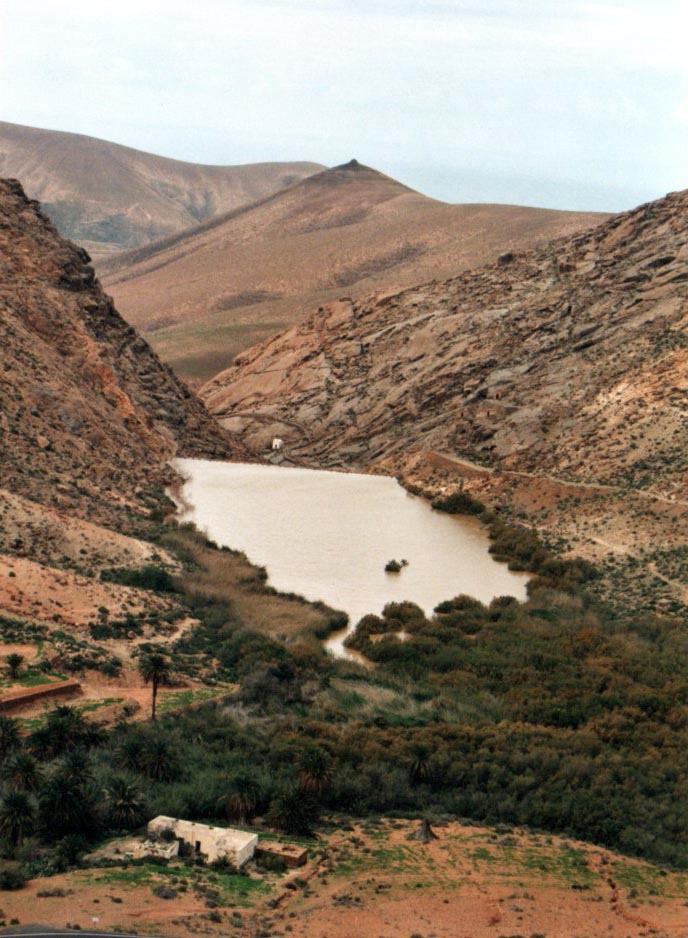
Barranco de las  Penitas
The Faded Dream of the Oasis Reservoir
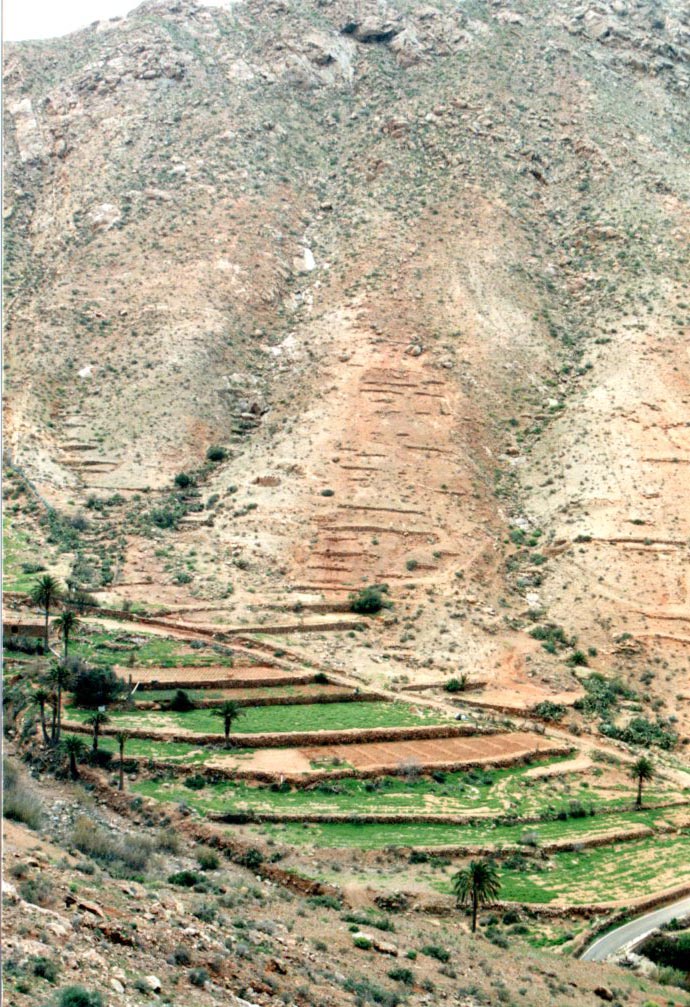
Steering our rental car deep into the dramatic Parque Rural de Betancuria near the fertile valley of Vega de Río Palmas, Siska's map-reading brought our team to the breathtaking, canyon-like canyon of Barranco de las Peñitas. The absolute historical focal point here is the Presa de las Peñitas, an impressive masonry dam built between 1941 and 1946 under the Franco regime. The massive project was originally constructed to trap winter rain torrents for year-round agricultural irrigation, but the ambitious corporate venture quickly failed. Due to the intense erosion of the surrounding ancient rocks, roaring flash floods carried massive amounts of sediment and soil directly into the basin, causing the reservoir to completely silt up and dry out within just a short period of time. 


Vega de Rio Palma
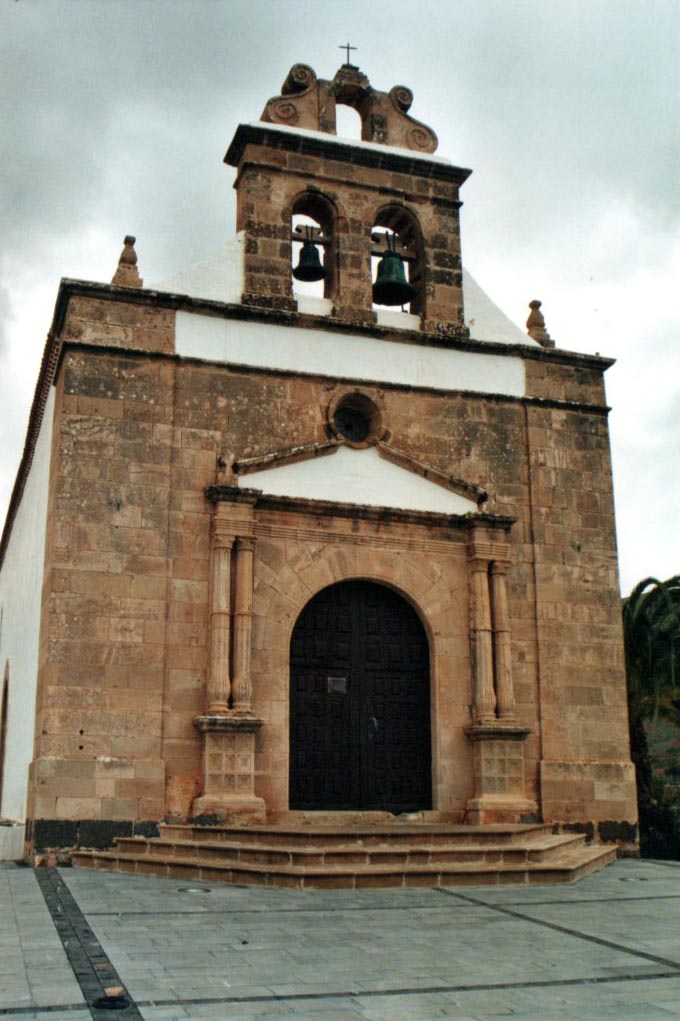
Passing through the picturesque valley of Vega de Río Palmas, we caught a glimpse of its iconic 17th-century church, Santuario de la Virgen de la Peña, beautifully nestled amidst a lush grove of Canary Island date palms.


Betancuria
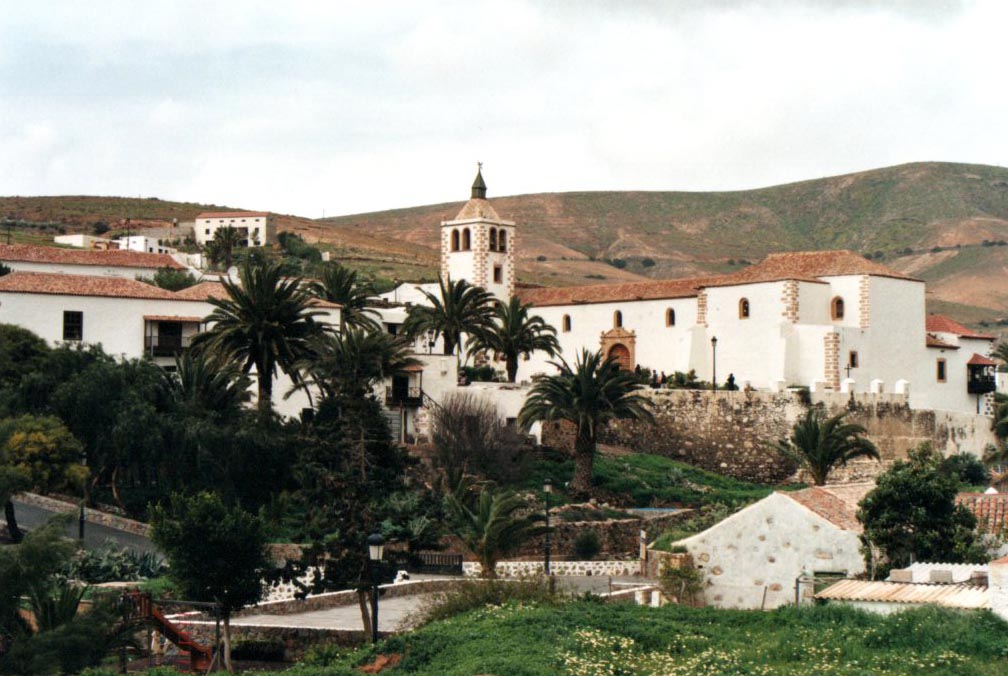
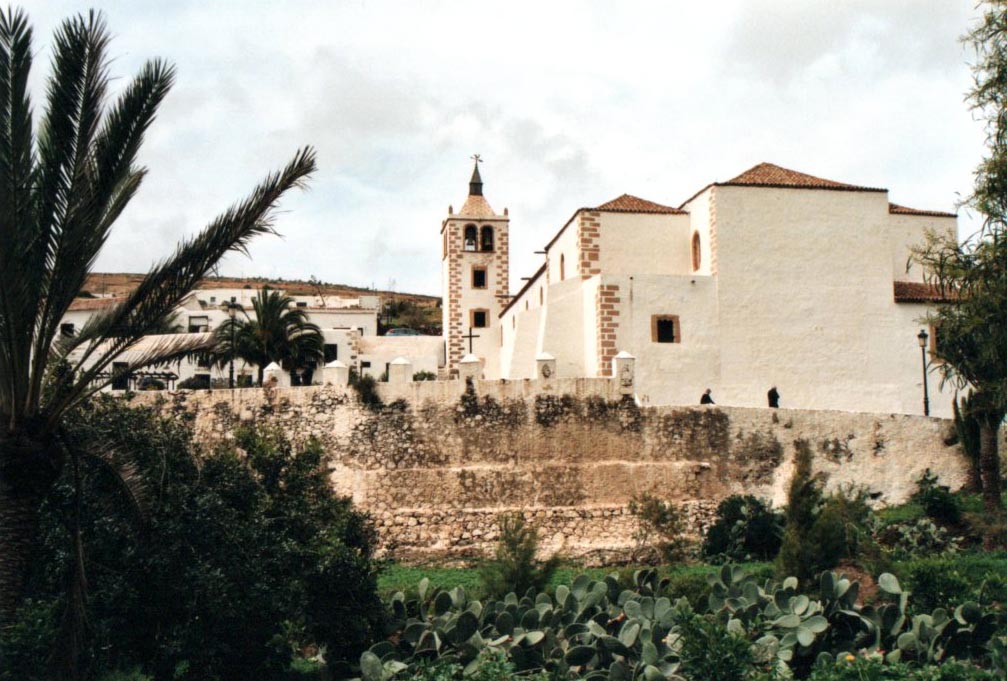
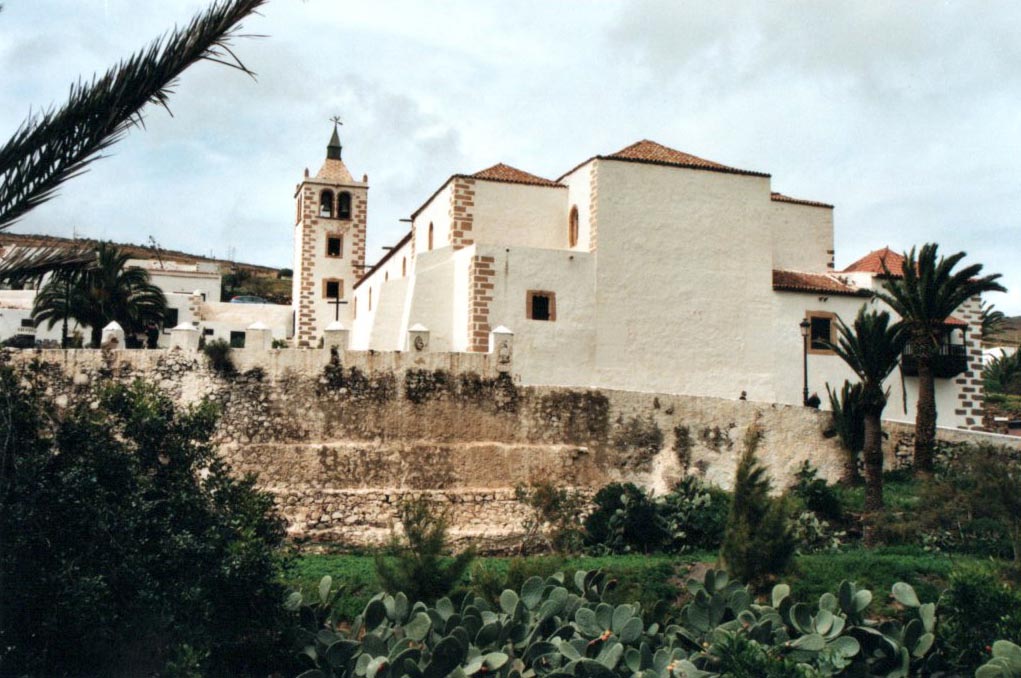
Driving by Betancuria, the historic former capital founded in 1404 by Jean de Béthencourt, we were completely enchanted by its charming whitewashed houses, lush palm-filled valley, and the majestic 15th-century Iglesia de Santa María.


Mirrador de Morro Velosa
Picture
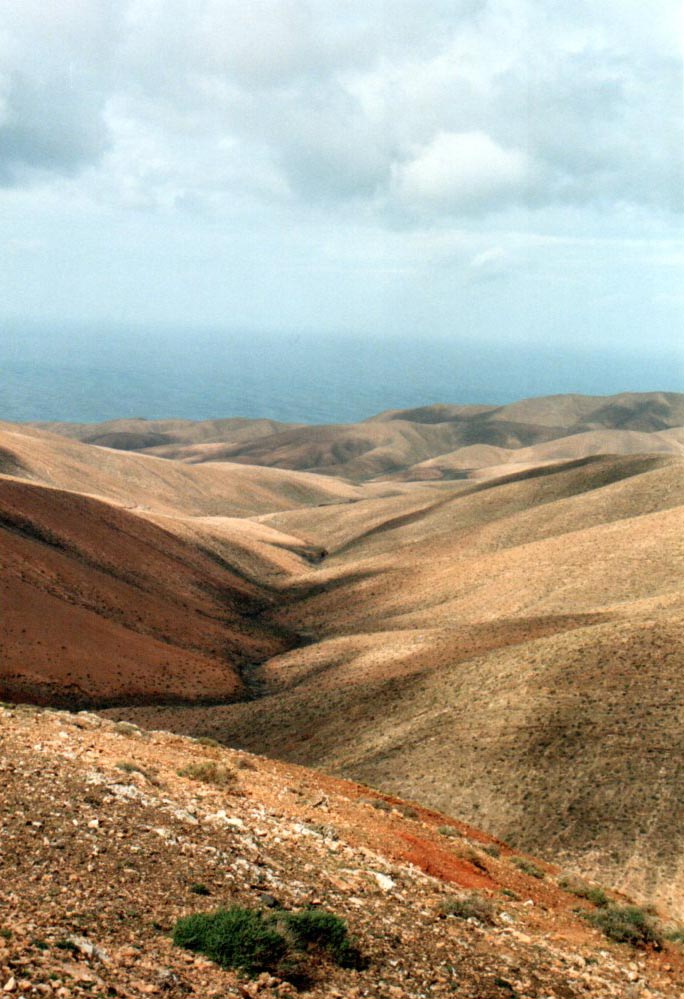
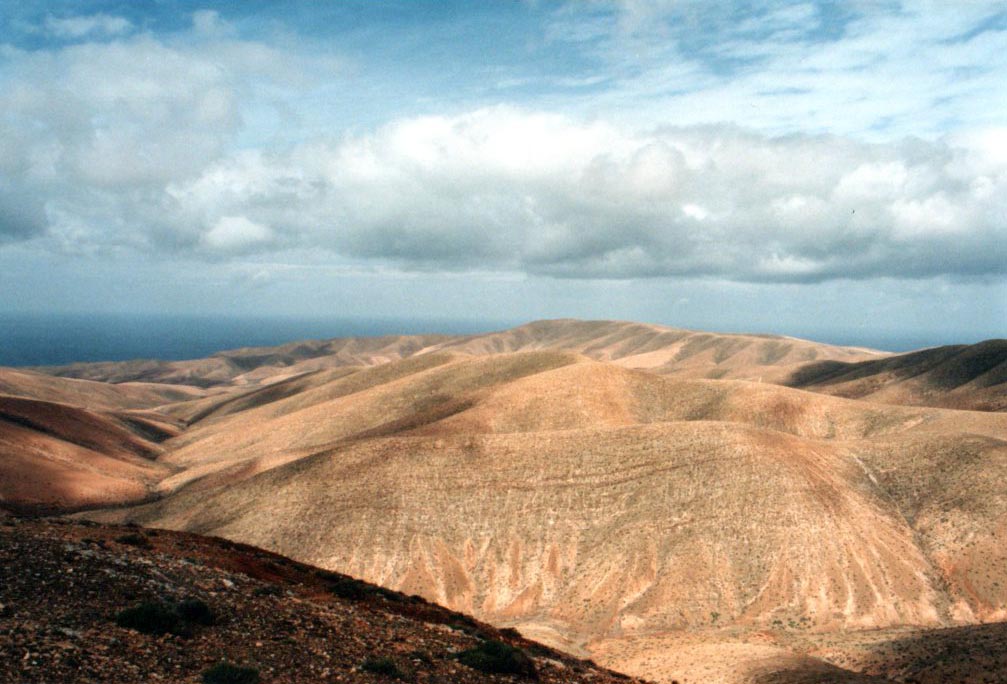
Mirador de Morro Velosa: Standing Above the Volcanic Clouds
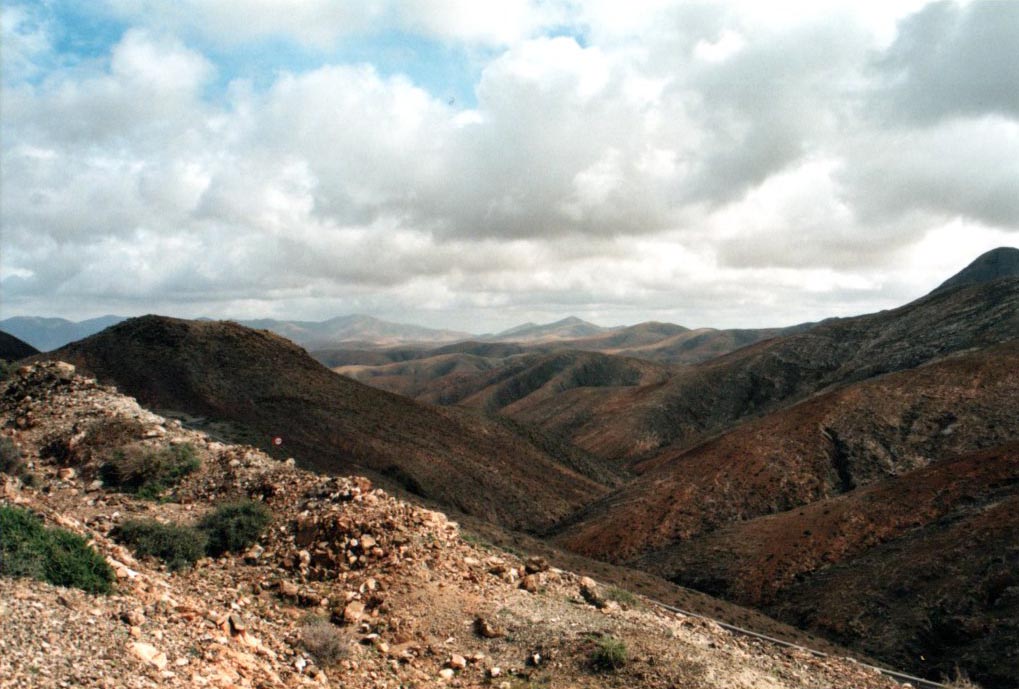
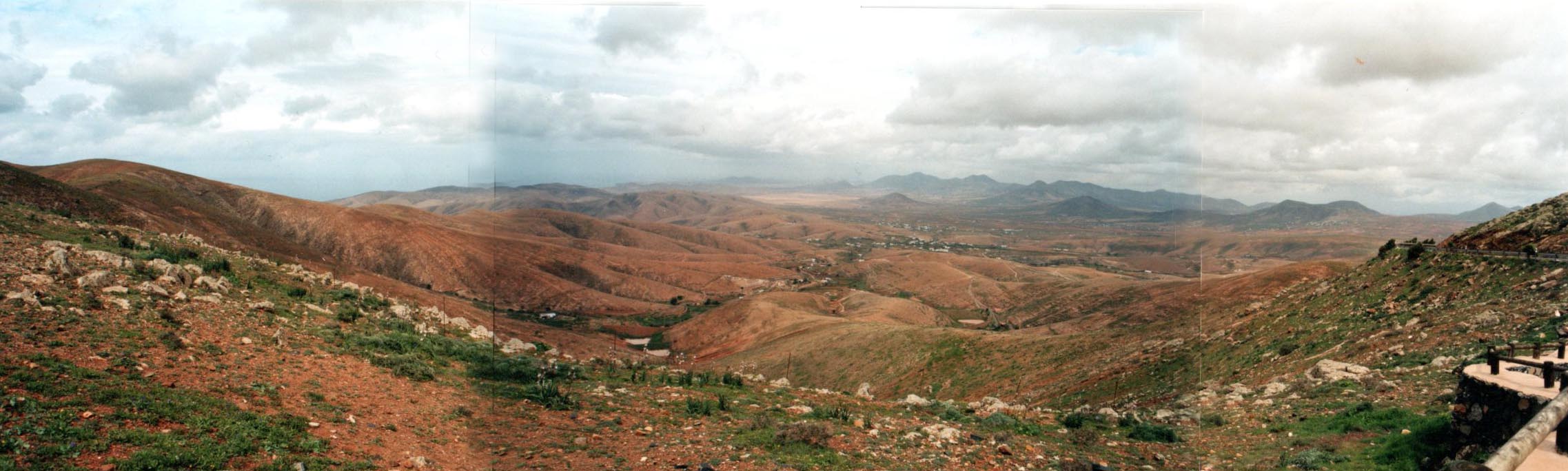
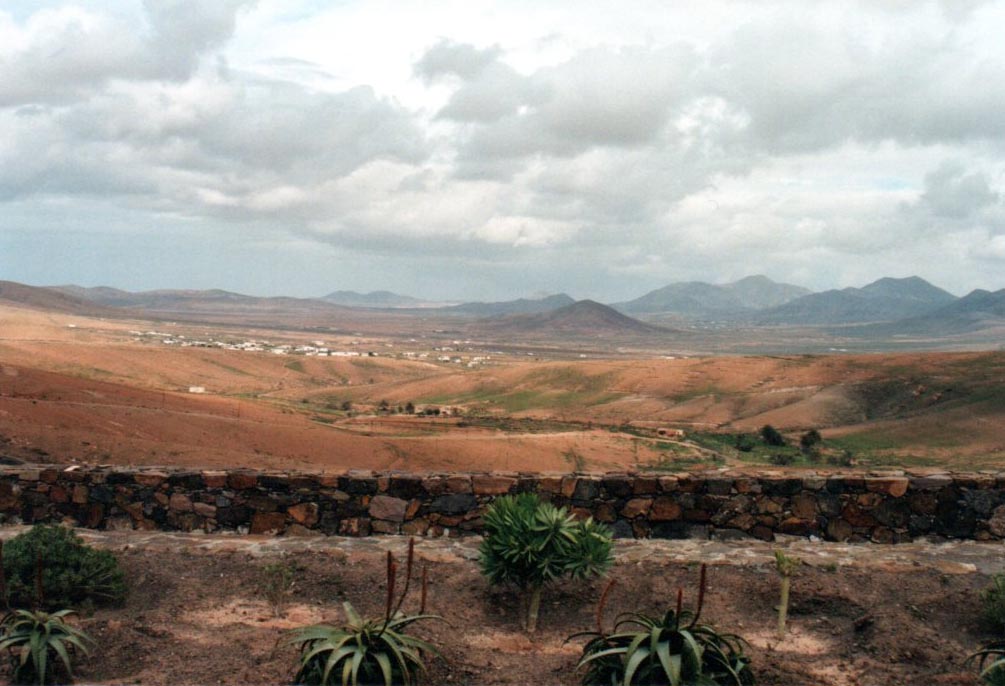
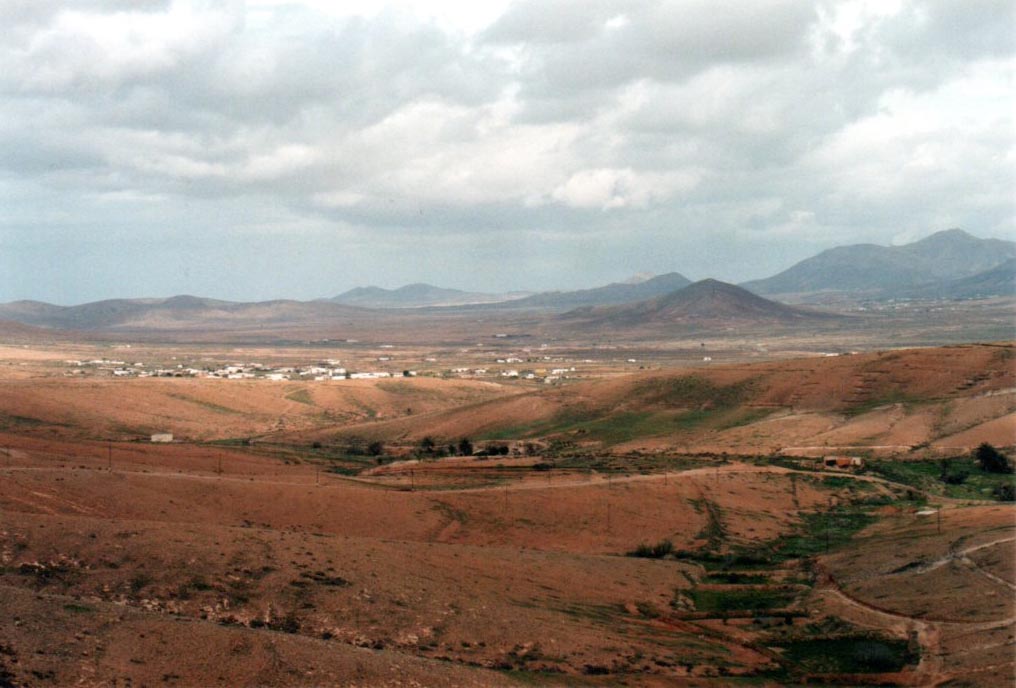
Climbing higher into the towering mountain passes of the Betancuria massif, our analog road trip reached its ultimate vantage point at the spectacular Mirador de Morro Velosa. Perched majestically on the rugged crest of the Tegú mountain at a dizzying altitude of around 669 meters above sea level, the viewpoint treated Siska and me to a jaw-dropping look over the island’s ancient core landscape. Standing on the edge of the ridge with Felipe close in his baby wrap, we looked out across a frozen, rippling sea of ochre, rust-red, and deep brown volcanic earth, shaped by millions of years of intense natural erosion. Turning our eyes slightly toward the northwest, we were blessed with a magnificent, wide panoramic view overlooking the stunning, sun-baked Valle de Santa Inés. Watching the sweeping, stark ravines and barren plains of the peaceful valley stretch out all the way to the distant horizon left us completely breathless—capturing the beautifully desolate, alien majesty of Fuerteventura in one single, unforgettable moment.
Picture

Corralejo
Picture
The Golden Sands of the Desert Finale
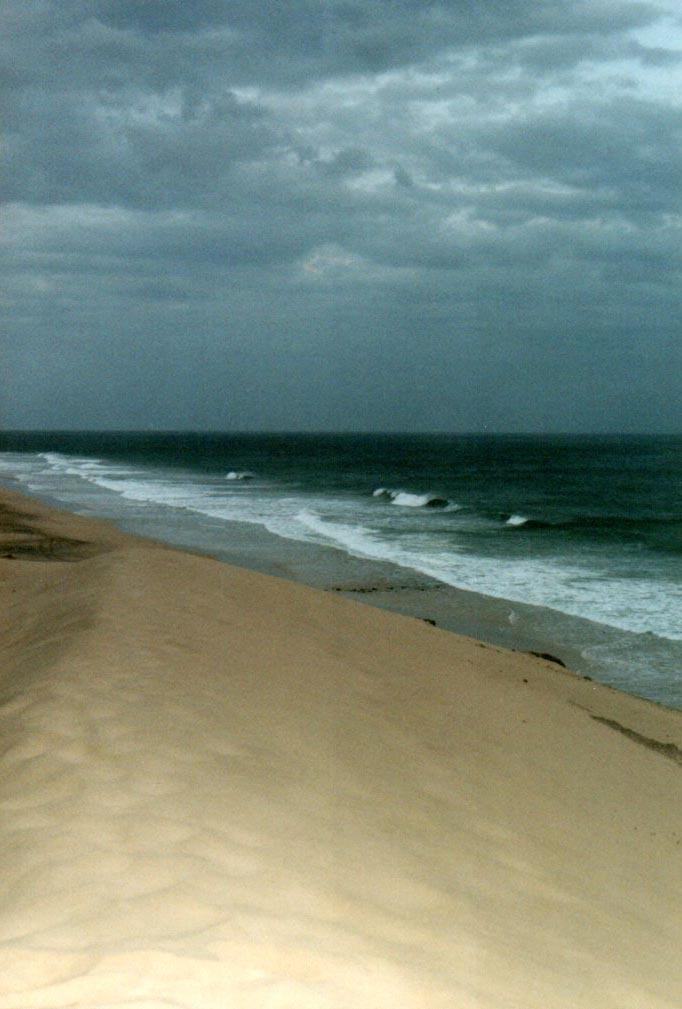
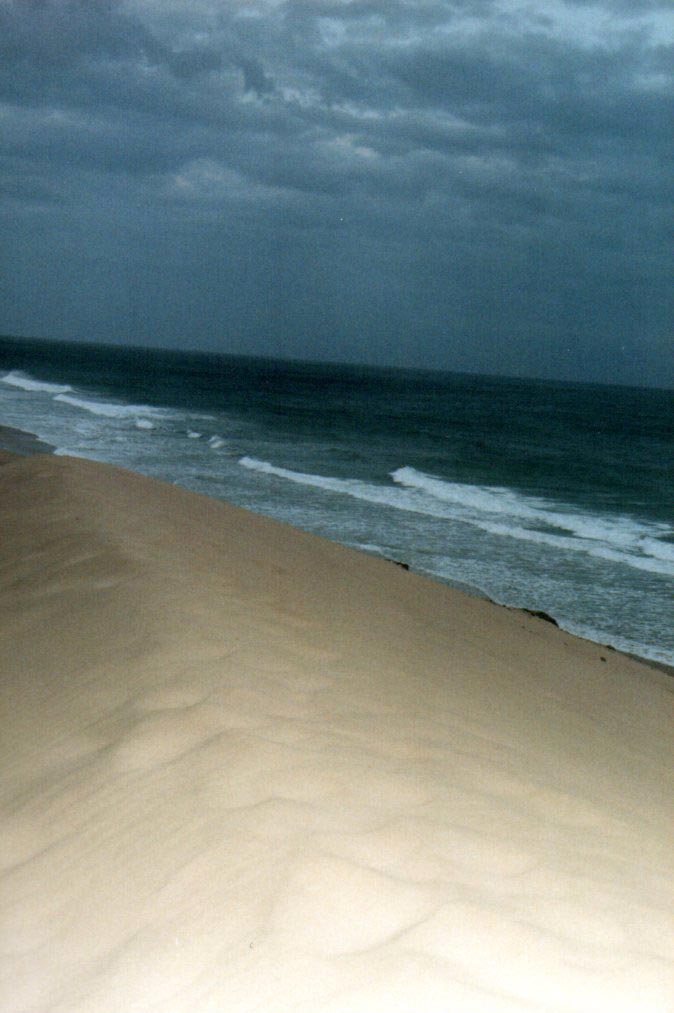
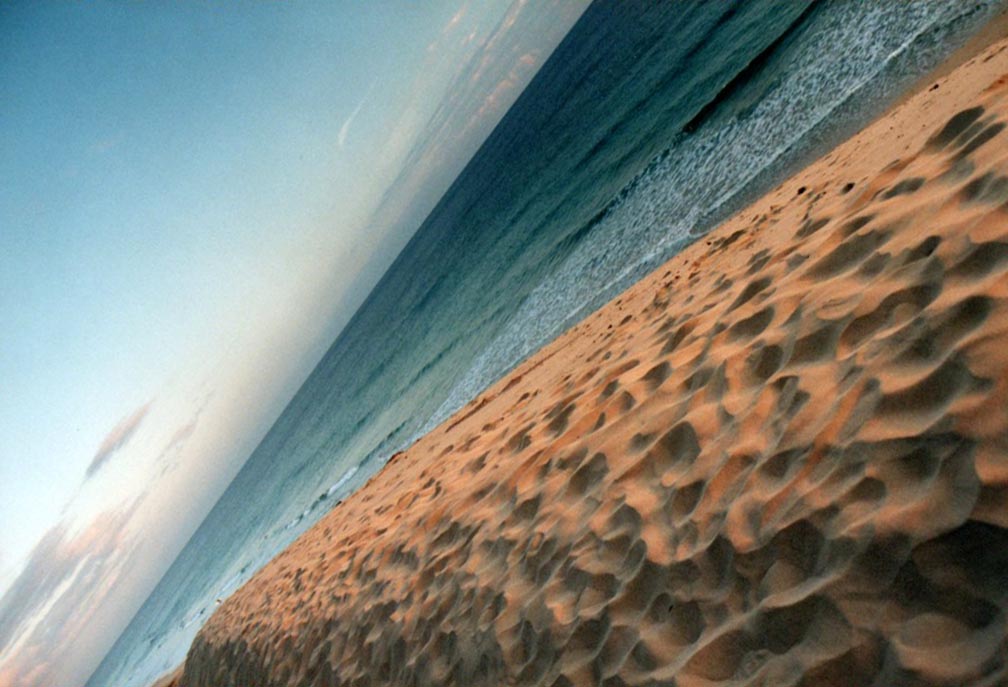
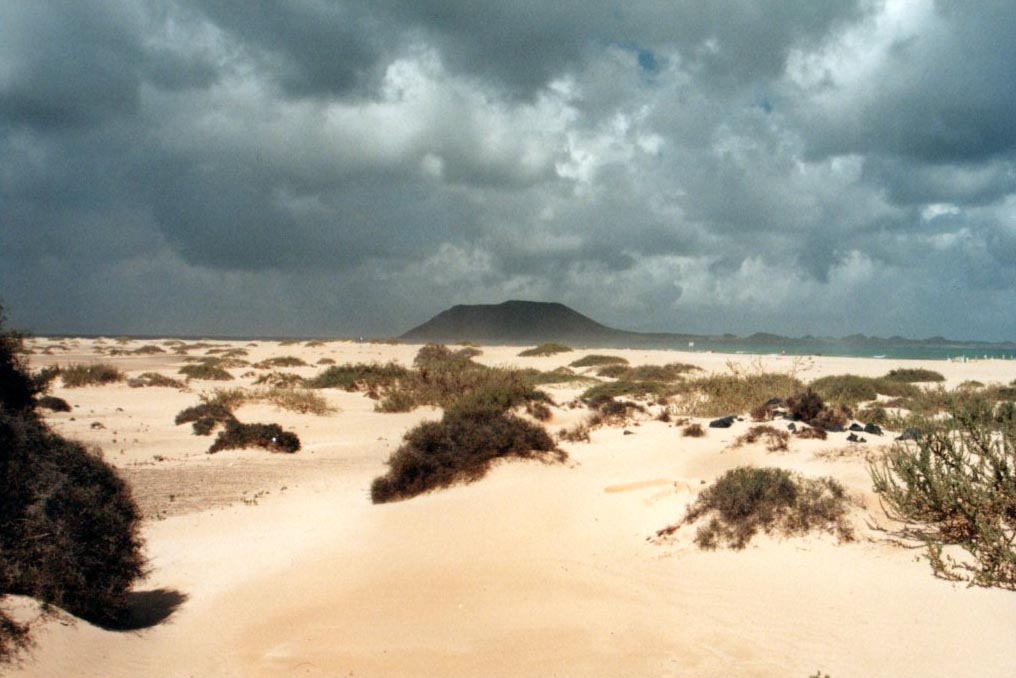
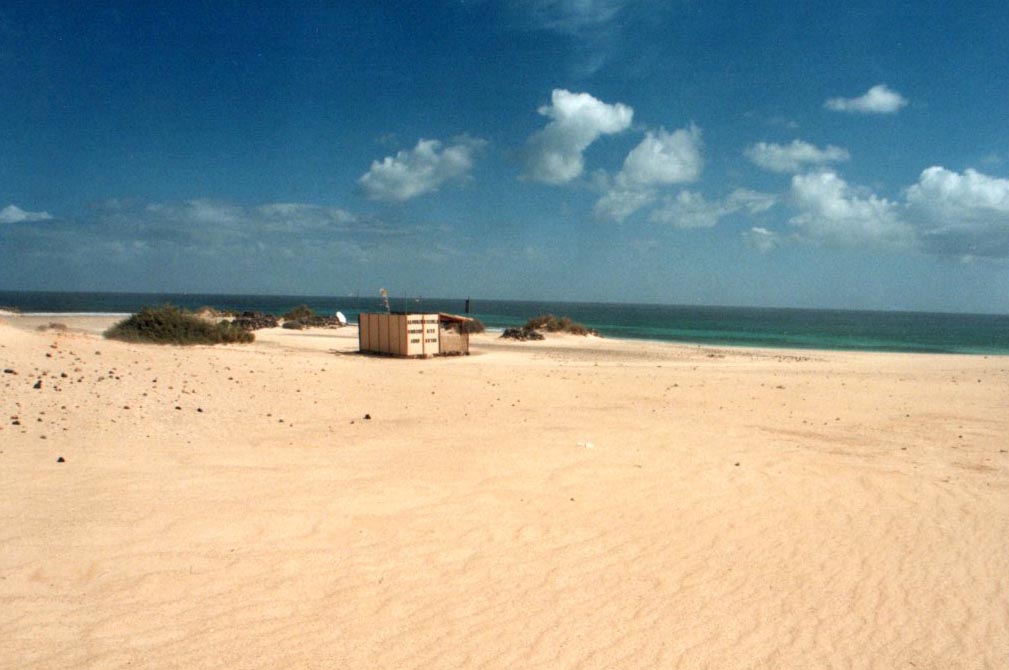
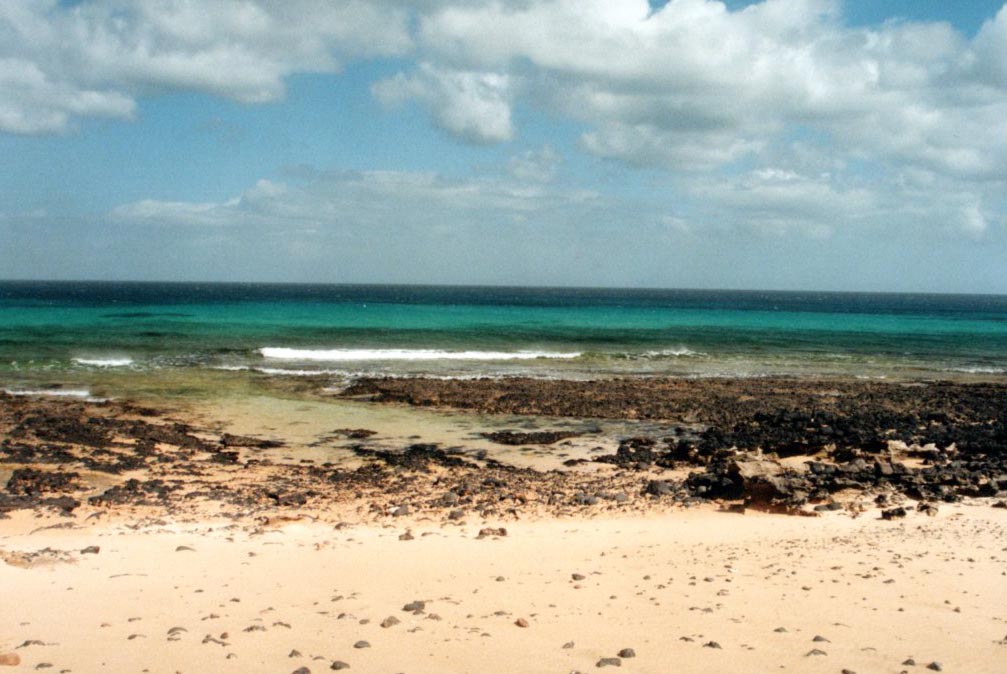
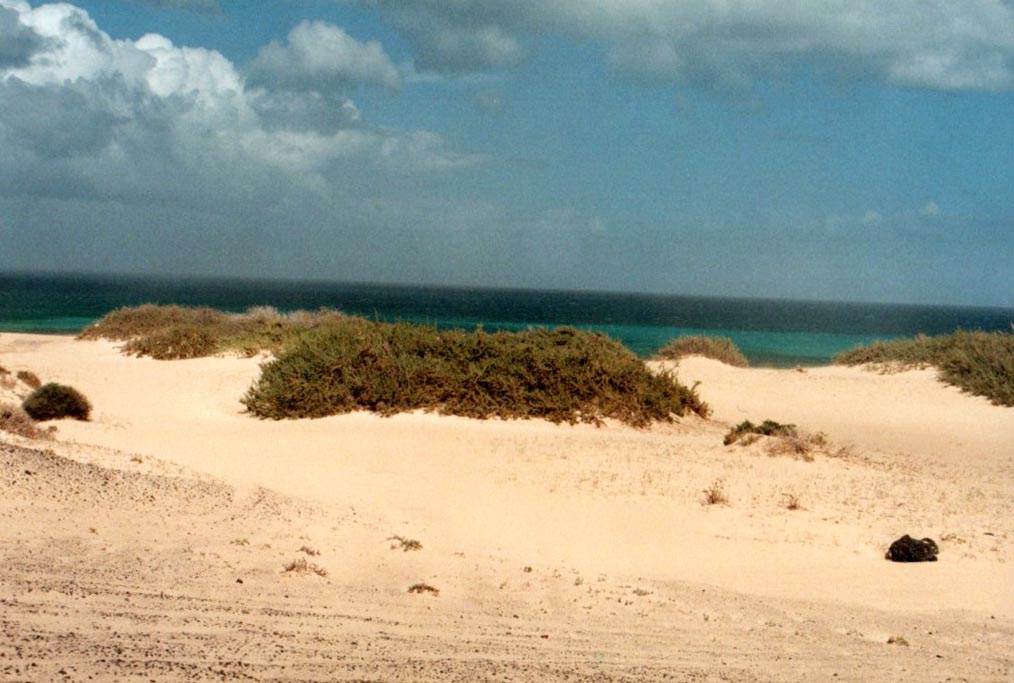
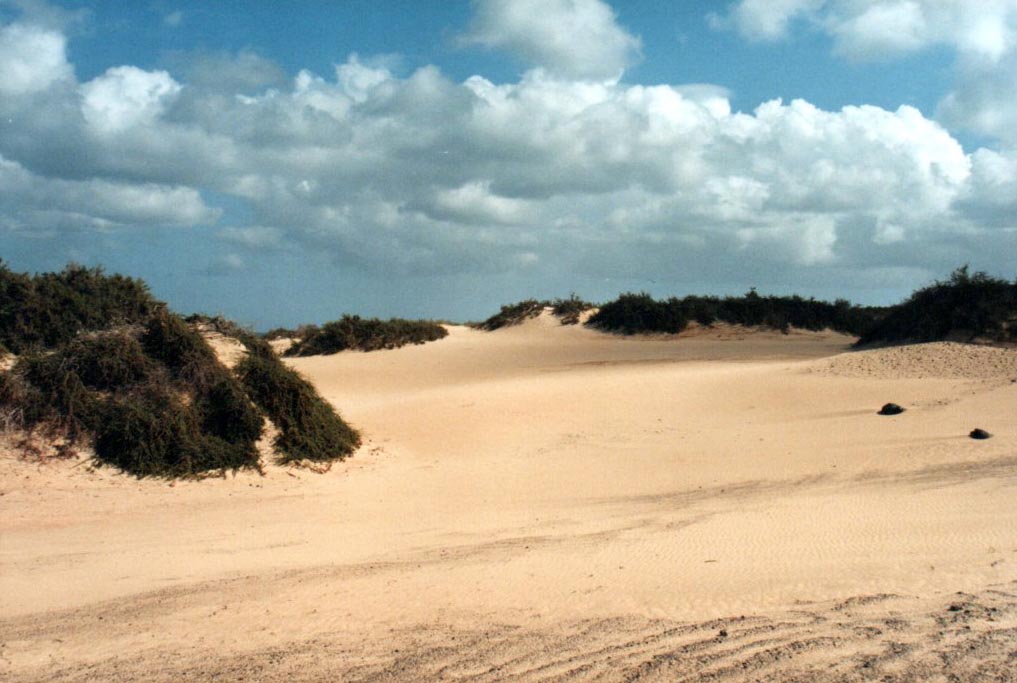
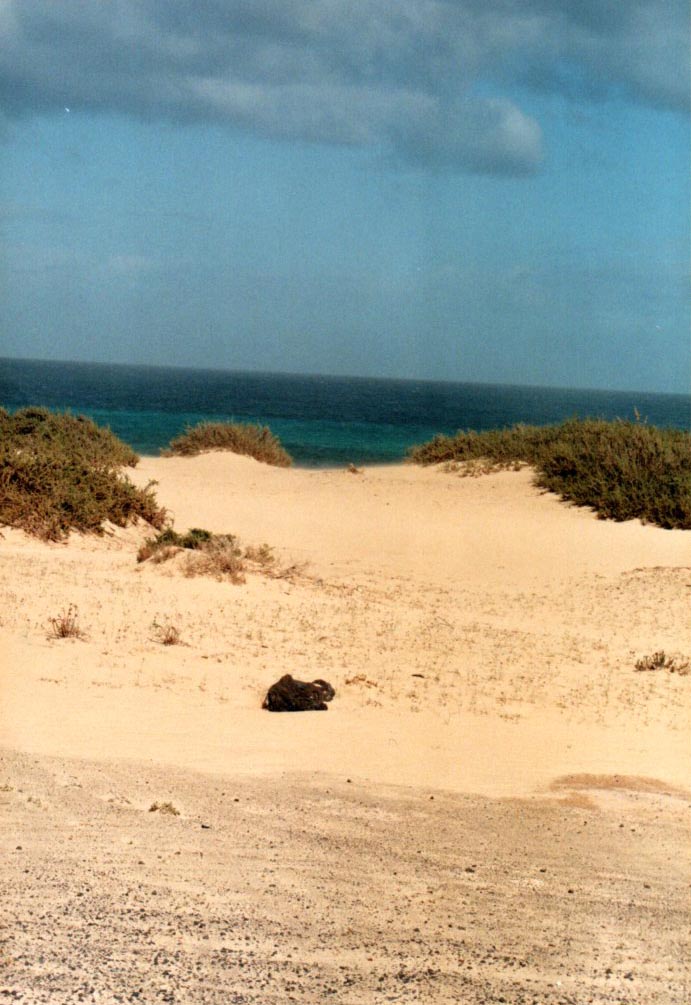
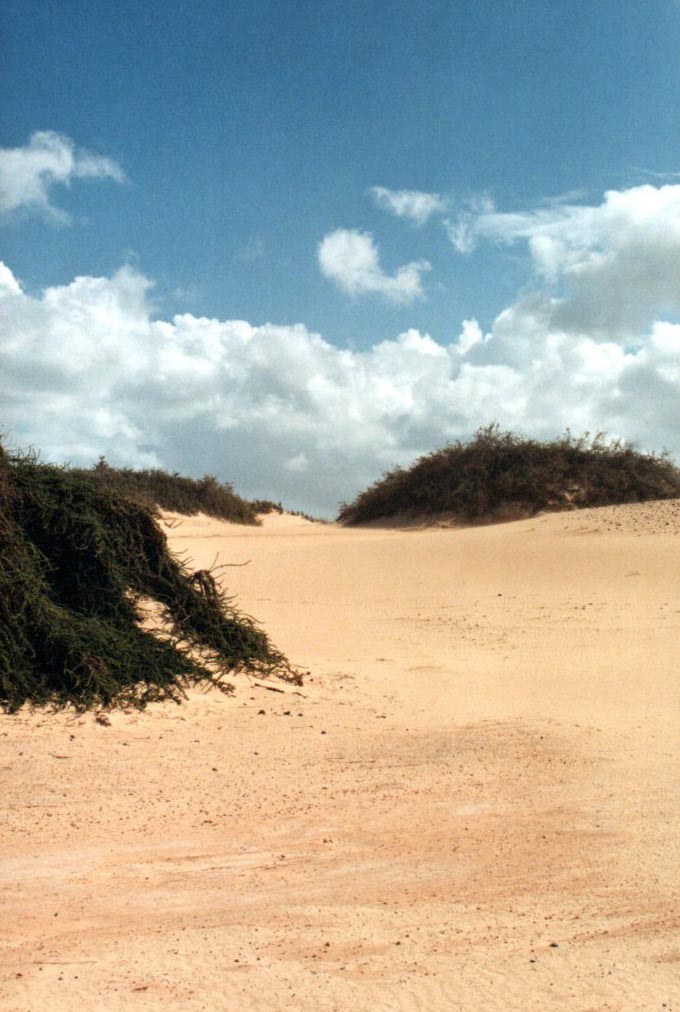
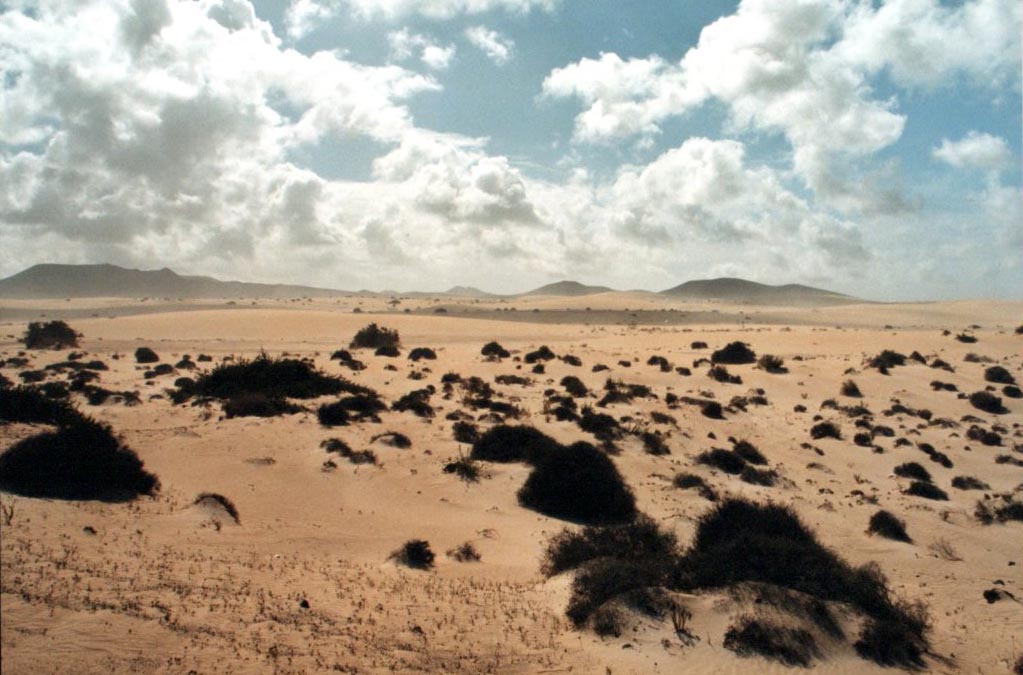
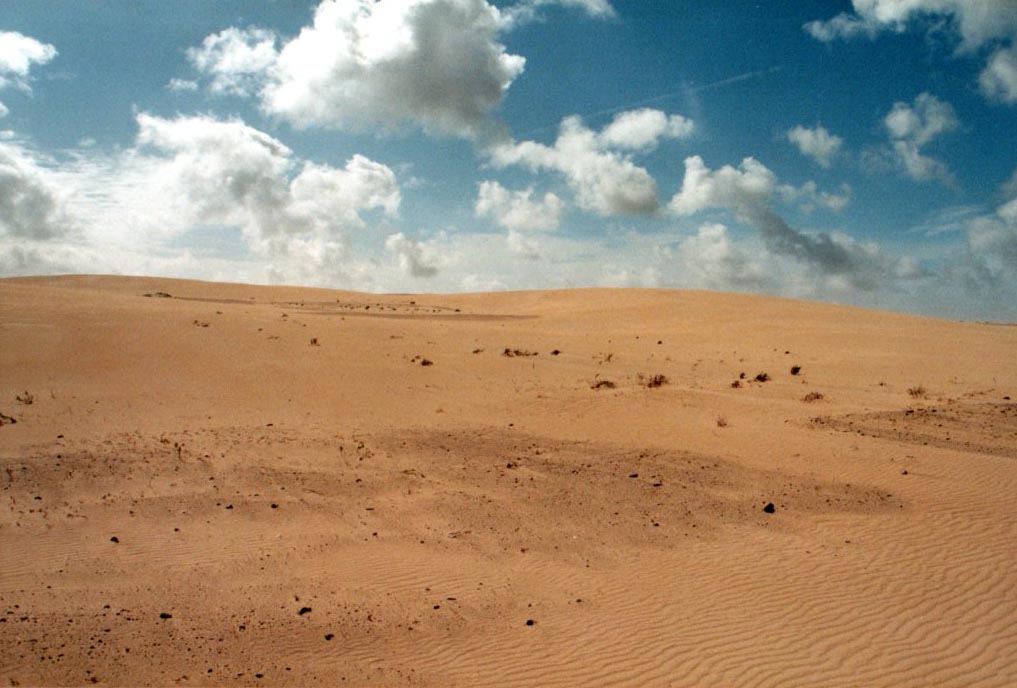
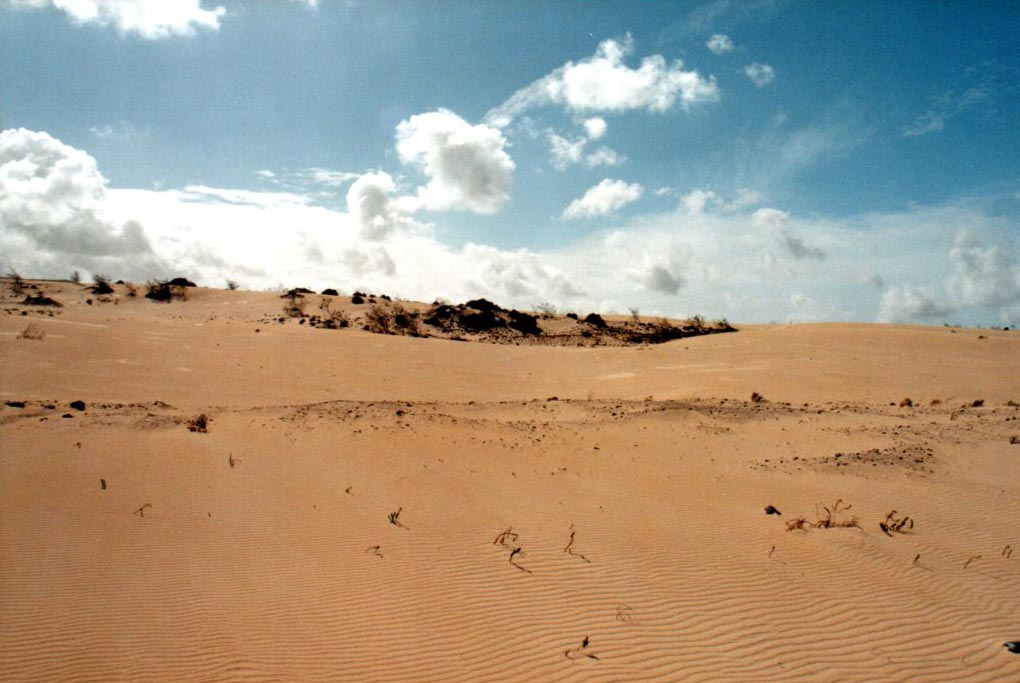
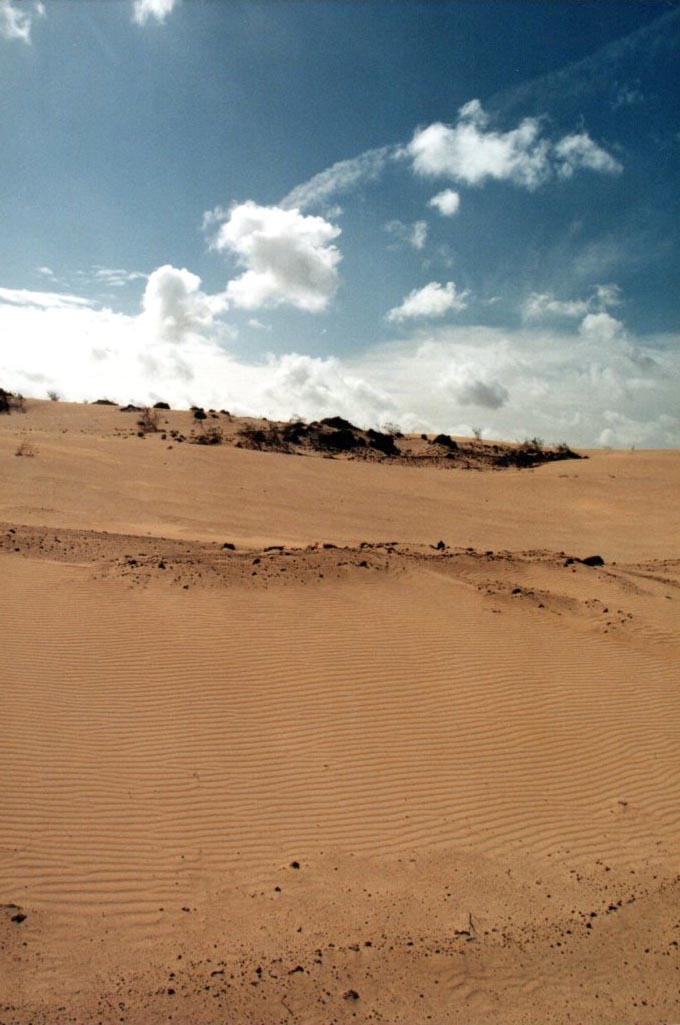
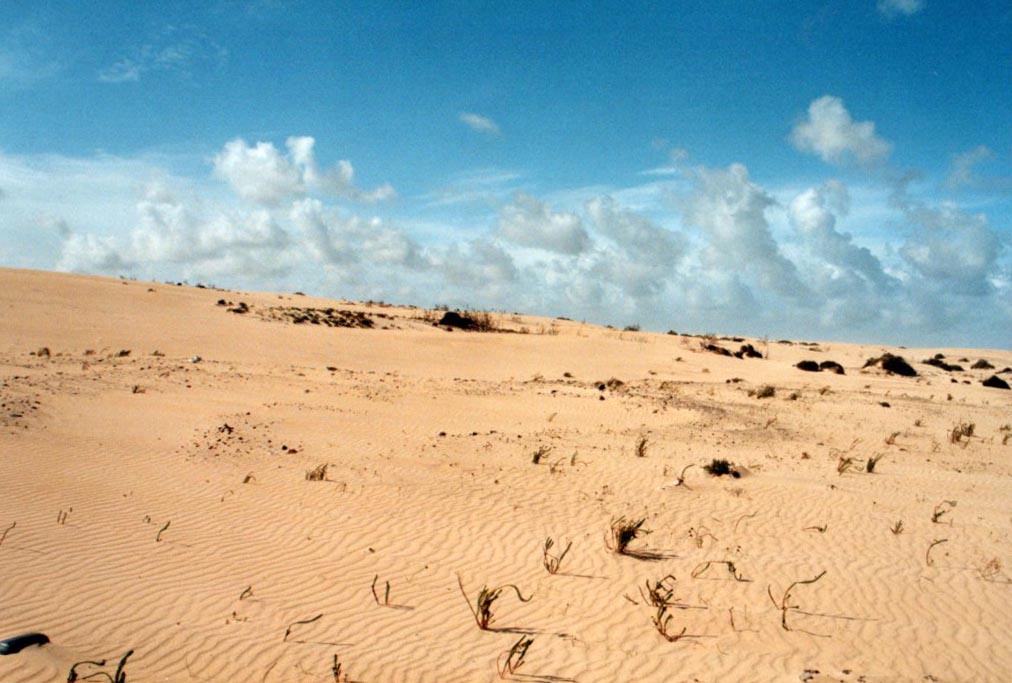
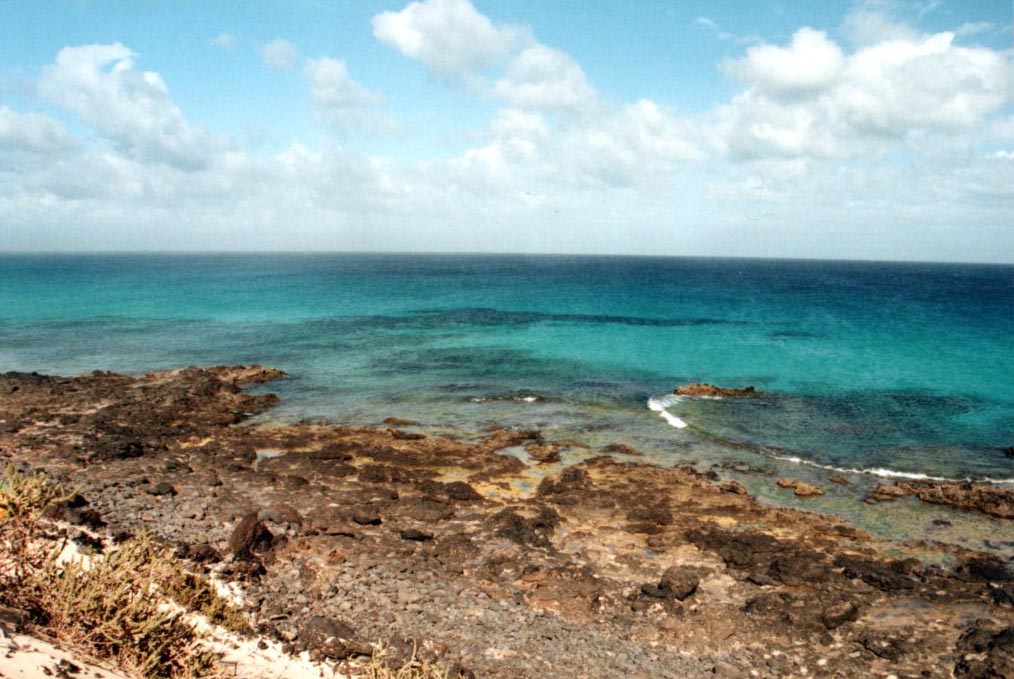
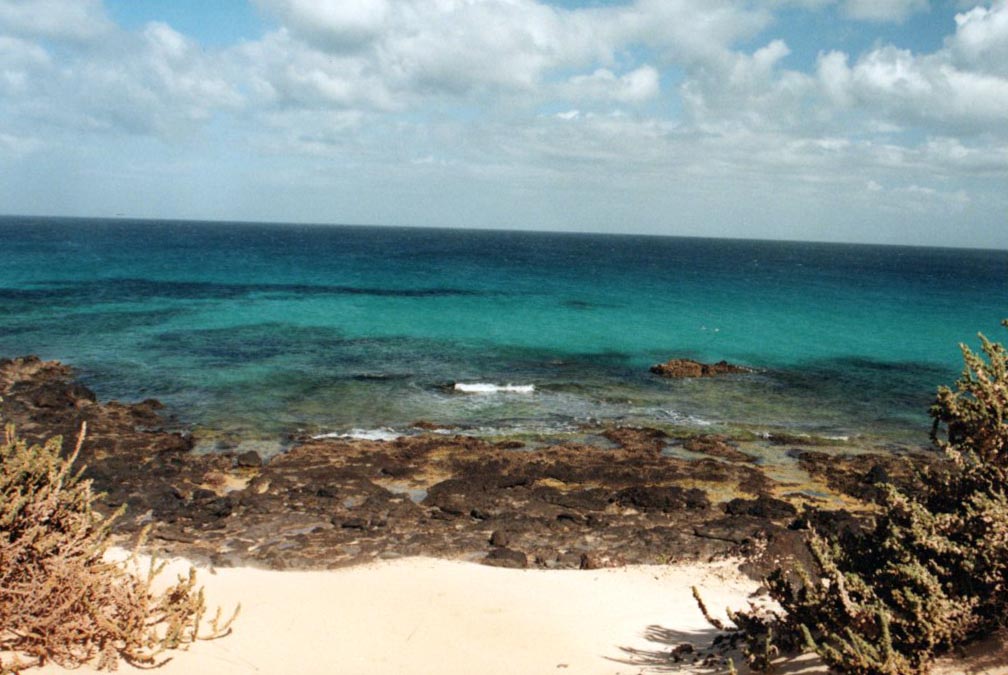
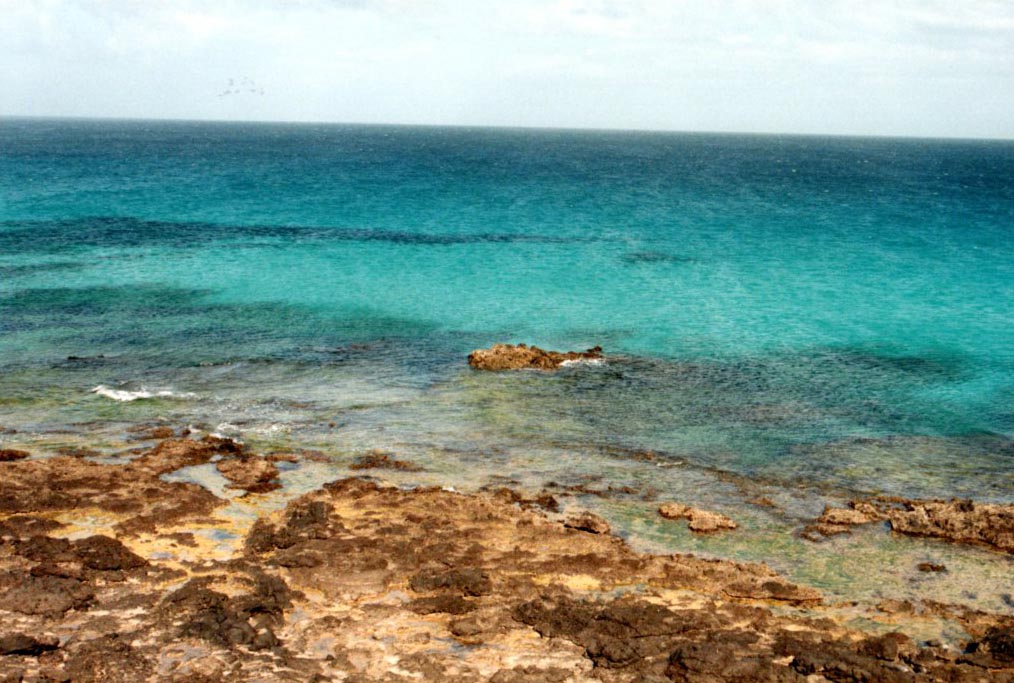
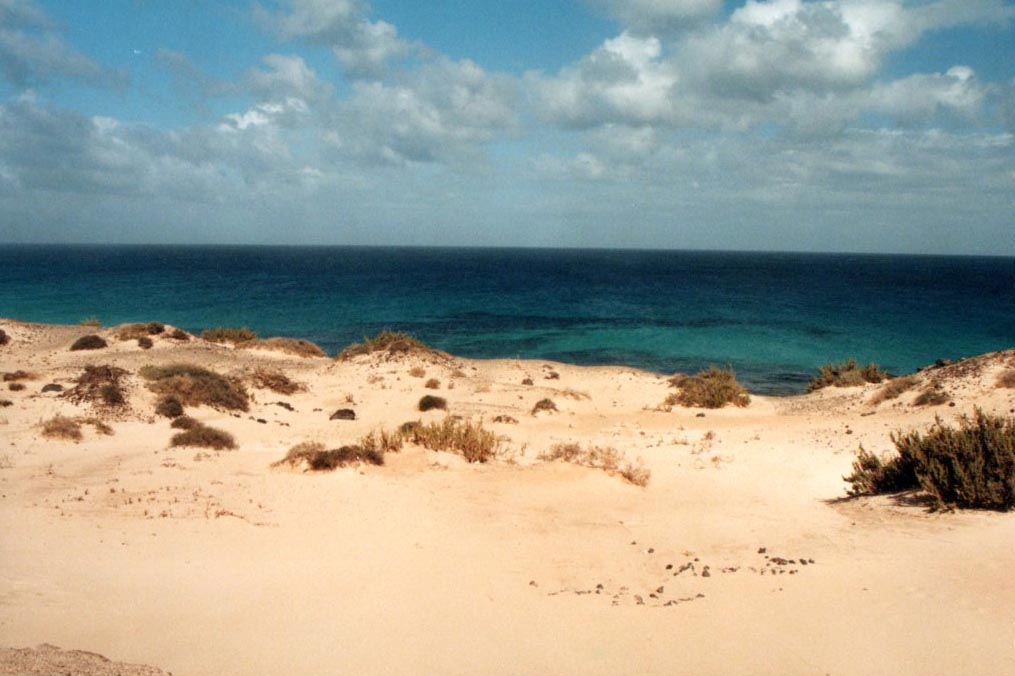
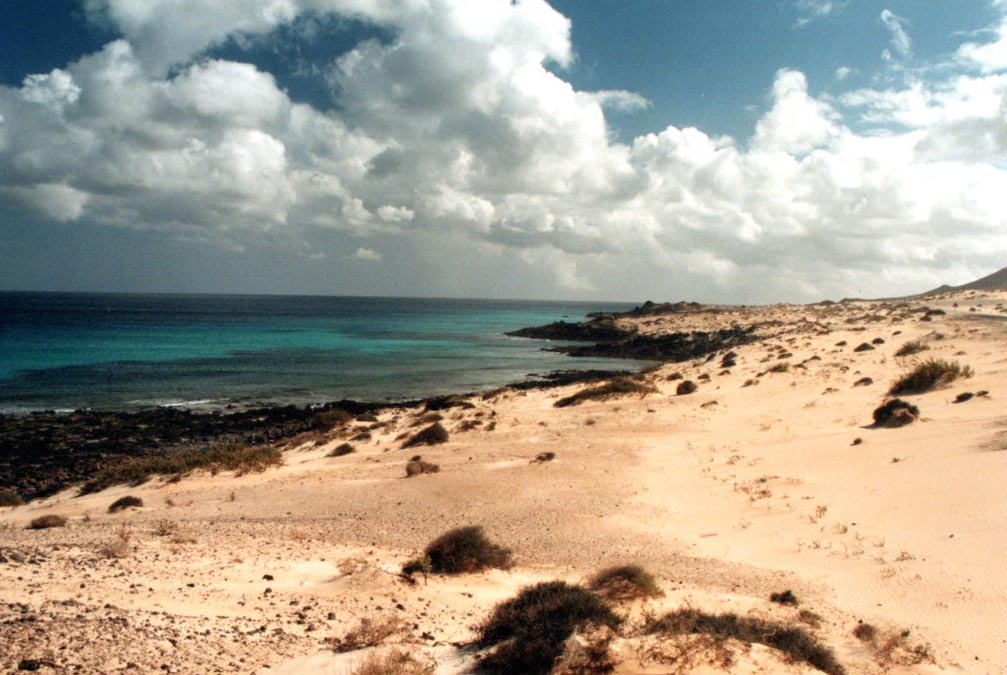
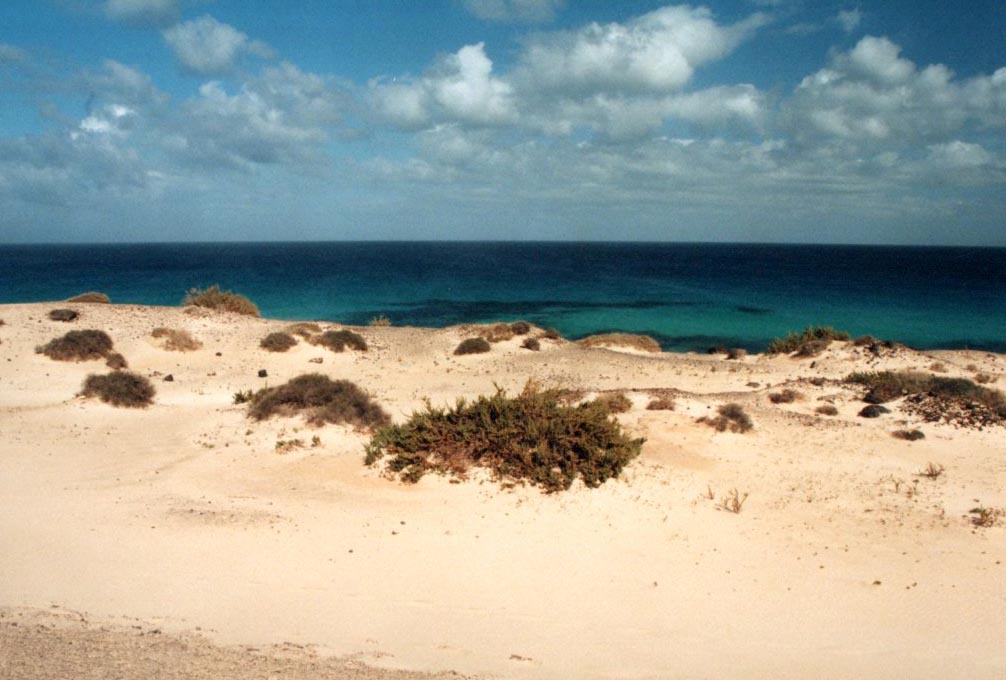
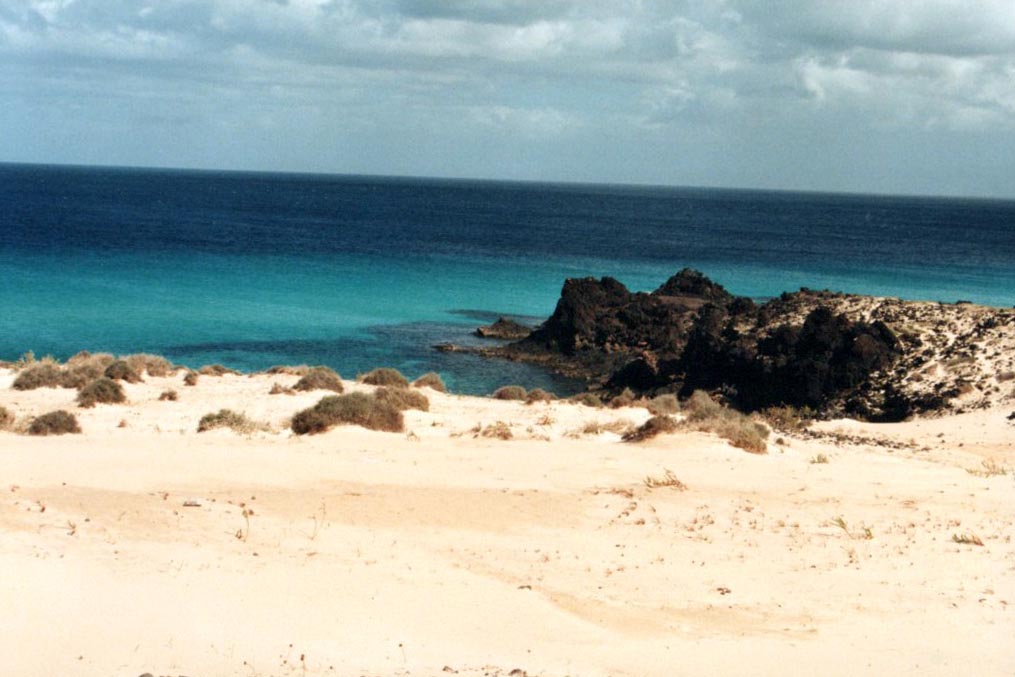
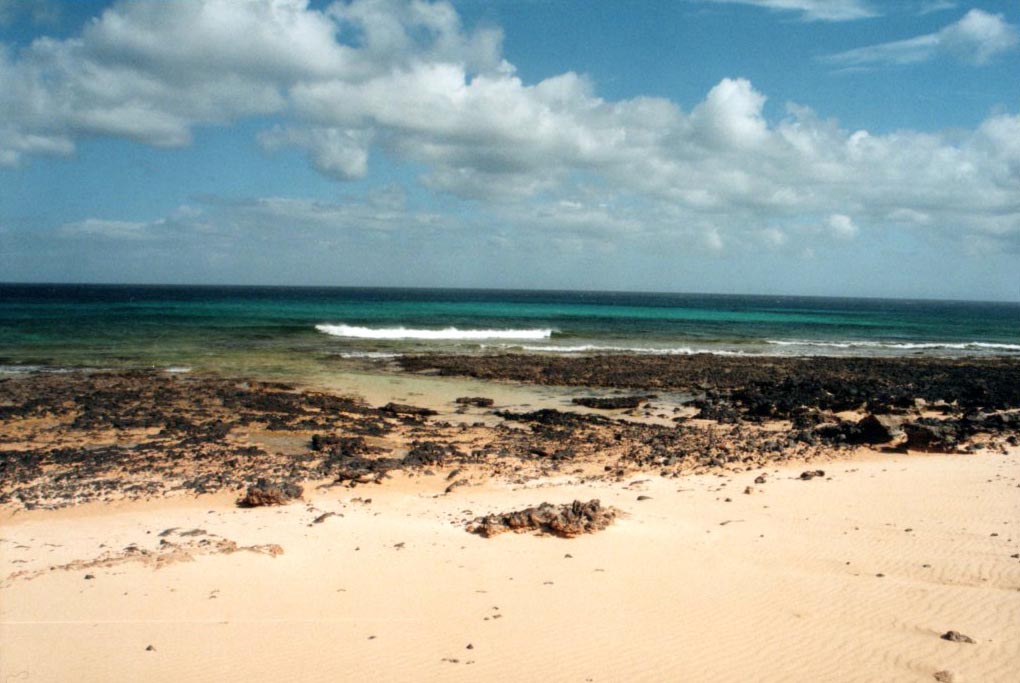
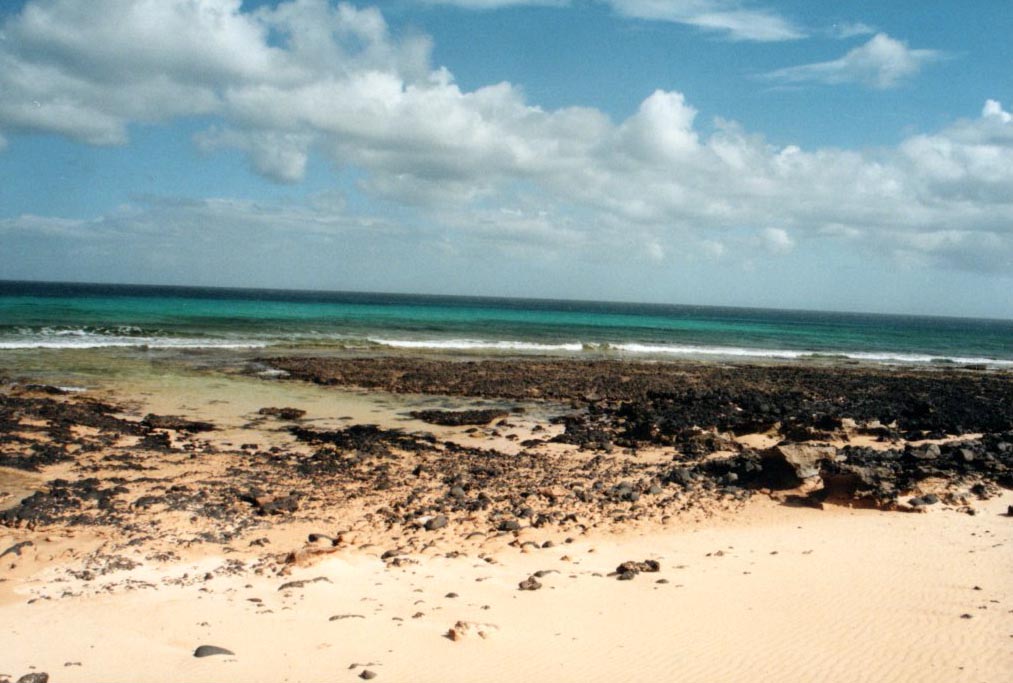
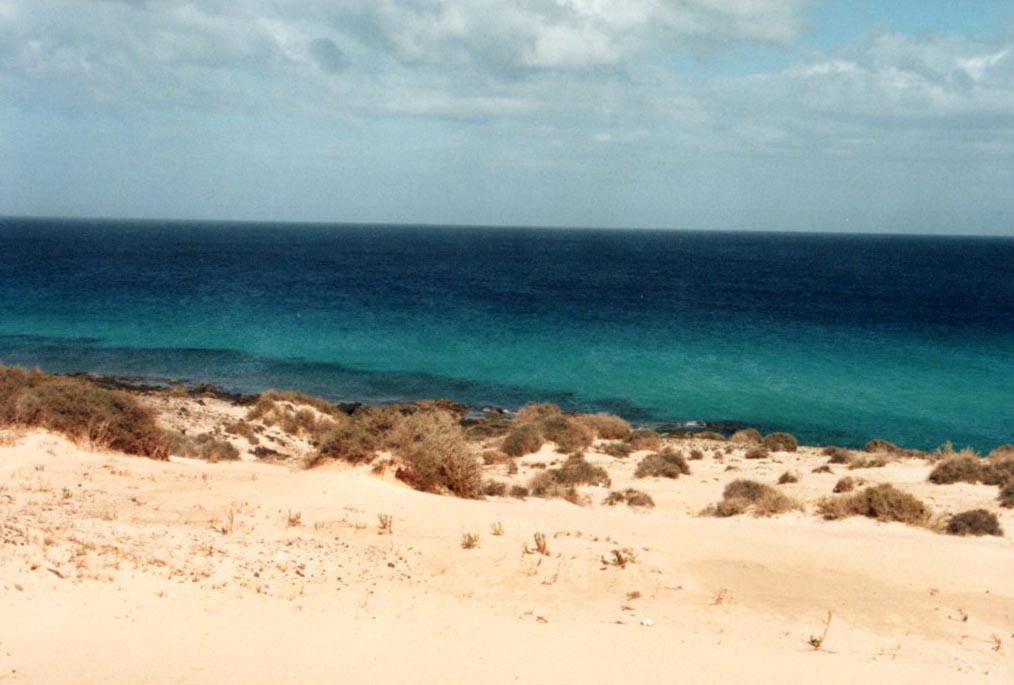
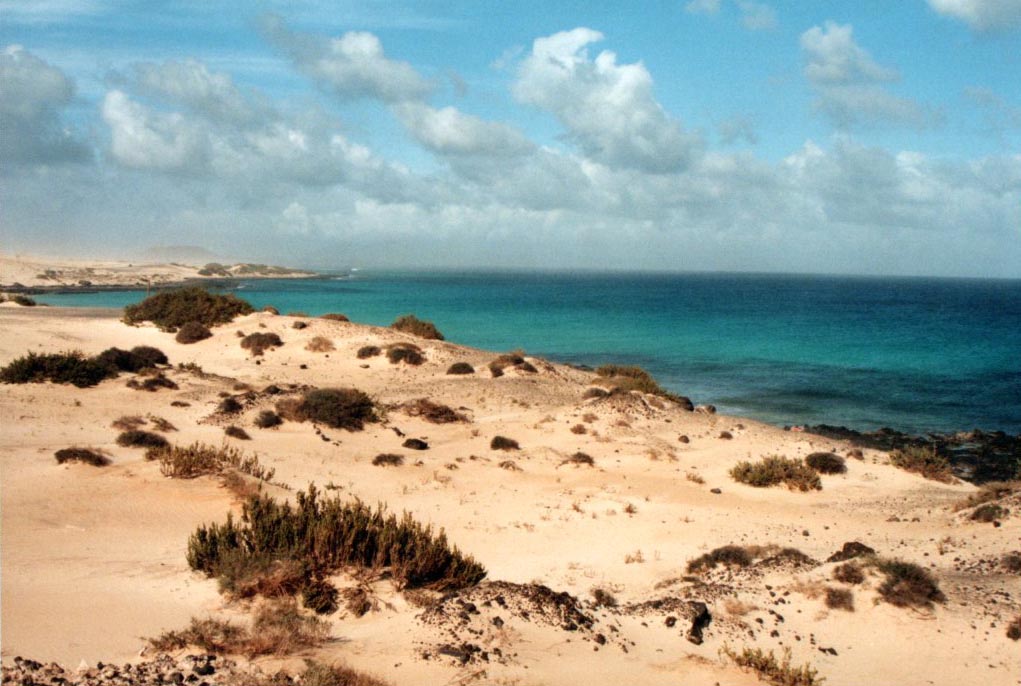
Our epic map-reading expedition reached its spectacular grand finale in the far north at Corralejo, where the island saved its most breathtaking natural wonder for last. Stepping out onto the world-famous Dunas de Corralejo, a massive, highly protected nature reserve spreading across roughly 2,600 hectares, Siska and I felt like we had been instantly transported straight into the heart of the Sahara Desert. Carrying Felipe tightly in his baby wrap to shelter him from the coastal breeze, we walked across the soft, endless waves of pure white organic sand, which was formed over thousands of years from the erosion of marine shells [wL4E06]. Standing on the crest of a massive dune, the visual contrast was absolutely magical: the blazing white desert sands dropped gently into the crystal-clear, brilliant turquoise waters of the Atlantic, offering a sweeping look across the ocean to the nearby volcanic island of Los Lobos. It was the ultimate, sun-drenched reward for our brave, analog road trip across Fuerteventura—a truly unforgettable place to celebrate the end of our incredible journey before heading home.
Picture
Picture

Picture
A Wild and Electric Finale: Carnival on Fuerteventura
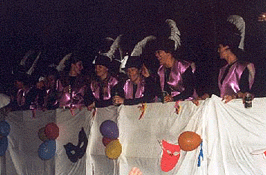
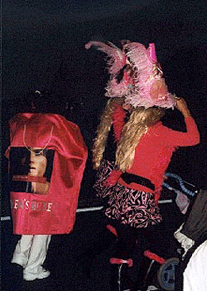
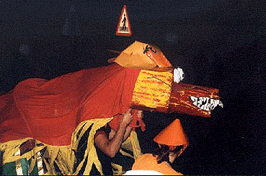
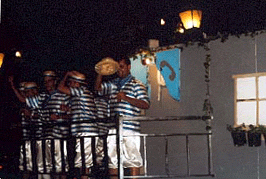
Just when we thought our road trip across Fuerteventura couldn’t get any more full of surprises, our journey reached its ultimate, electric climax by running straight into the island's legendary Carnival celebrations. Experiencing this massive street party at night with Siska and little Felipe was an absolute sensory overload in the best possible way. The streets came alive with massive, brightly lit parade floats blasting music, where locals in traditional red vests and festive hats waved joyfully to the cheering crowds. The creativity of the community was on full display as giant, handmade paper-mâché monsters and fiery red dragons danced through the dark alleys, playfully chasing the spectators beneath the streetlights. But the absolute highlight was the wonderfully eccentric, bold spirit of the adult performers marching down the asphalt. The costumes were brilliantly wild, showcasing a hilarious and striking contrast between a glamorous "runaway bride" in white lace and garters and a fierce companion in a daring leather dominatrix outfit complete with a bowler hat and thigh-high boots. It was loud, proud, and unapologetically free—the absolute perfect, high-energy finale to our unforgettable 2005 analog expedition across the island.


Trip Gallery
Europe
Powered by Create your own unique website with customizable templates.