MARYsCOMIX
  • Mary's Page
  • Airbrush Metal Stuff
  • Airbrush Projects
  • Street Art
  • Felix Projects
  • Old School Comix
  • Trip Gallery
  • Artist Infos
  • Legal Notice / IMPRESSUM
  • Right of Withdrawal
  • Data Protection
  • General terms and conditions of business
  • Blog

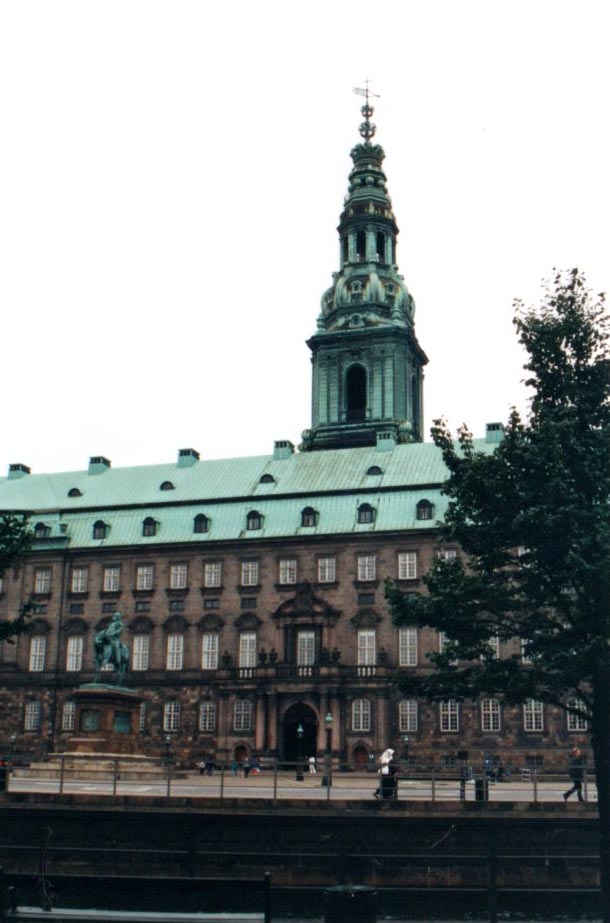
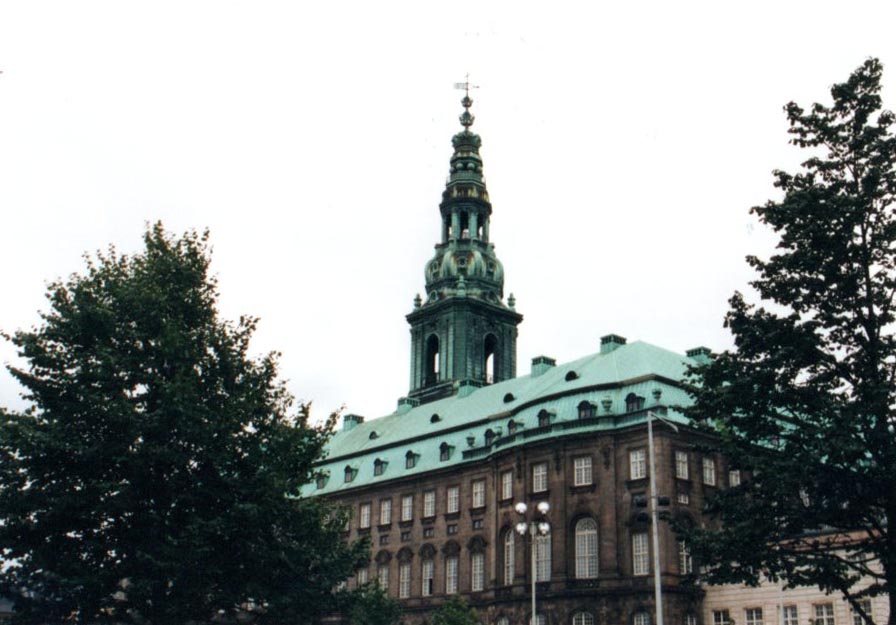
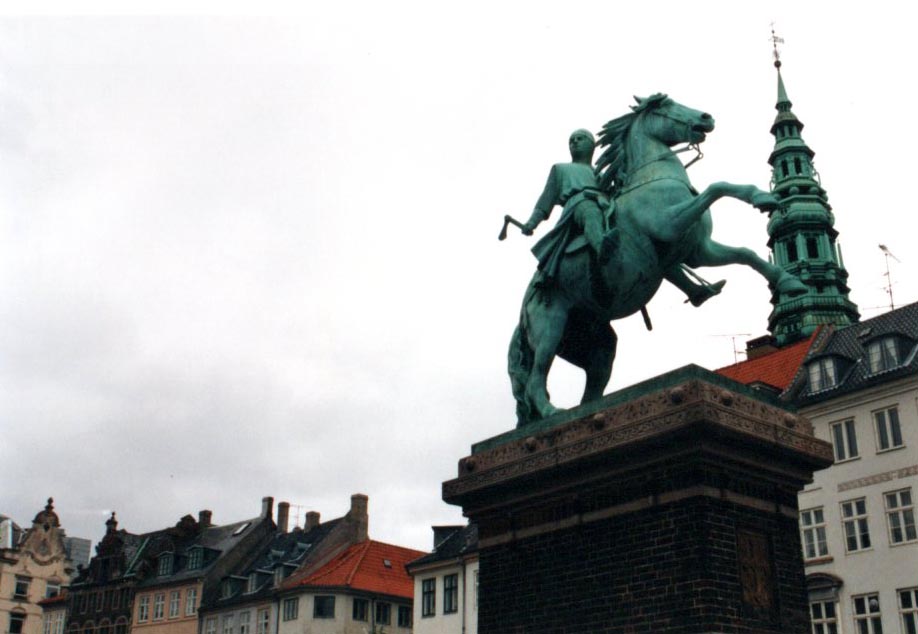
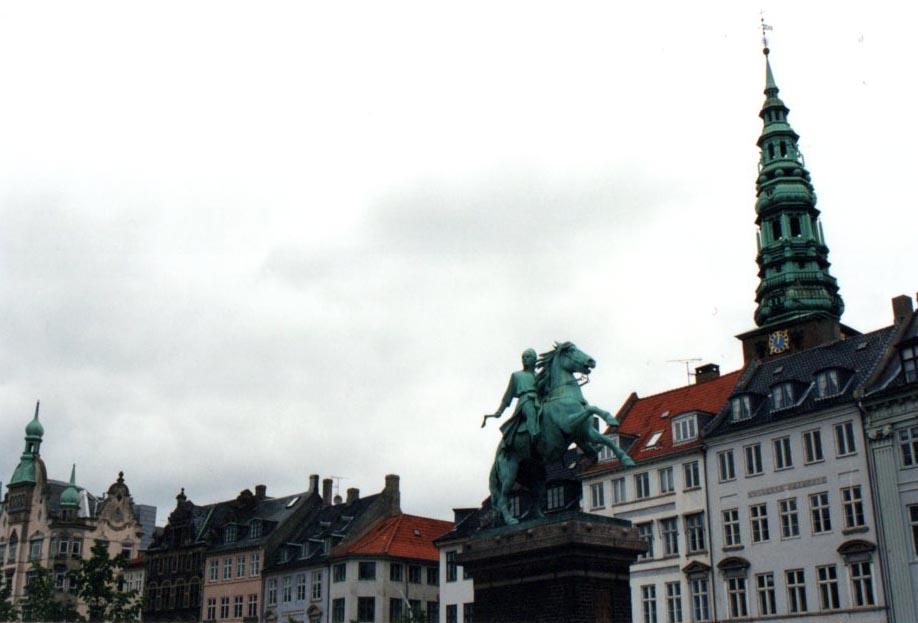
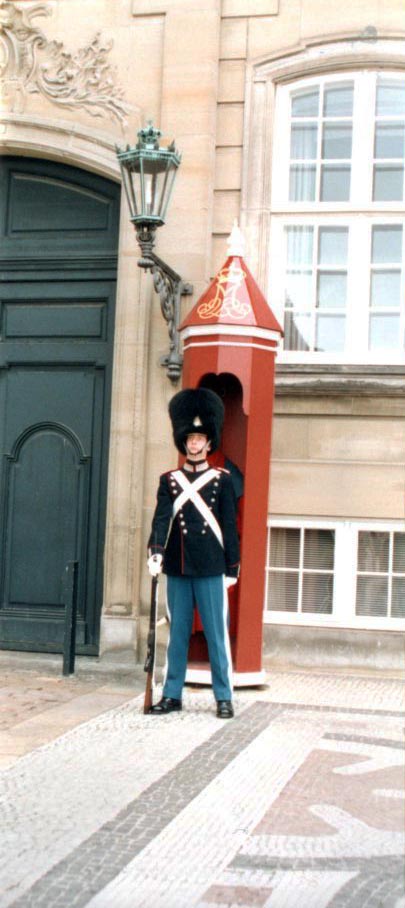
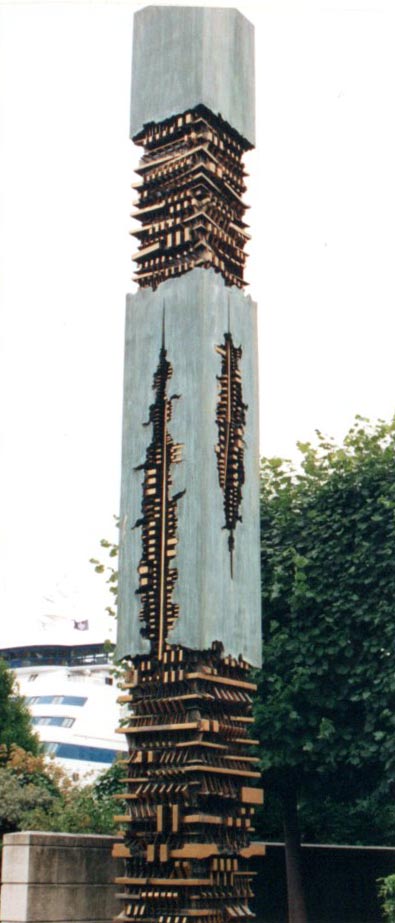
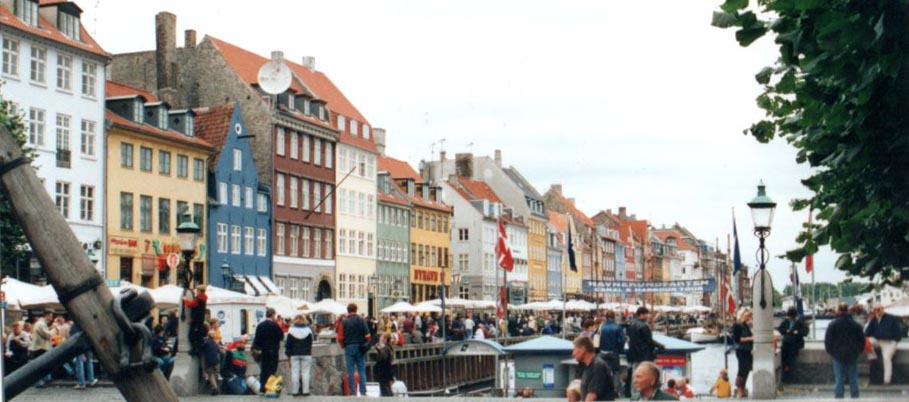
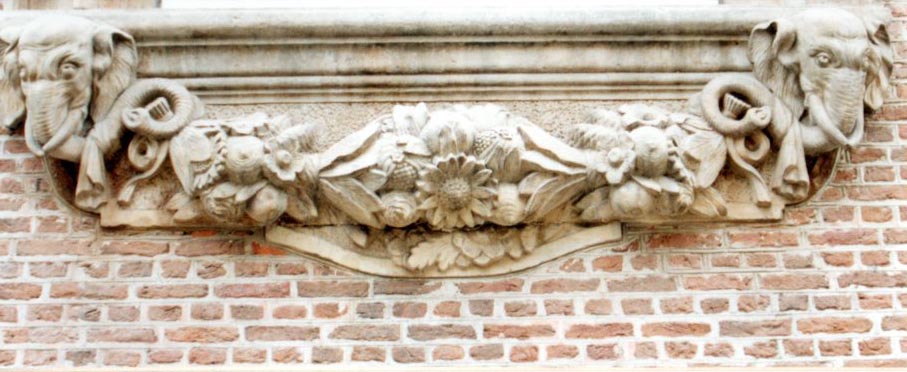
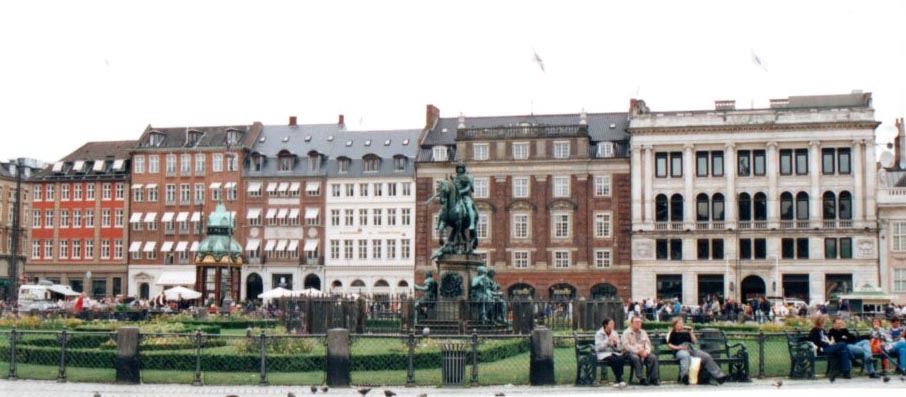
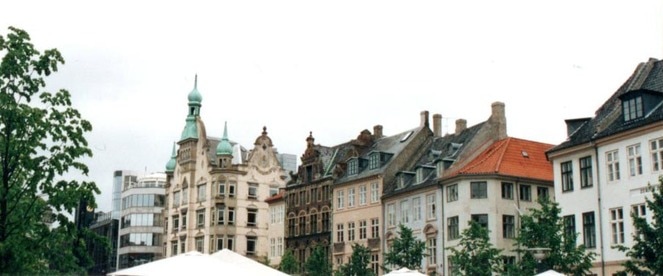
COPENHAGEN / Denmark
(2000)
Picture
Picture
Picture
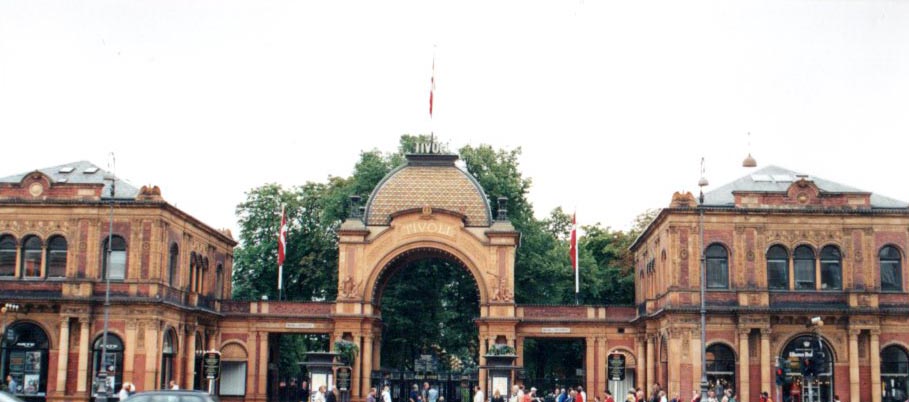
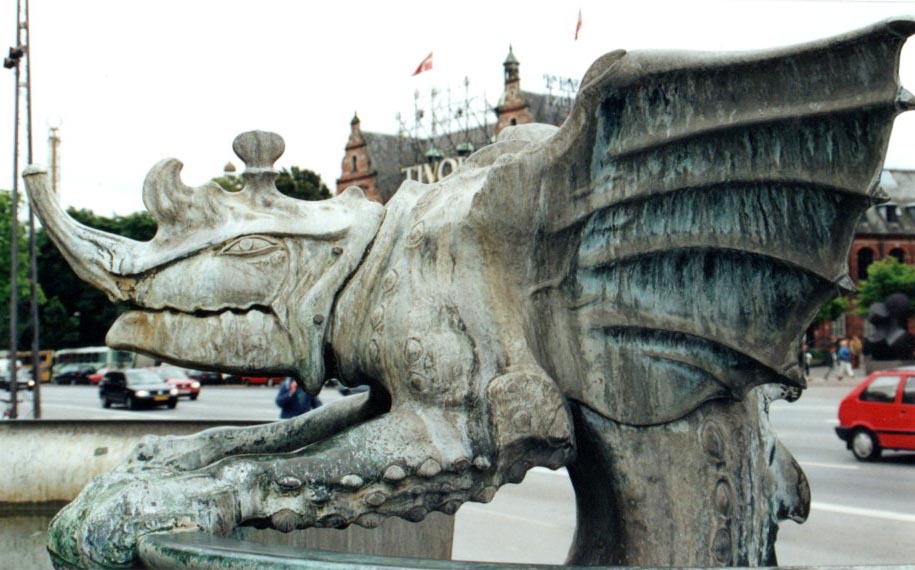
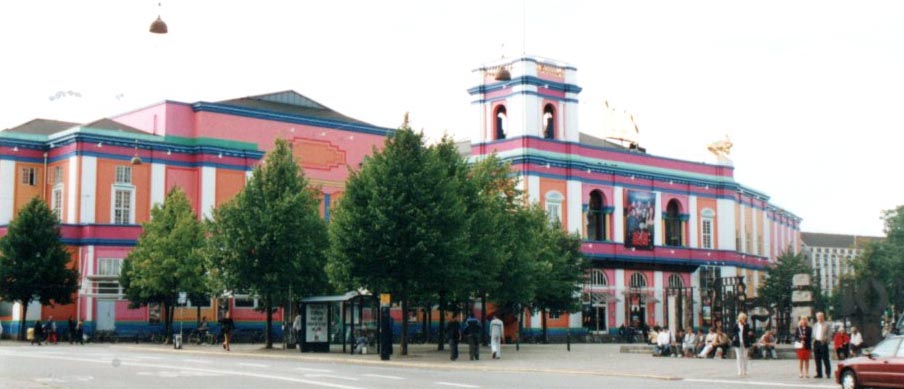
Tivoli
The Tivoli Mystery, Copenhagen Hygge, and the Invasion of the Trolls
Copenhagen is the city of cargo bikes, Scandinavian design, and a relaxed way of life. Yet right in the modern heart of the city, directly opposite the Central Station, lies a place that simply cannot be missed: Tivoli. Founded in 1843, Tivoli is one of the oldest amusement parks in the world.
Picture
Picture
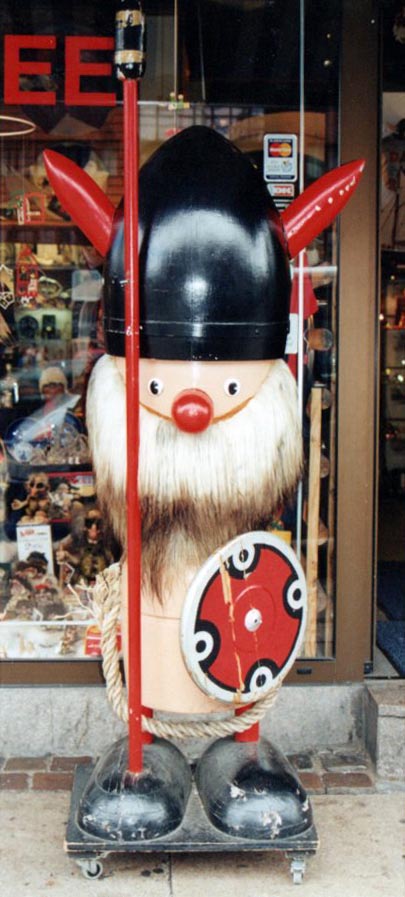
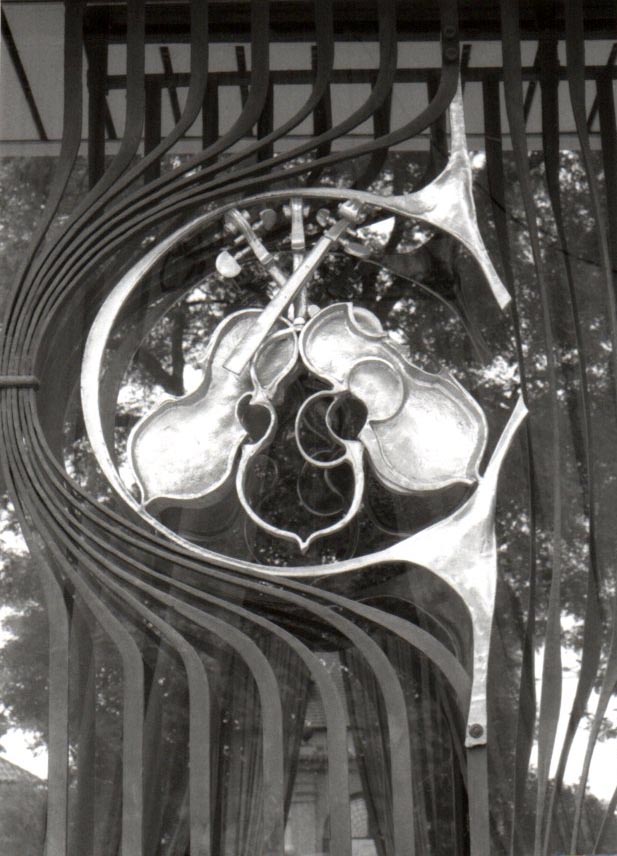
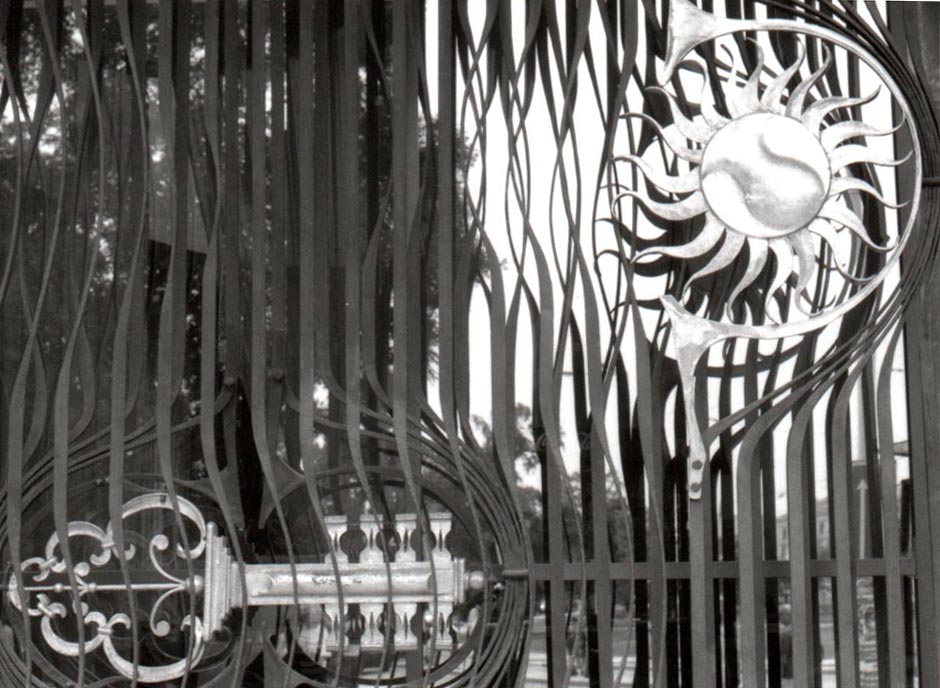
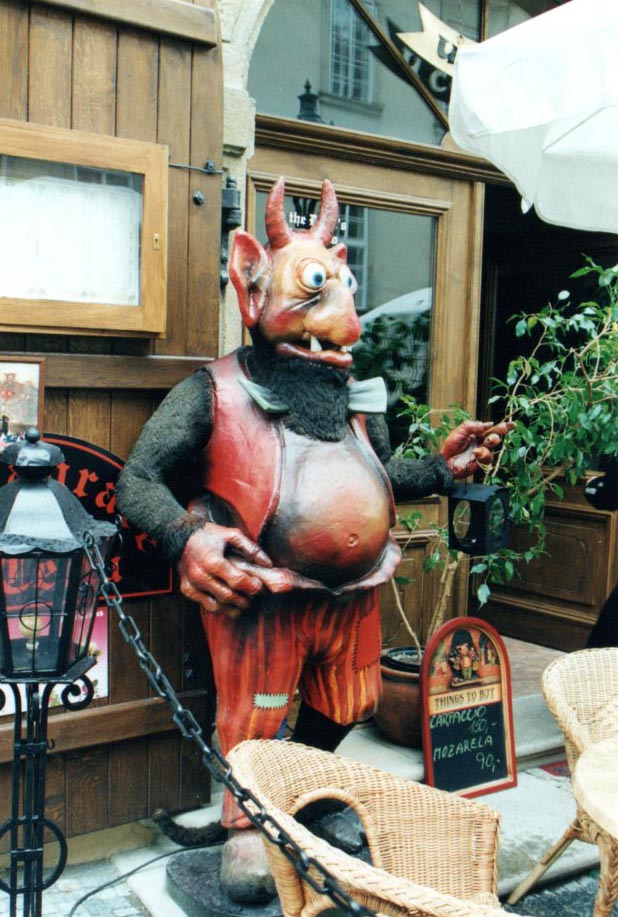
What will stay with me forever from that walk along the park fence is a veritable overdose of Scandinavian mythology. We saw them everywhere in and around Tivoli: trolls! In Denmark and the rest of the Nordic region, these wrinkled, ancient figures from folklore enjoy cult status. At Tivoli, you encounter them in all shapes and sizes—as giant wooden figures staring out from the hedges with their bulbous noses and tousled hair, as intricately detailed carvings on the stalls, or as amusing souvenirs in shop windows.
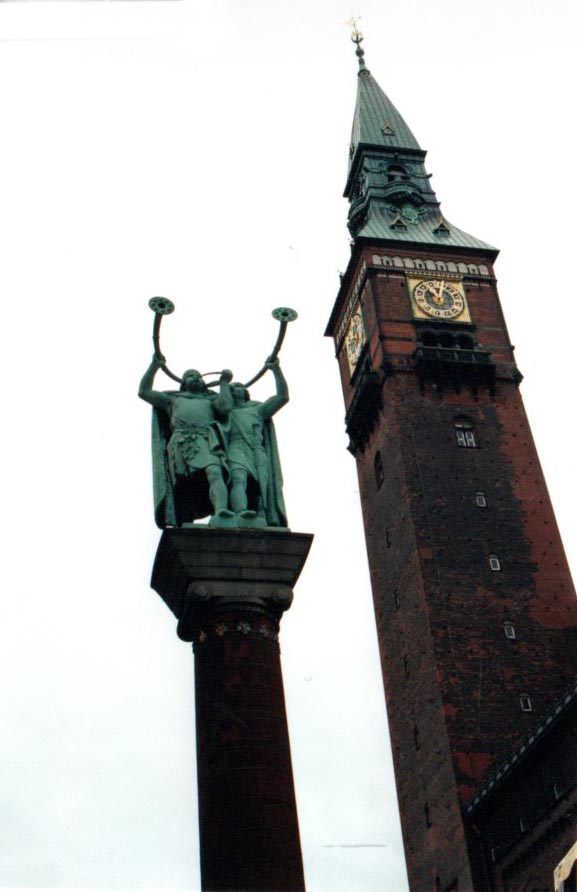
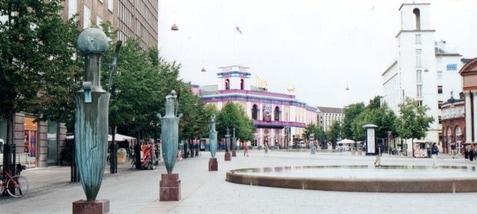
Rådhus & the "Lur players"
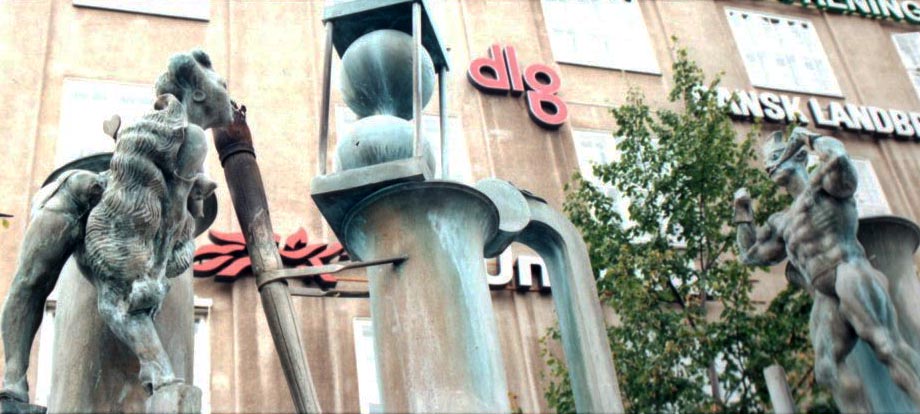
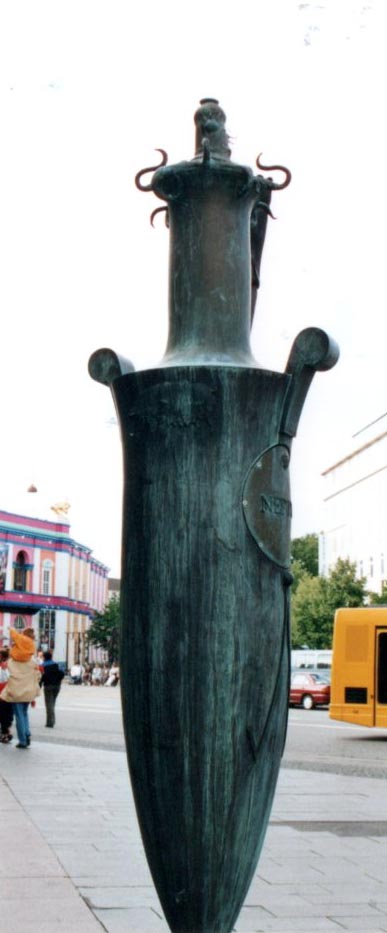
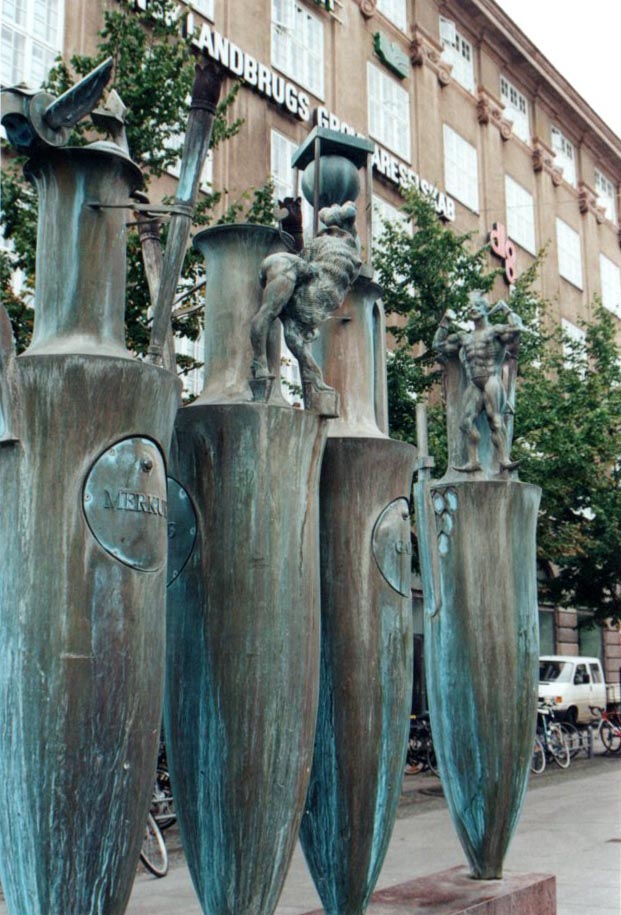
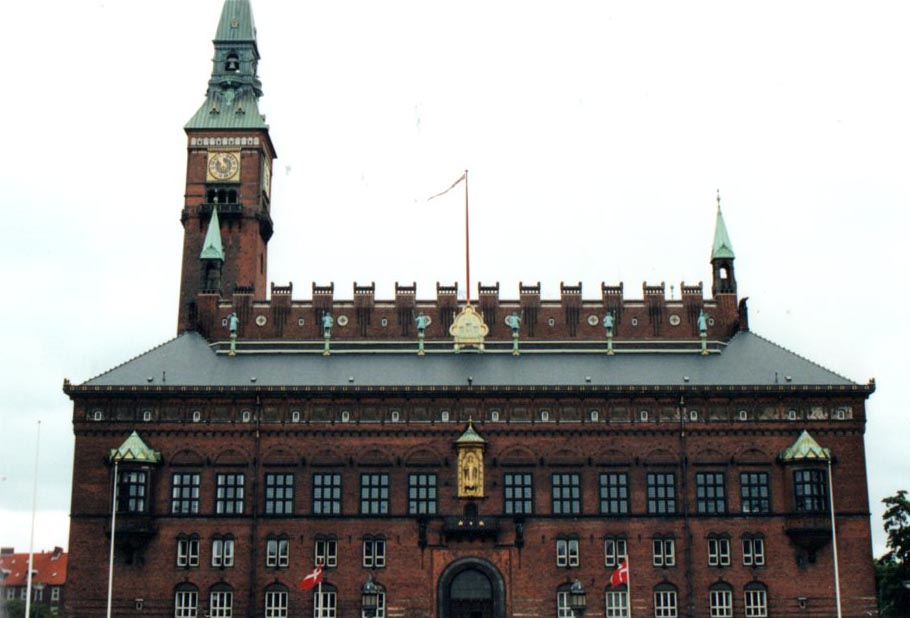
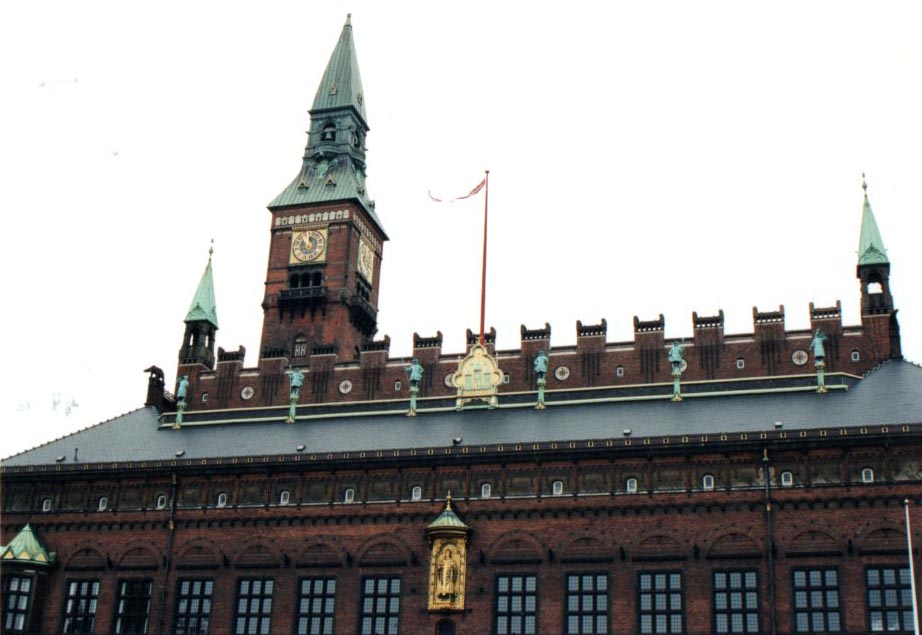
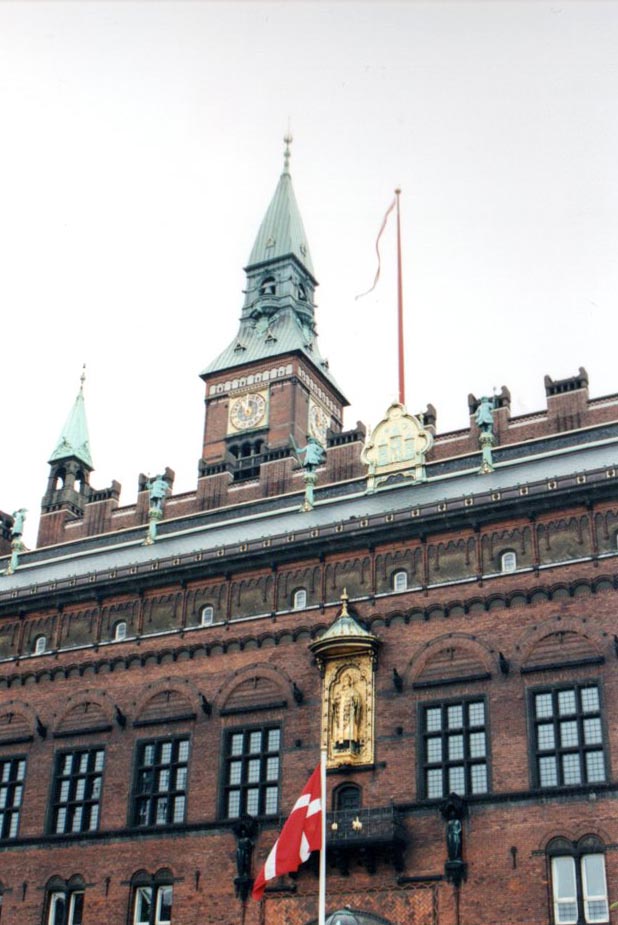
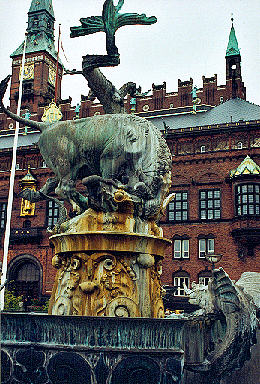
Viking vibes and a silent horn: The City Hall and the Lur Blowers. After our walk by Tivoli and the troll hunt, we ended up right at the vast City Hall Square (Rådhuspladsen). Copenhagen’s imposing City Hall (Rådhus) is a real eye-catcher with its red brickwork, but my analog camera immediately focused on a rather quirky monument right next to it: the legendary Lur Blowers (Lurblæserne).
Picture
Picture
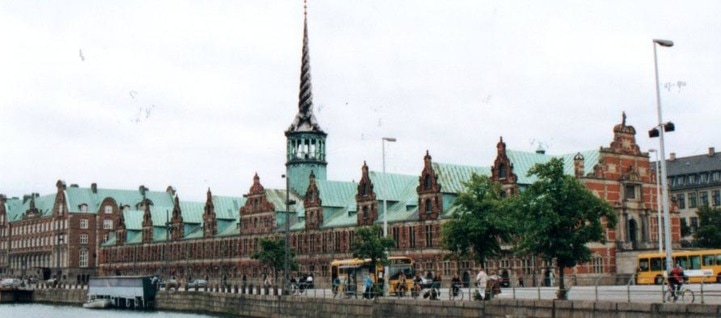
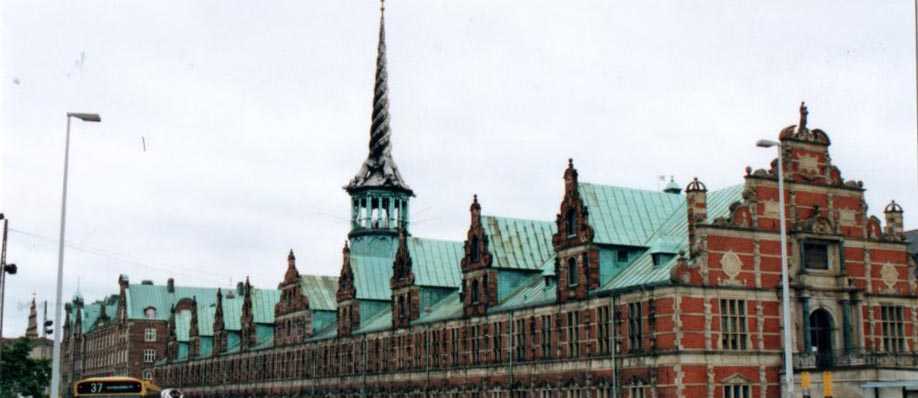
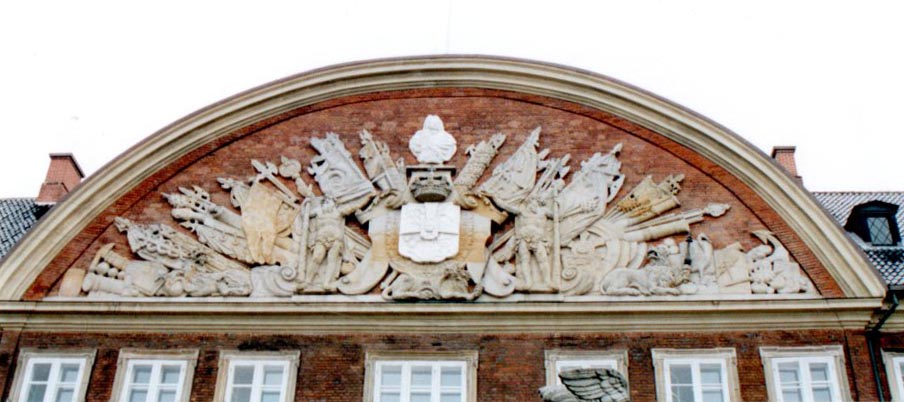
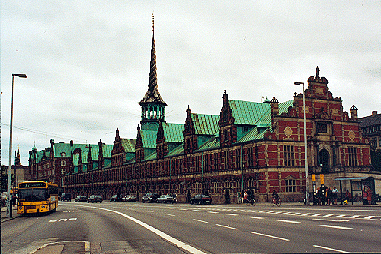
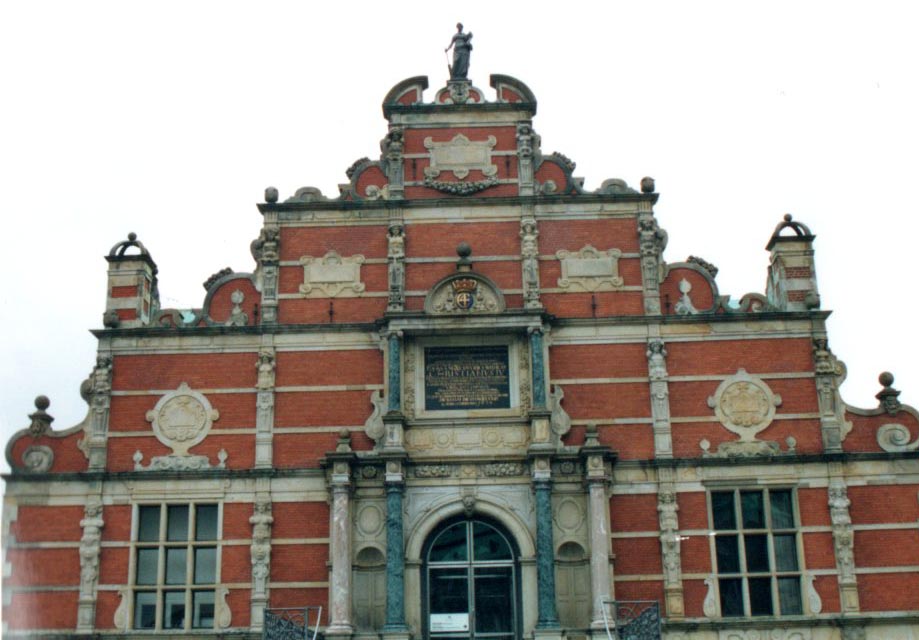
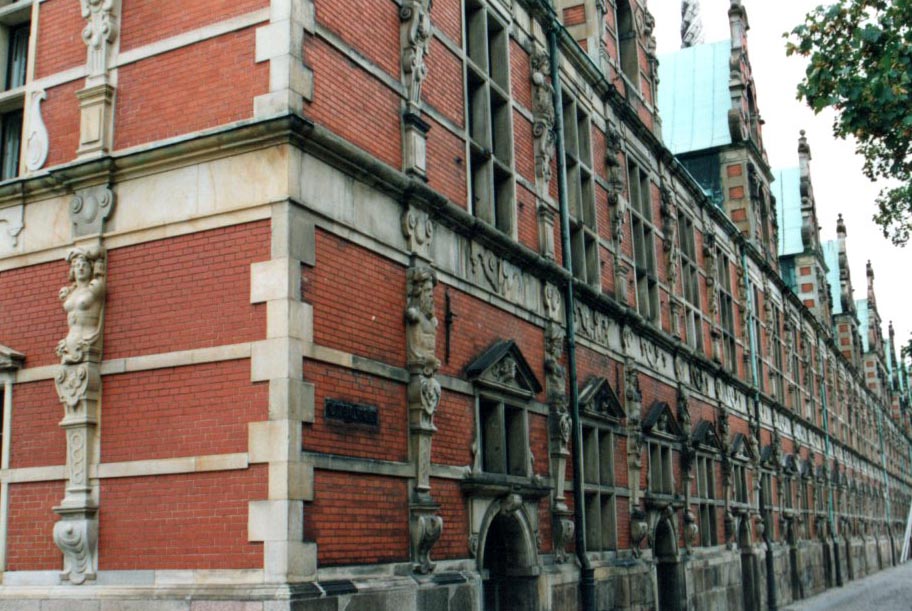
The Børsen
Picture
Picture
1625 The Floating Marketplace: Built on an artificial embankment, the building was initially surrounded by water on three sides. This allowed ships to dock directly alongside the facades. The ground floor housed 40 market stalls, while merchants on the first floor sold exotic spices, books, clothing, and textiles.
1658: Lead balls for the war: King Christian IV originally had the vast roof completely covered with lead. However, during the Swedish siege (1658–1659), the valuable metal was promptly stripped off to cast into cannonballs.
​1918 The Storming of the Financial Centre: The building survived wars but was stormed in 1918 by angry unemployed people, for whom the building was the ultimate symbol of greedy capitalism. Actual stock trading continued here until 1974, after which the Danish Chamber of Commerce moved in.
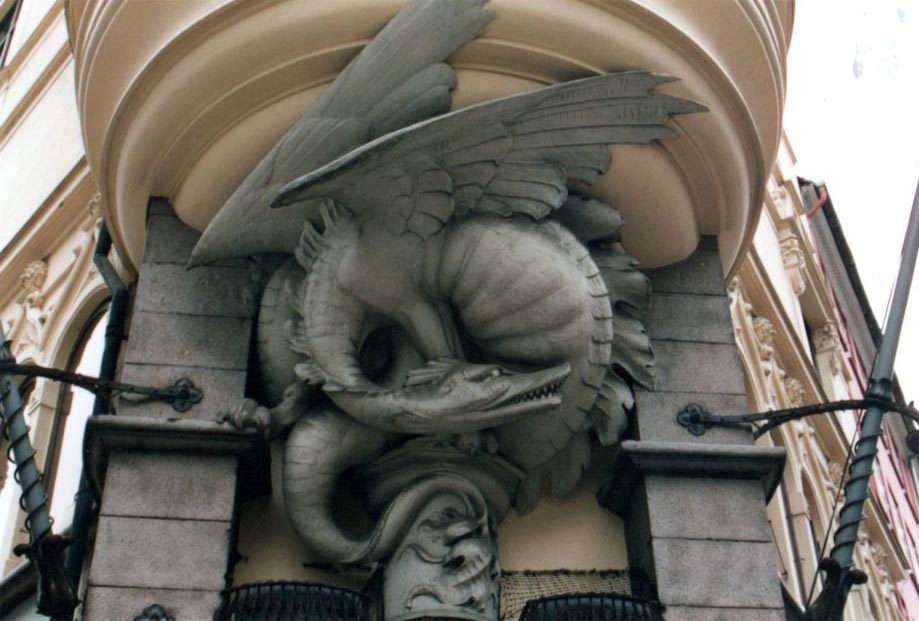
2024 The Fiery Drama: For nearly 400 years, the myth held that the Dragon Spire protected the building from fire. Unfortunately, during renovation work in April 2024, the magic failed: more than half of the building burned down completely, and the legendary spire collapsed on live television.

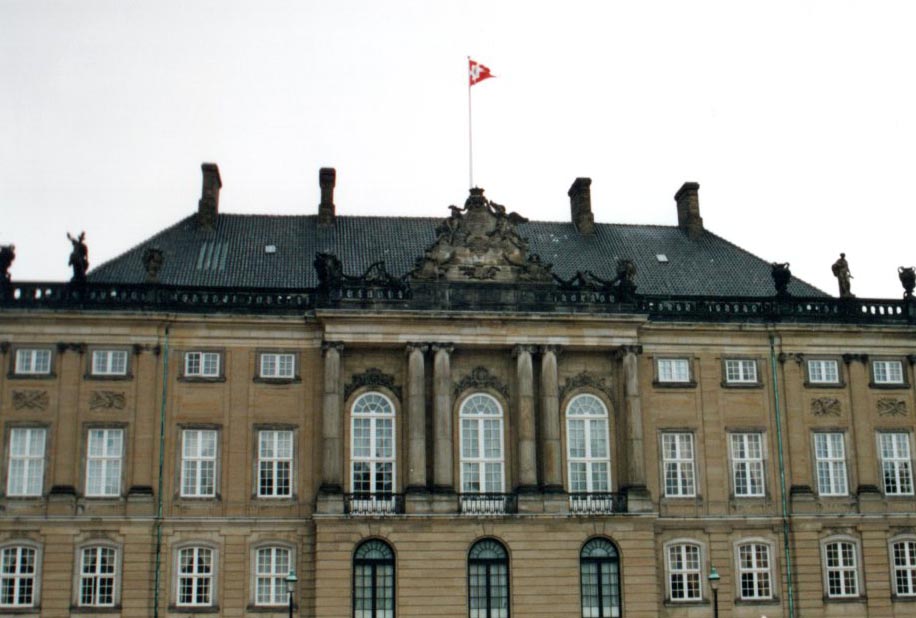
Amalienborg Palace
A Royal Coffee Gathering: My Visit to Amalienborg Palace​
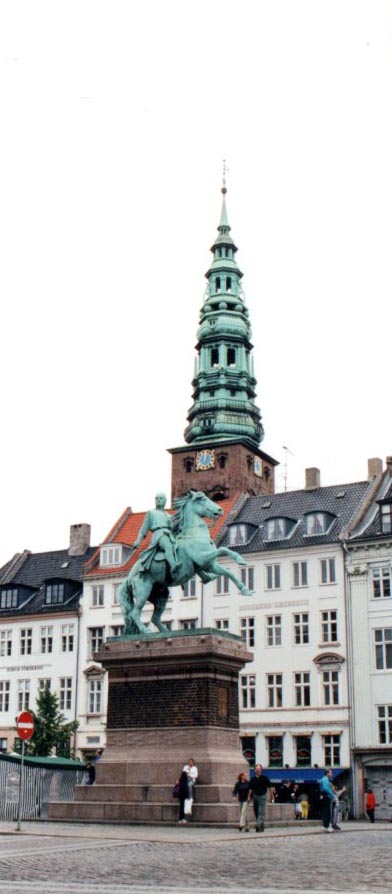
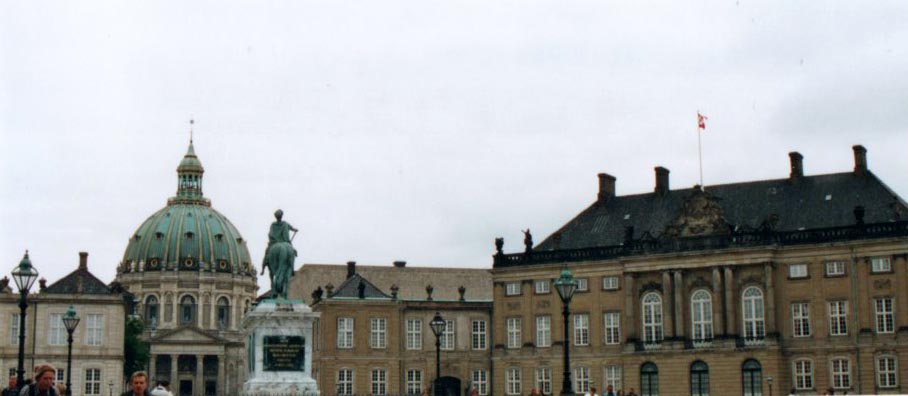
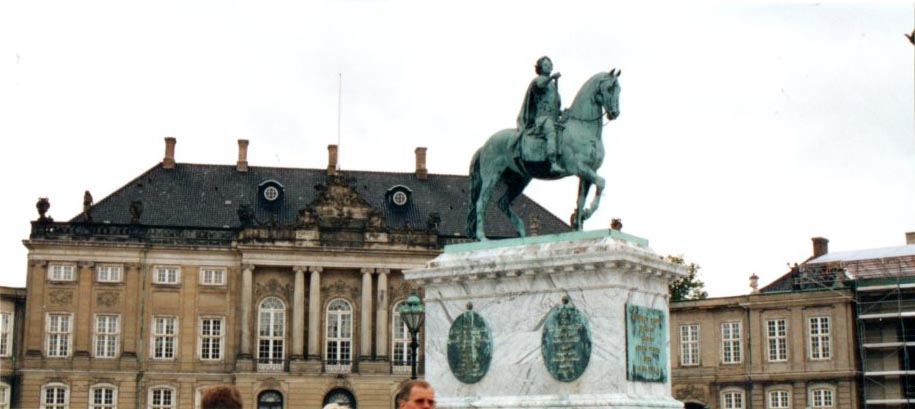
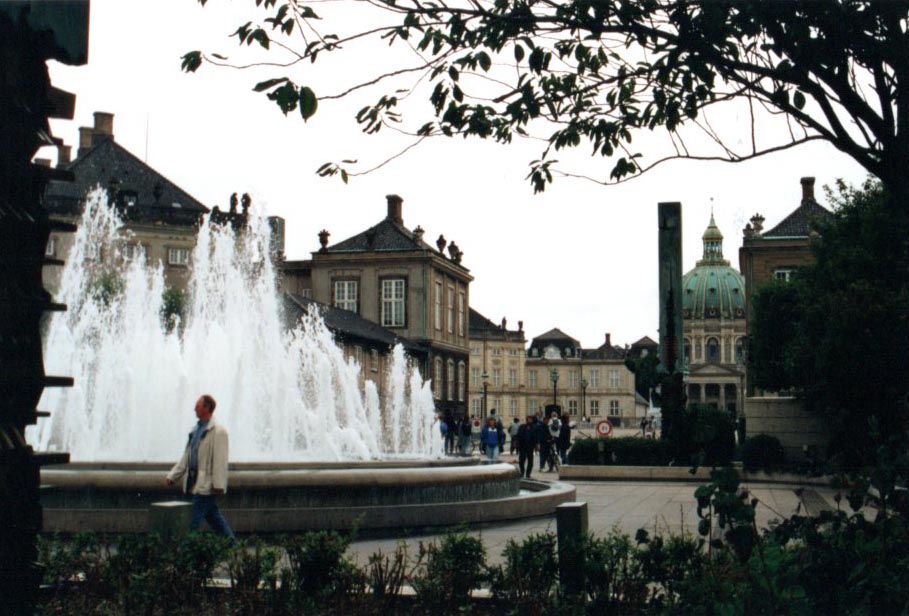
As you step into the vast, octagonal palace square, you immediately realize that the Danes have a very special relationship with their royals. The palace complex actually consists of four identical Baroque palaces arranged in a circle around a monumental equestrian statue. There are no high fences or bulletproof glass—you simply walk across the cobblestones and find yourself standing practically right on the King's doorstep!
Picture
Picture
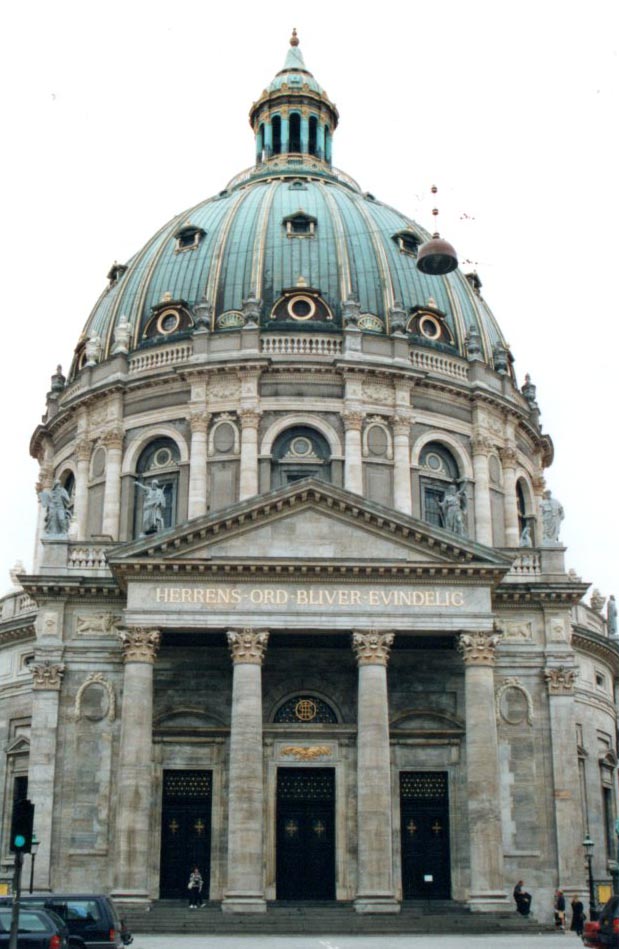
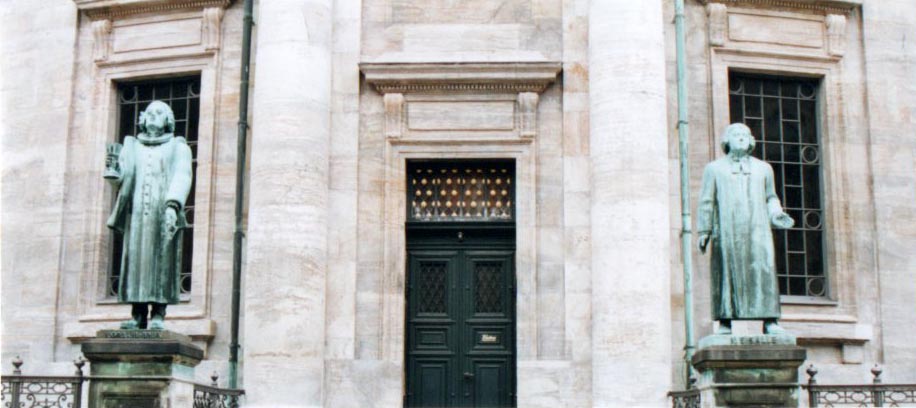
Marmorkirke (Marble Church)​
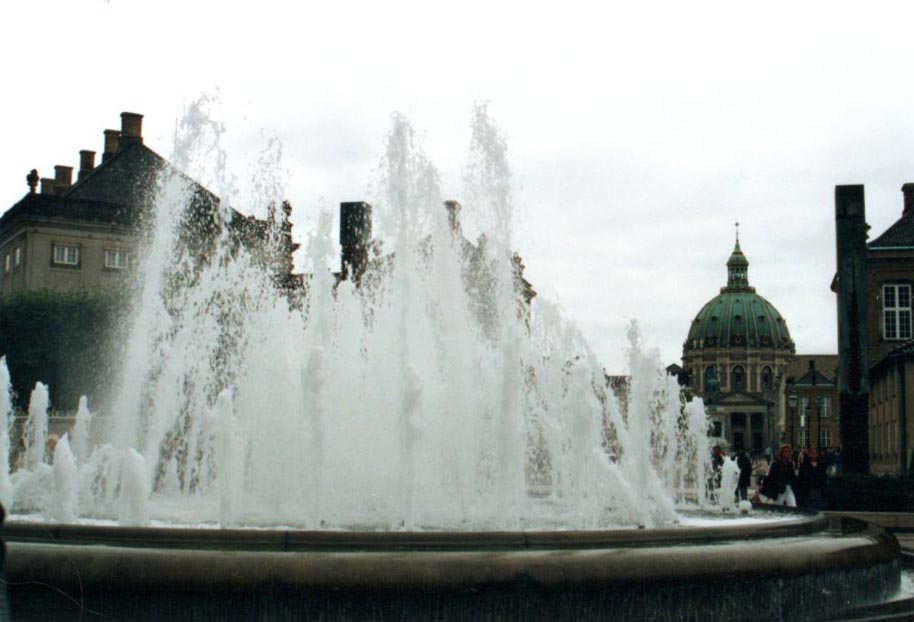
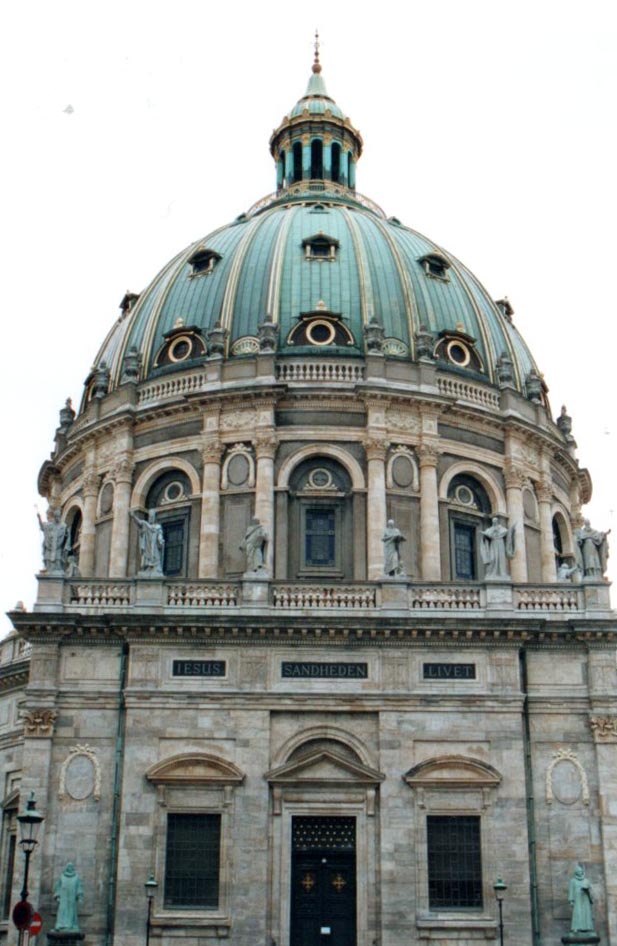
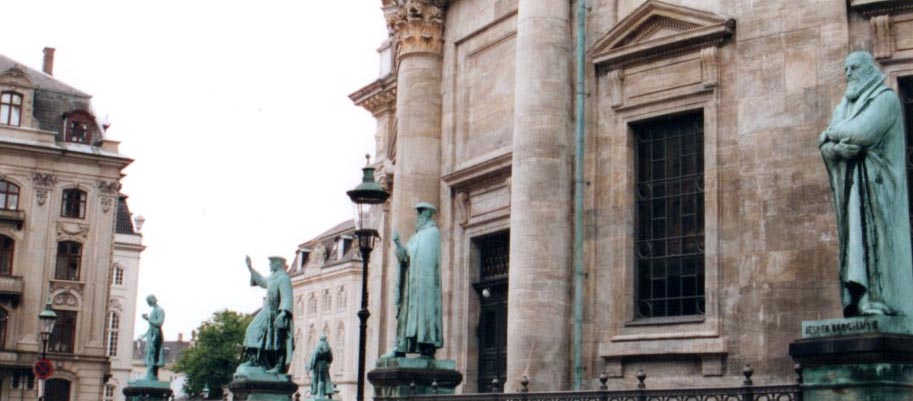
If you spin 180 degrees on the spot at Amalienborg Palace Square, it almost knocks you off your feet. At the end of the street, a gigantic, emerald-green dome rises into the sky—looking so brazenly monumental that it immediately brings St. Peter’s Basilica in Rome to mind.​
The century-long fiasco: In 1749, the King ran out of money for the expensive Norwegian marble right in the middle of construction. For over a century, the church remained a gigantic, unfinished shell.
The material deception: It was not until the late 19th century that an industrialist finished the structure—albeit surreptitiously using significantly cheaper limestone and sandstone instead of genuine marble!
Picture
Picture
Picture
Picture
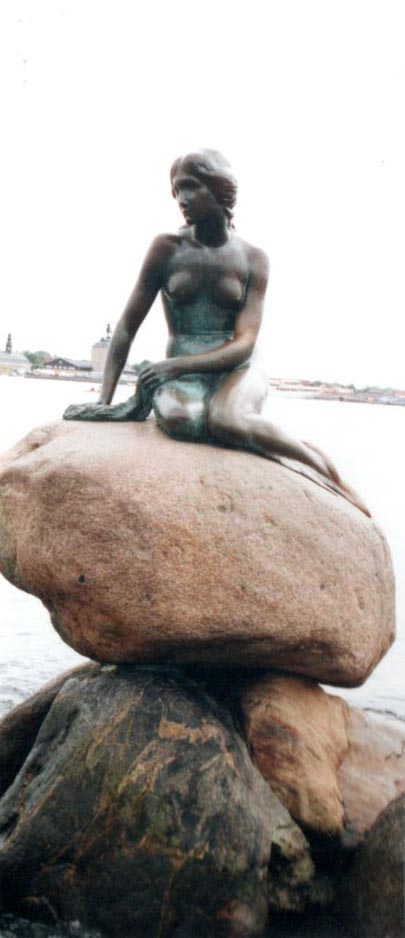
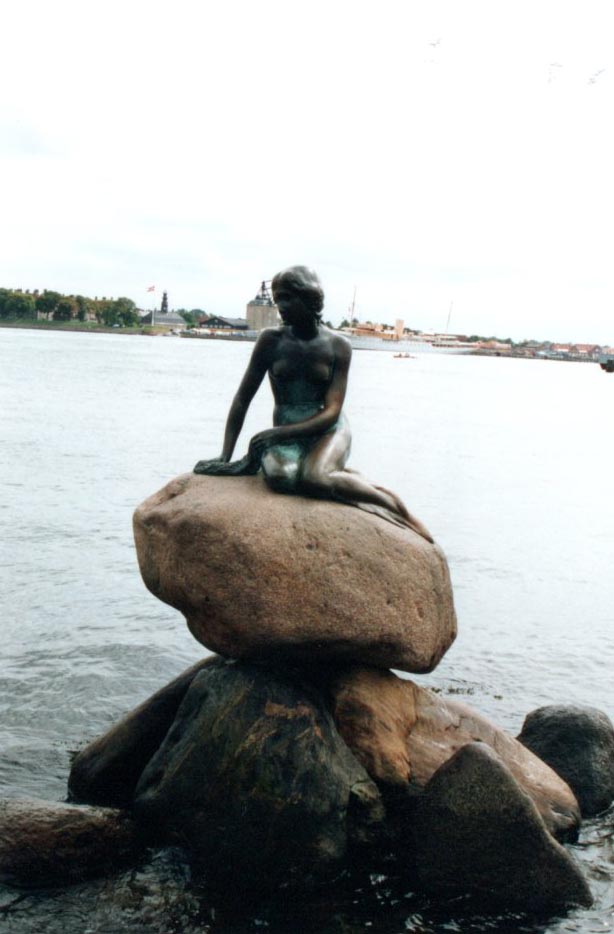
"Lille Havfrue" (The Little Mermaid)
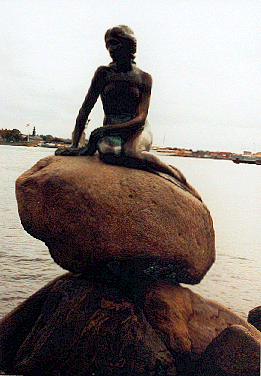
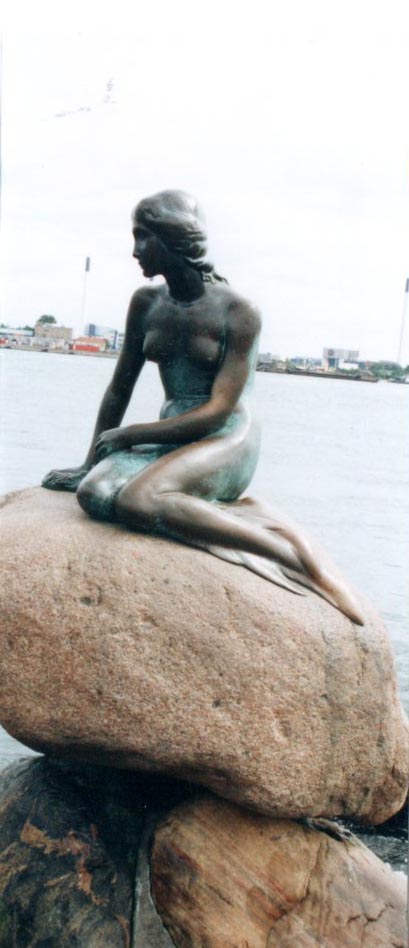
After chasing the trolls at Tivoli and watching the lur players go through their cozy workout, there was one place we simply had to visit—even though it is located a fair distance from the city center at Langelinje Pier. We are talking about *Den lille Havfrue*—the Little Mermaid. She is the undisputed symbol of Copenhagen, world-famous from Hans Christian Andersen’s sad fairy tale.

Picture
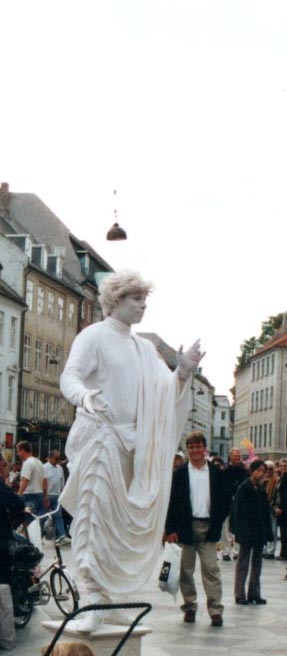
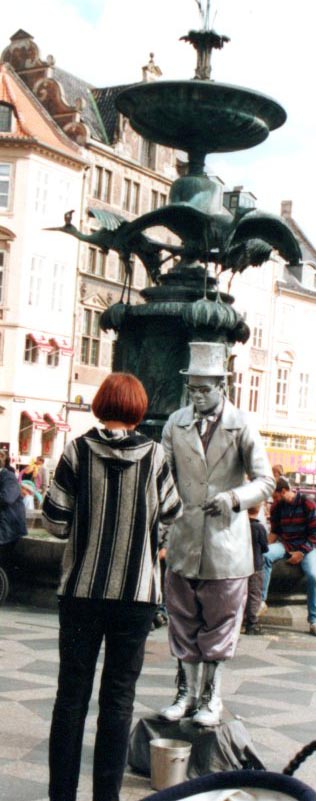
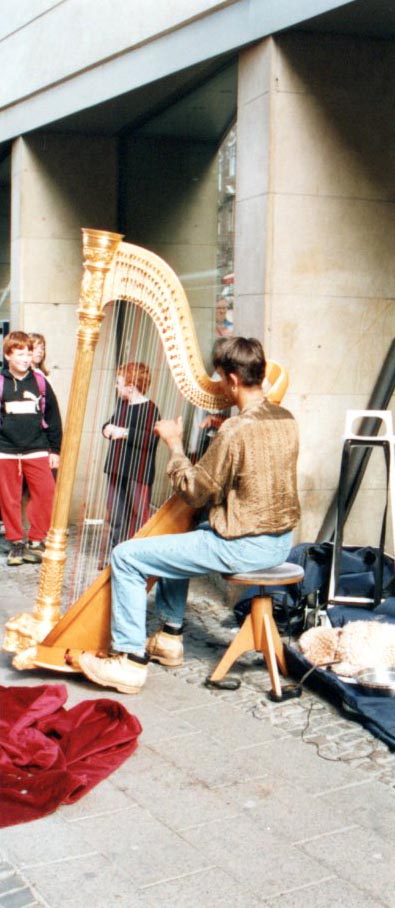
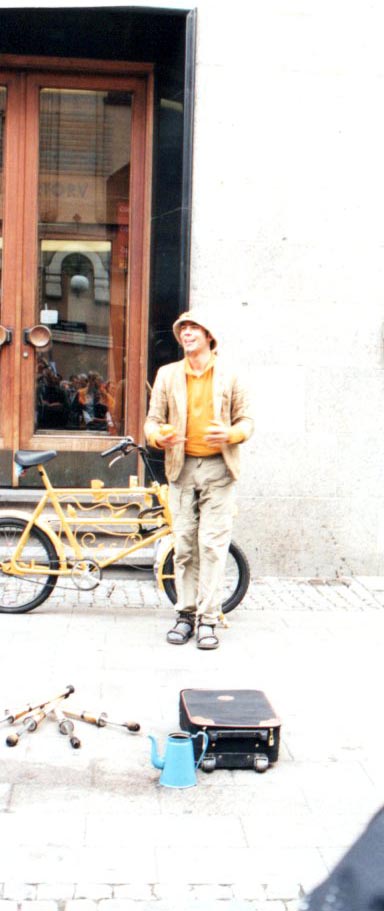
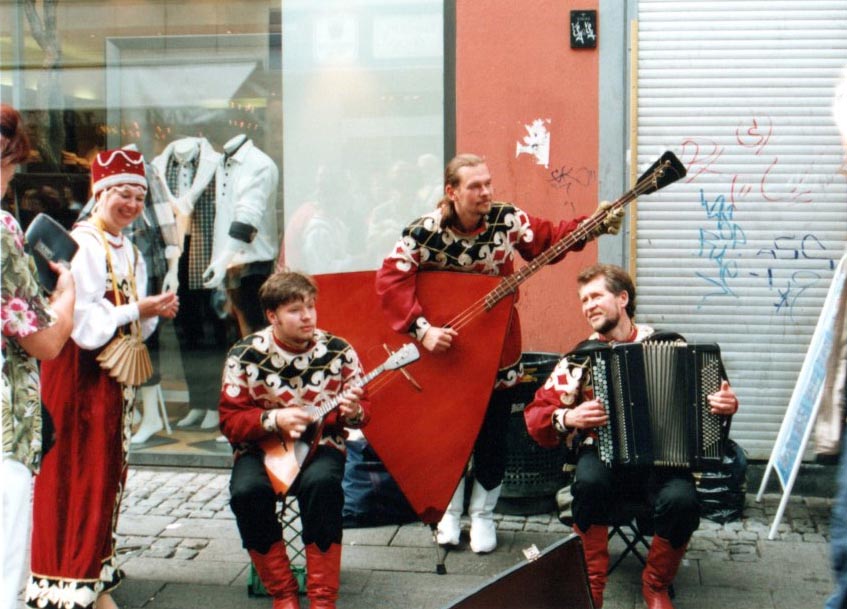
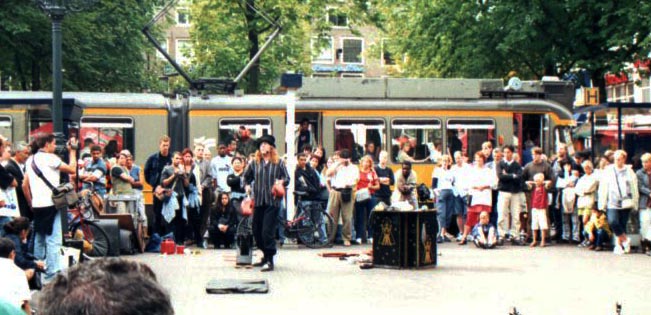
What would Copenhagen be without the creative spirits on its streets? Street musicians and artists are the true soul of the city here. Every day, they transform historic squares and the long Strøget pedestrian zone into a vast, cozy open-air stage
Picture
Picture

Picture
Picture
Picture


PRAHA (​Prag) / Czech Republic
(2000 + 2003)

Picture
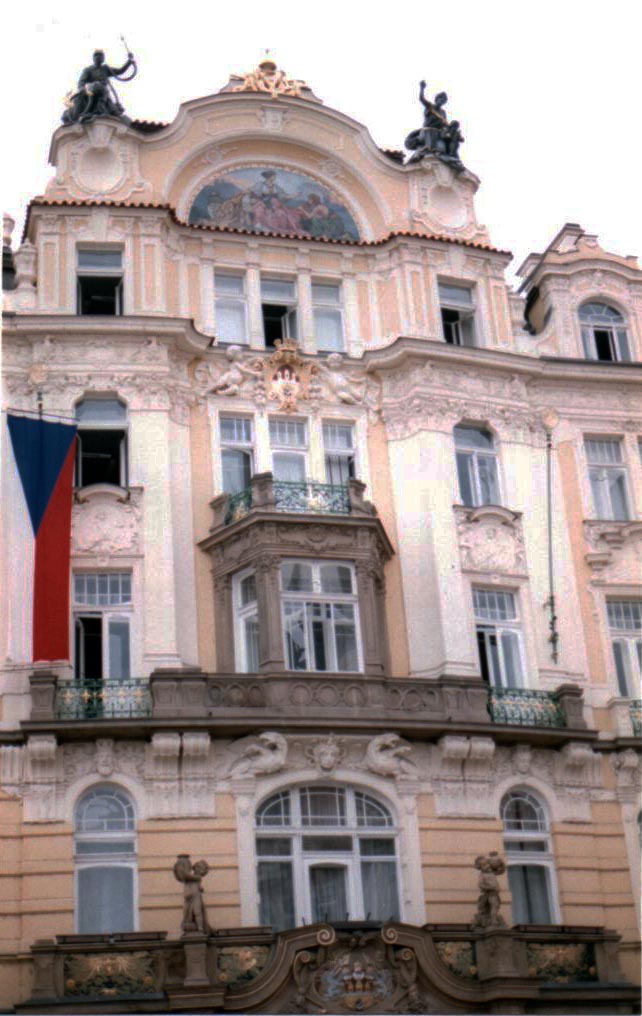
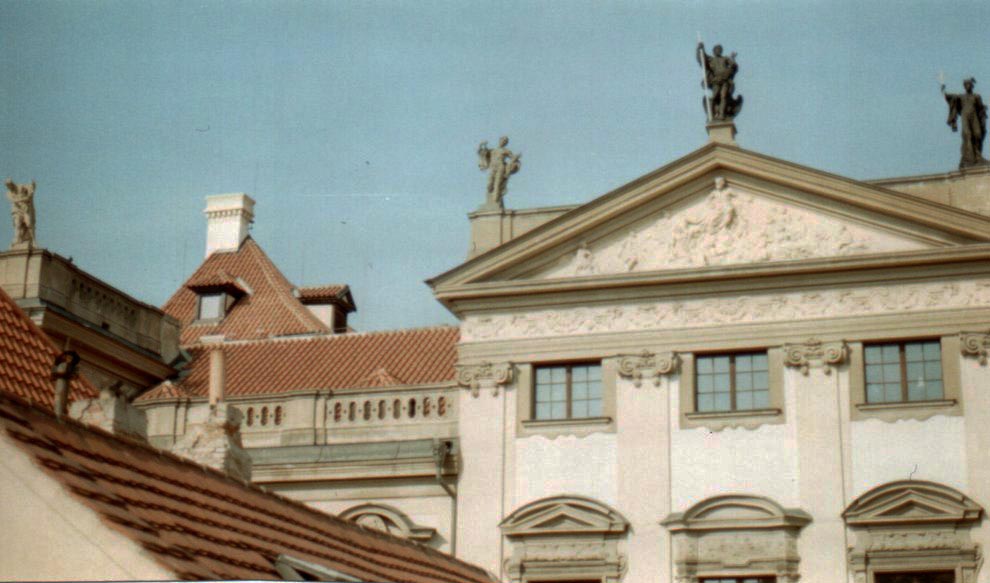
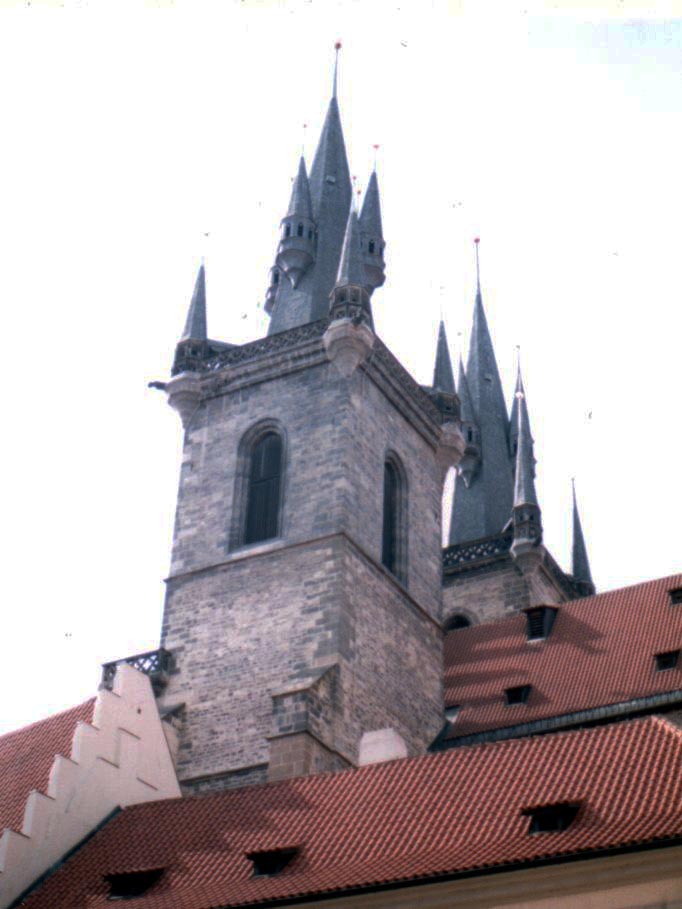
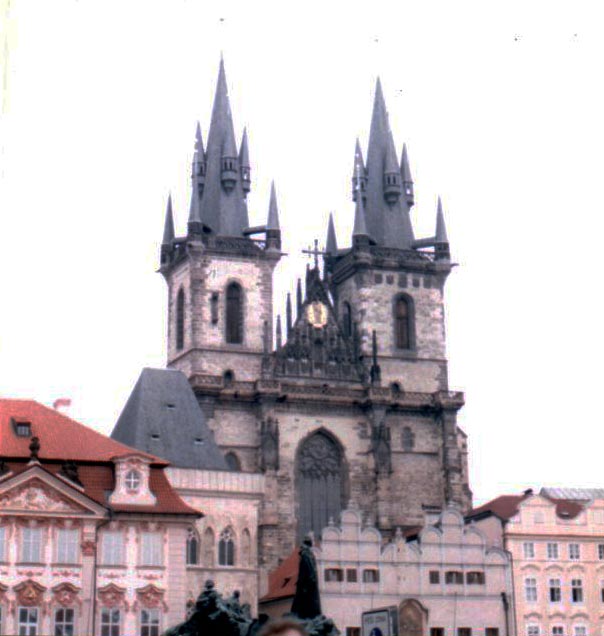
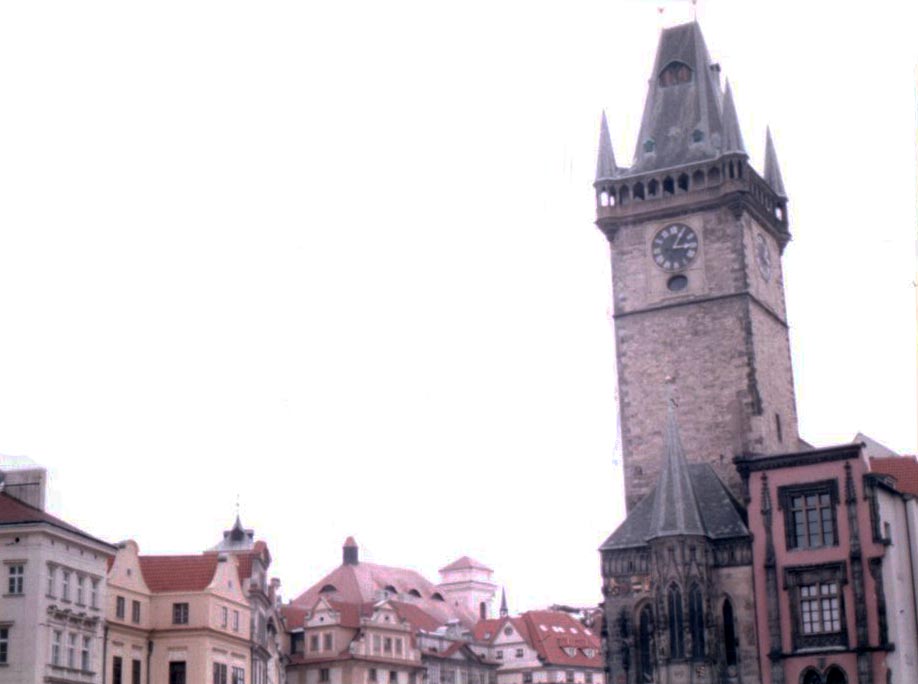
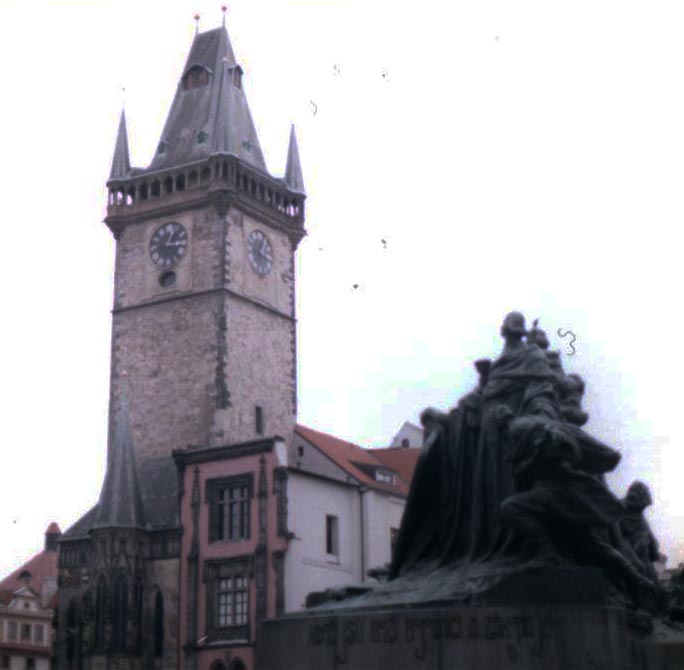
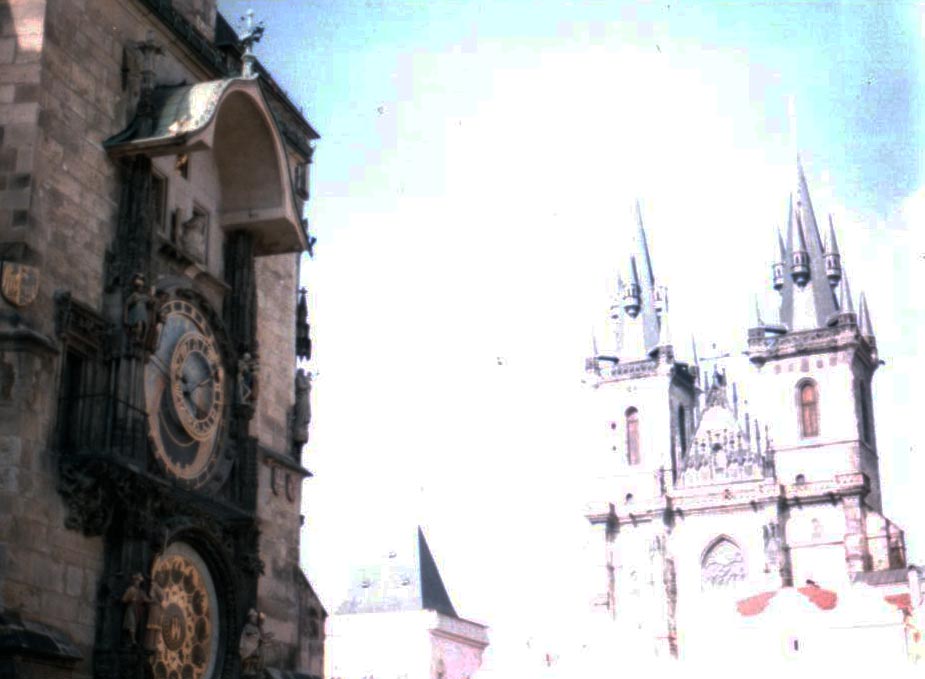
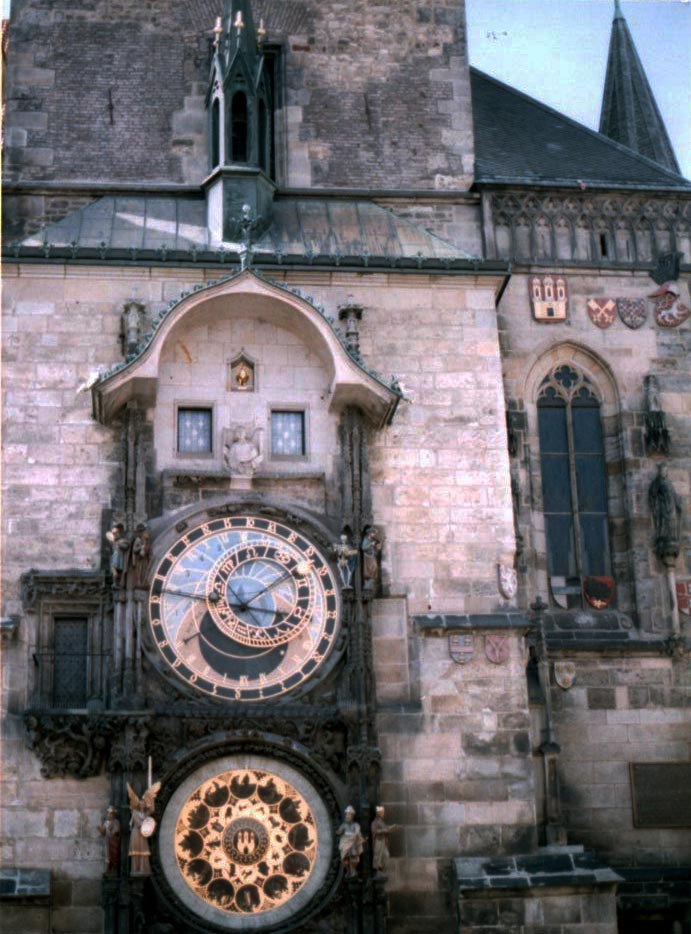
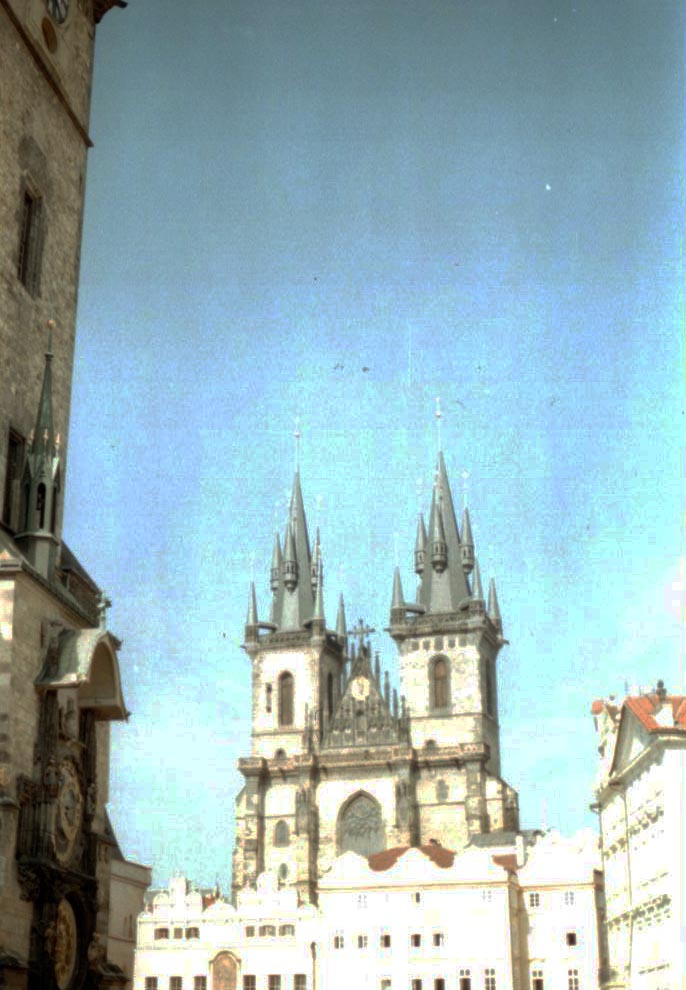
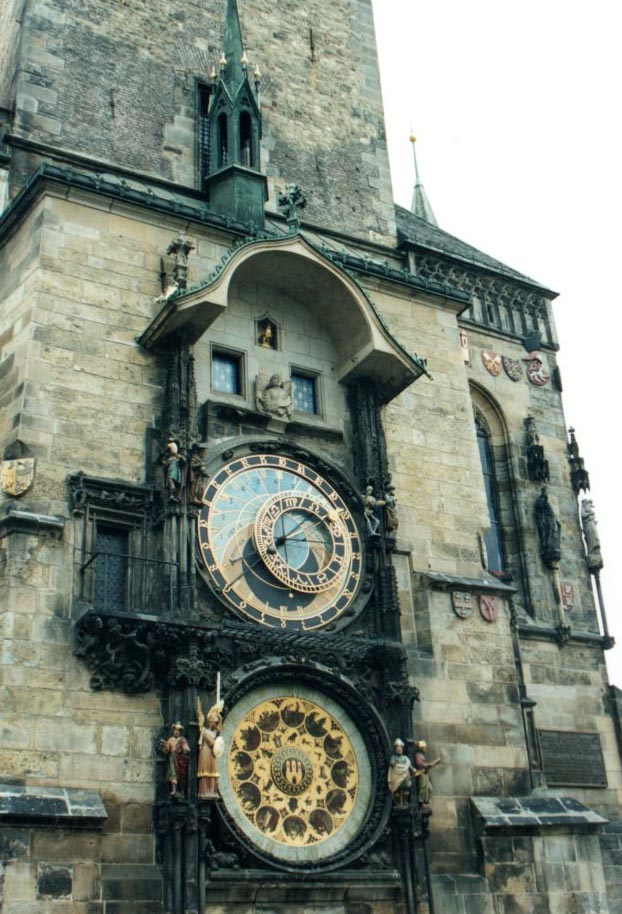
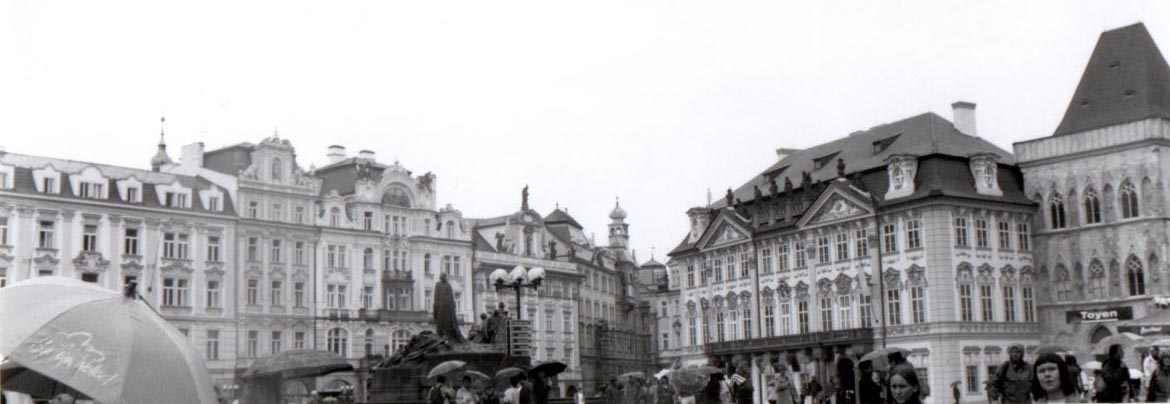
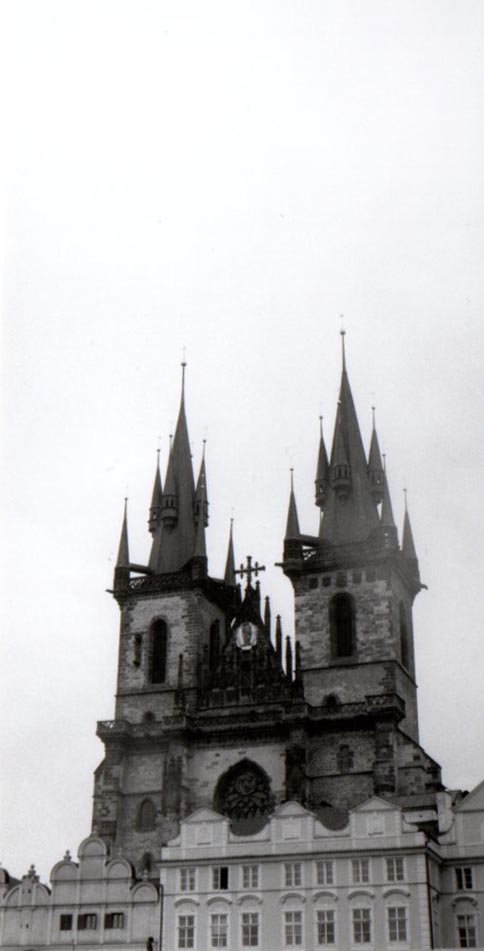
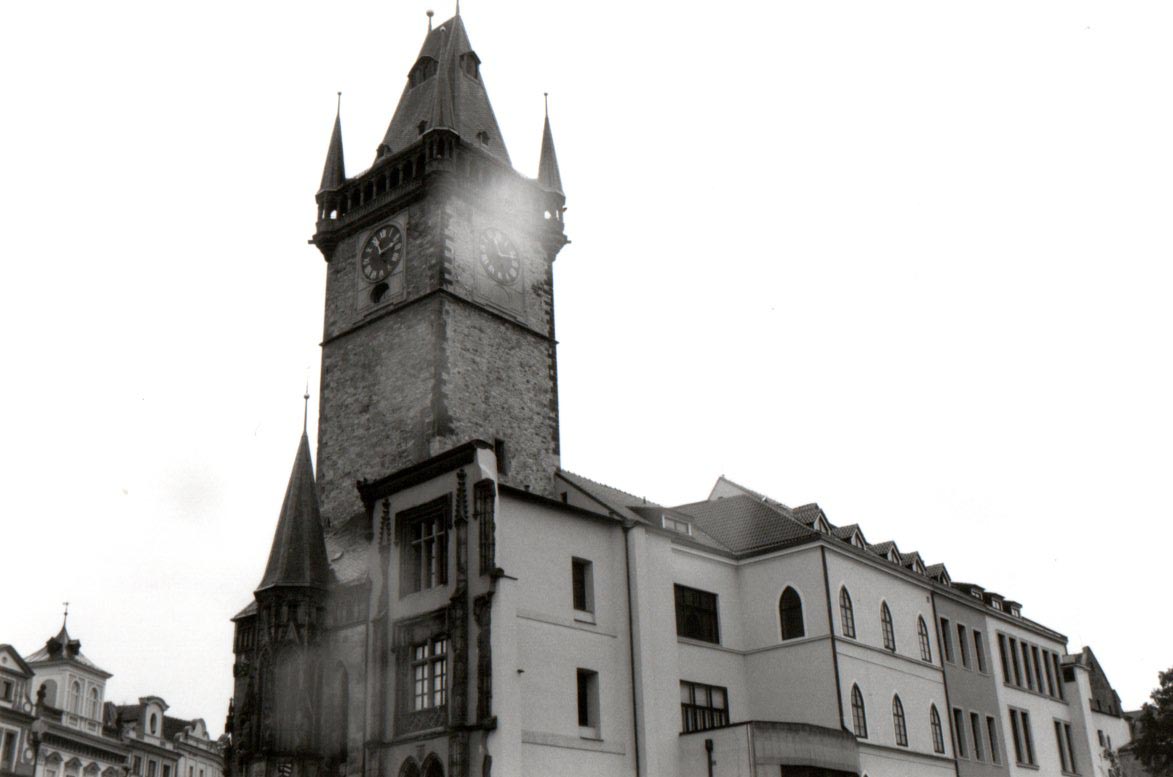
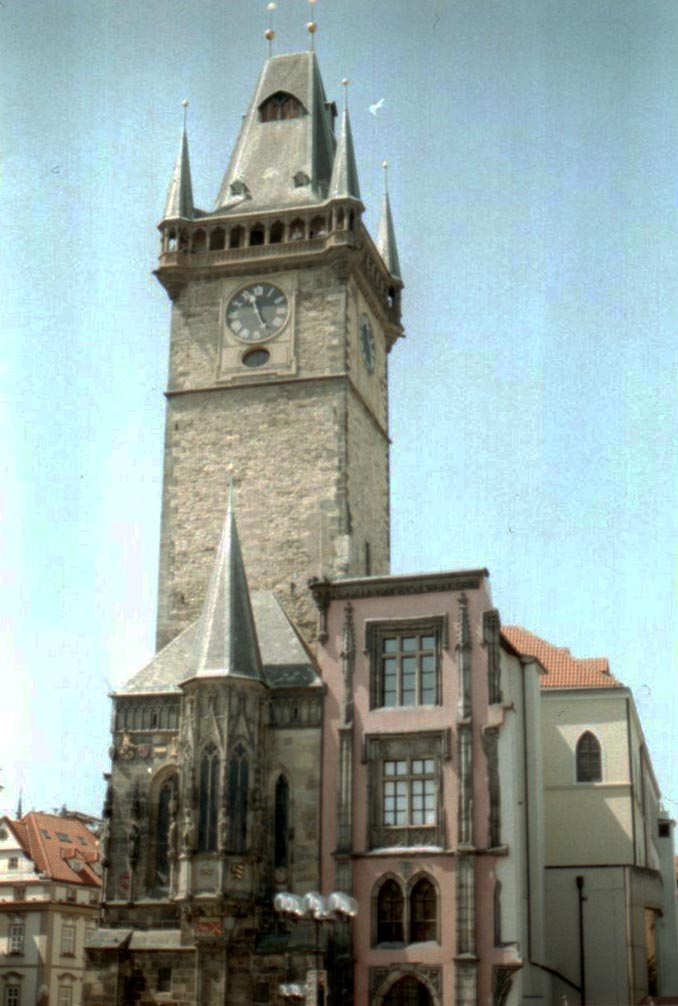
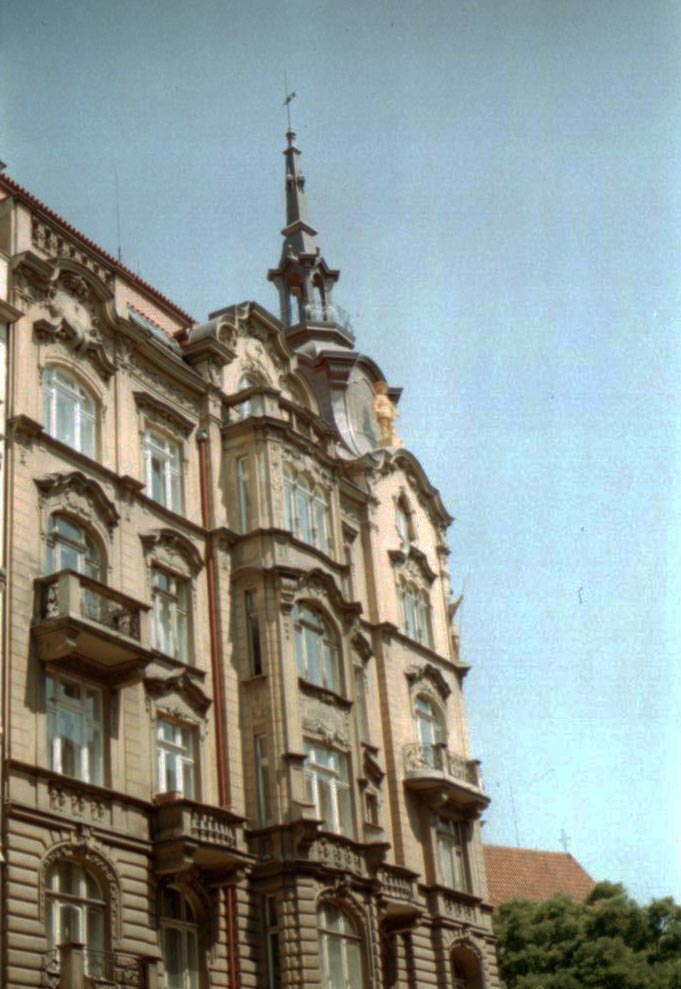
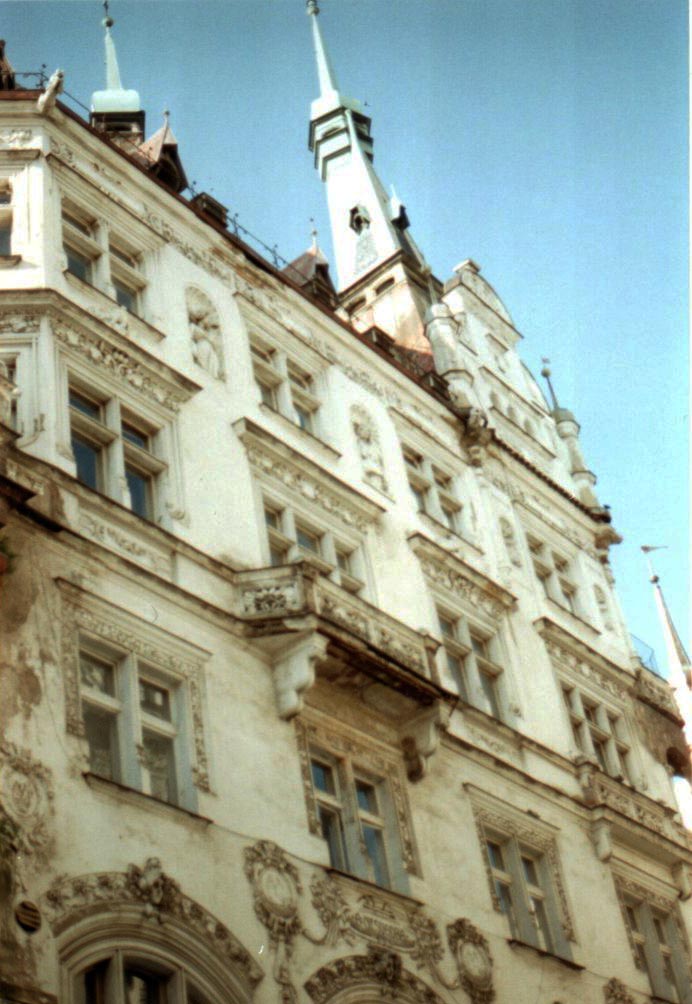
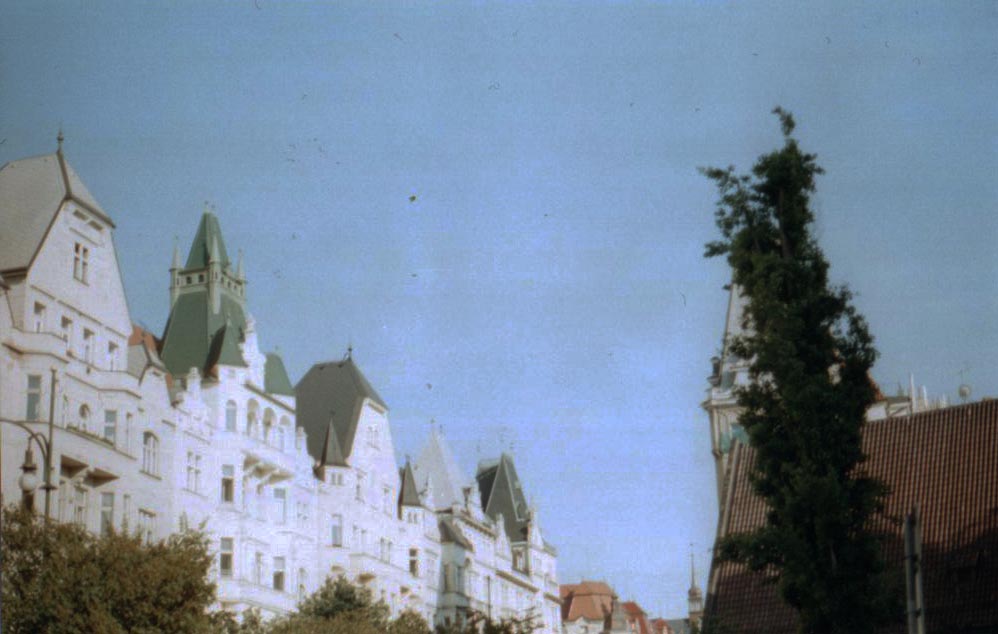
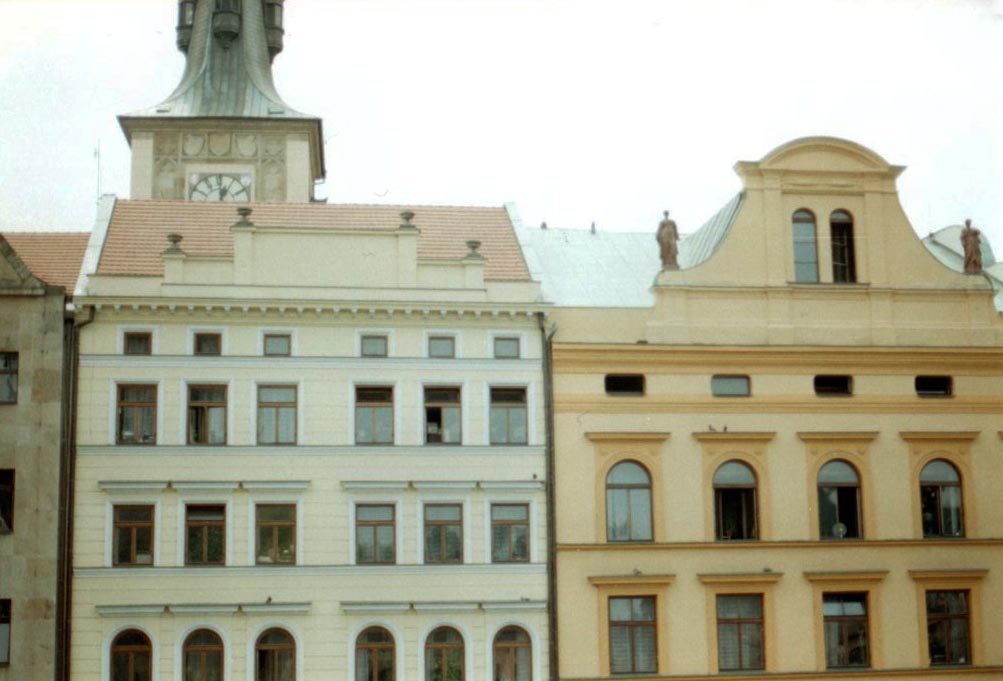
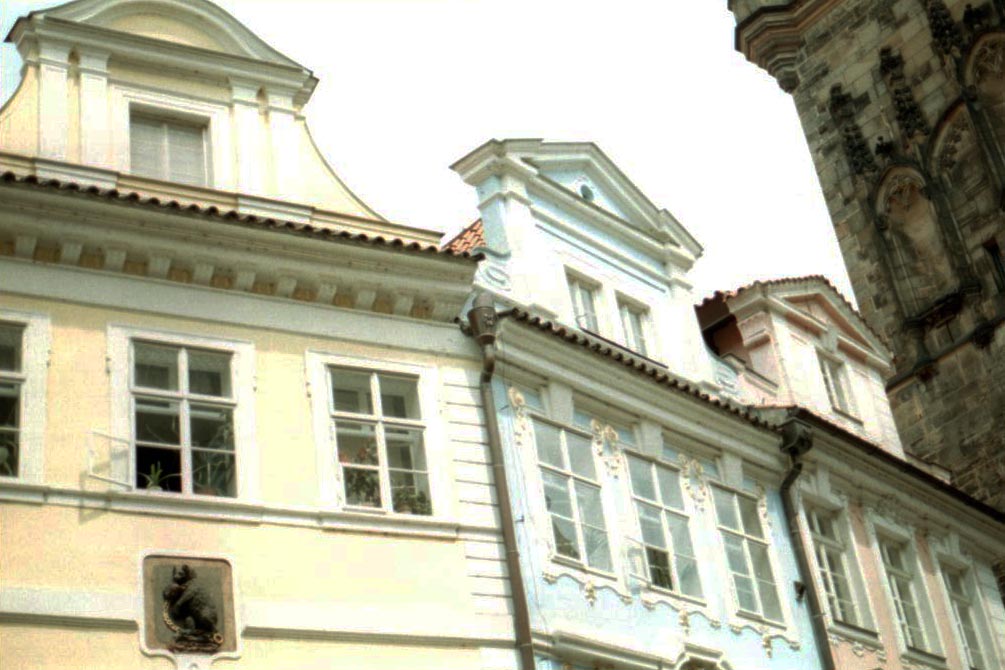
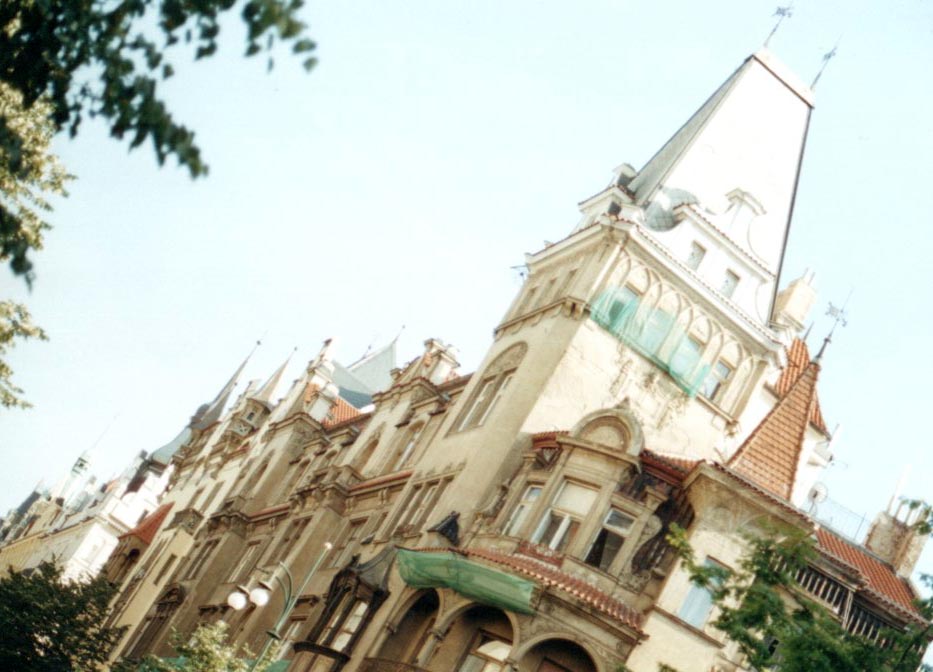
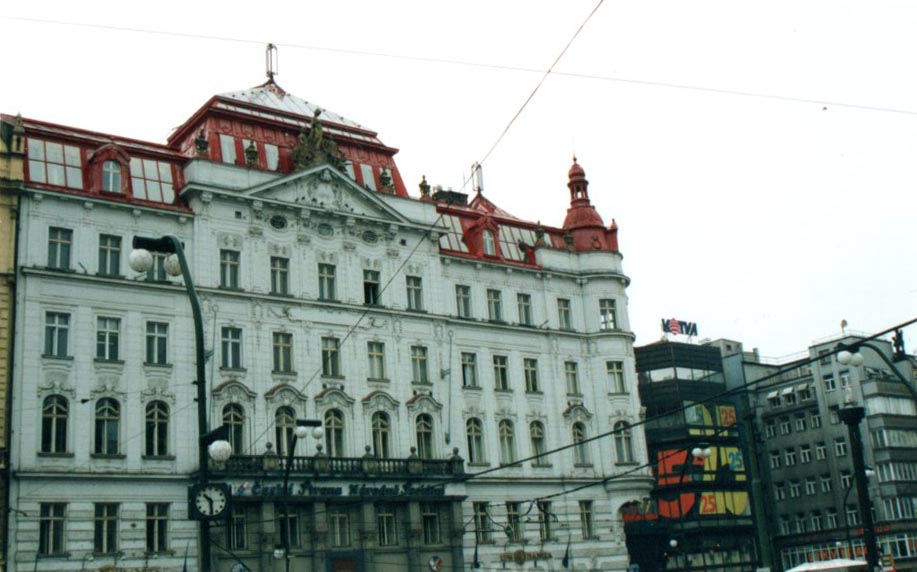
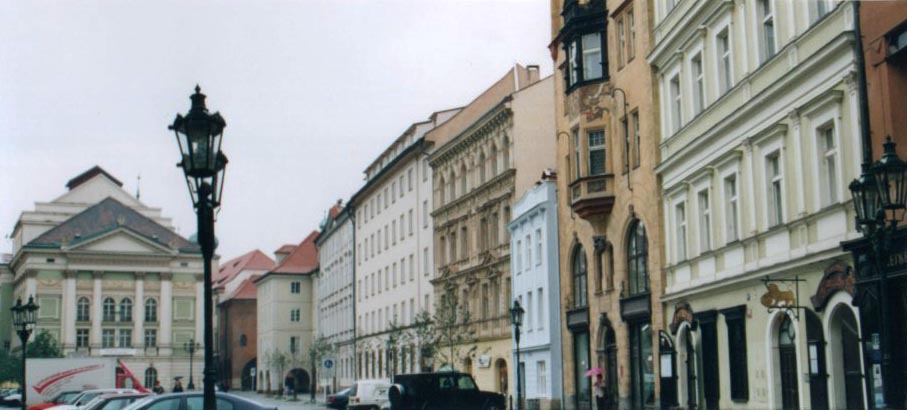
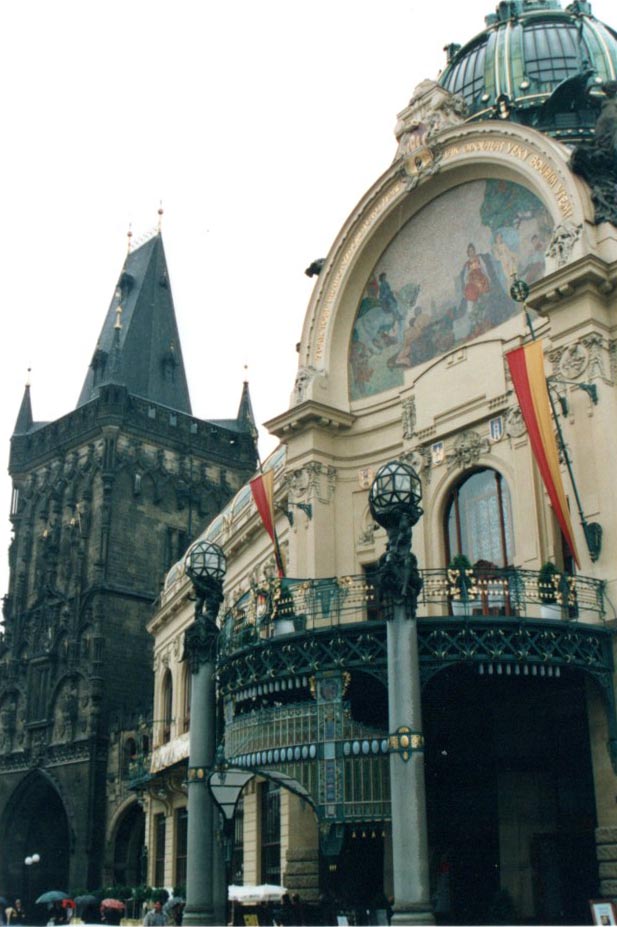
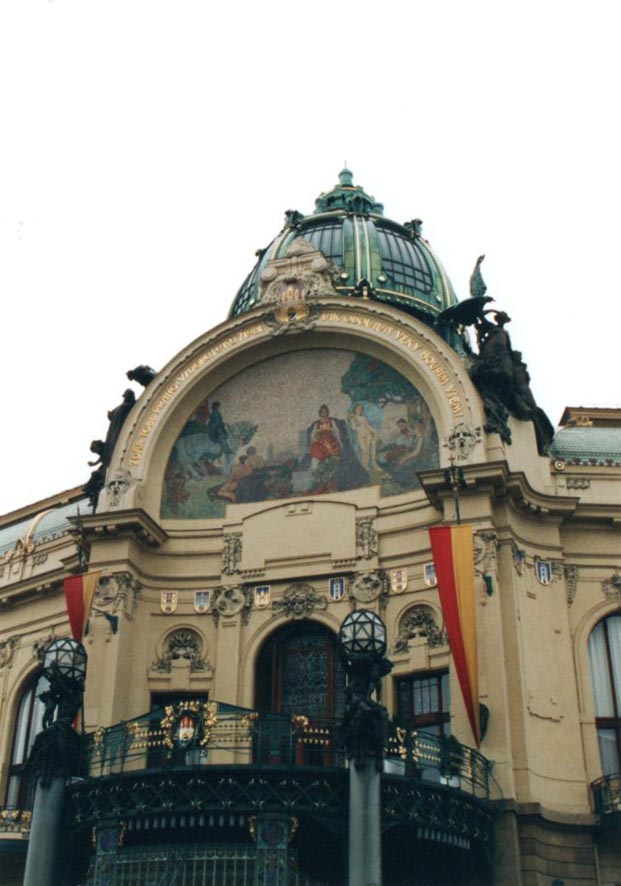
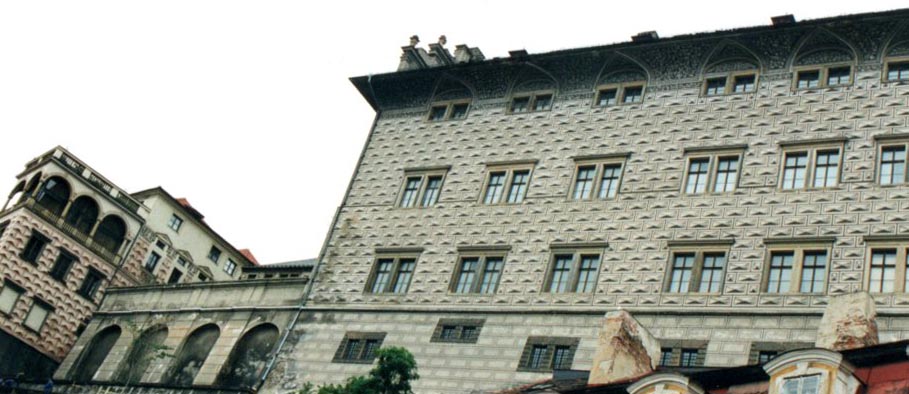
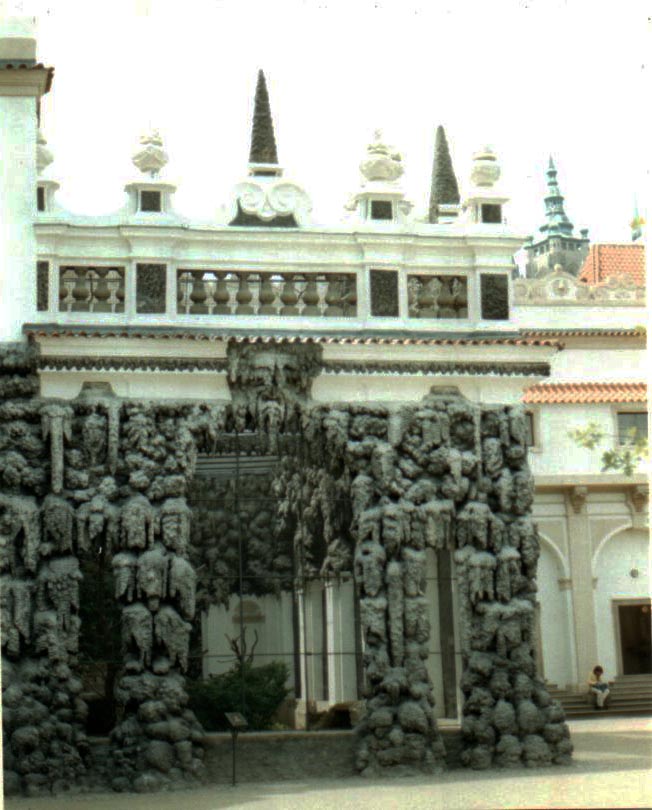
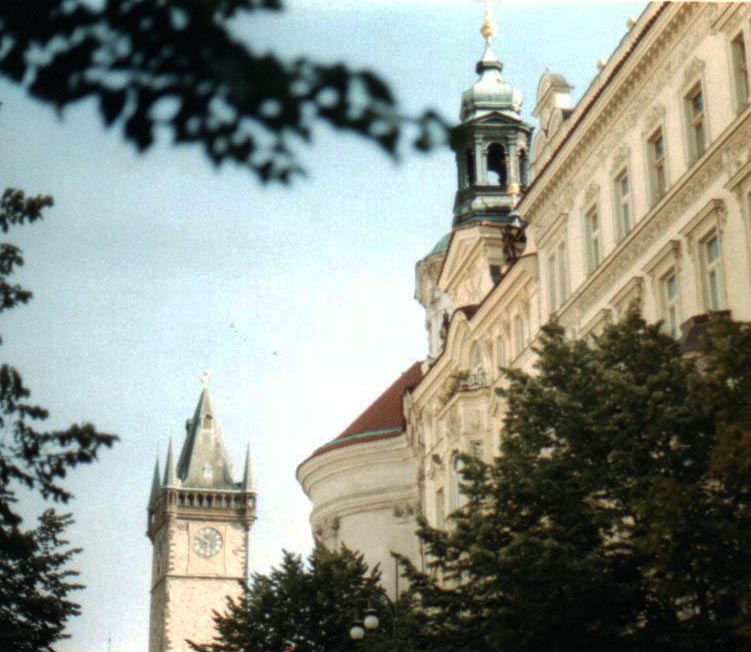
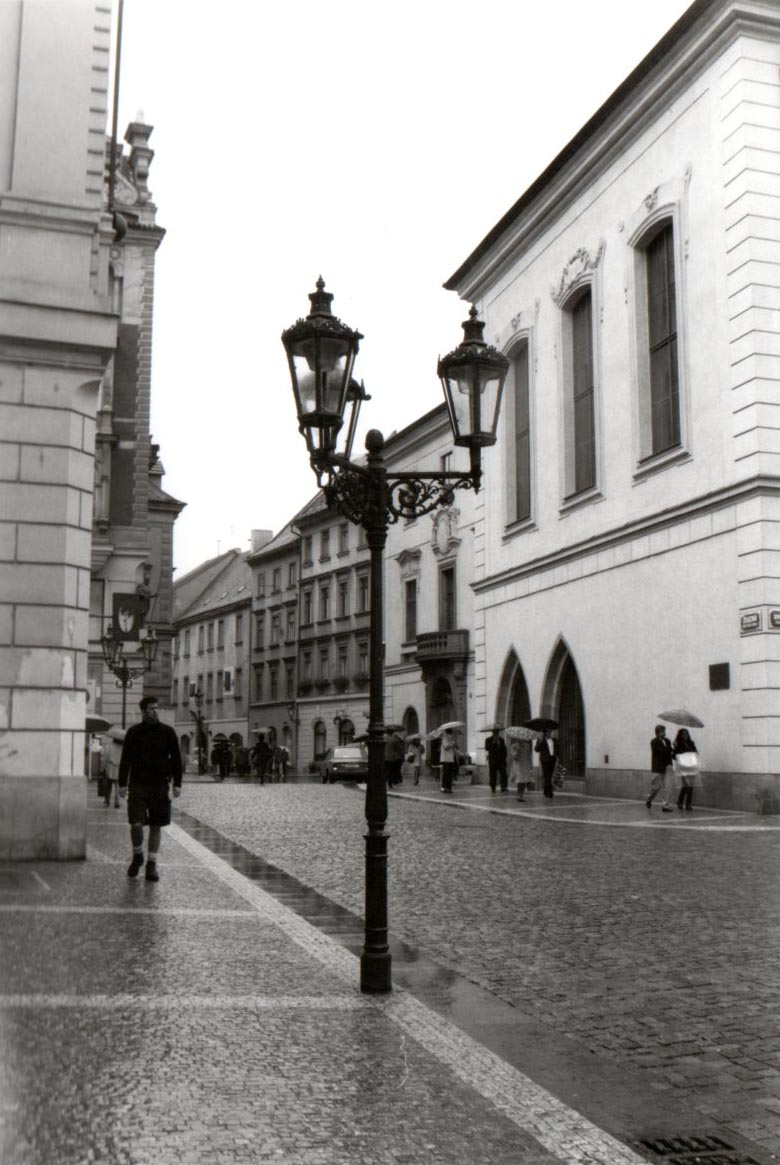
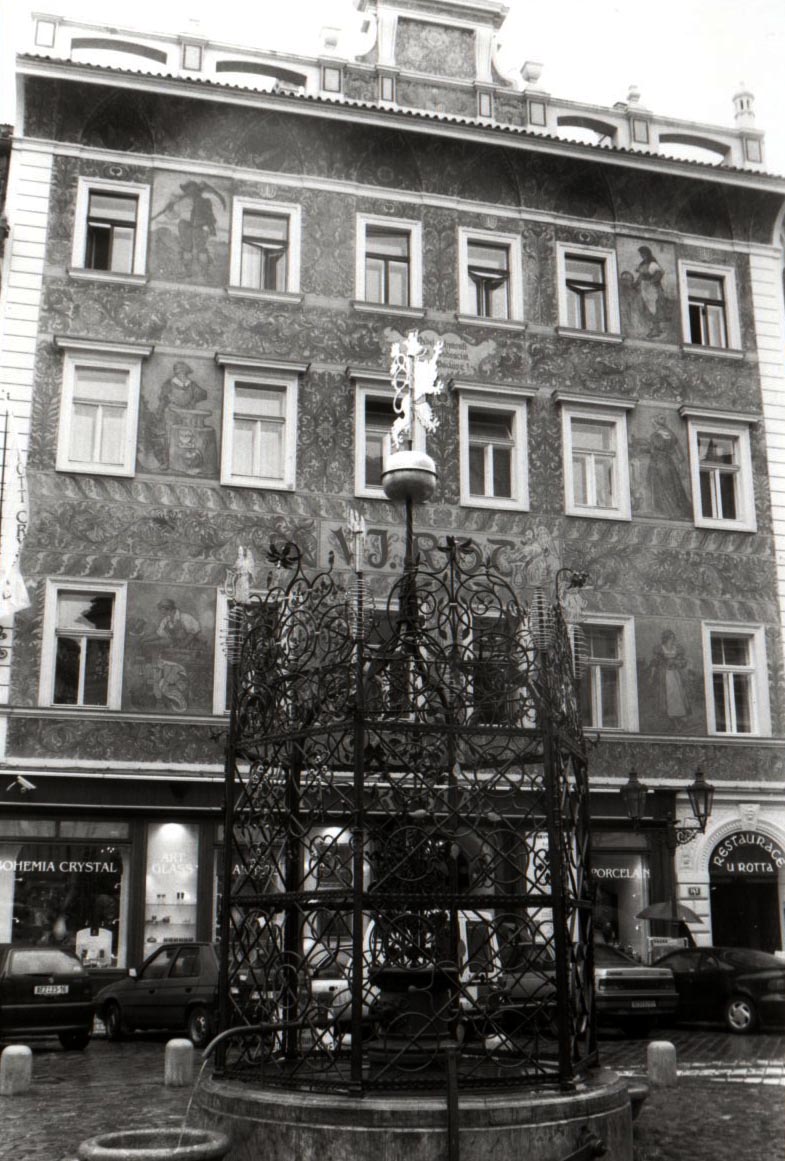
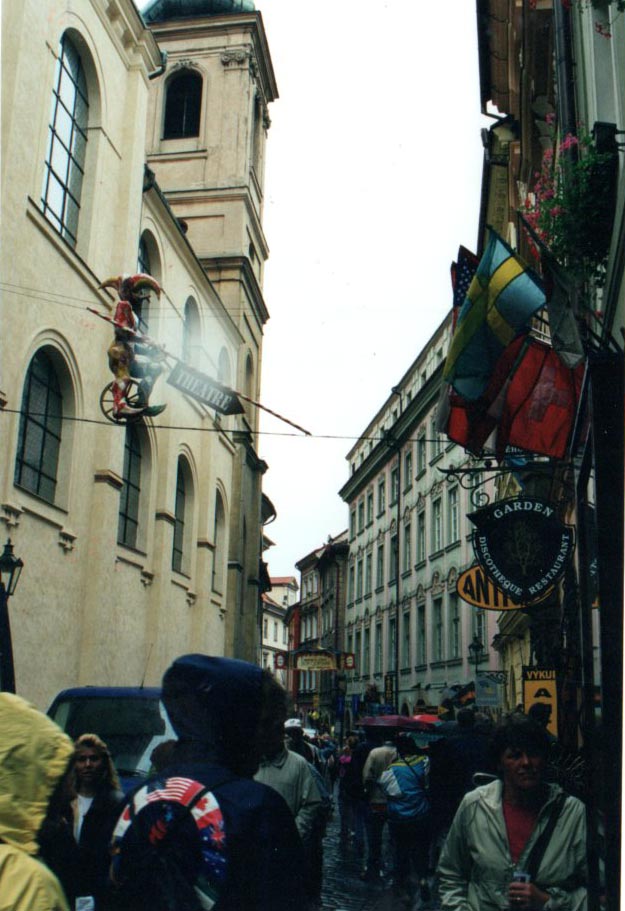
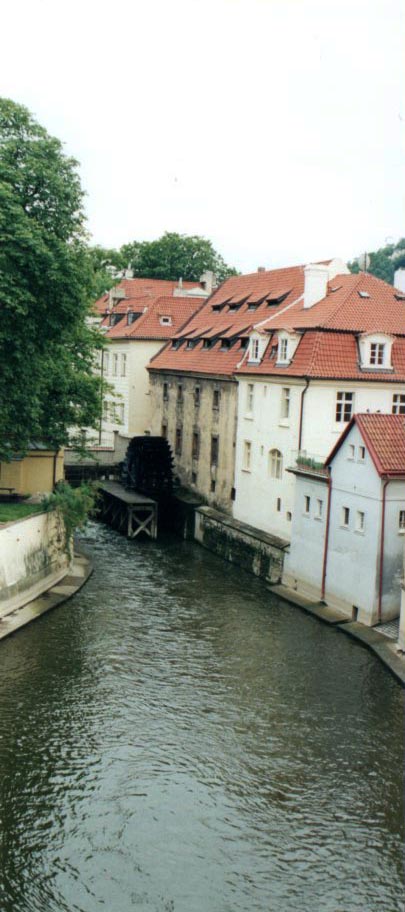
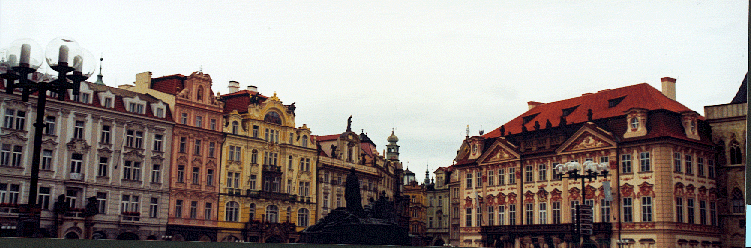
This time, my journey takes me straight to the "Golden City"—to Prague. When you stand here in the Old Town Square, it is impossible to miss a monumental building complex: the Staroměstská radnice (Old Town Hall).
​

When I stood in front of the town hall with my camera, I initially thought the architects had had a few too many Czech beers during construction. The building is, after all, a fascinating architectural patchwork of Gothic and Renaissance styles. The reason is brilliant: in the 14th century, the city council simply didn't have the money for a new building, so over the centuries, they just bought up five neighboring private houses and stitched them together!
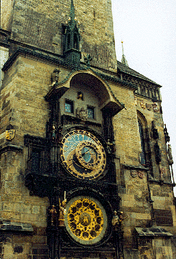
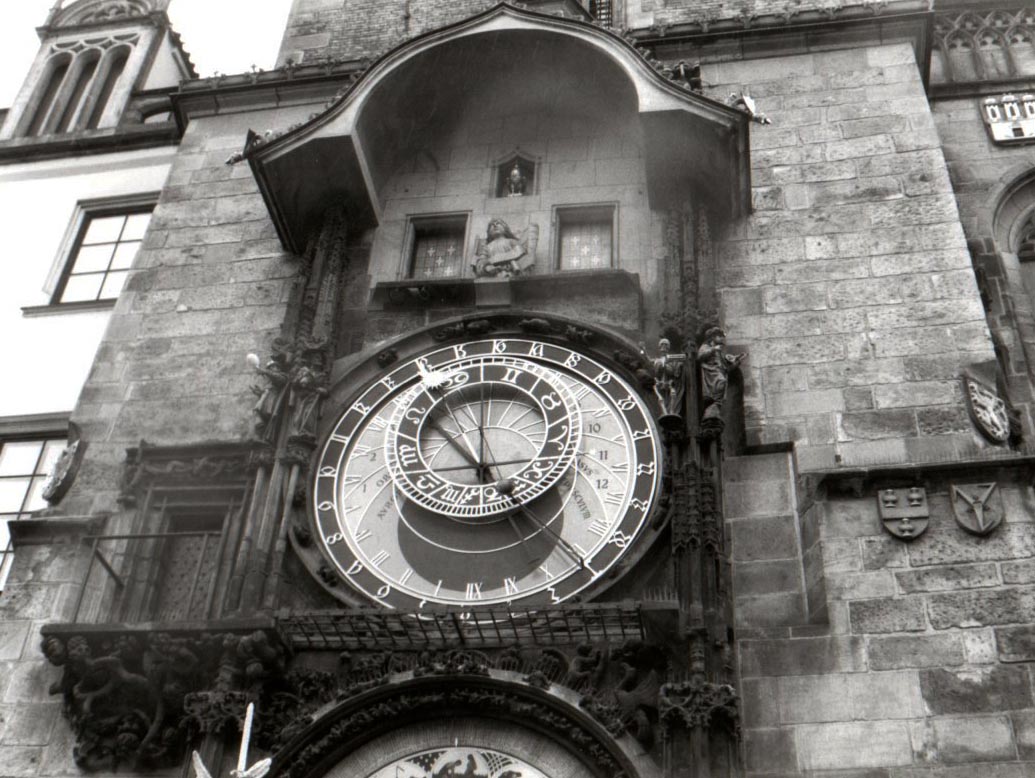
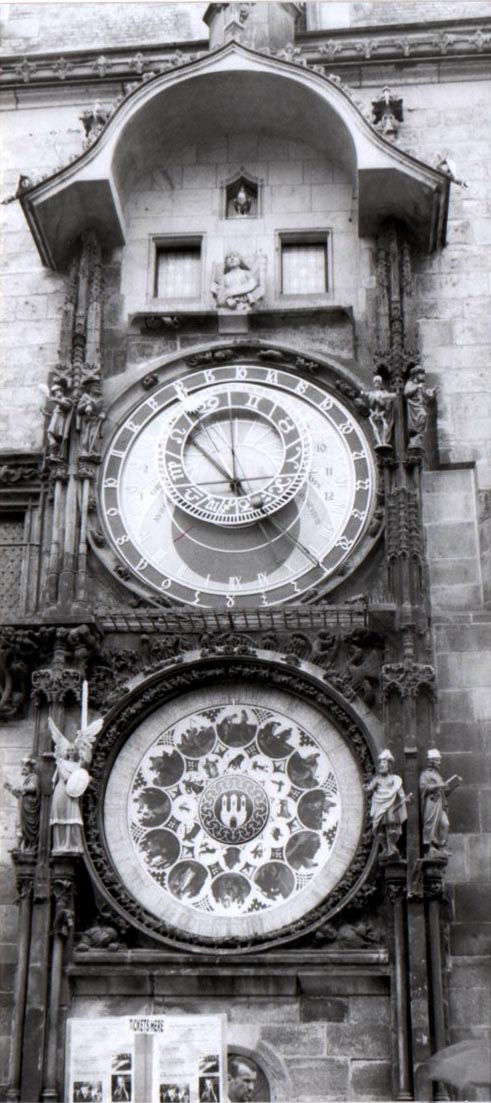
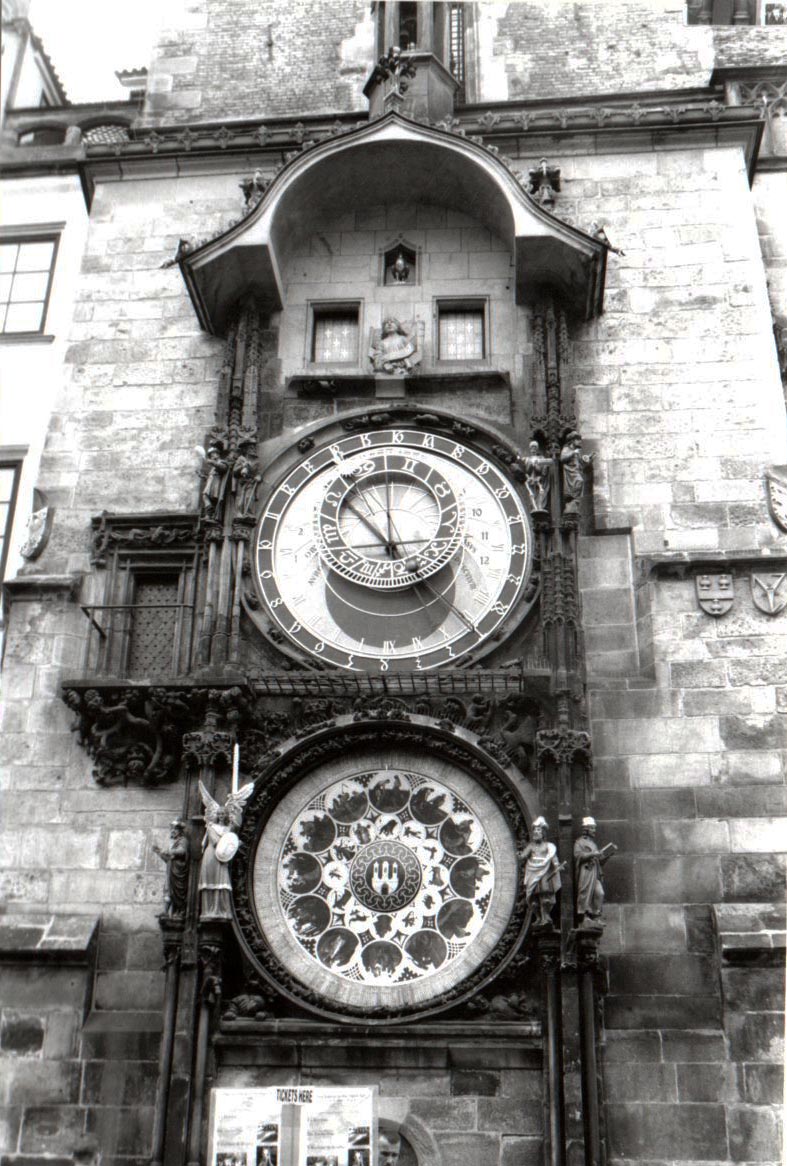
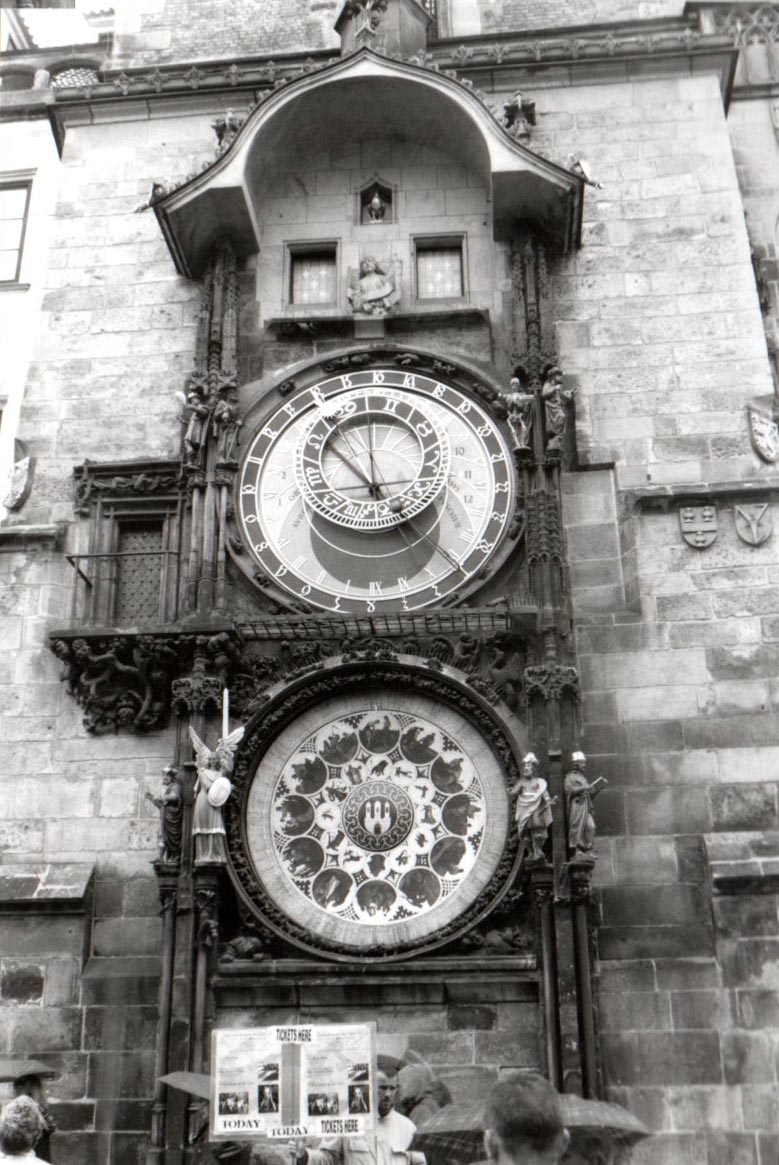
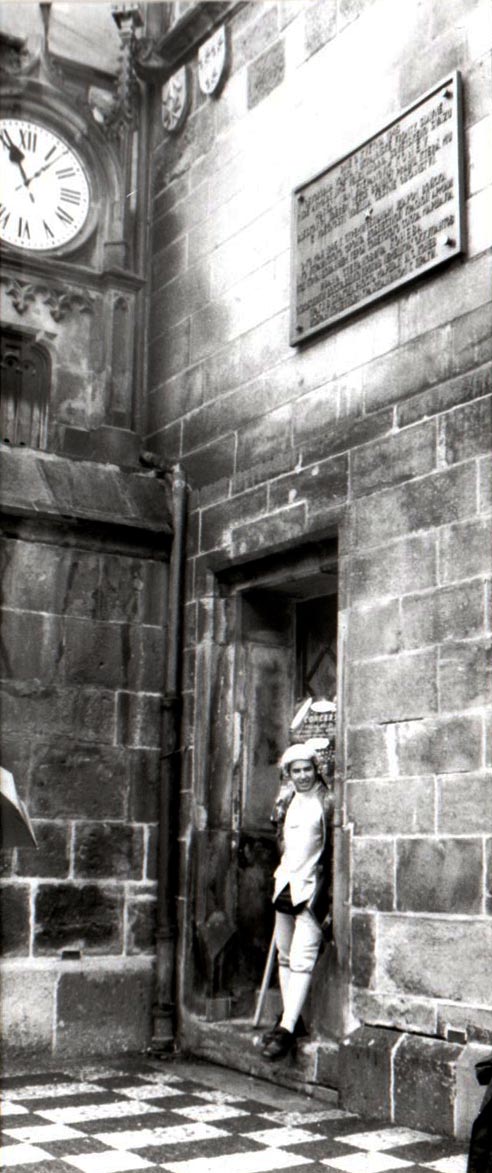
The Clockwork of Horror: The Astronomical Clock. The undisputed highlight—for which I nearly burned through my entire roll of analog film—is the world-famous Astronomical Clock (Orloj) on the south wall. This piece was installed in 1410 and is the oldest functioning clock of its kind on the planet!
The world’s creepiest party alarm clock: For me, the real star of the show isn’t the biblical celebrity, but a small skeleton (the Grim Reaper) right next to the clock face. The bag of bones rings a bell and turns over an hourglass to quietly whisper to us spectators: “Hey buddy, your time is running out—enjoy that Czech beer!” Macabre, but damn cool.

Picture
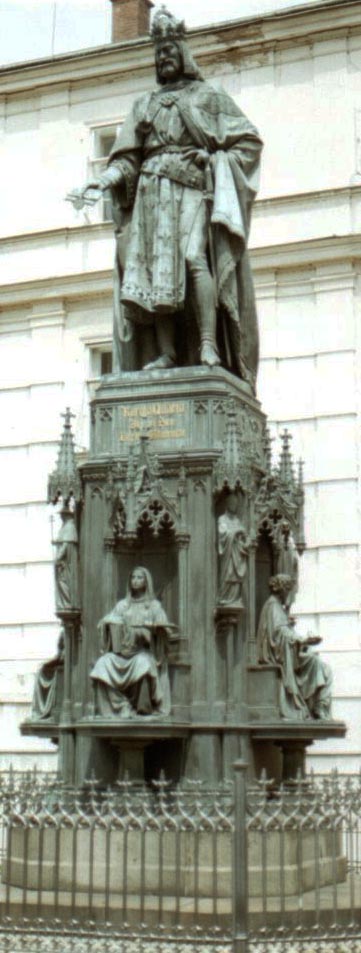
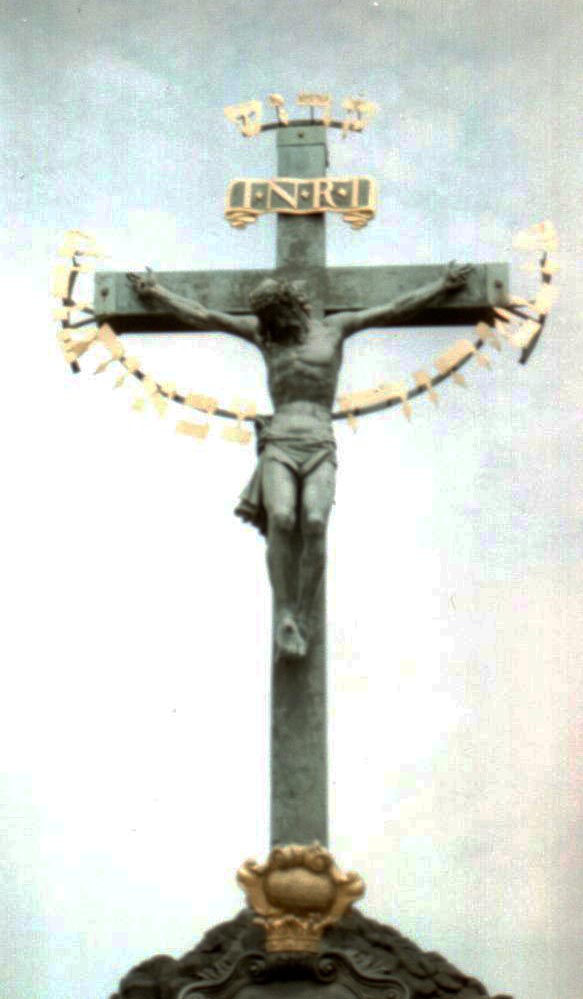
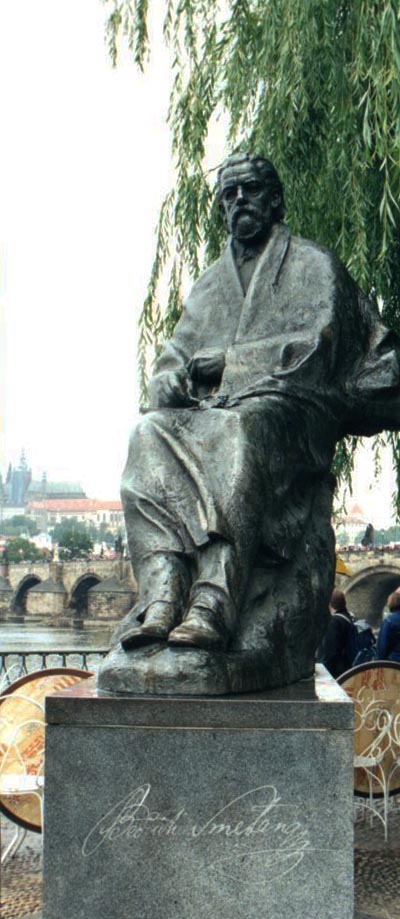
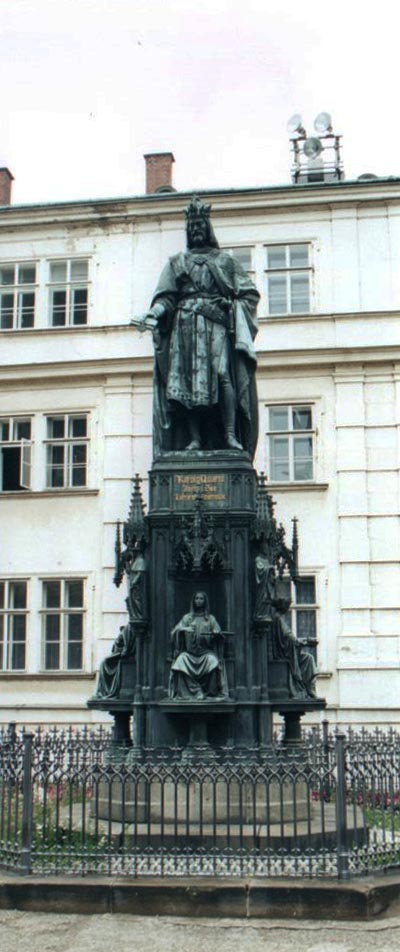
Karlův Most (Karlsbrücke)​
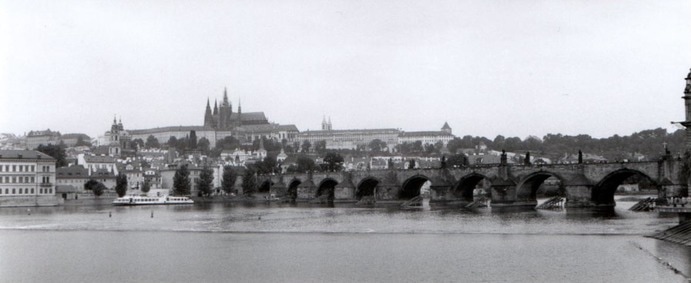
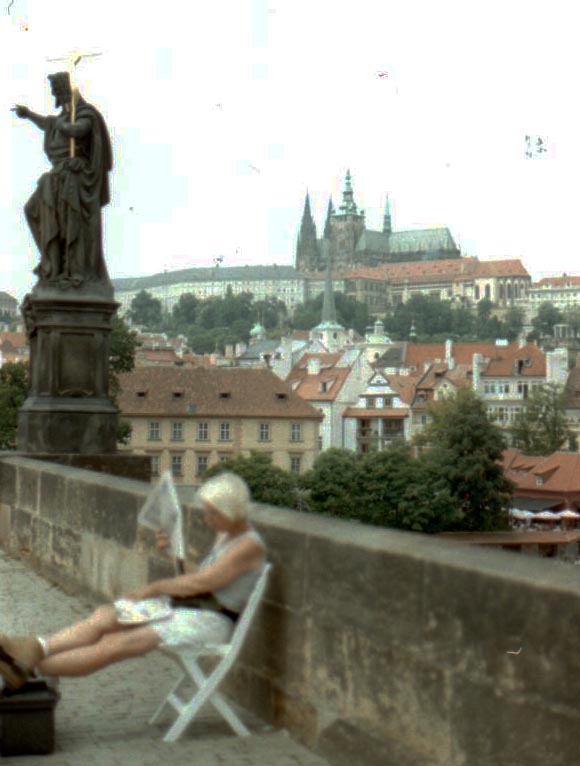
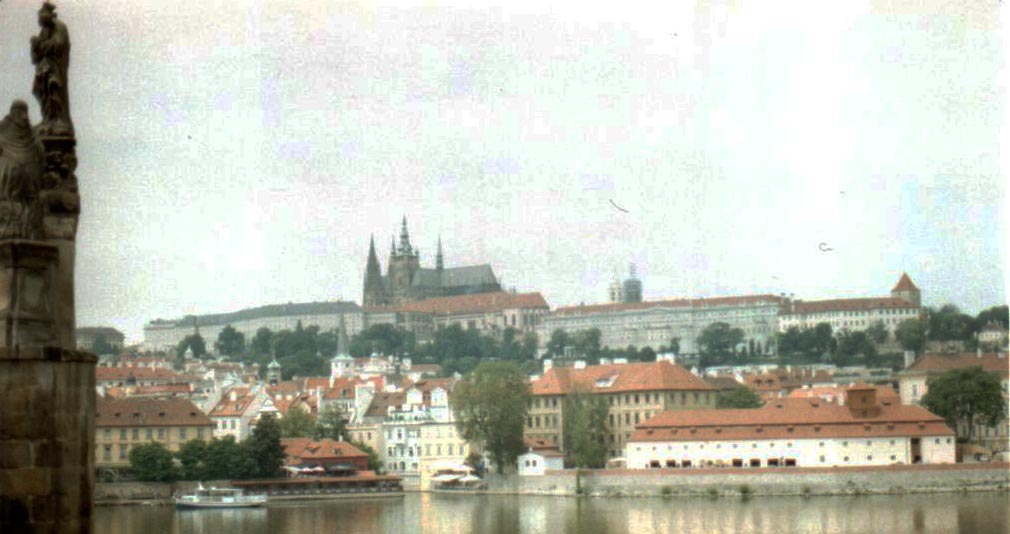
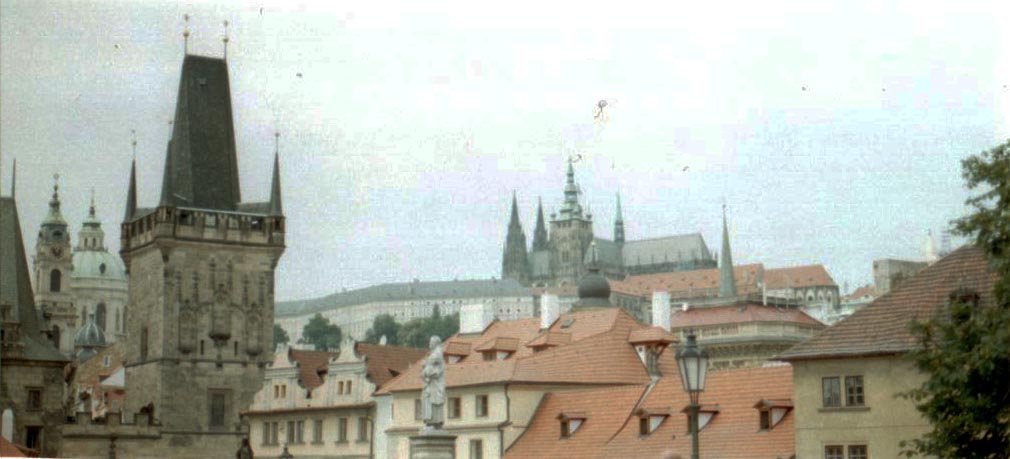
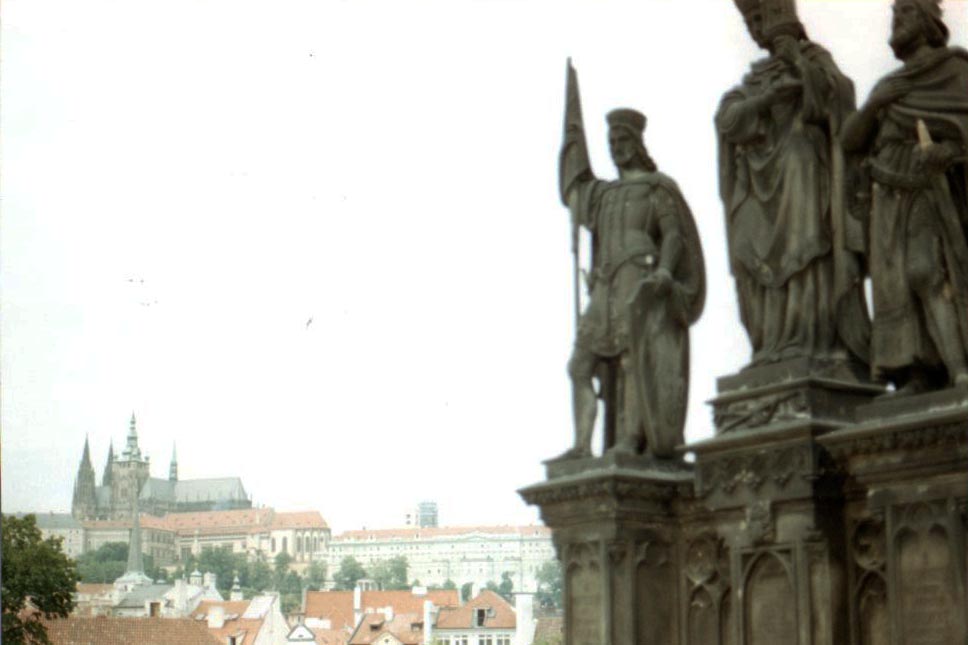
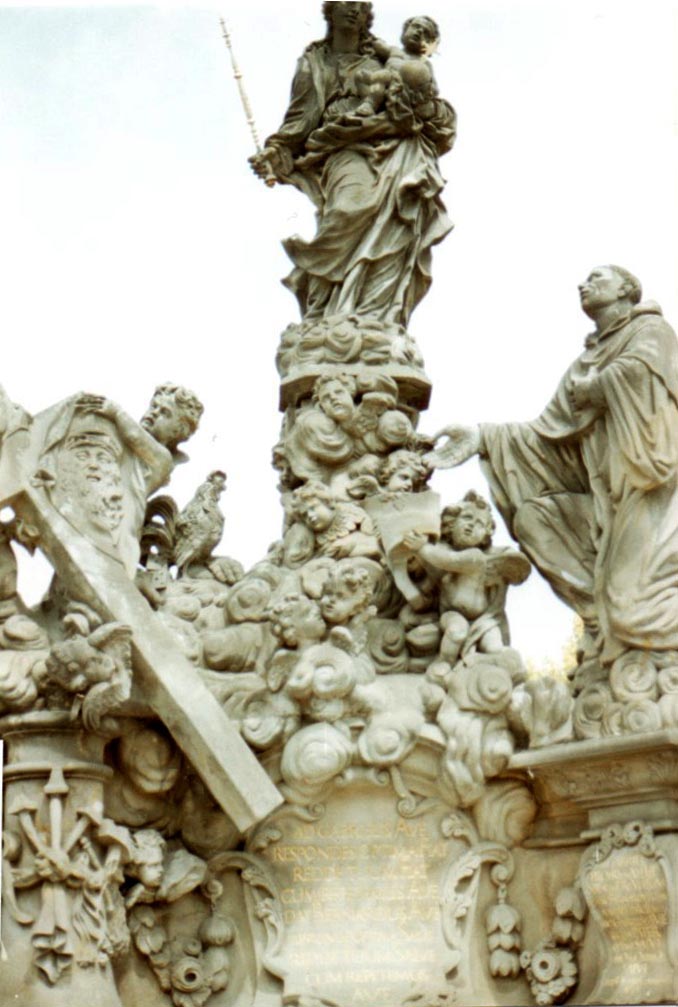
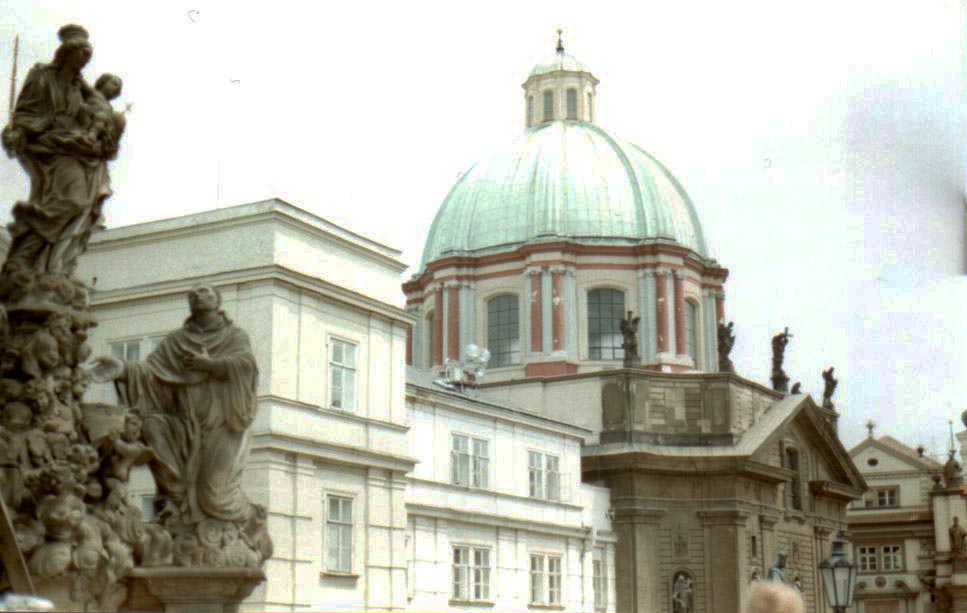
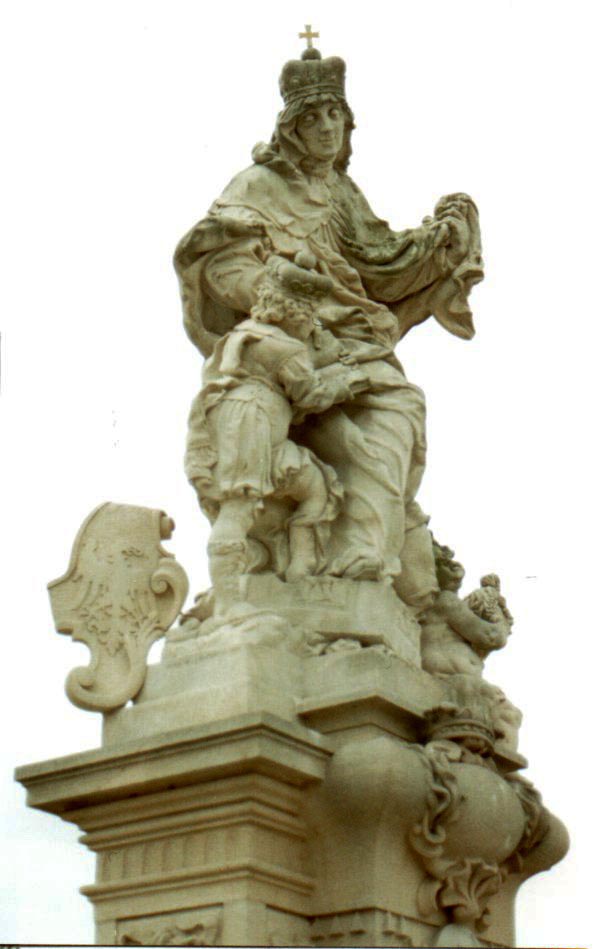
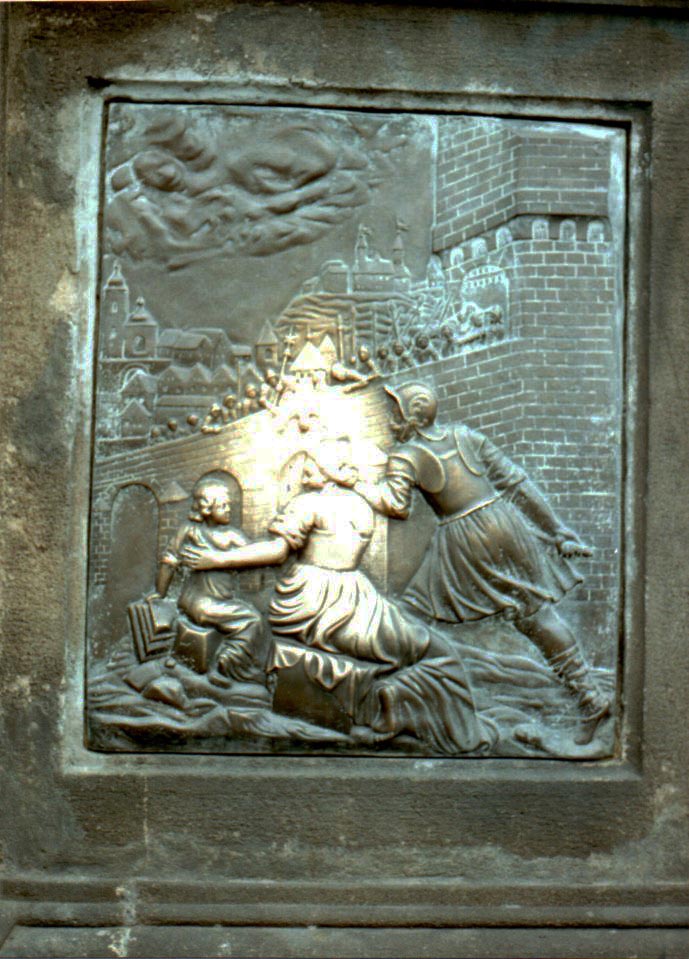
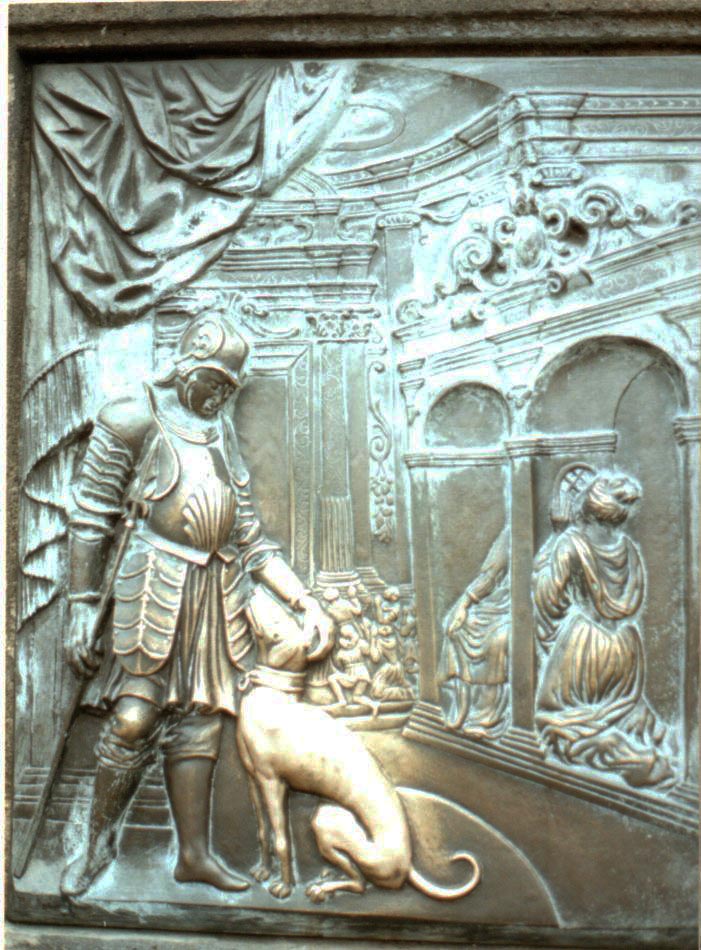
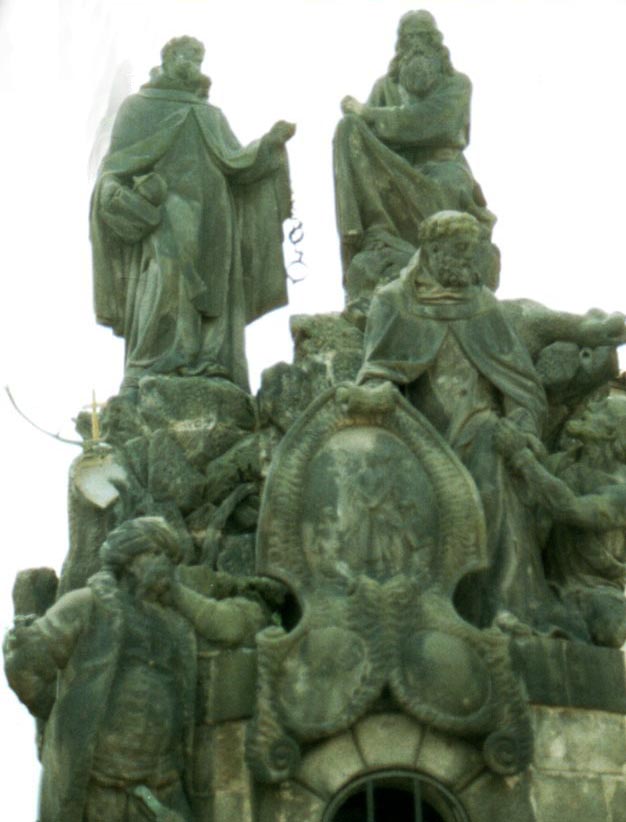
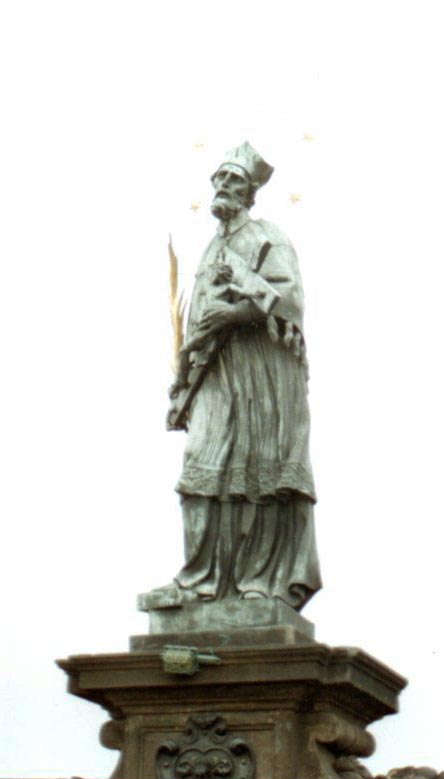
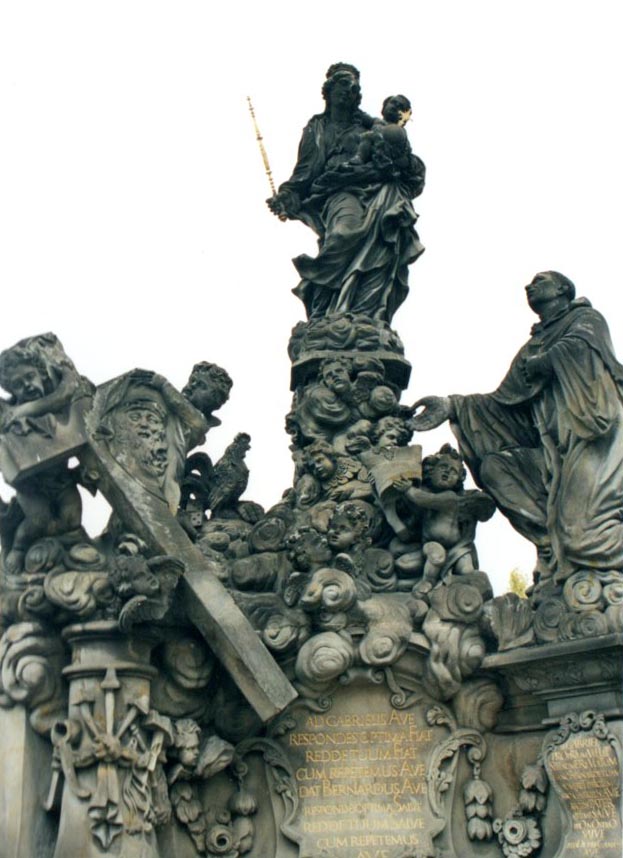
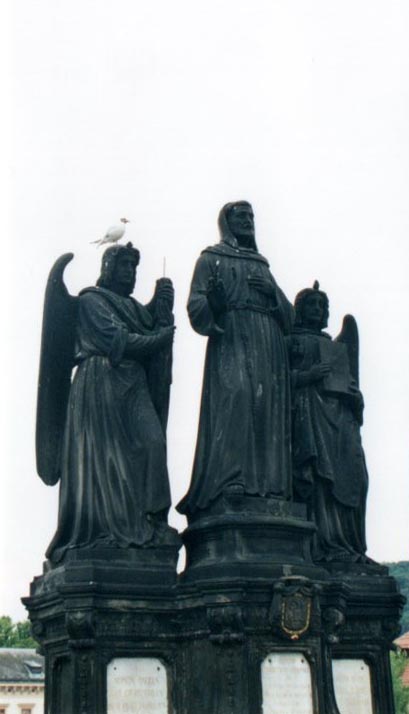
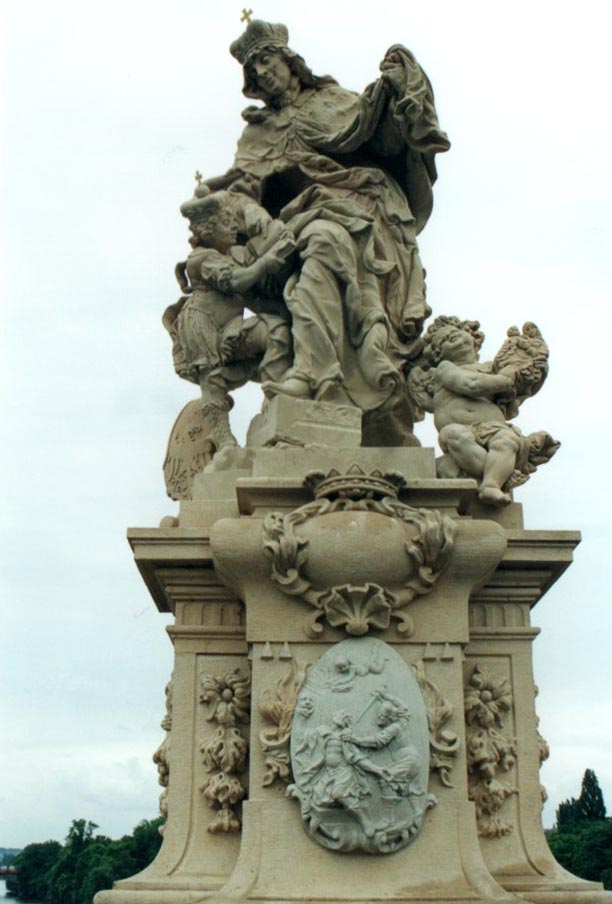
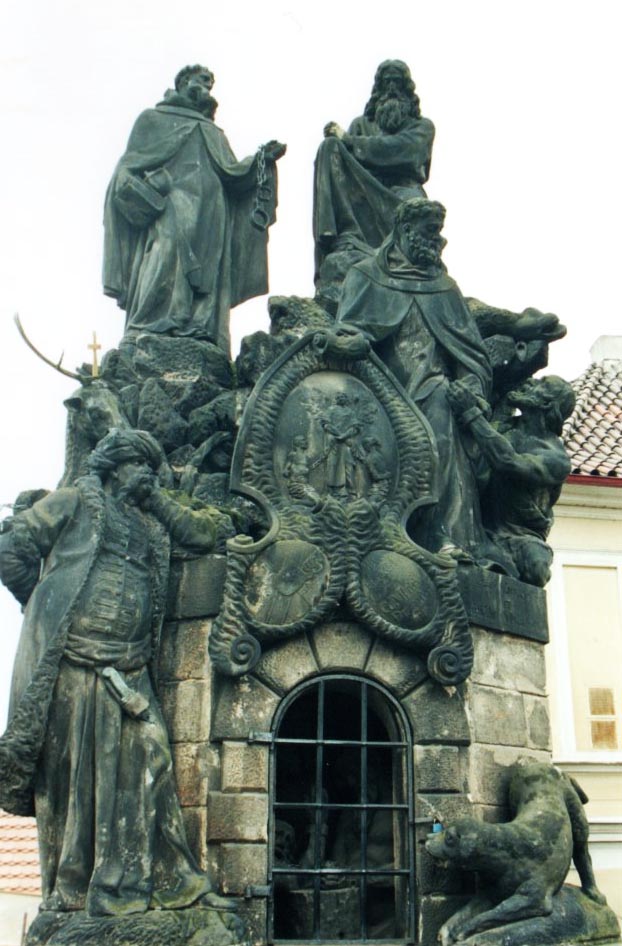
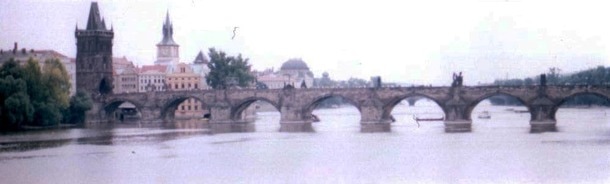
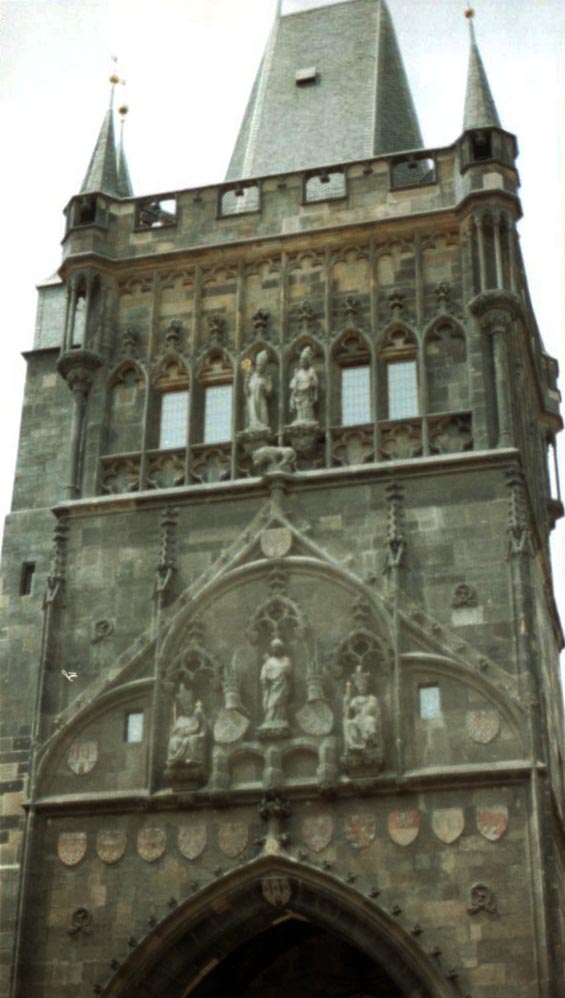
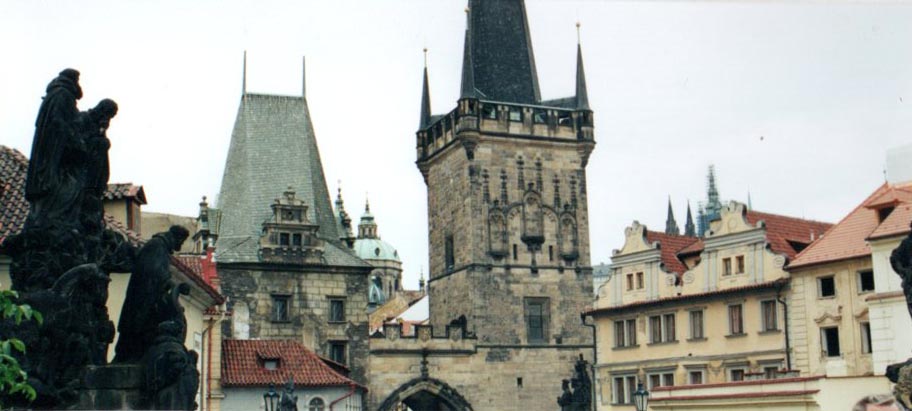
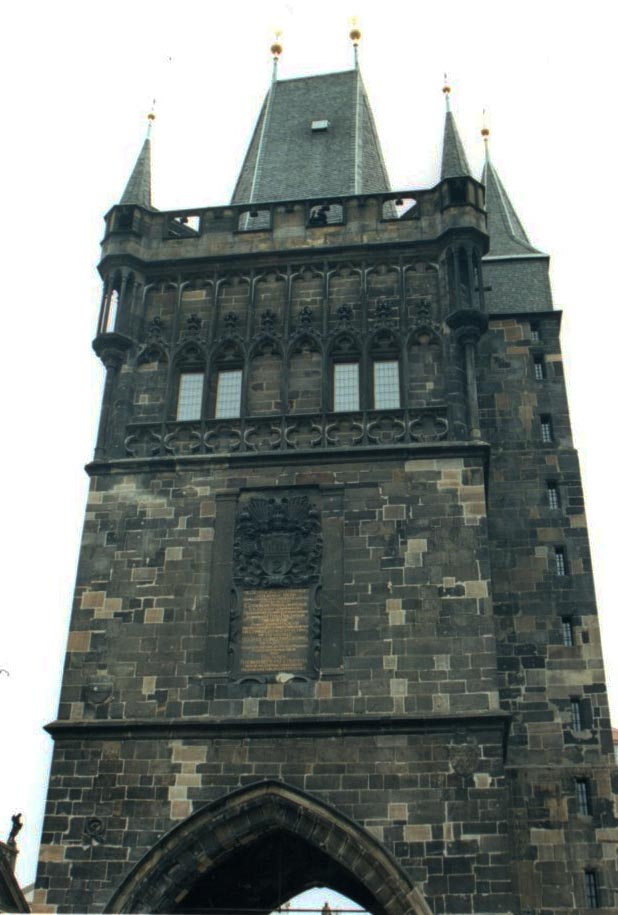
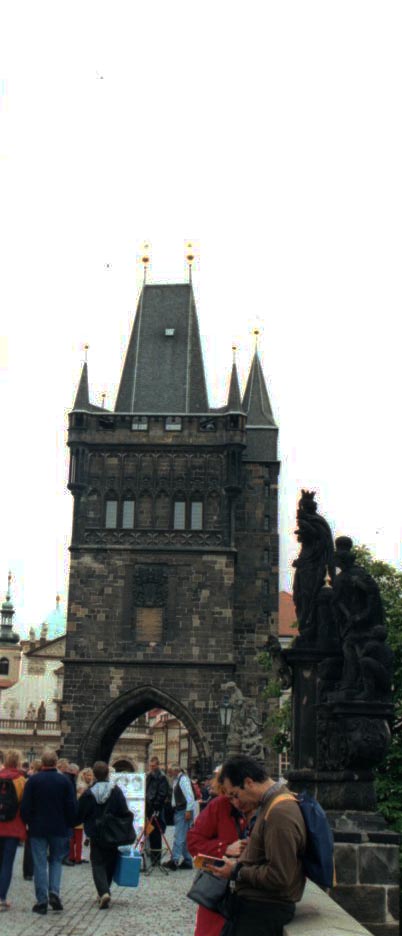
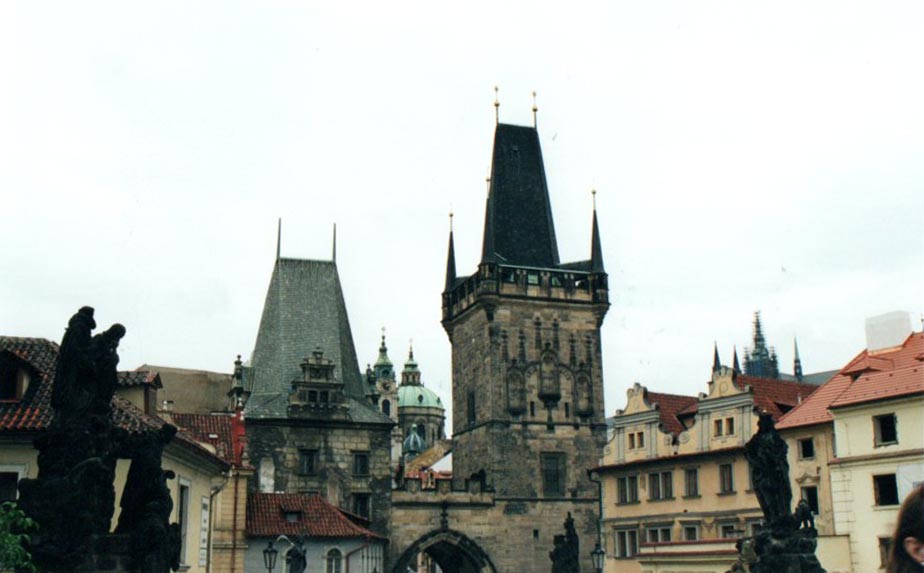
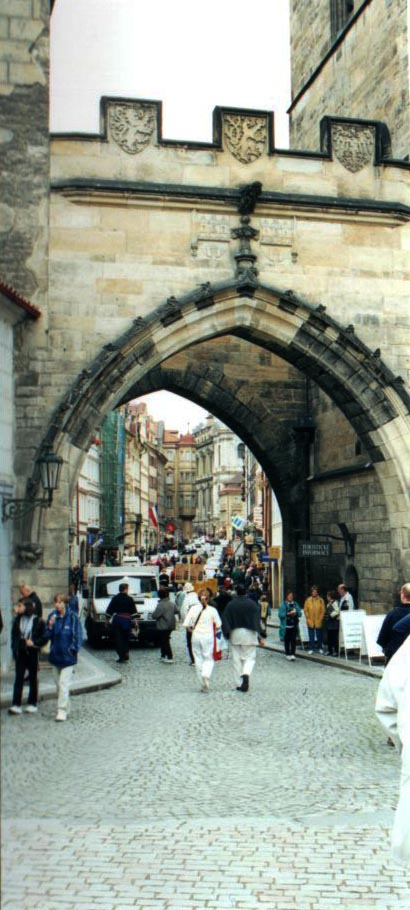
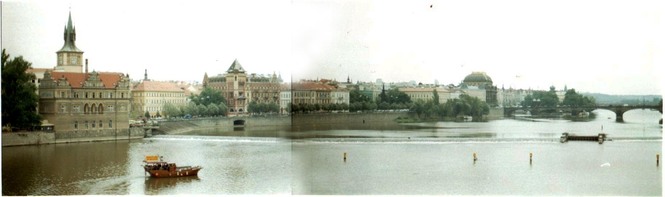
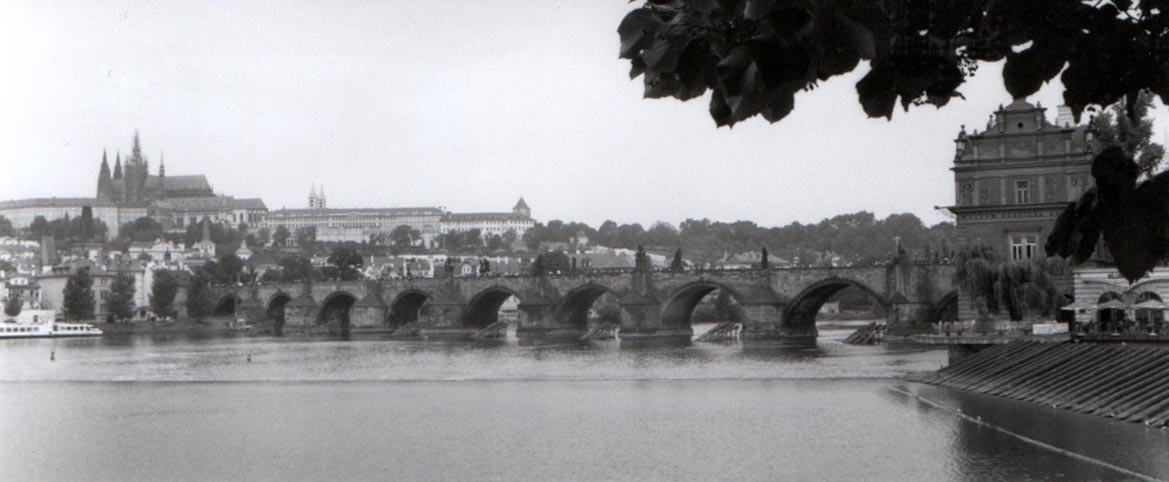
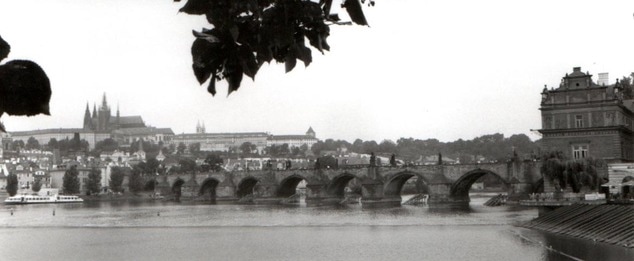
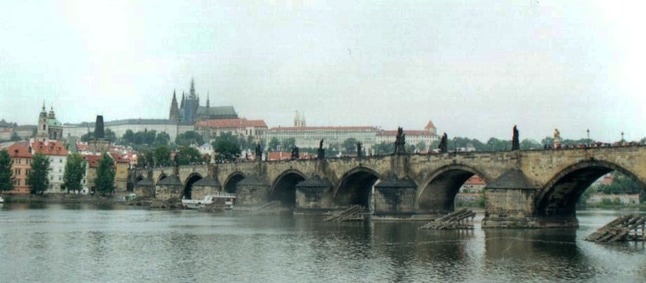
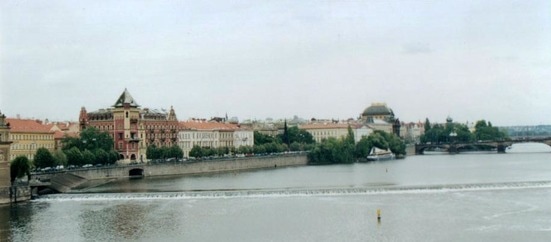
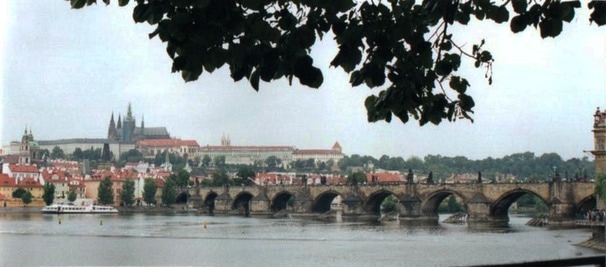
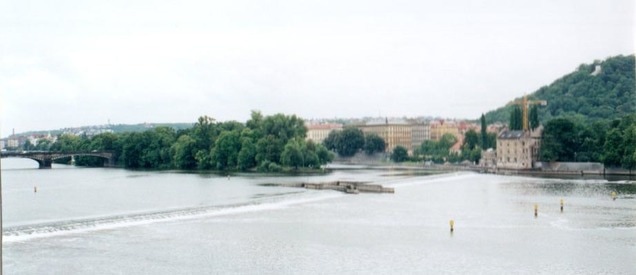
The Stone Heart of Prague: My Walk Across Charles Bridge. If you leave the Old Town Hall behind and simply let yourself drift, the narrow alleyways inevitably spit you out at the very spot that immortalizes Prague in every analog photograph: Charles Bridge (Karlův most). This stone giant has spanned the Vltava River since the 14th century, connecting the Old Town with the majestic Prague Castle. The moment I first set foot on the bridge, I was instantly blown away by the incredible energy of the place.
Picture
Pražský Hrad (Prager Castle)
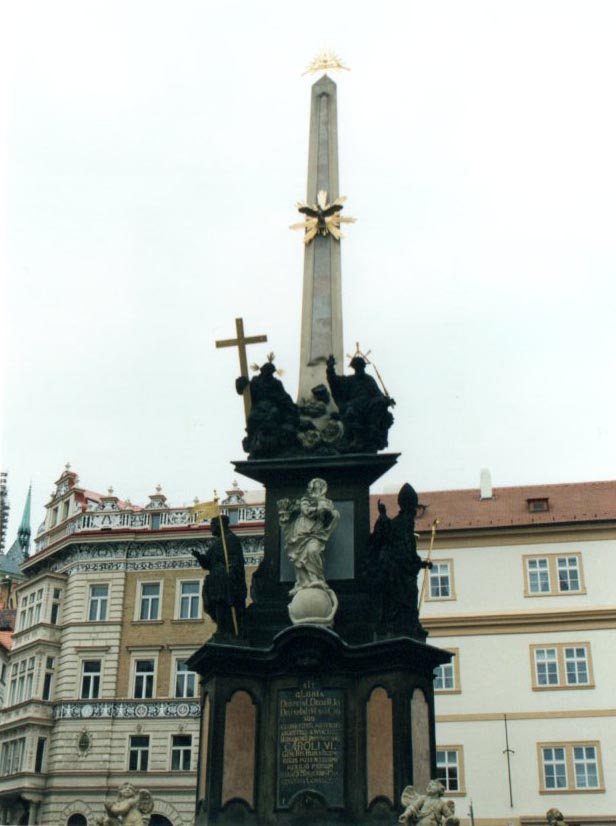
King of the Lions in Czech: My Ascent to Prague Castle.
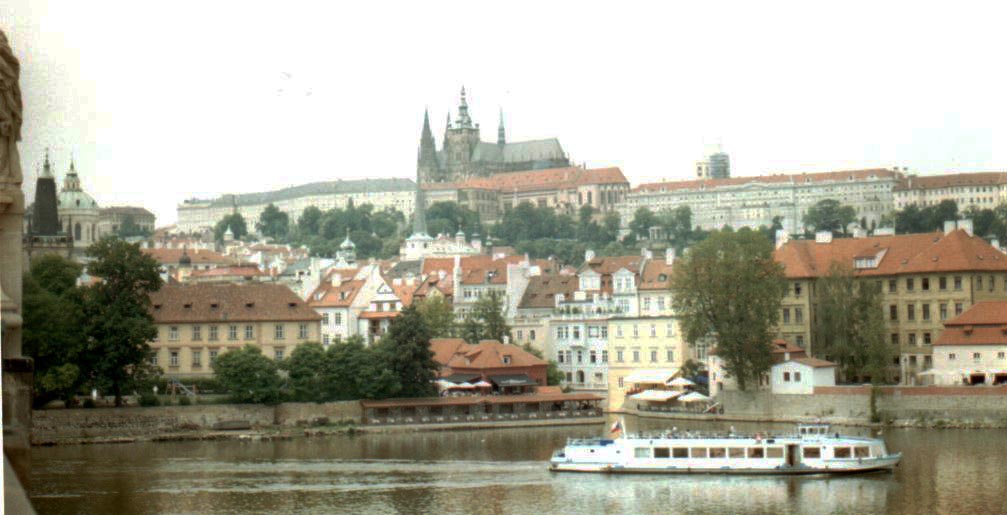
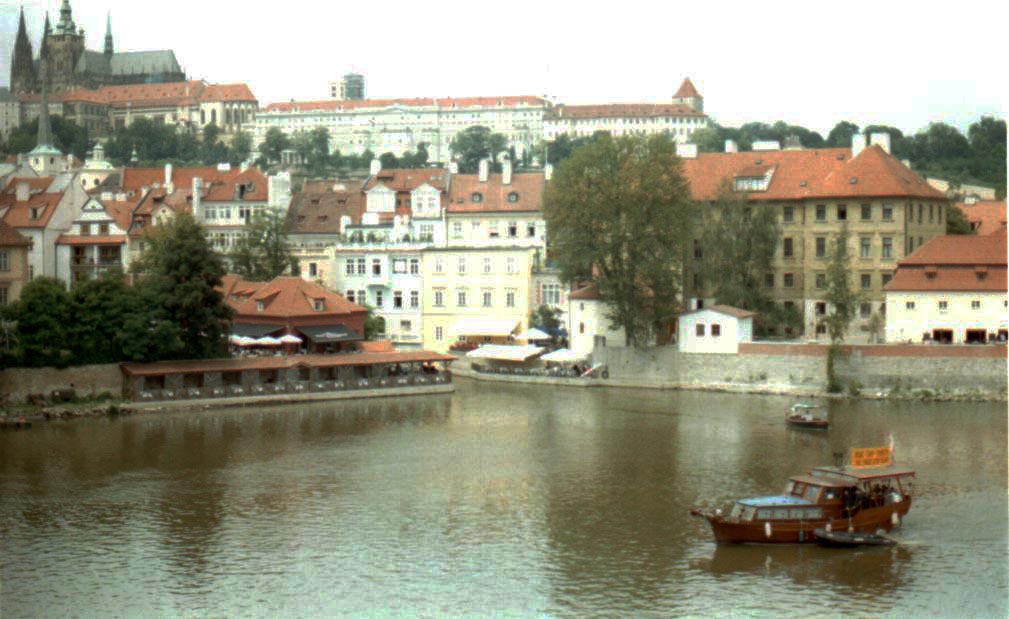
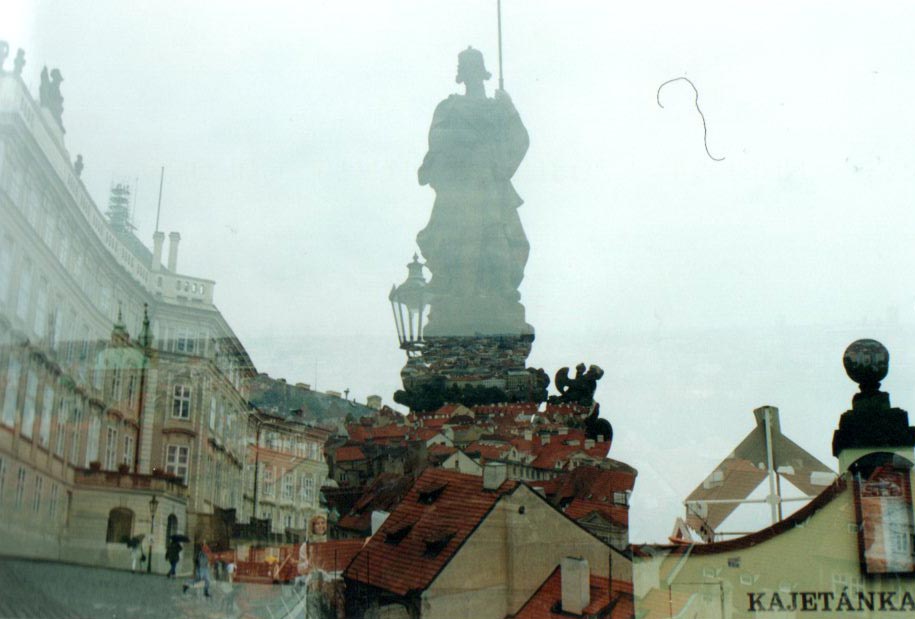
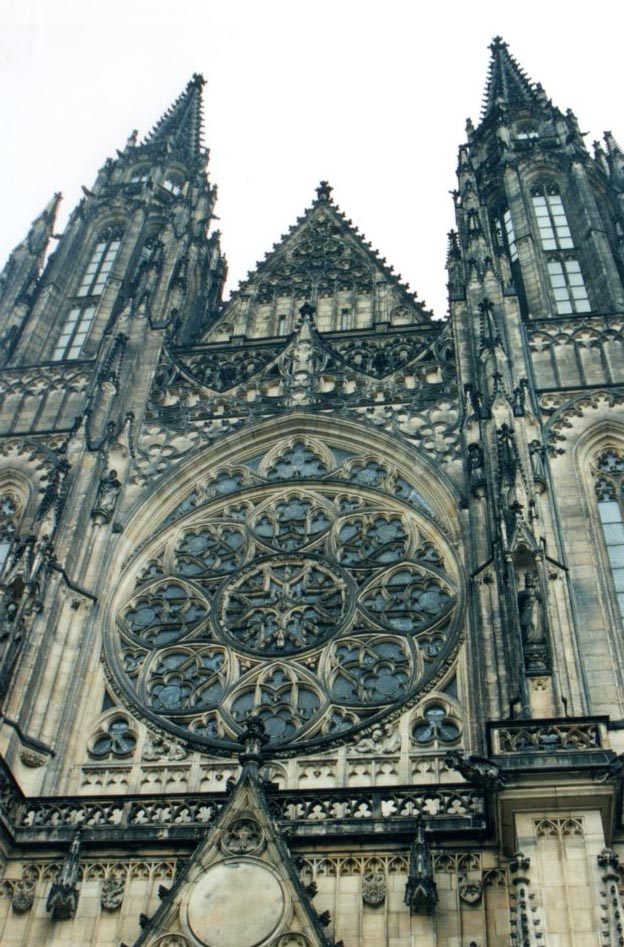
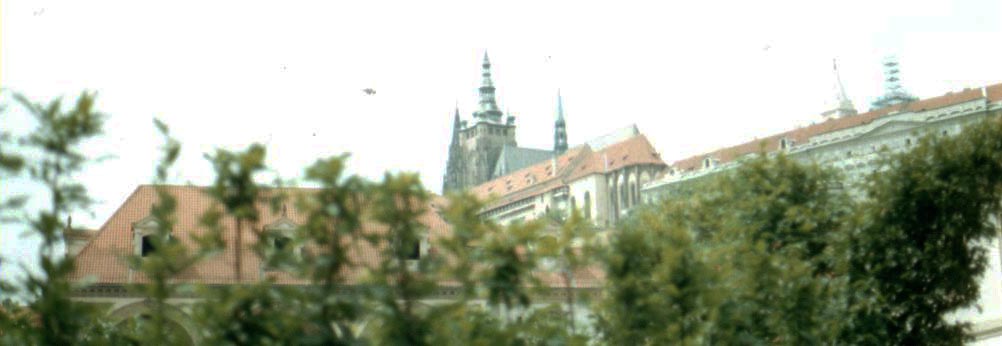
Anyone looking up from the Charles Bridge sees it enthroned majestically: Prague Castle (Pražský hrad). According to the Guinness Book of Records, it is the largest coherent castle complex in the world—essentially a city within a city. The steep climb on foot may have absolutely wrecked my calves after all that walking on cobblestones in the Old Town, but the reward was worth every single drop of sweat!

Picture
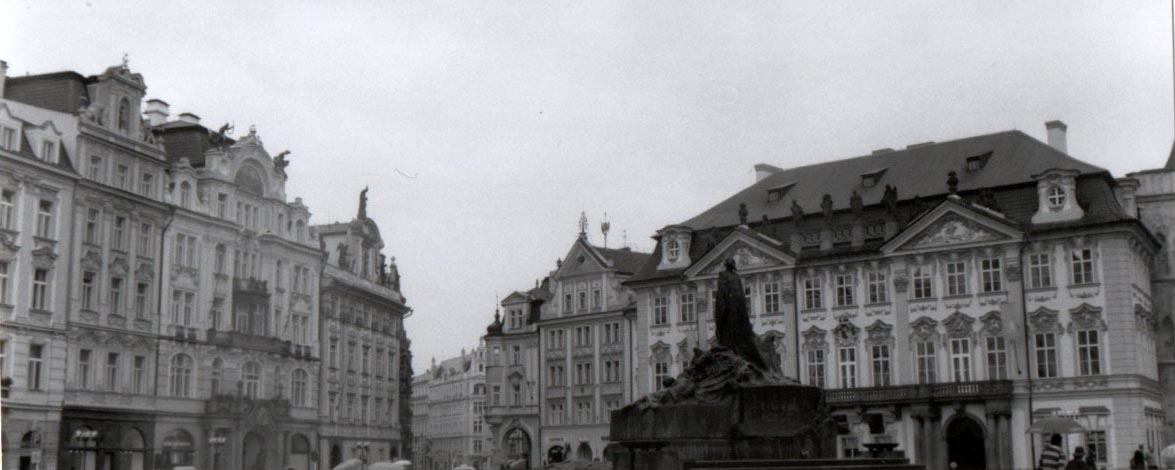
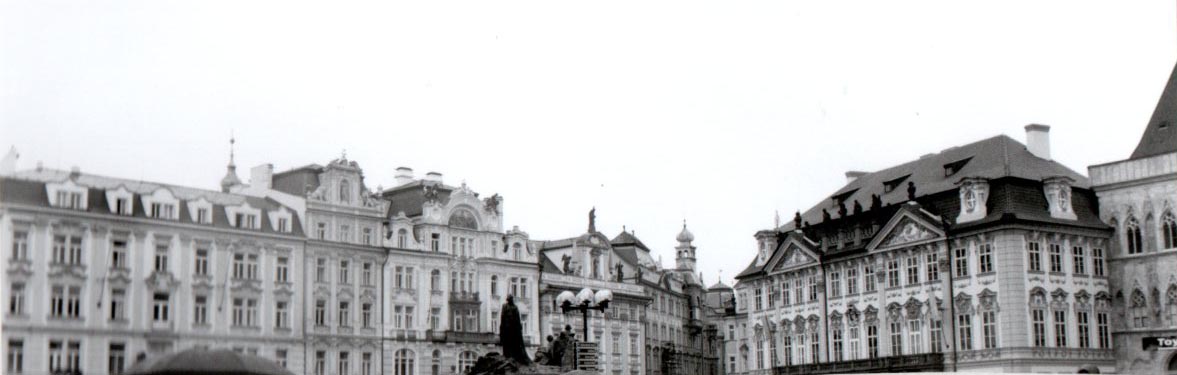
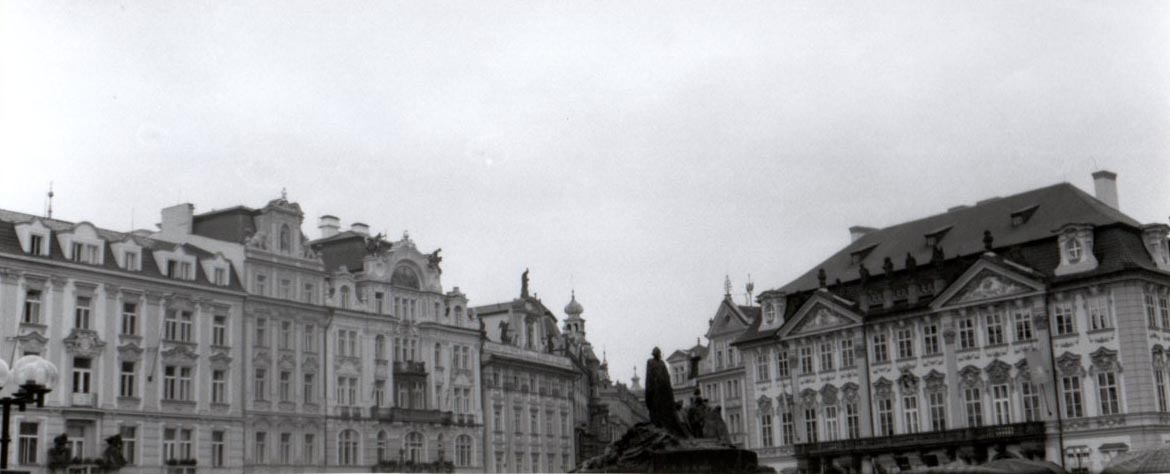
Staroměstské Náměstíi (Old Town Square)
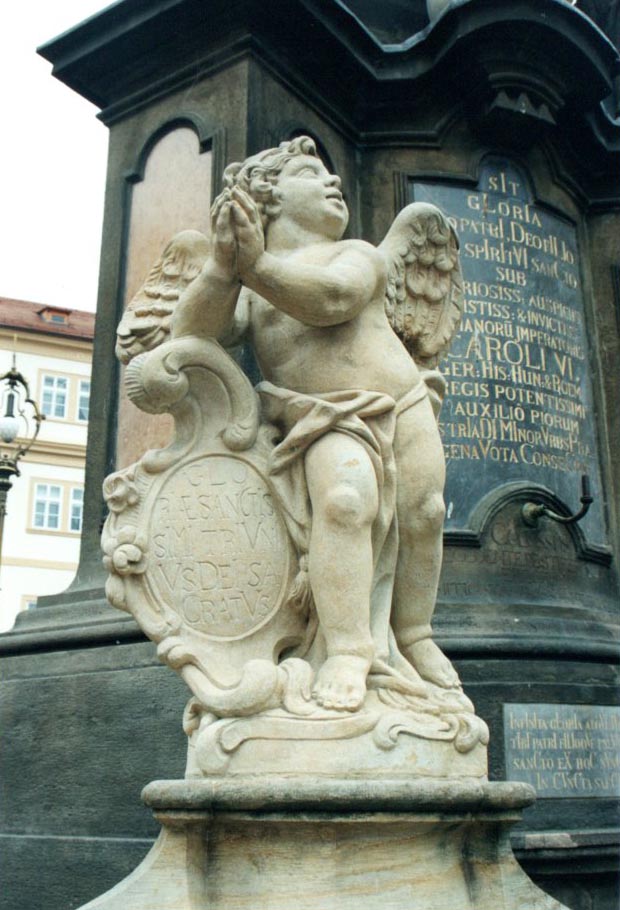
The "Living Room" of the Golden City: My Pit Stop in Old Town Square.
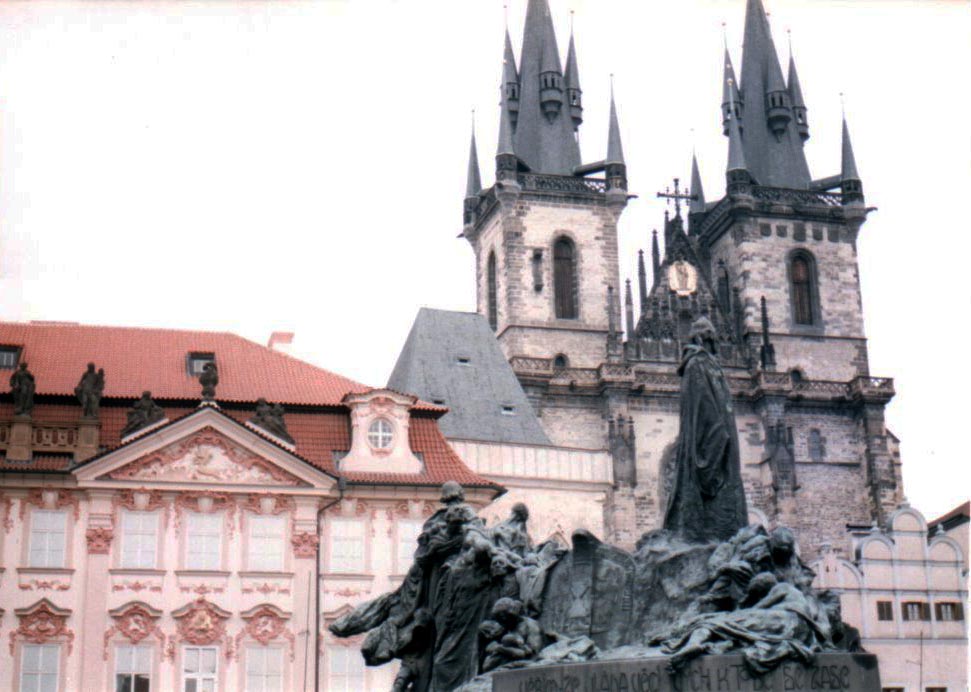
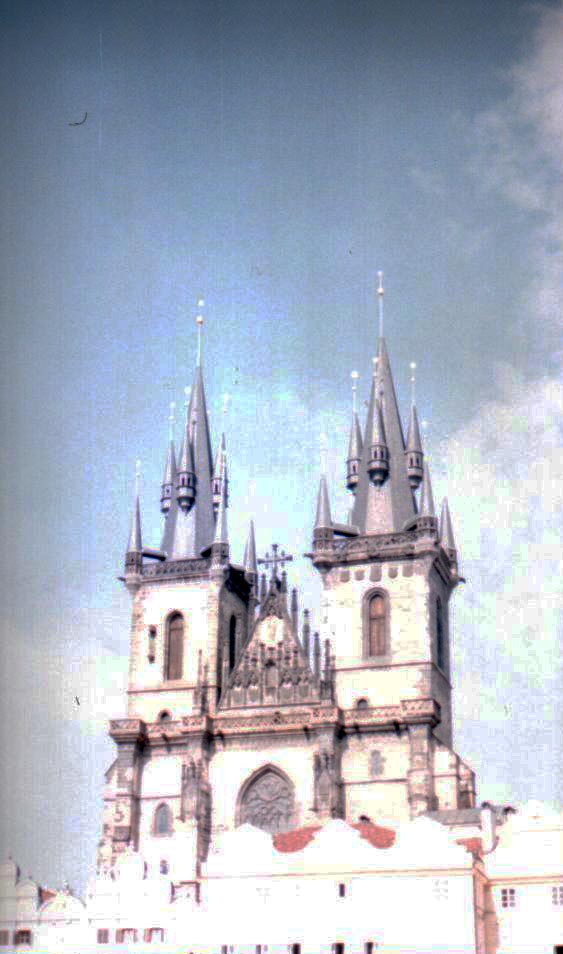
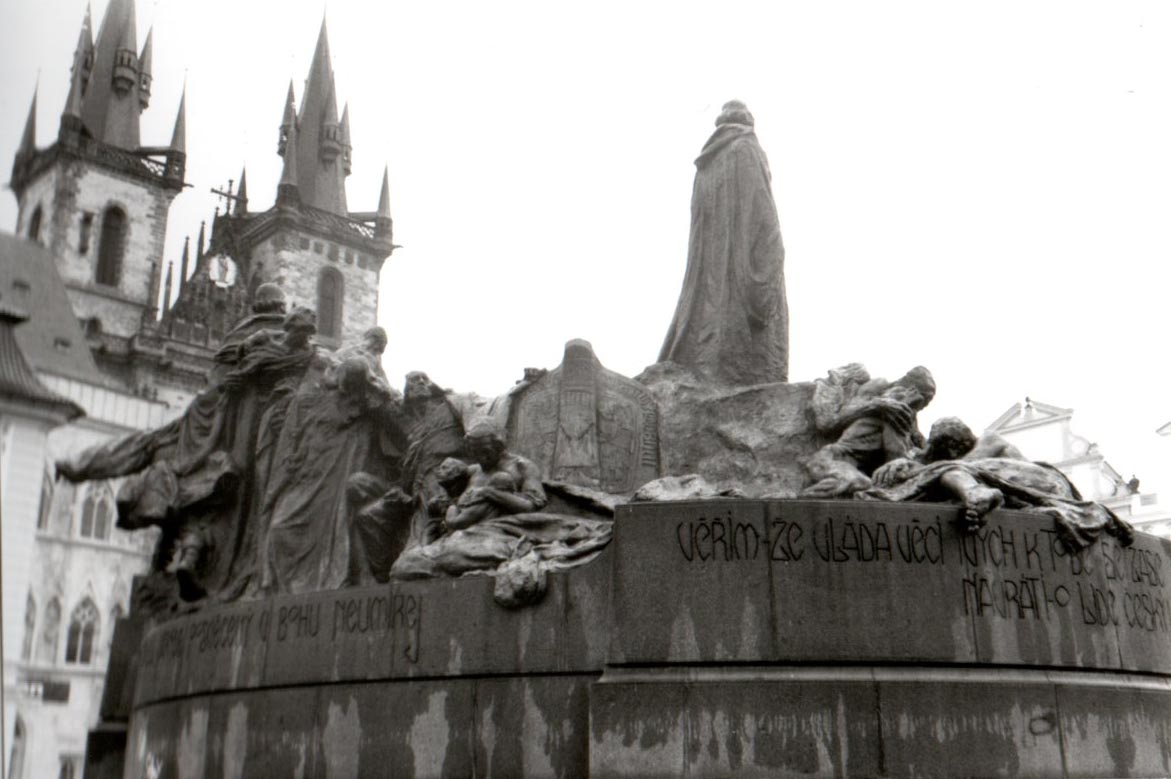
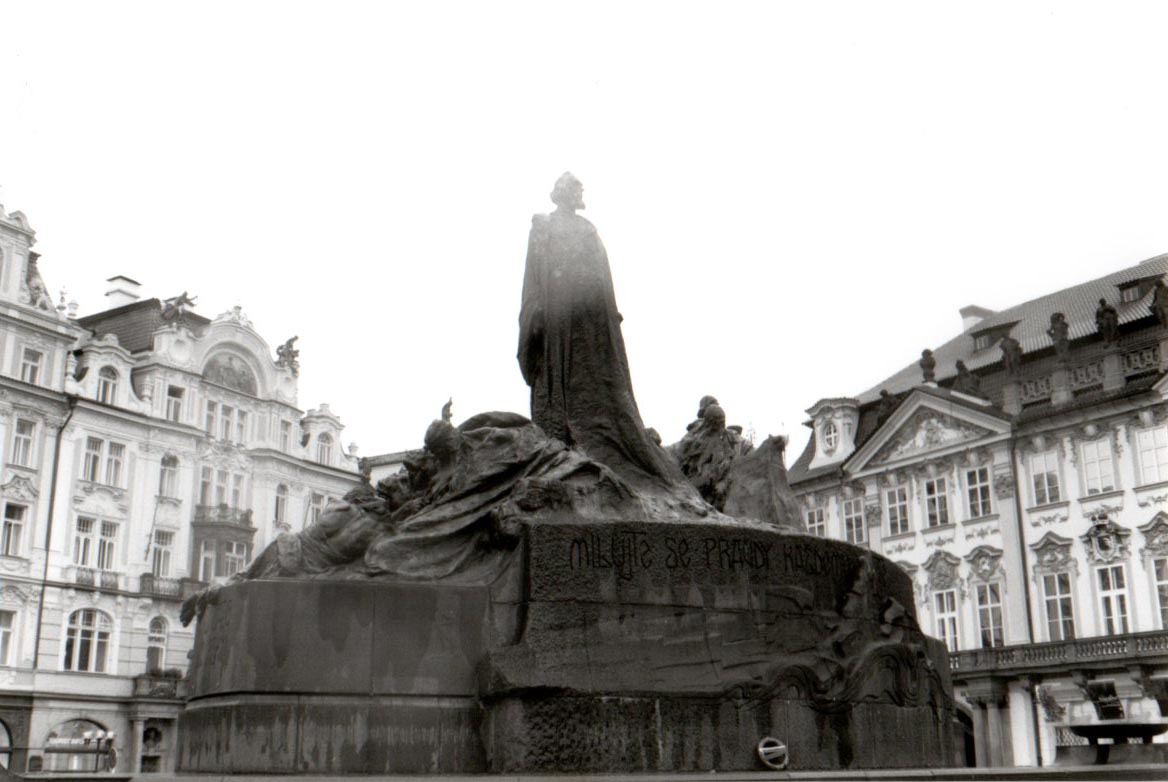
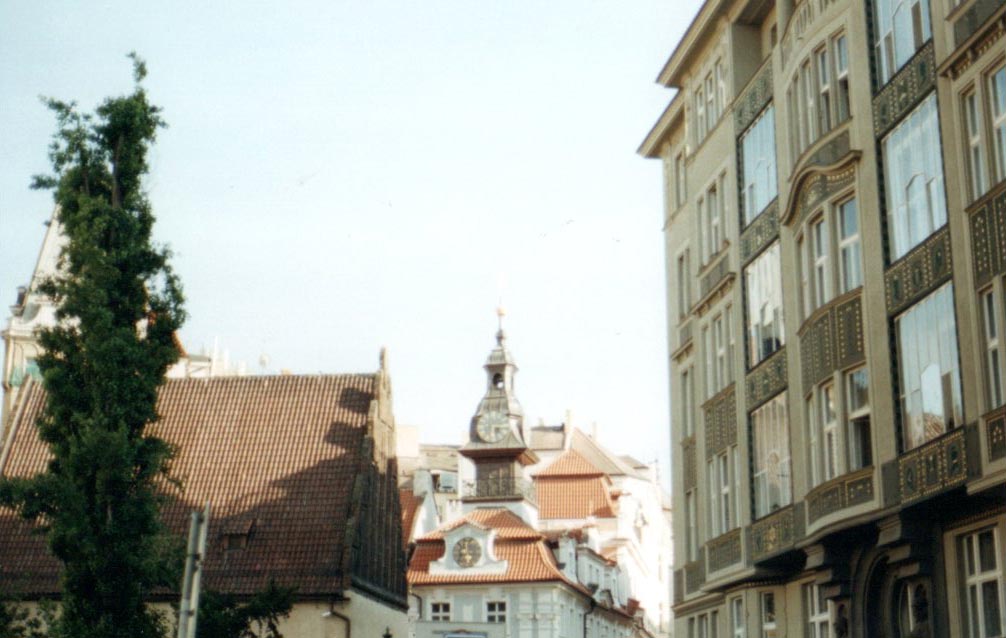
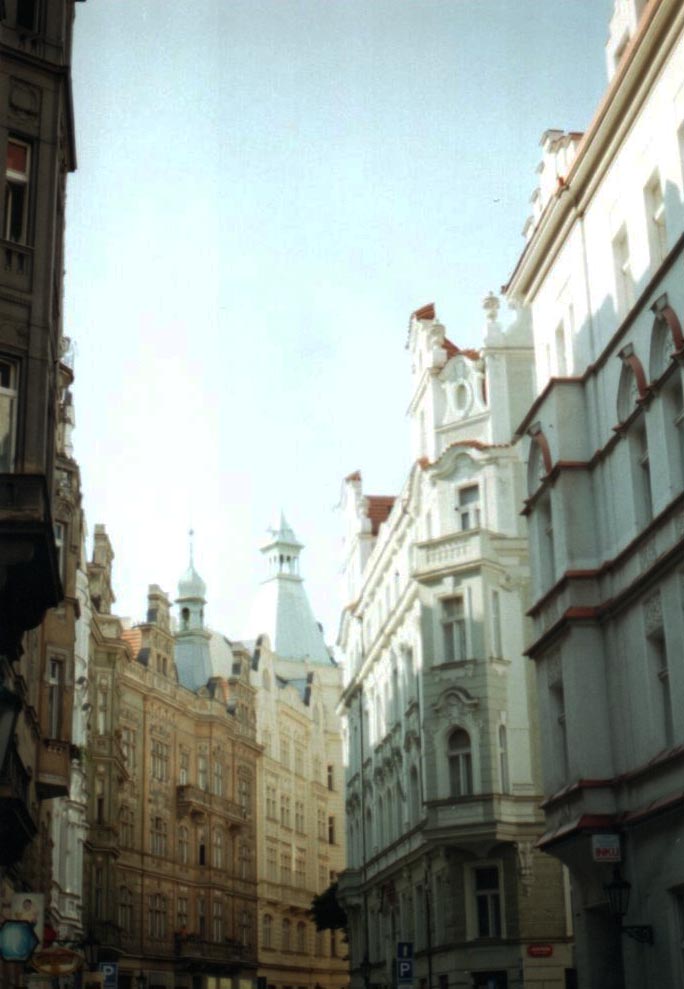
Before you even head for the Charles Bridge or the Castle in Prague, the narrow alleyways inevitably spill you out onto Old Town Square (Staroměstské náměstí). This is not merely a marketplace—it is the city’s vibrant, colorful "living room," where the full spectrum of life in Prague has played out since the 11th century.

Picture
Staré Město (Old Town)
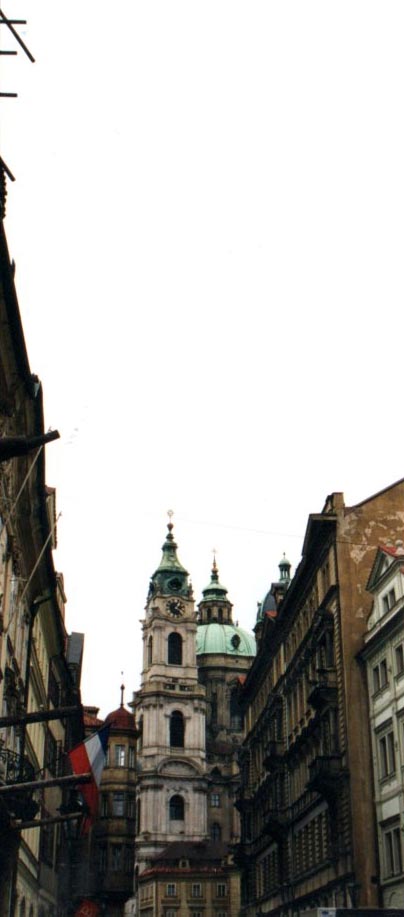
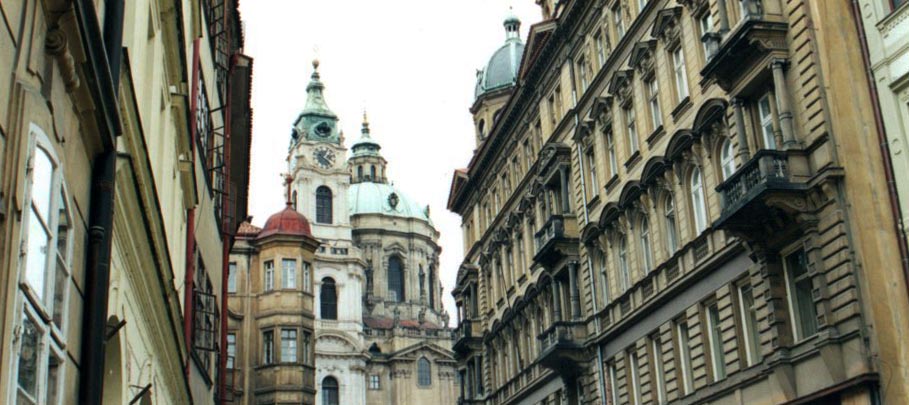
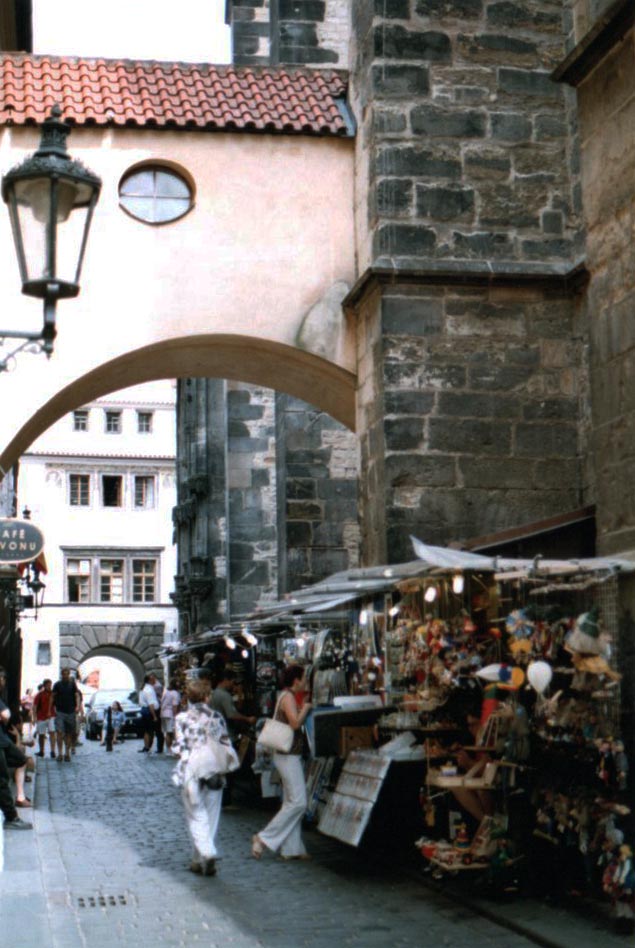
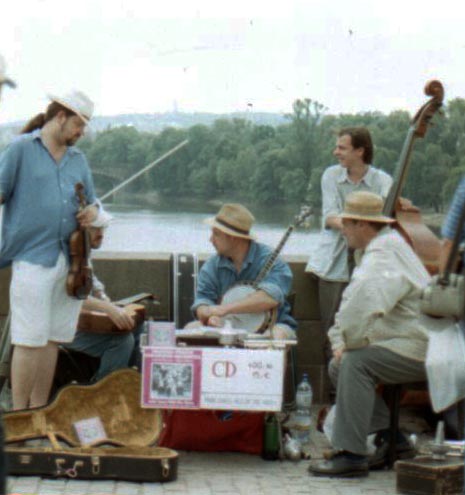
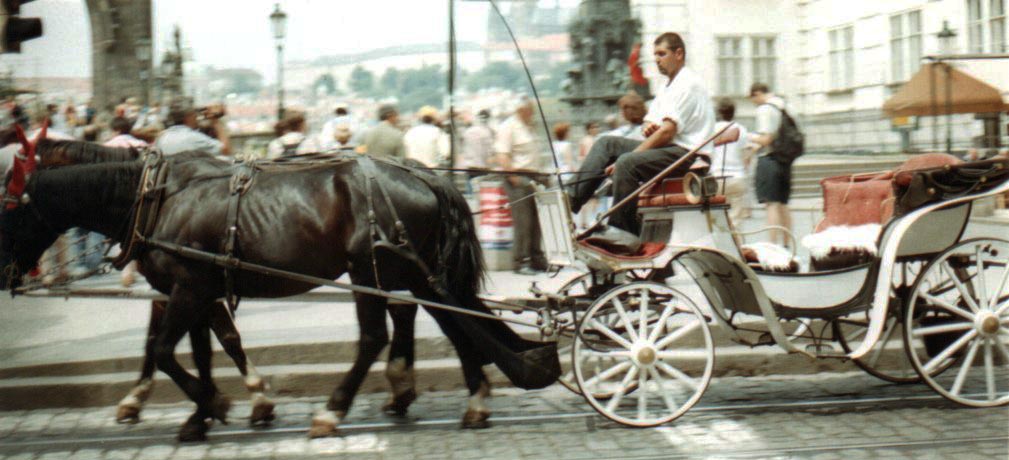
The quintessential Prague madness: the energy on the cobblestones of the square sweeps you up instantly. Amidst street musicians playing jazz on massive double basses, soap-bubble artists sending towering creations drifting into the sky, and horse-drawn carriages, you feel as though you’ve stepped into another era.

Picture
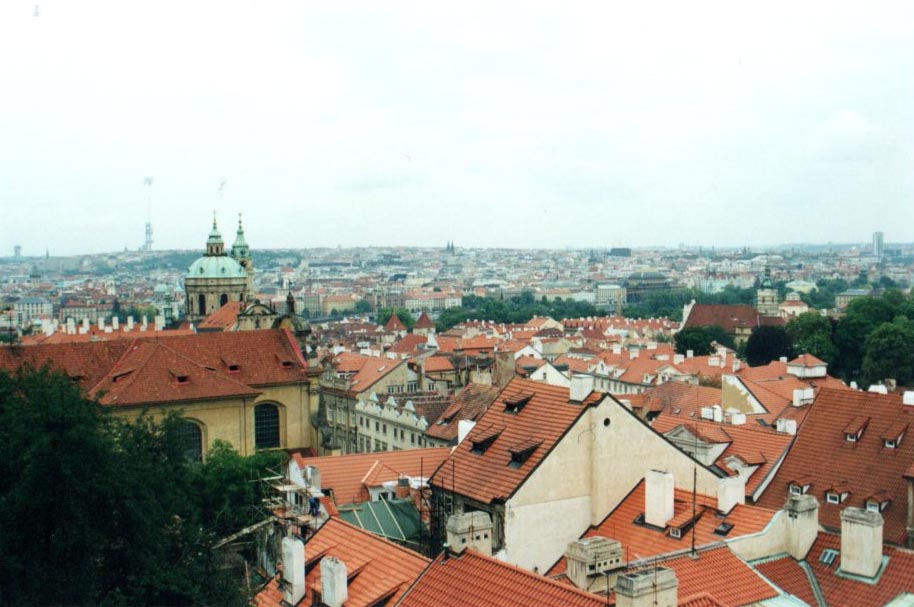
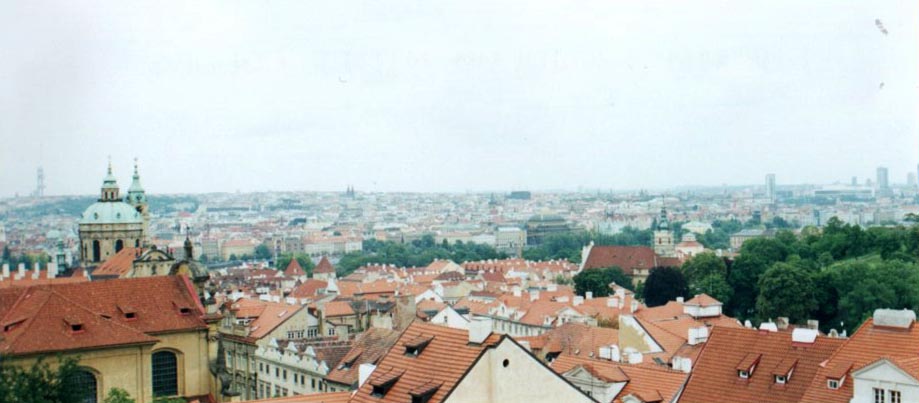
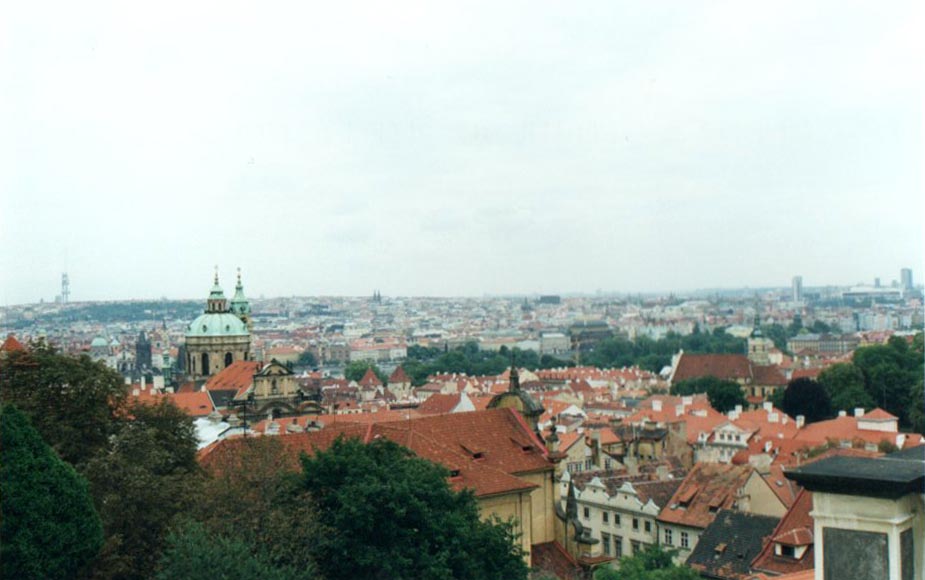
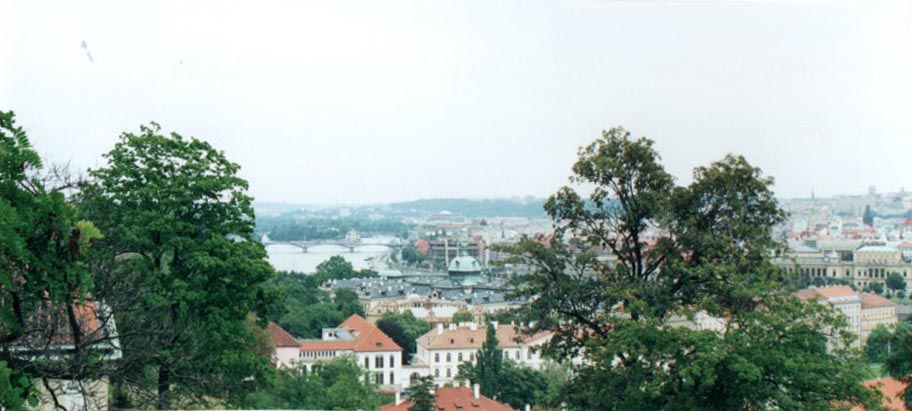
View from Prague Castle – Pražský hrad
Picture
Zlatá ulička (Golden Lane)
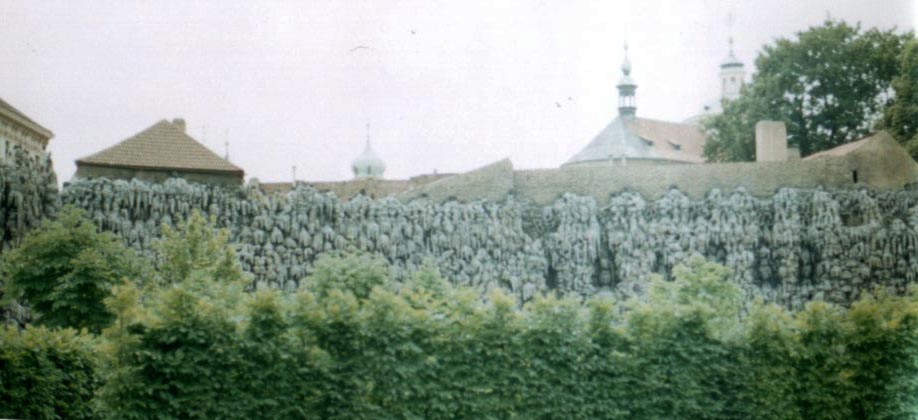
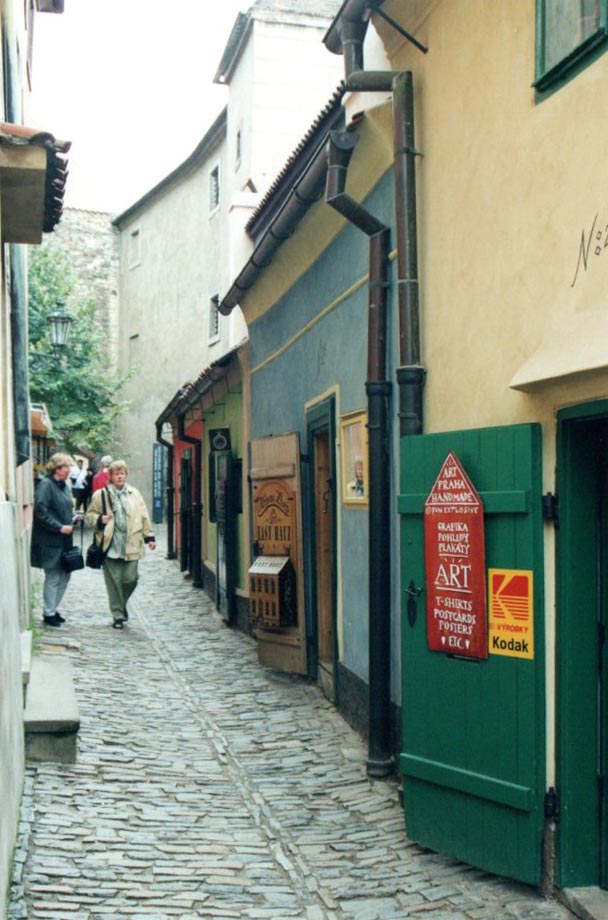
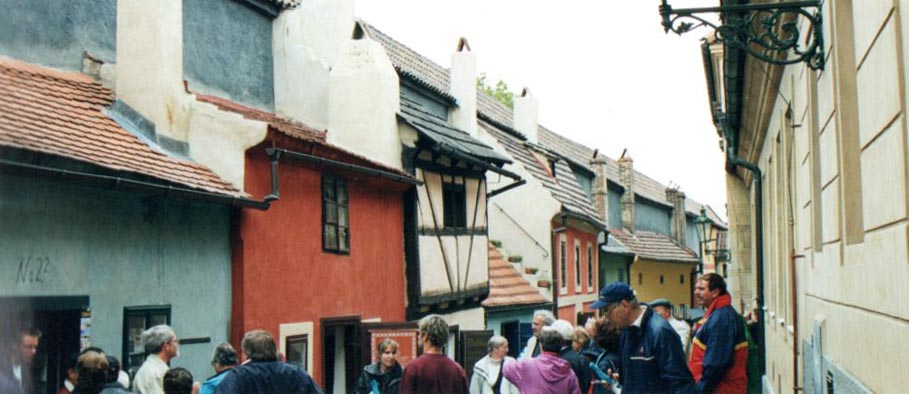
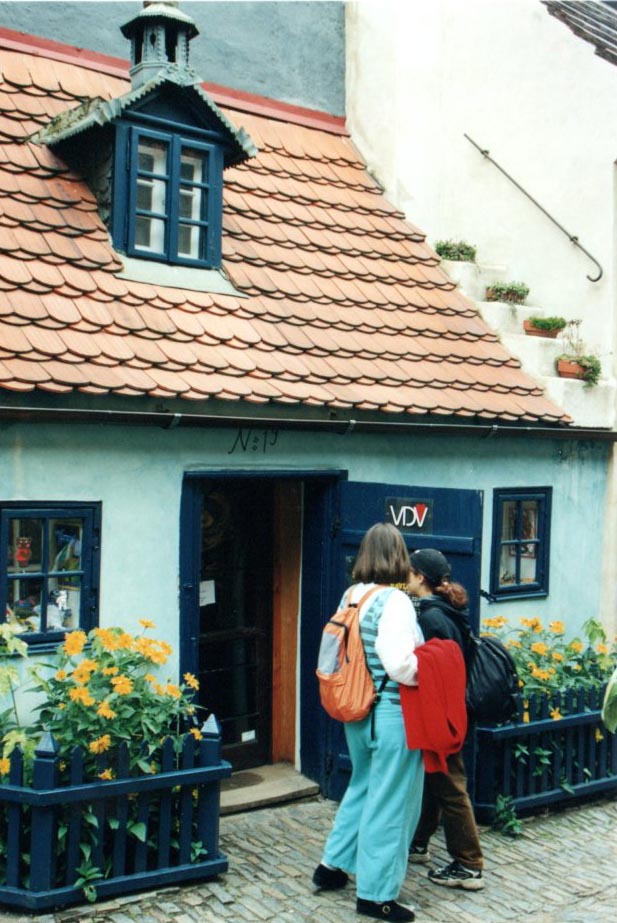
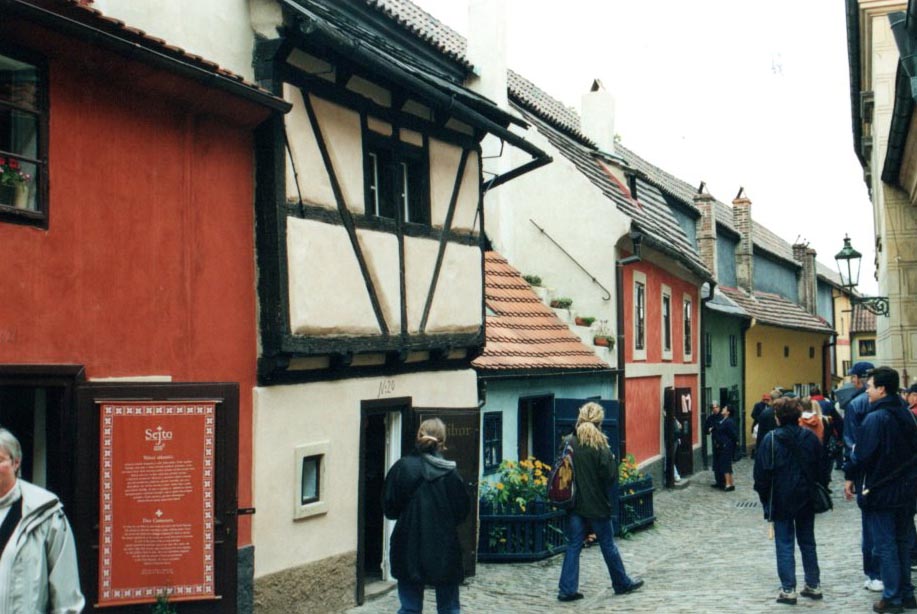
Golden Lane: Where Dwarfs Lived and Franz Kafka Wrote. As you make your way across the vast Prague Castle complex, an absolutely magical spot lies hidden along the northeast wall: Golden Lane (*Zlatá ulička*)—affectionately known by many as the "Alchemists' Lane."
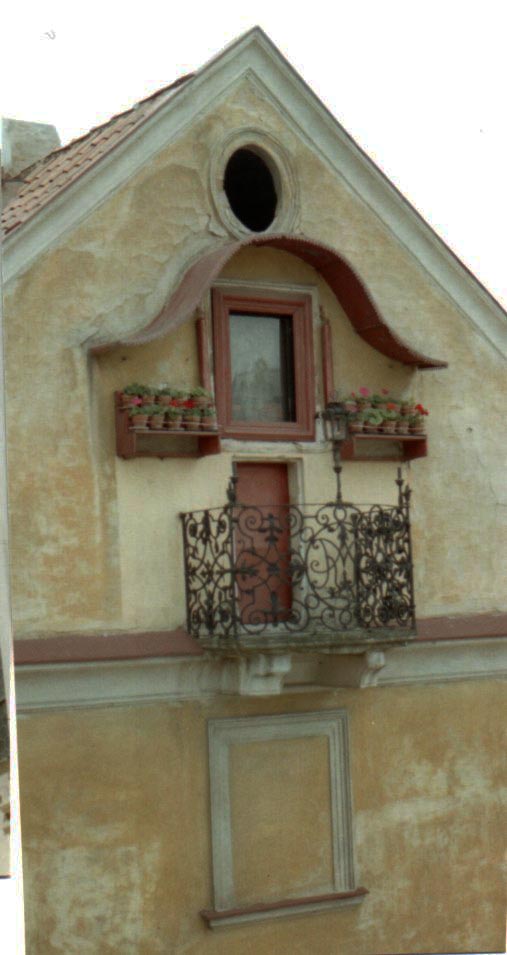
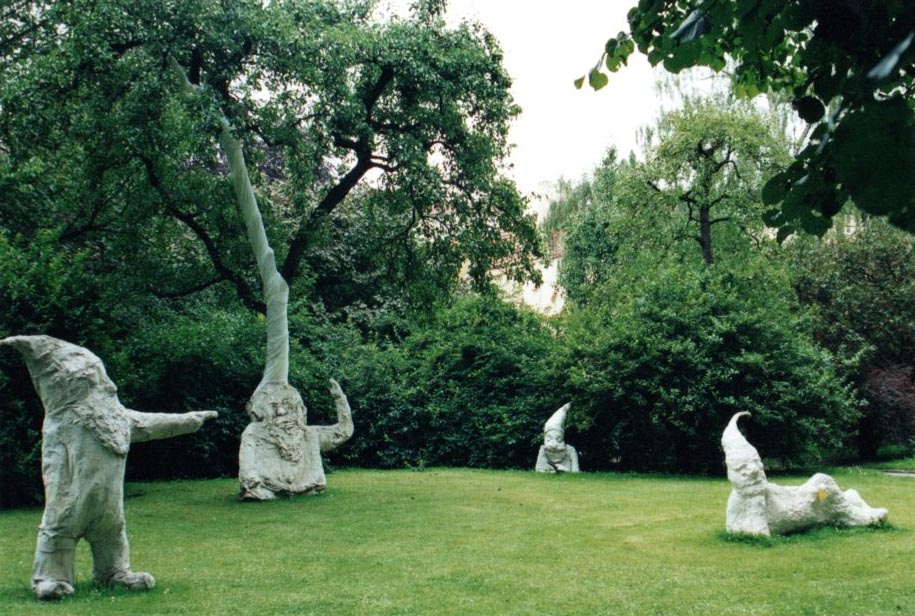
The lane consists of a row of tiny, brightly painted cottages built directly into the arches of the castle wall in the 16th century. The doors are so low and the rooms so tiny that you instinctively duck your head and wonder if a colony of dwarves once lived here.
The "Goldmaker" legend: The name stems from the claim that Emperor Rudolf II housed his alchemists here—men tasked with turning lead into pure gold. In reality, however, the building was initially home to ordinary castle guards and later to impoverished goldsmiths.

In Kafka’s footsteps: The absolute must-have photo for your roll of analog film is the light-blue house at number 22. It was here that none other than the world-famous writer Franz Kafka lived from 1916 to 1917, quietly working on his writings.
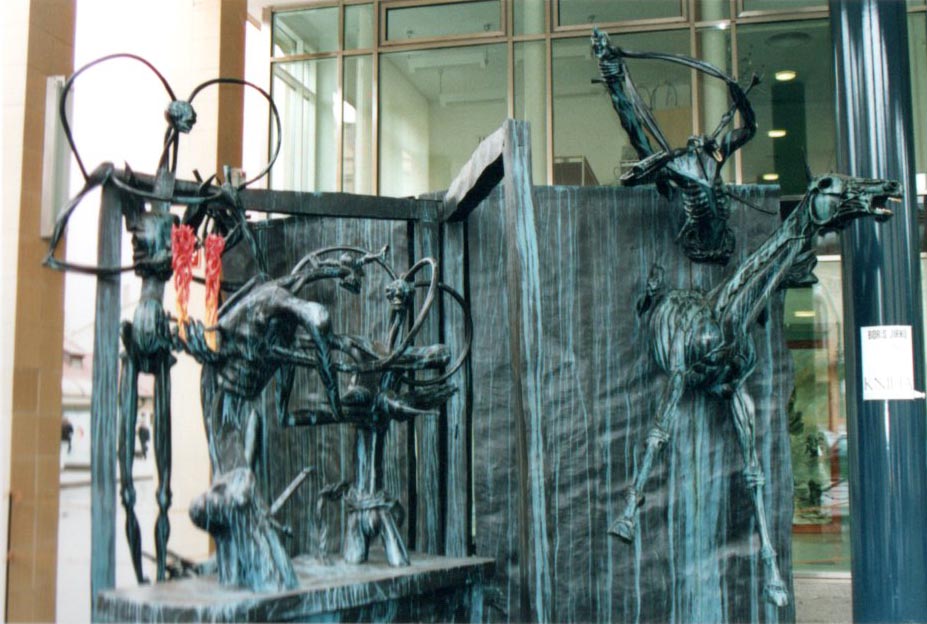
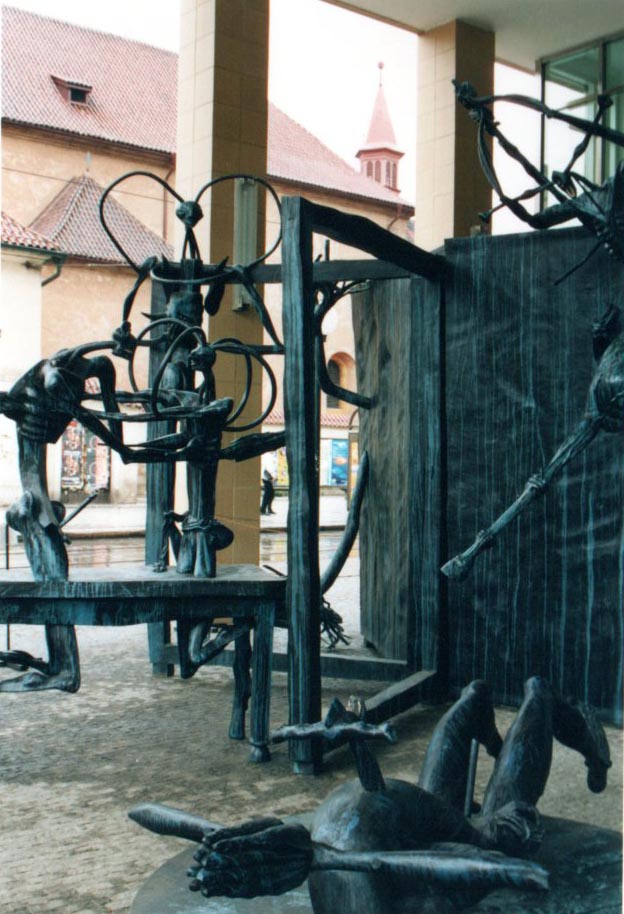
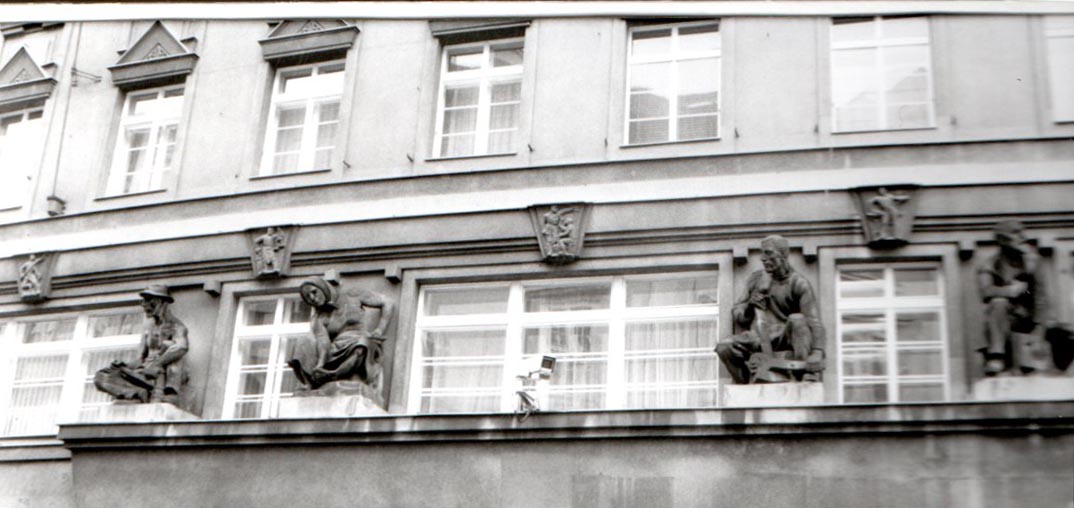
Art in Prag @1986
Picture
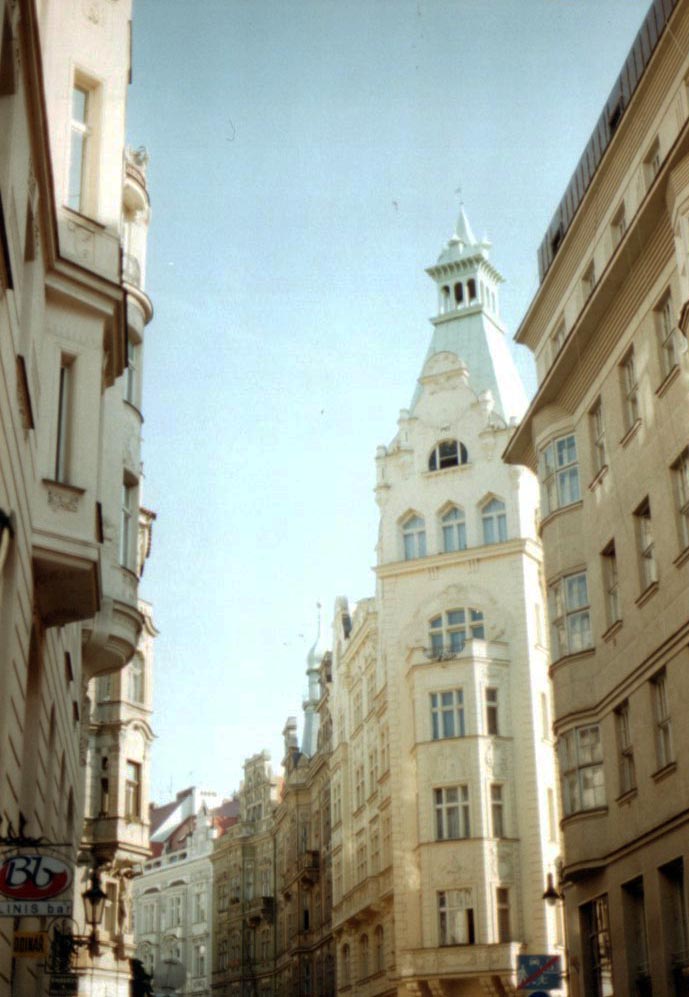
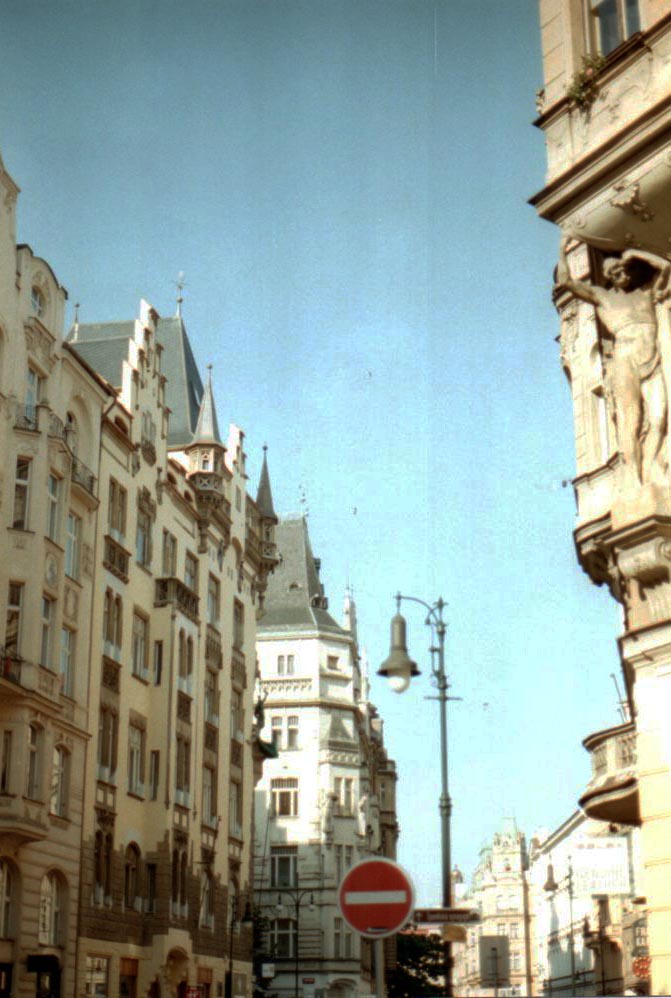
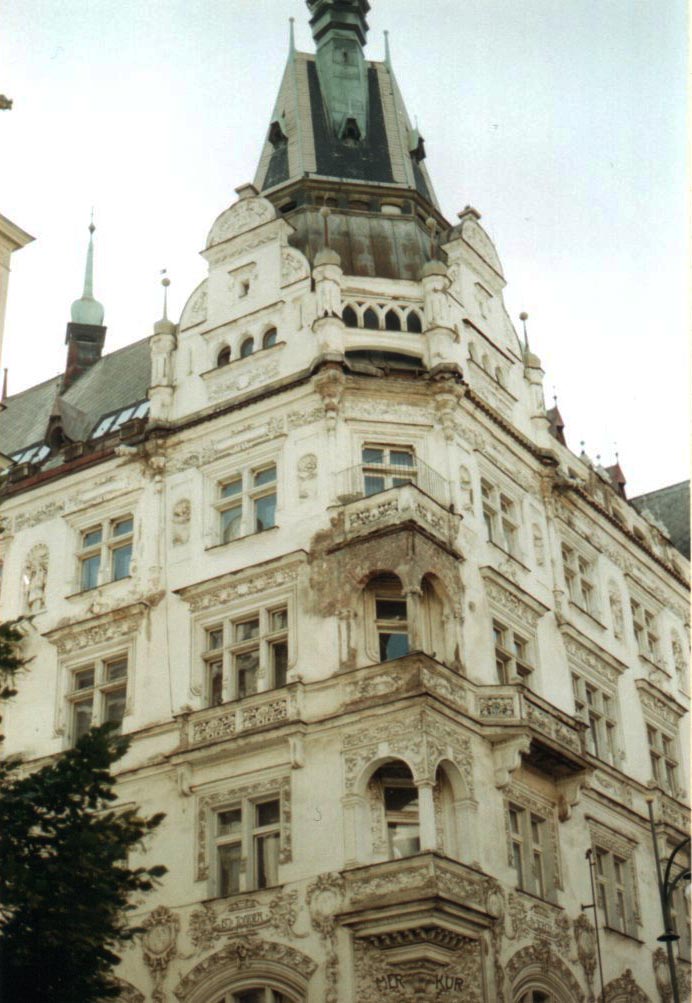
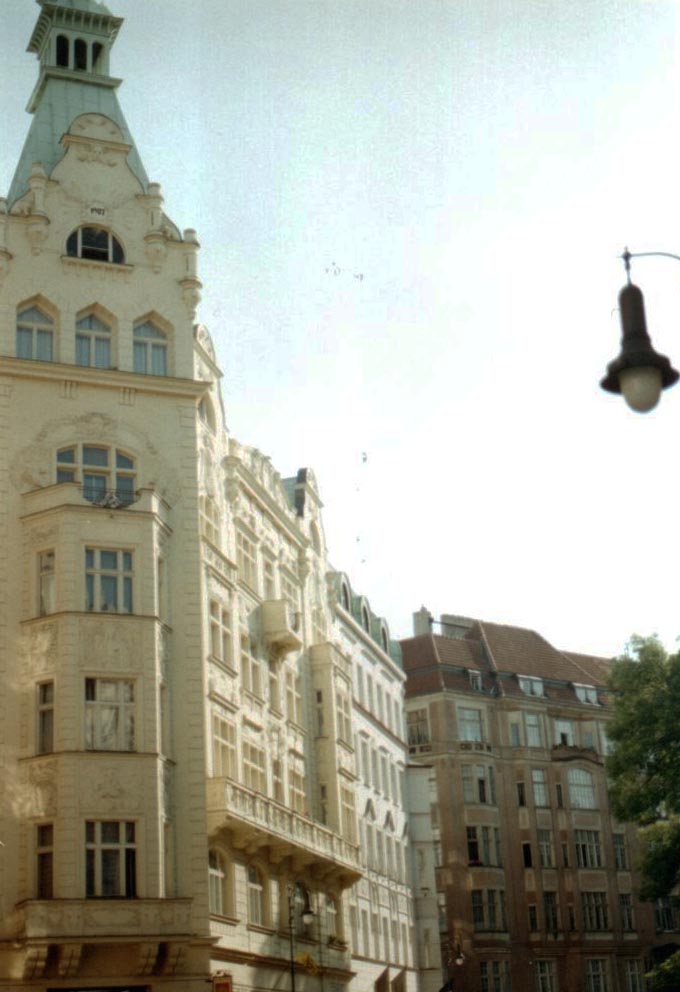
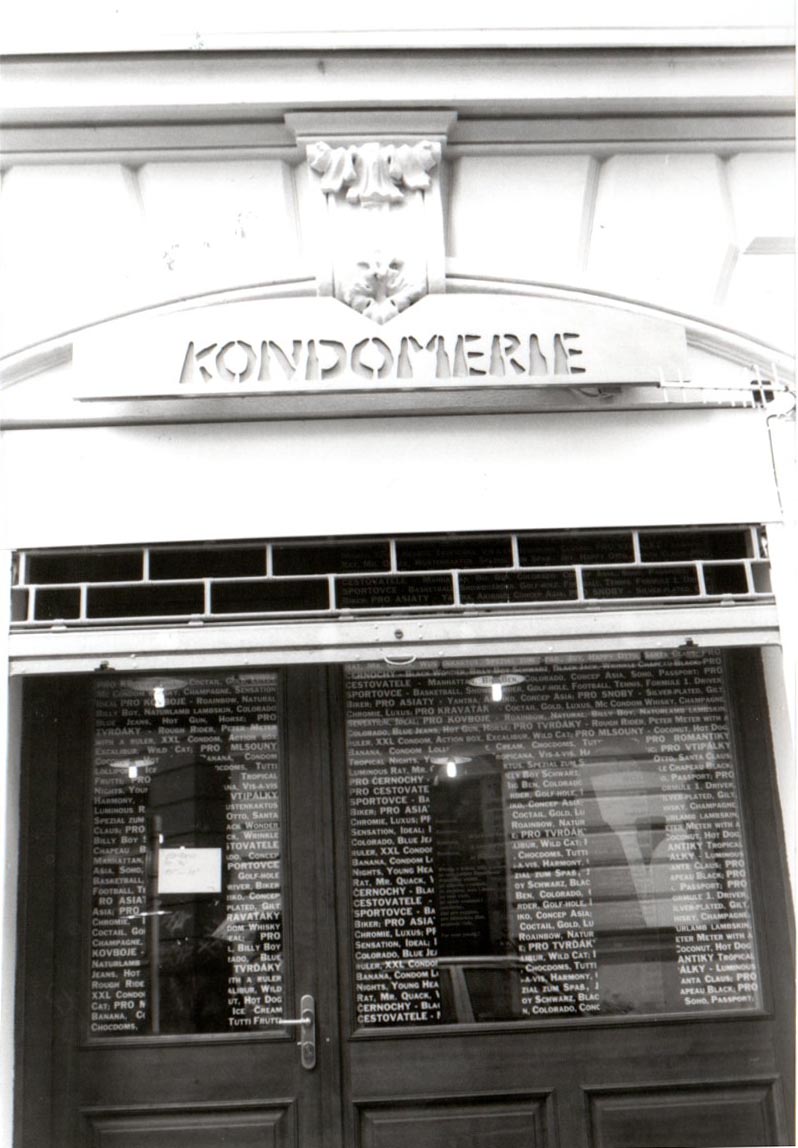
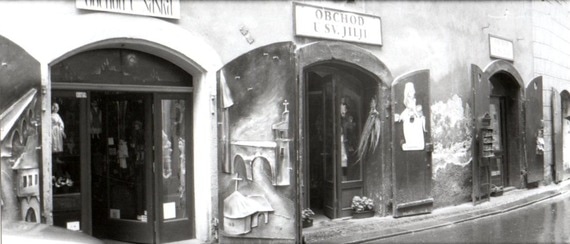
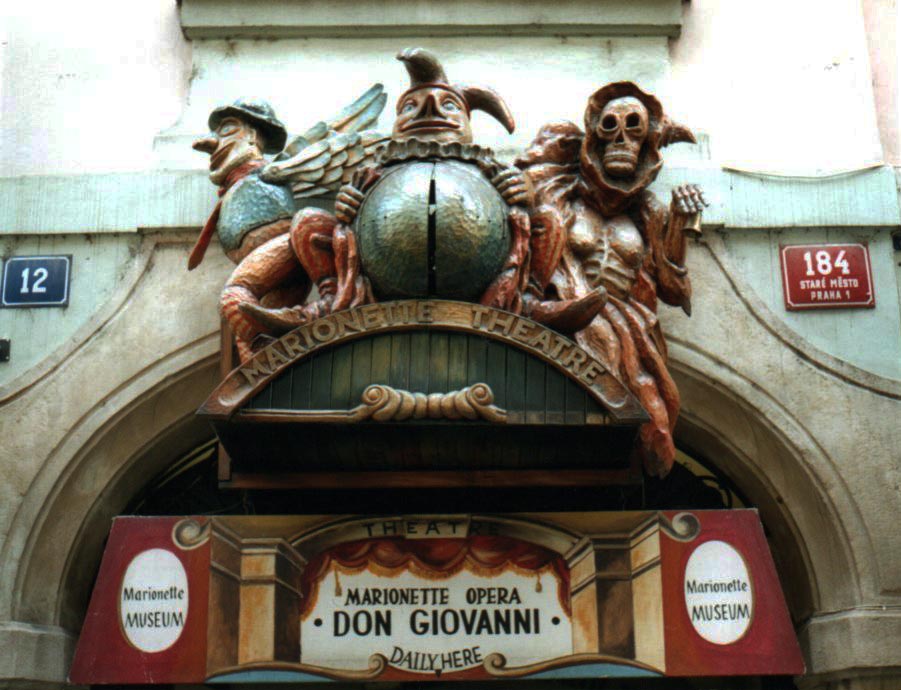
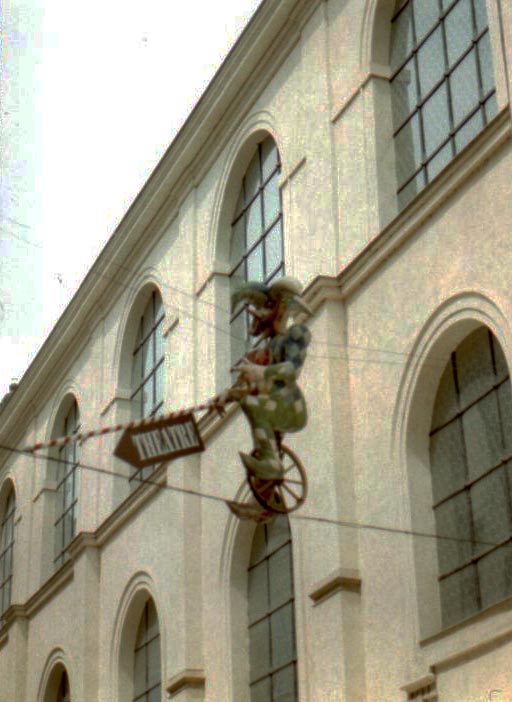
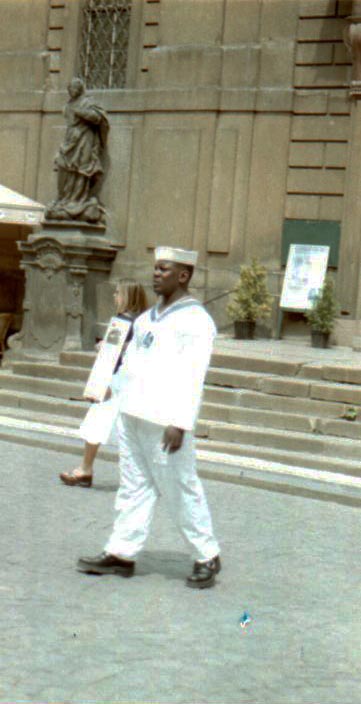
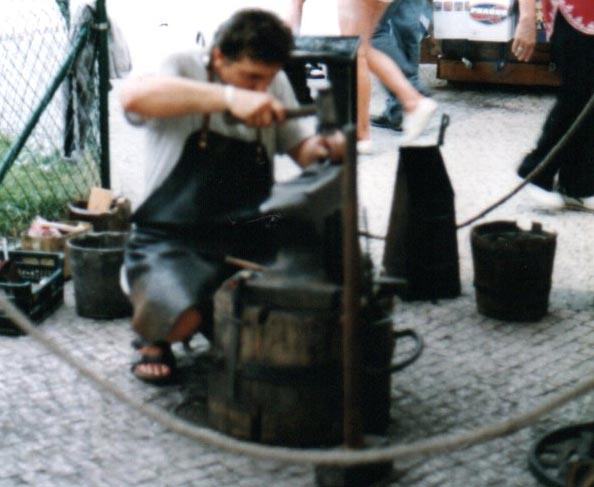
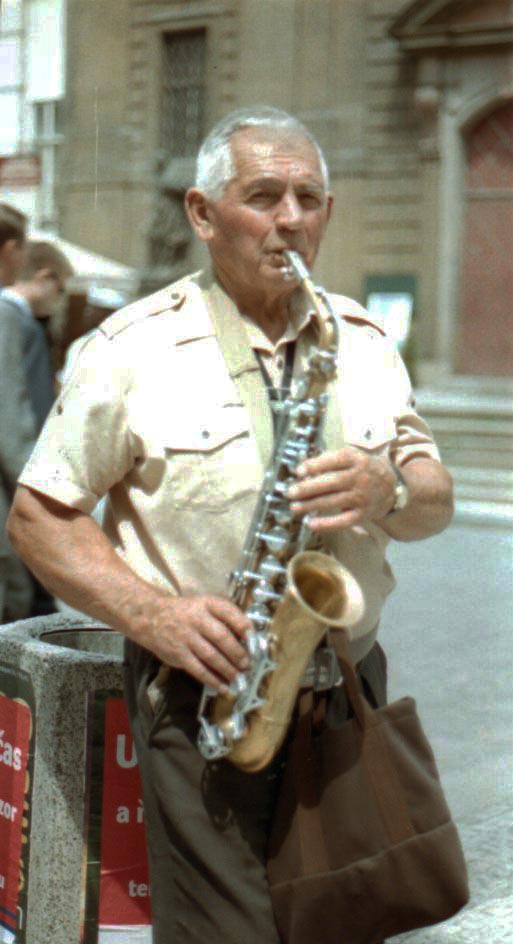
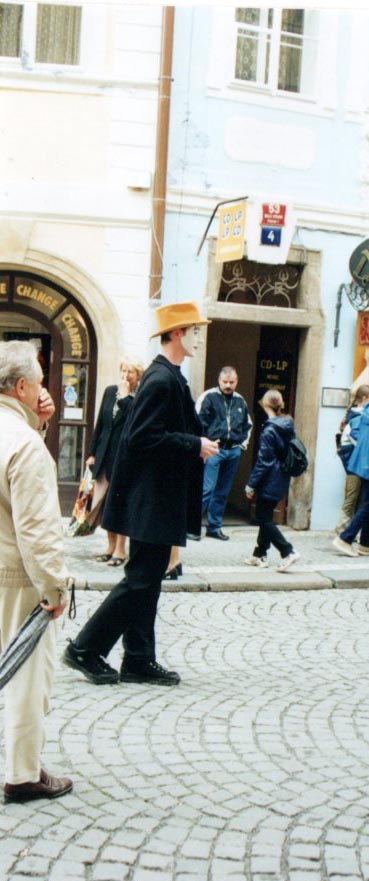
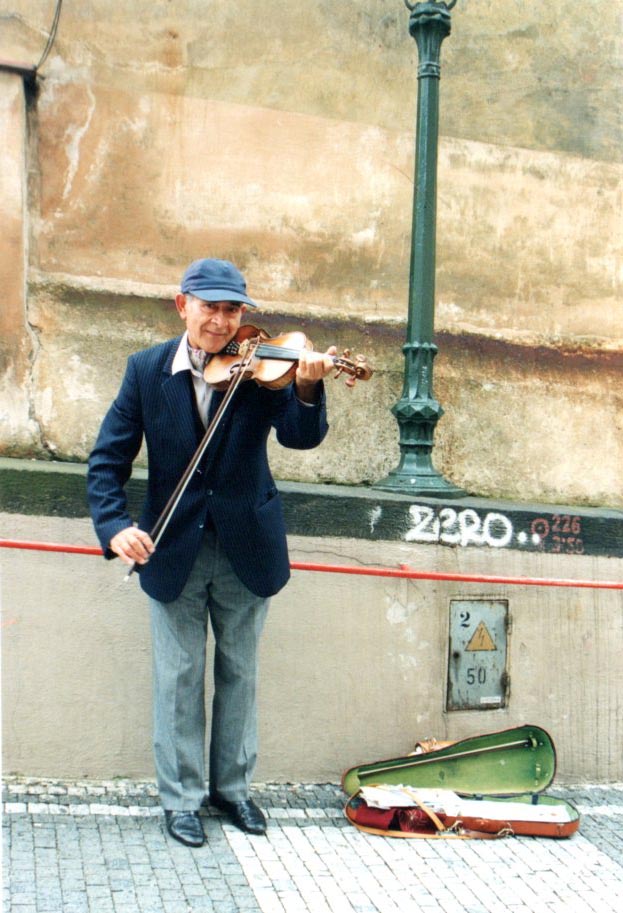
The Street Artists: The Soundtrack and Smile of Prague. As you stroll through Staré Město, walk across the Charles Bridge, or take a break in the Old Town Square, one thing becomes immediately clear: Prague is a vast, vibrant open-air stage. The city’s street artists are not merely a nice backdrop—they are the soul and the soundtrack of the Golden City.
Picture

Picture
Picture

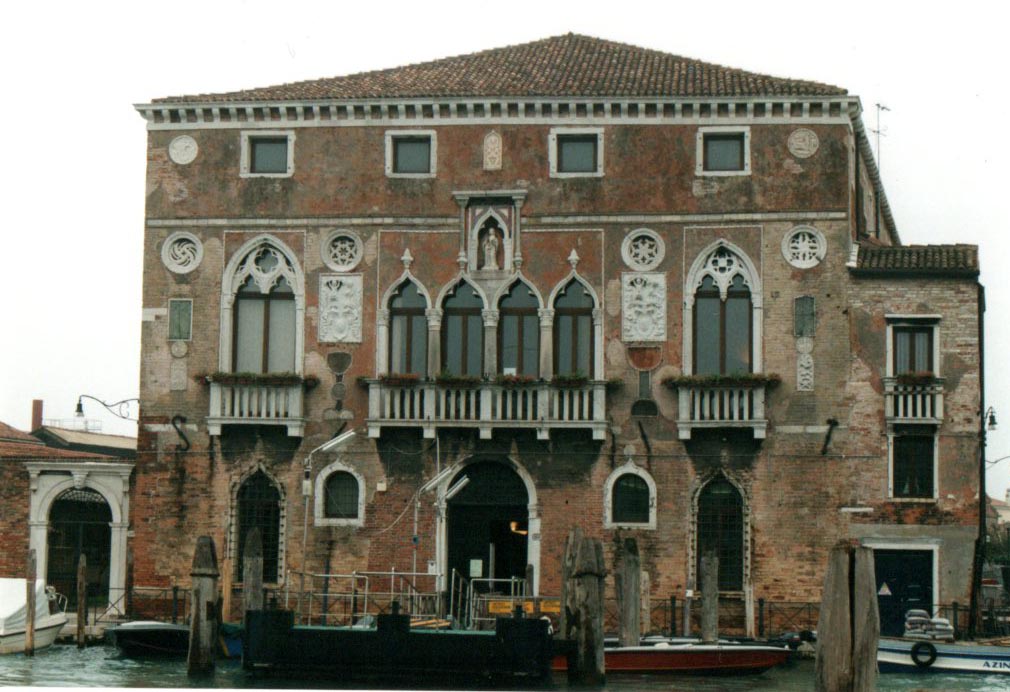
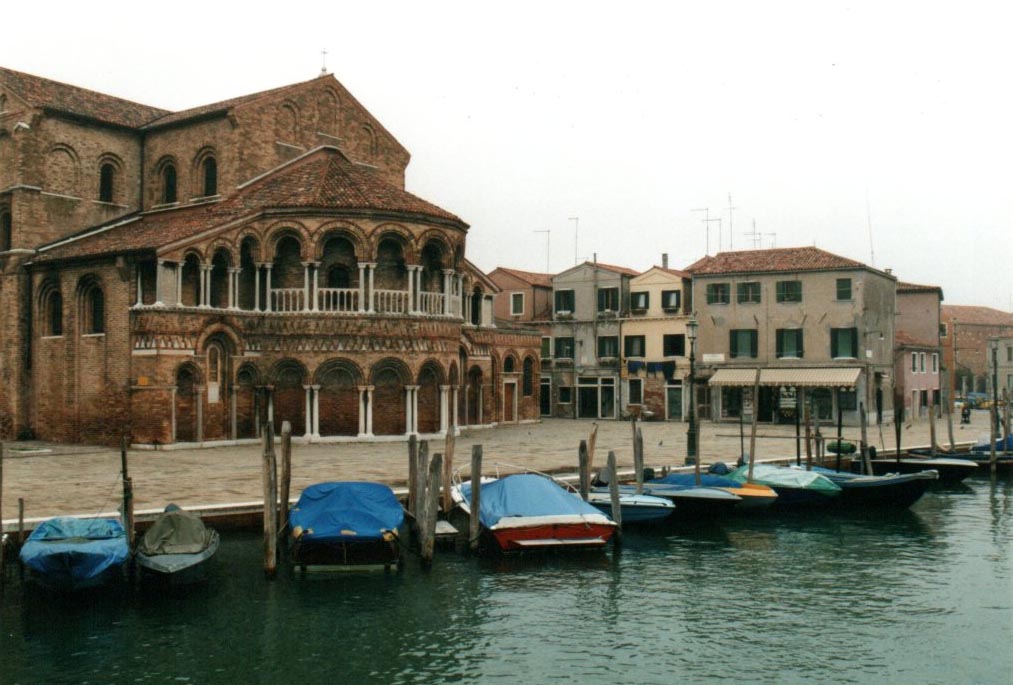
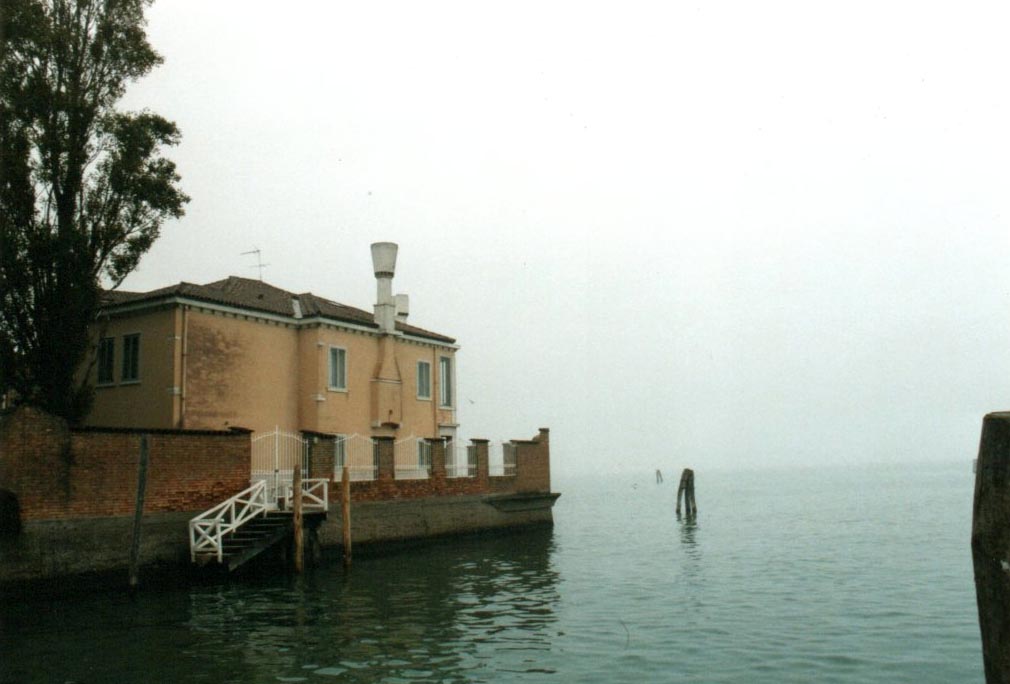
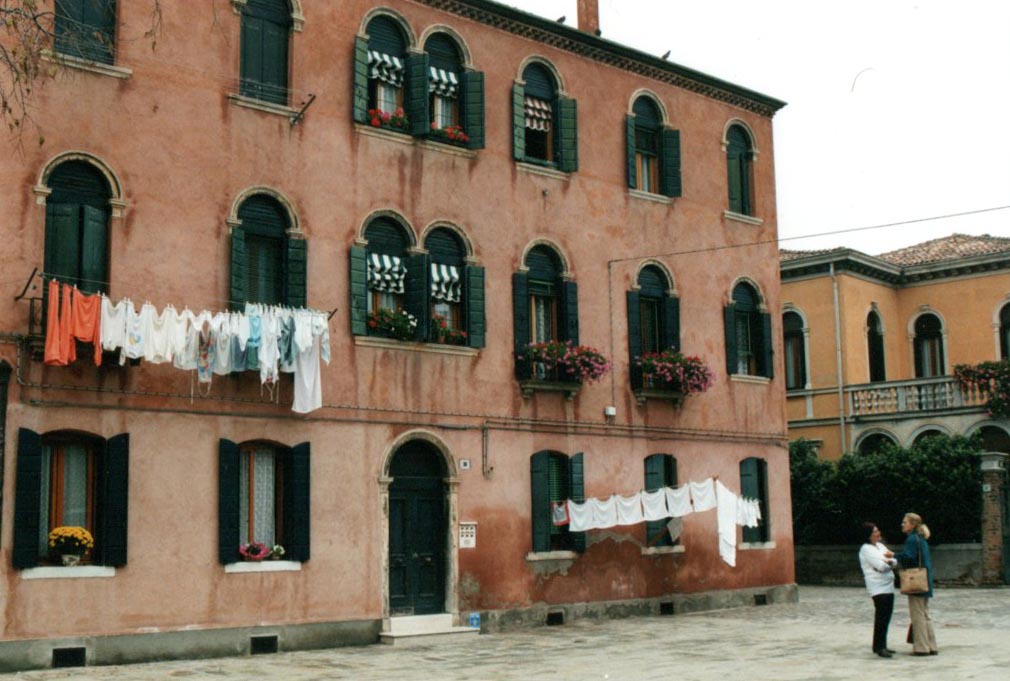
VENEDIG + Murano / Italy
(2000)

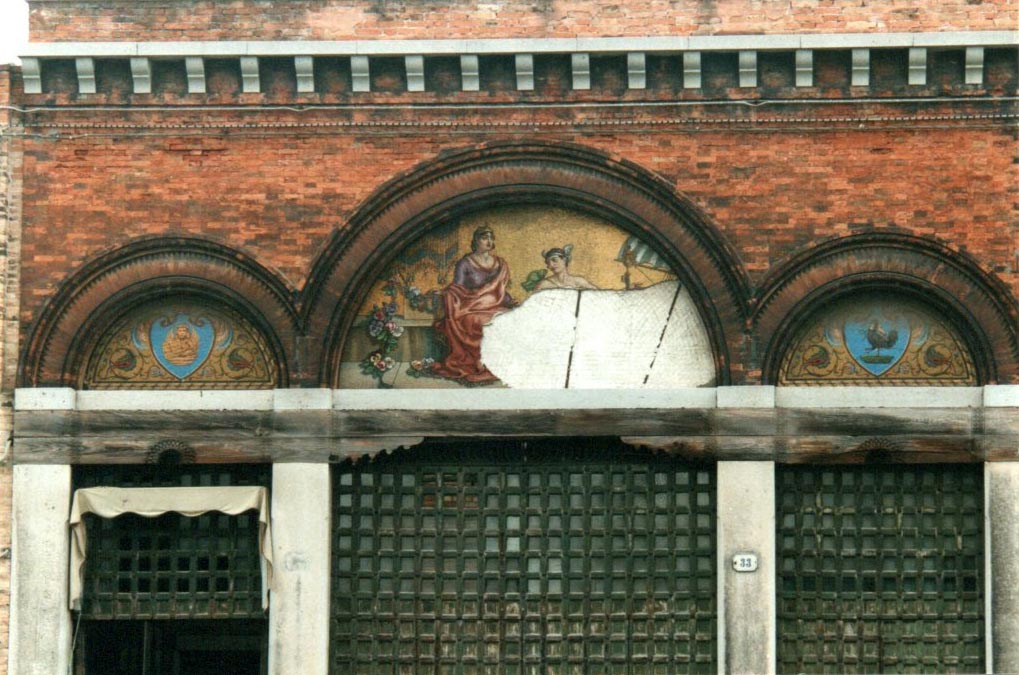
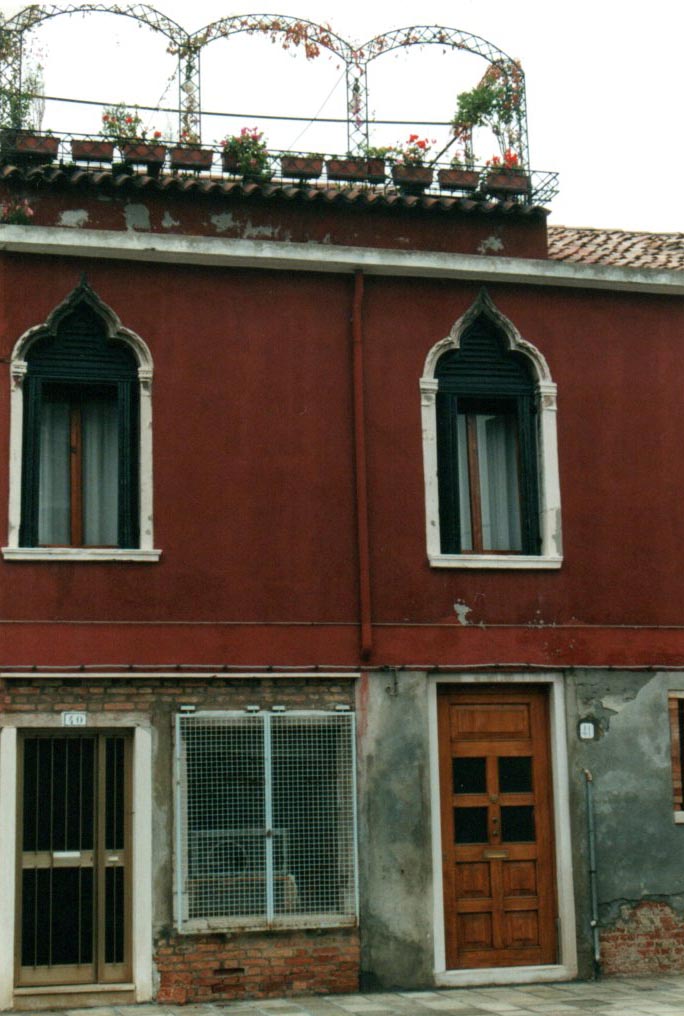
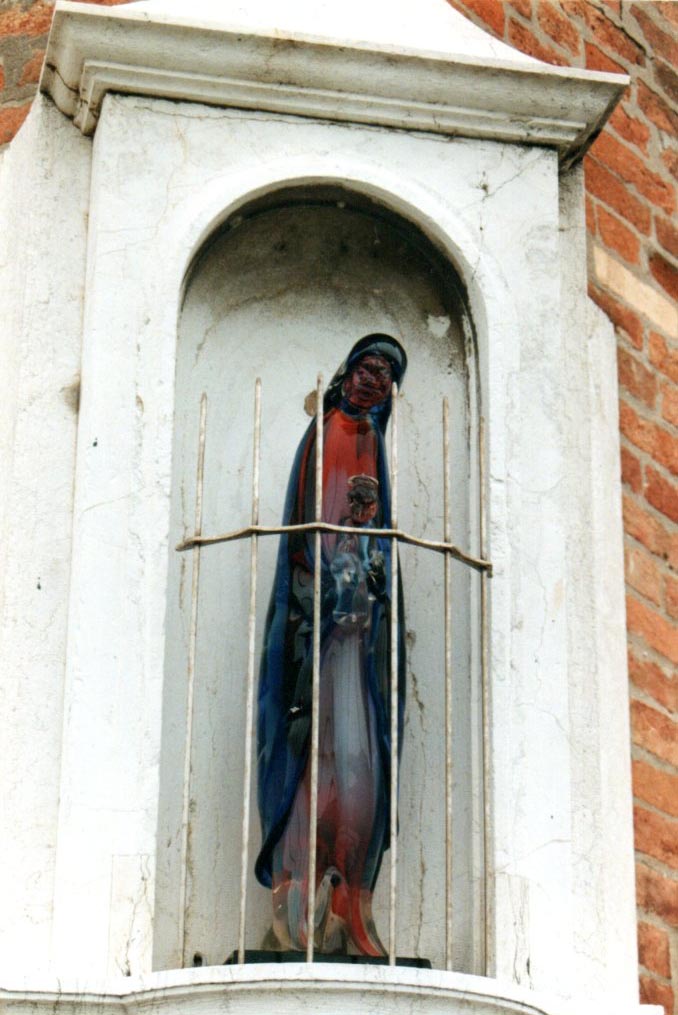
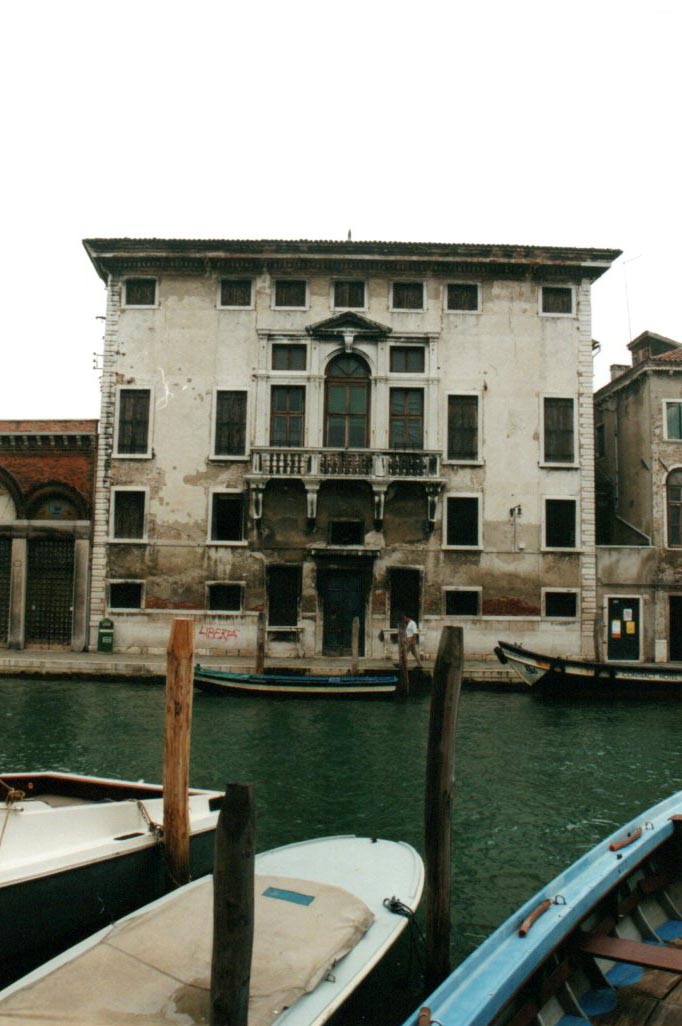
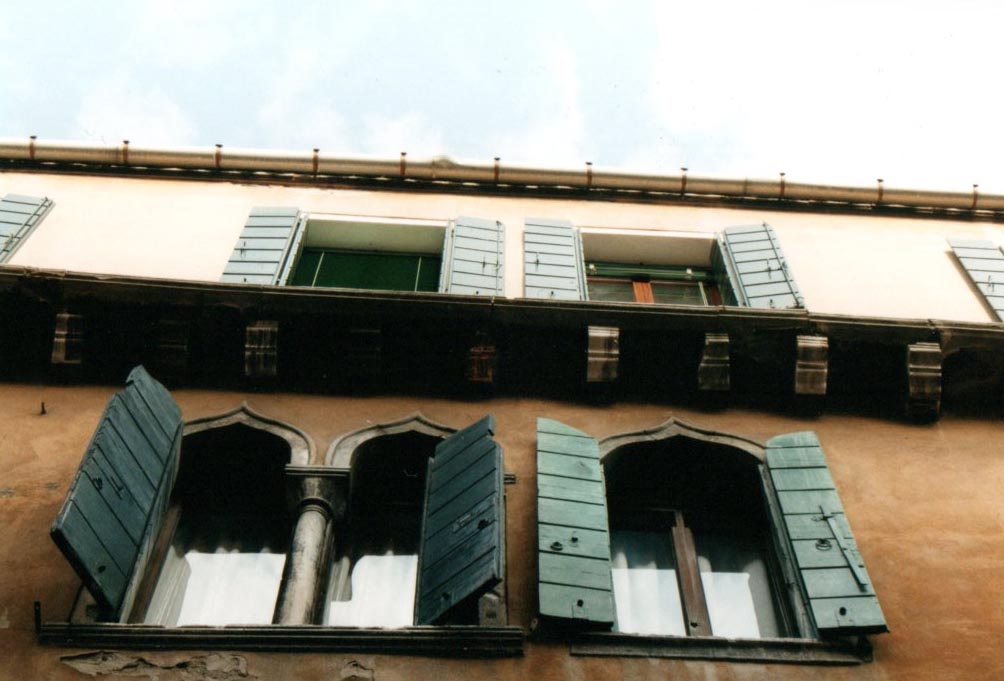
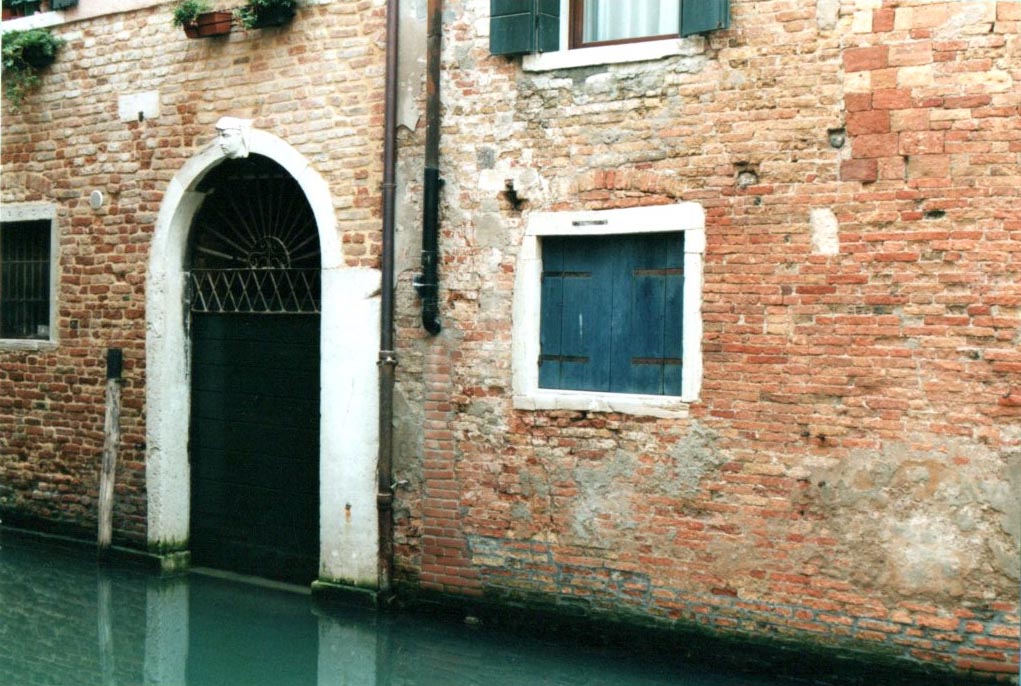
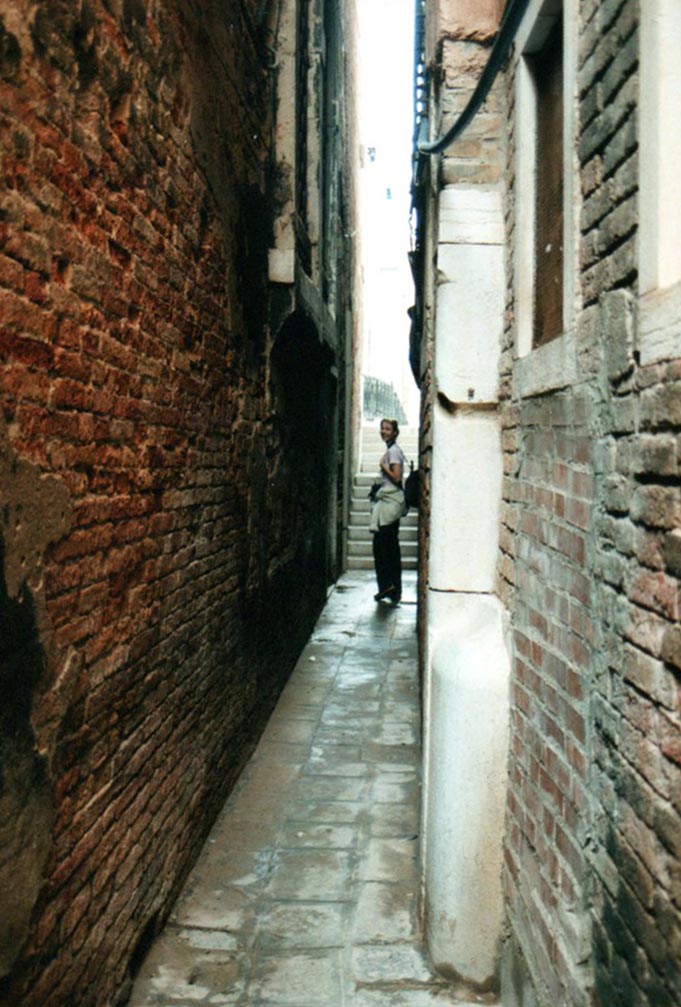
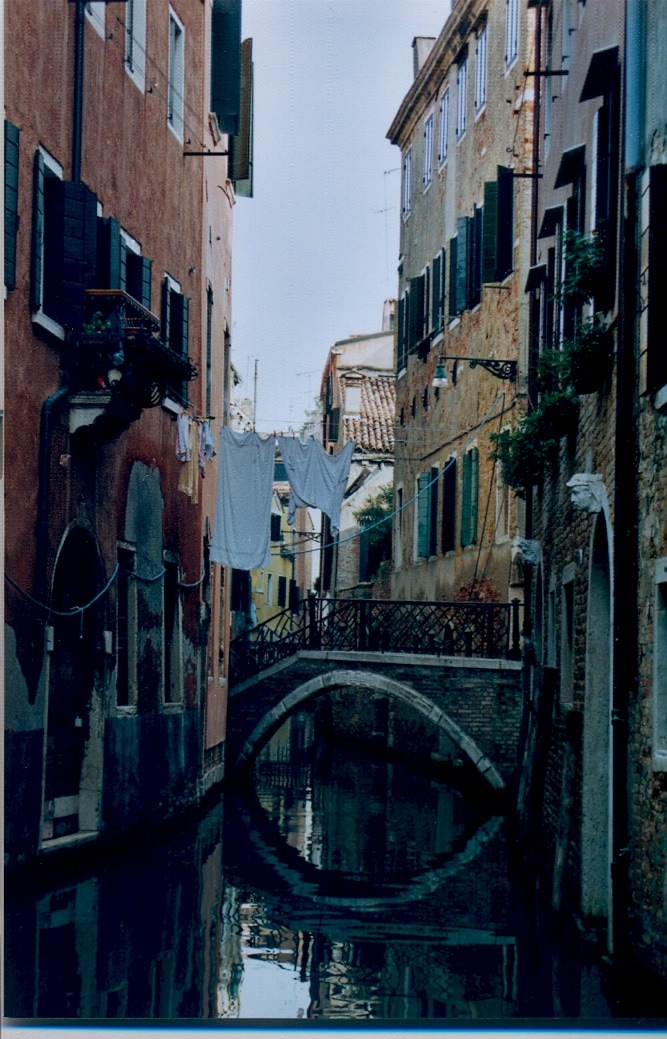
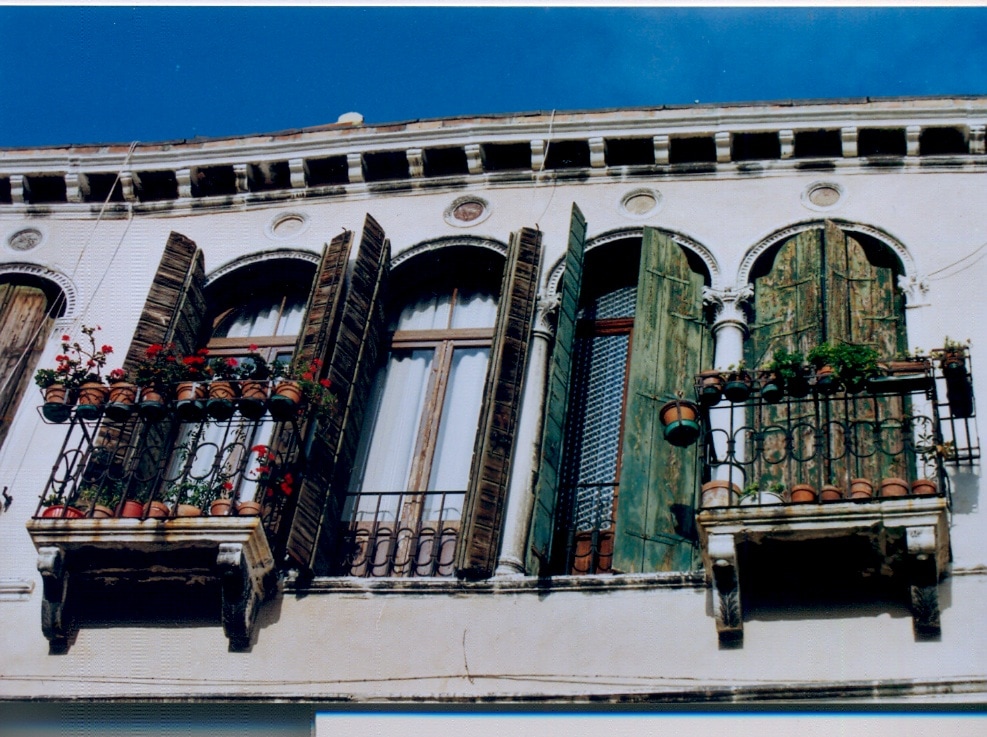
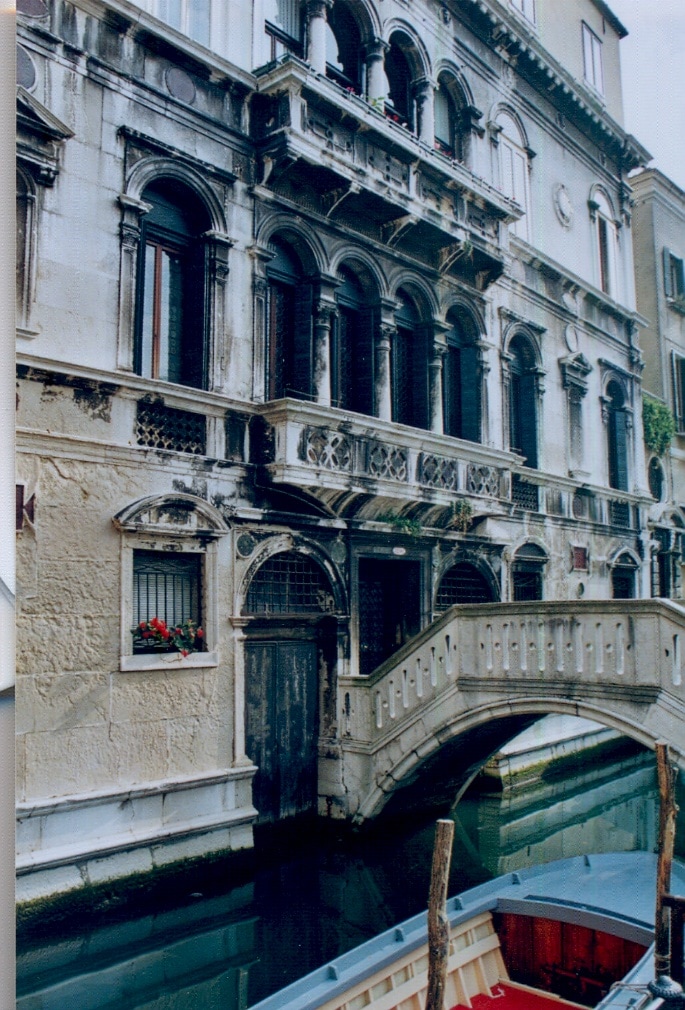
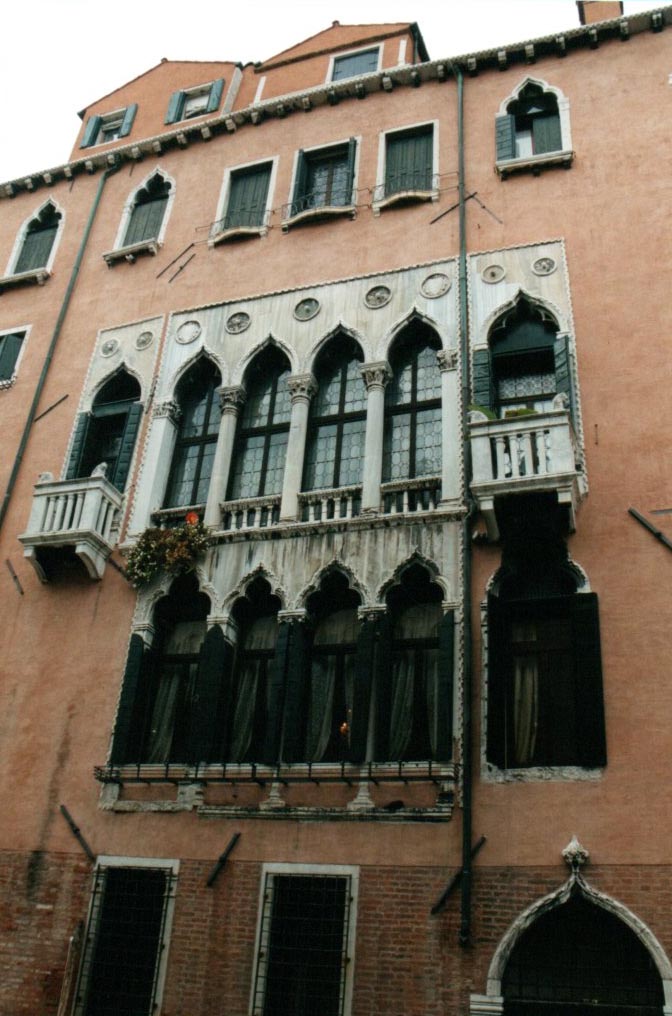
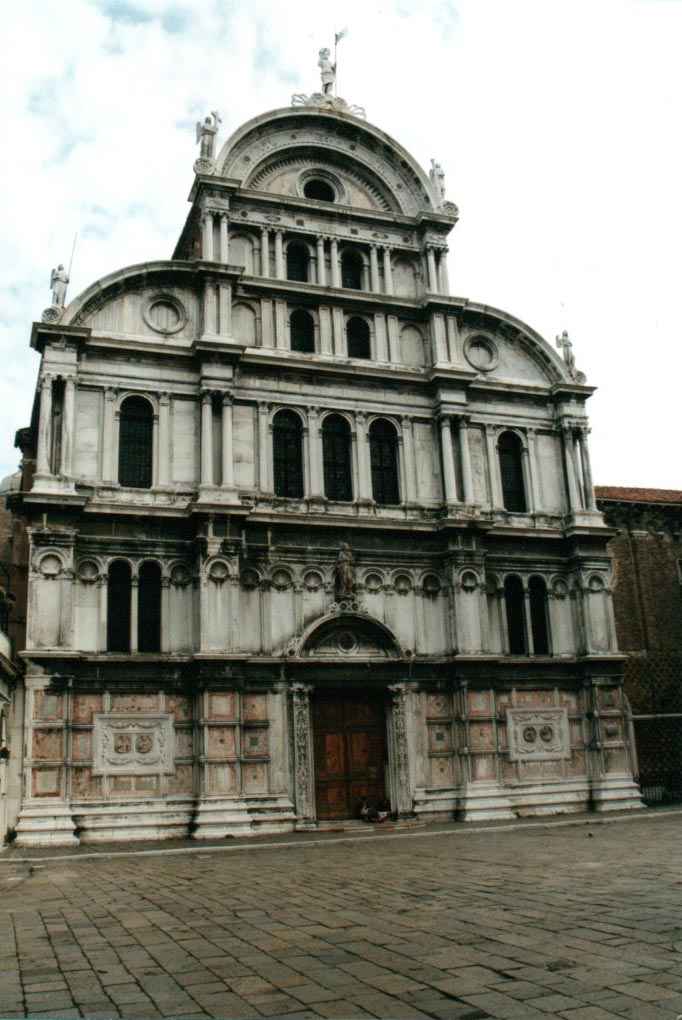
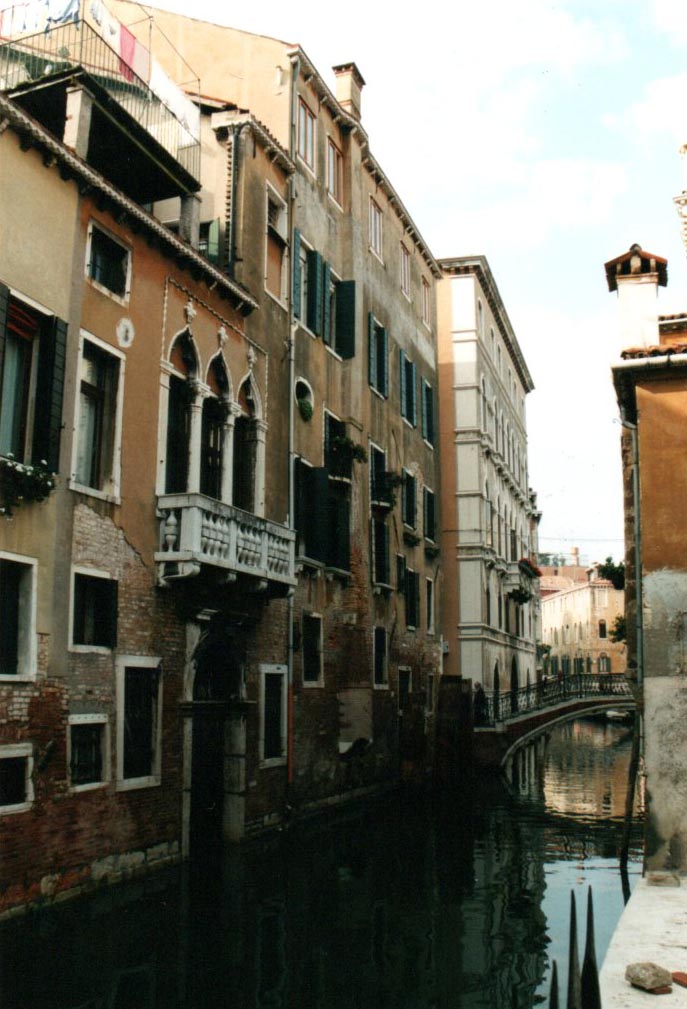
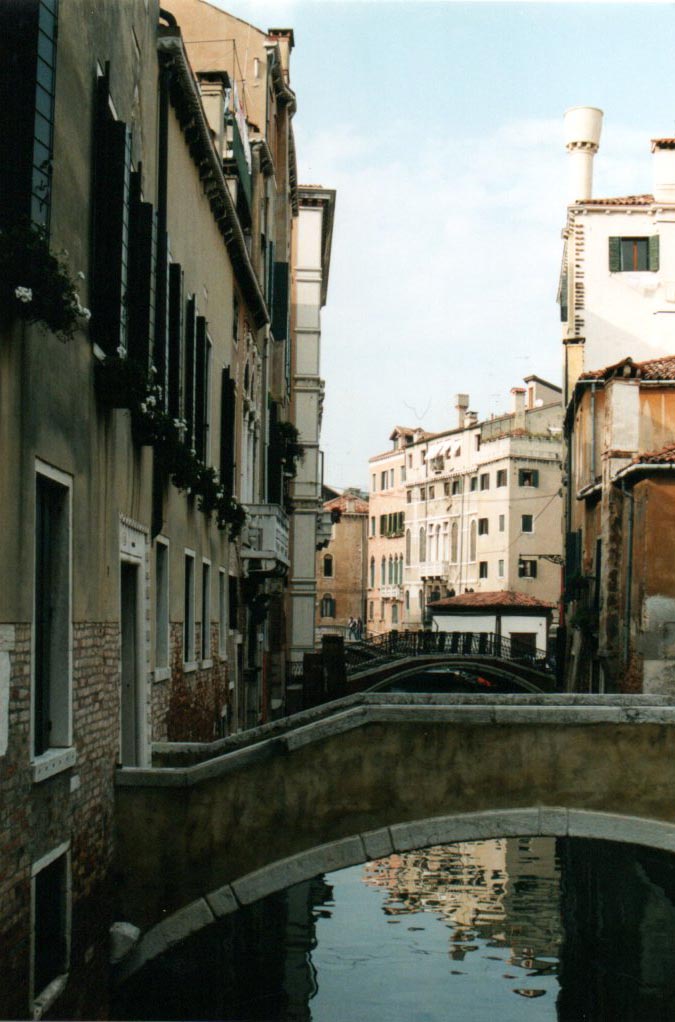
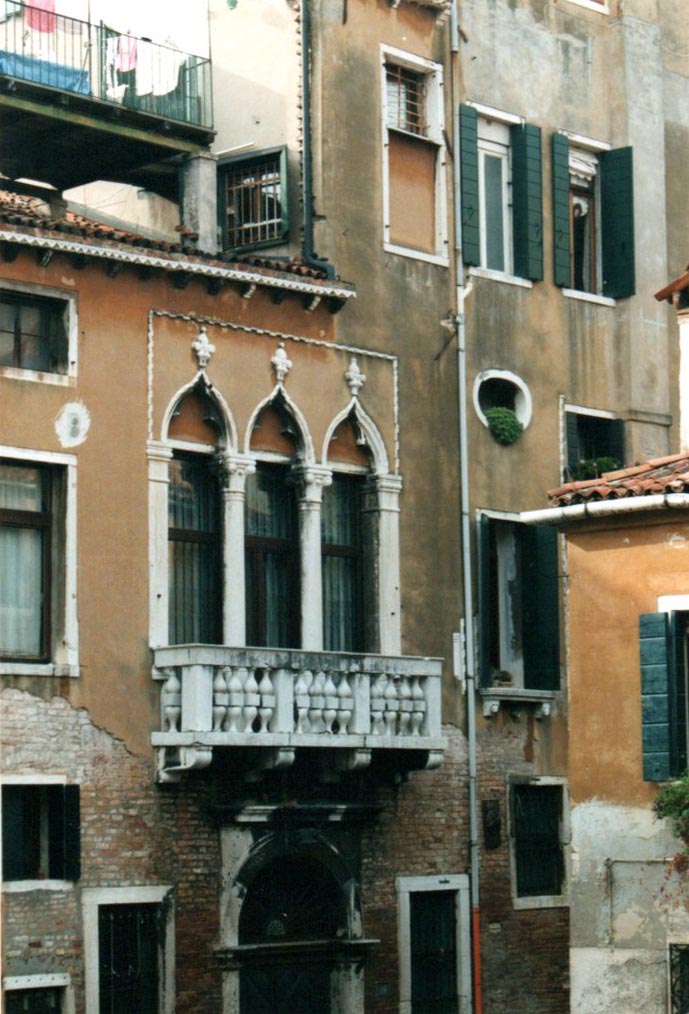
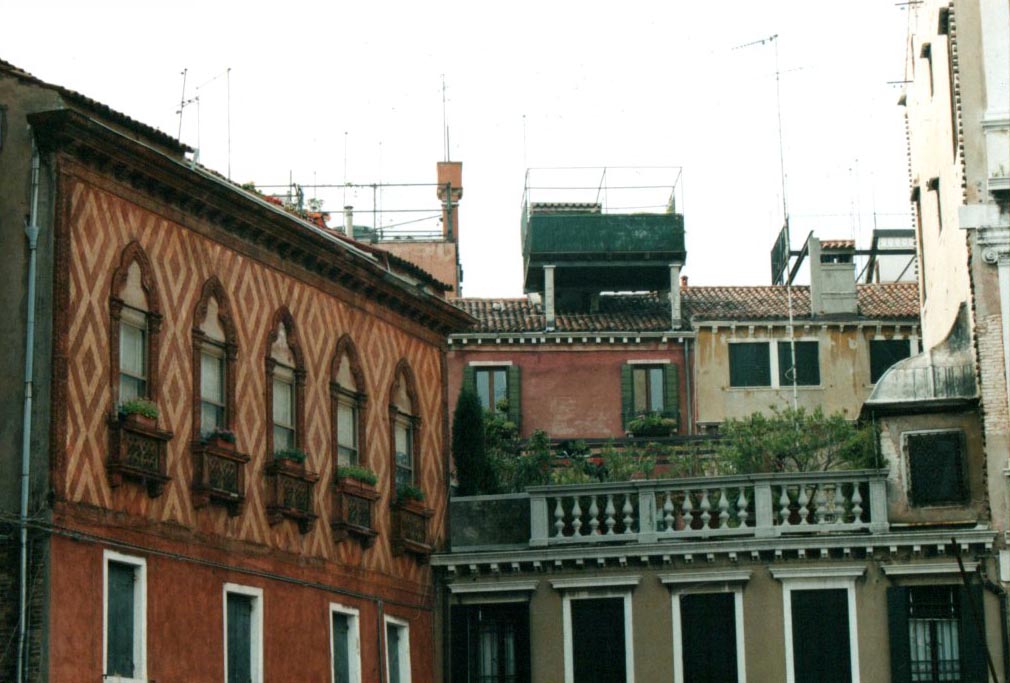
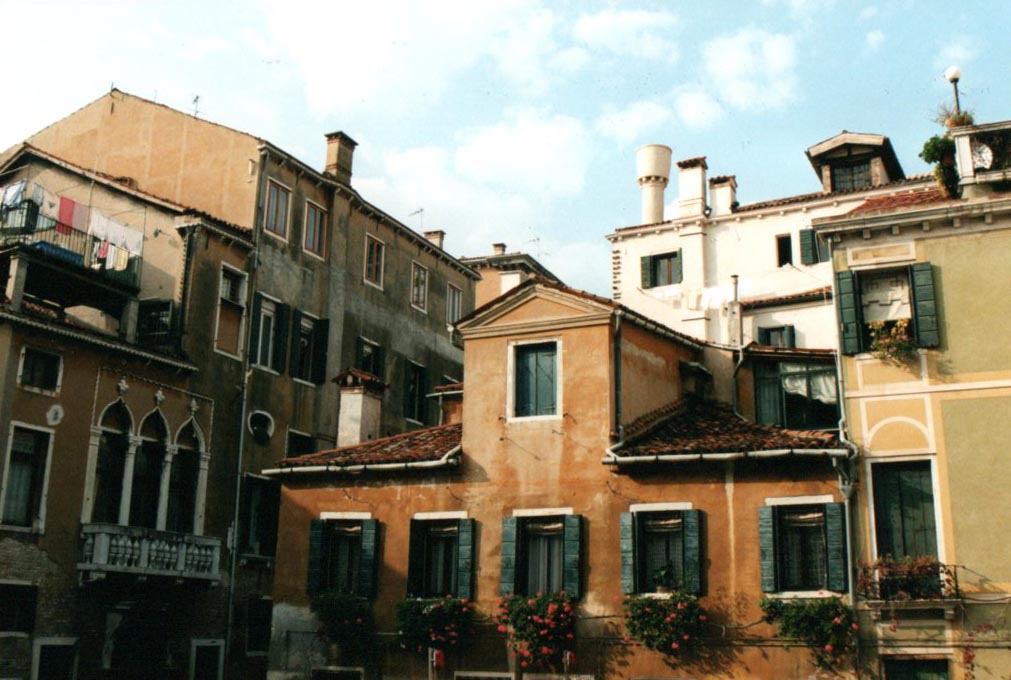
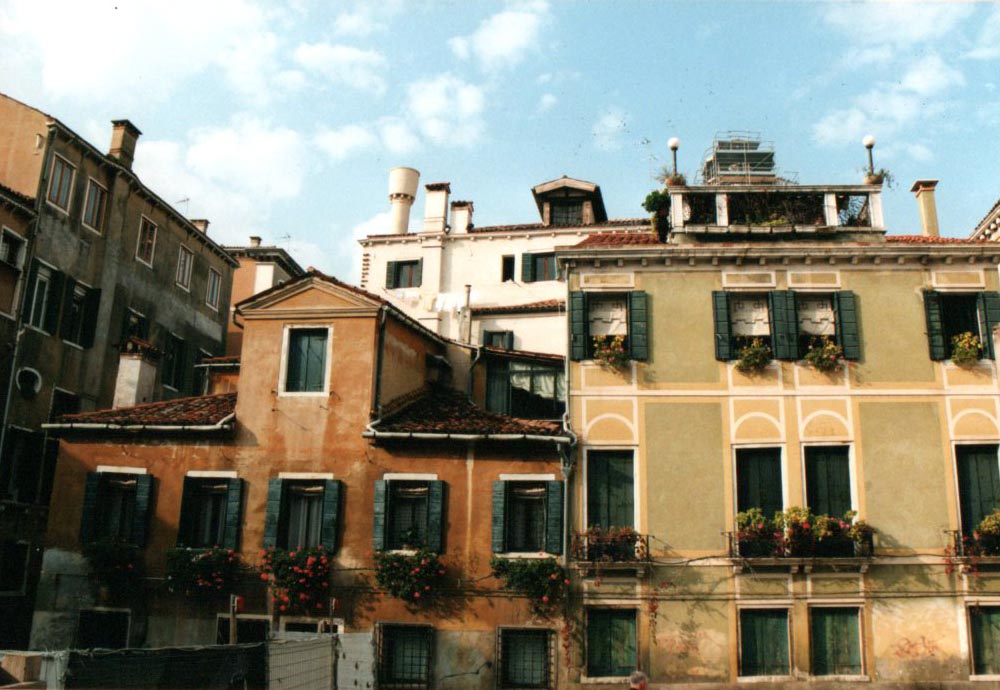
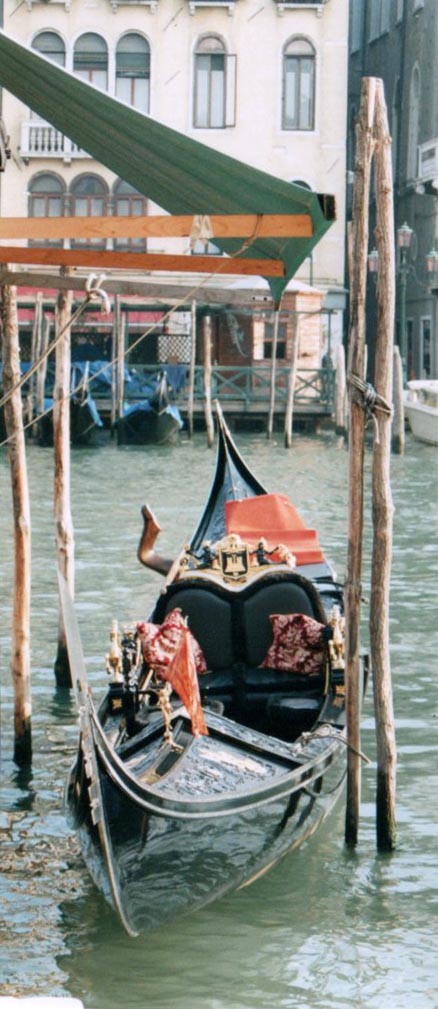
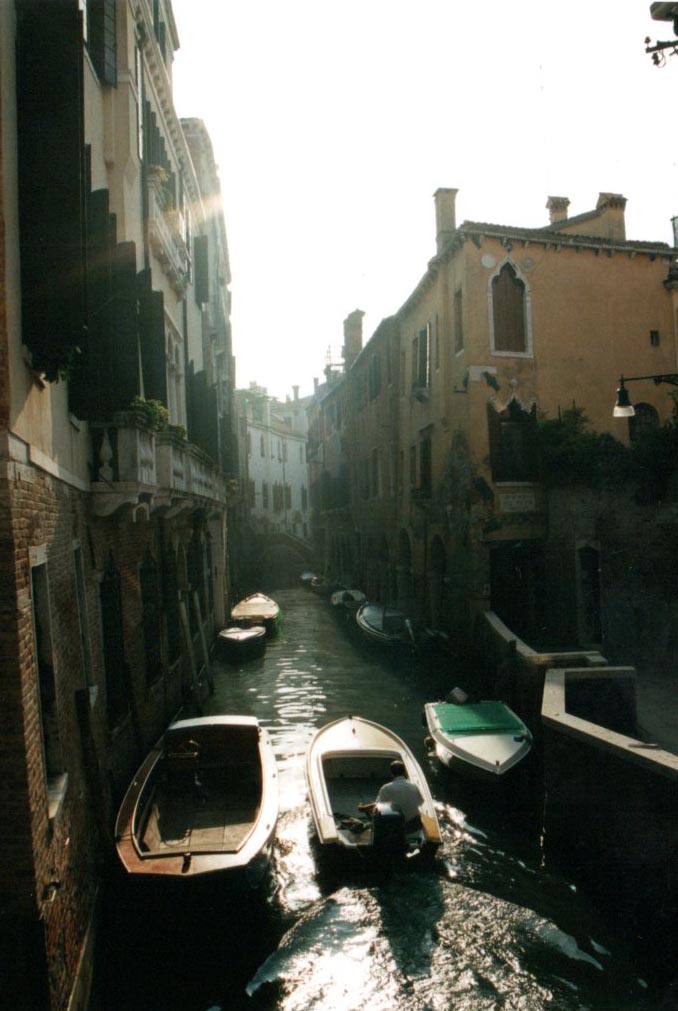
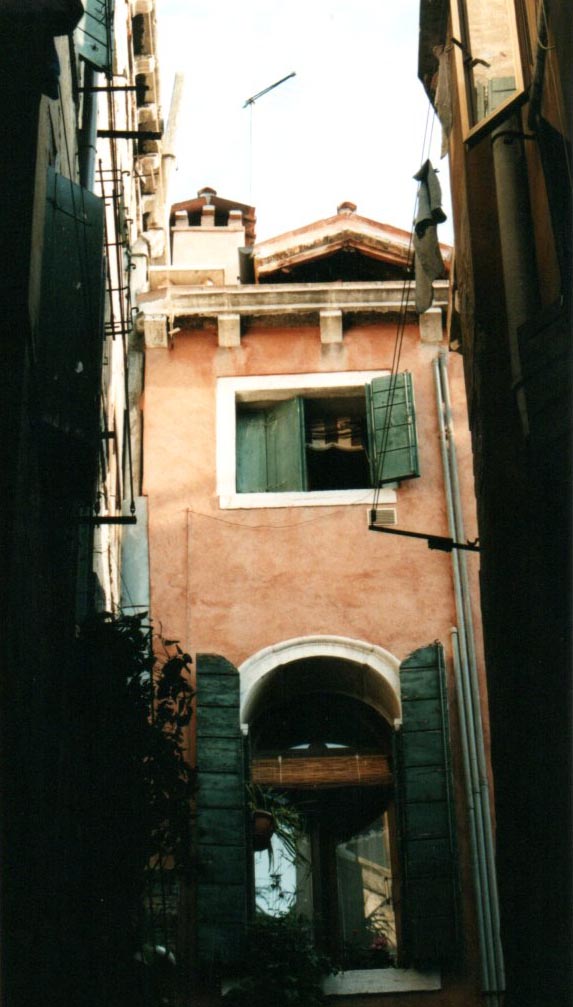
Gondola cult, the mystery of the masks, and the play with analog light
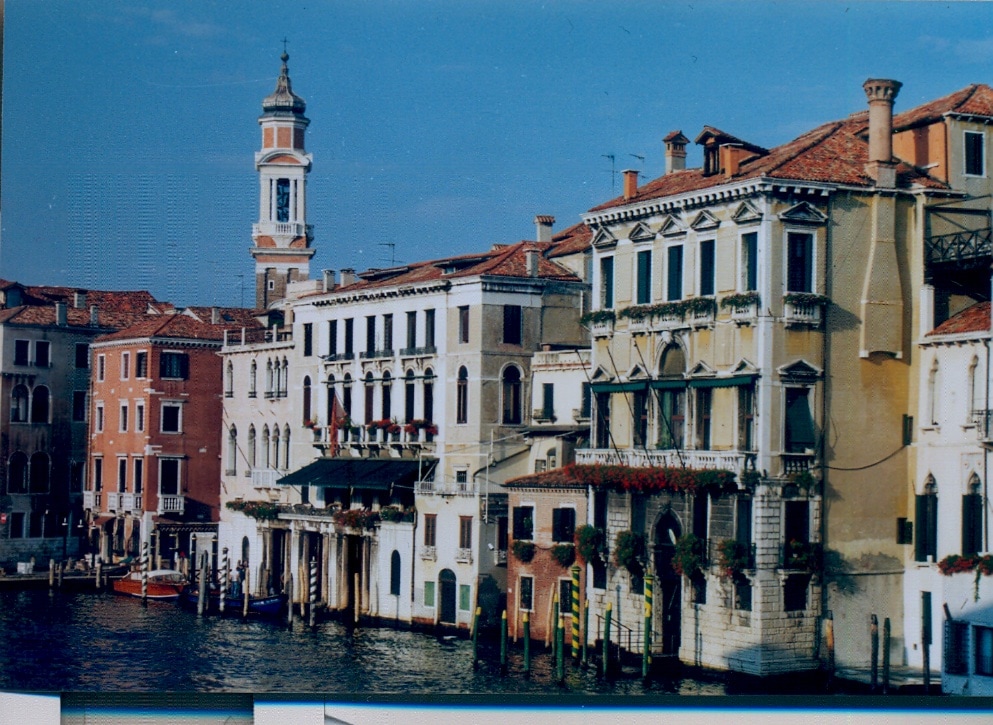
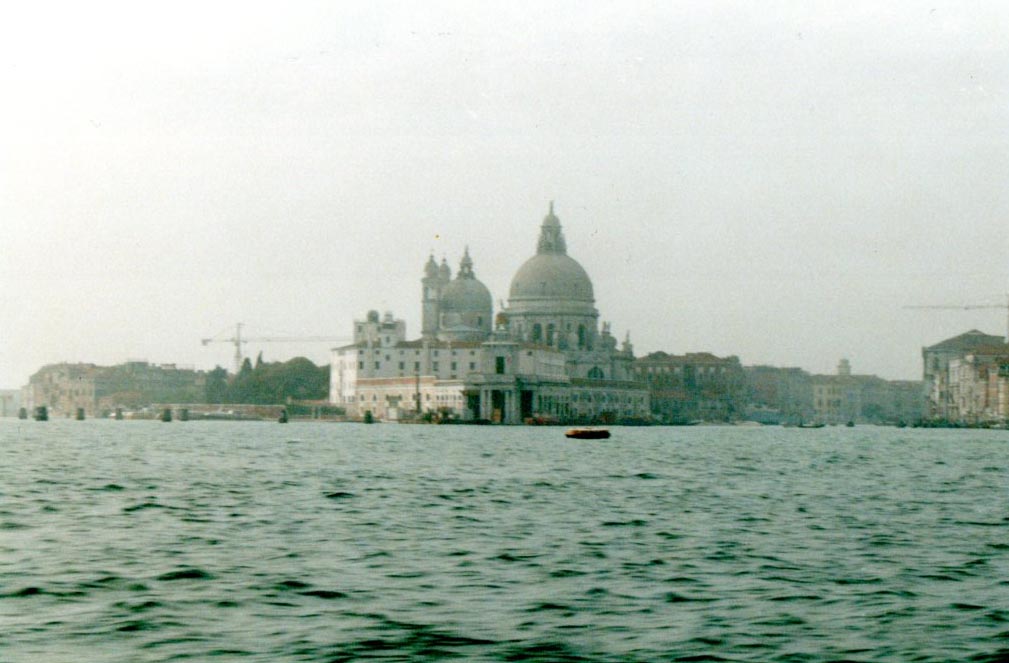
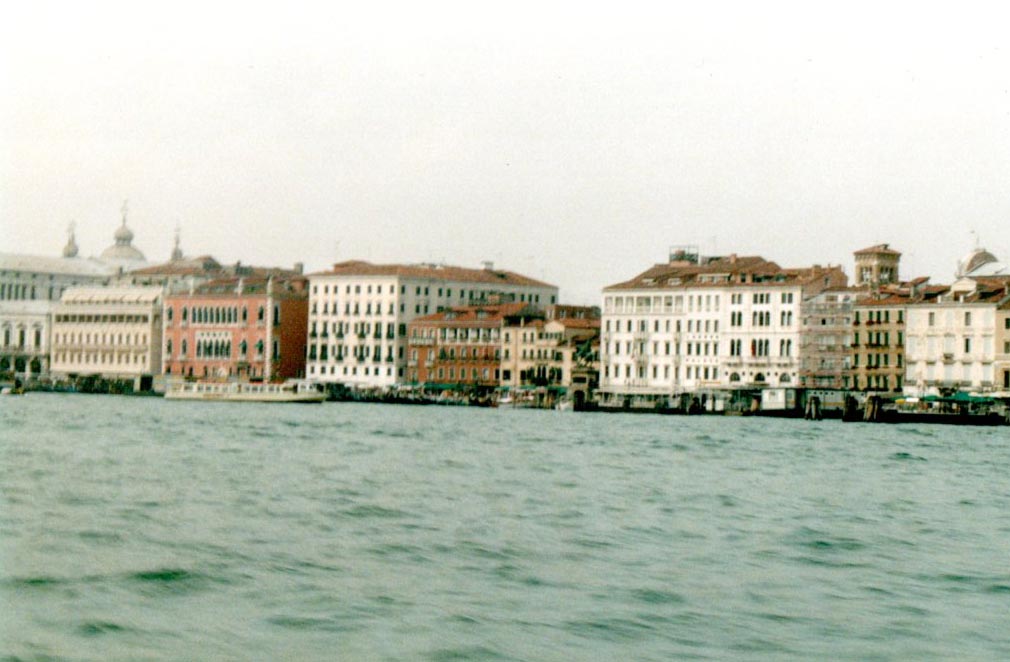
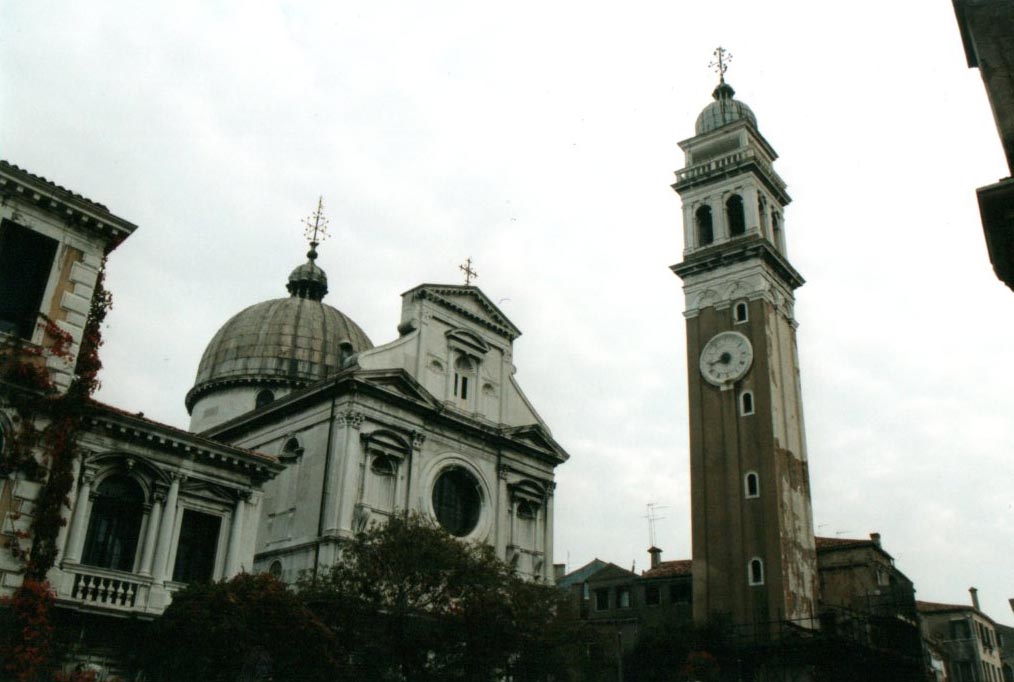
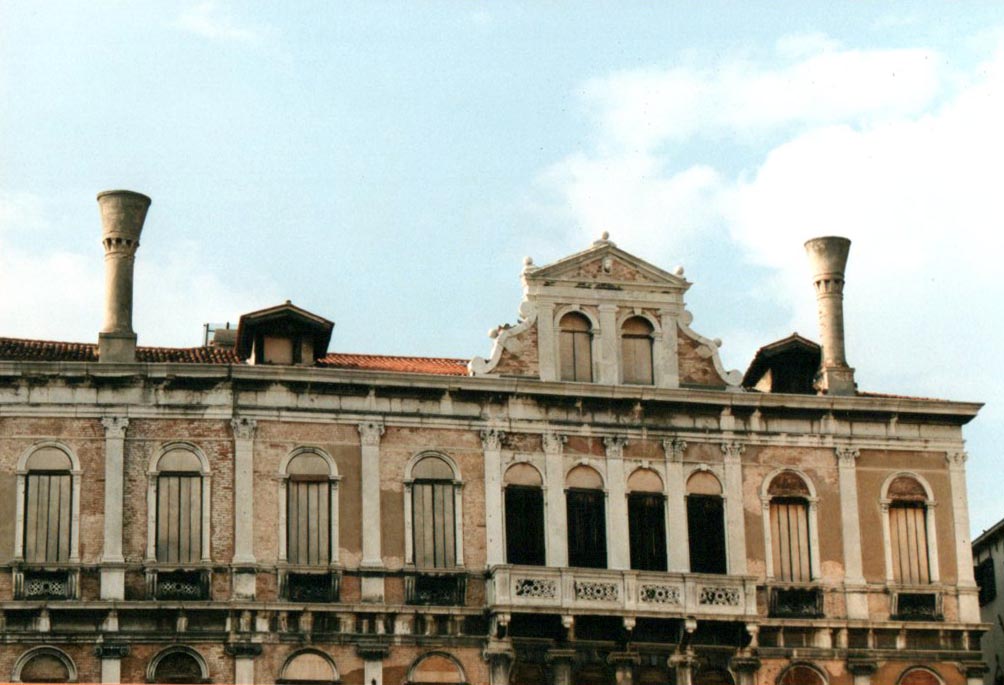
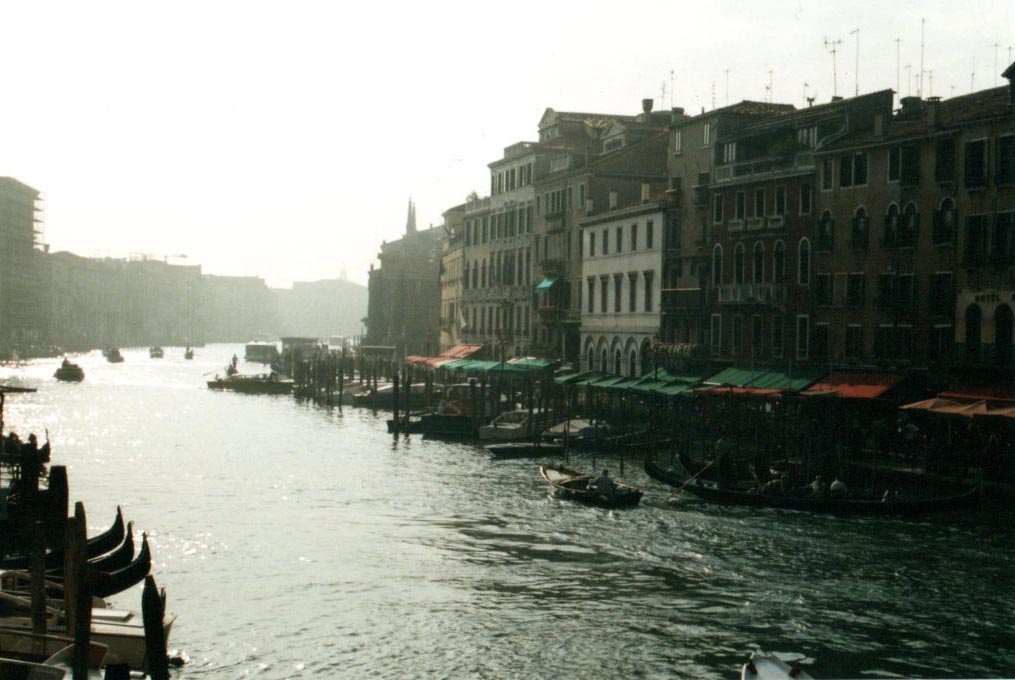
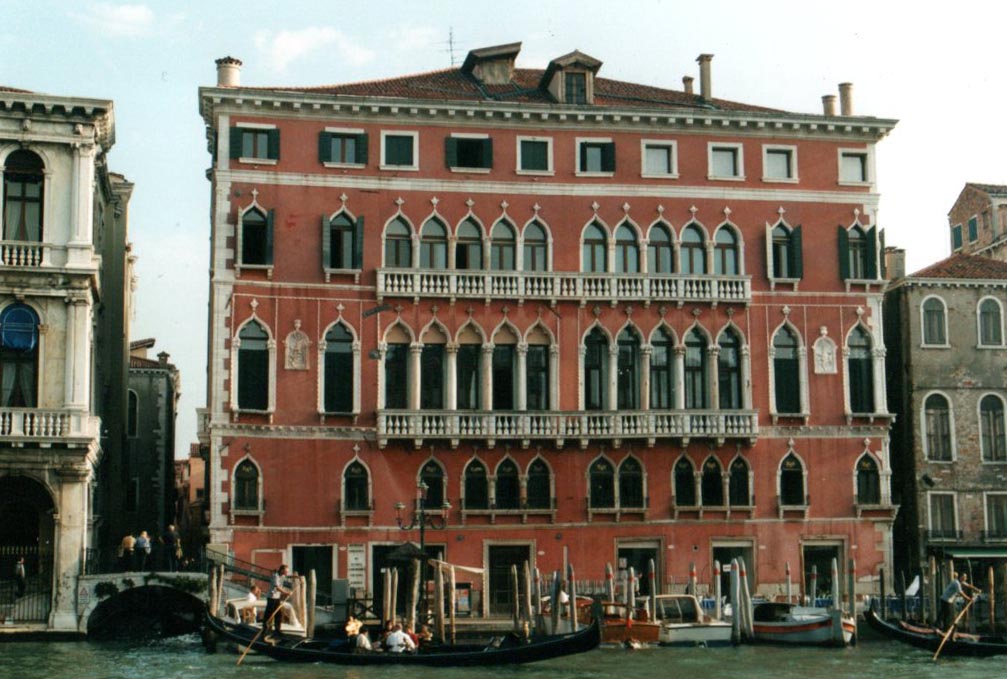
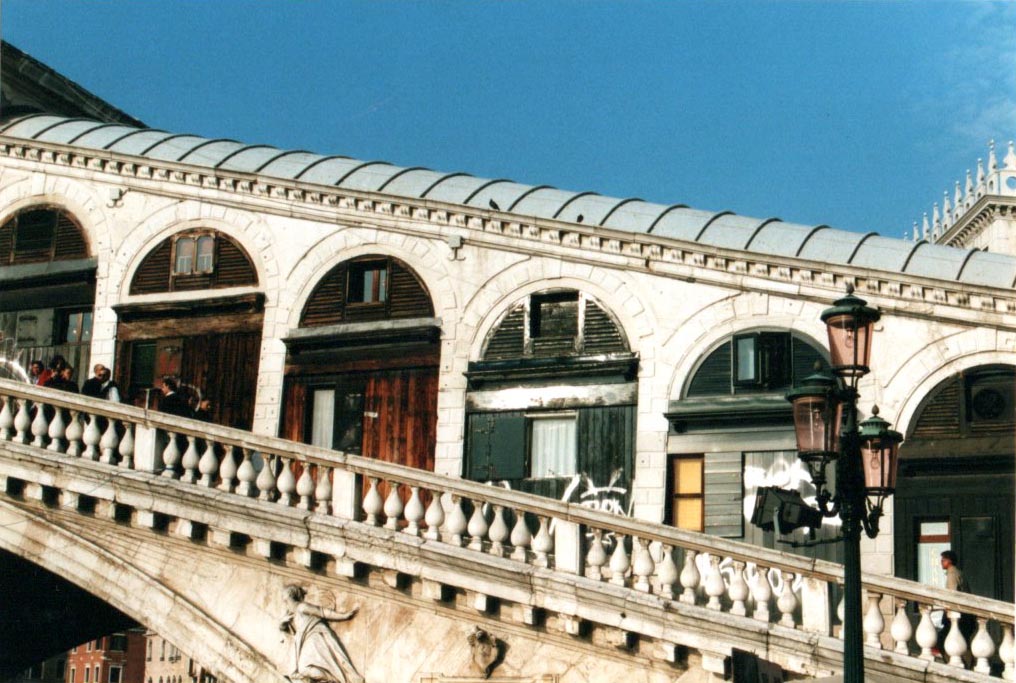
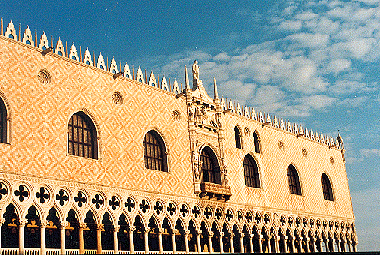
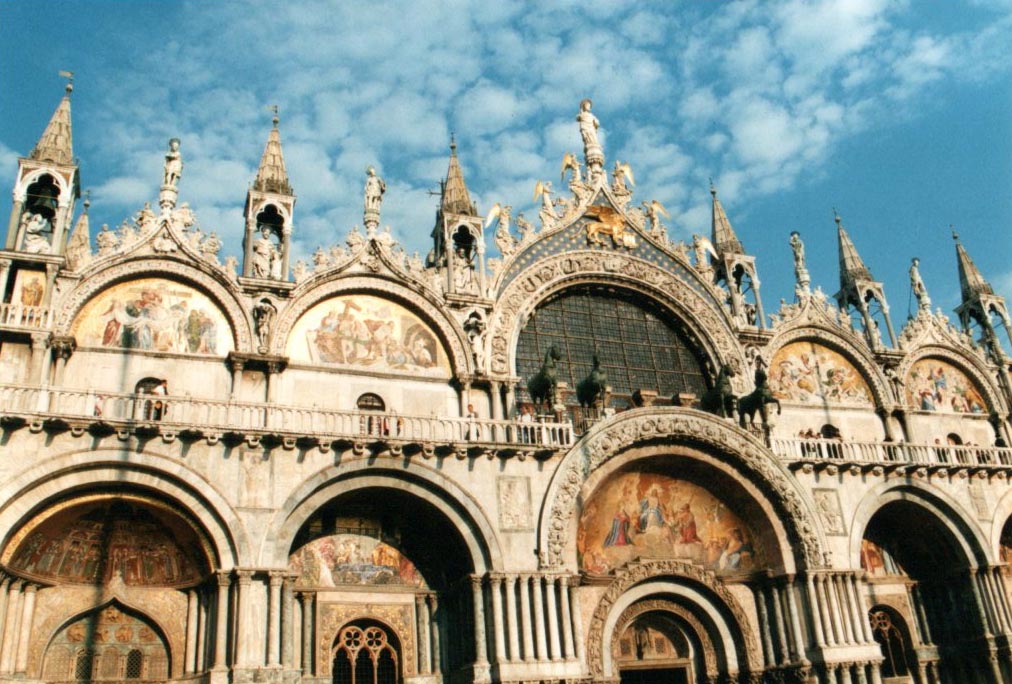
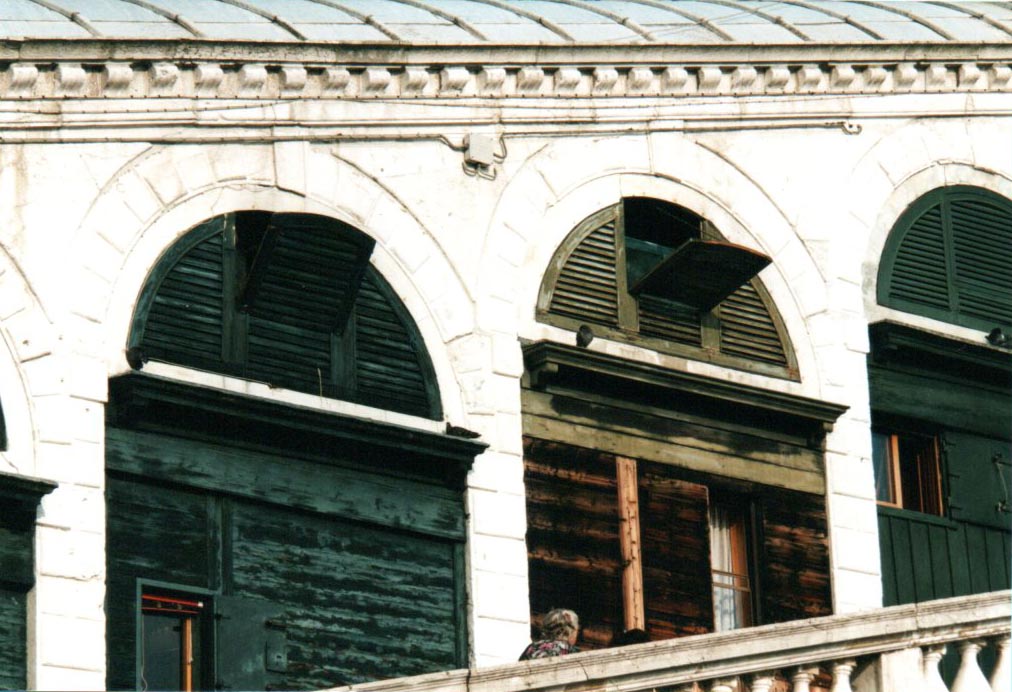
View of Venice's historic center and the Rialto
Picture
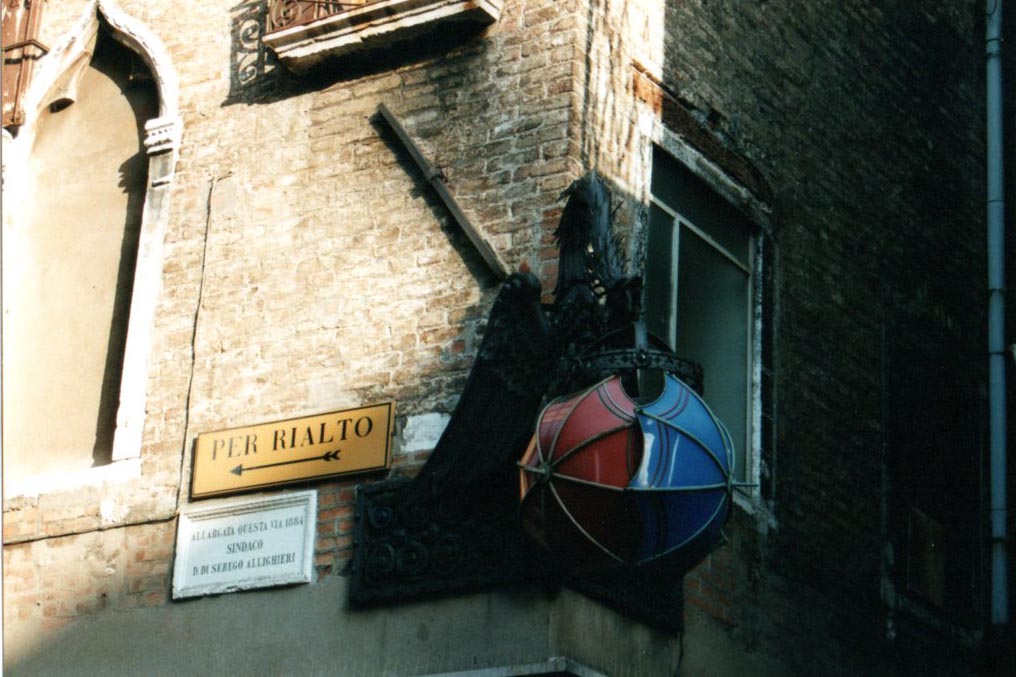
​El Rialto
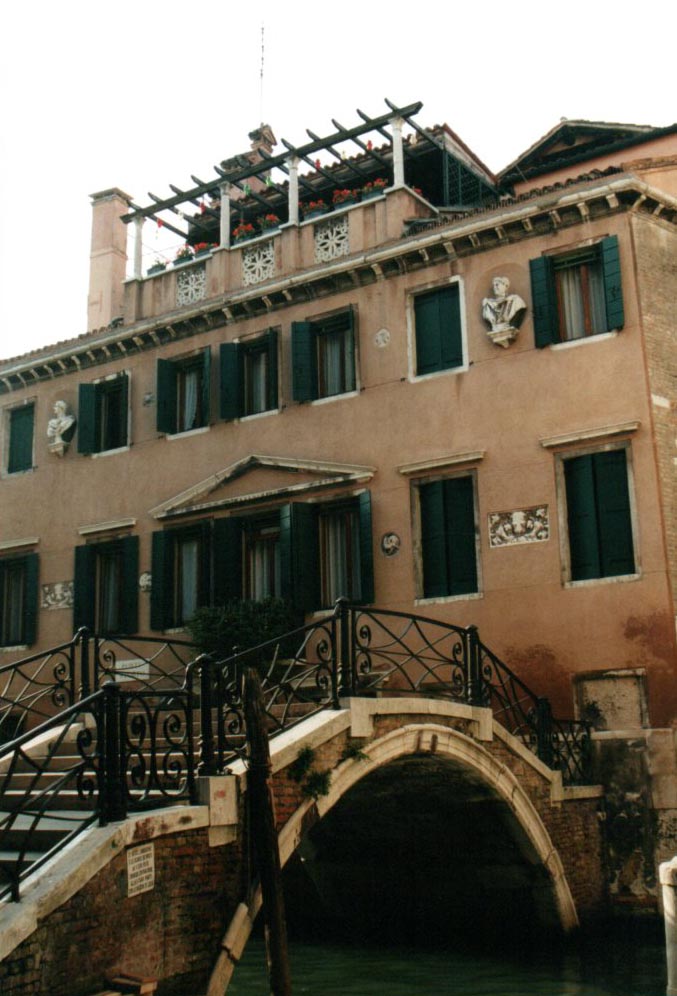
The Rialto Bridge is Venice’s stone supermodel—it spans the Grand Canal, resting on over 12,000 wooden piles.
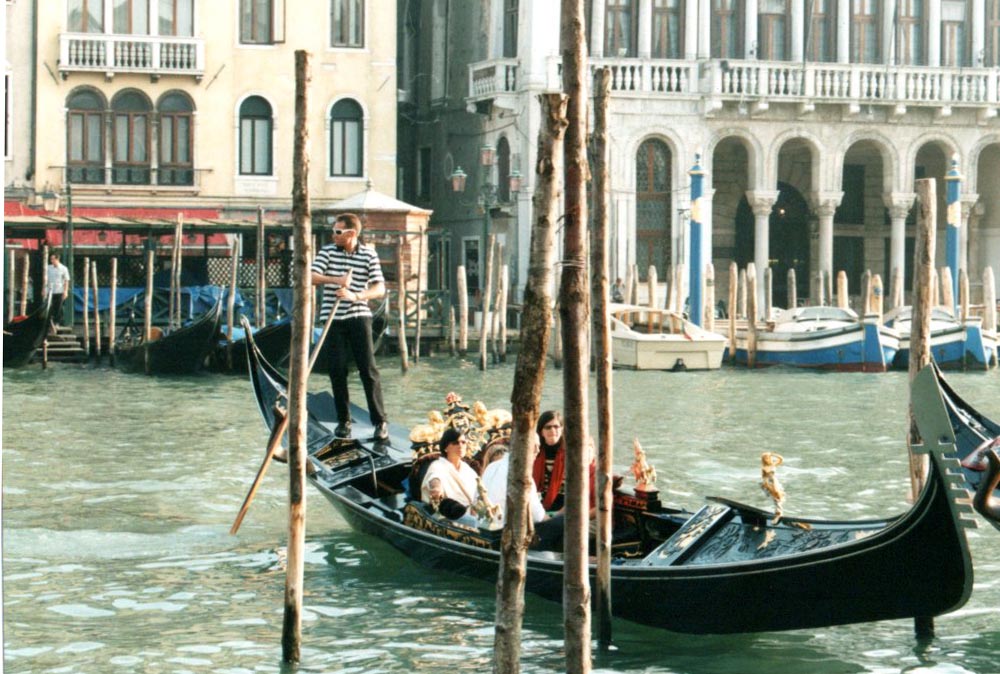
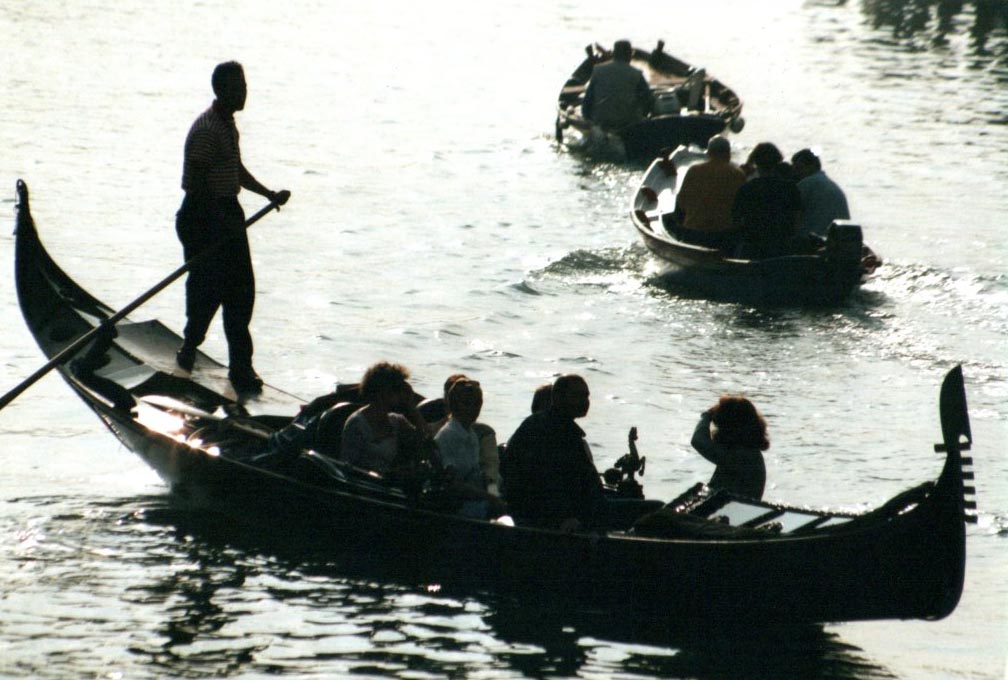
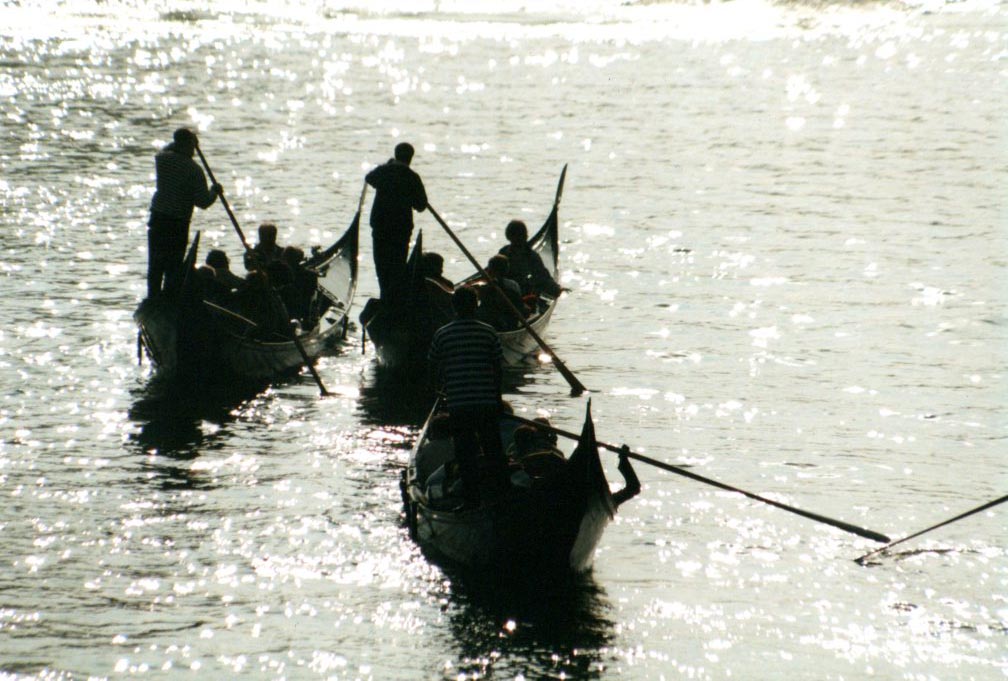
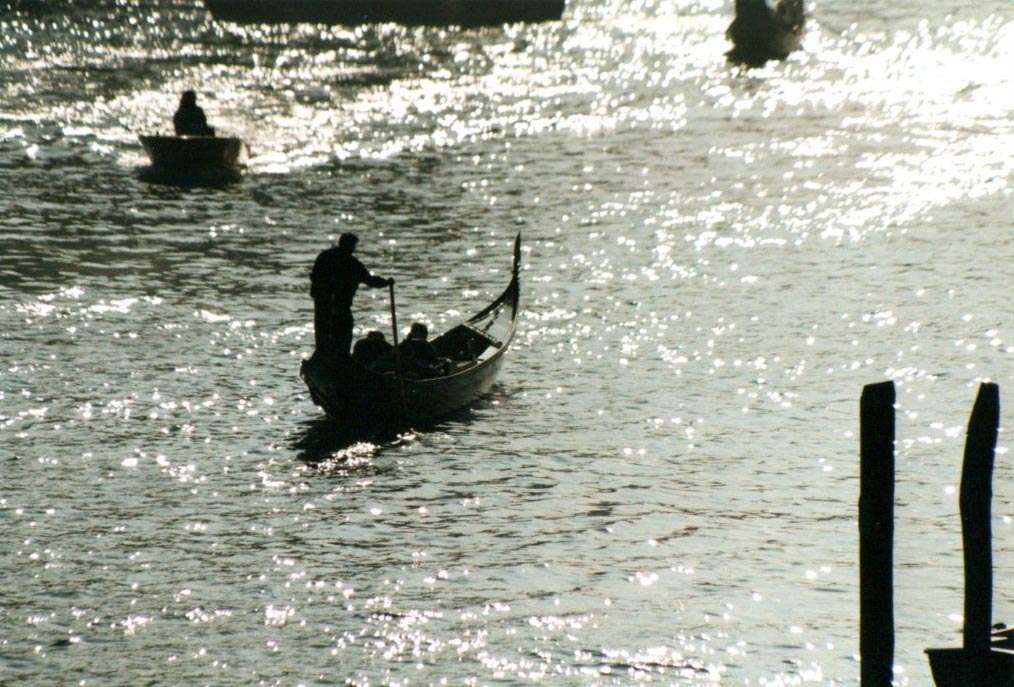
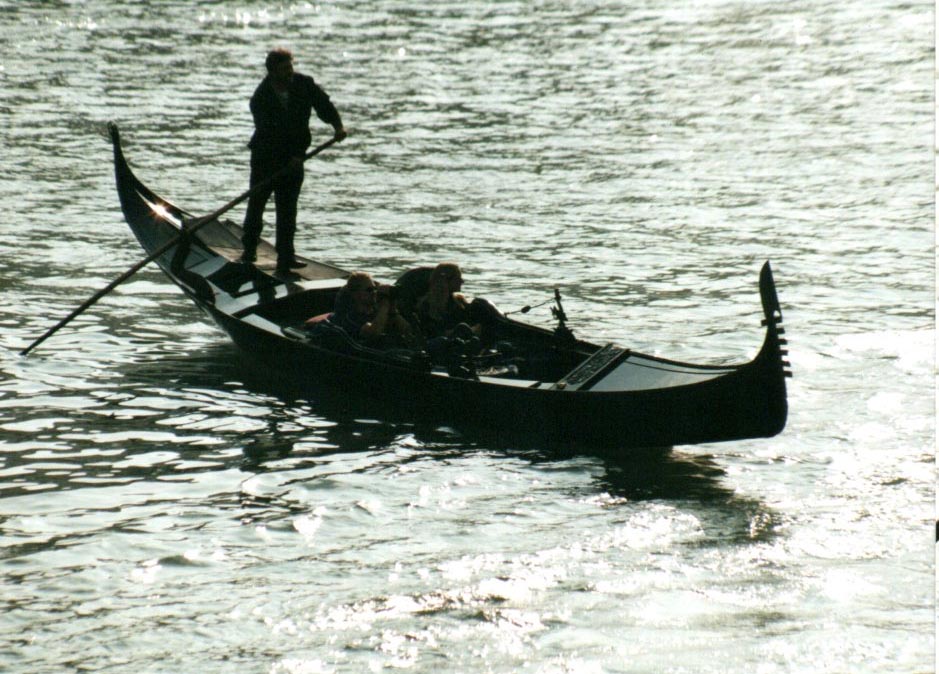
Tilting Boats & Gondolier Secrets
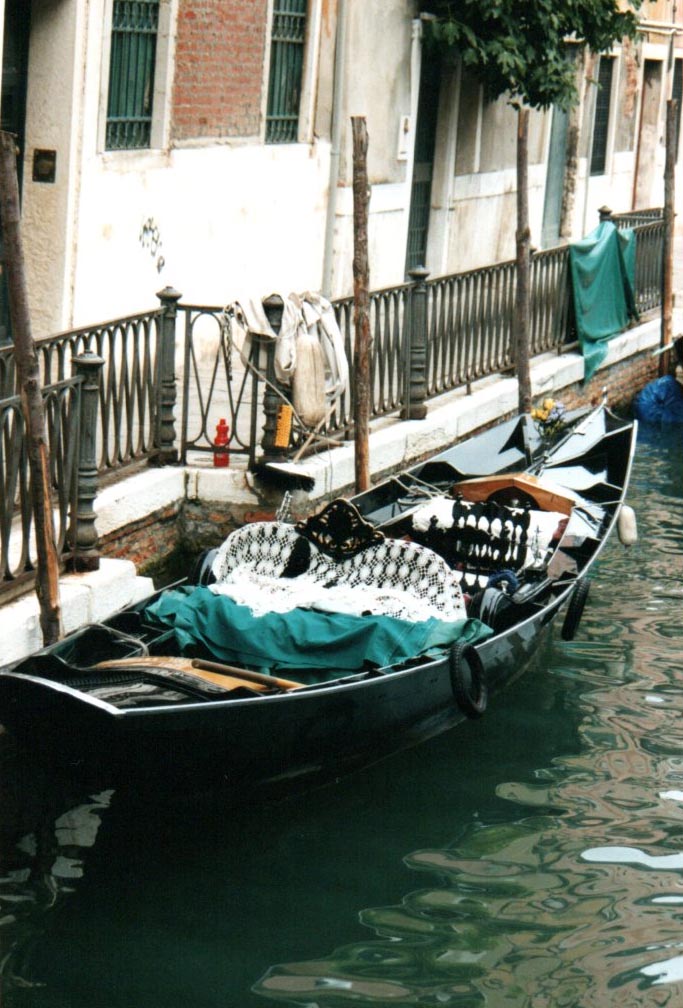
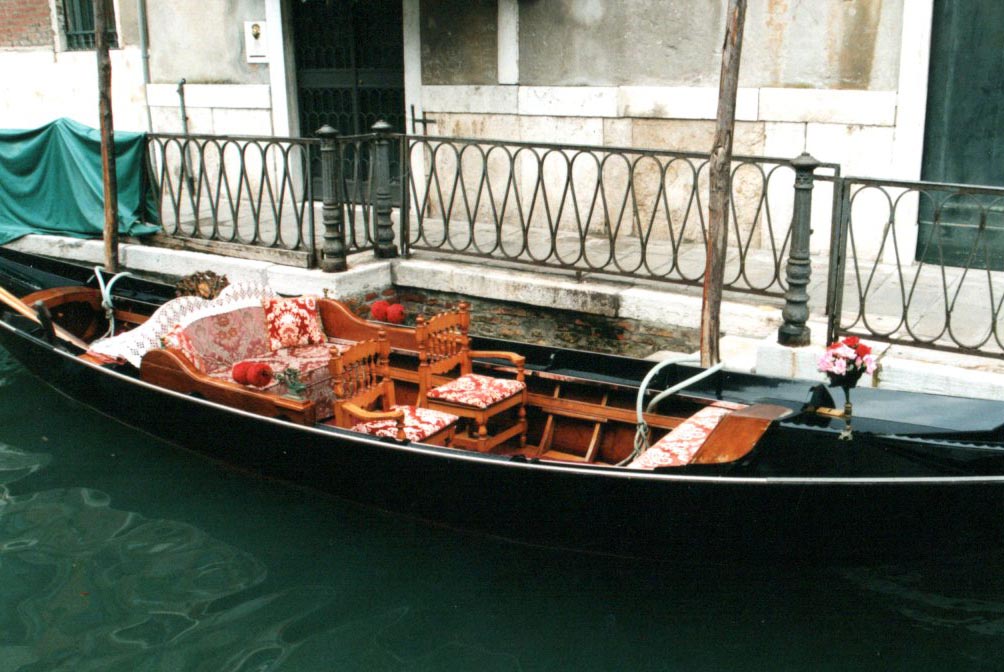
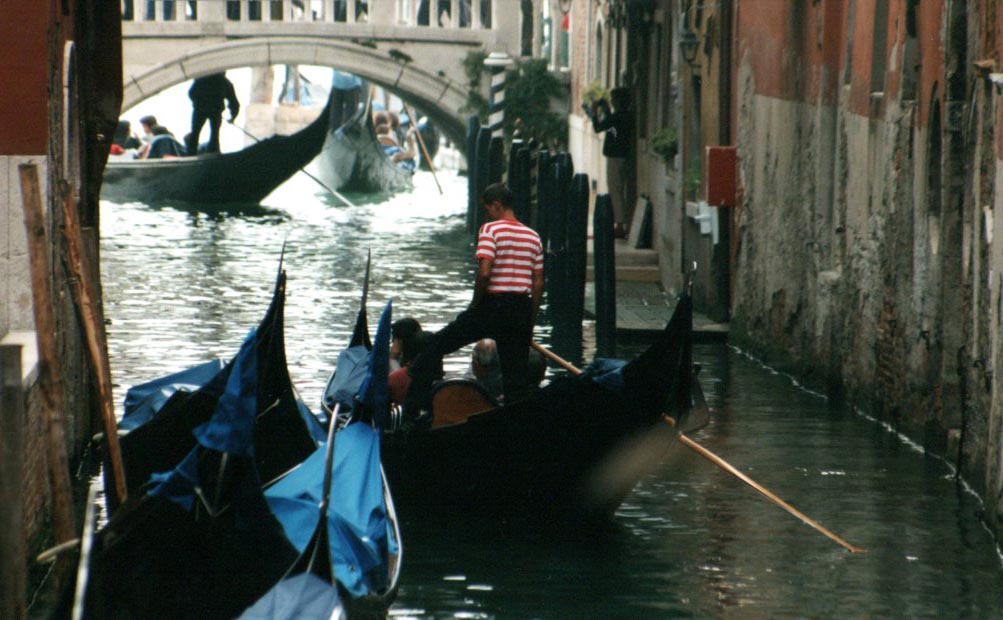
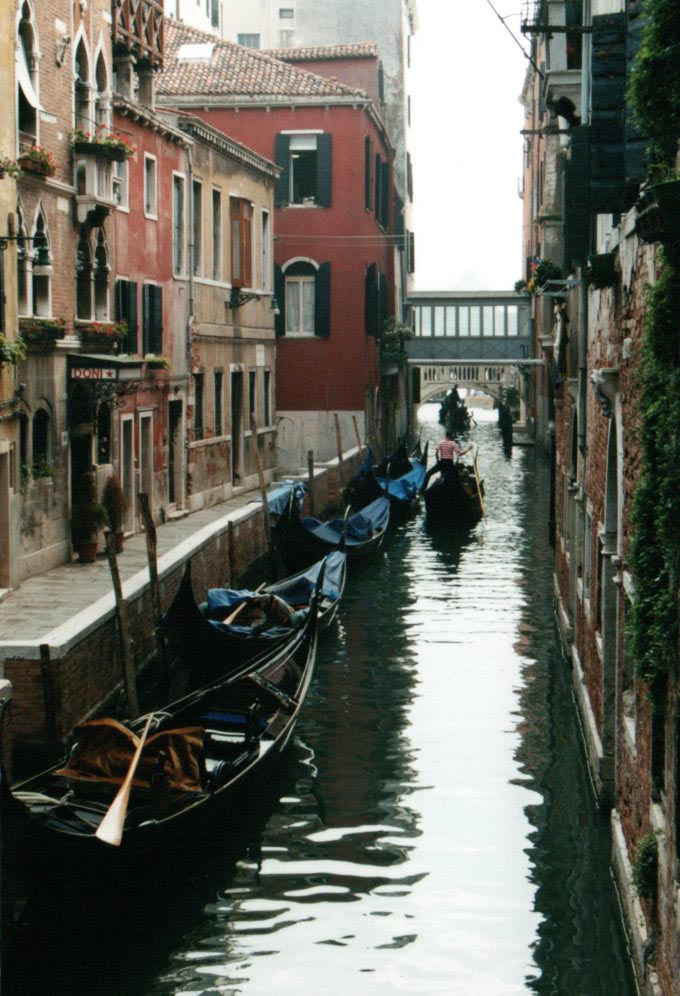
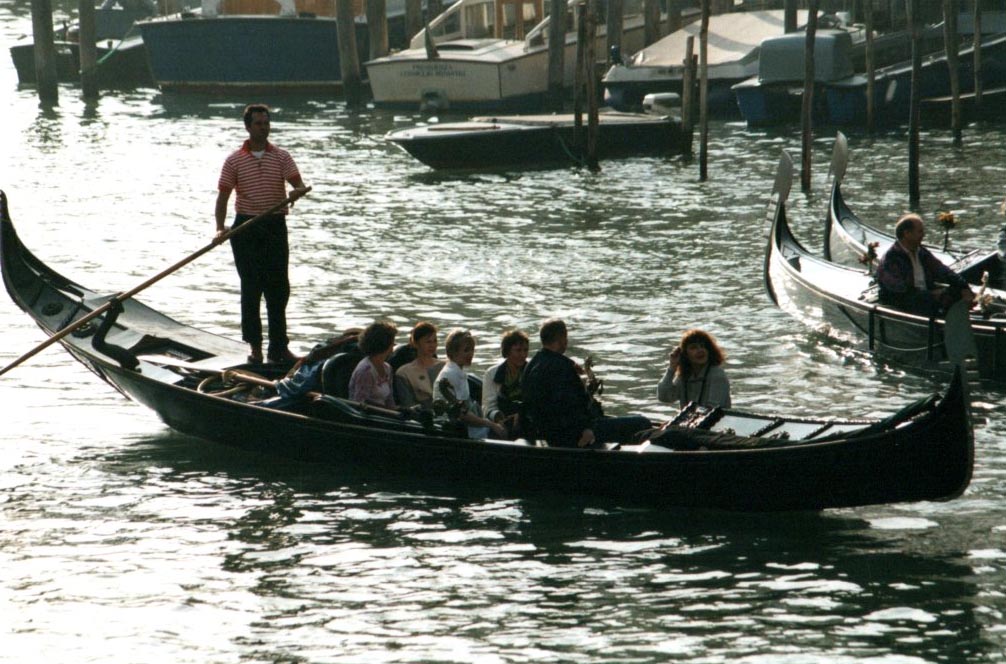
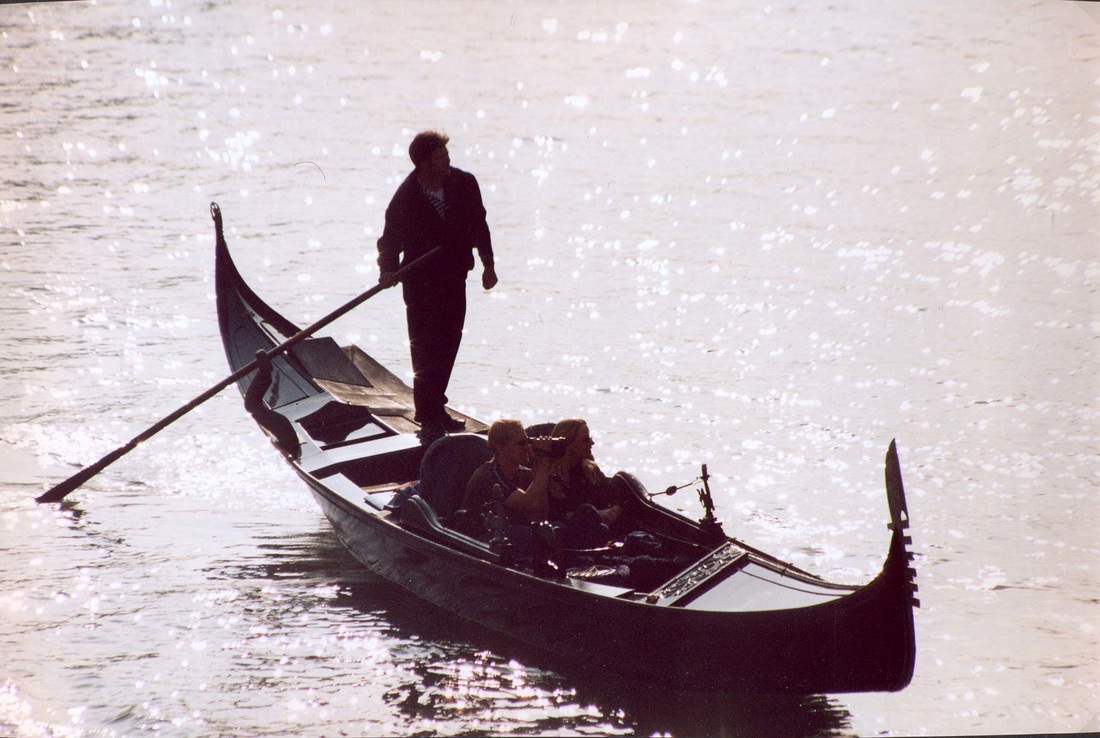
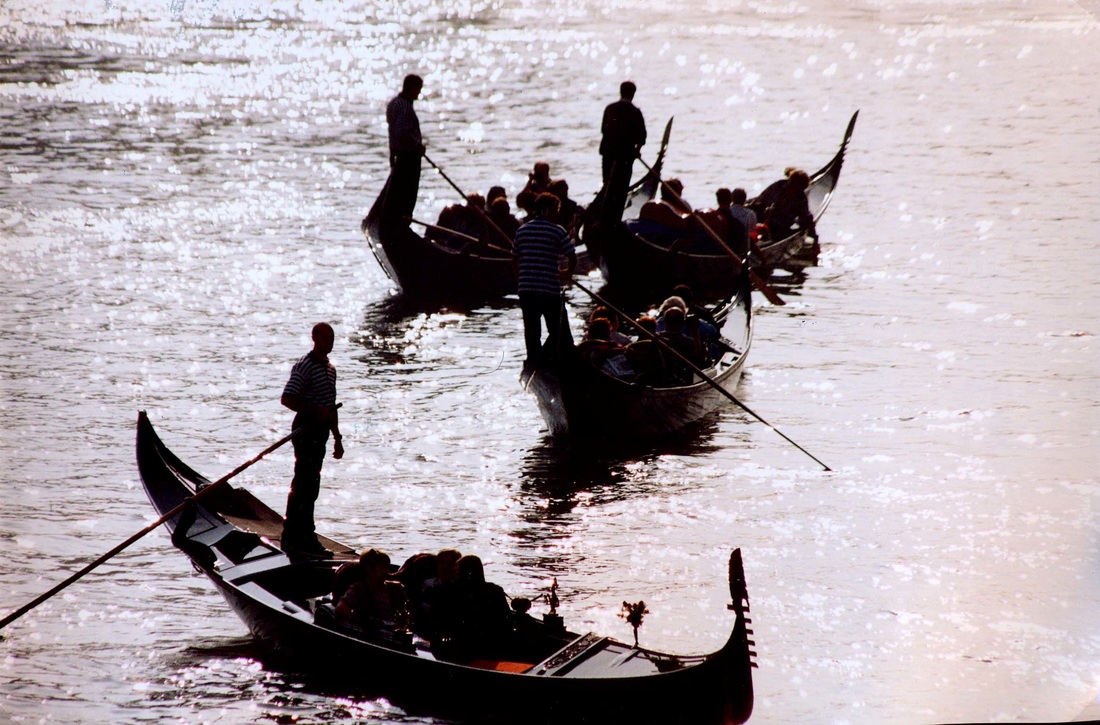
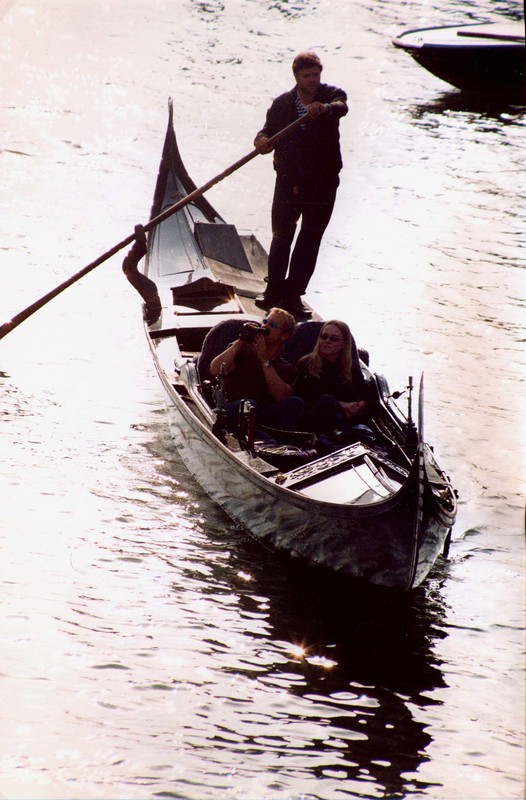
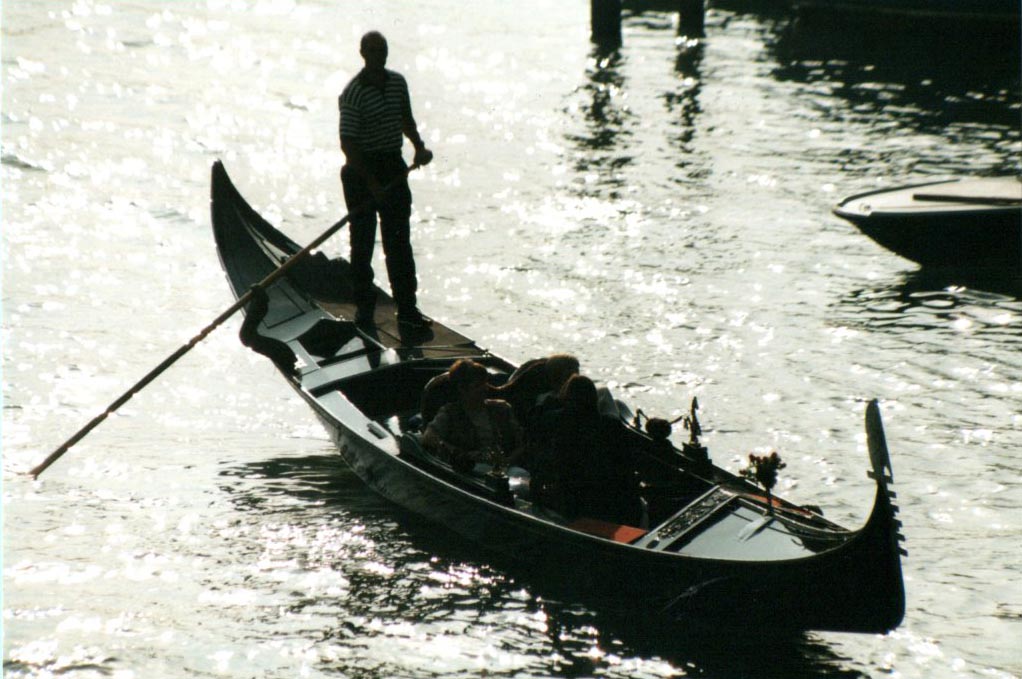
The Deceptive Design (Deliberately Asymmetrical): A gondola is the most lopsided boat on the high seas! The left side is a full 24 centimeters wider than the right. This isn't a construction blunder, but a deliberate design choice: since the gondolier paddles on only one side, he would constantly go in circles without this structural quirk.

The fashion mandate ("Black is beautiful"): Why are all gondolas pitch-black? Because wealthy Venetians in the 16th century suffered from an acute obsession with ostentation and tried to outdo one another with increasingly colorful boats. Eventually, the government had enough and decreed by law: everything was to be painted black. History’s first instance of enforced sartorial uniformity!
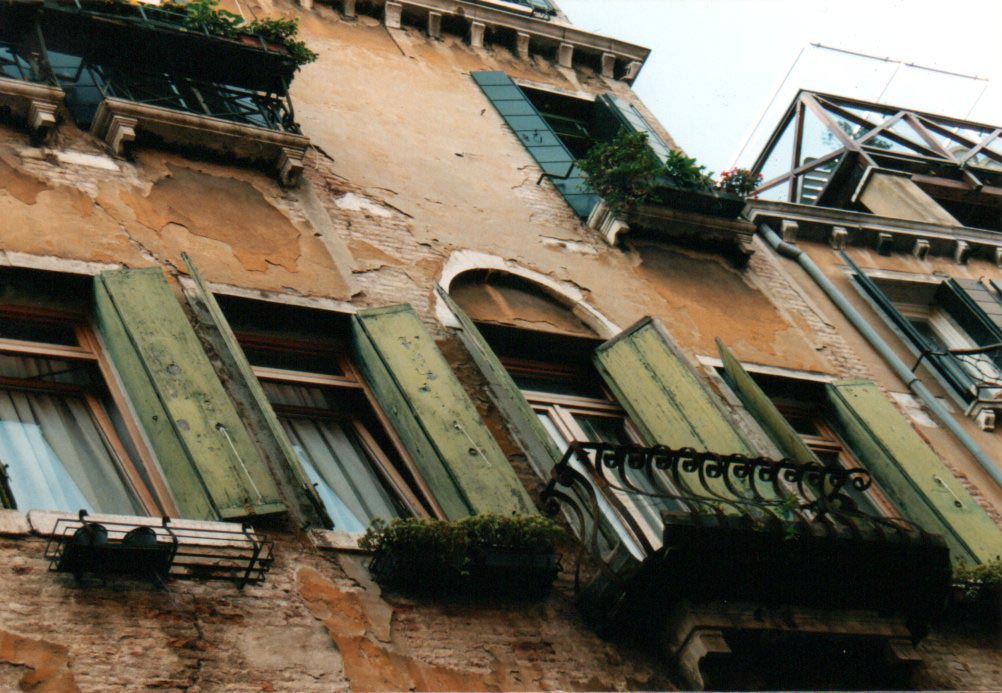
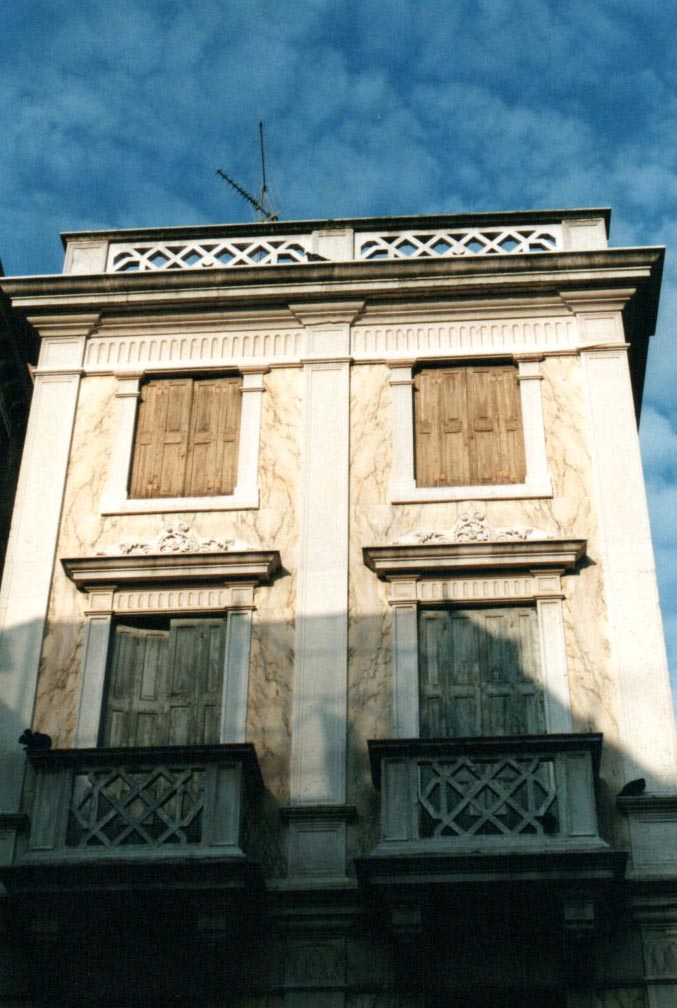
A boat from the botanical garden: Exactly eight different types of wood (ranging from oak to cherry) go into the construction of a single gondola. The craft is essentially a floating forest.
​

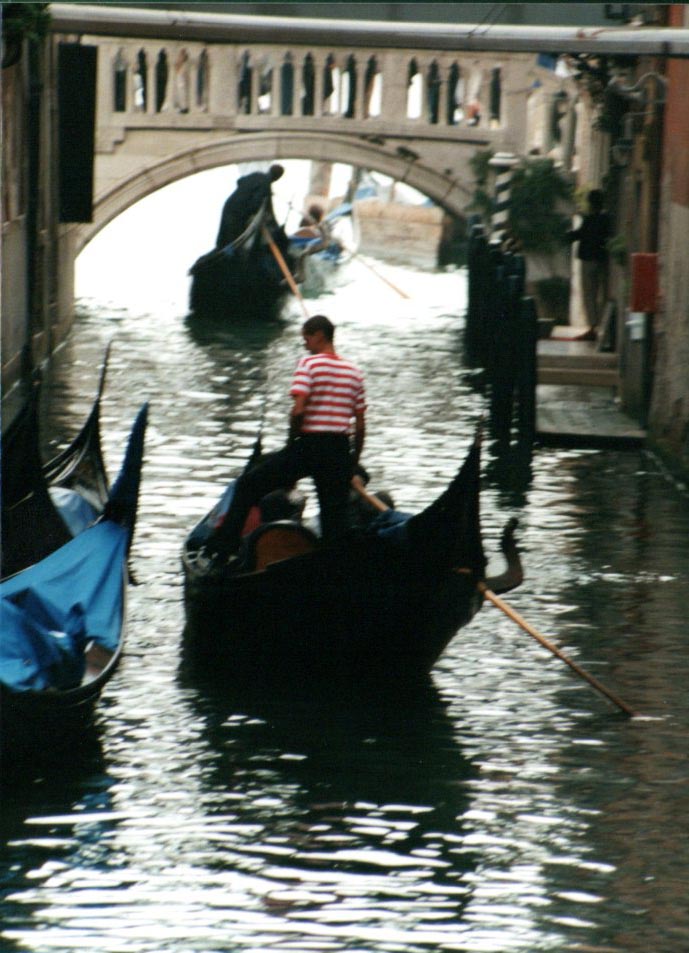
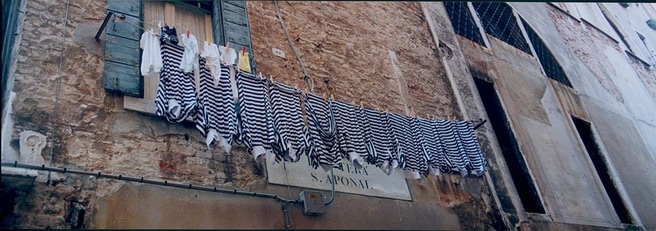
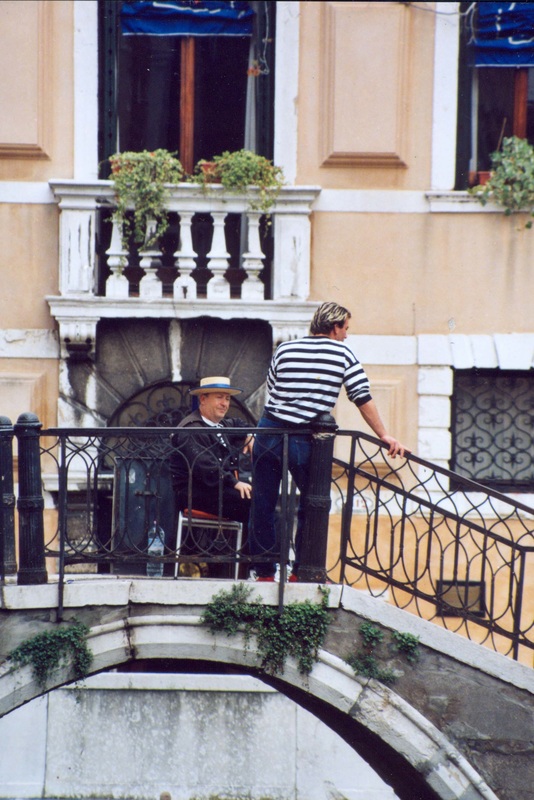
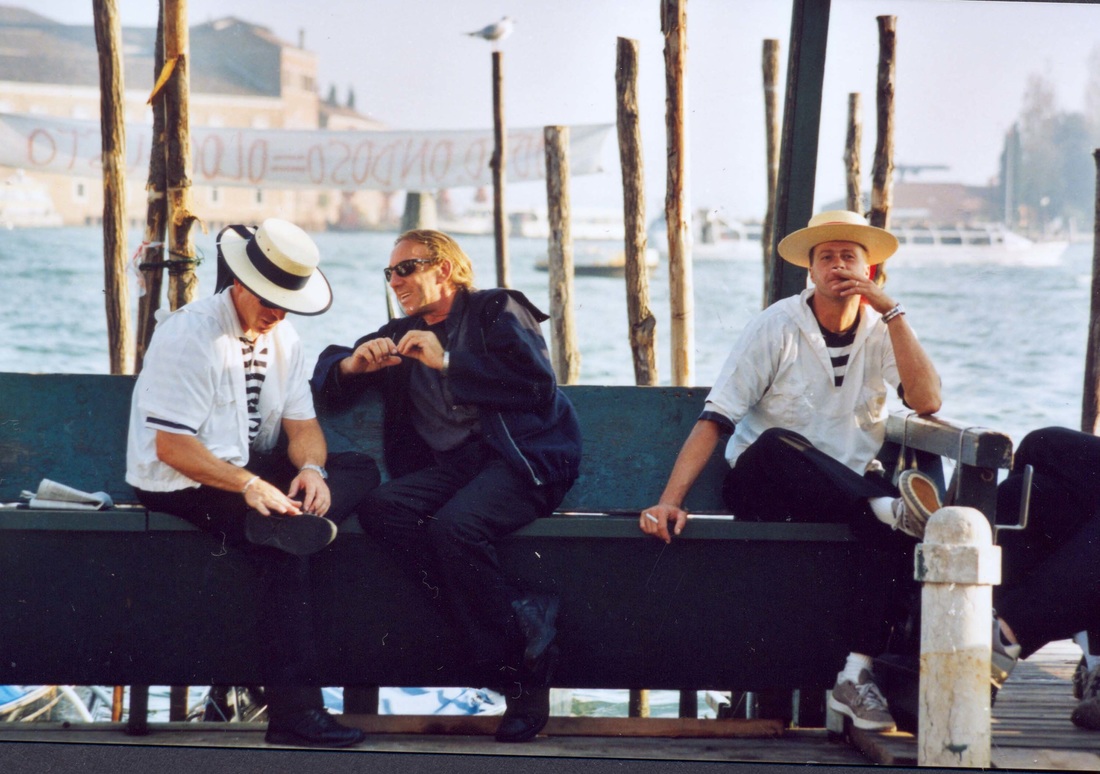
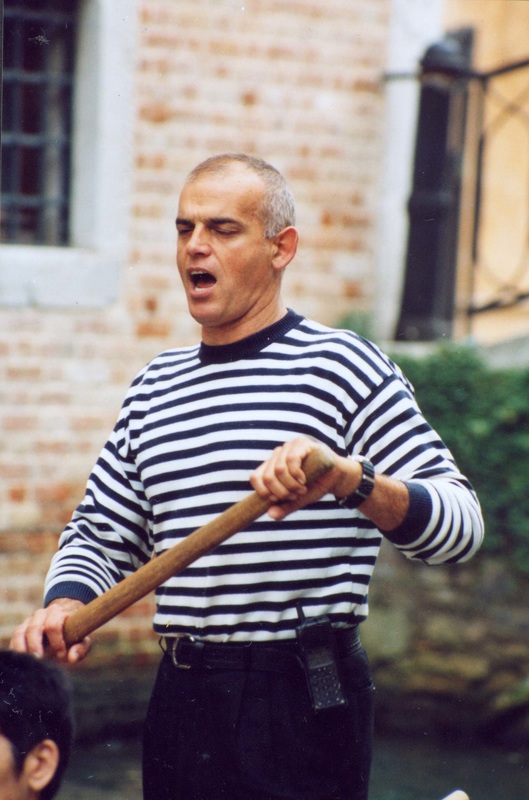
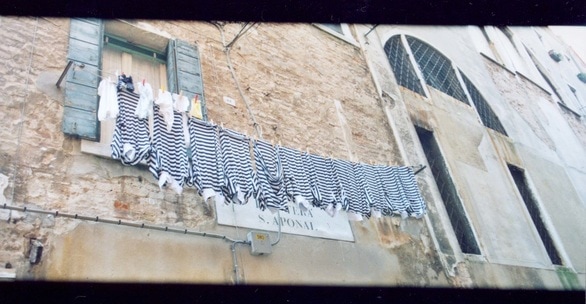
Harder than Harvard: The gondolier job. There are exactly around 433 licenses in all of Venice. The jobs are handed down like crown jewels. To earn the right to wear the striped shirt, you have to pass a grueling exam covering navigation, city history, and—in all likelihood—the art of looking romantic.
Picture
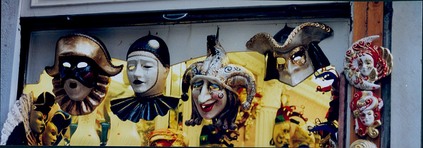
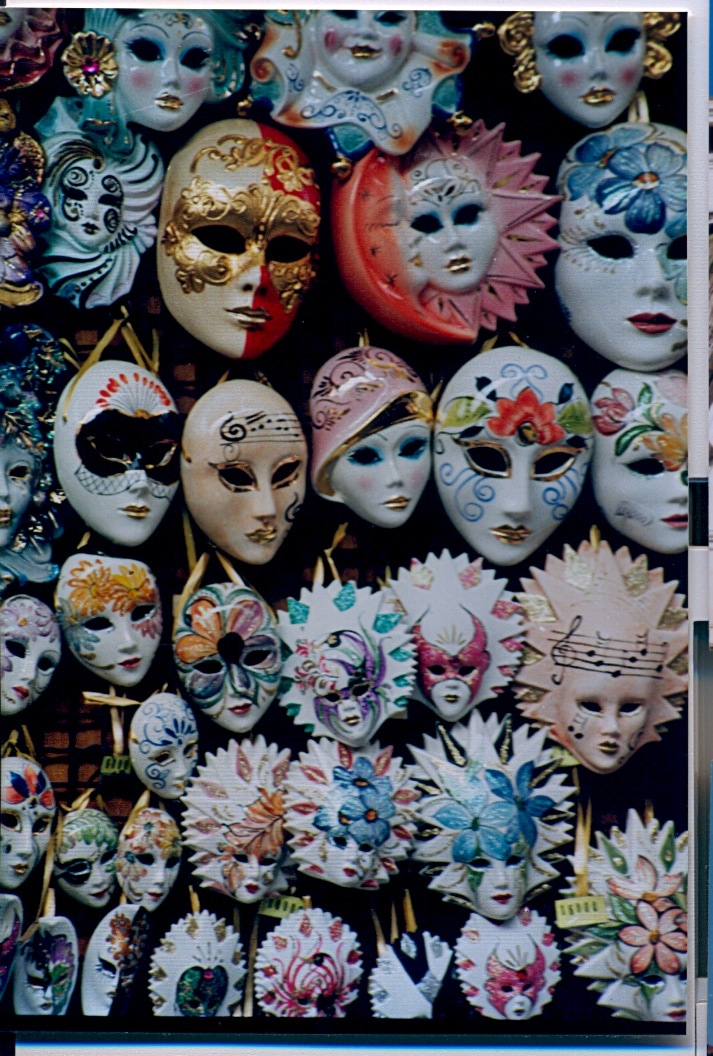
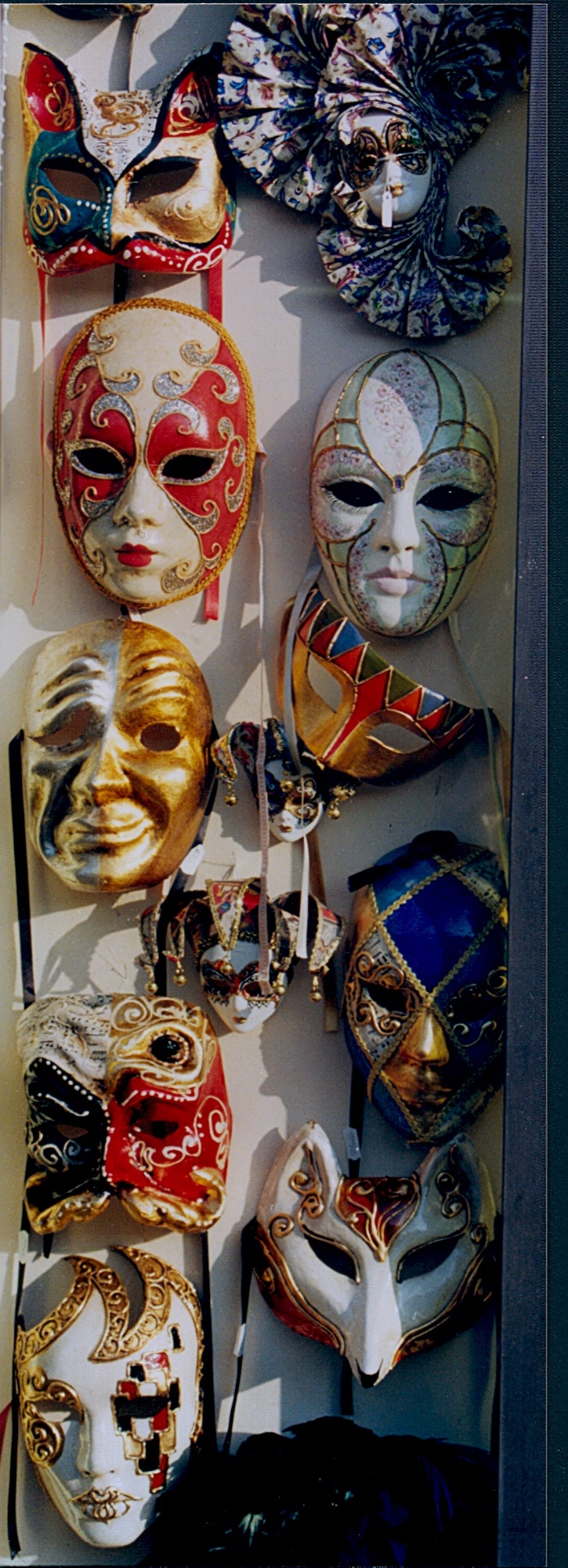
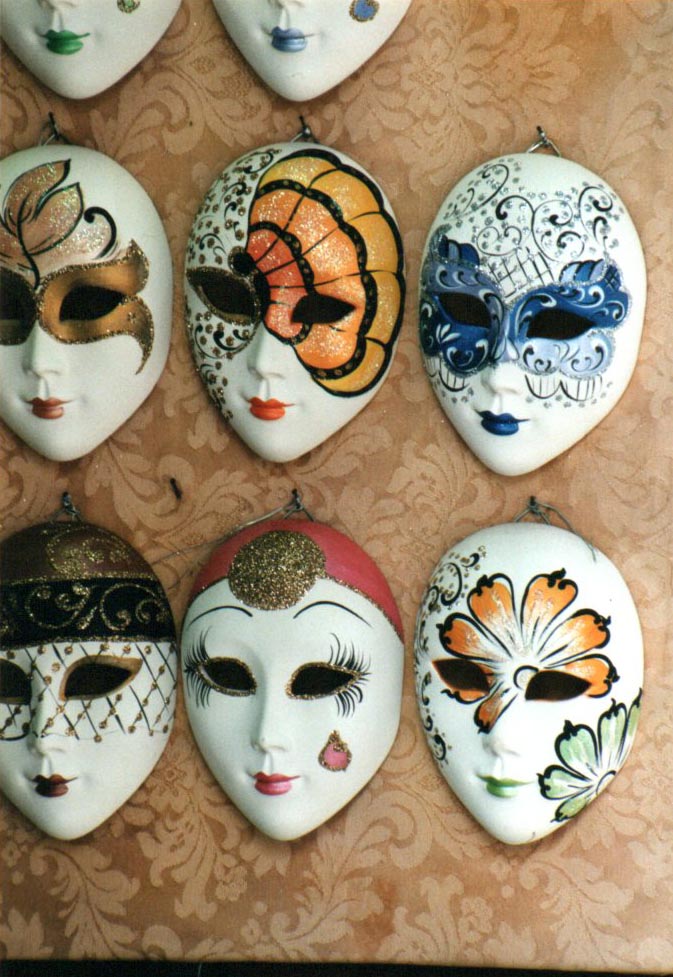
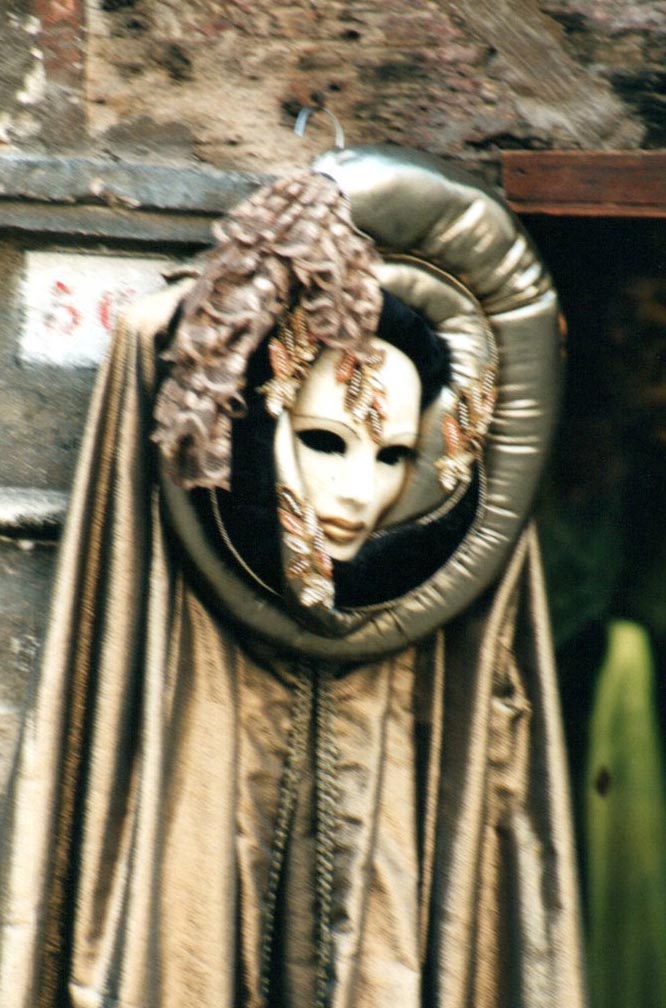
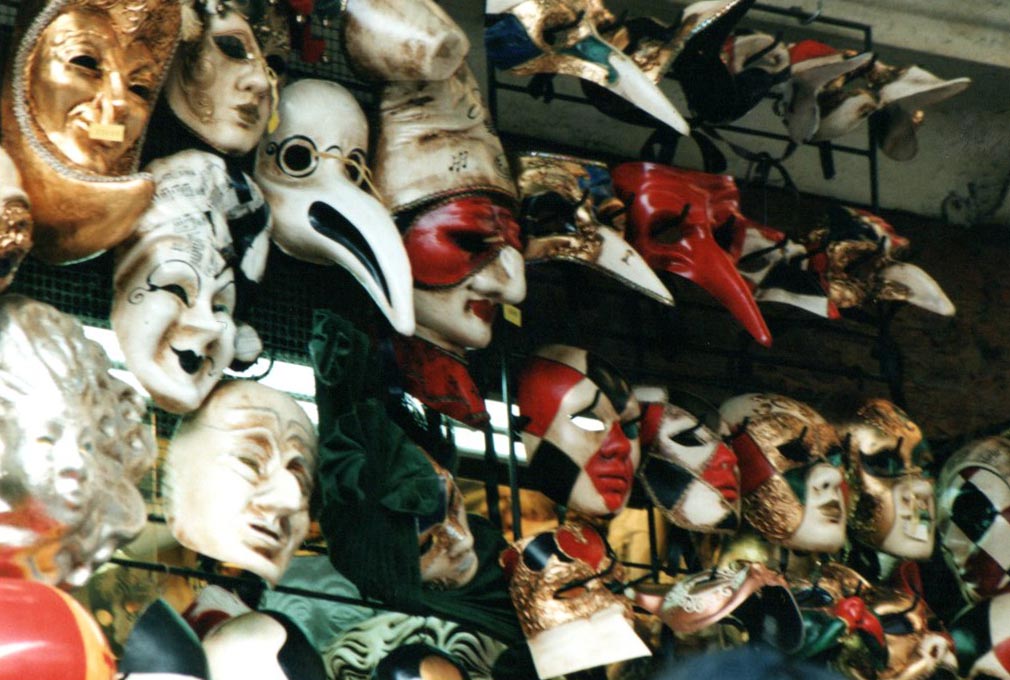
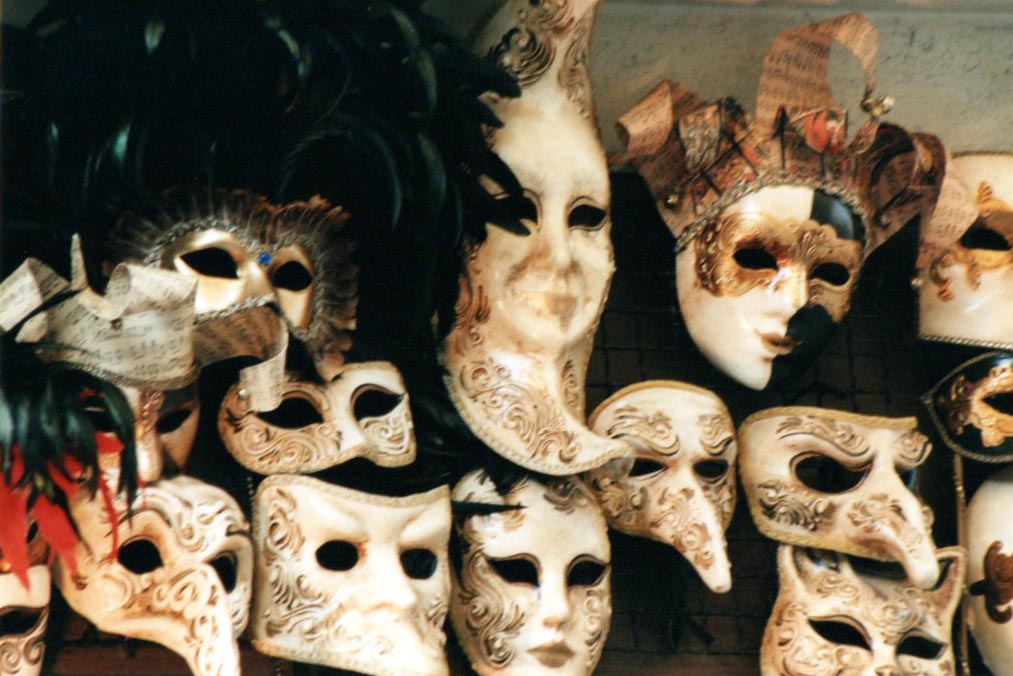
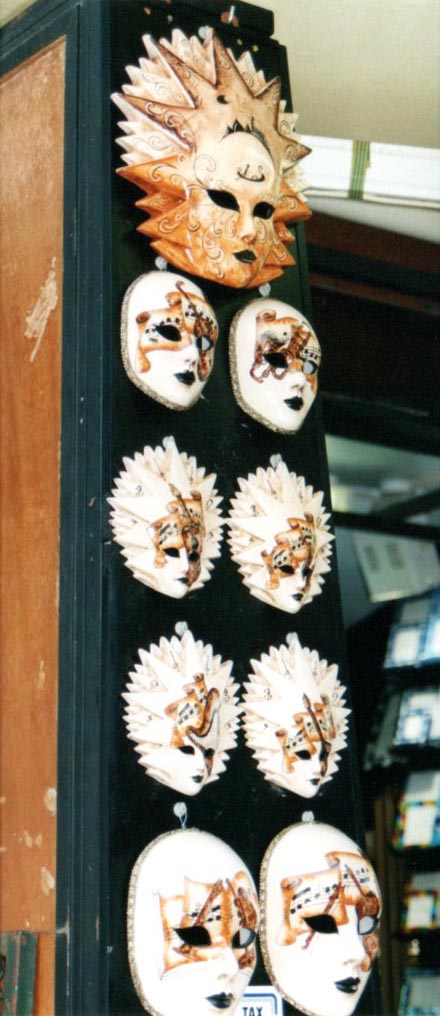
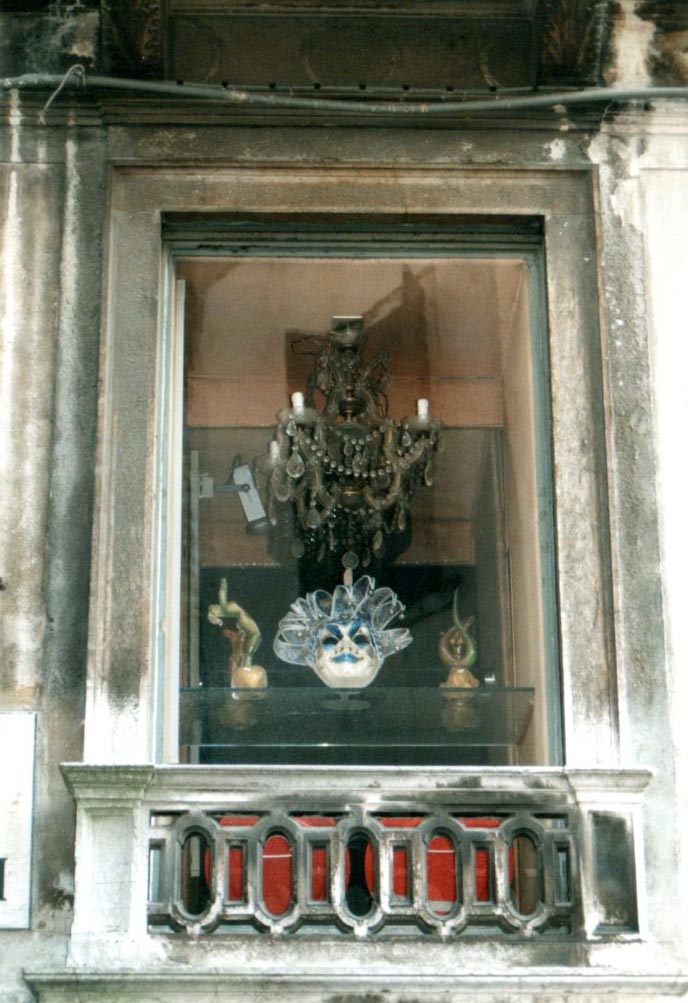
The Kiss of Anonymity: Playing with Masks.
Strolling through Venice, you stumble upon them at every turn: the magnificent, mysterious carnival masks.
In historic Venice, masks were not merely a bit of party fun for a few days a year; Venetians wore them for months on end! The reason was brilliant: behind the mask, everyone was equal. Wealthy nobles could play dice with common sailors in seedy taverns without being recognized, and class distinctions were completely suspended for a time. It was the perfect outlet for a city bursting with a zest for life and a taste for vice.
Picture

Picture

​AMSTERDAM / Holland
(2000)
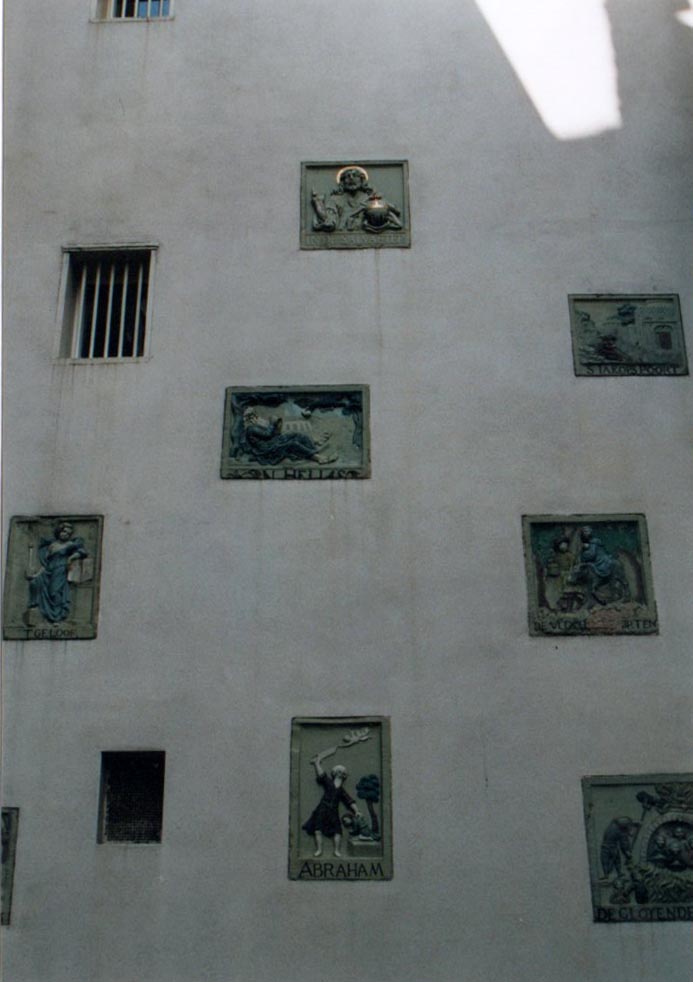
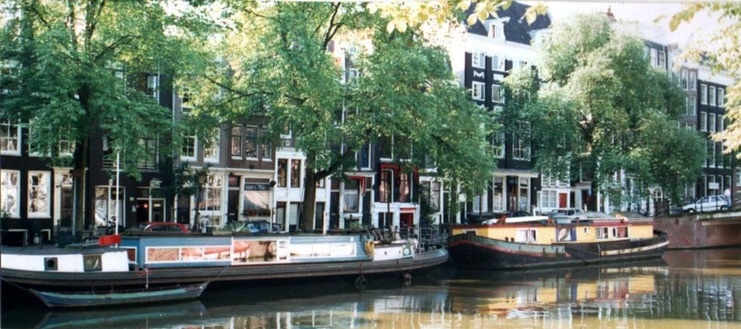
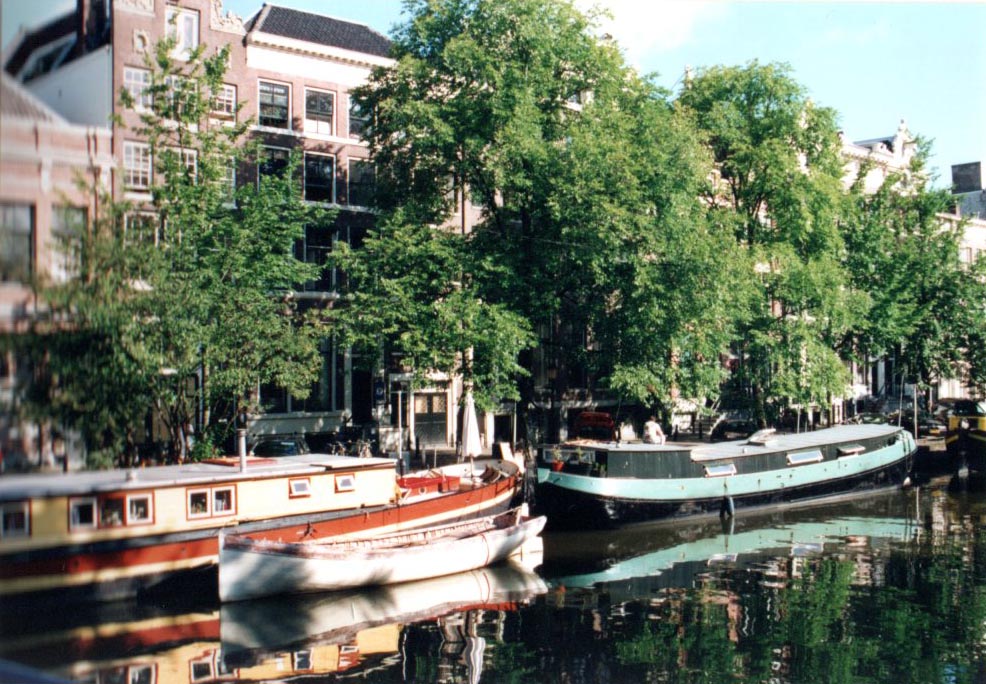
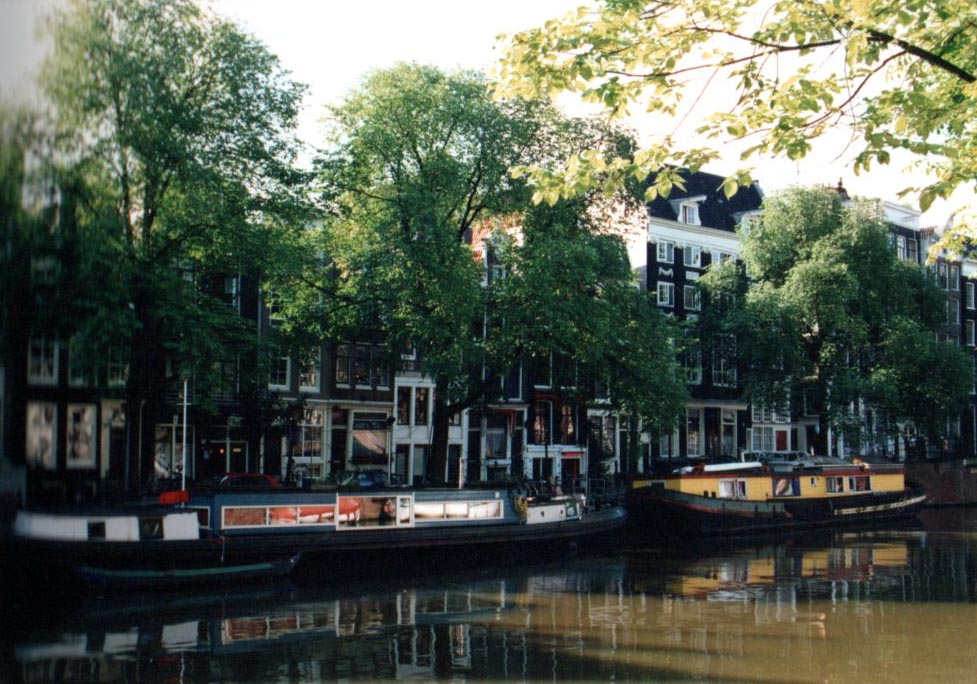
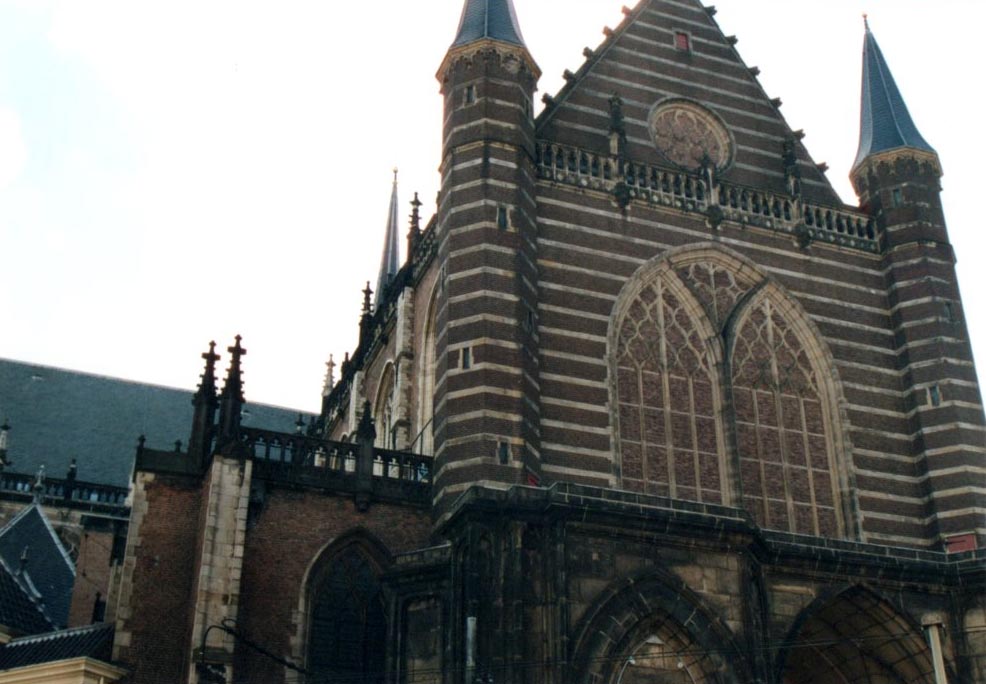
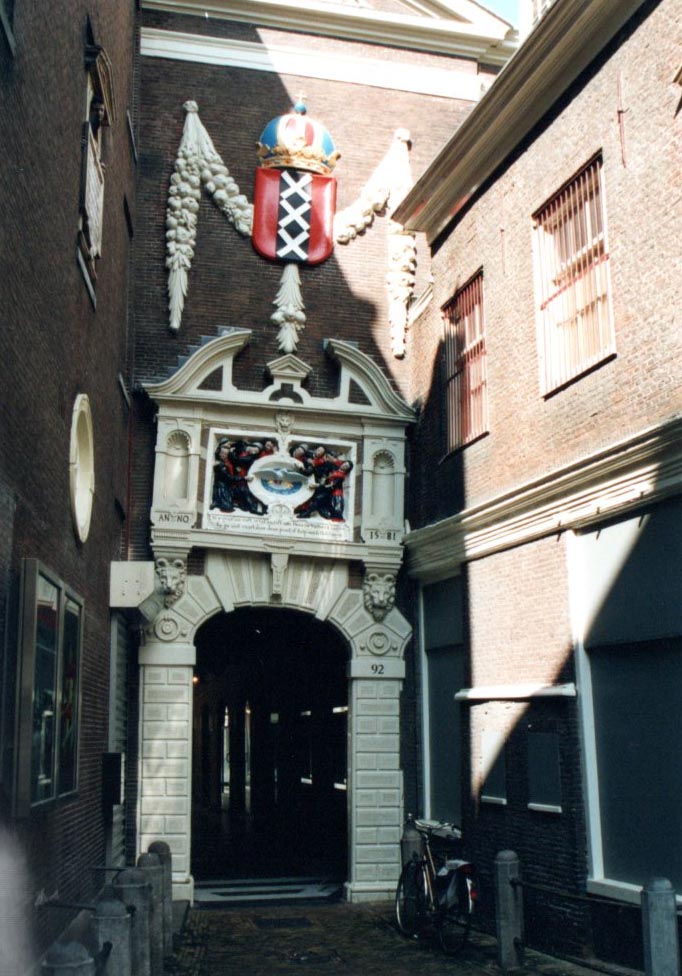
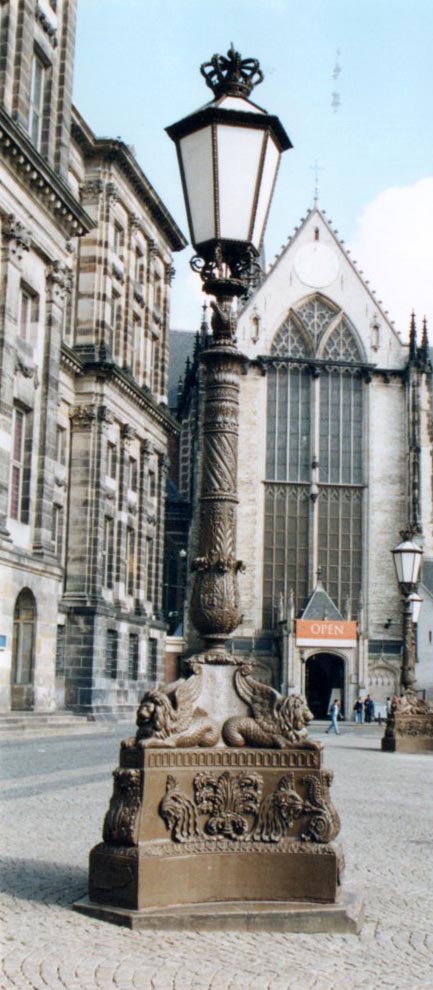
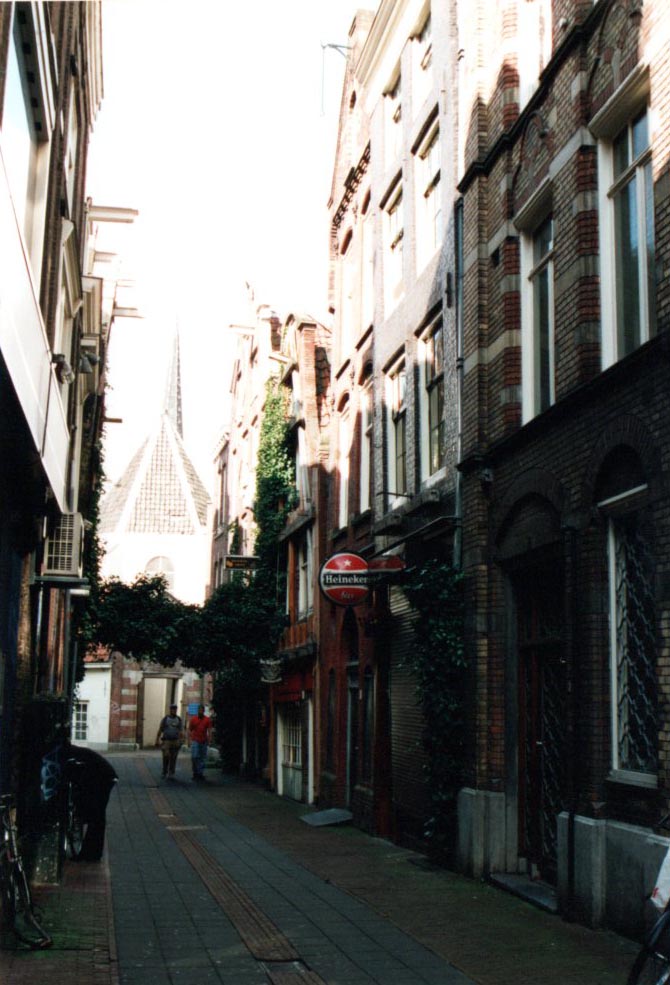
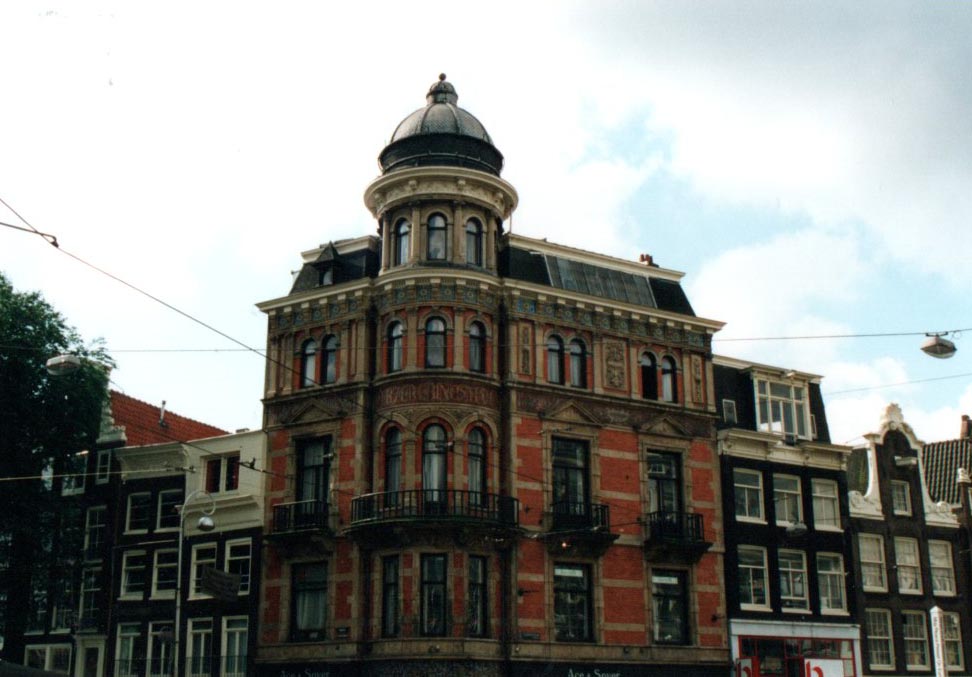
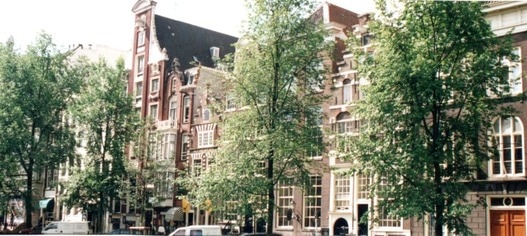
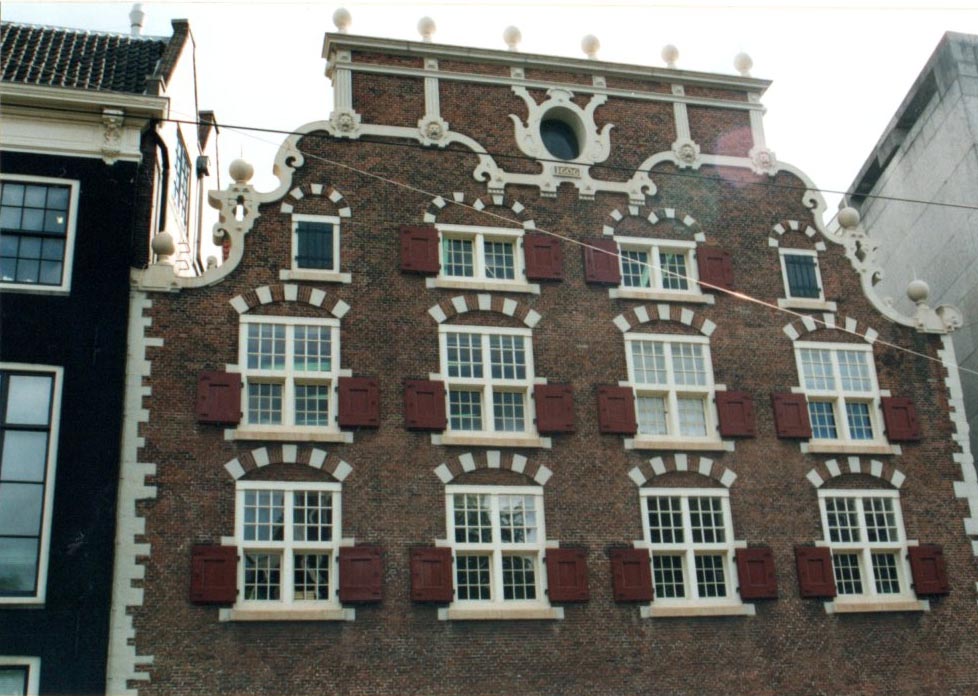
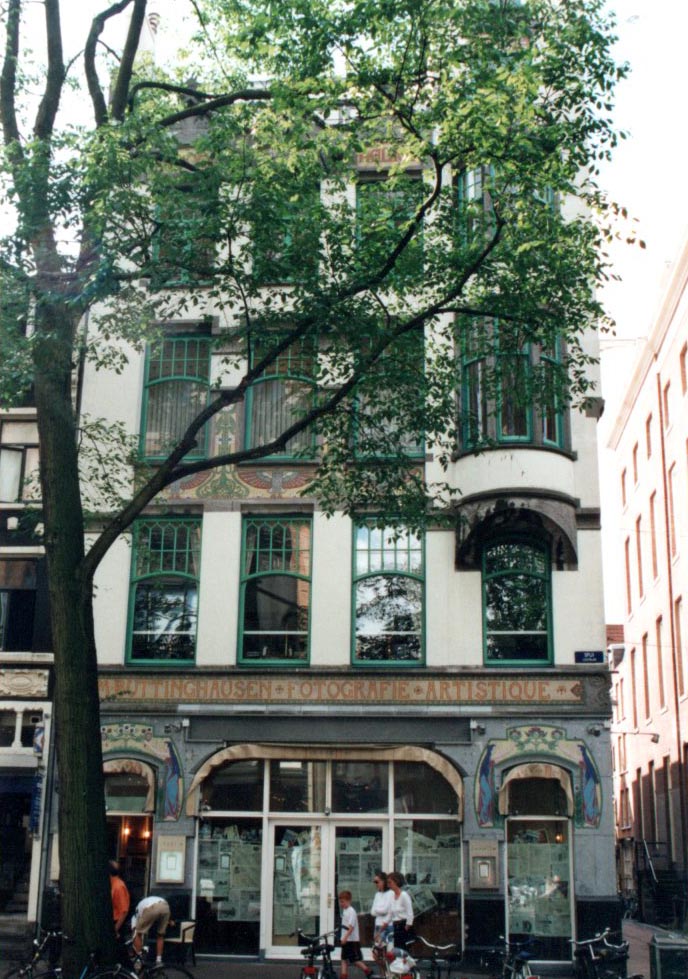
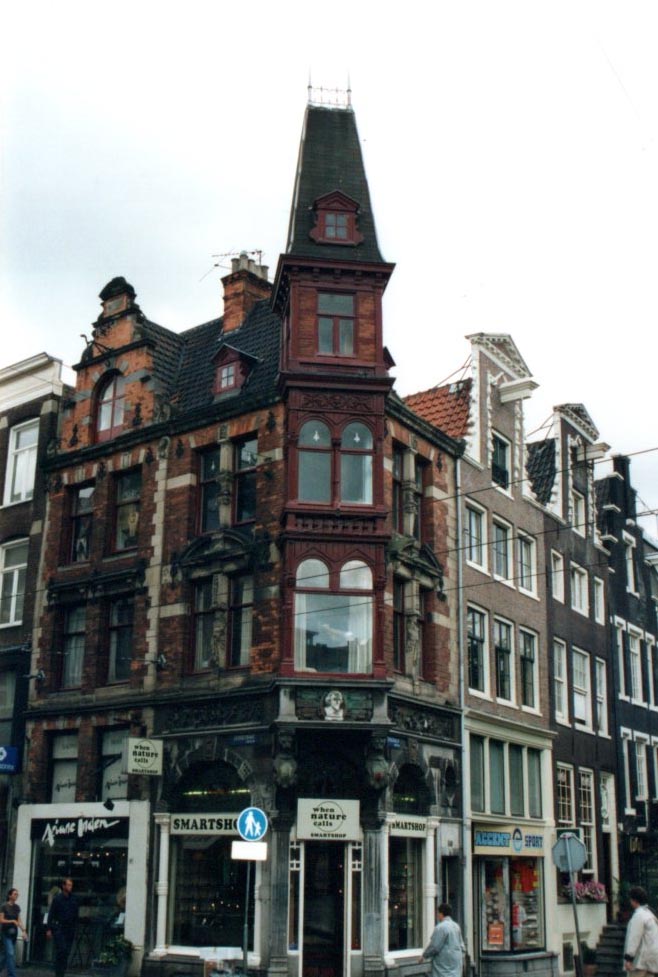
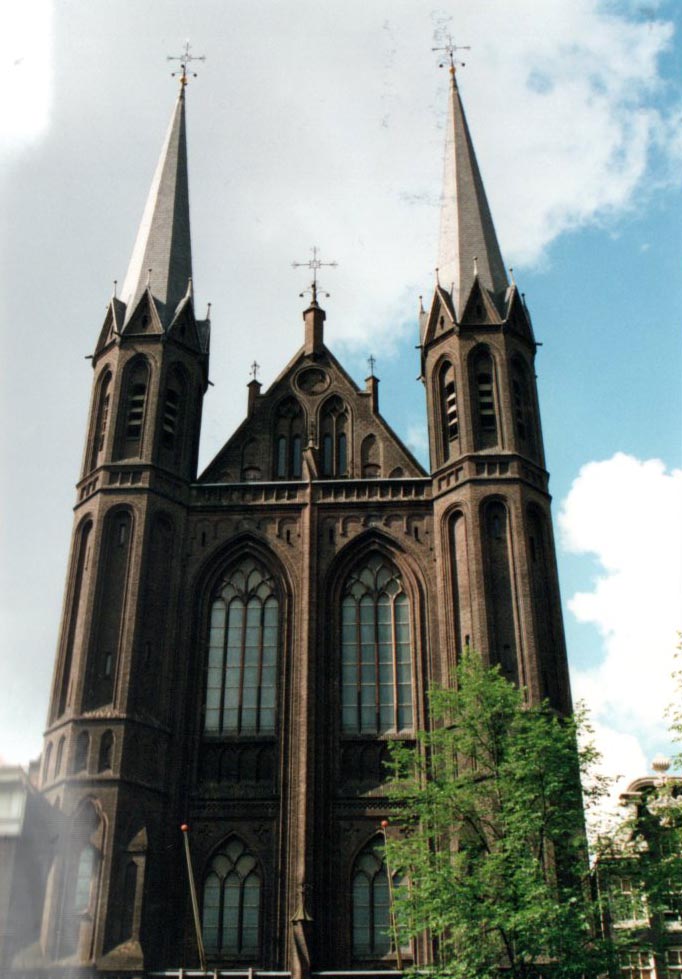
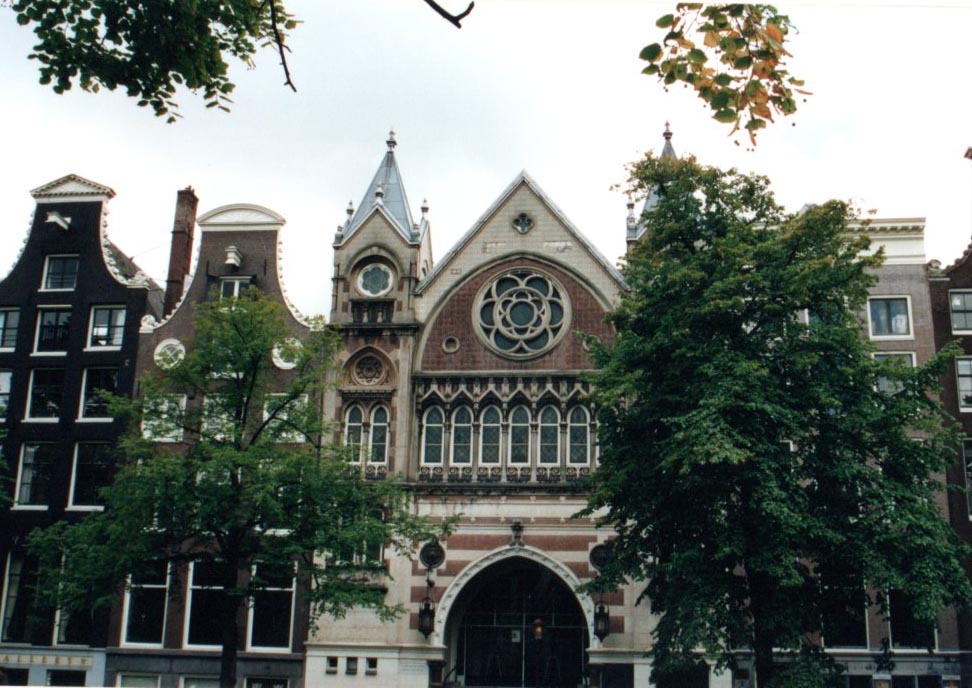
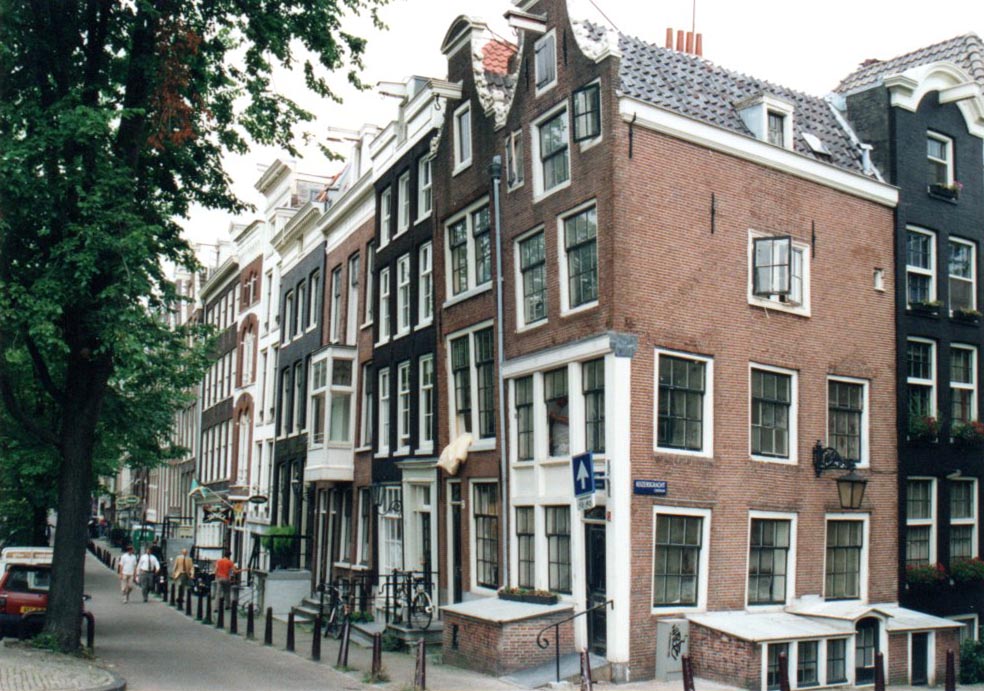
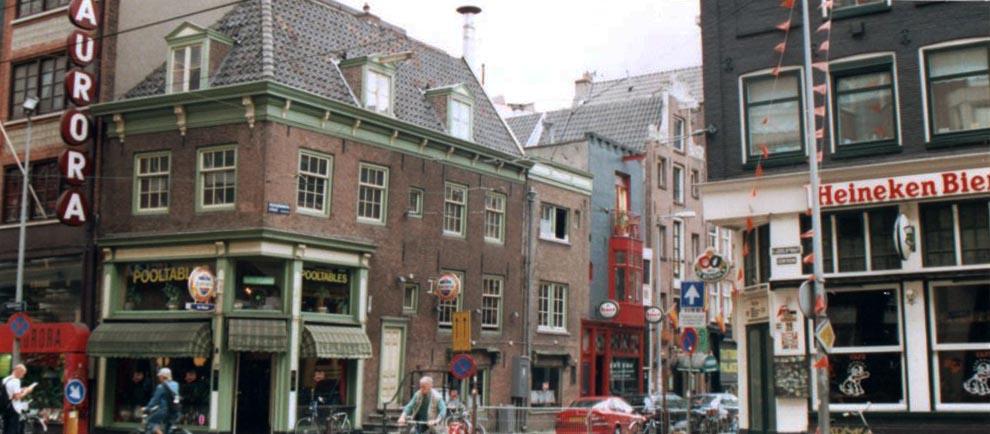
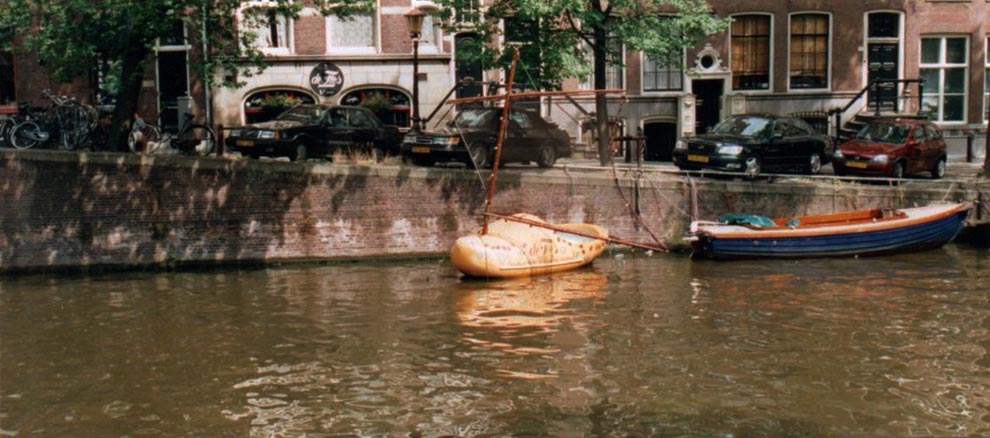
The Canal Culture: Life on the Water. Amsterdam is crisscrossed by over 100 kilometers of canals—the legendary *Grachten*. Back in the year 2000, the whole scene felt like a vast, liquid labyrinth. As you stroll along the banks, you immediately notice the beautiful—yet extremely narrow and often decidedly crooked—brick houses. Because the ground in Amsterdam is so marshy, these houses actually stand on millions of wooden piles!
Picture
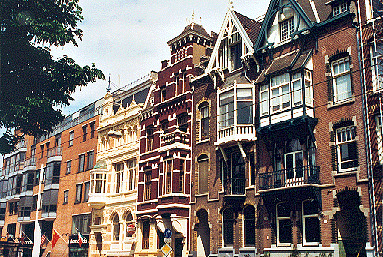
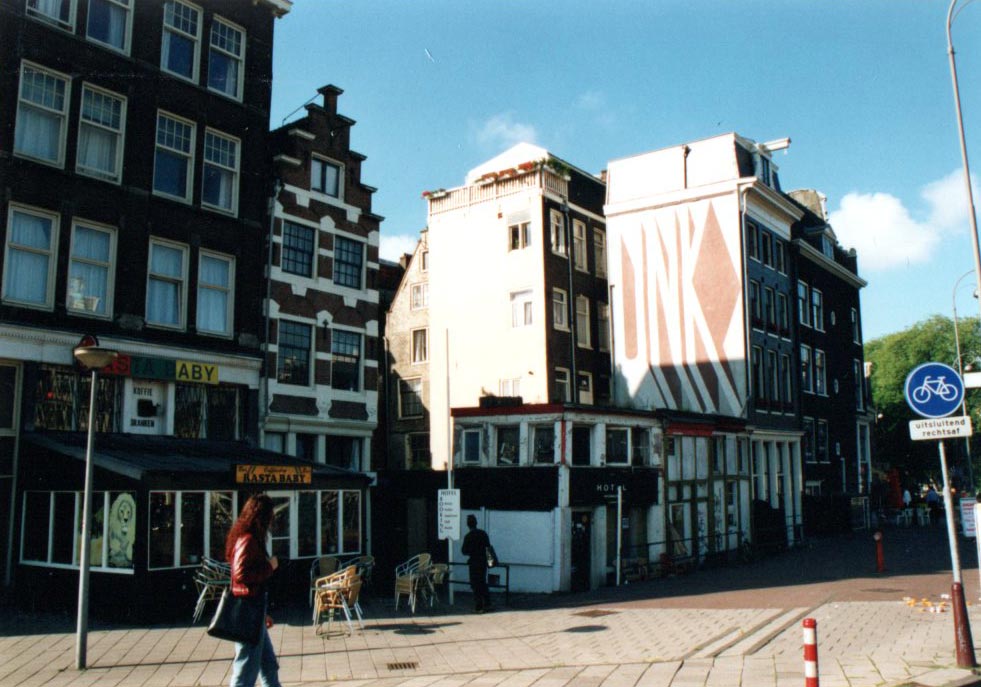
The Secret of the Dancing Brick Houses: If you stood in front of the canal houses with an analog camera in the year 2000, your first thought might have been that something was wrong with your vision. The buildings are not only incredibly narrow but often stand askew, leaning precariously forward or to the side. That is why Amsterdammers affectionately call them their "dancing houses."
The Mystery of the Wooden Shoes (*Klompen*).
​And speaking of wood: you stumble upon the famous traditional wooden shoes—*Klompen*—on almost every corner. What served as the ultimate, fun photo op for us tourists back in 2000 (I’m talking about sticking your feet into giant wooden shoes outside souvenir shops!) is actually steeped in tradition. These shoes were carved from a single block of poplar or willow wood and once provided perfect, waterproof protection for farmers and laborers working in wet fields.
Picture
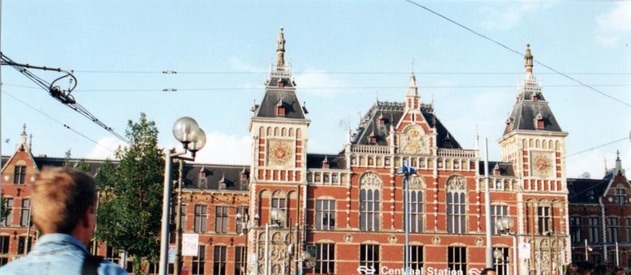
Centraal Station

Eindhoven / Holland
(2025)
The Breaking Classics and Suburban Trails

Our travel blog now jumps across the border to Eindhoven, Netherlands, for an action-packed weekend at the international "World Breaking Championship" event. My partner Felix, my son Felipe, his girlfriend Melek, and I piled into our trusty Land Rover, affectionately named "Tigerlily," which tackled the long route absolutely flawlessly, bringing us safely to our destination on Friday evening after a grueling nine-hour drive. The next morning, Felix and I left the kids to rest and headed out with the dogs to explore the quiet, scenic outskirts of the suburb. Wandering along the lush, peaceful green trails and fields under the overcast Dutch sky was the perfect, calming contrast to the high-energy breakdance battles that were waiting for us later that day.
Windmills, Mosaics, and Suburban Art
As Felix and I continued our walk through the neighborhood, we were completely charmed by the vibrant, creative details that brought this Dutch suburb to life. We stumbled upon traditional, towering windmills standing proud against the horizon, beautifully framed by manicured gardens exploding with the bright, vivid colors of fresh geraniums. What really caught our eye, though, was the unexpected artistic flair hidden in plain sight. Scattered along the green pathways were stunning park benches completely covered in intricate, colorful mosaic tiles, turning simple rest stops into local art installations. It felt like walking through a living gallery, where classic Dutch heritage effortlessly blended with modern creativity—a perfect teaser for the artistic energy we were about to experience at the breaking battles.
The U.F.O. of Eindhoven and Street Art Trails
The next morning, the excitement was palpable as we finally grabbed our tickets and made our way toward the intense battles of the World Breaking Classics. Our walk to the venue turned into an urban safari, with the city streets lined with a vibrant explosion of incredible local graffiti and massive, colorful murals that perfectly matched the hip-hop energy of the weekend. But the absolute showstopper of our trek was stumbling upon the jaw-dropping sight of the Evoluon building. Rising dramatically from the green lawns, this architectural marvel looks exactly like a colossal, retro-futuristic flying saucer that just touched down from outer space. Walking past this iconic concrete U.F.O. surrounded by raw street art felt like the ultimate, surreal prelude to the gravity-defying breaking battles that were about to unfold.
The Illusions of the Underpass
The urban creativity in Eindhoven continued to blow our minds, especially when we came across this sheer stroke of graffiti genius tucked under a concrete overpass. Instead of just spraying flat lettering on the wall, the artist masterfully integrated the massive, structural support pillars into the artwork. Painted onto the concrete are several giant, highly detailed arms that appear to be physically reaching up and lifting the heavy weight of the entire bridge above them with their bare hands. Some complete with delicate bracelets, rings, watches and realistically textured sleeves, the perspective play turns a grim, ordinary underpass into a captivating illusion. It was the perfect visual metaphor for the weekend—raw strength, incredible balance, and pushing boundaries, exactly like the breakers we were about to watch.
The Industrial Soul of the Battle Venue
The incredible urban energy of Eindhoven came to a peak when we finally reached the spectacular venue for the World Breaking Classics: the Innovation Powerhouse. It didn't take more than a single glance at the towering brick chimneys and the massive, raw steel scaffolding to realize that we were standing in front of a piece of living industrial history. This impressive structure was originally built in the mid-20th century as the central power plant for the global electronics giant Philips, supplying electricity to the famous Strijp-T industrial district. Today, the complex has been brilliantly reimagined, combining its historic brick facade with a hyper-modern, glass-enclosed steel framework covered in climbing green plants. Watching the world's best breakers battle it out inside a former power plant that used to generate electricity—and now generates pure, explosive human energy—was the absolute perfect setting for a world-class breaking championship.
Adding to this futuristic, green-industrial vibe was the jaw-dropping sight of the nearby Trudo Vertical Forest—a spectacular residential high-rise where the pixelated, interlocking balconies are completely bursting with dozens of real trees and hundreds of green plants, seamlessly blending cutting-edge urban architecture with the wild energy of nature.

Lost in the World of Illusions
Before the main breaking event took over our weekend, we also made time to visit Eindhoven's incredible museum of optical illusions. Walking through the doors felt like stepping directly inside a digital dreamworld, where reality completely bent out of shape. The exhibition was packed with mind-boggling light installations, interactive projection mapping, and rooms designed to trick your eyes and equilibrium at every turn. It was a sensory overload in the best way possible, forcing us to constantly question what was real and what was just a beautifully engineered trick of light—a perfect mental warm-up for a weekend dedicated to gravity-defying creativity.
The Midnight Breakdown and the Rental Rescue
Our return journey, however, turned into an absolute survival thriller. We packed up and hit the road at 9:00 PM on Sunday because both Felix and Felipe had to be at work the next morning. But by 1:00 AM, our adventure came to a grinding halt: our beloved Land Rover, "Tigerlily," went on strike and was towed away into custody by the ADAC. With no other options, we spent the rest of the night freezing and sleeping straight on the hard floor of a dark car repair shop, waiting for the auto club to arrange a replacement vehicle. Realizing the ADAC was completely incompetent and getting us nowhere, we took matters into our own hands. We managed to organize our own rental car and booked a taxi that picked us up at 6:00 AM, driving us an hour out to the rental station. By 7:00 AM, we were finally back on the highway, only to be swallowed up by miles of brutal morning rush-hour traffic. I took the wheel and drove straight through the exhaustion, finally pulling into our driveway at 2:00 PM. It was a brutal 17-hour odyssey—but on the bright side, the boys completely missed their shift at work anyway!

Trip Gallery
European Cities
Powered by Create your own unique website with customizable templates.