MARYsCOMIX
  • Mary's Page
  • Airbrush Metal Stuff
  • Airbrush Projects
  • Street Art
  • Felix Projects
  • Old School Comix
  • Trip Gallery
  • Artist Infos
  • Legal Notice / IMPRESSUM
  • Right of Withdrawal
  • Data Protection
  • General terms and conditions of business
  • Blog

PARIS
(2016)


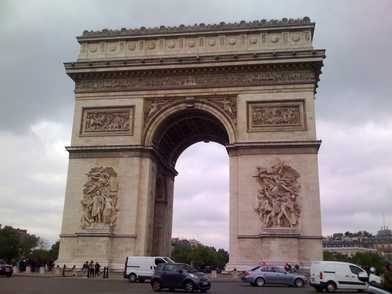
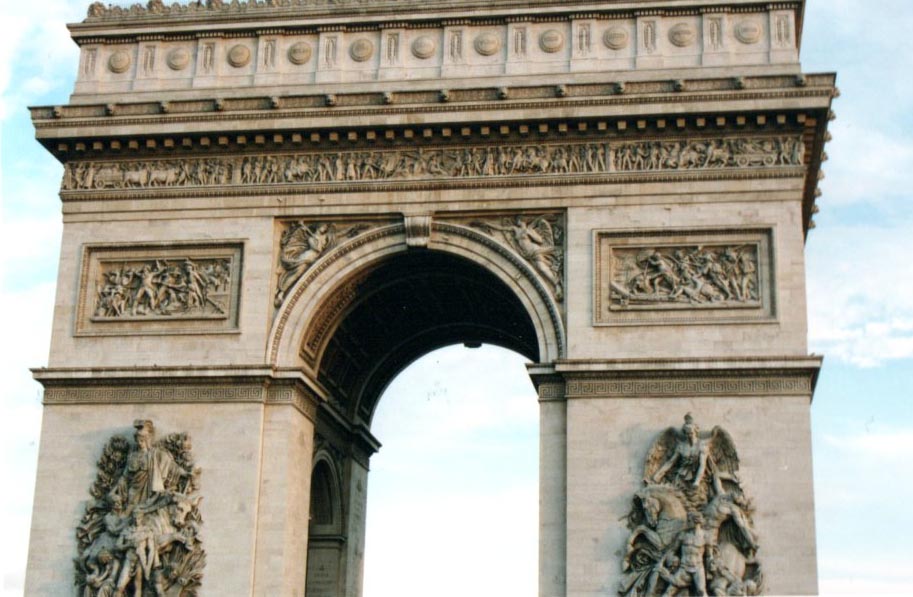
​Arc de Triomphe de l'Etoile
Picture
Echoes of Empire: The Arc de Triomphe & Champs-Élysées
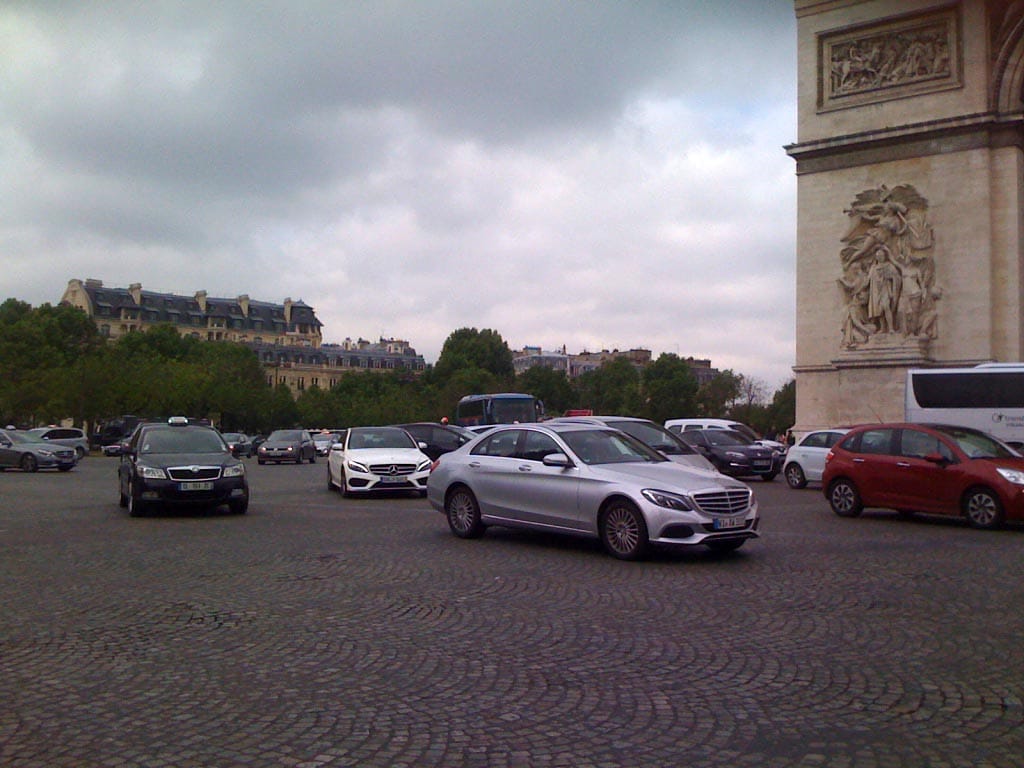
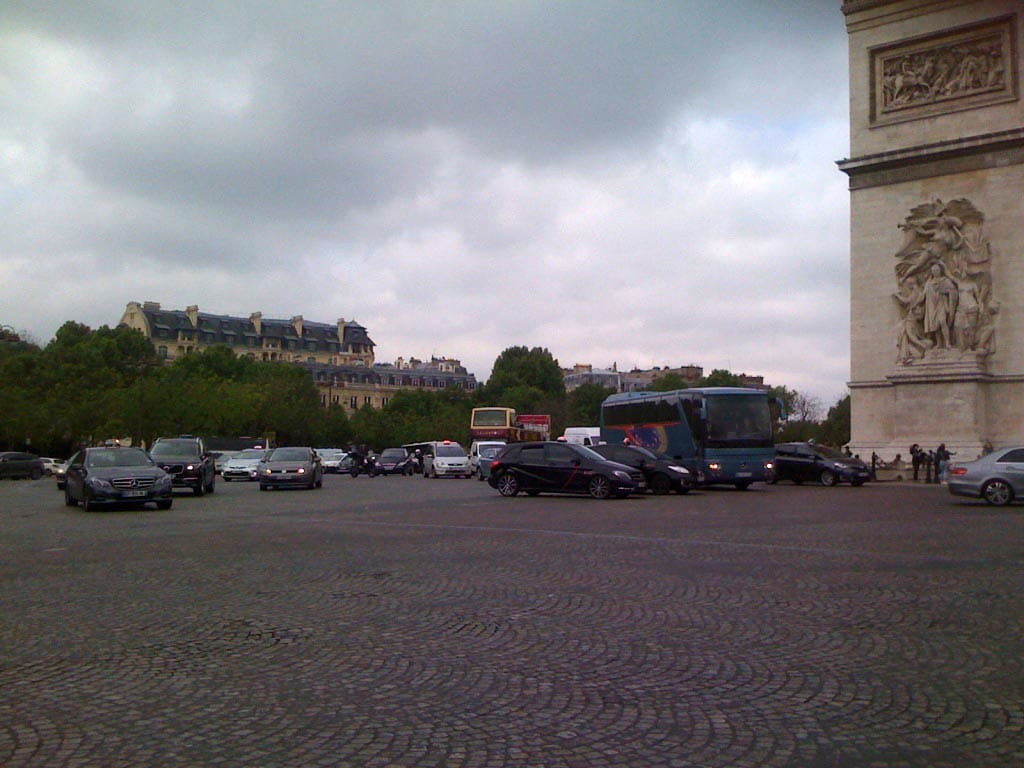
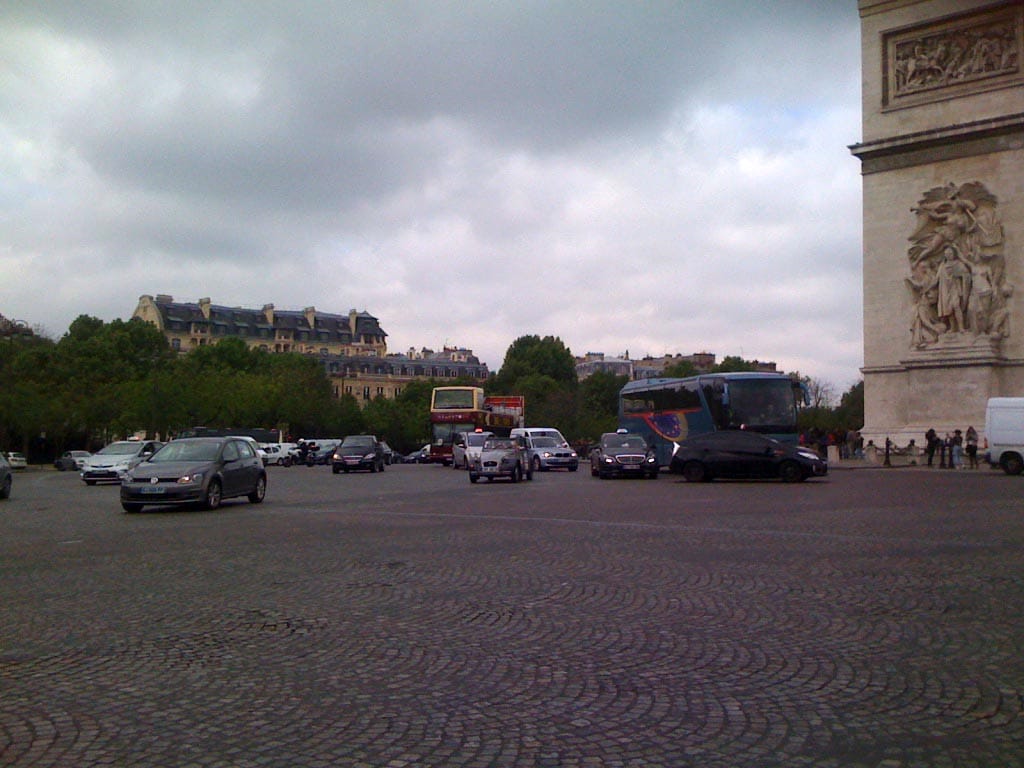
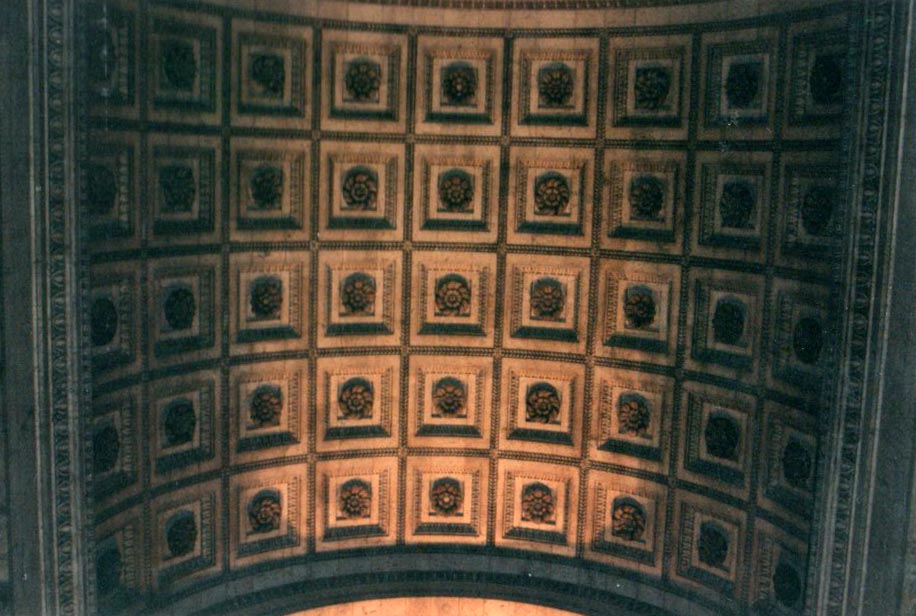
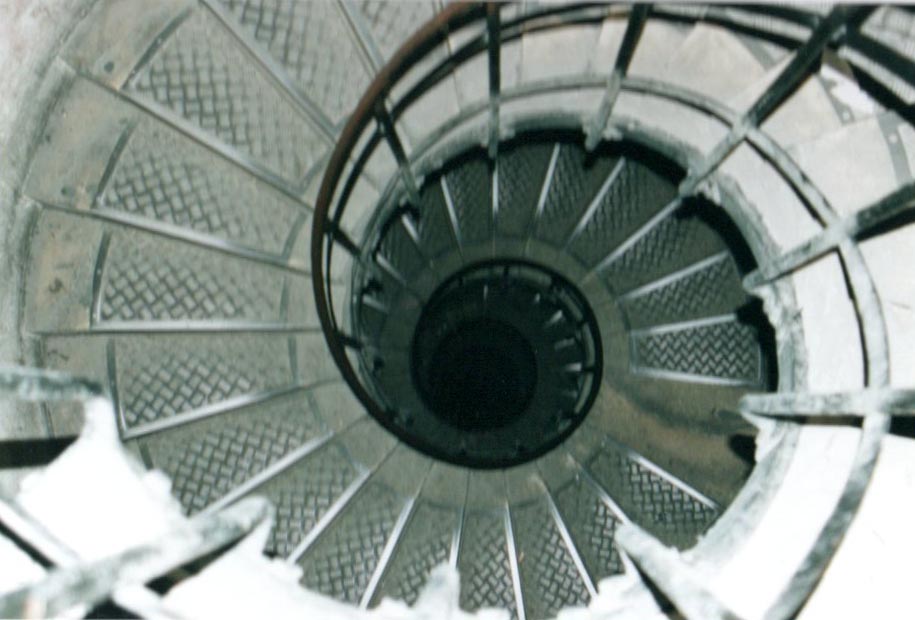
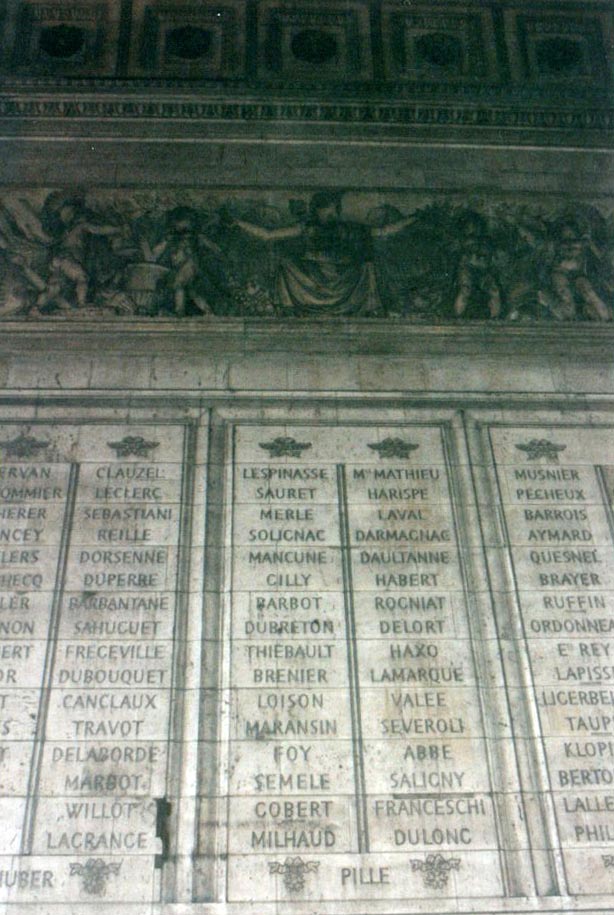
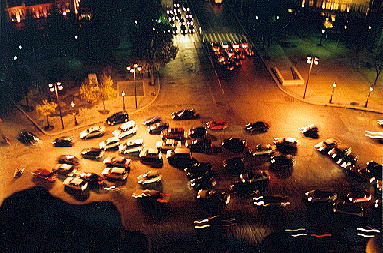
Stepping out into the Parisian buzz together, our whole group stood in complete awe before the colossal Arc de Triomphe, a majestic 50-metre-high monument commissioned by Napoleon Bonaparte in 1806 to celebrate his grand military victories, though the emperor tragically never got to see its completion in 1836. Watching the traffic below was a heart-stopping show for Sharon, the girls, and Felipe, as the monument sits at the center of the world's most chaotic roundabout where twelve massive avenues collide without a single traffic light, forcing drivers to navigate the swirling madness by sheer instinct. 

Picture

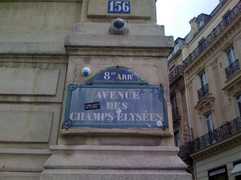
​Avenue des Champs-Élysée
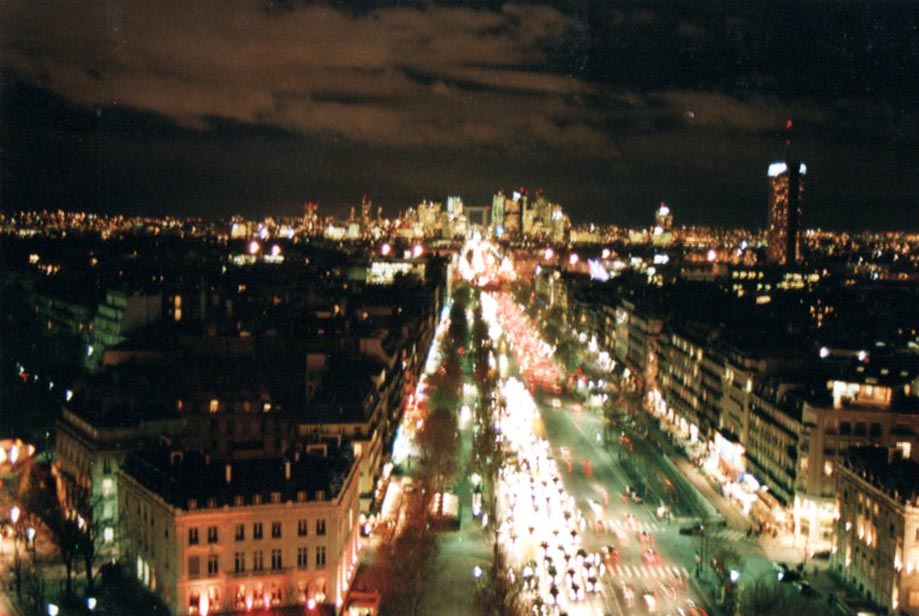
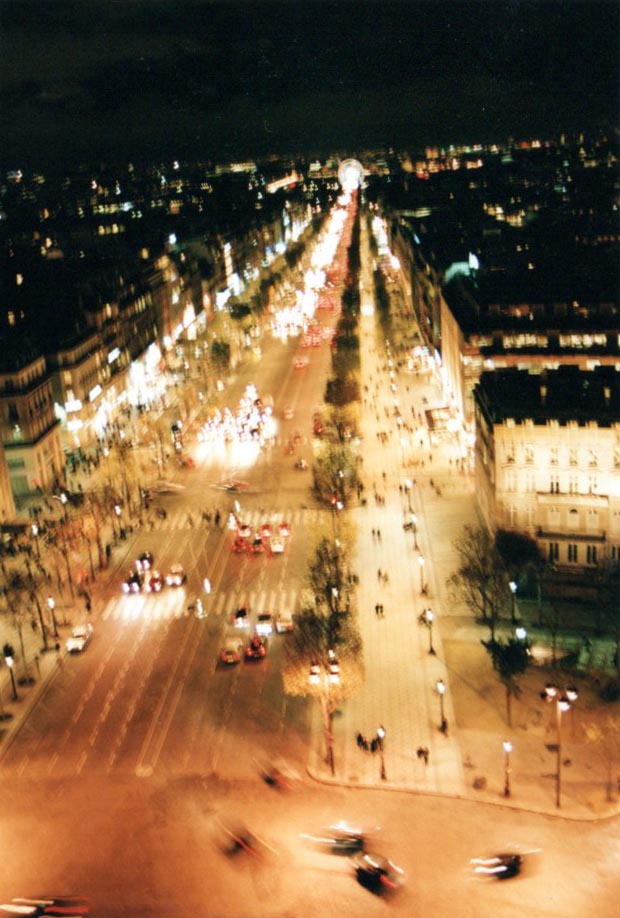
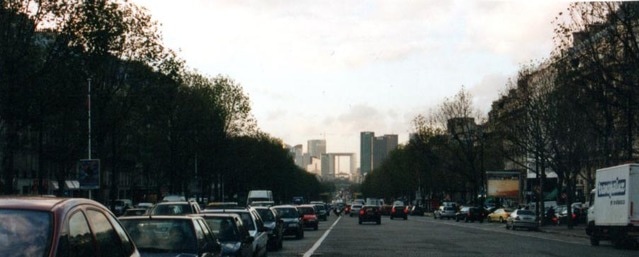
​From this historic focal point, we all gazed down the legendary Avenue des Champs-Élysées, a magnificent, tree-lined boulevard stretching nearly two kilometers that effortlessly blends high-fashion glamour with political prestige, serving as the timeless stage for France's grandest national celebrations.


Tour Eiffel
The Iron Lady from the Palace: Viewing the Eiffel Tower
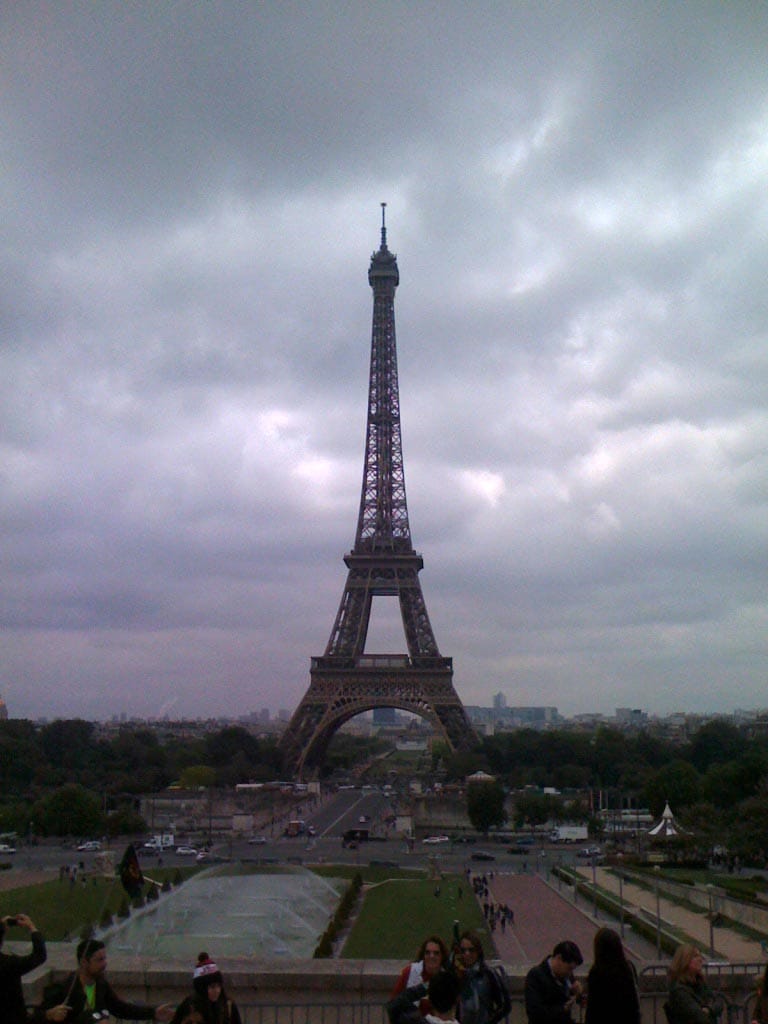
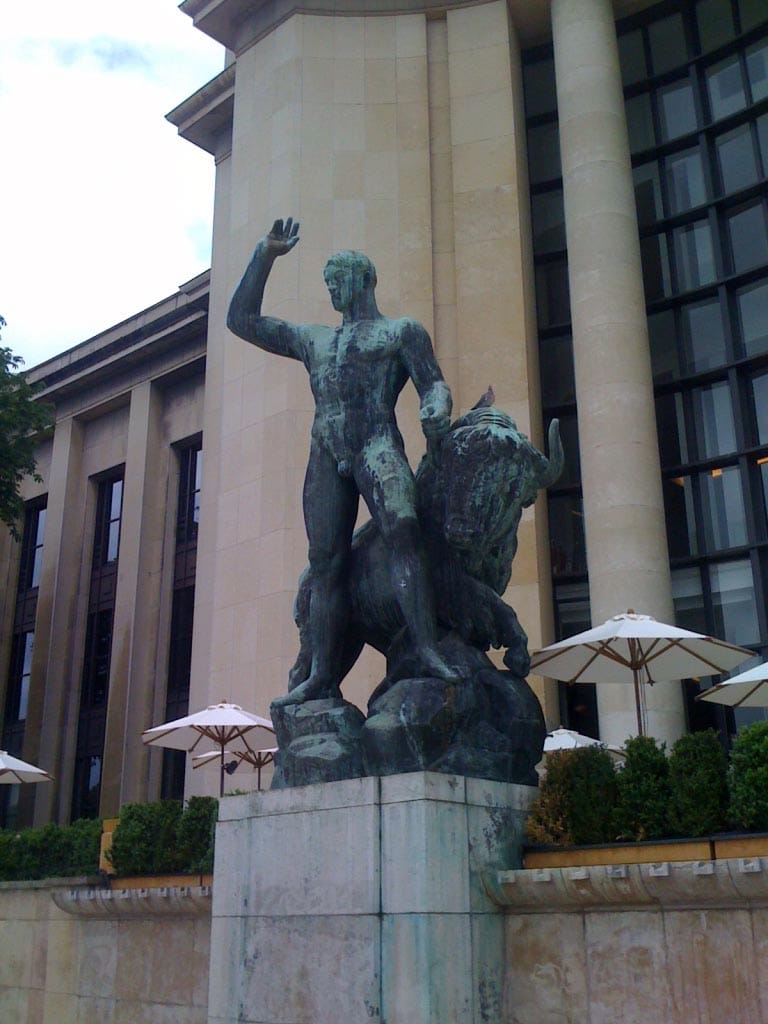
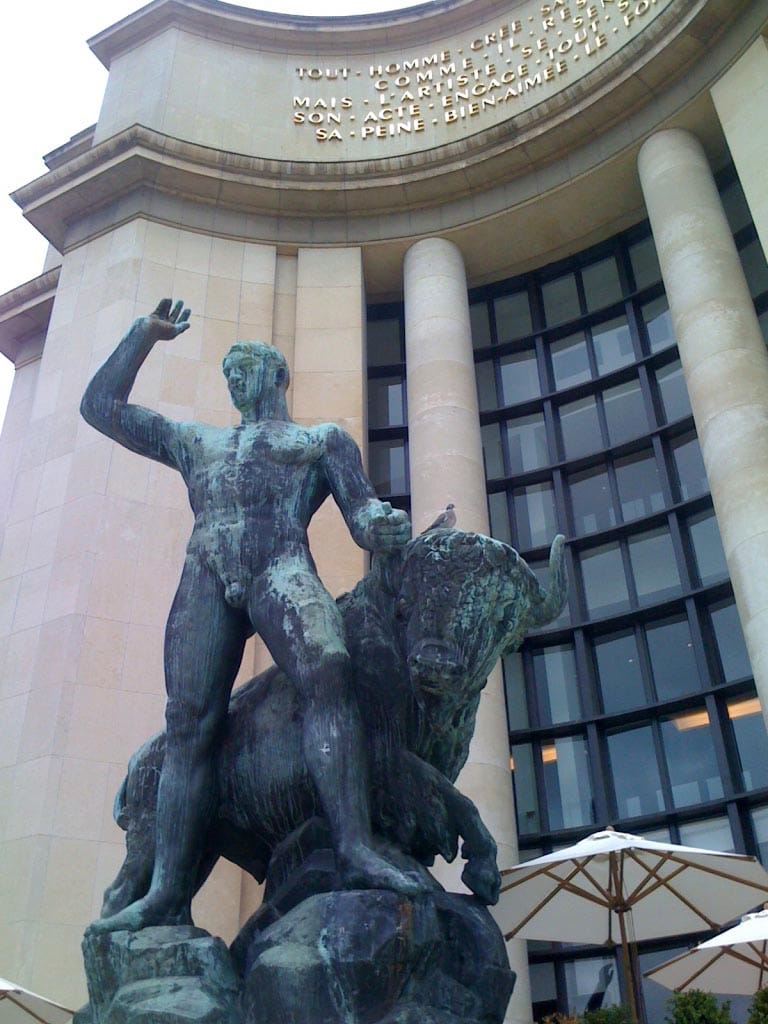
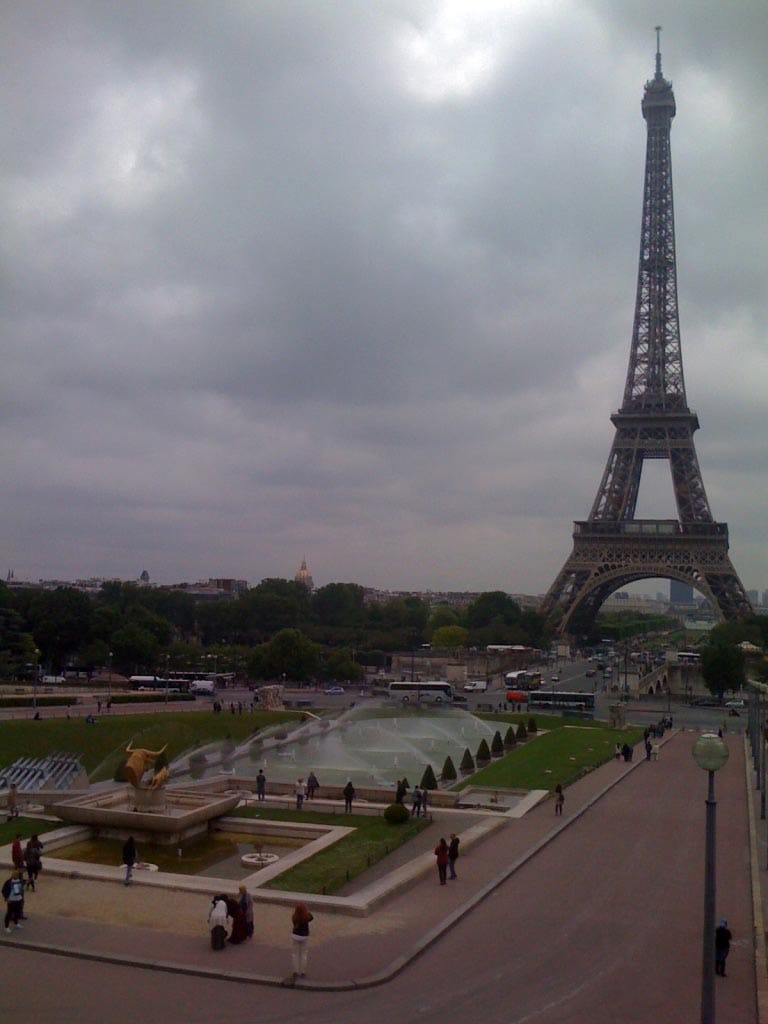
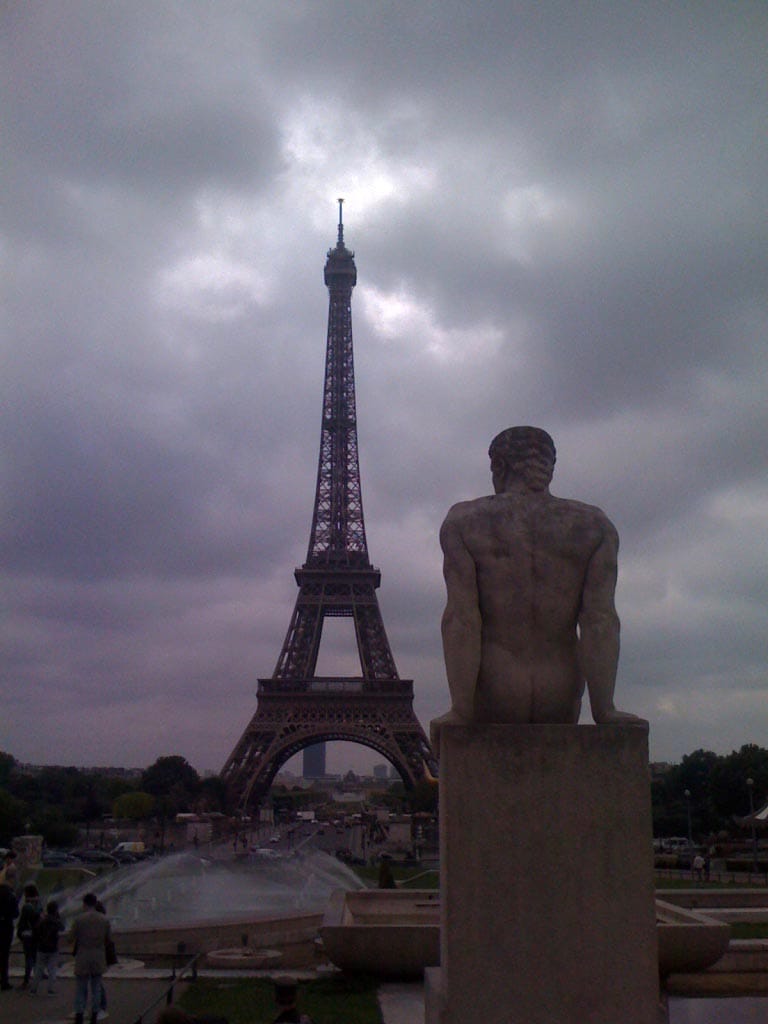
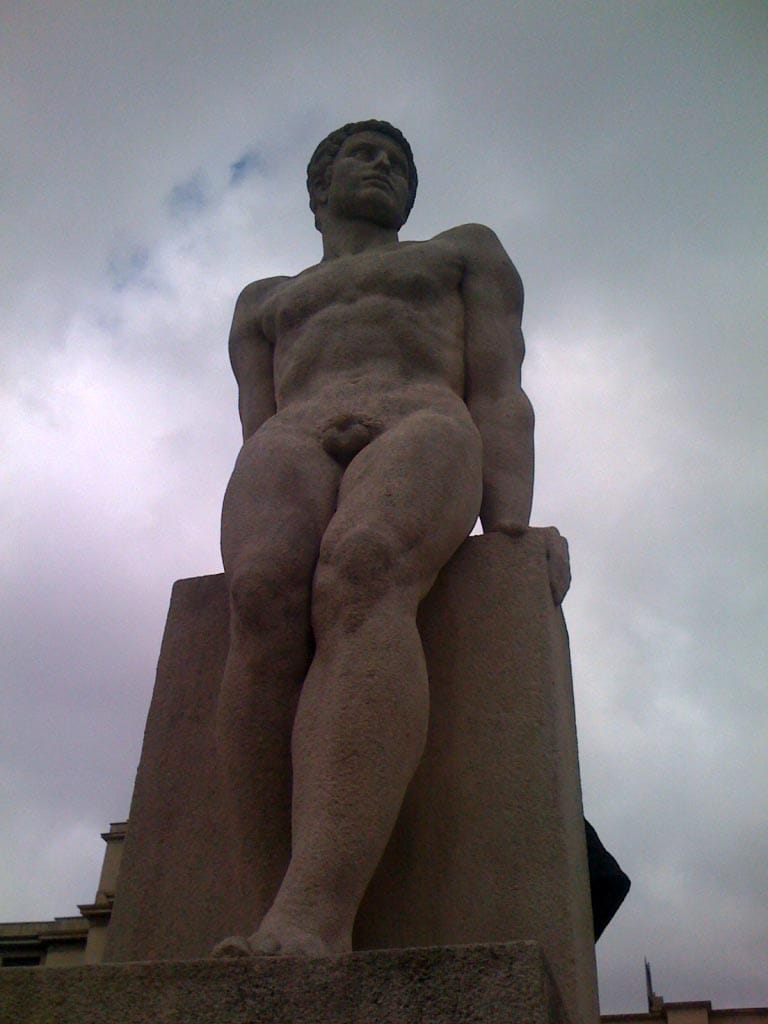
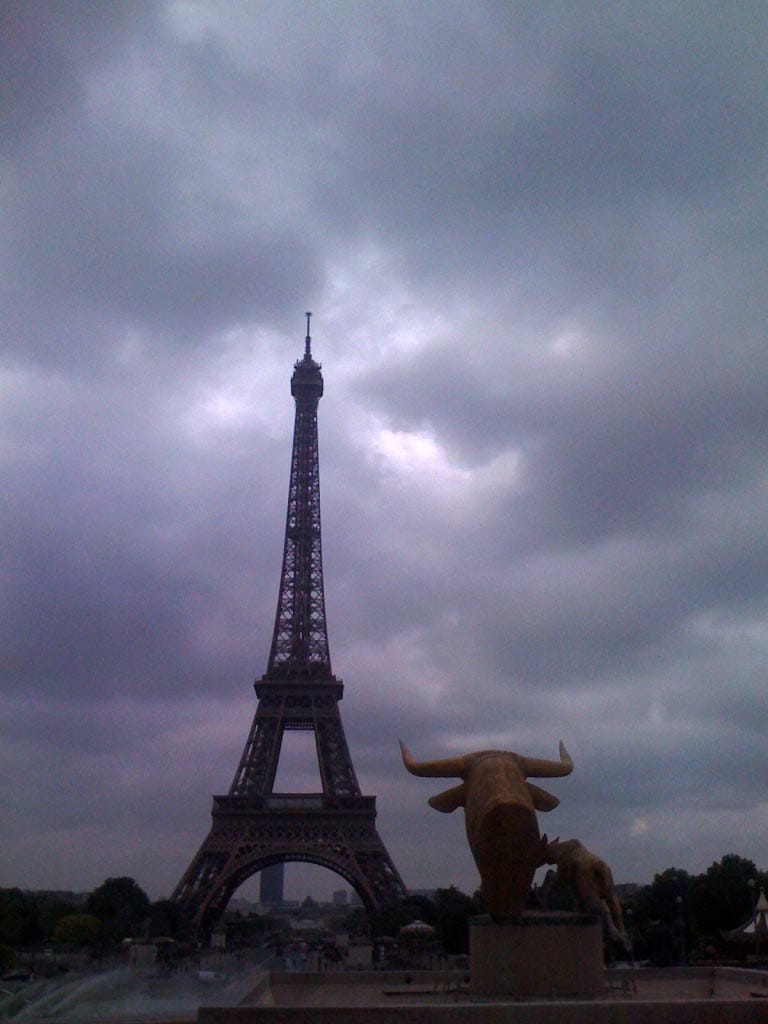
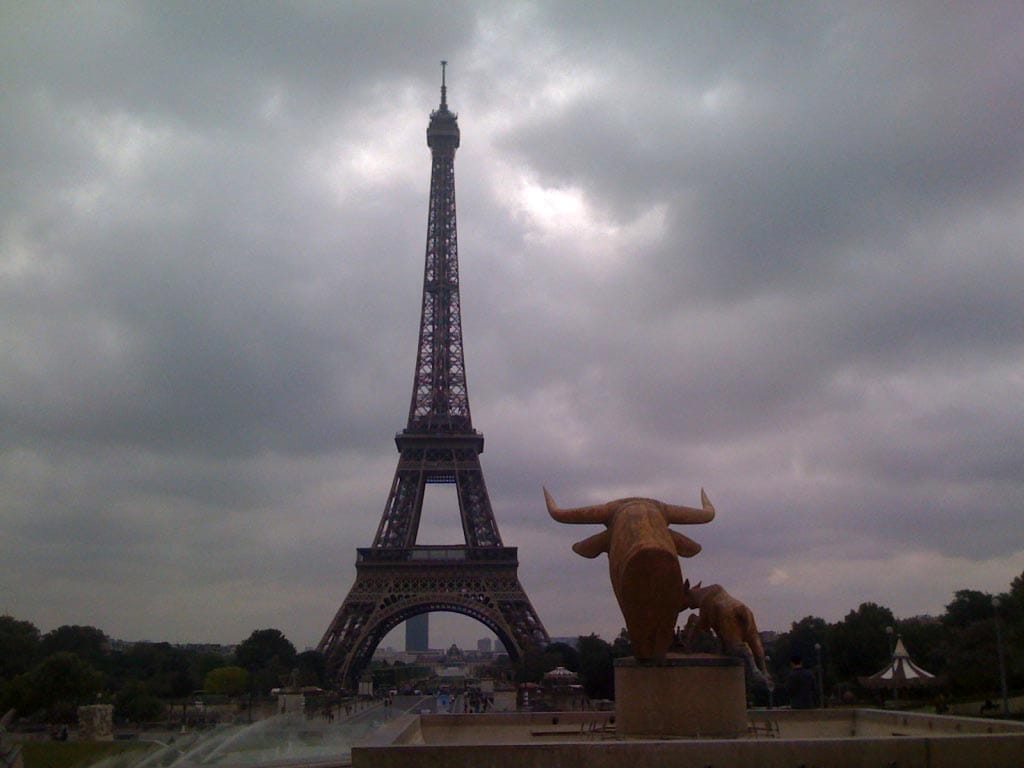
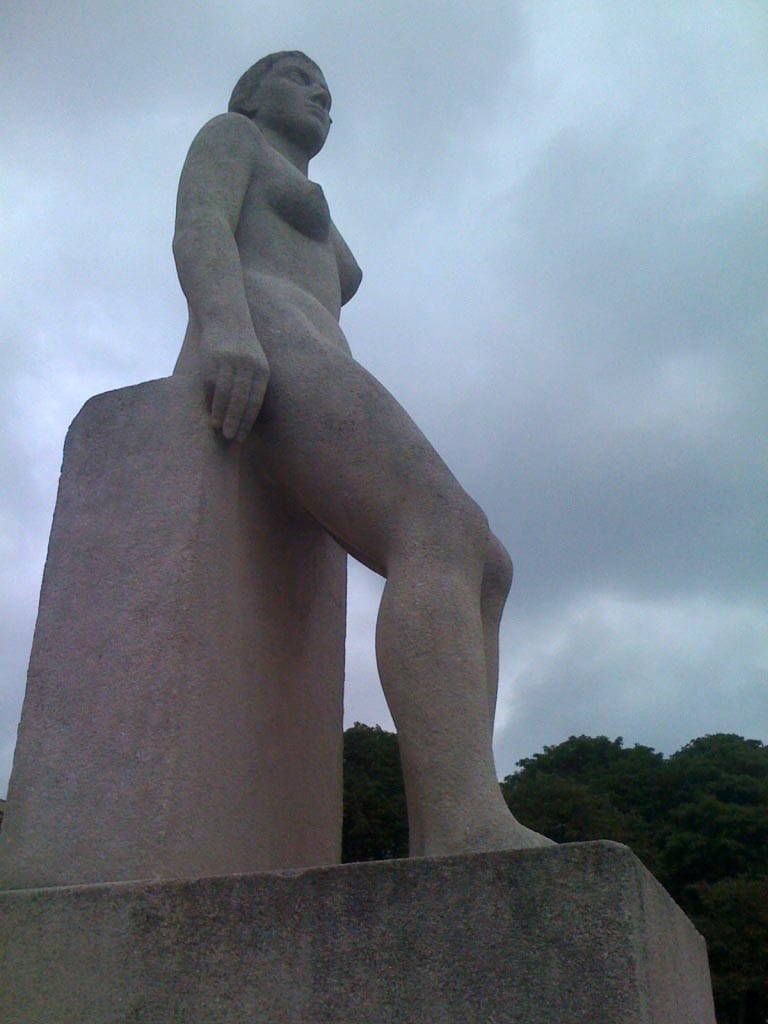
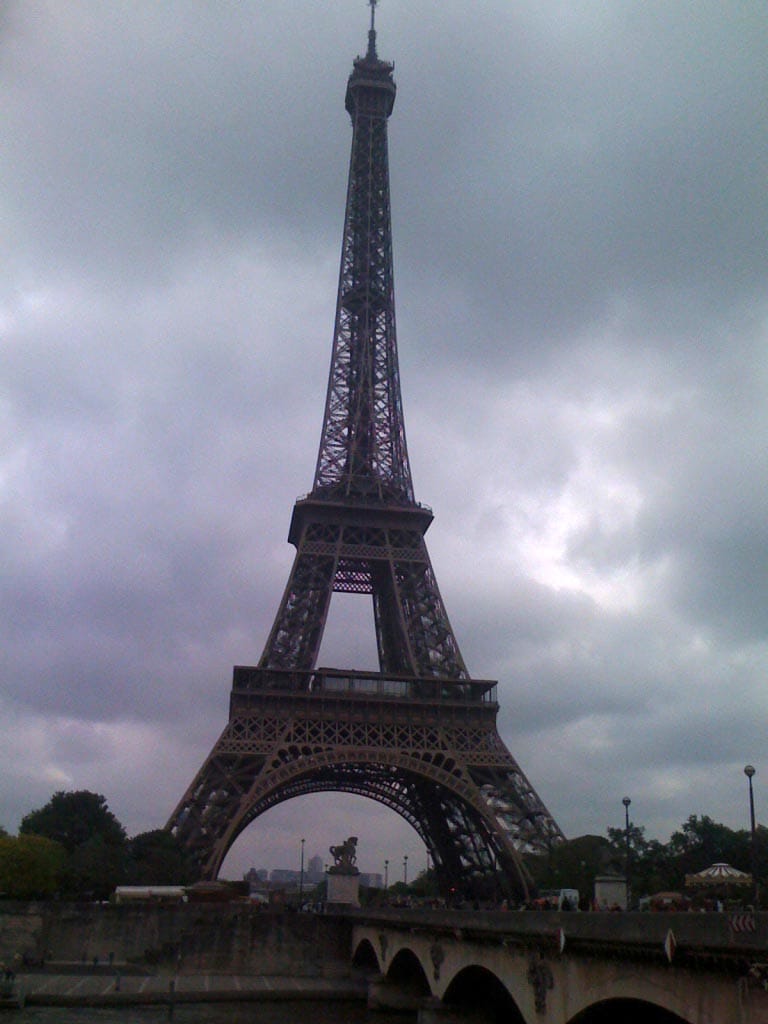
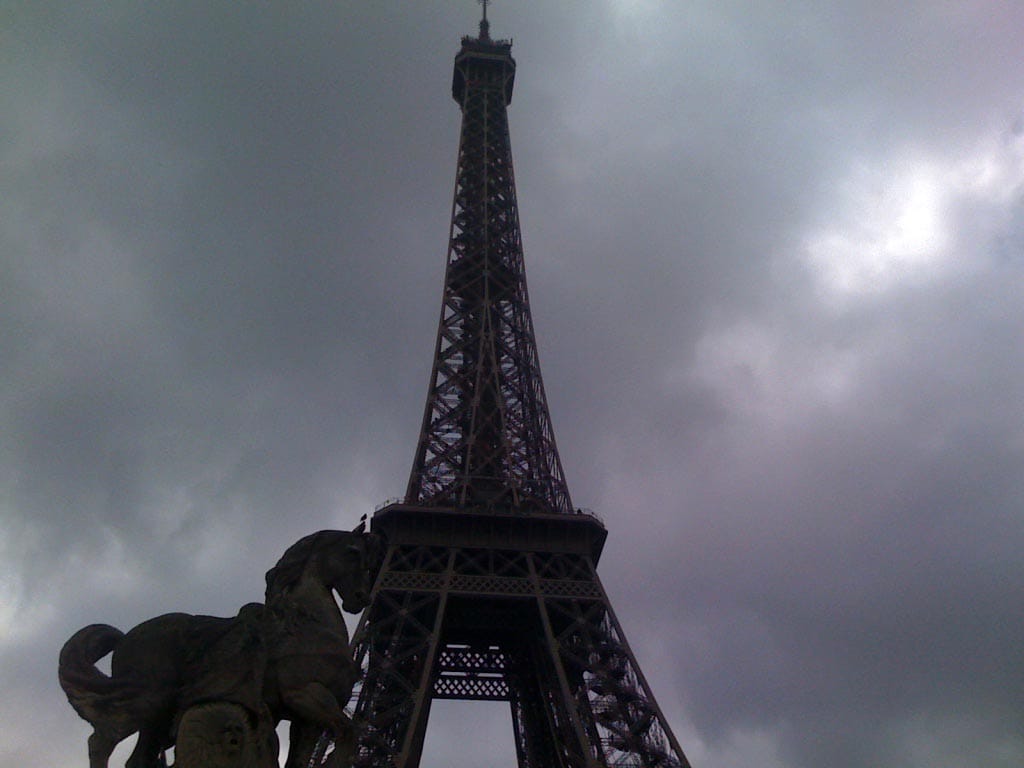
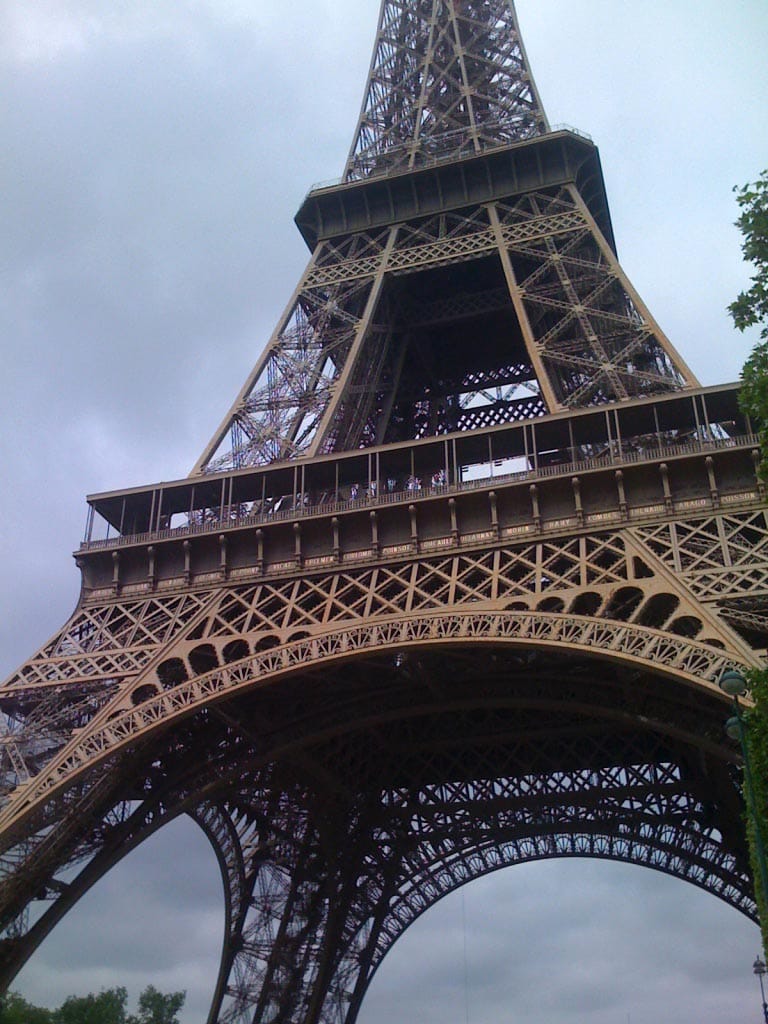
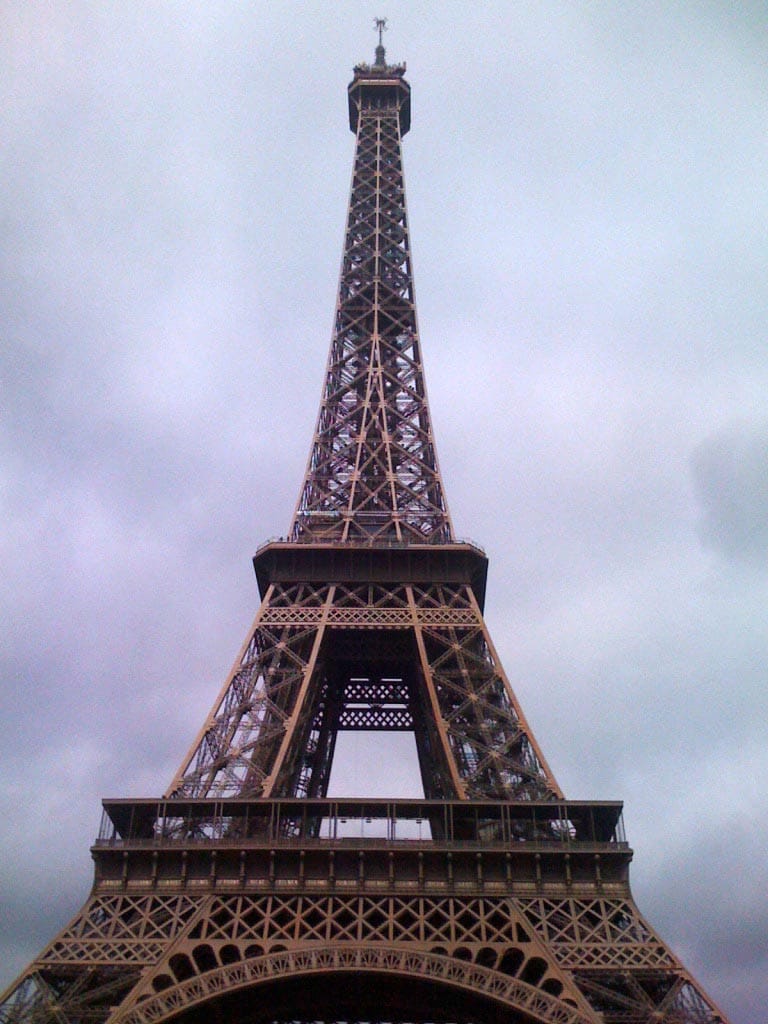
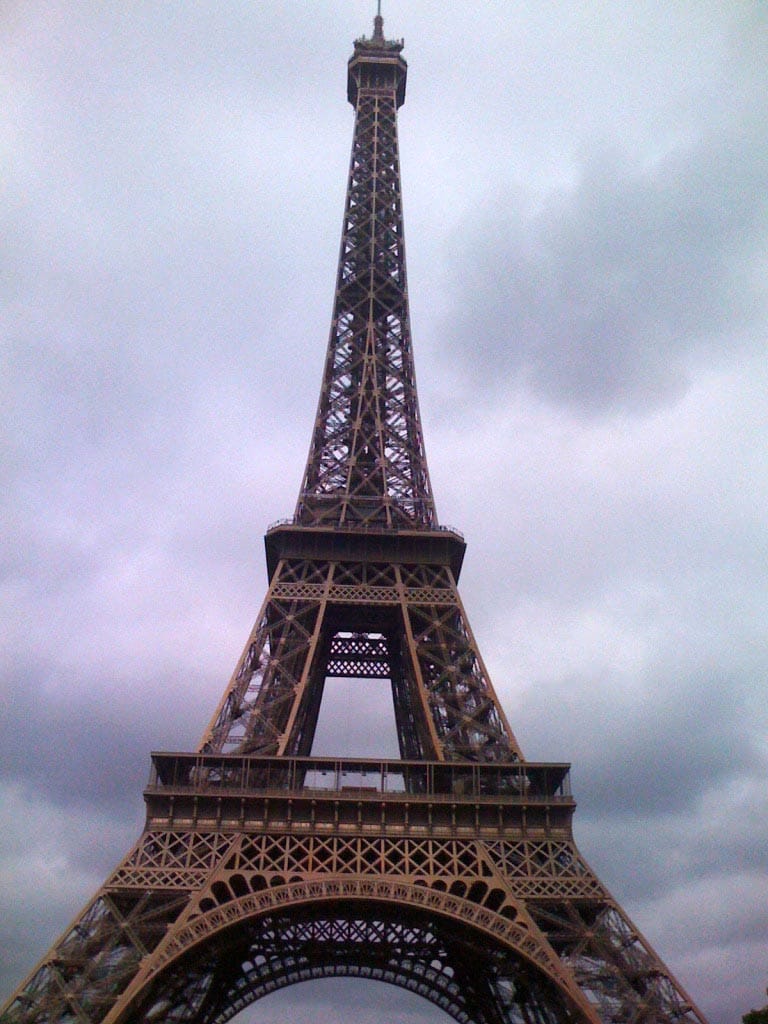
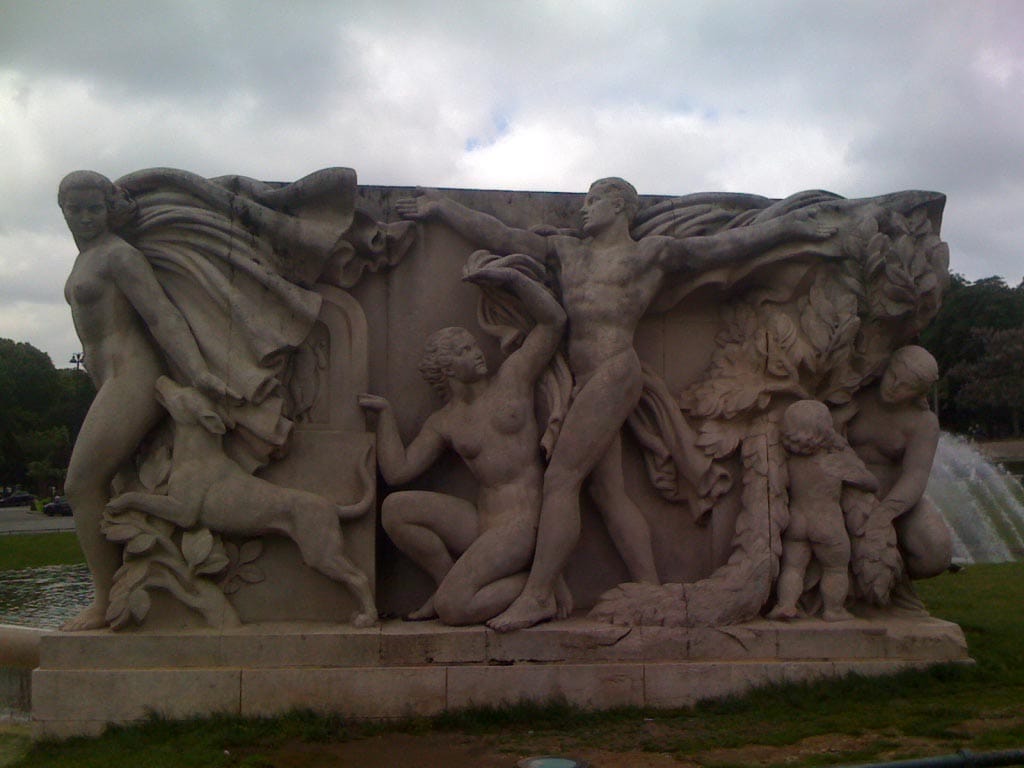
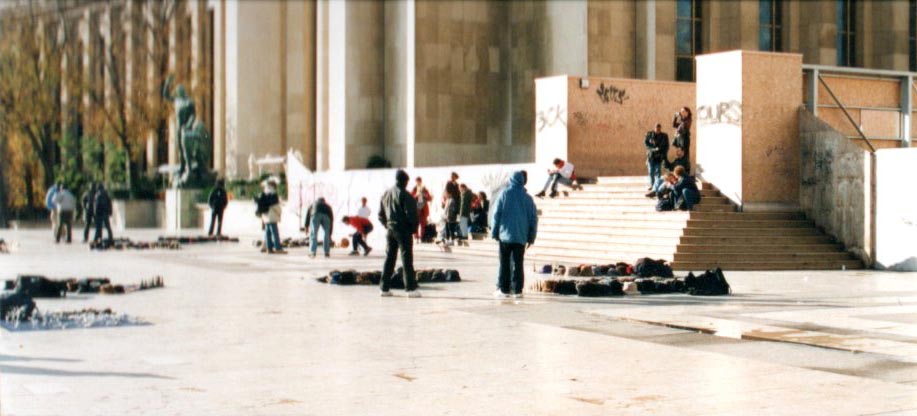
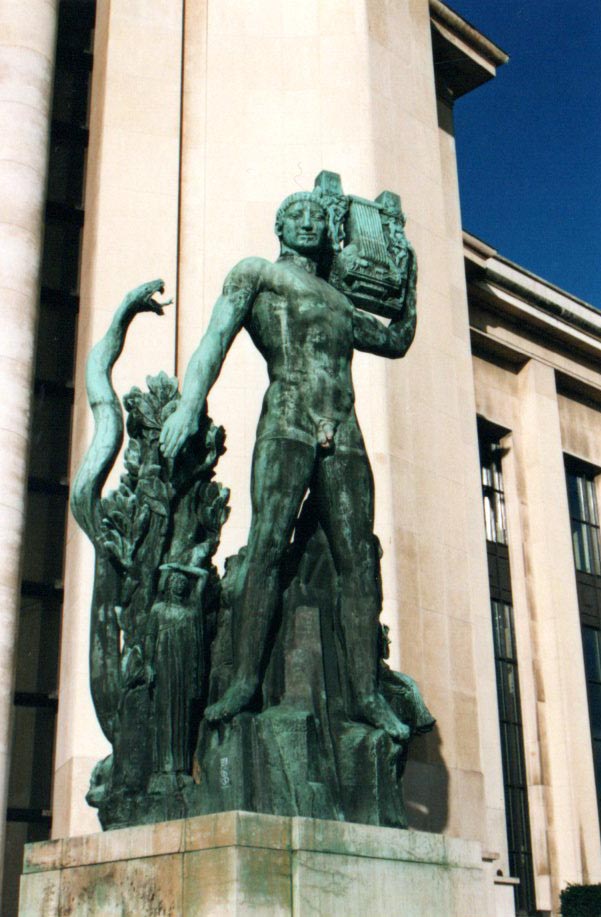
To give Sharon, the girls, and Felipe the ultimate, jaw-dropping first look at Paris's defining icon, we headed straight to the grand terraces of the Palais de Chaillot and the sprawling Trocadéro Gardens. Our path was a masterclass in classic French sculpture, leading us past the powerful bronze statue of a young man wrestling a bull (Jeune homme et taureau) and the monumental, neoclassical stone reliefs of "The Joy of Life" (La Joie de vivre). Finally, standing right beside the contemplative bronze statue of a seated naked man(L'Homme) that gazes directly across the roaring fountains, we witnessed the Eiffel Tower piercing the moody Parisian sky. Framed by these magnificent historic artworks, the sheer scale of the iron lattice structure completely mesmerized the girls, marking the exact moment they realized they were truly, finally standing in the heart of Europe.​
The Eiffel Tower: Fast Facts
  • The Timeline: Constructed in record time between 1887 and 1889 for the World's Fair, it stood as the world's tallest man-made structure for over 40 years.
  • The Iron Lady: Universally known to the French by its affectionate nickname "La dame de fer" (The Iron Lady).
  • The Golden Numbers: The tower stands at a majestic height of 318.7 meters (including its antennas) and boasts a colossal total weight of 10,100 tons.
  • Held by Rivets: The entire architectural masterpiece is held together by an astonishing 2,500,000 individual rivets, each meticulously fitted by a team of brave construction workers.
  • Sparkling Nights: When the sun sets, the tower magically comes alive with the flashing light of 20,000 golden lightbulbs, sparkling for five minutes at the top of every hour.
A Shift in Time: The Eerie Magic of the Eiffel Tower at Night
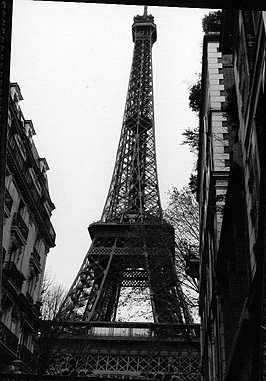
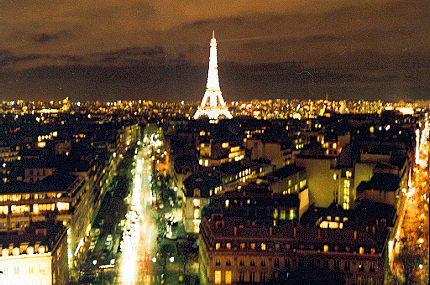
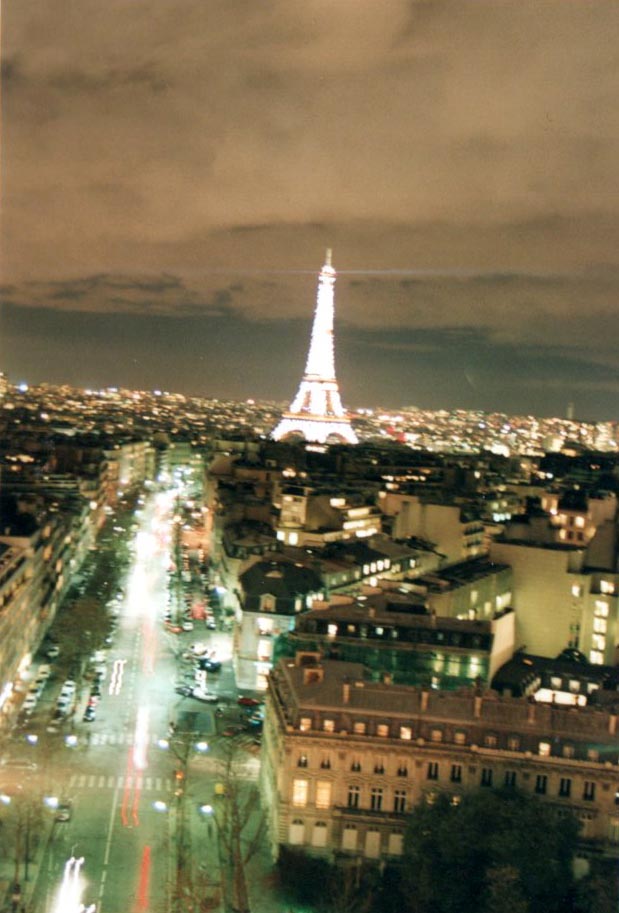
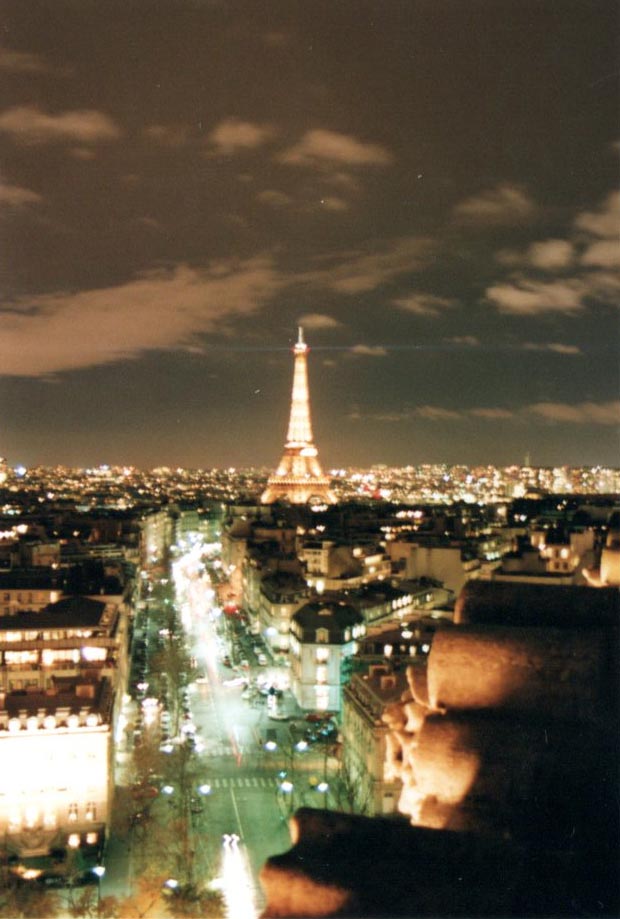
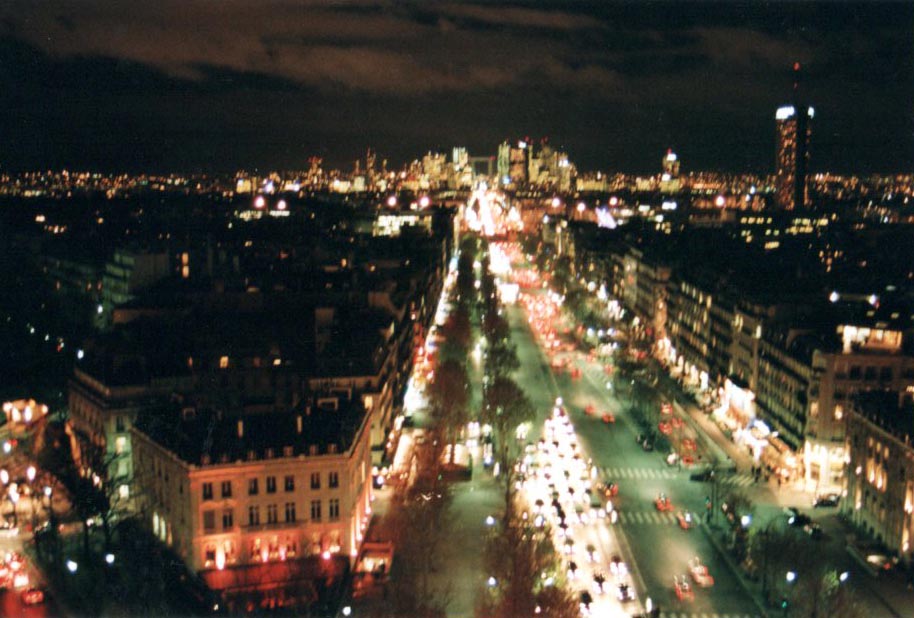
As the Parisian sun dipped below the horizon, the city pulled off its ultimate magic trick, transforming "La dame de fer" into a towering, glowing beacon of pure white light. Standing high above the city traffic, watching the brilliant avenues stretch out like rivers of liquid gold toward the illuminated tower, the view was absolutely mesmerizing. But as I looked out over the glowing skyline with Sharon and the girls, my mind suddenly experienced a profound flash of deja vu. To truly understand my deep connection to this iron giant, we have to flip back the calendar sixteen years. I'm about to throw a twist into this travel log that might confuse you at first, but bear with me: it’s time to blend our 2016 adventure with my very own, nostalgic black-and-white photographs from the year 2000, back when I first conquered the tower's massive iron frame, captured its raw industrial close-ups, and ended the night on a distant, hidden hill watching the city breathe.

Paris Millennium: Stepping into the Black-and-White Archives of 2000
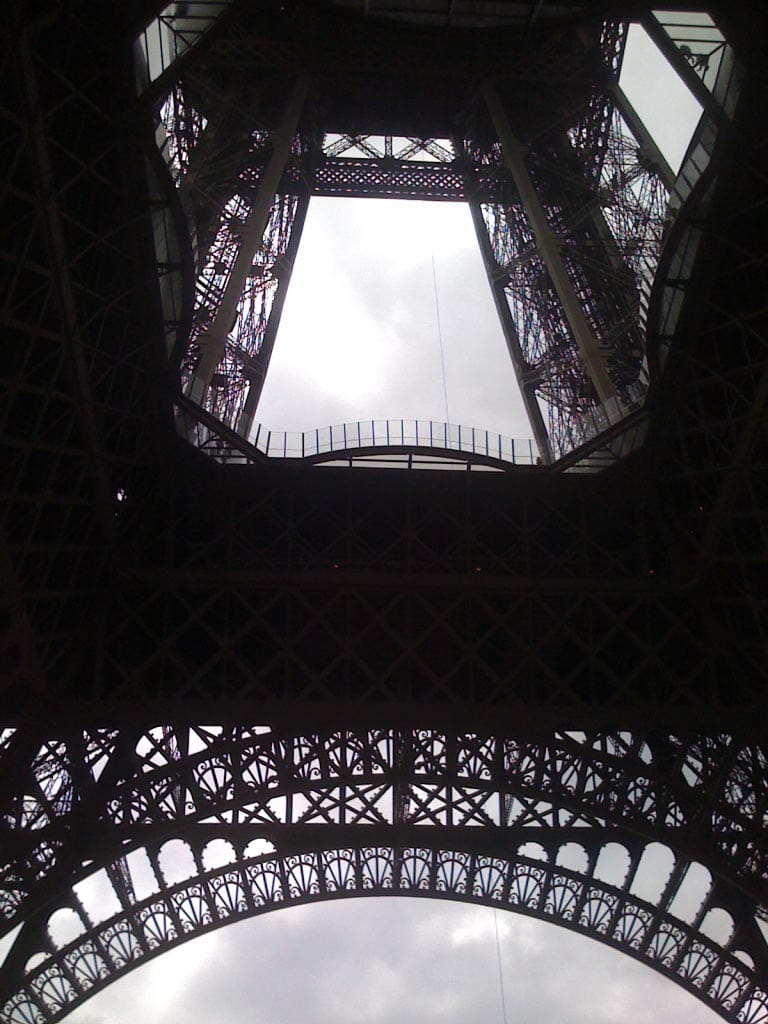
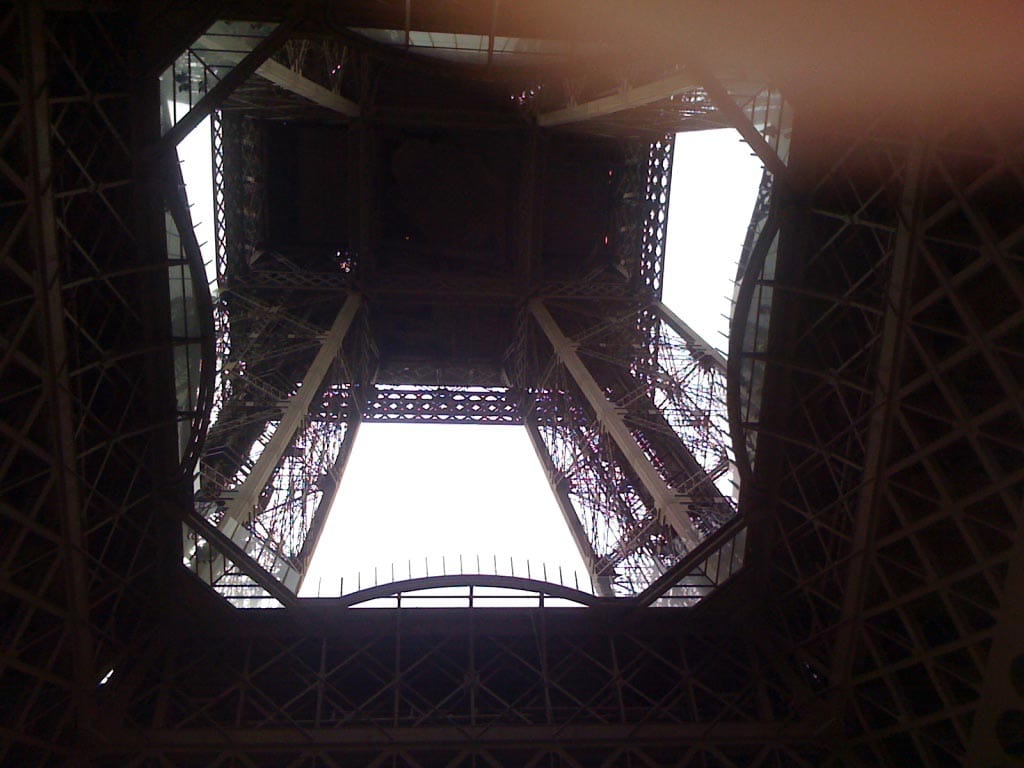
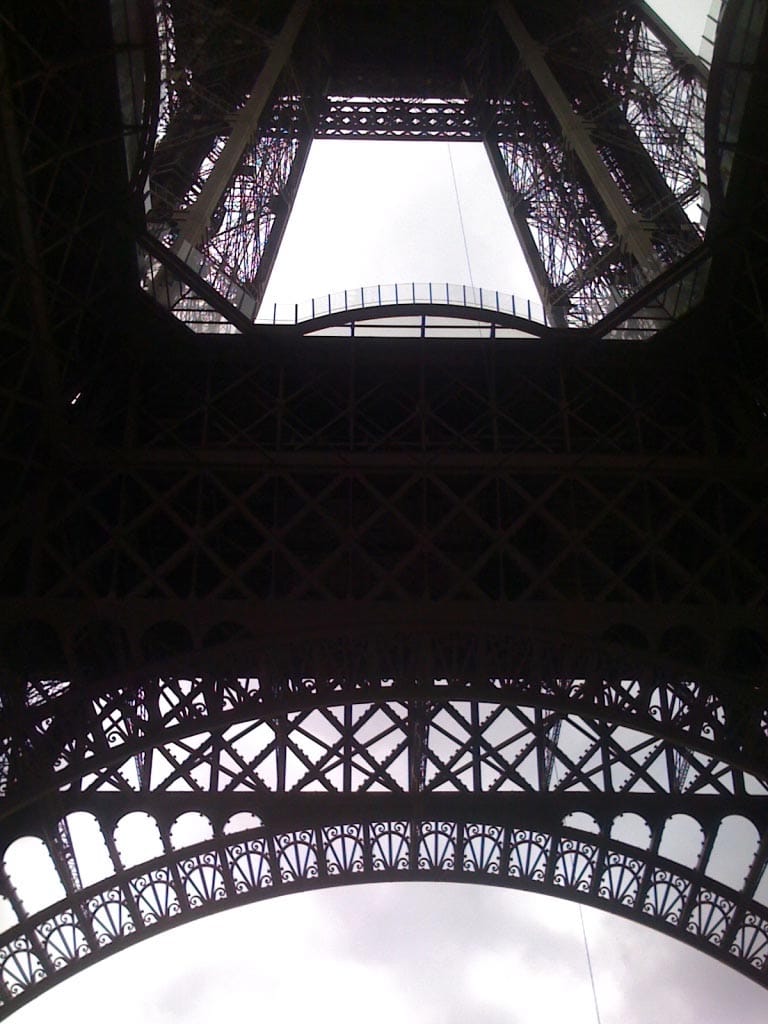
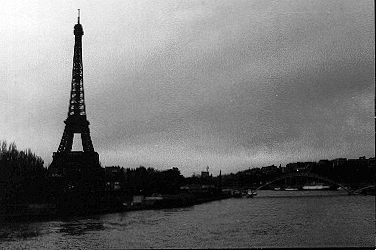
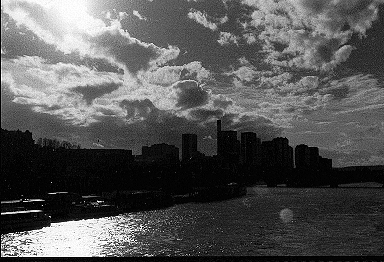
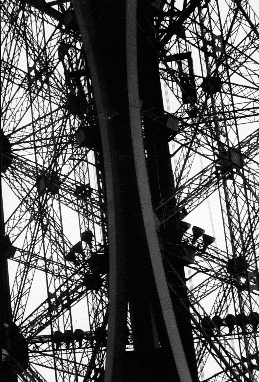
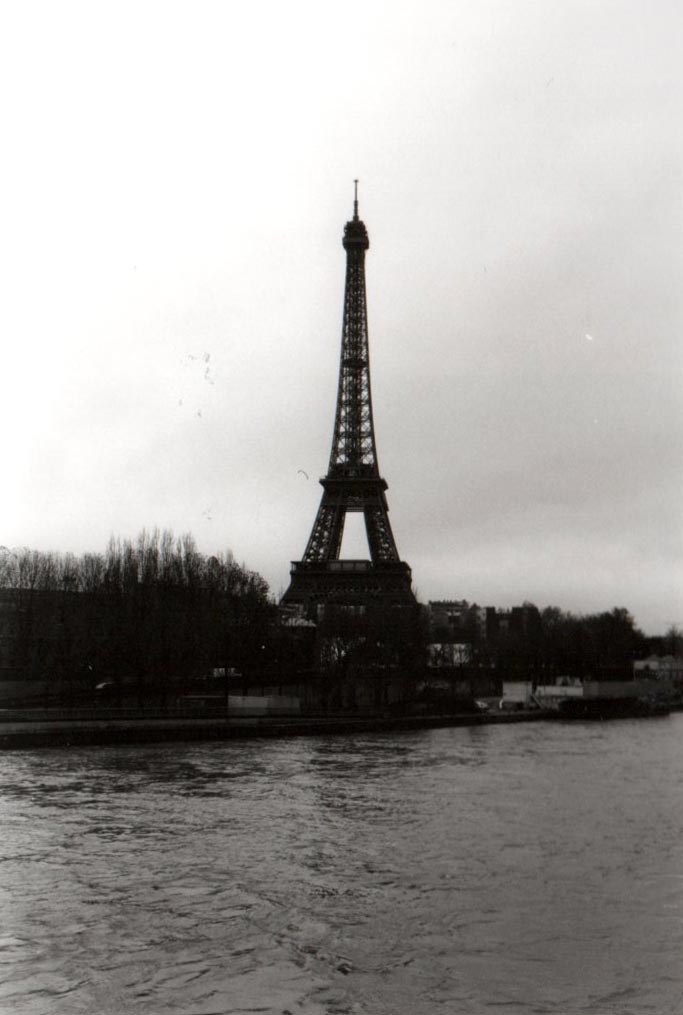
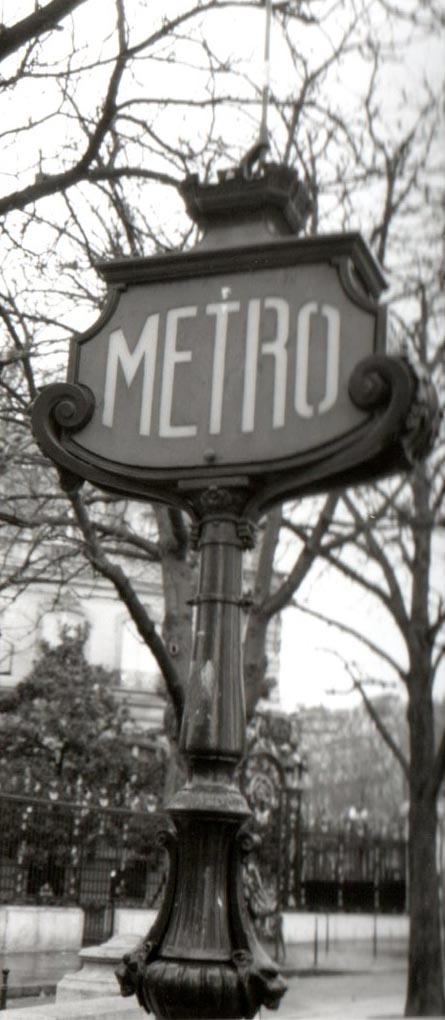
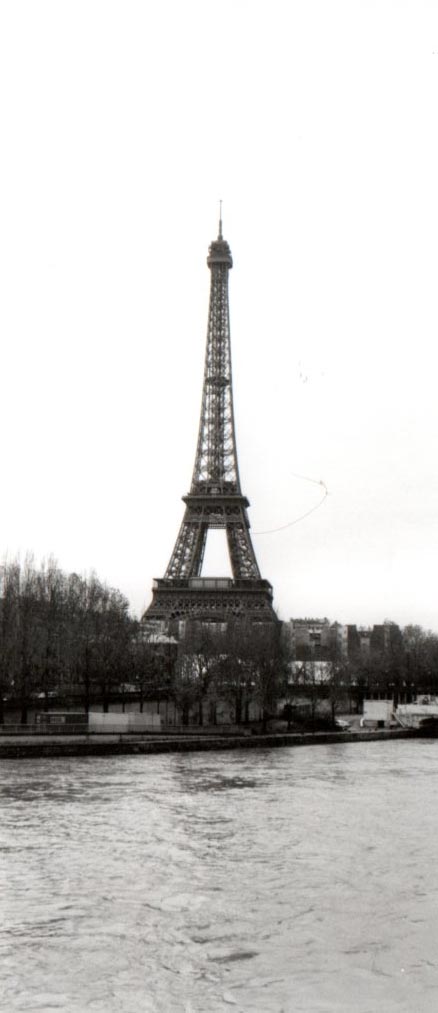
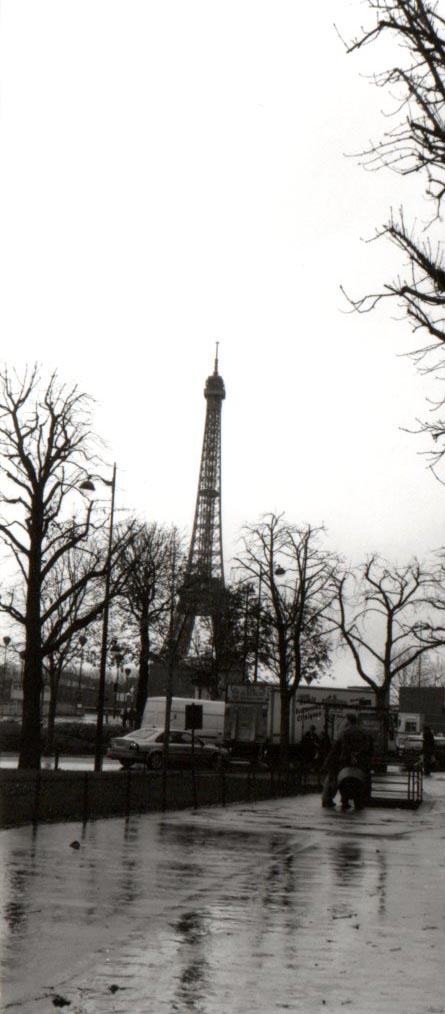
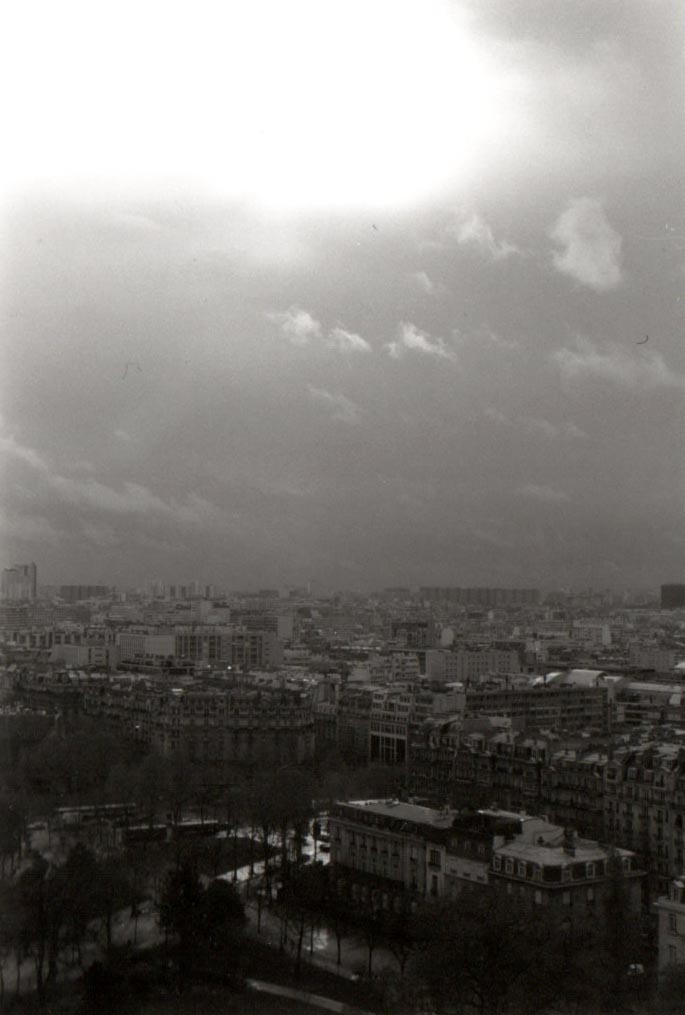
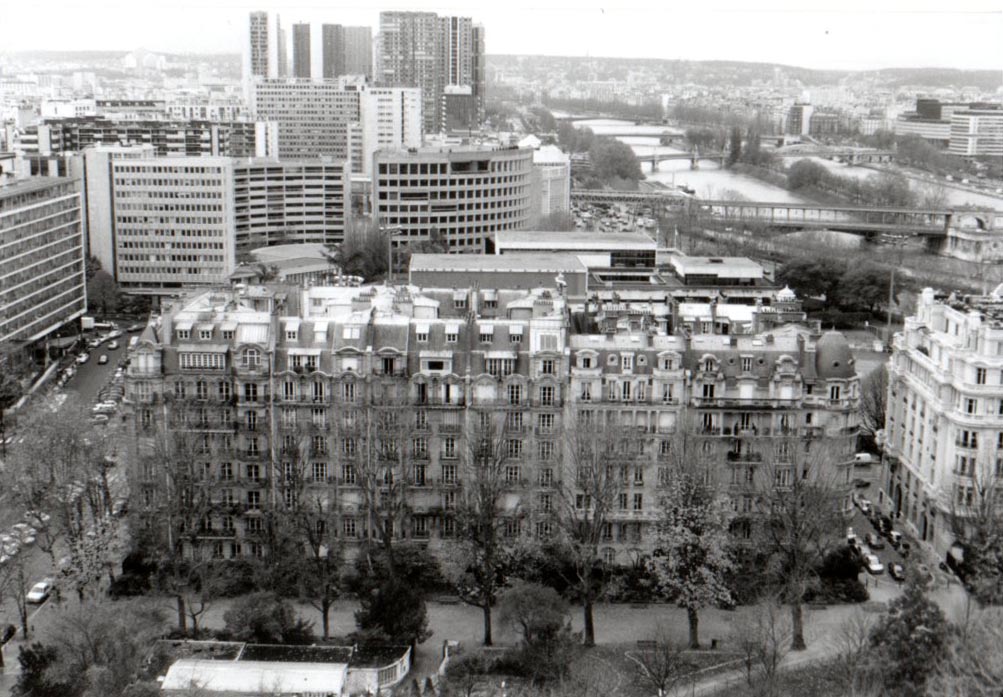
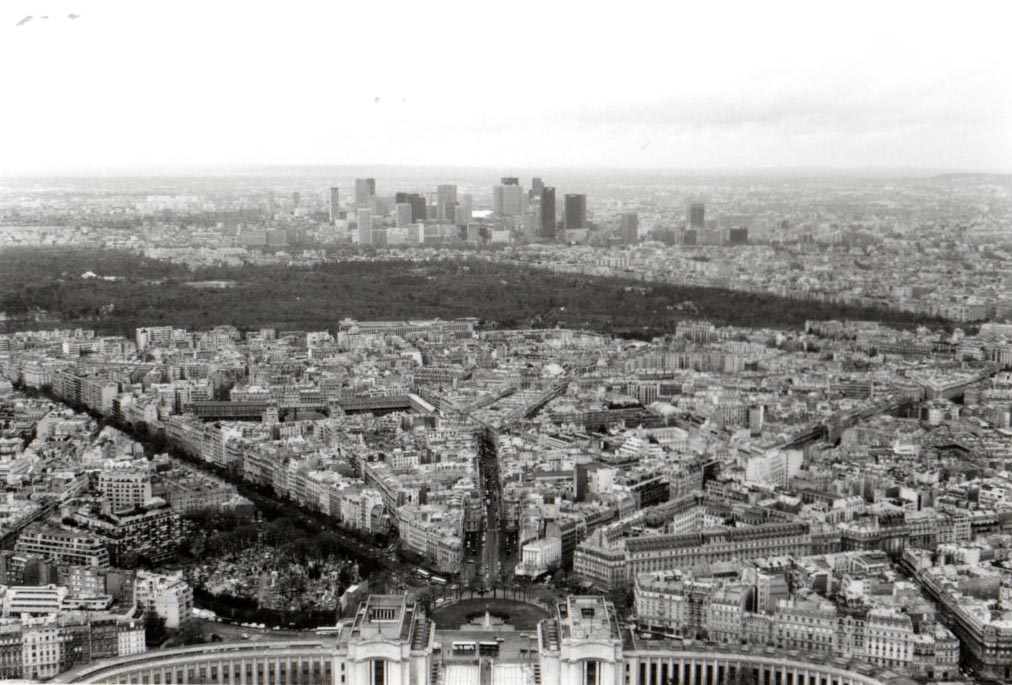
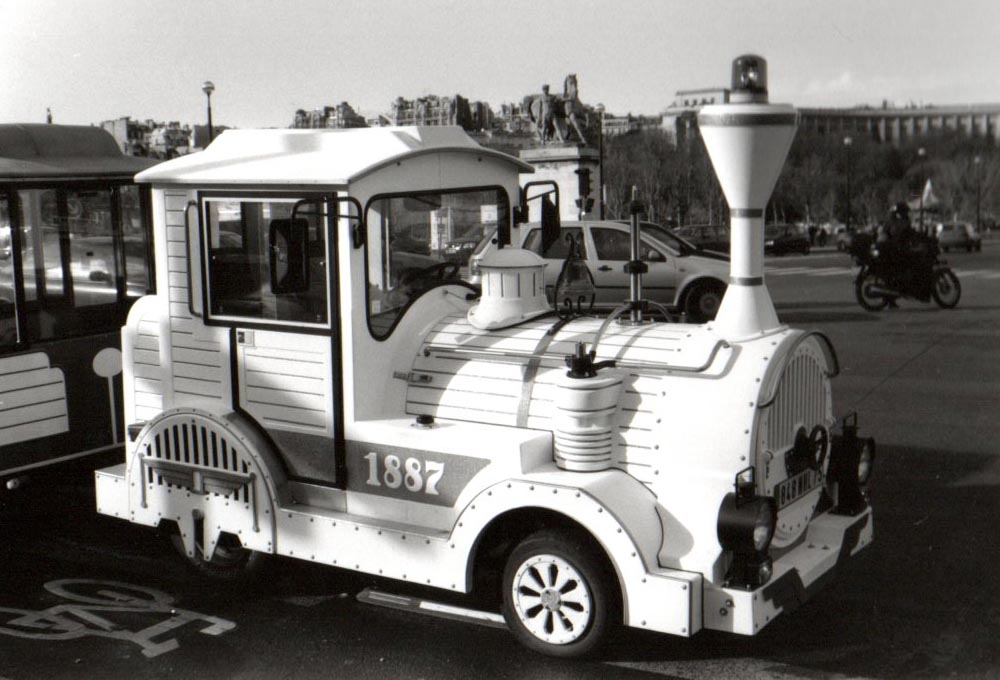
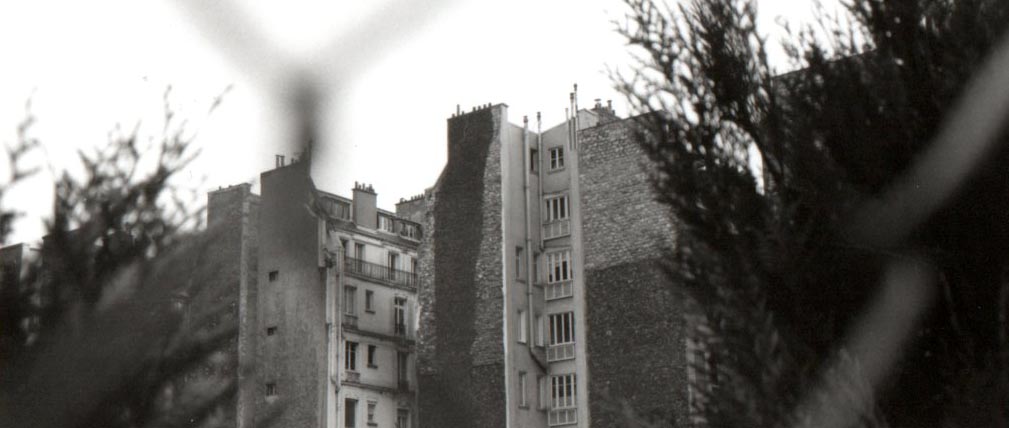
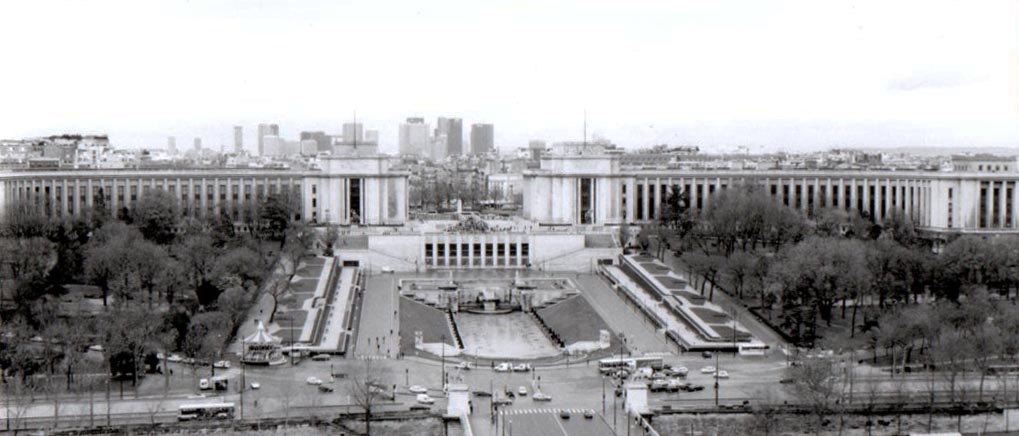
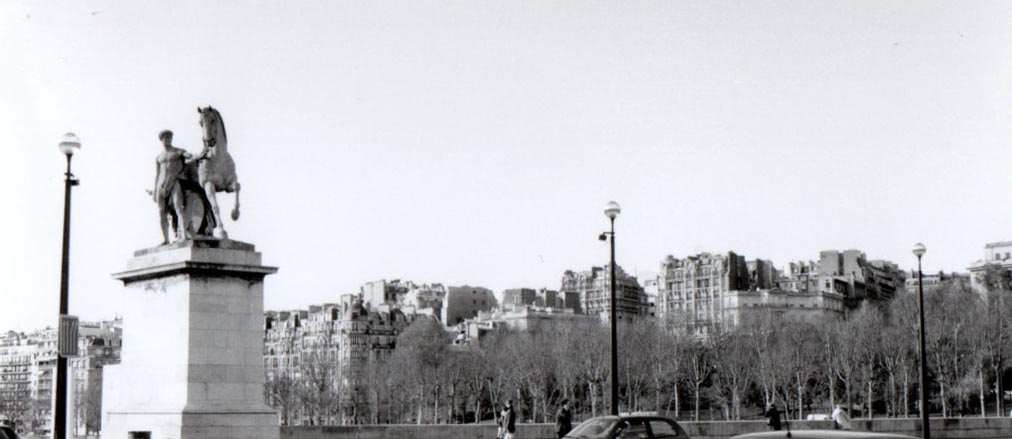
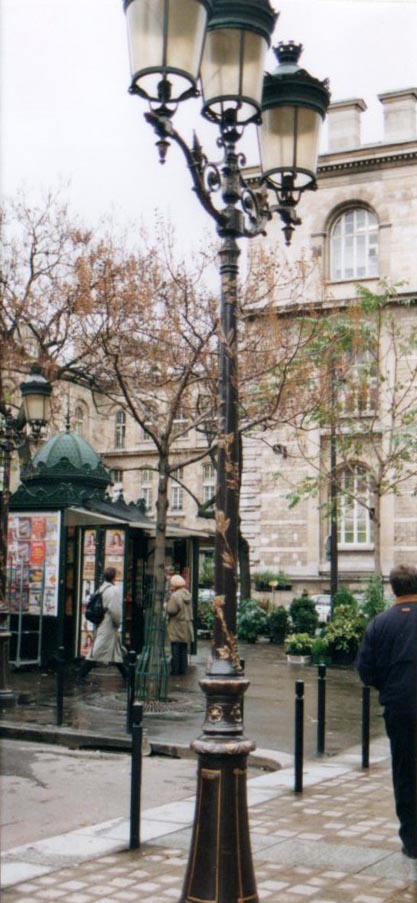
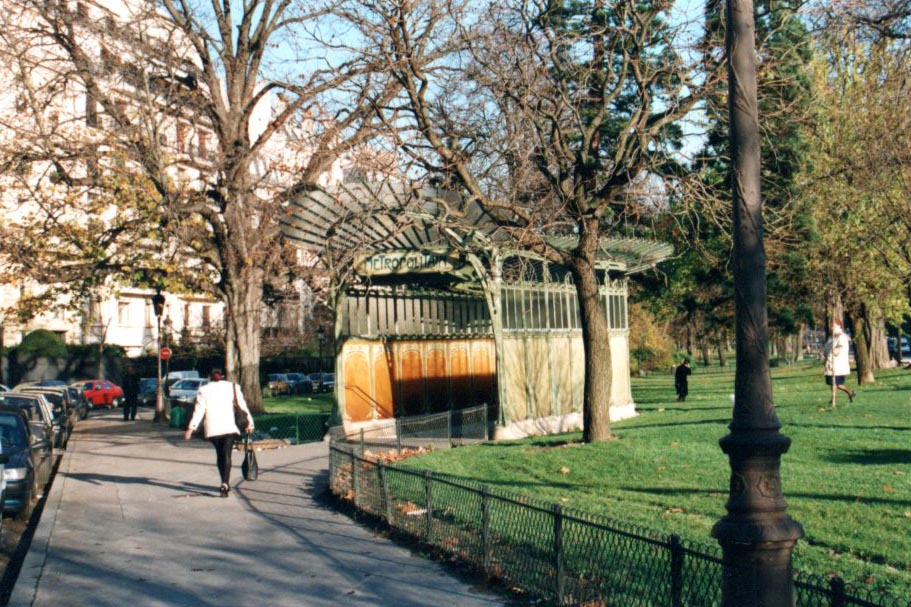
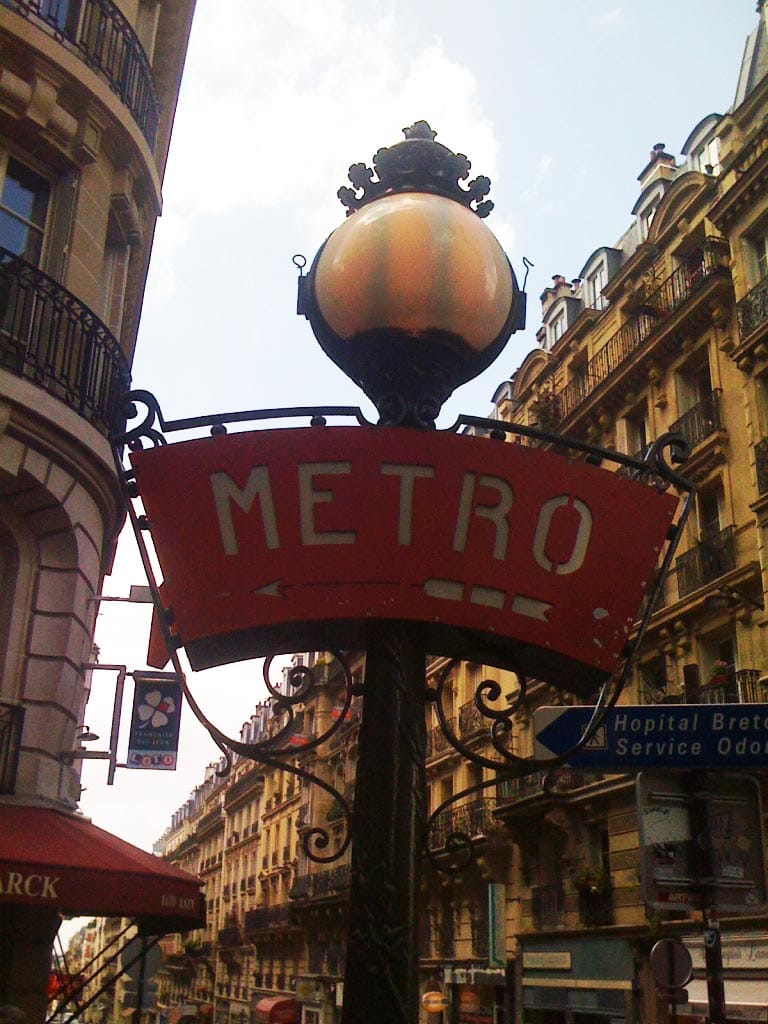
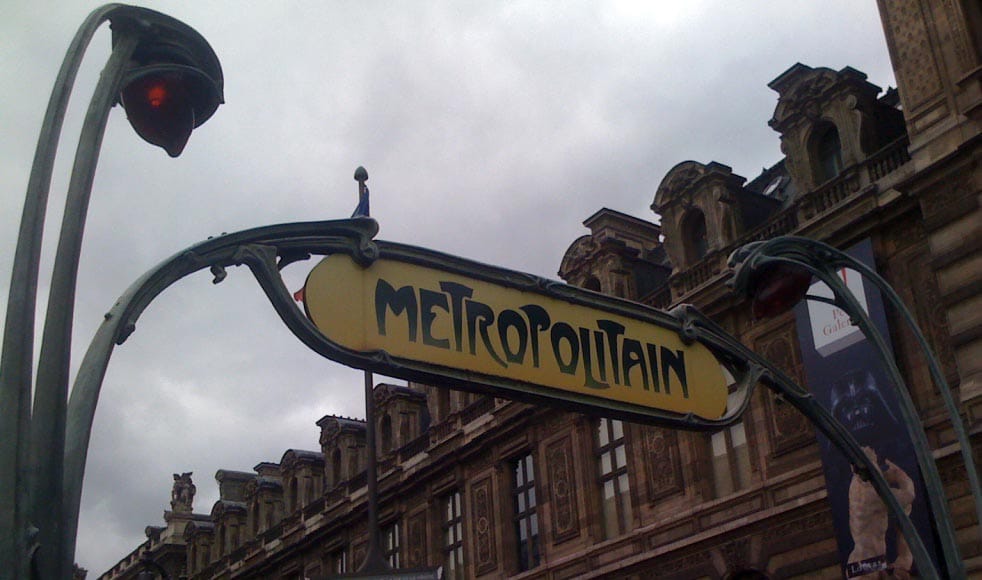
Flipping back the calendar to the dawn of the millennium, my memories of Paris instantly transform into a timeless, cinematic world captured entirely in dramatic black-and-white film. Scaling the dizzying heights of the Eiffel Tower back in 2000, I caught an extraordinary, candid glimpse of a brave maintenance painter balanced precariously inside the massive iron framework with nothing but a safety harness and a tin of paint, perfectly showcasing the relentless human grit required to keep "La dame de fer" pristine. Gaining the high observation deck, I was treated to a breathtaking, panoramic view of the sprawling capital, looking past the grand wings of the Palais de Chaillot and down the wide, sweeping avenues all the way to the distant, towering skyscrapers of the modern La Défense financial district. Back down on the historic pavements, the city's nostalgic charm followed me at every turn, from a classic, ornate cast-iron Art Nouveau Metro sign rising elegantly against the bare winter trees to a beautifully detailed Morris column that uniquely integrated a public telephone booth right into its historic structure.
Picture
Picture
Picture
Picture
The Analog Choice: Colors, Chestnuts, and Quirky Windows
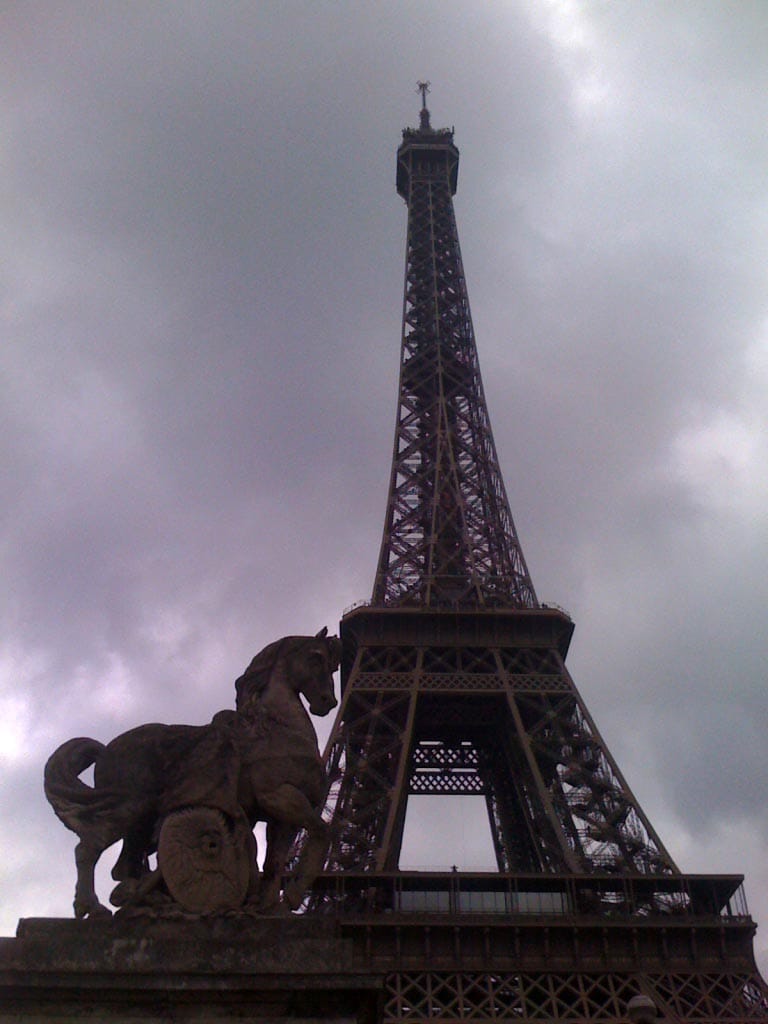
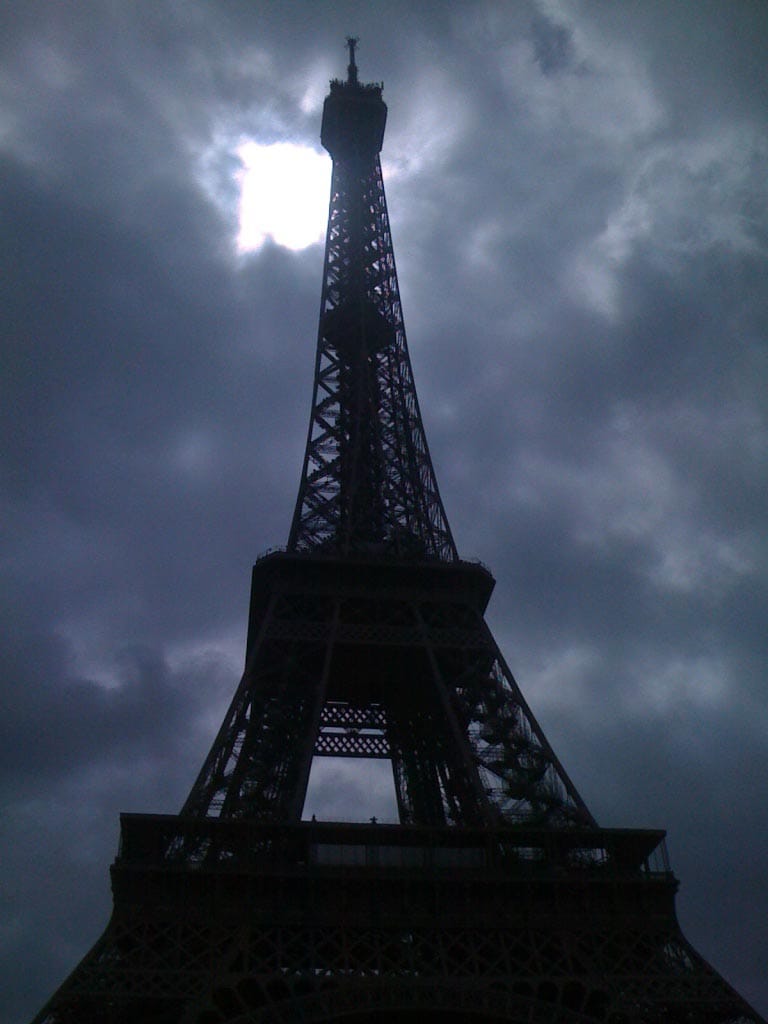
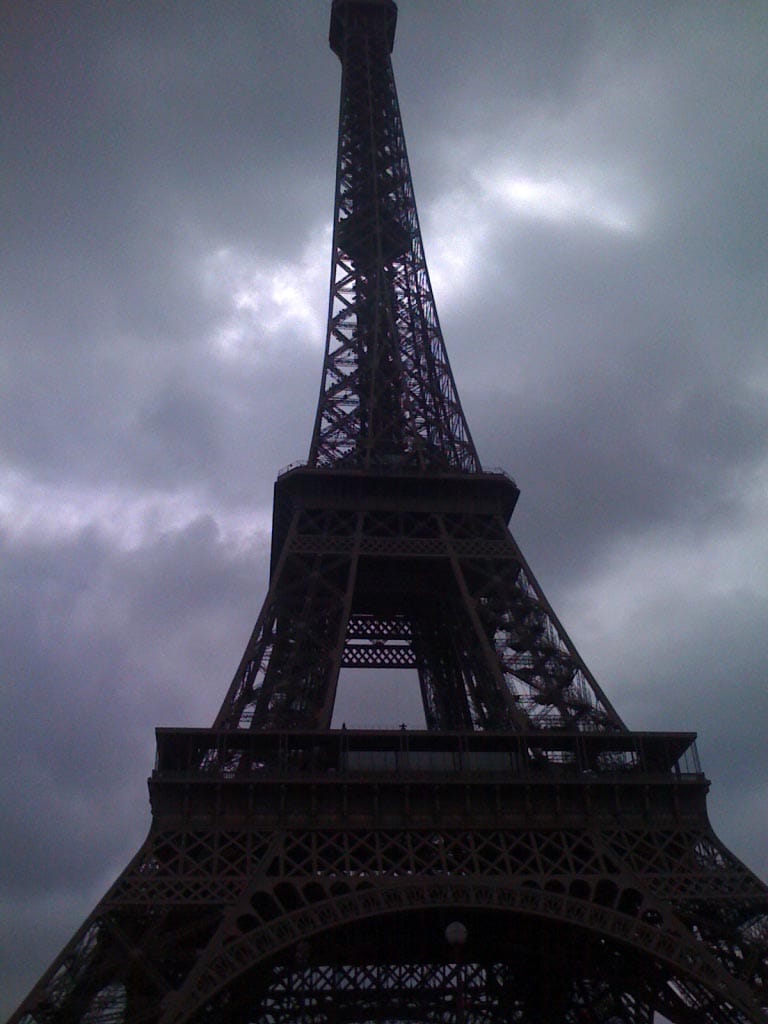
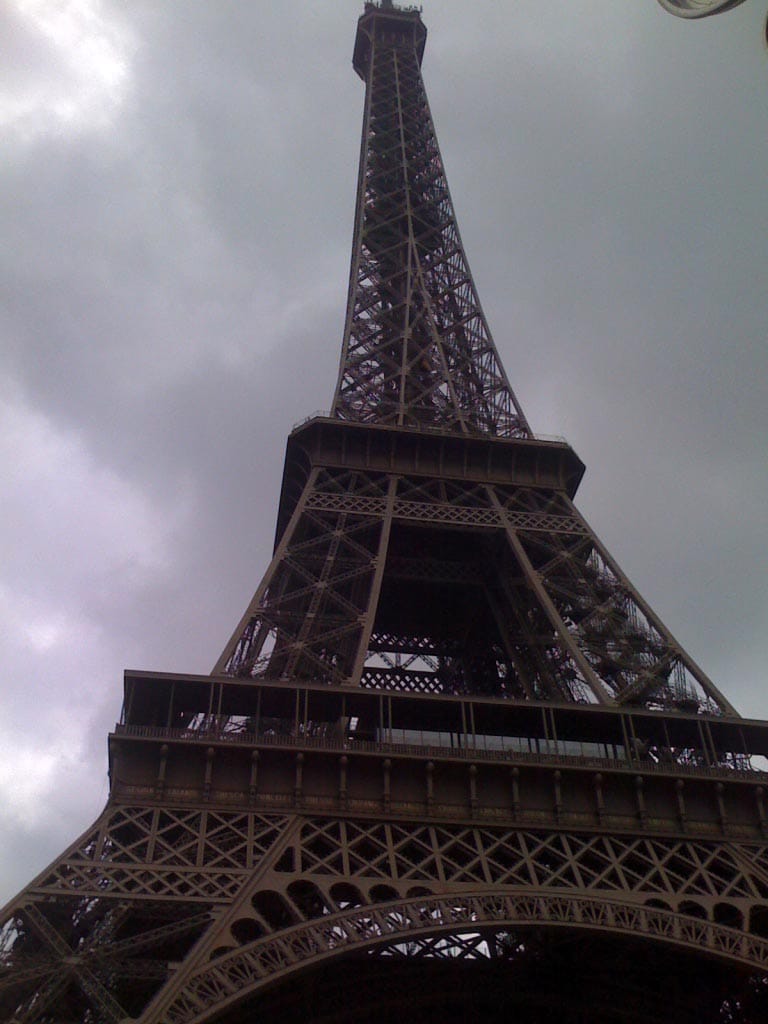
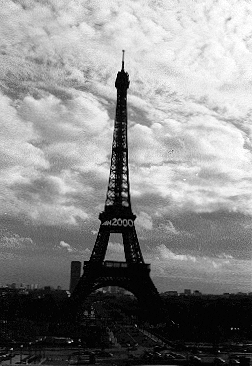
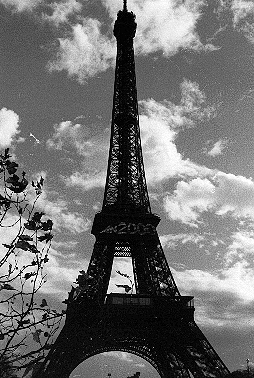
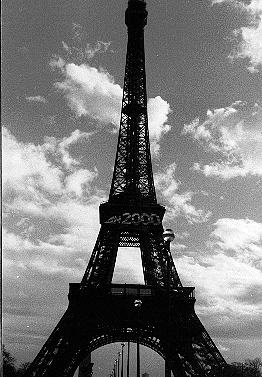
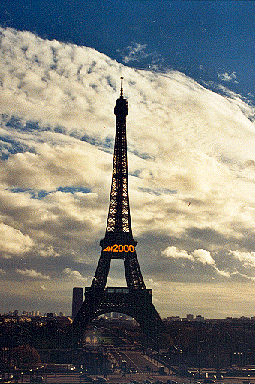
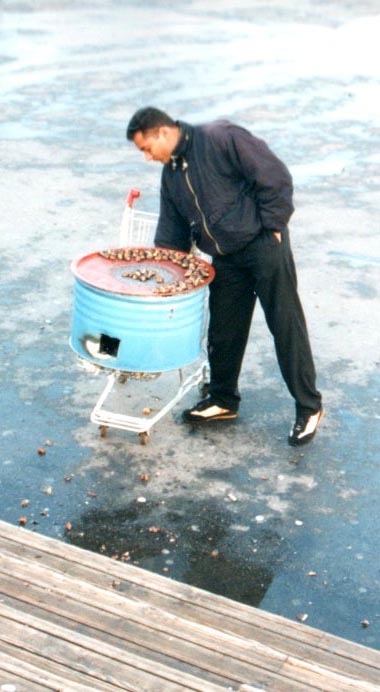
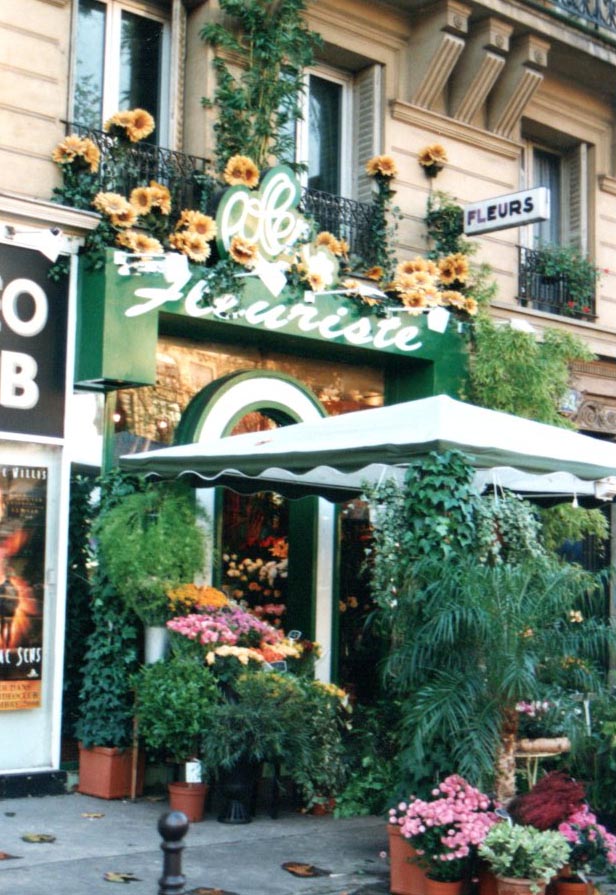
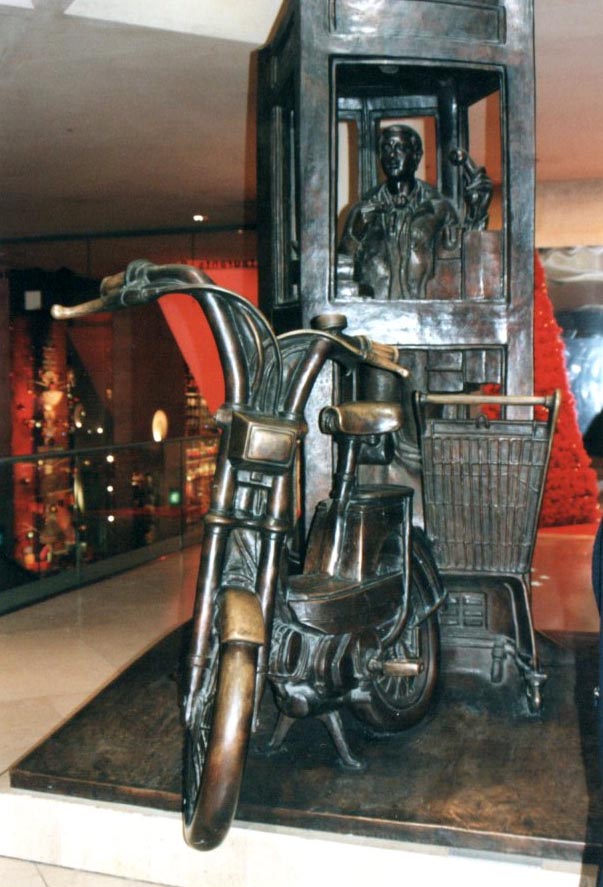
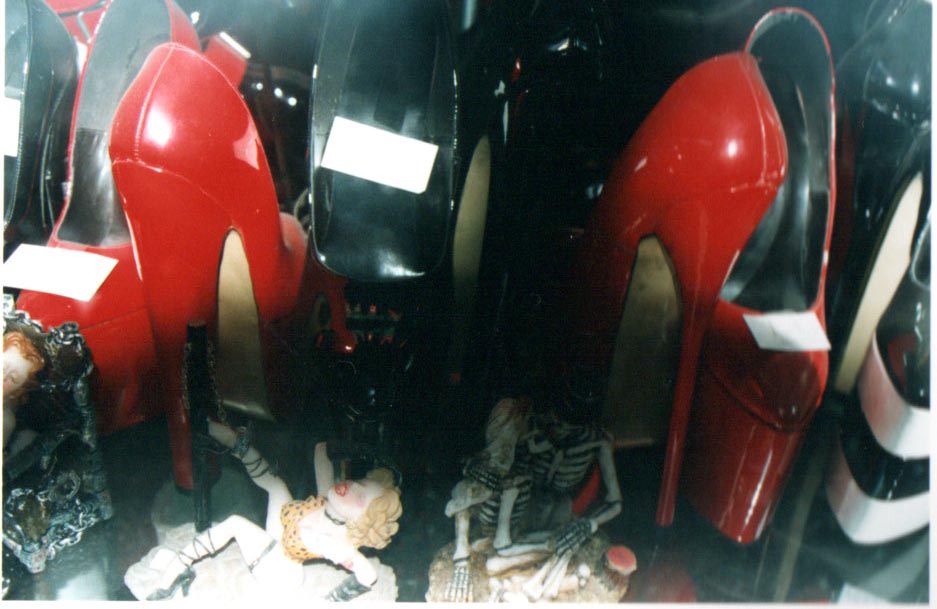
Choosing between black-and-white or color film was the ultimate photographer’s dilemma back in 2000, but loading that roll of color film rewarded me with the beautifully warm, grainy textures of Parisian everyday life. Standing before the Eiffel Tower under a dramatic sky, my lens caught the iconic neon sign "An 2000"glowing brightly from its lower platform, a legendary millennium countdown that felt electric in the crisp air. Ducking into the side streets, the sensory overload continued as a local street vendor roasted hot chestnuts over a crackling fire built into a makeshift blue oil barrel mounted onto a shopping cart. The city’s vibrant romance popped in every corner, leading me past a charming neighborhood fleuriste bursting with bright yellow sunflowers on the balconies, before taking a sharp turn into Paris’s eccentric nightlife districts where store windows flaunted glossy red, towering platform heels right next to kissing skeleton figurines. Our grand millennium stroll wrapped up with a final nod to the city’s artistic ironies, pausing before a brilliant bronze statue depicting a man talking inside a phone booth with a moped and a shopping cart parked out front—a hilarious artistic mirror to the very real, wonderful street culture we had just captured on film.
The Last Analogue Memories: Botanic Bets and Floating Homes
Before snapping our lenses shut on the year 2000 and launching right back into our 2016 family adventure, we spent our final hours capturing the serene, hidden edges of Paris where nature and architecture softly collide. We escaped the concrete pavements to wander through the breathtaking greenery of the Parc de Bagatelle, a stunning botanical oasis born from a legendary 1775 high-stakes bet between Queen Marie-Antoinette and her brother-in-law, who miraculously built the entire chateau and its romantic landscapes in just 64 days.
Rose Gardens and River Homes: Saying Goodbye to the Millennium
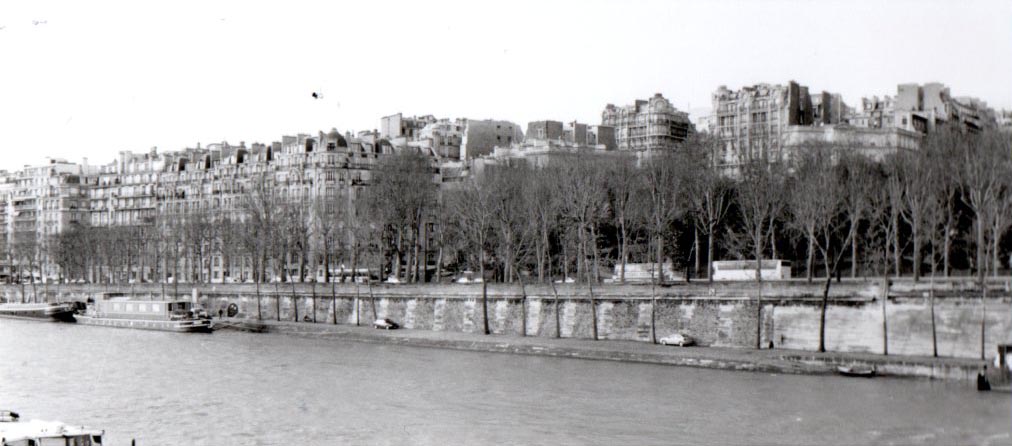
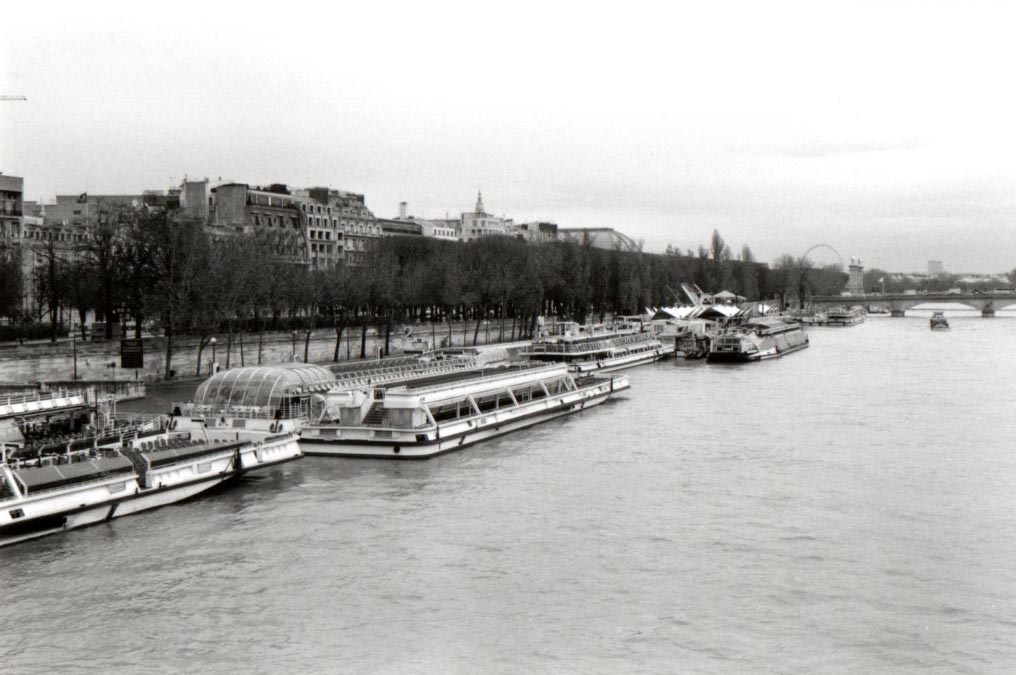
Our historic countdown finally concluded right at the edge of the softly flowing River Seine, where we stood watching the city's iconic, permanently moored péniches sway gently against the currents. These legendary, historic houseboats—converted from old-school industrial shipping barges into spectacular, floating private residences—offered us a glimpse into a uniquely romantic, bohemian way of life where cozy rooftop decks are decorated with potted plants and string lights right in the shadow of the city's grand stone bridges.
We said a final, nostalgic goodbye to the dawn of the millennium, ready to fast-forward sixteen years to rejoin Sharon and the girls for the rest of our grand Parisian reunion.

Picture
Picture
Picture


​Notre-Dame de Paris
Picture
Shadows of the Cathedral: Exploring Notre-Dame and the Bridges of Love
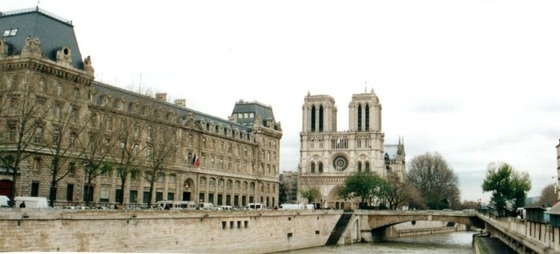
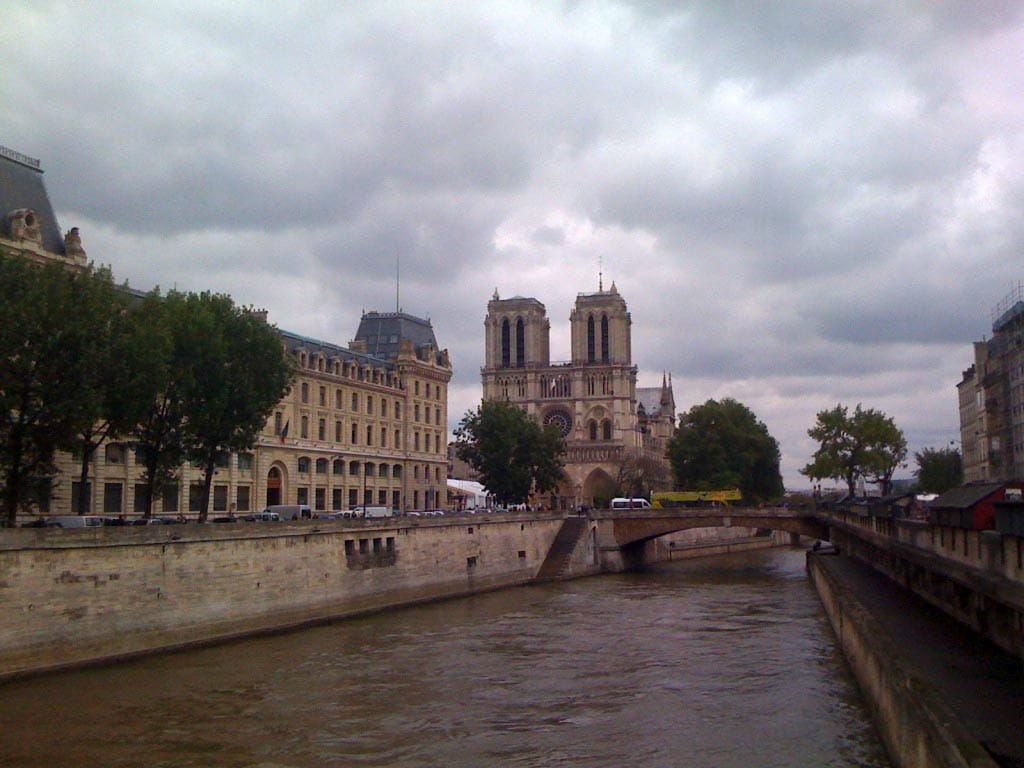
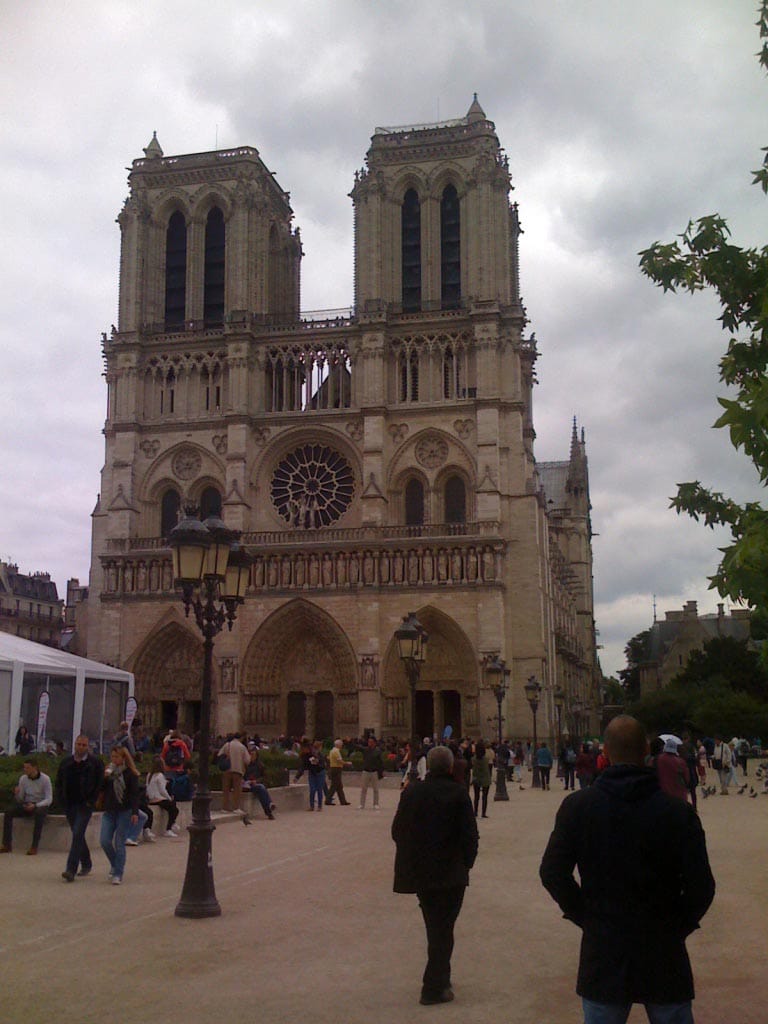
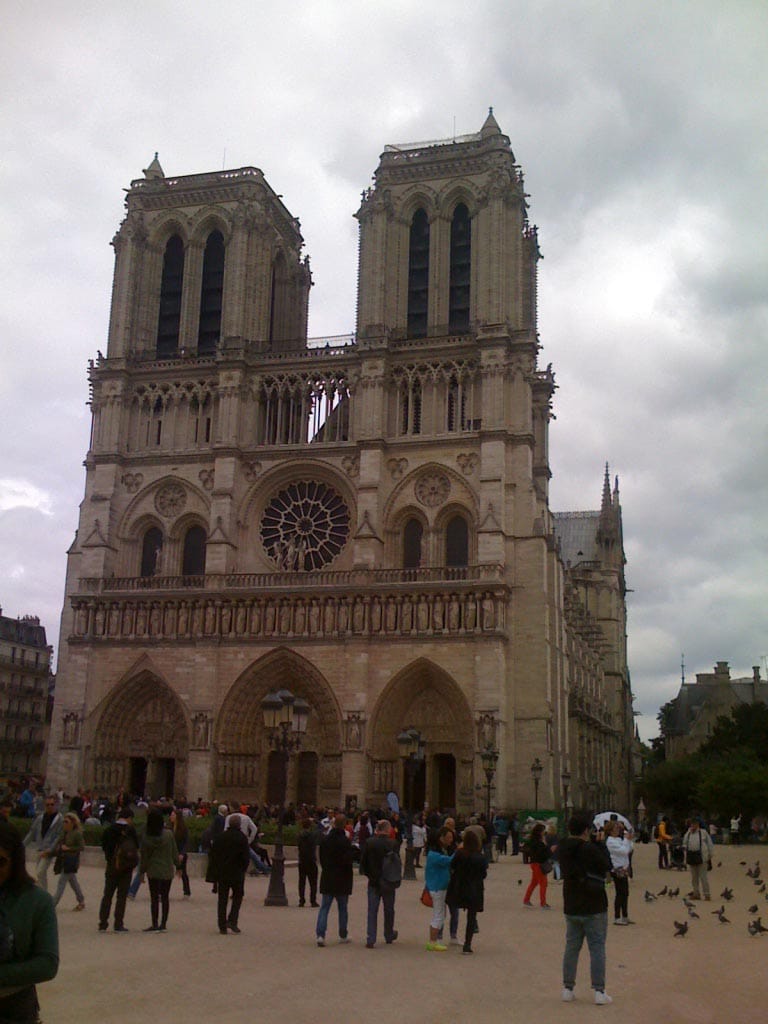
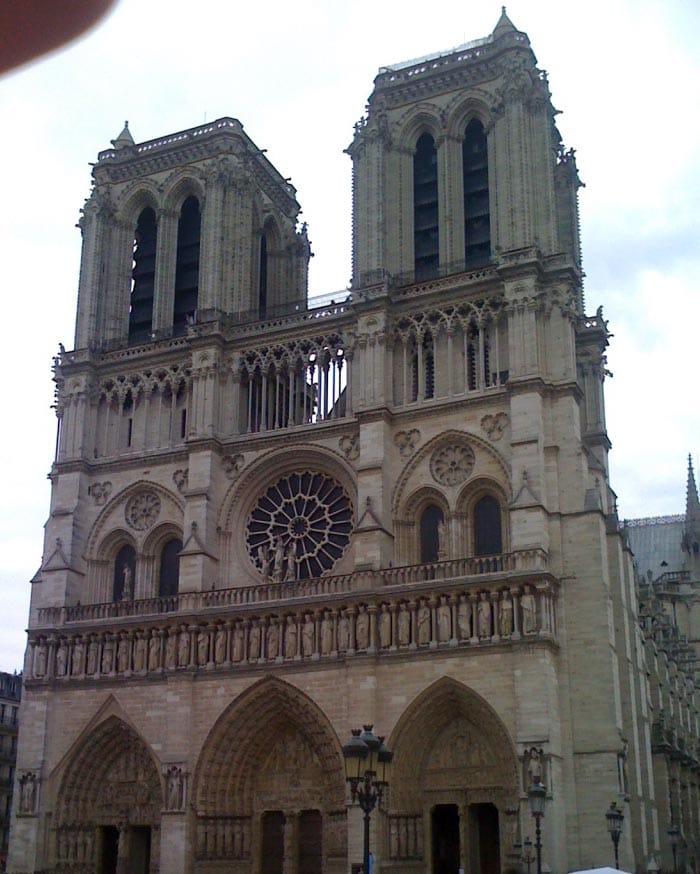
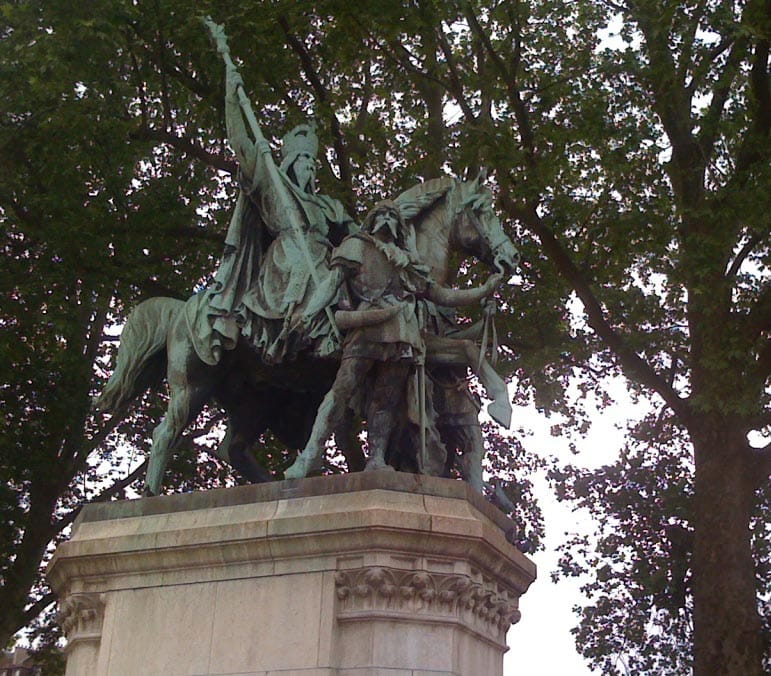
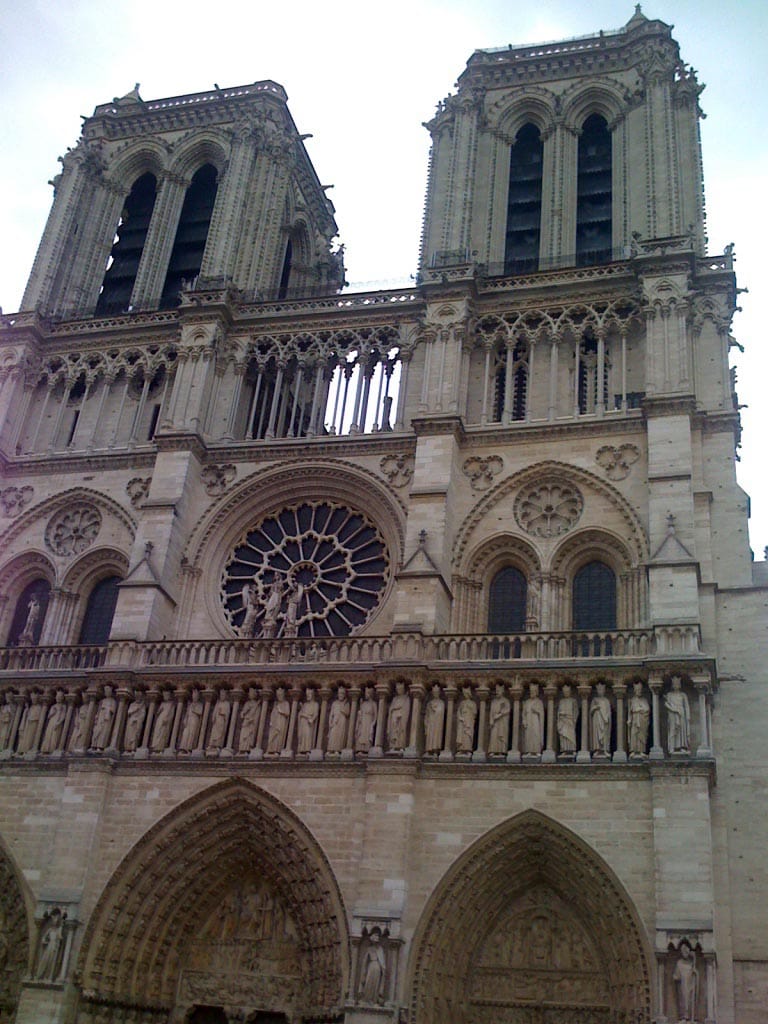
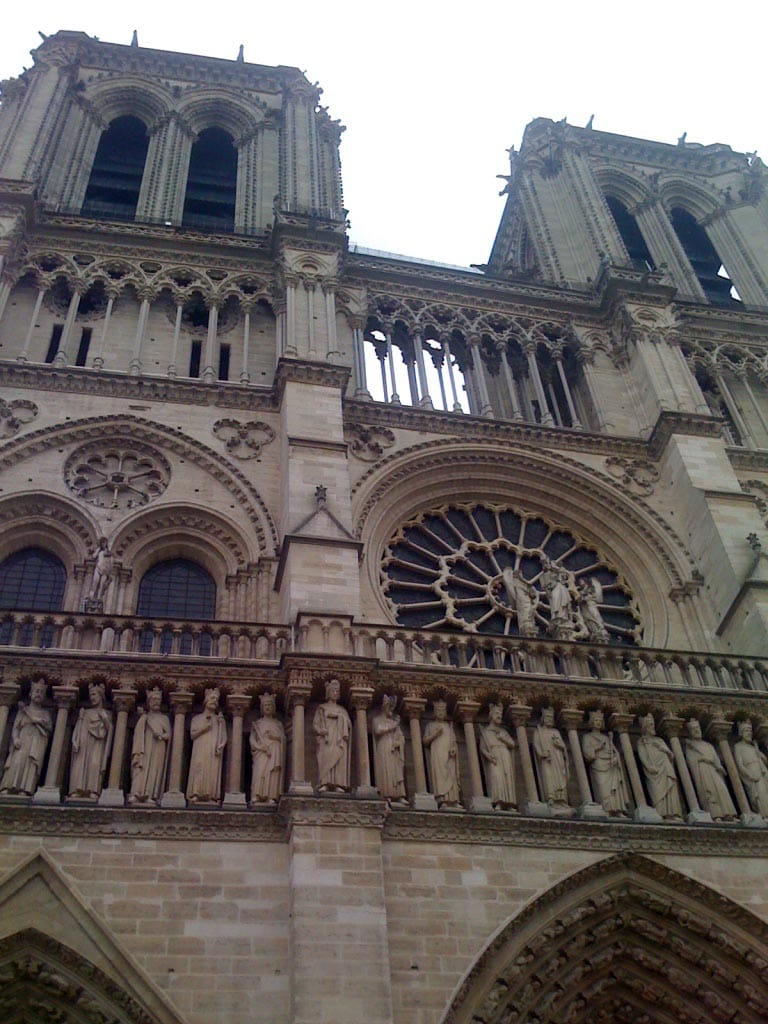
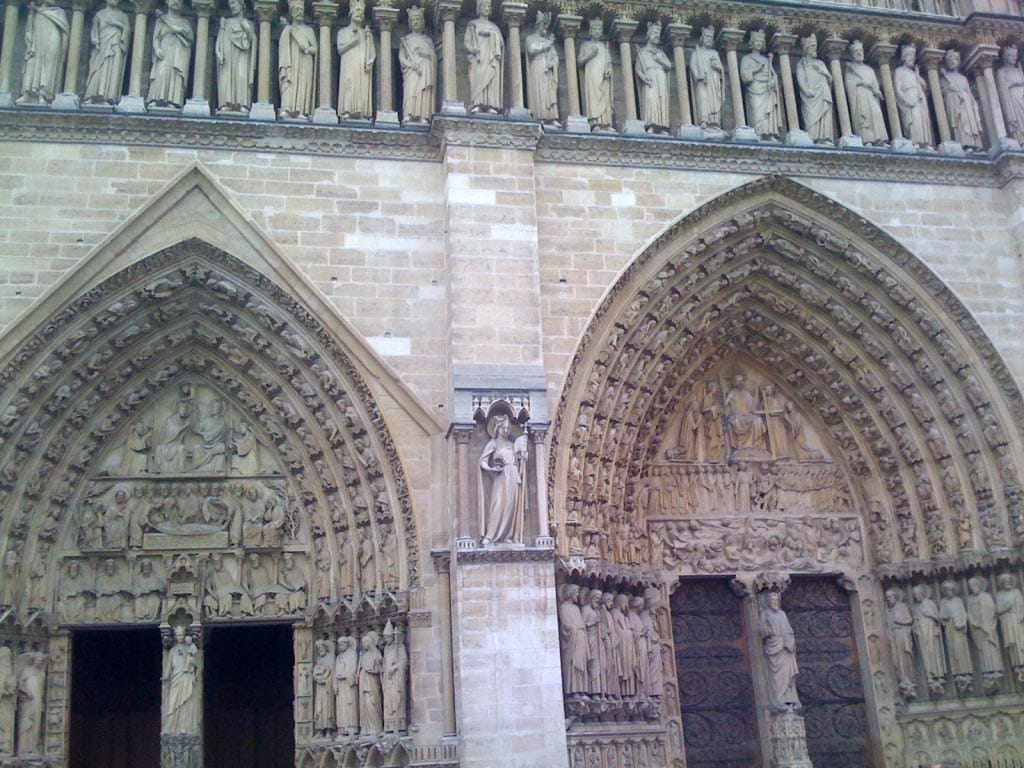
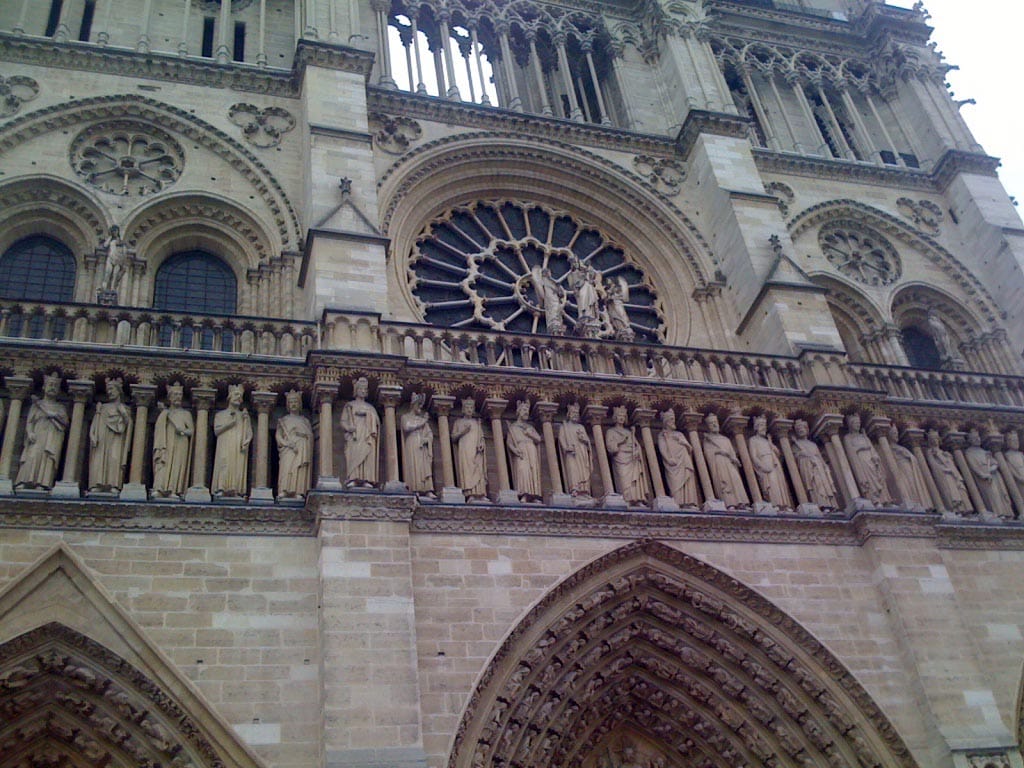
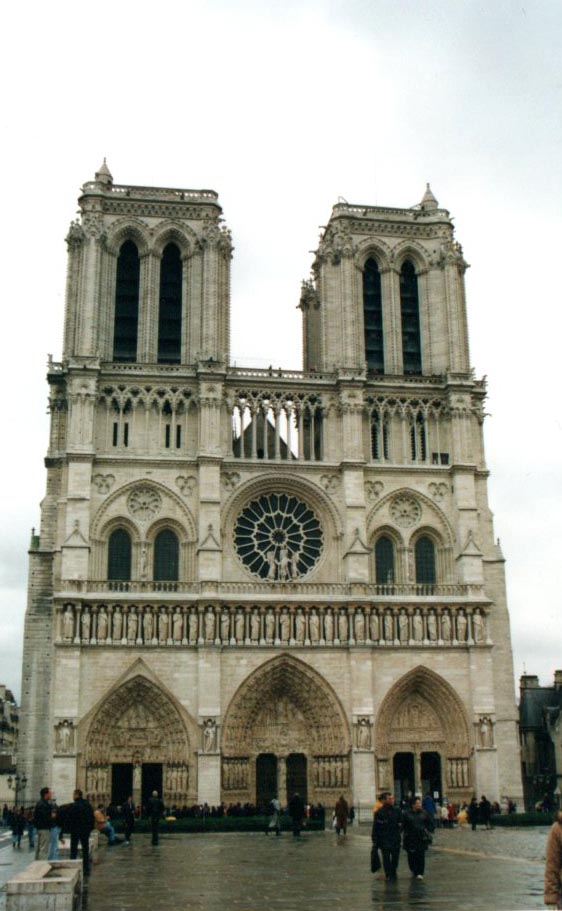
Stepping out for our special mother-son day in 2016, Felipe and I headed straight to the Île de la Cité to stand before the majestic towers of Notre-Dame de Paris, completely unaware of how incredibly precious this moment would become just three years later. Standing on the historic cobblestones, we looked up at one of the world's finest examples of French Gothic architecture, a legendary masterpiece whose construction spanned nearly two centuries from 1163 to 1345 and which famously survived the French Revolution to inspire Victor Hugo's timeless tale of the Hunchback. We were completely spellbound by the building's intricate facade, marveling at the towering 69-meter twin towers, the iconic gargoyles designed to drain rainwater while scaring away evil spirits, and the breathtaking, circular Rose Windows that have filtered colorful light into the massive nave for hundreds of years, making us feel profoundly lucky to experience this architectural giant in its original, untouched glory.
Echoes of History: Finding Love and Legends in the Heart of Paris
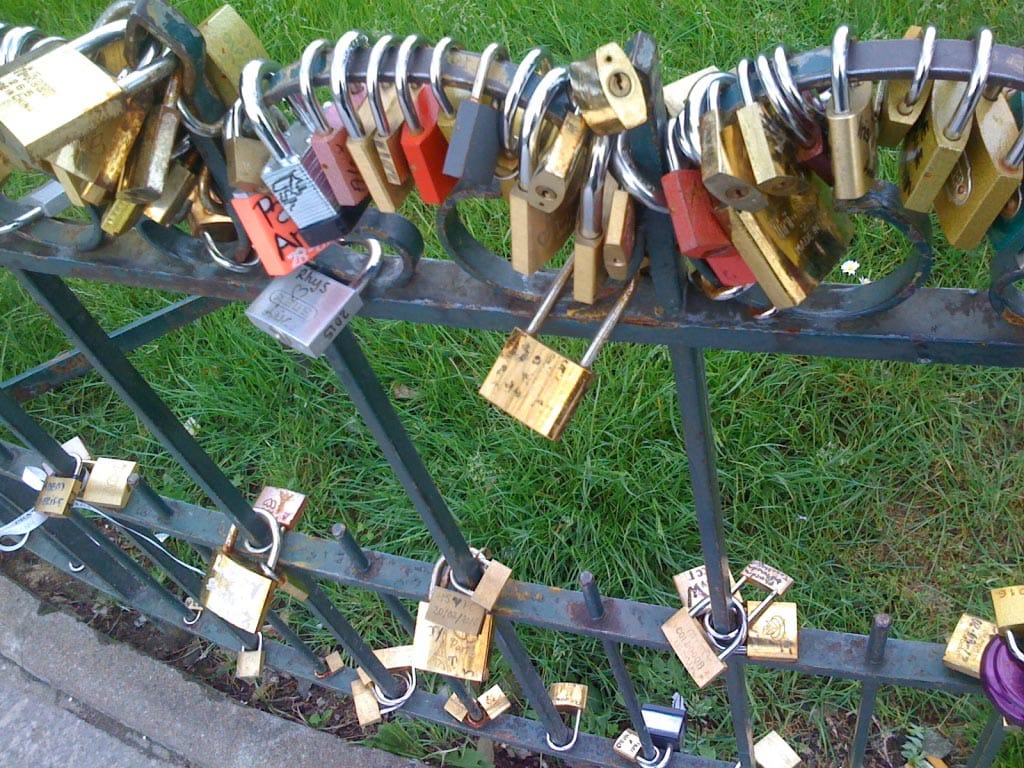
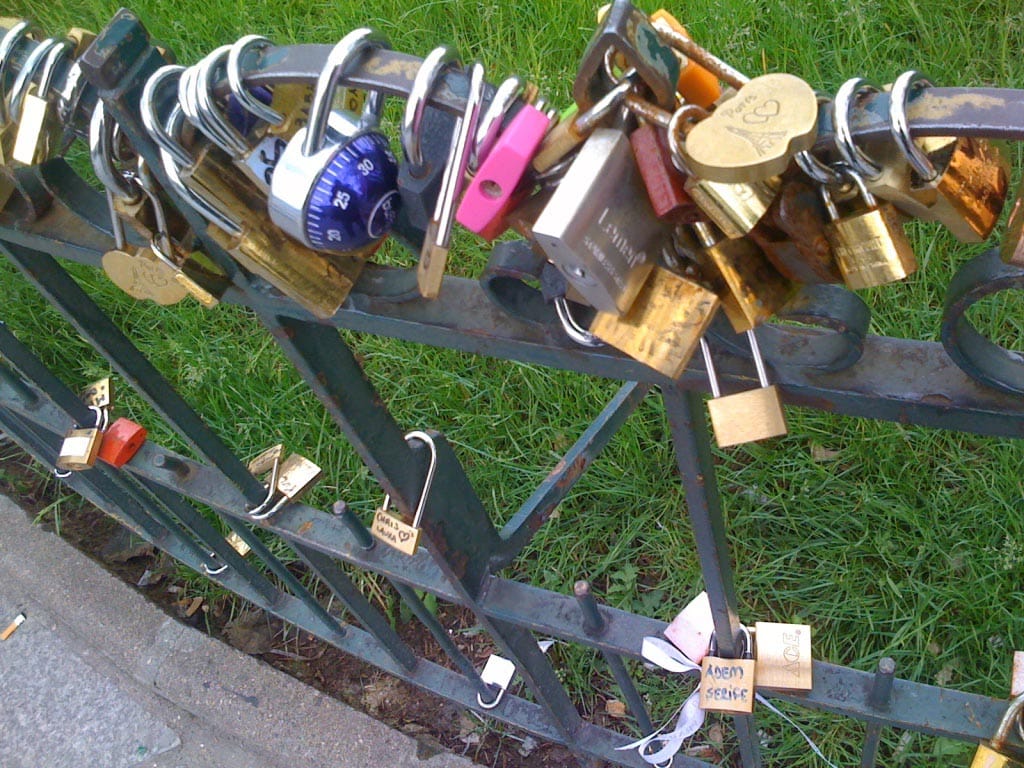
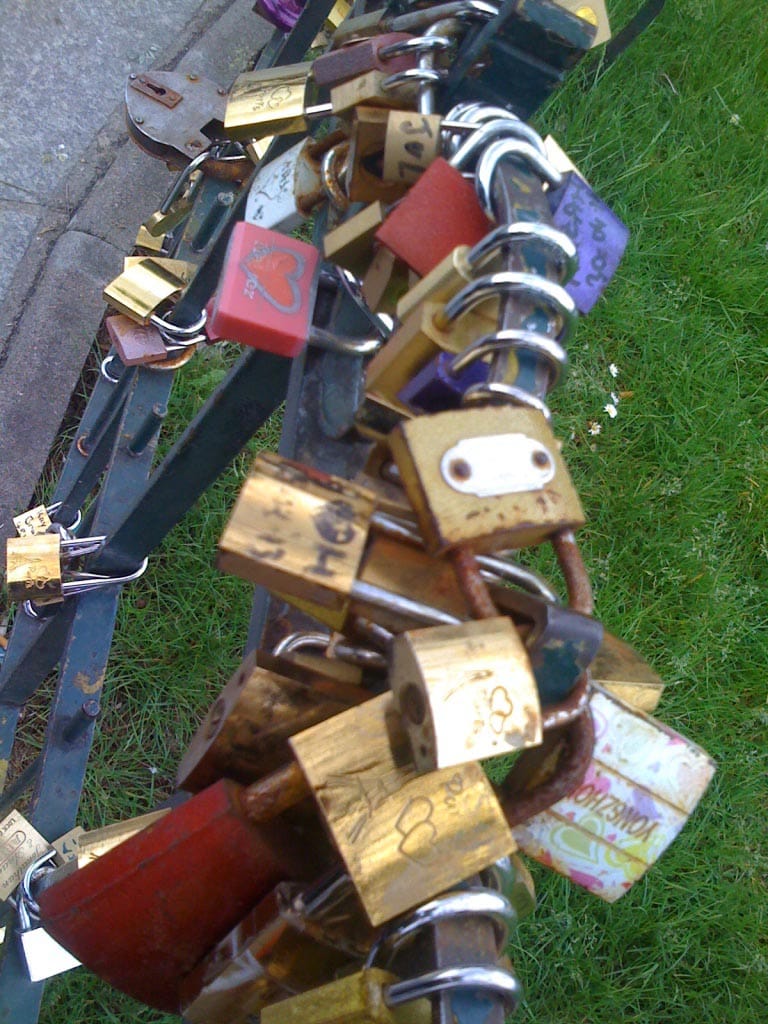
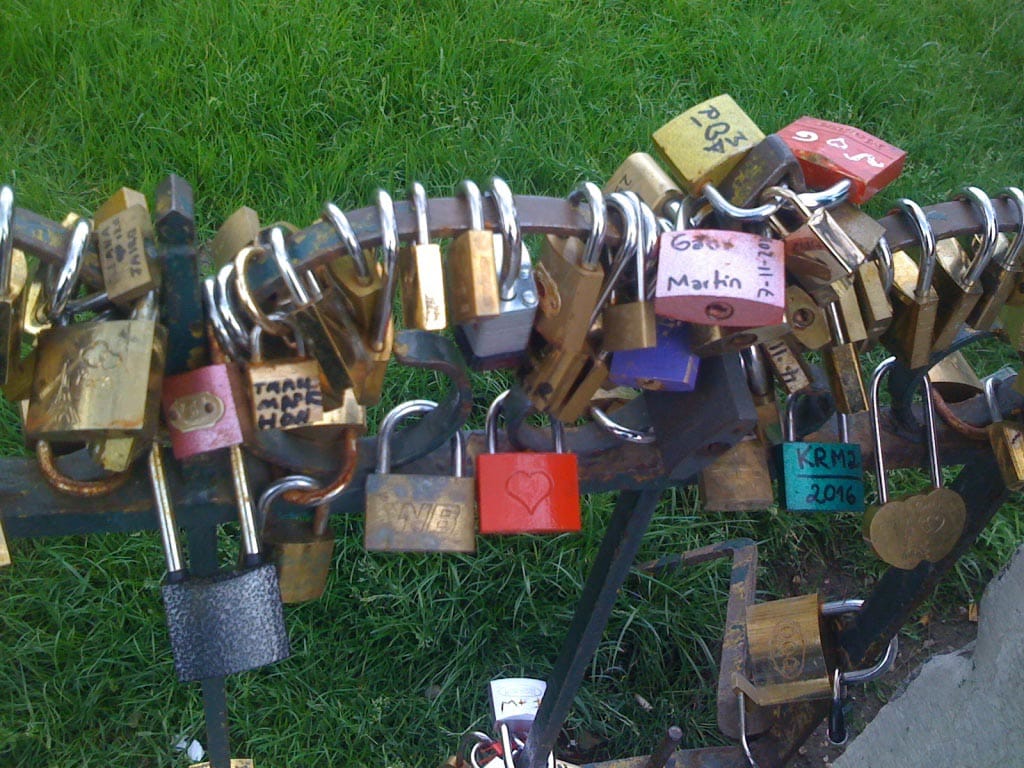
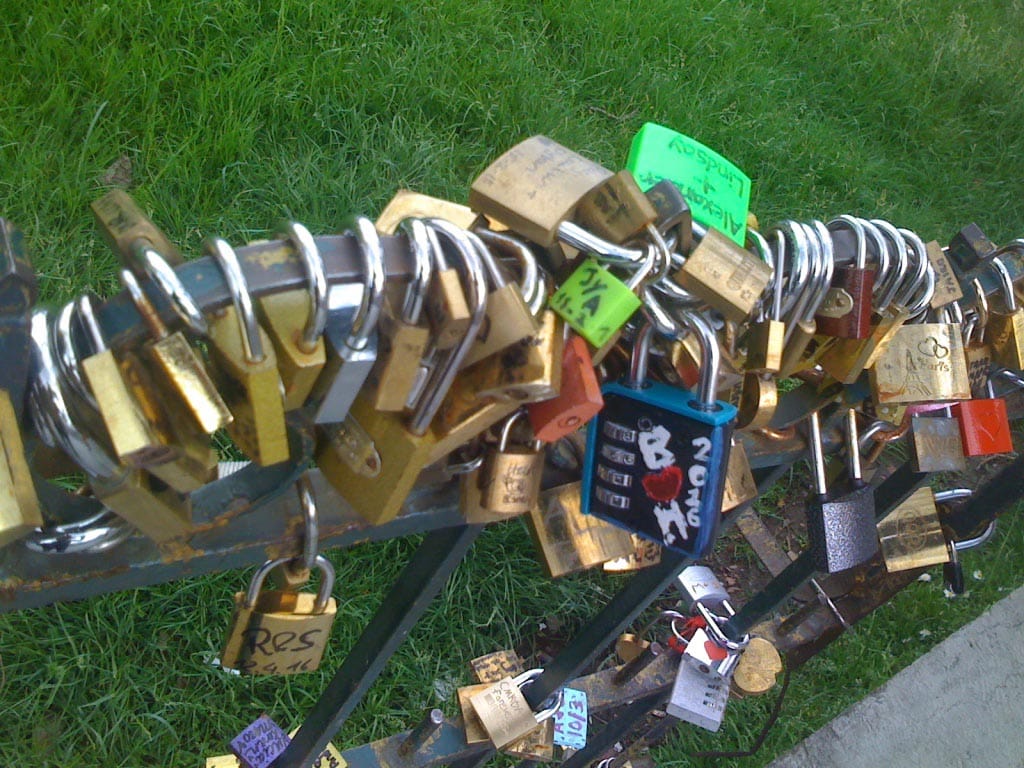
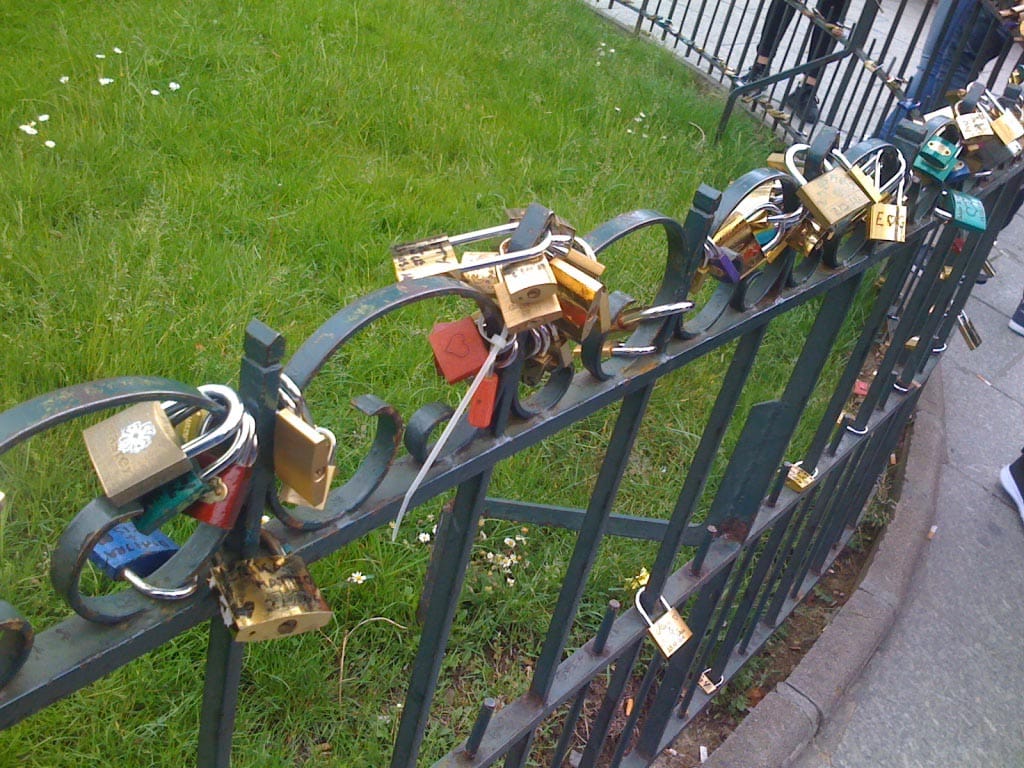
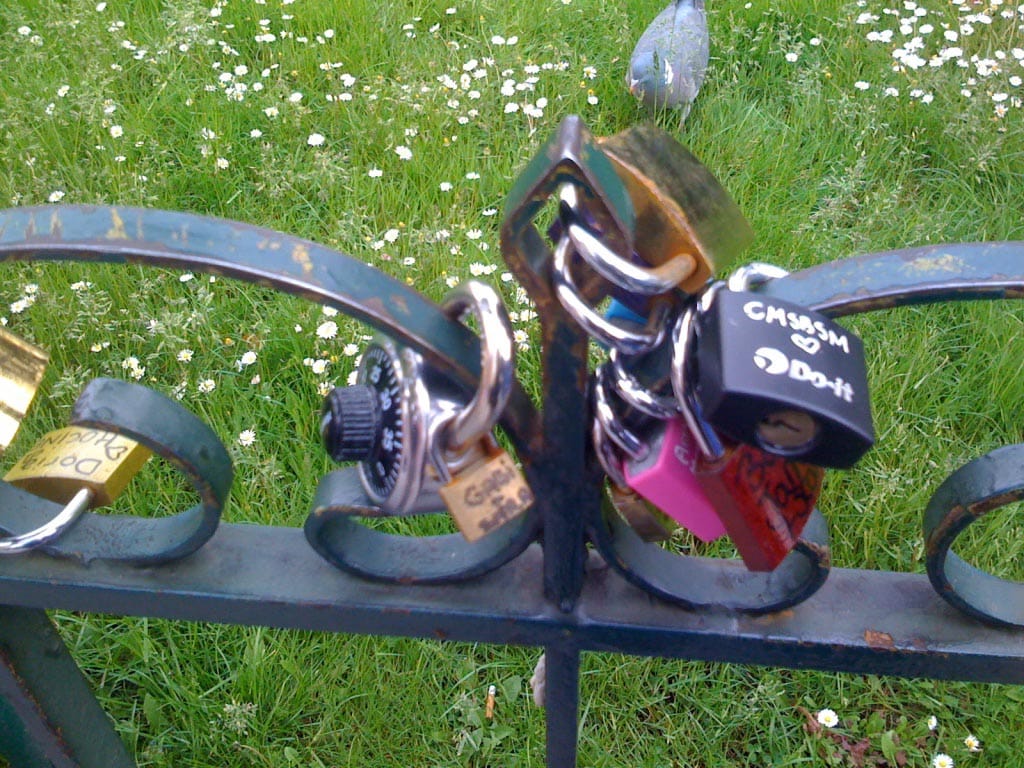
Just a short walk from the cathedral's shadow, we strolled onto the nearby bridges crossing the Seine, where our eyes were instantly caught by the dazzling, metallic shimmer of thousands of love locks clamped onto the railings. This modern Parisian tradition, which exploded in popularity in the early 2000s, saw couples write their names on a padlock, attach it to the bridge, and throw the key into the river as a symbol of unbreakable devotion. While the city had to slowly replace the heavy wire mesh grids on bridges like the Pont des Arts with sleek glass panels because the sheer weight of over one million locks was literally threatening to collapse the historic stone structures, walking past these colorful padlocks with Felipe was the ultimate, heartwarming reminder that Paris will always be the undeniable capital of love and family.
Picture

Picture
Picture
Home Away from Home: Finding Marionettes in the Jardin du Luxembourg
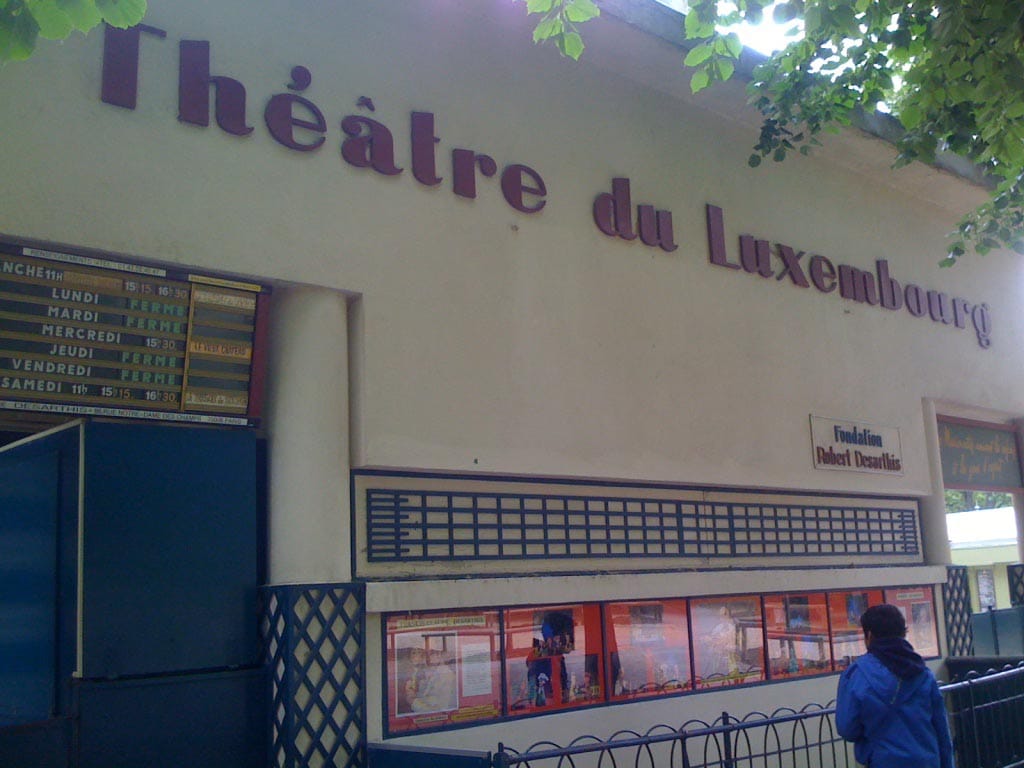
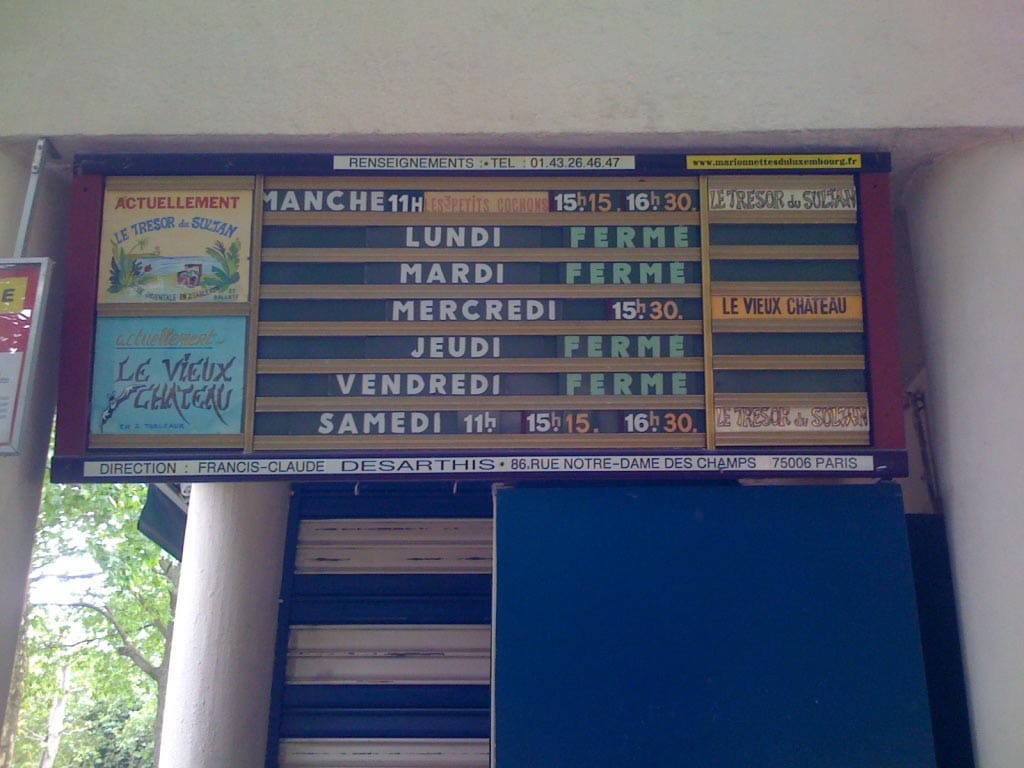
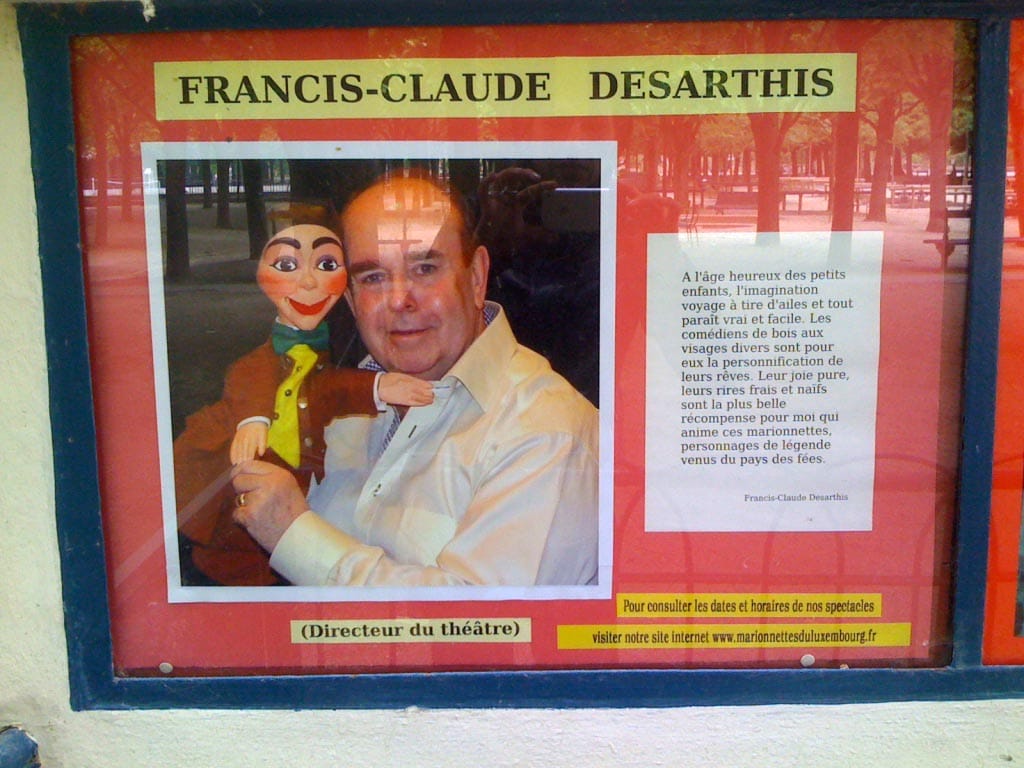
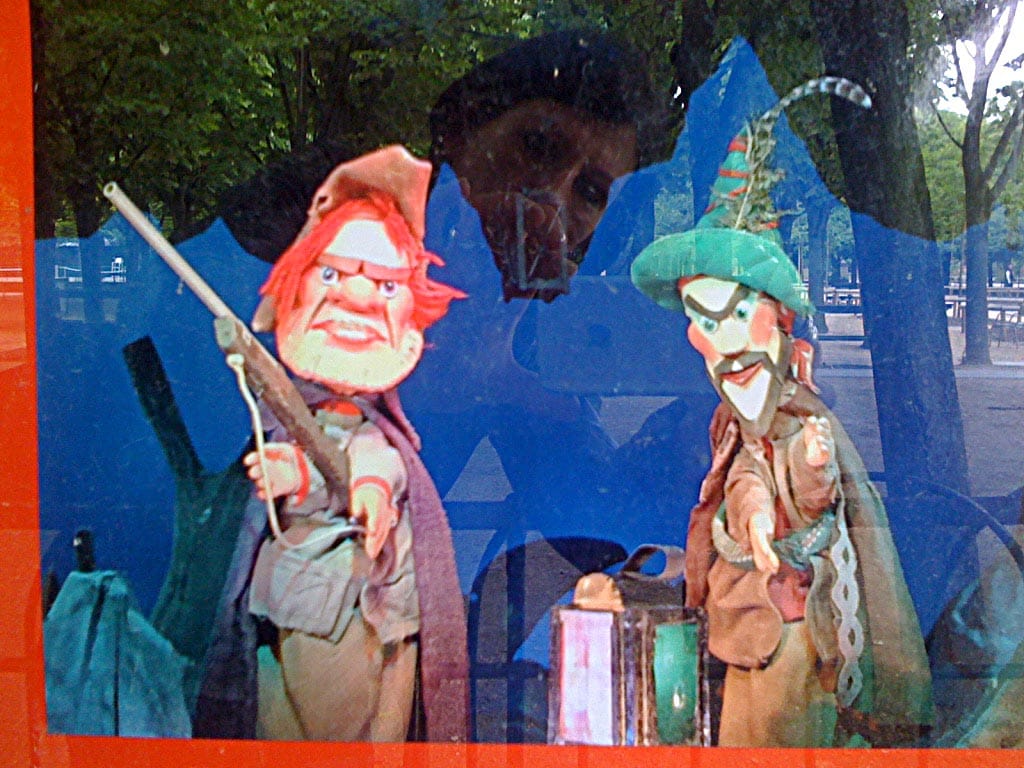
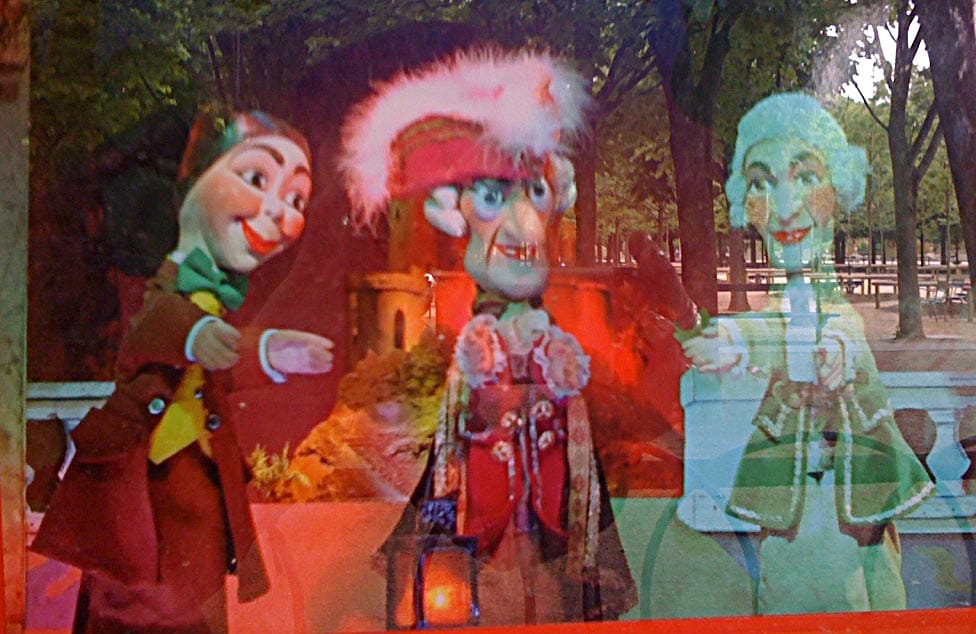
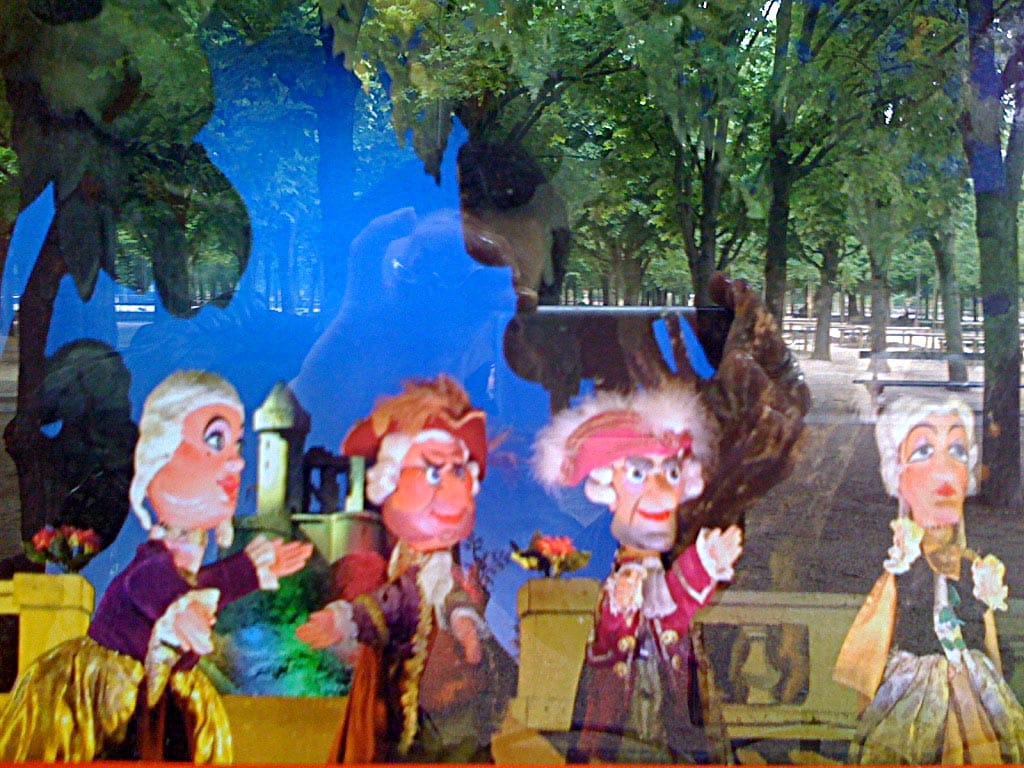
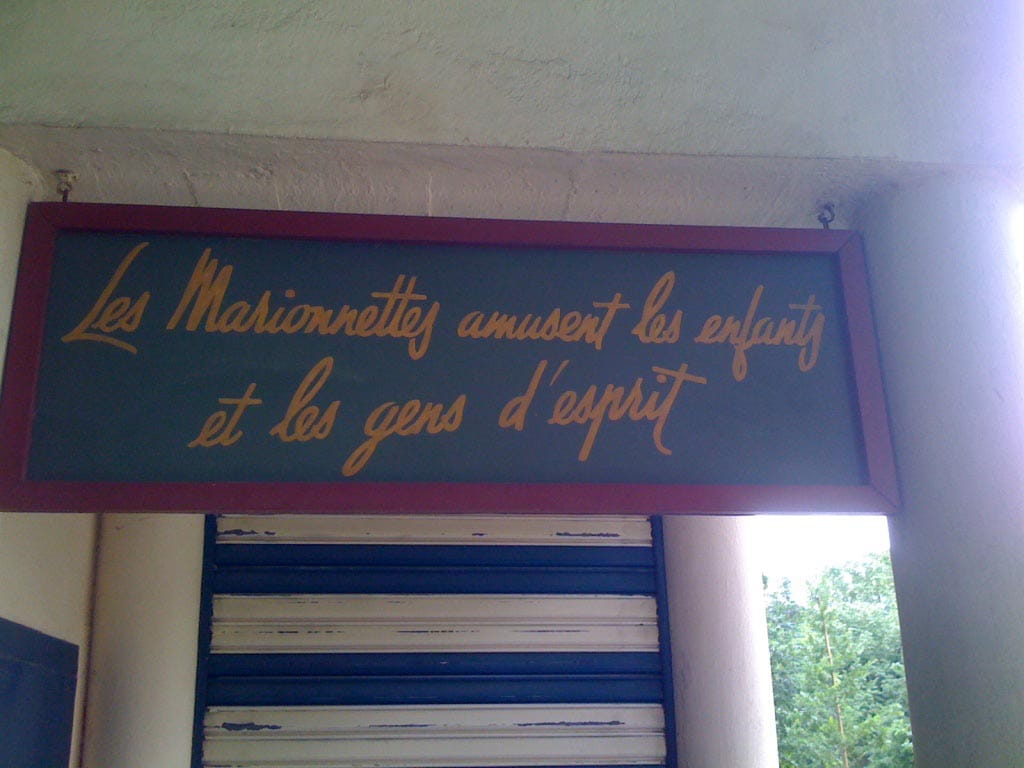
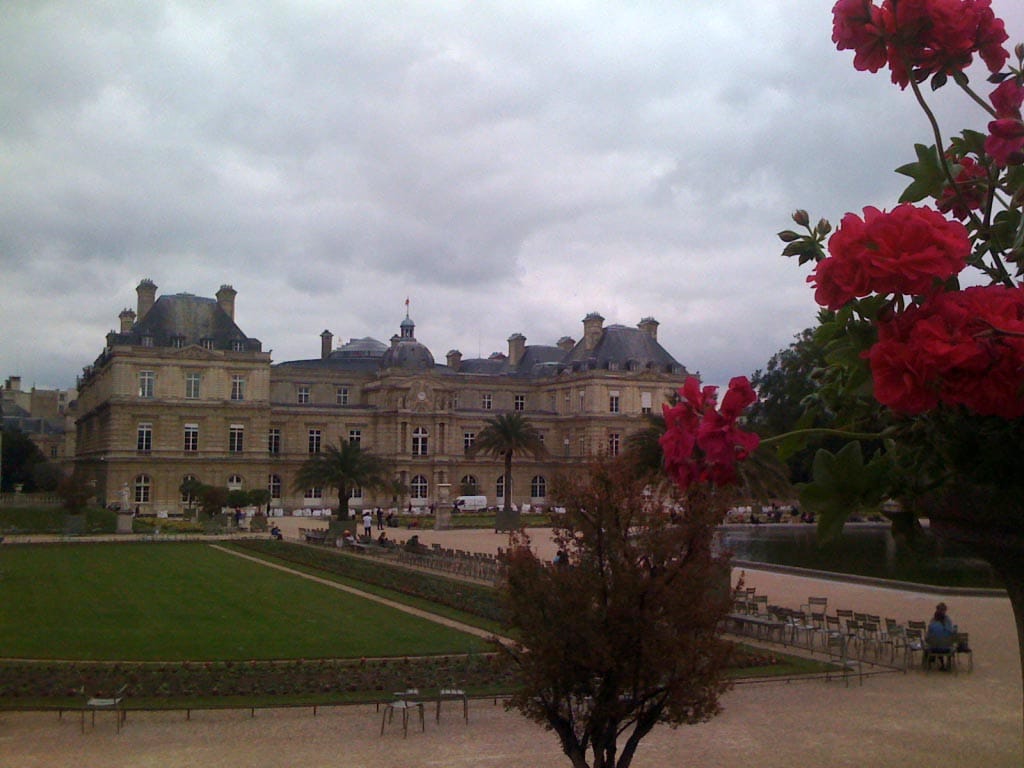
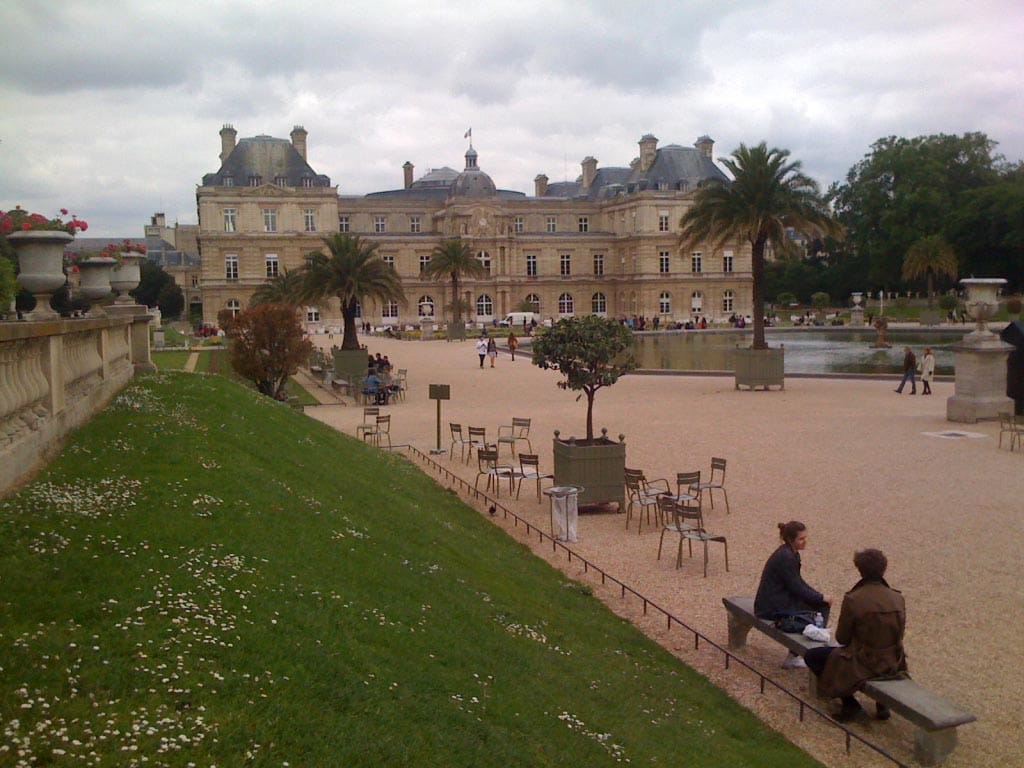
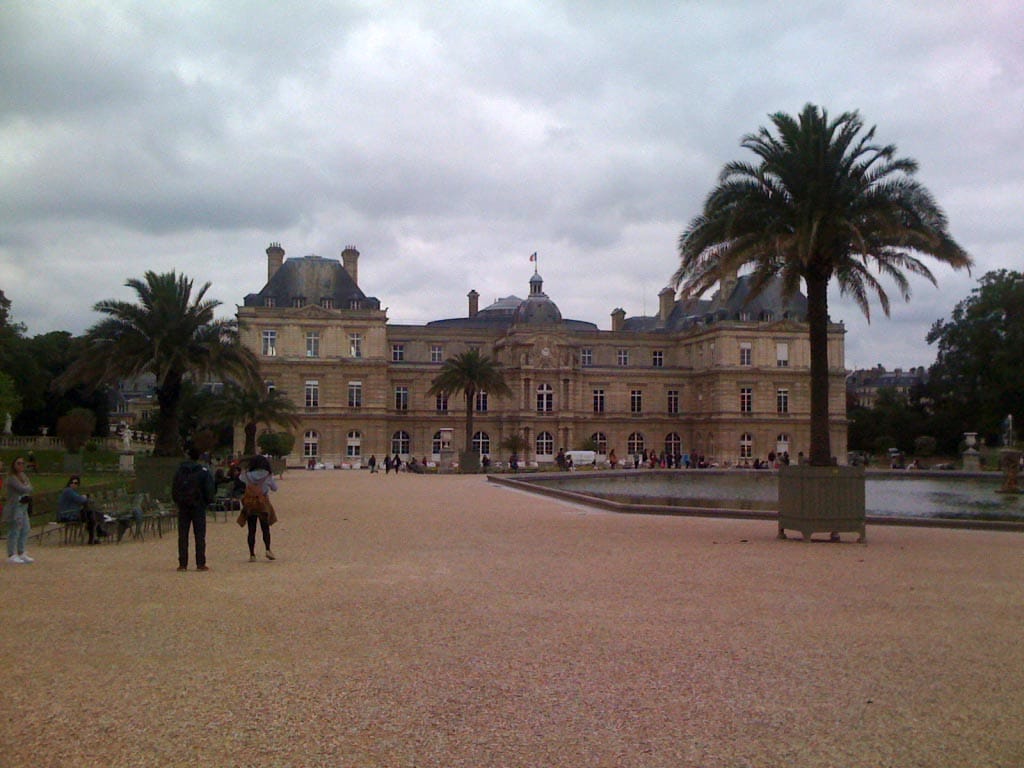
Leaving the historic riverbanks behind, Felipe and I wandered into the sun-drenched alleys of the magnificent Jardin du Luxembourg, a royal green oasis commissioned by Queen Marie de' Medici in 1612 to mimic her beloved Florence. Before we even caught sight of the grand, Italian-style Luxembourg Palace, we stumbled into a heartwarming reminder of our own roots back in Augsburg, Germany—the home of the world-famous Augsburger Puppenkiste. Tucked away under the shady chestnut trees, we discovered the garden's legendary, traditional marionette theatre, a cherished Parisian institution that has been enchanting generations of children with the colorful adventures of Guignol since 1933. Standing outside this beautiful little wooden theatre with Felipe, we laughed at the wonderful irony of traveling hundreds of miles only to find a slice of our own puppetry-loving hometown spirit alive and kicking right in the elegant heart of France.


Palais du Luxembourg: Quick Facts
The Origin: Built between 1615 and 1631 for Queen Marie de' Medici.
Florentine Roots: Designed to mimic the Palazzo Pitti in Florence to remind the Queen of her home.
French Senate: Since 1800, the palace has served as the official seat of the French Parliament's upper house.

Picture
Musee du Louvre
Picture
Under the Glass Canopy: Chasing Light at the Louvre
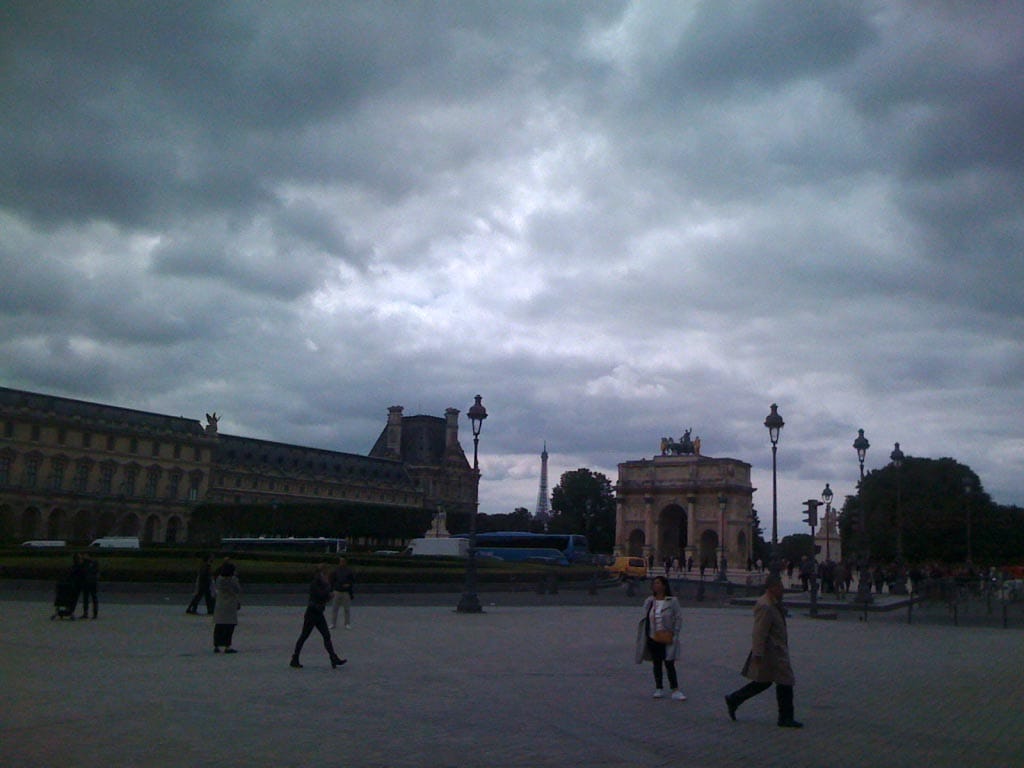
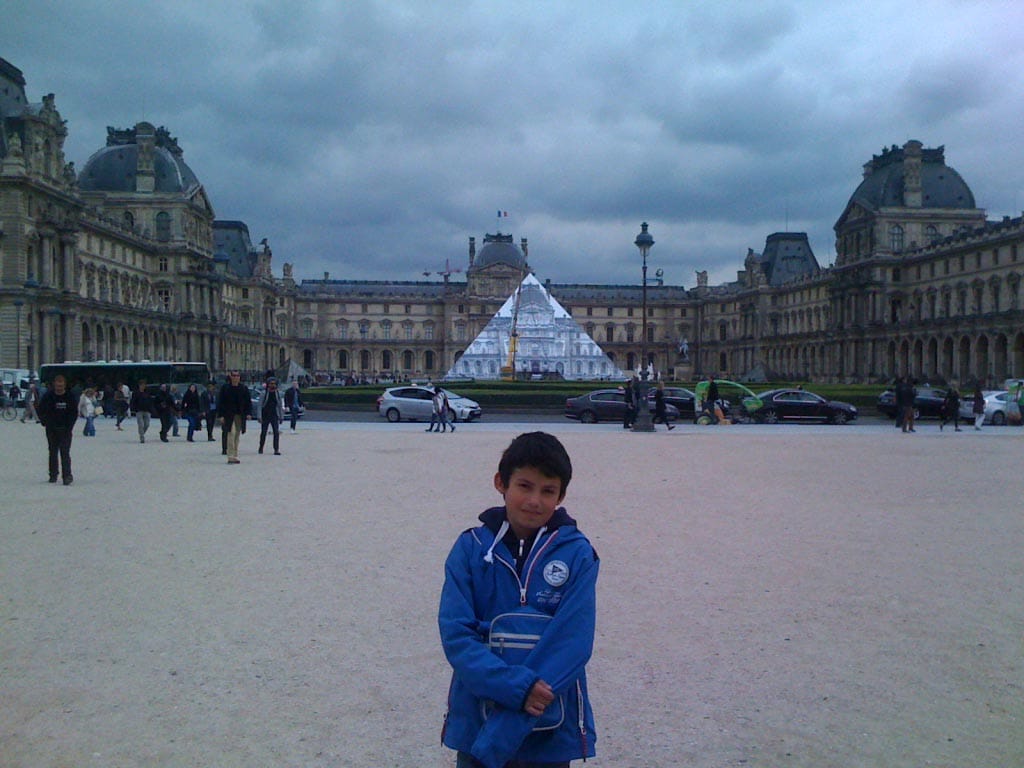
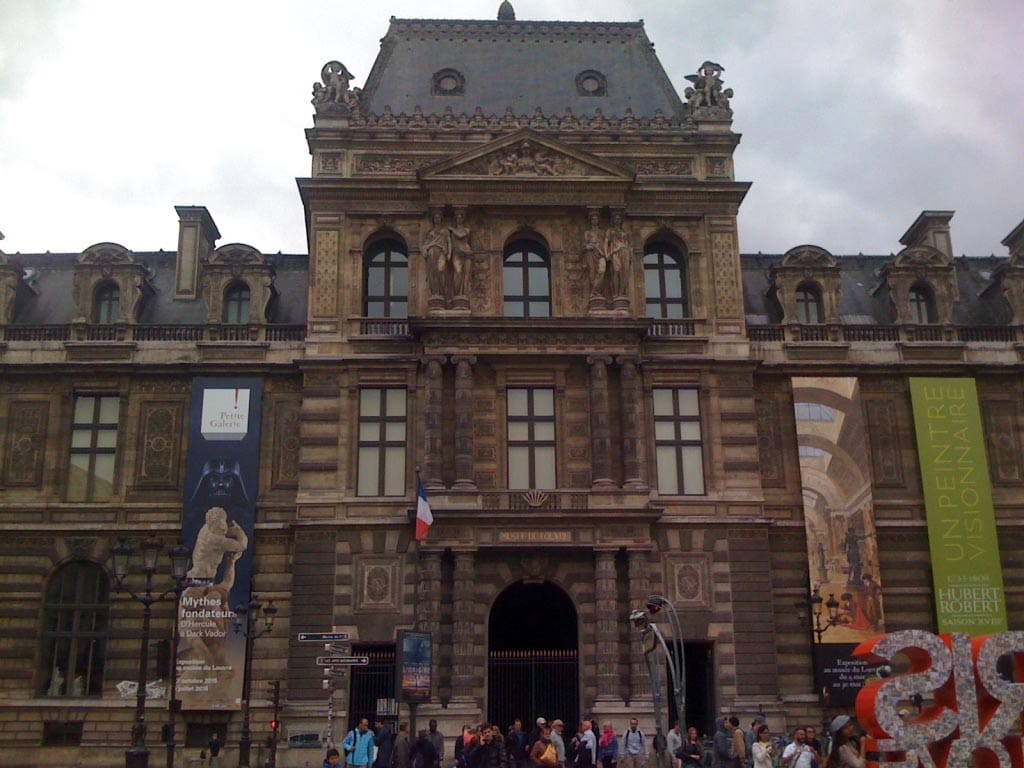
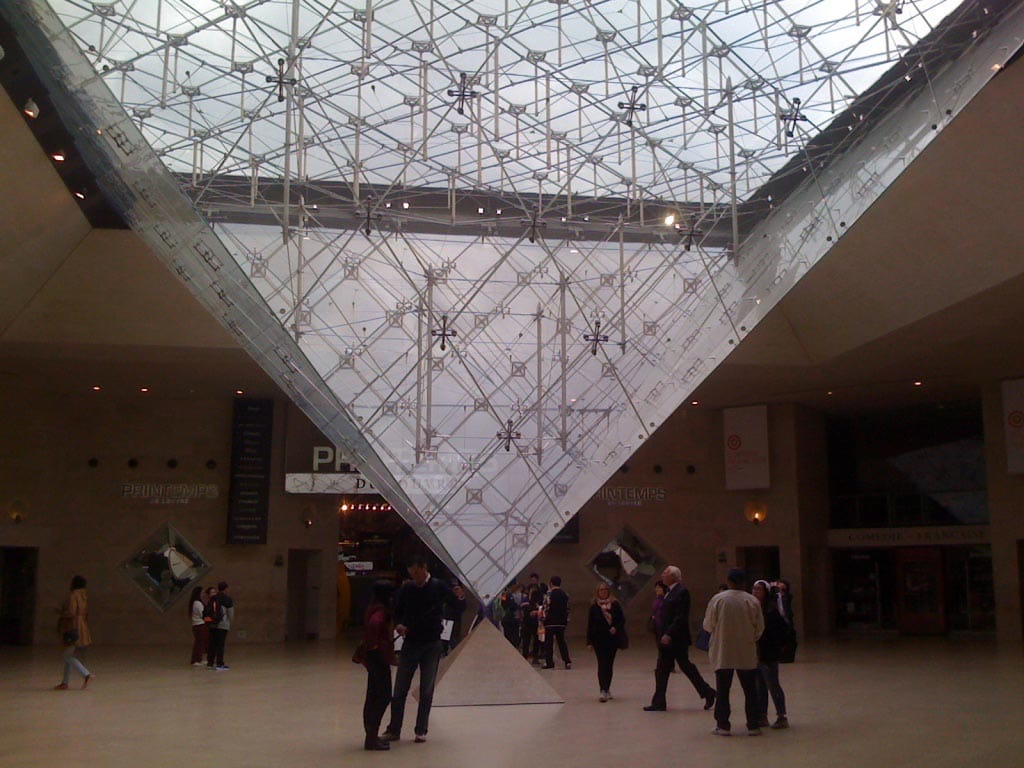
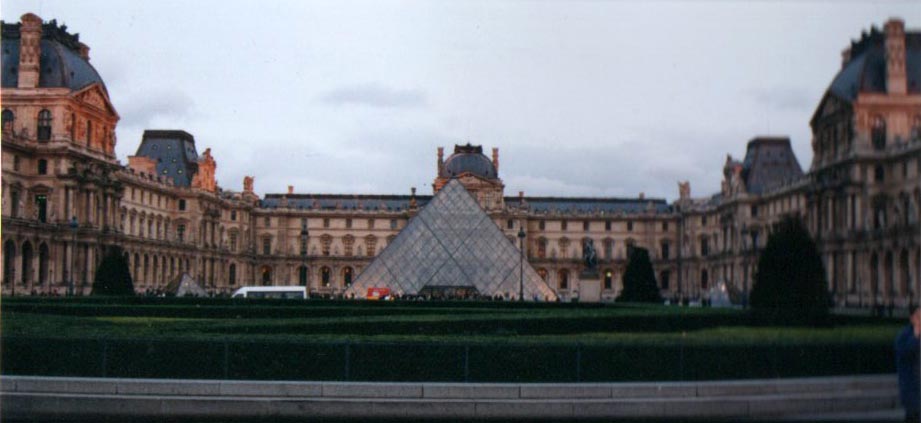
Stepping into the historic courtyard, Felipe and I decided to skip the endless museum queues and instead headed straight into the breathtaking heart of the Louvre Pyramid. Designed by architect I. M. Pei and opened in 1989, this futuristic glass and metal masterstroke was originally hated by locals who feared it would ruin the historic palace. Standing directly inside the giant underground dome, we watched the Parisian sky dance through the massive skylight, flooding the modern lobby with pure, natural light.
The Glass Pyramid: Fast Facts
  • The Blueprint: Stands at a majestic height of 21.6 meters and acts as a massive skylight for the subterranean Hall Napoléon.
  • Pure Transparency: Made from exactly 673 glass panes developed by Saint-Gobain to be completely clear, removing any green tint.
  • The Siblings: The main structure is accompanied by three smaller pyramids that funnel light into the museum's different wings.
  • The Secret Inversion: Deep below in the Carrousel shopping center sits the famous Inverted Pyramid, an architectural mirror trick hanging just above the floor
Picture
Picture
Picture
Picture
Picture

Les Halles
Public Art, Hidden Squares, and Euro 2016 Fever

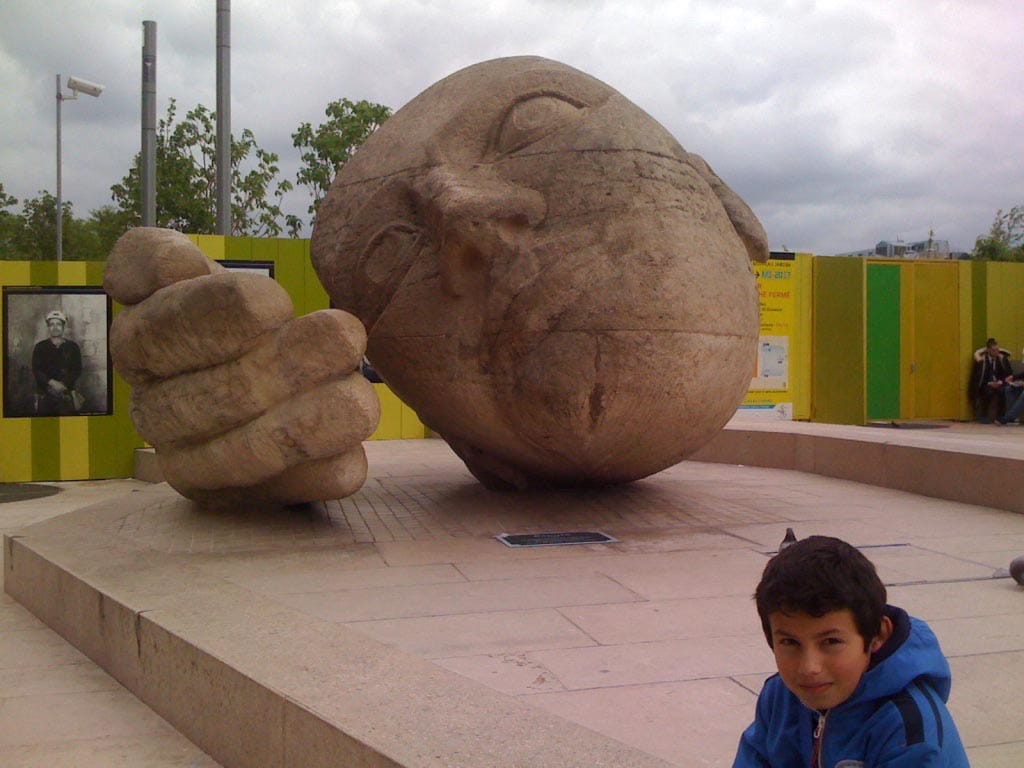
Leaving the Louvre behind, Felipe and I dove straight into the vibrant, ever-evolving district of Les Halles. Our urban safari kicked off at the Place René-Cassin, where we stumbled upon a massive, striking sandstone sculpture that instantly caught Felipe's eye. Named "Écoute" (Listening) by artist Henri de Miller, this iconic 70-ton artwork depicts a colossal head resting peacefully on the pavement next to a giant cupped hand.
Turning the corner toward the Place Joachim-du-Bellay, we ran straight into a spectacular piece of history with a modern twist: the Fontaine des Innocents. Originally built in 1549 by Pierre Lescot to celebrate the royal entry of King Henry II, it stands proud as the oldest monumental public fountain in Paris. However, our 2016 visit gave us a hilarious, once-in-a-lifetime sight. To celebrate the UEFA Euro 2016 tournament hosted by France, the city had wedged a massive, giant soccer ball right into the fountain's ancient stone steps!
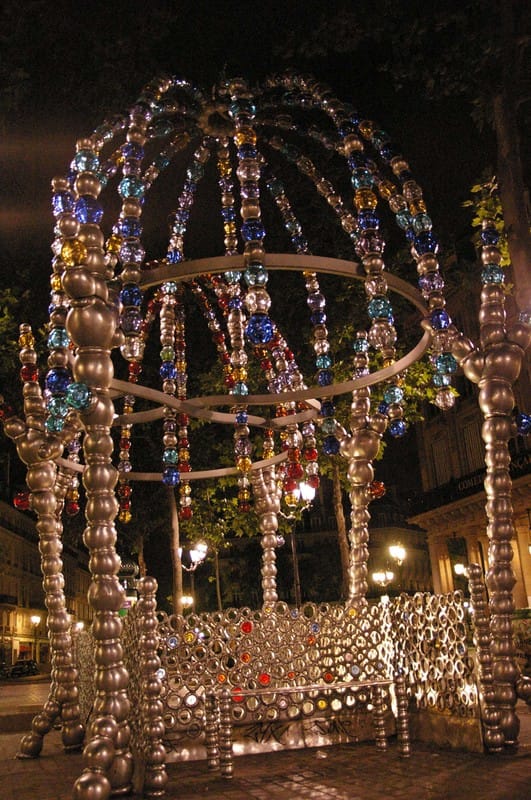
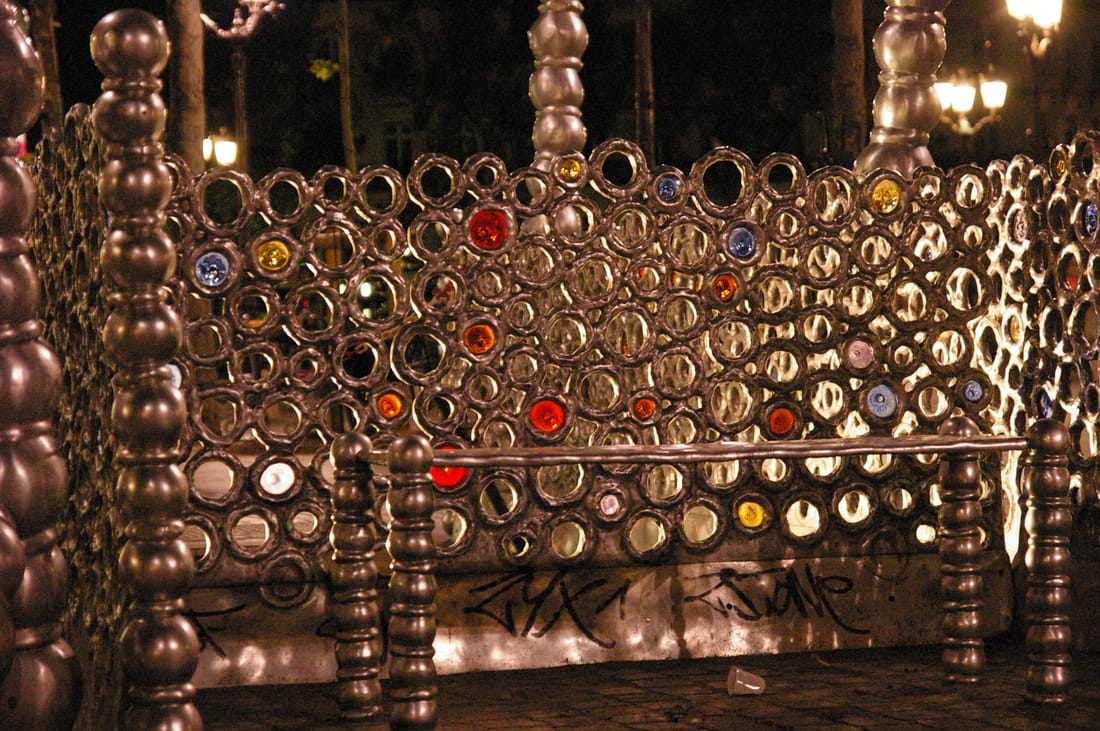
To top off our artistic stroll, we made our way to the nearby Place Colette to admire the whimsical "Kiosque des Noctambules" (Kiosk of the Nightwalkers). Created in 2000 by artist Jean-Michel Othoniel, this fairy-tale Metro entrance crowns the station with two dazzling, twisting domes made of metallic beads and vibrant, colorful Murano glass. Watching the afternoon light catch the glittering beads was the perfect, magical end to our vibrant cross-city trek.

La Défense
A Futuristic Twilight Finale

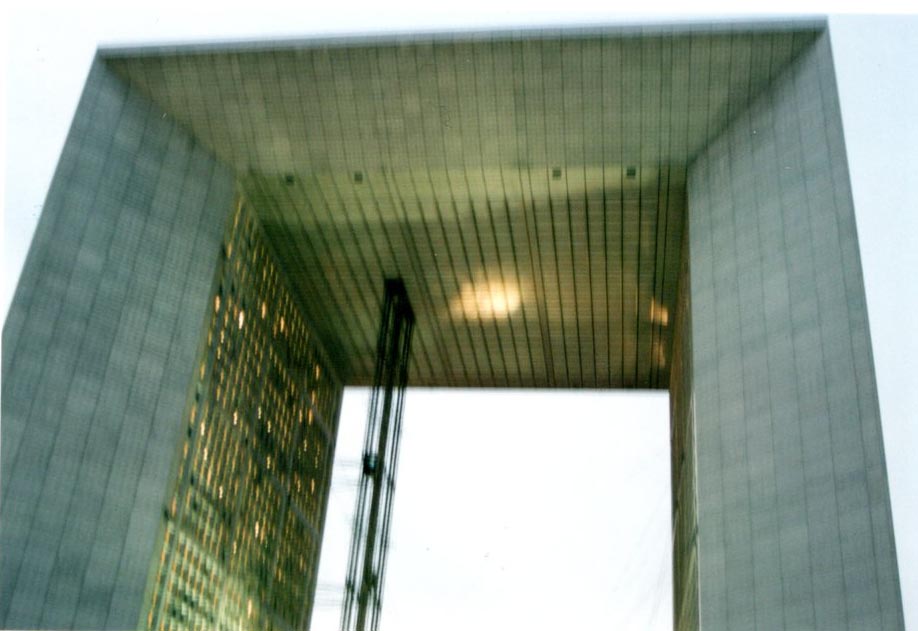
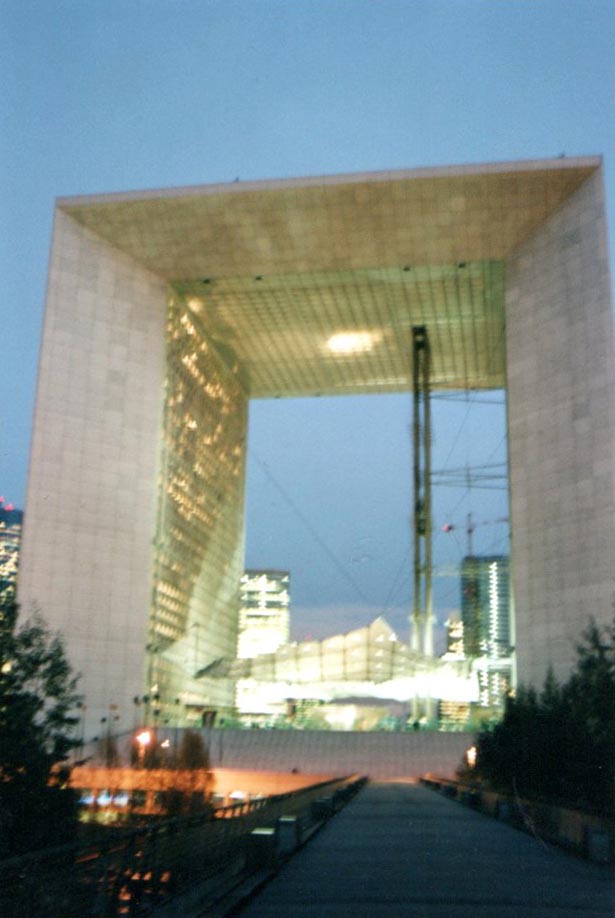
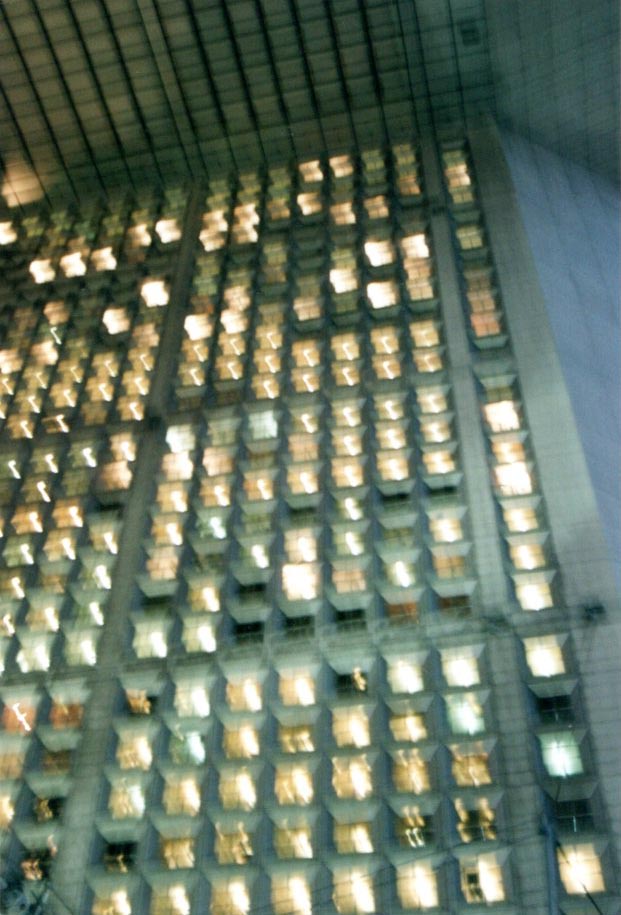
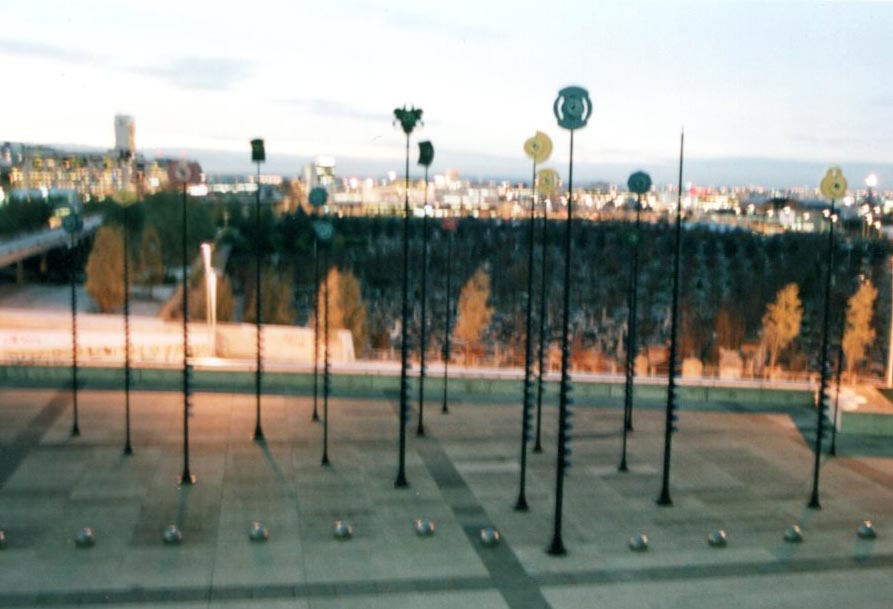
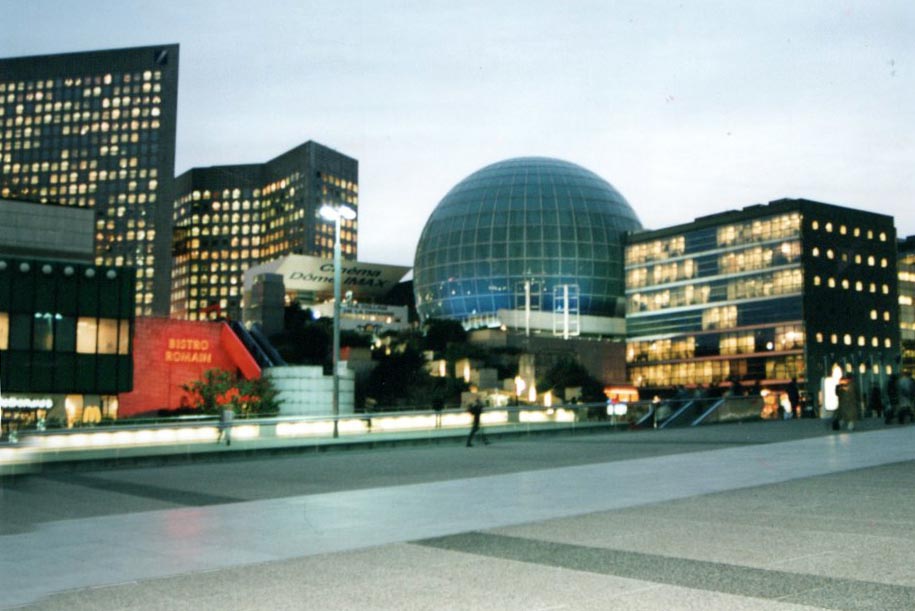
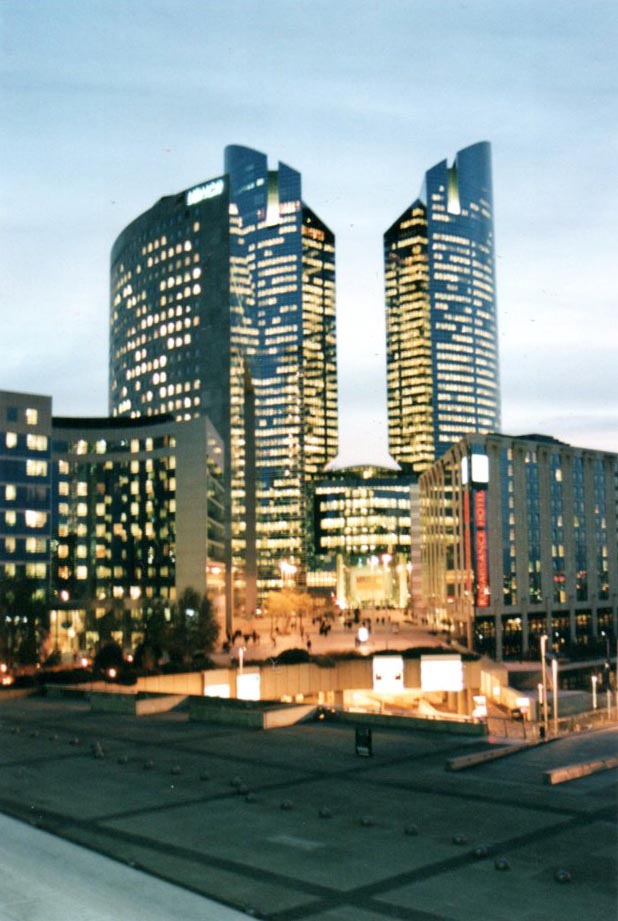
As the sun began to set, we made our final stop of the day at La Défense, Paris’s ultra-modern business district, where the futuristically illuminated skyscrapers looked absolutely spectacular in the fading light. Standing proudly at the end of the city's historic axis, we were completely awed by the colossal Grande Arche, a jaw-dropping, 110-meter-high hollow cube so massive that the entire Notre-Dame Cathedral could easily fit right inside its central void. Witnessing this corporate wonderland at twilight was mesmerizing; as dusk settled, the towering glass and steel facades began to glow, transforming the skyline into a sea of vibrant reflections. Walking among the glowing modern installations with Felipe, we watched the brilliant lights of the office towers pierce the evening air, providing a breathtaking reminder of how effortlessly Paris bridges its rich history with a bold, visionary future.


Canal Saint-Martin
Bohemian Charm and Colorful Waterways

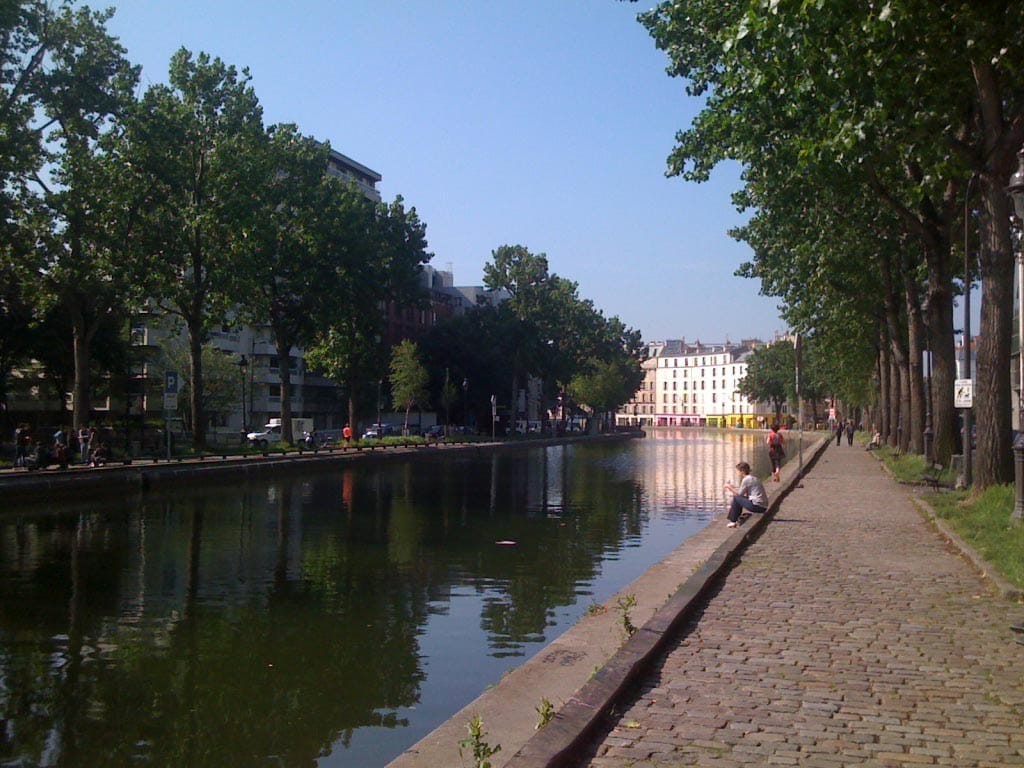
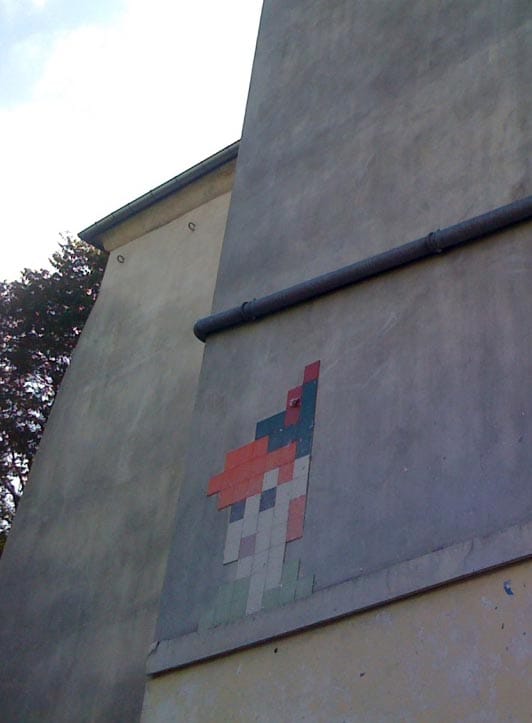
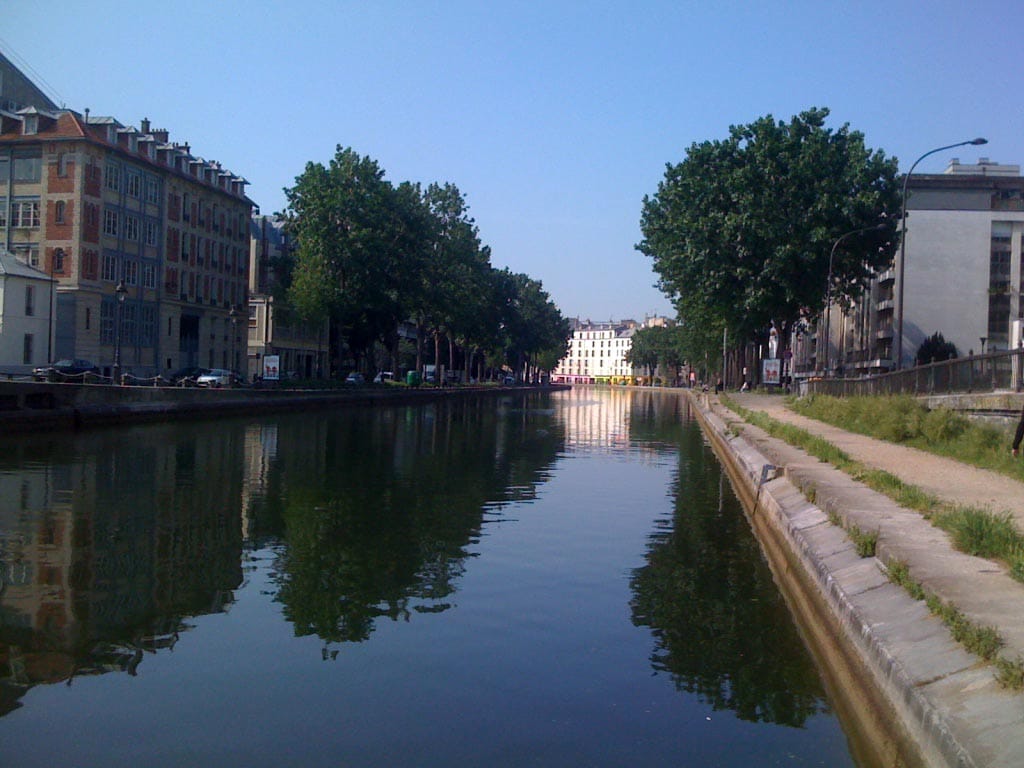
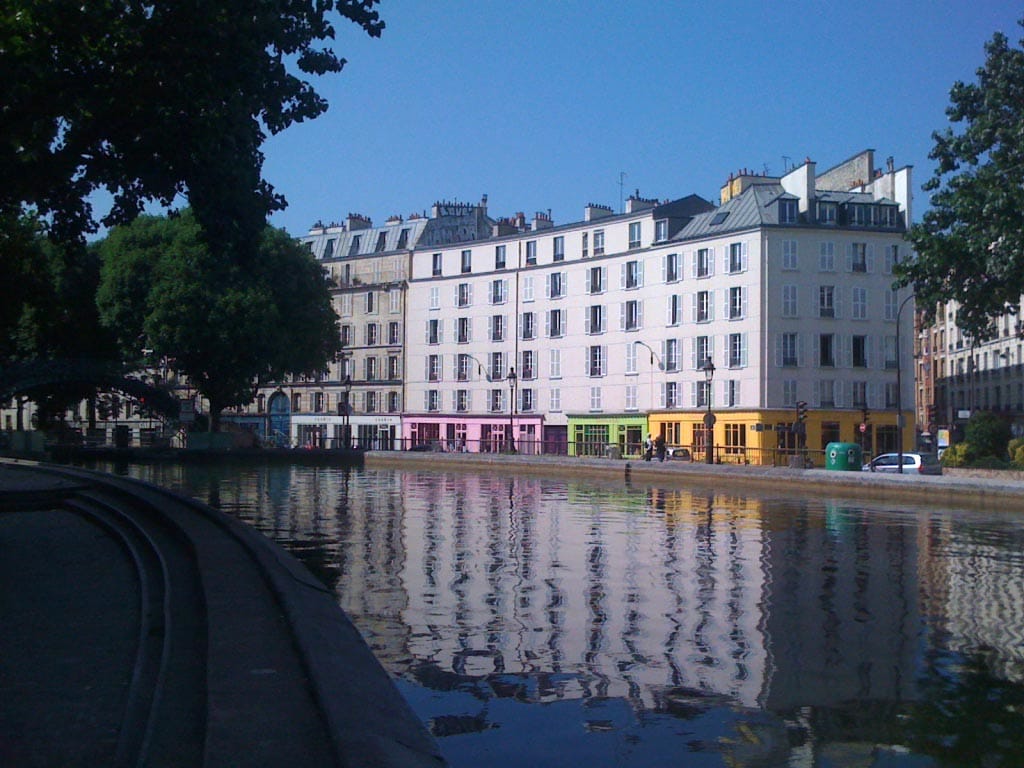
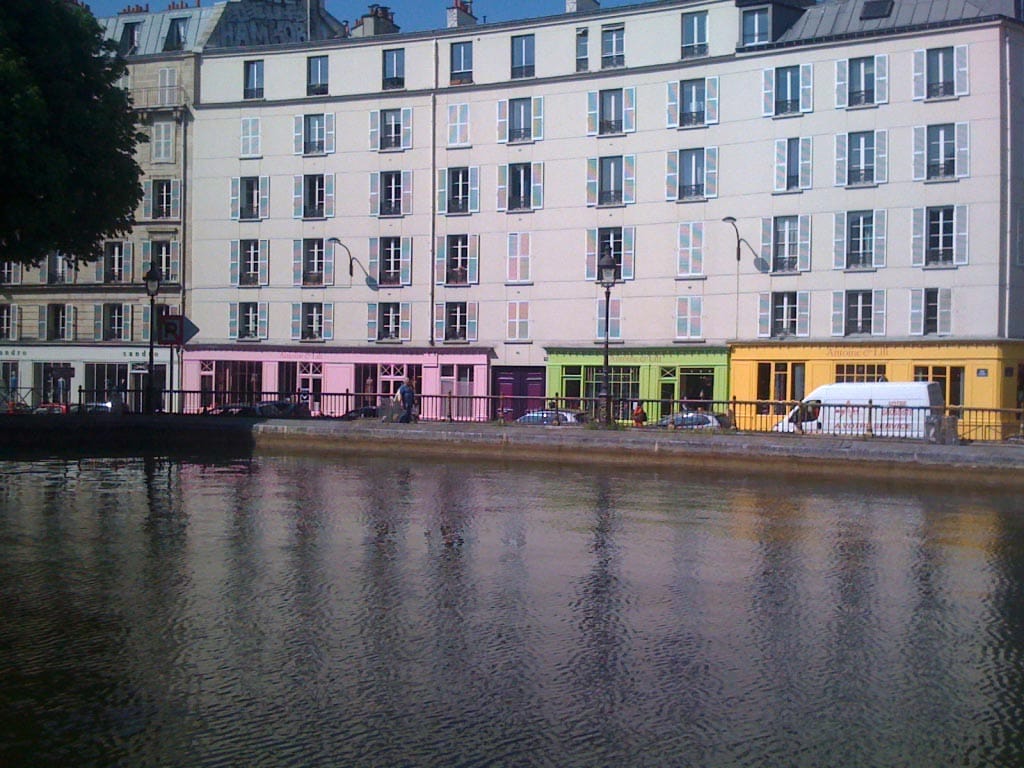
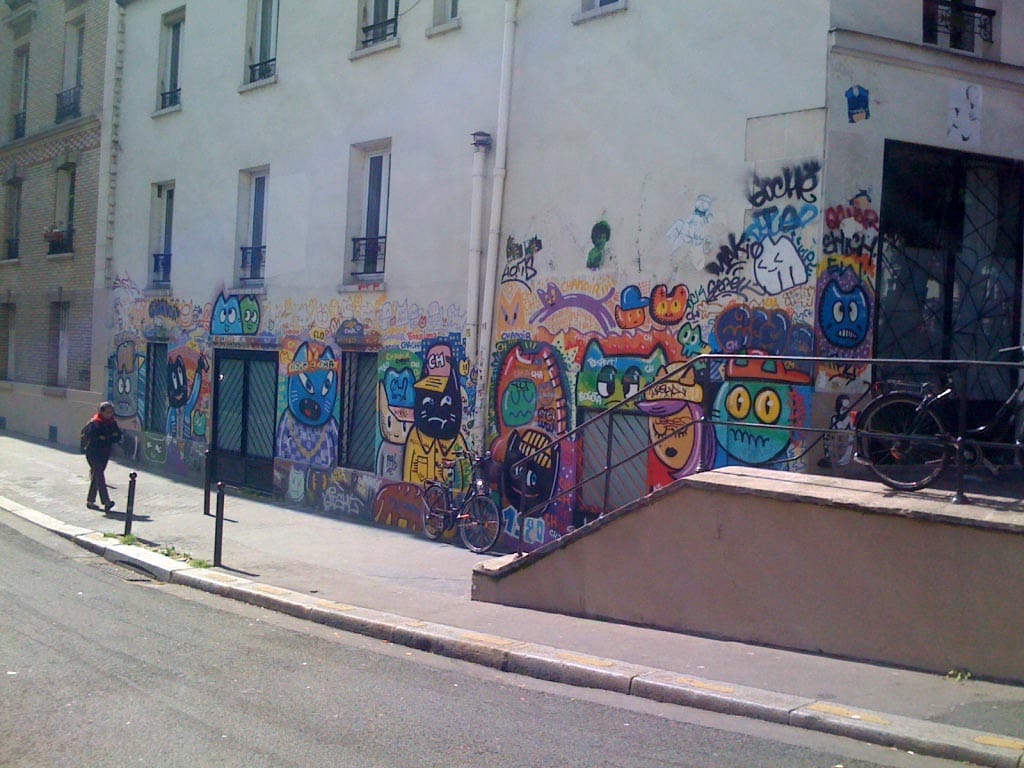
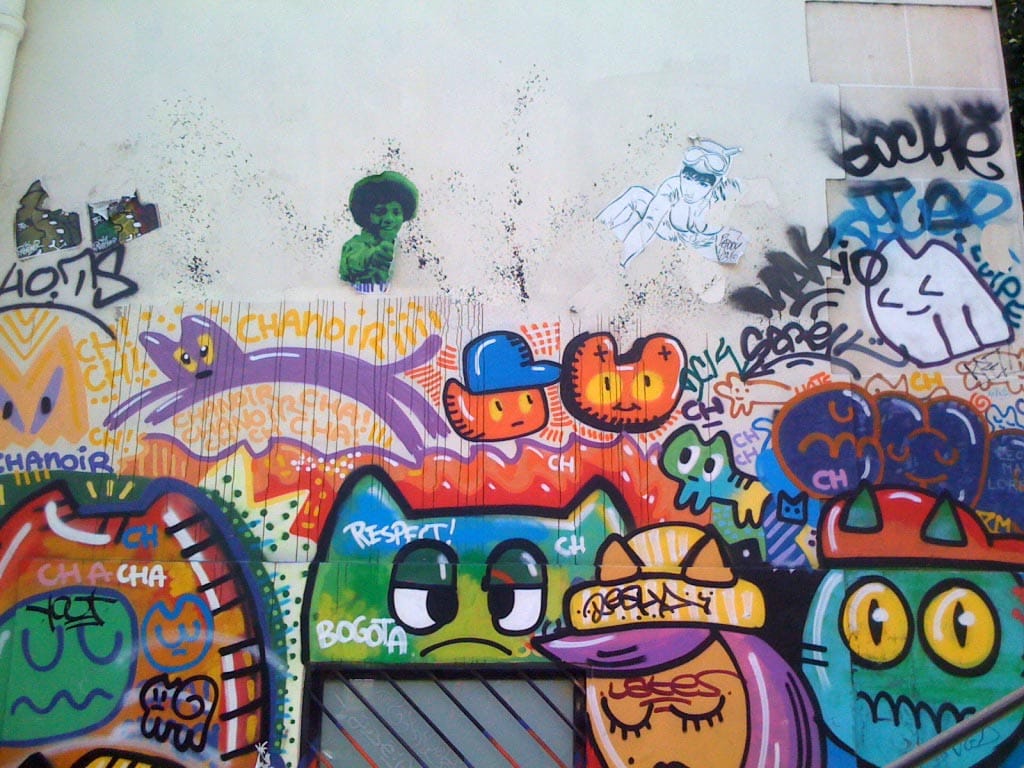
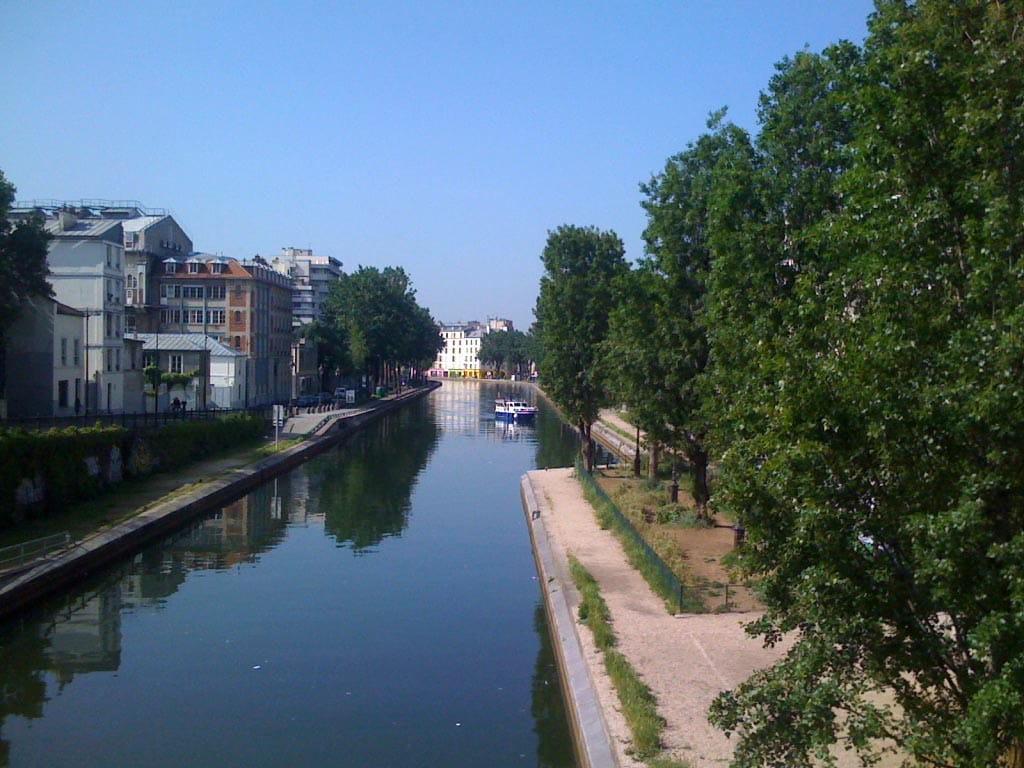
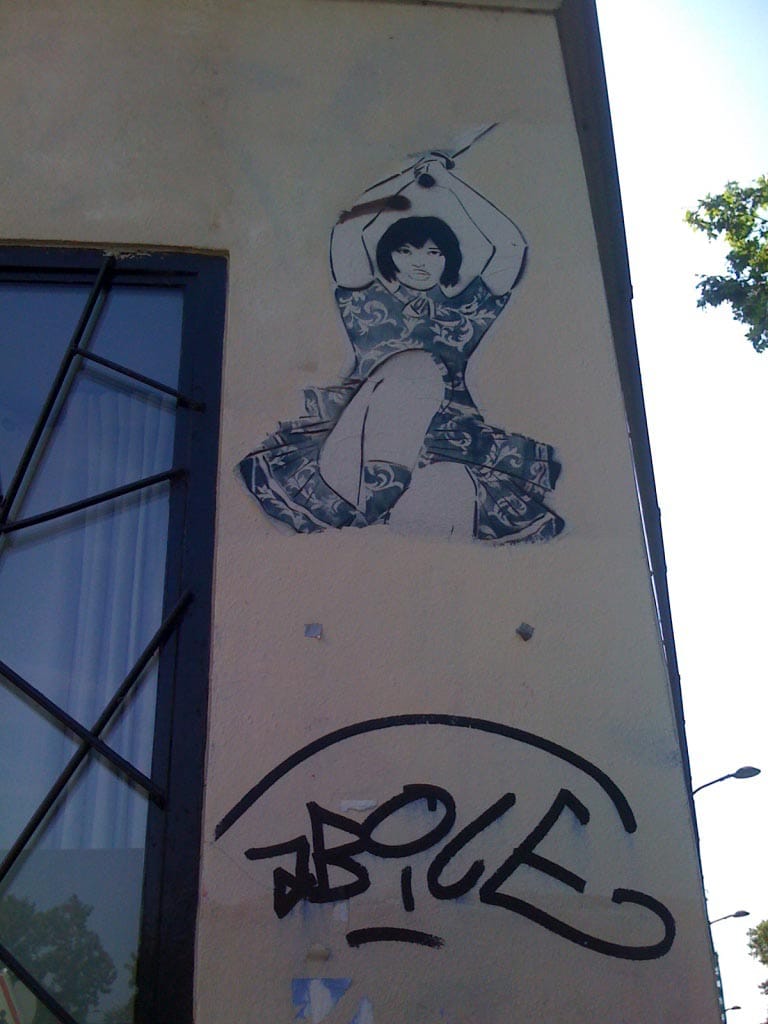
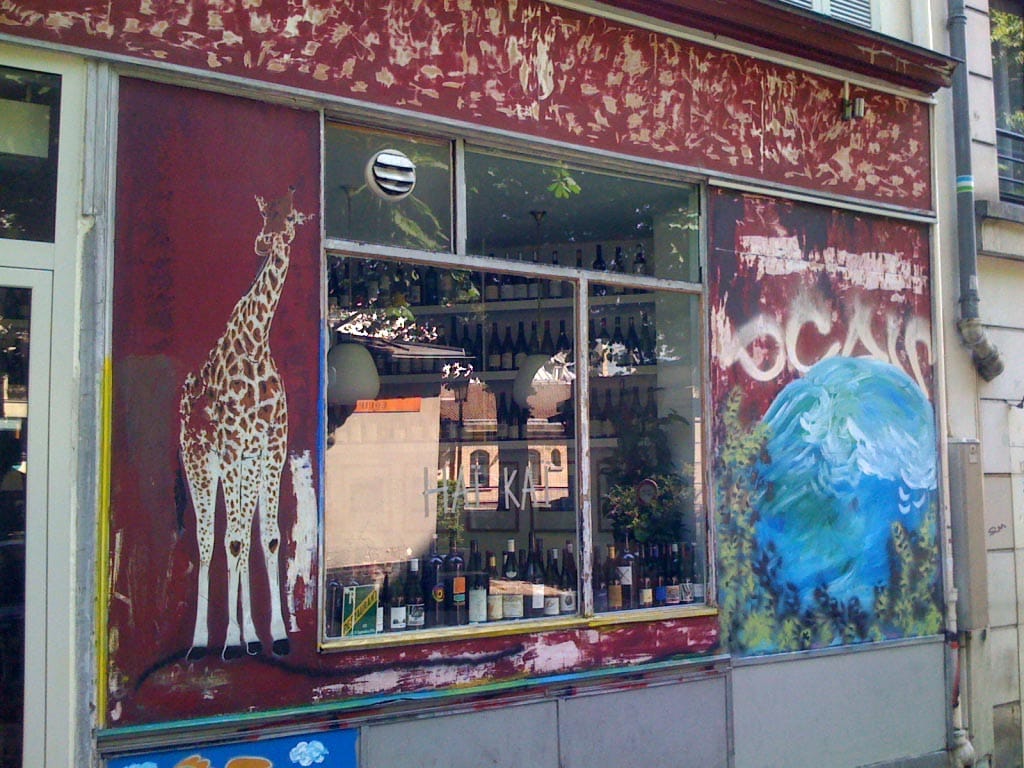
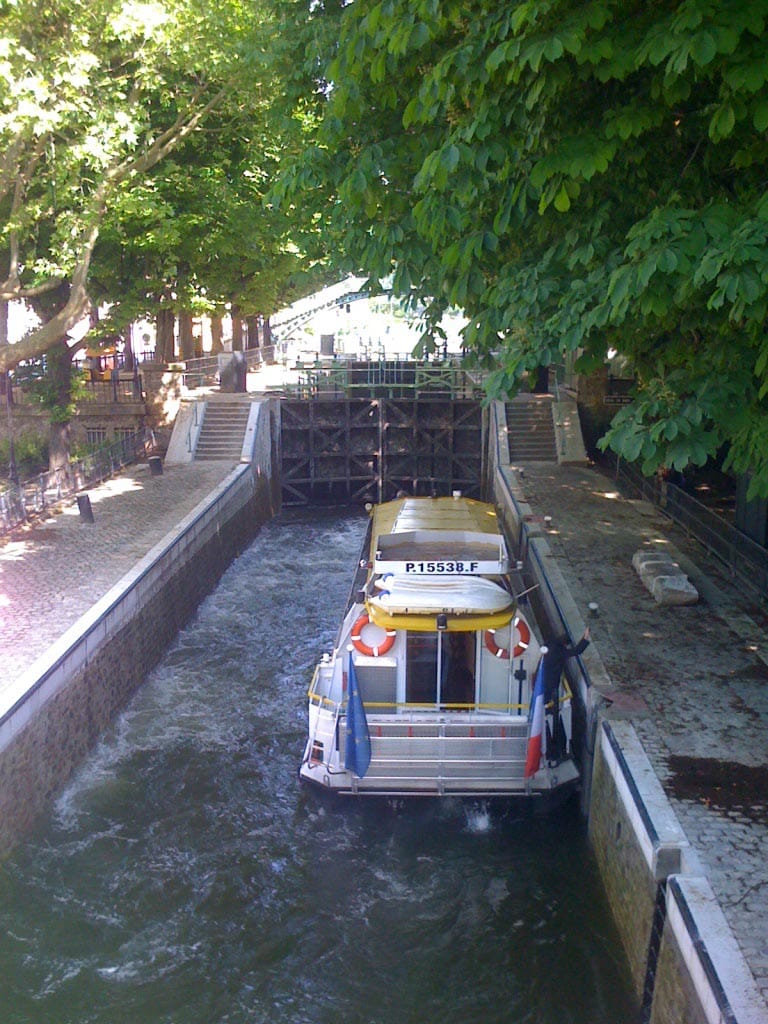
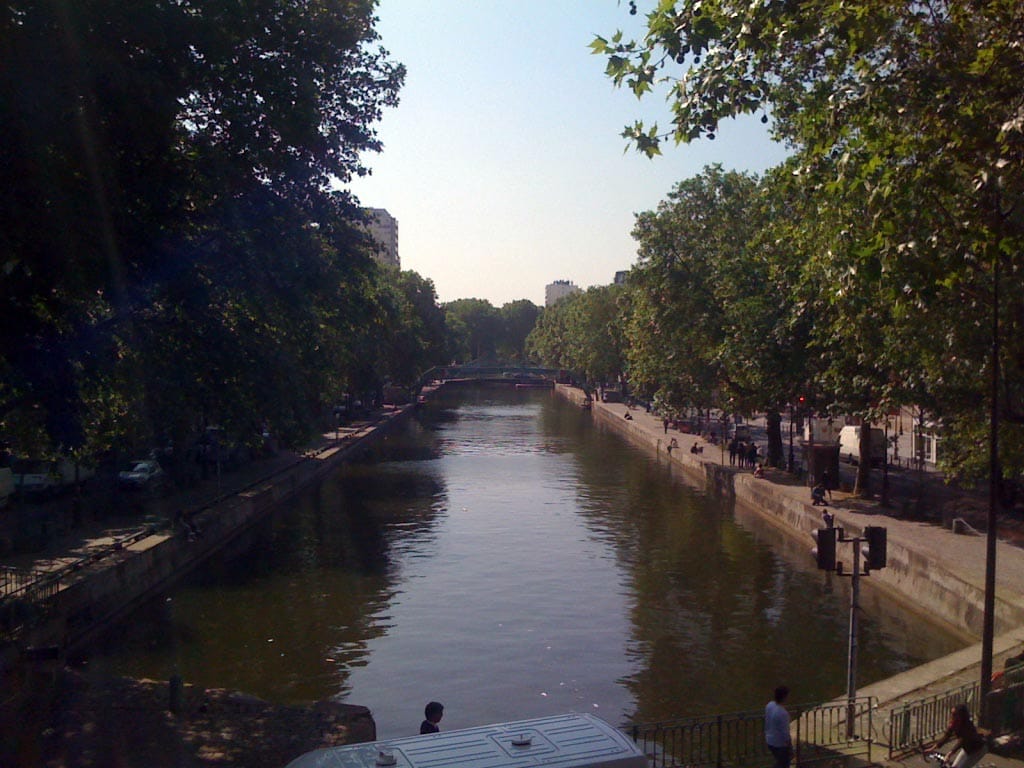
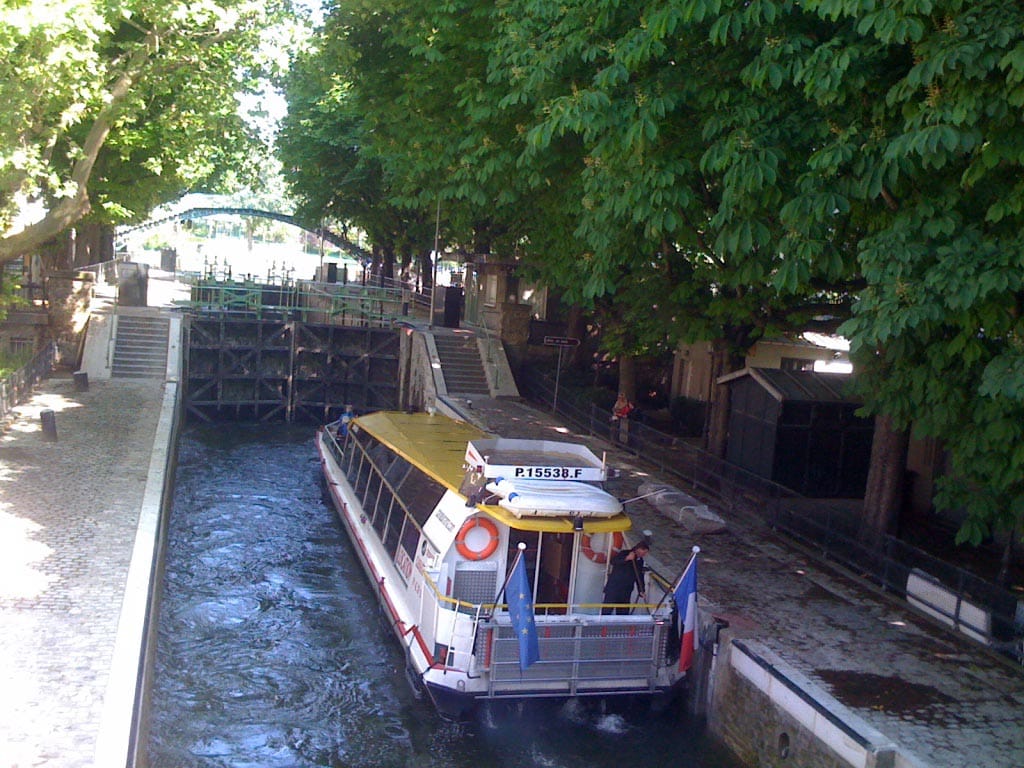
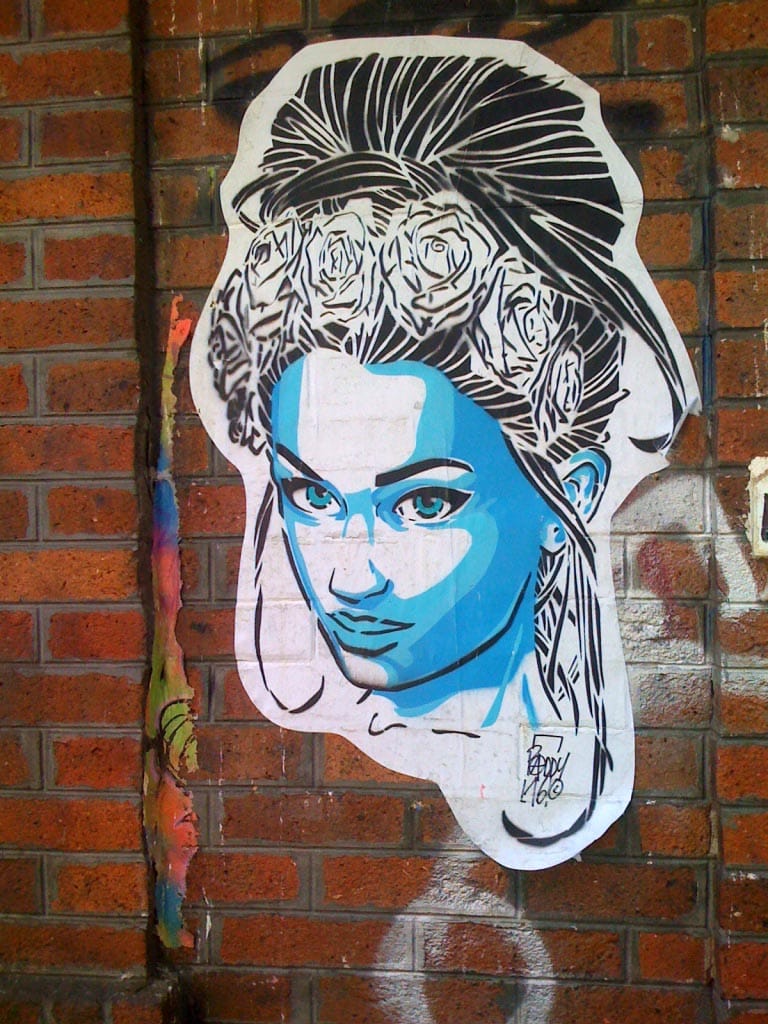
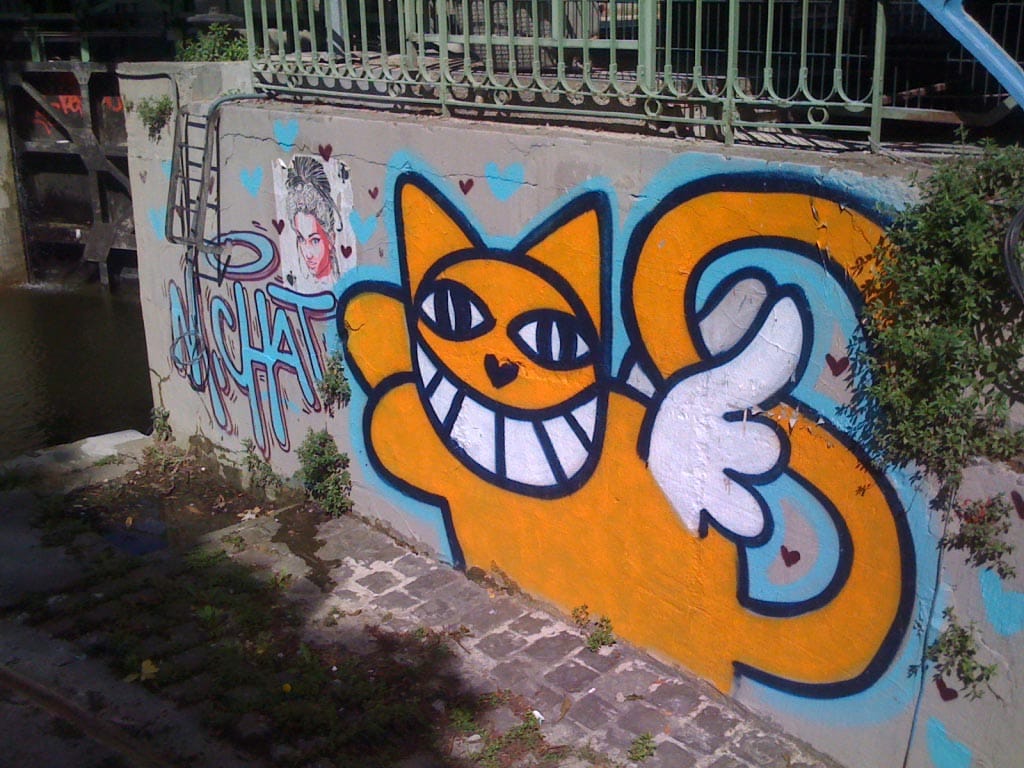
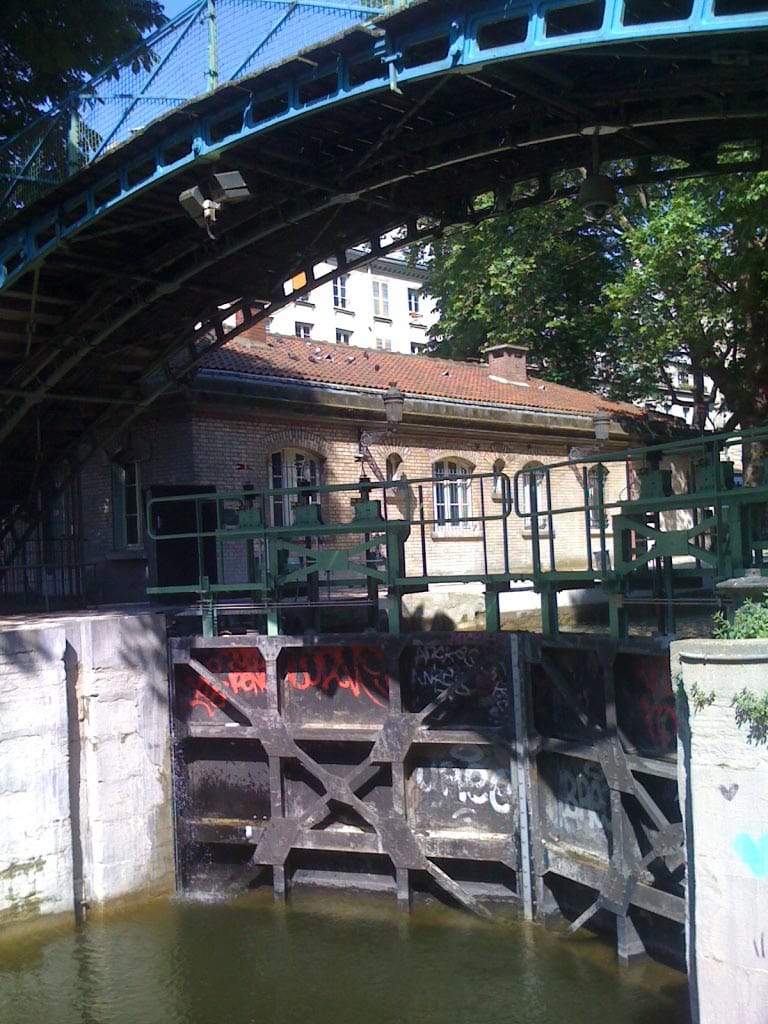
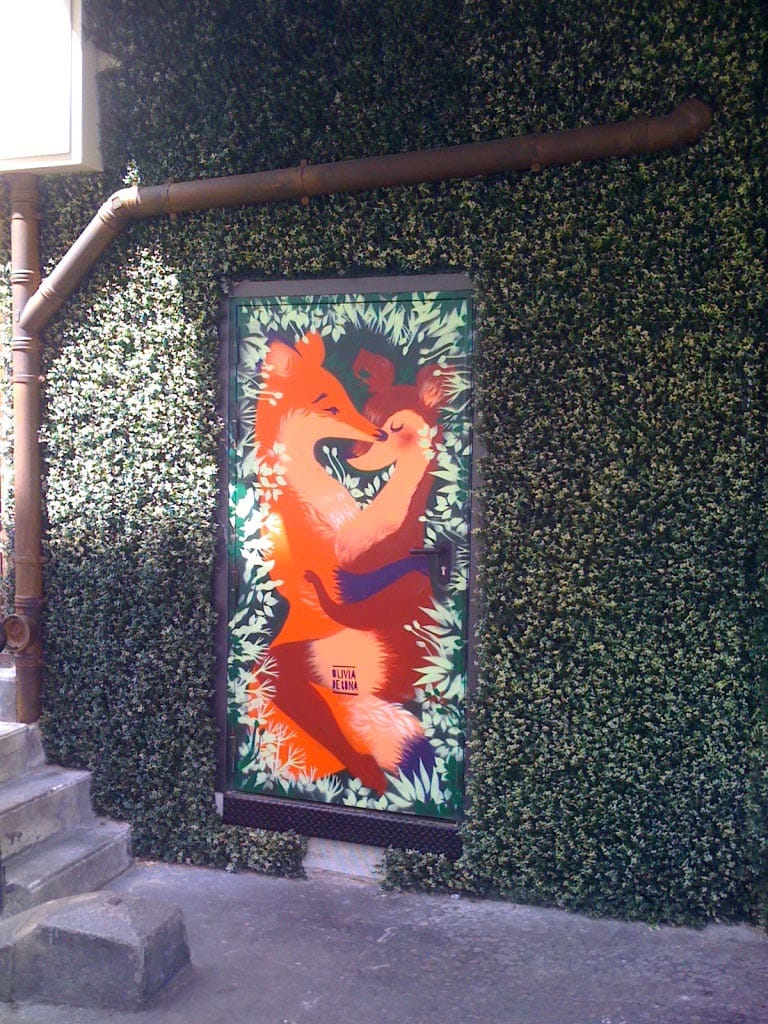
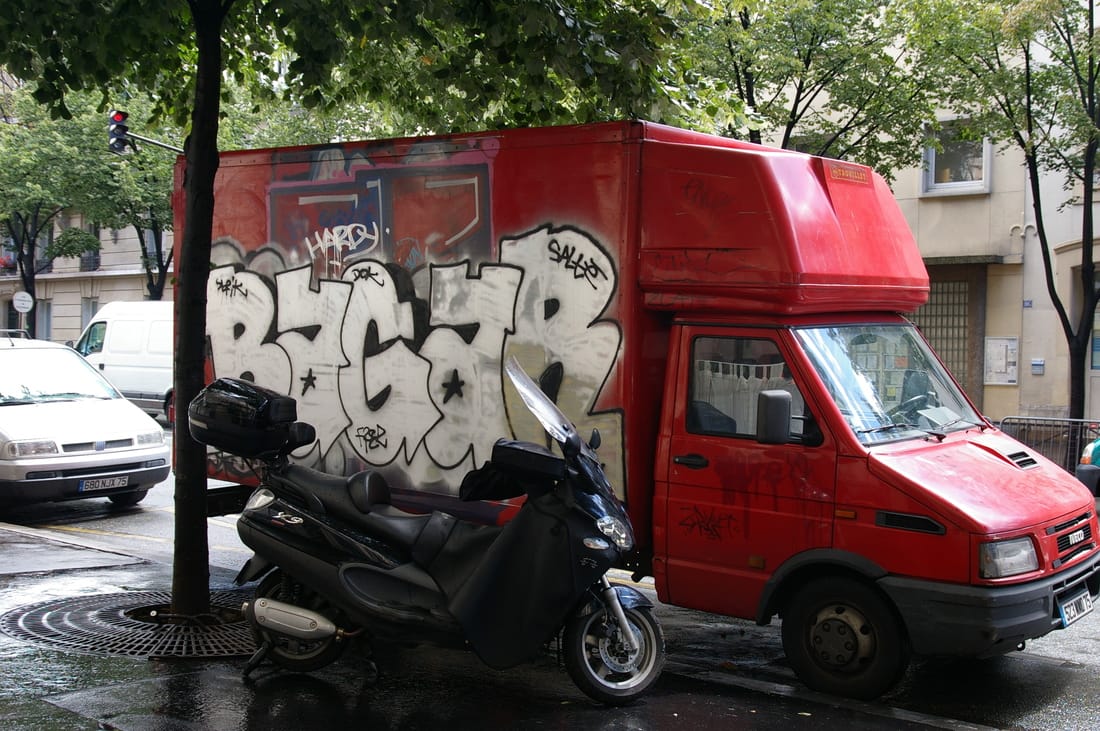
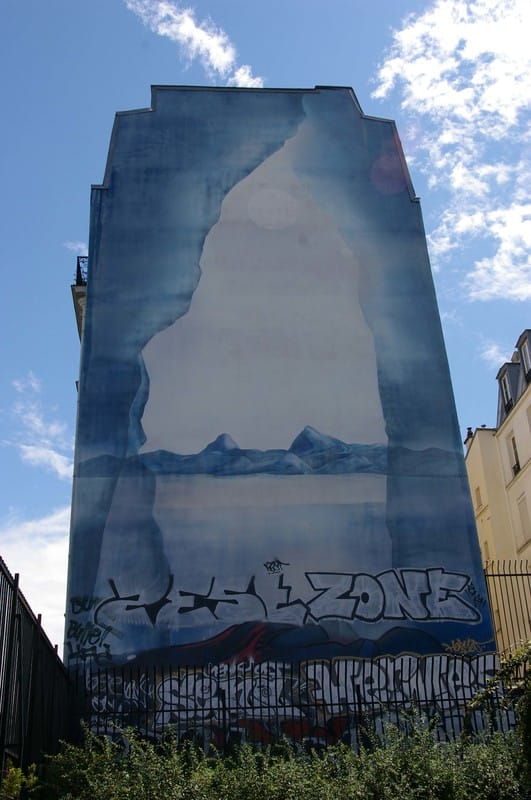
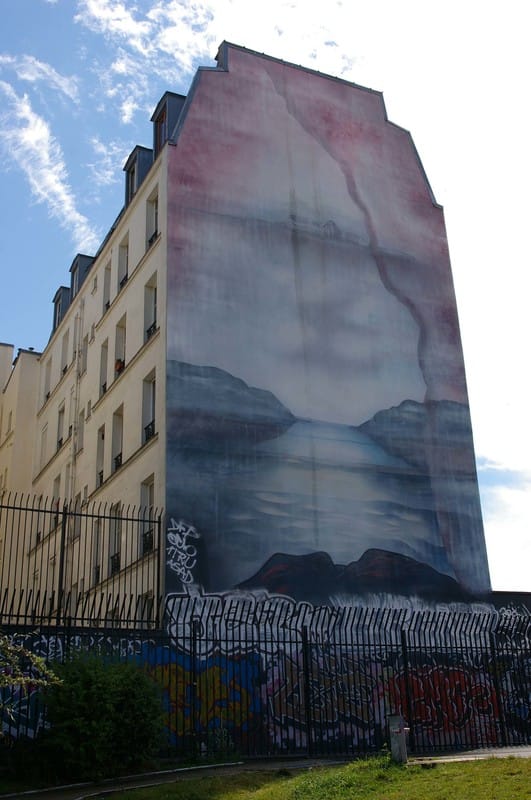
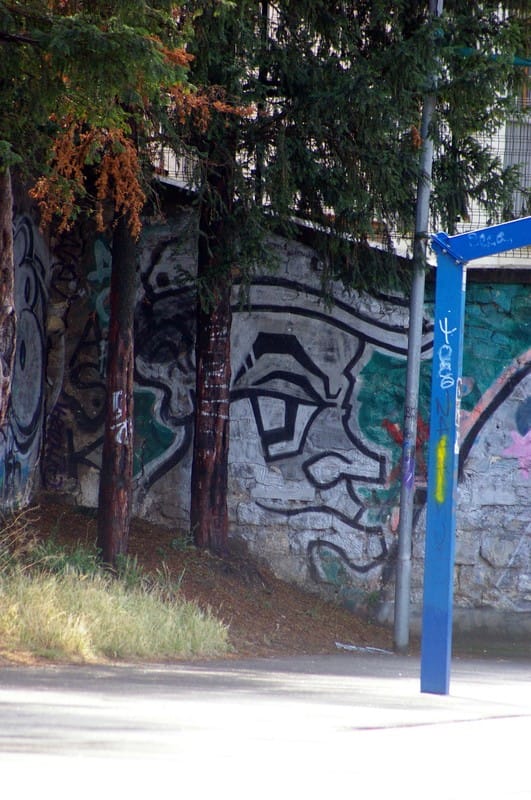
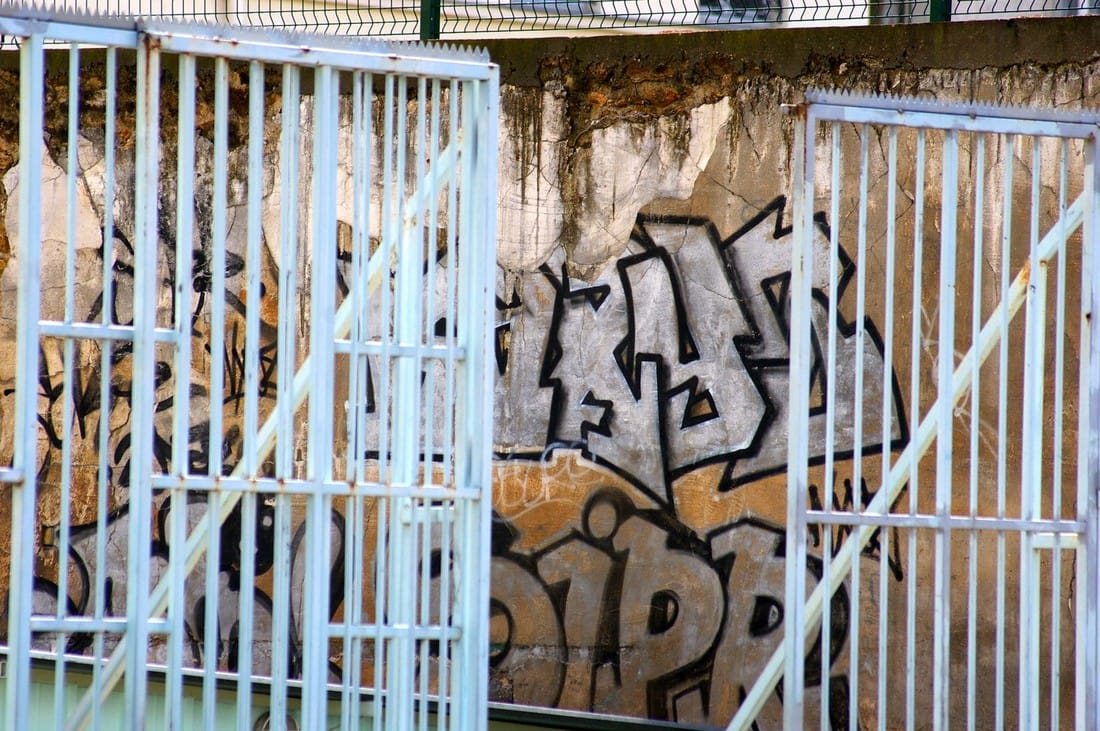
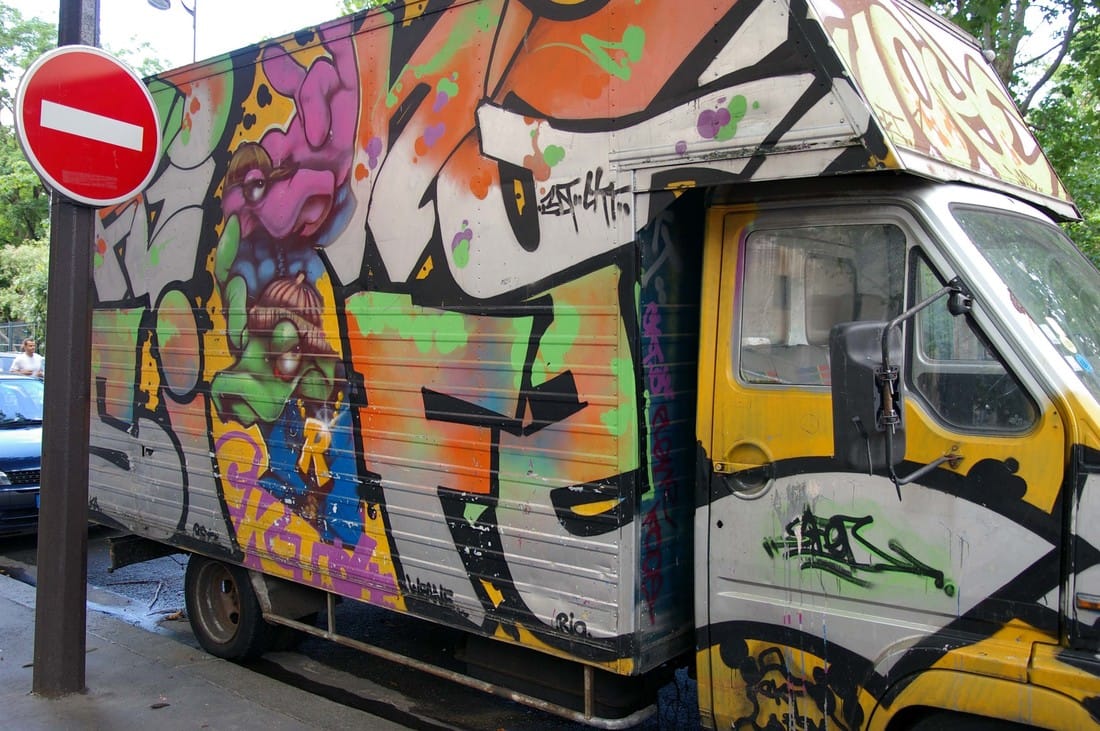
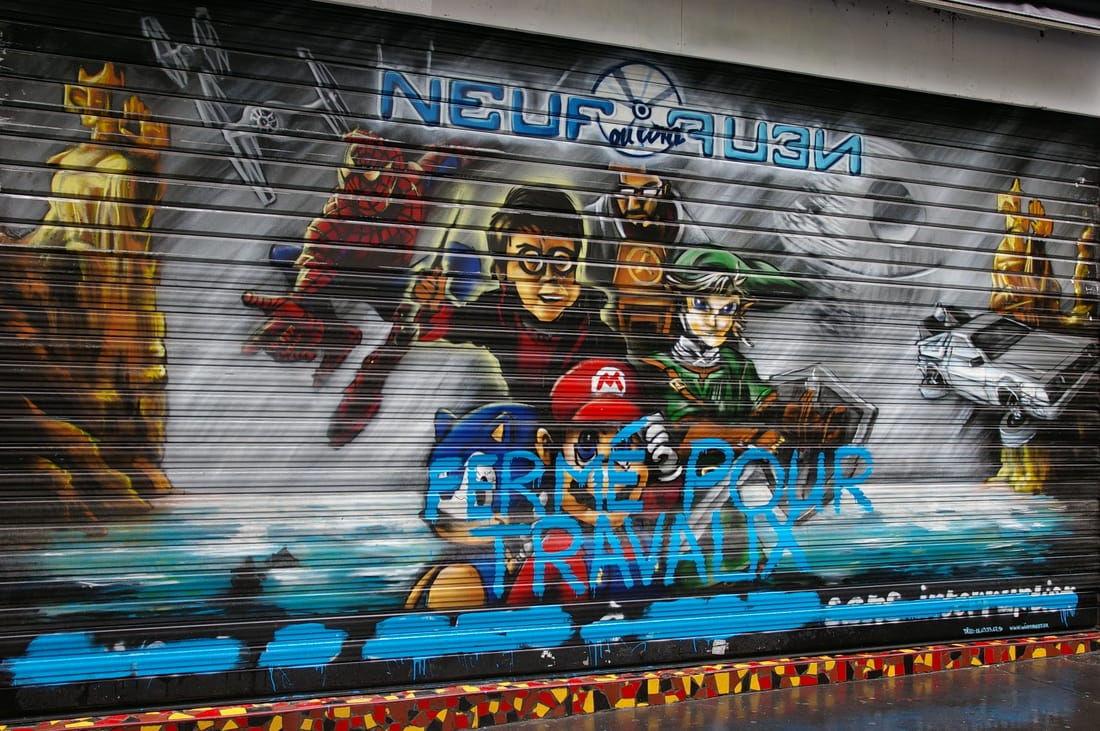
Our Parisian journey led us to the wonderfully bohemian banks of the Canal Saint-Martin, a picturesque waterway that instantly captured our hearts with its laid-back, creative energy. Strolling along the water with Felipe, we were mesmerized by the sheer explosion of urban art, with vibrant graffiti murals and expressive street art transforming the old stone walls into a dynamic open-air gallery. Traditional houseboats and rustic barges swayed gently at their moorings, perfectly complementing the iconic, arched iron footbridges where locals sat to watch the day go by. On the opposite bank, the famous colorful houses and boutique storefronts added brilliant pops of pink, yellow, and green to the landscape, creating a scene that felt straight out of a movie. 

Montmartre
Vintage Vibes, Neon Lights, and the Moulin Rouge

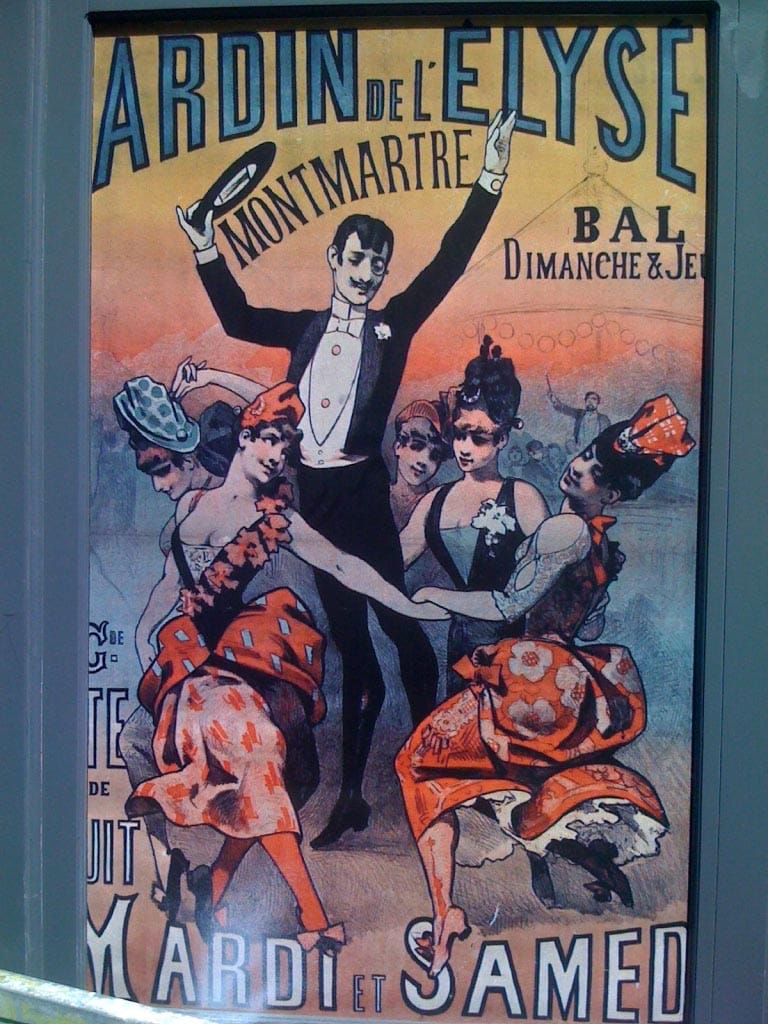
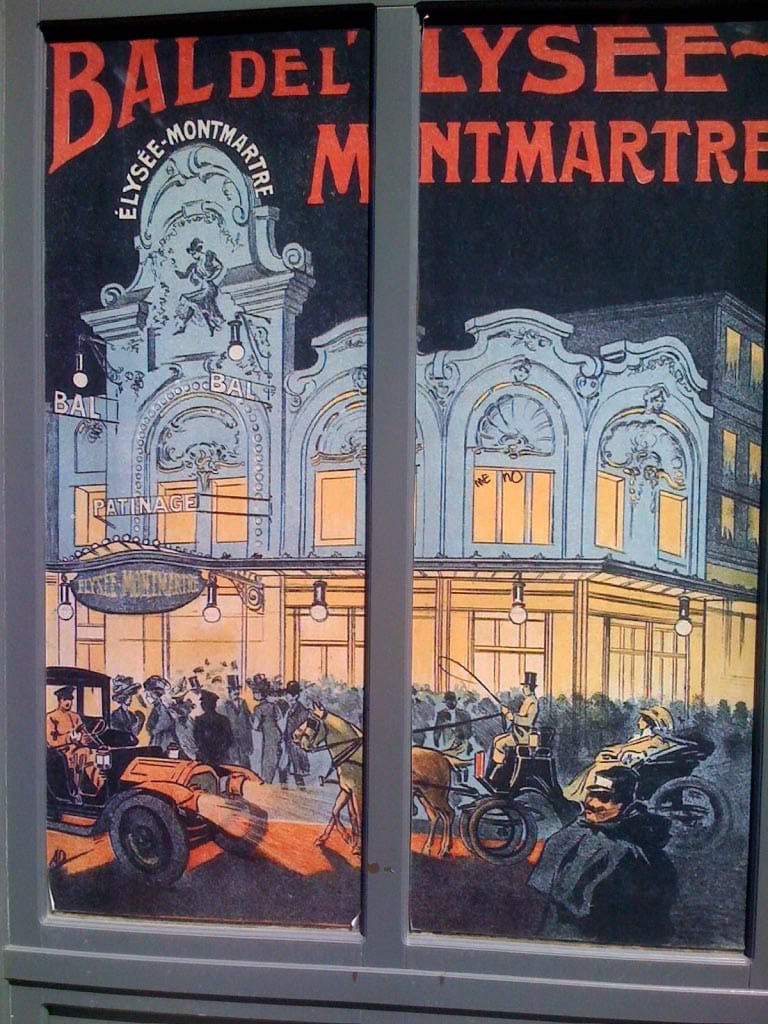
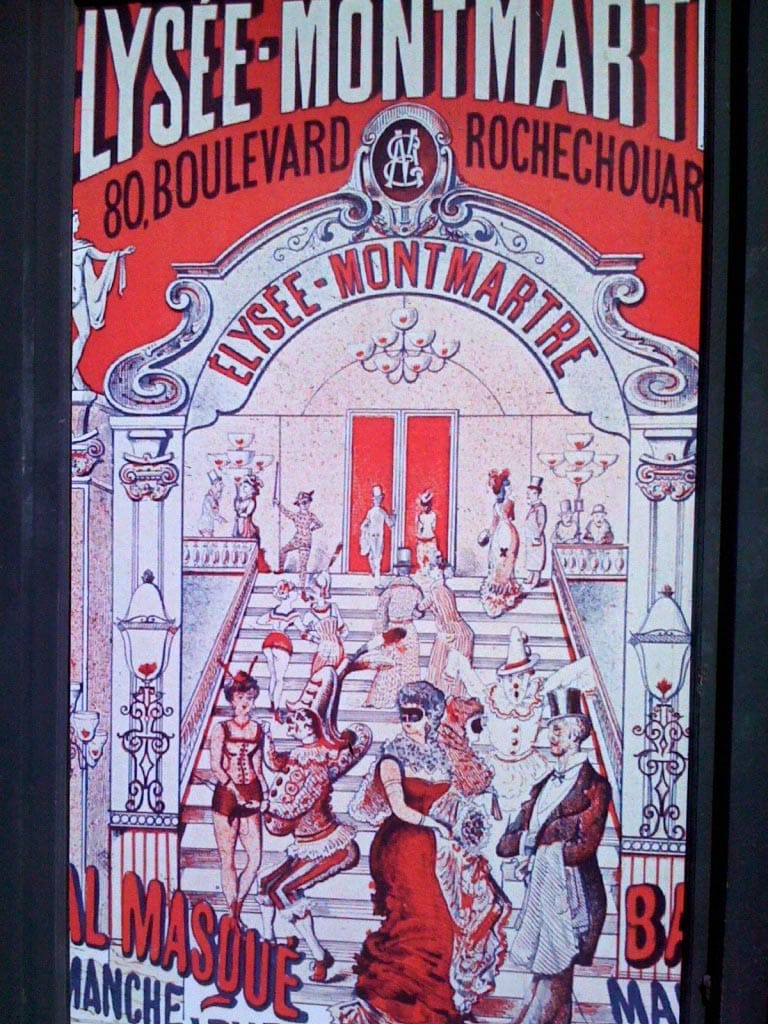
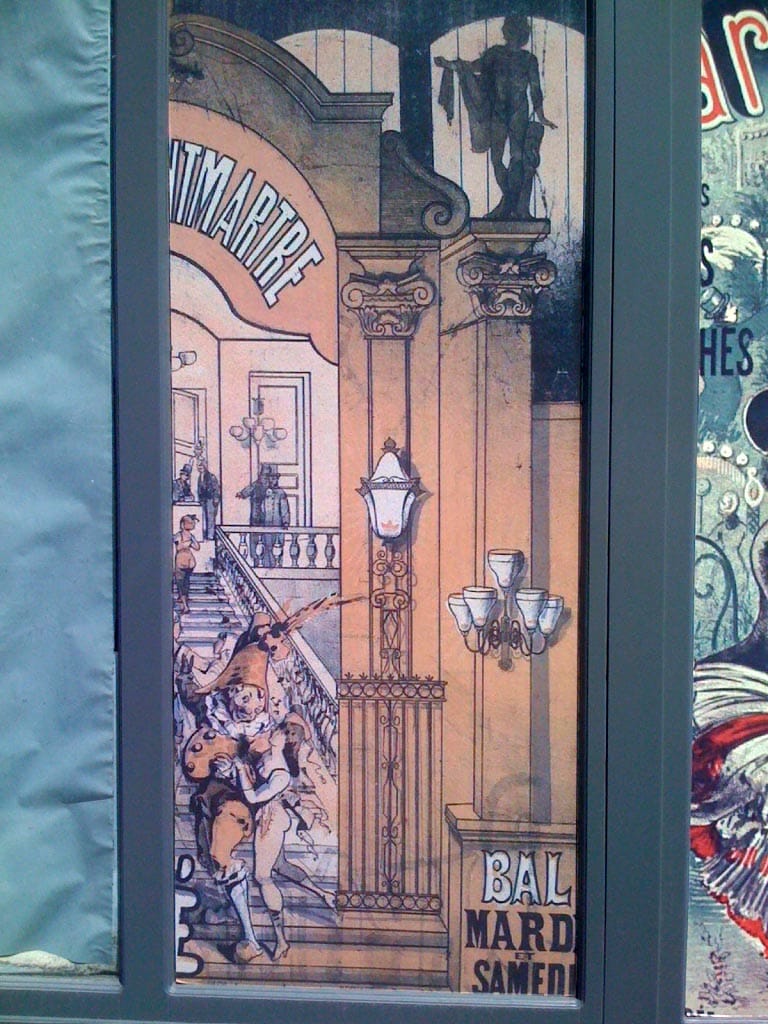
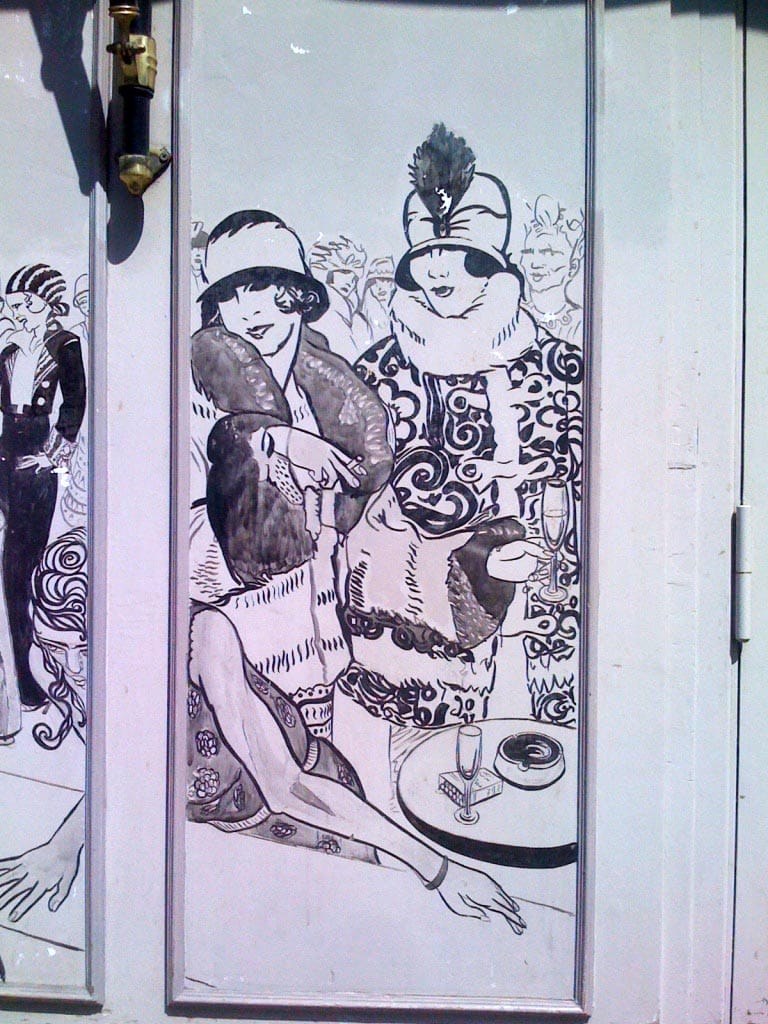
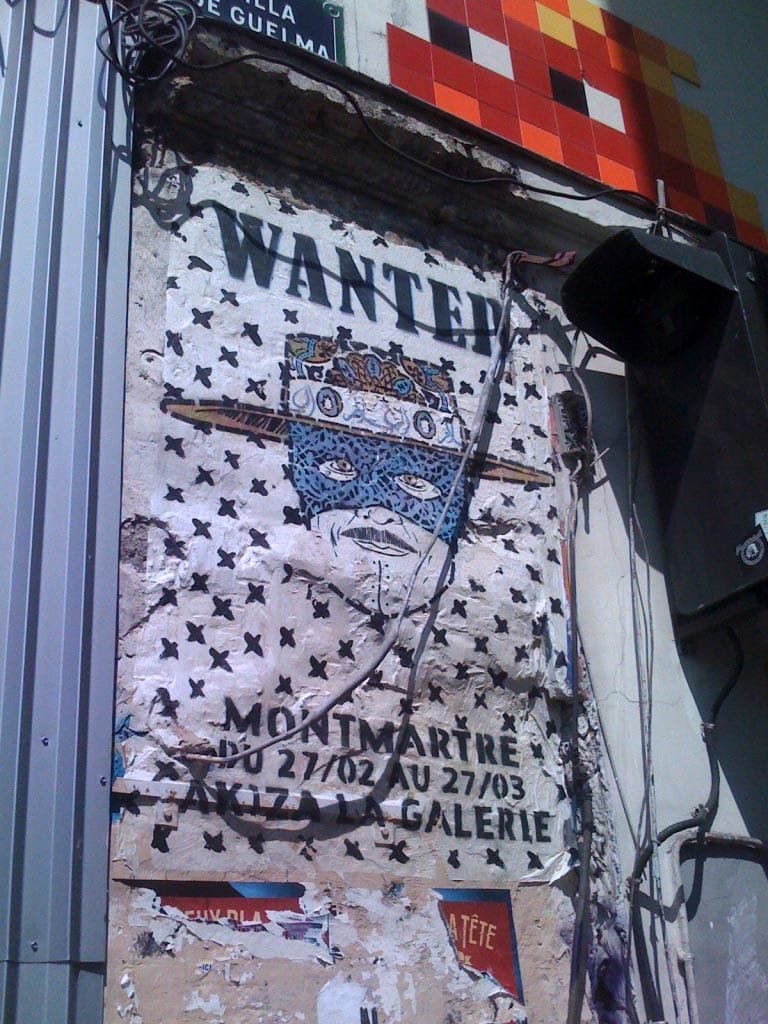
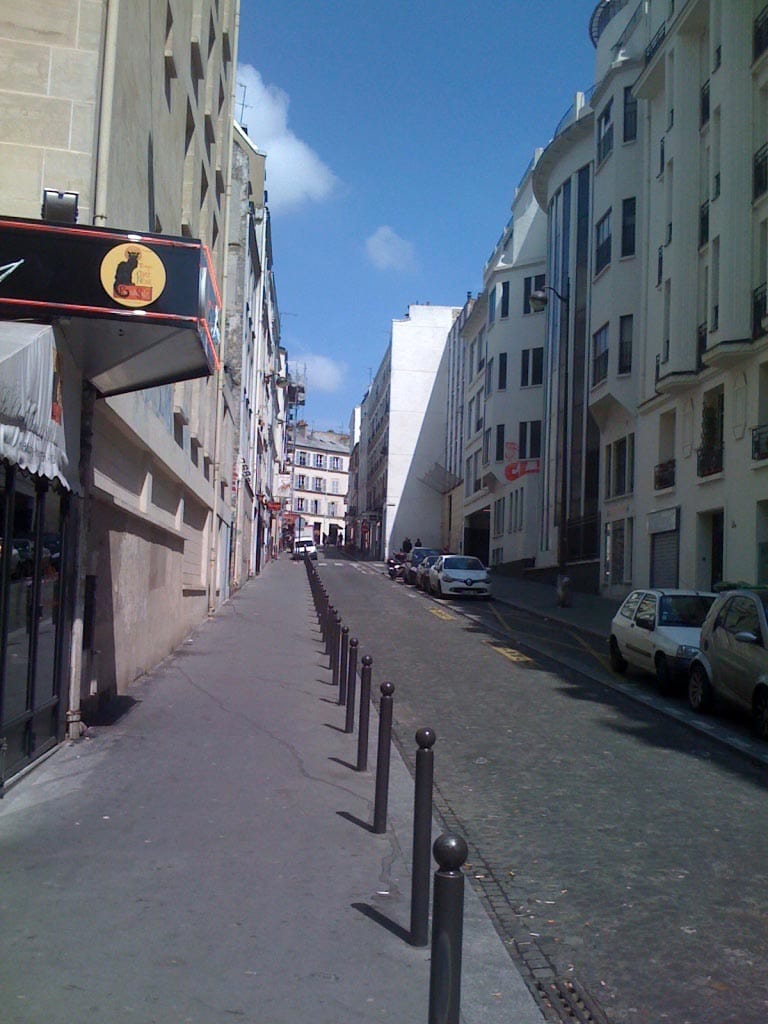
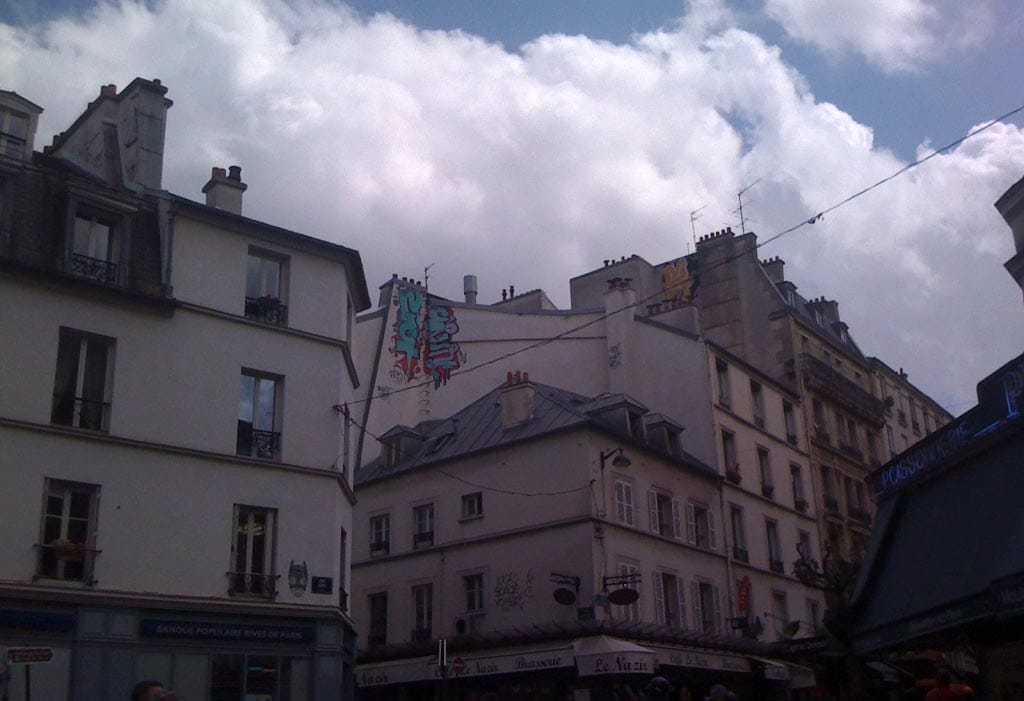
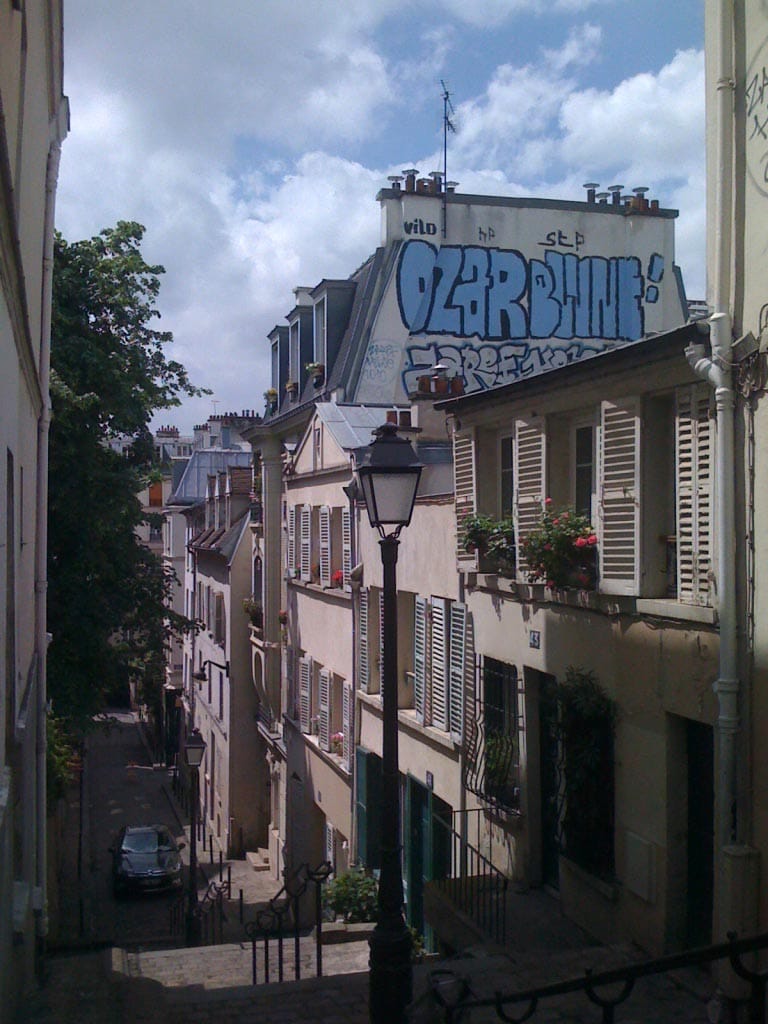
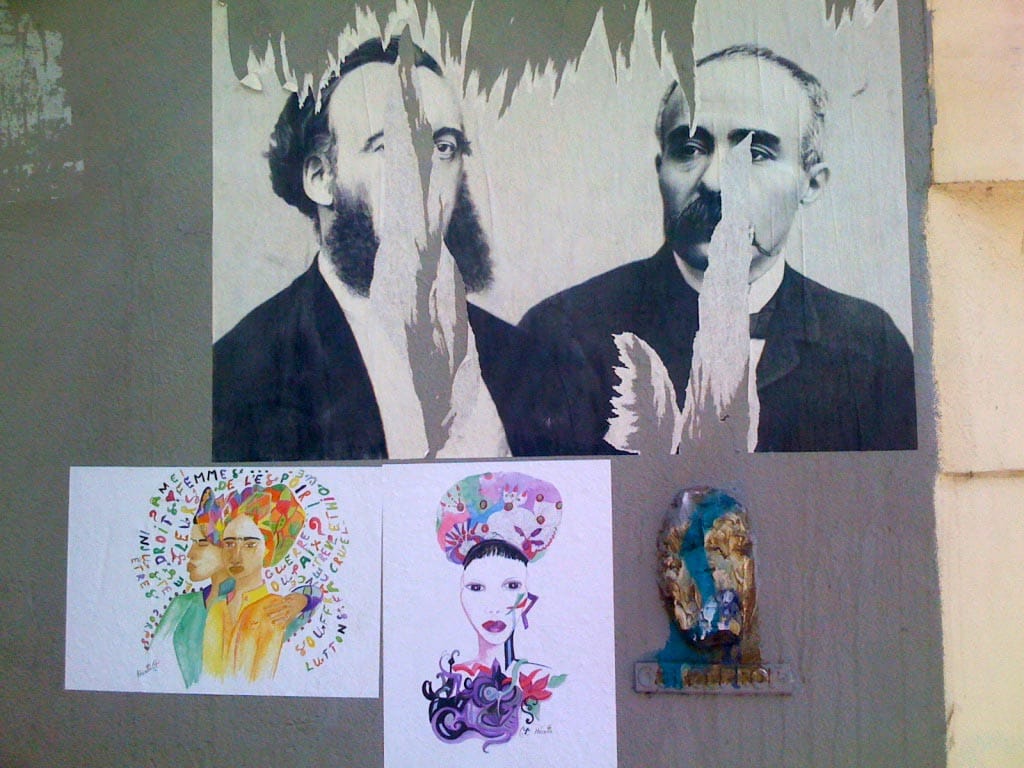
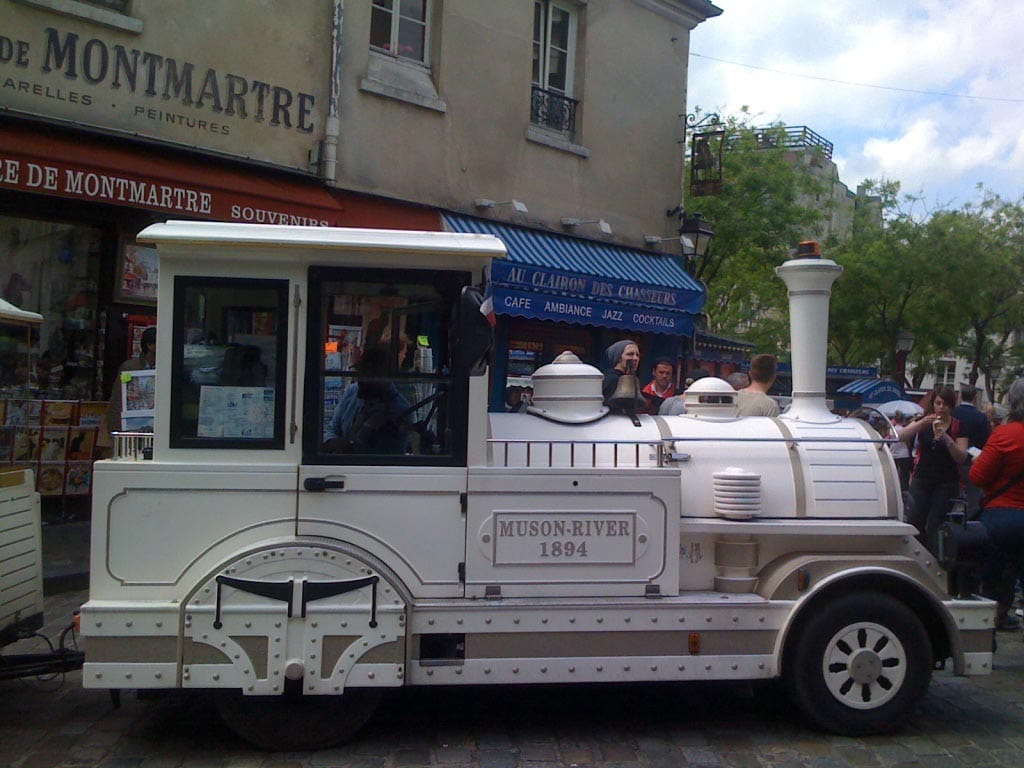
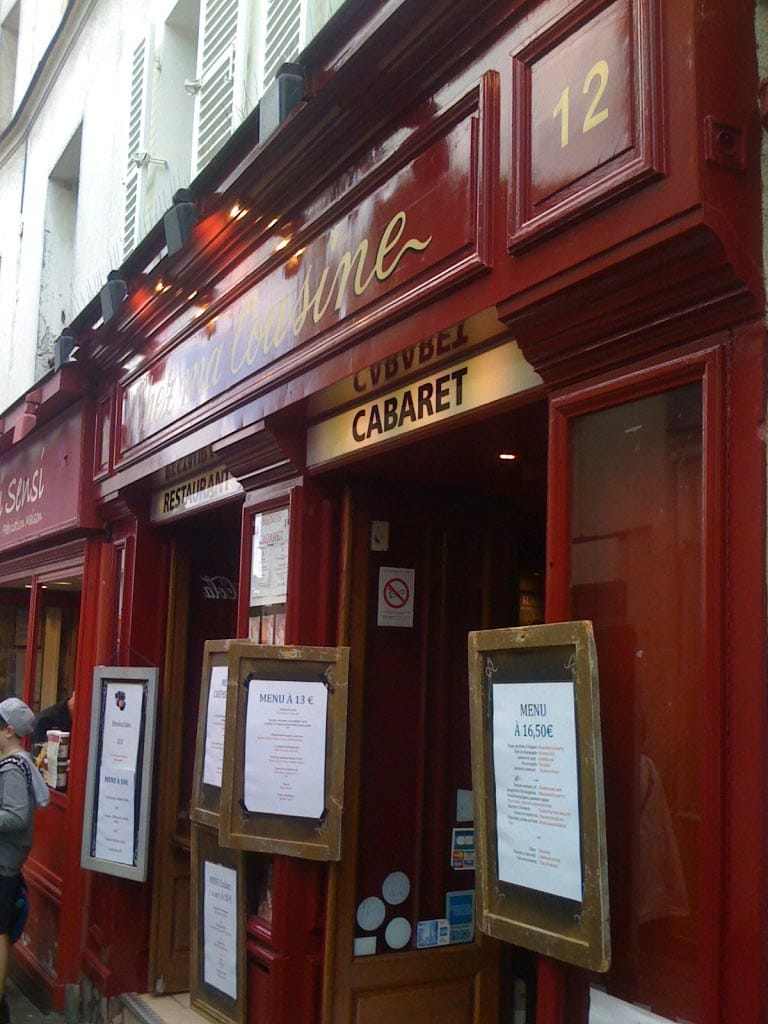
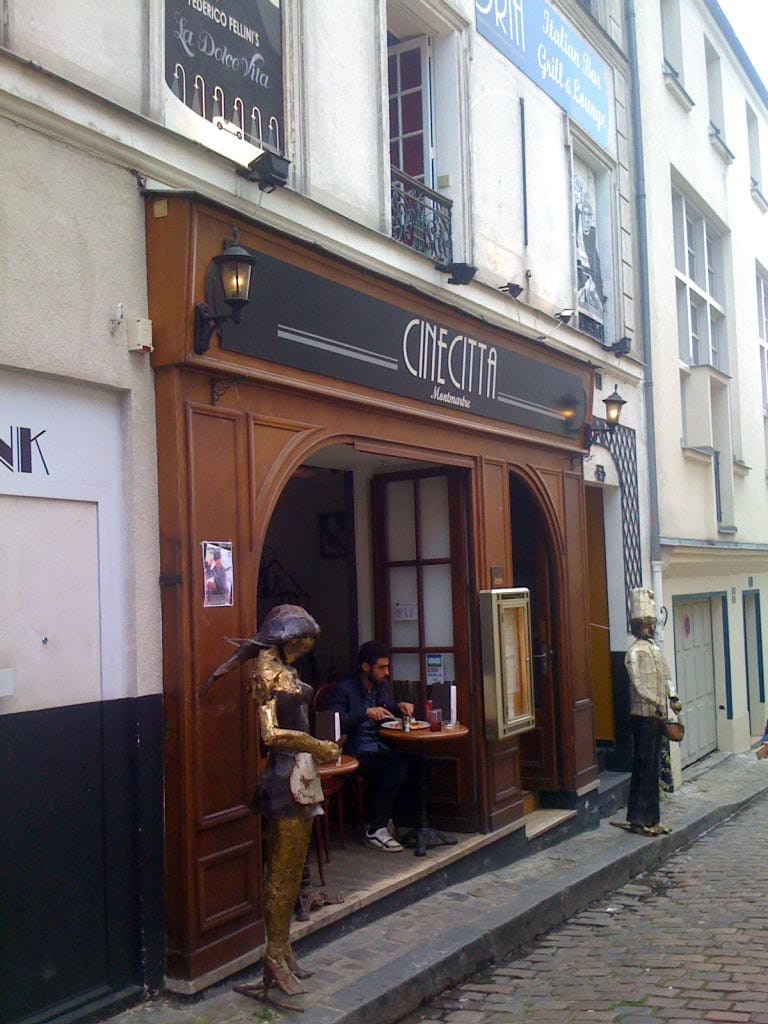
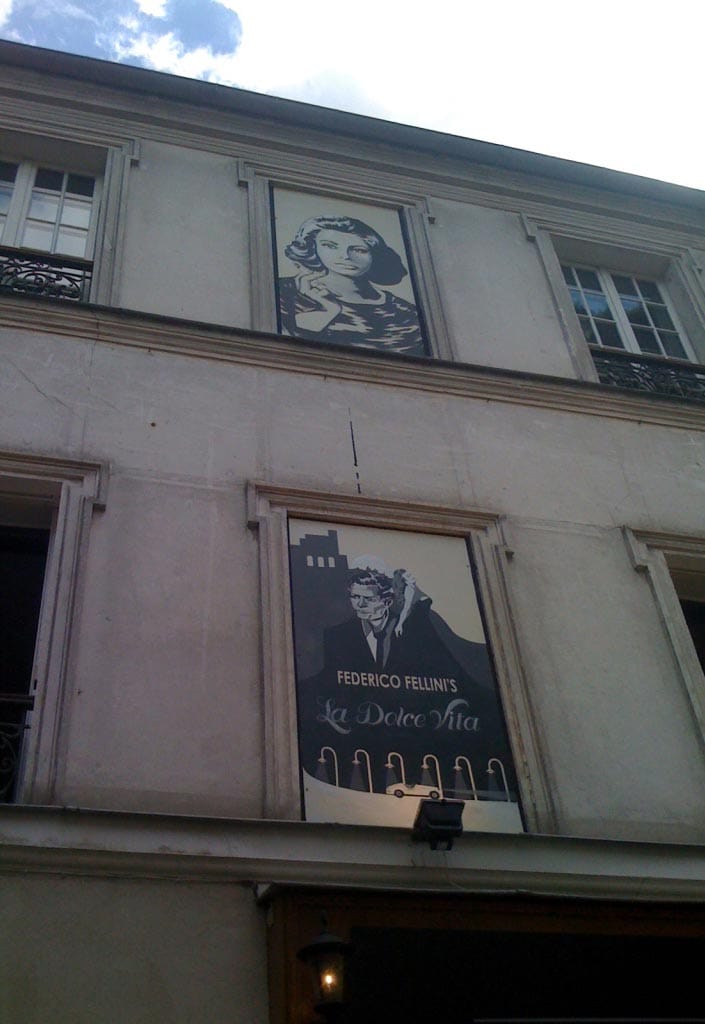
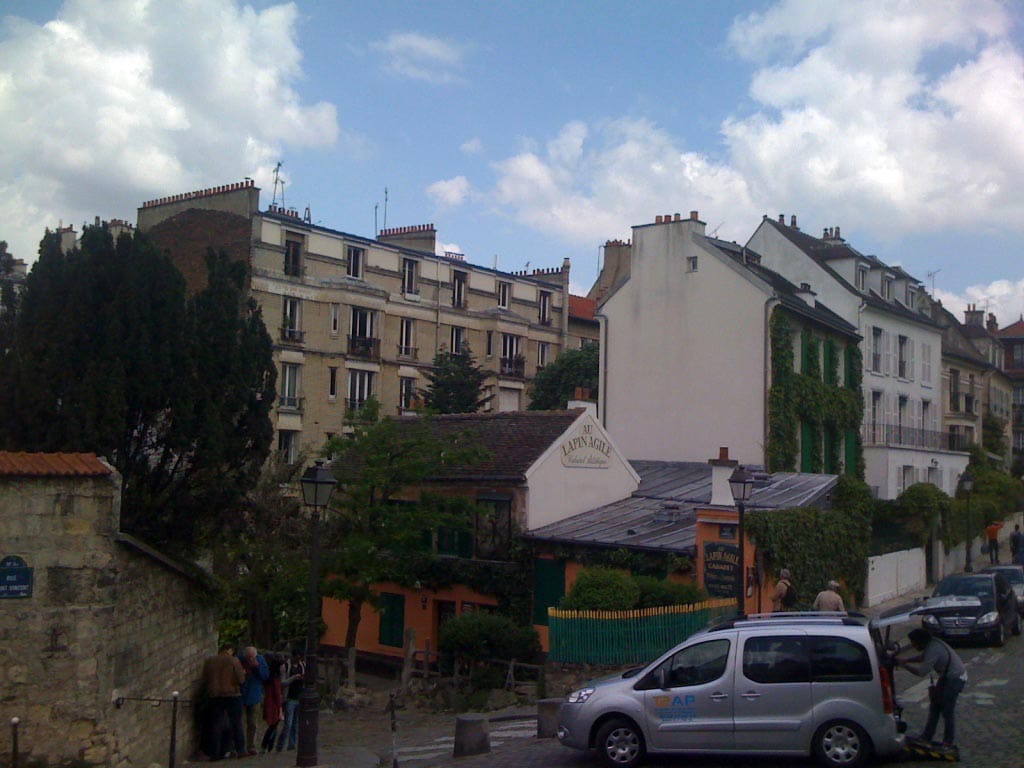
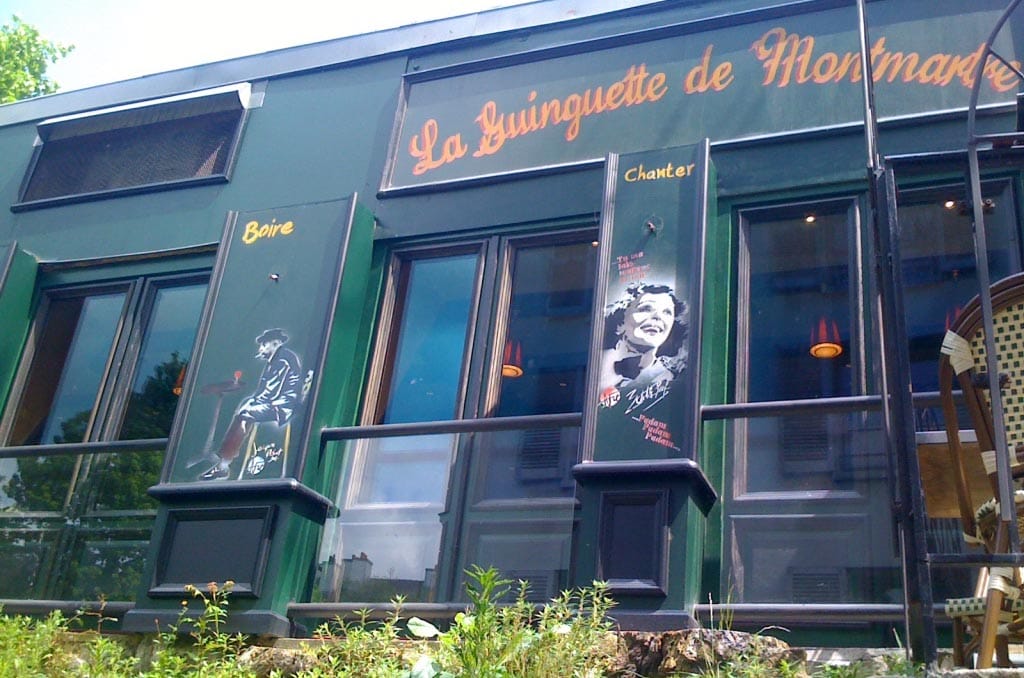
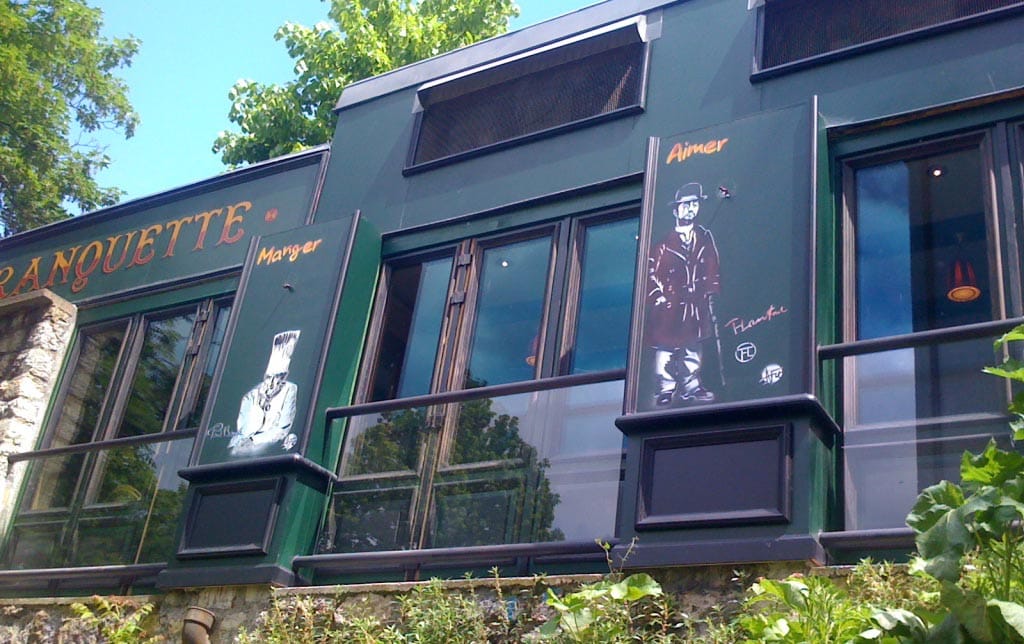
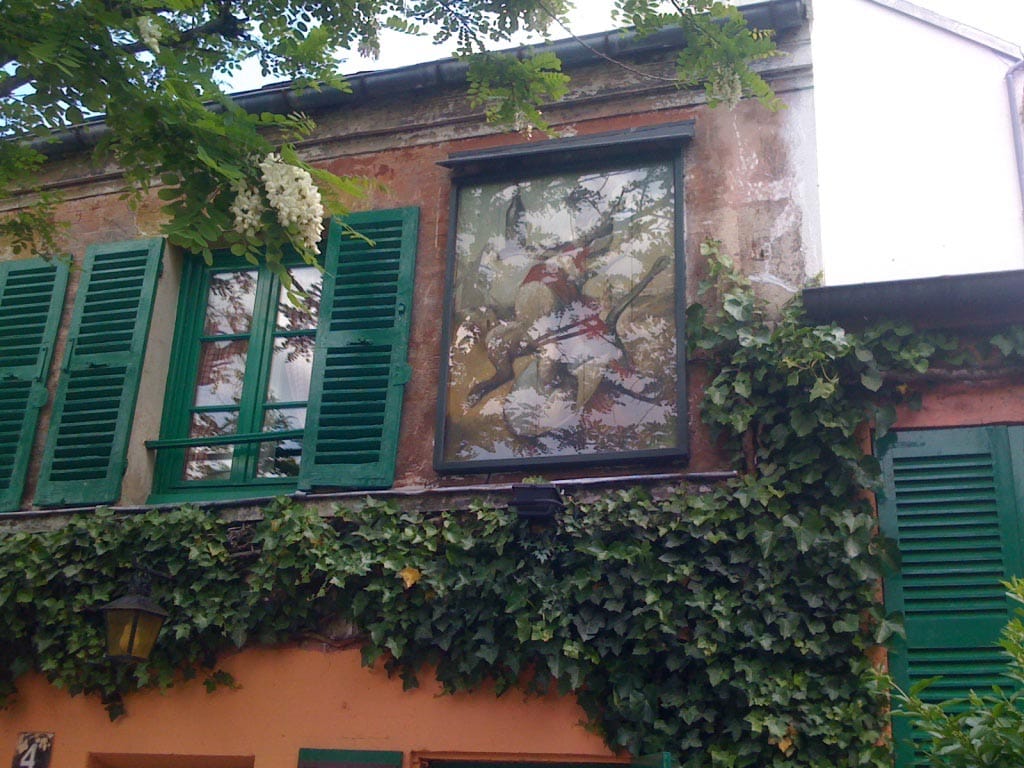
Our next adventure took us deep into the artistic heart of Montmartre, a neighborhood that still completely oozes the romantic charm of the Belle Époque. As we wandered up the winding cobblestone streets, we were captivated by the iconic vintage posters and old art prints displaying classic cabaret advertisements like the famous Chat Noir, which made the entire district feel like a living museum. 

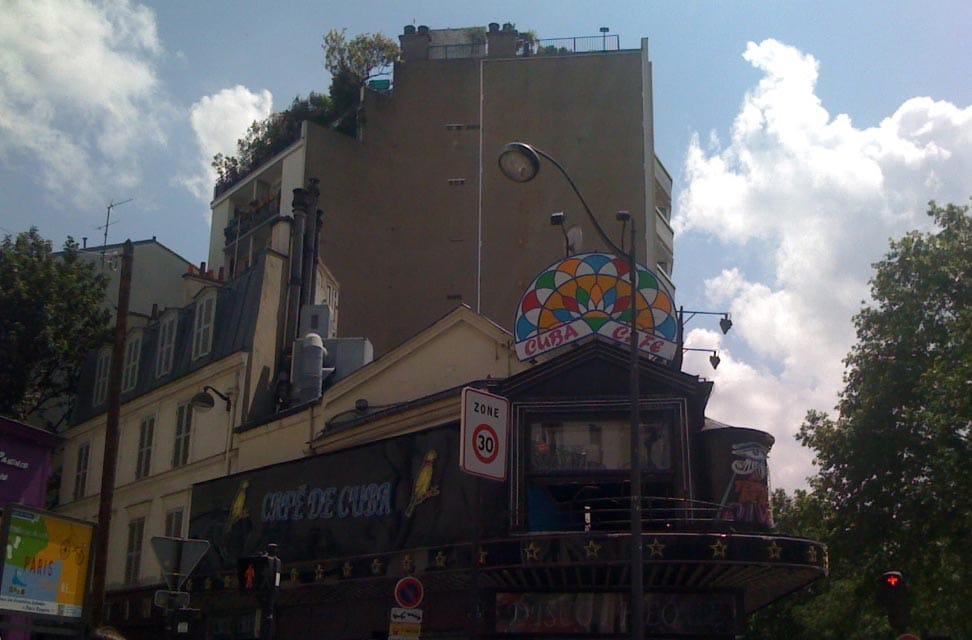
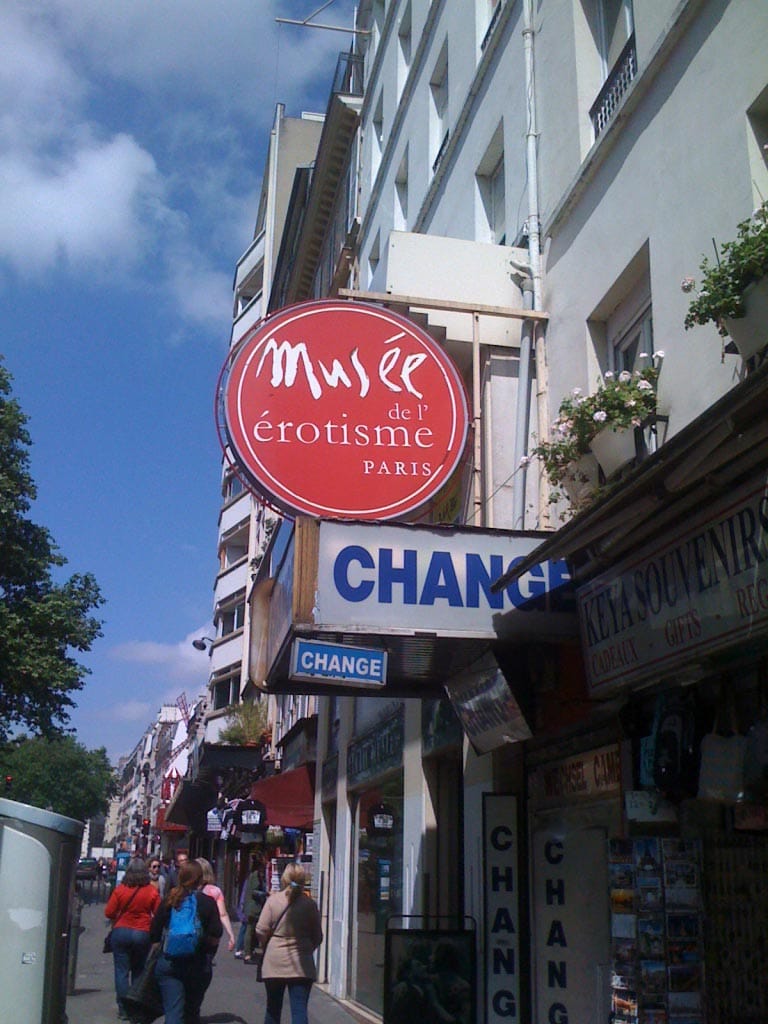
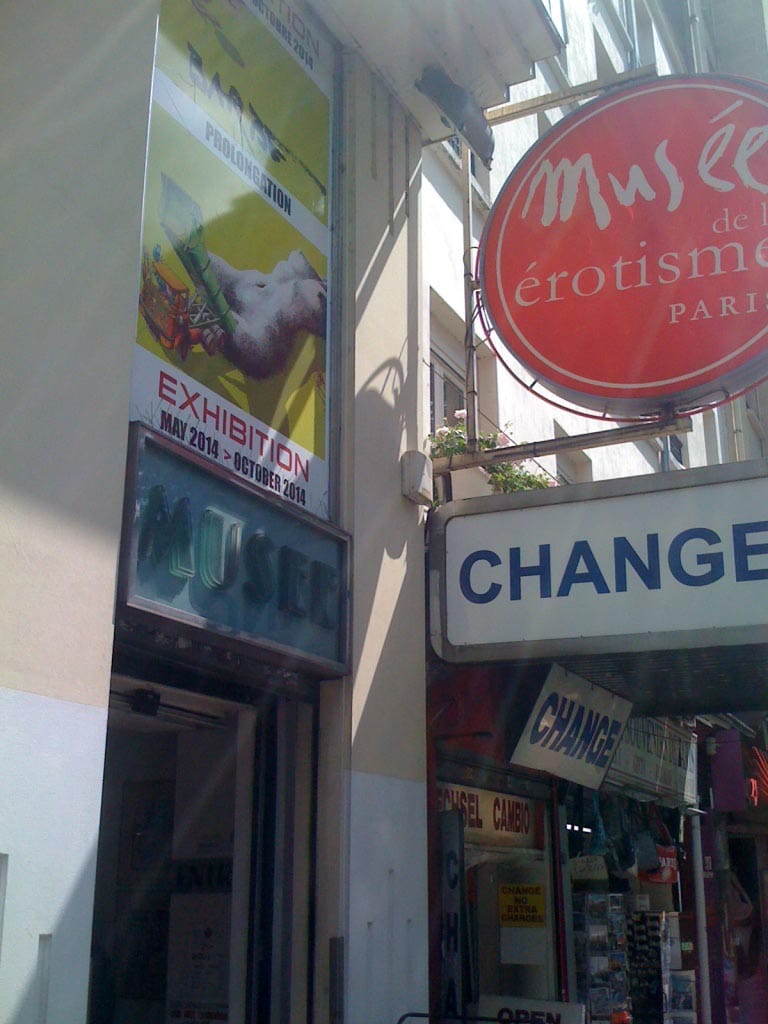
Erotic Museum in Montmartre
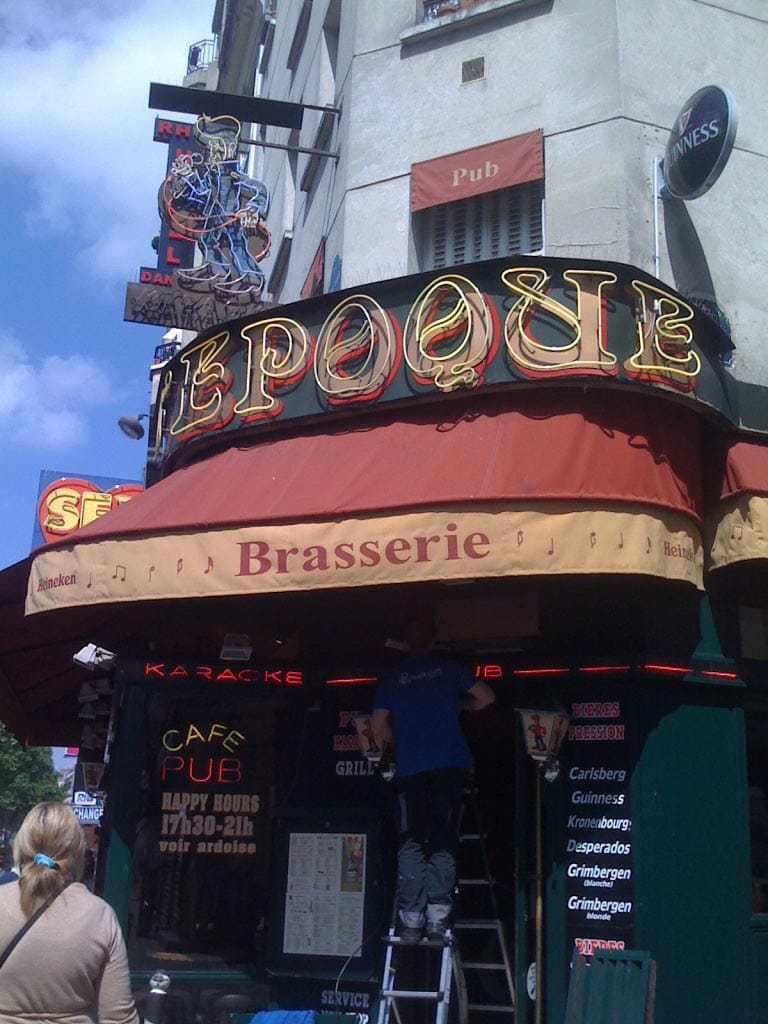
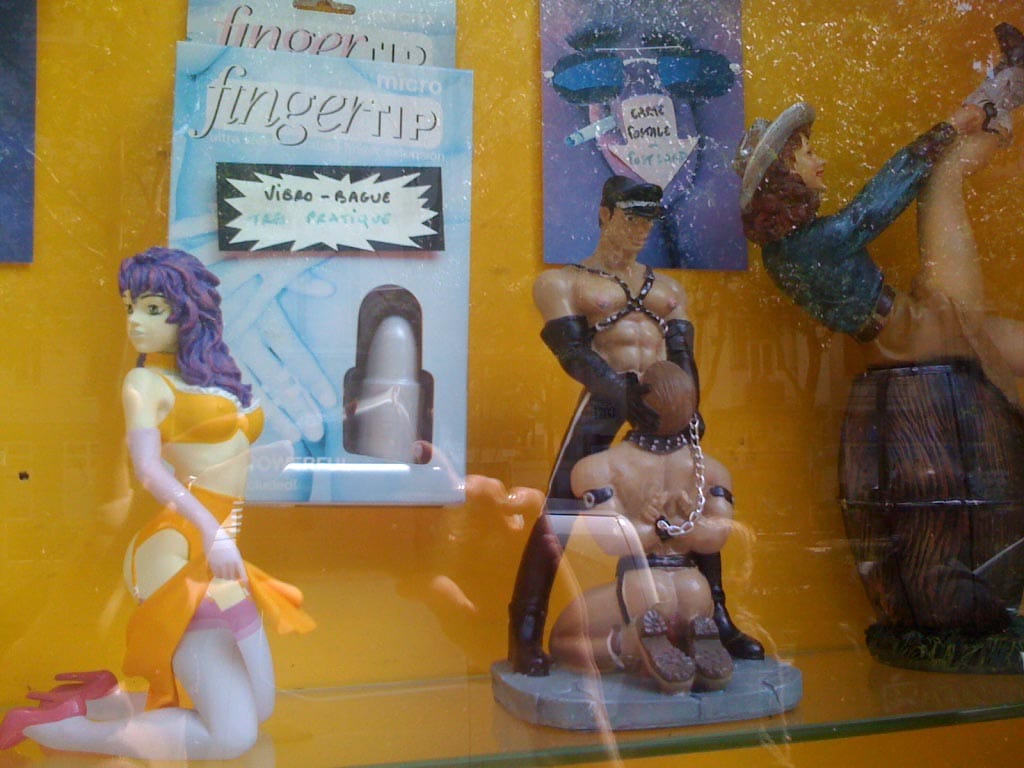
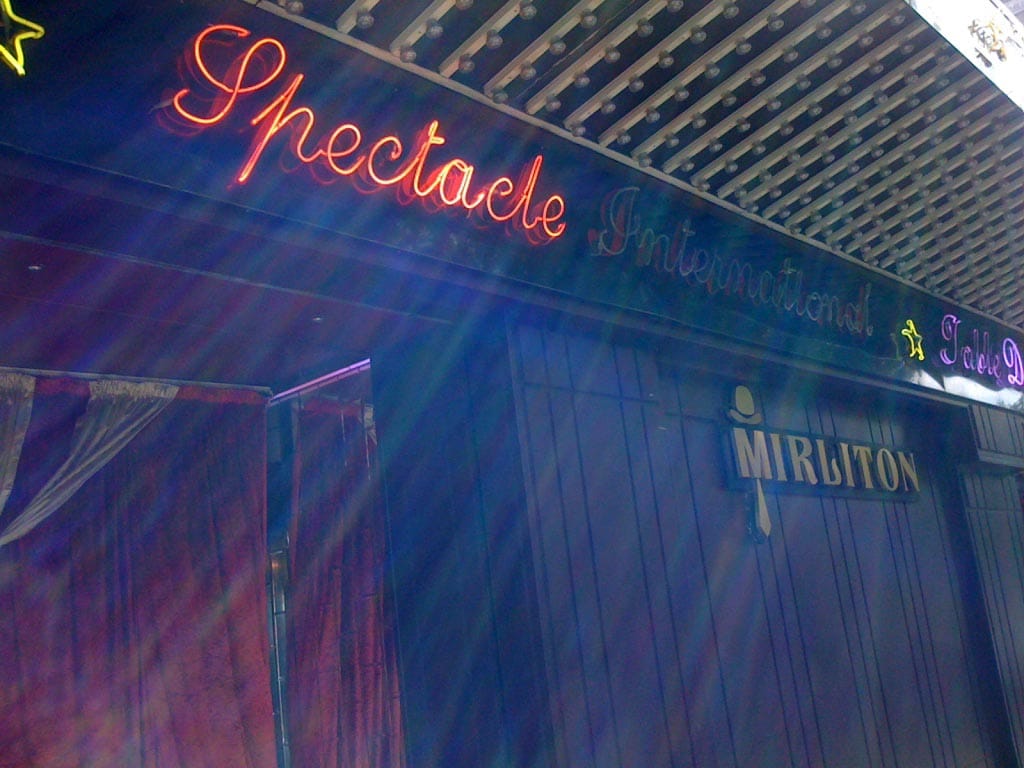
Walking down the bustling Boulevard de Clichy, we passed by the flashing neon signs of the famous Erotic Museum, soaking in the area's eccentric and historically cheeky nightlife culture.

Picture
 
​
Moulin Rouge

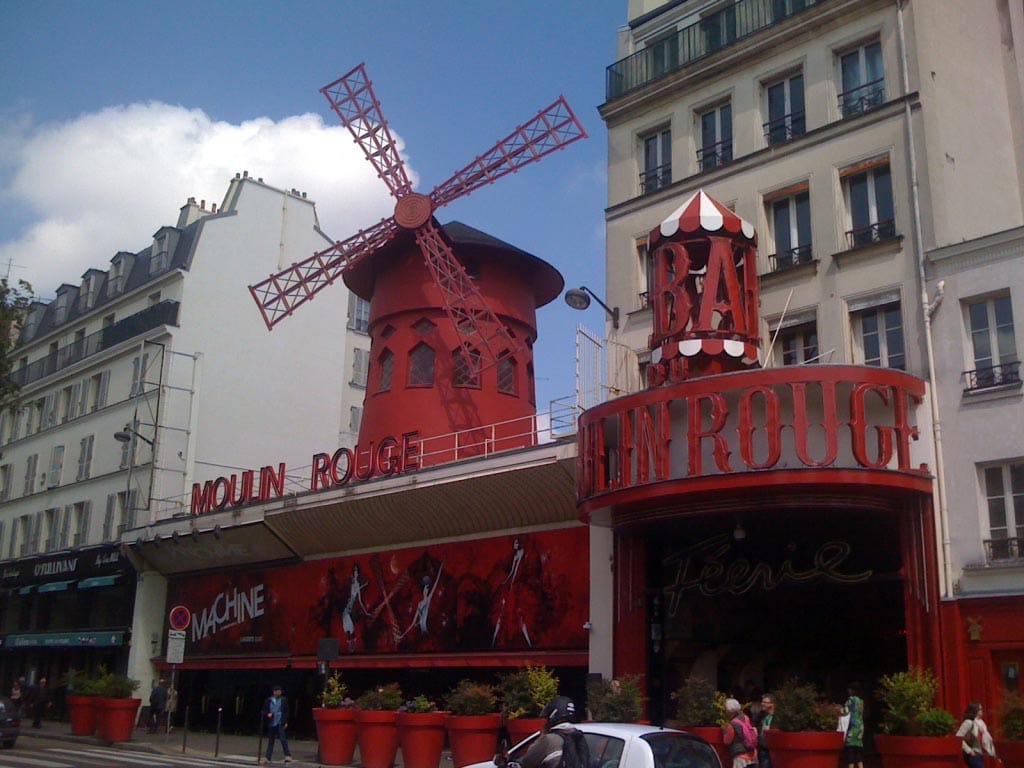
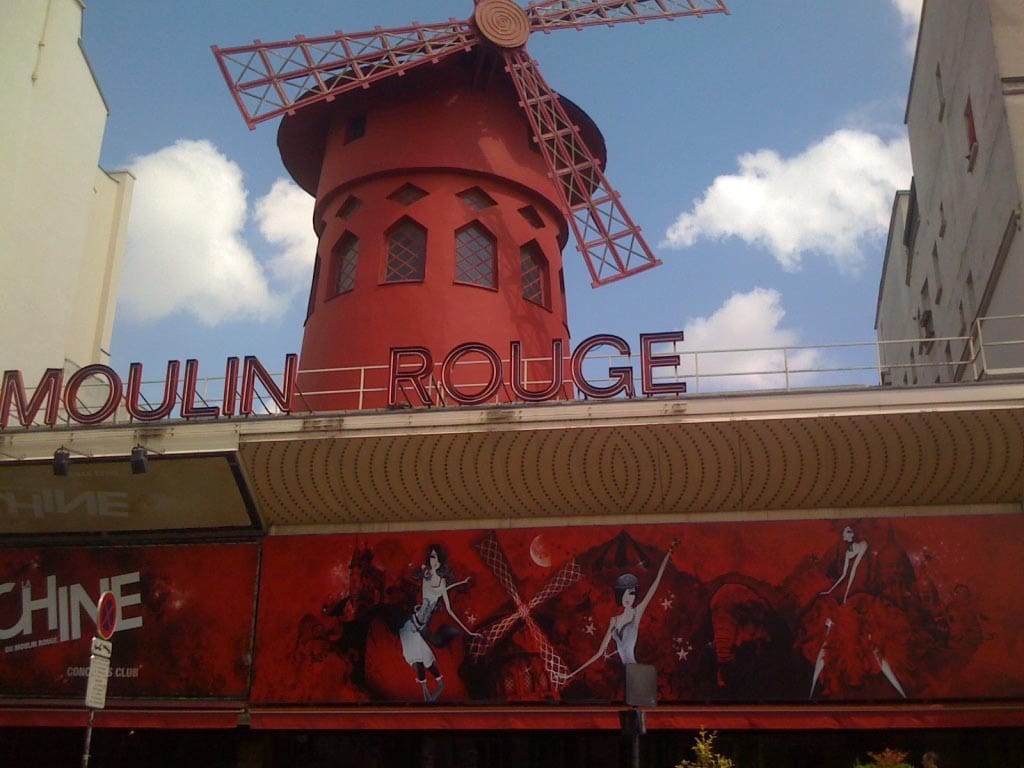
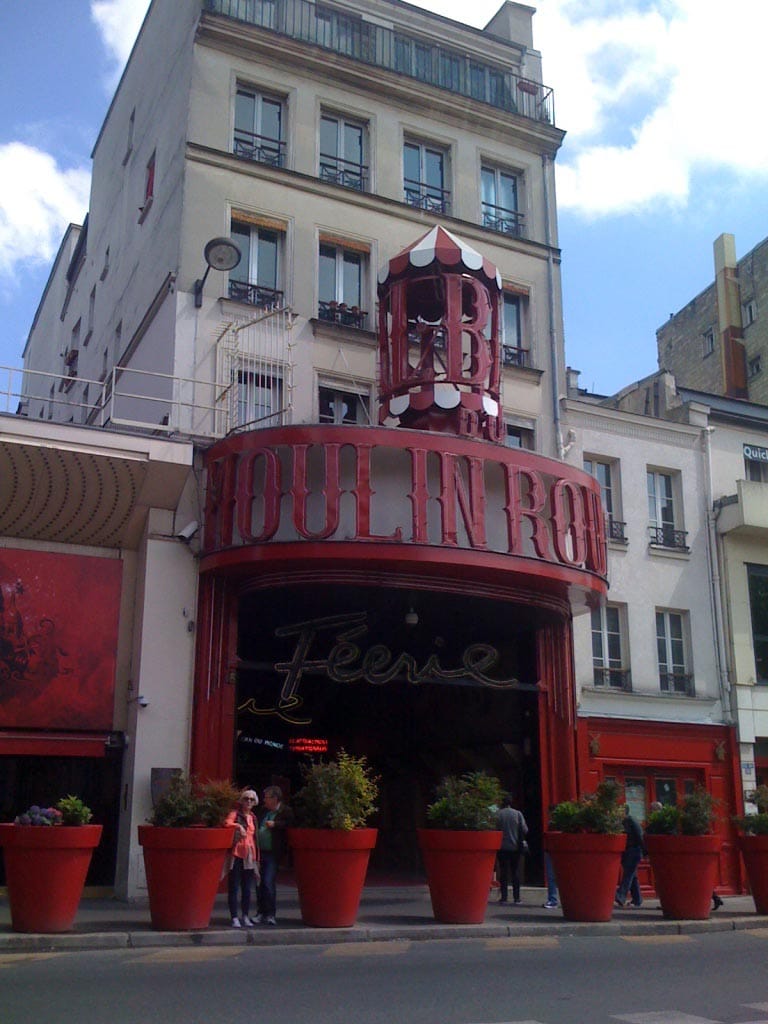
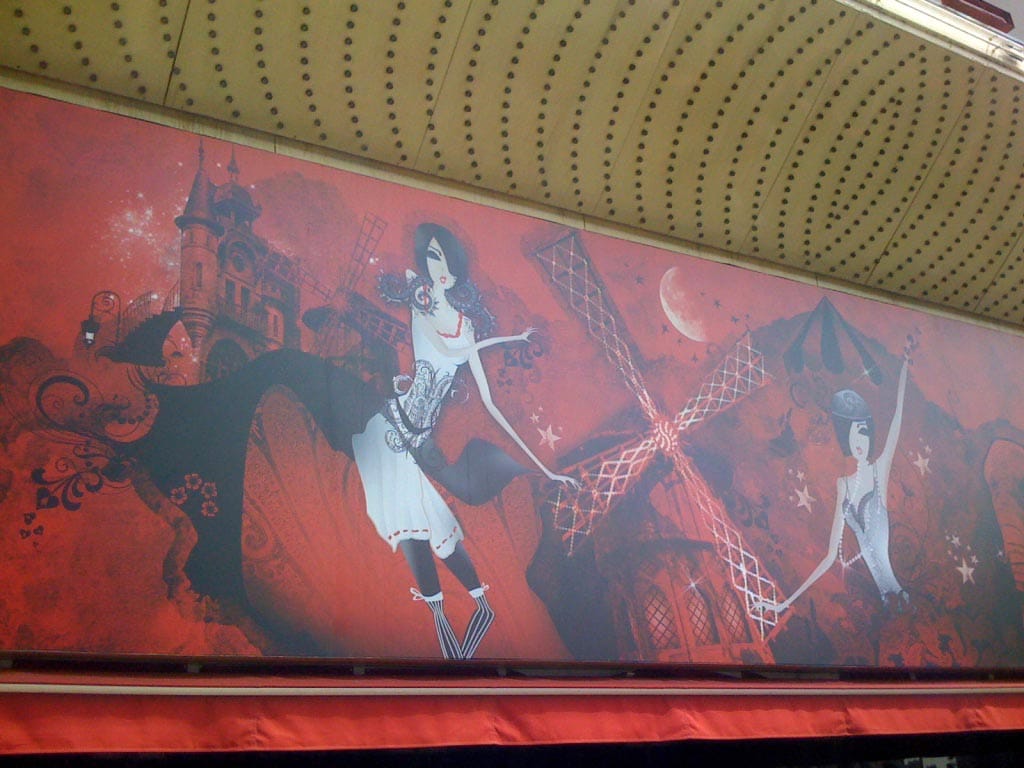
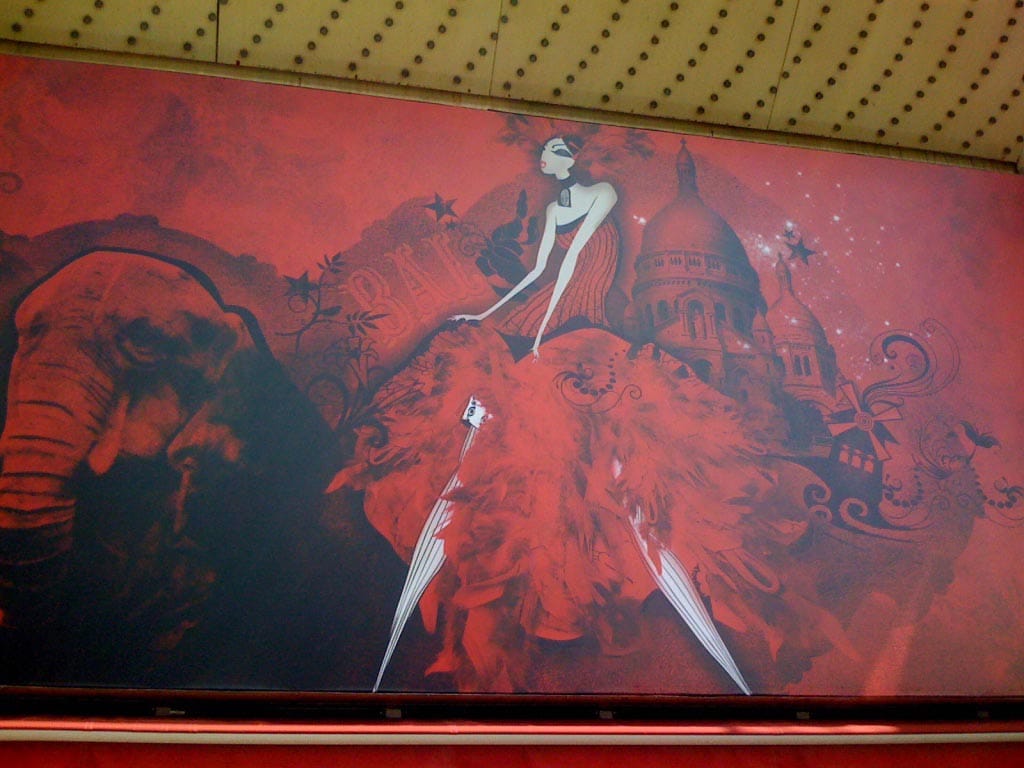
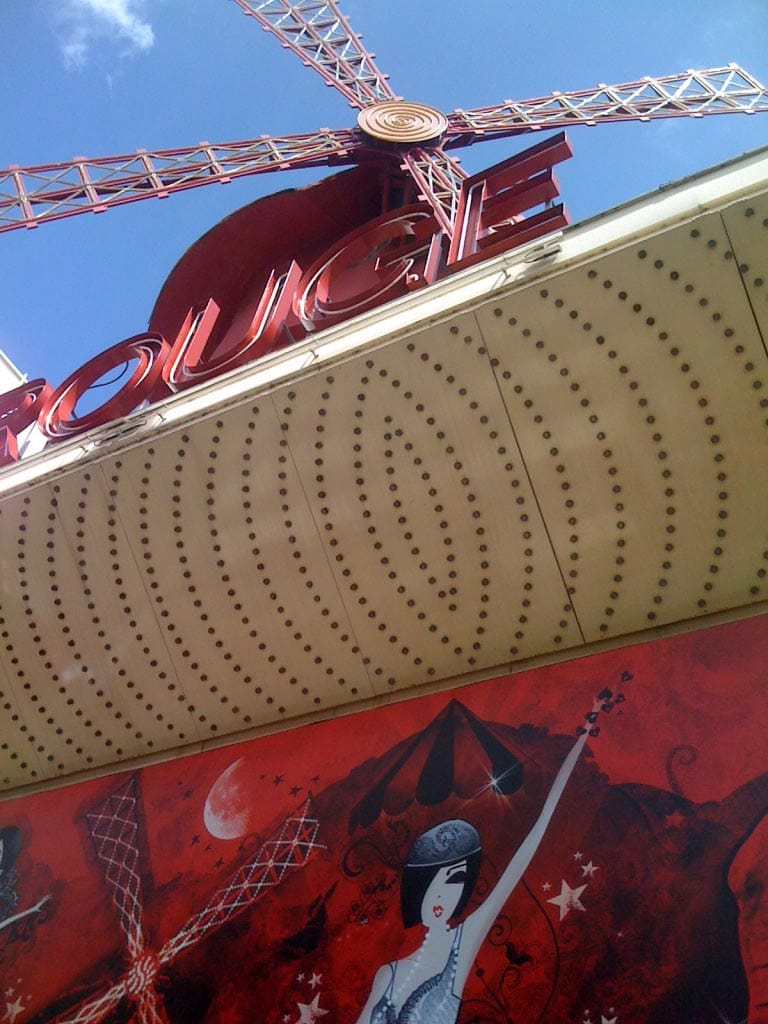
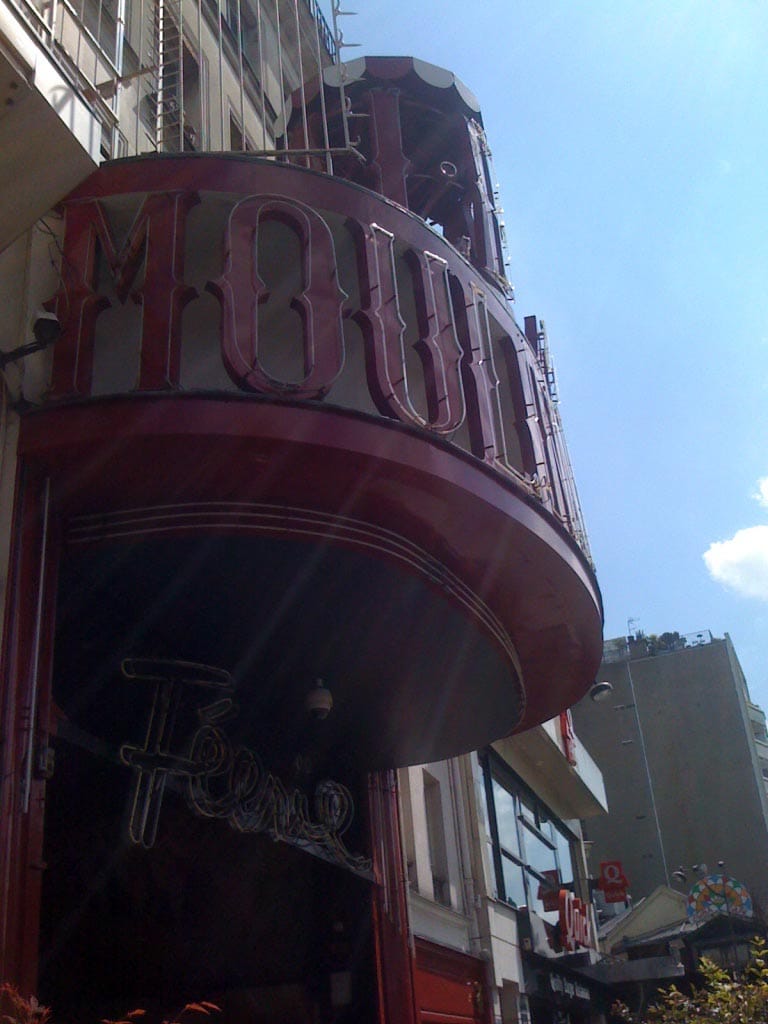
Finally, we made a spectacular stop right in front of the legendary Moulin Rouge, the world-famous burlesque showhouse with its iconic, glowing red windmill. Standing before the birthplace of the French Cancan, it was impossible not to feel the dazzling, historic energy of the bohemian artists who used to dance the night away right here in the heart of Paris.


The Climb to Sacré-Cœur: Narrow Alleys and a Hidden Architectural Gem
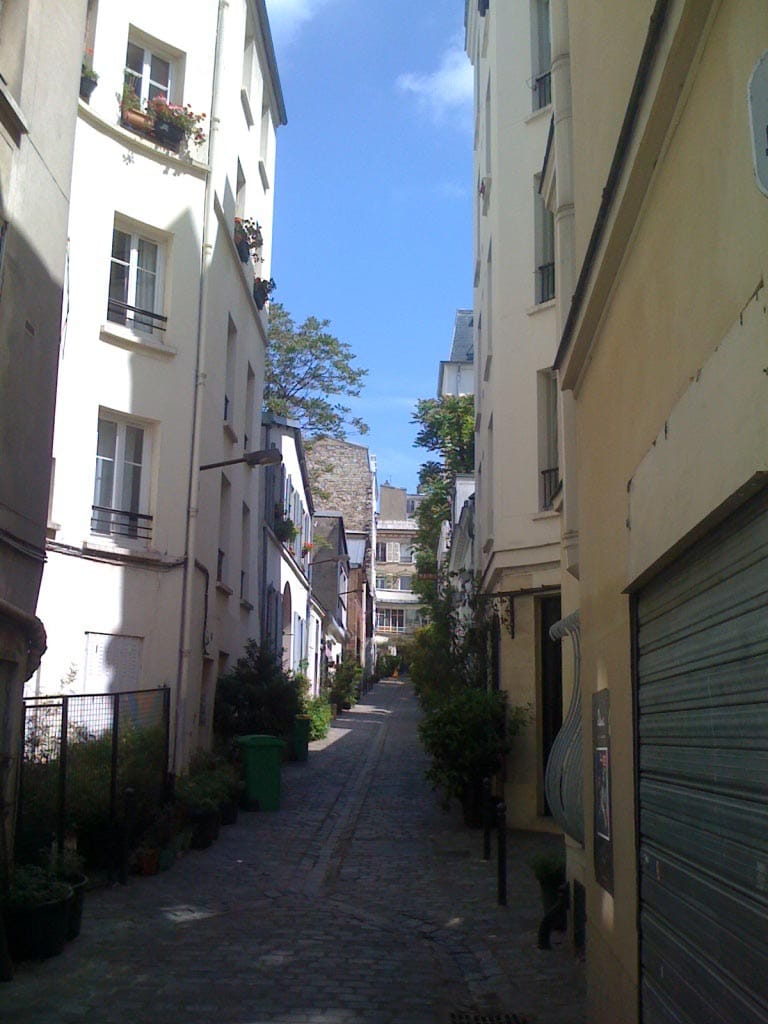
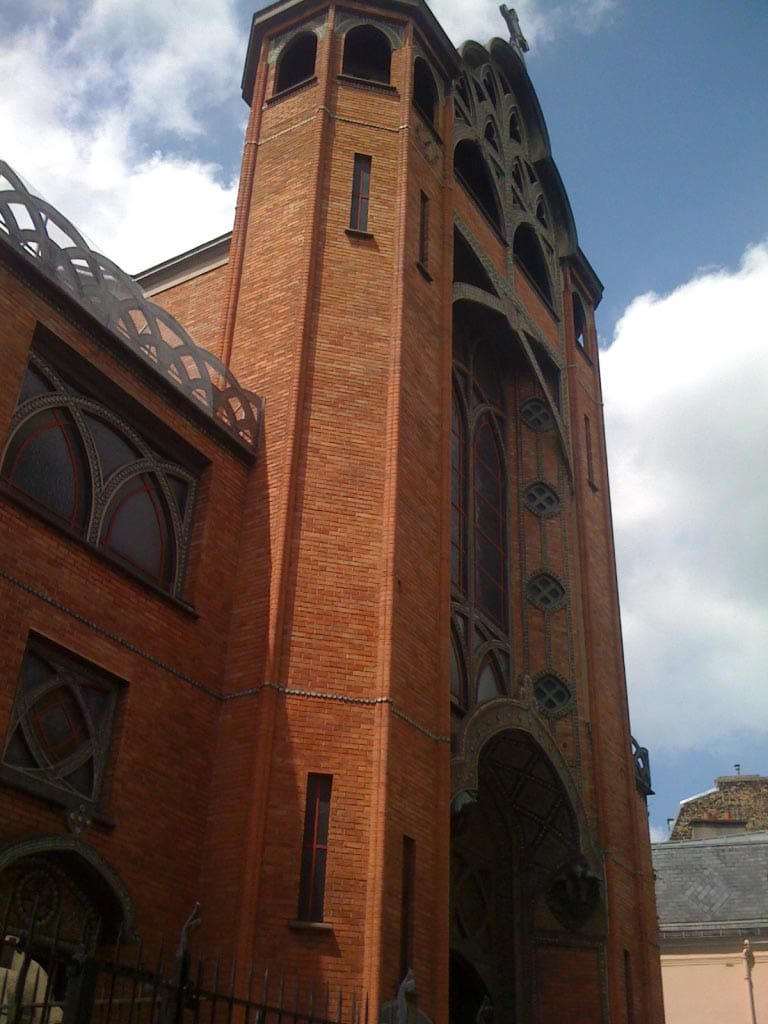
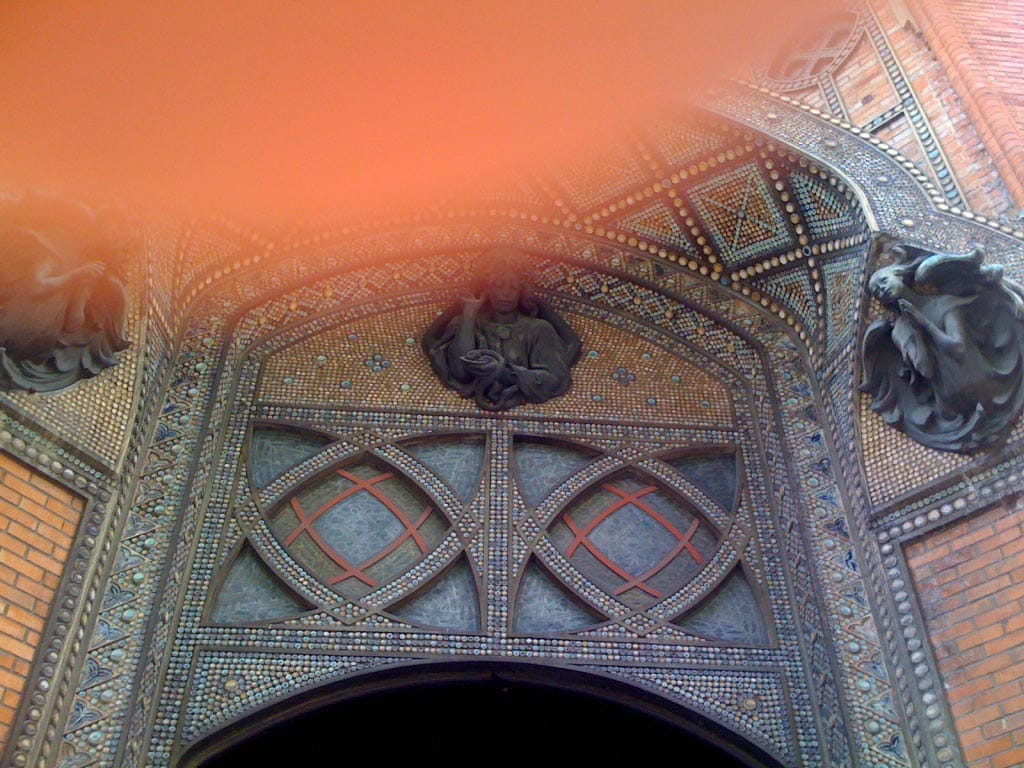
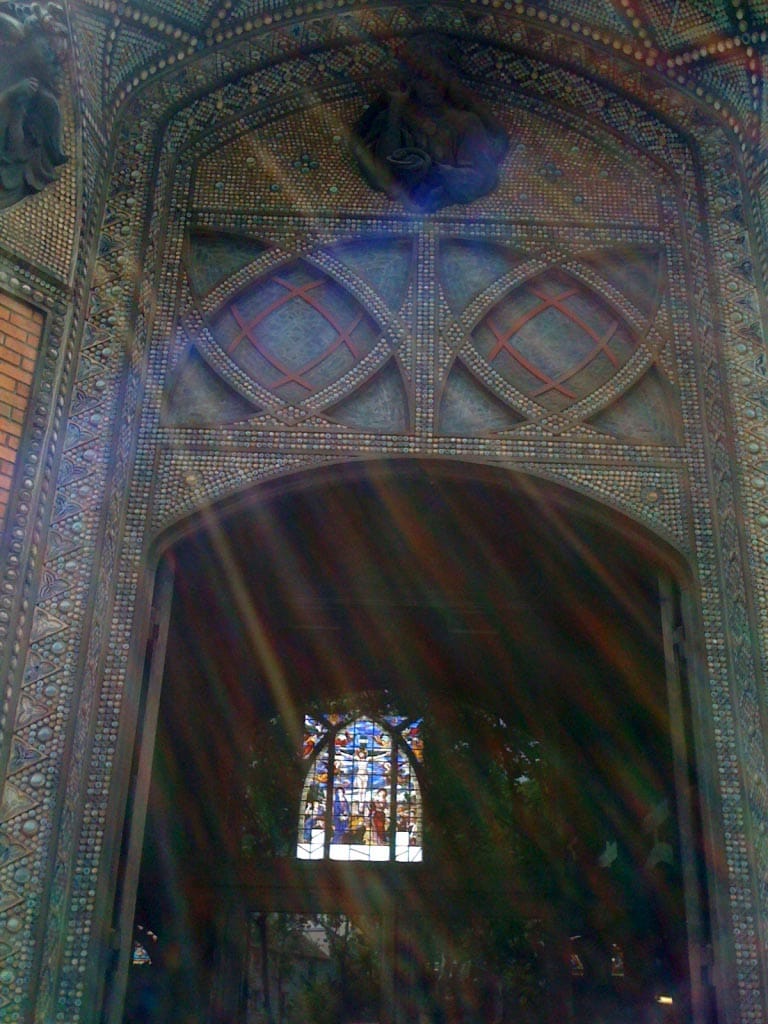
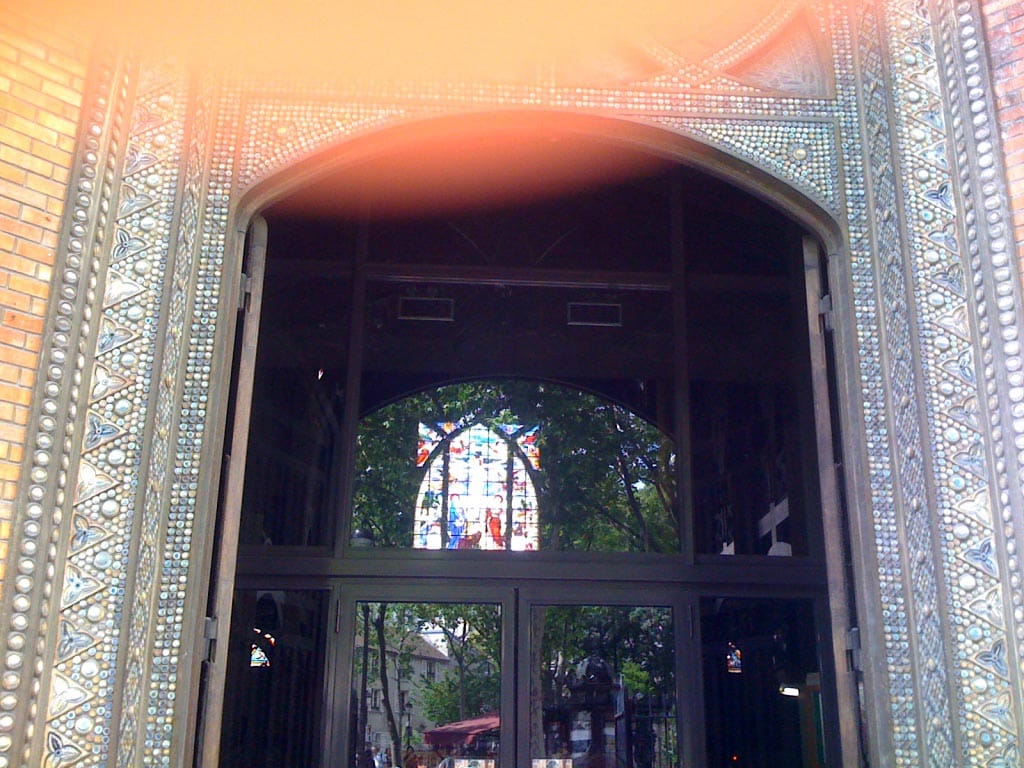
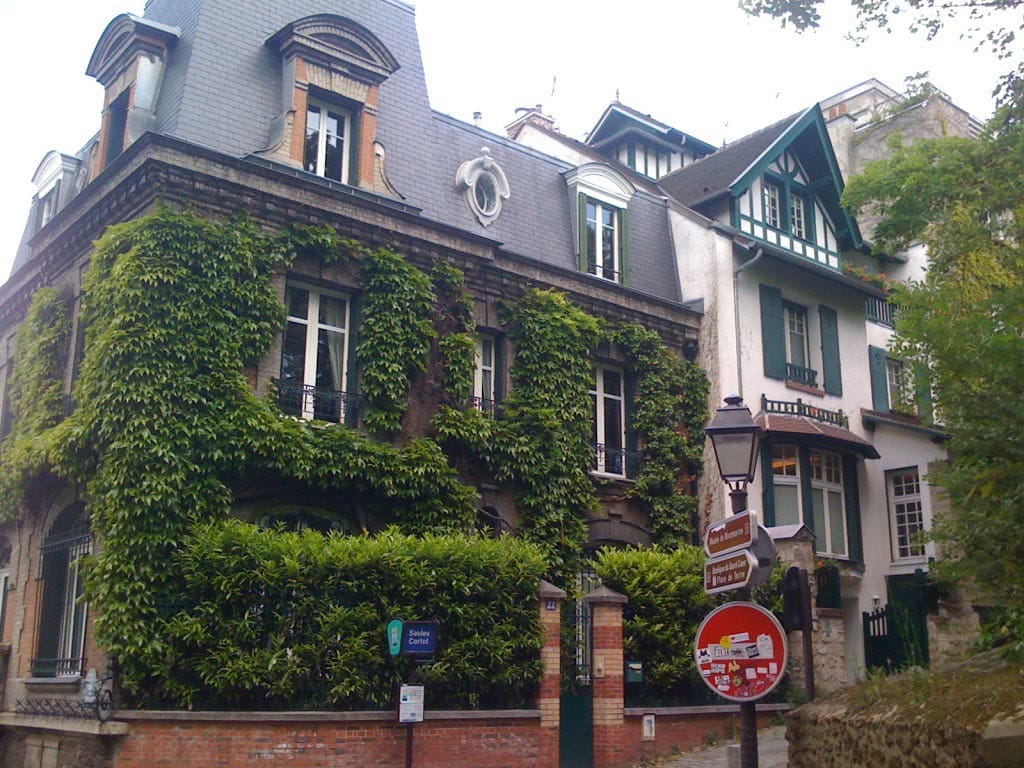
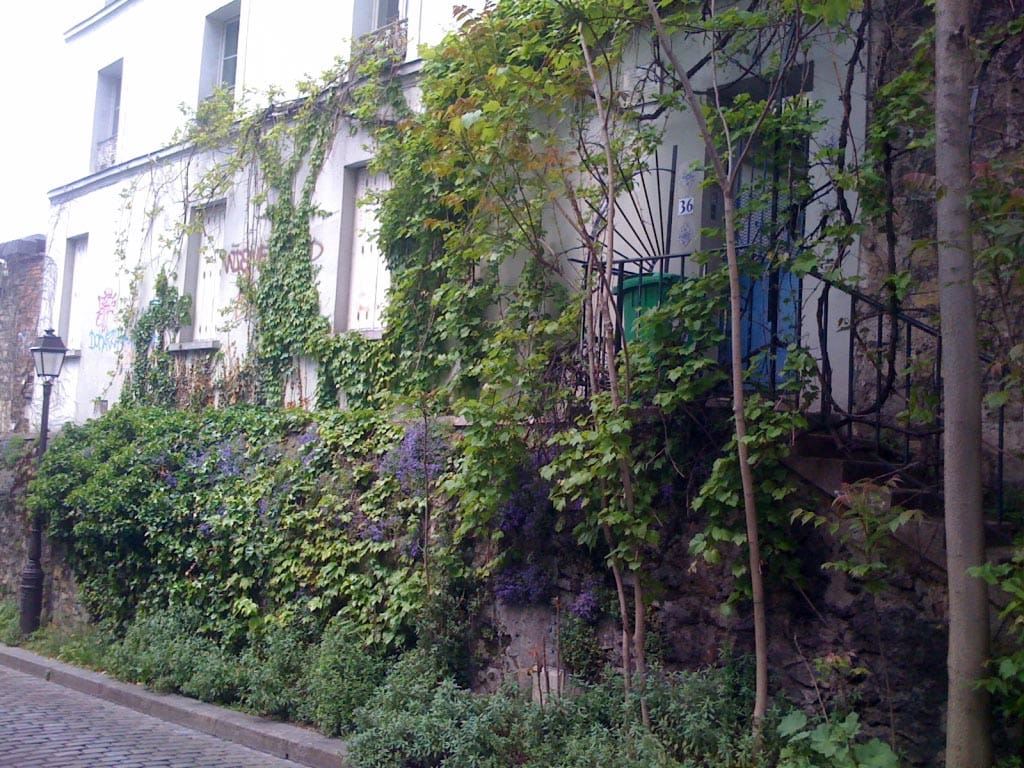
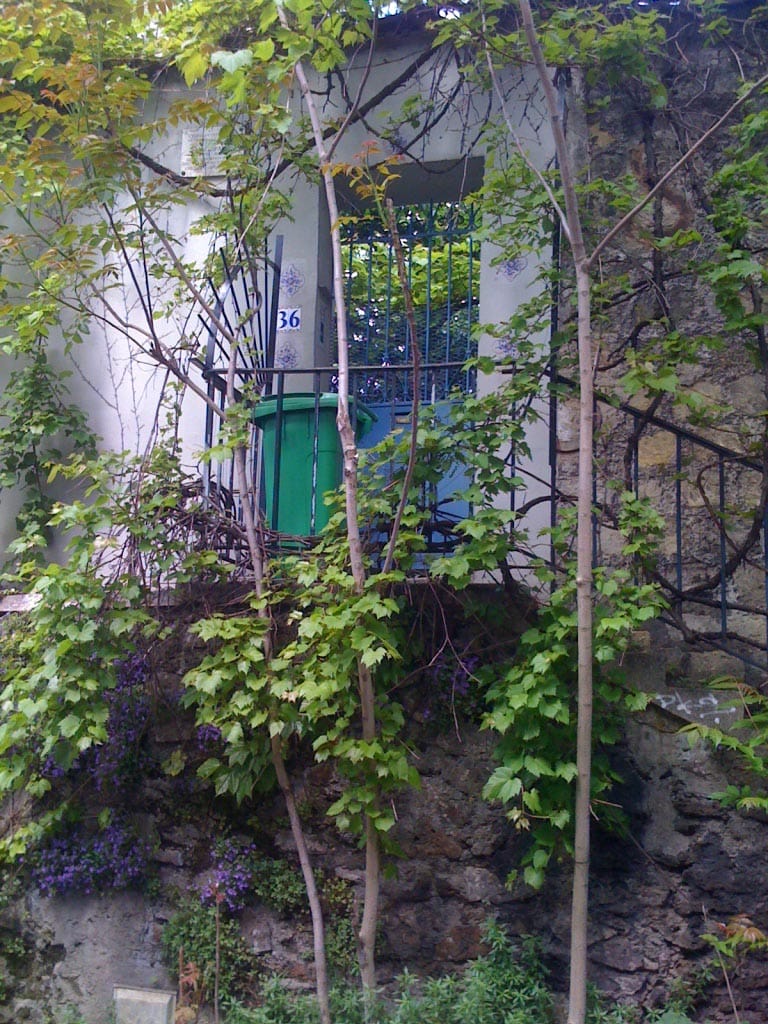
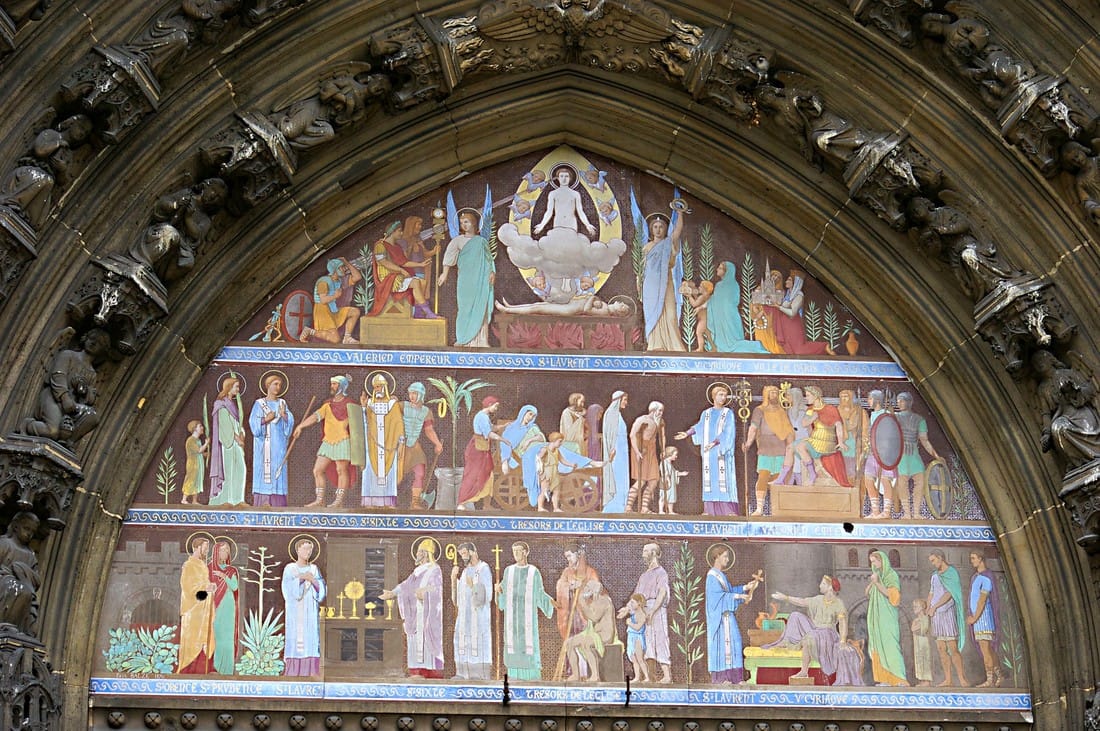
Leaving the neon buzz of Pigalle behind, Felipe and I began our long, steep trek up the iconic, winding hills of Montmartre toward the summit. Just as we reached the bustling Place des Abbesses to begin the true climb through the neighborhood’s maze of historic cobblestone alleys, an absolutely jaw-dropping entrance stopped us dead in our tracks. It was the magnificent, mosaic-framed portal of Saint-Jean de Montmartre. Built between 1894 and 1904, this beautiful church is a legendary milestone in art history, standing proud as the first religious building in the world constructed from reinforced concrete. The concrete frame is seamlessly disguised by rich red bricks and intricate Art Nouveau ceramic tiles that shimmer in the daylight. Peeking through the grand archway, we could see the stunning stained-glass windows casting a kaleidoscope of colorful light into the quiet interior—providing a wonderfully serene, artistic pause before we tackled the final stairs up to the giant white basilica towering above the city.
Sacré-Cœur de Montmartre
At the Top of the World

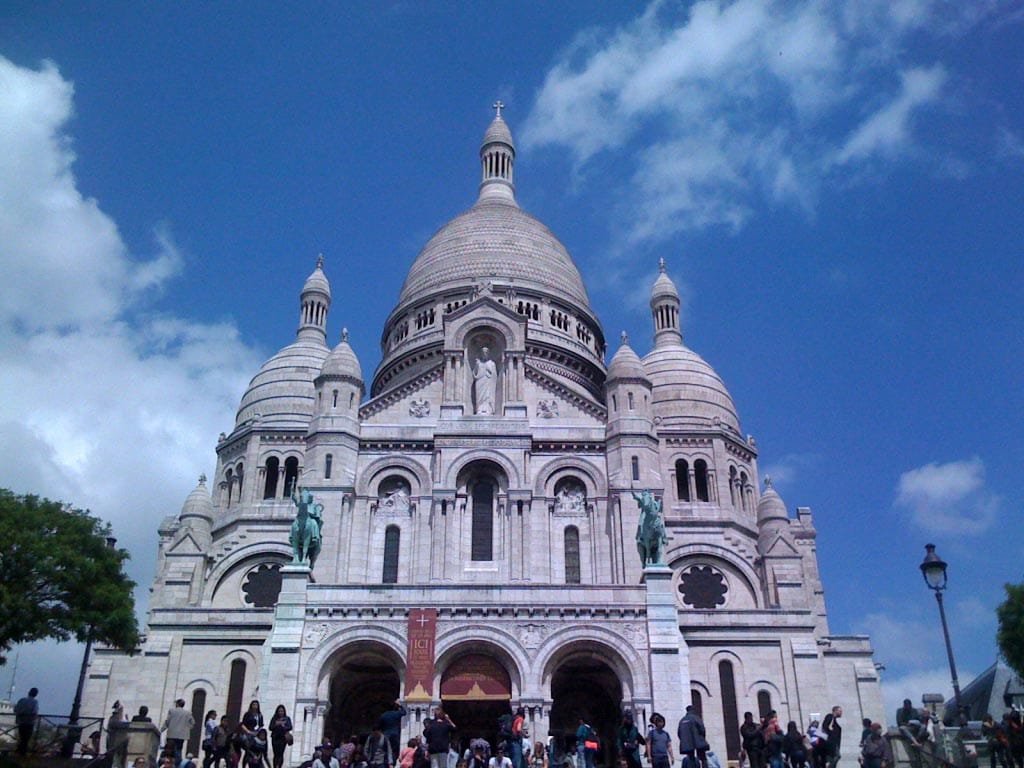
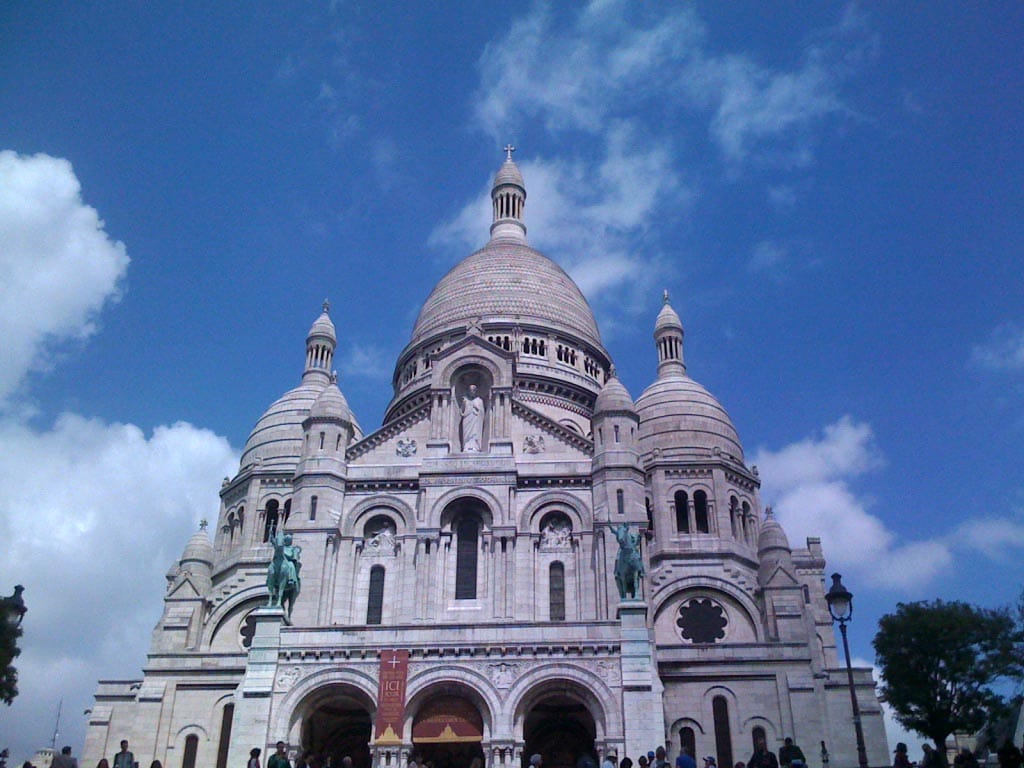
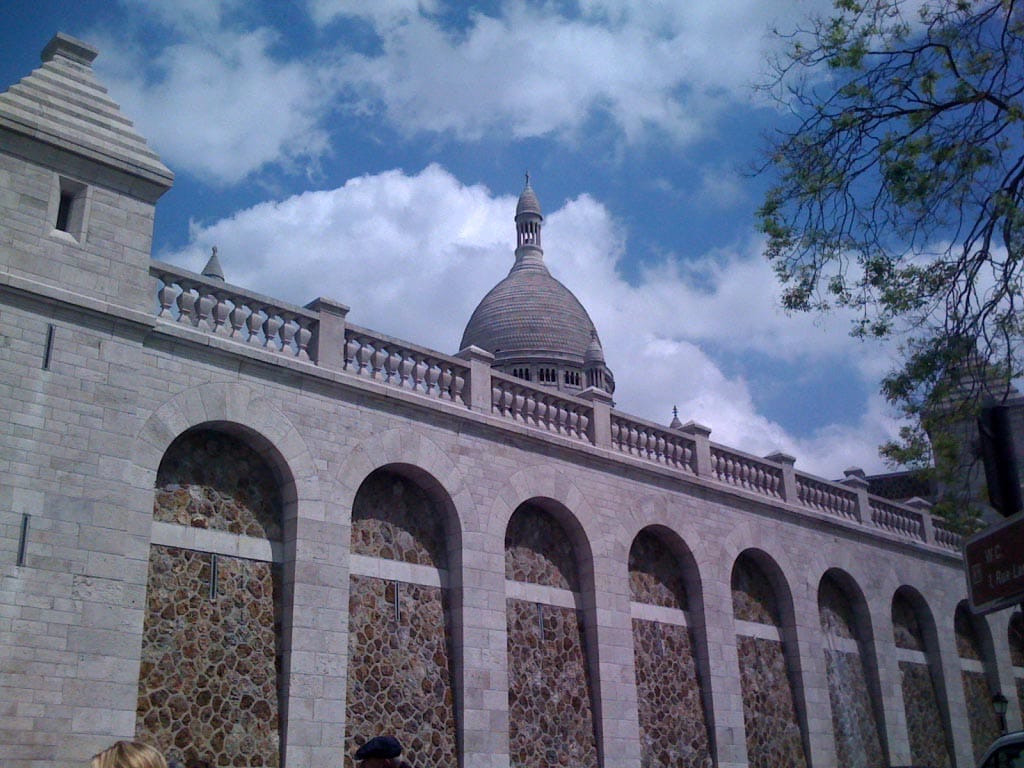
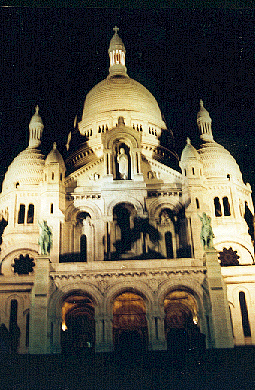
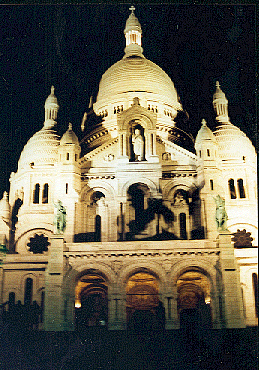
Reaching the very summit of Montmartre, we stood in complete awe before the breathtaking, chalk-white facade of the Sacré-Cœur Basilica. 
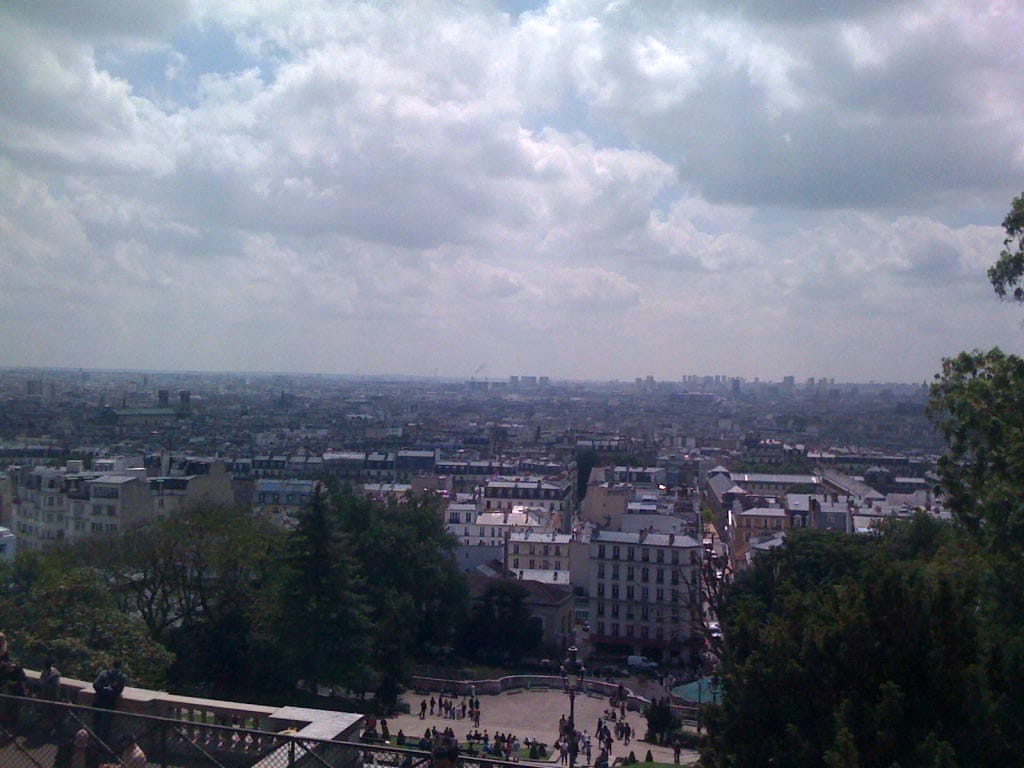
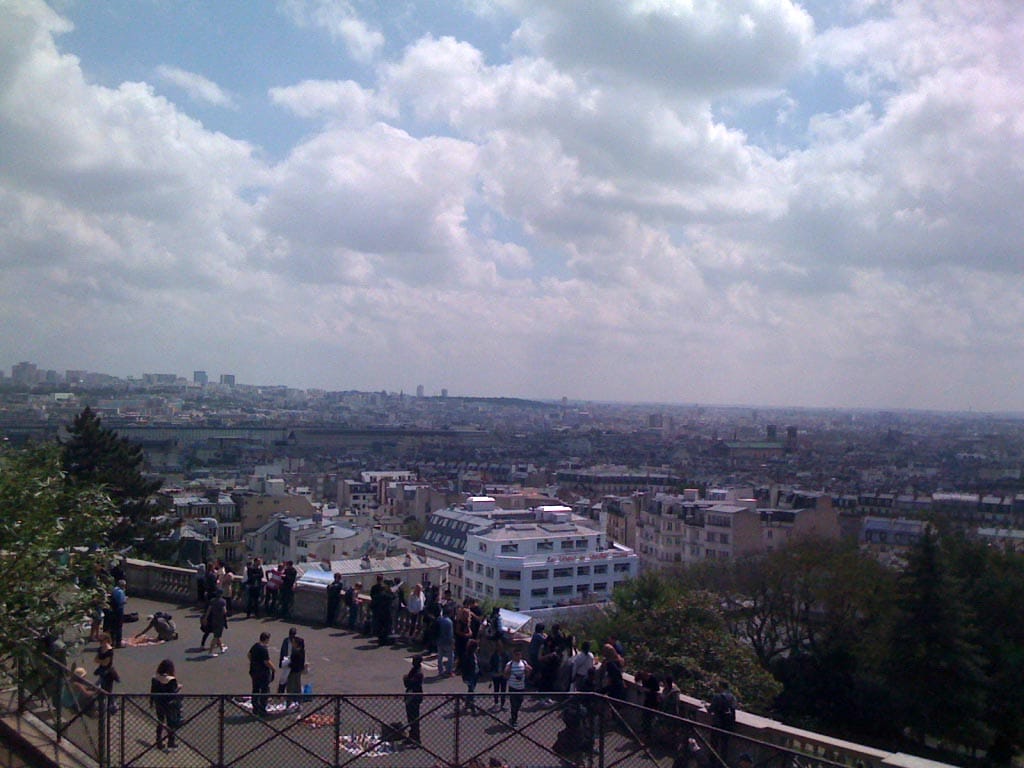
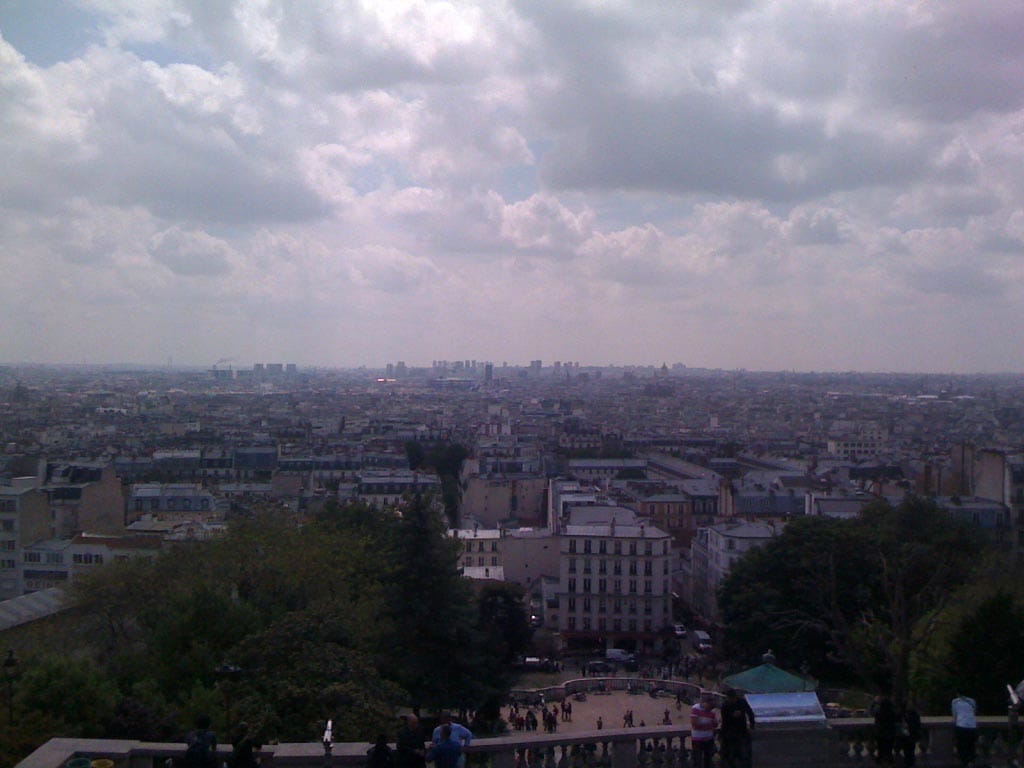
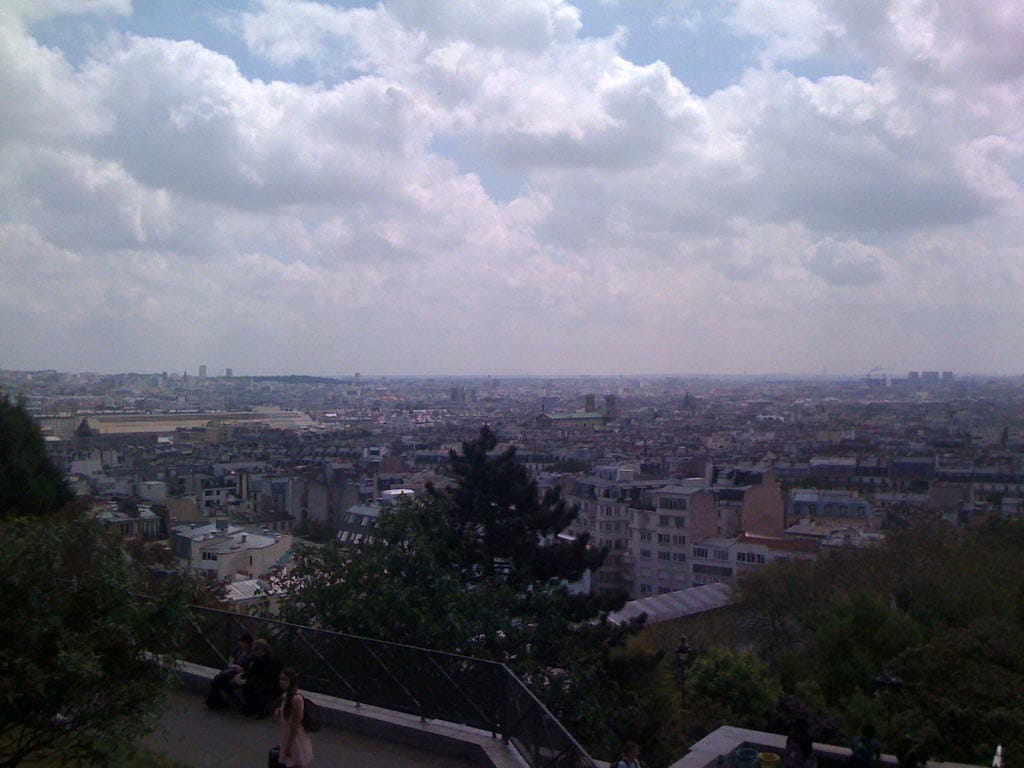
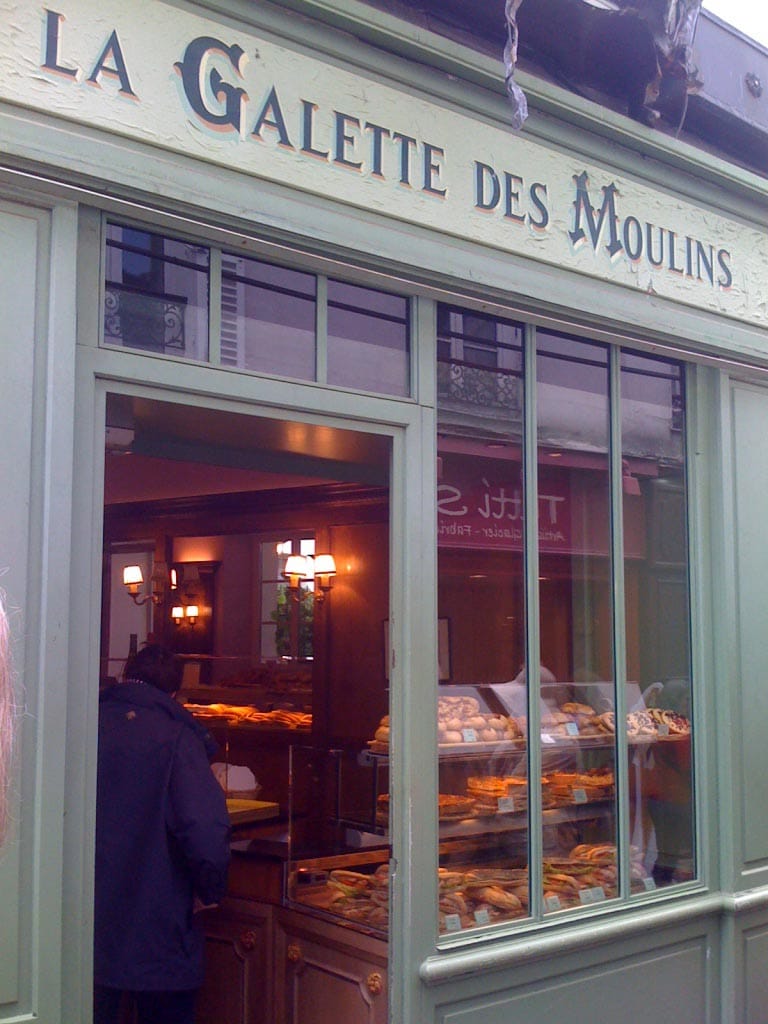
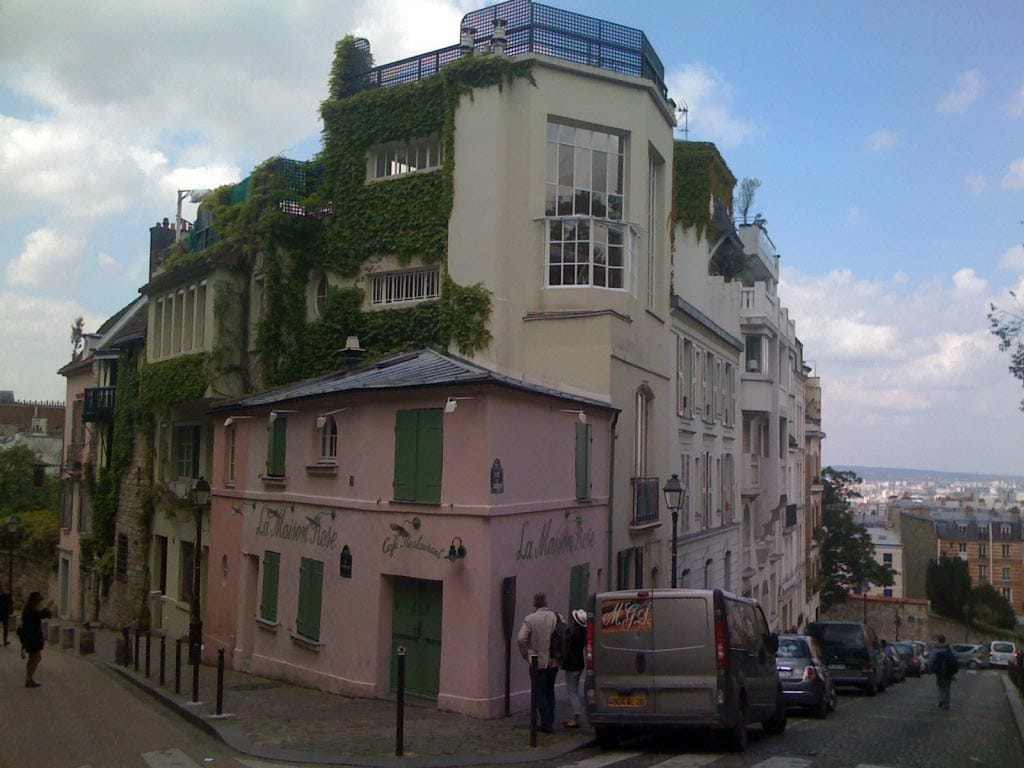
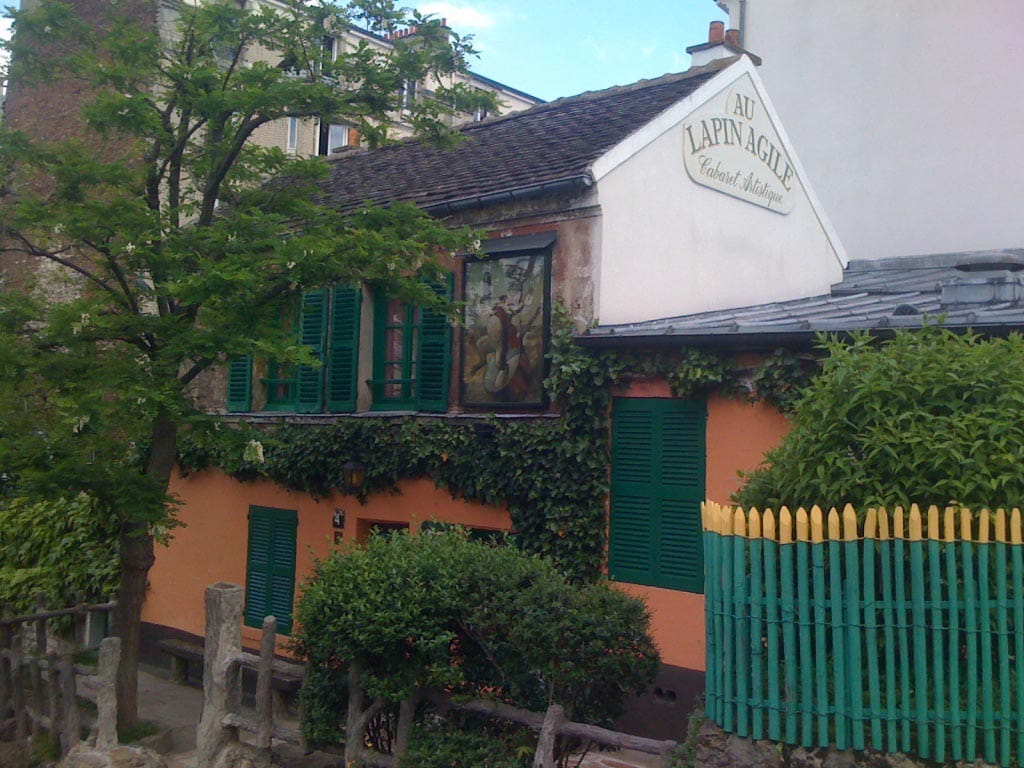
Standing on the grand stone steps right below the dome, we took a long, peaceful moment to simply sit with Felipe and enjoy the sweeping panoramic view stretching across the endless rooftops of Paris. It was the ultimate reward after our steep climb. As we finally turned to make our way back down the winding hills, we skipped the main paths and instead wandered into the surrounding side streets. There, we discovered a vibrant maze of local artist shops, cozy galleries, and independent boutiques filled with unique handmade crafts, colorful canvases, and painters capturing the magic of the district—a wonderfully authentic glimpse into the living bohemian spirit that still thrives on the hill.
Sacré-Cœur: Quick Facts
  • The Sacred Rock: Located at the summit of the Butte Montmartre, the highest natural point in Paris.
  • The Magic Stone: Built using Château-Landon stone, a unique travertine that secretes calcite when it rains, keeping the basilica chalk-white despite city pollution.
  • The Giant Bell: Houses the "Savoyarde", one of the world's heaviest functioning bells, weighing an astonishing 19 tons.
  • Historic Timeline: Constructed between 1875 and 1914 as a national symbol of hope and penance following the Franco-Prussian War.
  • The Mosaic Canopy: The interior features a majestic, 475-square-meter ceiling mosaic of Christ in Glory, making it one of the largest mosaics in the world.
Picture


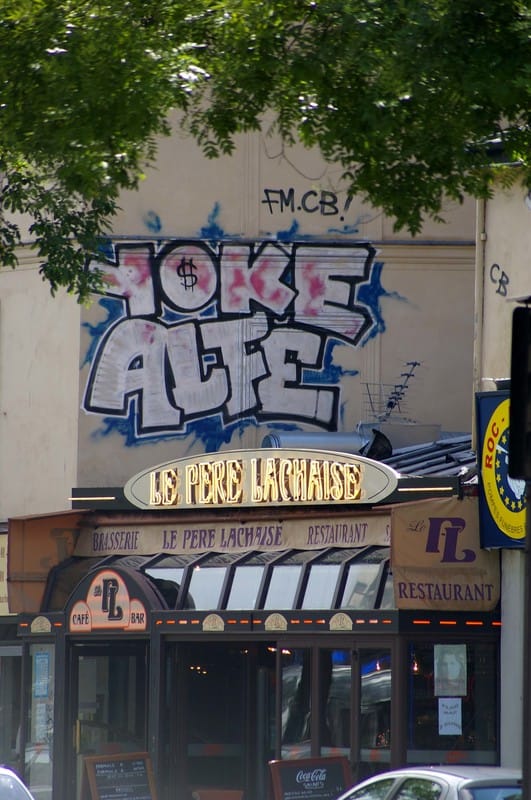
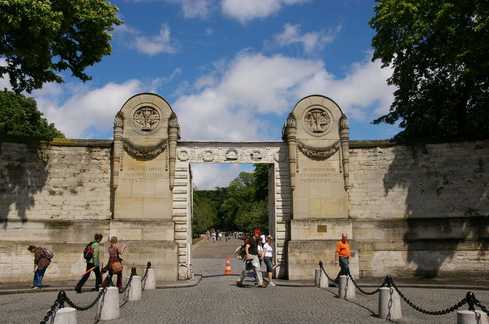
​Weg zum Le Cimetiere du Pere-Lachaise

Paris 2007
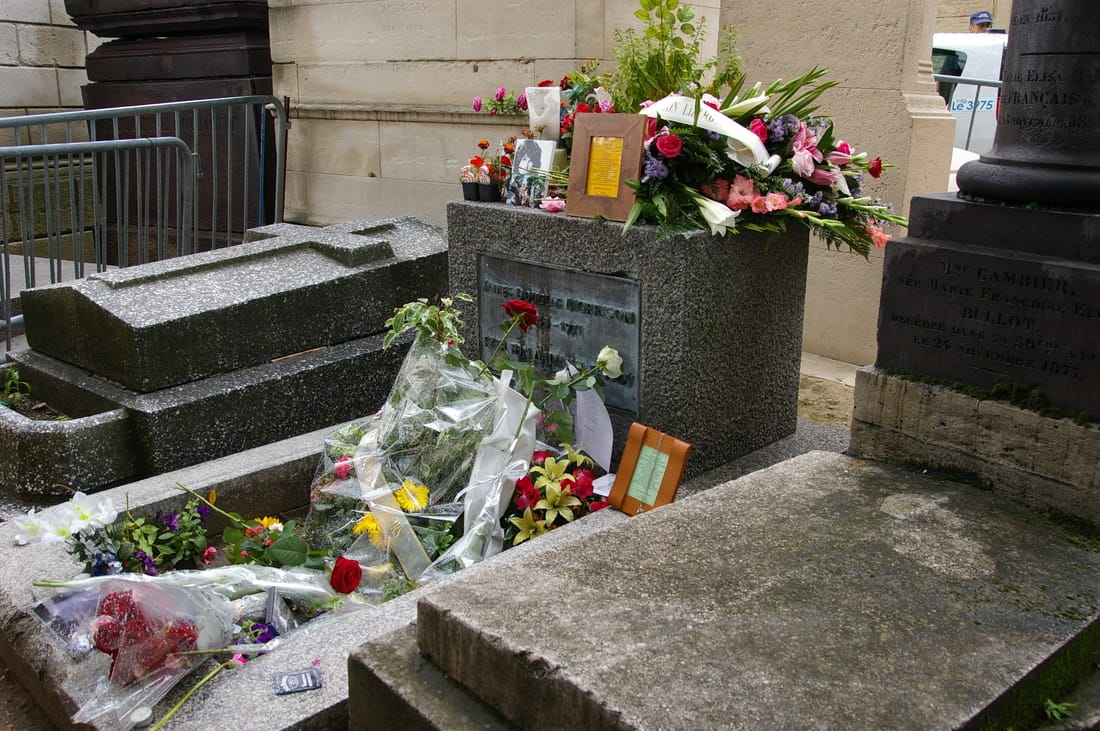
A Pilgrimage to Jim Morrison and the Riders on the Storm

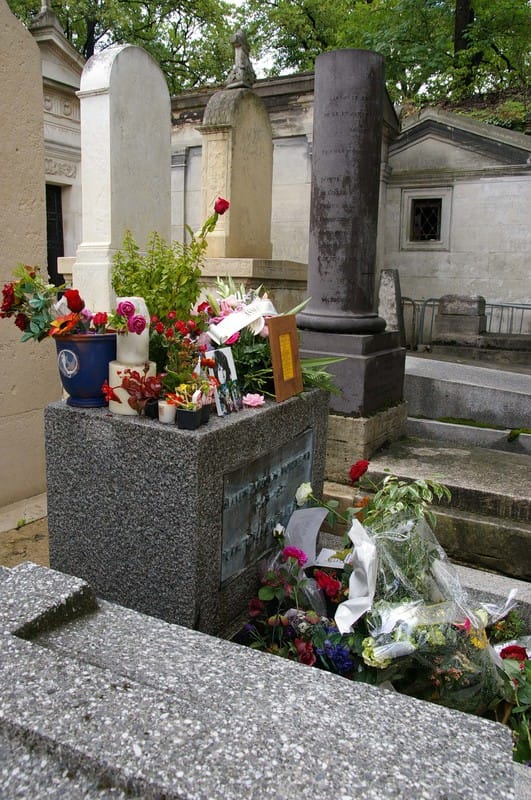
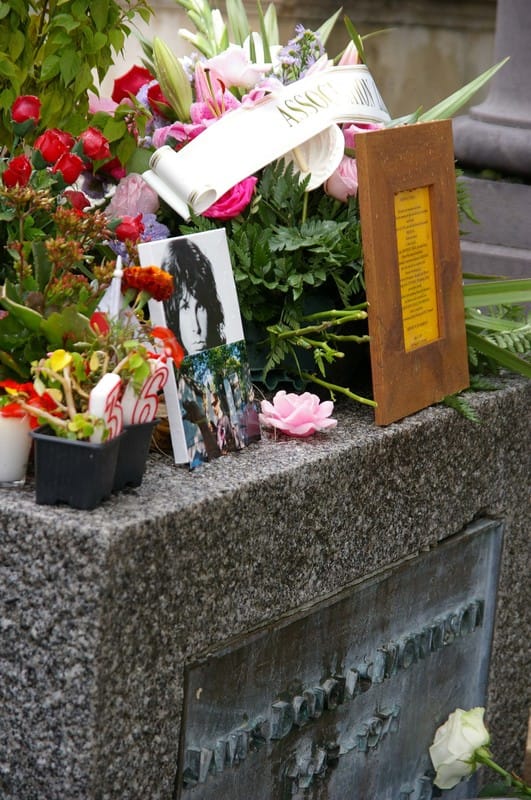
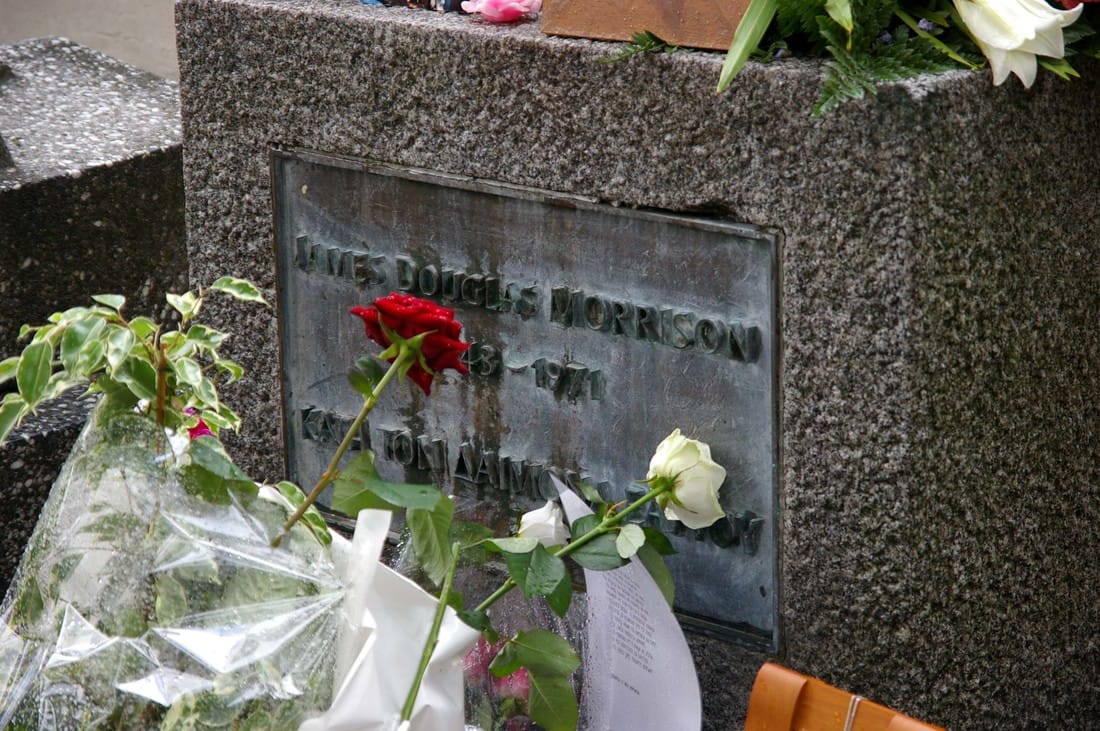
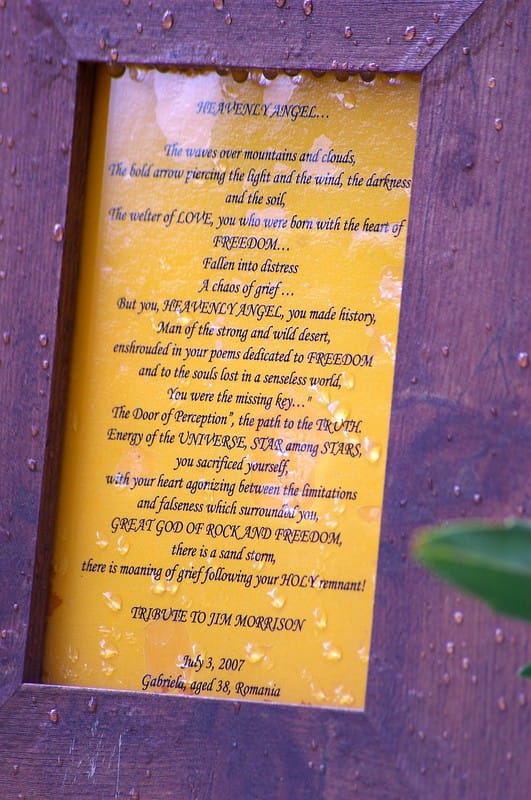
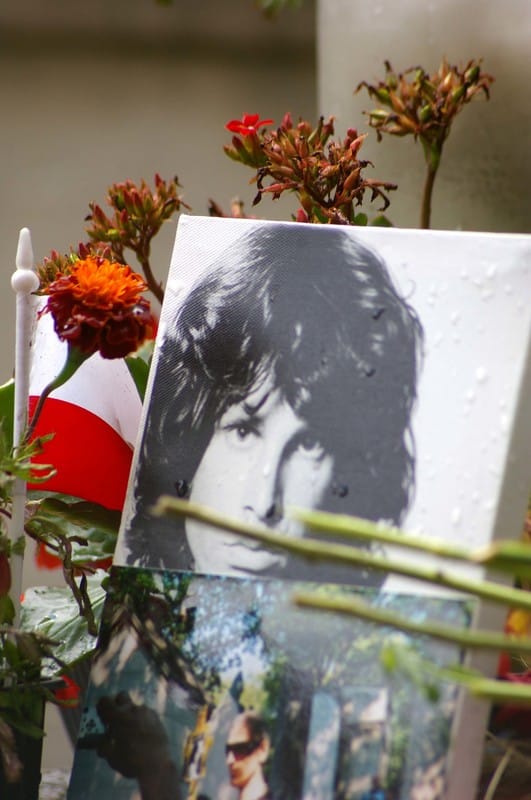
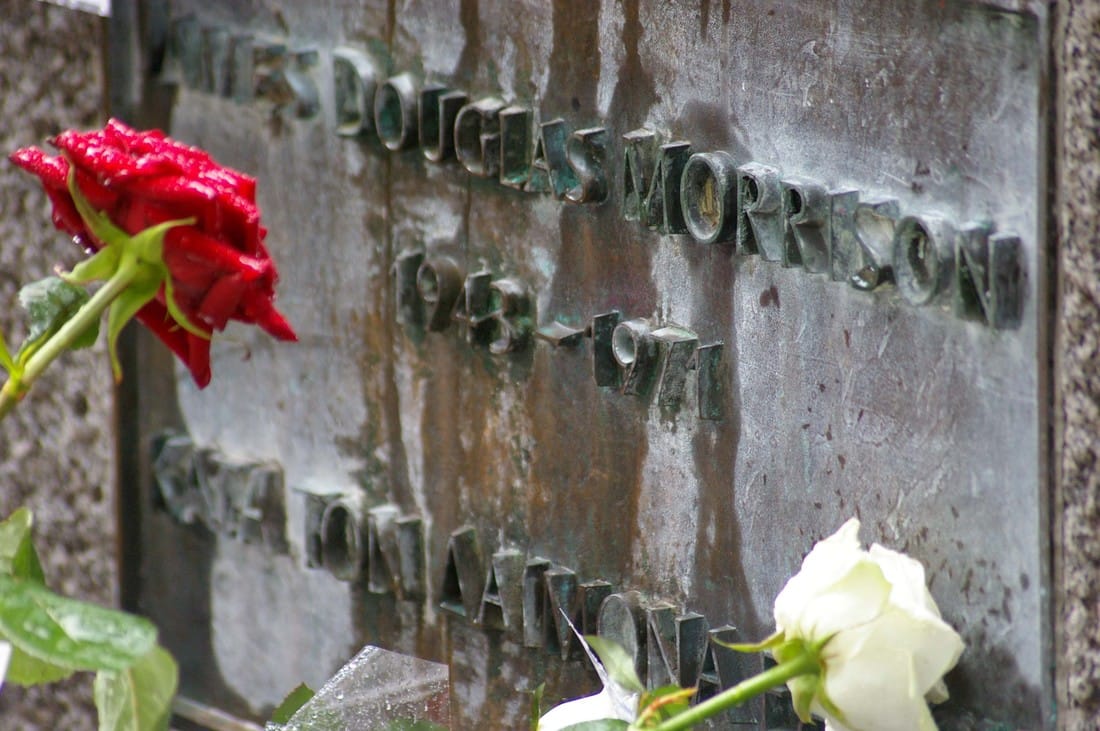
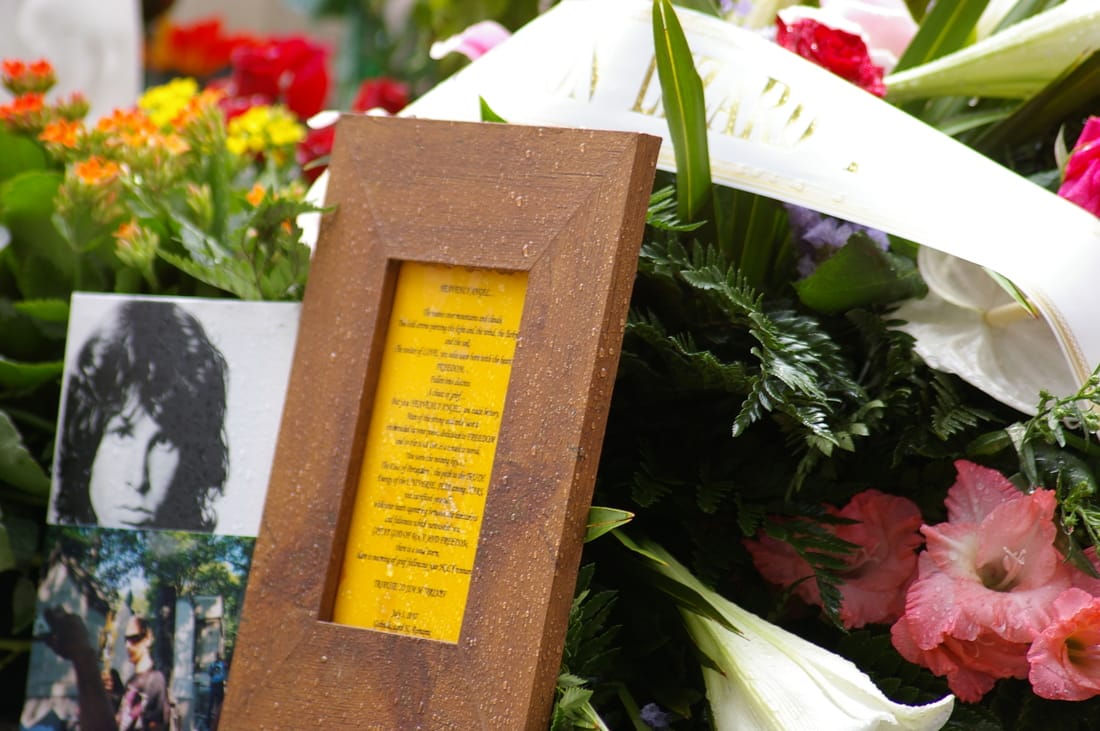
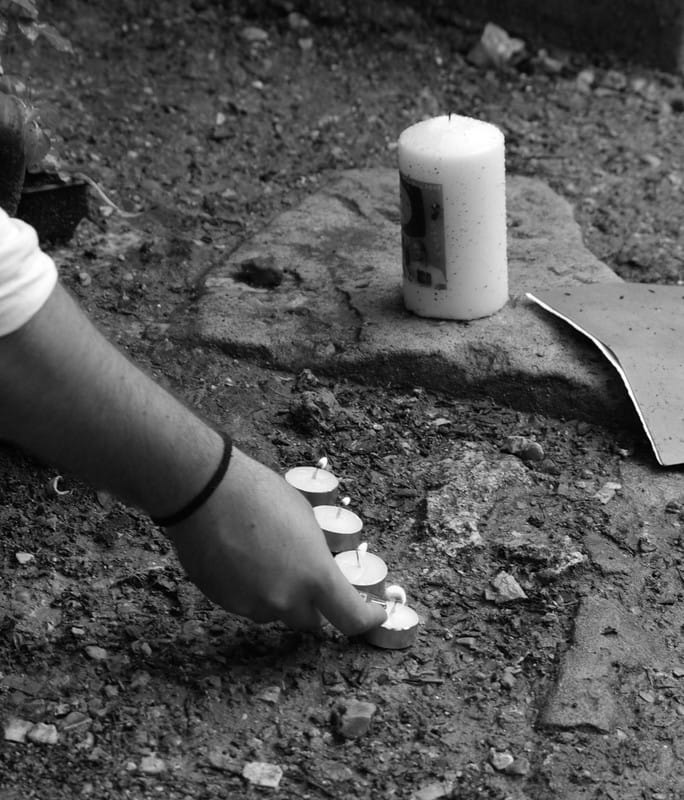
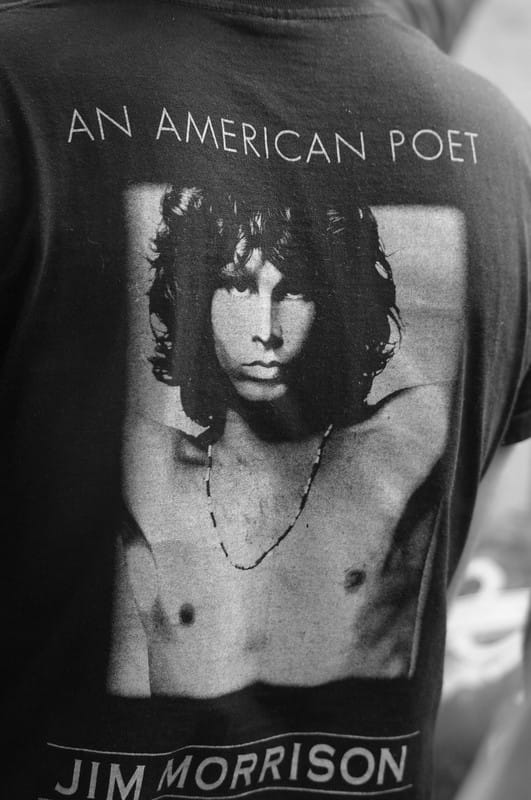
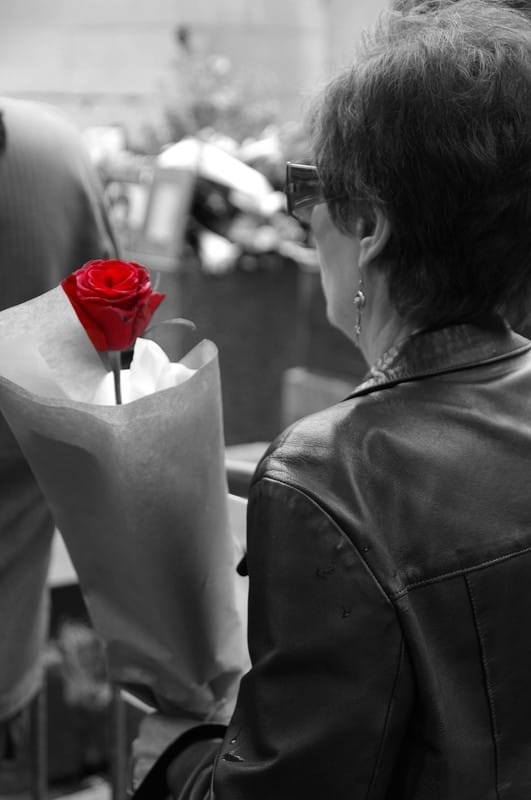
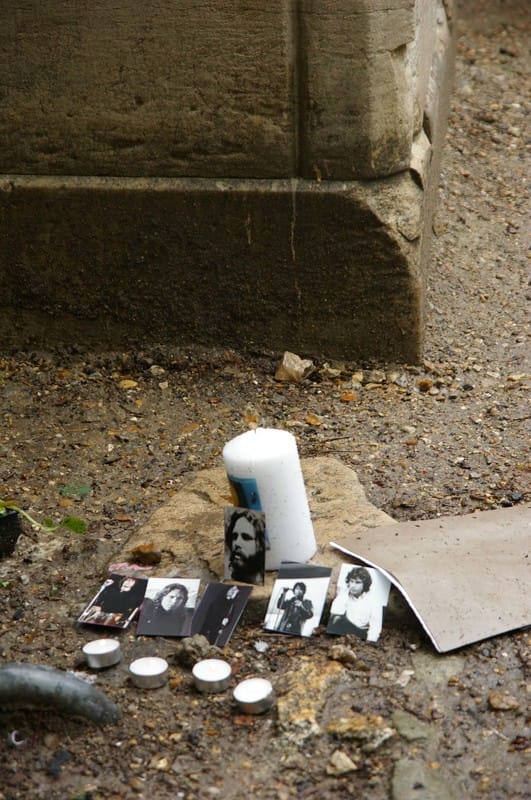
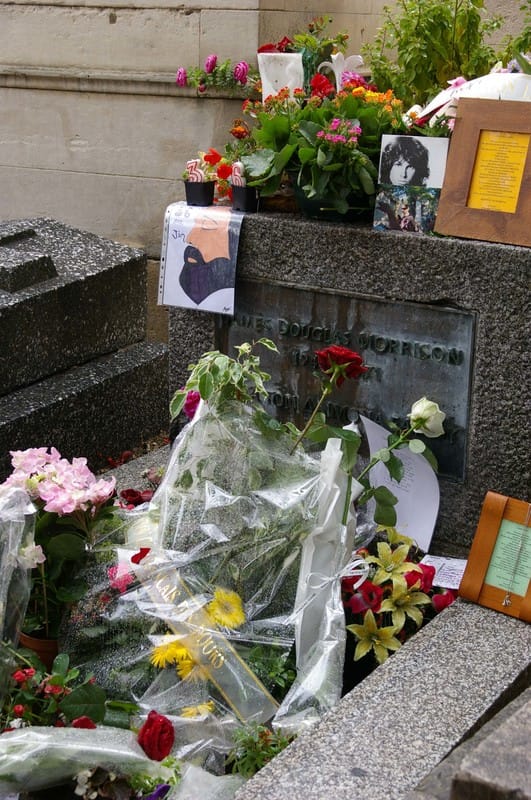
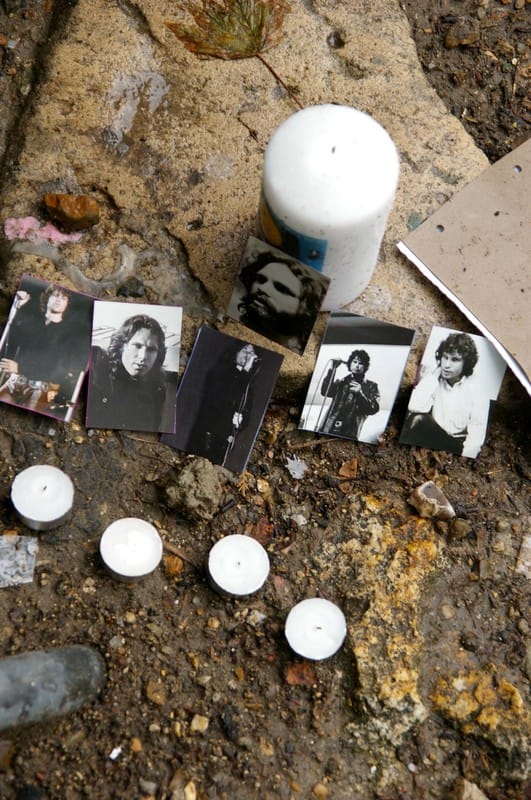
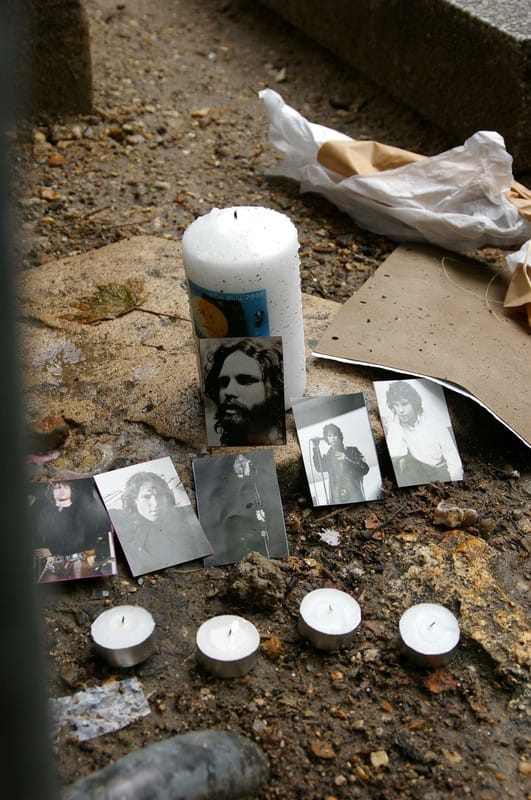
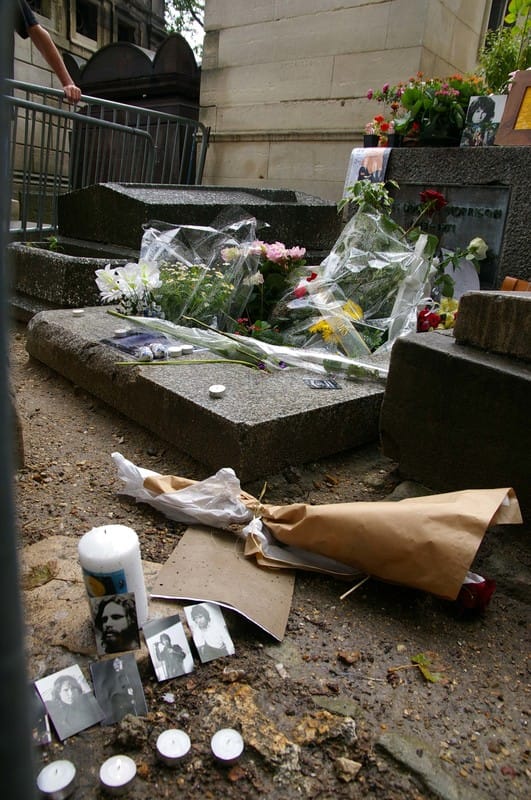
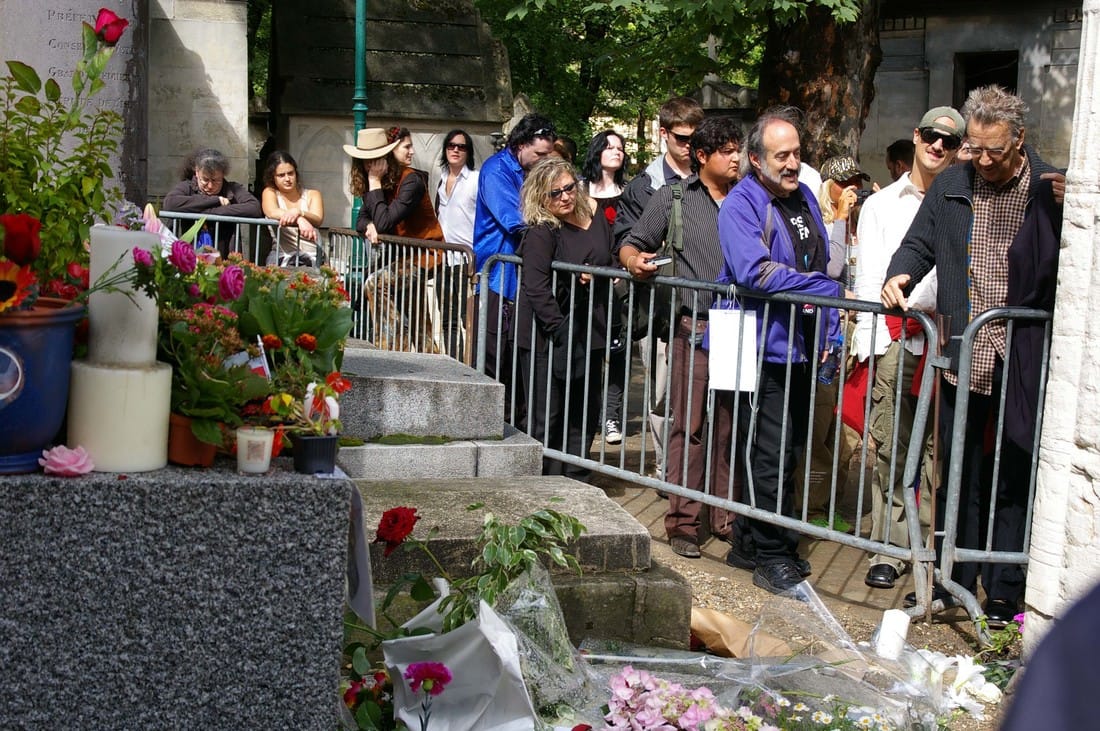
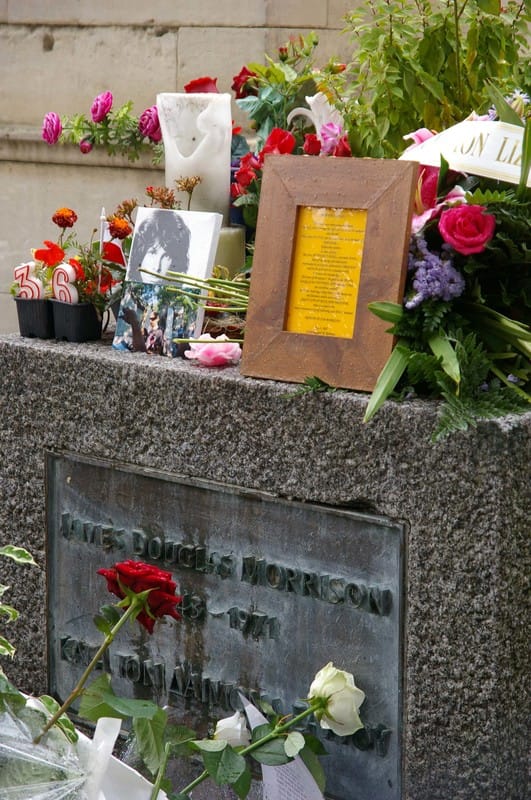
In 2007, my then-boyfriend Sascha and I embarked on a completely different kind of Paris adventure—a true rock 'n' roll pilgrimage. The sole reason for our trip was to catch one of the very last historic concerts by "Riders on the Storm", the legendary revival band formed by original The Doors members Ray Manzarekand Robby Krieger. For any lifelong fan, seeing them perform Jim Morrison's timeless poetry live in the very city where he spent his final days was a bucket-list dream. Naturally, our very first stop after landing couldn’t have been anywhere else but the atmospheric pathways of the Père Lachaise Cemetery. We headed straight to division 6 to pay our respects at Jim Morrison's grave, feeling the incredible, lingering energy of the fans who still gather from all over the world to leave flowers, notes, and memories at the resting place of the ultimate rock icon.

Picture
Wandering Through Père Lachaise: A Walk with History
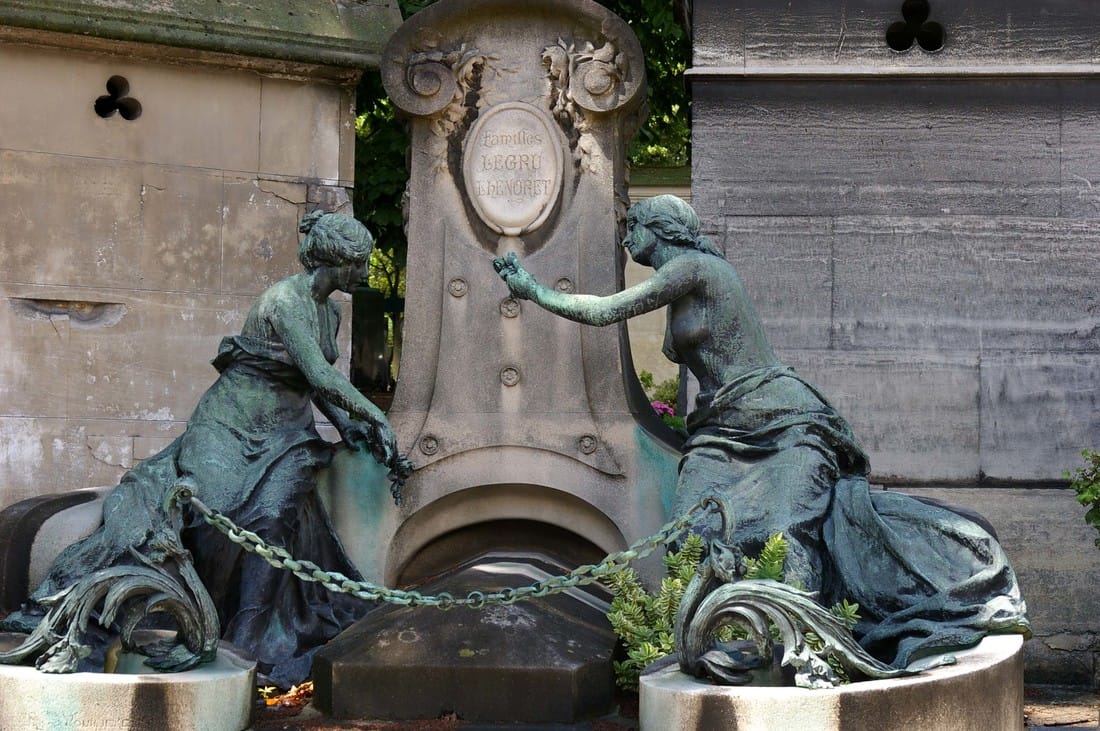
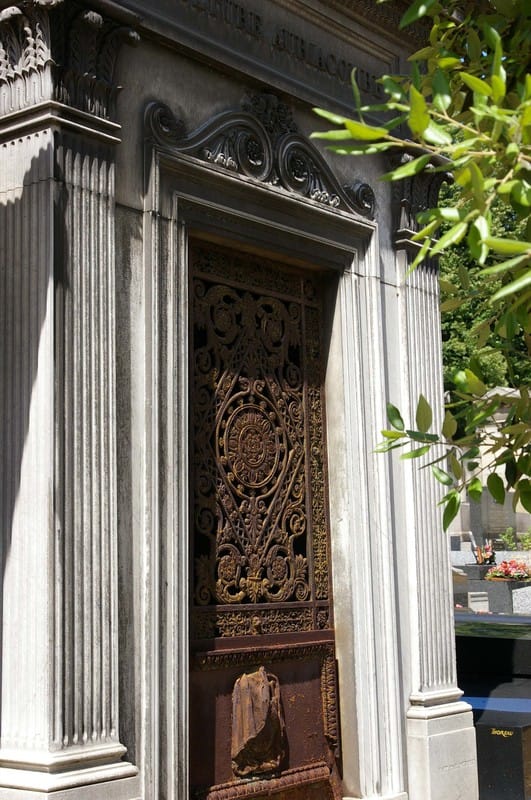
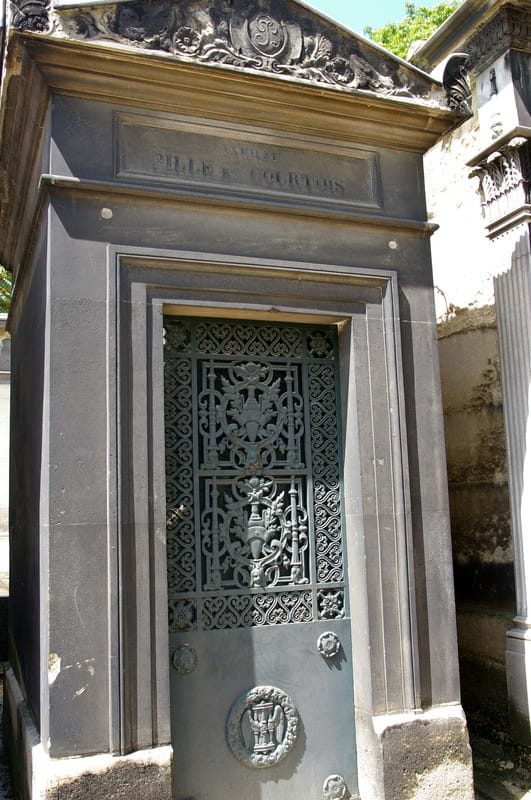
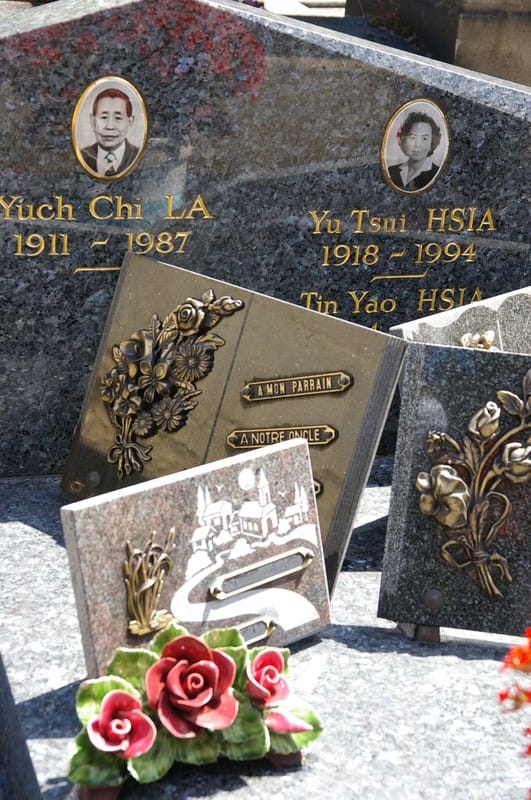
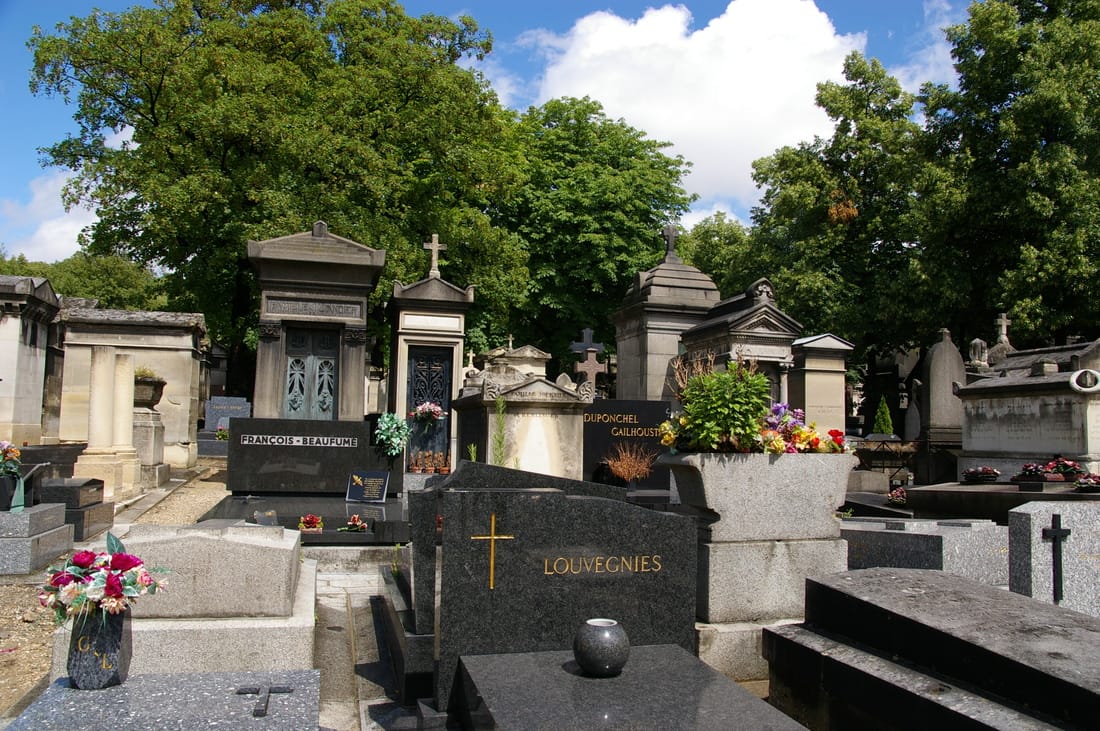
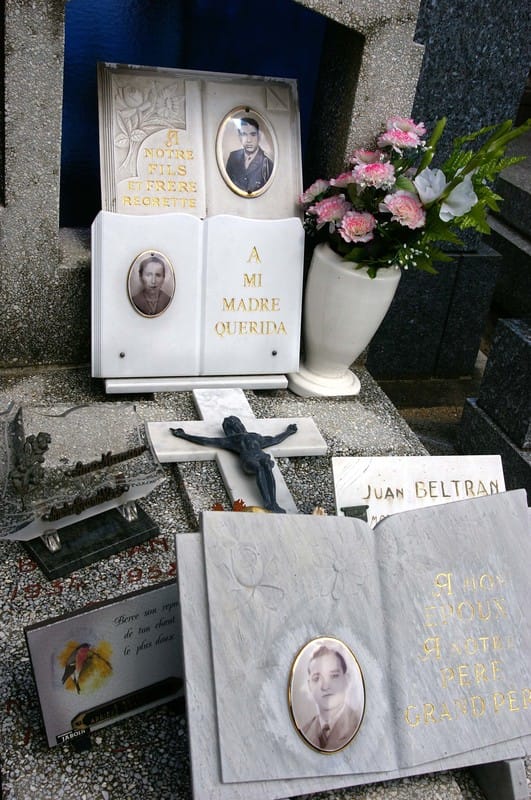
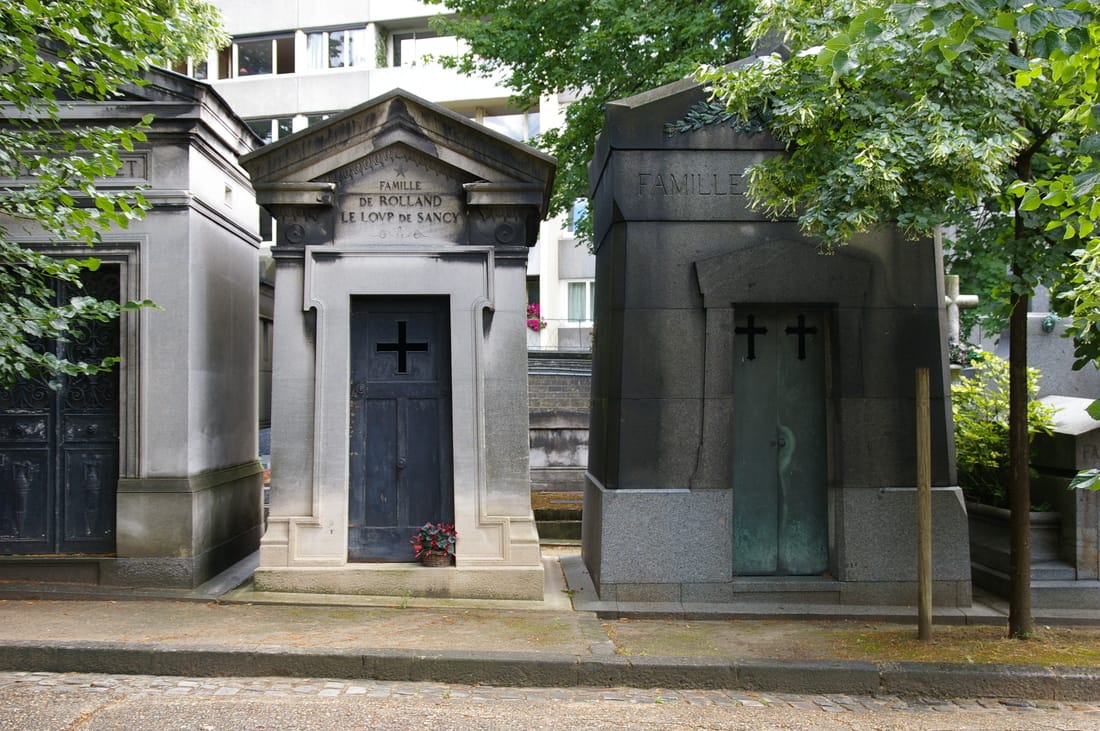
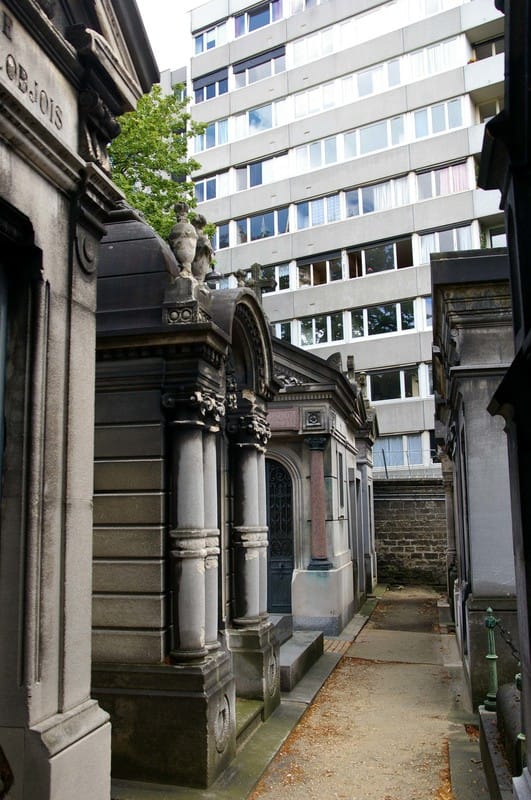
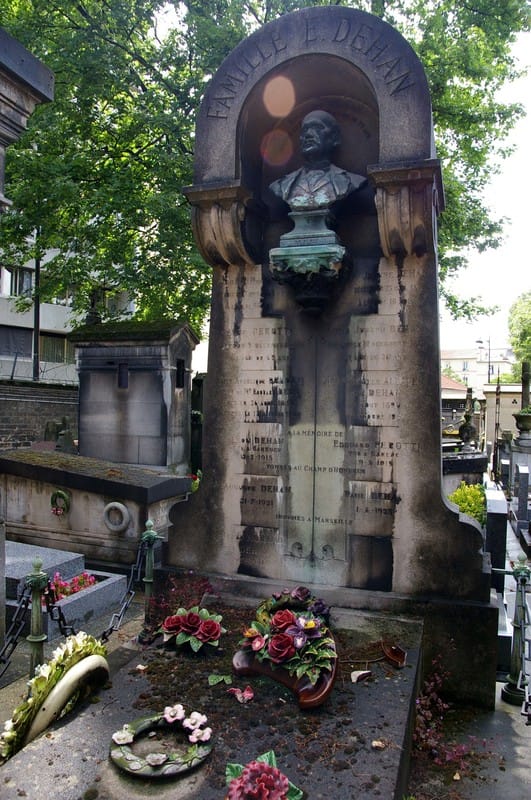
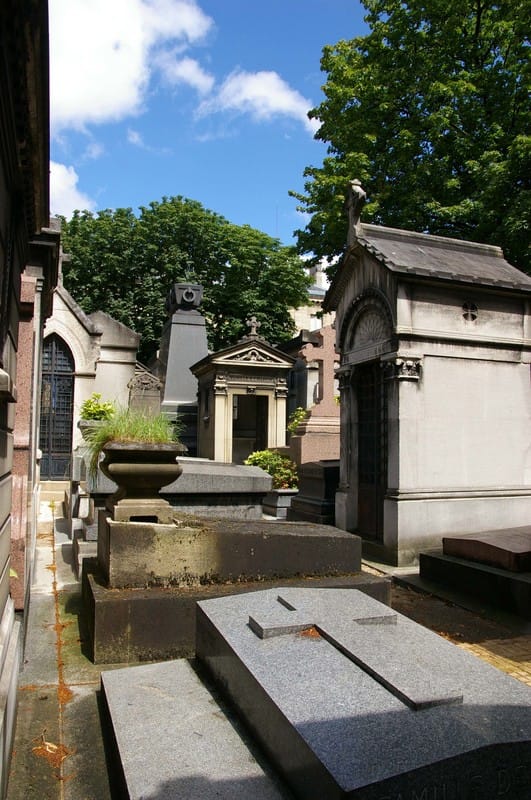
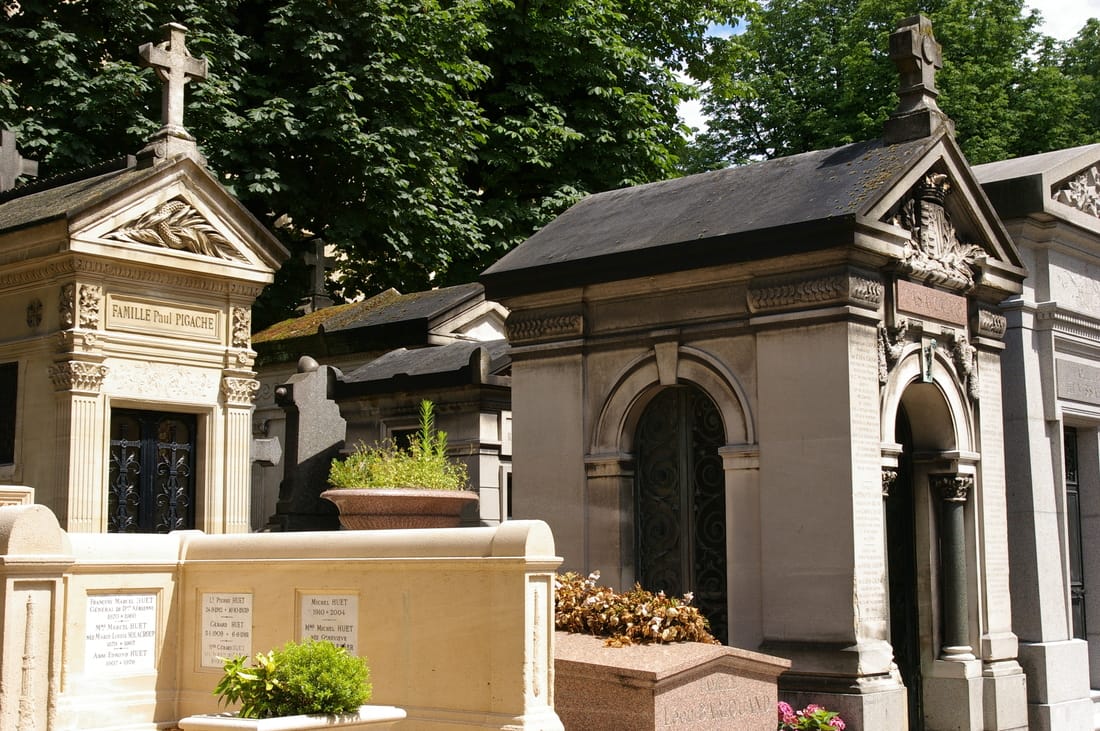
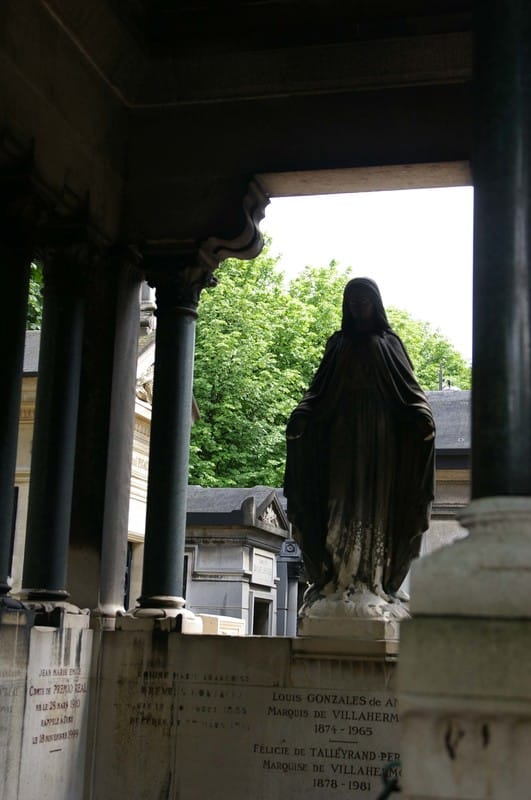
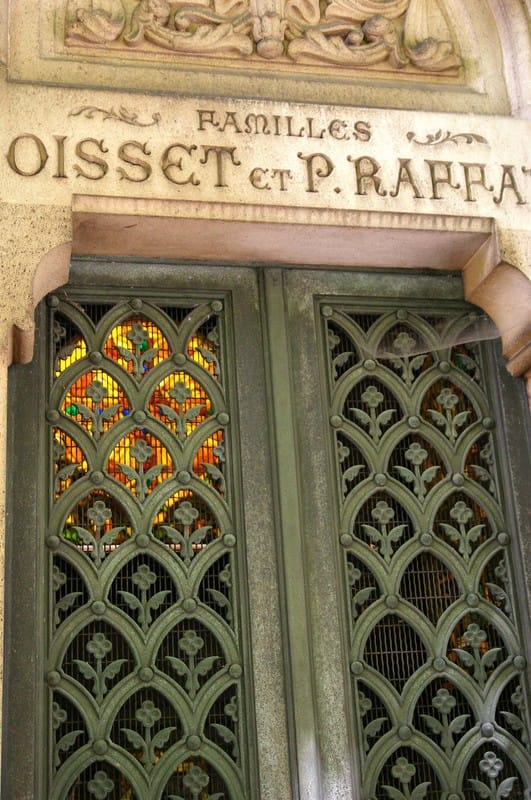
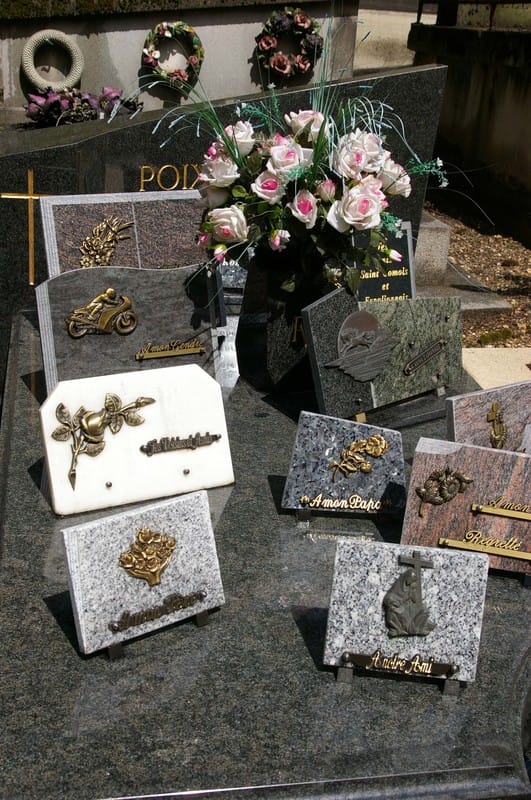
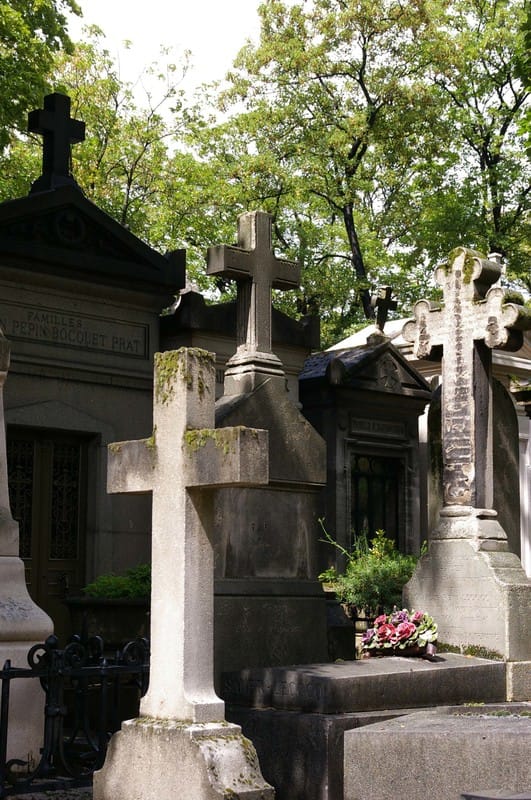
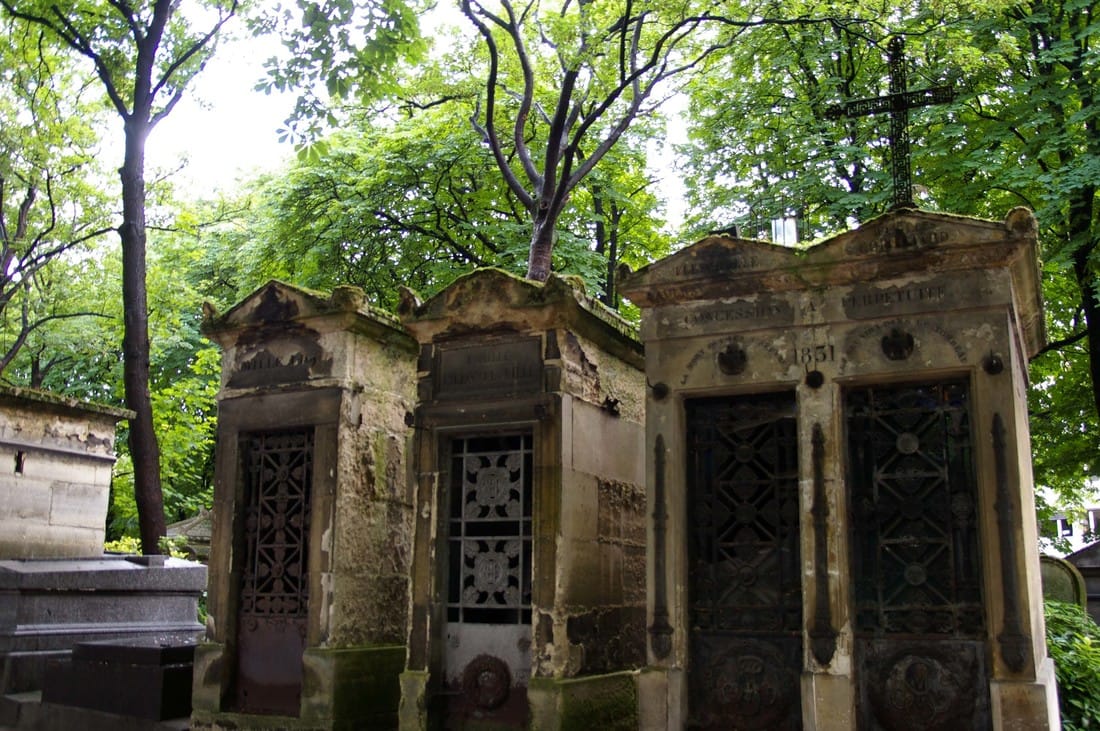
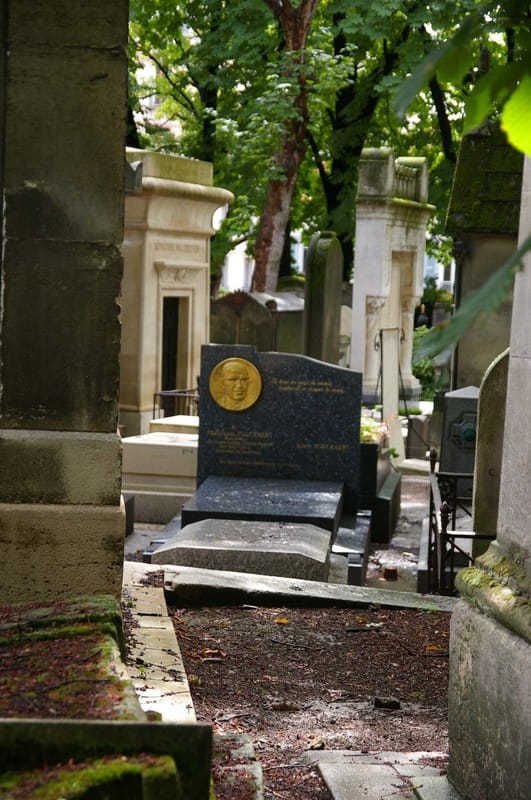
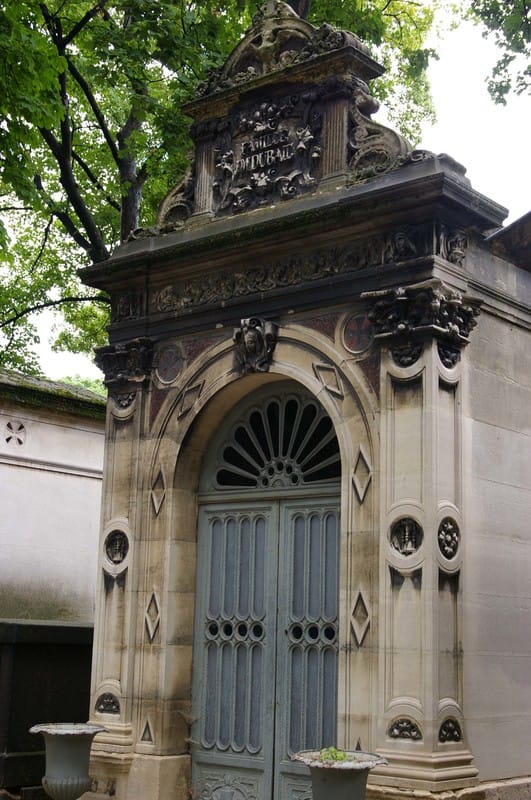
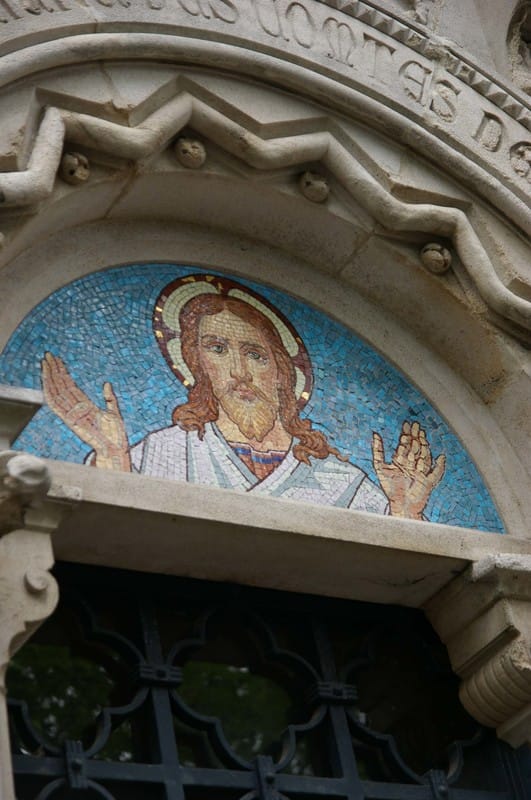
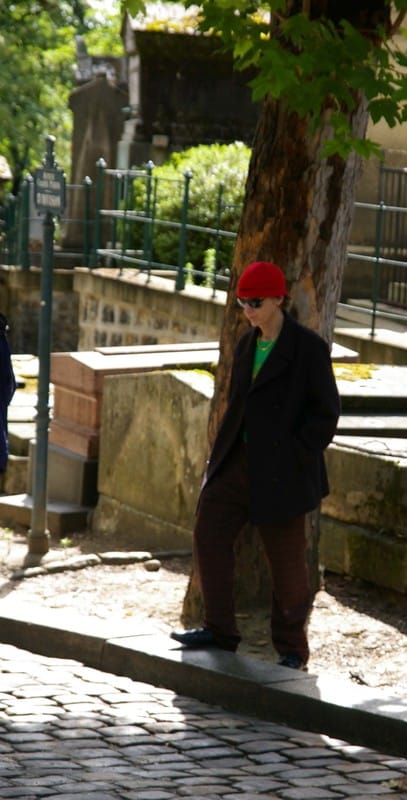
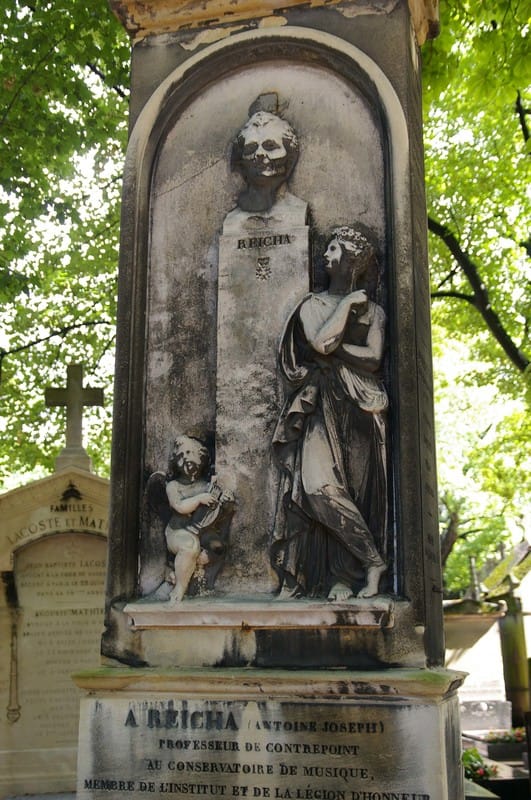
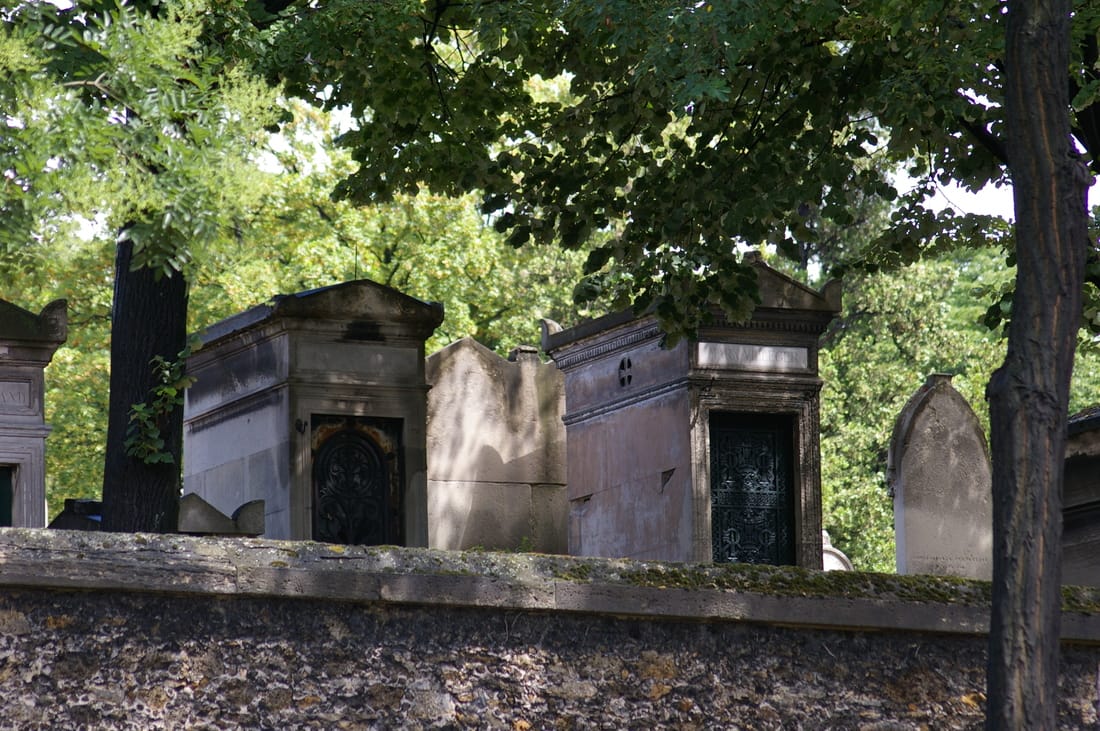
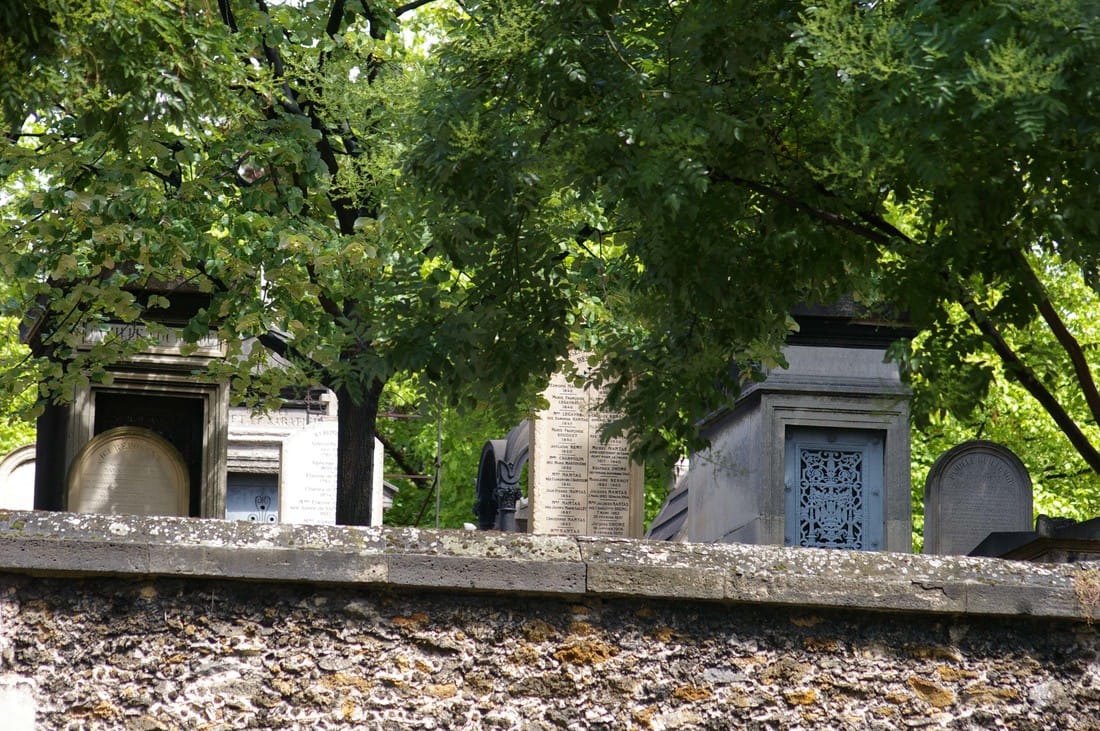
Before reaching our ultimate destination, Sascha and I took our time strolling through the winding, cobblestone pathways of Père Lachaise Cemetery. Walking through this sprawling, park-like sanctuary felt less like visiting a graveyard and more like exploring a beautiful, open-air museum of sculpture and memory. Shaded by ancient trees, the atmospheric avenues are lined with magnificent, moss-covered family mausoleums, ornate Gothic monuments, and weathered tombstones. It was incredibly peaceful to get lost in the quiet maze, catching glimpses of history around every corner as we searched for the final resting places of the countless cultural icons who shaped the world of art, literature, and music before we finally arrived at Jim Morrison’s legendary grave.
A Once-in-a-Lifetime Coincidence: Meeting The Doors at Jim’s Grave
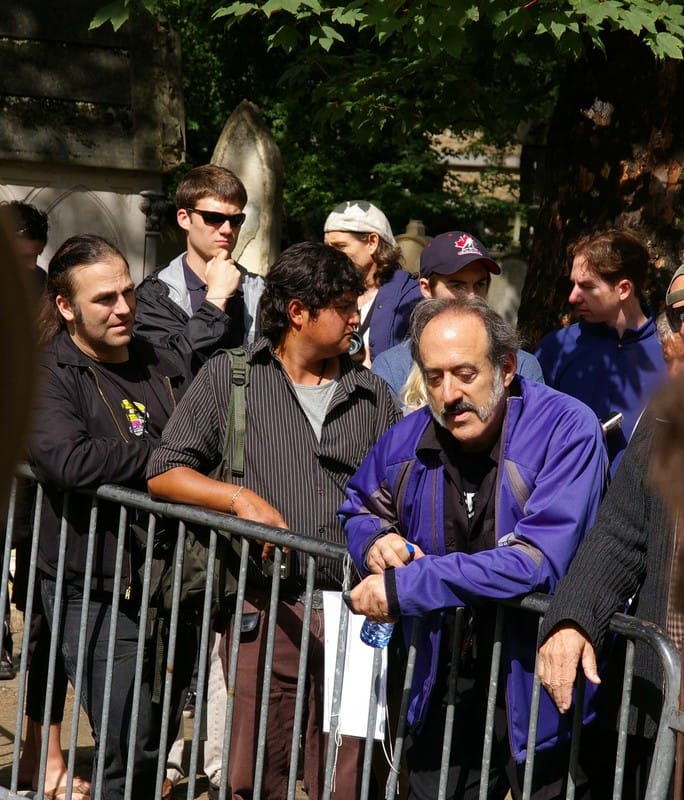
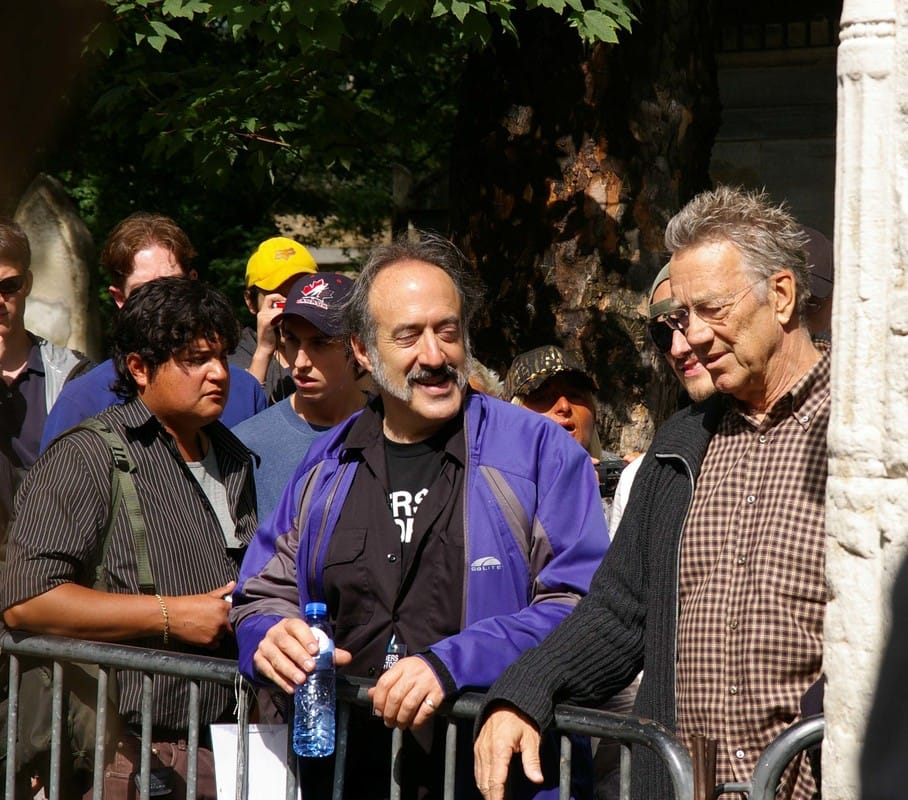
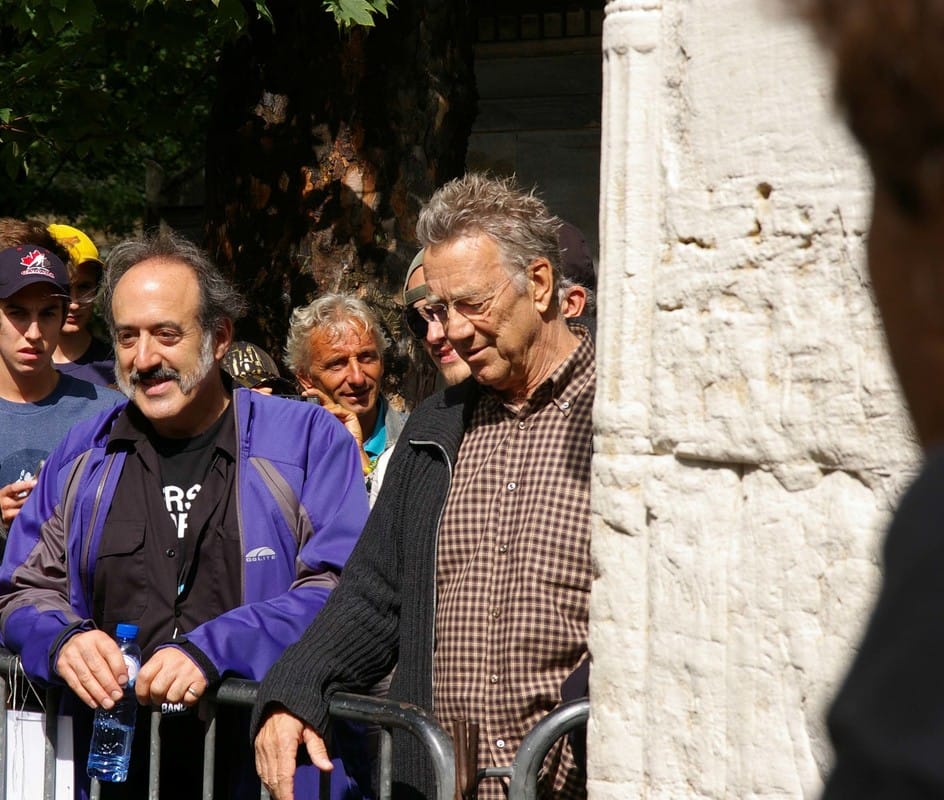
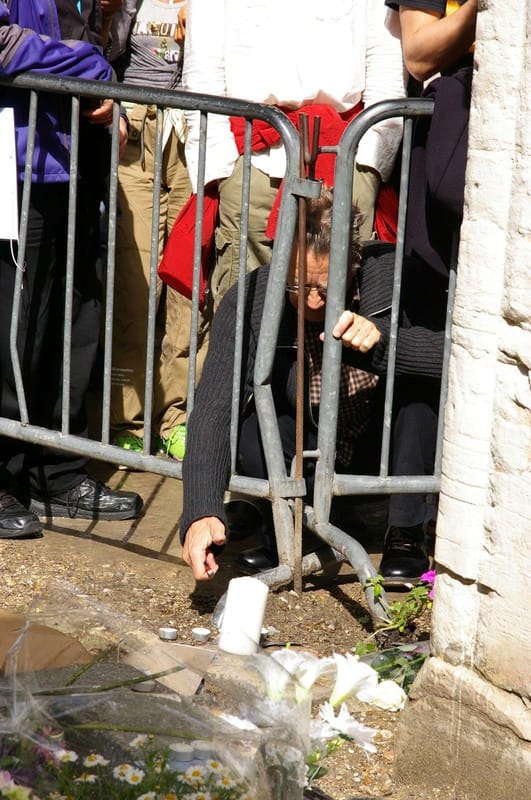
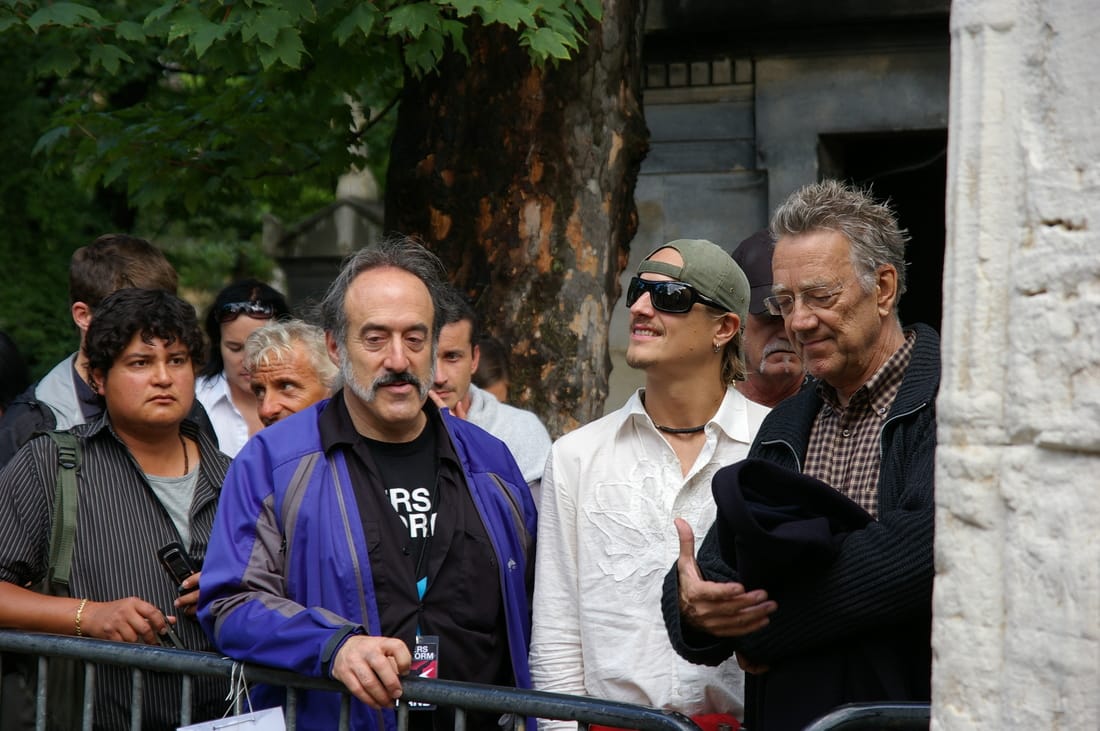
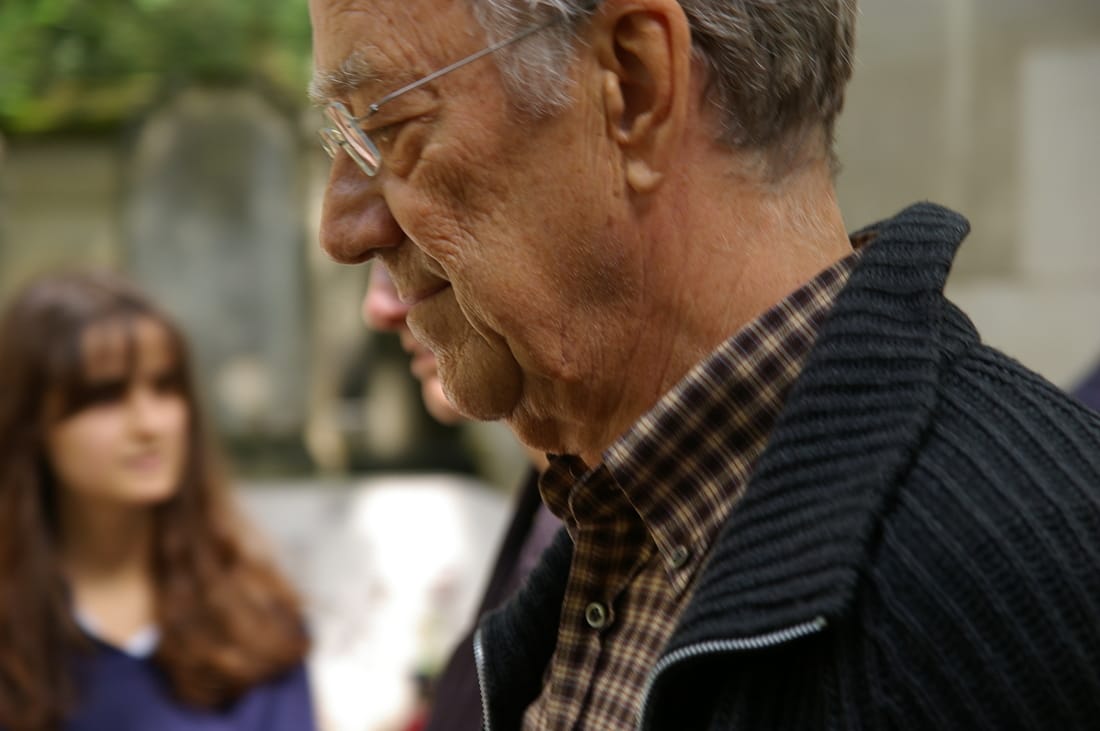
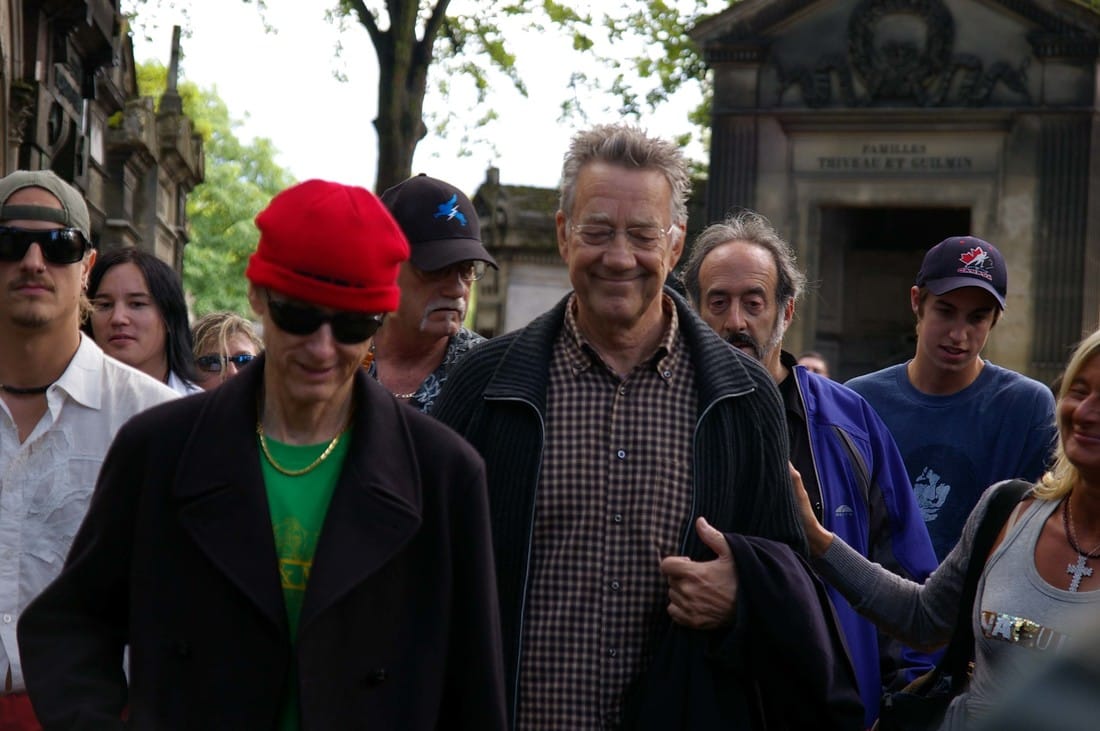
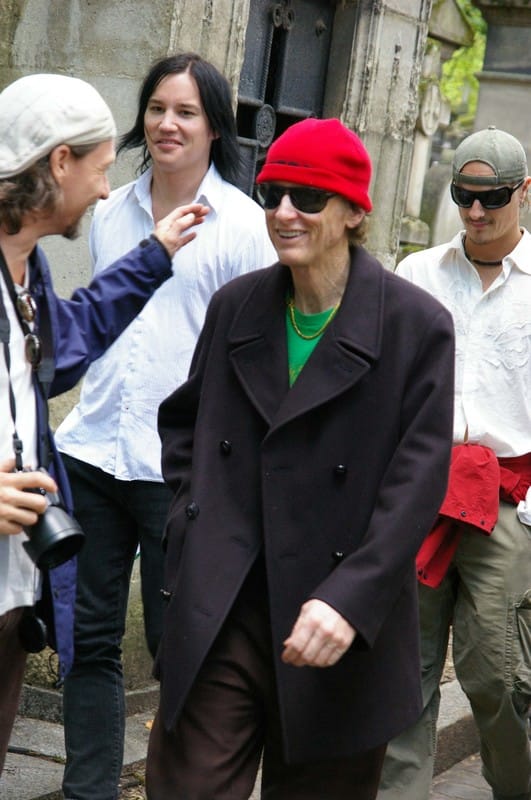
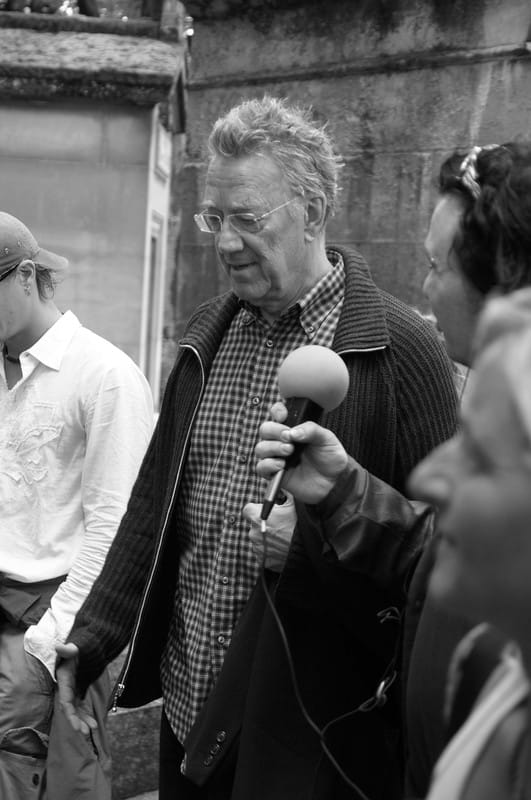
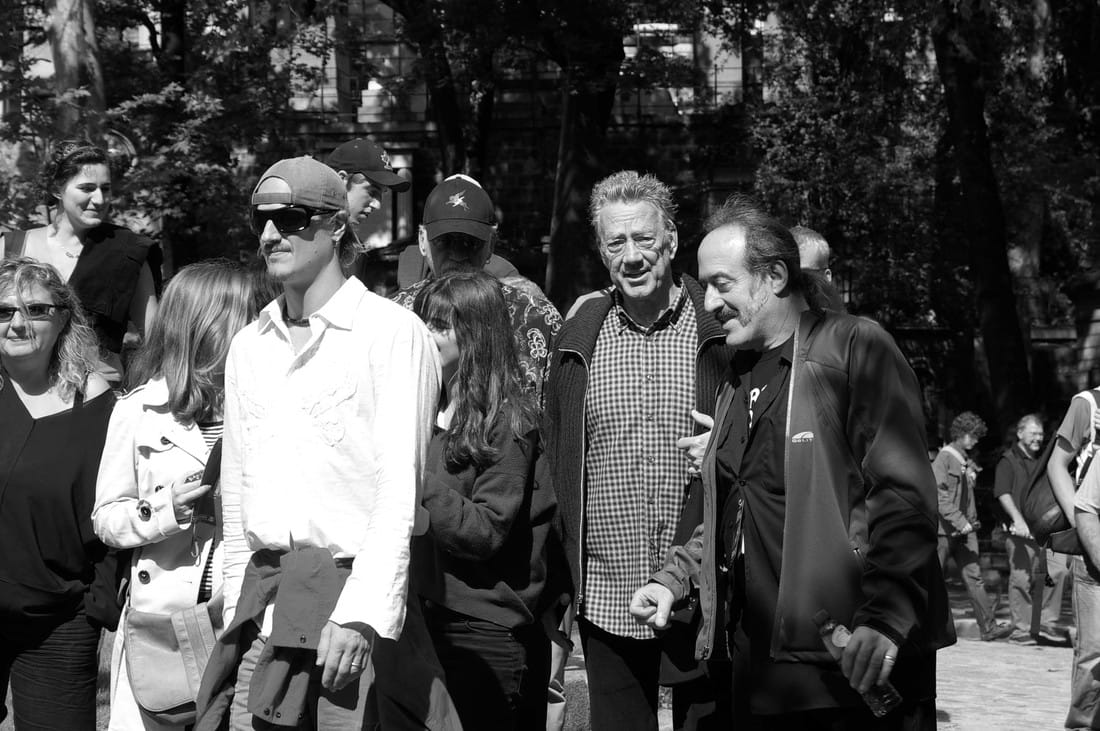
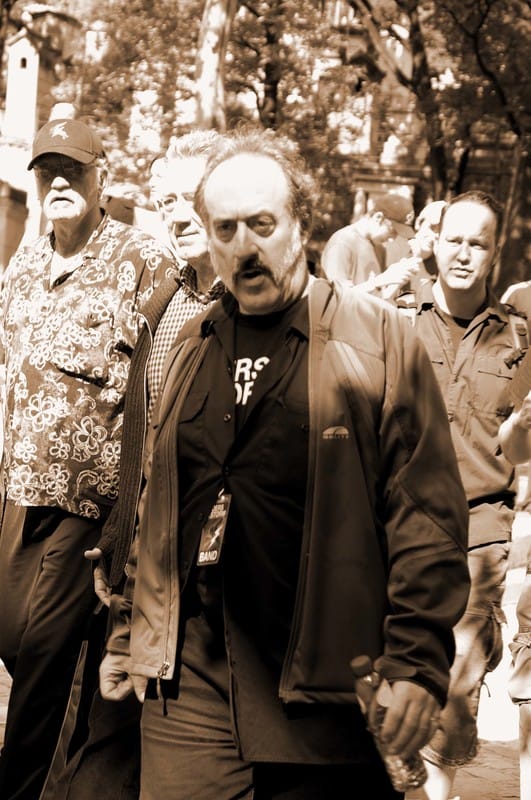
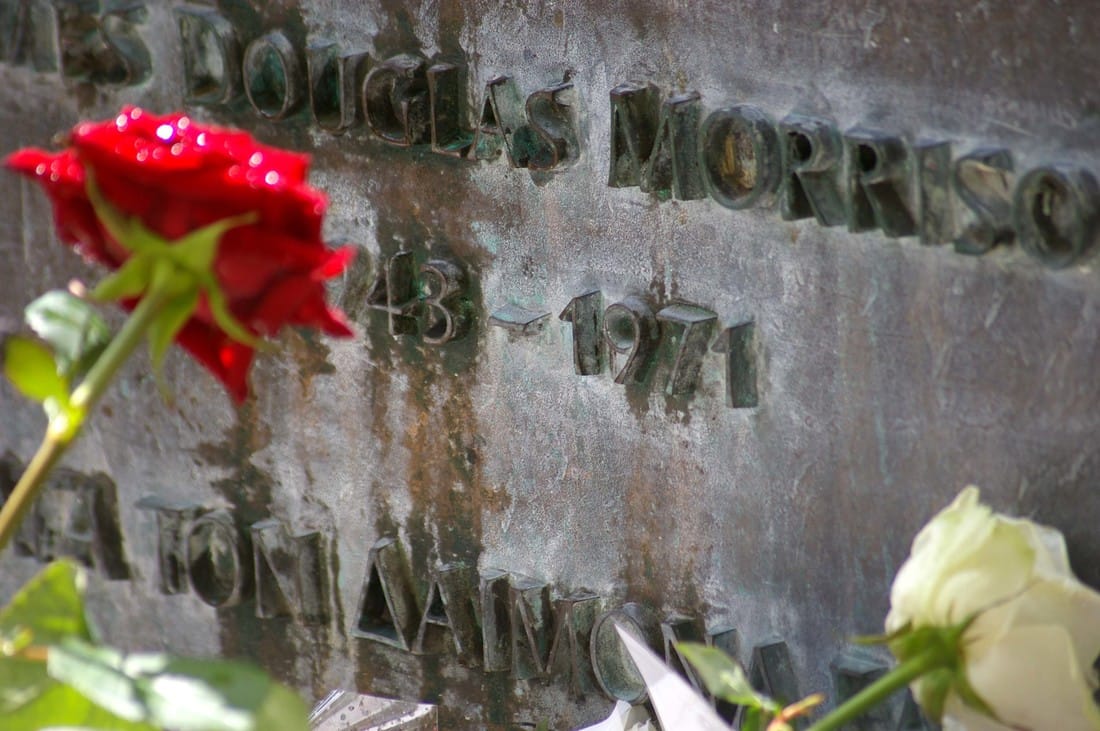
As Sascha and I finally approached Division 6 and stood before the humble, heavily guarded resting place of Jim Morrison, the air felt thick with nostalgia and respect. But what happened next was nothing short of a miracle. Just as we were taking in the emotional weight of the moment, a small group walked up right beside us—and our jaws dropped. By absolute, pure coincidence, we had arrived at the exact same minute as Jim’s legendary bandmates, Robby Krieger and Ray Manzarek, along with the rest of their touring crew. They had quietly come to pay their respects to their old friend and frontman before their big show that night. Standing just inches away from the rock gods who actually created The Doors—sharing a silent, private moment of remembrance at Jim's grave with them—was an overwhelming, surreal experience that left both Sascha and me completely speechless. It felt as if the universe had personally validated our rock 'n' roll pilgrimage before the music had even started.

Père Lachaise Cemetery: Quick Facts
  • World's Most Visited: Established by Napoleon I in 1804, it is the largest cemetery in Paris proper and the most visited graveyard in the entire world.
  • A Brilliant Marketing Trick: Originally, Parisians refused to be buried there because it was too far from the city center. To boost popularity, the city dynamically moved the remains of famous figures like Molière and La Fontaine there as a clever PR campaign.
  • The Star-Studded Registry: Beyond Jim Morrison, it is the final resting place for a staggering number of legendary icons, including Oscar Wilde, Edith Piaf, Chopin, and Marcel Proust.
  • The Oscar Wilde Custom: Oscar Wilde's modern sphinx-like tomb became world-famous for being completely covered in red lipstick kisses from fans, forcing the city to install a protective glass barrier in 2011.

A Pitstop for a Legend: The Jim Morrison Pub
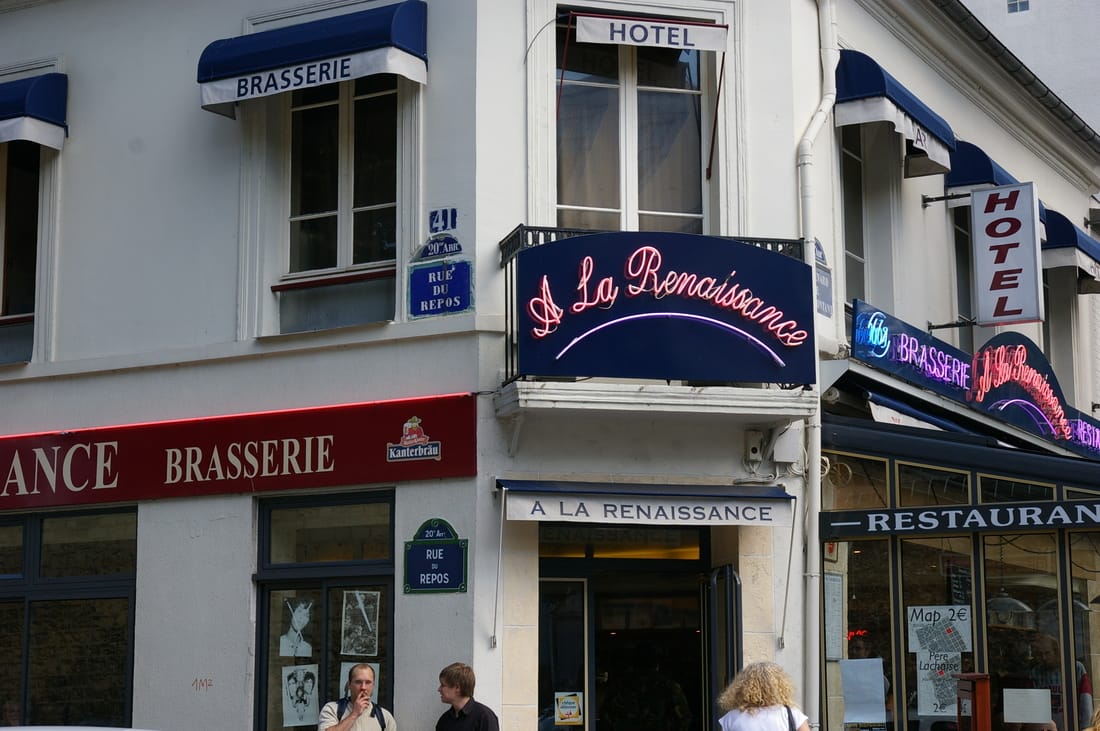
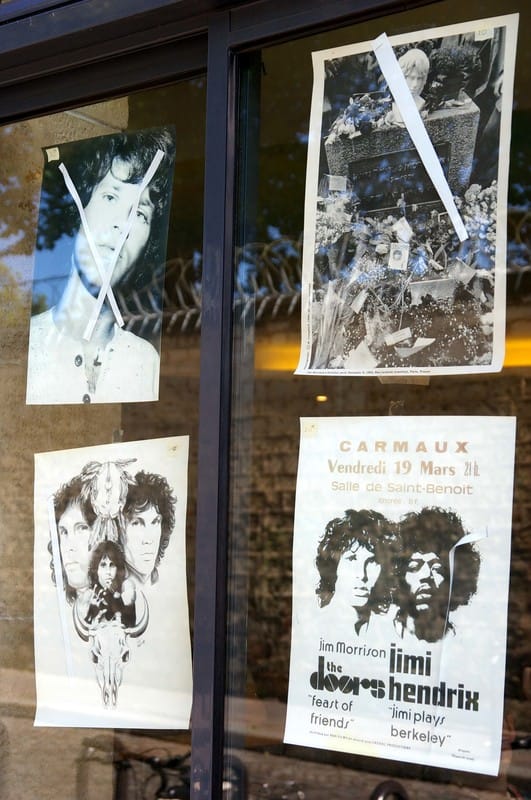
Still completely buzzing from that surreal encounter, Sascha and I slowly made our way out of the cemetery gates. Right on the edge of the historic grounds, we passed by a famous local landmark that we just couldn't ignore: the iconic Jim Morrison Pub (Le Lezard). Its walls are completely plastered with classic posters, vintage photos, and rock memorabilia dedicated to the Lizard King.

The Grand Finale: Riders on the Storm Live in Paris
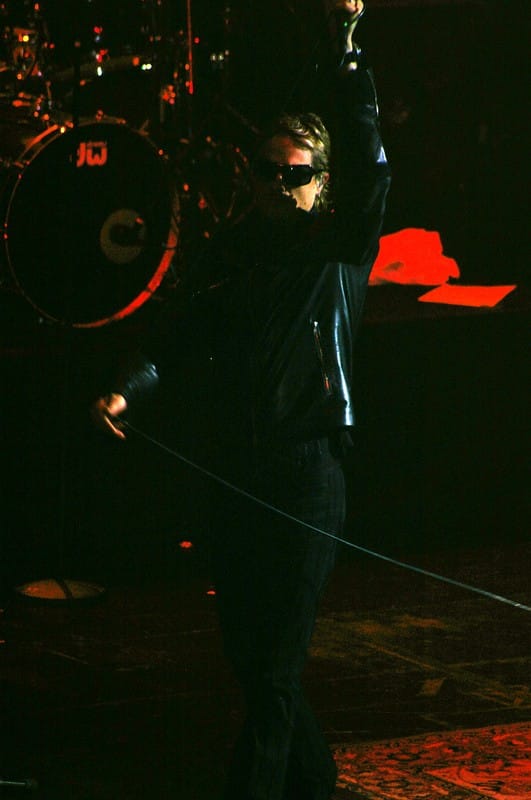
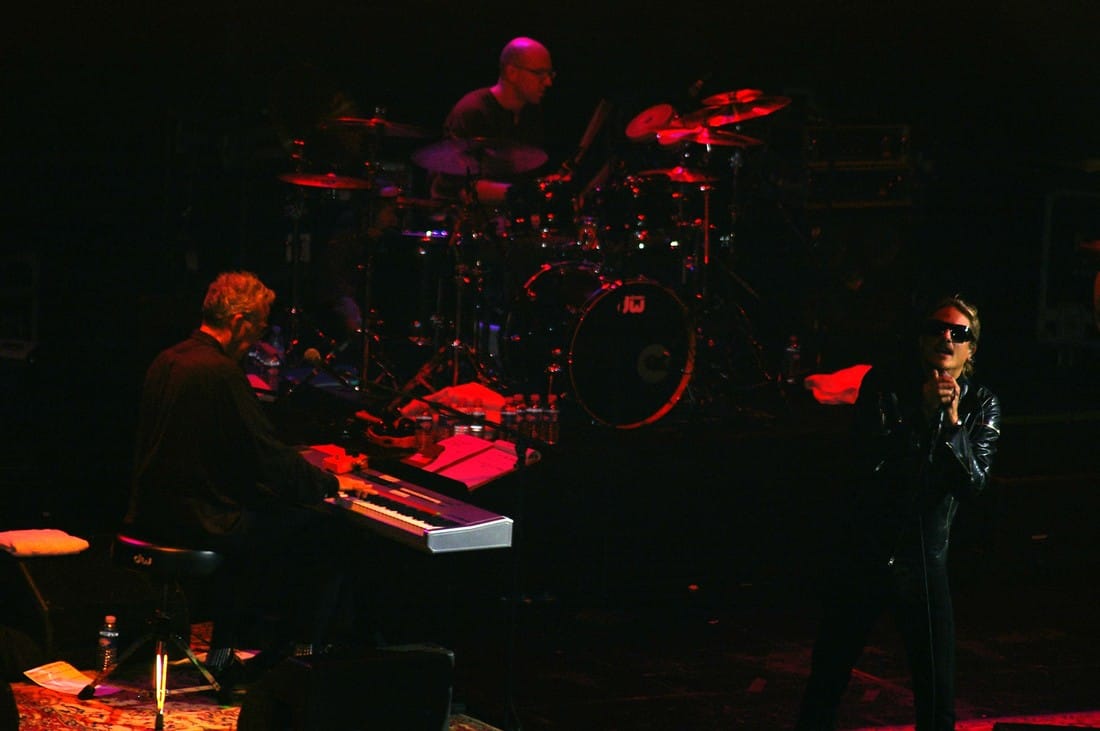
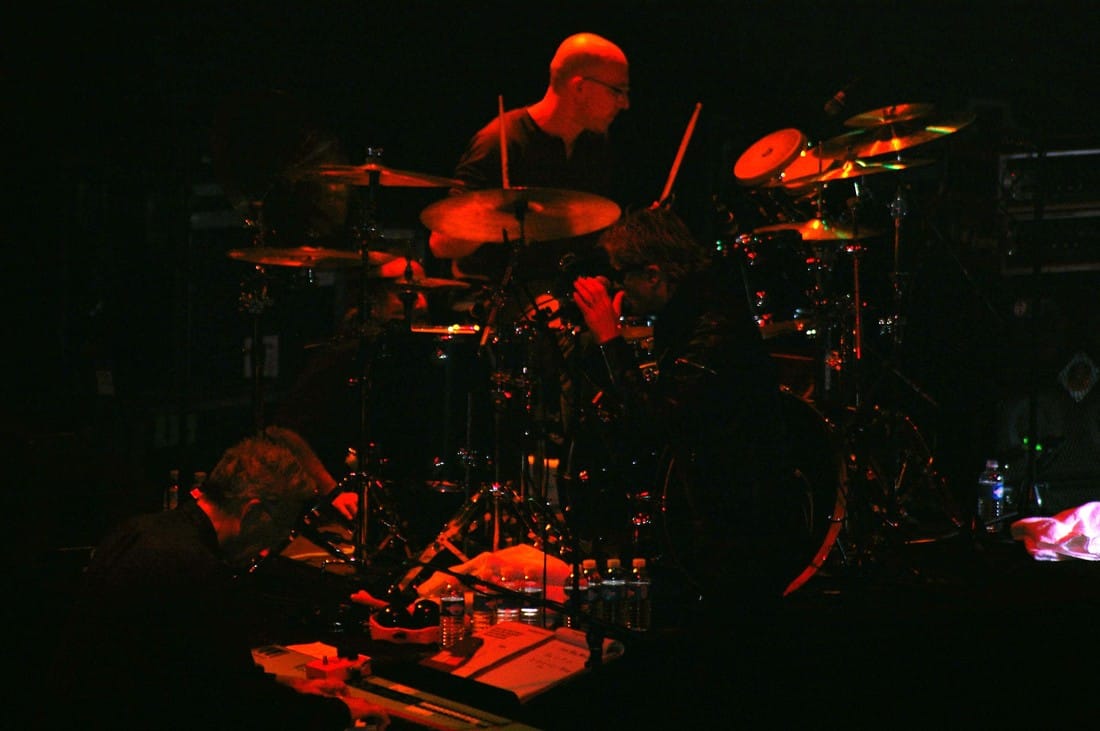
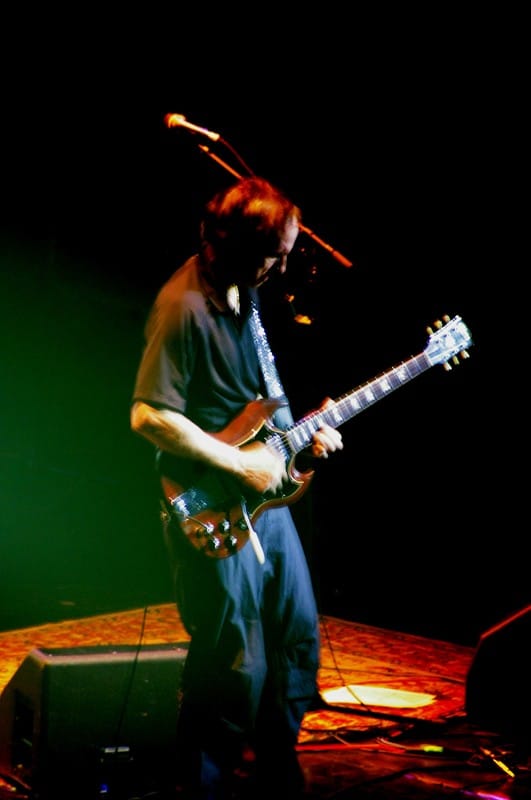
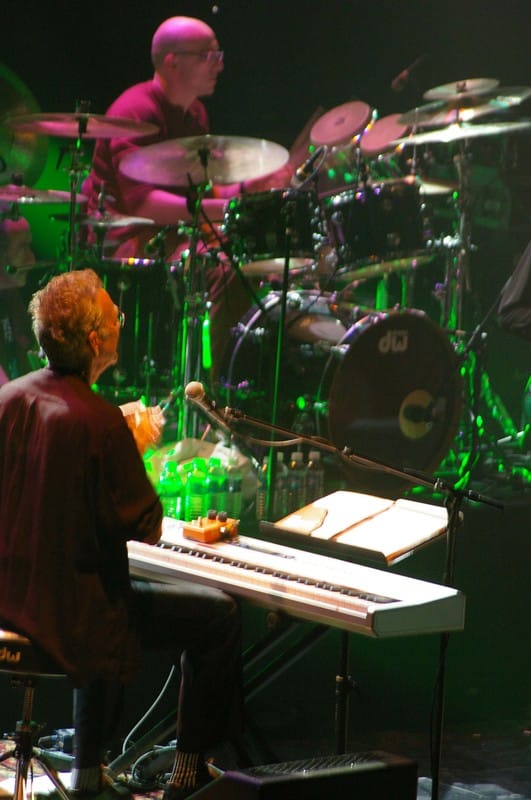
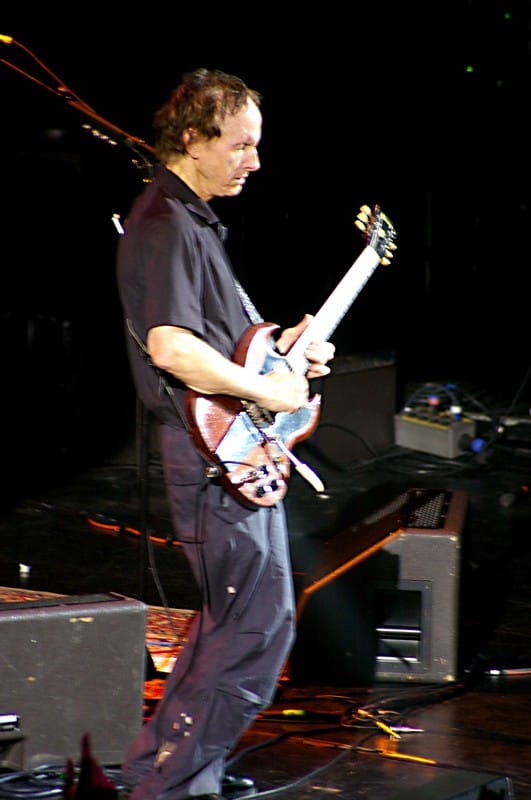
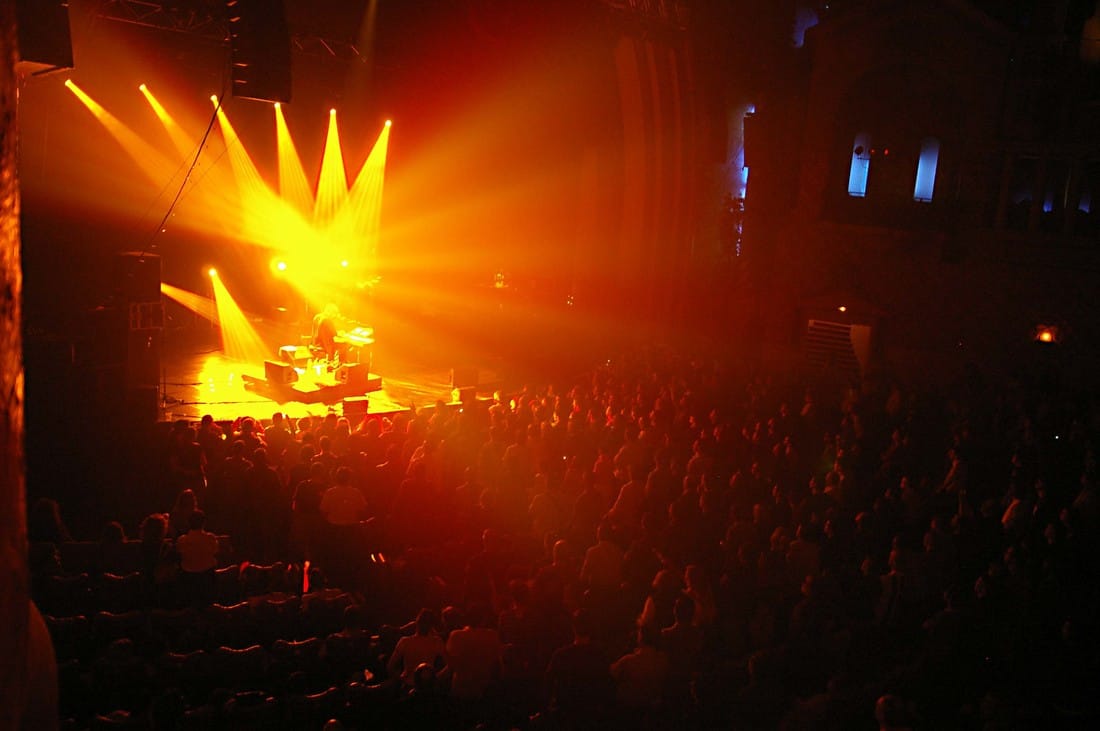
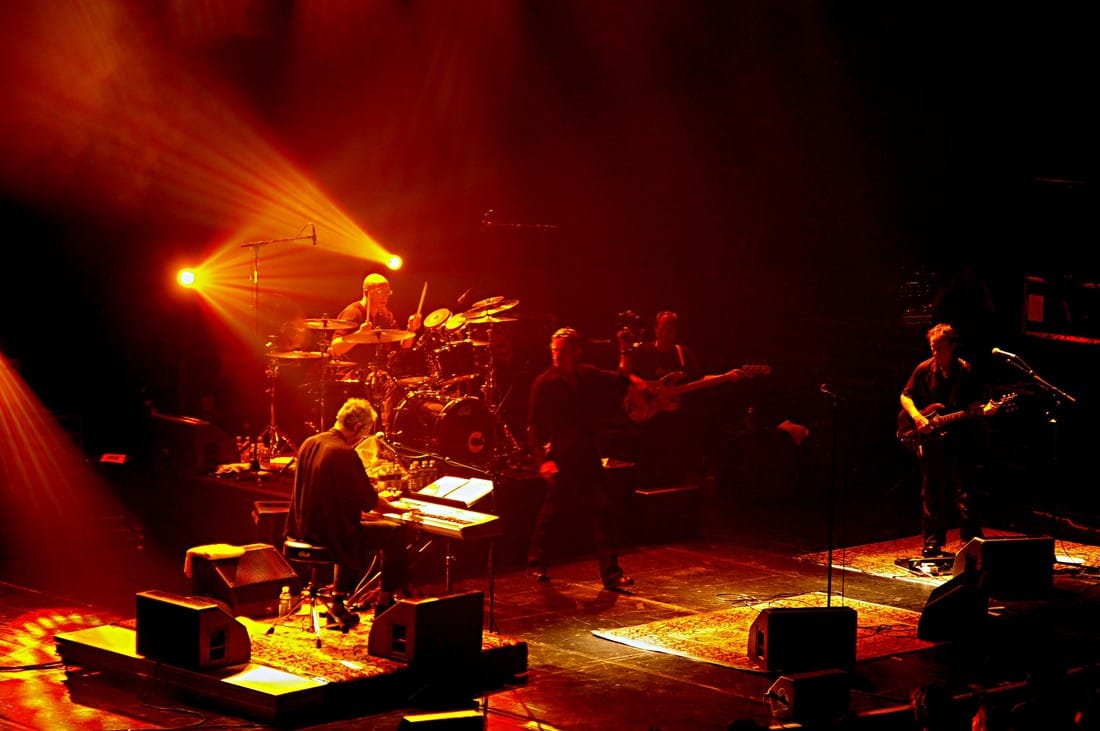
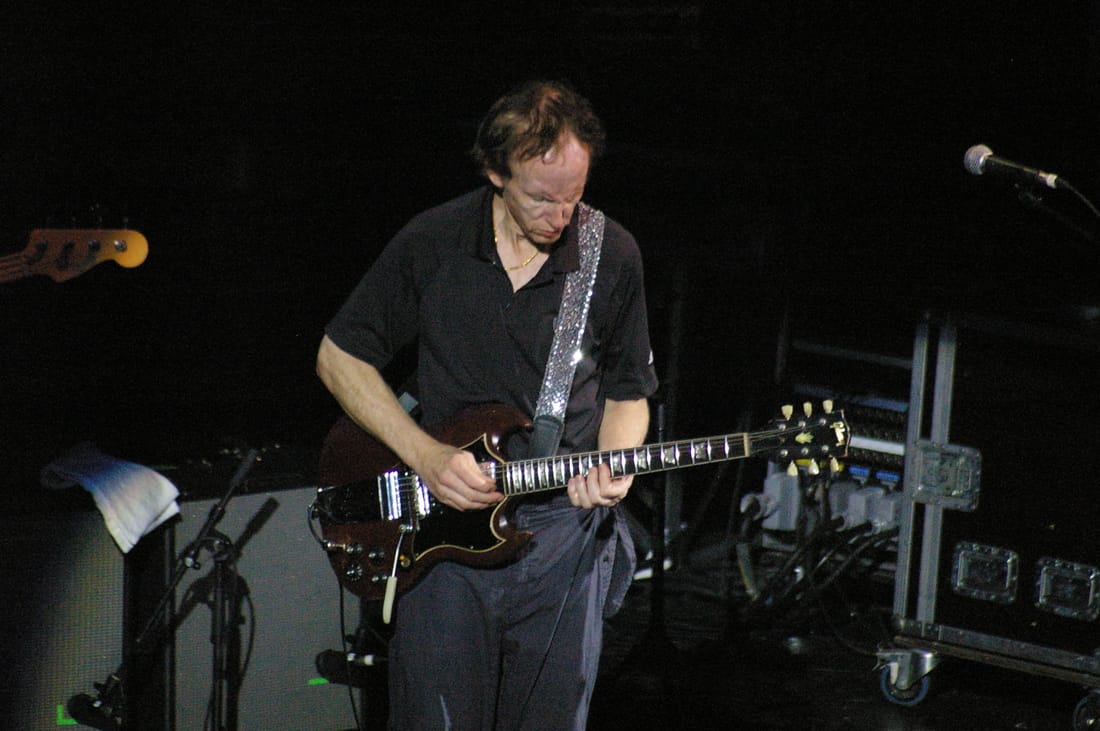
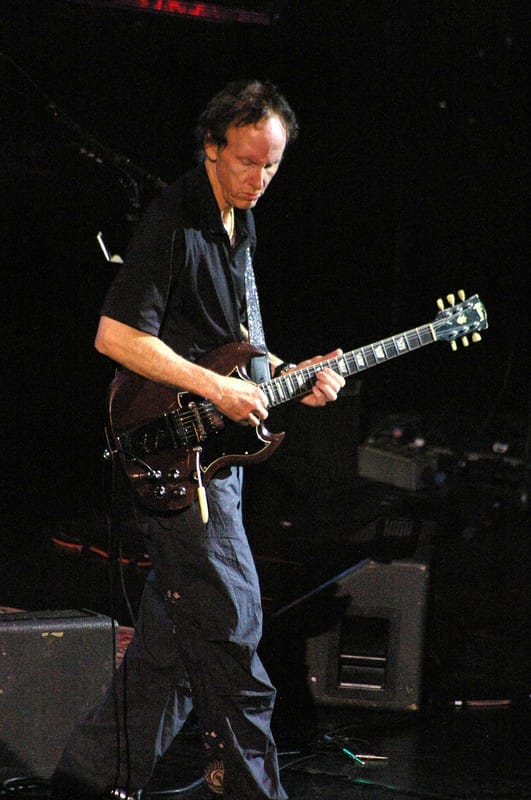
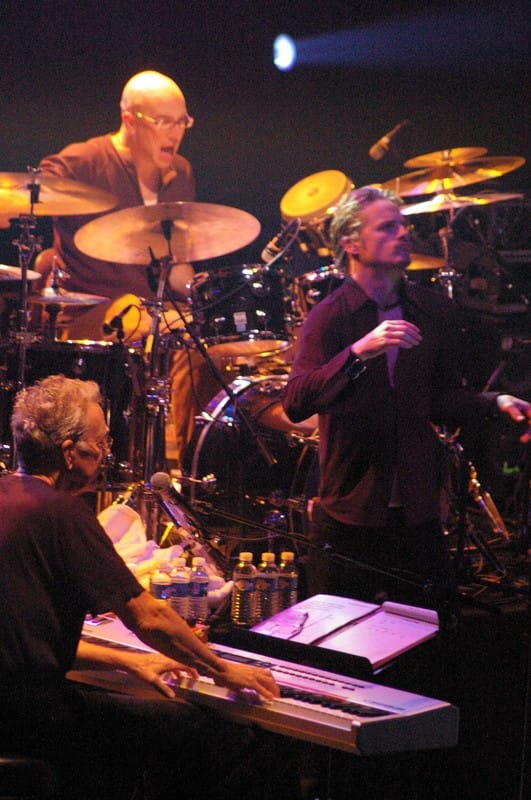
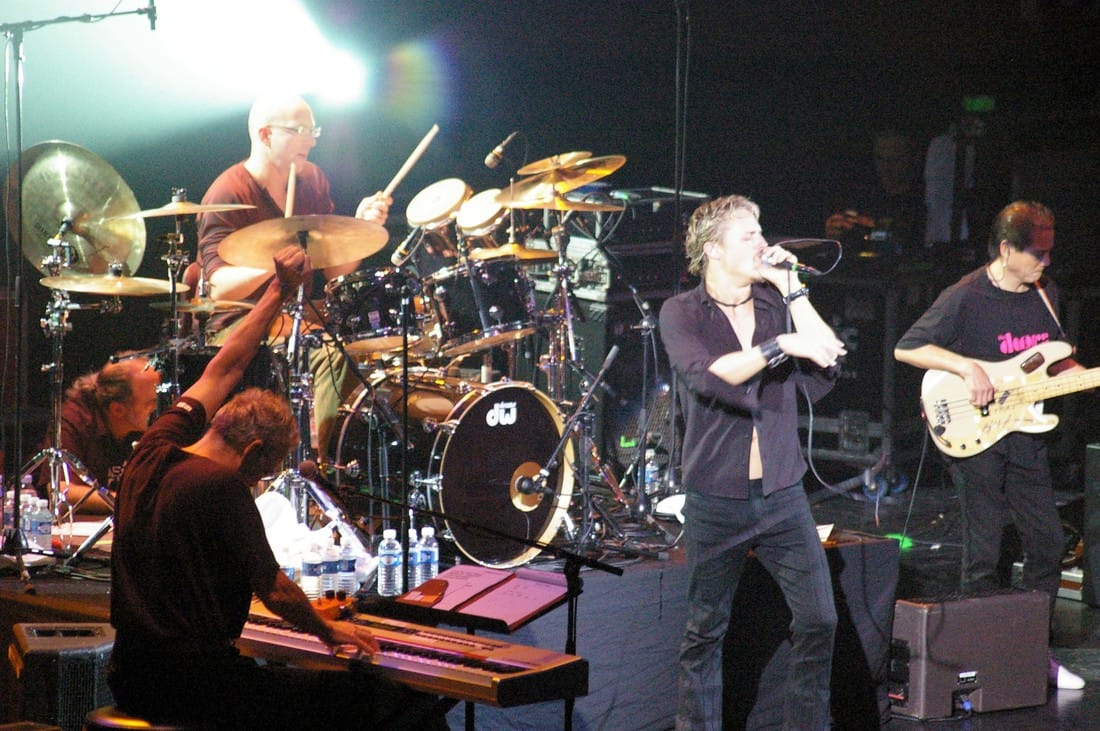
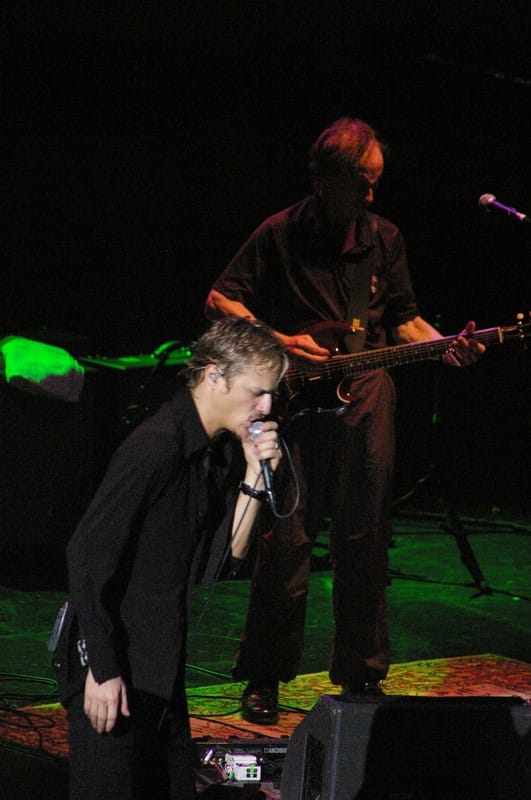
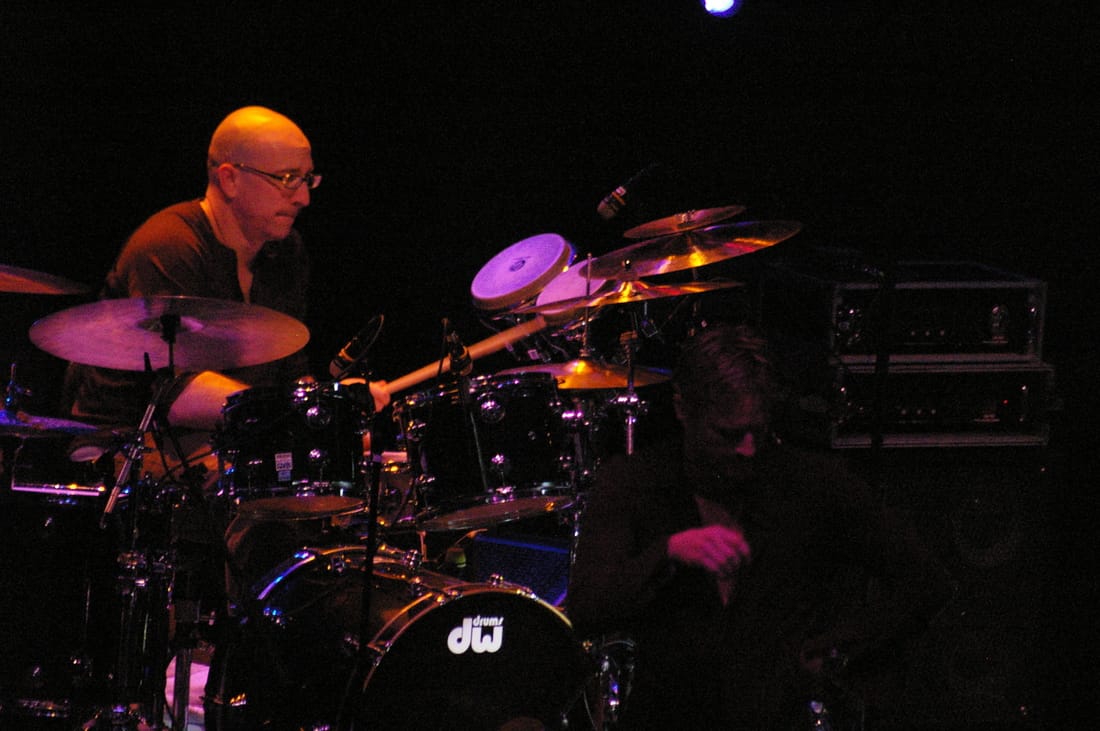
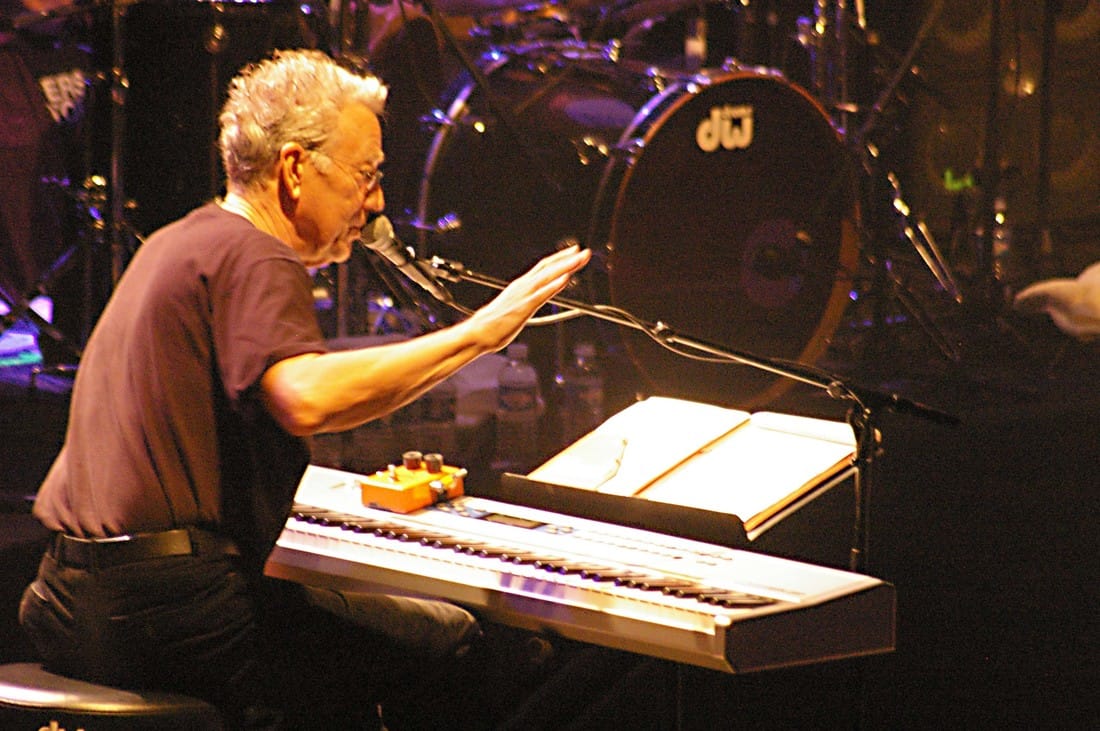
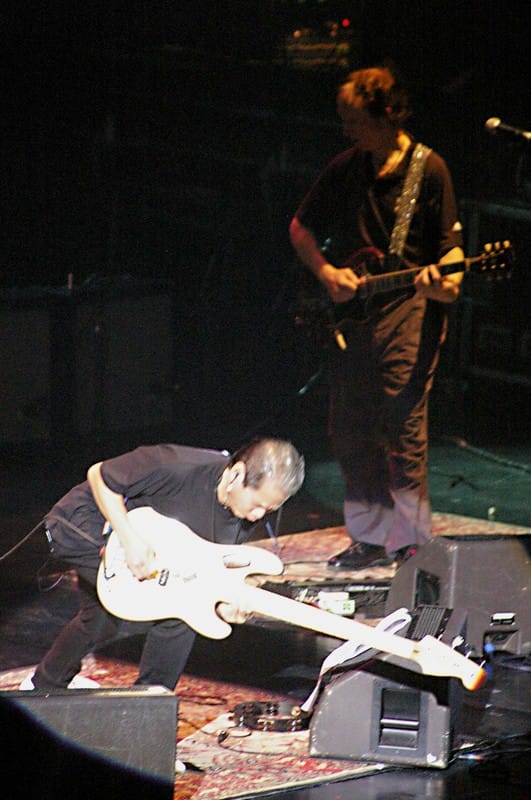
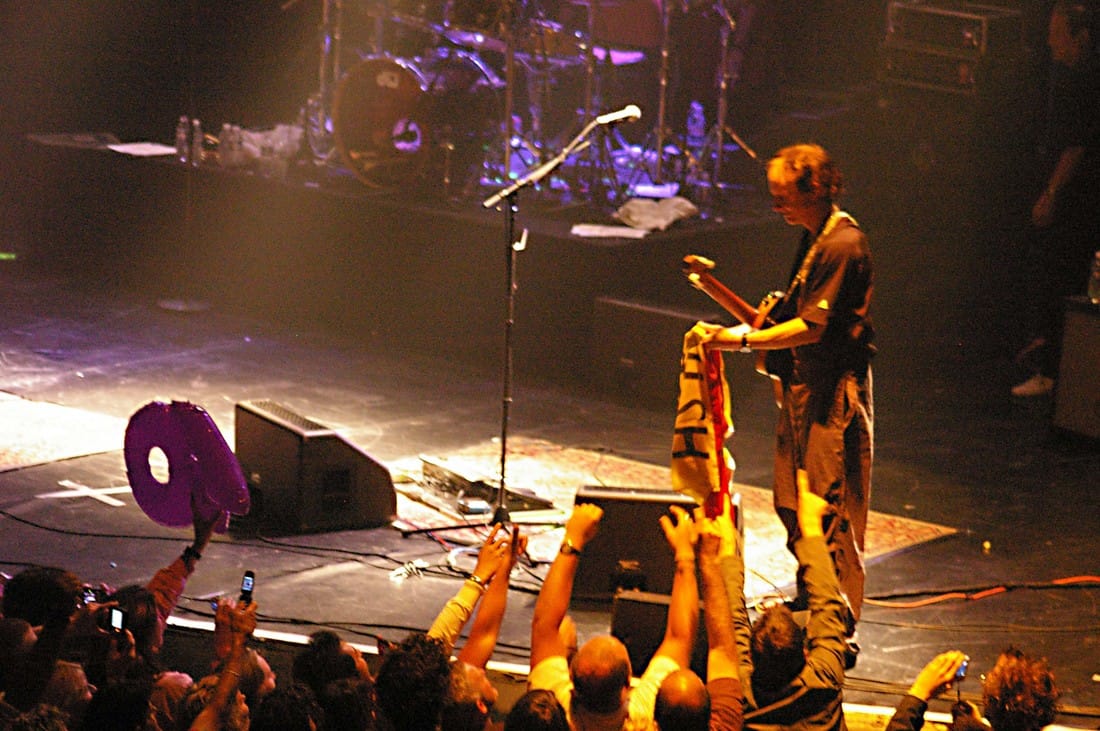
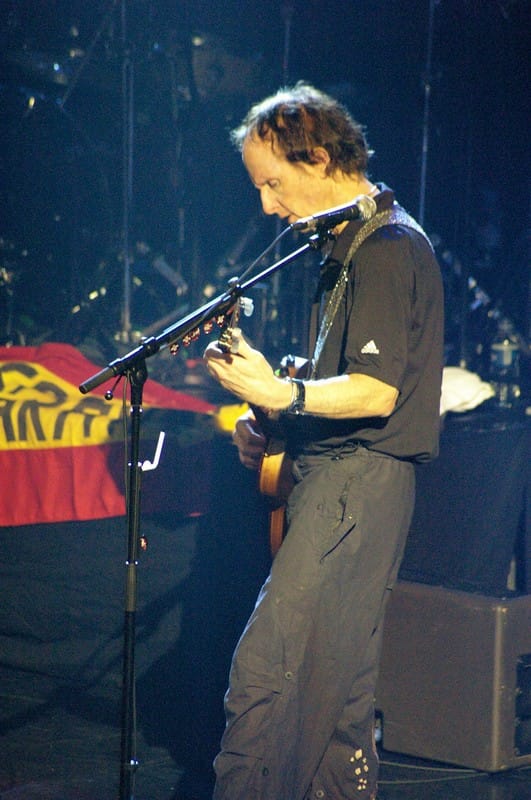
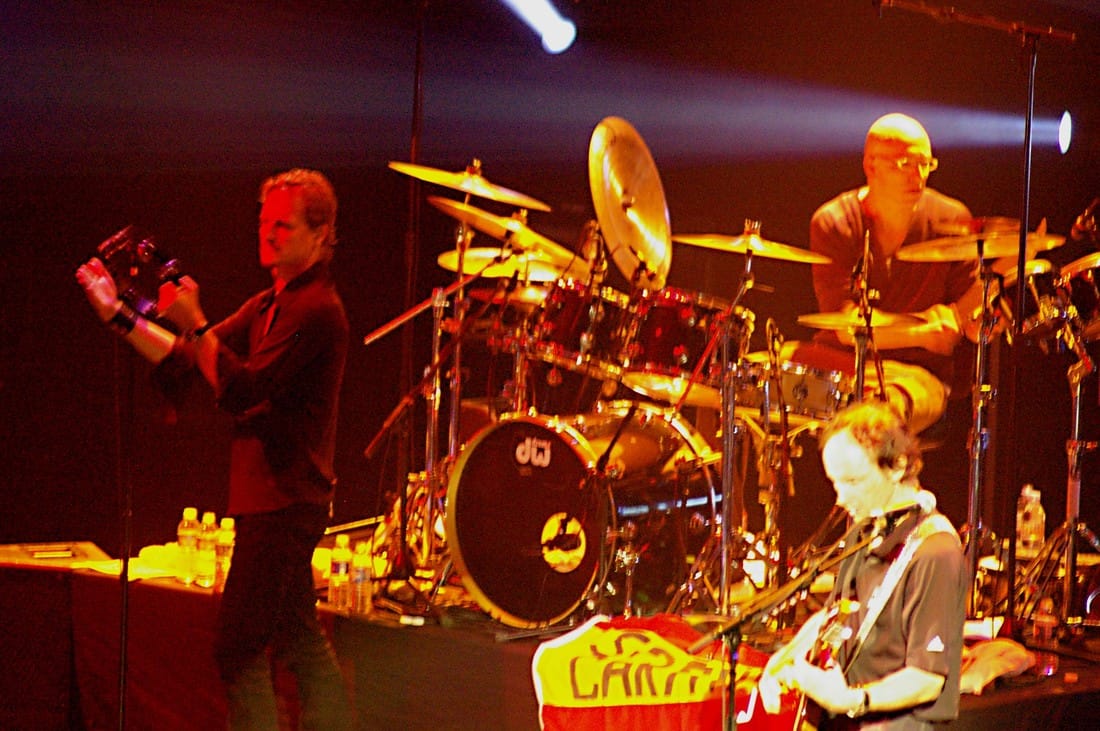
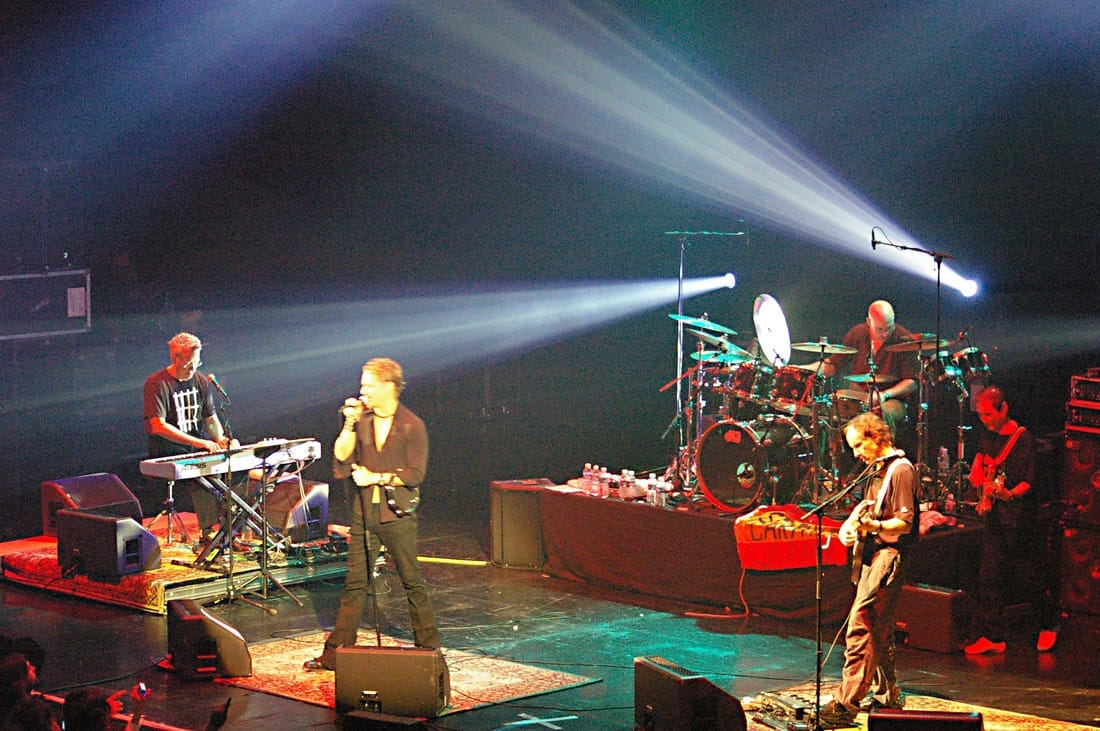
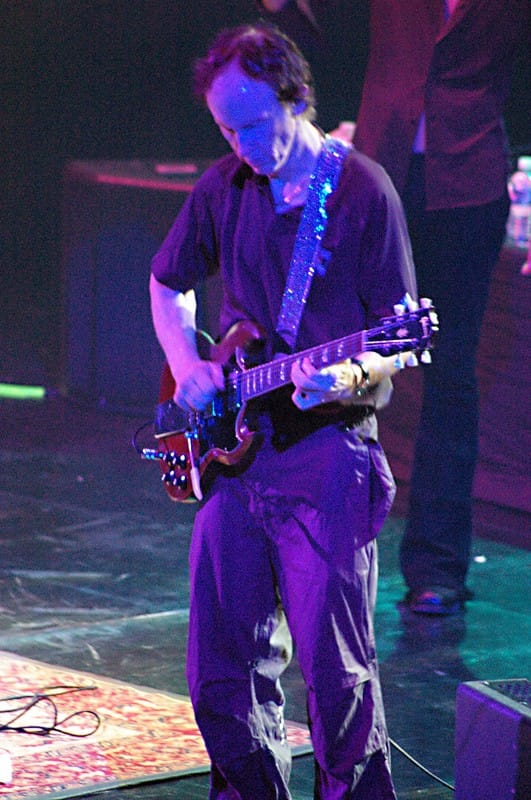
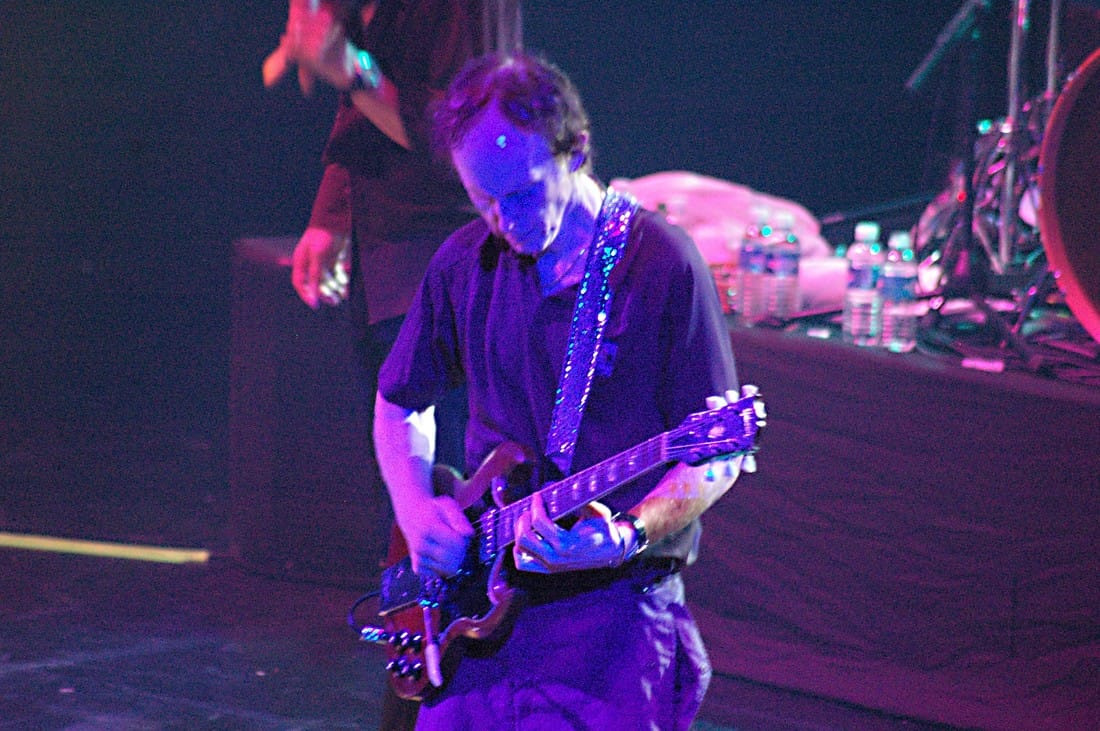
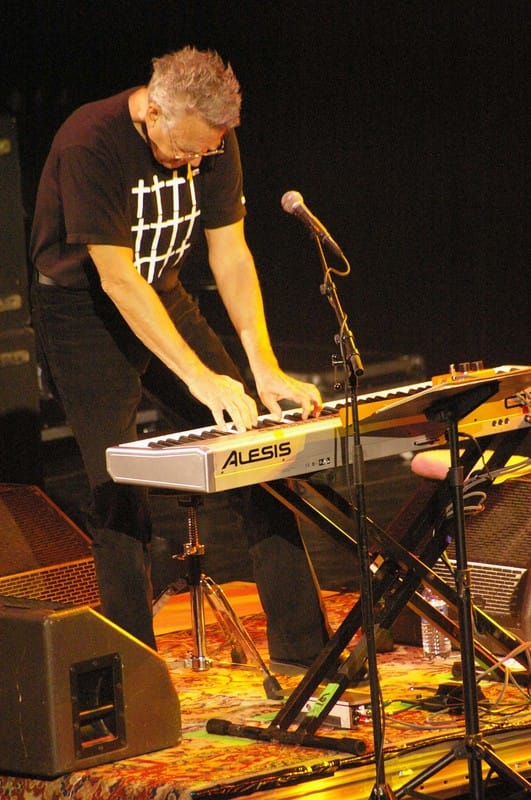
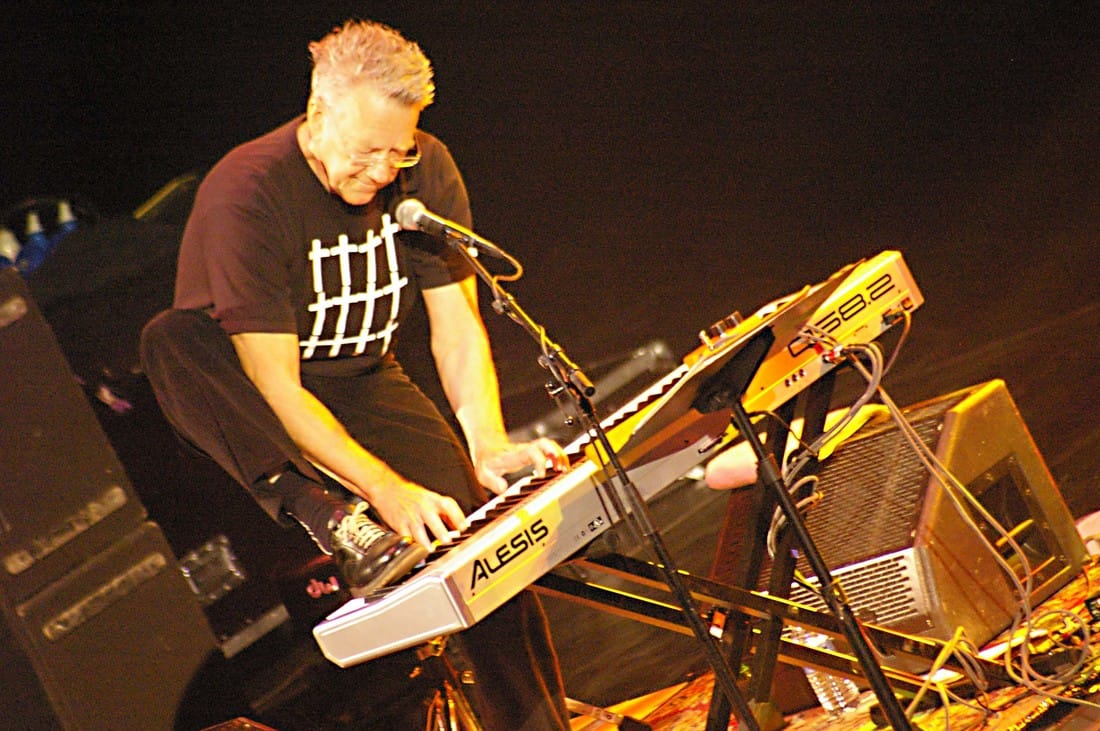
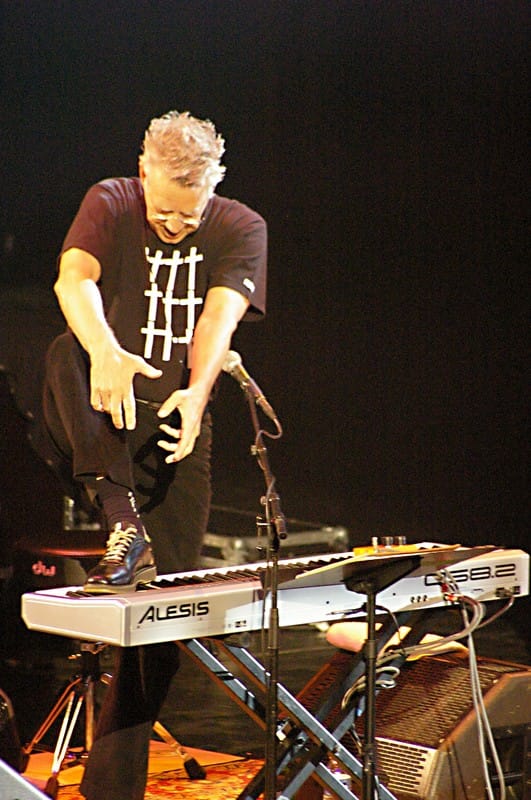
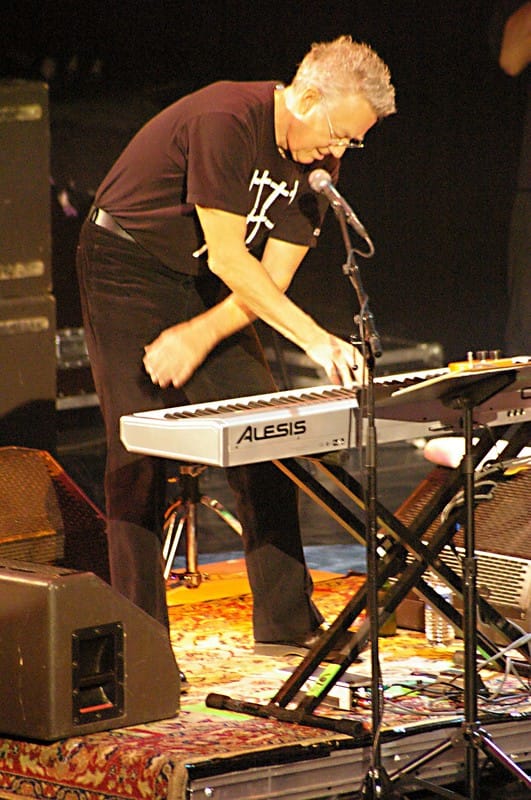
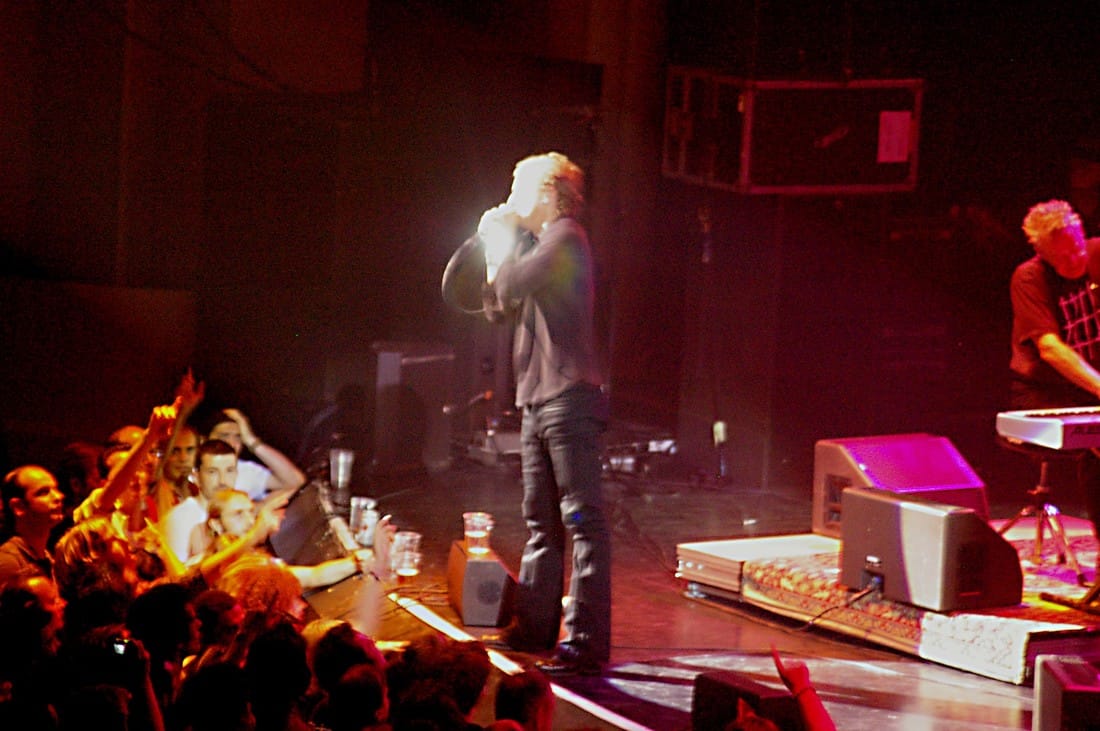
The absolute climax of our rock 'n' roll pilgrimage led Sascha and me straight to the historic Le Grand Rextheater (What was really awesome, we had seats upstairs and you were allowed to take photos with a professional camera, so up there, I had the best spot, you can get for such a memorable event). Stepping into the venue, the atmosphere was electric, packed with generations of fans eager to hear the timeless music of The Doors. When Ray Manzarek and Robby Krieger finally took the stage, the crowd erupted. Hearing the iconic organ intro of "Riders on the Storm" played live by the master himself, paired with Robby’s soulful guitar riffs, was an out-of-body experience. For a few magical hours, the ghost of Jim Morrison felt alive right there in Paris. It was a bittersweet celebration of a legendary legacy—and little did we know at the time just how rare and historic that night truly was​.
The Legacy: What Happened Next?
To close this chapter of my travel diary, here are the heavy rock history facts regarding the band after that unforgettable night in 2007:
  • The End of an Era: The Paris concerts in 2007 were indeed part of the final years the band performed under the name "Riders on the Storm". Shortly after, due to continuous legal battles over the name The Doors, they toured simply as Ray Manzarek and Robby Krieger of The Doors. 
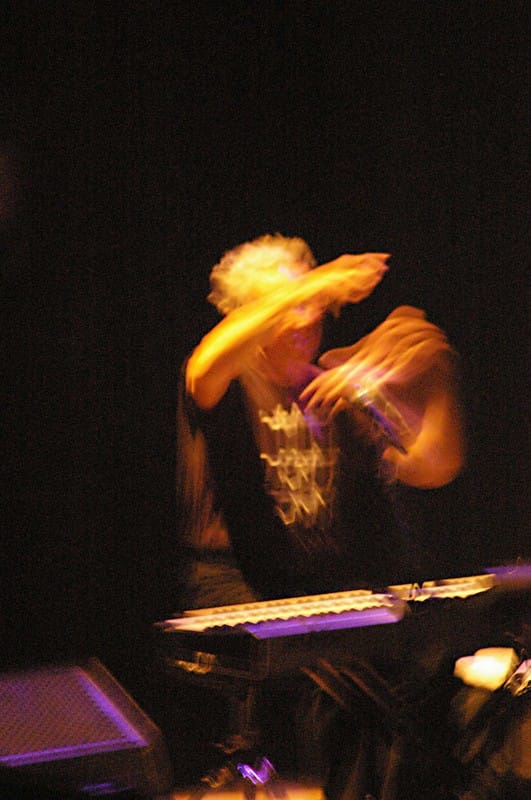
  • Ray Manzarek's Final Notes: Sadly, the world lost the legendary co-founder and mastermind behind the band's signature sound. Ray Manzarek passed away on May 20, 2013, at the age of 74 after a battle with bile duct cancer. 
  • Who is Still Alive? As of today, the only surviving original member of The Doors who toured that night is the brilliant guitarist Robby Krieger, who continues to keep the band's legacy alive. The original drummer, John Densmore (who did not participate in the 2007 reunion tour), is also still alive. 

Looking back at our 2007 trip, I feel incredibly blessed. We didn't just visit history at the cemetery; we witnessed the living, breathing fragments of a rock revolution that changed the world forever.
Trip Gallery
Europe
Powered by Create your own unique website with customizable templates.