ARGENTINA
(2001)
Buenos Aires
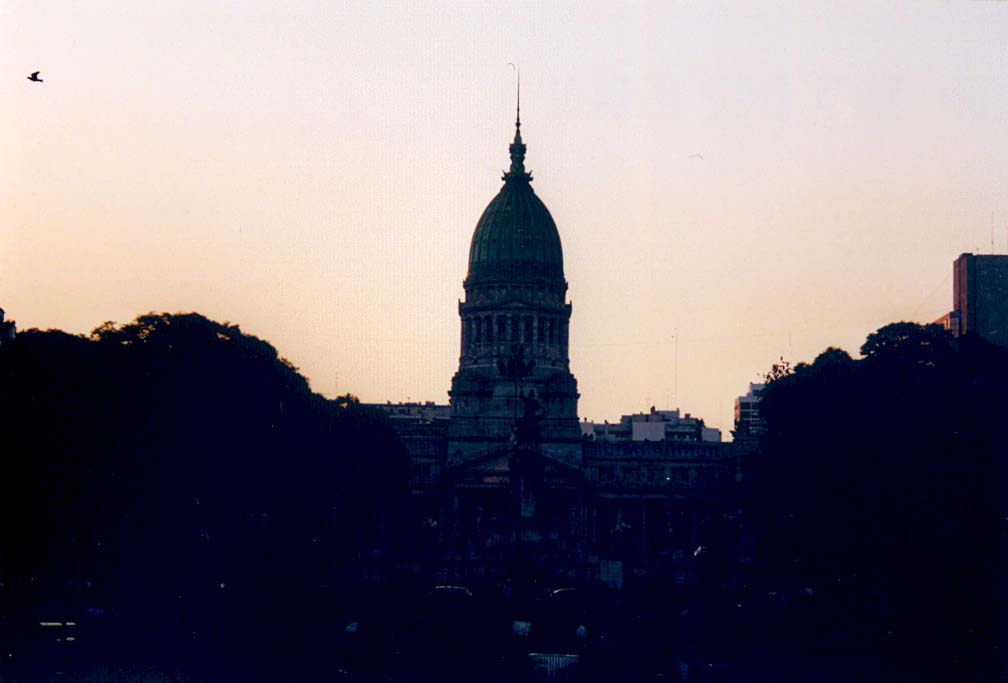
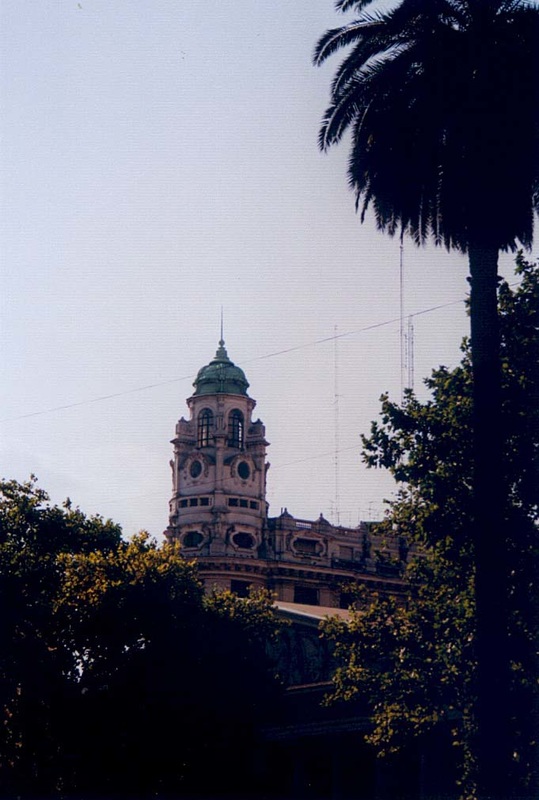
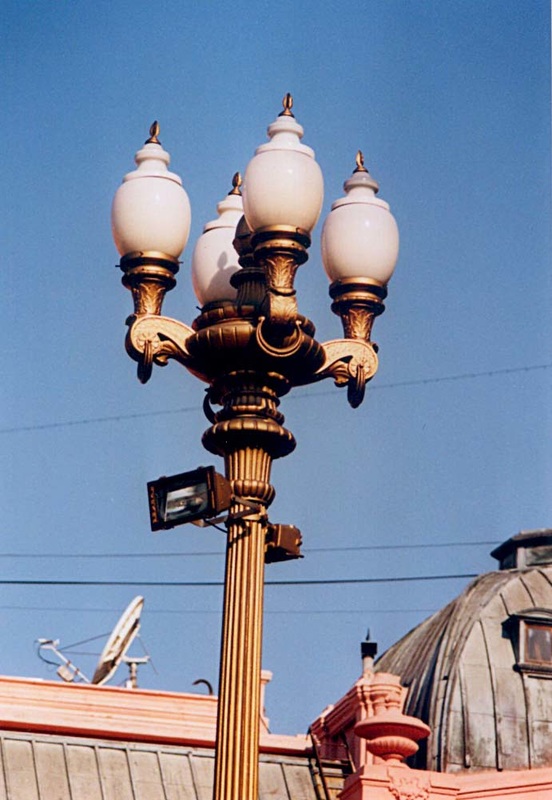
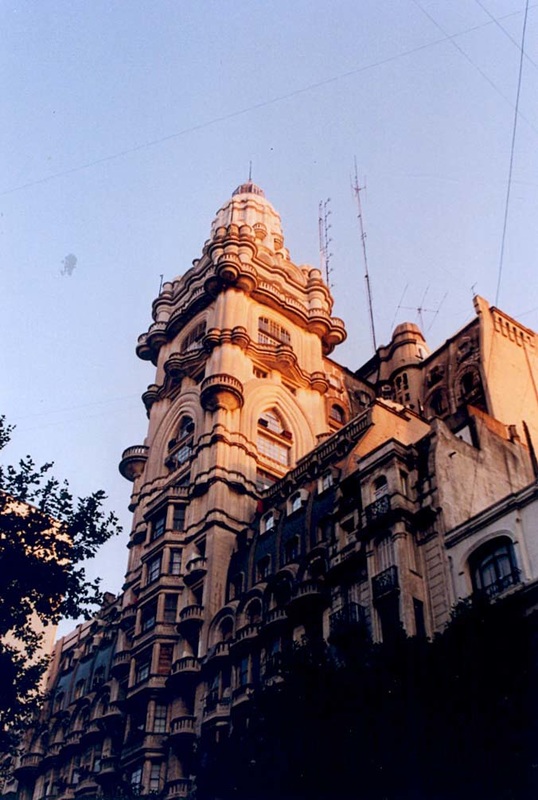
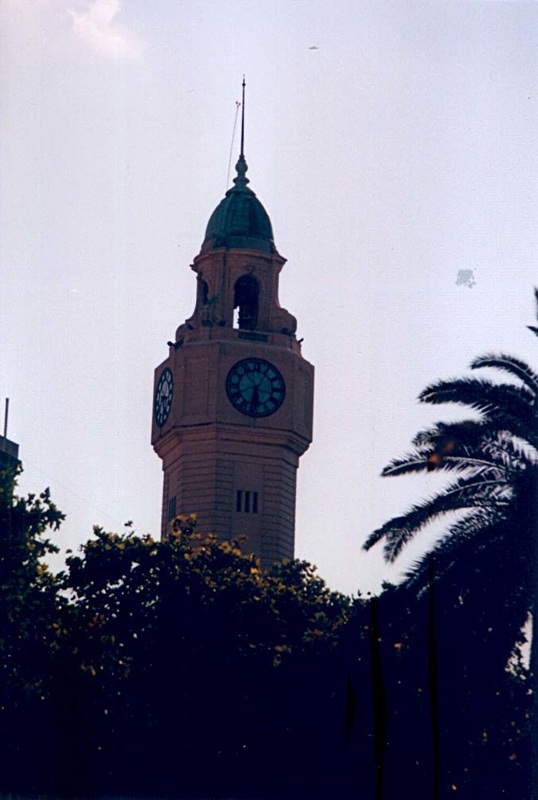
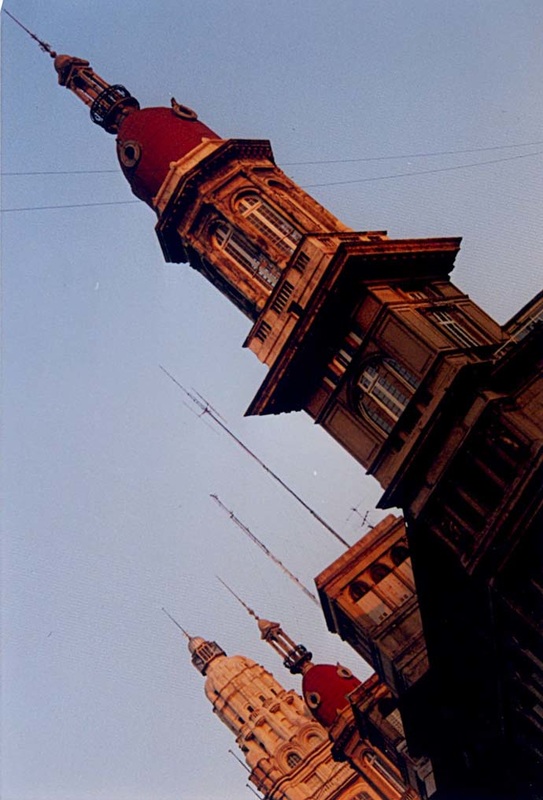
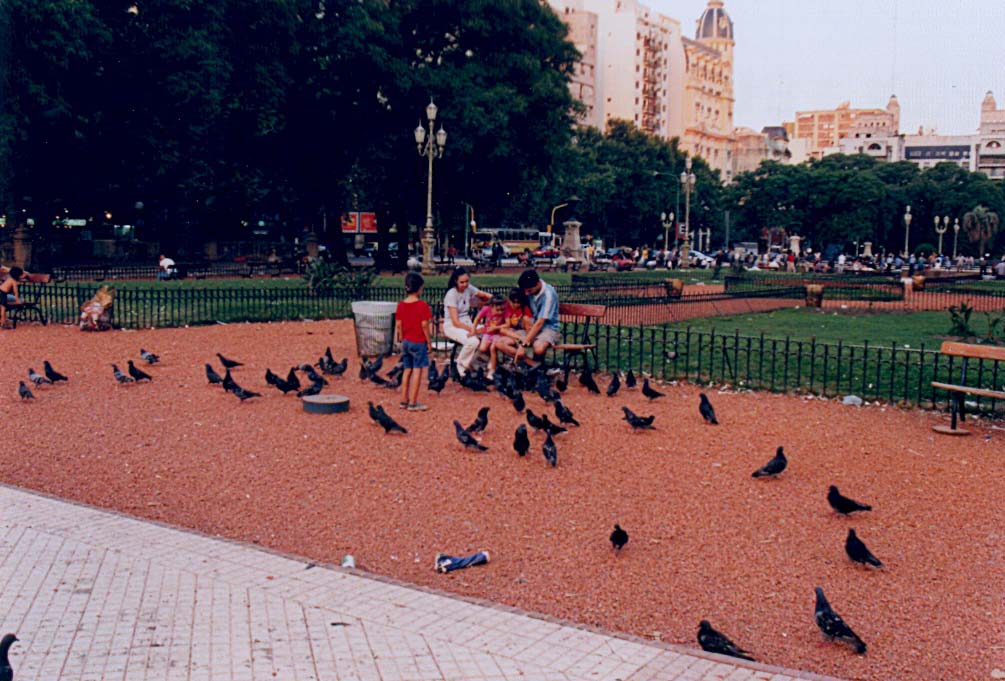
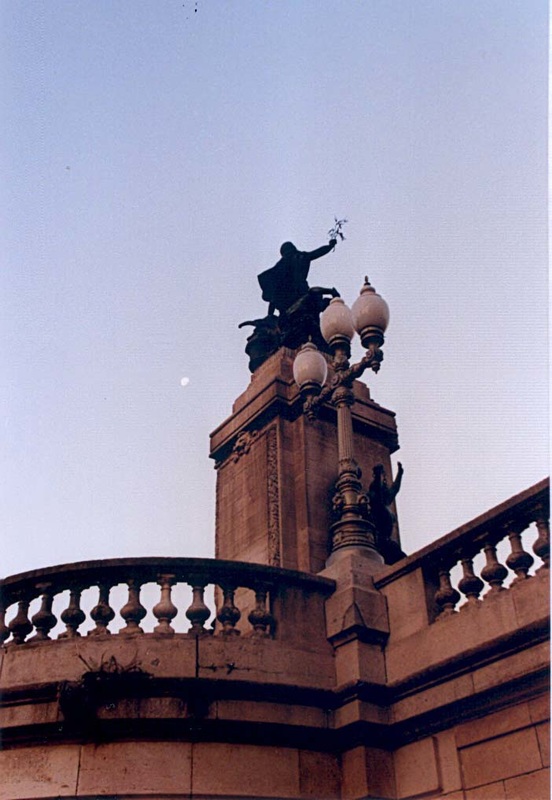
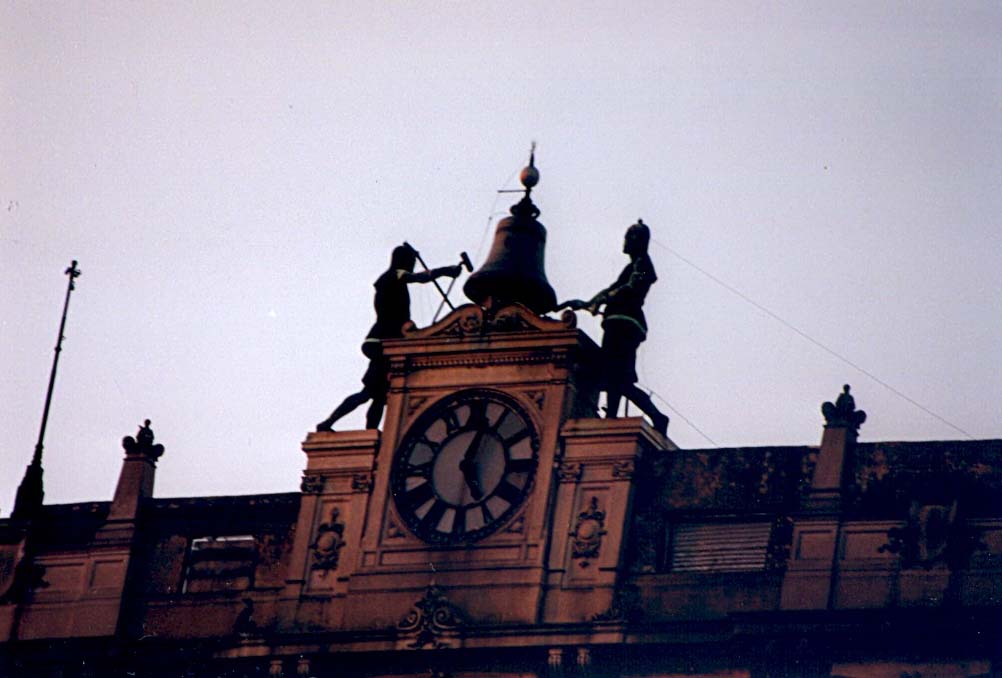
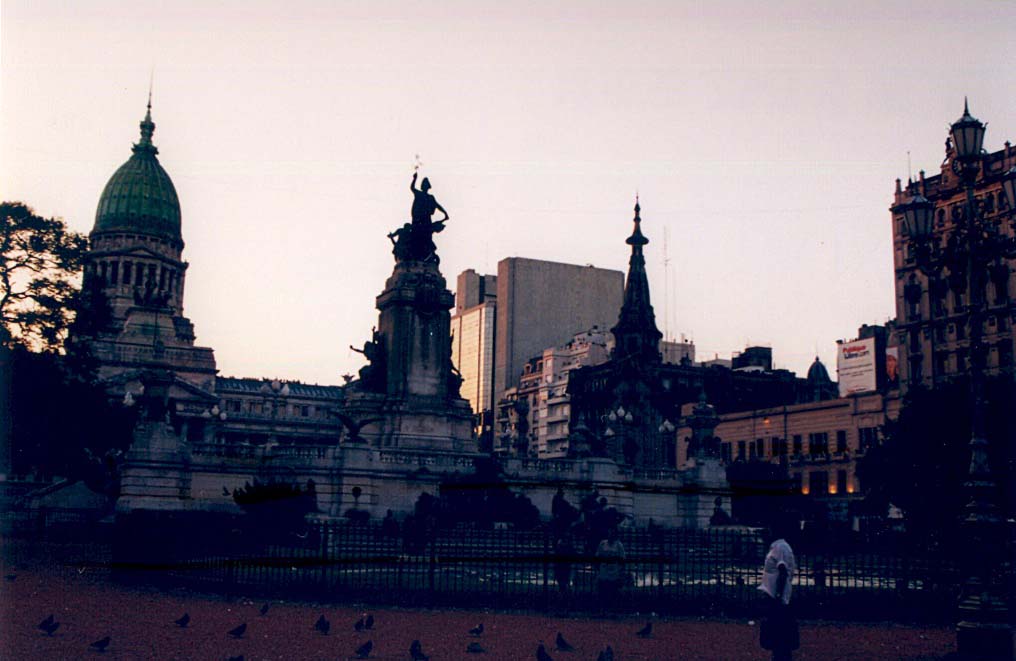
The starting point of my journey through the land of tango and steaks! After landing, the metropolis—with its Parisian flair—immediately captivated me.
Between pink palaces and colorful corrugated-iron shacks: My 2001 Buenos Aires debut
"Palacio Rosado"
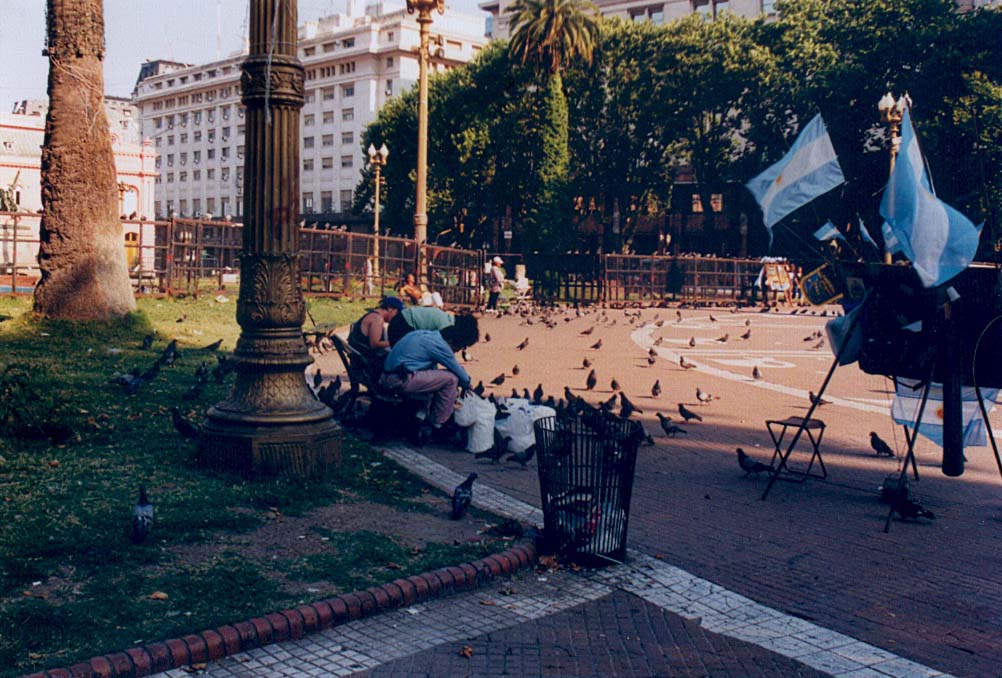
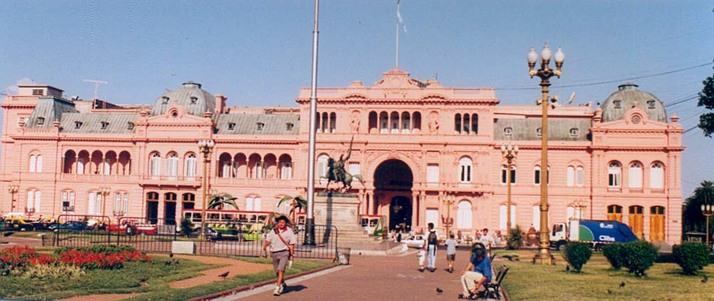
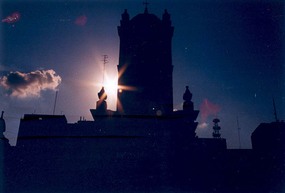
I wasted no time and plunged straight into big-city life to explore the absolute highlights. My first stop was the famous Casa Rosada, the magnificent pink presidential palace on the historic Plaza de Mayo. Evita Perón once addressed her people from its balconies—a place steeped in history that possesses a truly special atmosphere.
Casa Rosada (Palacio Rosado): The official palace of the Argentine president. Its distinctive pink color is thought to have originated historically from a mixture of white lime wash and ox blood, used to protect the building from moisture.
"La Boca"
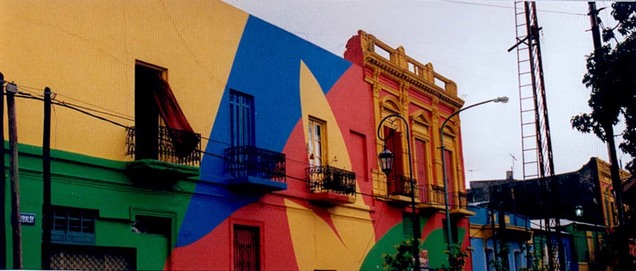
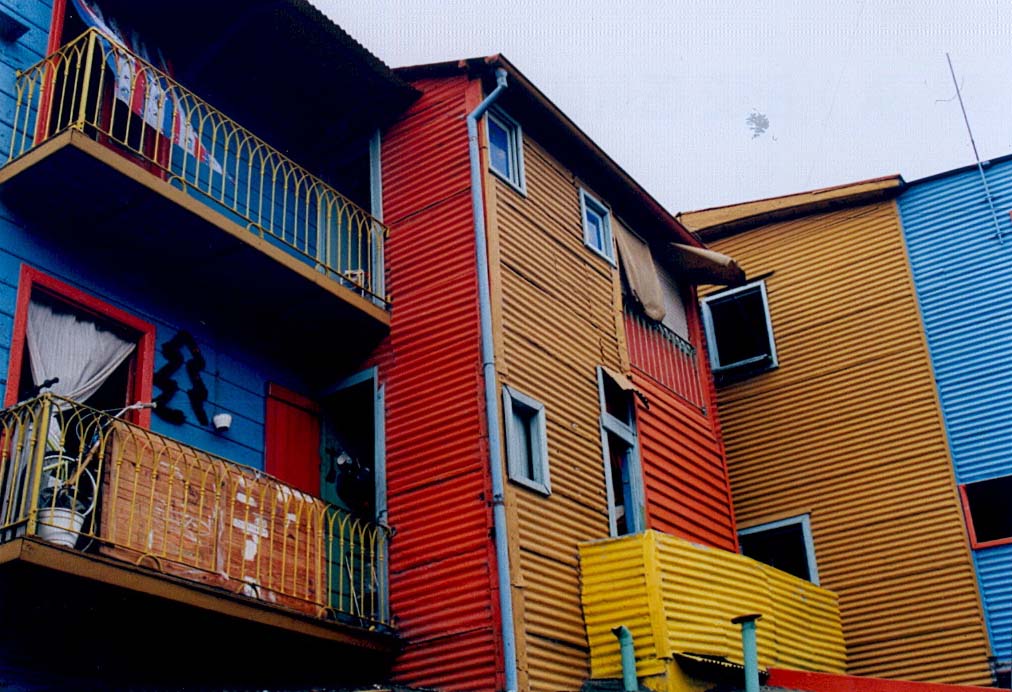
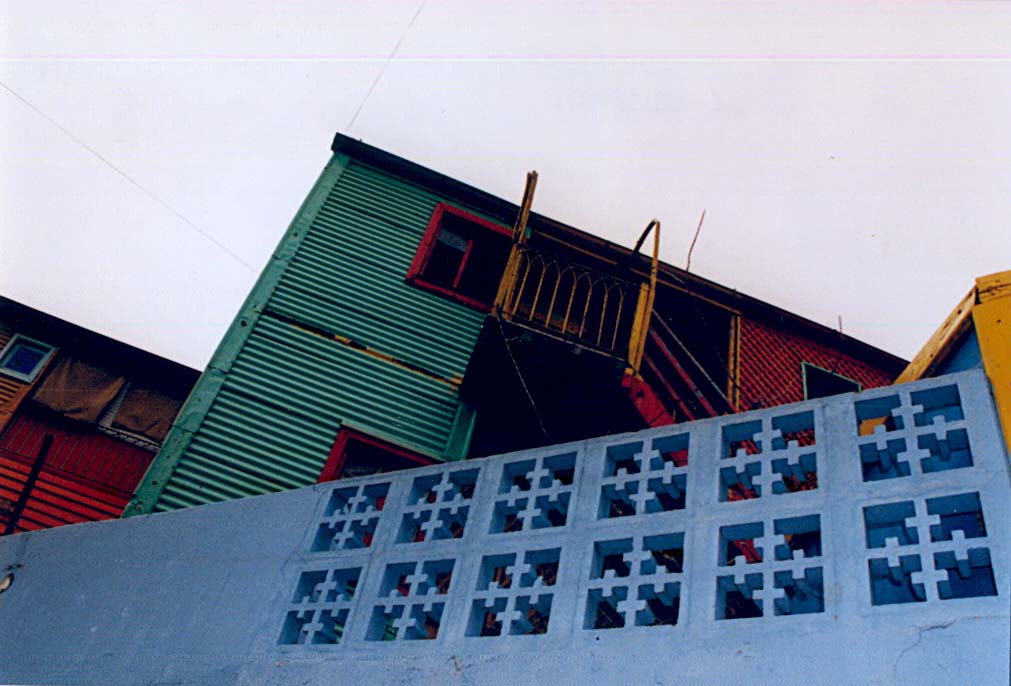
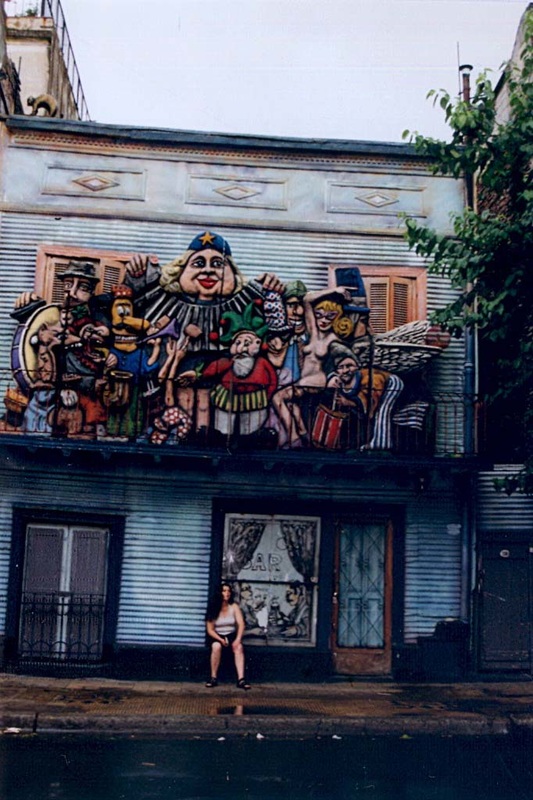
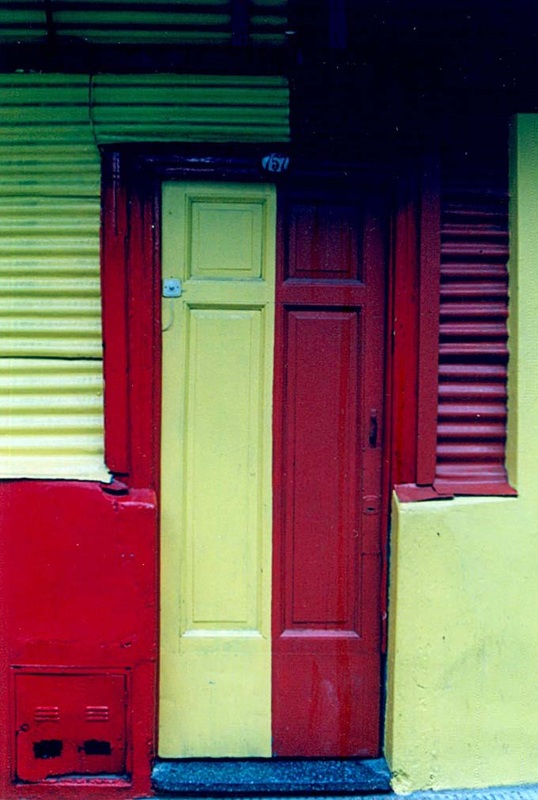
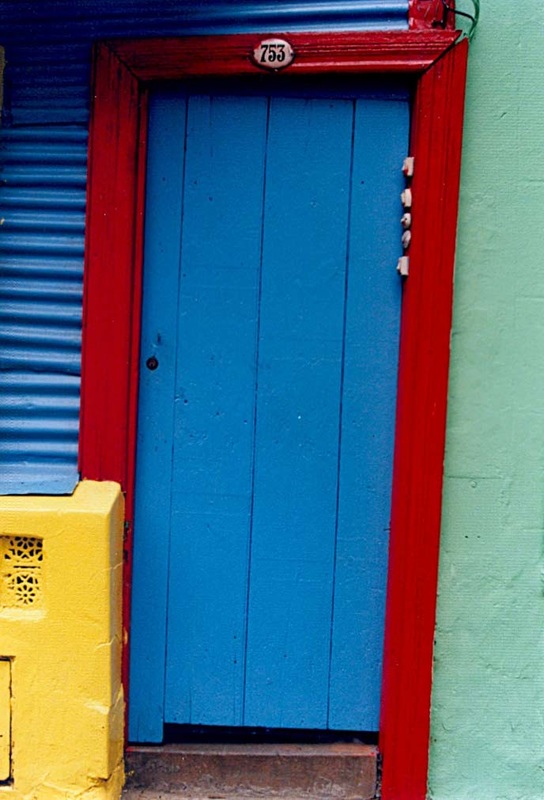
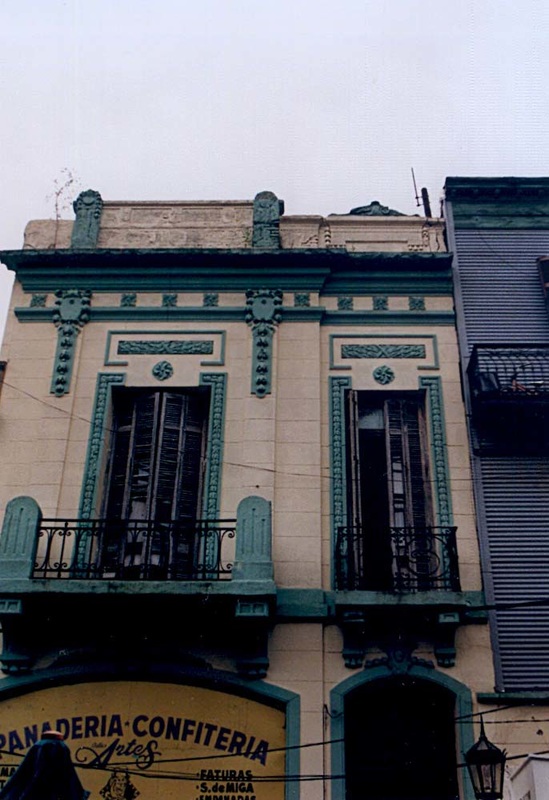
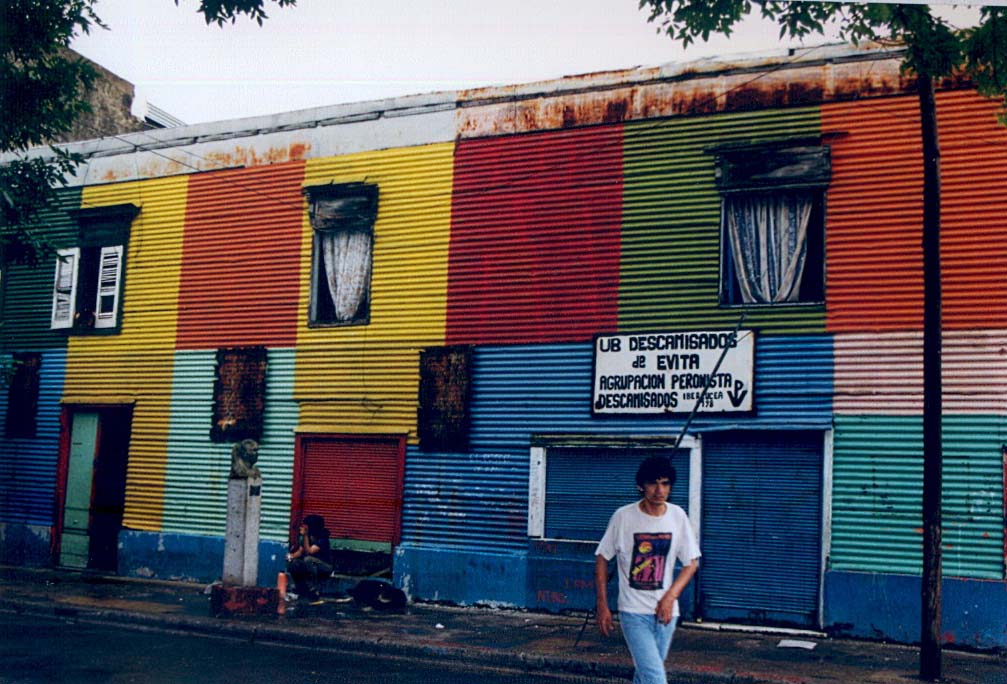
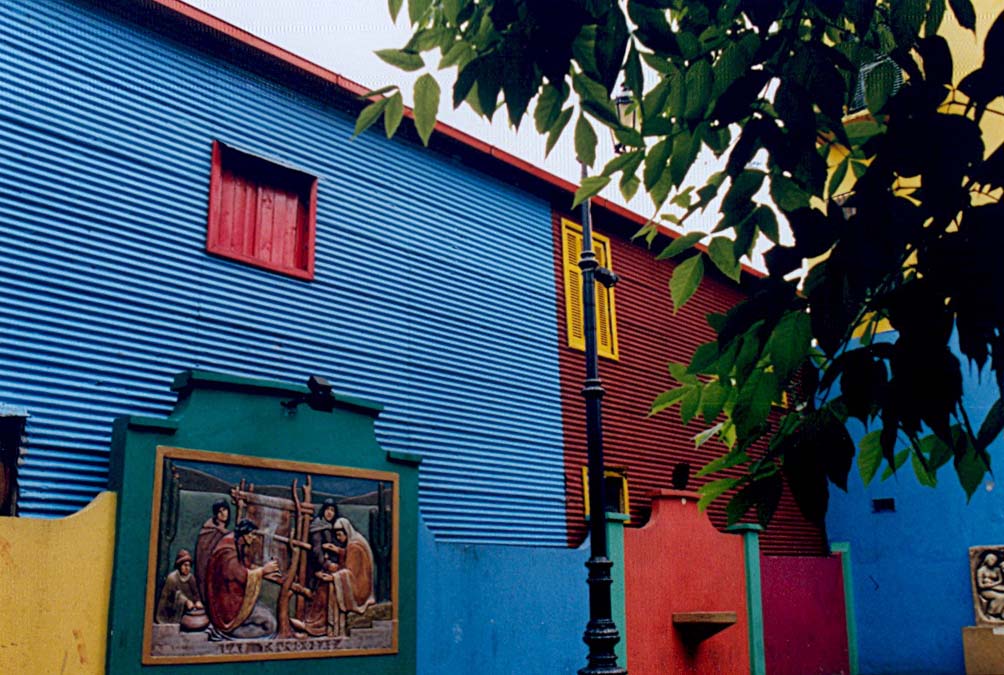
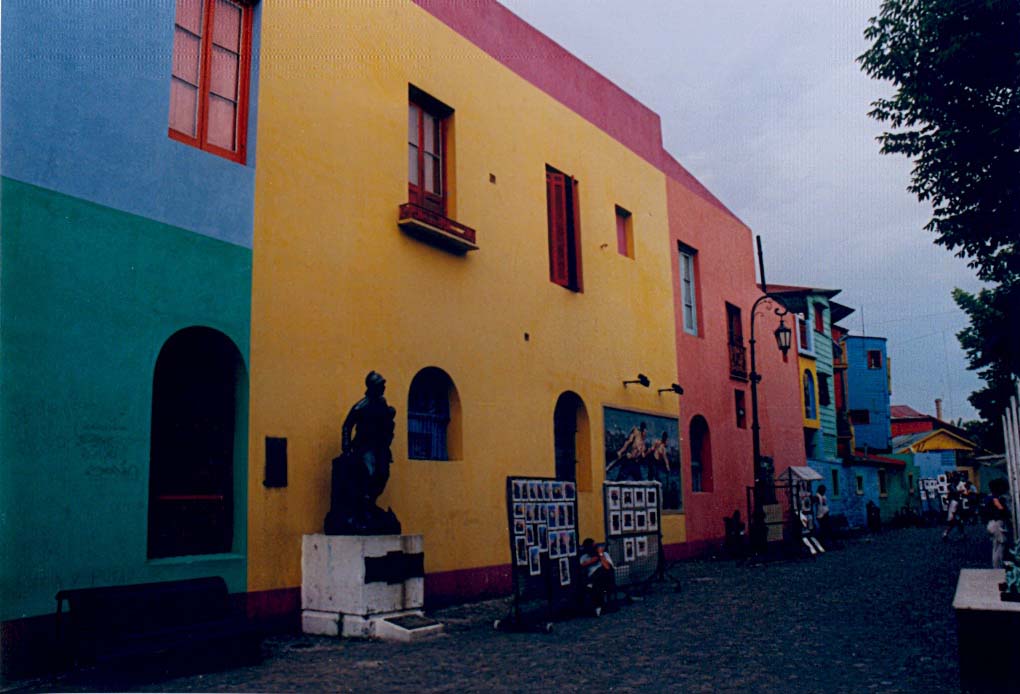
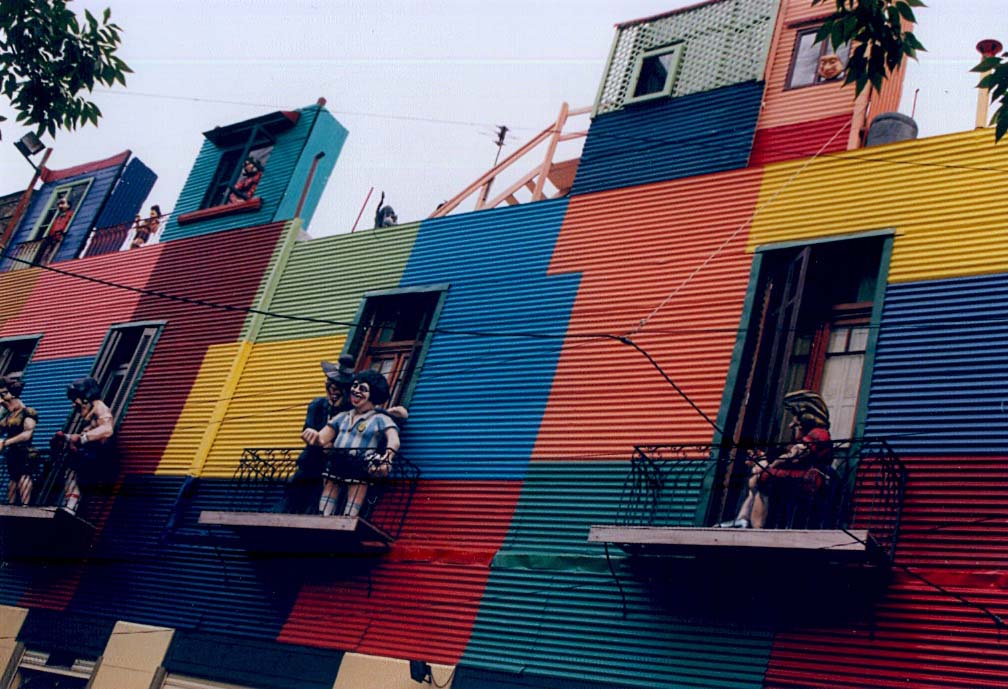
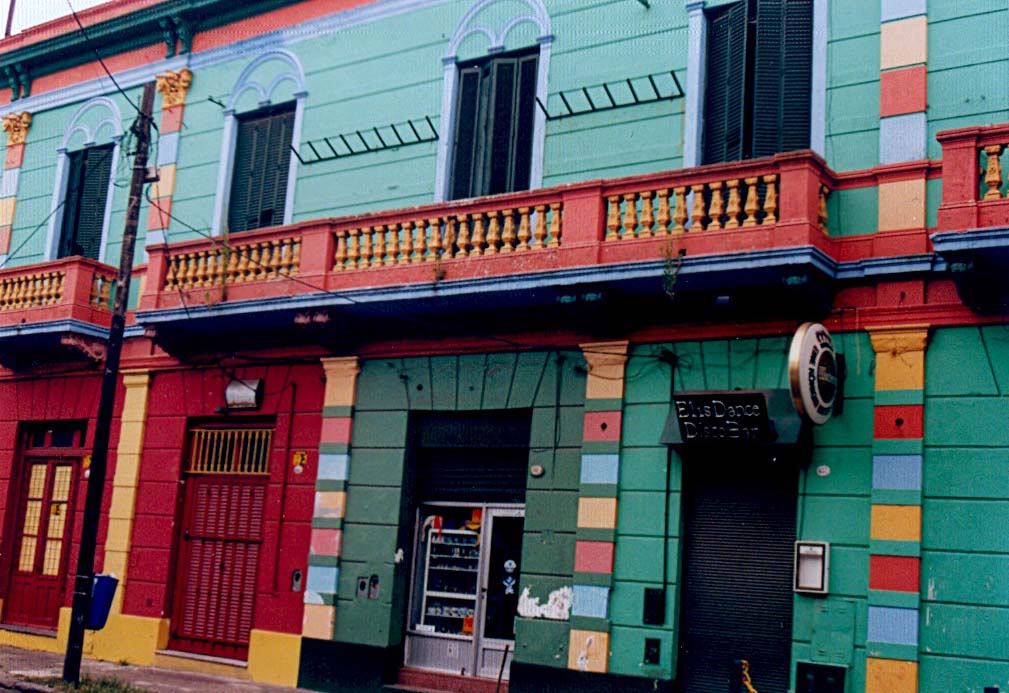
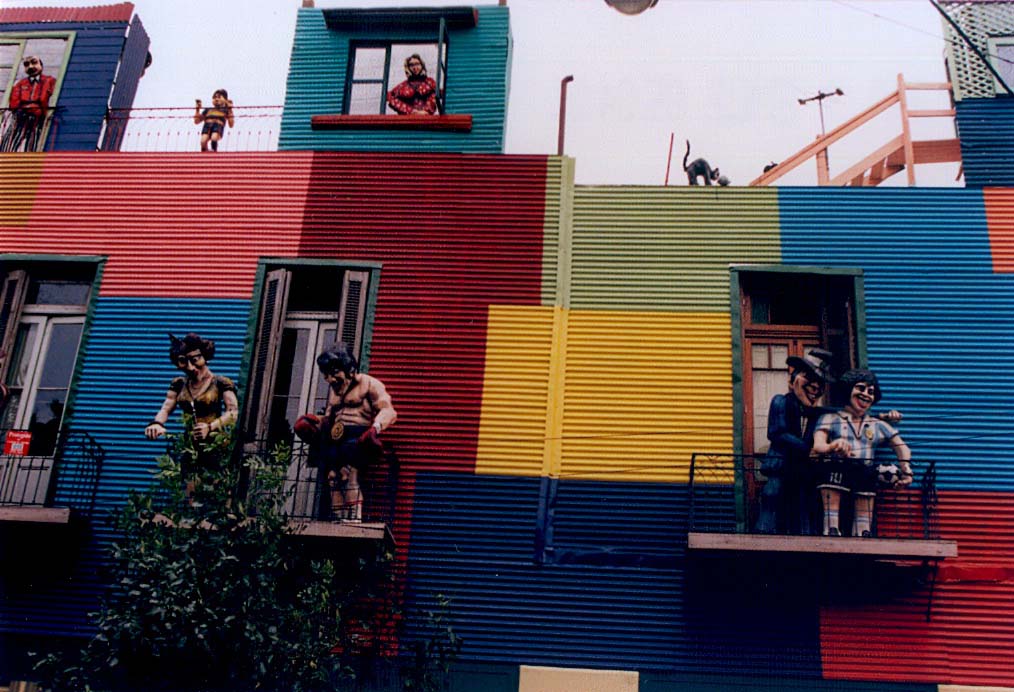
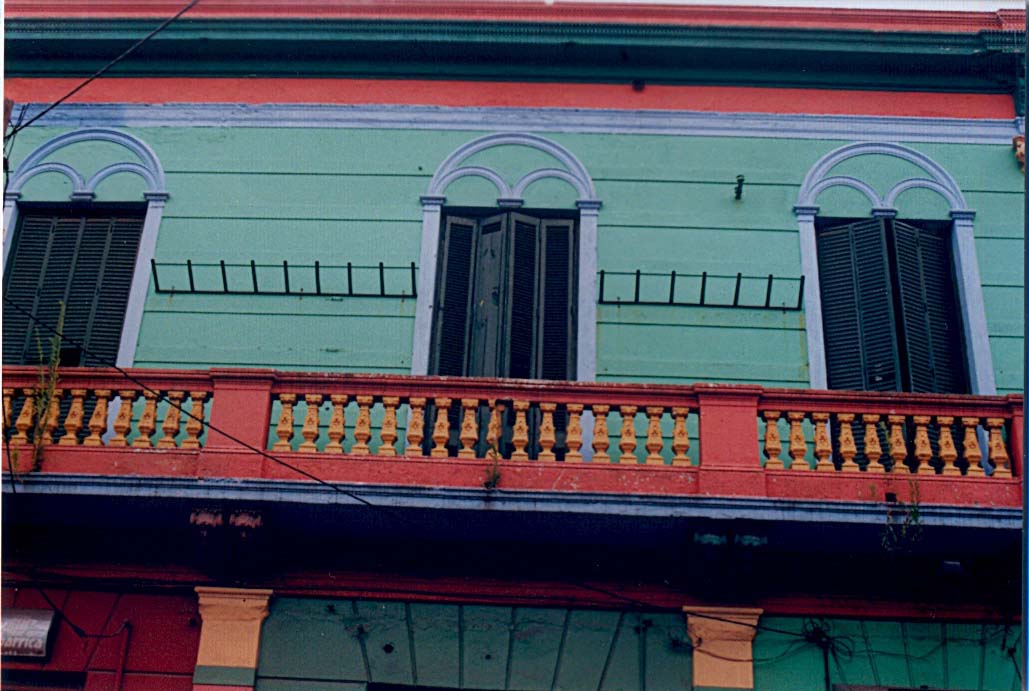
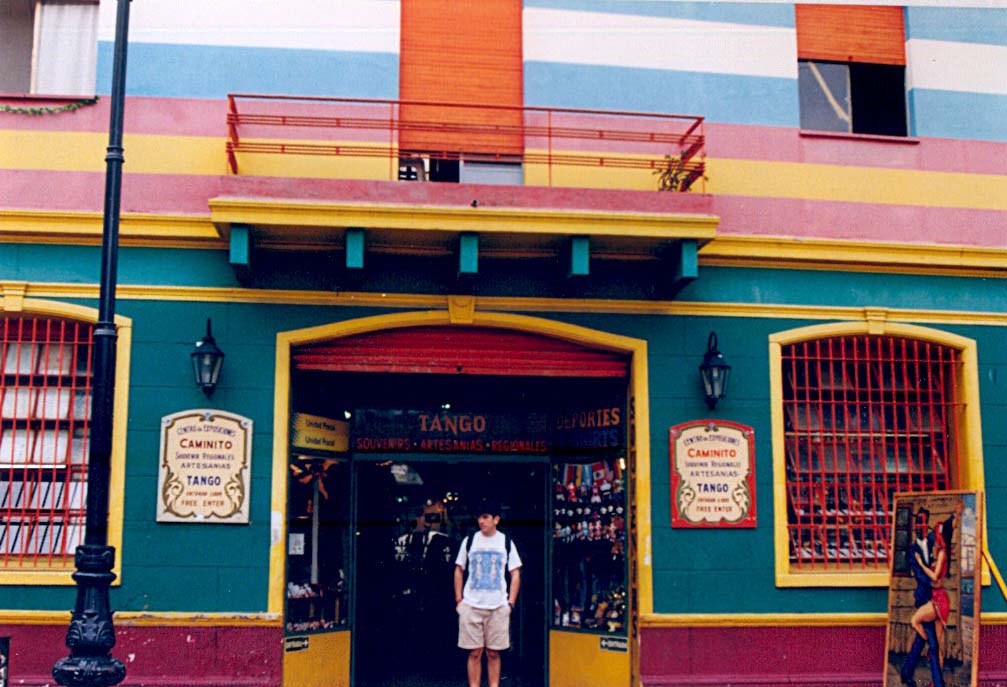
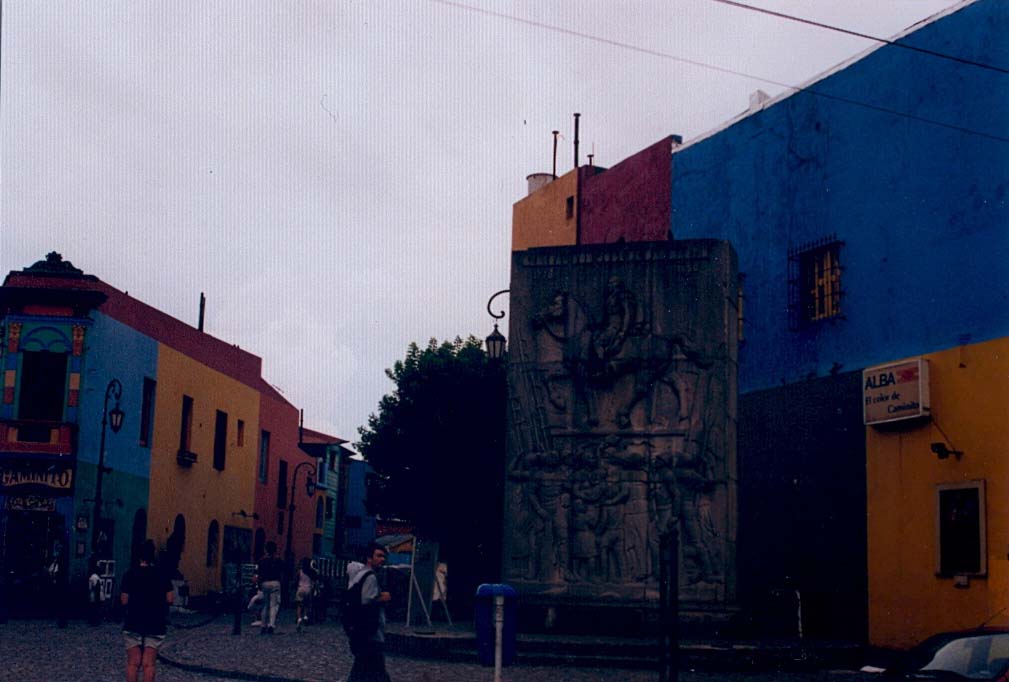
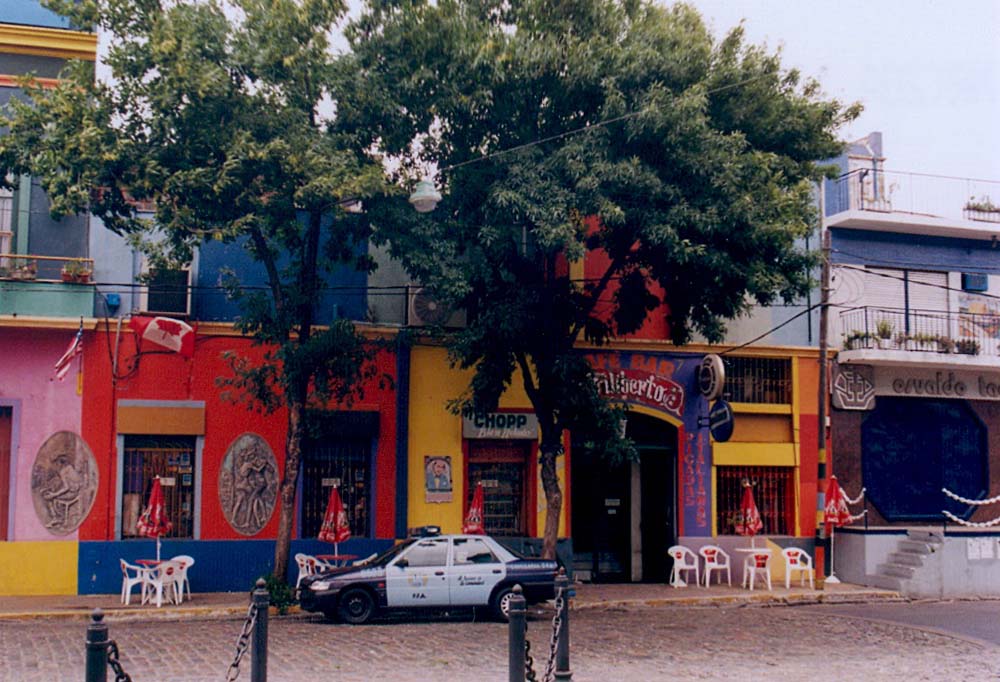
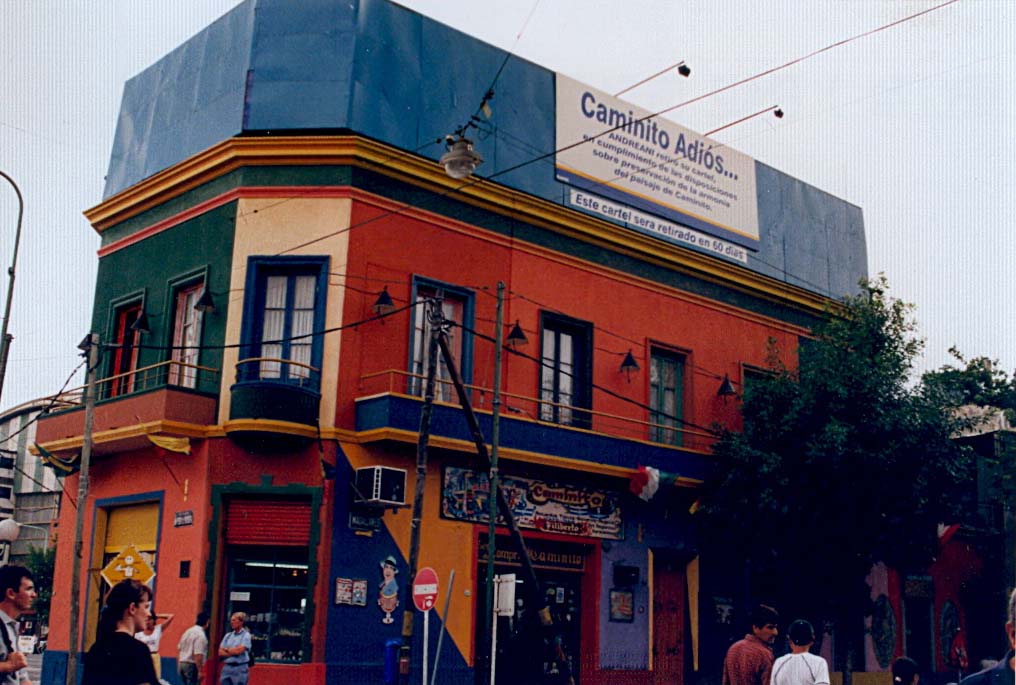
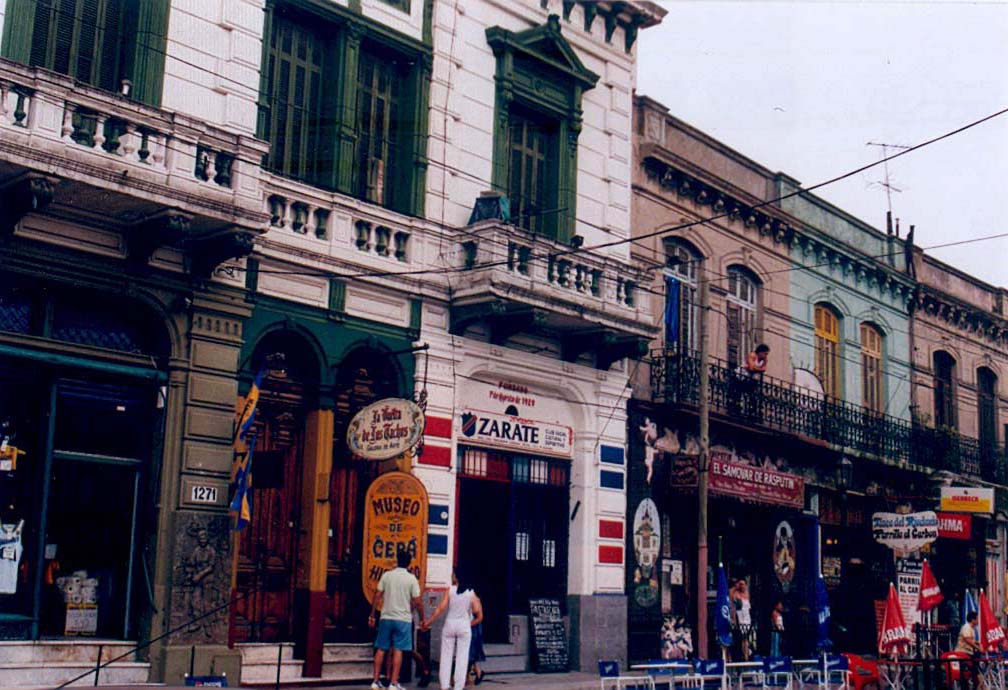
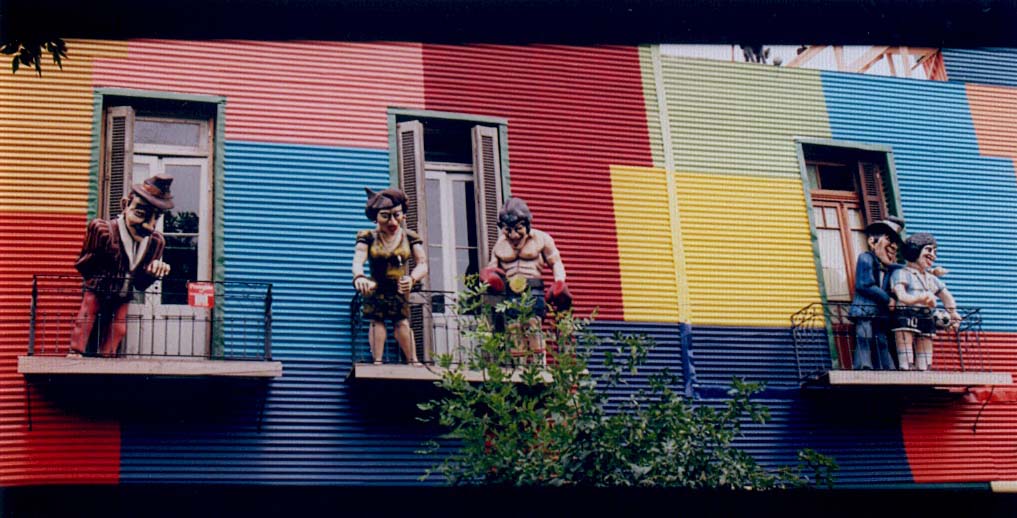
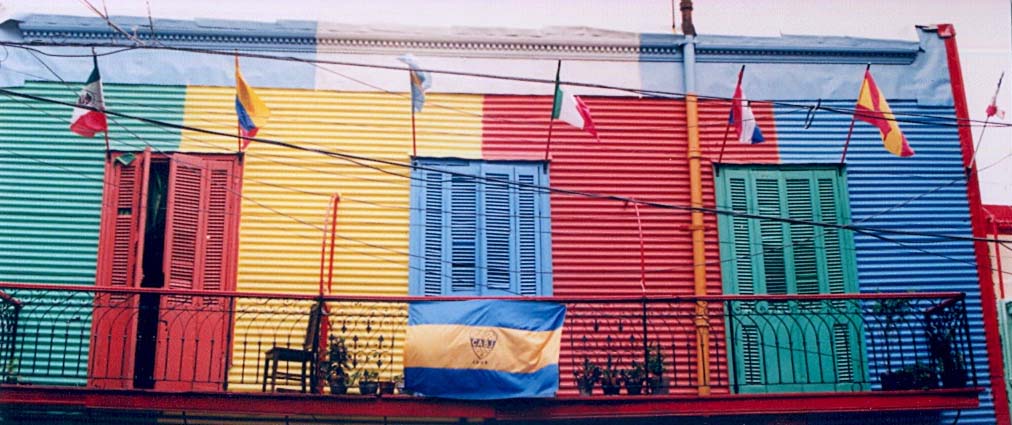
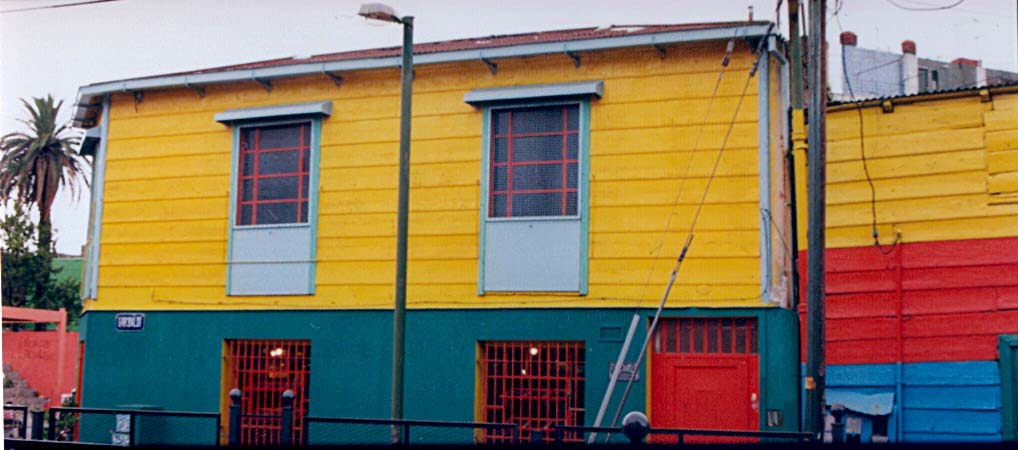
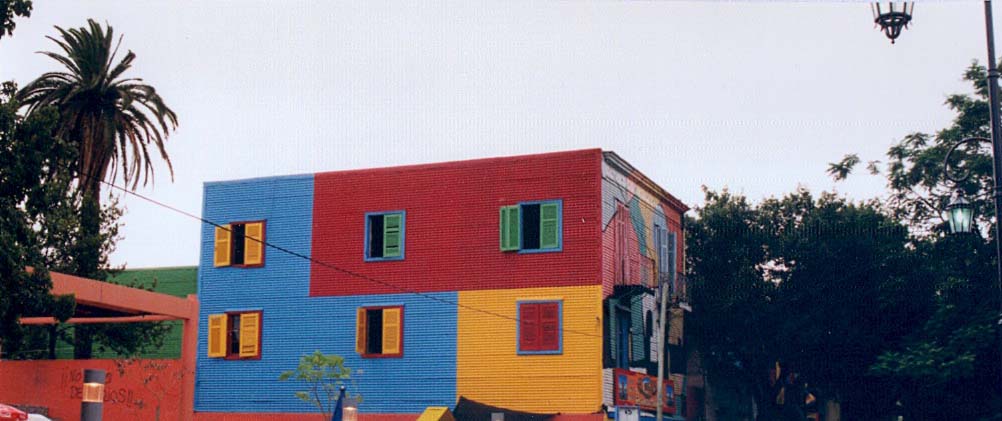
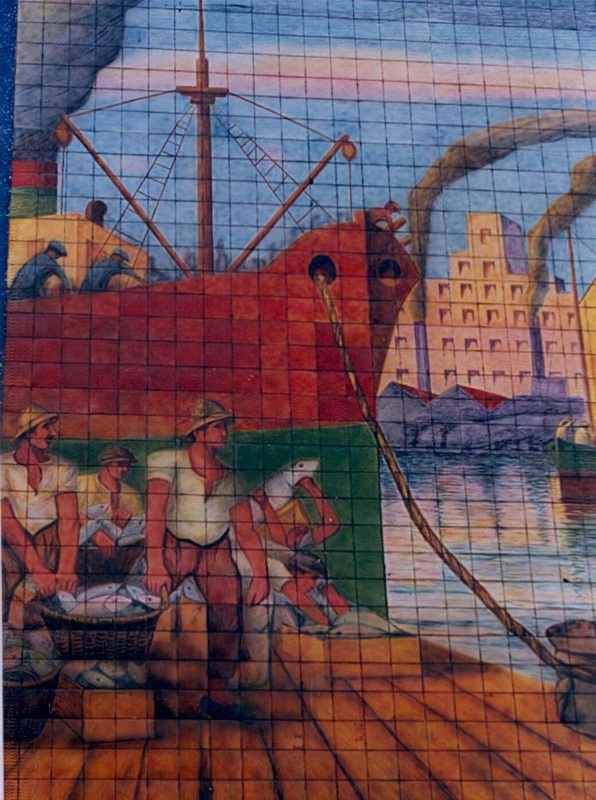
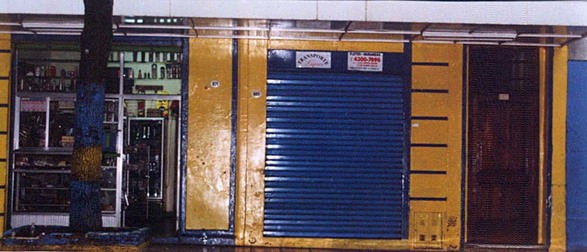
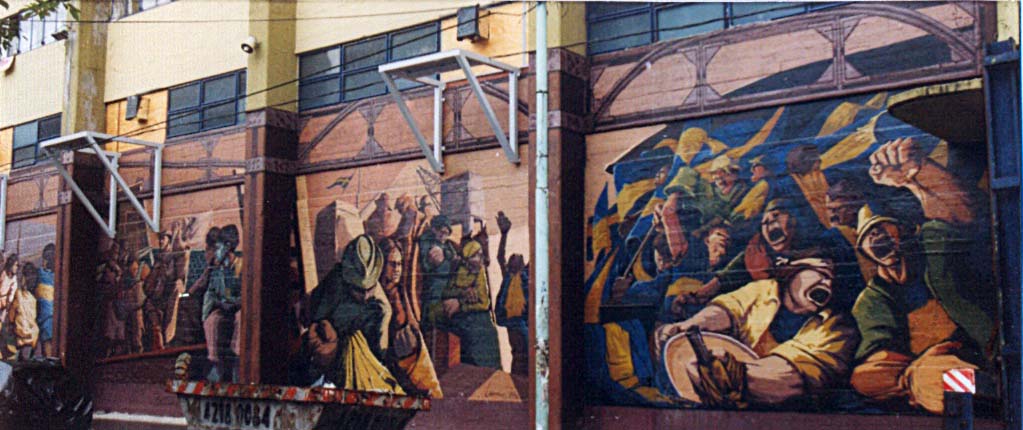
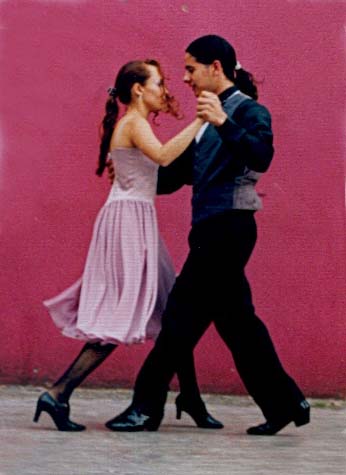
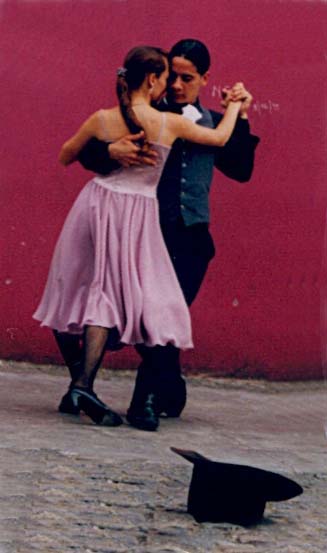
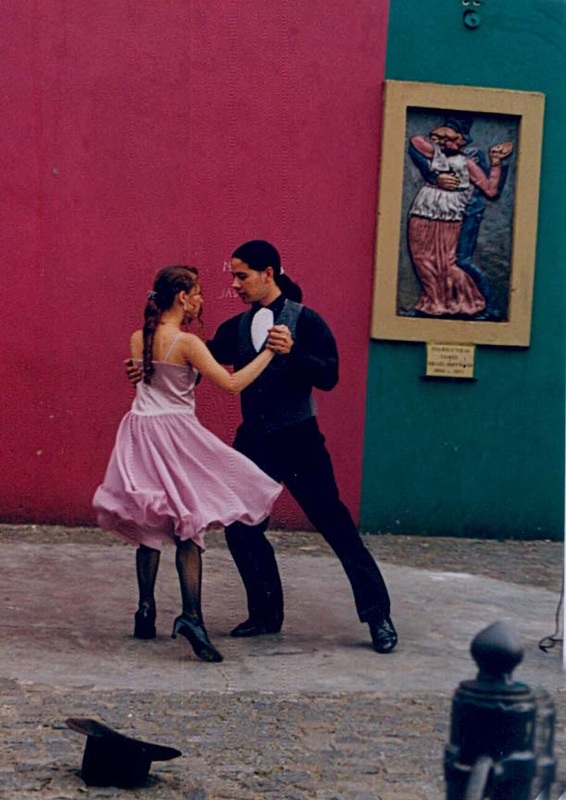
A complete change of pace followed immediately: I visited the legendary La Boca neighborhood. This district is world-famous for its colorful houses—cobbled together from sheets of metal salvaged from shipwrecks—lining the artistic street known as Caminito. The aroma of grilled meat fills the air, passionate tango is danced in the streets, and you find yourself immersed in a veritable sea of color.
Facts about La Boca:
It is the historic immigrant district by the old port.
- The Italian roots: In the 19th century, the neighborhood was settled almost exclusively by poor immigrants from Genoa (Italy). They shaped the dialect and culture so profoundly that the residents of La Boca still proudly call themselves "Xeneizes" (Genoese) today.
- The colorful corrugated iron houses: The famous, brightly colored houses (*conventillos*) originated out of necessity. Workers built them using sheet metal and wood from old ships and painted them with leftover ship paint. Whenever one color ran out, they simply continued painting with the next one.
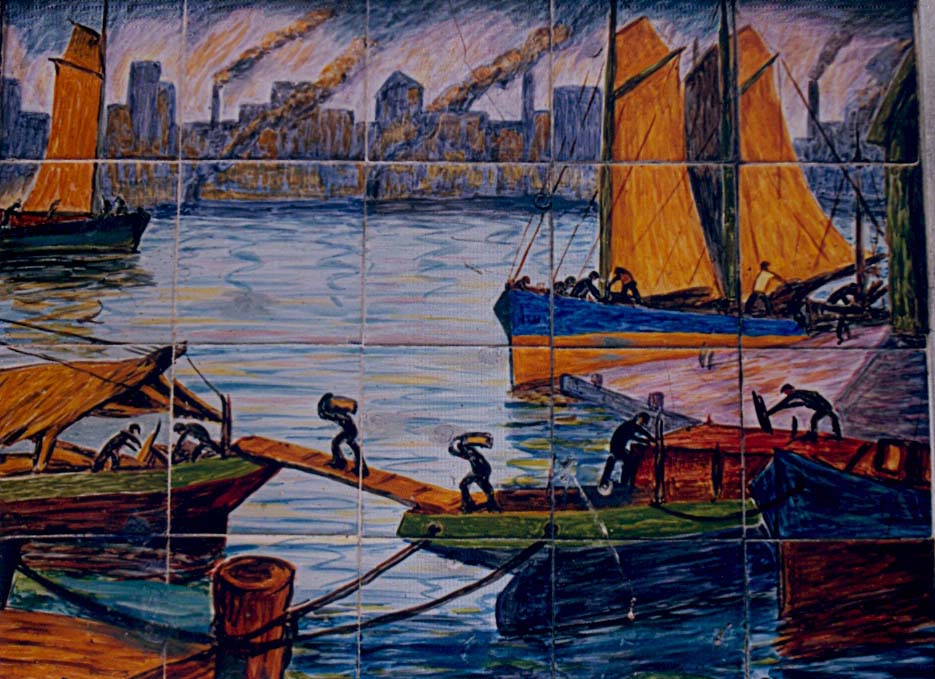
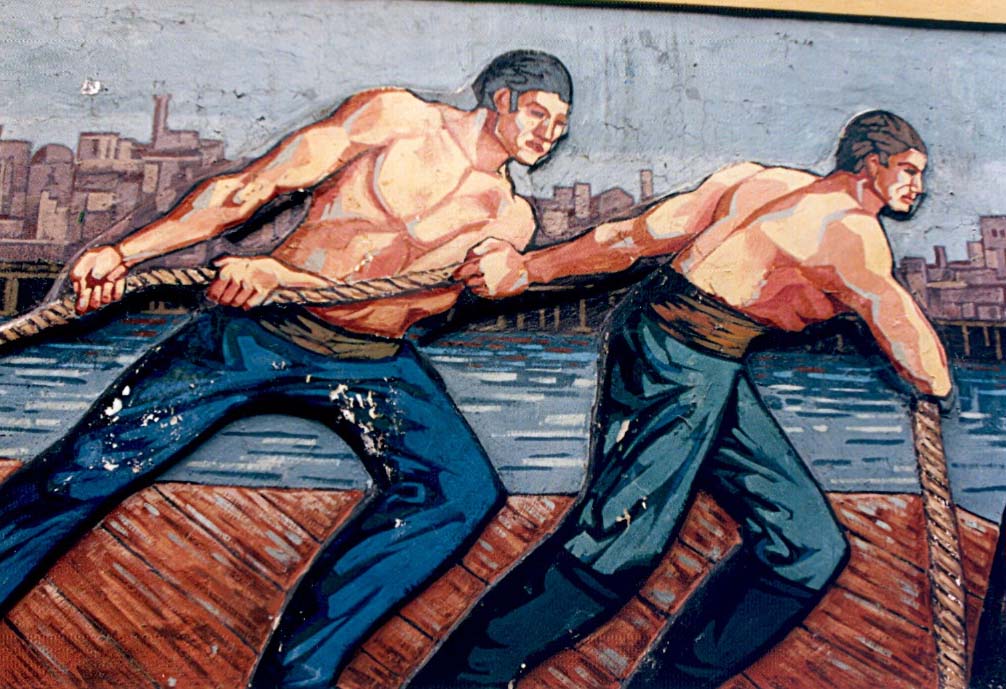
- The Caminito: The neighborhood's most famous pedestrian street was originally a disused railway line. In the 1950s, local artist Benito Quinquela Martín transformed the path into an open-air studio, thereby saving the neighborhood from decay.
- The birth of tango: Along with the San Telmo district, La Boca is considered one of the most important cradles of tango. Italian immigrants at the port blended their music with African and Cuban rhythms, giving rise to the world-famous dance in the late 19th century.
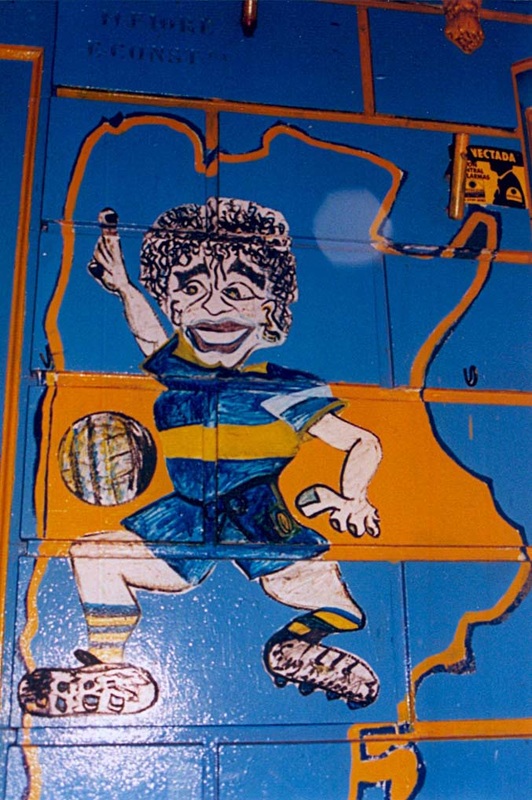
- Football Cult & Maradona: The neighborhood is home to the world-famous football club Boca Juniors, where the legend Diego Maradona played. The club's stadium—nicknamed "La Bombonera" (the chocolate box)—literally vibrates when the fans inside jump and sing.
La Bombonera Football Stadium, Buenos Aires - Maradonna's Football World
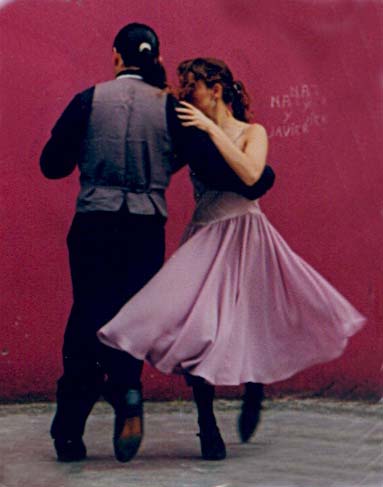
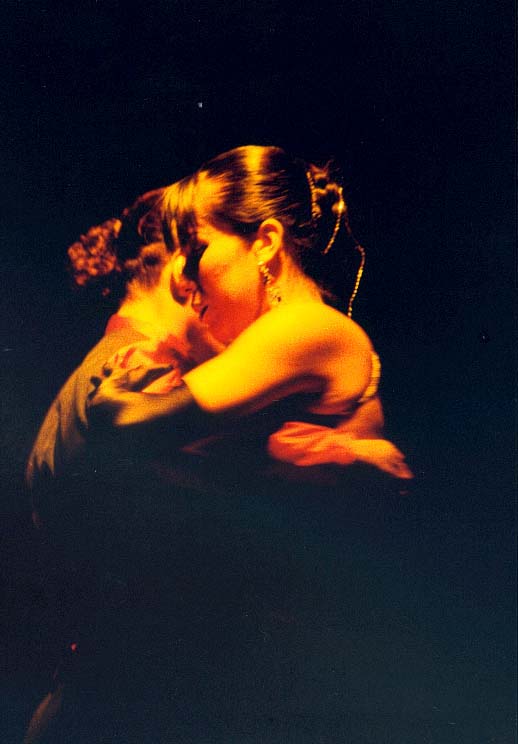
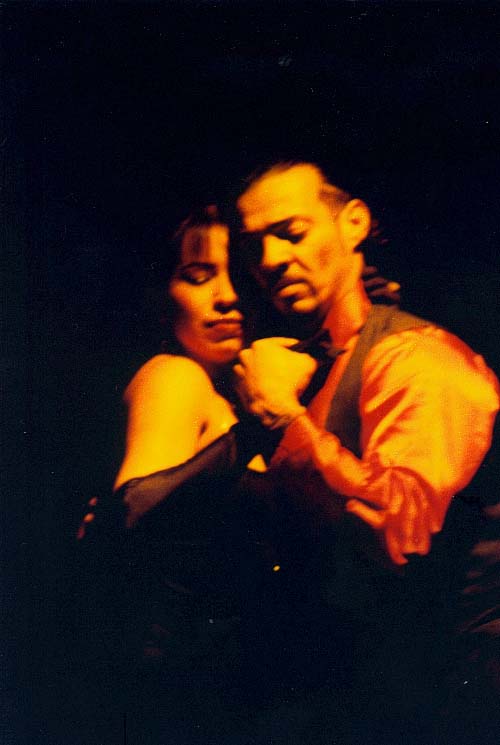
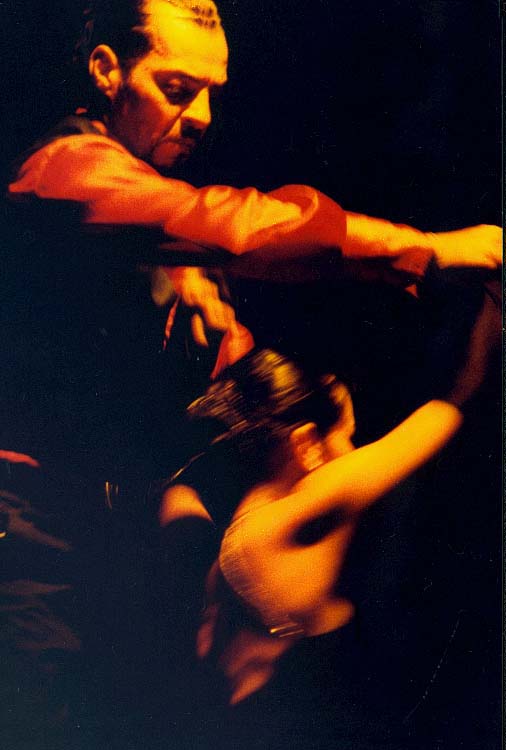
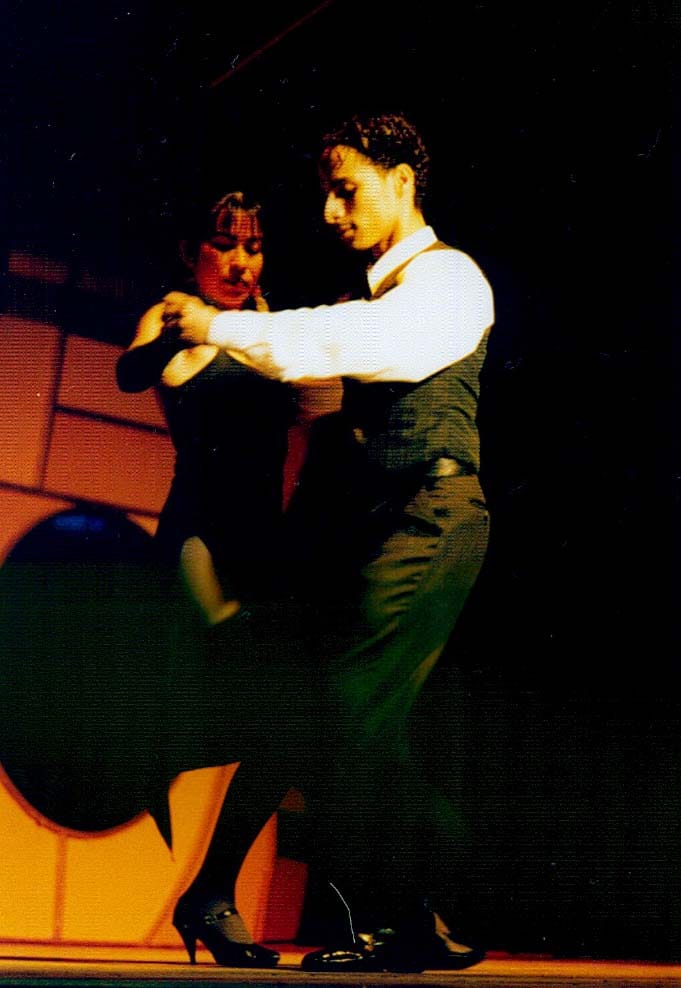
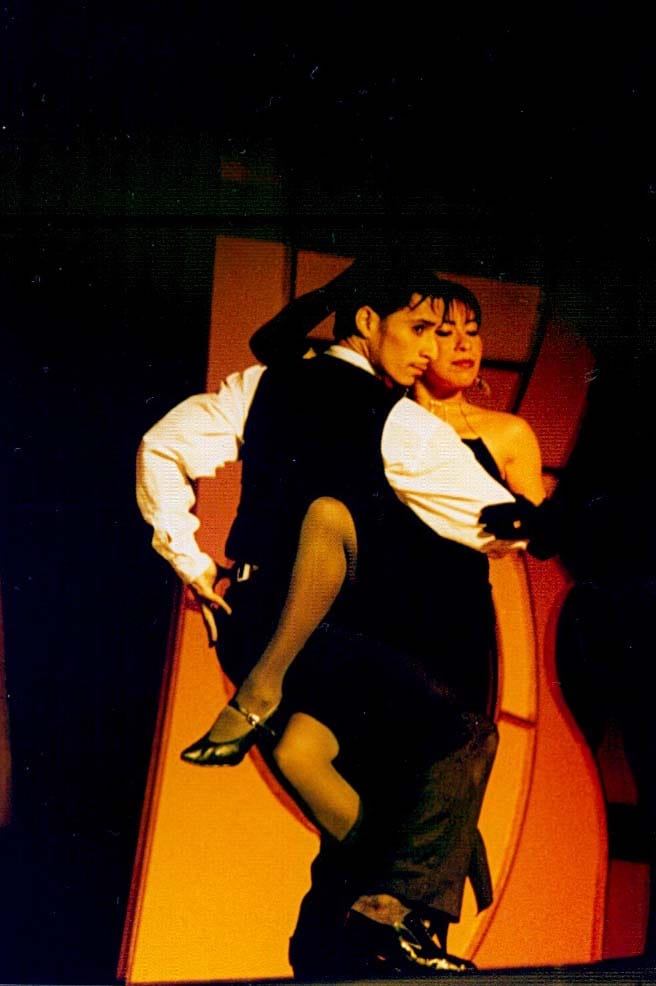
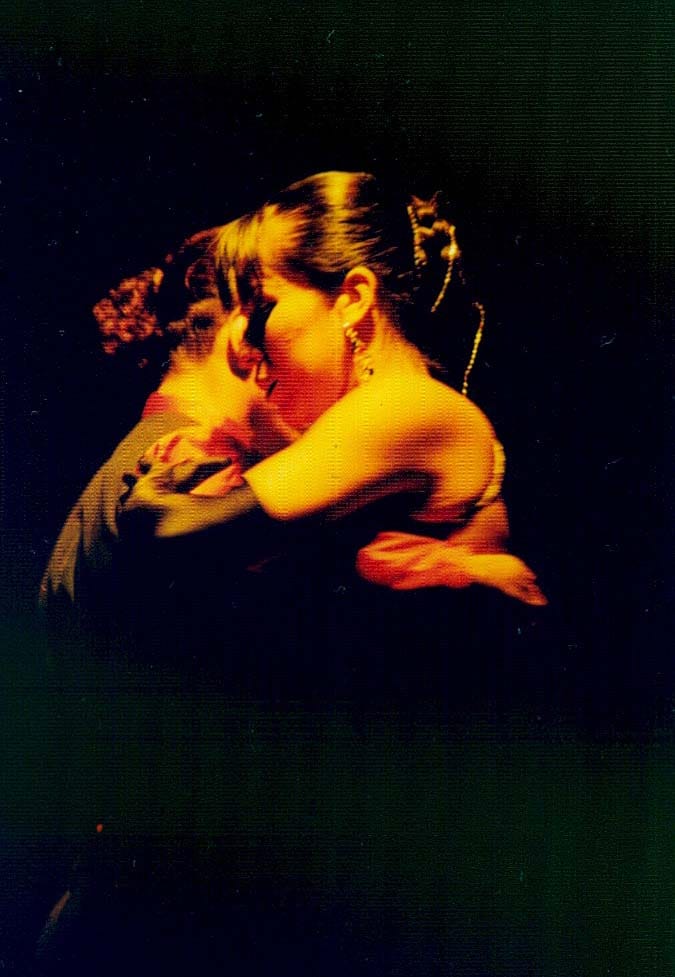
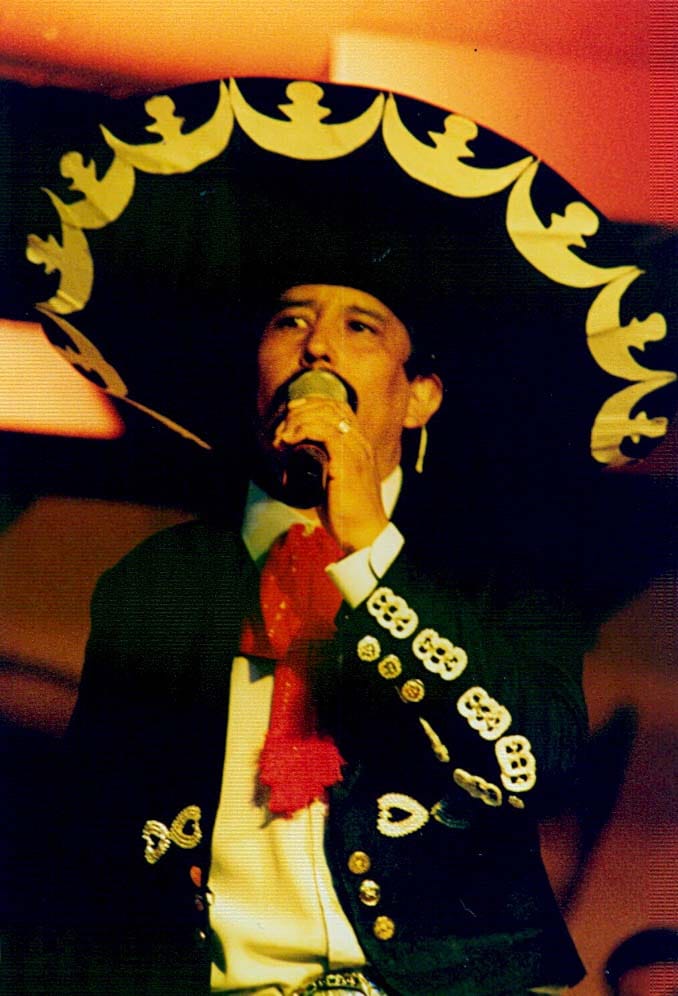
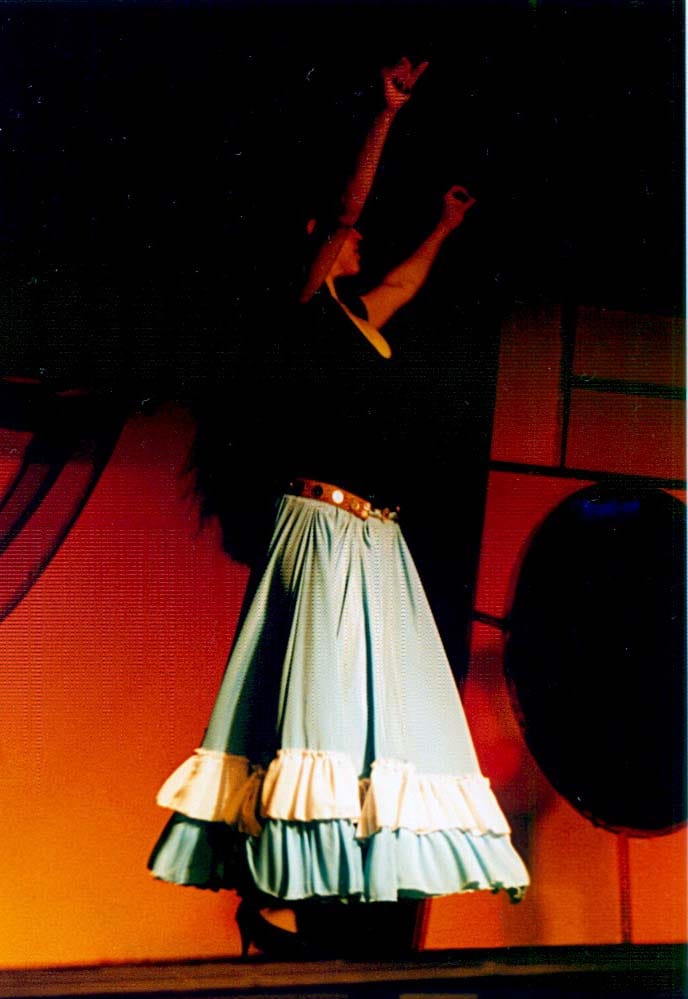
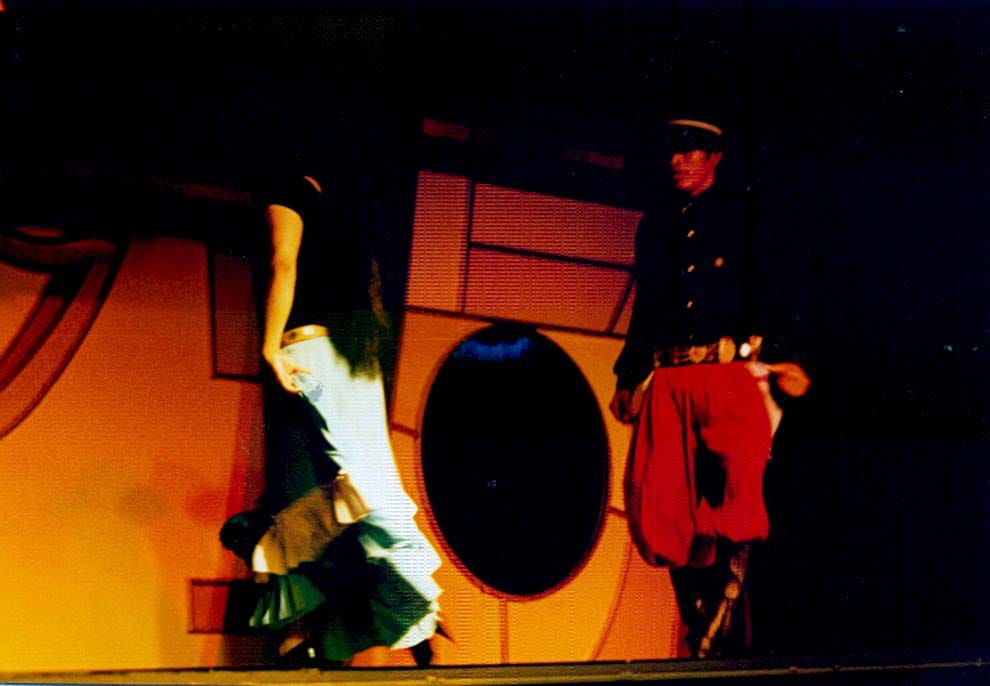
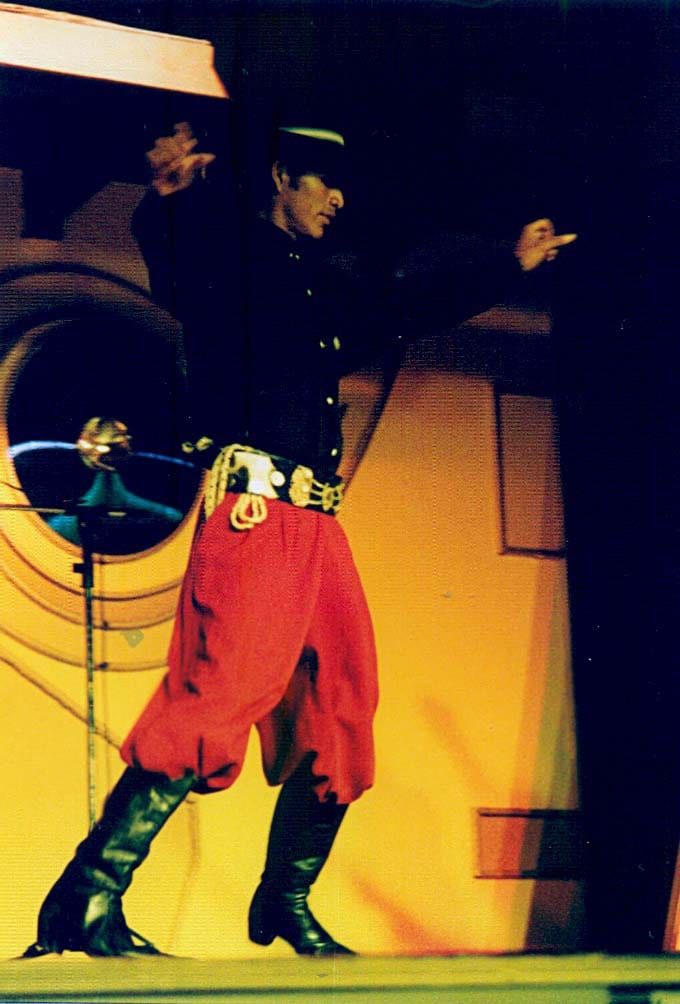
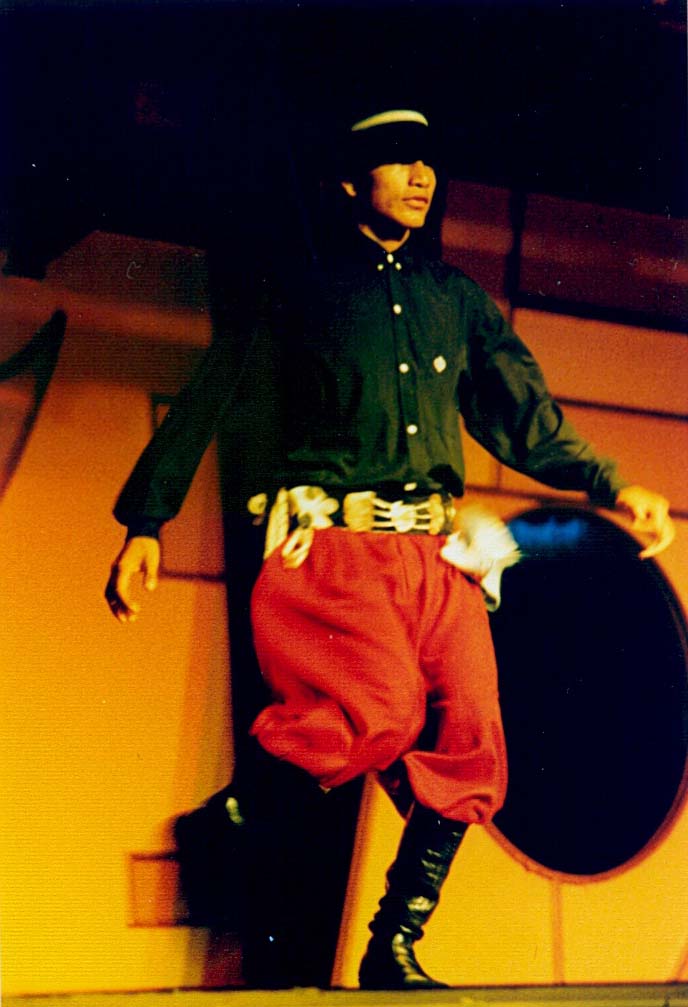
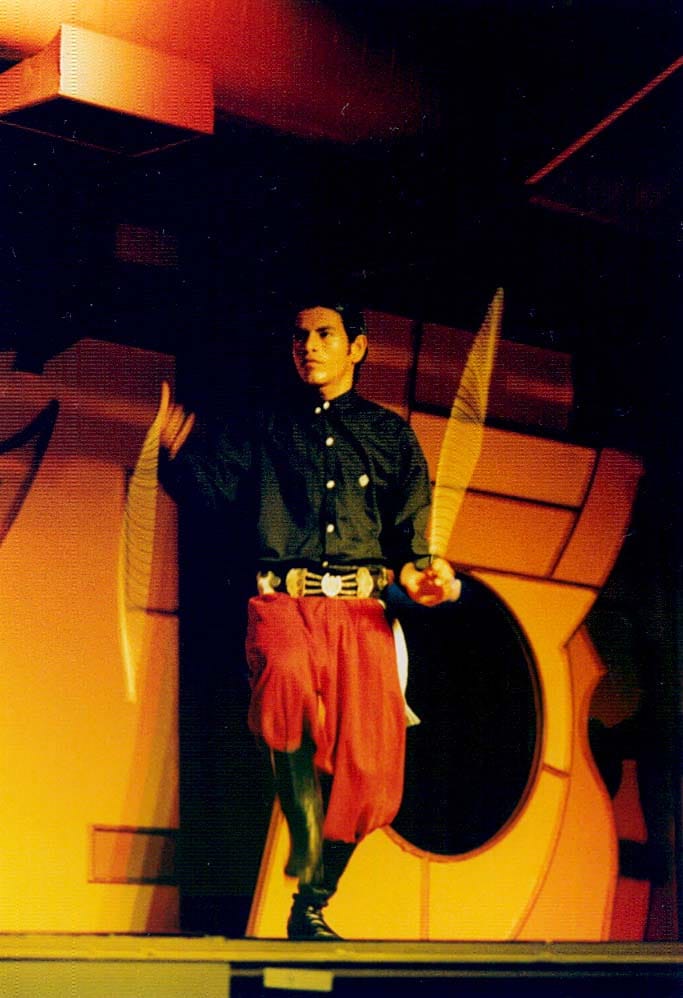
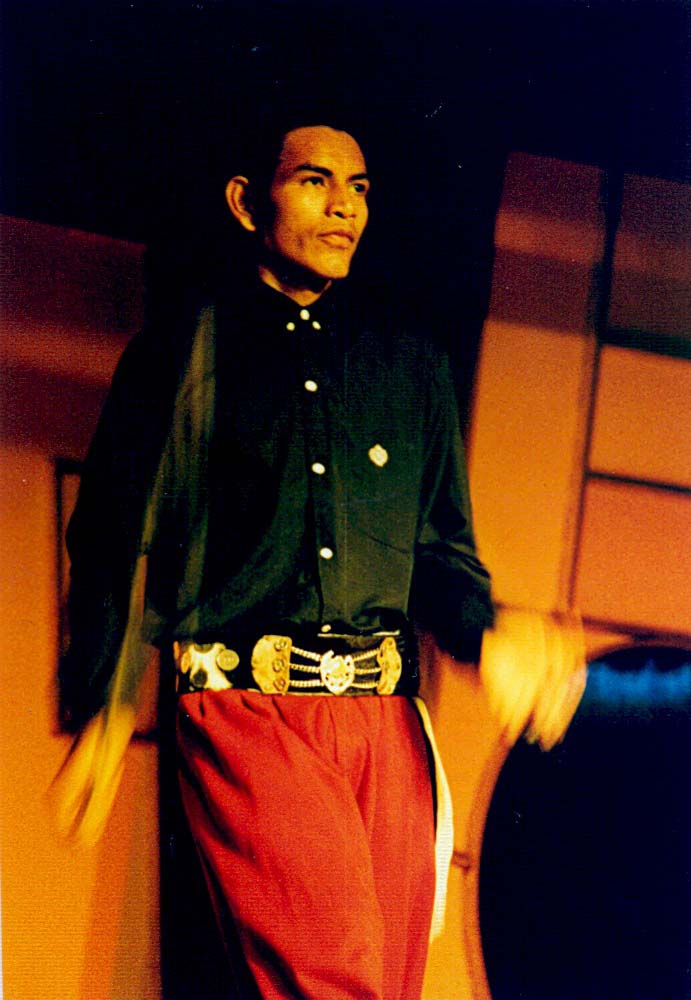
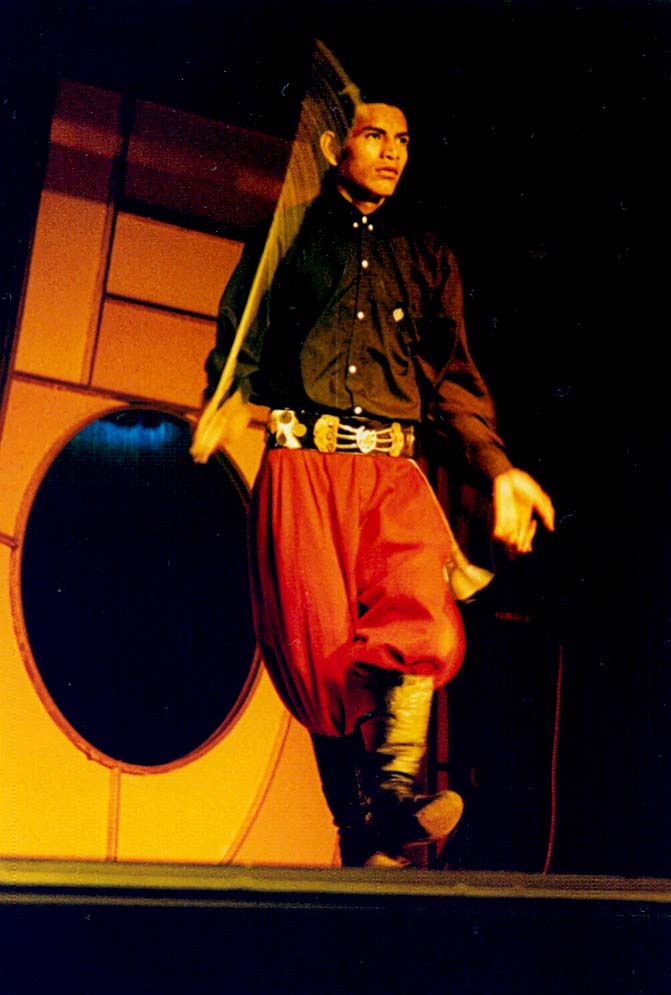
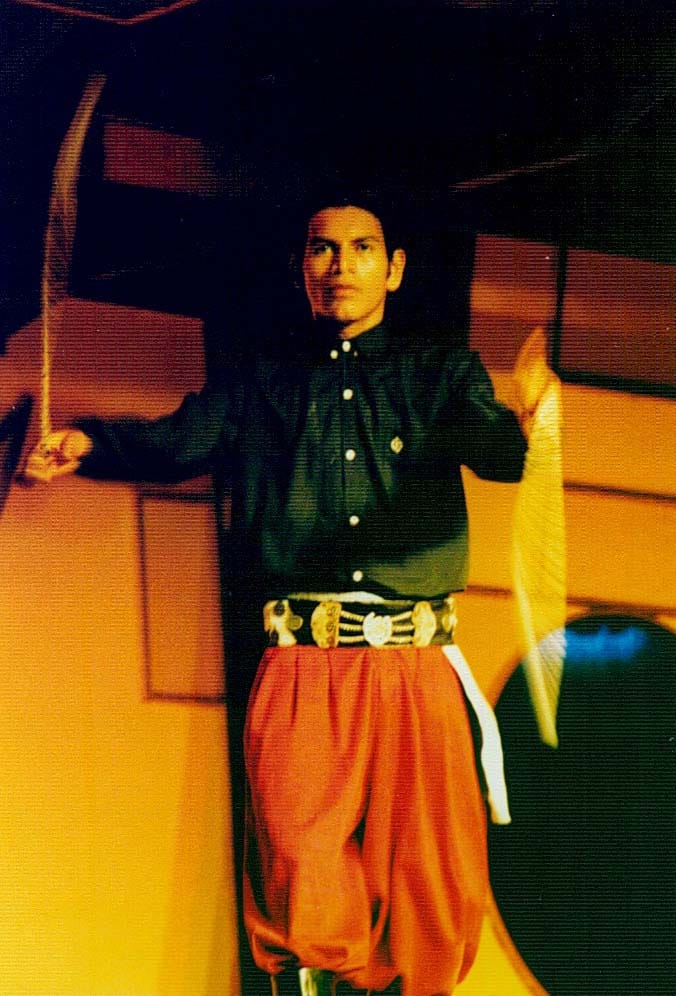
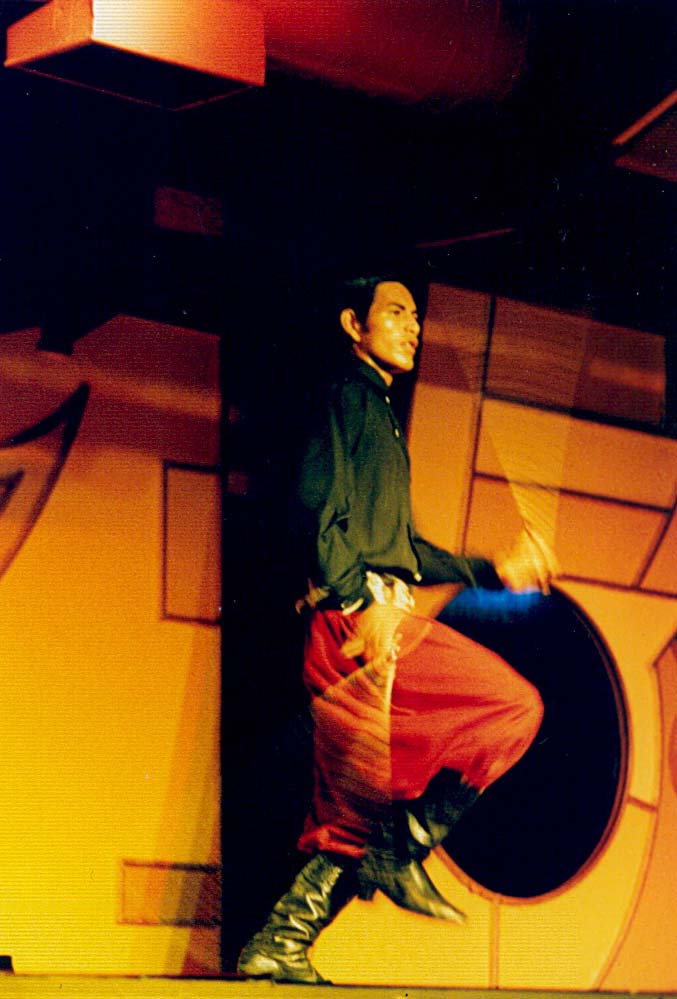
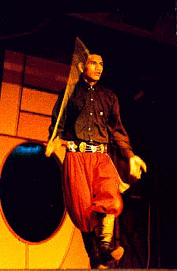
Tango – the most passionate dance from Buenos Aires, Argentina
The history of tango: From disreputable street dance to world heritage
* Dance of the underclass: Tango originated in the late 19th century in the poor port districts of Buenos Aires (such as La Boca) and Montevideo. It was originally a dance of immigrants, rogues, and day laborers.
* Cultural melting pot: The rhythm is a wild mix of African drum dances (Candombe), Cuban habanera, and European folk music (such as the polka or the waltz).
* The heart of it all—the bandoneon: The quintessential tango instrument, which sounds like a small accordion, curiously originated in Germany. It was invented there in the 19th century for churches that could not afford an organ, and made its way to Argentina via sailors.
* Long frowned upon: Because the tango was danced in an extremely close and intimate manner, it was initially considered dirty, sinful, and utterly immoral by the Argentine upper class. Upper-class women were not permitted to dance it; consequently, in the dockside districts, men often danced with one another due to a lack of women.
* The breakthrough in Paris: It was only when the dance swept into Europe around 1910 and Parisian high society was gripped by absolute "tango fever" that it suddenly became socially acceptable and recognized in its homeland of Argentina.
* Cultural Heritage: In 2009, Argentine tango was officially designated by UNESCO as an Intangible Cultural Heritage of Humanity.
* Dance of the underclass: Tango originated in the late 19th century in the poor port districts of Buenos Aires (such as La Boca) and Montevideo. It was originally a dance of immigrants, rogues, and day laborers.
* Cultural melting pot: The rhythm is a wild mix of African drum dances (Candombe), Cuban habanera, and European folk music (such as the polka or the waltz).
* The heart of it all—the bandoneon: The quintessential tango instrument, which sounds like a small accordion, curiously originated in Germany. It was invented there in the 19th century for churches that could not afford an organ, and made its way to Argentina via sailors.
* Long frowned upon: Because the tango was danced in an extremely close and intimate manner, it was initially considered dirty, sinful, and utterly immoral by the Argentine upper class. Upper-class women were not permitted to dance it; consequently, in the dockside districts, men often danced with one another due to a lack of women.
* The breakthrough in Paris: It was only when the dance swept into Europe around 1910 and Parisian high society was gripped by absolute "tango fever" that it suddenly became socially acceptable and recognized in its homeland of Argentina.
* Cultural Heritage: In 2009, Argentine tango was officially designated by UNESCO as an Intangible Cultural Heritage of Humanity.
Rio Gallegos
Argentina’s Dollar Frenzy: Why My Time in 2001 Was Limited
From the very beginning, my stay in the beautiful capital of Buenos Aires was defined by one clear motto: time is running out! After all, one mustn't forget that in 2001, Argentina was—no exaggeration—outrageously expensive for us backpackers due to the peso’s fixed peg to the dollar. My budget was shrinking by the second, and it quickly became clear that I would have to drastically limit the duration of my trip.
Argentina’s Dollar Frenzy: Why My Time in 2001 Was Limited
From the very beginning, my stay in the beautiful capital of Buenos Aires was defined by one clear motto: time is running out! After all, one mustn't forget that in 2001, Argentina was—no exaggeration—outrageously expensive for us backpackers due to the peso’s fixed peg to the dollar. My budget was shrinking by the second, and it quickly became clear that I would have to drastically limit the duration of my trip.
Heading for the glacier
Acting on impulse, I grabbed one of my standby staff tickets at the counter and booked myself onto the next flight from Buenos Aires to Río Gallegos, deep in the icy south of Patagonia.
I was determined to visit the world-famous, gigantic glacier and refused to leave the country without seeing this natural spectacle. After flying to the far south, I was greeted by a completely different world—rugged and windswept. The great ice adventure was about to begin!
Acting on impulse, I grabbed one of my standby staff tickets at the counter and booked myself onto the next flight from Buenos Aires to Río Gallegos, deep in the icy south of Patagonia.
I was determined to visit the world-famous, gigantic glacier and refused to leave the country without seeing this natural spectacle. After flying to the far south, I was greeted by a completely different world—rugged and windswept. The great ice adventure was about to begin!
El Calafate
4 hours on a gravel road to Lago Argentino
Arriving in Río Gallegos meant passing through the gateway to Patagonia—but the journey itself was only just beginning. To reach El Calafate, the legendary springboard to the glaciers, we had to embark on a long, rough bus ride.
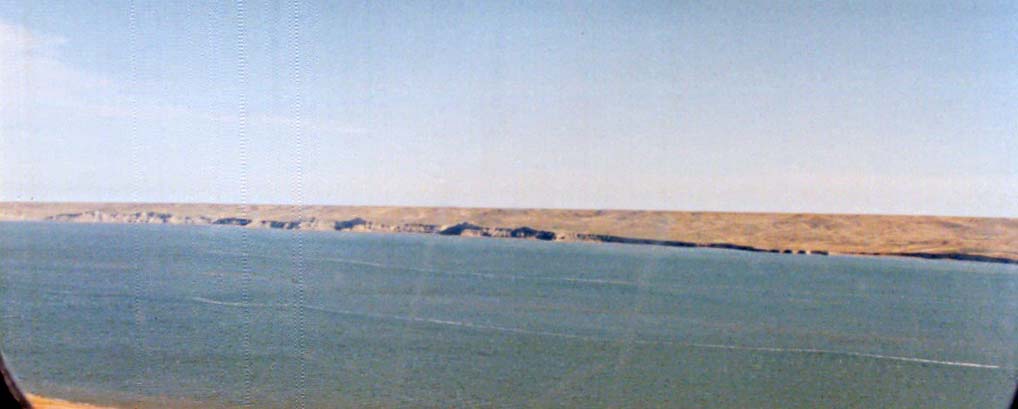
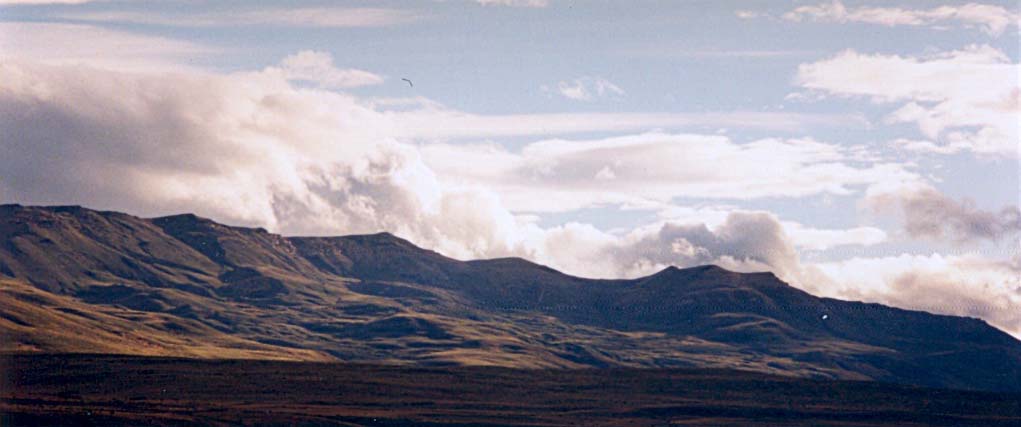
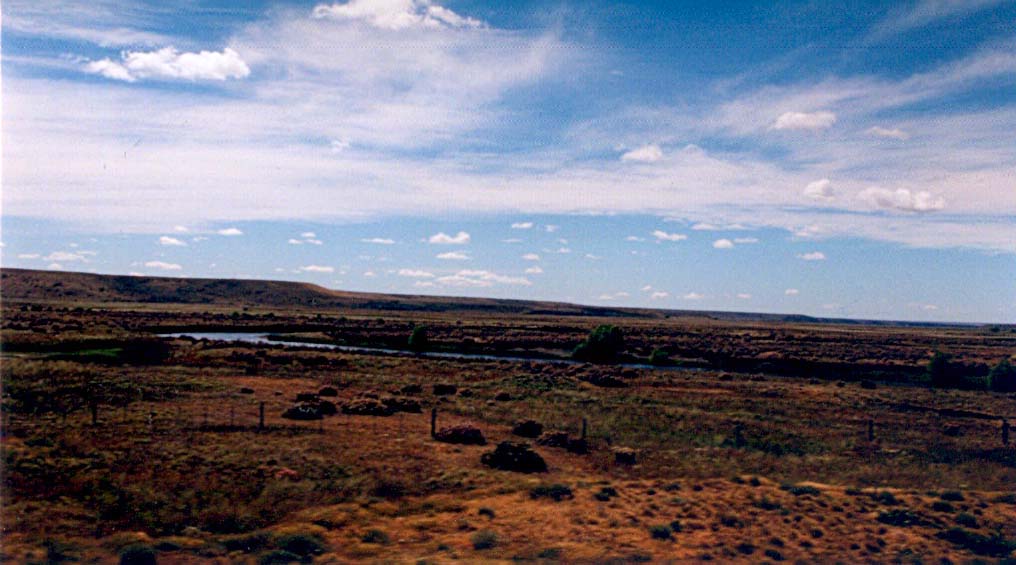
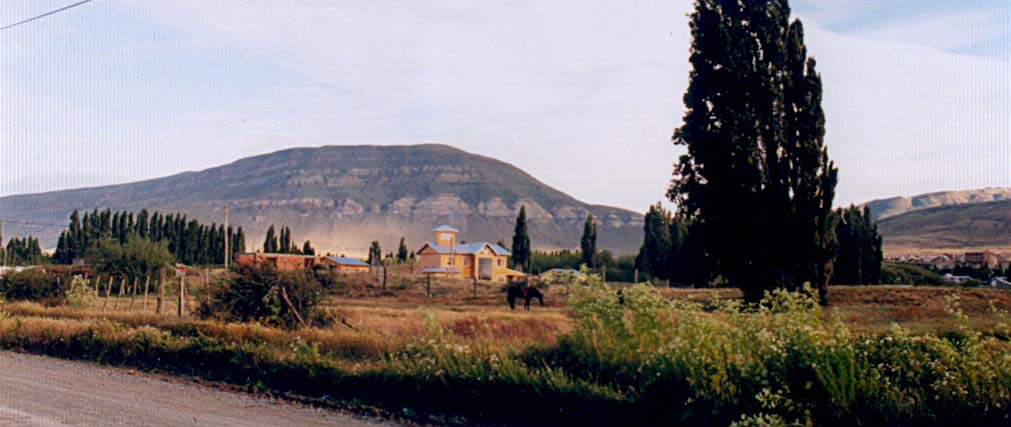
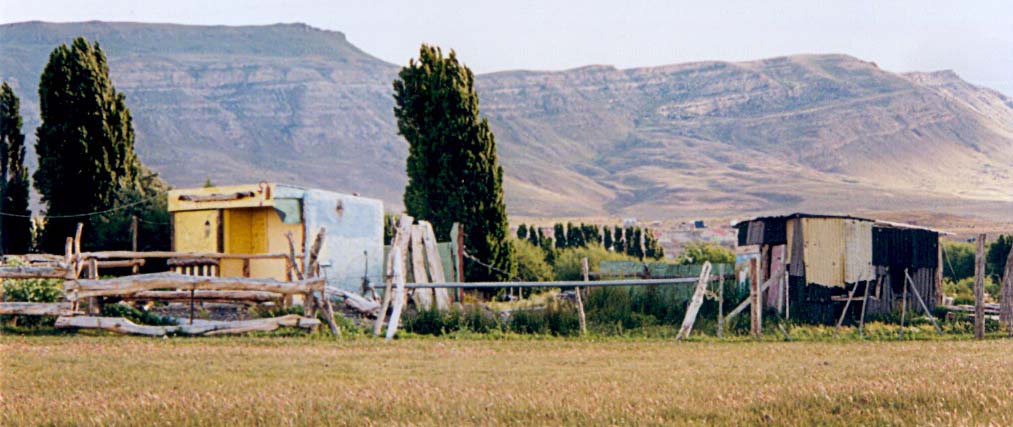
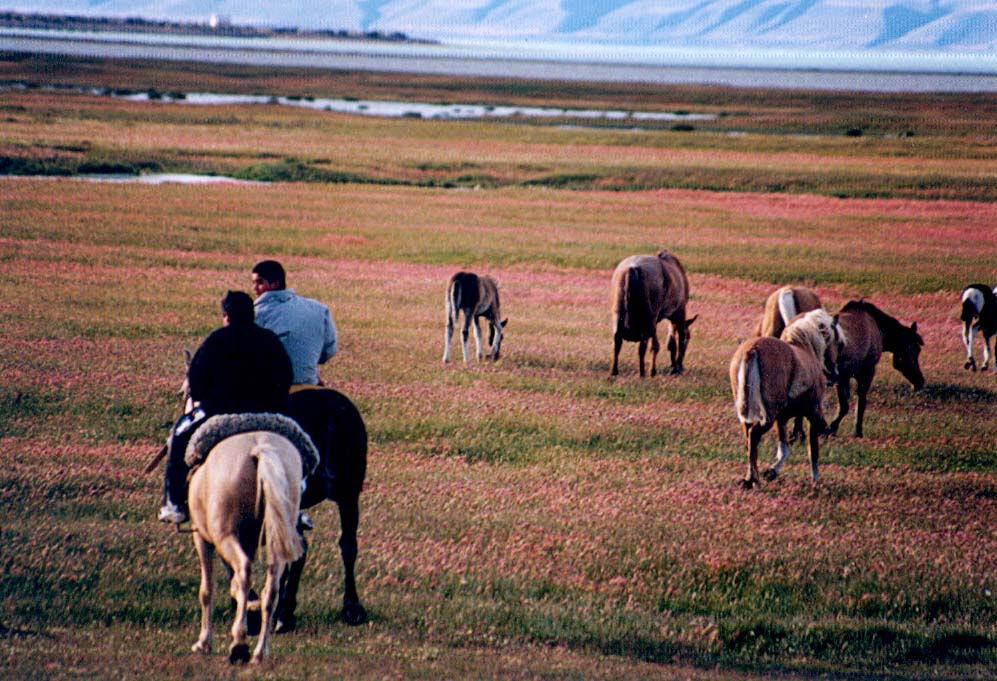
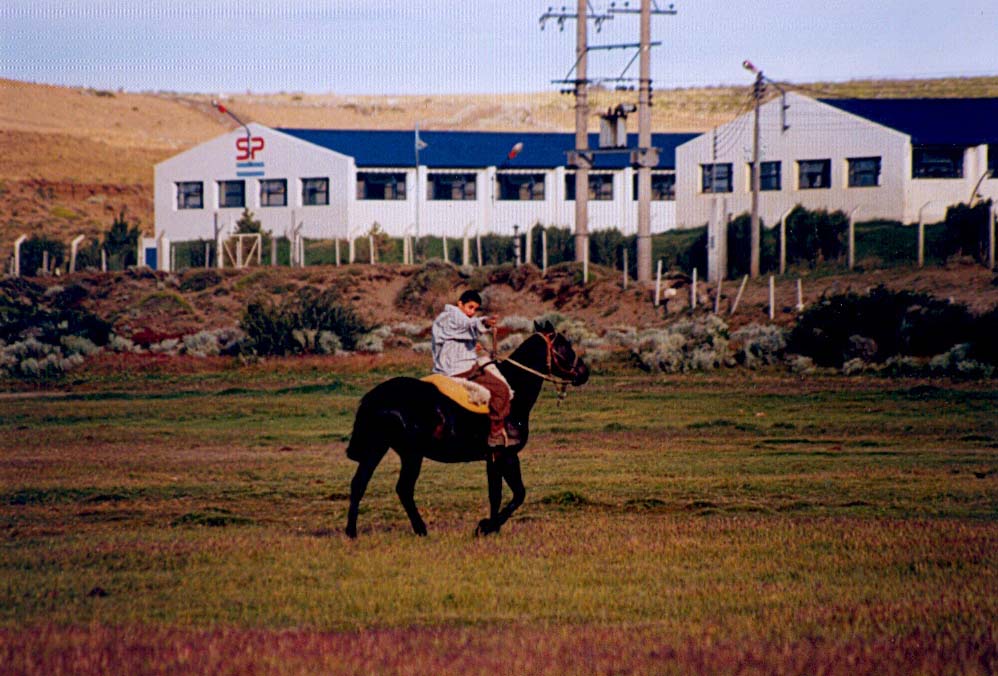
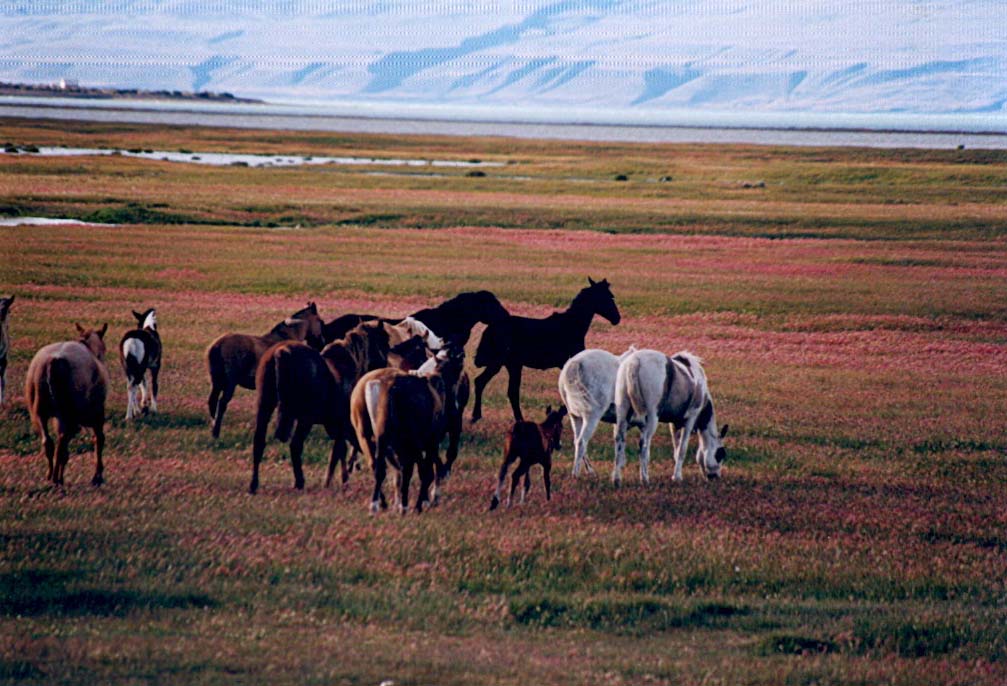
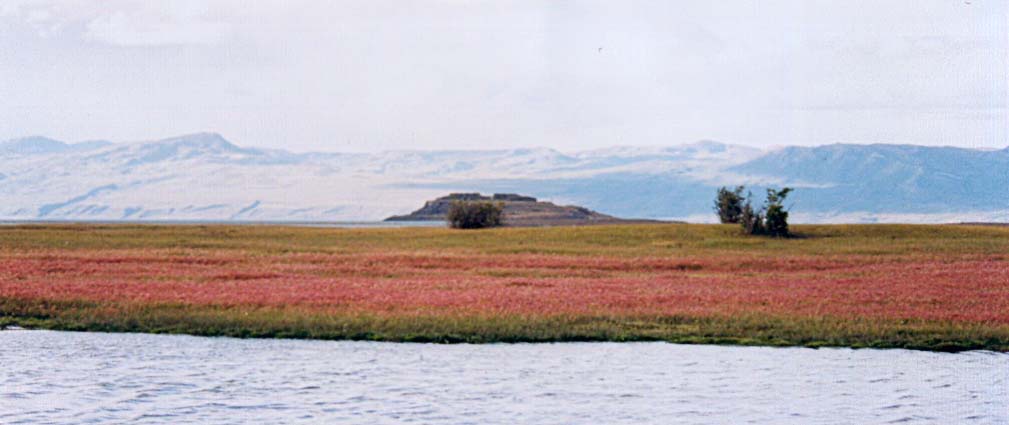
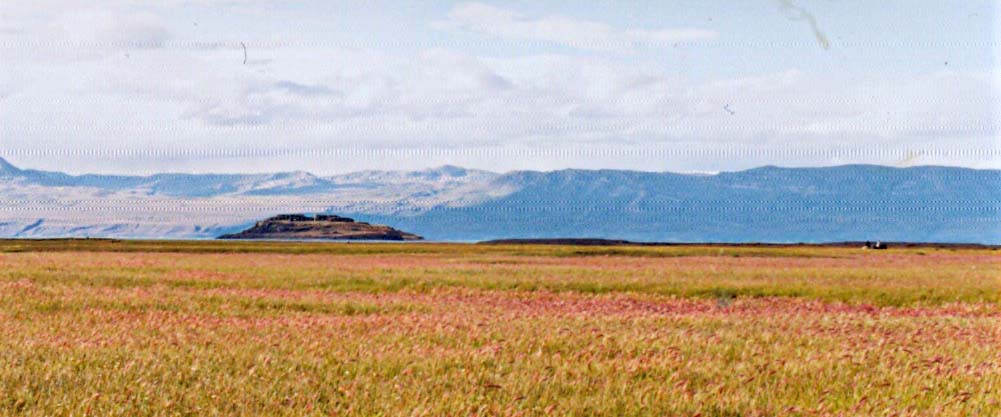
What followed was a journey of many hours through the solitude. The bus battled its way along the endless gravel roads of the Patagonian pampas, while the wind lashed mercilessly against the windows. This barren, vast landscape possesses an incredibly rugged beauty that instantly captivates you.
Final Stop El Calafate: The Gateway to the Eternal Ice
When the cabins of El Calafate finally appeared on the horizon after what felt like an eternity, the relief was immense. We had reached our base camp amidst the eternal ice. We cinched our thick jackets tighter, for the absolute highlight awaited us the next morning: the majestic Perito Moreno Glacier!
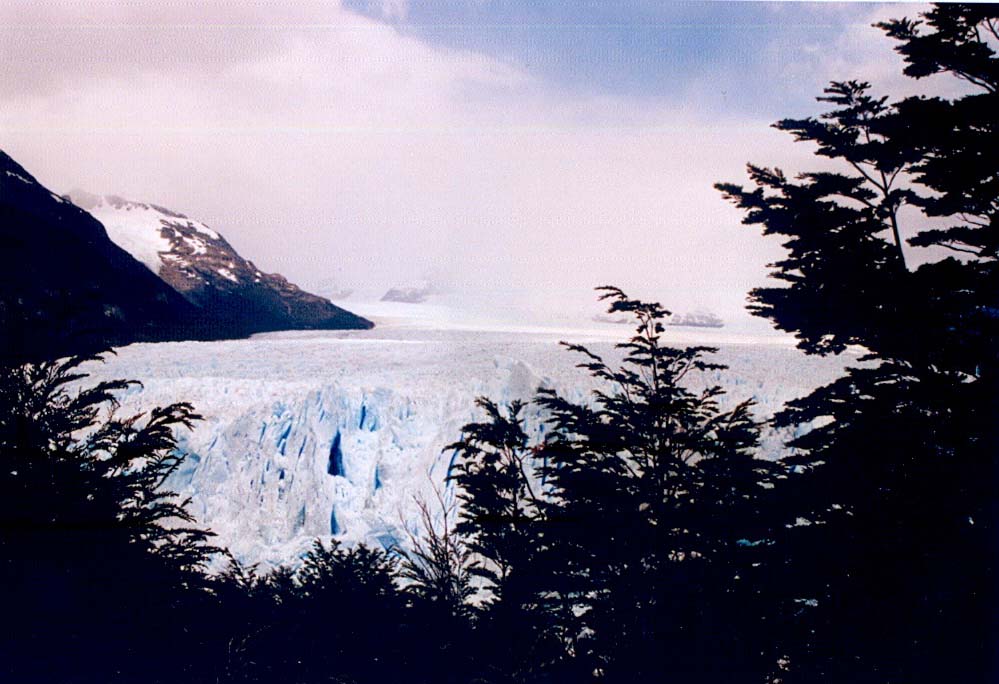
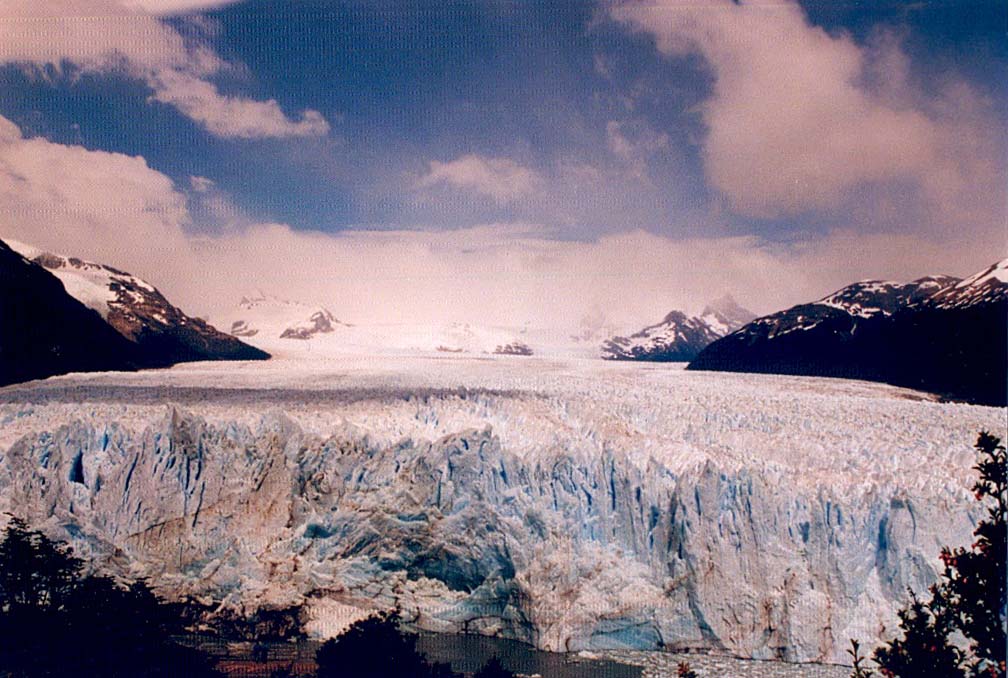
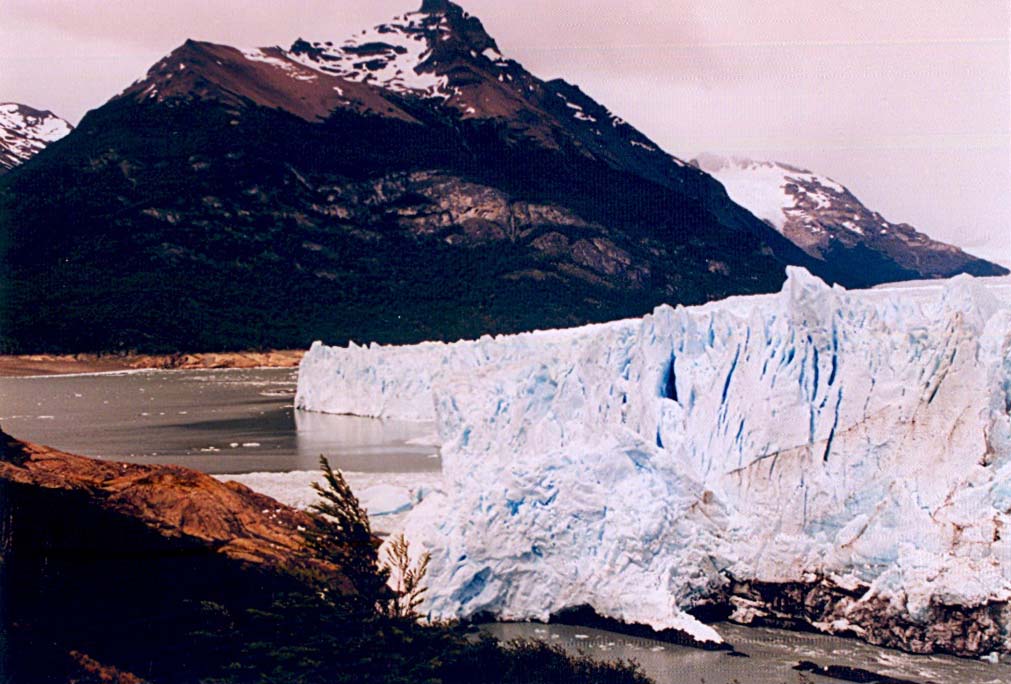
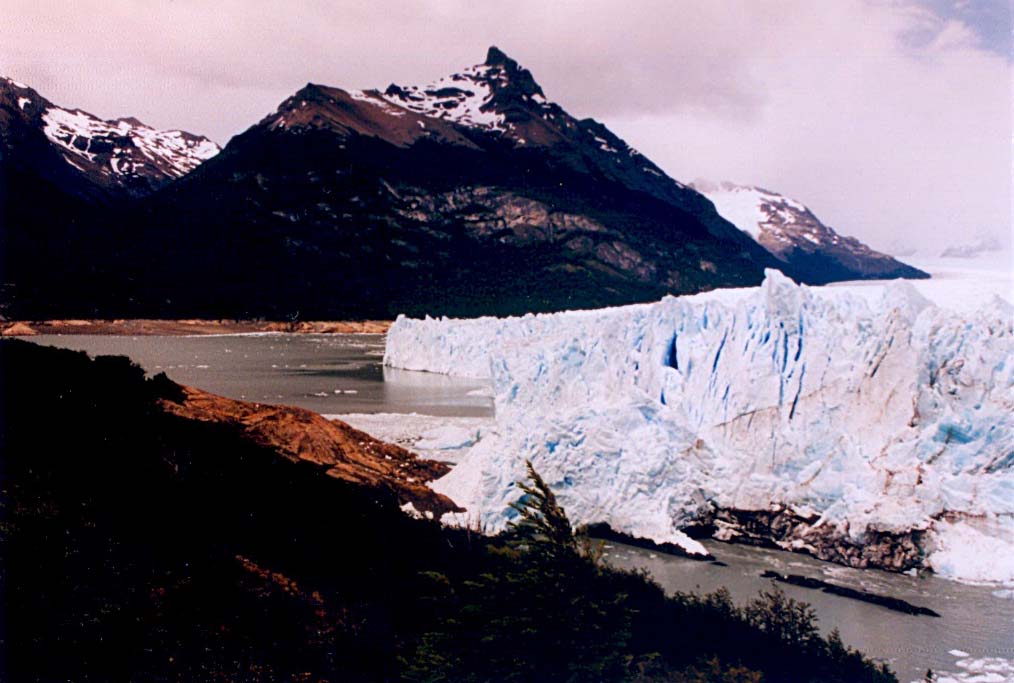
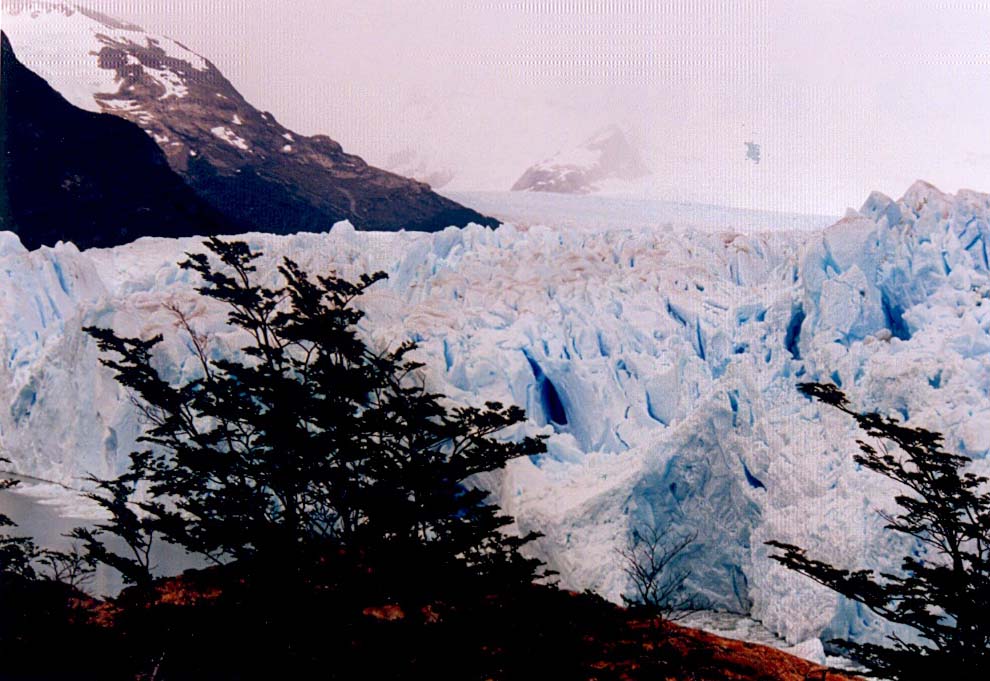
Glaciar Perito Moreno
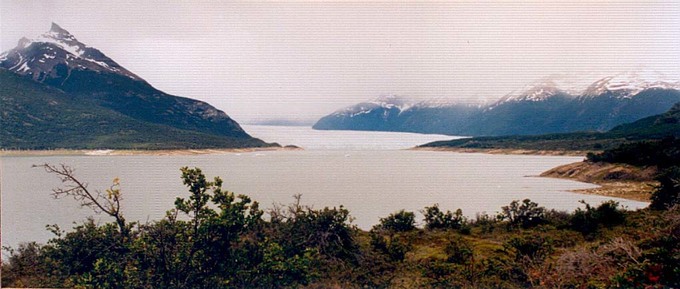
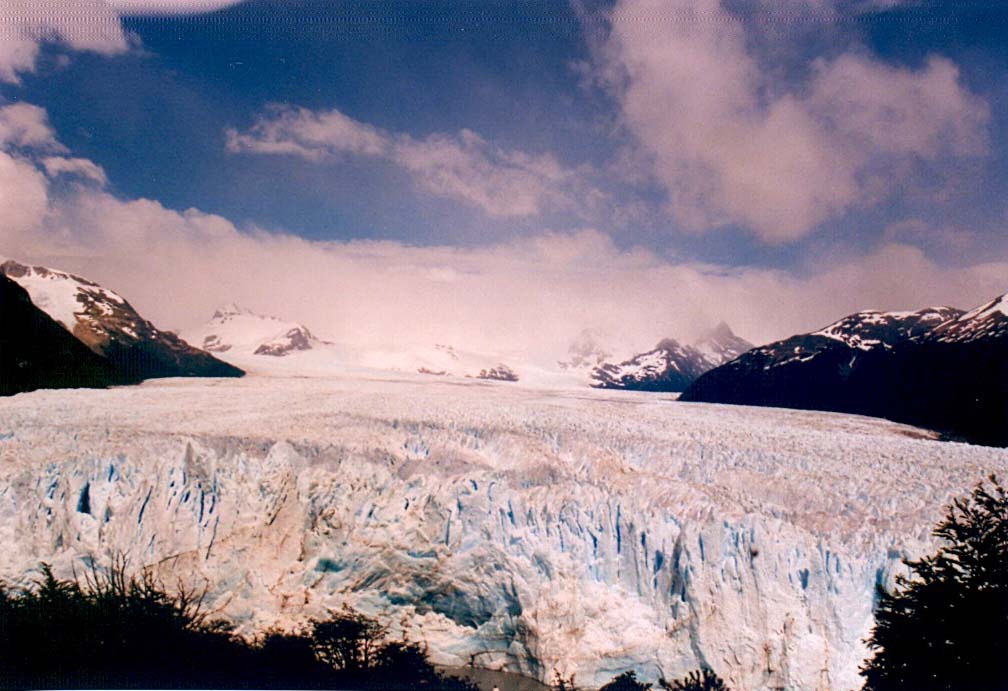
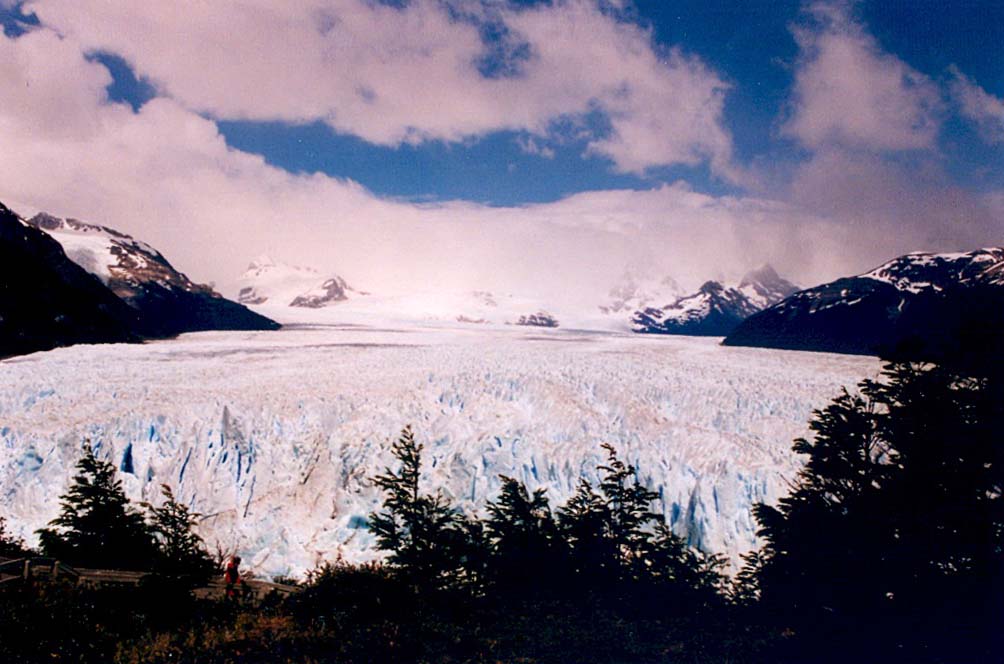
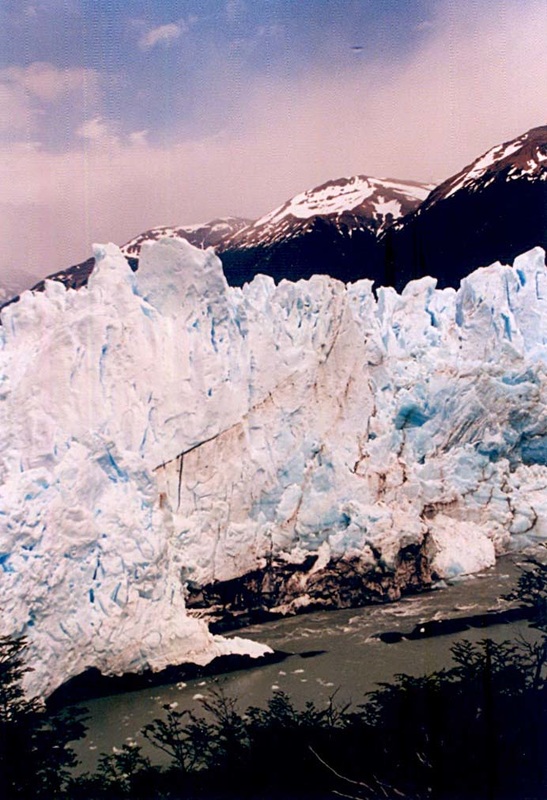
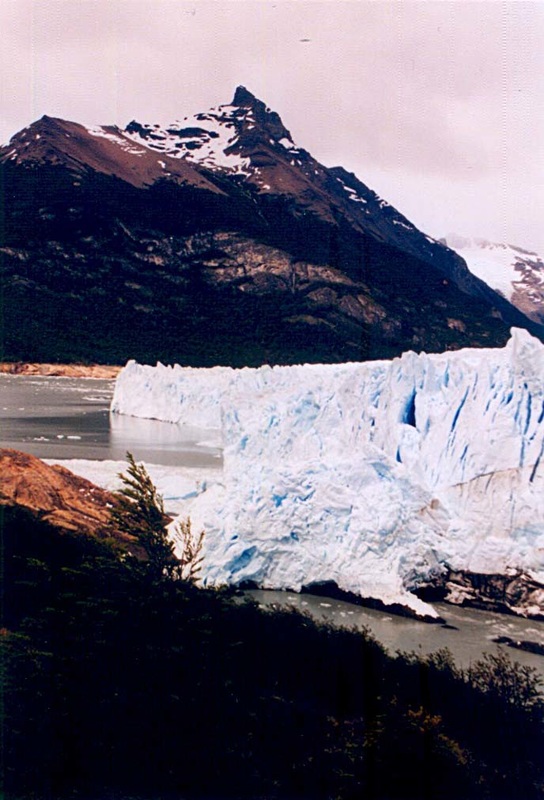
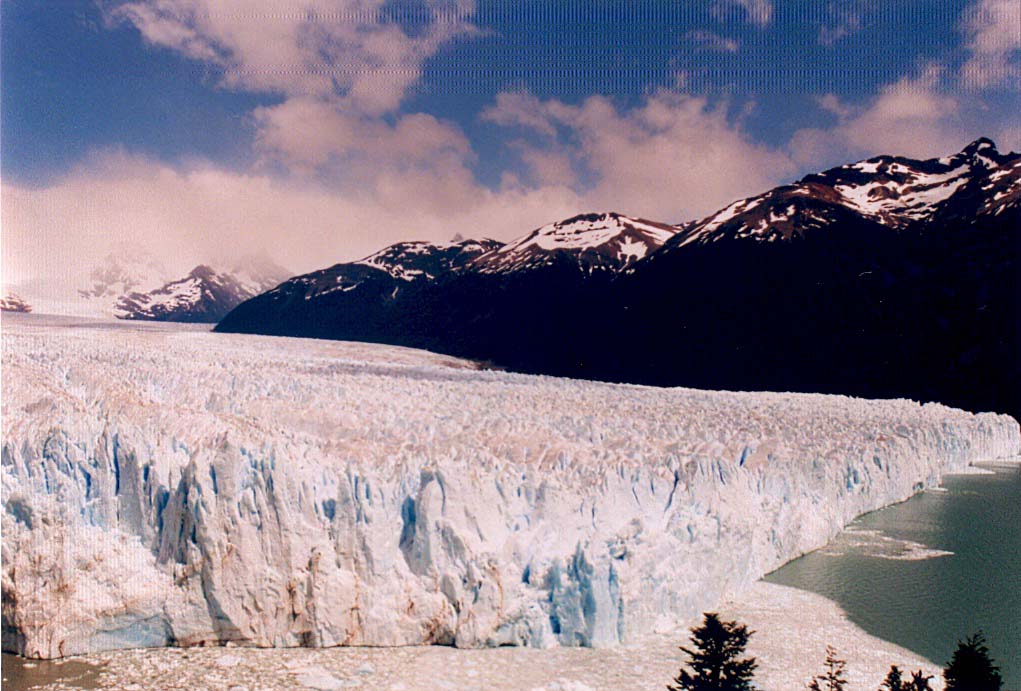
An earlier image, from before the glacier had advanced so far...
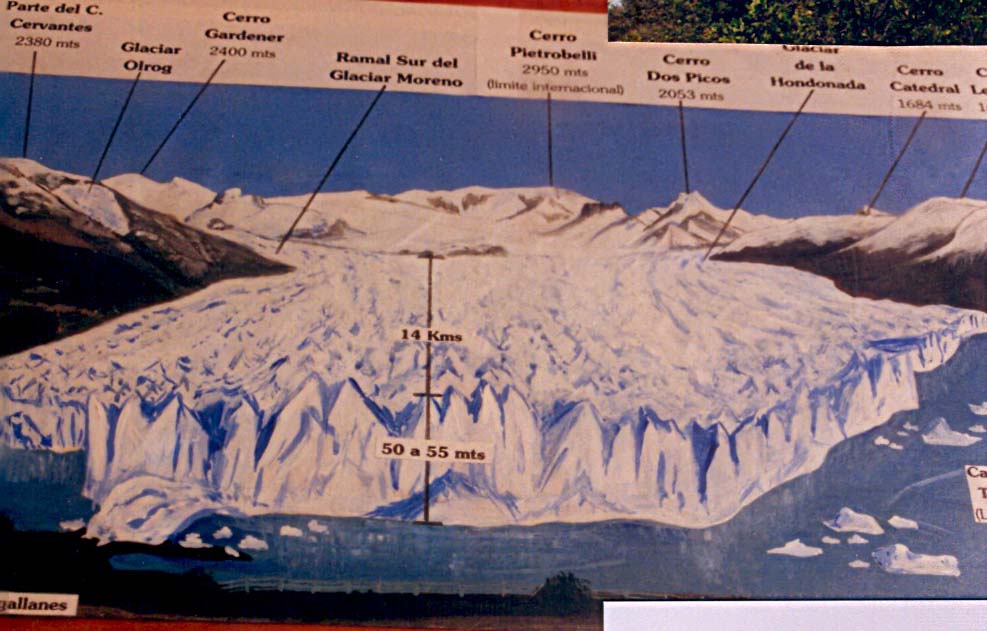
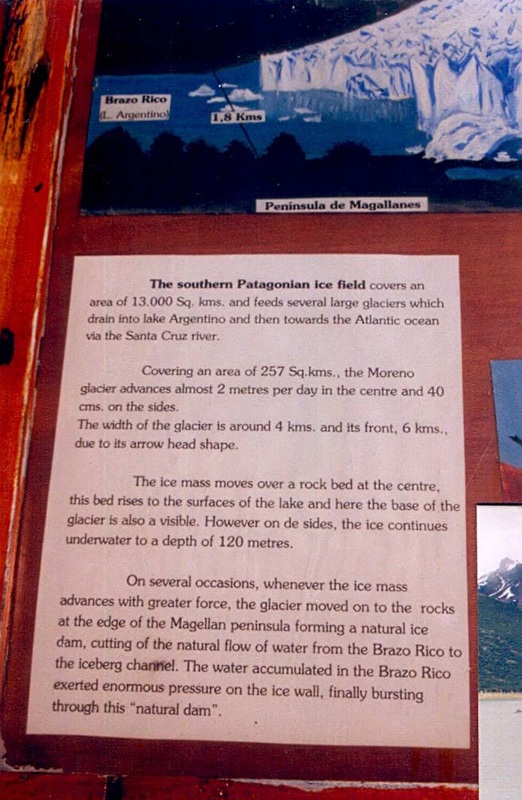
The dimensions of the Perito Moreno:
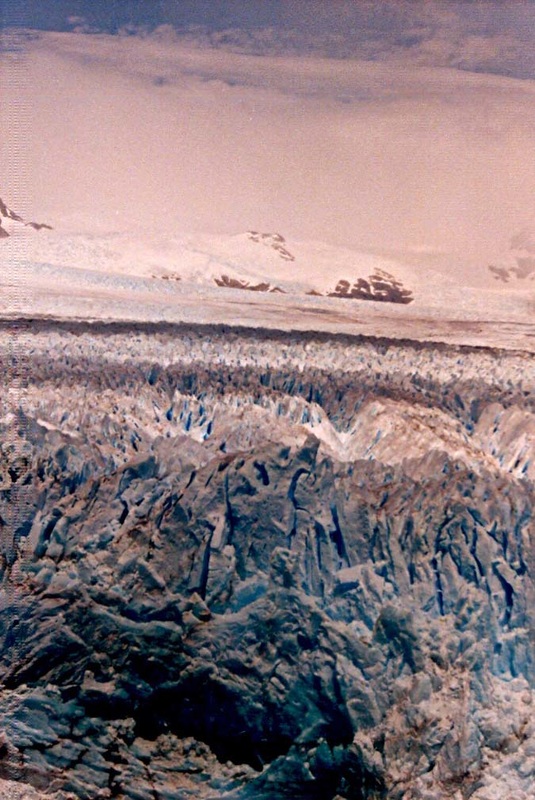
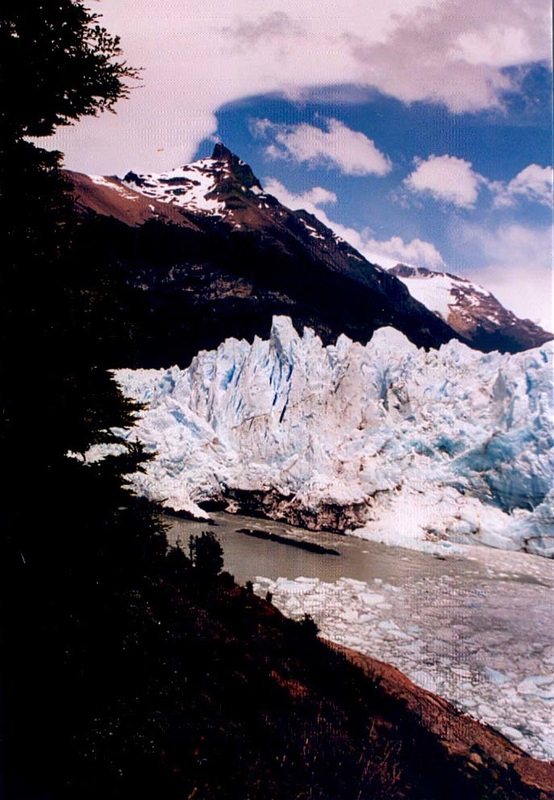
To grasp the sheer magic of this place, the bare figures of the Perito Moreno Glacier help:
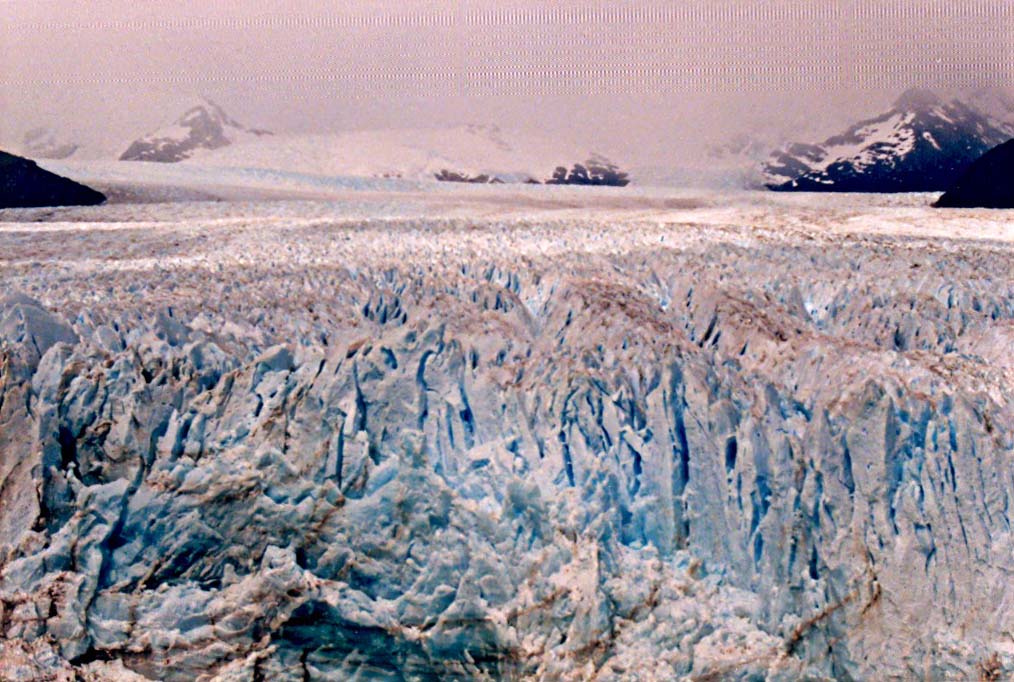
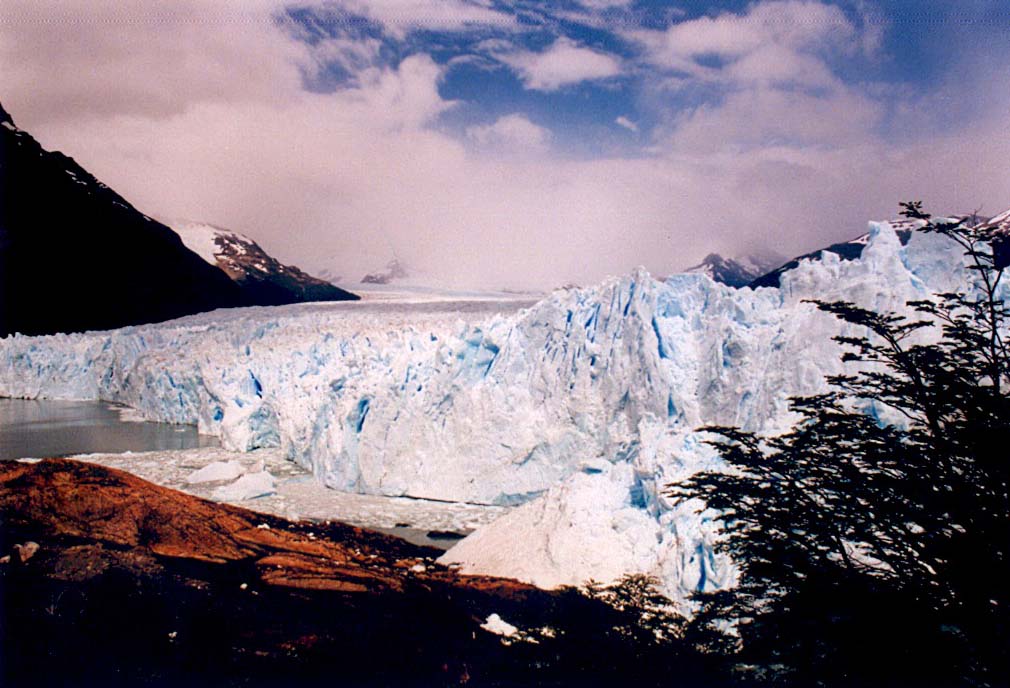
- Area: At 250 square kilometers, the ice field is larger than the entire city of Buenos Aires.
- Extent: The glacier stretches an impressive 30 kilometers through the Andes.
- Location: It is situated within a UNESCO World Heritage national park in Santa Cruz Province, exactly 78 kilometers from our base camp in El Calafate.
- Ice sheet: It is part of the gigantic Southern Patagonian Ice Field in the Andes—the third-largest freshwater reservoir on Earth, shared by Argentina and Chile.
Thunder in the Eternal Ice: My Incredible Luck at the Perito Moreno Glacier
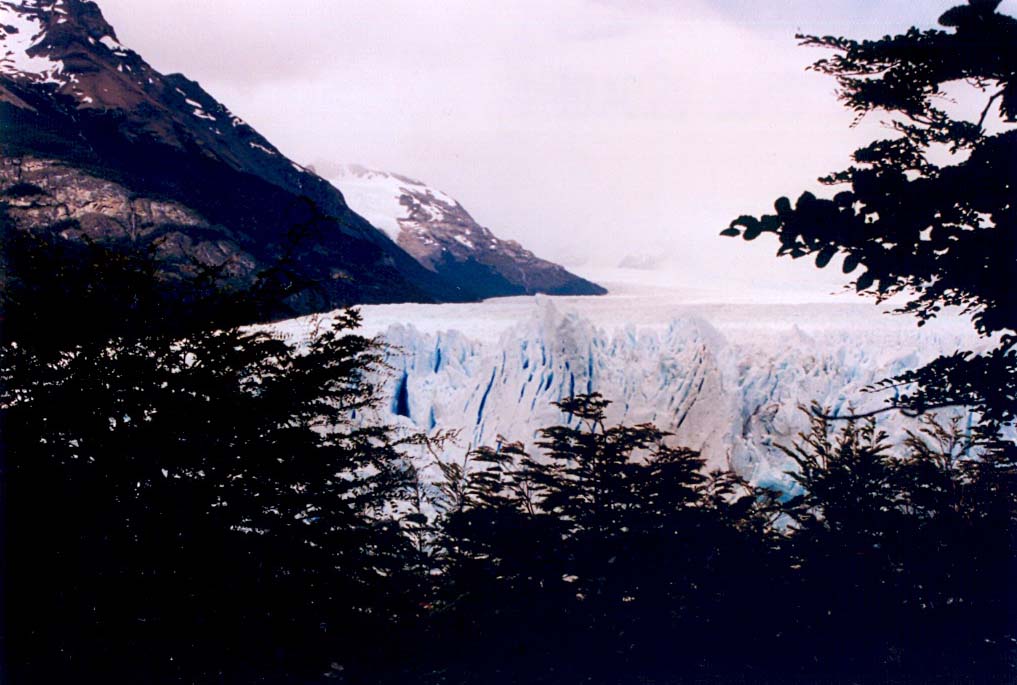
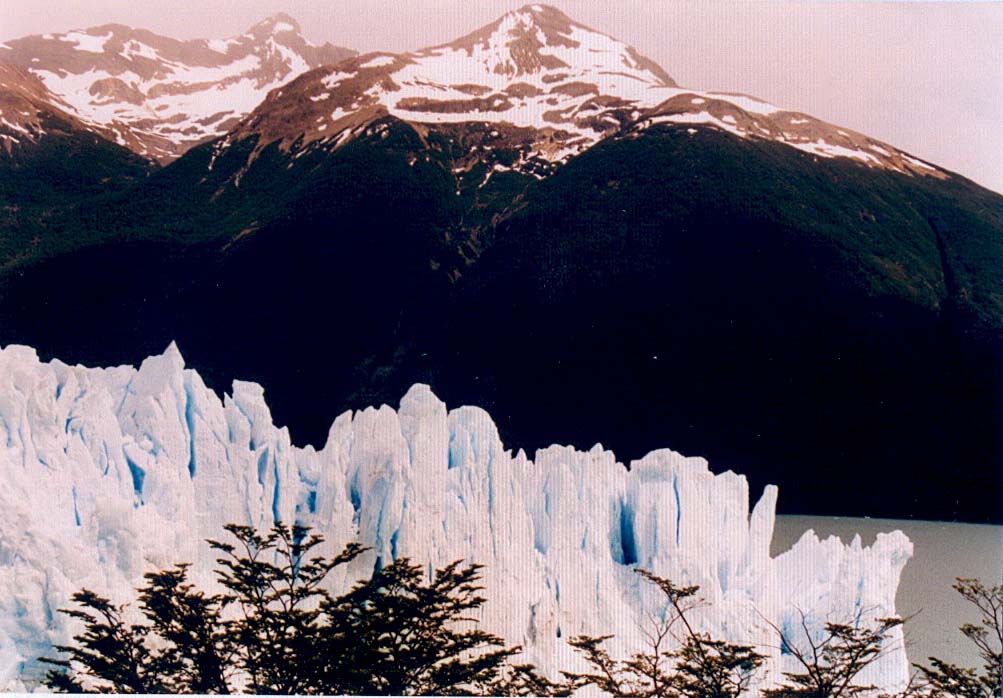
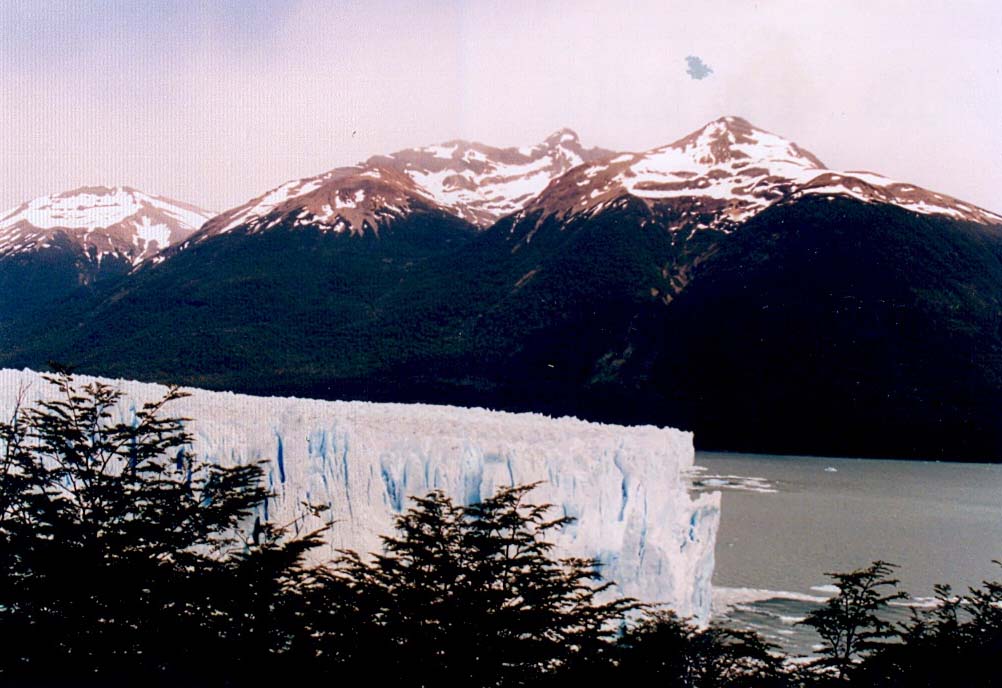
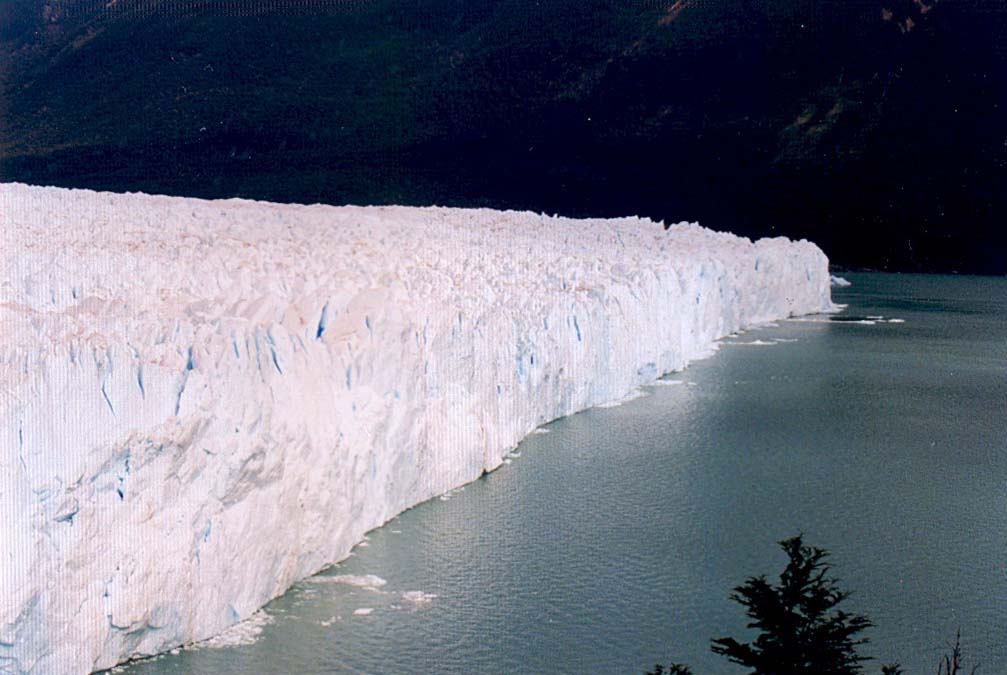
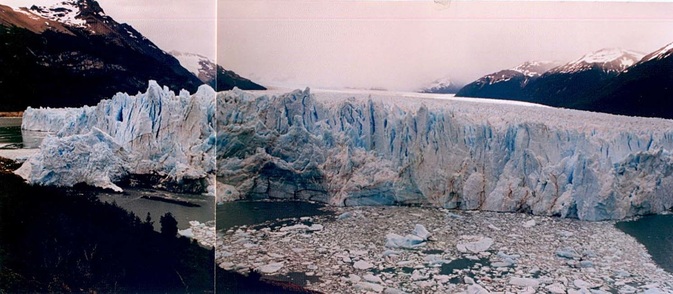
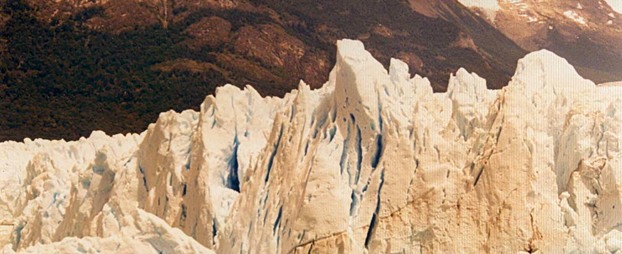
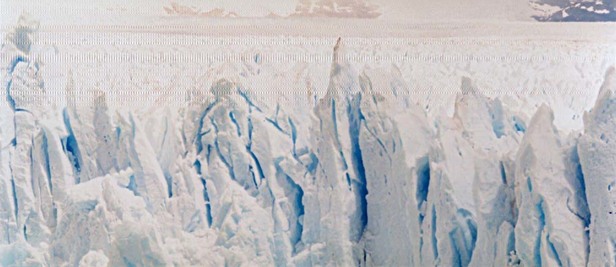
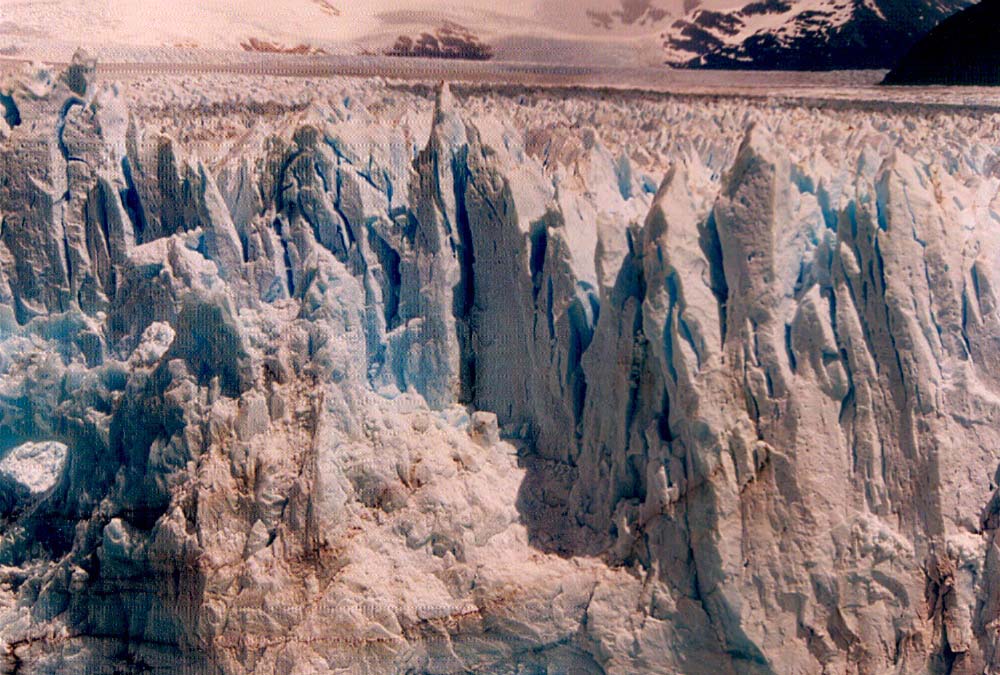
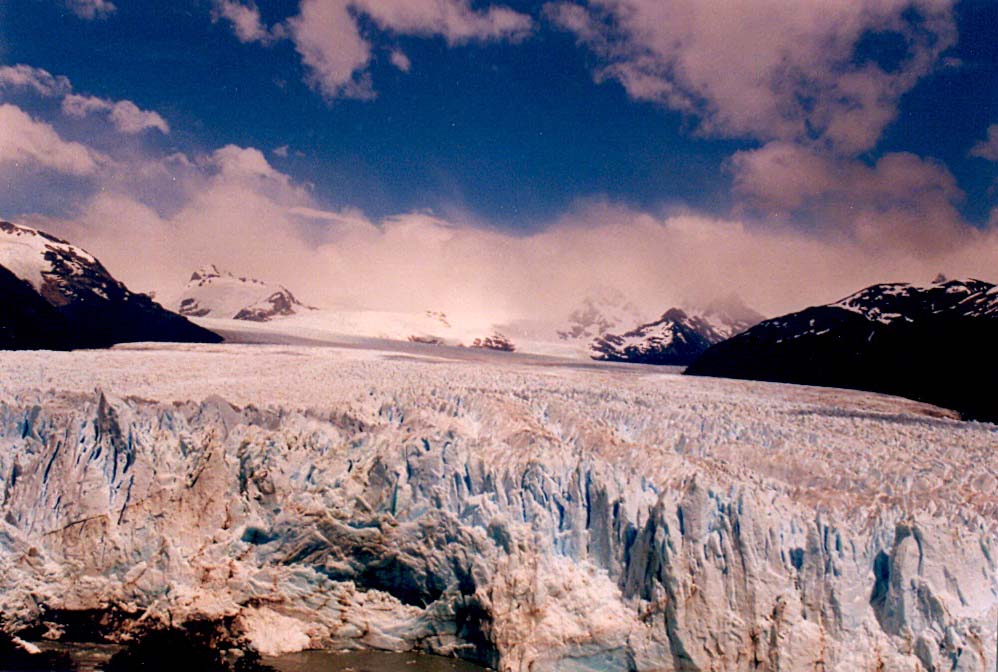
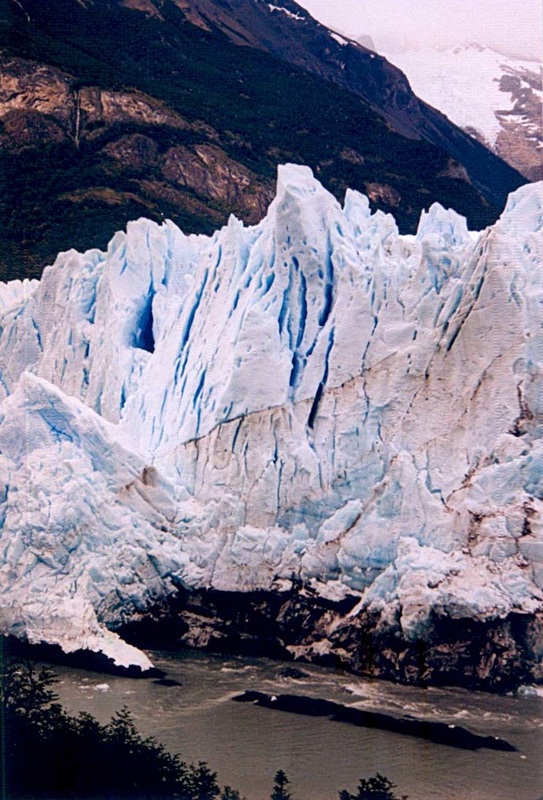
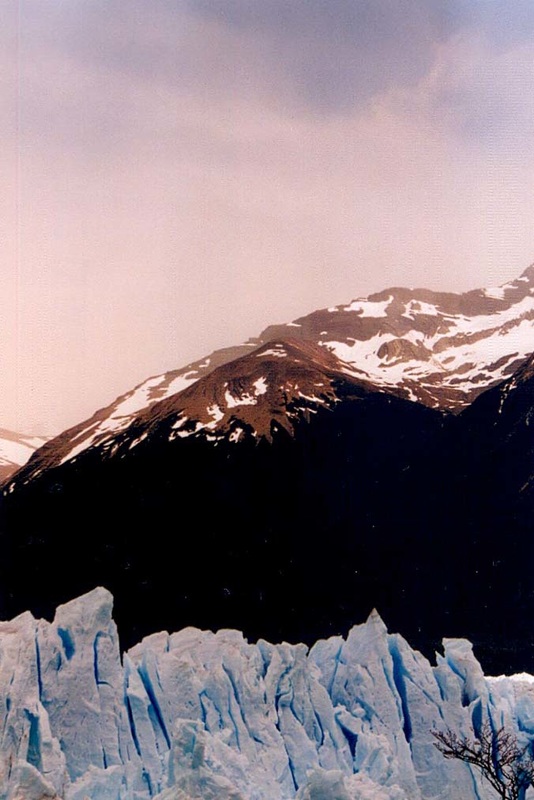
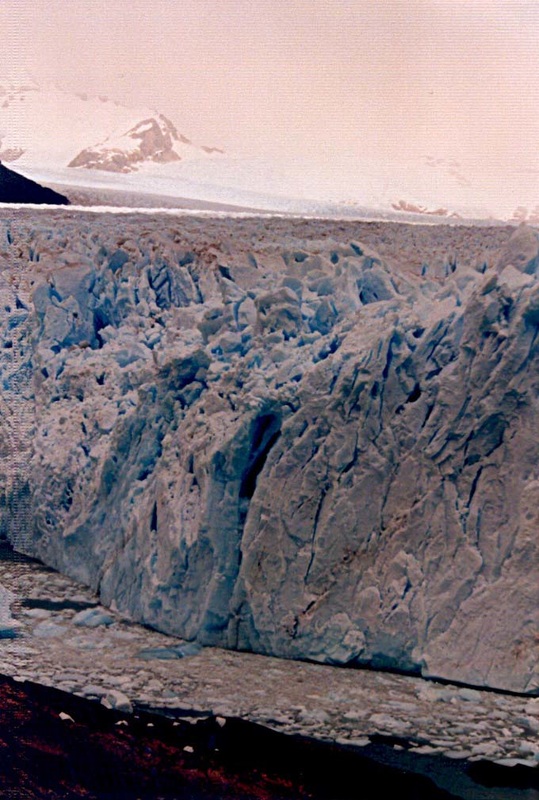
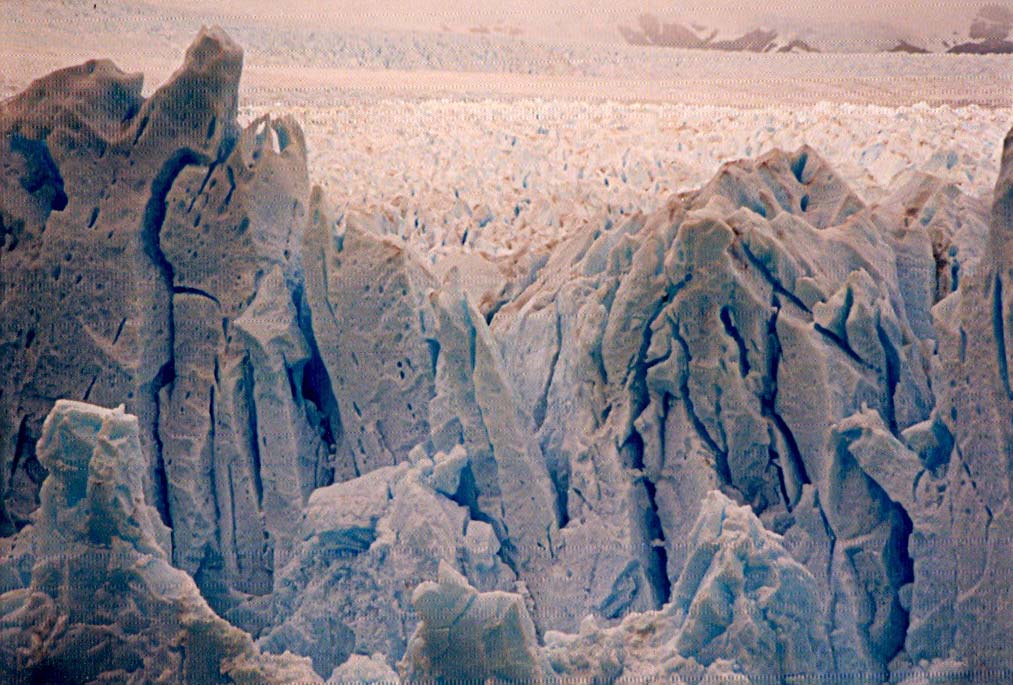
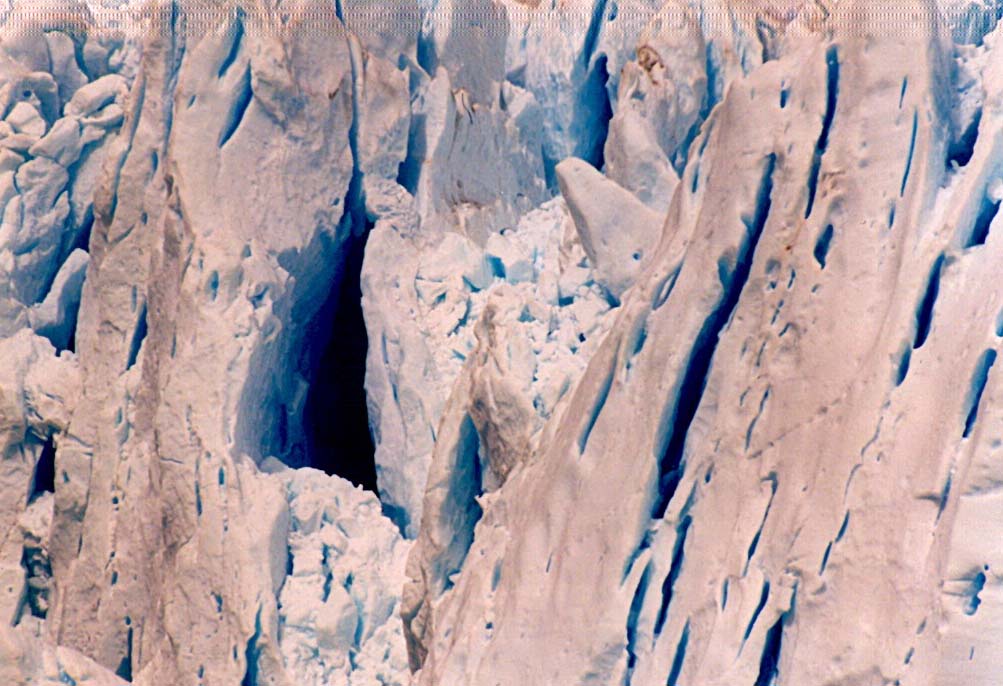
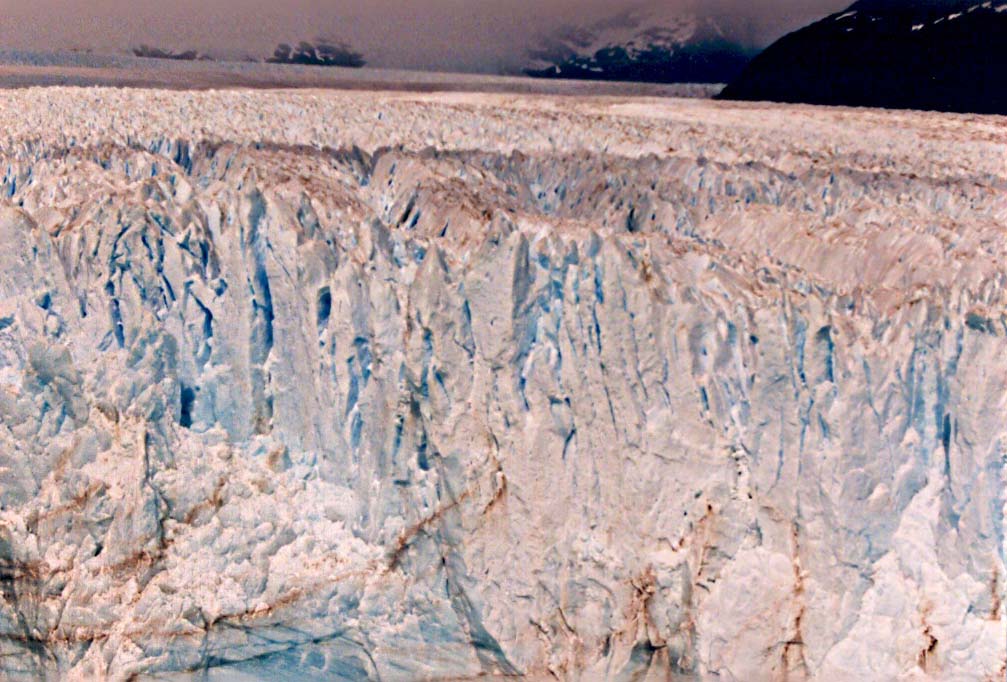
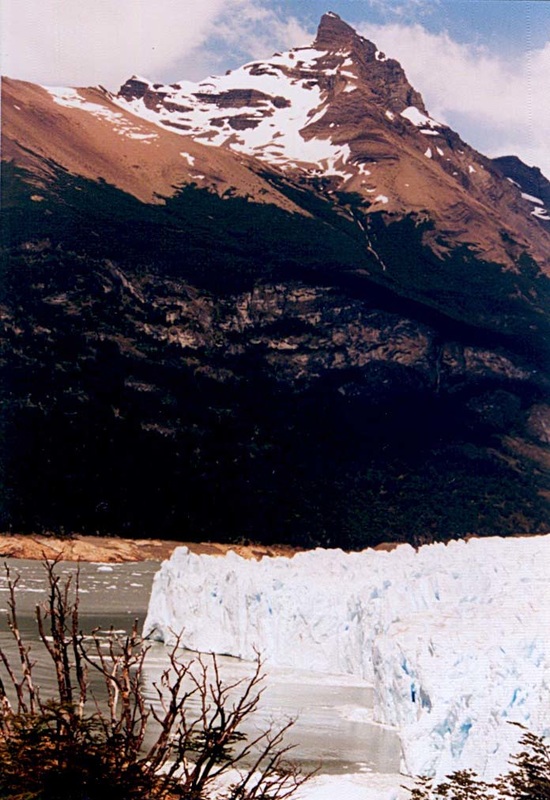
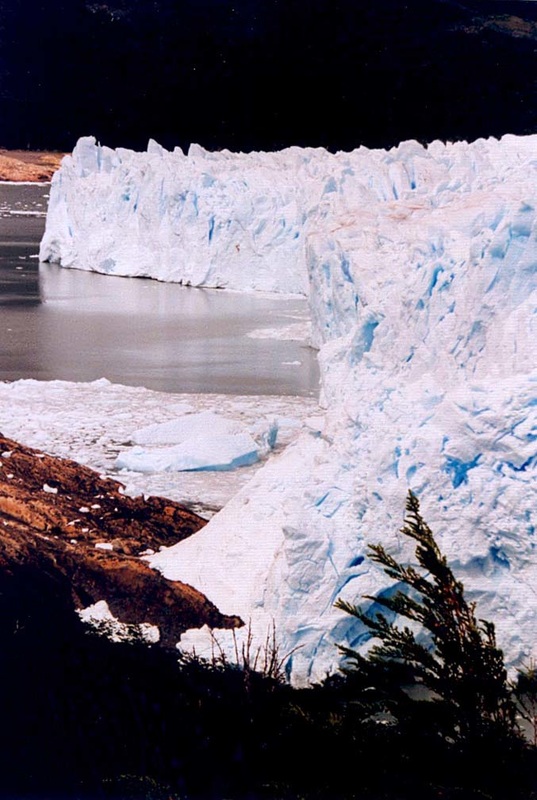
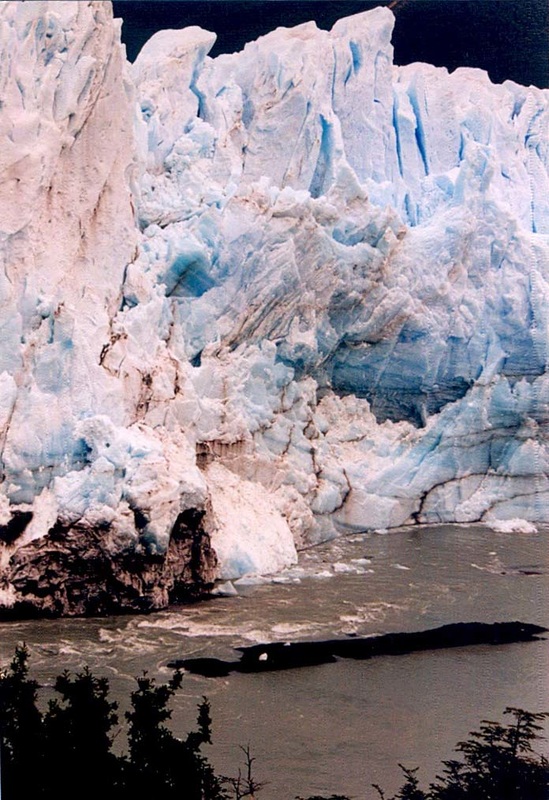
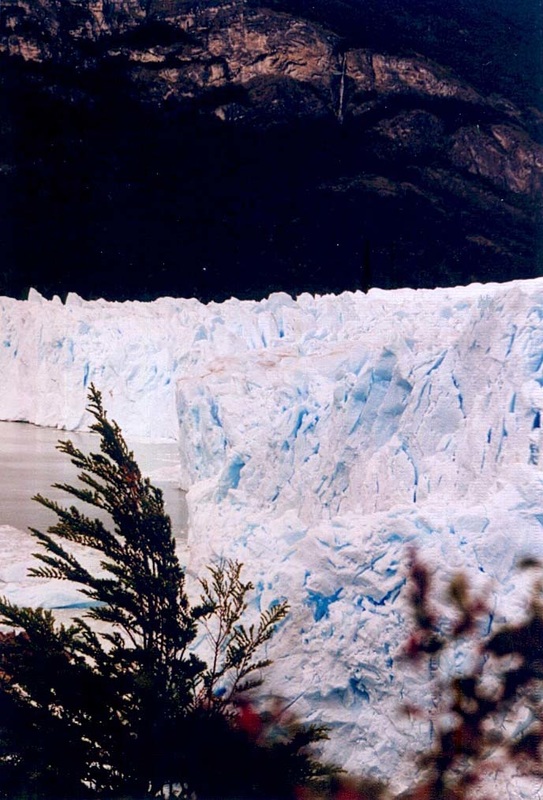
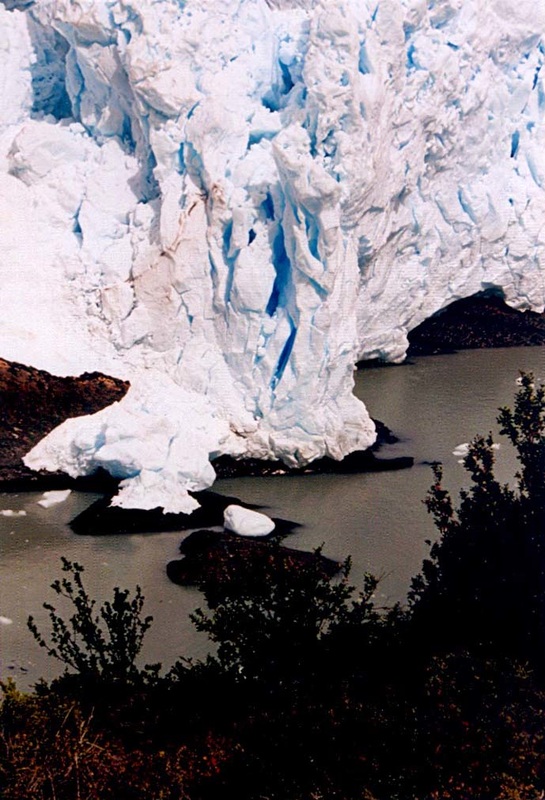
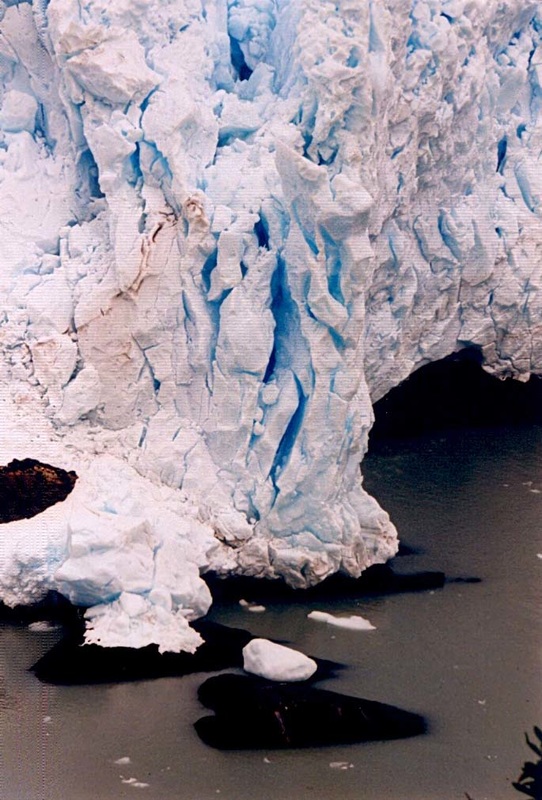
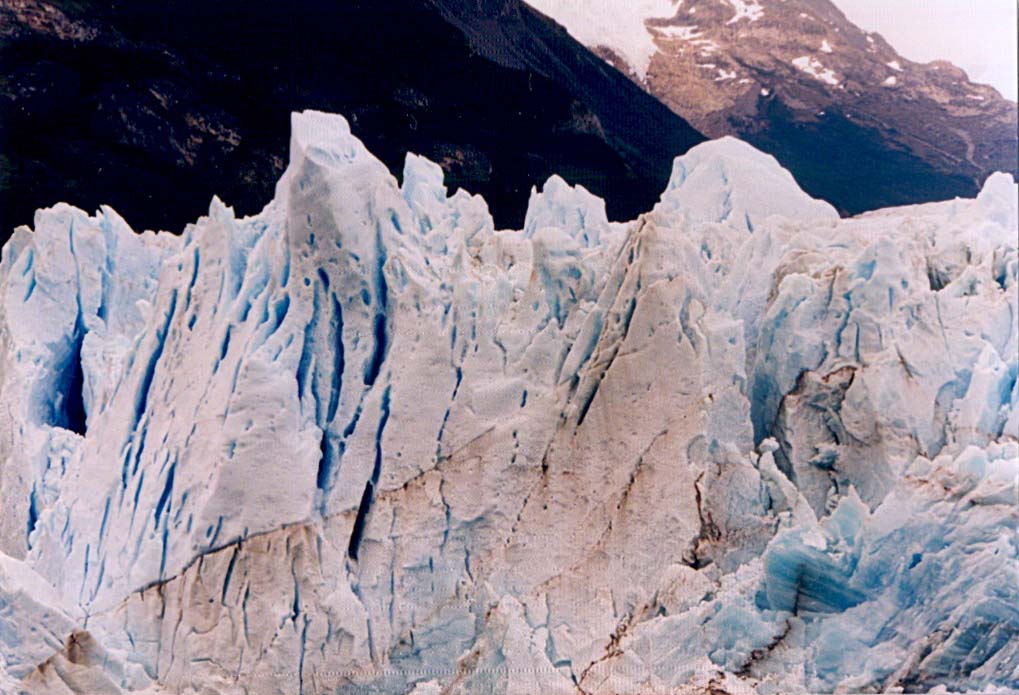
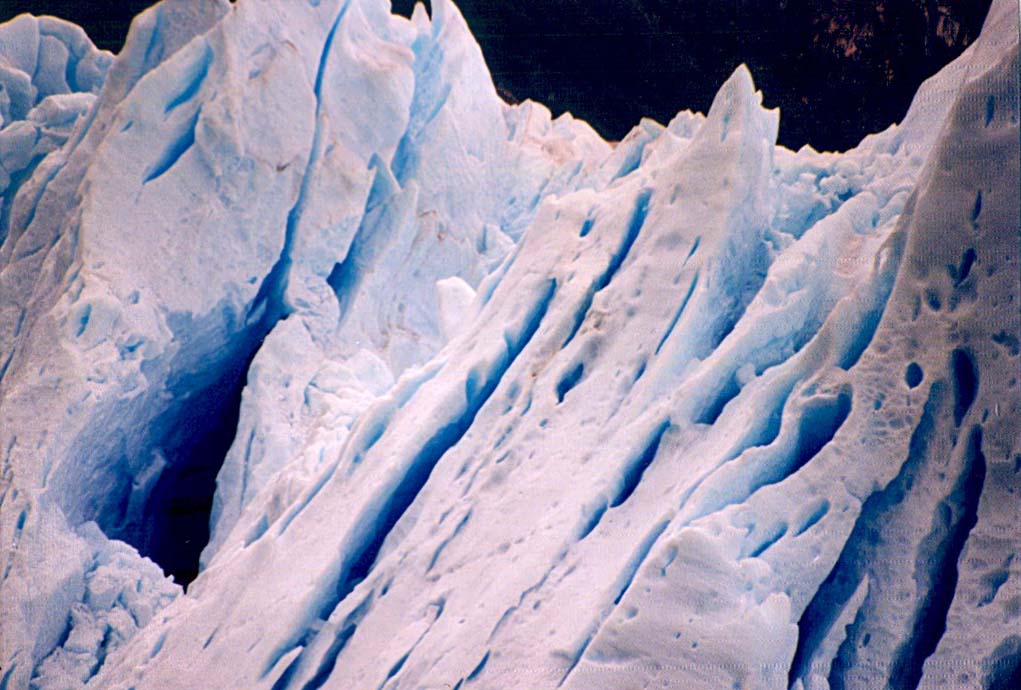
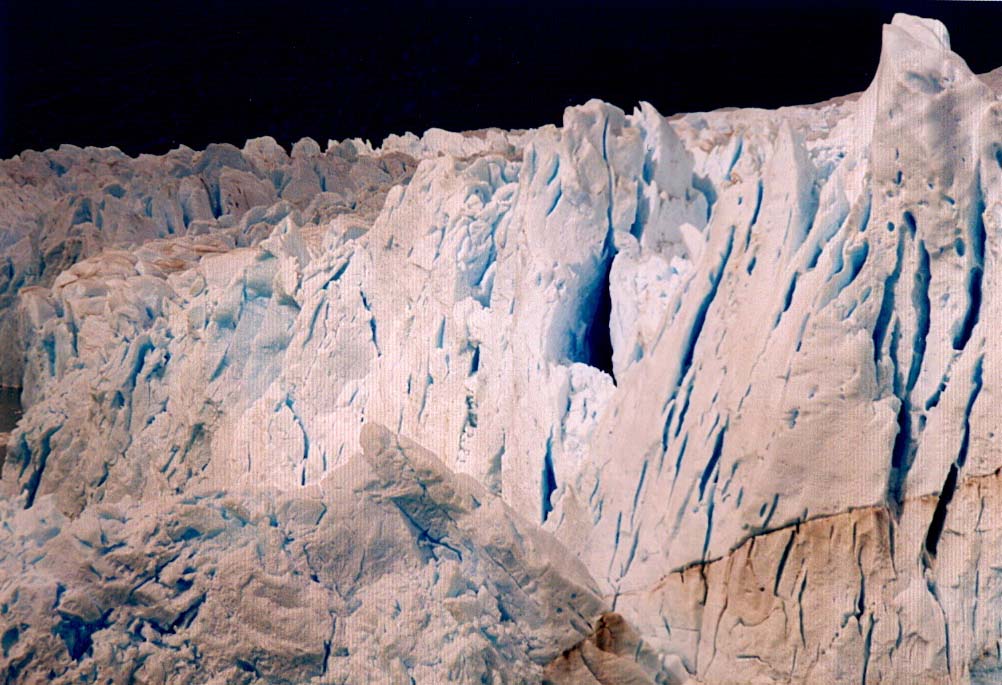
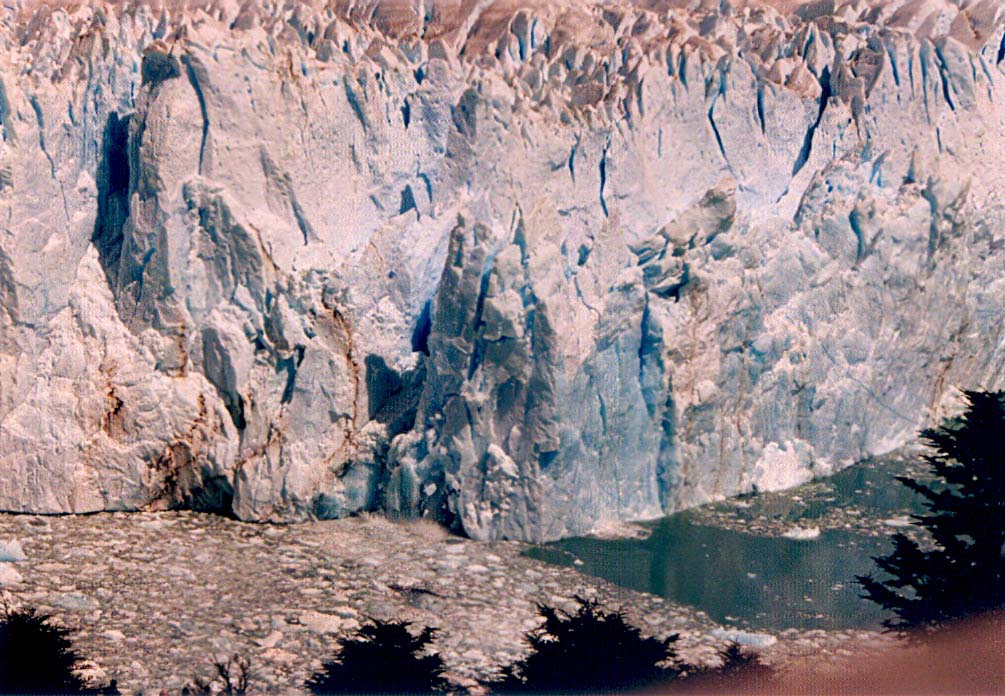
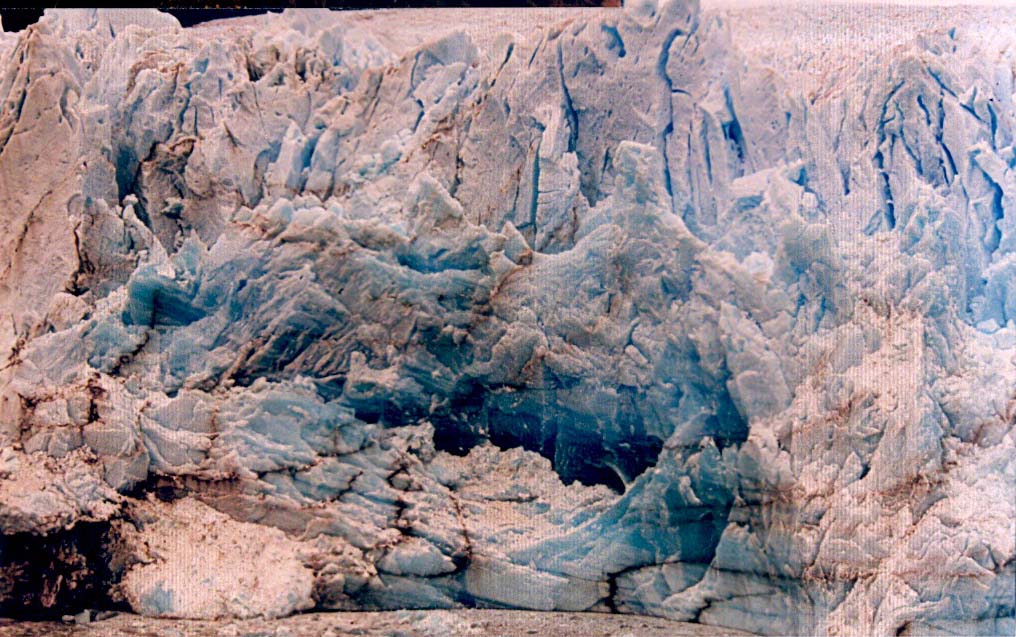
When we finally stood before the gigantic, brilliant blue ice walls of the Perito Moreno Glacier, it took my breath away. But the real miracle was yet to come: I was incredibly lucky on this trip!
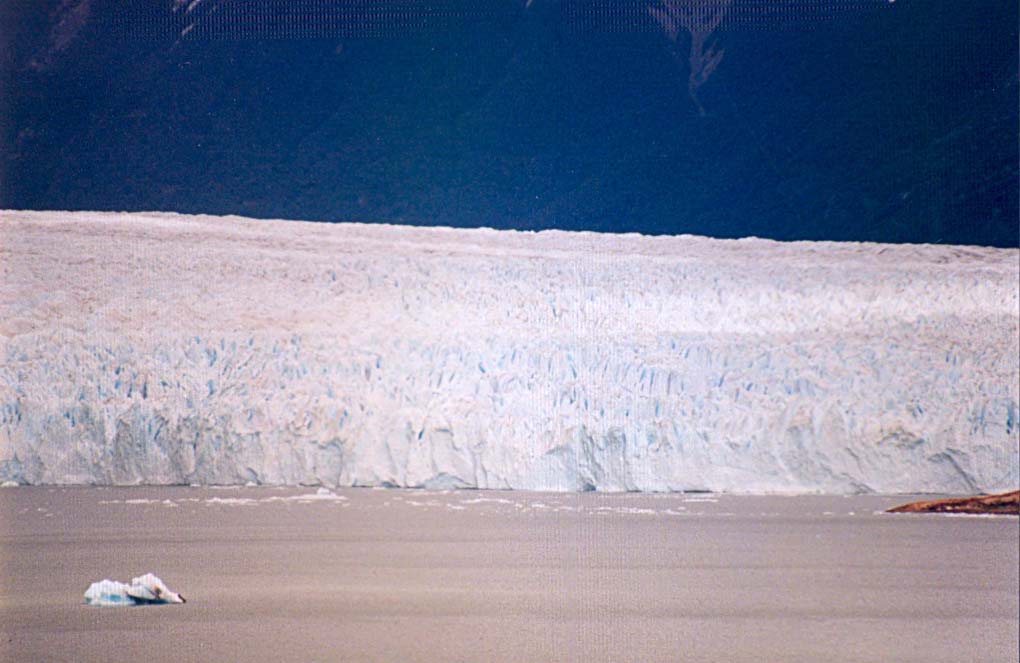
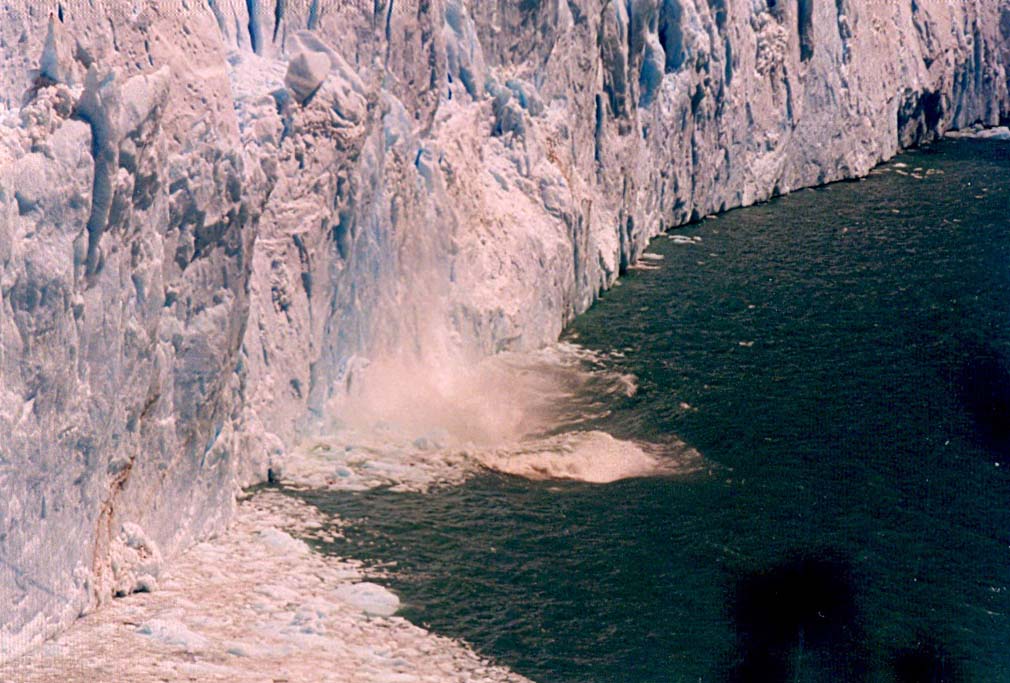
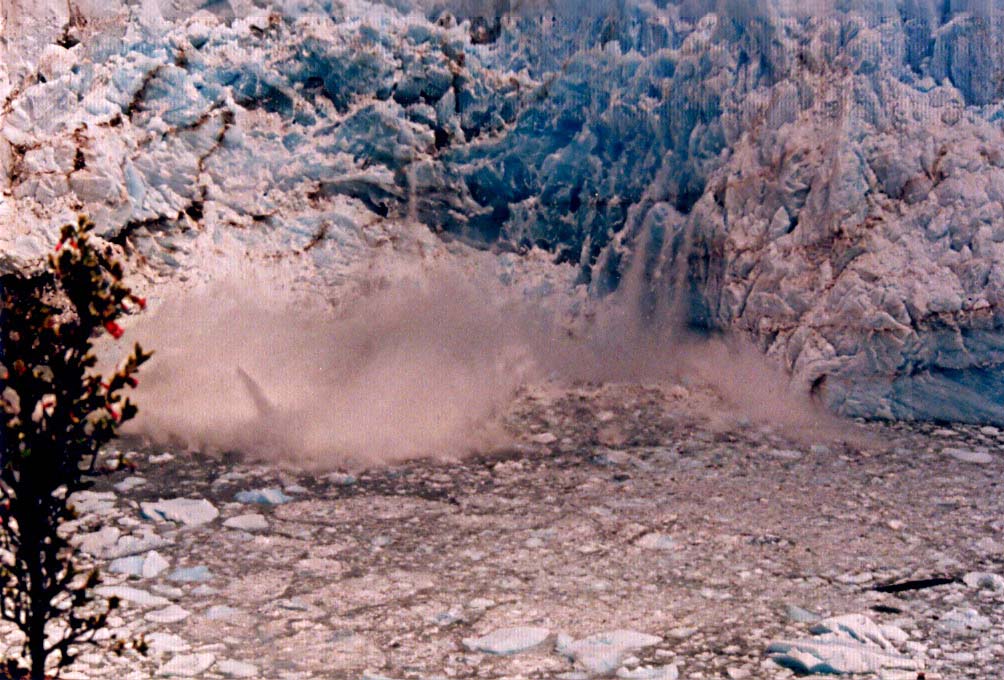
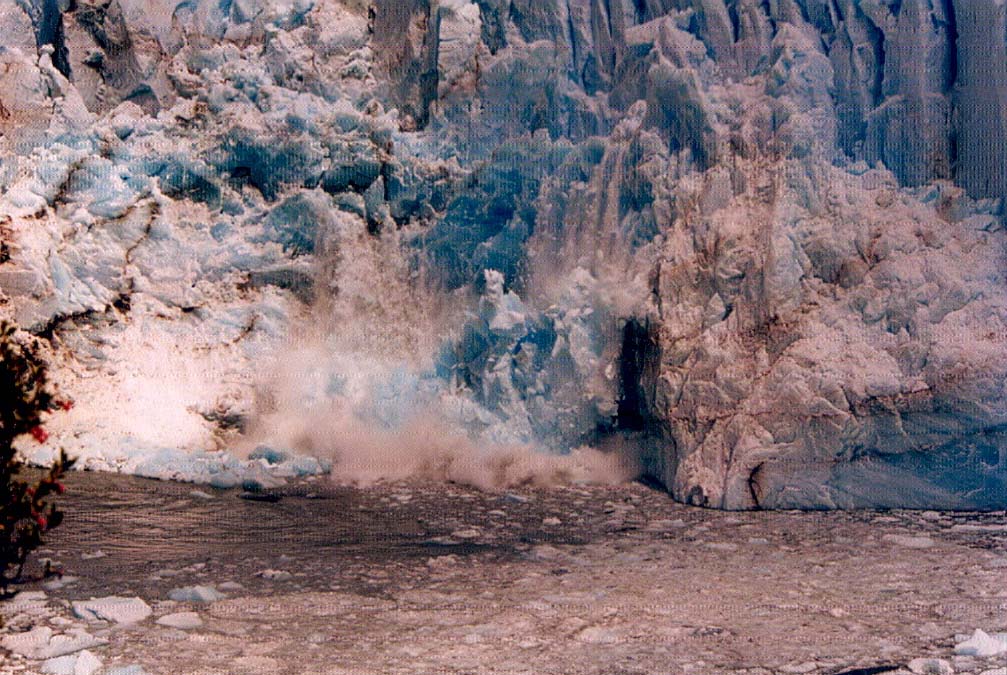
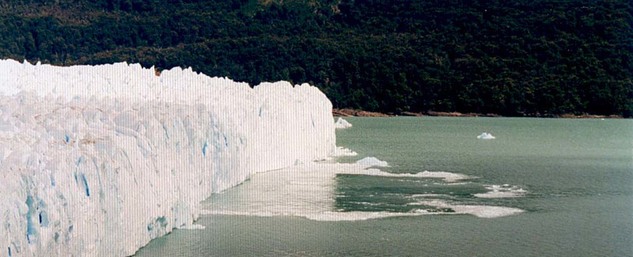
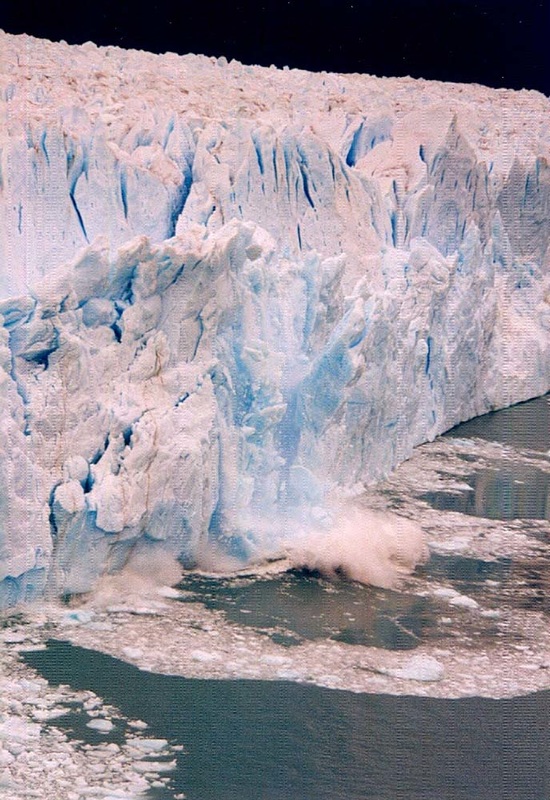
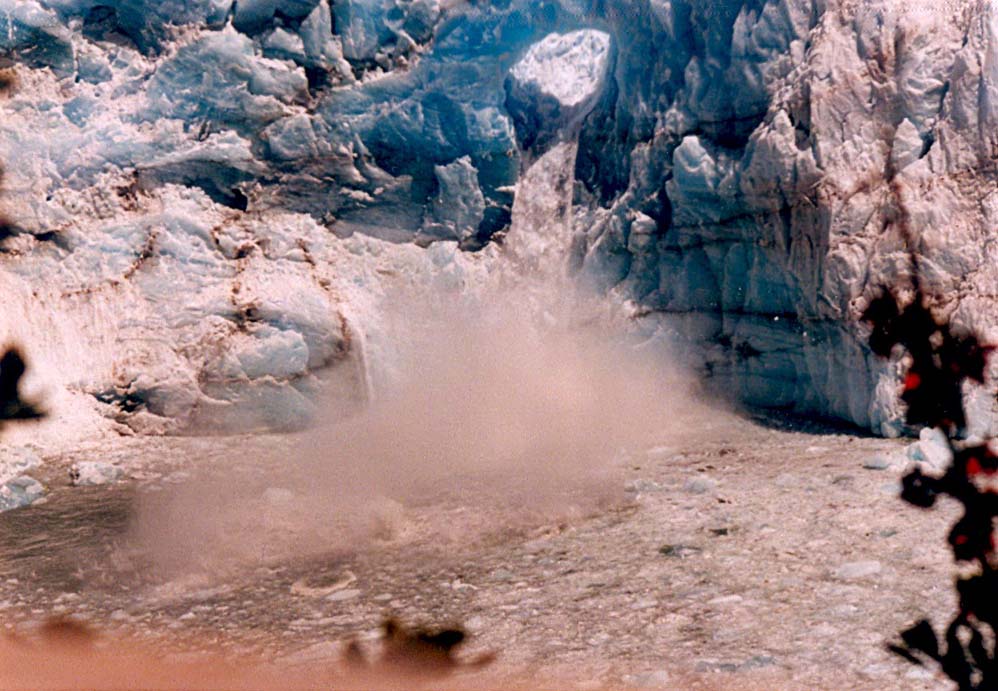
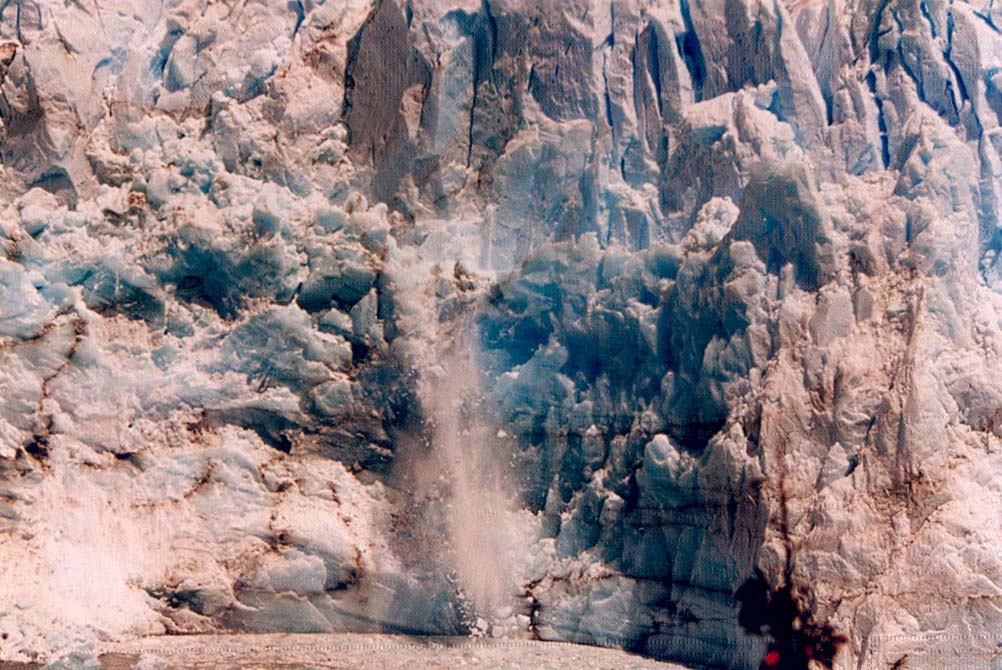
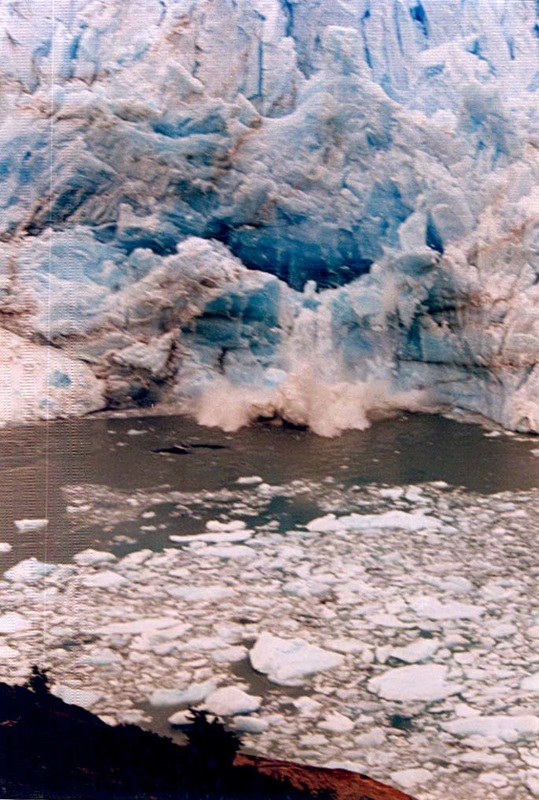
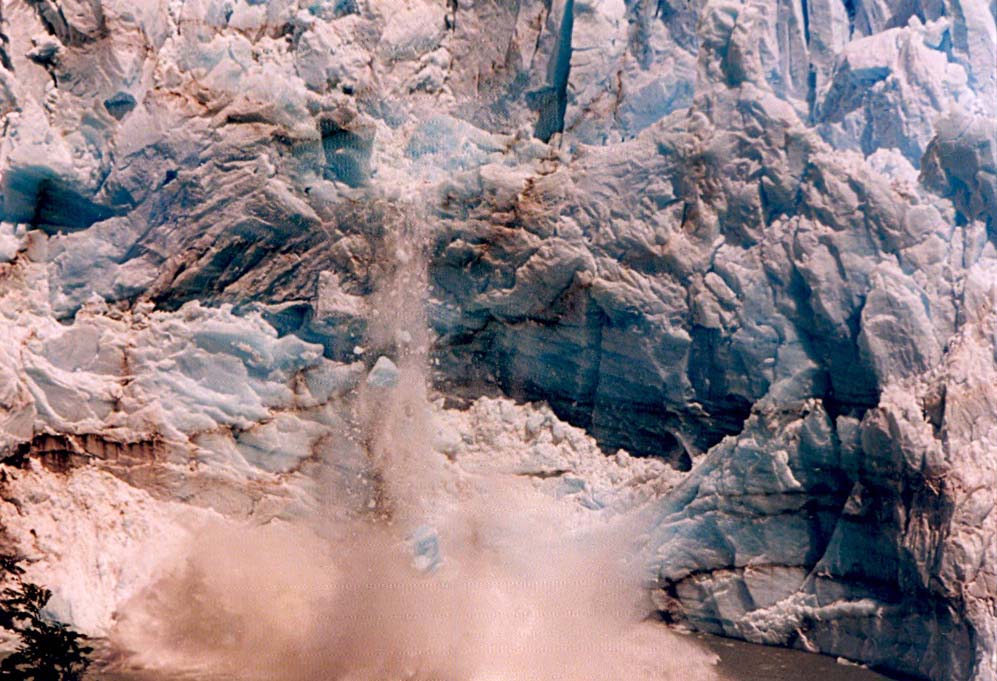
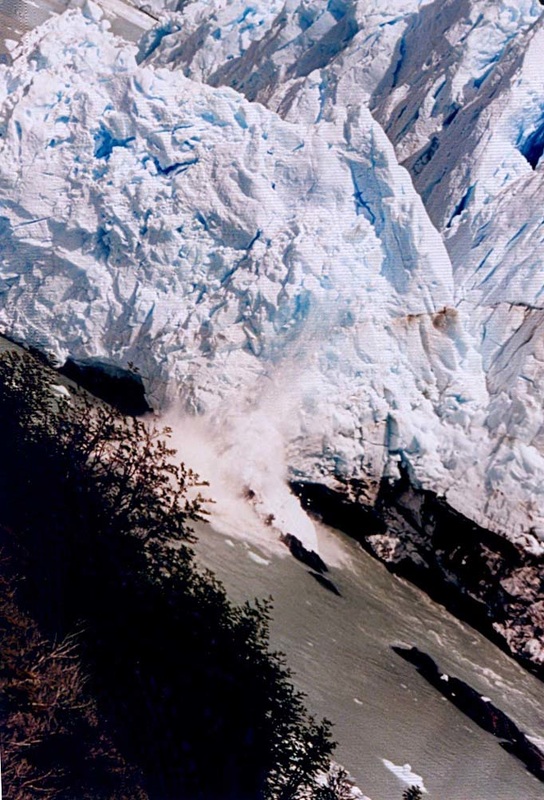
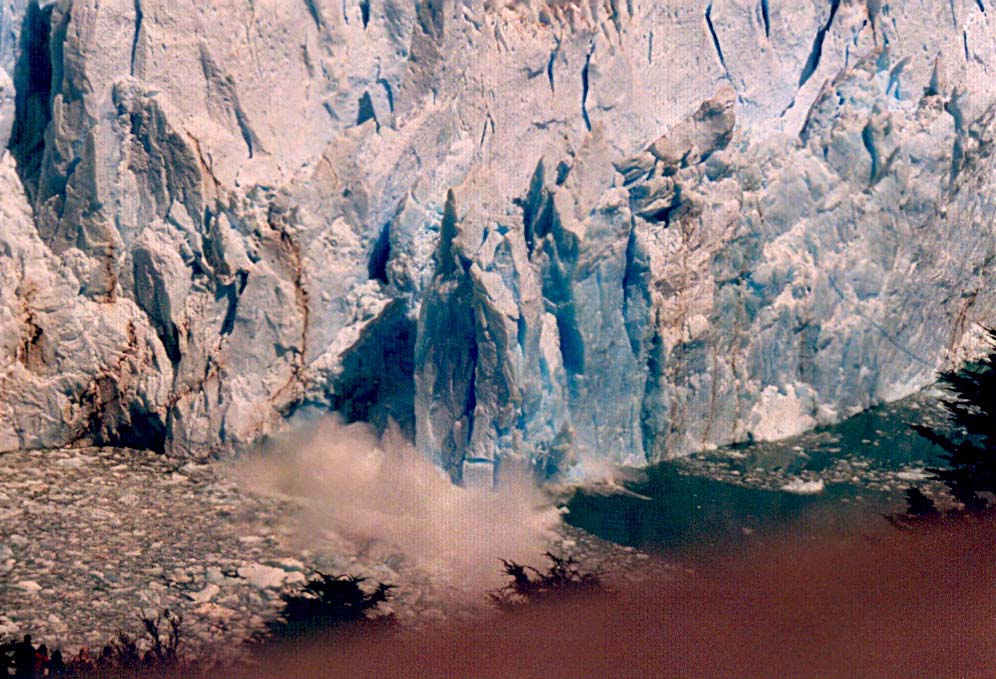
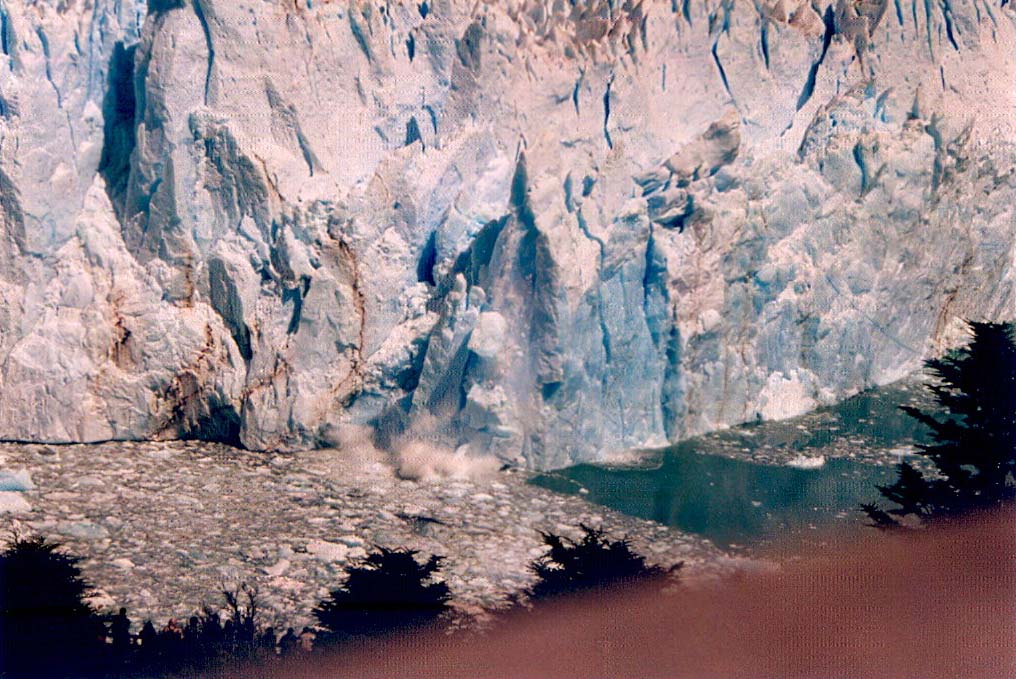
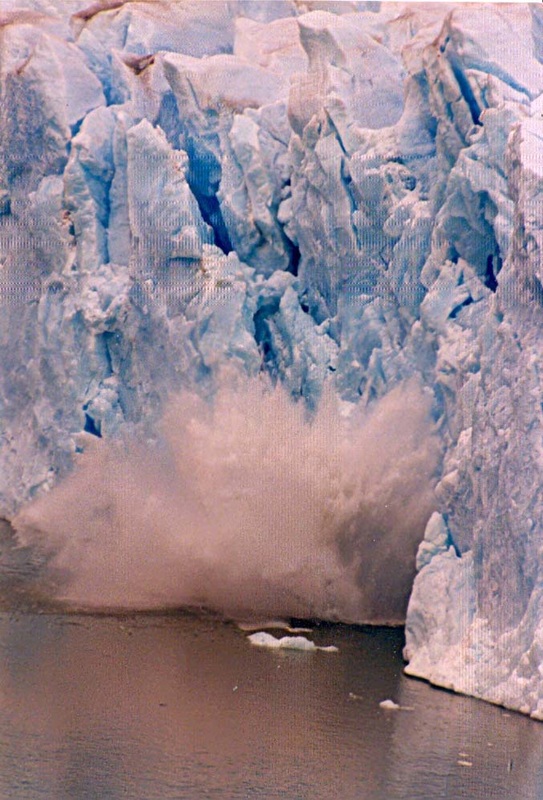
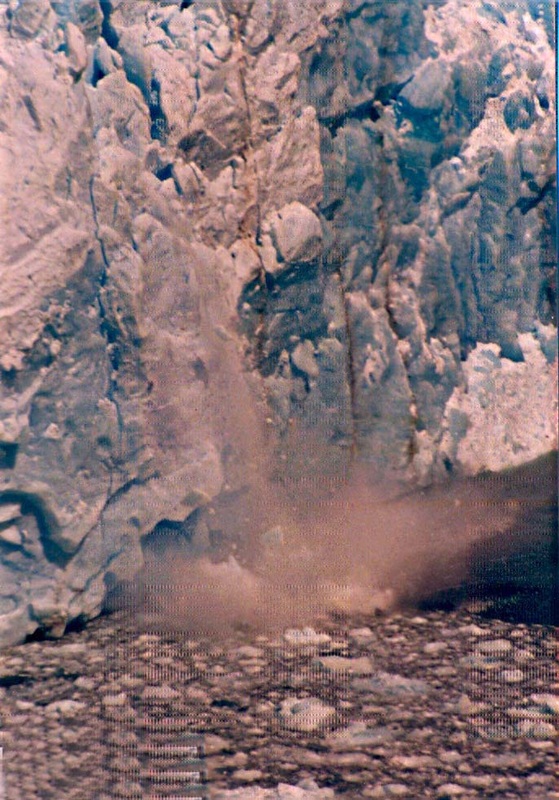
The Perito Moreno is constantly in motion, and on that day, the glacier was—no exaggeration—in a state of ceaseless activity. It cracked, groaned, and thundered without interruption. During the time we spent on the wooden walkways, the giant calved an incredible amount.
A bang, a fall, a photo: The great glacier spectacle
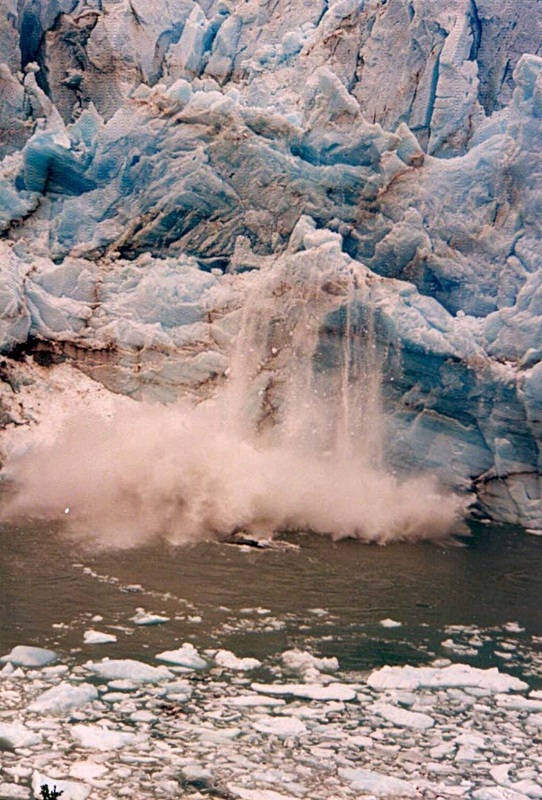
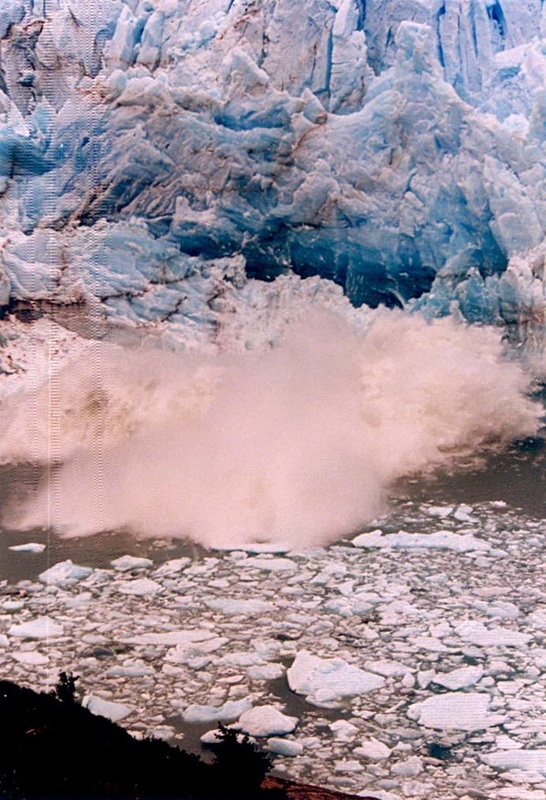
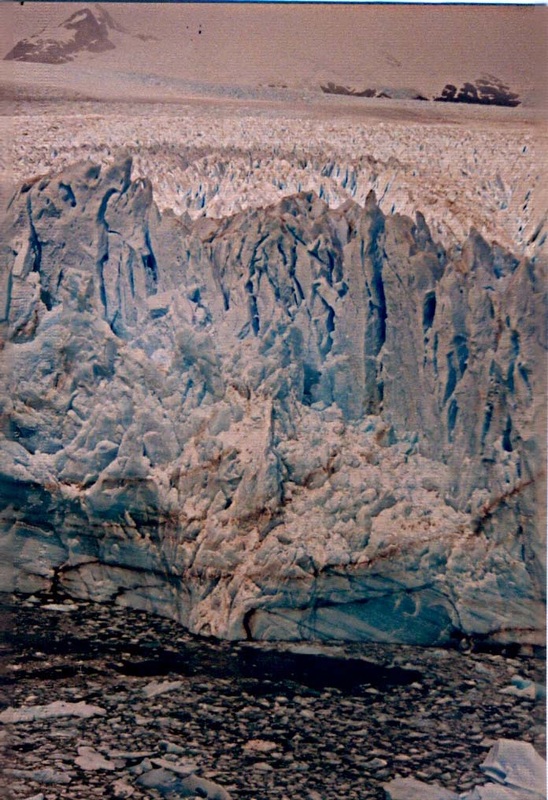
The feeling is indescribable: first, you hear a deafening crack echoing through the entire valley like a violent clap of thunder, and the next moment, walls of ice—towering as high as houses and weighing tons—break off and plunge into Lago Argentino, sending up a massive surge of water. A truly spectacular natural phenomenon! My camera was working non-stop, and I managed to capture a number of spectacular photos during those split seconds. A priceless moment that made every cent of the expensive trip worthwhile!
(A look at the gallery below reveals the sheer power of this icy force of nature!)
The feeling is indescribable: first, you hear a deafening crack echoing through the entire valley like a violent clap of thunder, and the next moment, walls of ice—towering as high as houses and weighing tons—break off and plunge into Lago Argentino, sending up a massive surge of water. A truly spectacular natural phenomenon! My camera was working non-stop, and I managed to capture a number of spectacular photos during those split seconds. A priceless moment that made every cent of the expensive trip worthwhile!
(A look at the gallery below reveals the sheer power of this icy force of nature!)
Patagonian Shift: From the Argentine Glaciers to Chile's Coast
No sooner had I snapped all those glacier photos than I was already on the next bus. I crossed the border into Chile, and the bumpy journey took me straight to Punta Arenas. (Continued on the Chile travel blog)
ICE Gallery