Anekdoten einer Weltreise

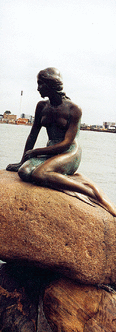 Kopenhagen 2001
Soll ich oder soll ich nicht? Should I or shouldn't I do?
Doch habe ich so einiges erlebt.. 2000 bis 2010...
Und so habe ich mich entschieden, meine Reiseeindruecke dieser Zeit zu praesentieren...
"Anekdoten einer Weltreise"..
Und das ist nur ein kleiner Ausschnitt..
** Unterwegs mit dem Auto oder Moped **
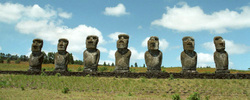
Wie jeder weiss, bringt das eigene Gefaehrt auf Reisen mehr Unabhaengigkeit und Freiheit. Und man erlebt die verruecktesten Abenteuer. Da es doch einige Huerden erstmal zu ueberwinden gibt. So war es zum Beispiel auf der Osterinsel. Nichts ahnend hatte ich mit 3 weiteren Englaendern einen Gelaendewagen gemietet.
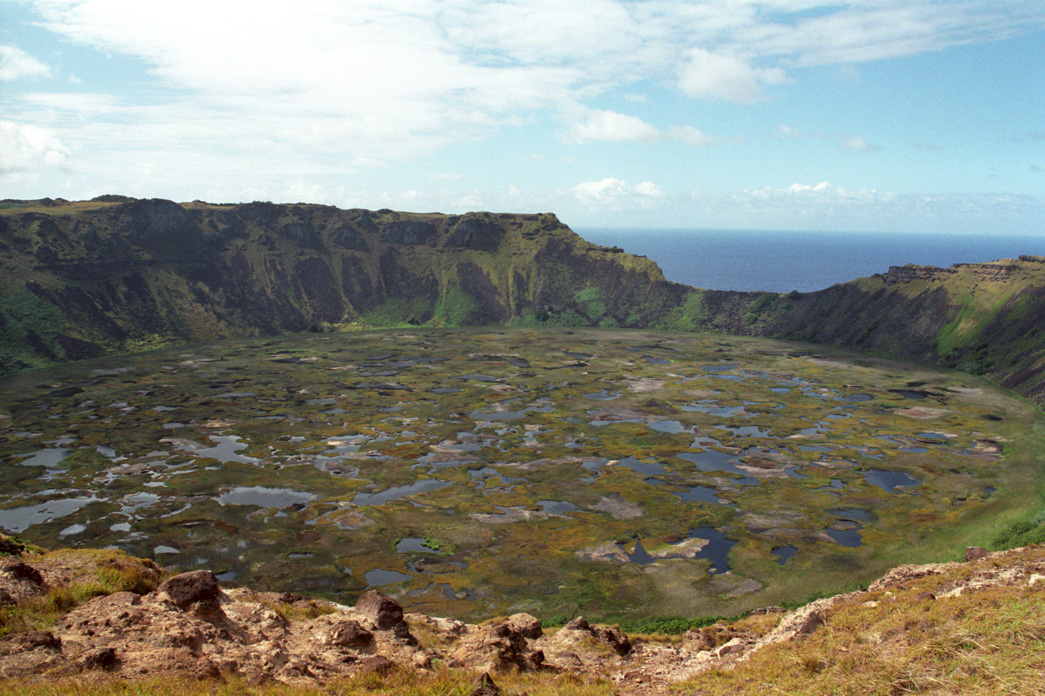
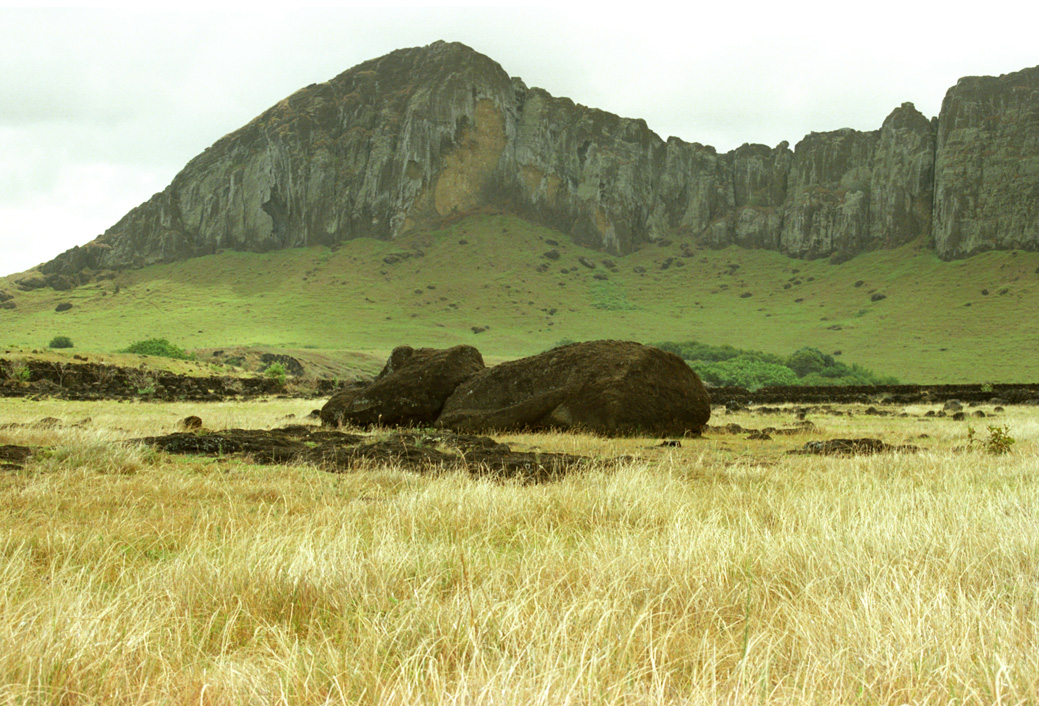
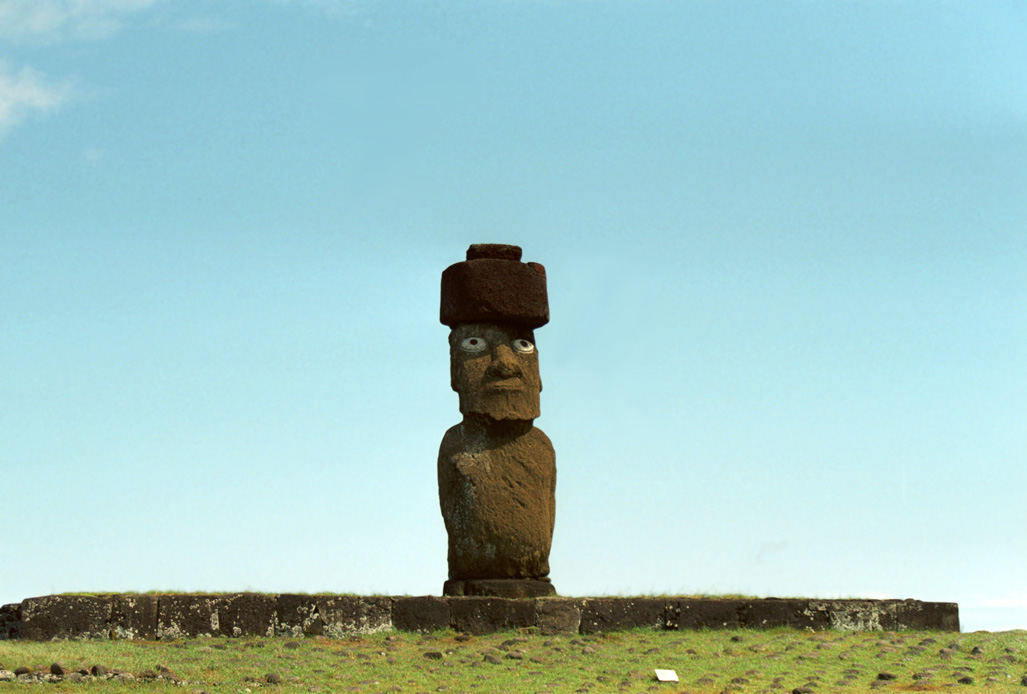
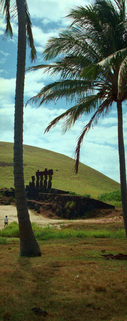 Isla de Pascua, Osterinsel, 2001
Wir wollten damit die ganze Insel erkunden, vor allem den Steinbruch der Moais, "das Ende der Welt" und die verschiedenen Ahus. An dem Tag als wir den Wagen bekamen, musste nur noch die Frage des Fahrers geklaert werden, doch das entschied sich schnell. Meine Freunde kamen in der Frueh schon auf mich zu, und ich fuehlte, dass ihnen etwas auf dem Herzen lag. Betreten sahen sie auf den Boden, bis einer meinte, ob denn nicht ich den Wagen fahren koennte? Der Wagen ist auf das Rechts-fahren nur konzipiert, und sie waeren nur das links Fahren gewohnt. Im nach hinein denke ich, waere das egal gewesen, da die Insel nur Feld- und Schotterwege besitzt, und es egal ist, auf welcher Seite man faehrt, da man hauptsaechlich nur in der Mitte faehrt, und die Bedienung des Wagens hat man schnell heraus. Aber was soll es. Ich genoss das Fahren, anders war es dann doch jedoch in Neuseeland..
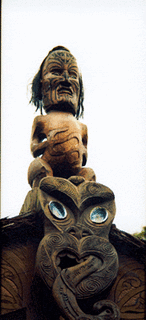 Neuseeland, Maoristatue, 2002
Olivier, Jeff, Jan und ich hatten uns fuer eine Woche ein Auto geleistet, und die Jungs bekamen das Links-Fahren schnell heraus. Als Jan und ich mal eine Besorgung im Dorf hatten, dachte ich mir nur, es waere gelacht, wenn ich das auch nicht koennte. Die Jungs hatten kein Problem uns Maedchen den Wagen zu ueberlassen. So setzten wir uns ins Auto und es ging alles gut bis wir auf einen kleinen Feldweg hinunter schuckelten, an dessen linke Seite eine riesige Hecke war. Fuer mich ist das groesste Problem immer wieder das spiegelverkehrte Manoevrieren (obwohl die Scheibenwischer auch gerne als Blinker verwechselt und ausgenuetzt werden).
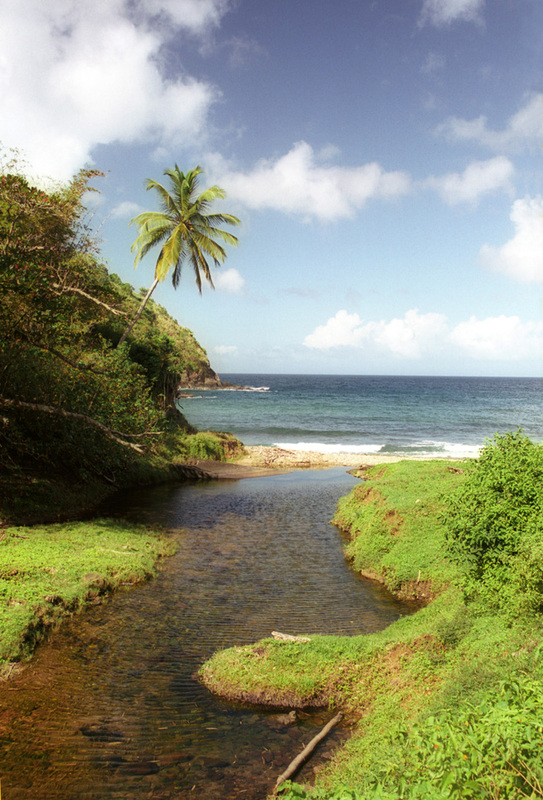
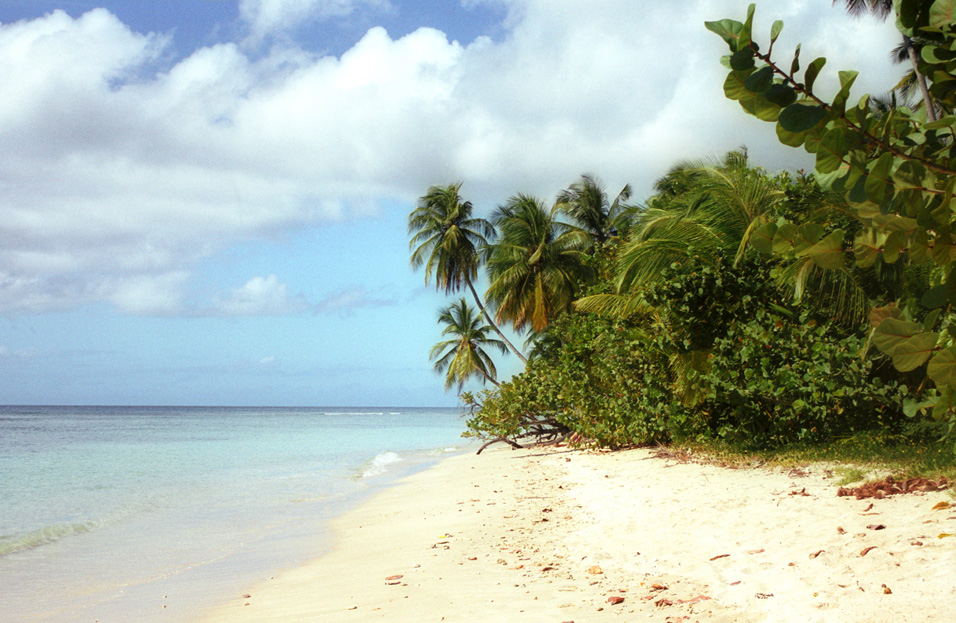
 Trinidad & Tobago, 2002
Jan sah mehr von der Hecke als von der Strasse und ich schaffte es nicht, die 150m auf meine Seite hinueberzuziehen. Doch zum Glueck bemerkte keiner die Kratzer!
Auf Trinidad & Tobago hatte ich dann den Dreh heraus. Das Einzige, was da noch nicht am Anfang so funktionierte, war das Ausparken. Rueckwaertsfahren bekam ich gerade noch so hin, doch als ich nach Vorne abduesen wollte, nahm ich natuerlich mal wieder links den Randstein mit. Zum Glueck war es ein Jeep, der doch einiges gewohnt war und auf solche Situationen eingestellt ist. Zum Trost und zu meiner Freude ist mir die Ueberraschung fuer Mo ziemlich gelungen, als ich sie dann abends vom Faehrhafen mit dem Auto abholte. Purer Luxus! Es hat halt was an sich, wenn man auf Reisen einen Wagen hat.
Auf Trinidad & Tobago hatte ich dann den Dreh heraus. Das Einzige, was da noch nicht am Anfang so funktionierte, war das Ausparken. Rueckwaertsfahren bekam ich gerade noch so hin, doch als ich nach Vorne abduesen wollte, nahm ich natuerlich mal wieder links den Randstein mit. Zum Glueck war es ein Jeep, der doch einiges gewohnt war und auf solche Situationen eingestellt ist. Zum Trost und zu meiner Freude ist mir die Ueberraschung fuer Mo ziemlich gelungen, als ich sie dann abends vom Faehrhafen mit dem Auto abholte. Purer Luxus! Es hat halt was an sich, wenn man auf Reisen einen Wagen hat.
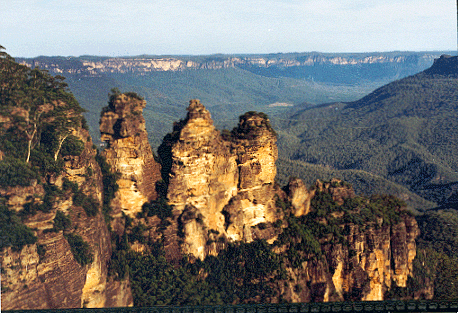
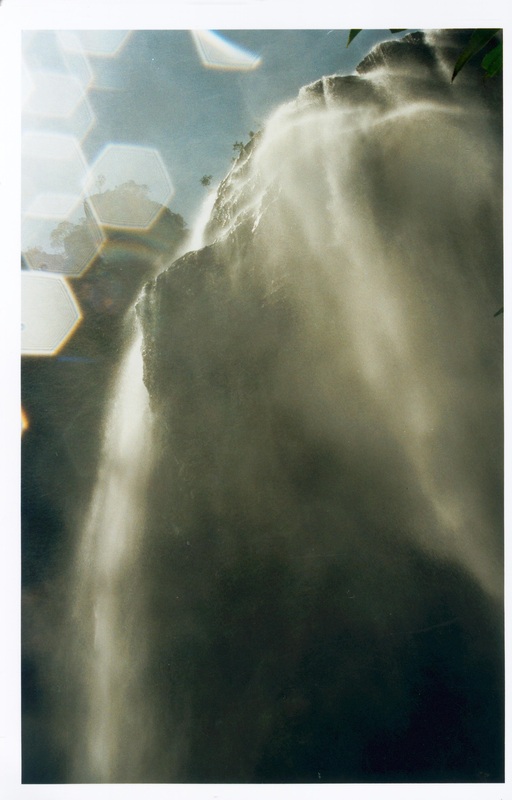
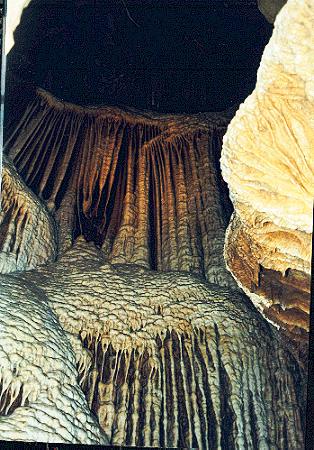
 Australien, Sydney, 2000
Trotz dieser Komplikationen beim Links-Fahren kann ich getrost davon berichten, das es nicht nur mir so erging, sondern auch Personen, die es eigentlich gewohnt sein muessten. Als Marcus Dave und mich mit seinem VW-Bus vom Hotel in Sydney abholte, um mit uns in die Berge Blue Mountains/Australien zu fahren, verwechselte er doch glatt rechts mit links, .. und er ist Englaender!!! Er wollte links abbiegen und wir kamen ploetzlich auf einer viel befahrenen zweispurigen Einbahnstrasse in der Gegenrichtung heraus, und konnten nicht wenden, da a) kein Platz es zum Wenden gab. Es kamen uns immer wieder Autos entgegen. Und b) eine Verkehrsinsel uns von der anderen Fahrtrichtung trennte. Wir mussten also durch, und als Geisterfahrer durch die Verkehrsmassen durch, die naechste Ausfahrt wieder raus. Marcus lebte in Frankreich, daher kannte er beide Fahrstile, doch diese Biegung hat er nicht auf die Reihe bekommen. Er nahm es gelassen, wie auch die Aussies, da es doch immer viele Hollaender und Europaer gab, denen dieser Fehler hin und wieder auch mal passiert. :-)
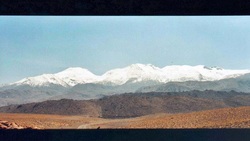 Chile, 2001
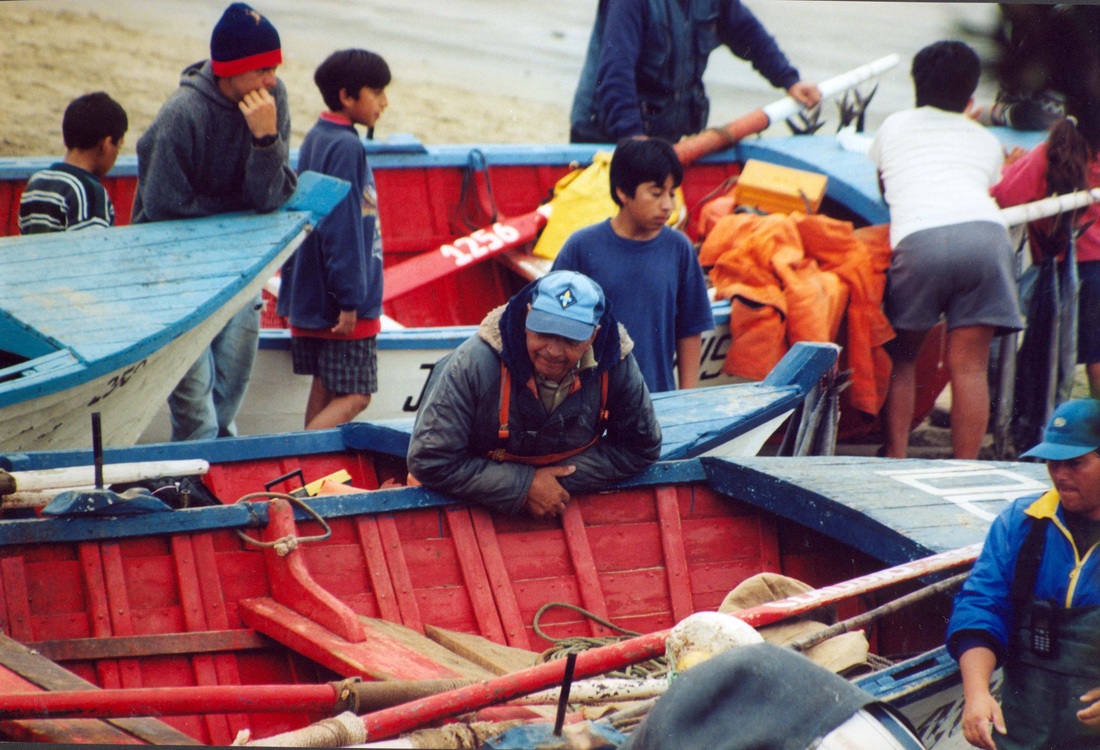
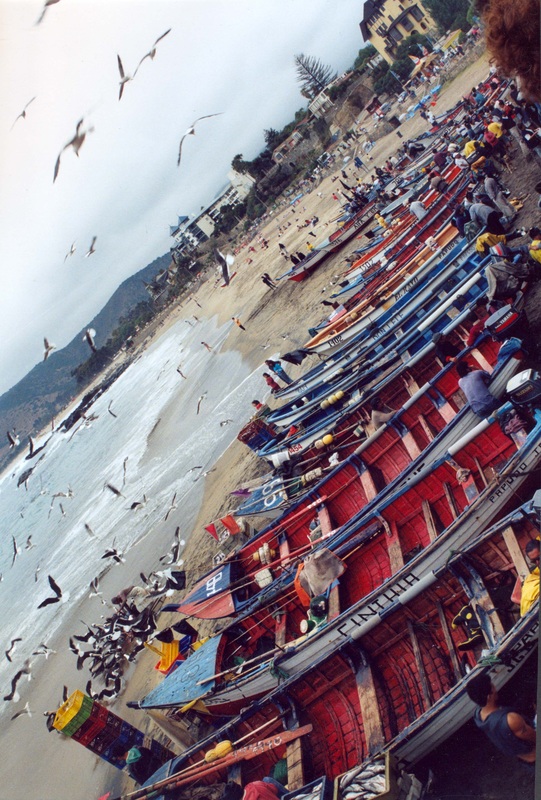
Doch man hat auch Glueck bei solchen Autotouren und man erwischt die "richtige" Seite, wie auf meiner Reise in Chile. Antje und ich hatten eine angenehme Tour von Santiago de Chile ueber Valparaiso nach Pitchicuy an den Straenden Chiles entlang. Wir klapperten ein Fischerdorf nach dem Anderen ab, und wieder einmal erkennt man das Praktische an solchen Autoreisen. Kofferraumklappe auf, Gepaeck rein, Kofferraumklappe zu.
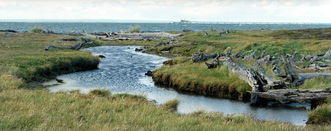 Chile, Patagonien, 2001
Kein weites Schleppen und Gehen, keine verspannten Schultern, und man muss nicht so genau die Sachen im Rucksack verstauen. Ausser man ist zu doof wie ich und schlage mir den Schaedel in die Kofferraumtuere und ramme mir die Autotuer ins Gesicht. Ansonsten, Autotuer auf, eingestiegen, der eine mit der Strassenkarte bewaffnet, der Andere am Steuer, kann die Reise sehr entspannt beginnen. Und man kann halten, wo man will, und es gibt keine laestigen Buswechsel mit ewigen Wartereien in den Bahnhoefen.
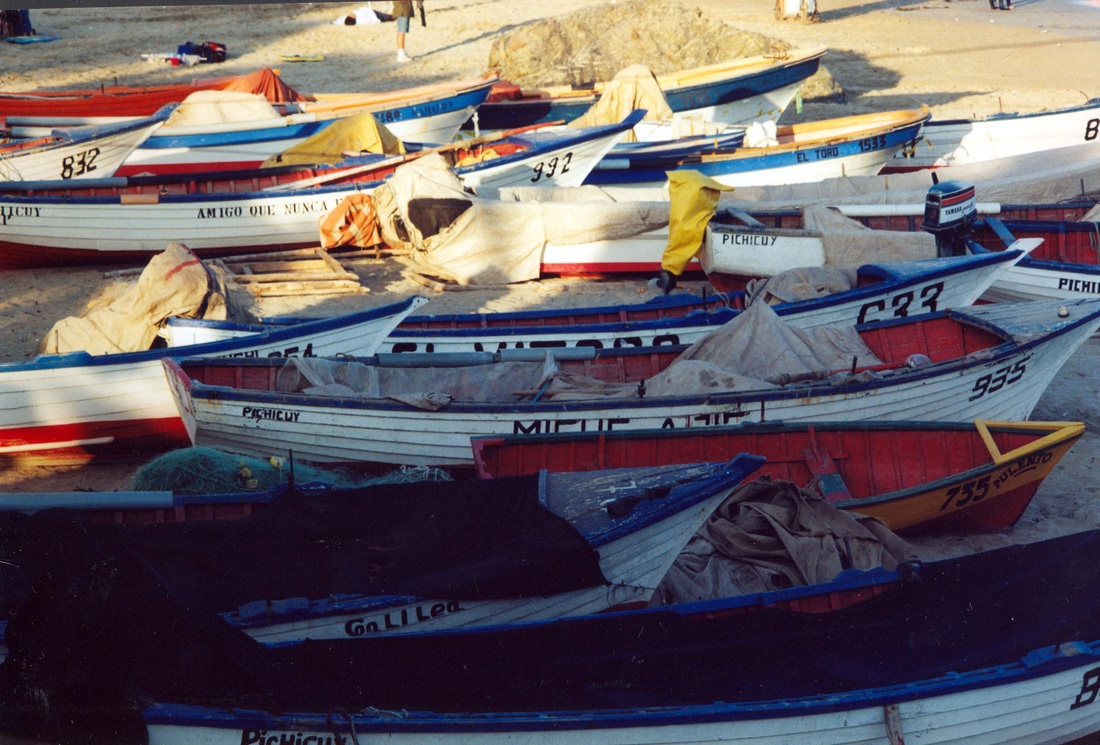
 Costa Rica, Bruja Rocka, Playa Naranjo, 2002
So ungefaehr verlief auch meine Autoreise durch Costa Rica mit der Ausnahme, dass die Strassenverhaeltnisse ein bisschen chaotisch sind. Frank und ich hatten es zu unserem Ziel gemacht, als wir den See Arenal und Santa Elena verliesse, die Peninsula Nicoya unsicher zu machen. Von vorn herein haben wir einen Gelaendewagen genommen, und sobald wurden unsere Fahrkuenste erprobt. Um zum Strand Playa Naranjo im Santa Rosa Nationalpark zu gelangen, musste man einen Holper- und Steinweg von 12 km in Kauf nehmen. Kein Problem, wir hatten Zeit, und mit dem Wagen ein Leichtes.
 Costa Rica, Bananenstaude, 2002
Fuer jemand ohne Auto waere ein Besuch unmoeglich, da man auch seine ganze Verpflegung wie Wasser mit hinunter bringen muss.
Doch als einmal die Kuestenstarsse gesperrt war, und wir einen Umweg uebers Inland nehmen mussten, erlebten auch wir eine boese Ueberraschung. Wir hatten die 55-jaehrige Tramperin Diana aus Oesterreich mit dabei. Waehrend ihr 60-jaehriger Mann Guenther mit dem Fahrrad am Strand entlang fuhr, nahm sie Busse oder diverse andere Mitfahrgelegenheiten an, um ihn an einem ausgemachten Zielort wieder zu treffen. Wir waren auf dem Weg von Playa Samara nach Malpais und musstenwie vorhin schon erwaehnt uebers Inland fahren.
 Costa Rica, Nebelwald, 2002
Mit was wir nicht gerechnet hatten, waren die katastrophalen Strassenverhaeltnisse. Zum Teil waren sie in der Karte vermerkt, aber das es nur Schotterpisten, ja zum Teil nur Feldwege waren, stand nicht drin. Es gab auch mehr Abzweigungen als, auf der Karte, die aber denselben Zustand aufwiesen wie die verzeichnete Strasse. Und an manchen Stellen konnte man nur mit viel Fantasie einen Weg erkennen. Wir kamen bald zu einem Punkt, wo wir beschlossen, umzudrehen und einen groesseren Umwegradius einzuschlagen, als wir an eine Stelle ankamen, wo man es nicht mehr mit Schlagloechern vergleichen konnte, aber mit kraternartigen Loechern, die in die Piste eingeschlagen sind.
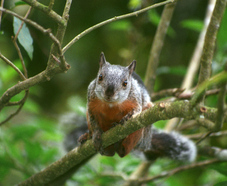 Costa Rica, Hoernchen, 2002
Wir waren gezwungen, umzukehren, ausser wir riskierten eine Fahrt ins Ungewisse mit einer nicht geplanten Uebernachtung in den Bergen, weil die Dunkelheit uns bald ueberraschen wuerde. Um jeden eine Vorstellung unserer Gewaltfahrt mit unpassierbaren Strassen zu verbildlichen: fuer 160 km (von unserem Aufbruchsort bis zu unserem Ziel) benoetigten wir 8 (!) Stunden!! Das ist kein Scherz und der Witz an der ganzen Sache kommt noch. Als wir total verschwitzt, eingestaubt vom aufwirbelnden, feinen Sand der Strassen und muede in Malpais ankamen, trafen wir 2 Stunden spaeter auf Guenther.
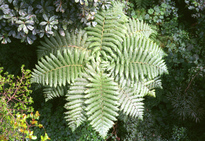 Costa Rica, Nebelwald, 2002
Wir stellten schnell fest, das seine reine Fahrtzeit mit dem Fahrrad auch 8 Stunden betrug, nur mit dem Unterschied, das er kurze Pausen einlegte, in denen er dann genuesslich ein Bad im Meer nahm oder vertraeumt unter einer Palme sass und dem Rauschen des Meeres zuhoerte.
Man kann aber auch mit den Strassenverhaeltnissen Glueck haben.
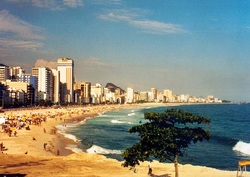 Brasilien, Rio de Janeiro, 2002/03
Als Irmy, ihr Sohn Patrick und ich uns einen Wagen in Brasilien mieteten, hatten wir super Strassenbedingungen. Das einzige, was stoerte, war diese endlose Gerade. Und da Brasilien riesig ist, kommt es nicht selten vor. Nur, es gibt einen Haken an der Sache. Kommt man an einem Dorf vorbei, oder auch nr an einer stinknormalen Bushaltestelle, hat man zur Geschwindigkeitsregulierung Betonerhoehungen gebaut. Kommt eine, bremst man brav ab, oder sollte man besser, und ueberfaehrt diese mit 1 km/h. Es darf aber ruhig auch 2 km/h sein. Doch Vorsicht!
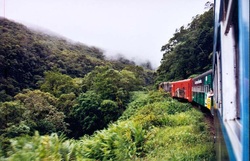 Brasilien, Zug nach Curitiba, 2002/03
Sollte man schneller sein, oder sie sogar uebersehen, was oefters der Fall ist (diese Dinger sind naemlich sehr fies), setzt der Wagen gewaltig auf. Meistens hat man Glueck, und man kommt mit ein paar Dellen, haesslichen Kratzern und dem Schrecken inklusive paar Beulen davon, doch diese Teile sind so teuflisch hoch gebaut, dass natuerlich auch Schlimmeres passieren kann. Zum Glueck rumste ich nur ueber einen Boller hinweg, ohne grossen Schaden davon zu tragen, aber es muss ja nicht sein, und wenn man dann auf diesen endlosen Strassen faehrt, kann man sehr leicht diese Dinger uebersehen.
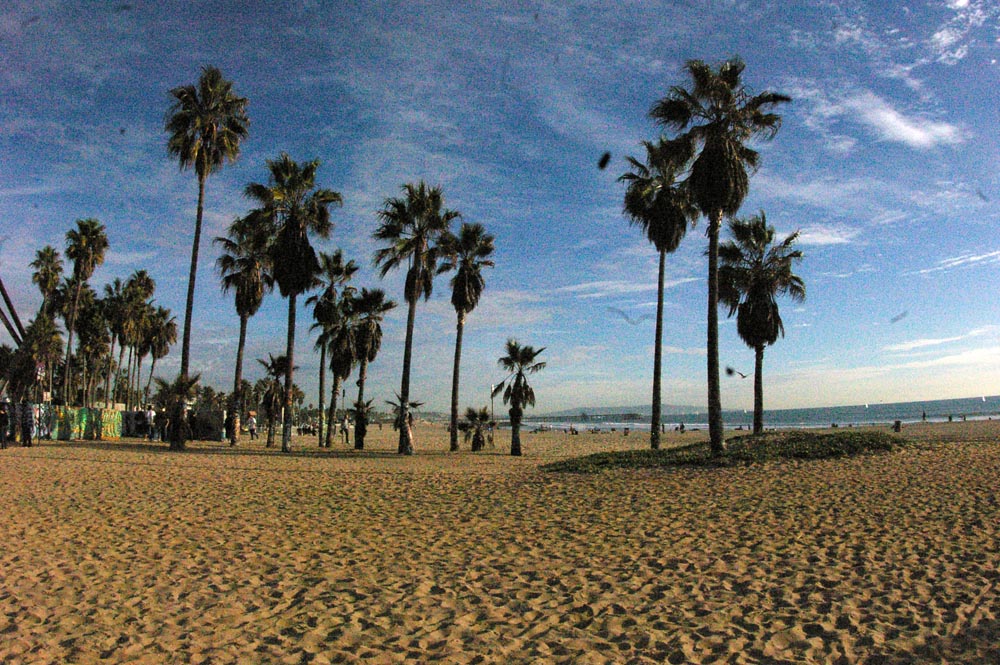
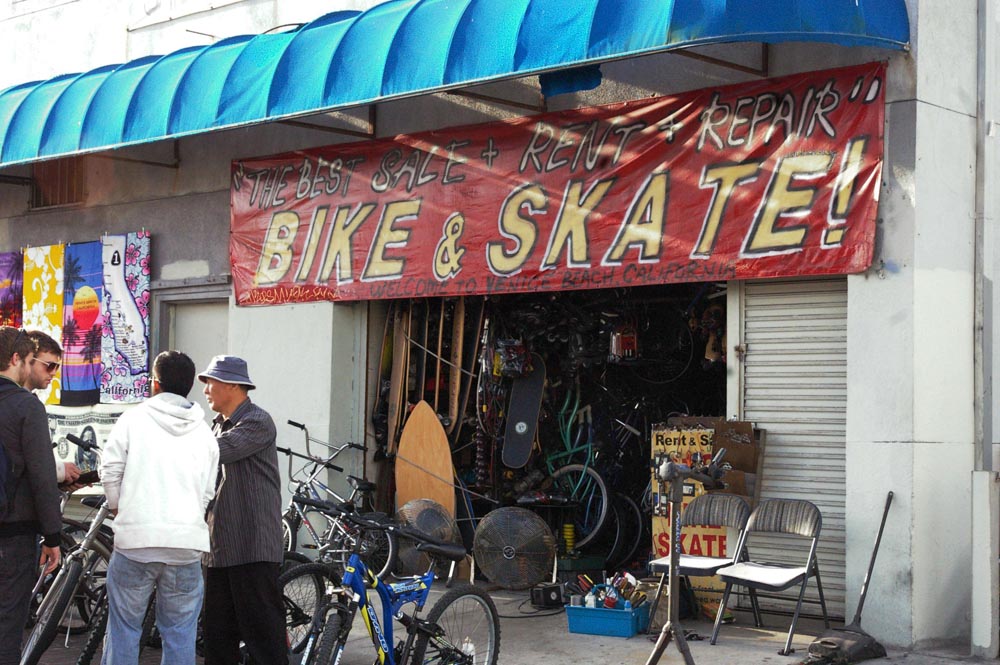
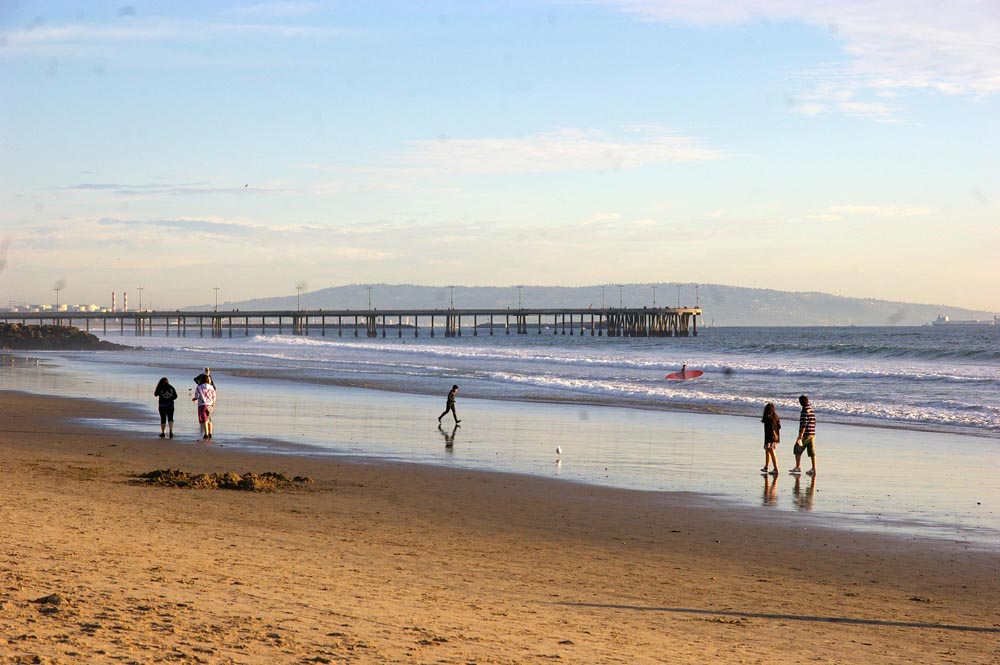
 USA, Kalifornien, Venice Beach, 1994/2009
Man moechte ja nicht, dass irgendwann einmal diese Teile durch den Innenraums des Wagens eindringen, wie bei Jim in Kalifornien/USA mit seinem 1969er Kaefer. Als wir 1994 einen Ausflug ins Death Valley unternahmen, hatte ich das grosse Beduerfnis, immer aus dem Fenster zu starren. Unter meinen Fuessen naemlich drangen die Felsbrocken von Aussen herein, waehrend Jim gelassen durch die Wueste fegte, und ihm war es egal, wie die Piste bestueckt war oder ob der Wagen einen Schaden abbekam. Weil wenn man wollte, so konnte man bereits auf Elettras Seite durch ein 50cm grosses Loch im Karosserienboden direkt auf den Wuestenboden blicken! Und gelegentlich huepften ein paar Steine auch zu uns auf den Schoss hinauf, ohne dass wir uns grossartig buecken mussten, um sie aufzuheben.
Australien, Fraser Island, 2000
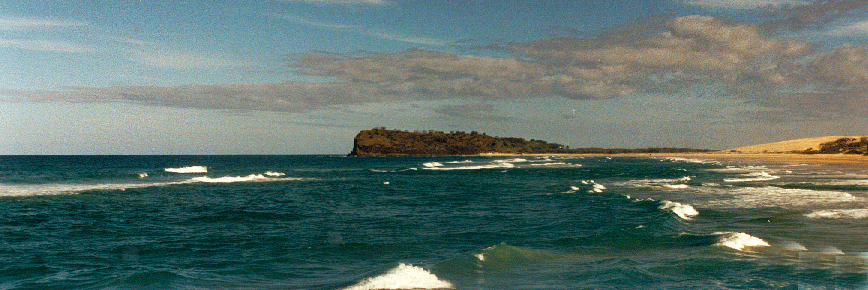
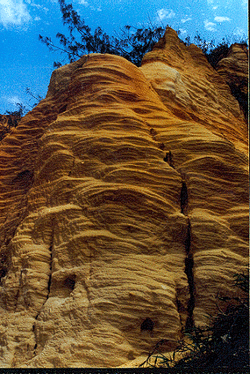 Australien, Fraser Island, 2000
Solange das Gefaehrt einen sicher zum Ziel bringt, ist schon viel wert. Doch wehe, es hat Macken, und ist defekt, dann sind gute Nerven gefragt, wie damals bei unserem Ausflug auf der Fraser Island/Australien. Wir waren eine Gruppe von 7 bis 8 Leuten und haben uns bei einem griechischen Hotelbesitzer einen uralt Jeep gemietet. das erste was uns bereits auffiel, war die Kapazitaet des Wagens. Der Grieche war der Meinung, dass dieser genuegend Platz aufweist und wir zwaengten uns alle in das Auto. Wir nahmen es gelassen, doch schon 5 km weiter passierte das erste Unglueck. Der erste platte Reifen. Also, sind die Jungs raus und haben erstmal Reifen gewechselt. Zu diesem Zeitpunkt an, haetten wir bereits die Reise stornieren muessen, doch so dumm wie jeder von uns war, fuhren wir weiter. Mit der Faehre ging es dann hinueber zur Insel. Der erste Tag verlief dann auch ohne Zwischenfaelle, und wir genossen den besten Schlafplatz am Strand, den man sich ertraeumen kann (trotz des mangelndes Zeltes, da die meisten Stangen fehlten und wir uns einfach so auf die Plane unterm sternenklaren Himmel legten). Am naechsten Tag setzten wir unsere Fahrt fort und erforschten das inselinnere, bis auf dem Rueckweg das naechste Uebel spielte. Der zweite Platten, doch jetzt hatten wir ein Problem. Wir hatten keinen Ersatzreifen mehr, da der Erste bereits verbraucht war und wir fuer keinen weiteren Ersatz sorgten, als wir auf die Insel weiter sind. Wir sassen bloed aus der Waesche schauend da und ueberlegten, was wir machen sollten. In 2 Stunden wird es dunkel.
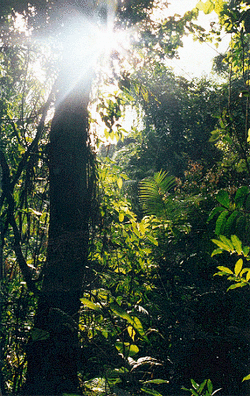 Australien, Cairns, 2000
Wir entschieden, zumindest mit dem platten Reifen bis hinunter zum Strand zu fahren, da uns hier im Wald keiner finden geschweige helfen konnte. Ich entschied mich, vorzulaufen. Nach 1 1/2 Std. Marsch kam ich an die Kueste, stoppte einen Wagen, der mich zum naechsten Haus brachte, wo ich netterweise telefonieren konnte. Ich informierte den Griechen, doch der schien nicht sehr beeindruckt zu sein und meinte nur gelangweilt, er wird einen Mechaniker auf die Insel schicken. Na, dachte ich mir, das kann ja heiter werden. Ich trampte zurueck und traf gerade auf die Truppe, als sie aus dem Wald herausfuhren. Da sassen wir nun und beratschlagten, was wir nun machen sollen. Es wurde dunkel und wir bemerkten, das die Flut kam und.. wir waren nicht allein! Die Dingos! (Anmerkung der Autorin: Dingo = australische Wolfsart). Sie umzingelten hungrig unseren Wagen, in dem wir vor Kaelte frierend, schlotternd, zusammengepfercht und schimpfend warteten. Ploetzlich und zu unserem Glueck kam in der Dunkelheit ein Jeep, der anhielt und Peter, ein Einheimischer, stieg aus. er fragte, was los sei. Es kommt naemlich das Wasser und wenn wir nicht weiterfahren, dann sind wir mit dem Wagen bald auf hoher See. Er sah, das wir am Strand standen und fragte sich, ob was passiert sei. Wir erzaehlten ihm unsere Geschichte und er montierte uns seinen Ersatzreifen an das Auto. Wir fuhren hinter ihm in der Dunkelheit her. Er brachte uns zu einer Huette, in der eine Bekannte von ihm wohnte. Diese bereitete ohne uns zu fragen, nur anhand unseres Zustandes beurteilend, eine deftige Mahlzeit und danach hatten wir Maedchen (5 insgesamt) die Moeglichkeit, in Peters Zimmer von einer Groesse von 3x2 m zu schlafen. 3 in seinem Bett und 2 auf dem Boden. Die Jungs pennten auf den Esstischen im Vorraum unserer Gastgeberin.
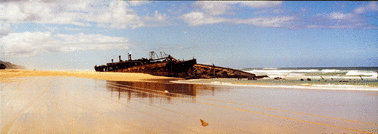 Australien, Fraser Island, 2000
Am naechsten Tag inspizierte Peter mit einem Freund den Wagen und sie fanden heraus, das ein Metallstueck direkt am Rahmen herausstand. Und deswegen immer wieder der Reifen aufgeritzt wird. Wir reparierten das Uebel, und beschlossen auch, auf das Festland zurueckzukehren. Peter fuhr mit, vor allem, weil er sich auch den Griechen vorknuepfen wollte. Als er den Wagen startete, sprang dieser nicht an. Also, Motorhaube auf, der Freund ueberbrueckte ihn, und wir fuhren endlich los.
 Australien, Cairns, 2000
Wie von der Tarantel gestochen, pesten wir durch den Wald an eine zweite Faehranlegestelle. Peter machte den Motor aus, um ihn aber gleich wieder anmachen zu wollen, da er den Wagen doch umparken wollte. Und wieder Mal sprang er nicht an. Uns war klar, das Auto war nur noch schrottreif. Und als dann die Faehre kam, schrie die Besatzung uns zu, das wir uns entscheiden muessen. Entweder wir fahren mit ihnen oder wir bleiben beim Jeep. Fuer uns kam nur eins in Frage: Weg! Also, packten wir unsere Sachen, steckten den Schluessel ins Zuendschloss und sprangen auf das Boot. Der Wagen stand mitten im Weg einsam und verlassen, doch irgendwer wird irgendwann schon kommen, um sich um ihn zu kuemmern. Vielleicht der Mechaniker.. Doch sollte jemand am naechsten Tag die Faehre nehmen wollen, und hat sein eigenes Fahrzeug dabei, der aergert sich erstmal. Er ist derjenige, der die Arbeit hat, diesen riesigen Gelaendewagen auf die Seite zu schieben.
Und wir? Wir fuhren ohne fahrbaren Untersatz zurueck in die Zivilisation, dafuer aber gluecklich und zufrieden, das alles noch so glimpflich ausging. Keiner hatte Lust auf ein freiwilliges, kaltes Bad oder ein gefundenes Fressen fuer die Dingos zu sein! :-)

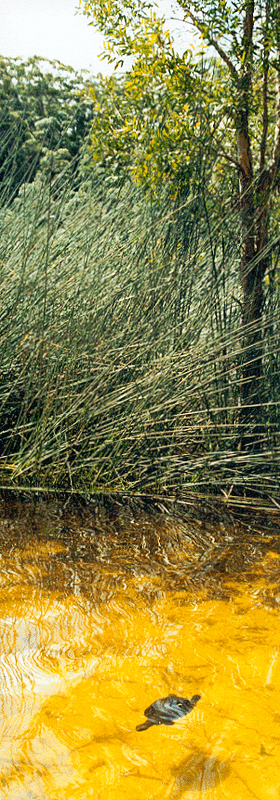
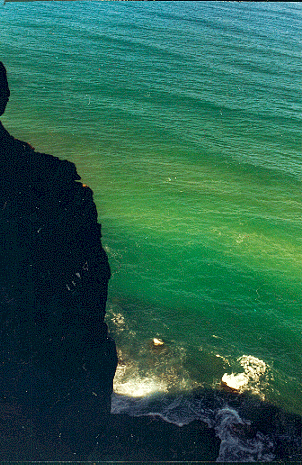
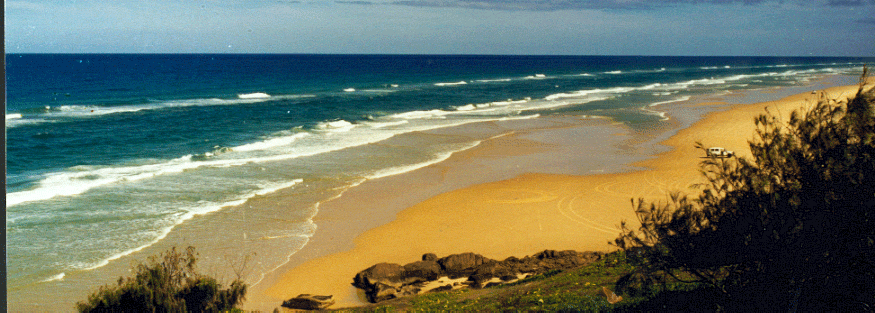
Australien, Fraser Island, 2000
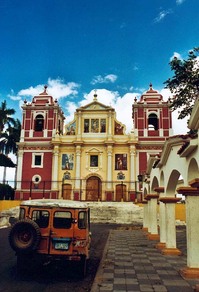 Nicaragua, Leon, 2002/03
Auch Gelaendewaegen haben einmal ihre Alterszeit ueberschritten, doch jeder ist von ihrerer aeusseren Gestalt wie von ihrem Fahrstil begeistert. Und man kann auch noch anders, auf sich aufmerksam machen, wie zum Beispiel der verrueckte Schweizer, der mich damals in seinem alten 50er Chevrolet durch halb Nicaragua mitnahm. Er war die Show im ganzen Lande, egal wo wir aufkreuzten oder uebernachteten. Und diese Karre hatte fuer so ein flaches Modell sehr gute Stossdaempfer. Das stellten wir fest, als wir auf dem Land-/Feldweg Richtung Rama und Atlantikkueste durch den Dschungel und Steppe fuhren. Wir waren sogar schneller wie die Busse, bei denen man aber einfach nur Glueck haben musste. Busse sind sehr tueckisch. Entweder erwischt man Einen, der fuer die Strecke San Carlos-Managua nur 7 Stunden braucht, dafuer aber ohne Pinkelpause, oder 20 Stunden, weil die Karre auf halber Strecke verreckt und man ungewollt mitten in der Nacht ein Taxi organisieren muss, das einen fuer denselben Preis nach Managua bringt.
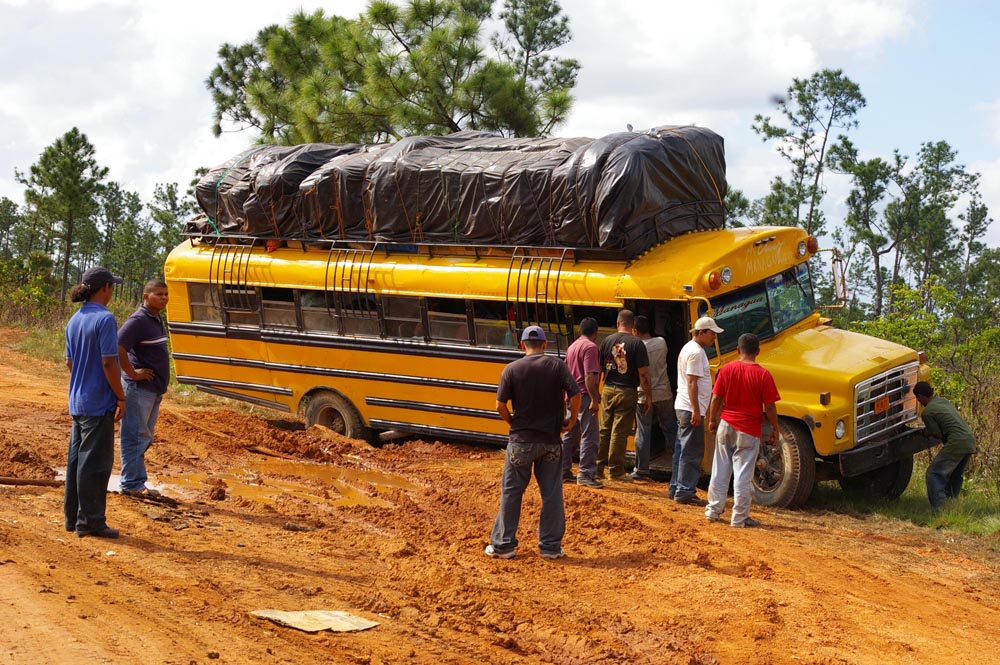
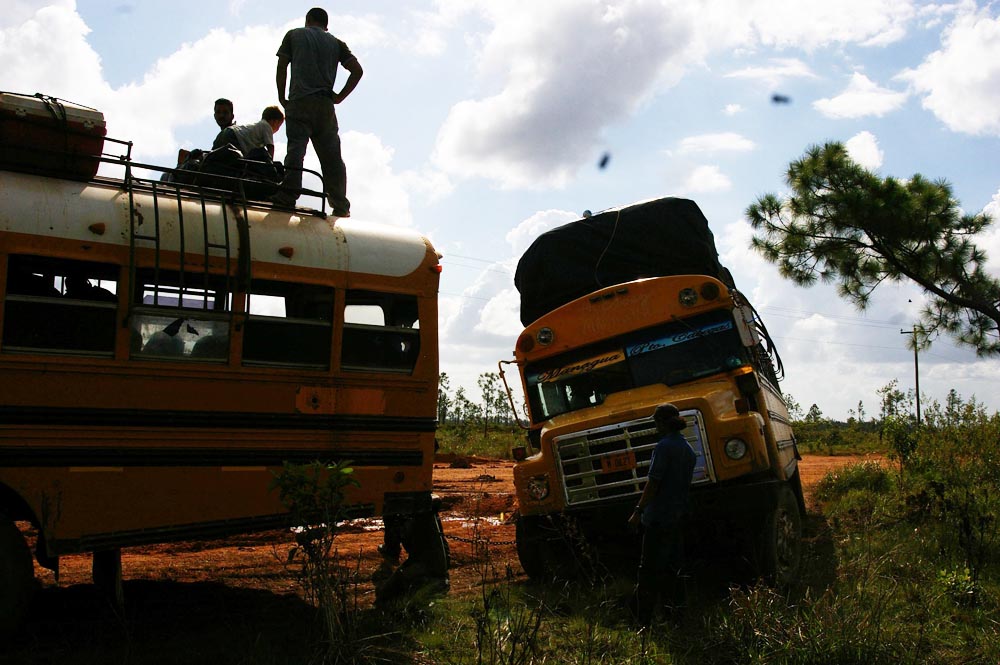
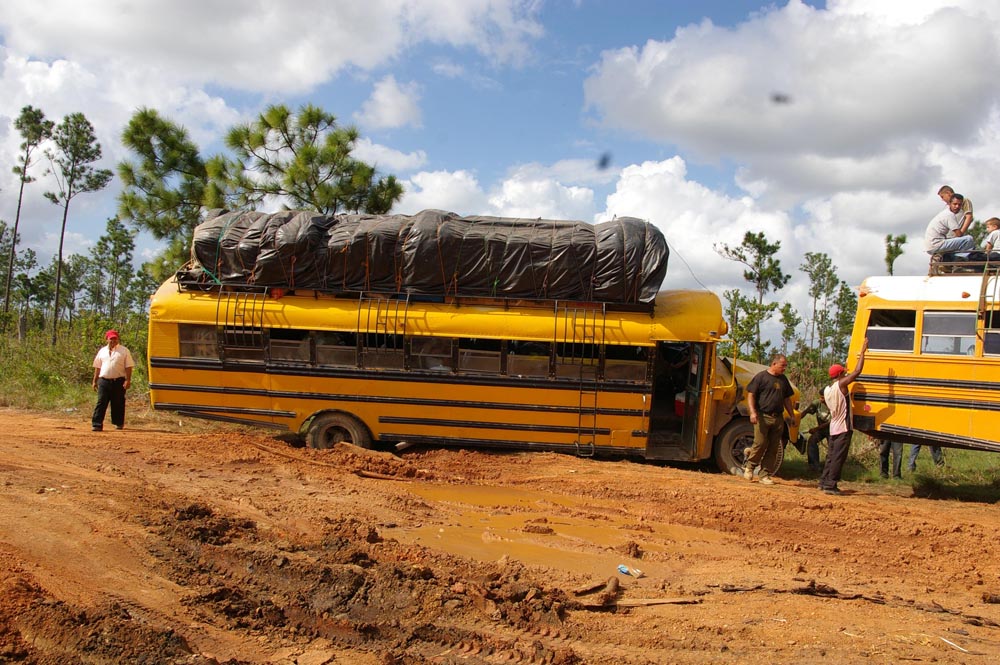
Die schlimmsten Fahrten mit Bussen sind, wenn sie total ueberladen sind.
Als ich 2009 und 2010 mit meinem Sohn in Bilwi lebte, hatten wir auch so eine wilde Rennstrecke. 180 km in 23 Stunden ist normal und wenn alles gut geht. Aber es koennen auch mal 35 oder 40 Stunden werden fuer dieselbe Strecke. Und der LKW braucht 5-6 Tage, ohne Zwischenfaelle (ein umgekippter LKW oder Bus stellt ein sehr grosses Problem in so einer Region dar, da es keine schweren Maschinen gibt, die diese Fahrzeuge wieder aufrichten koennen. Also, alles nur mit Menschenhand moeglich! Bloss nicht kippen!!).
Die schlimmsten Fahrten mit Bussen sind, wenn sie total ueberladen sind.
Als ich 2009 und 2010 mit meinem Sohn in Bilwi lebte, hatten wir auch so eine wilde Rennstrecke. 180 km in 23 Stunden ist normal und wenn alles gut geht. Aber es koennen auch mal 35 oder 40 Stunden werden fuer dieselbe Strecke. Und der LKW braucht 5-6 Tage, ohne Zwischenfaelle (ein umgekippter LKW oder Bus stellt ein sehr grosses Problem in so einer Region dar, da es keine schweren Maschinen gibt, die diese Fahrzeuge wieder aufrichten koennen. Also, alles nur mit Menschenhand moeglich! Bloss nicht kippen!!).
Die meiste Freiheit hat man ja natuerlich mit dem eigenen Mietwagen, was ich mir dann auch 2008 fuer 5 Wochen in Nicaragua leistete. Aber man hat auch so seine Verantwortungen gegenueber dem Fahrzeug.
Mein Sohn Felipe, Gary und ich unternahmen sehr viele Ausfluege mit dem Auto. Und wie es auch so sein sollte, begibt man sich manchmal in Situationen, in denen man schnell handeln muss. Wie damals auf unserem Rueckweg von Corinto nach Chinandega. Wir waren gerade auf dem Rueckweg, als uns auf der Strasse 3 Maenner entgegenliefen. Der eine Mann wurde von den anderen gestuetzt. Sie versuchten uns aufzuhalten, was aber auch ein Hinterhalt sein koennte. Wir passierten die Jungs, da es mir erst nicht koscher erschien. Ich blickte in den Rueckspiegel und erkannte, das der Mittlere verletzt war. Im sicheren Abstand hielten wir an und befragten einige Obstpfluecker, die am Strassenrand arbeiteten, was geschehen sei. Die Arbeiter berichteten, das er mit ihnen von den Baeumen die Ernte einbrachte, aber vom Baum fiel, und sich das Messer, das bei ihm an der Seite in der Hose steckte, in den Koerper rammte. Er muss so schnell wie moeglichst ins Krankenhaus, ansonsten verblutet er. Also beschlossen Gary und ich, umzudrehen, und sammelten die Jungs ein. Gluecklich ueber die Mitfahrgelegenheit brausten wir im Eiltempo in die Stadt. Ich hatte einen Pick Up, so das die Maenner auf der Ladeflaeche sitzend mir durch das Fenster die Wegbeschreibung zuriefen. Wir erreichten das Krankenhaus, wo der Arme versorgt werden konnte. Hoffentlich hat er ueberlebt. Er hat naemlich sauviel Blut verloren, was wir im Nachhinein feststellten. Die komplette hintere Autoflaeche war versaut, voll mit Blut. Wir stoppten in einem geringen Abstand und versuchten mit ein bisschen Wasser, den Bereich zu saeubern. Wir wollten heute die ganze Strecke zurueck nach San Juan del Sur fahren, was mal locker 6 Stunden waren, und da es sehr haeufig Polizeikontrollen gibt, konnten wir natuerlich nicht in diesem Zustand weiterfahren. Die Ladeflaeche sah aus, als haetten wir jemanden abgeschlachtet. Aber wir konnten eine gute Sache erreichen. Vielleicht haben wir ein Leben gerettet und das war es uns wert!
Mein Sohn Felipe, Gary und ich unternahmen sehr viele Ausfluege mit dem Auto. Und wie es auch so sein sollte, begibt man sich manchmal in Situationen, in denen man schnell handeln muss. Wie damals auf unserem Rueckweg von Corinto nach Chinandega. Wir waren gerade auf dem Rueckweg, als uns auf der Strasse 3 Maenner entgegenliefen. Der eine Mann wurde von den anderen gestuetzt. Sie versuchten uns aufzuhalten, was aber auch ein Hinterhalt sein koennte. Wir passierten die Jungs, da es mir erst nicht koscher erschien. Ich blickte in den Rueckspiegel und erkannte, das der Mittlere verletzt war. Im sicheren Abstand hielten wir an und befragten einige Obstpfluecker, die am Strassenrand arbeiteten, was geschehen sei. Die Arbeiter berichteten, das er mit ihnen von den Baeumen die Ernte einbrachte, aber vom Baum fiel, und sich das Messer, das bei ihm an der Seite in der Hose steckte, in den Koerper rammte. Er muss so schnell wie moeglichst ins Krankenhaus, ansonsten verblutet er. Also beschlossen Gary und ich, umzudrehen, und sammelten die Jungs ein. Gluecklich ueber die Mitfahrgelegenheit brausten wir im Eiltempo in die Stadt. Ich hatte einen Pick Up, so das die Maenner auf der Ladeflaeche sitzend mir durch das Fenster die Wegbeschreibung zuriefen. Wir erreichten das Krankenhaus, wo der Arme versorgt werden konnte. Hoffentlich hat er ueberlebt. Er hat naemlich sauviel Blut verloren, was wir im Nachhinein feststellten. Die komplette hintere Autoflaeche war versaut, voll mit Blut. Wir stoppten in einem geringen Abstand und versuchten mit ein bisschen Wasser, den Bereich zu saeubern. Wir wollten heute die ganze Strecke zurueck nach San Juan del Sur fahren, was mal locker 6 Stunden waren, und da es sehr haeufig Polizeikontrollen gibt, konnten wir natuerlich nicht in diesem Zustand weiterfahren. Die Ladeflaeche sah aus, als haetten wir jemanden abgeschlachtet. Aber wir konnten eine gute Sache erreichen. Vielleicht haben wir ein Leben gerettet und das war es uns wert!
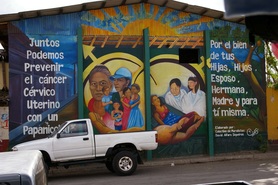
Eine weitere Alternative zum Auto ist natuerlich das Zweirad und so hatte auch ich meine Abenteuer mit dem Motorrad.
Meistens war ich der Beifahrer, so wie in Esteli, Nicaragua, als Larry und ich den nahe liegenden Wasserfall besuchten. Und so ist es ueblich fuer Nicas, zu einer klapperigen, von Draehten zusammengehaltenen, anno 19. Jhrd. Crossmaschine in Sandalen und Shorts zu fahren, und bei einem kurzen Stop am Markt machten wir uns auf dem Weg. Abgesehen von den Vulkansteinen, die einen den Weg versperren, ist man mit der Moto am besten dran im vulkanischen Nicaragua.
Meistens war ich der Beifahrer, so wie in Esteli, Nicaragua, als Larry und ich den nahe liegenden Wasserfall besuchten. Und so ist es ueblich fuer Nicas, zu einer klapperigen, von Draehten zusammengehaltenen, anno 19. Jhrd. Crossmaschine in Sandalen und Shorts zu fahren, und bei einem kurzen Stop am Markt machten wir uns auf dem Weg. Abgesehen von den Vulkansteinen, die einen den Weg versperren, ist man mit der Moto am besten dran im vulkanischen Nicaragua.
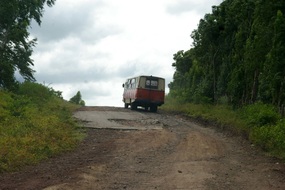
Das haben auch Paul und ich auf der Isla Ometepe, Nicaragua, festgestellt. Doch man muss immer ein Auge offen halten, das dachte ich mir, als ich die Strassen mit ihren Geroell sah. Doch als wir zu zweit nach Merida fegten, kam es mal wieder ganz anders und wir hatten wahrlich einen Schutzengel. Es ging bergauf, und Paul konzentrierte sich auf den steinigen Weg, die Maschine aechzte stoehnend unter unserer Last, als sich mein Schlafsack vom Rucksack loeste und sich zwischen das Hinterrad einrollte. Wir bemerkten es erst, als das Rad blockierte. Mann, bergauf, steiniger Hang und total ueberladen. Aber Paul hat es wunderbar gemeistert. Ich musste natuerlich abspringen, so das er die Maschine unter Kontrolle bekam. Was nicht so einfach war, da der Hang Regenrinnen aufwies, und trotz seiner staatlichen Groesse von 1,90m hatte Paul Schwierigkeiten, das Bike aufrecht zu halten. Man sollte auch nicht mit Sandalen fahren...
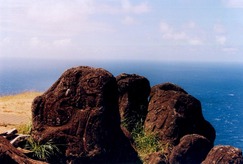
So war es auch mit meinem Begleiter auf der Osterinsel, der mit mir und seiner Moto einen Ausflug zum heiligen Dorf Orongo unternahm. Trotz des starken Windes, der immer ein geheimnisvoller Begleiter des Dorfes ist, brachte er mich sicher ueber die Klippe hinweg. Man muss naemlich wissen, das das Dorf getrennt ist von der Insel und ein Klippenweg fuehrt dich direkt zum Ort. Dabei ist die Stelle ungeschuetzt und der Wind pfeift kraeftig ueber die offene See. Also, Seitenlage garantiert!!
Und auch hier die traditionelle Motorradausstattung darf nicht fehlen: Sandalen.
Und auch hier die traditionelle Motorradausstattung darf nicht fehlen: Sandalen.
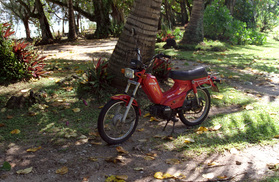
Doch die beste Mopedtour war auf den Cookinseln in Raratonga. Um sich ueberhaupt ein Moto oder Auto mieten zu koennen, braucht man den Fuehrerschein der Insel. Besitzt man keinen Motorradschein, so hat man die Moeglichkeit unter Aufsicht der Raratongan Polizei diesen zu machen. Besitzt man ihn schon vorab, so wie ich, geht man nur noch zur Meldestelle, zahlt eine Gebuehr, laesst ein Foto machen und erhaelt so die Fahrerlaubnis. Man kann ihn dann in einer Stunde abholen. Und so ging es los: einmal, zweimal, dreimal um die Insel, und das Ganze dann auch in die andere Richtung und zur Abwechslung auf der einzigen Strasse ins Inselinnere zum einzigen Wasserfall der Insel toeffen. Aber aufgepasst: wird man einmal erst vom Regen ueberrascht, und es geht bergab, versuche gute Schuhe zu tragen, da die Bremskraft zu Wuenschen uebrig laesst. Die Reifen sind so abgefahren und ohne Profil, das mehr Rutschen als Bremsen angesagt ist. :-)
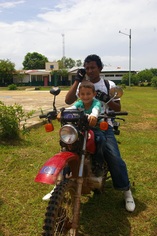
Die besten Mopedtouren waren die in Bilwi, Nicaragua. Du hast nur Steppe, so Off Road Fahren ist angesagt. Da wir aber zu Dritt waren (mein Sohn war damals 5 Jahre alt), war das eine sehr enge Sache auf dem Moped. Und wir mussten auch ab und zu absteigen, da die Kratern im Weg zu gross und rutschig waren und Larry nichts riskieren wollte. Aber du fuehlst die totale Freiheit in dieser Region. Wie gesagt, Strassen sind Nebensache und nur die Weite zaehlt. Zu Dritt auf dem Moto, daran muss man sich gewoehnen, aber in solchen Laendern ist das Standard. Auch wenn 2 Maenner versuchen einen Autoanhaenger mit dem Moto abzuschleppen. Der eine faehrt, der andere haelt die Anhaengerkupplung. Das die Polizei einen dann aufhaelt und zum Diskutieren anfaengt, ist normal. Fuer die Maenner langte die Menpower, der Polizei nicht!
In Asien hat man dann doch noch eine weitere Option, Staetten und gewisse Gebiete besuchen zu koennen: die Rikschas!
In Bangkok, Thailand, unternahm ich mit dem Franzosen Michelle eine tolle Nachttour und unser Rikschafahrer zeigte nicht nur das schwule und hetero Nachtleben, die Maerkte und die Wohnviertel der Stadt, nein, er veranstaltetet auch noch einige naechtliche Wagenrennen mit anderen Rikschas, und wir koennen es bestaetigen, seine Rikscha war die Schnellste, aber wir mussten uns ganz schoen dolle anhalten, sssSSS! :-%
In Bangkok, Thailand, unternahm ich mit dem Franzosen Michelle eine tolle Nachttour und unser Rikschafahrer zeigte nicht nur das schwule und hetero Nachtleben, die Maerkte und die Wohnviertel der Stadt, nein, er veranstaltetet auch noch einige naechtliche Wagenrennen mit anderen Rikschas, und wir koennen es bestaetigen, seine Rikscha war die Schnellste, aber wir mussten uns ganz schoen dolle anhalten, sssSSS! :-%
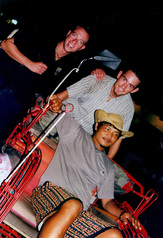
In Indonesien, genauer gesagt, in Yogakarta, hatten Jamie und Johnny eine andere Idee. Dort werden die Rikschas noch mit dem Fahrrad betrieben, was eine ganz schoen muehselige Arbeit ist. So entschieden sich die Jungs, die Rikschafahrer zu entlasten und fuhren selber das Rad. Der Fahrer sass mit mir vorne in der Kabine und so liessen wir uns gemuetlich durch die Stadt chauffieren. Fuer einen kleinen Moment hatte der Javanese mal die Moeglichkeit selber Fahrgast zu sein und seine Stadt von diesen Standpunkt aus zu betrachten.
Und wer nicht die finanzielle Moeglichkeit hat, sich sein eigenes Fahrzeug zu mieten, dem lass gesagt sein, das man auch in den oeffentlichen Transportmittel seine Abenteuer erlebt und den Vorteil inne hat, die Bewohner eines Landes naeher zu kommen, vor allem, wenn es ein Huehnerbus ist, wo nicht nur Menschen, sondern auch Huehner und Schweine ihren Platz im Bus eingenommen haben. Und selber muss man fuer 10 Stunden auf den Koffern und Saecken der anderen Fahrgaeste ausweichen. Oder man nimmt in Venezuela einen Nachtbus, der, ohne es vorher zu wissen, eine fahrende Kuehltruhe mit einer droehnenden Samba Jukebox bestueckt, dich dann 10 Stunden lang auf Eis setzt, solange, bis du so gut konserviert bist, das du bis zum Ende der Reise nicht verderben kannst. Beeindruckend sind die Fahrgaeste. Jeder erfriert und keiner sagt was...
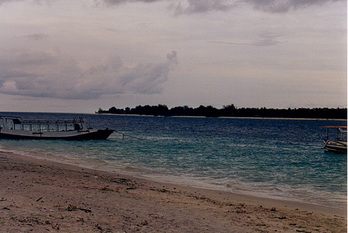
Manchmal hat man nicht einmal die Wahl und man bekommt einen Touristenbus vorgesetzt, wenn man weiterkommen will, nehmen muss.
Diese Erfahrung machten Johnny, Jamie und ich auf dem Weg vom Hafen Bali-Java nach Yogakarta, Indonesien. Zu Zehnt (+ 2 Fahrer, also 12 Personen) mussten wir uns in einen kleinen VW Bus von anno 1950 hineinzwaengen. Dazu kamen 10 prall gefuellte Trekking Rucksaecke, die nur noch Platz in unserem Fussraum fanden. Die Beine mussten wir auf die Taschen legen. Es kam nicht nur dazu, das die Jungs wie die Irren fuhren, nein wir hatten diese Sitzposition, die wir mehr oder weniger liegend verbrachten, auch noch fuer 38 Stunden zu ertragen. :-( Und dadurch, dass wir uns in einem muslimischen Land befanden, hatte ich als Frau keinerlei Chance nach einer Pinkelpause zu fragen bzw. zu bekommen. Ich wurde einfach ignoriert, bis einer der maennlichen Mitreisenden auf die Idee kam, dies an meiner Stelle zu tun, und siehe da, der Bus legte eine Vollbremsung hin und ich konnte erleichtert aufatmen. Geht doch!
Diese Erfahrung machten Johnny, Jamie und ich auf dem Weg vom Hafen Bali-Java nach Yogakarta, Indonesien. Zu Zehnt (+ 2 Fahrer, also 12 Personen) mussten wir uns in einen kleinen VW Bus von anno 1950 hineinzwaengen. Dazu kamen 10 prall gefuellte Trekking Rucksaecke, die nur noch Platz in unserem Fussraum fanden. Die Beine mussten wir auf die Taschen legen. Es kam nicht nur dazu, das die Jungs wie die Irren fuhren, nein wir hatten diese Sitzposition, die wir mehr oder weniger liegend verbrachten, auch noch fuer 38 Stunden zu ertragen. :-( Und dadurch, dass wir uns in einem muslimischen Land befanden, hatte ich als Frau keinerlei Chance nach einer Pinkelpause zu fragen bzw. zu bekommen. Ich wurde einfach ignoriert, bis einer der maennlichen Mitreisenden auf die Idee kam, dies an meiner Stelle zu tun, und siehe da, der Bus legte eine Vollbremsung hin und ich konnte erleichtert aufatmen. Geht doch!
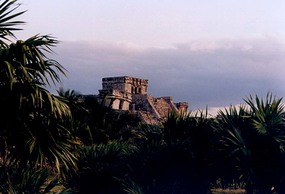
In manch anderen Situationen ist man auch auf das Trampen angewiesen, wie in meinem Fall mit Christine in Mexiko, bei Cancun. Damals gab es nur Transporte fuer Touristen mit gebuchten Hotel und nicht fuer Individualreisende, wie uns. Wir hatten also nur eine Chance vom Flughafen wegzukommen. Per Autostop! Was bei uns, trotz gewaltigen Kilometermarsches entlang der Autobahn nach 2 Stunden, kein Problem war, wir einen Fahrer erwischten, der uns bis nach Playa del Carmen mitnahm. Bringe viel Zeit und Geduld mit. Weil man ja Auslaender ist, wird man waehrend der Fahrt mit Fragen bombadiert und durchloechert wie ein Schweizer Kaese. Spanisch immer vom Vorteil!! Doch ich warne auch an dieser Stelle. Trampen ist keine Garantie, das immer alles gut verlaeuft! Jeder ist dafuer selber verantwortlich. Und manchmal ist es besser, sich der Angebote der Touristen anzuvertrauen.
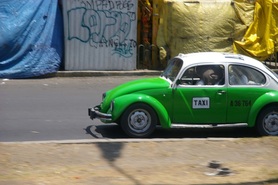
So erging es mir in Mexiko Stadt, als ich mit 3 Italienern, mit denen ich bereits ein Zimmer teilte, eine Moeglichkeit fand, die Stadt und sogar die Tempelanlage Teotihuacan zu besichtigen. Im Zentrum wird man die ganze Zeit von gewissen Touristenfuehrer angesprochen. Irgendwann erbarmten wir uns und entschieden, es zu wagen. Zu unserer Ueberraschung, stand uns ein moderner, klimatisierter Kleinbus zur Verfuegung, der Fahrer behandelte uns wie Prinz und Prinzessin und brachte uns an alle Orte, und noch ein einige mehr, die wir sehen wollten. Ohne Probleme und der Preis stimmte auch. Daher: no risk, no fun!!
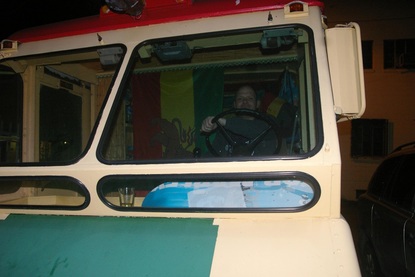
So etwas erwartet man nicht von Mexiko, aber vielleicht von den Staaten USA, meint man. Uns so erging es uns damals 1992. Anders in New York, wenn man ein Taxi nimmt und nicht weiss, woran man ist.
Als mein Bruder, mein Vater und ich an die Ostkueste Nordamerikas reisten, kamen wir anfangs auch erstmal in NYC an, nahmen uns ein Taxi vom Flughafen zum Hotel und dachten uns nichts dabei. Das Auto hatte schon einiges mitgemacht und wir versanken nur so in den ausgeleierten Sitzen. Als das Taxi um eine Kurve bog, schnellte die Hand meines Vaters schnell vor, packte die Tuer und schlug sie wieder zu. Waehrend der restlichen Fahrtzeit hielt er besser die Tuer fest, damit am Schluss nicht doch noch einer hinausfiel. In Deutschland undenklich!!
Ob eigenes Auto, Moto oder mit Chauffeur oder oeffentlicher Bus, man kommt immer irgendwie ans Ziel!
Als mein Bruder, mein Vater und ich an die Ostkueste Nordamerikas reisten, kamen wir anfangs auch erstmal in NYC an, nahmen uns ein Taxi vom Flughafen zum Hotel und dachten uns nichts dabei. Das Auto hatte schon einiges mitgemacht und wir versanken nur so in den ausgeleierten Sitzen. Als das Taxi um eine Kurve bog, schnellte die Hand meines Vaters schnell vor, packte die Tuer und schlug sie wieder zu. Waehrend der restlichen Fahrtzeit hielt er besser die Tuer fest, damit am Schluss nicht doch noch einer hinausfiel. In Deutschland undenklich!!
Ob eigenes Auto, Moto oder mit Chauffeur oder oeffentlicher Bus, man kommt immer irgendwie ans Ziel!
