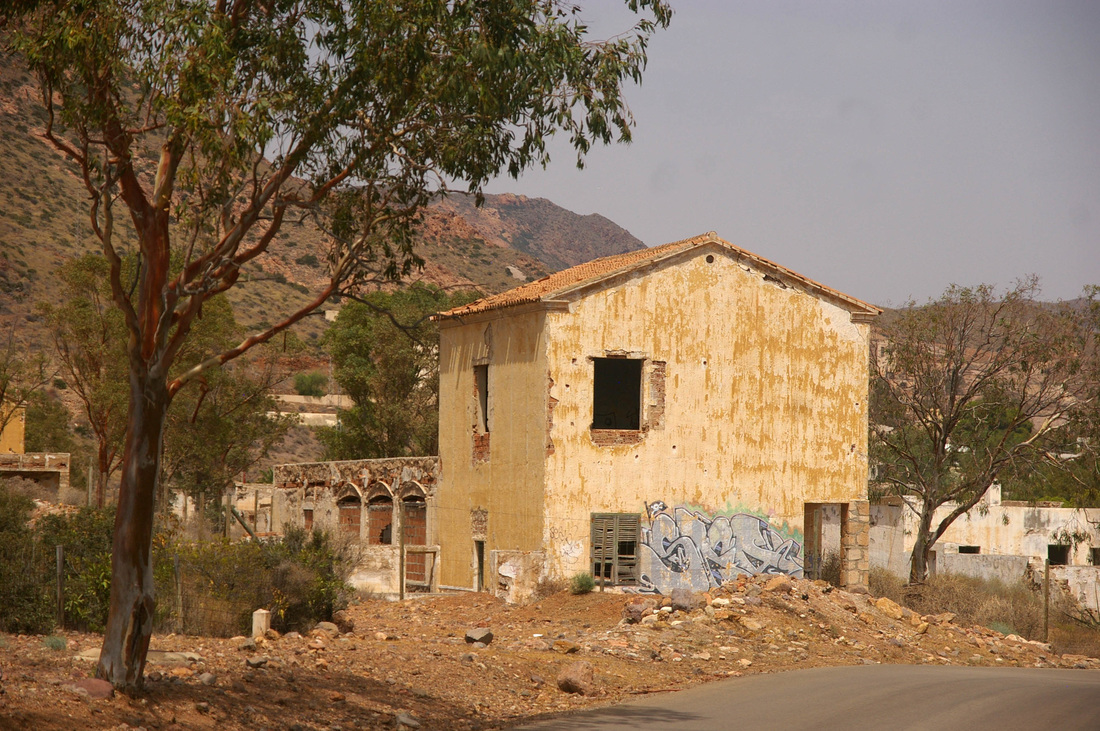
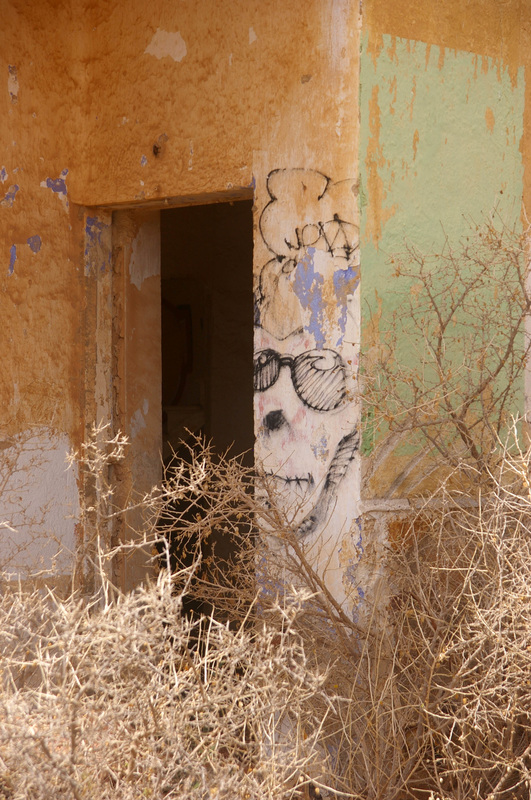
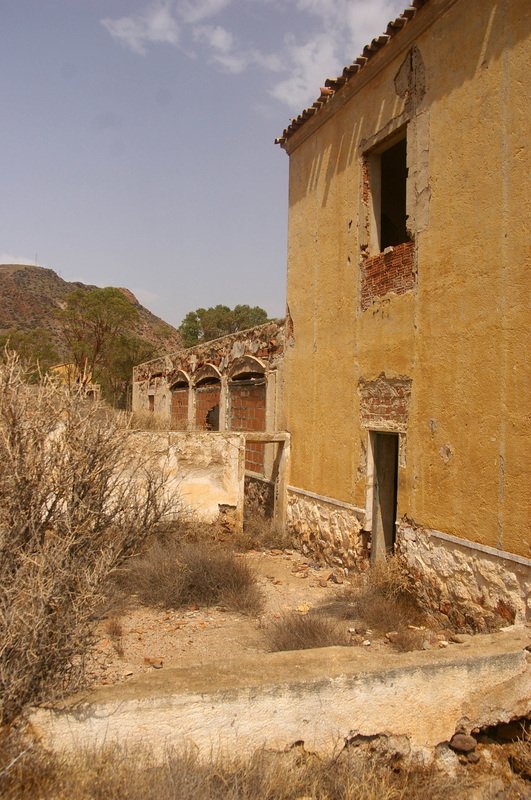
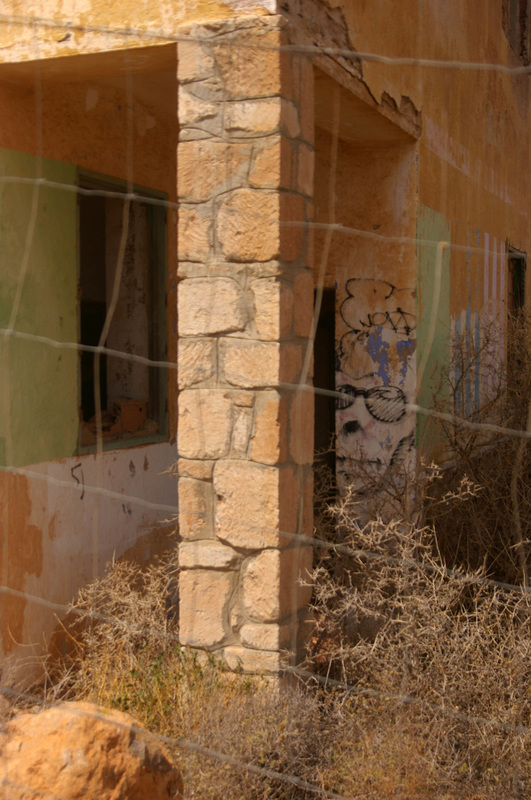
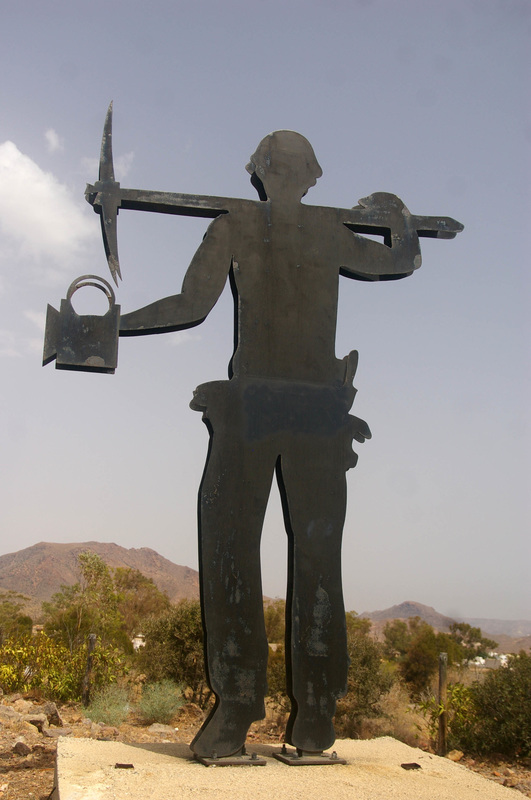
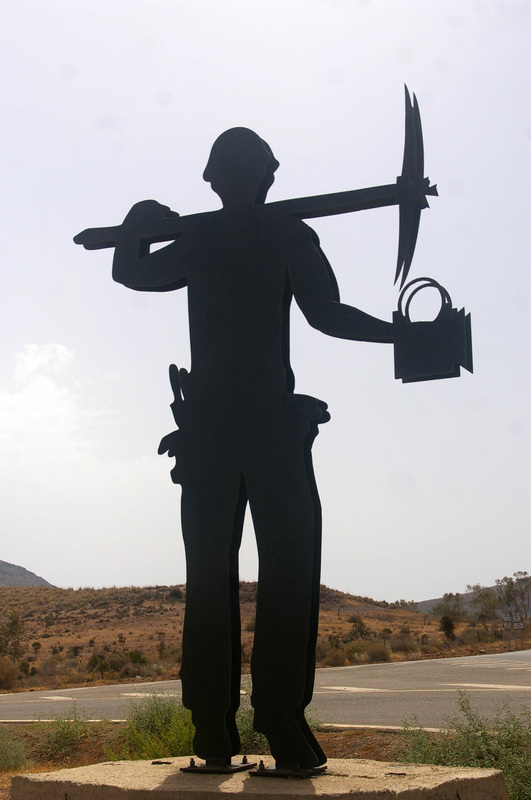
Gold Mining Town Rogalquilar, Almeria, Spain
(2013)
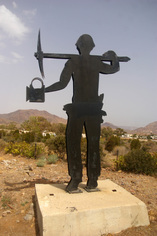
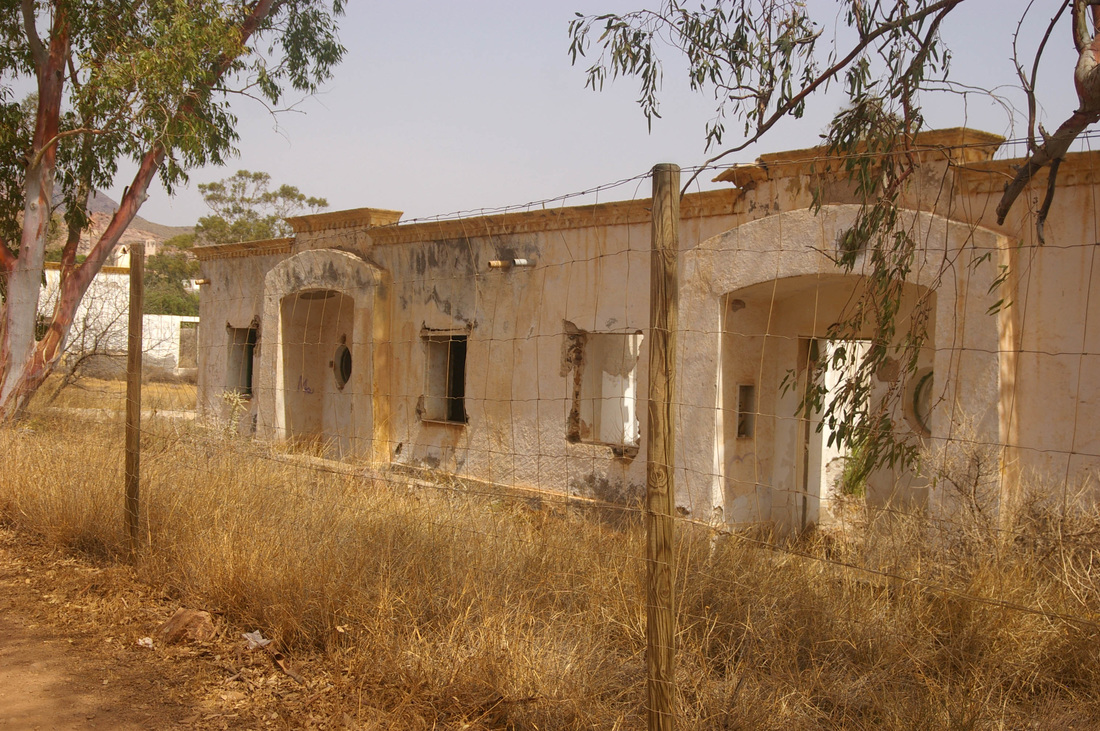
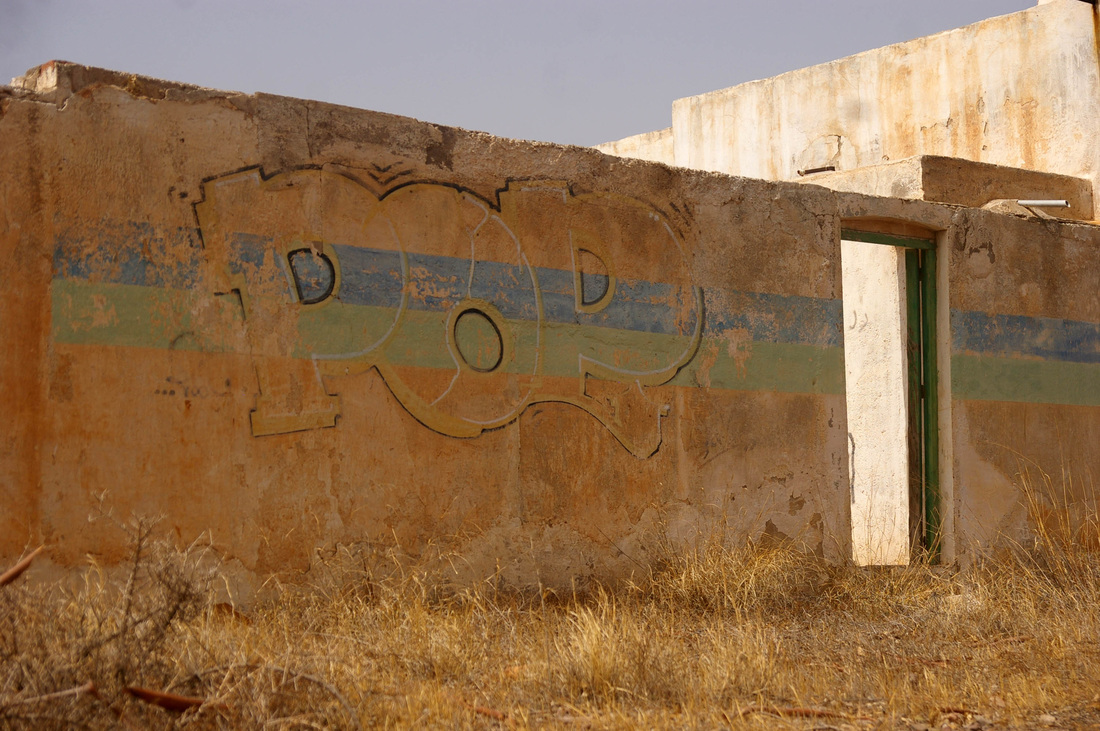
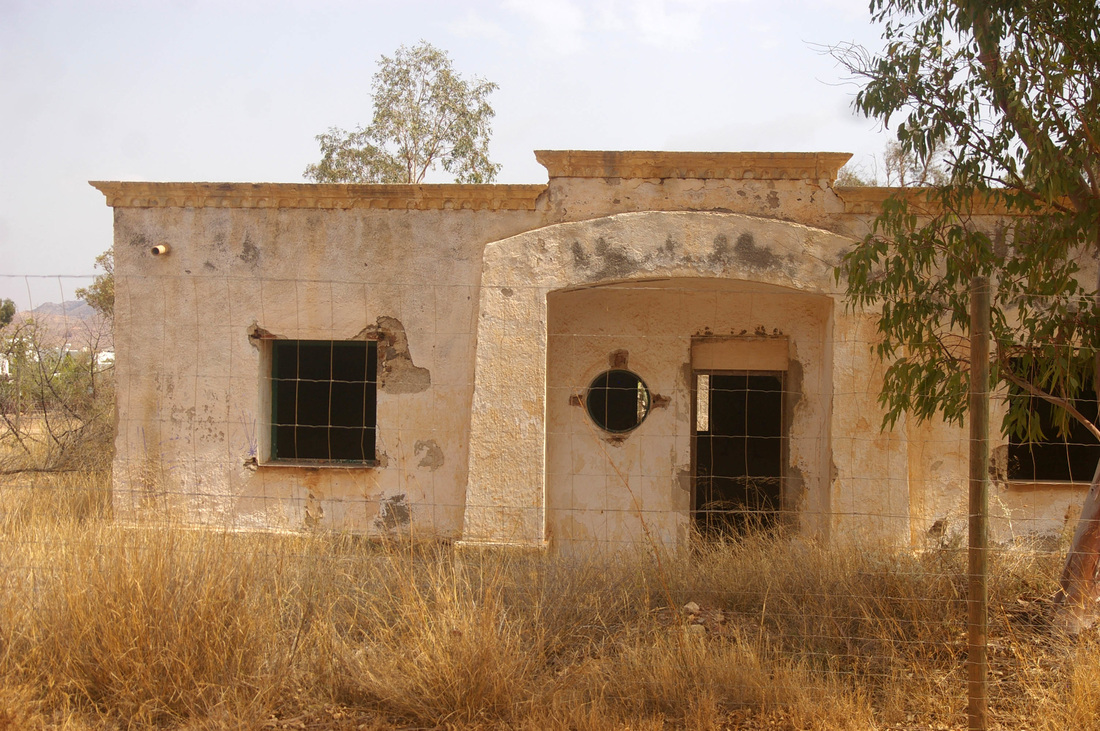
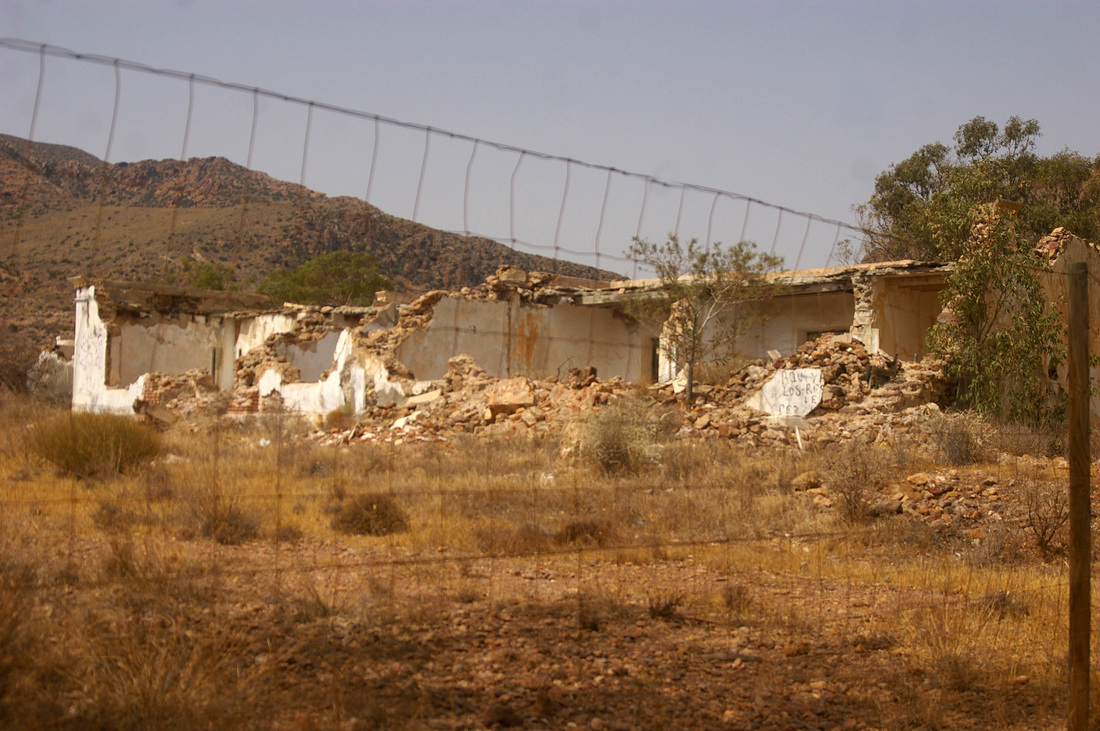
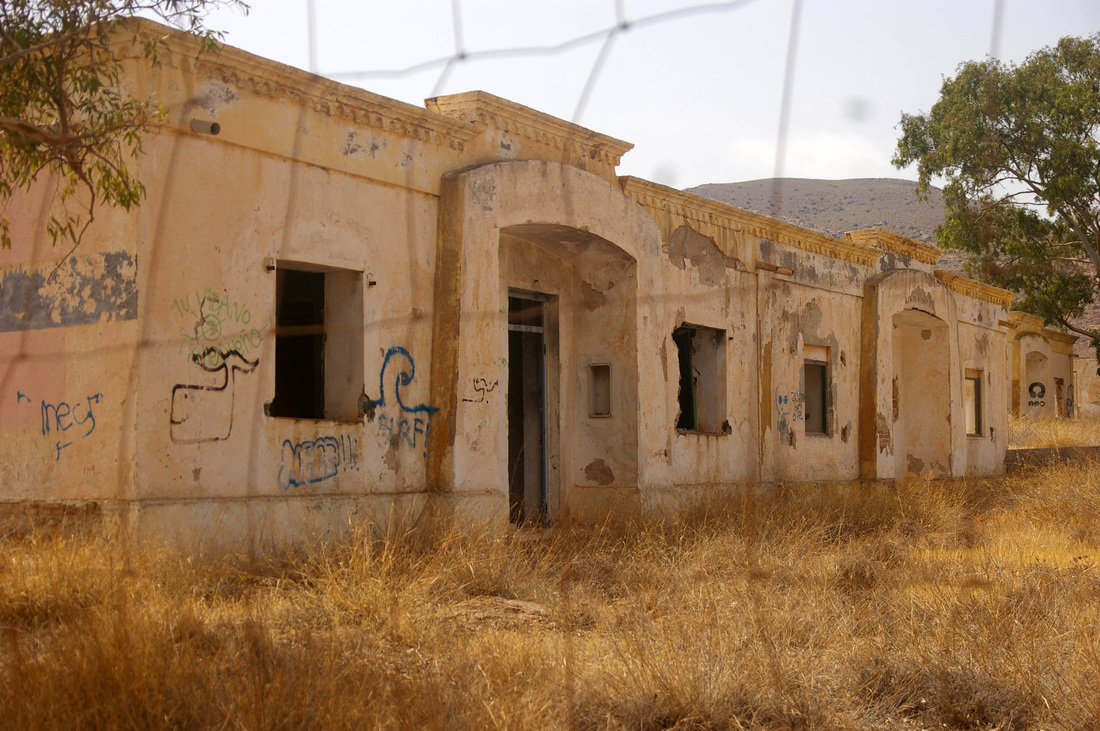
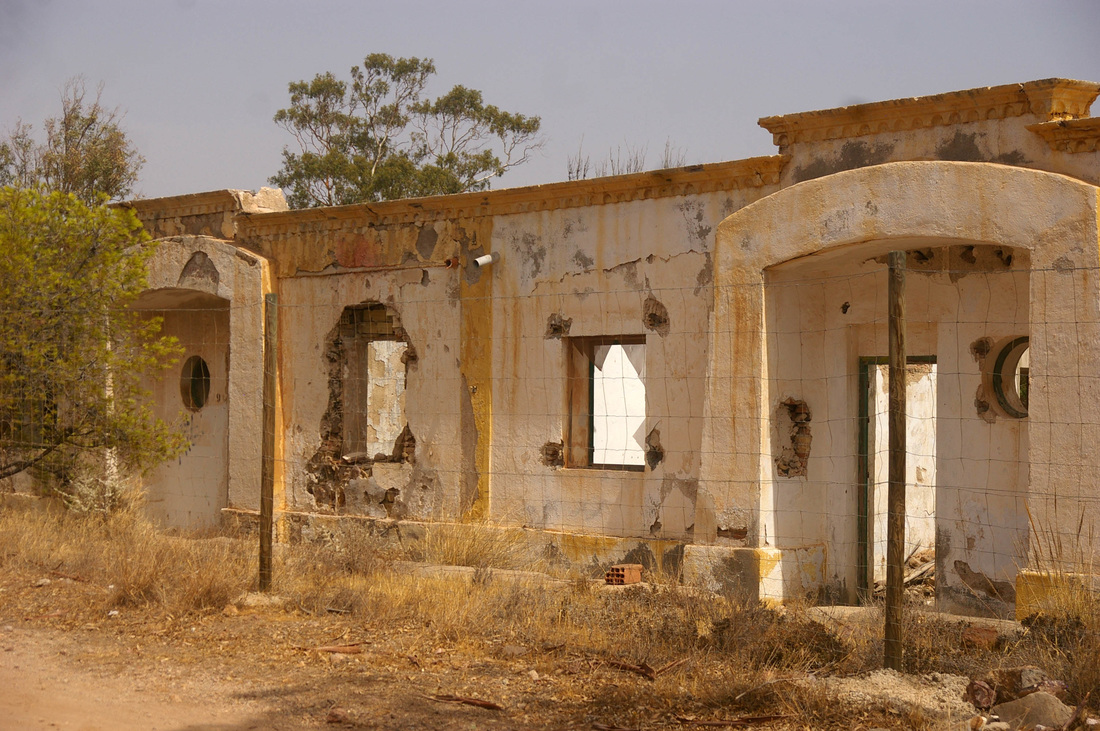
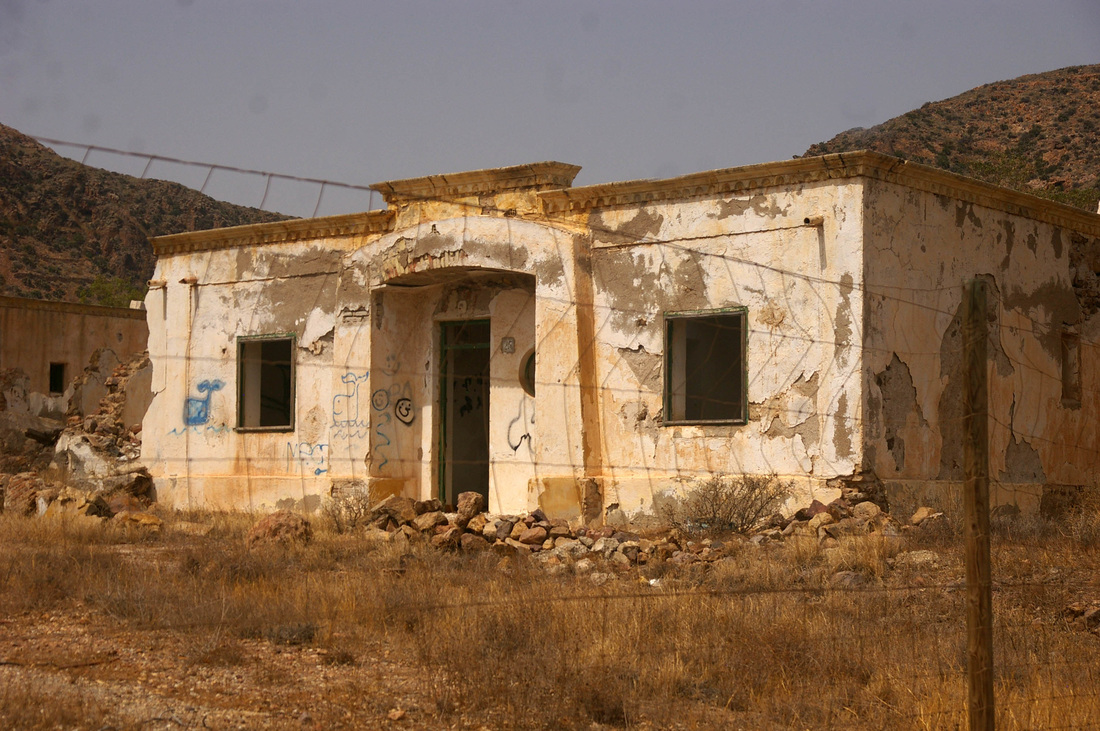
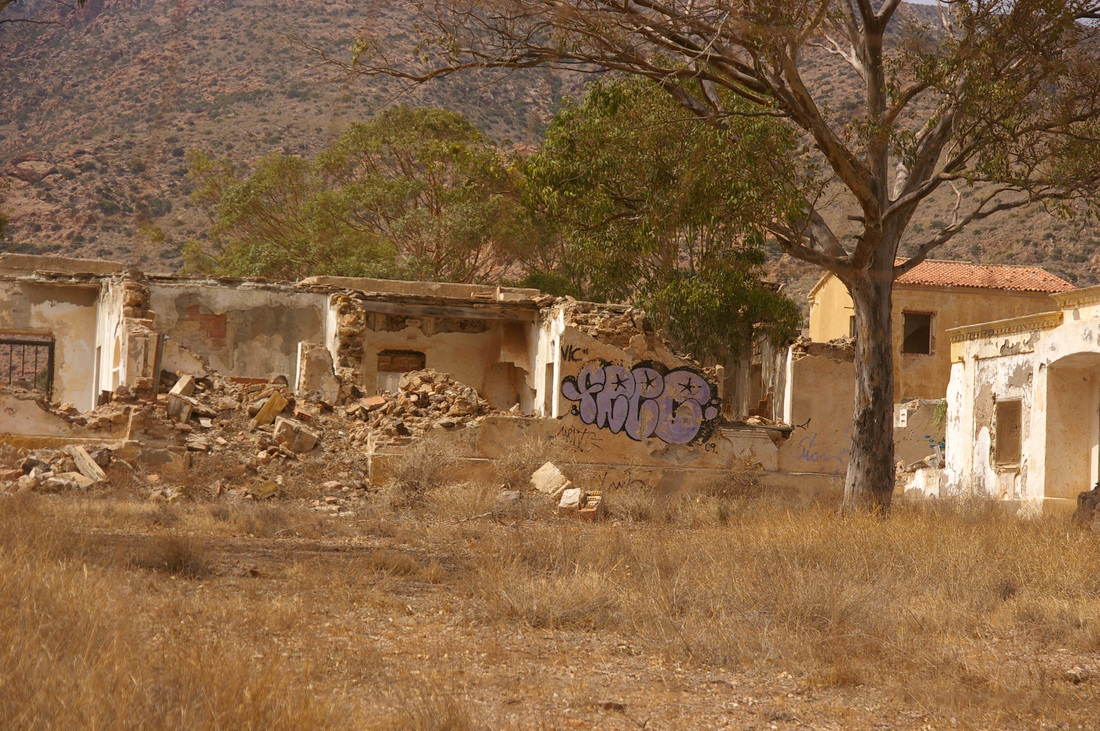
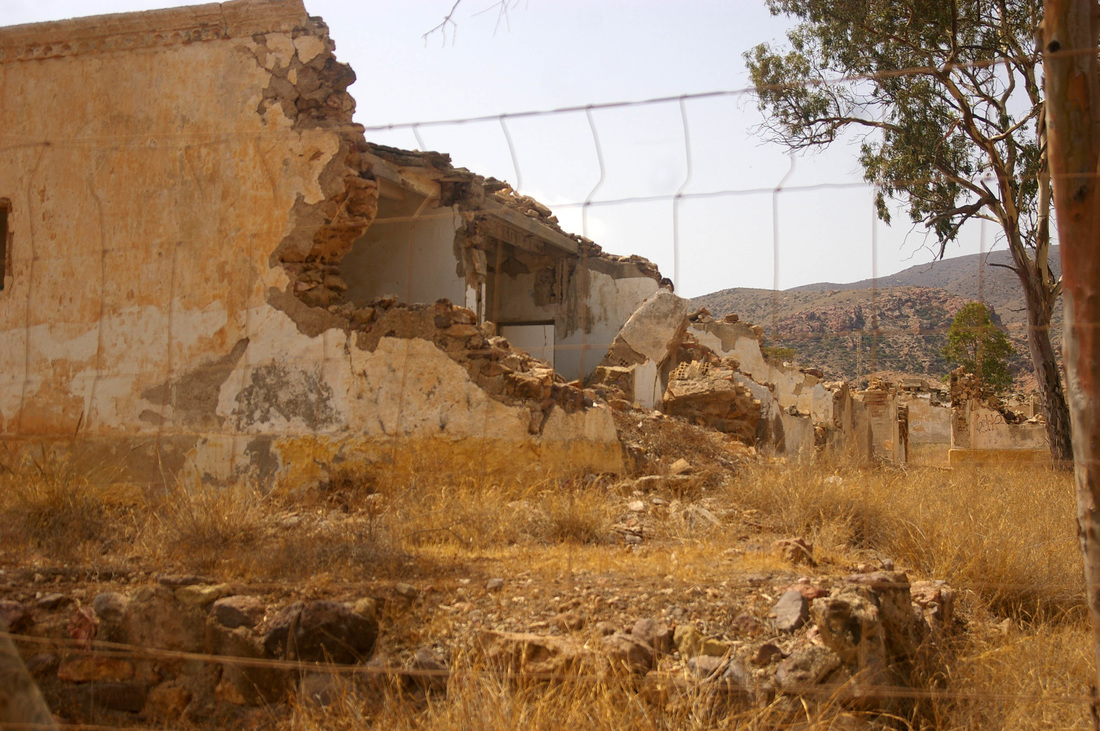
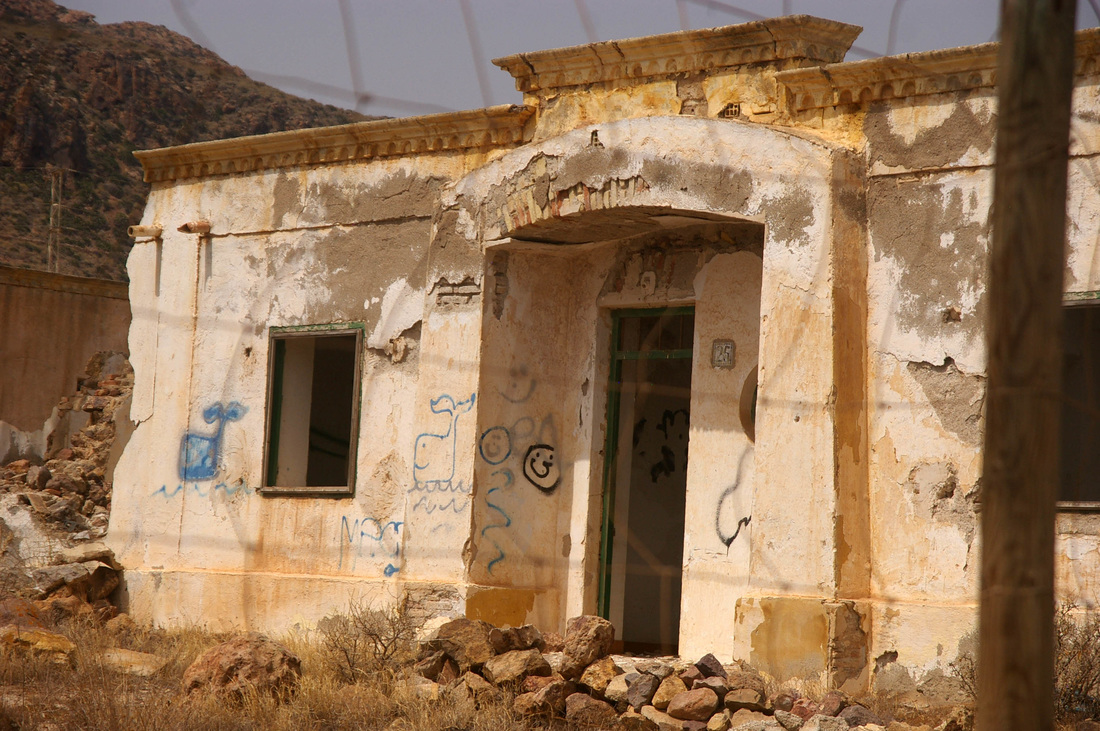
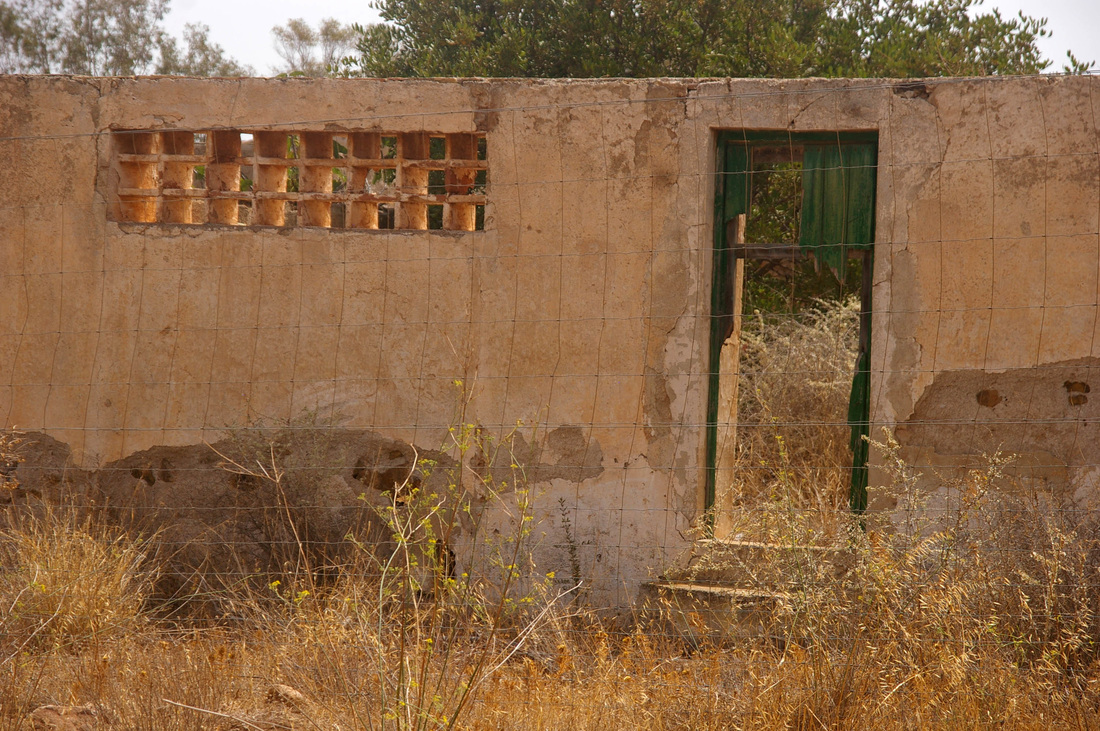
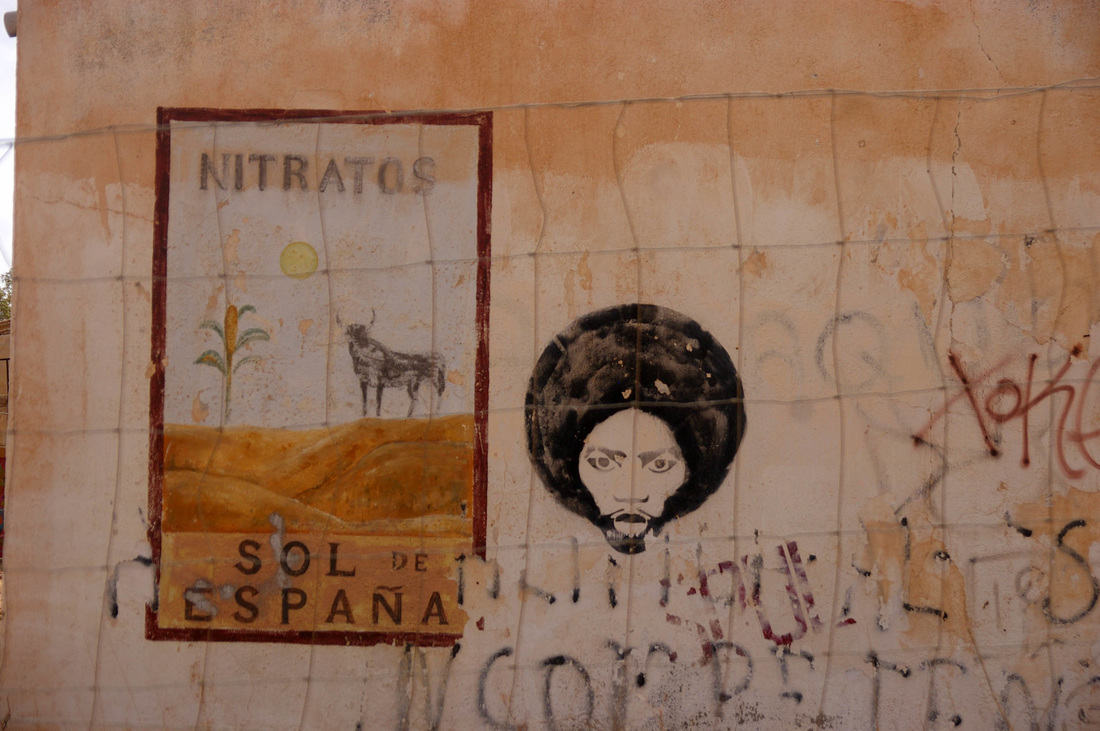
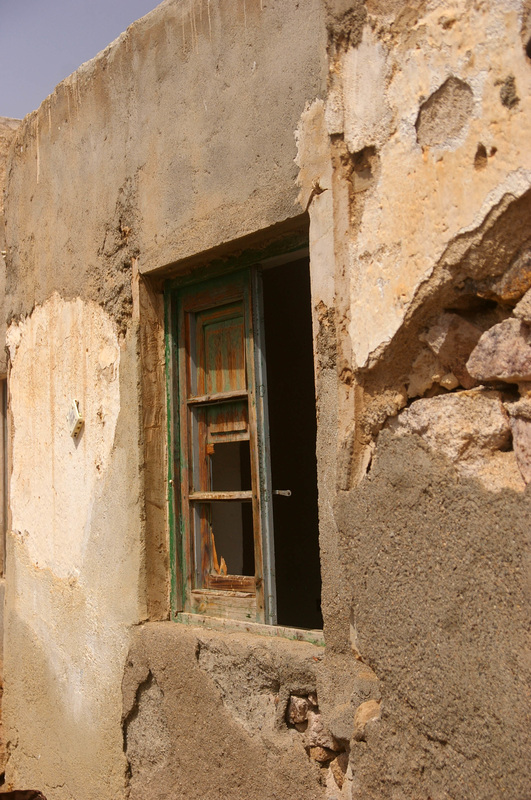
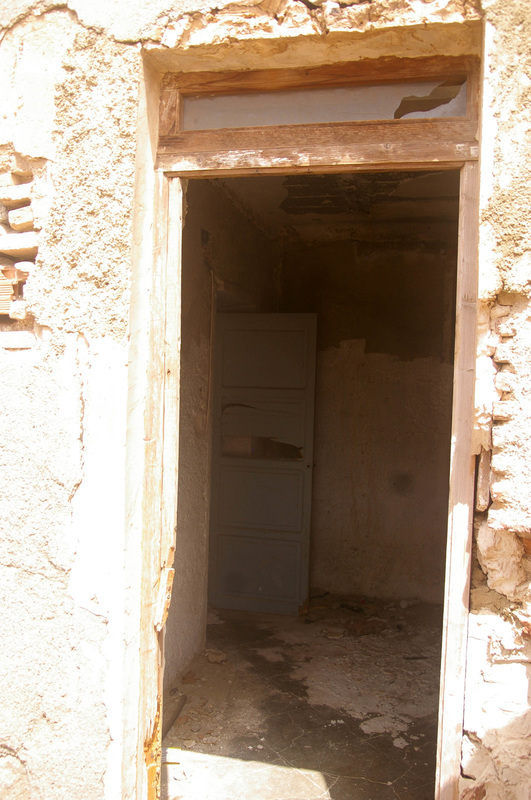
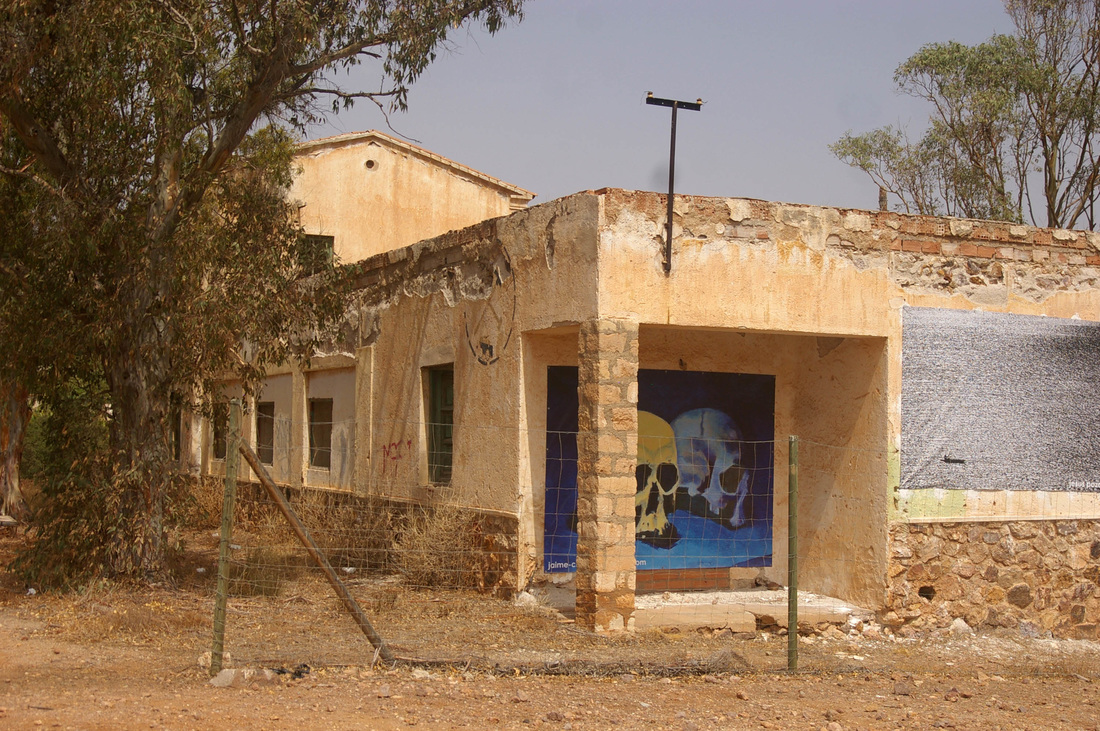
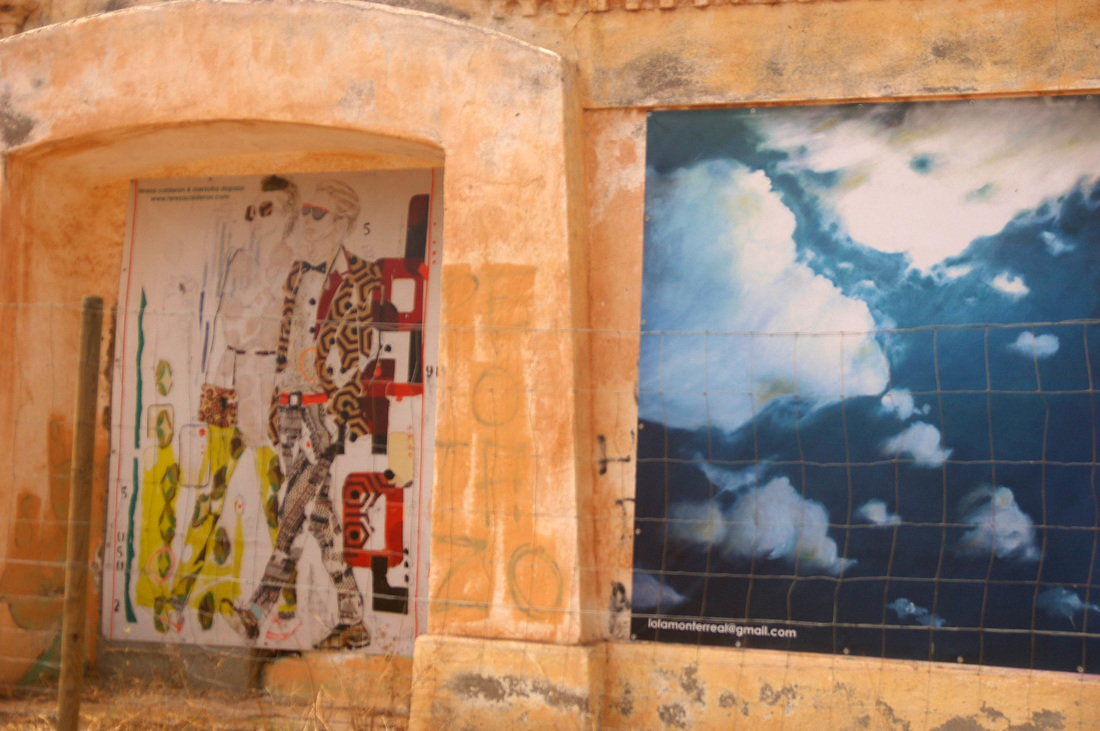
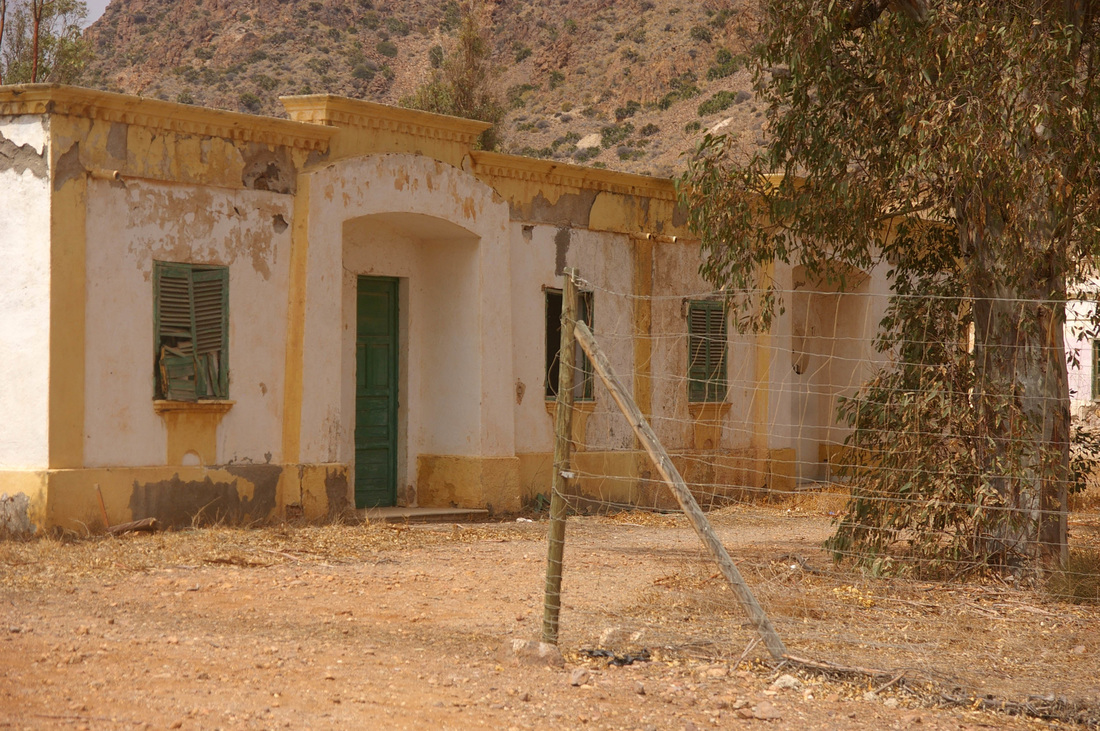
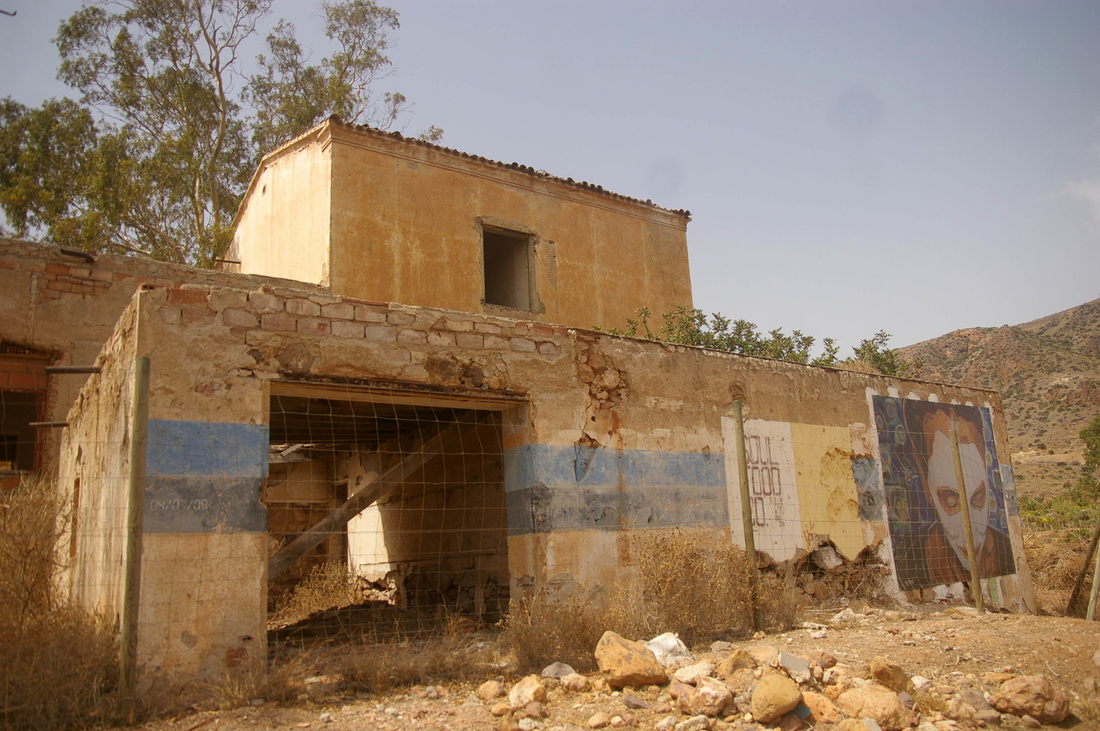
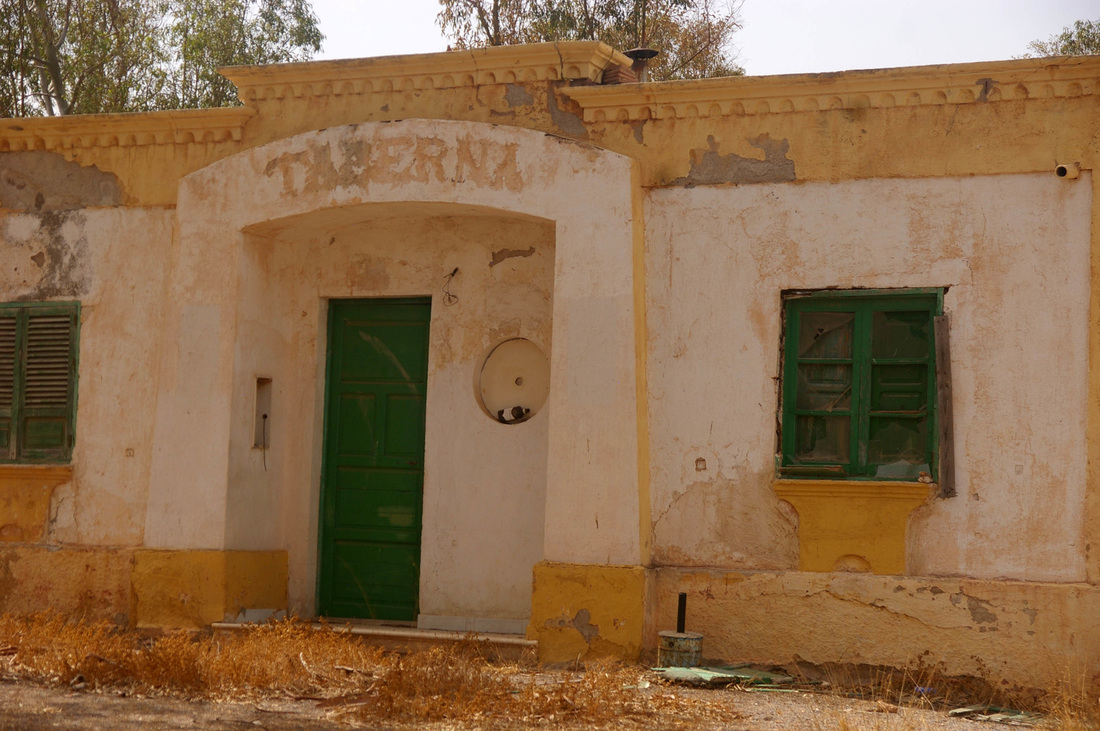
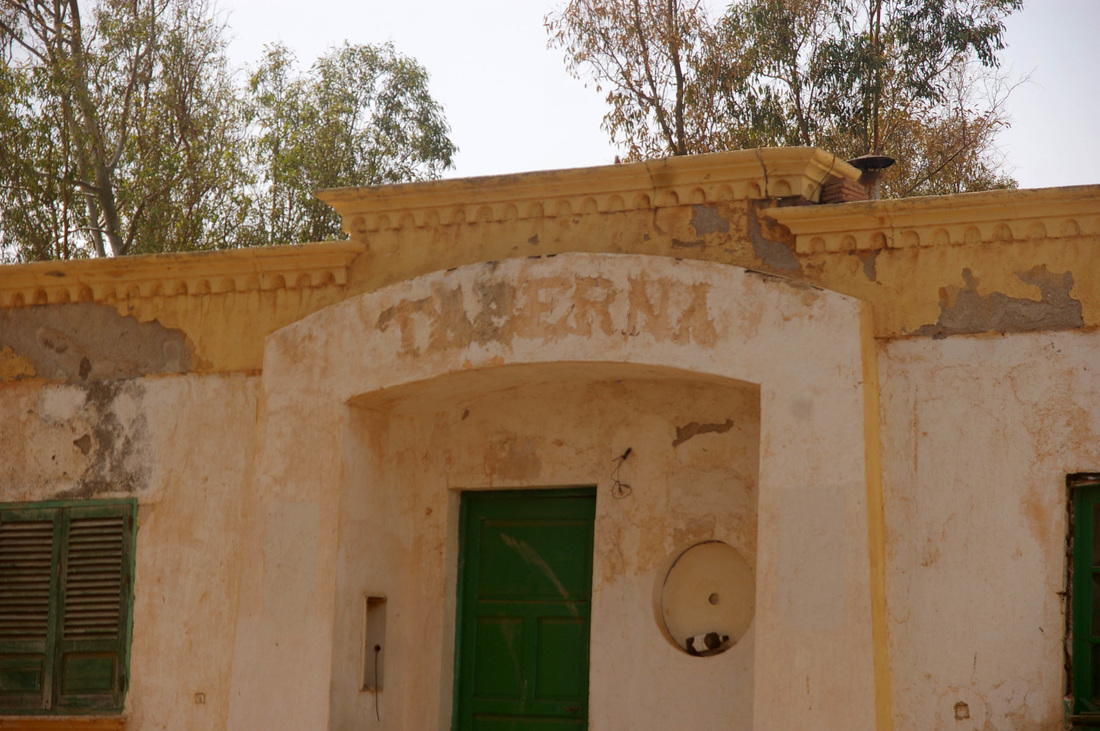
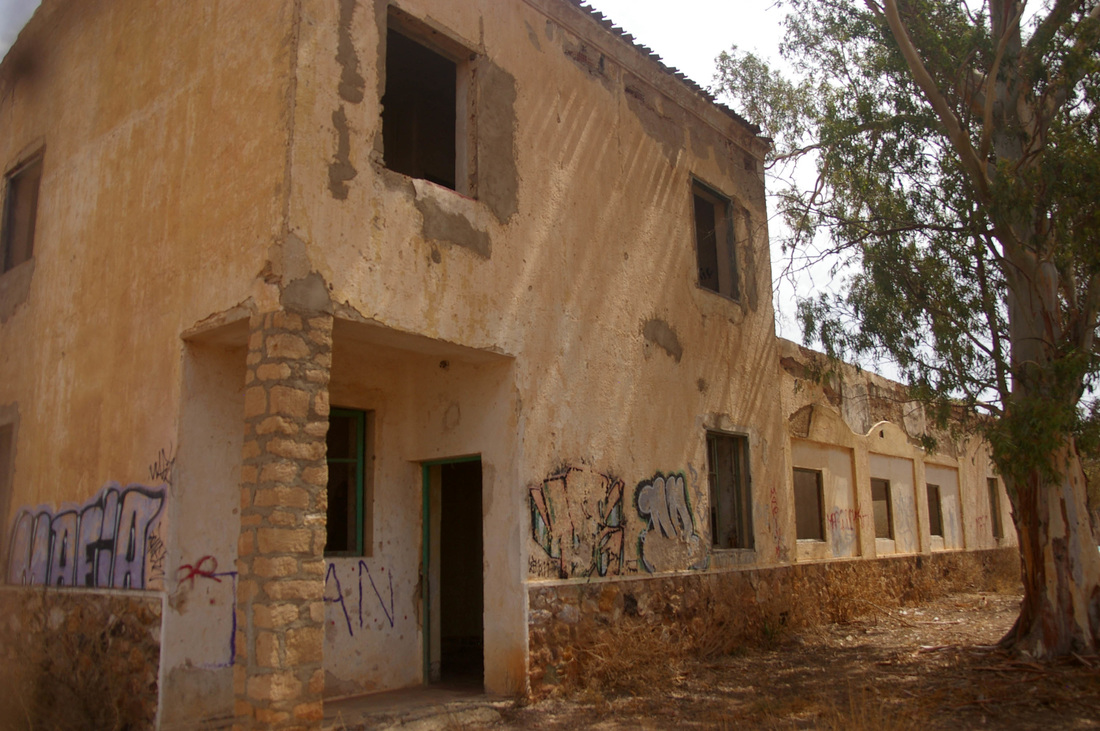
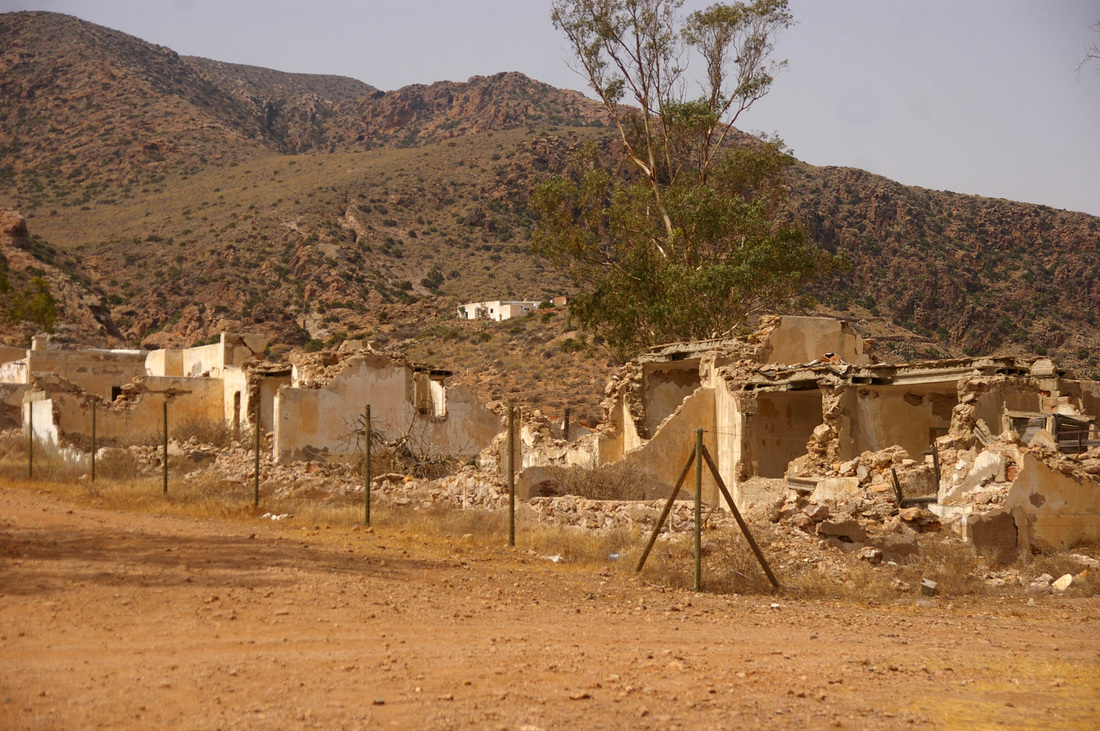
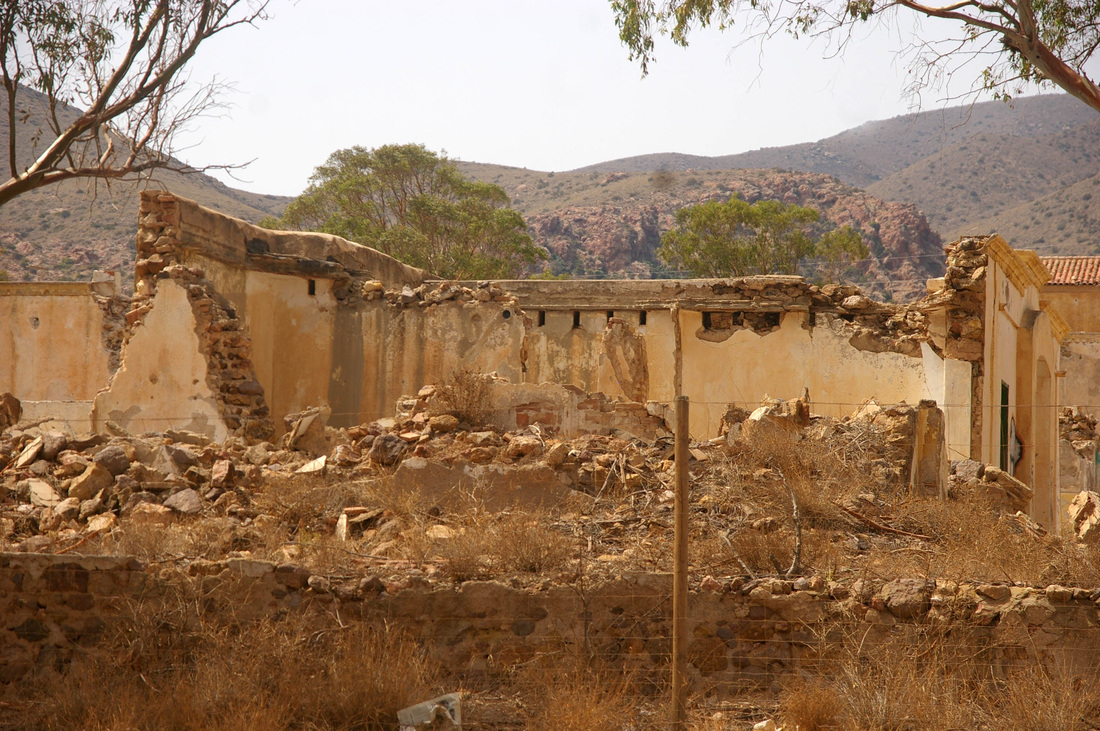
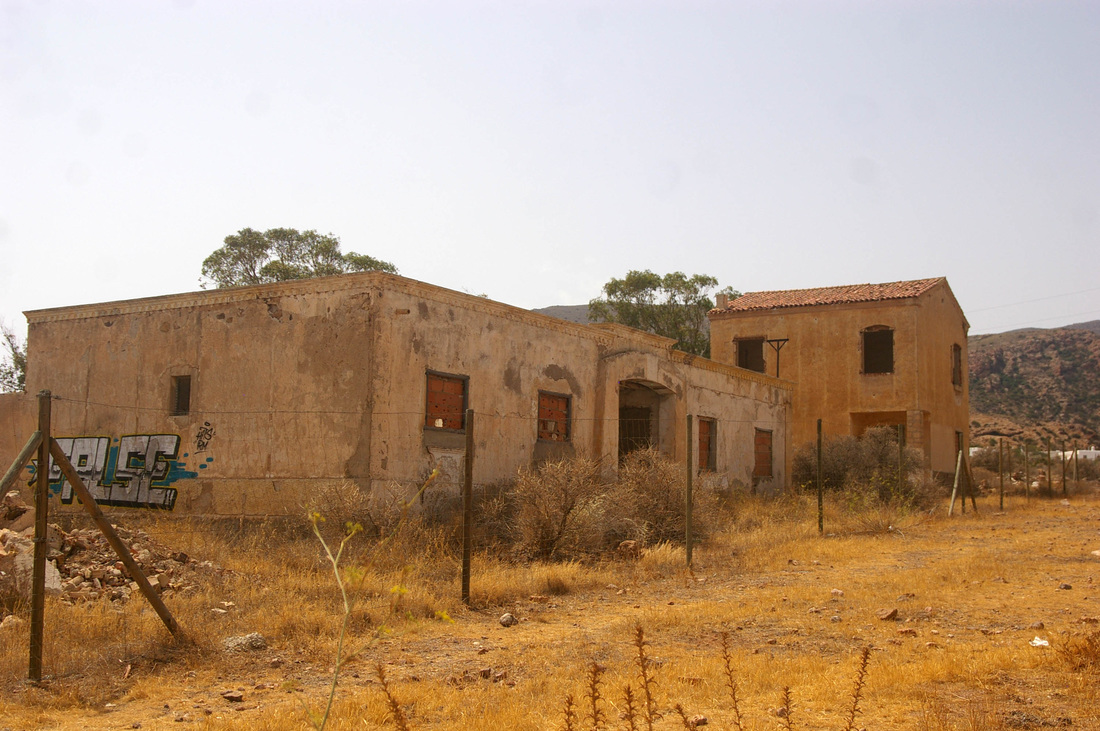
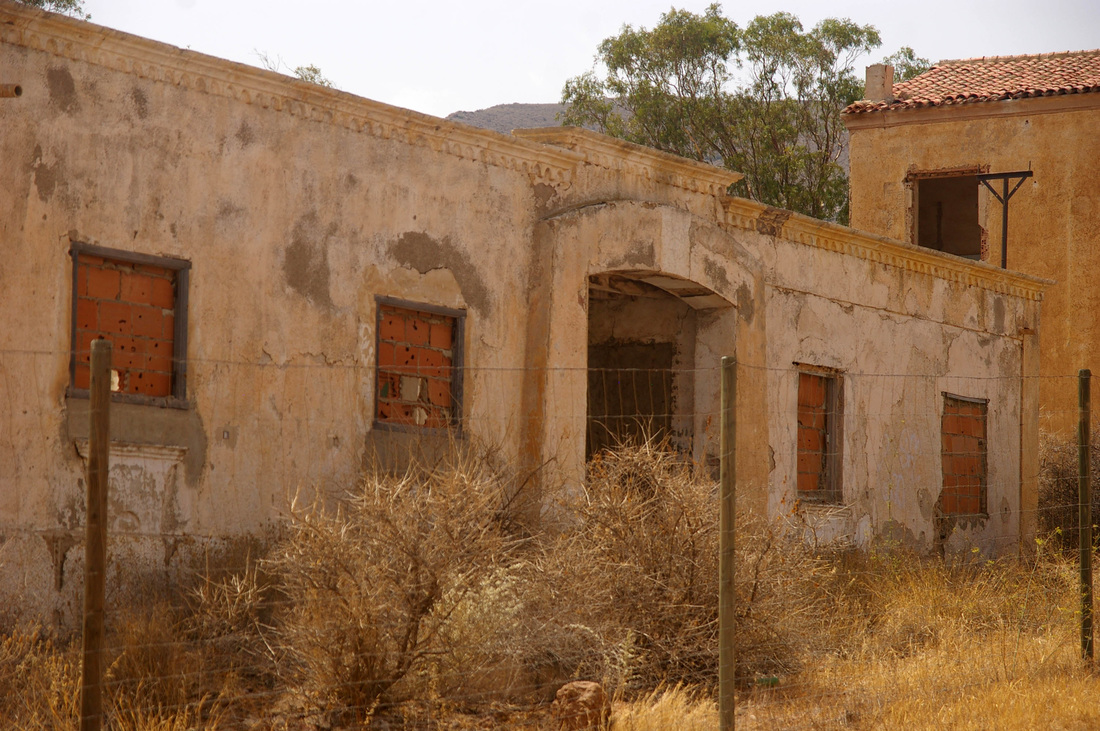
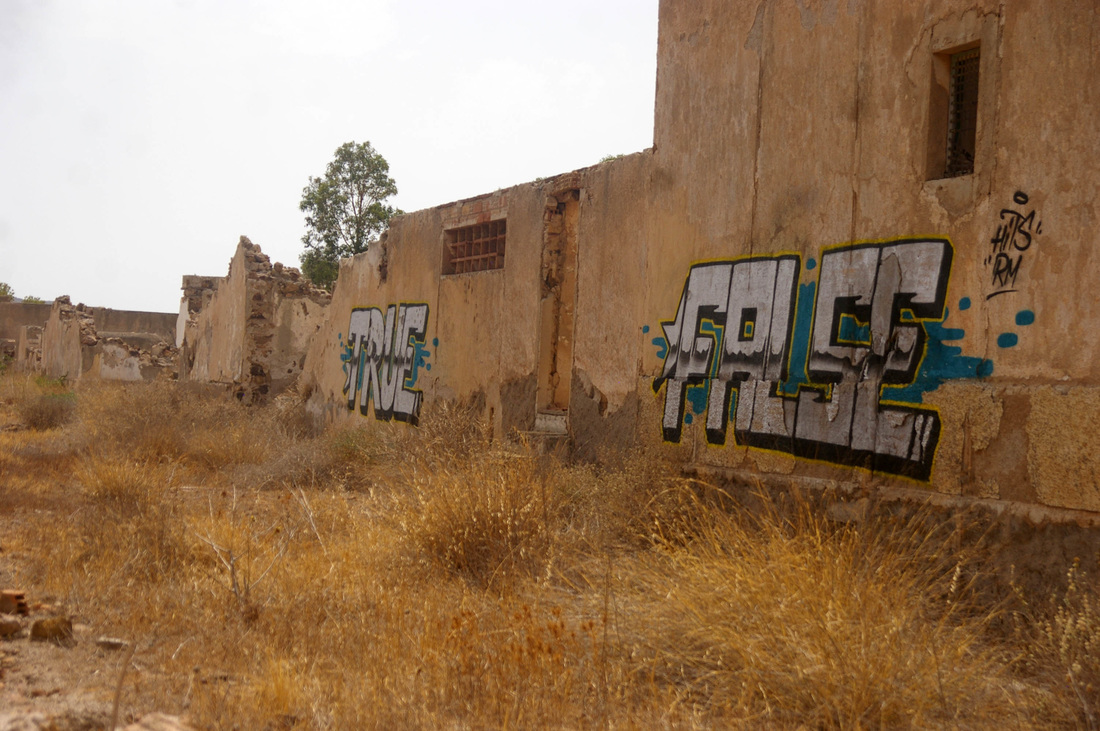
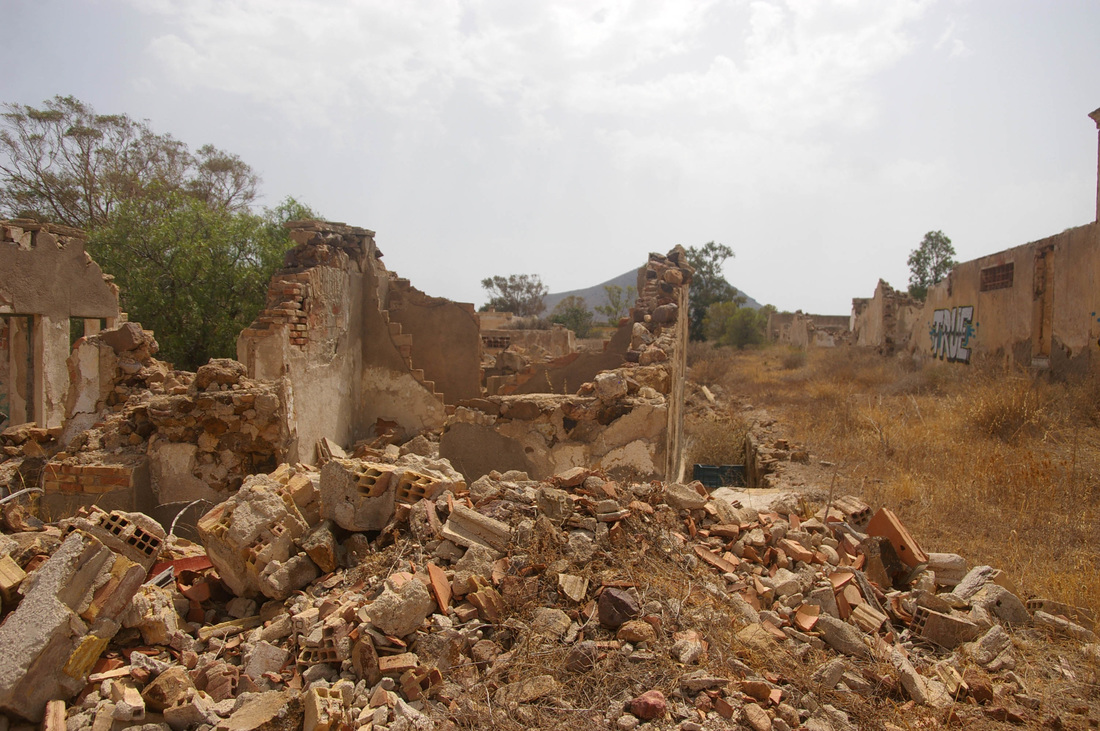
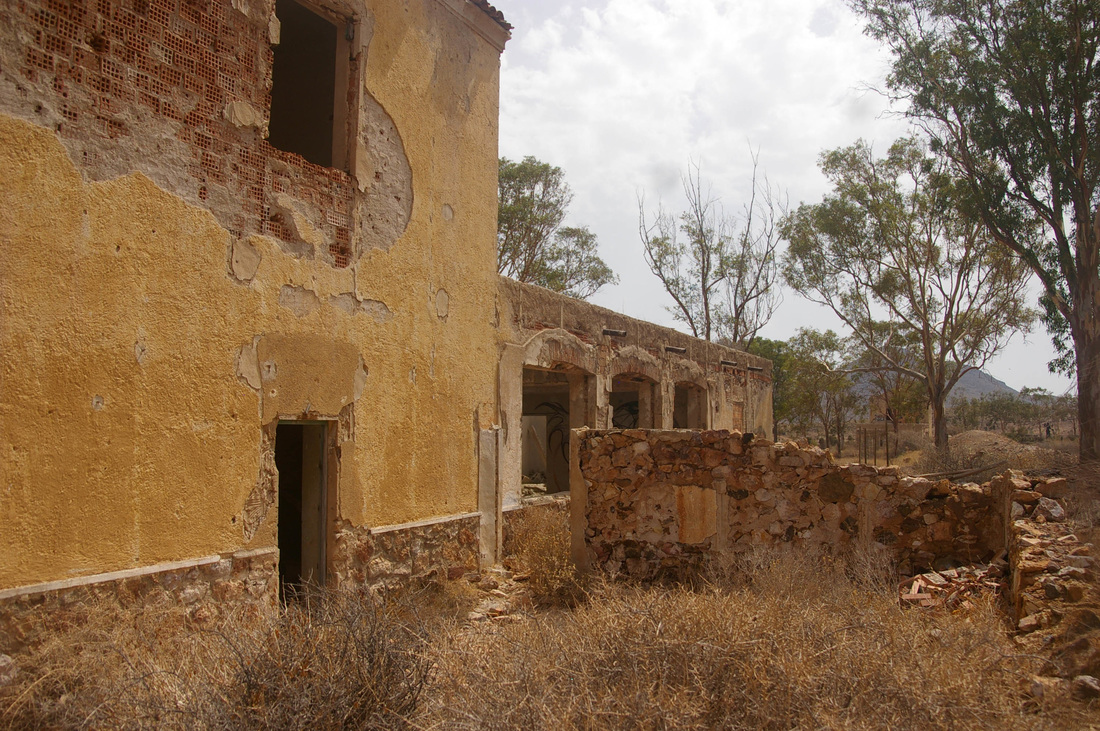
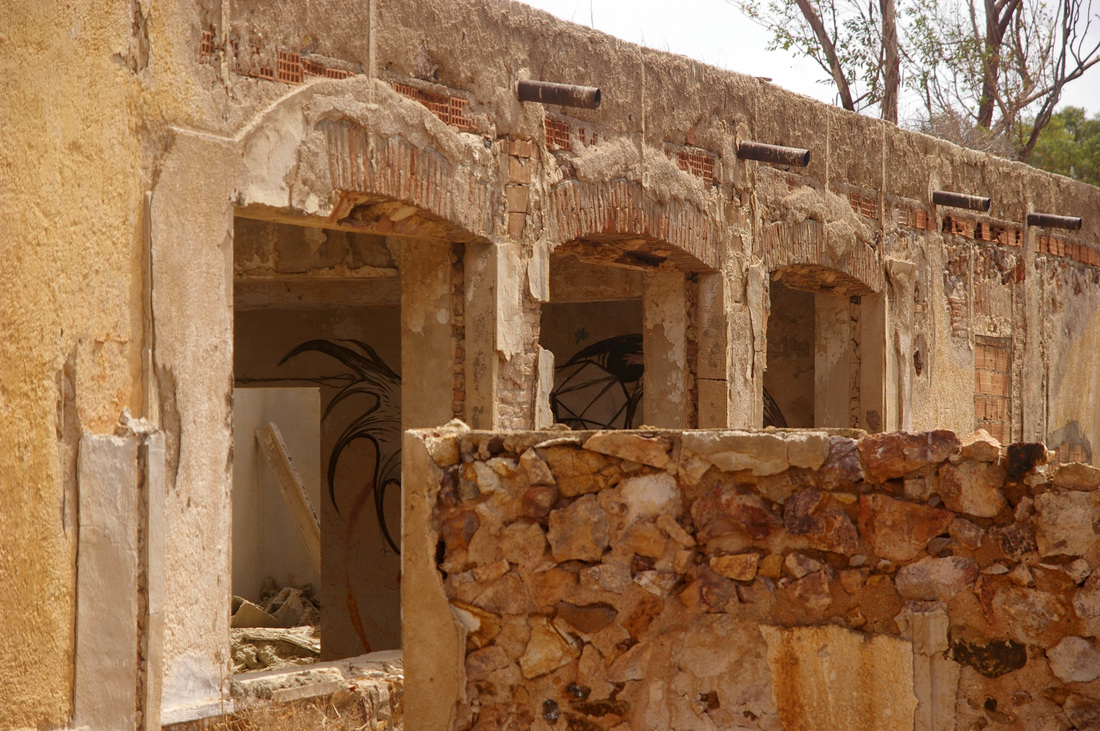
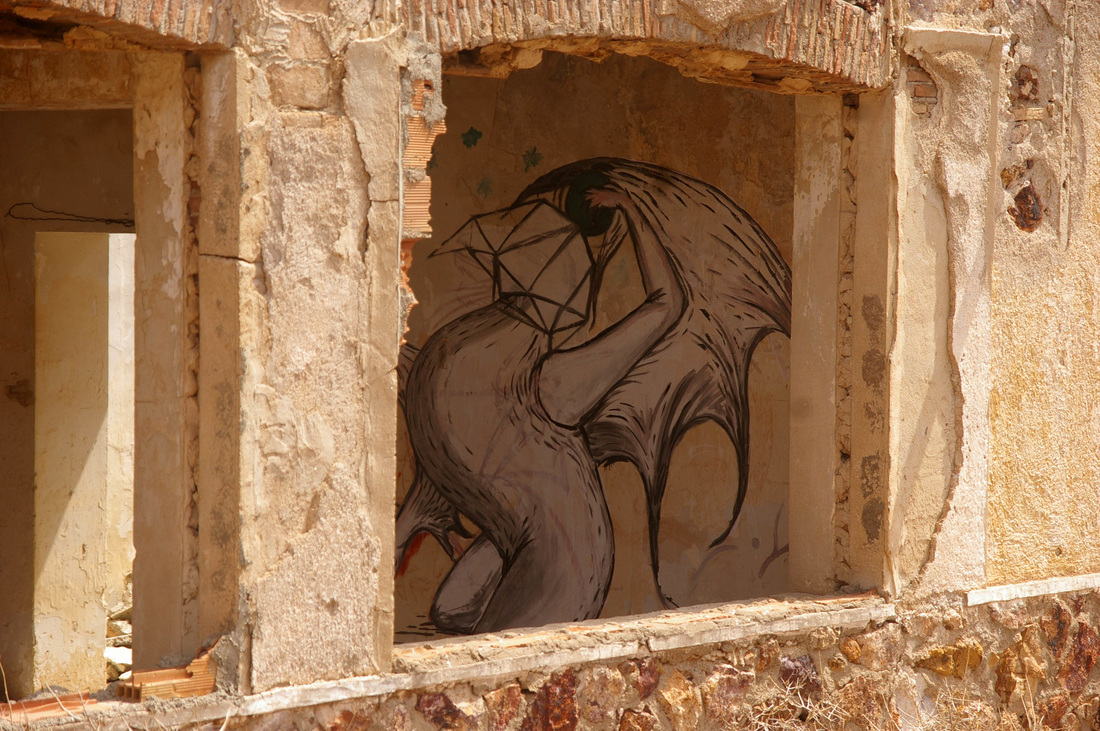
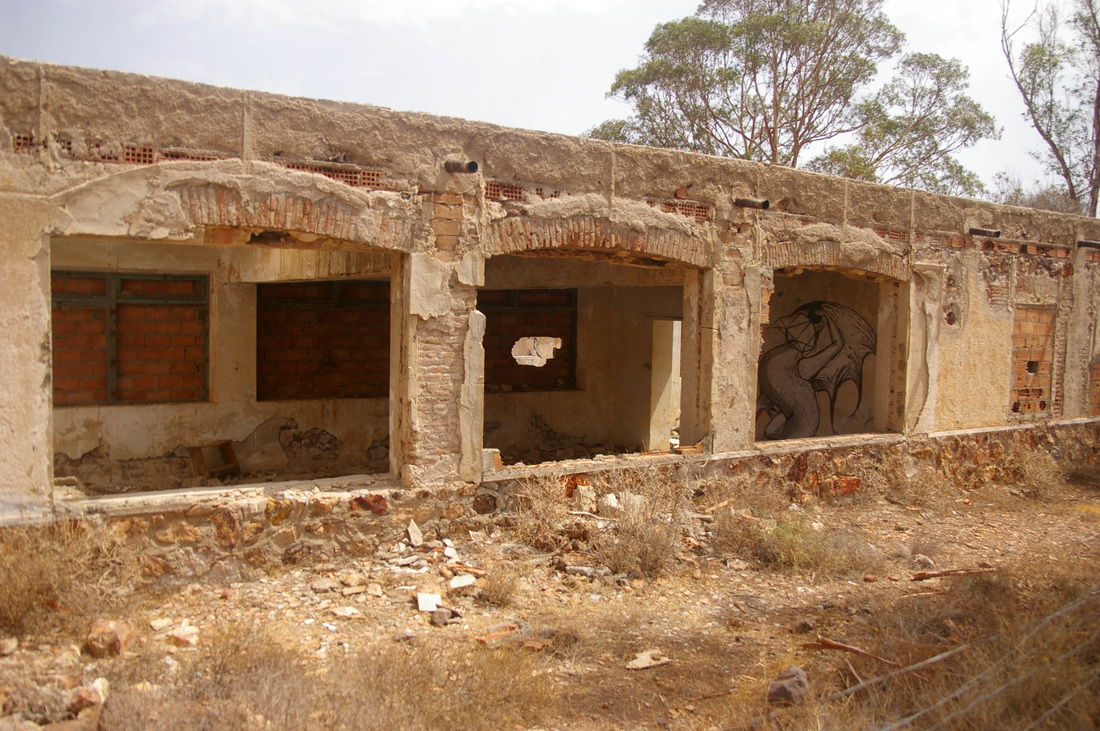
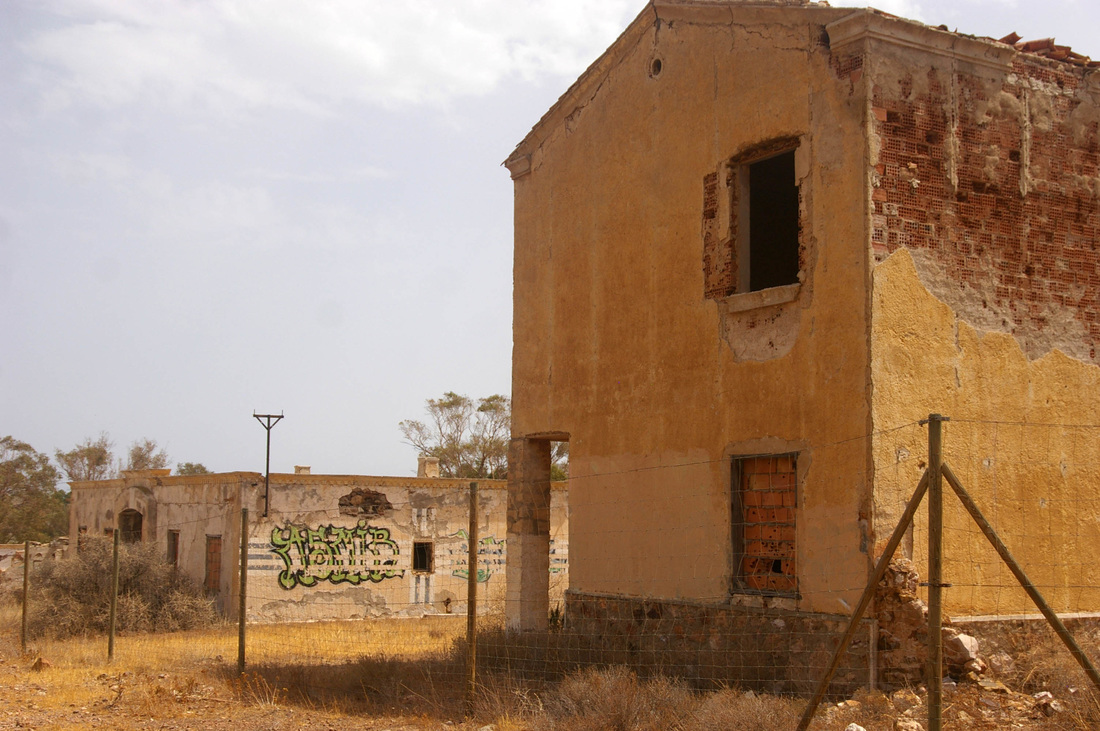
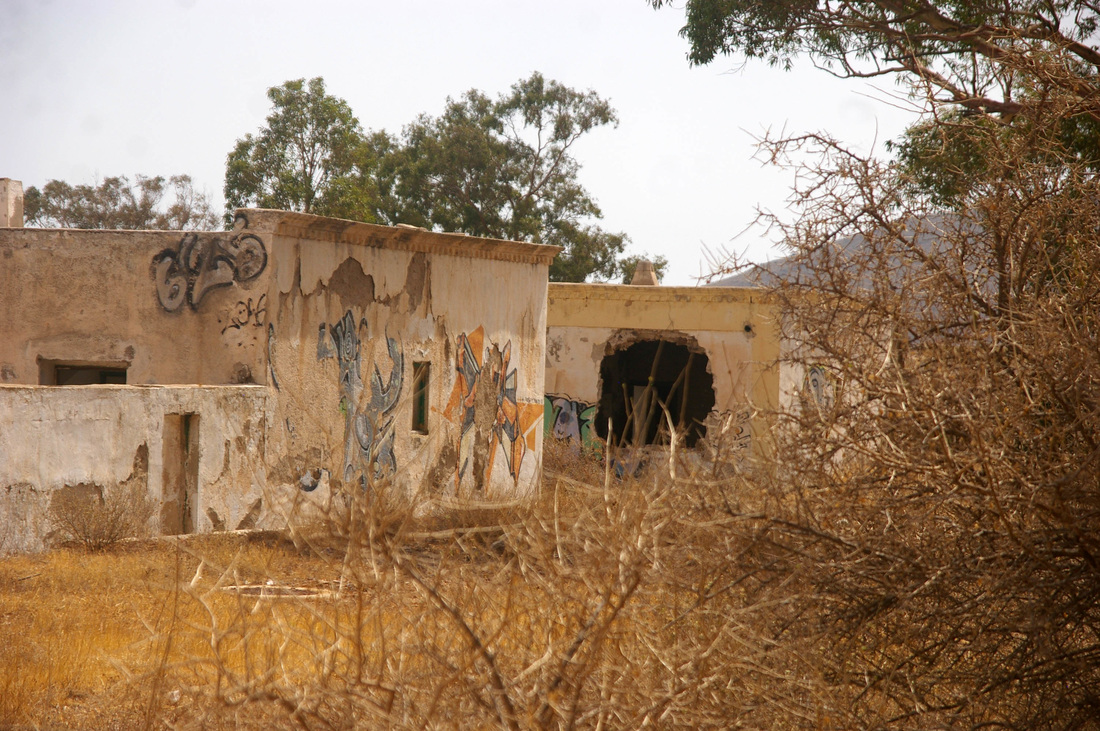
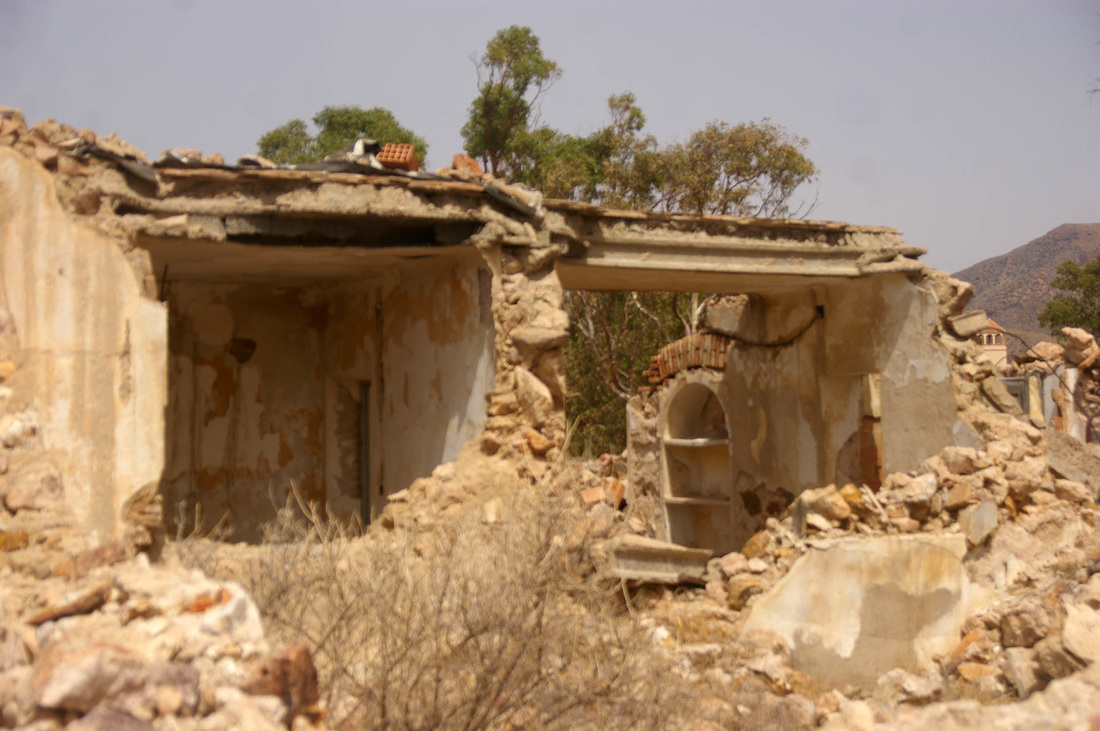
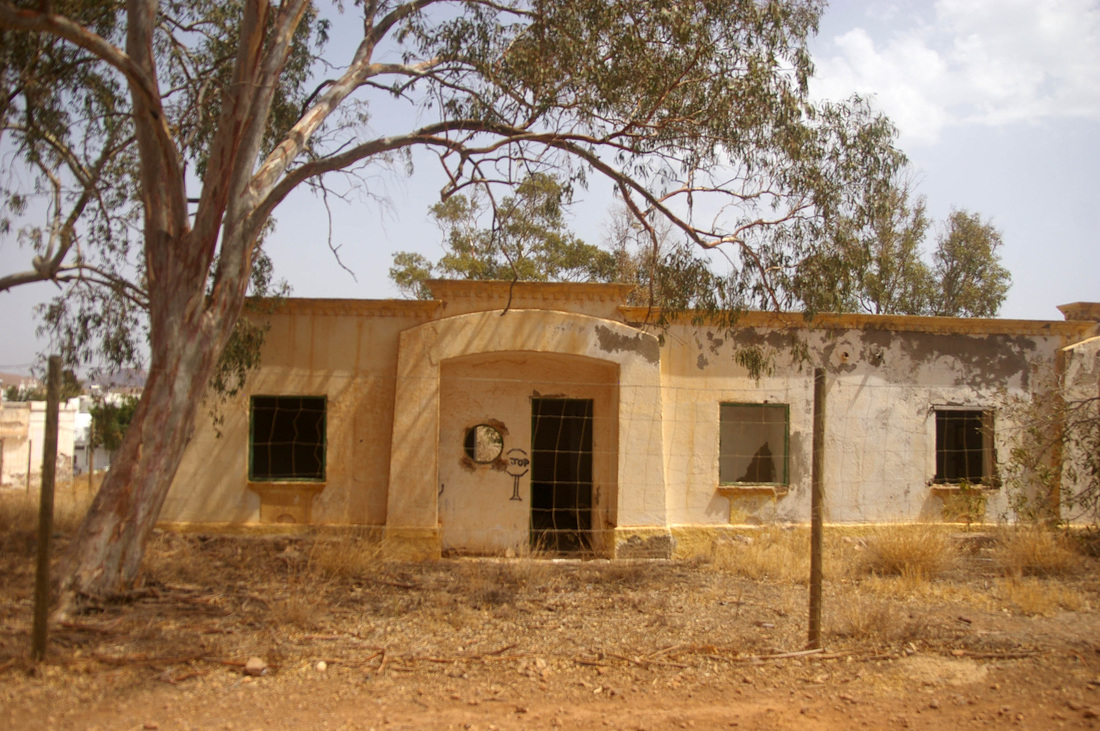
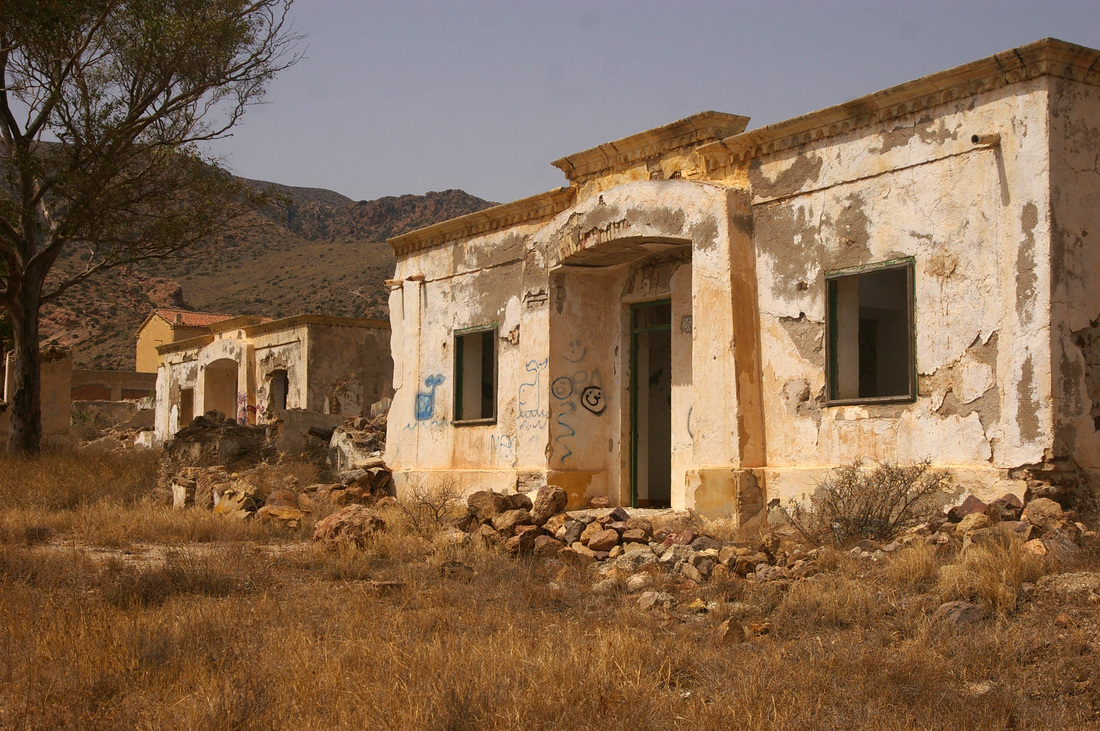
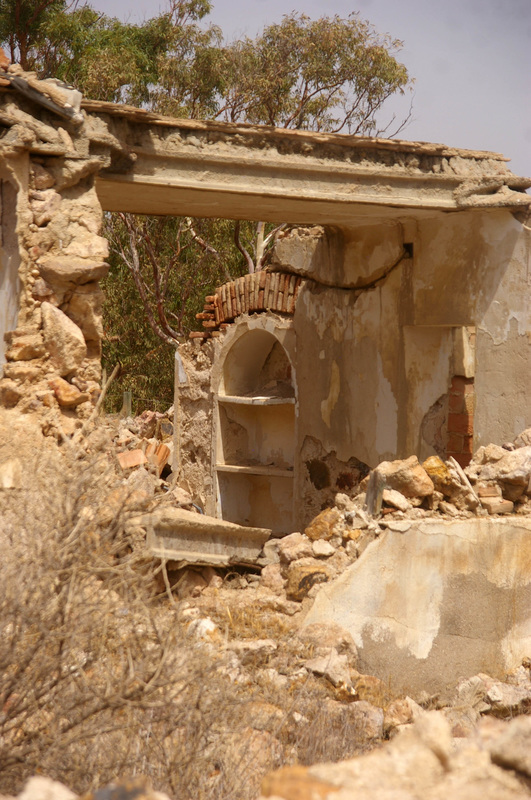
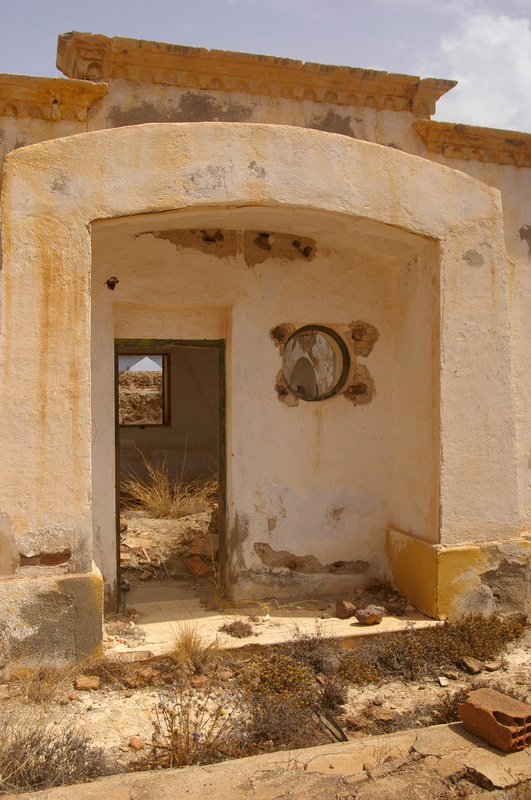
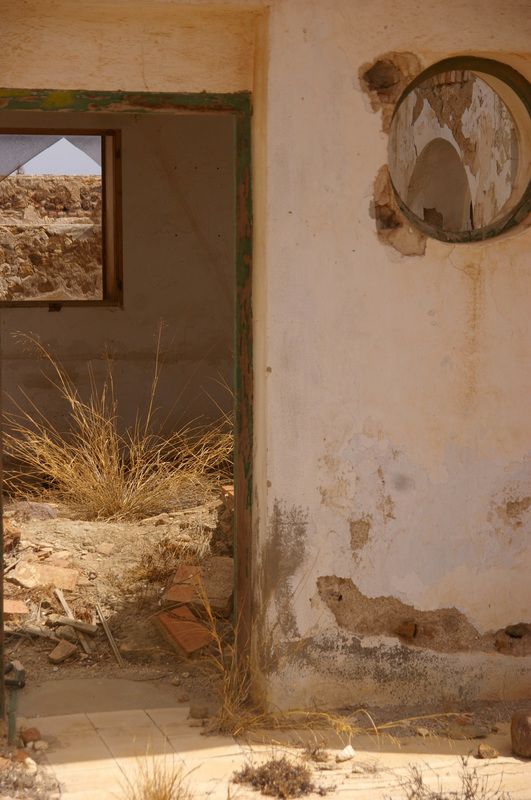
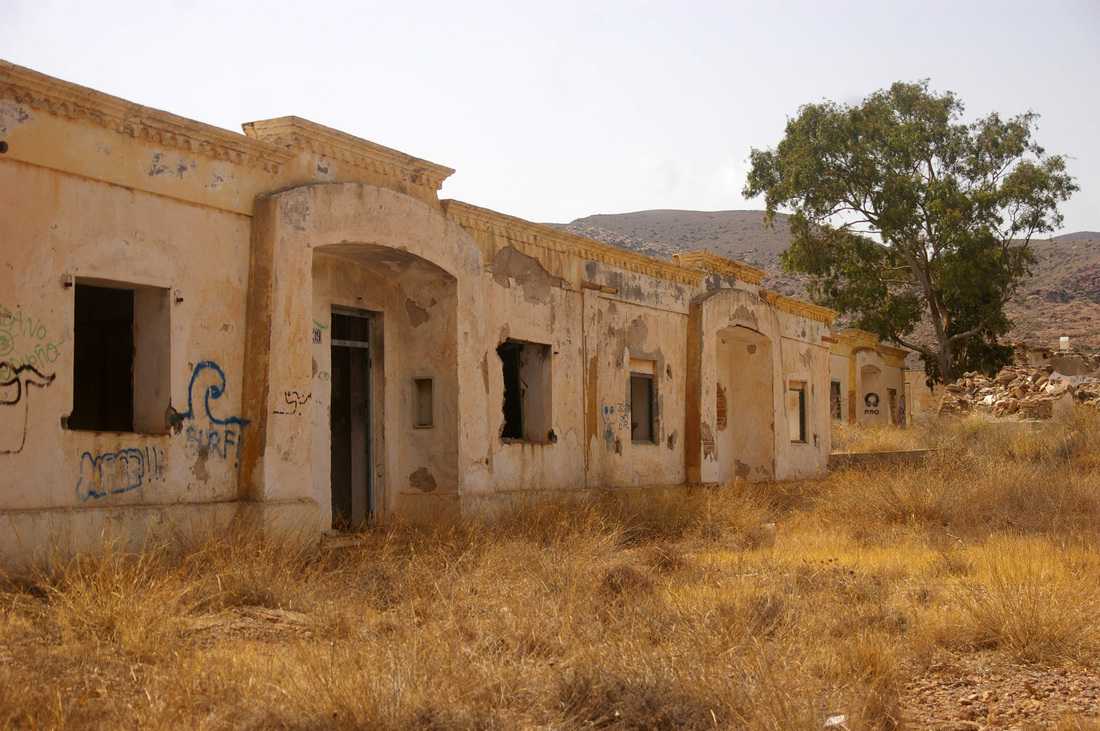
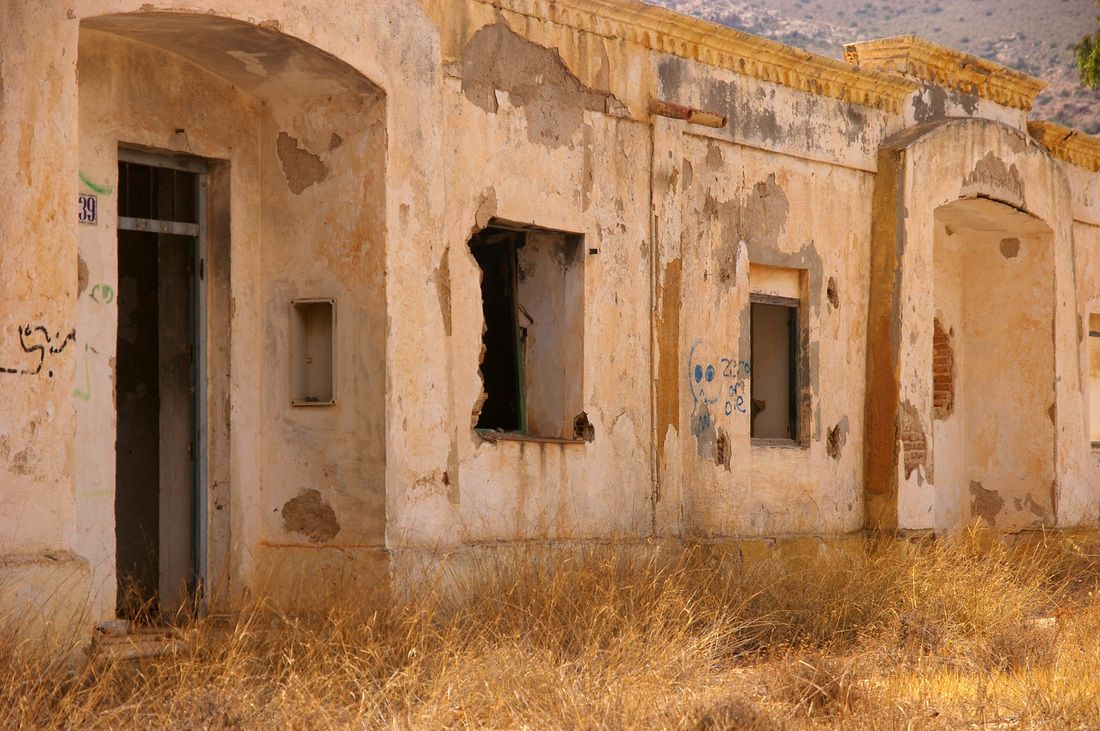
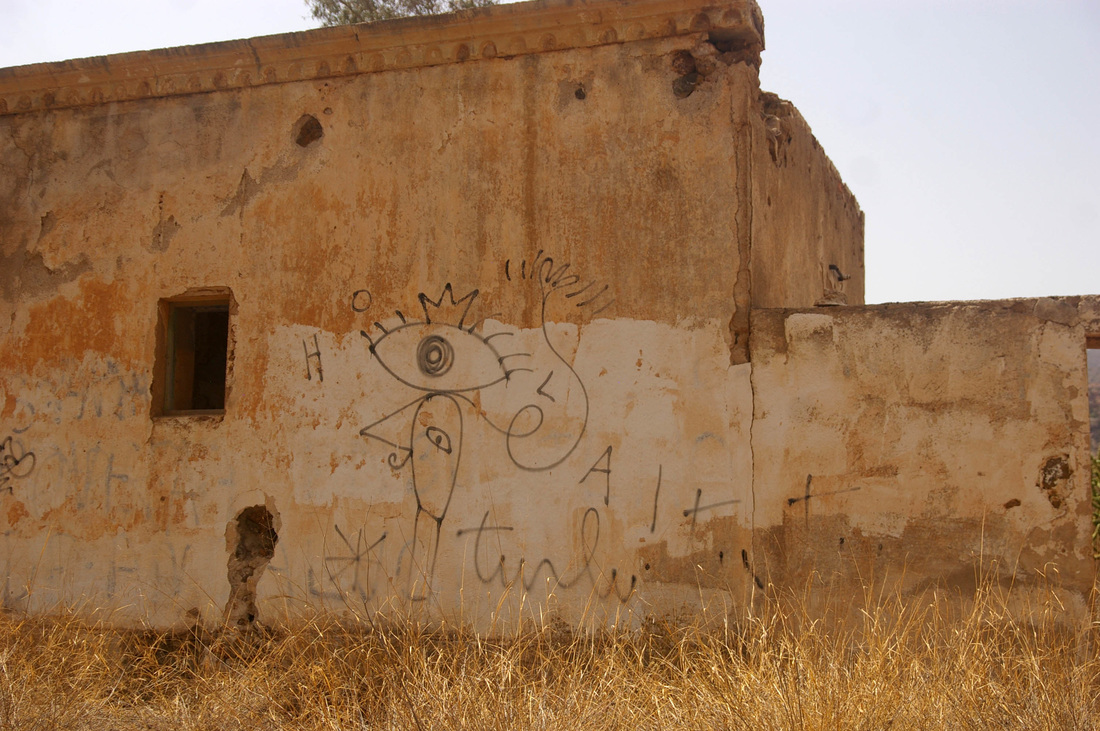
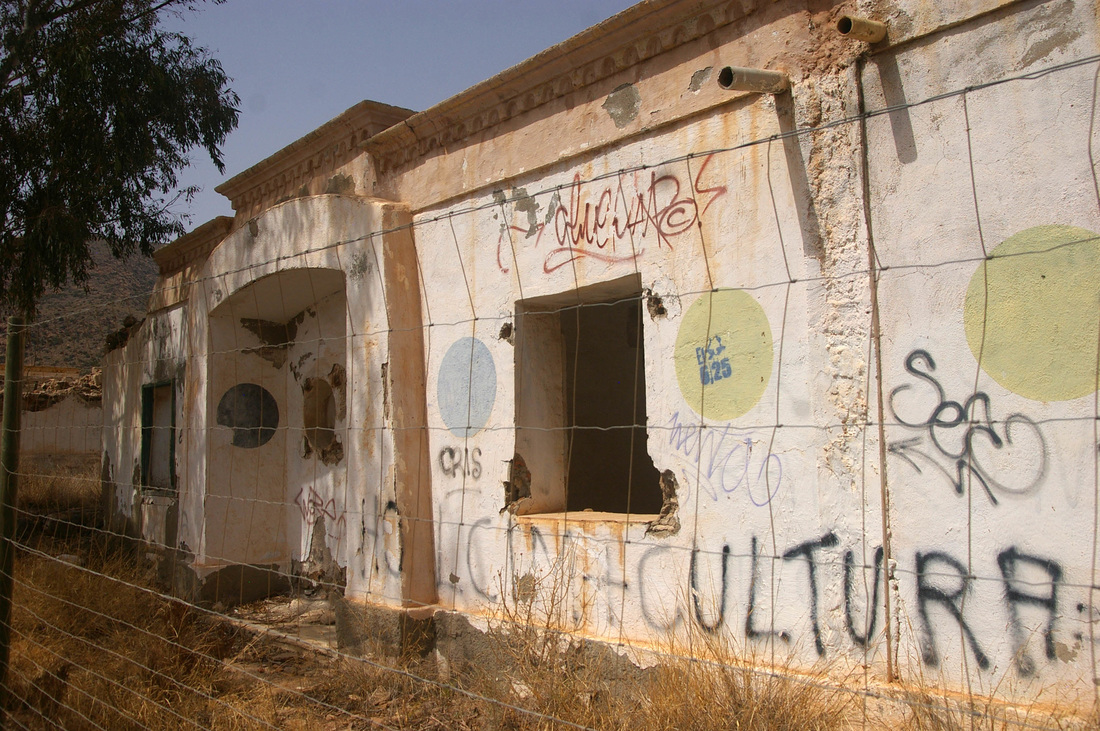
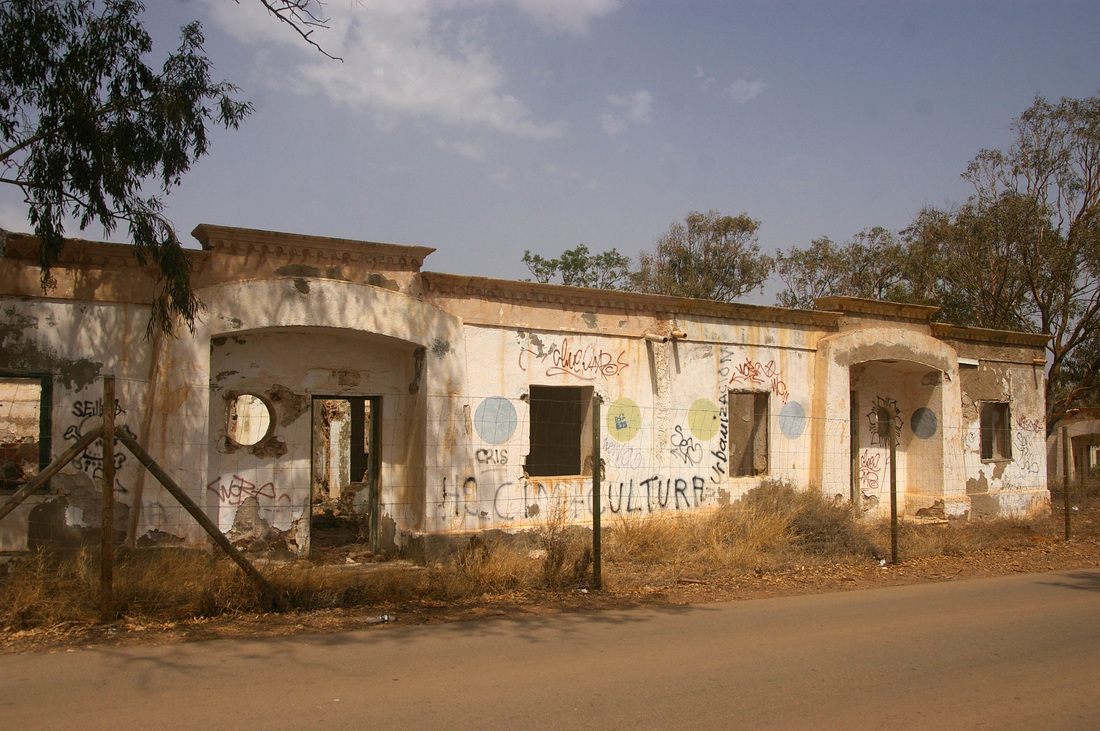
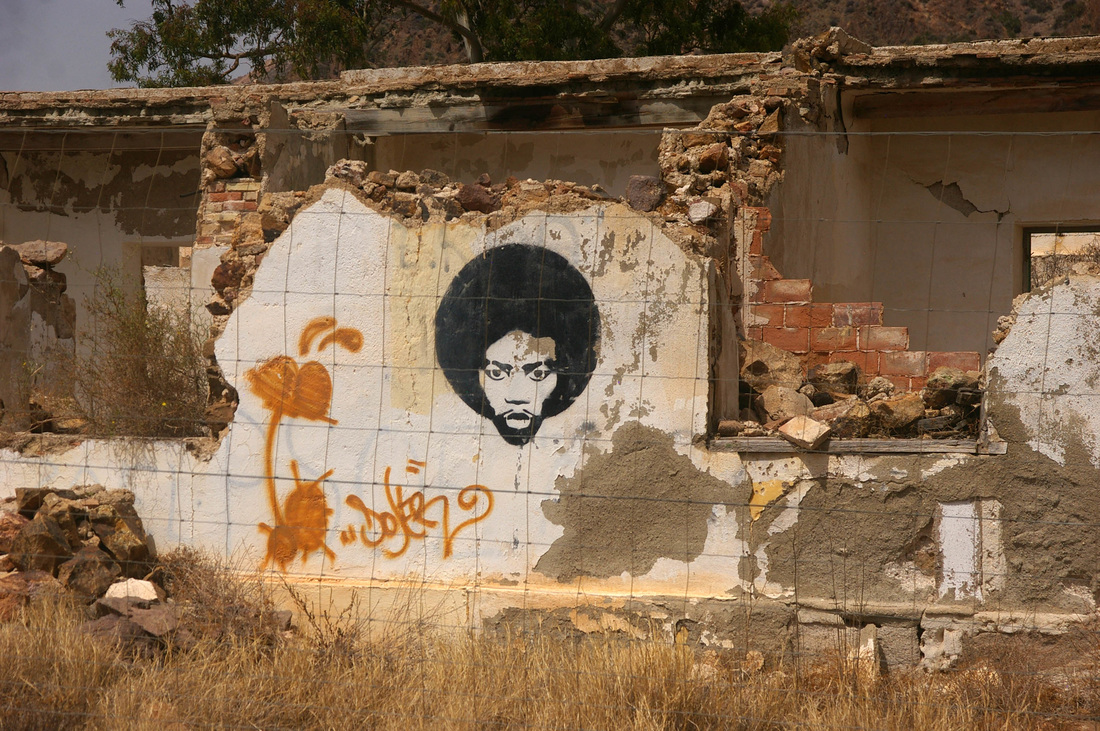
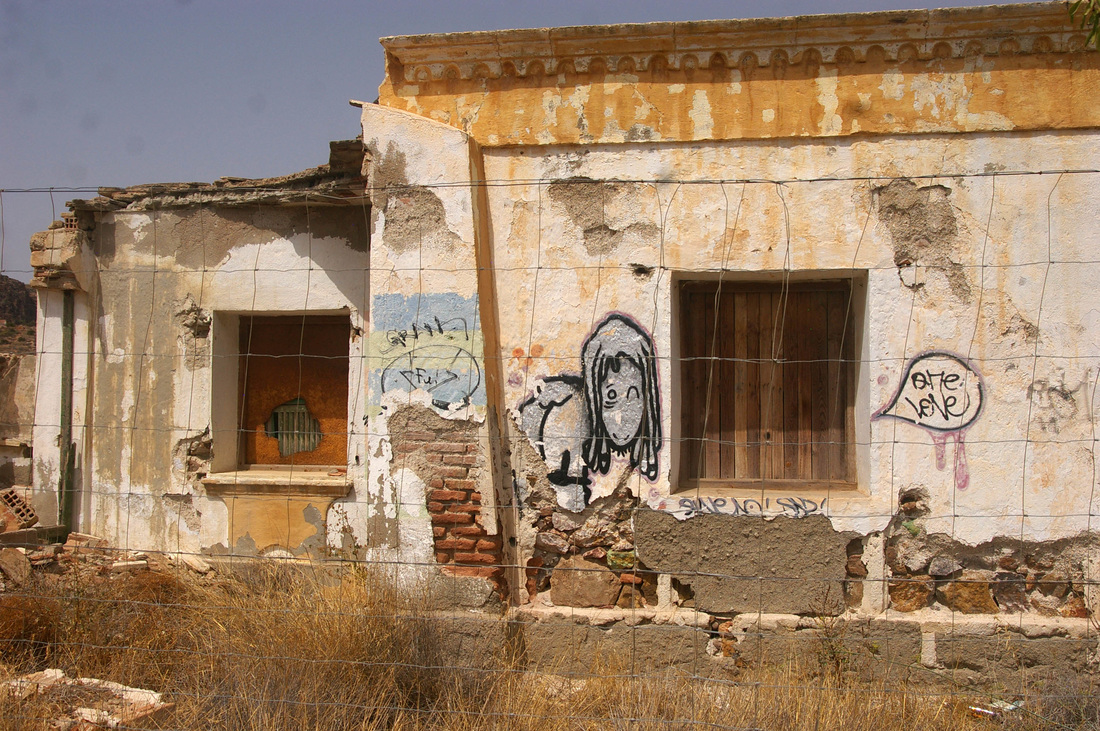
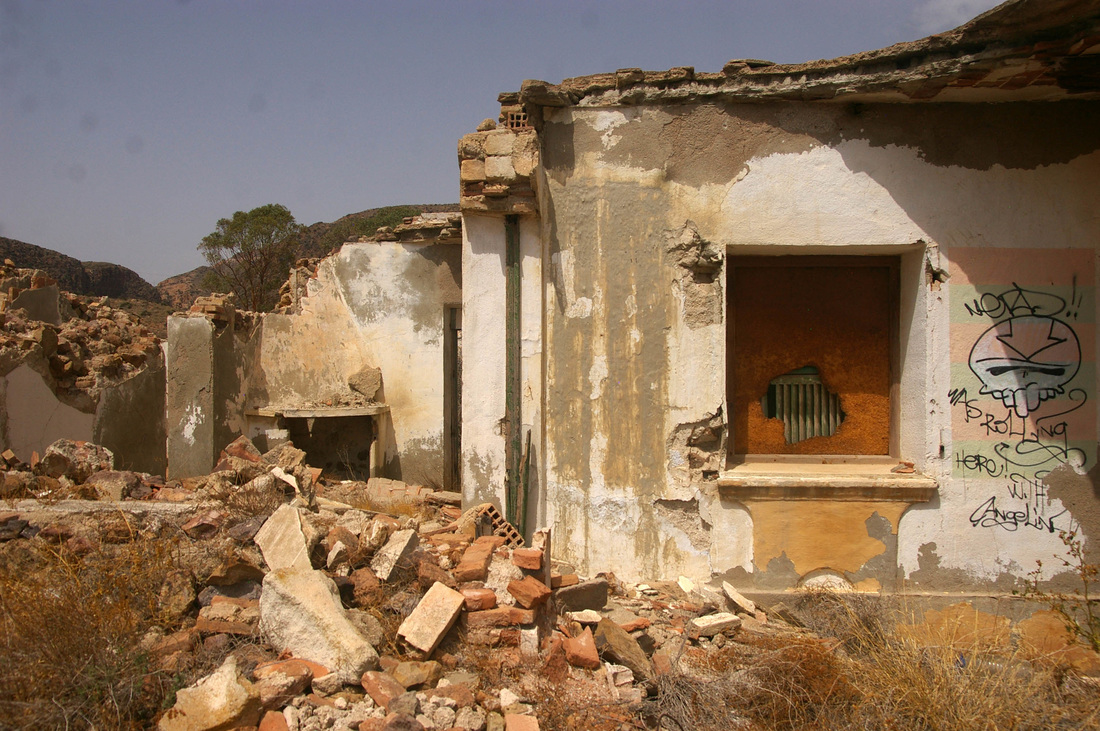
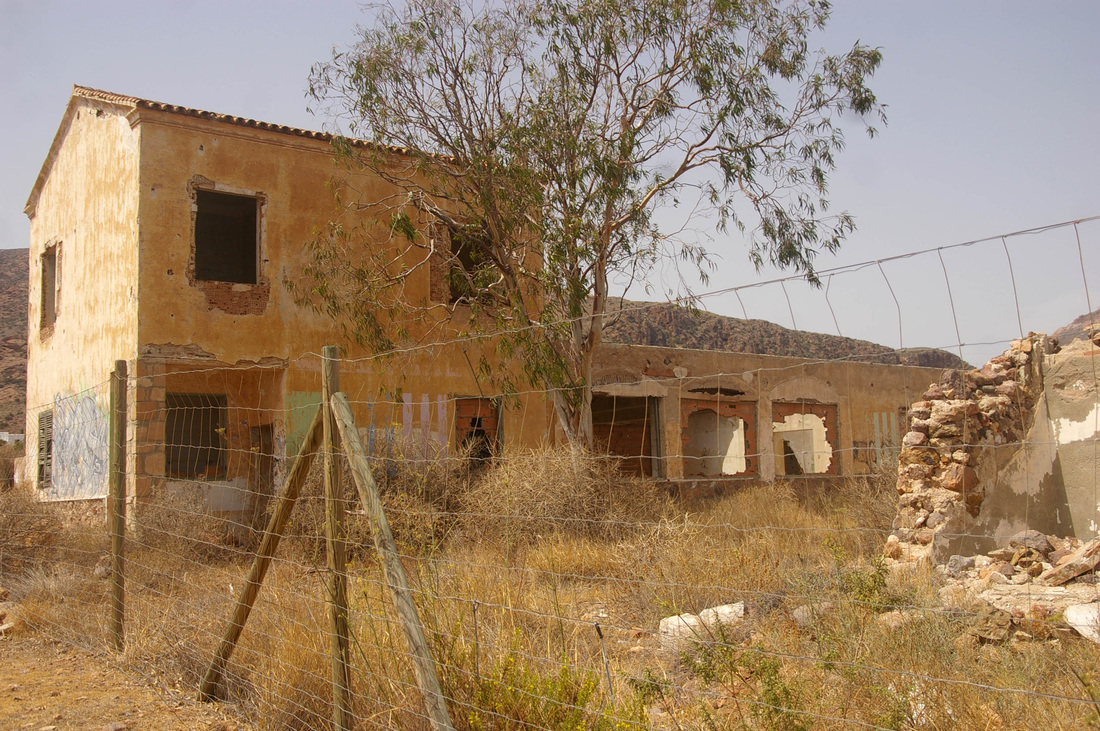
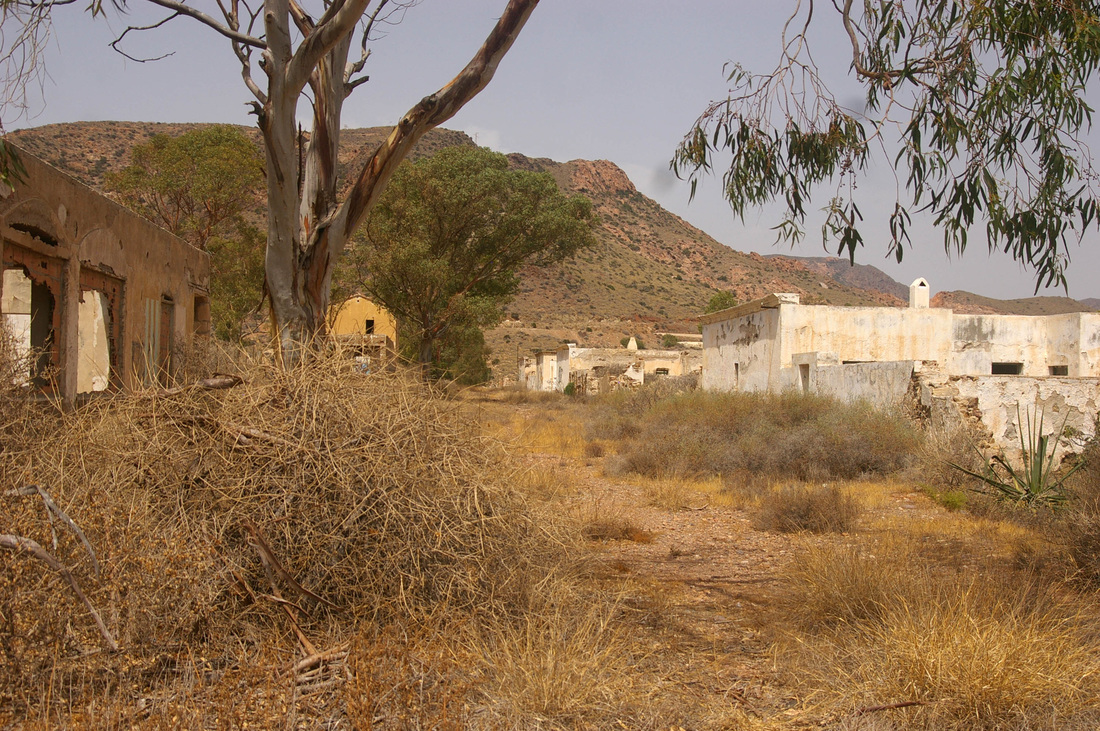
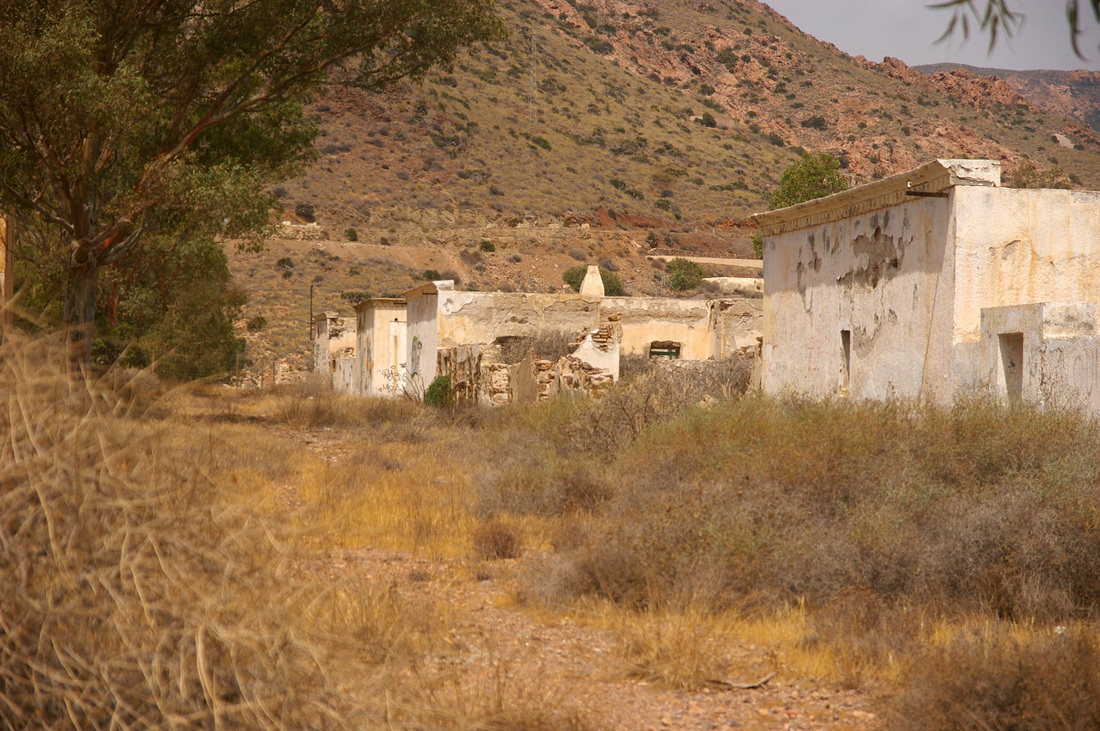
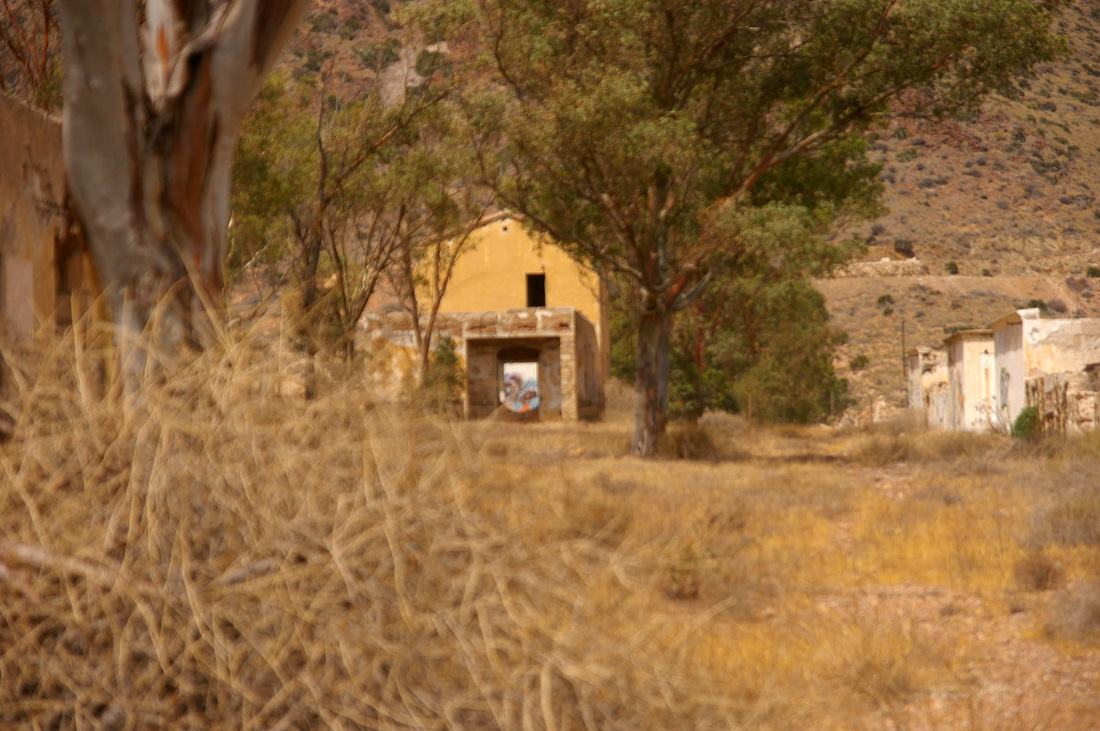
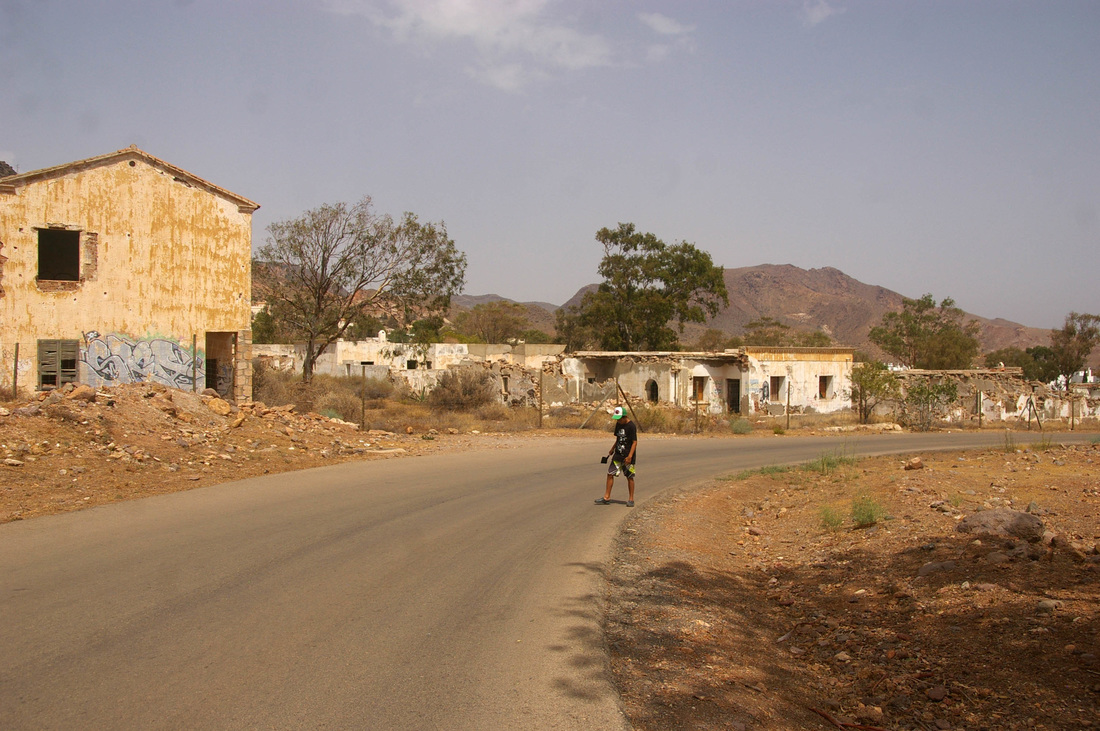
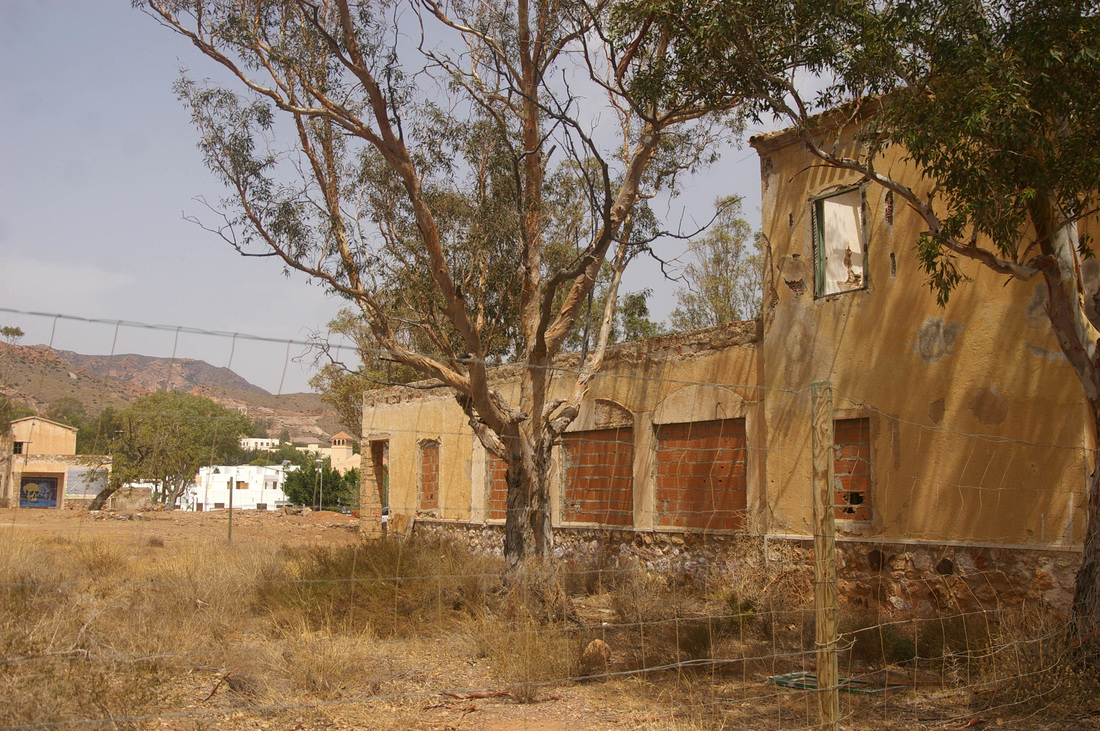
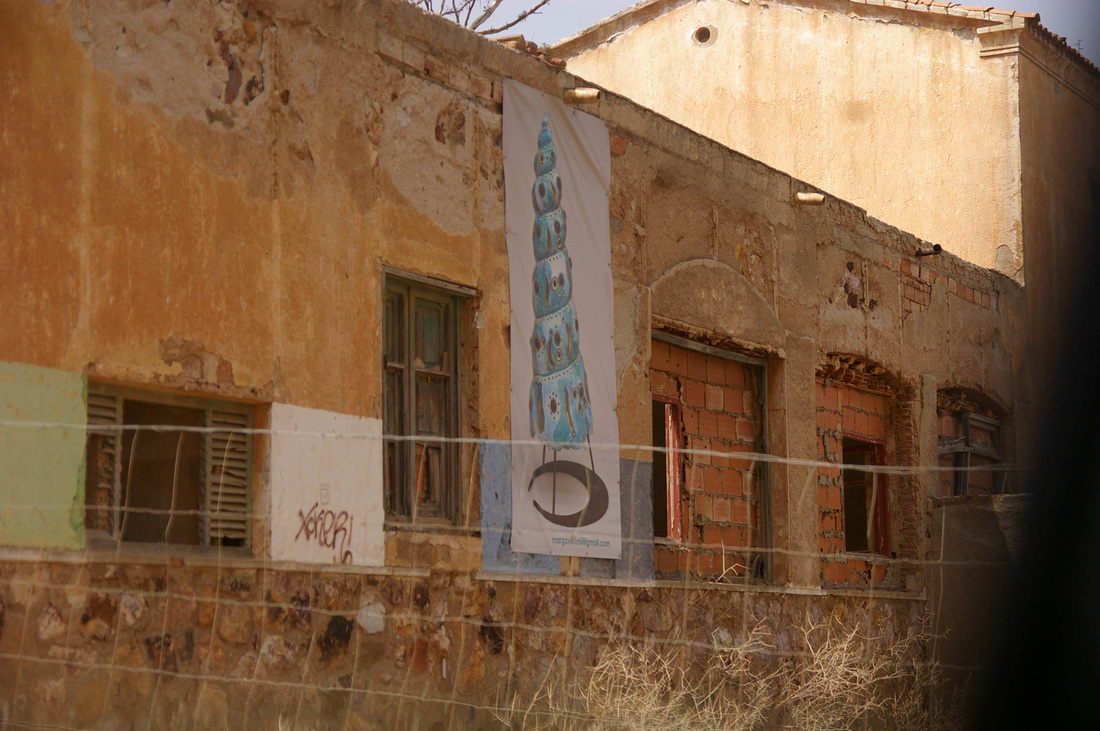
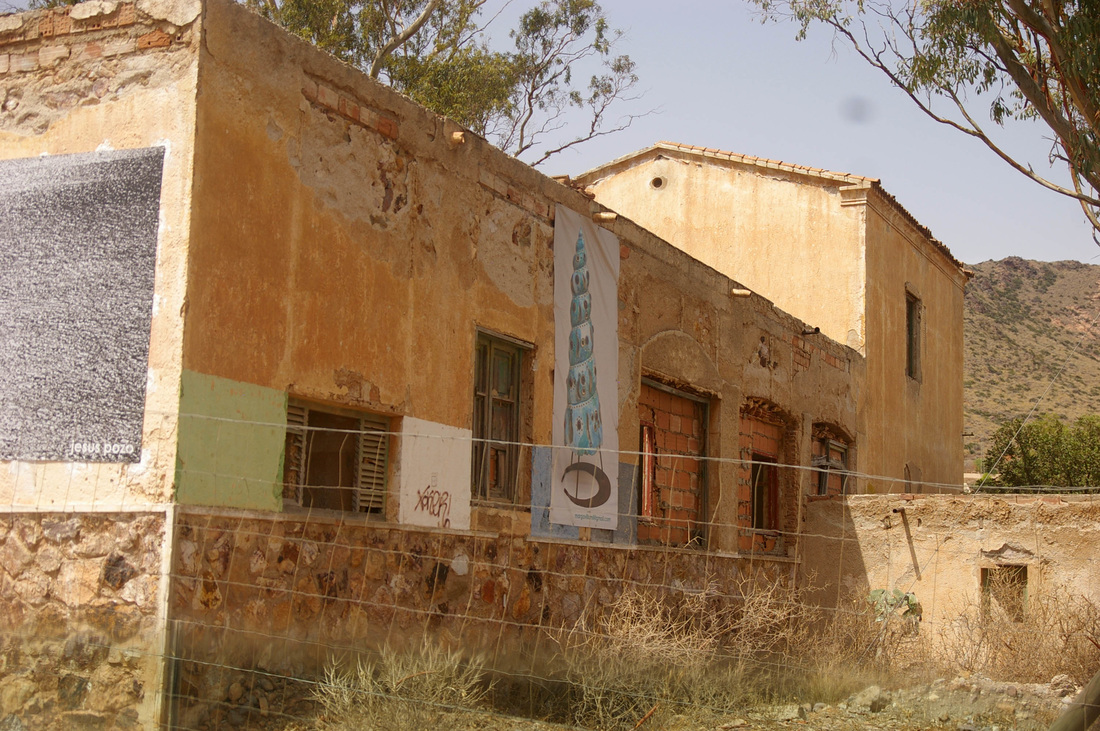
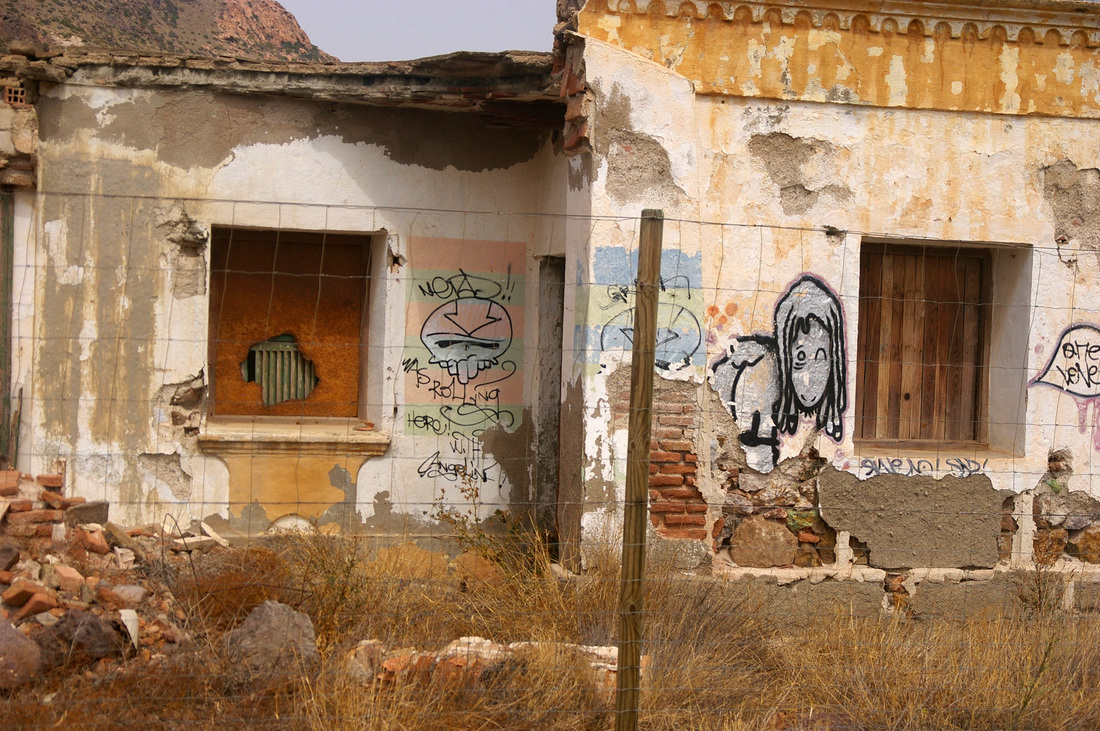
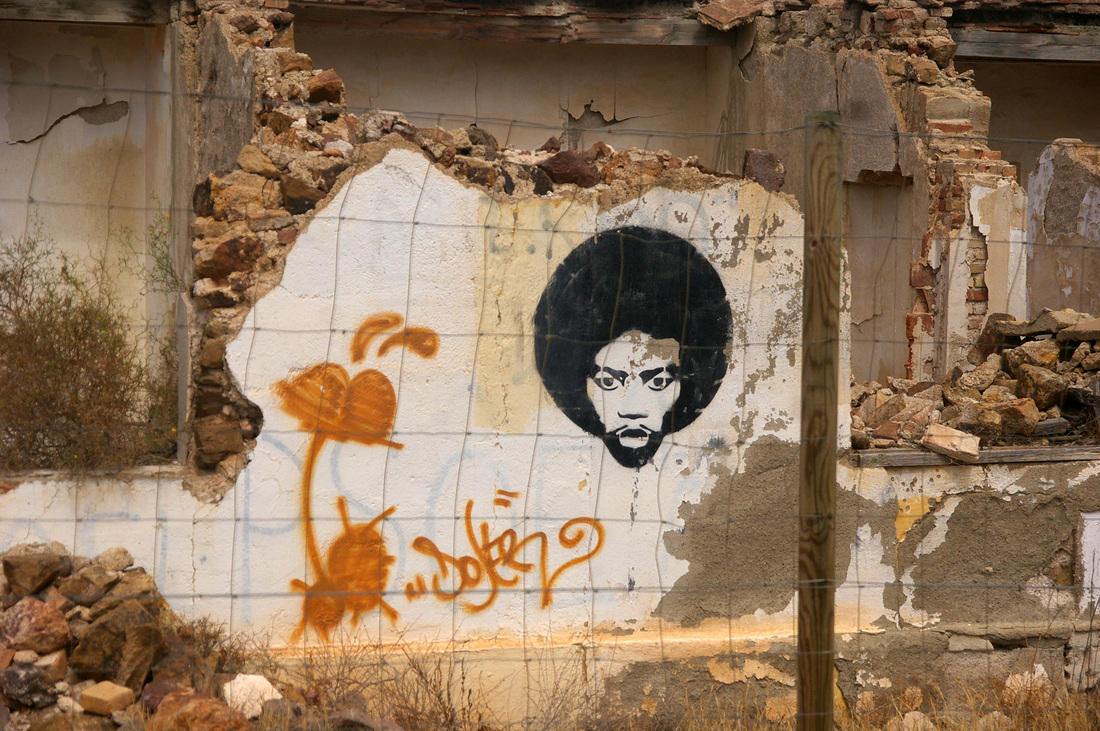
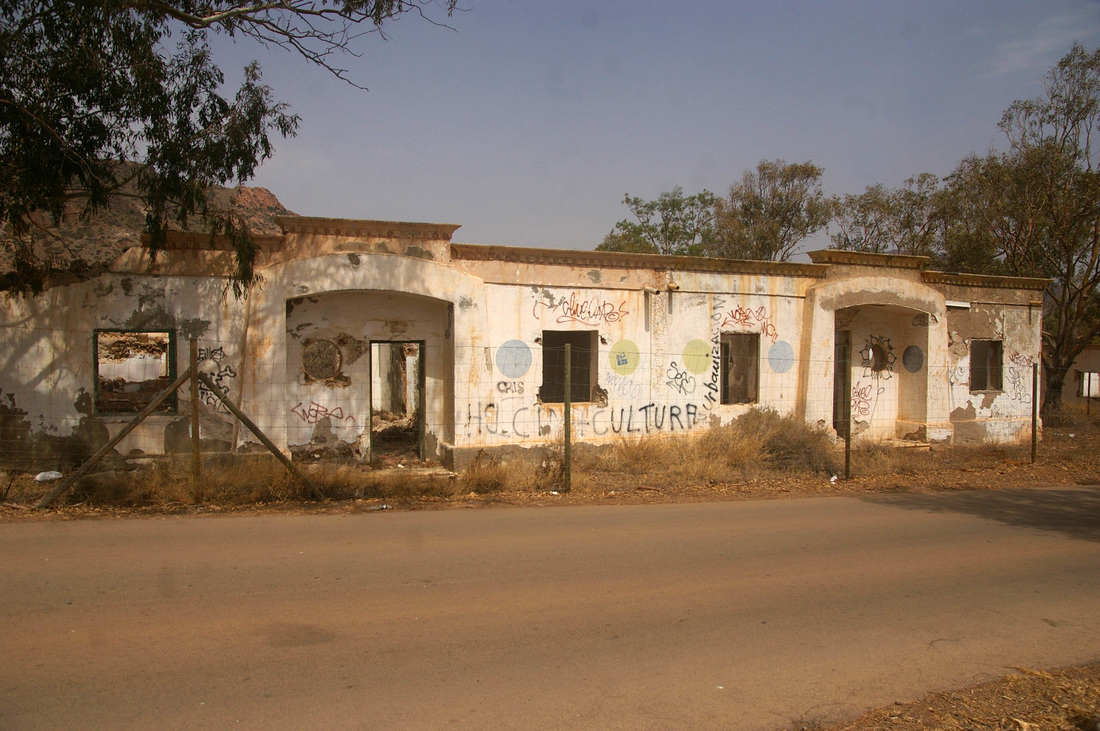
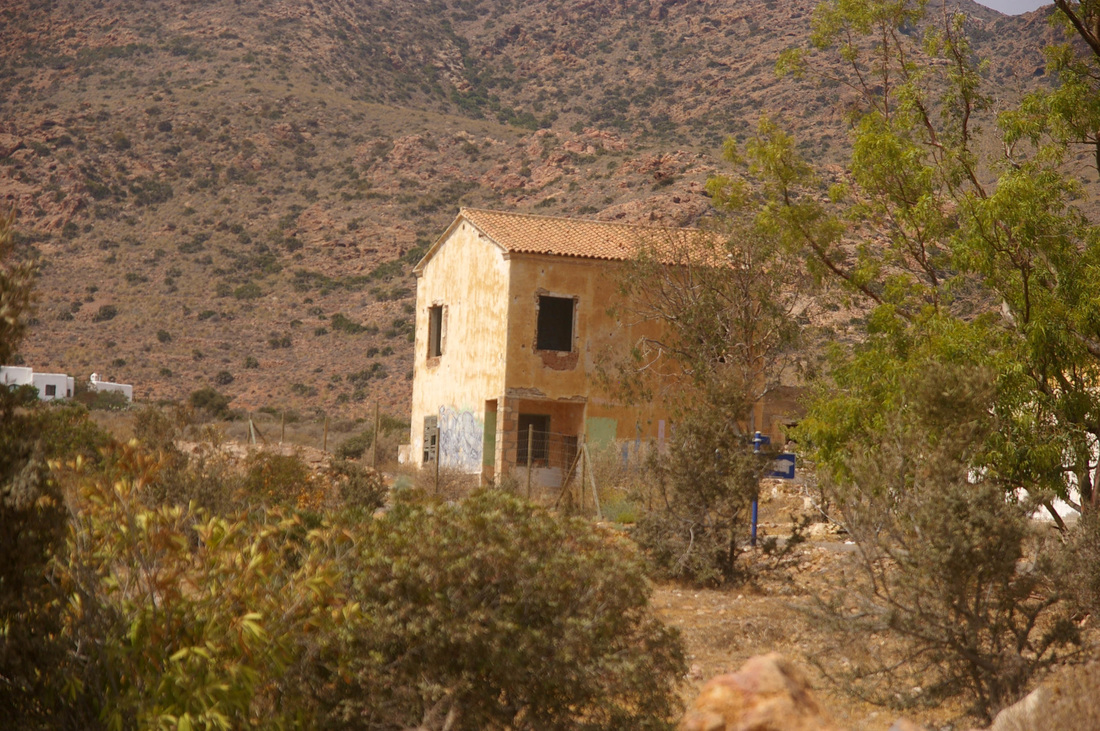
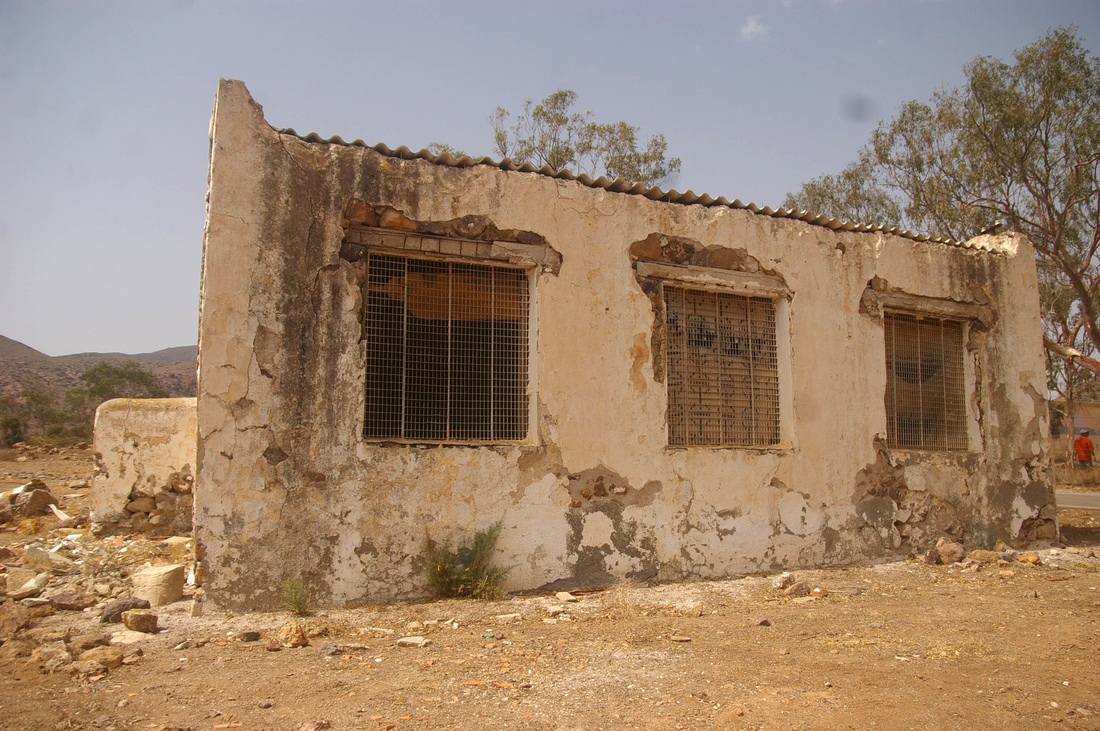
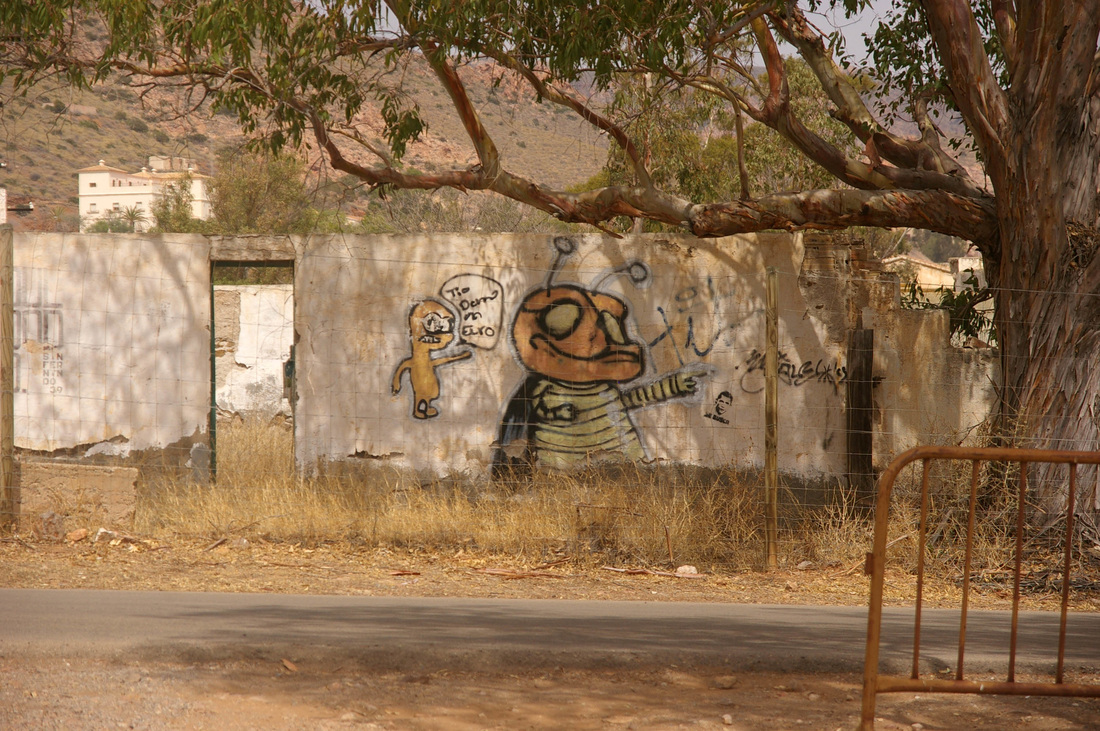
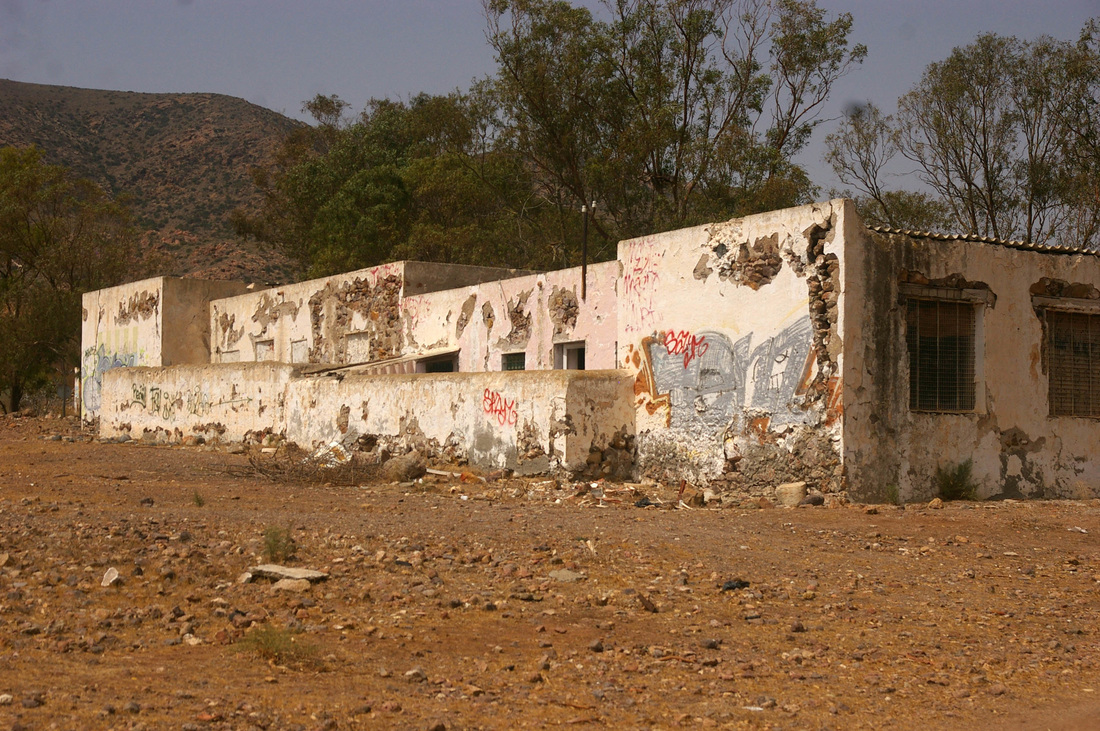
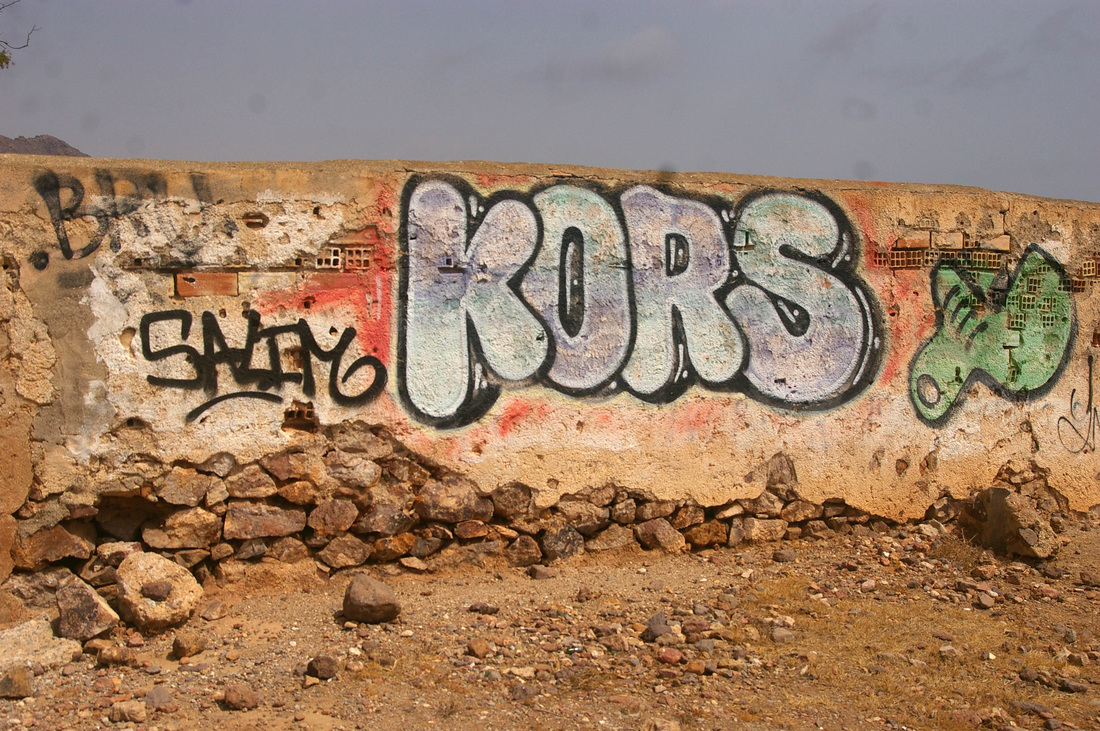
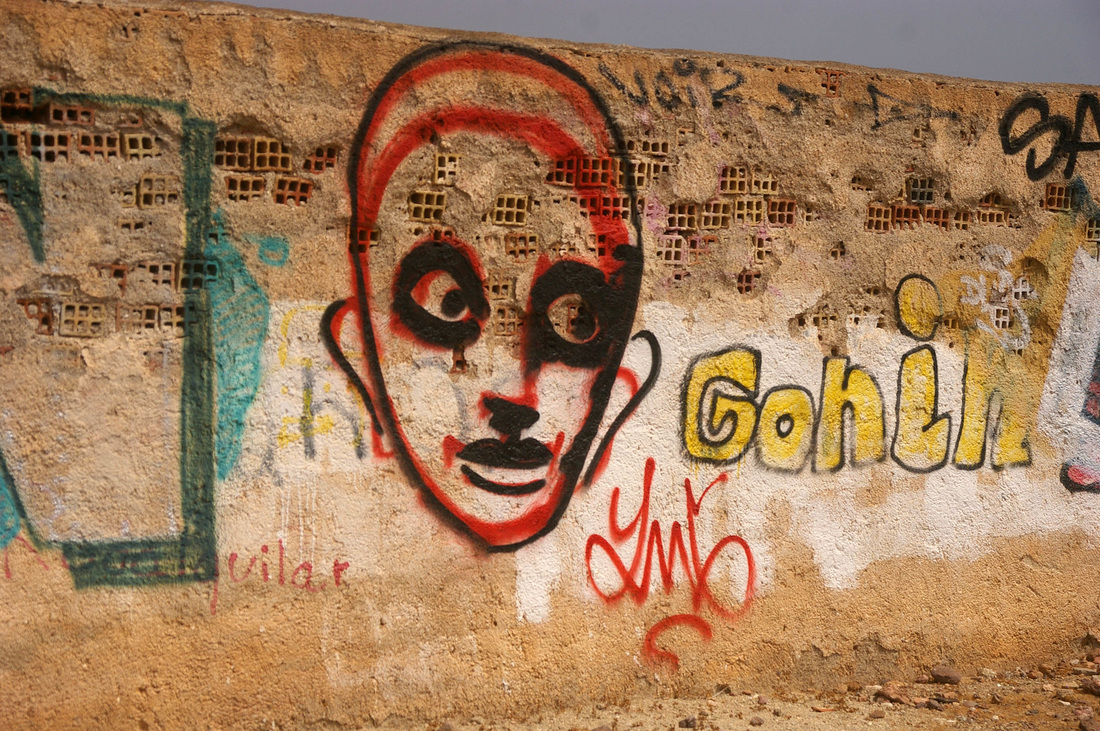
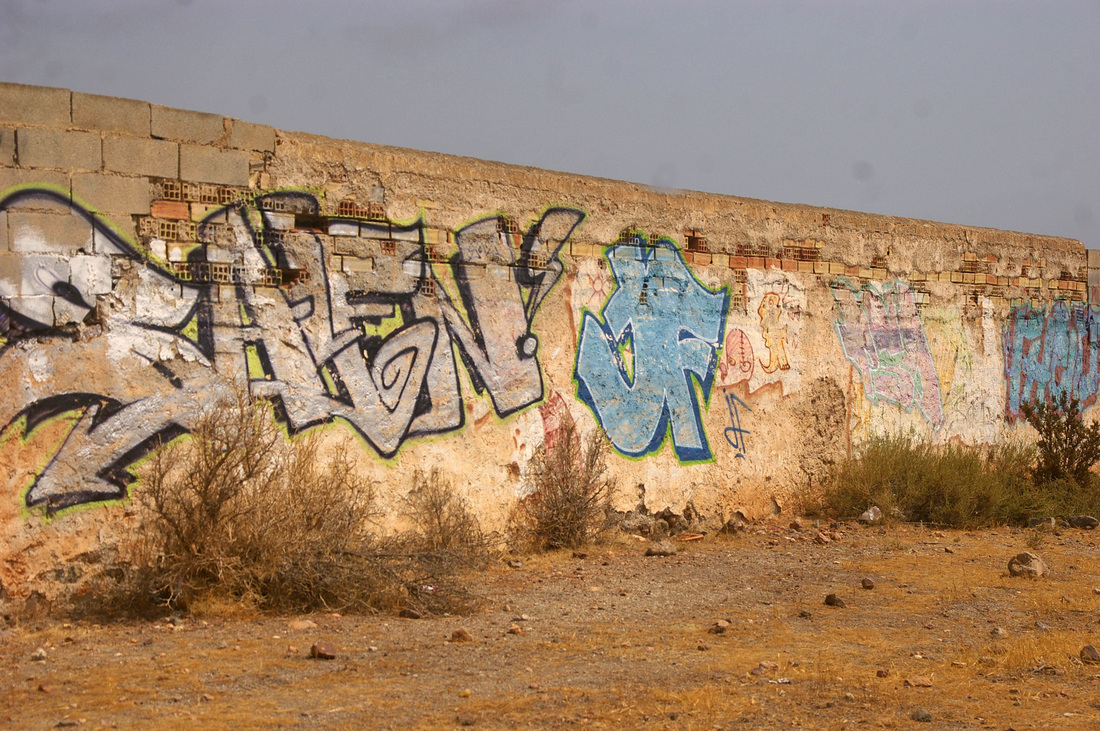
What a wild life that must have been back then... The saloon, the abandoned houses, the wild men searching for their fortune... And now the wind blows, whistling through the empty buildings and singing the song of death... A look back at golden times, brought back to life with art!!!
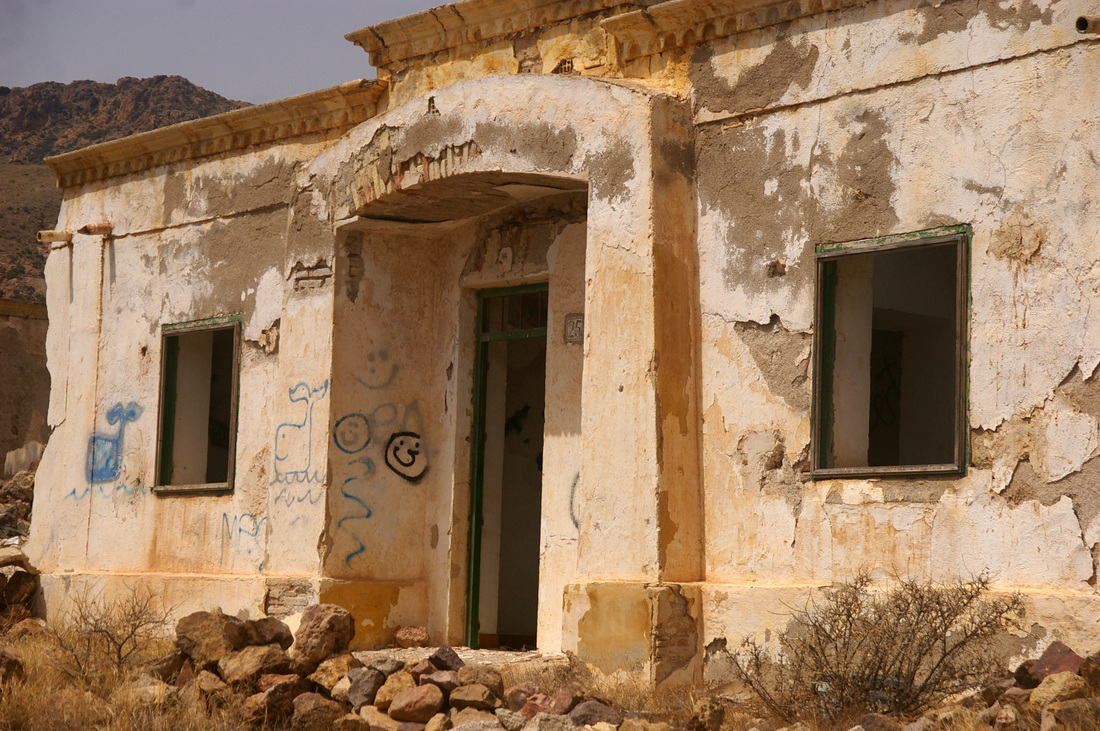
The Golden Desert Ghost Town: Rodalquilar, Spain
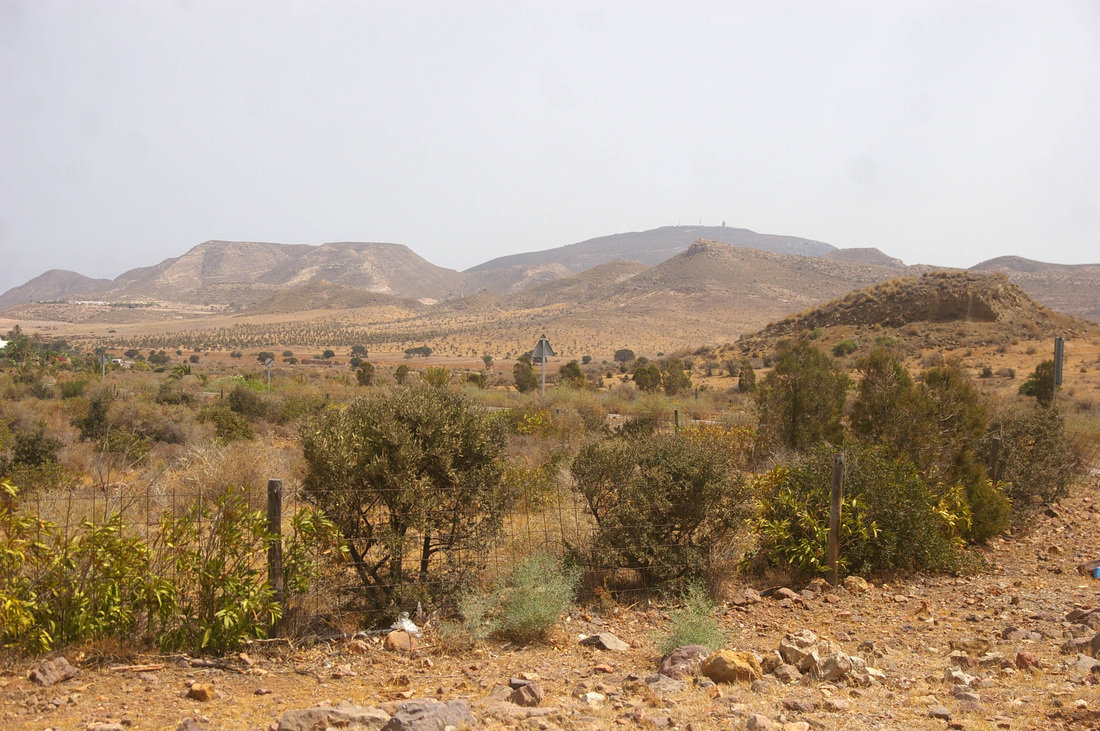
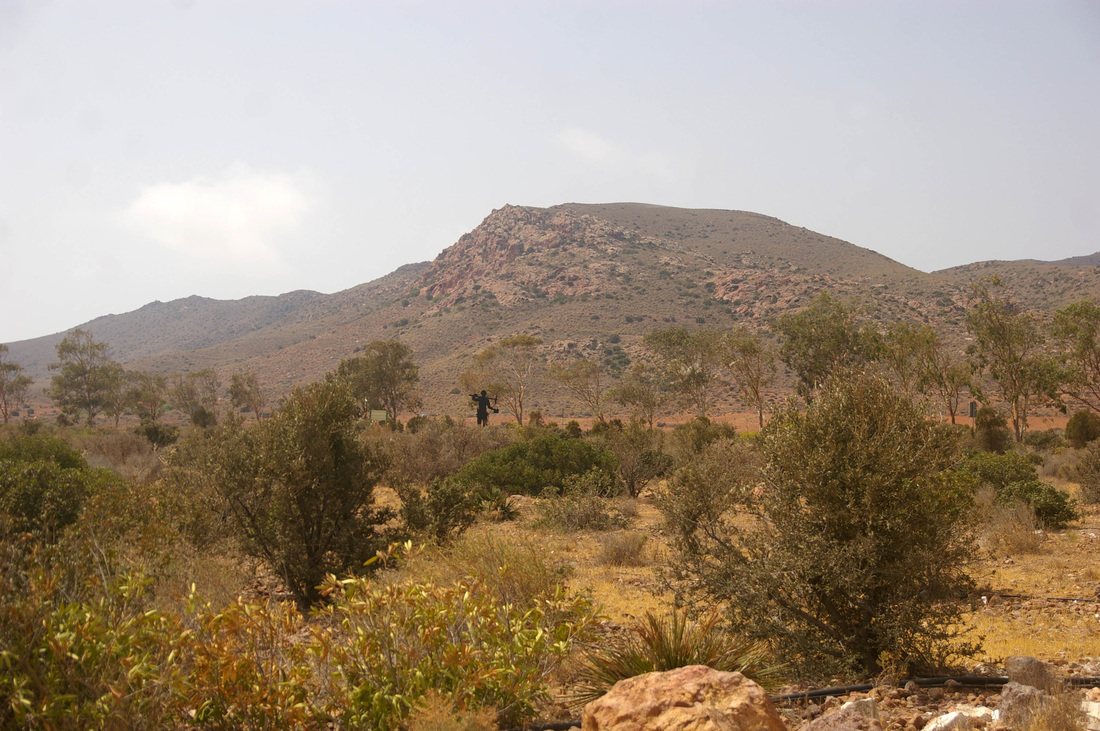
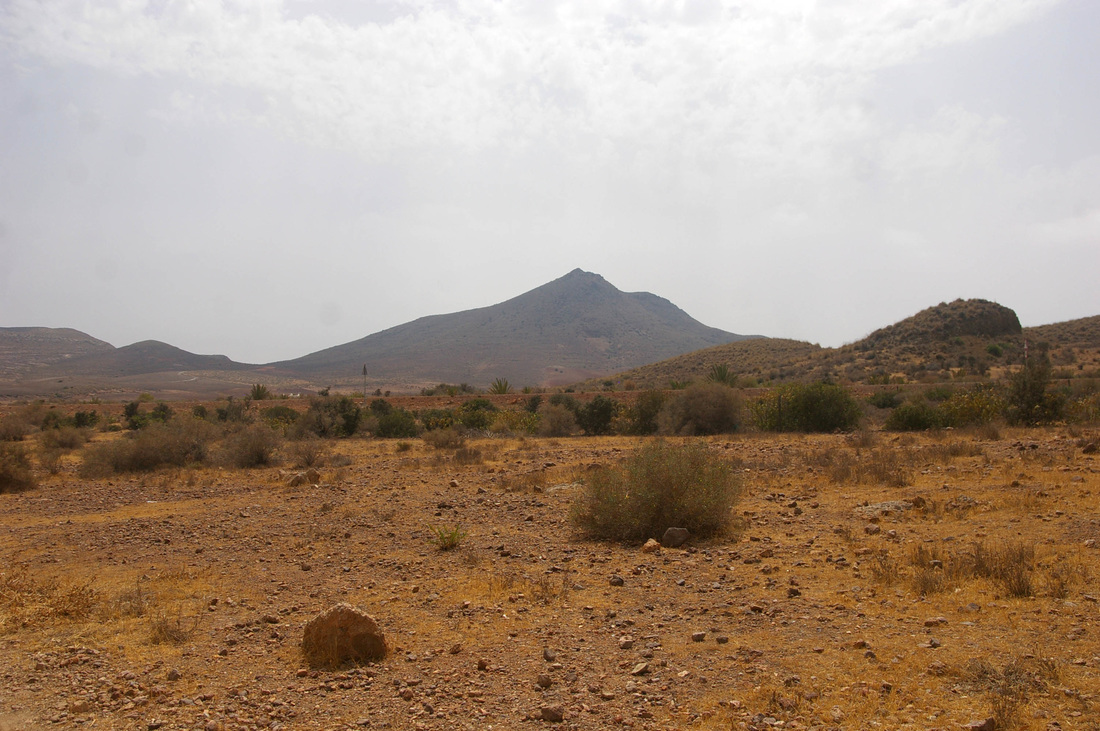
Nestled inside the volcanic landscape of the Cabo de Gata-Níjar Natural Park in Almería, Andalusia, Rodalquilar is one of Spain's most striking industrial ghost towns. It stands as a silent monument to a 19th and 20th-century gold rush that once transformed this quiet valley into Europe's mining epicenter.
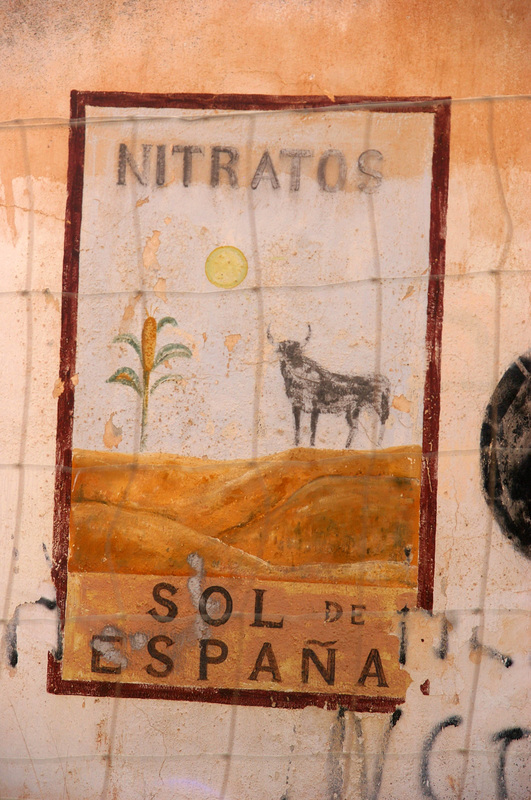
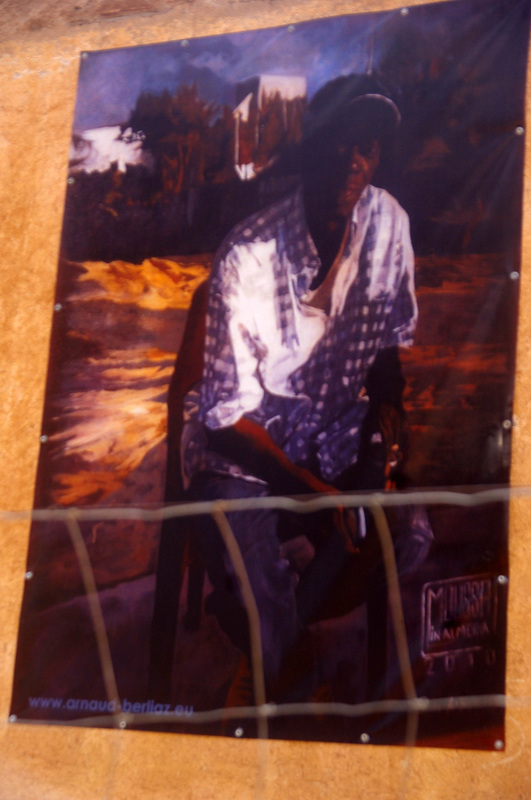
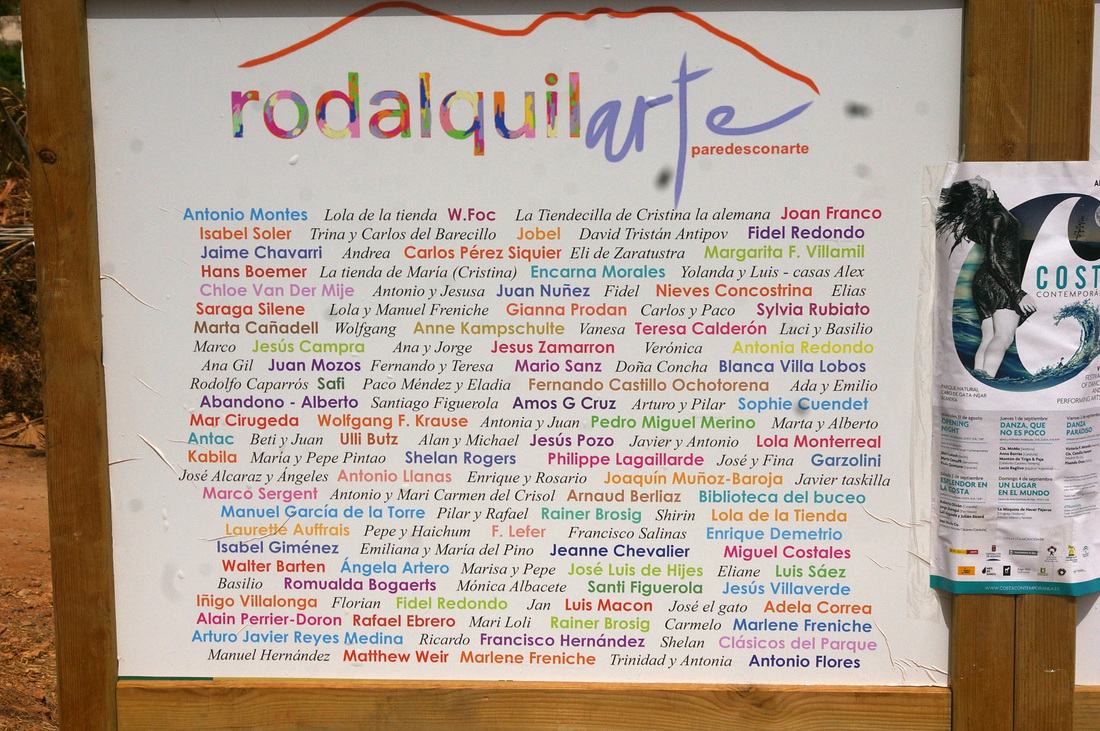
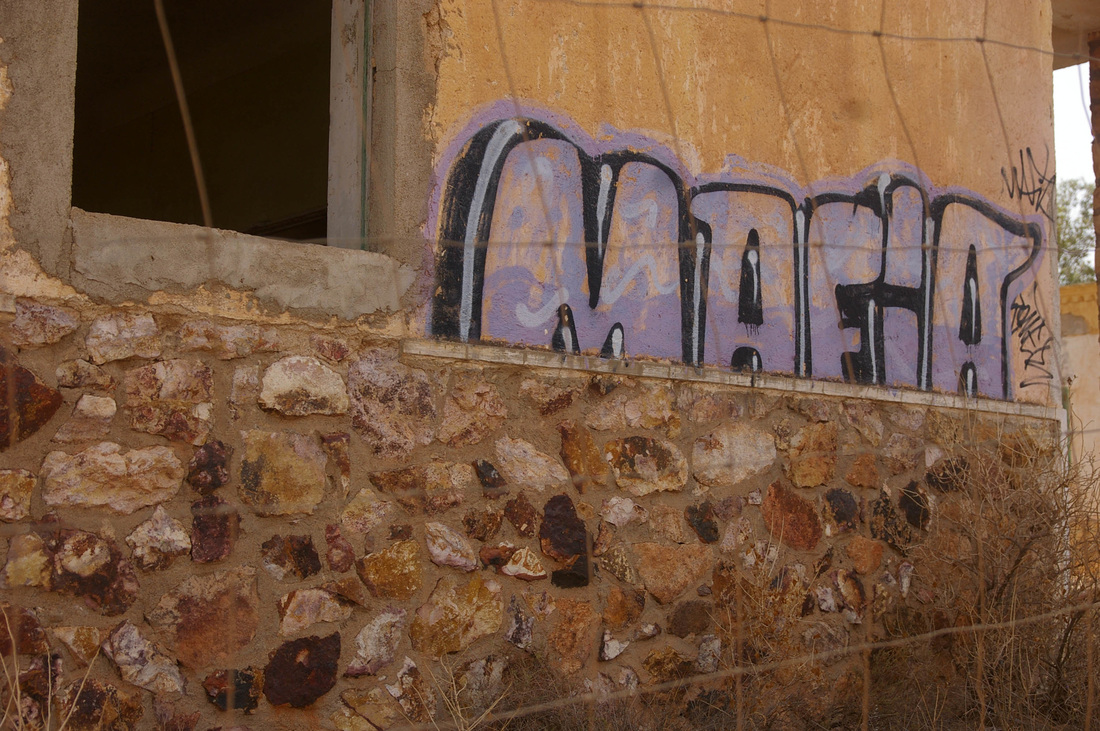
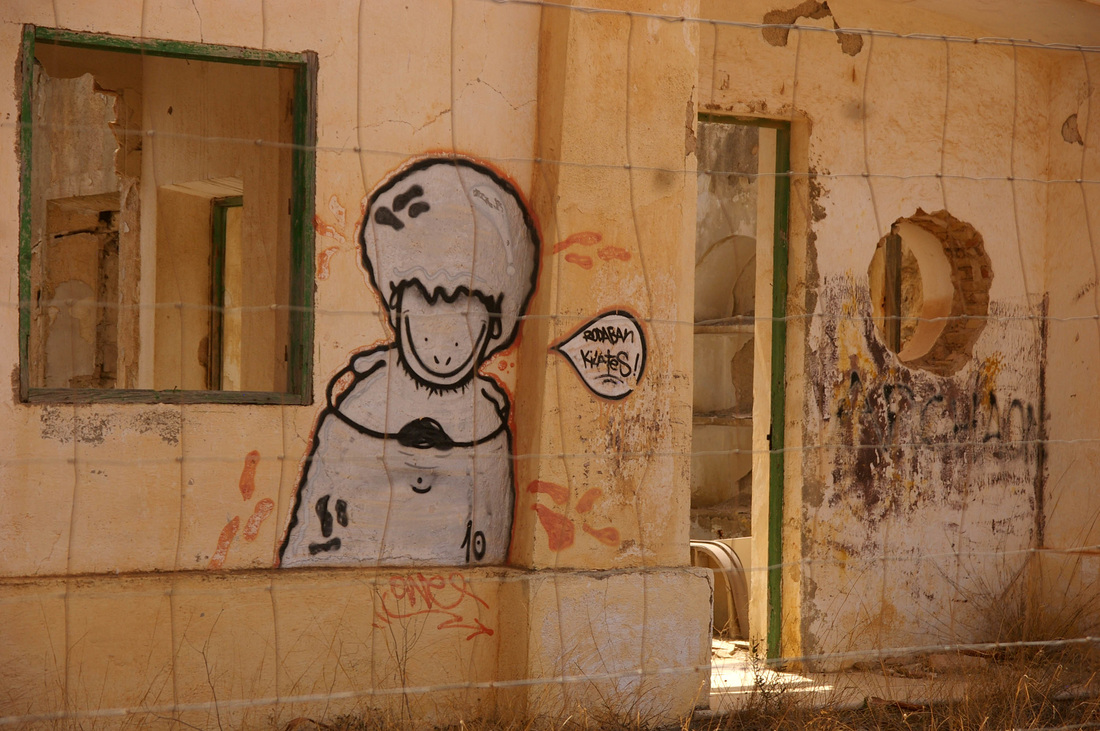
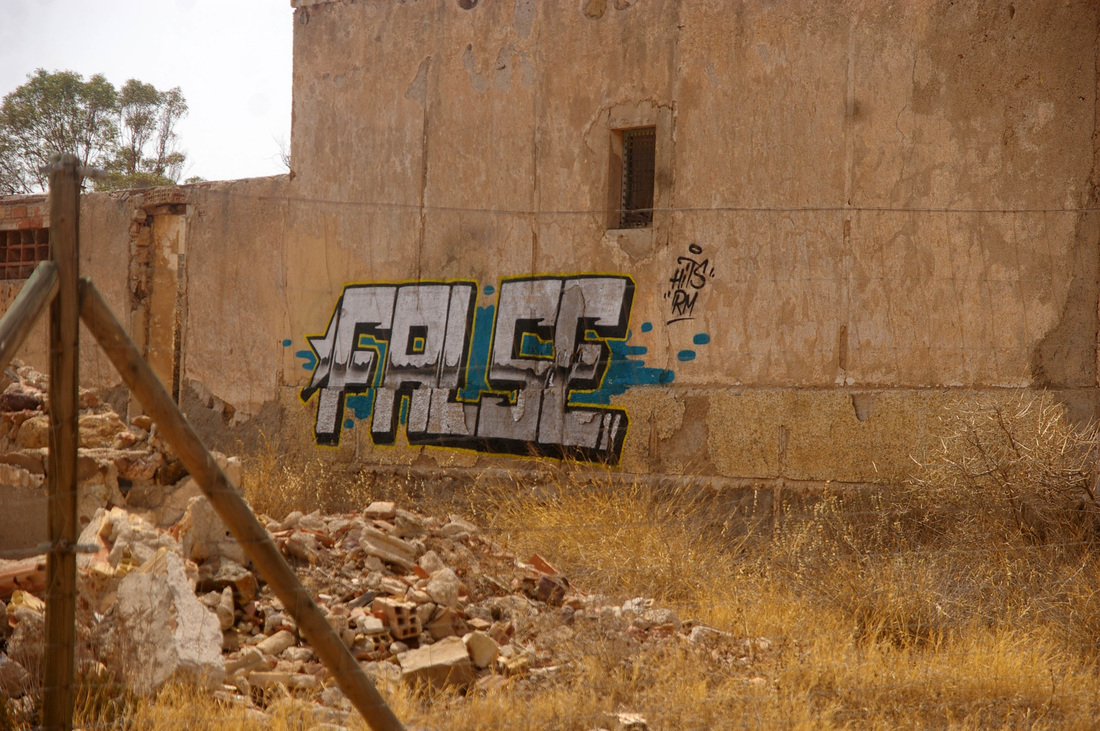
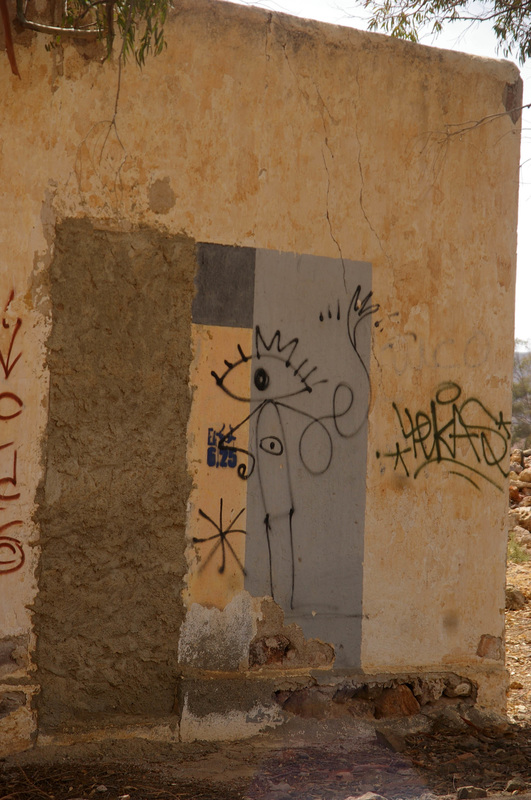
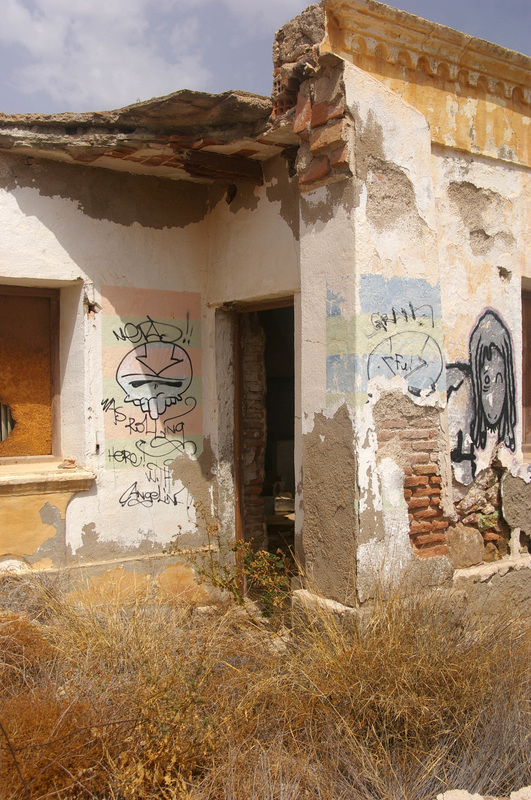
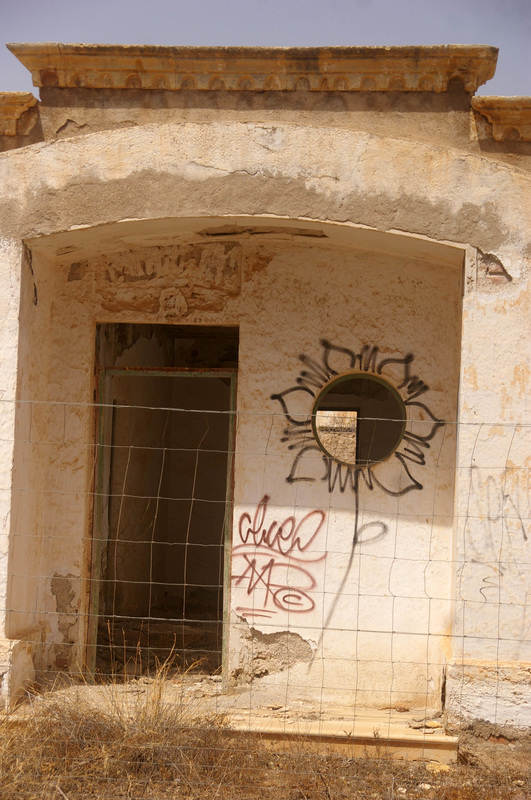
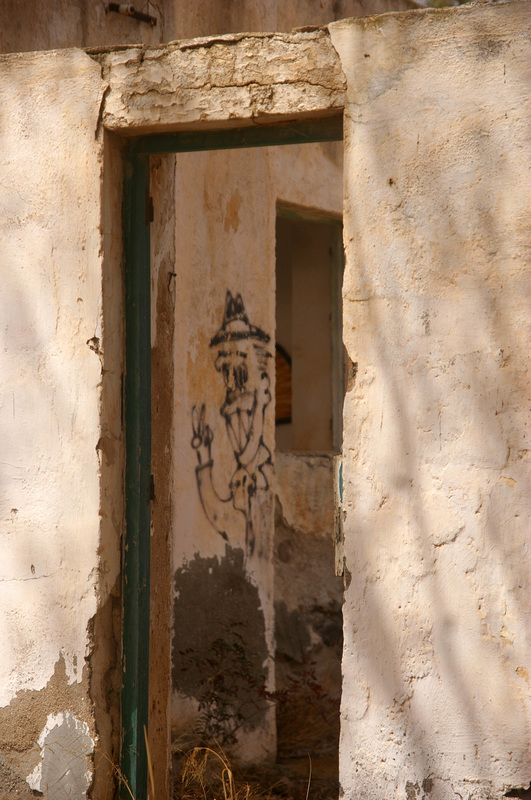
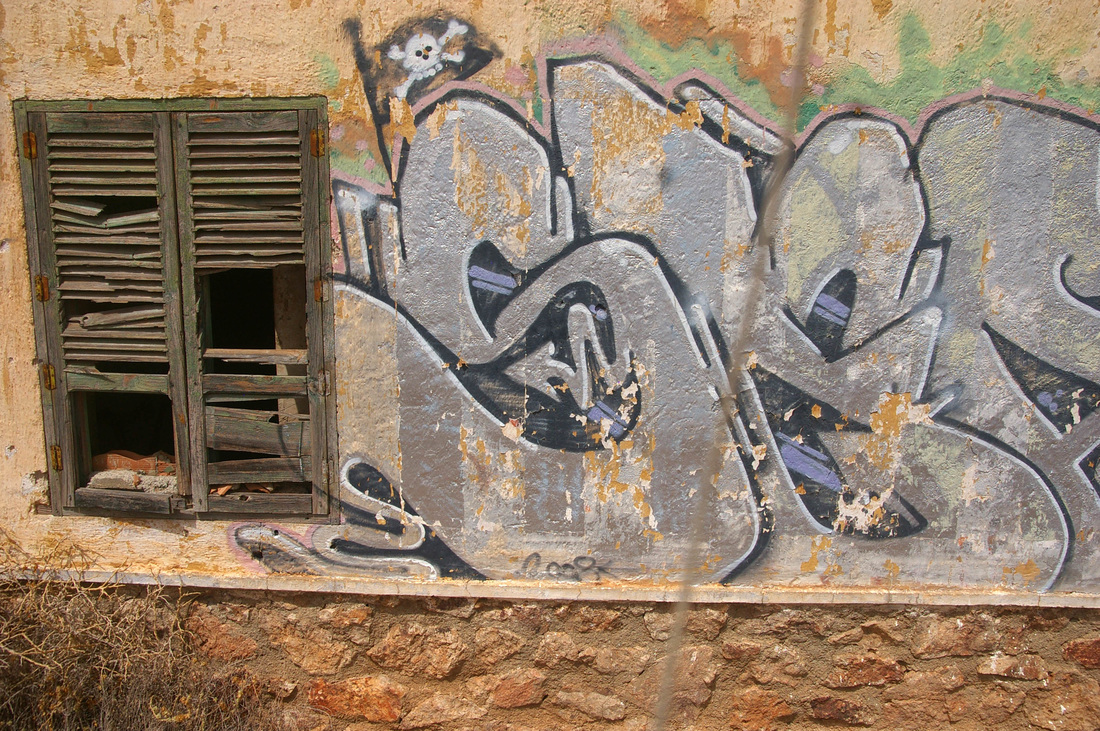
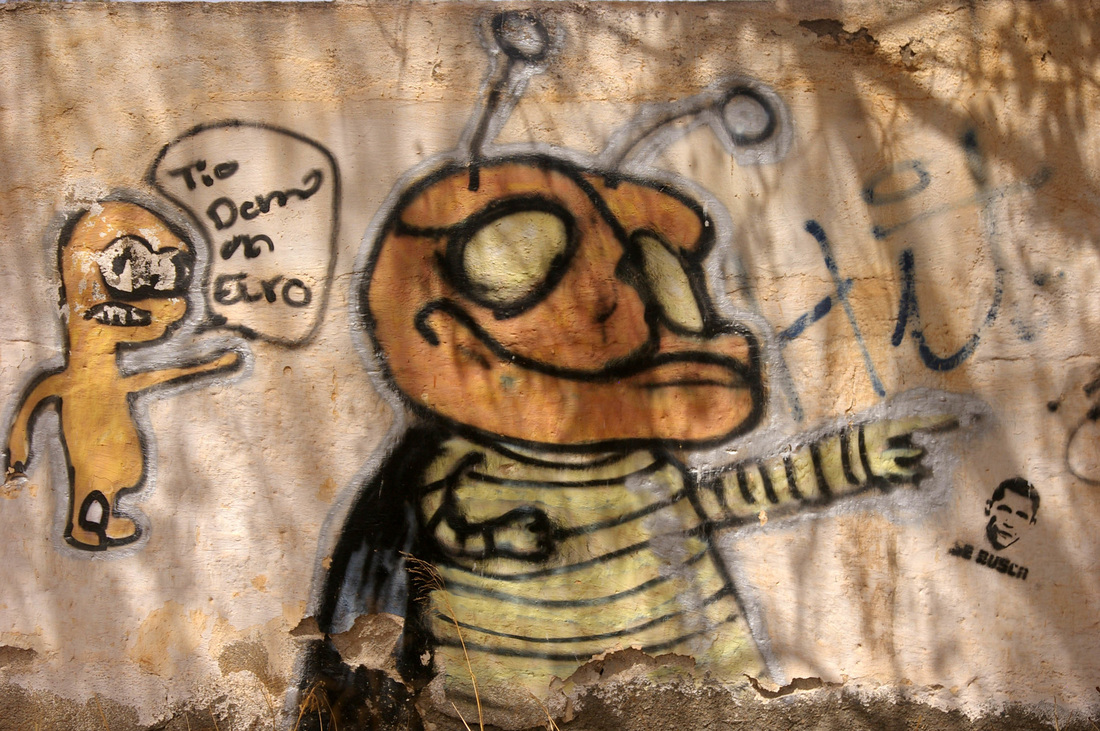
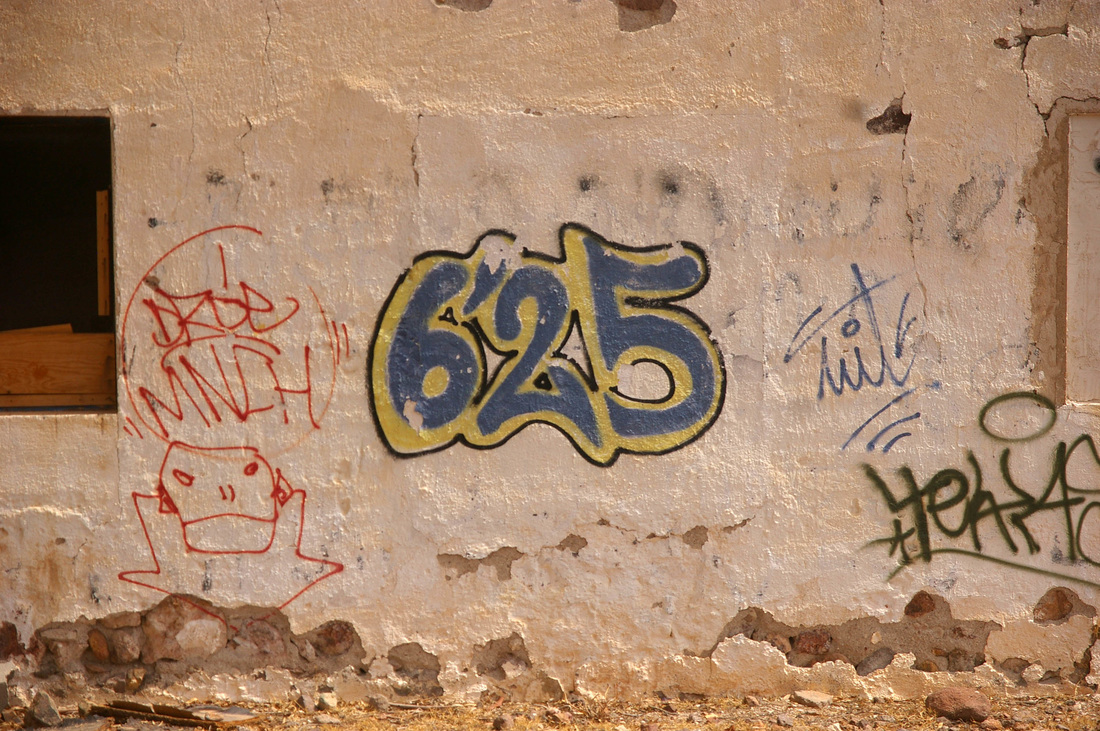
Art in the Gold Mining Town
The Volcanic Gold Rush
While mining for lead and alum in the area dated back to Roman times, miners accidentally discovered gold inside the local quartz veins in 1864. Geologically, the Rodalquilar valley sits directly inside an ancient, collapsed volcanic caldera. Millions of years ago, hydrothermal activity forced hot, mineral-rich fluids into the fractured rock, depositing gold deep within the mountain slopes. This discovery triggered a frantic rush, drawing British, German, and Dutch mining companies to the arid Andalusian desert.
The Rise and Fall of Planta Denver
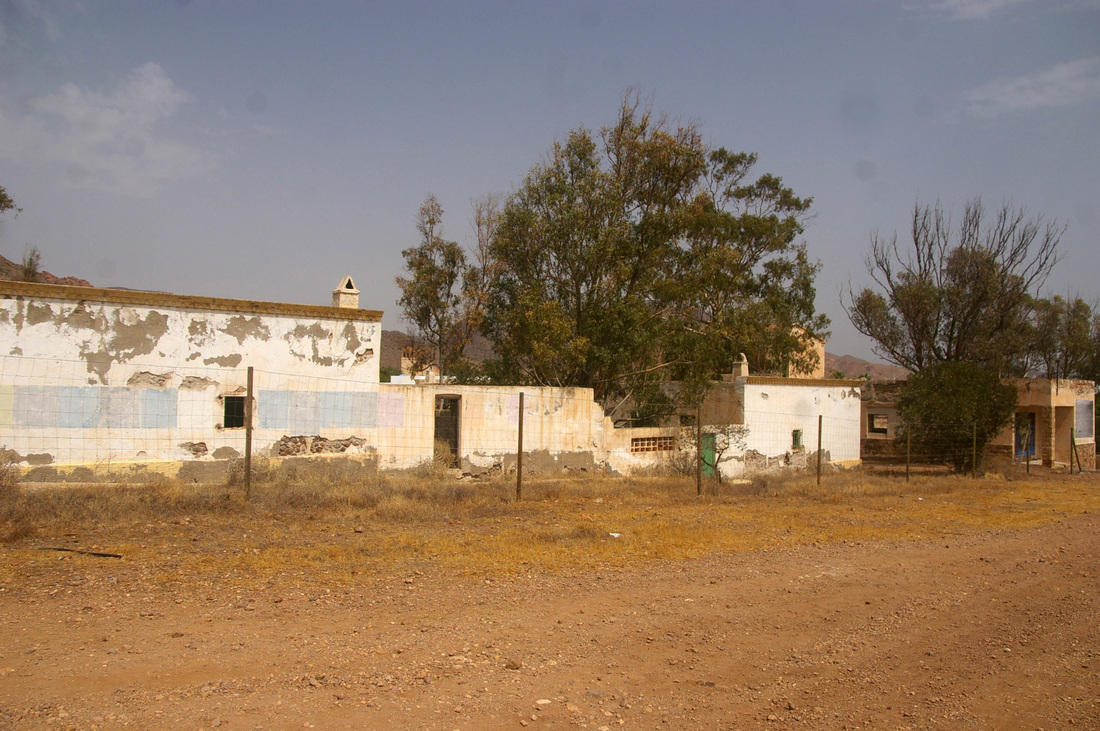
The golden era peaked after the Spanish Civil War when the government nationalized the site. In 1956, they inaugurated Planta Denver, a colossal, multi-tiered processing plant built directly into the hillside. It was the most technologically advanced gold-extraction facility in Europe, using a chemical cyanidation process to leach pure gold from crushed rock. During this time, the village flourished, housing hundreds of miners and their families in specially built white residential quarters.
The boom was short-lived. By 1966, the mines were abruptly shut down. The gold deposits had depleted, and the operational costs became too high compared to the global market price of gold. The population vanished almost overnight, leaving Rodalquilar a ghost town.
A Modern Ruin and Hollywood Backdrop
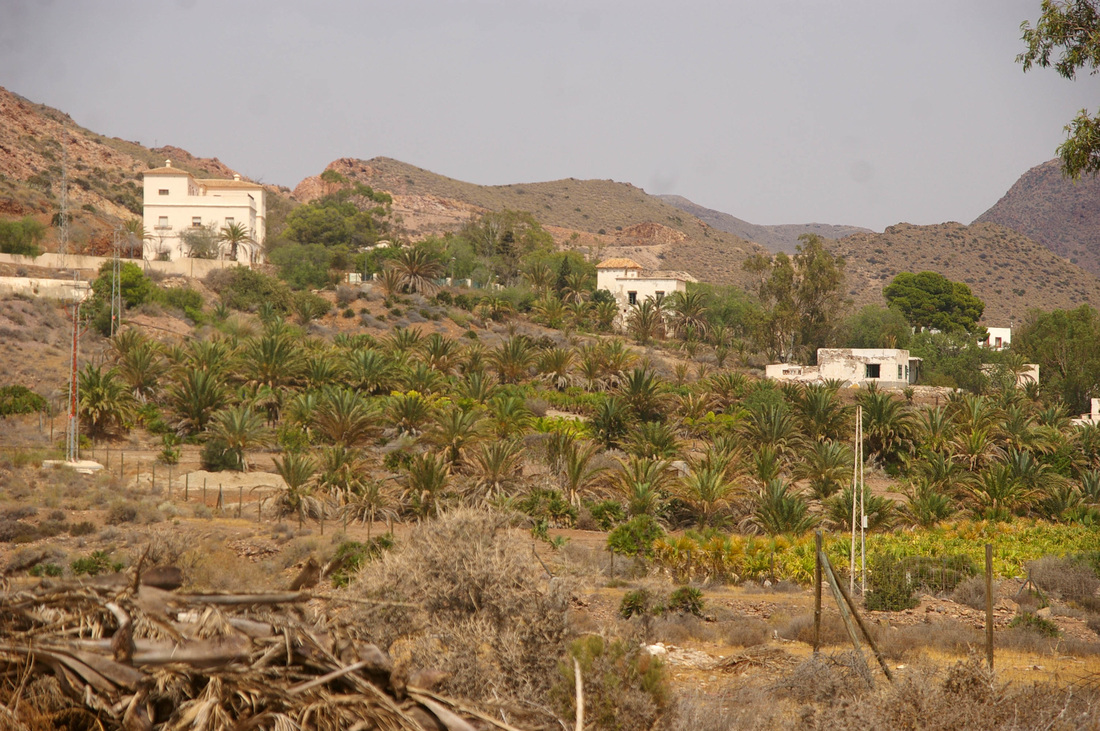
Today, while a small community of artists and travelers has reoccupied the village below, the massive concrete skeleton of the Planta Denver refinery still looms over the landscape like an abandoned desert fortress. Because of its surreal, wild-west atmosphere, the ruins and the surrounding valley became a famous filming location, serving as the backdrop for major Hollywood productions like Indiana Jones and the Last Crusade and Solarbabies.